







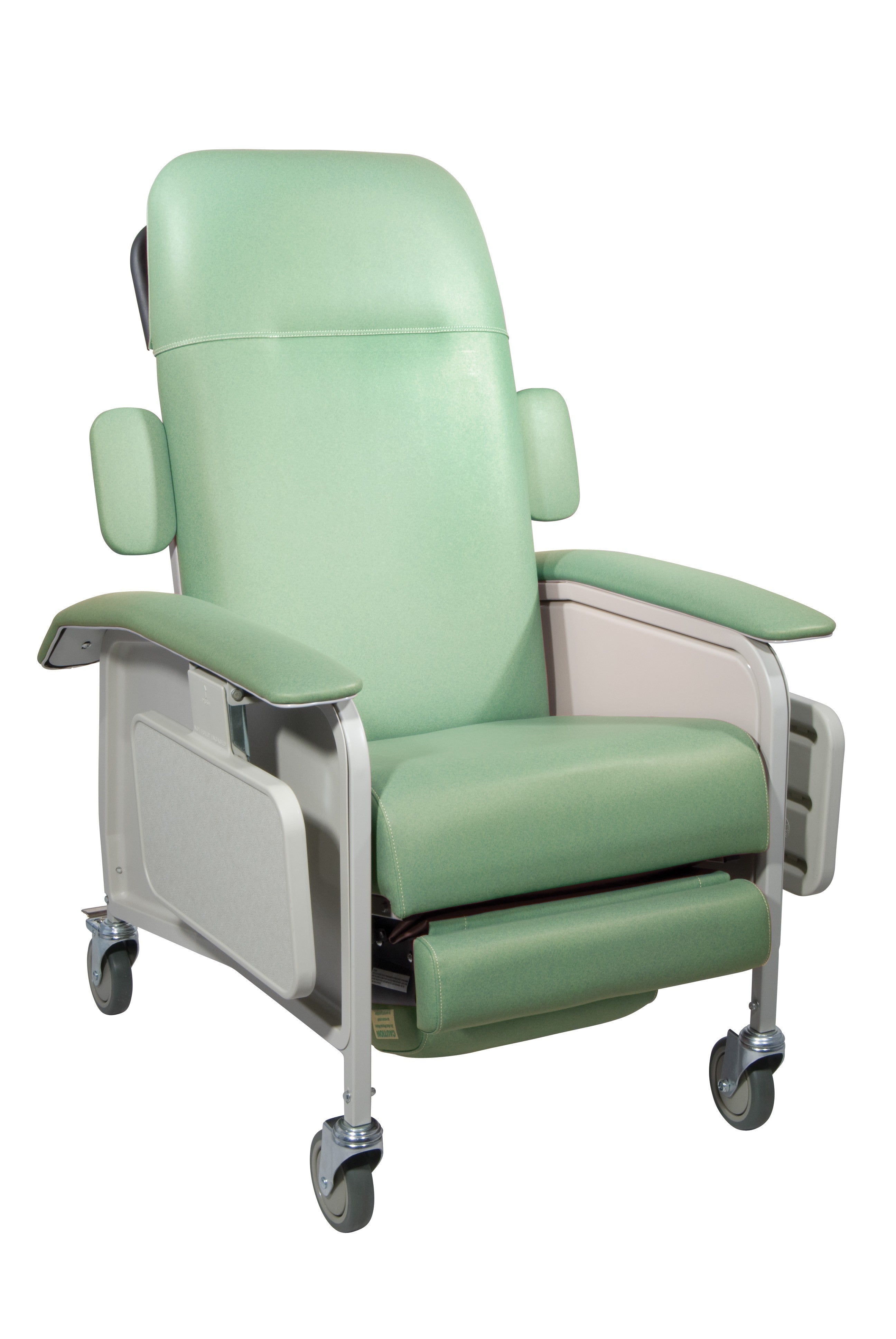
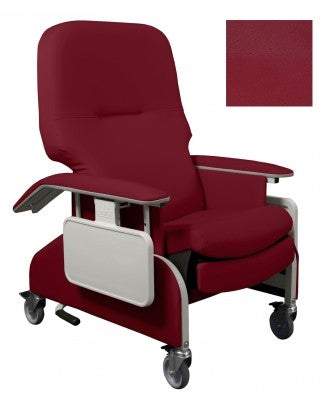
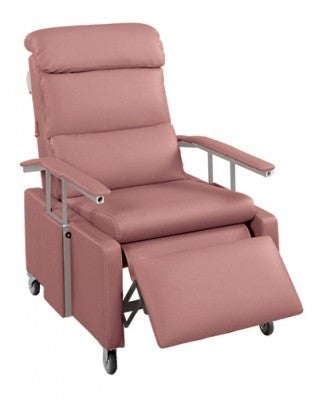



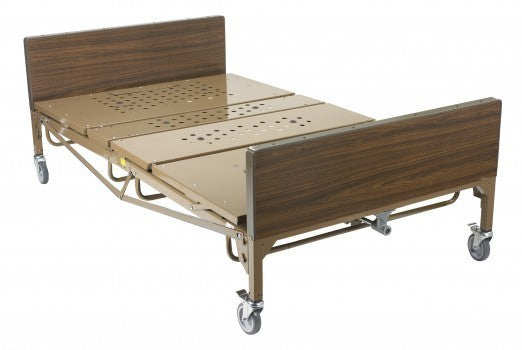
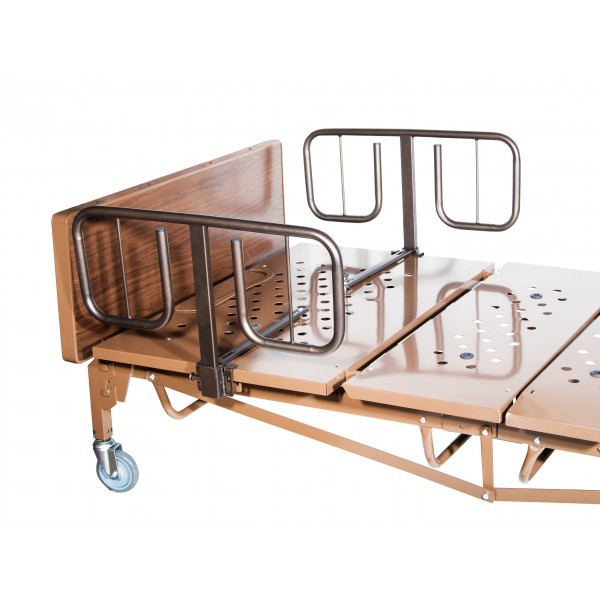
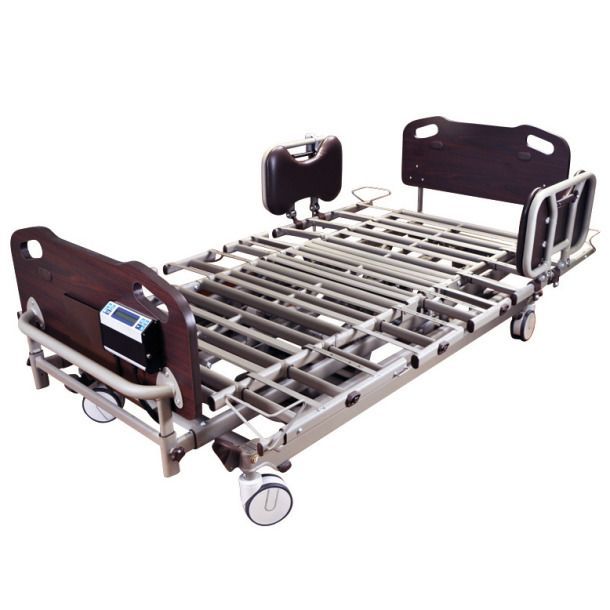




A bed becomes more than a place to sleep when getting in, sitting up, changing position, or receiving care takes extra effort. Full electric beds can make those everyday moments safer and more manageable by putting key adjustments at the user’s fingertips. For many families, the right home care bed supports comfort, independence, and a more sustainable caregiving routine.
Unlike a standard adjustable bed, a full electric home care bed is built around practical medical and mobility needs. It allows the head section, foot section, and bed height to be adjusted with a hand control, reducing the physical strain of repositioning someone manually. That convenience matters whether a person is recovering from surgery, managing a chronic condition, or planning to age in place with more confidence.
What Makes a Bed Fully Electric?
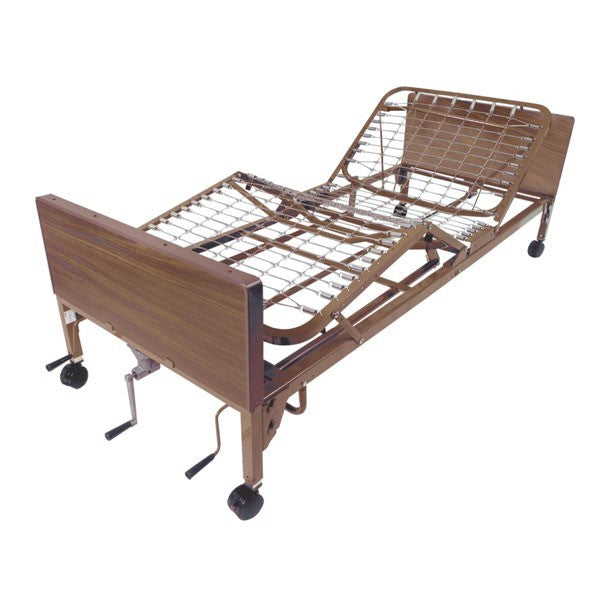
The term “full electric” refers to three powered movements: raising and lowering the head, raising and lowering the feet, and changing the overall height of the sleep surface. A semi-electric bed typically adjusts the head and feet electrically but requires a hand crank to raise or lower the bed. A manual bed uses cranks for all adjustments.
That powered height adjustment is often the deciding feature. When the bed can be lowered, a person with limited balance may have an easier, safer transfer to a wheelchair, walker, or bedside commode. When it can be raised, caregivers can assist with dressing, hygiene, changing linens, or repositioning without bending over for extended periods.
A full electric bed does not eliminate the need for proper transfer techniques or hands-on support. It does, however, give caregivers better working height and gives the bed user more control over basic comfort. For a household providing care every day, those small improvements can add up quickly.
Choosing Full Electric Beds for Home Care
The best full electric bed is not always the one with the most features. It is the one that fits the individual, the caregiver’s needs, and the room where it will be used. Start with the person’s current mobility, then consider how those needs may change over the next year or two.
Bed Size and Room Layout
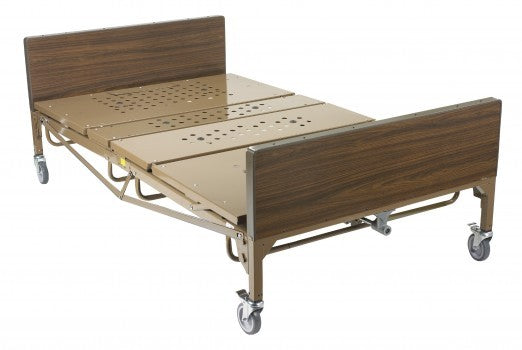
Most home care beds have a sleep surface similar to a standard twin size, which helps them fit in bedrooms where space is limited. Wider models can provide additional room for larger users, active sleepers, or people who need more space for repositioning. Bariatric beds are designed for higher weight capacities and often offer wider sleep surfaces, but they require more floor space and may change how caregivers move around the room.
Before ordering, measure the room, doorway, hallway turns, and the intended placement area. Leave room on both sides of the bed when possible, especially if a caregiver will be assisting with transfers or personal care. Consider the path from the bed to the bathroom as well. A well-chosen bed should support the person’s daily routine, not create new obstacles inside the home.
Weight Capacity Is a Safety Feature
Always compare the bed’s stated weight capacity with the combined weight of the user, mattress, bedding, and any equipment that will be on the bed. This is particularly important when selecting a bariatric model or adding accessories such as assist rails, trapeze bars, or overbed tables.
Do not treat capacity as a place to compromise. A bed designed for the appropriate weight range generally delivers better stability, smoother operation, and more reliable long-term use. The mattress should also be compatible with the bed frame and support the user’s needs without interfering with the bed’s movement.
Mattress Choice Matters as Much as the Frame
A full electric bed needs a flexible mattress that can move with the head and foot sections. Beyond flexibility, think about comfort, pressure management, temperature, and the person’s ability to reposition independently.
For someone spending extended periods in bed, a pressure-relieving mattress may be a better choice than a basic foam option. Individuals with fragile skin, limited mobility, or a history of pressure injuries may need additional guidance from their healthcare professional on the appropriate support surface. A mattress can improve comfort considerably, but it is not a substitute for a regular repositioning plan when one is needed.
Controls Should Be Simple to Use
A wired hand pendant is common on home care beds because it is straightforward and dependable. Look for clearly marked buttons that are easy to see and press. If the user has arthritis, reduced hand strength, vision changes, or cognitive limitations, simplicity becomes especially valuable.
Consider where the control will rest when the bed is not being adjusted. It should be easy for the bed user to reach without becoming tangled in bedding or falling to the floor. Caregivers should also know how to operate every function before the bed is put into daily use.
Comfort Positions That Support Everyday Life
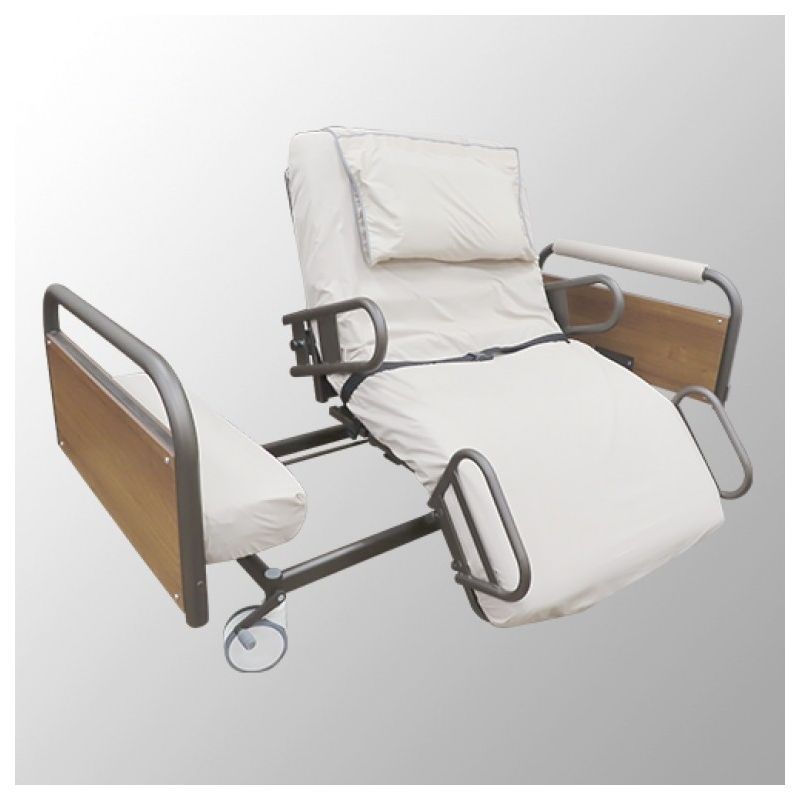
Raising the head of the bed can make reading, watching television, talking with family, eating, and certain breathing-related comfort needs easier. Elevating the feet may help a person find a more comfortable resting position after a long day. The right setting is personal, and it may change depending on the time of day or the person’s condition.
Bed height is equally useful. A lower position can make getting in and out of bed feel less intimidating for someone who is ambulatory but unsteady. A higher position can support caregiver access during care tasks. The goal is not to keep the bed at one “correct” height. It is to adjust it for the task at hand, then return it to a safer lower position when appropriate.
Safety Details Families Should Not Overlook
The most useful home care setup considers the entire bedside environment. Keep the floor clear of loose rugs, cords, and clutter that could create a trip hazard during transfers. Place frequently used items, such as glasses, a phone, water, and the hand control, within reach. Good lighting is especially helpful for nighttime trips to the bathroom.
Bed rails and assist rails require careful consideration. A properly selected rail can offer a handhold for repositioning or transferring, but rails are not appropriate for every person. There can be risks for individuals with severe confusion, agitation, poor safety awareness, or limited ability to move away from the rail. Any rail should be compatible with the bed and used according to its instructions.
If the user has complex medical needs, ask their care team for recommendations on positioning, mattress selection, and accessories. A home care bed is valuable equipment, but it works best as part of a safe, individualized care plan.
Delivery, Setup, and Long-Term Use
Home care beds are large, durable pieces of equipment, so it helps to plan the installation before delivery. Choose a location near a grounded electrical outlet, but avoid running cords across walkways. The bed should sit on a stable, level surface and be positioned so its moving sections have room to operate.
Once the bed is assembled, test the head, foot, and height functions before the user relies on it. Check that the mattress fits securely, brakes are engaged when the bed is stationary, and the hand control is accessible. Take time to practice adjustments during the day rather than waiting for the first difficult night.
For families comparing options, expert assistance can make the selection process far less stressful. American Quality Health Products helps customers consider bed size, weight capacity, mattress compatibility, and home-use needs so they can choose equipment with greater confidence.
The right full electric bed should make daily care feel more manageable from the first night forward. Focus on the person’s mobility, comfort needs, room dimensions, and caregiver routine, then choose a bed designed to support all four.


