
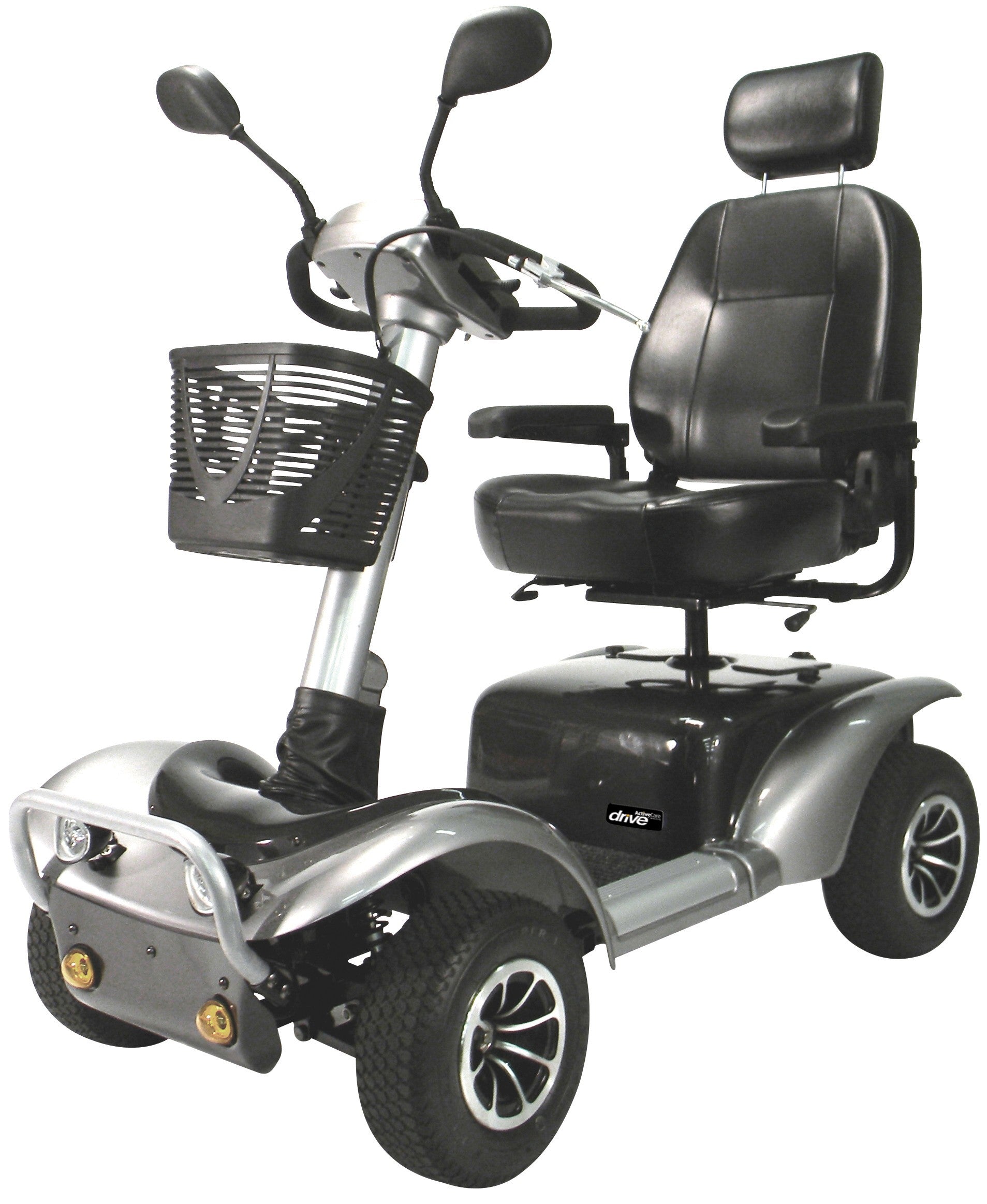
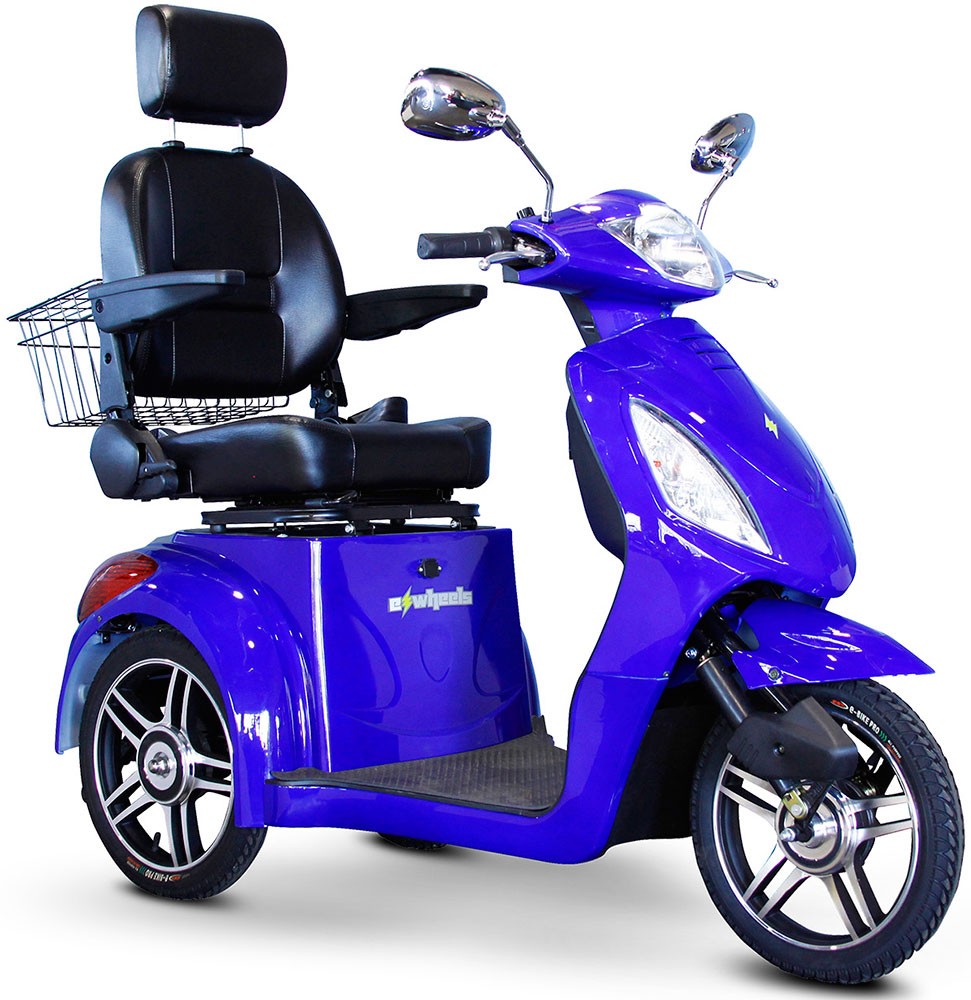
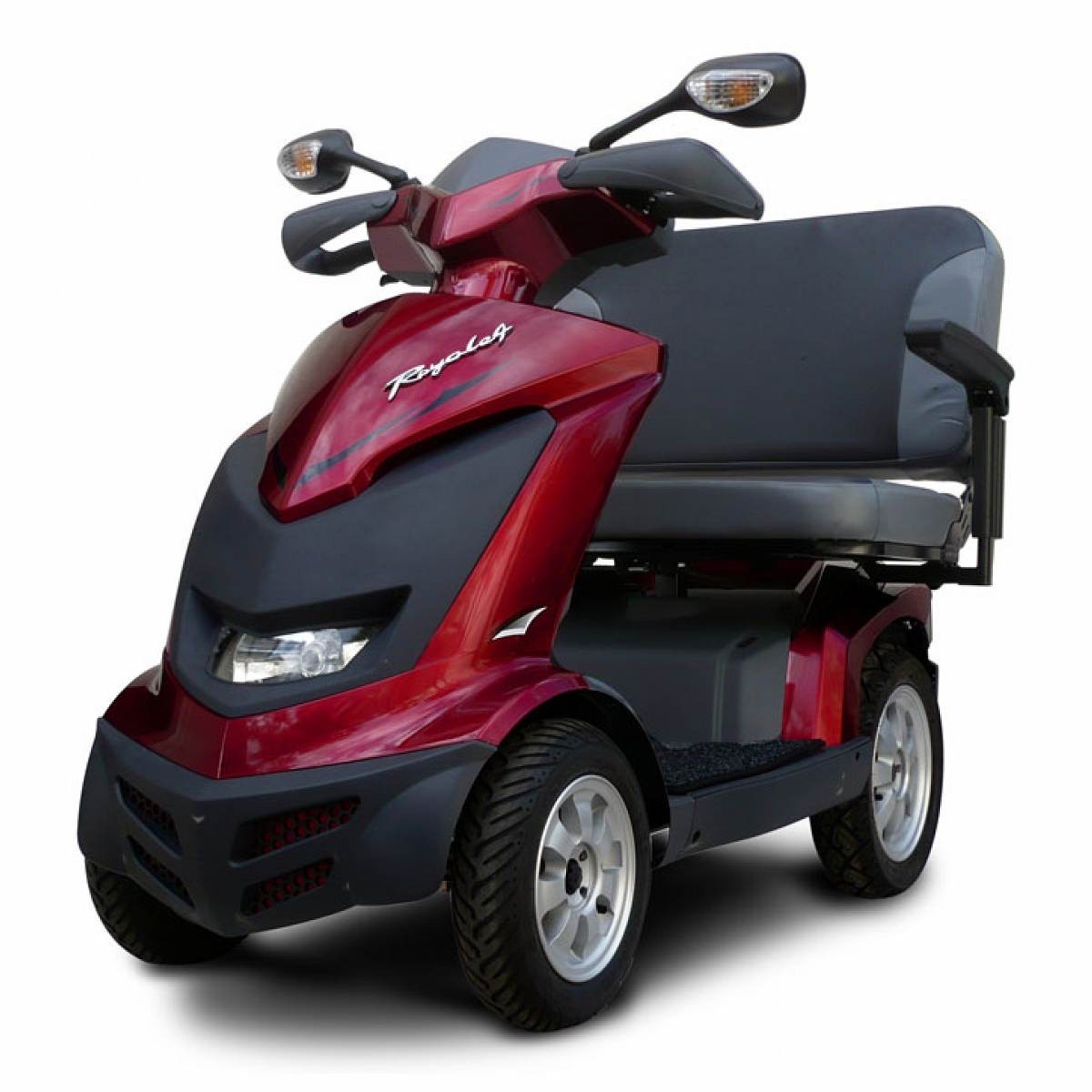
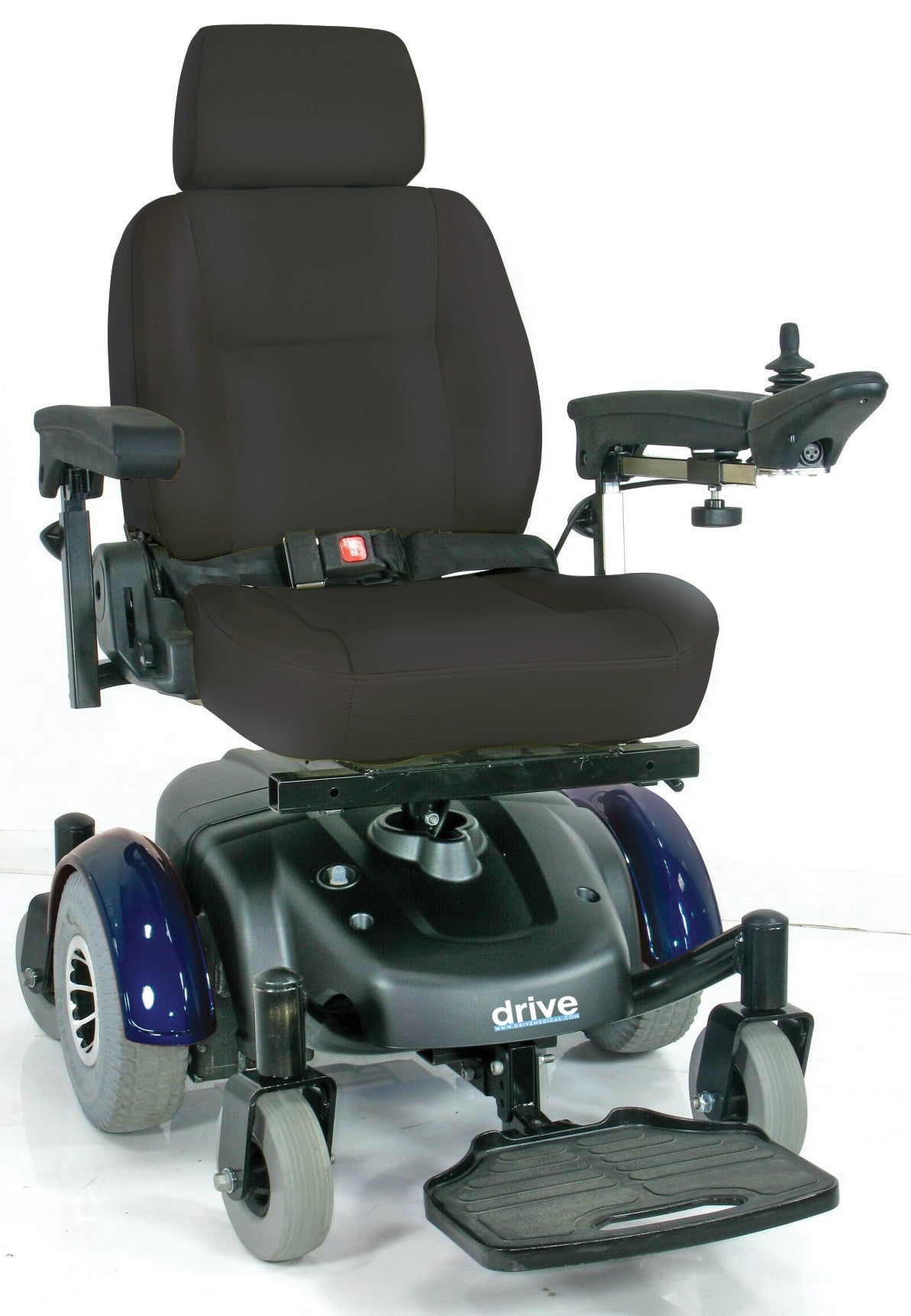
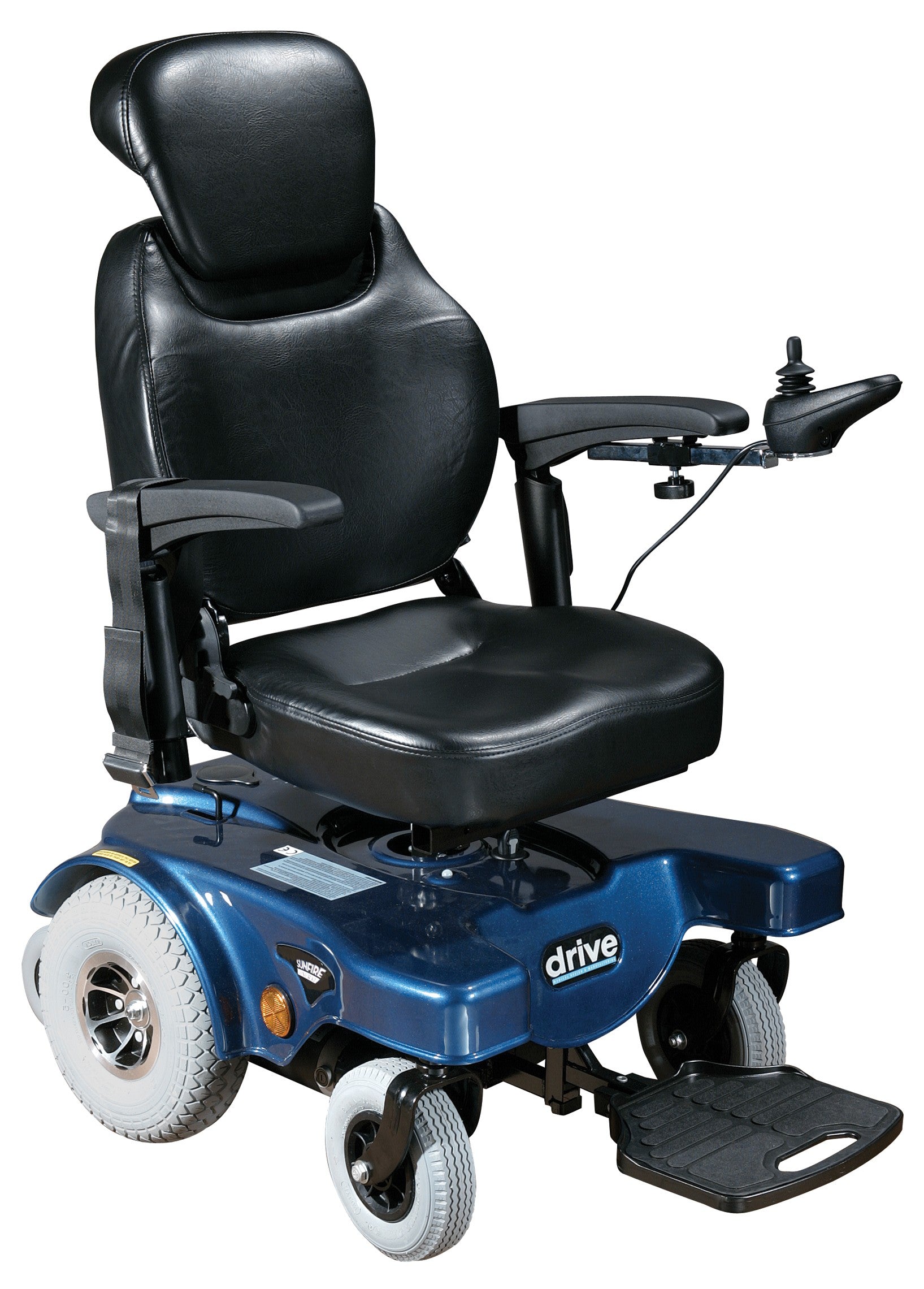
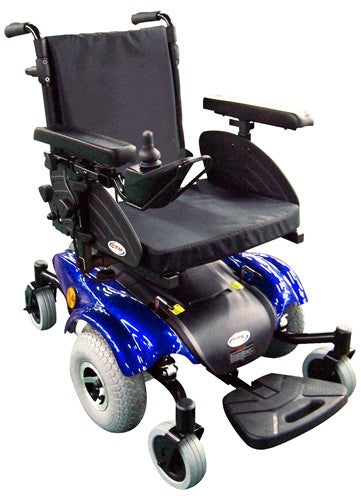
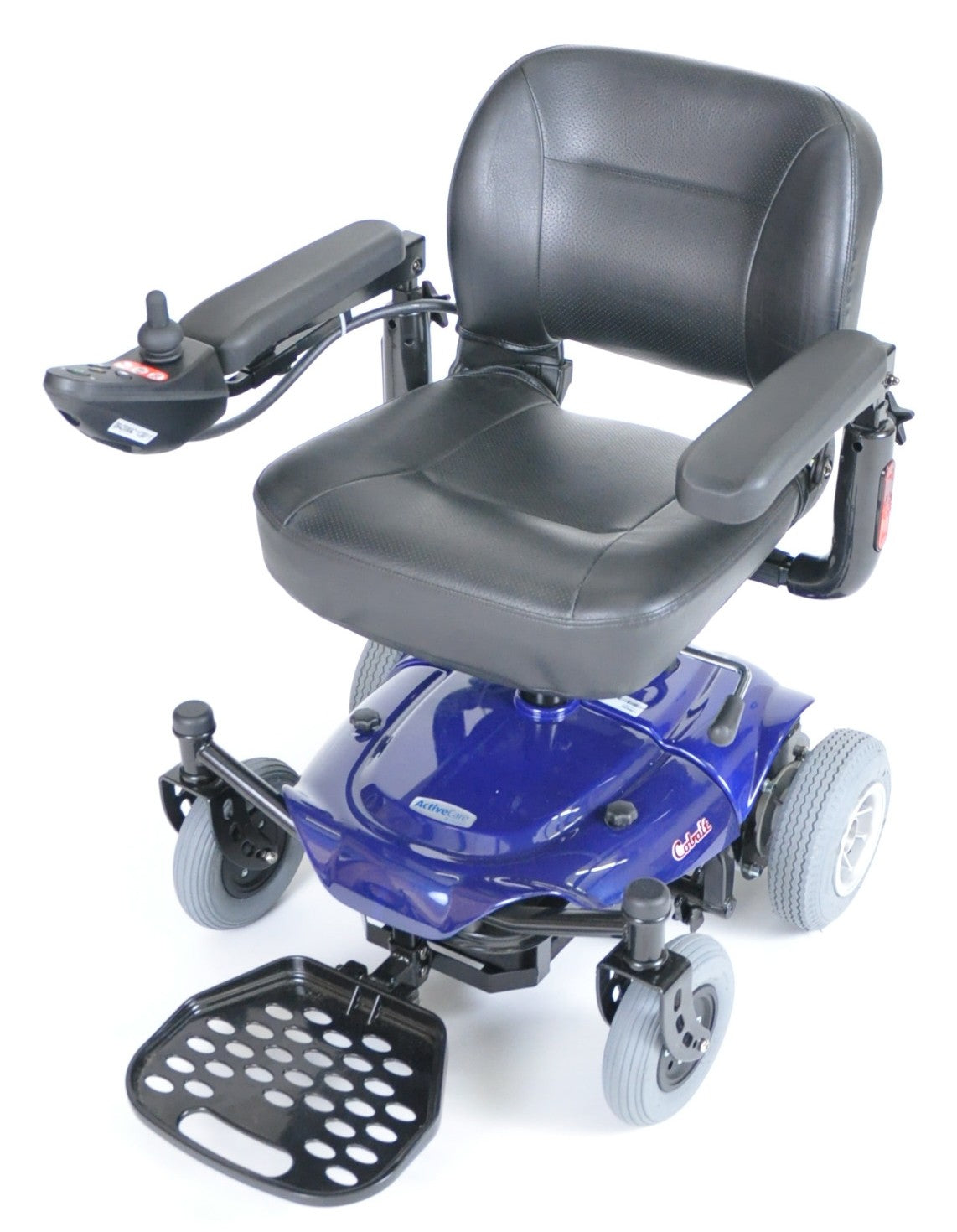
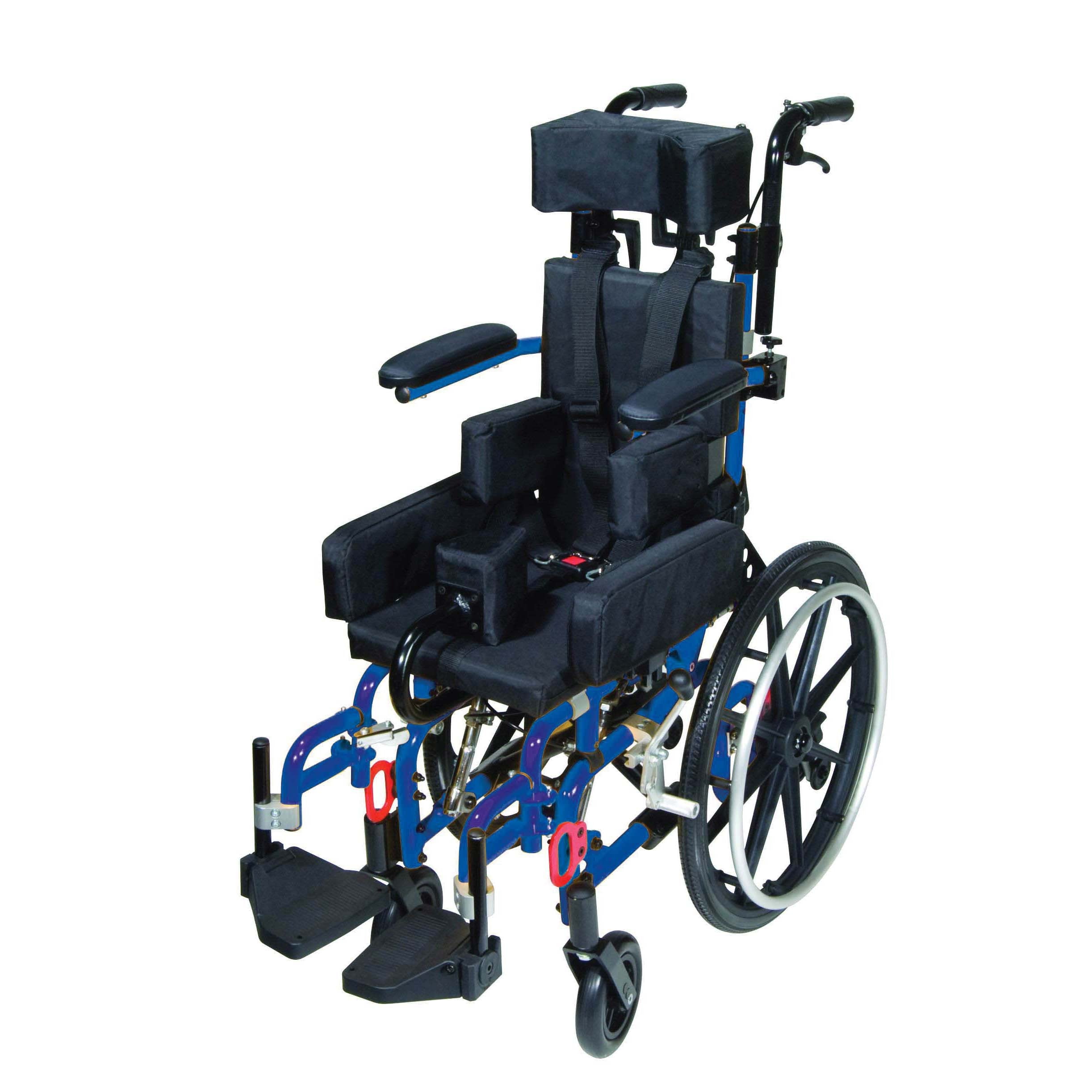
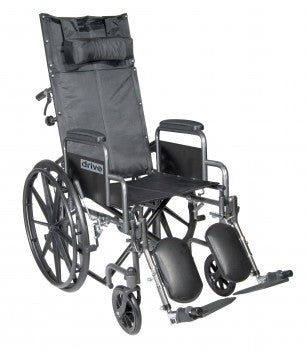
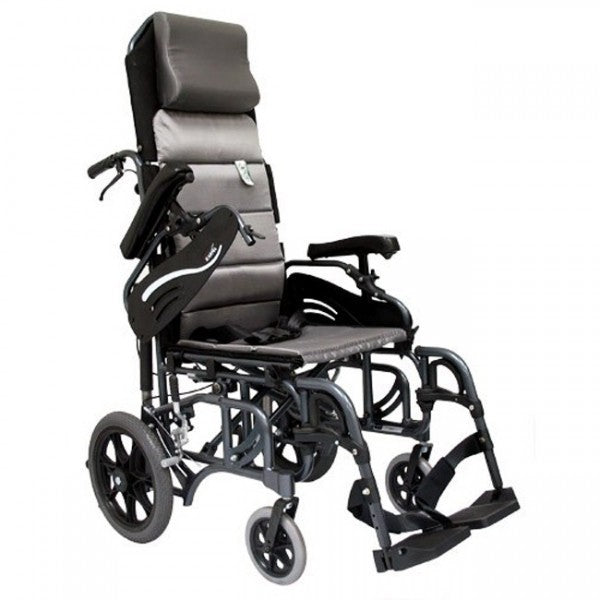
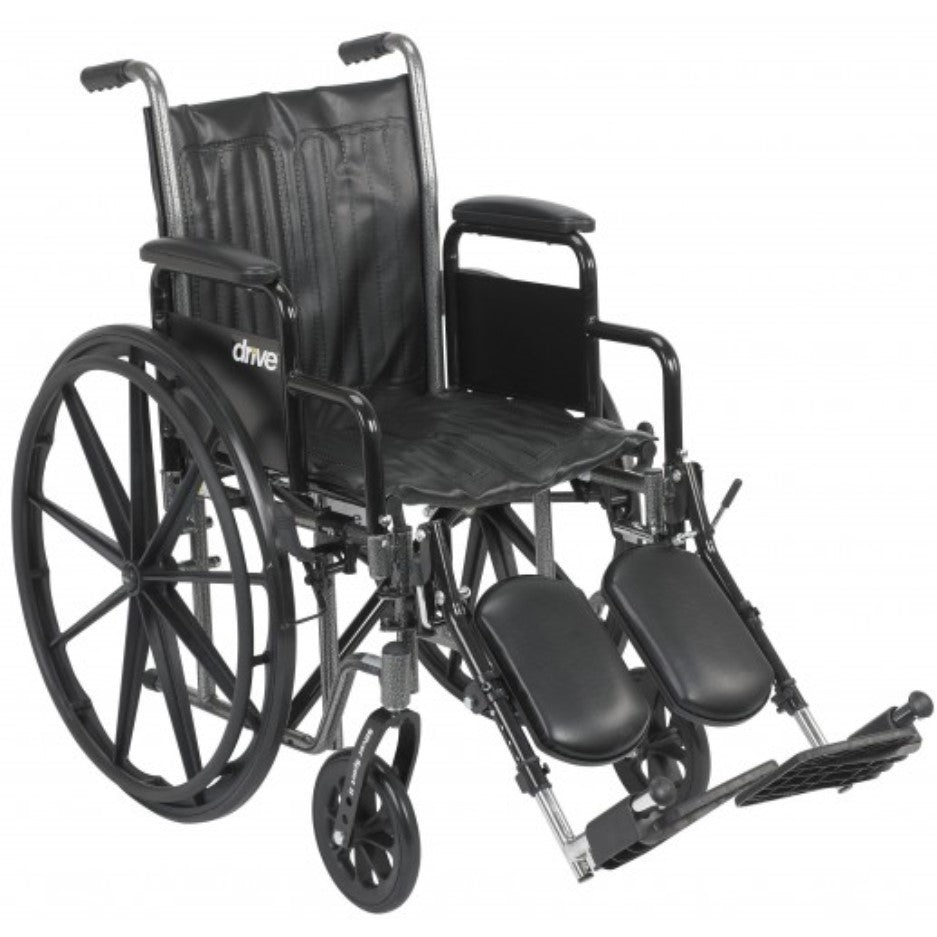



A power wheelchair can change how a person moves through the home, runs errands, visits family, and manages everyday routines. That is why power wheelchair reviews should do more than call a chair comfortable or easy to use. The details that matter most are the ones that match the rider's body, home layout, transportation needs, and level of daily support.
A chair that earns excellent feedback from one customer may be a poor fit for another. A compact model may be ideal for narrow hallways but offer less outdoor capability. A heavier-duty chair may provide greater stability and a higher weight capacity, yet be harder to transport. Reading reviews with the right questions in mind helps turn a large purchase into a confident decision.
How to Read Power Wheelchair Reviews
Start by looking for reviews from people whose daily needs sound similar to your own or your loved one's needs. A comment about easy maneuvering is most useful when it explains where the customer uses the chair: in an apartment, a single-family home, a senior community, on sidewalks, or while traveling. General praise is encouraging, but real-world context is what makes a review valuable.
Pay close attention to repeated comments. If several customers mention a smooth ride, a supportive seat, simple controls, or reliable battery performance, that pattern deserves consideration. The same is true of concerns. Repeated reports about limited trunk space, a wide turning radius, or difficulty loading the chair may point to a genuine trade-off rather than an isolated experience.
It also helps to separate delivery feedback from product feedback. A customer may be very happy with the power chair itself but need help learning the controls or adjusting to the seating position. A good review may reflect both the equipment and the support received after purchase, but those are different parts of the buying experience.
Look Beyond Star Ratings
Star ratings are a useful starting point, not the final answer. Read the written comments for specifics about comfort, terrain, charging, portability, and long-term use. A five-star review from someone who uses a chair occasionally indoors may not answer the questions of a full-time user who needs dependable mobility throughout the day.
Consider when the review was written as well. A first-week review can tell you about assembly, initial comfort, and control placement. A review written after several months may better address battery habits, durability, seat comfort, and how the chair performs as part of a daily routine.
Match the Chair to the Rider First
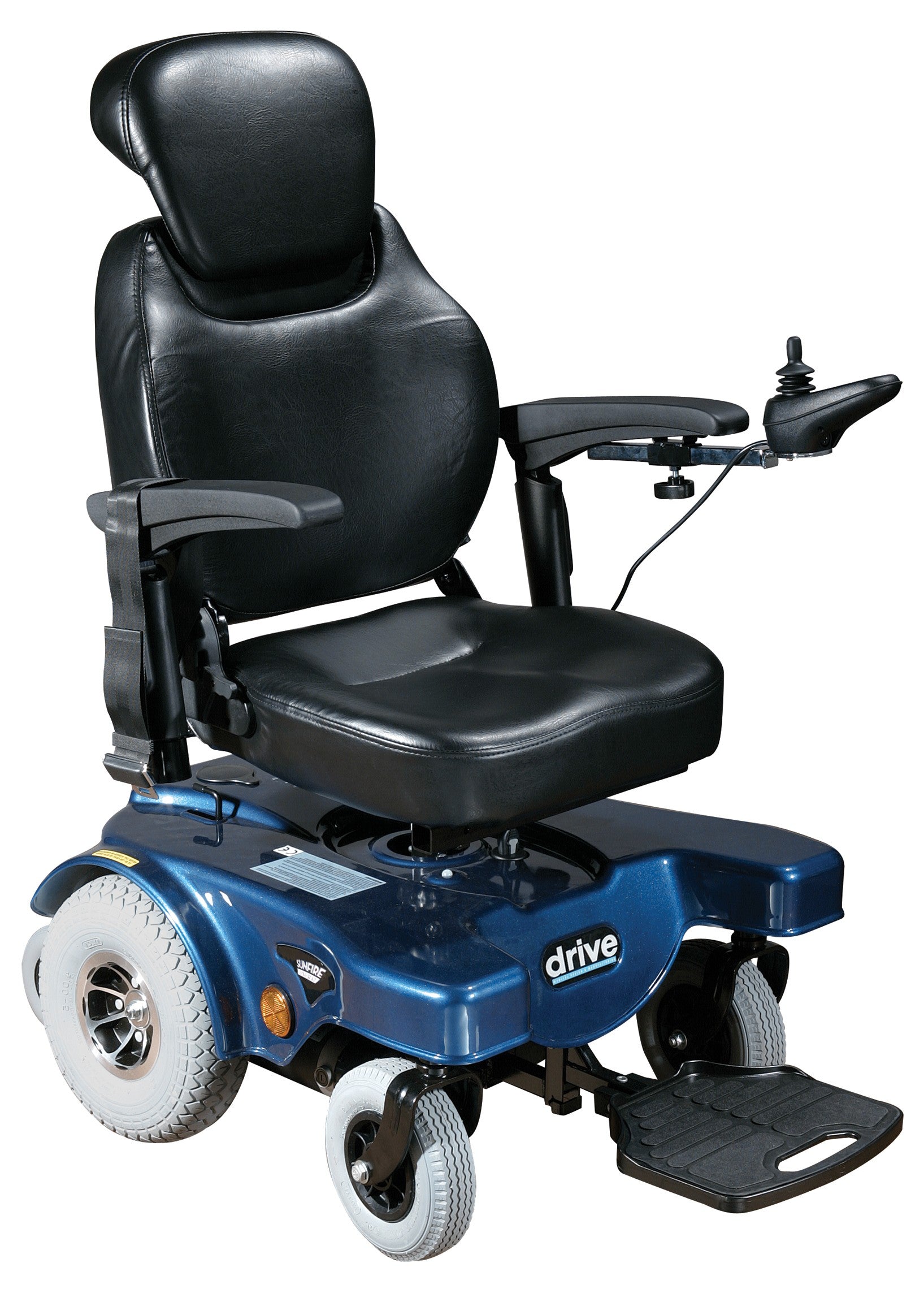
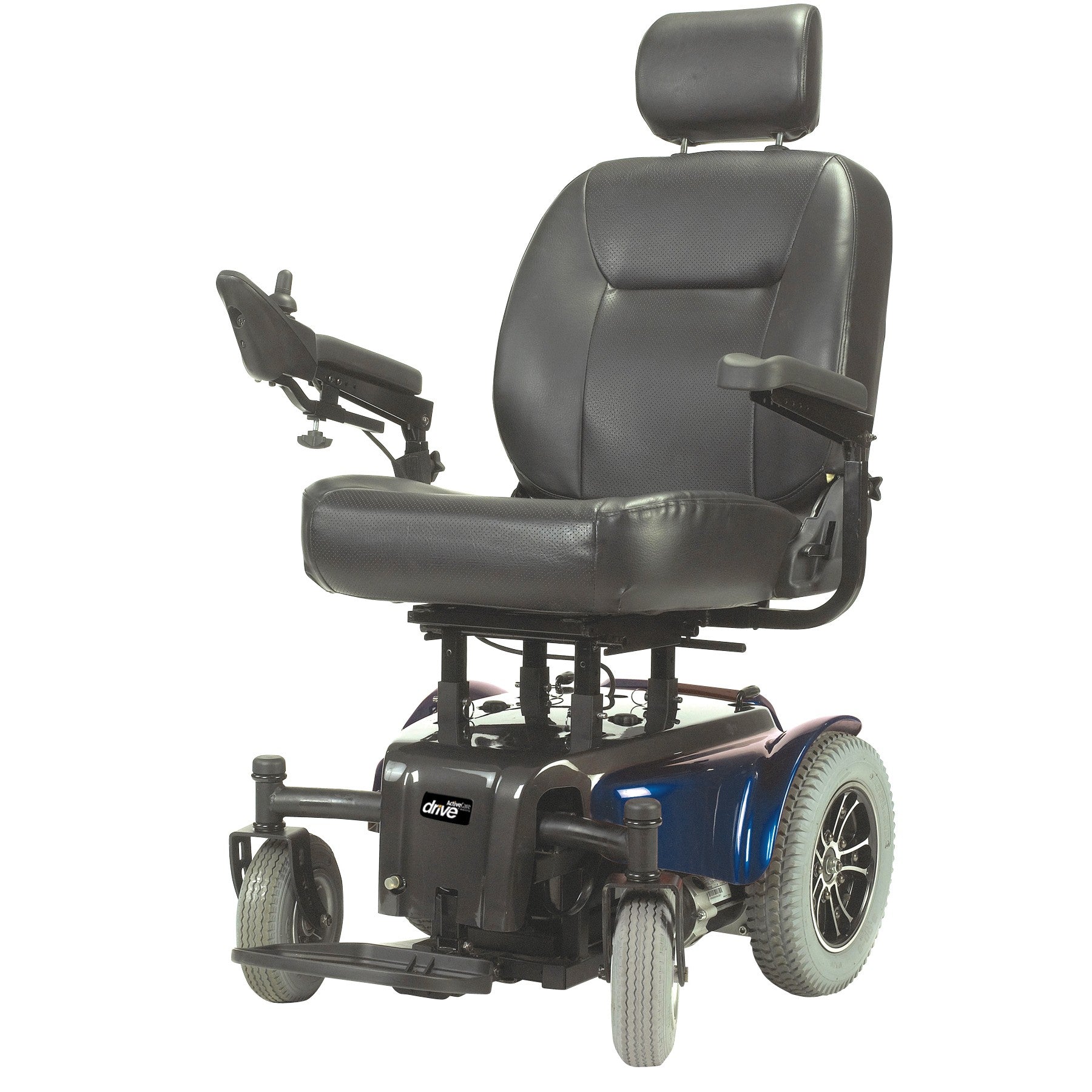
The best power wheelchair begins with proper fit. Seat width, seat depth, back support, armrest position, footplate adjustment, and joystick placement all affect comfort and safe operation. A chair should support the rider without feeling restrictive, while allowing room for transfers and changes in clothing layers.
Weight capacity is equally important. Choose a model rated for the rider's weight plus regular personal items such as a bag, oxygen equipment, or other necessary accessories. Selecting a chair at the edge of its capacity can limit comfort and may not provide the stable, confident ride the user needs.
Consider strength, coordination, and posture. Many riders use a standard joystick comfortably, but others may need a different control setup, specialized seating, head support, or attendant controls. If the user has limited hand function, fatigue, weakness on one side, or changing medical needs, expert guidance can help identify options that support safer operation.
Comfort Is a Daily Feature, Not an Upgrade
A seat that feels acceptable for 15 minutes can become uncomfortable after an afternoon of errands or a family gathering. Reviews that mention cushioning, back support, pressure relief, armrest height, and leg positioning can be especially helpful for riders who spend many hours in their chair.
For some people, a simple foam seat is sufficient. For others, pressure-management cushions, adjustable recline, elevating leg rests, or more supportive seating may be essential. The right choice depends on mobility level, circulation concerns, skin integrity, pain, and the amount of time spent seated. A clinician may be an important part of this decision when the rider has complex positioning or medical needs.
Measure the Home Before Comparing Models
A power wheelchair is only useful if it can move comfortably through the spaces where life happens. Before relying on a review that says a chair is compact, measure doorways, hallways, bathroom entrances, kitchen turns, elevator space, and the area near the bed or favorite chair.
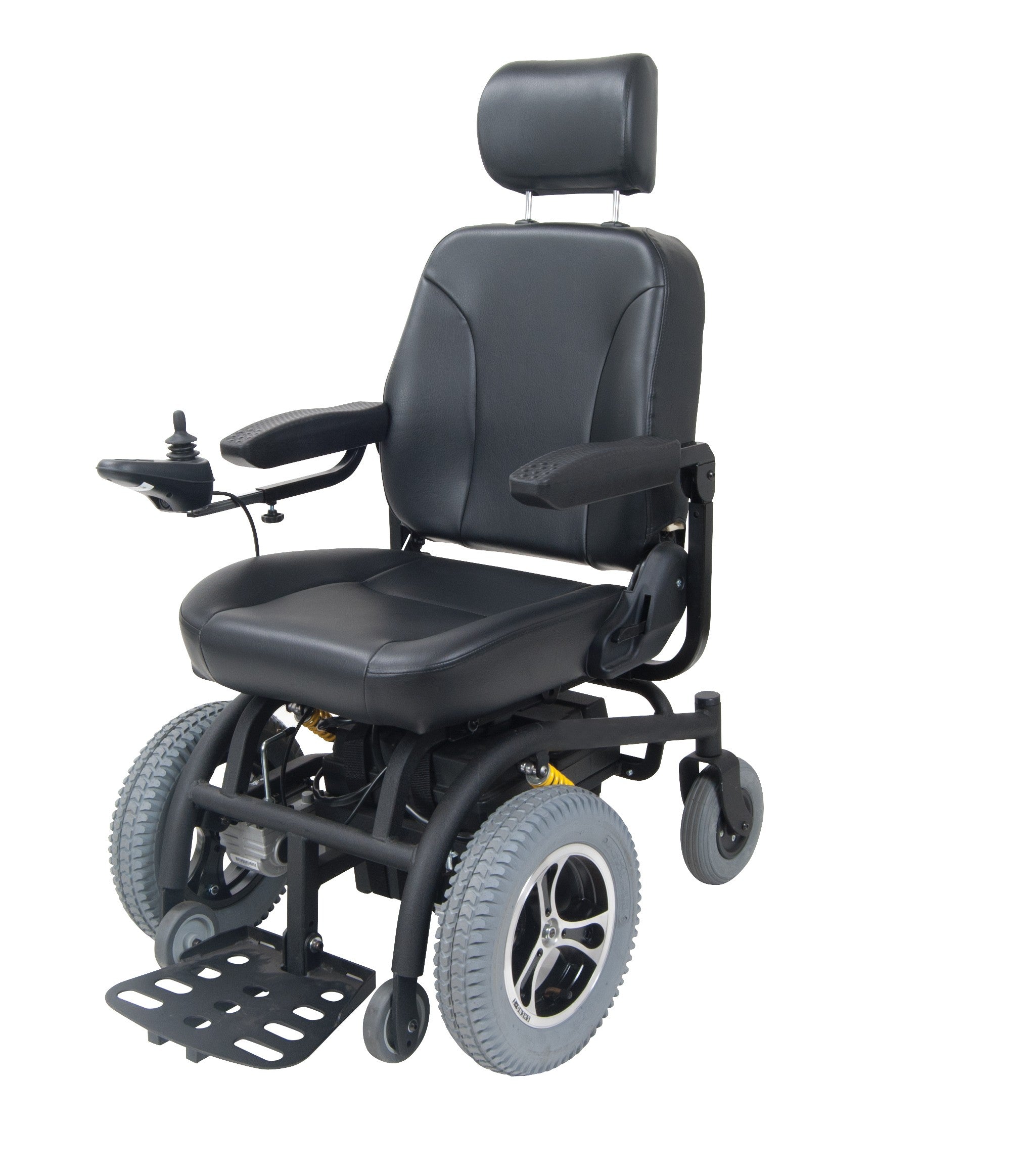
Turning radius is often more meaningful than overall width. A chair may fit through a doorway but still struggle to turn into a bathroom or around a tight kitchen corner. Mid-wheel drive power wheelchairs are often valued for close indoor maneuvering, while front-wheel and rear-wheel drive designs can offer different benefits in traction, ride feel, and outdoor performance.
Thresholds, rugs, uneven flooring, and ramps also deserve attention. Reviewers may describe how a chair handles these common obstacles, but every home is different. Check the manufacturer's specifications and make sure any ramp or entryway setup is appropriate for the chair's weight and intended use.
Think Honestly About Outdoor Use and Transportation
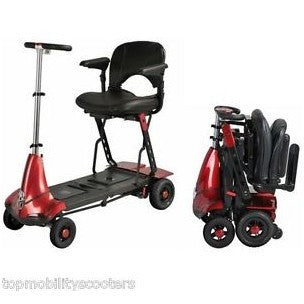
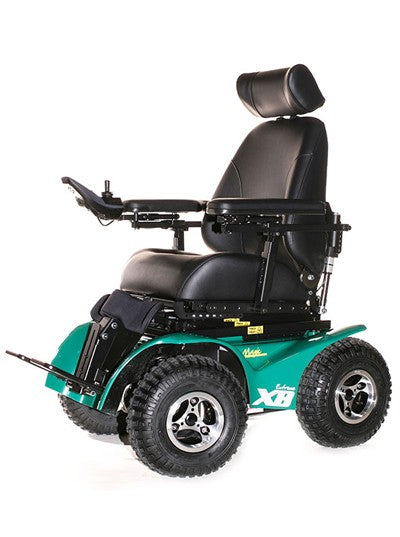
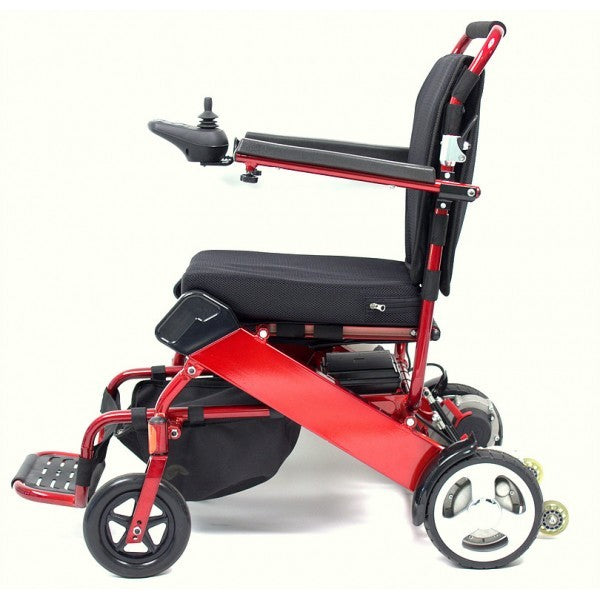
Many shoppers want one chair for both the house and community outings. That can work well, but it requires clear priorities. A compact travel power wheelchair may fold or disassemble more easily for vehicle transport, while a larger full-size chair may provide more seating options, stability, and range for regular outdoor use.
When reading reviews about travel, ask practical questions. Can the chair be lifted safely into the vehicle? Does the vehicle have a compatible lift or carrier? Is the chair intended to be checked during air travel, and are battery requirements understood? A chair described as portable is not necessarily light enough for every caregiver to handle without assistance.
Battery range should be viewed as an estimate, not a promise. Rider weight, hills, surface type, tire condition, temperature, battery age, and frequent stops all affect actual range. If dependable all-day use is a priority, choose a chair and battery setup that leaves room beyond the shortest expected trip. Charging should become part of the daily routine, especially before appointments, outings, or extended community use.
Features Worth Comparing in Reviews
The most helpful reviews often explain how a feature performs in ordinary life. As you compare models, focus on these practical points:
- Drive configuration and turning ability: Consider whether the chair will primarily be used indoors, outdoors, or in both settings.
- Seat size and positioning: Look for dimensions and adjustments that support the rider's comfort and transfer needs.
- Weight capacity and frame design: A properly matched capacity supports stability, durability, and everyday confidence.
- Battery type and expected range: Confirm charging needs and plan for the distances the rider actually travels.
- Transport requirements: Review the chair's total weight, folding or disassembly process, and vehicle compatibility.
- Service and replacement parts: Established mobility brands and knowledgeable product support can make ownership easier over time.
Questions to Settle Before You Buy
Before choosing a model, decide who will operate the chair, where it will be used most often, how many hours it will be used each day, and how it will travel outside the home. These answers narrow the options quickly.
It is also wise to ask about shipping, setup, warranty coverage, battery care, and the process for obtaining replacement parts or service if needed. Power mobility equipment is a long-term purchase. Clear answers before ordering can prevent avoidable frustration later.
For shoppers who want personal guidance, American Quality Health Products has US-based product experts who can help compare power wheelchair features against the rider's measurements, lifestyle, and home environment. That conversation is particularly valuable when choosing between a compact travel chair, a full-size indoor-outdoor model, or a higher-capacity option.
The right chair is not the one with the most enthusiastic review. It is the one that gives the rider more comfortable, dependable freedom in the places they need to go tomorrow and in the months ahead.


