
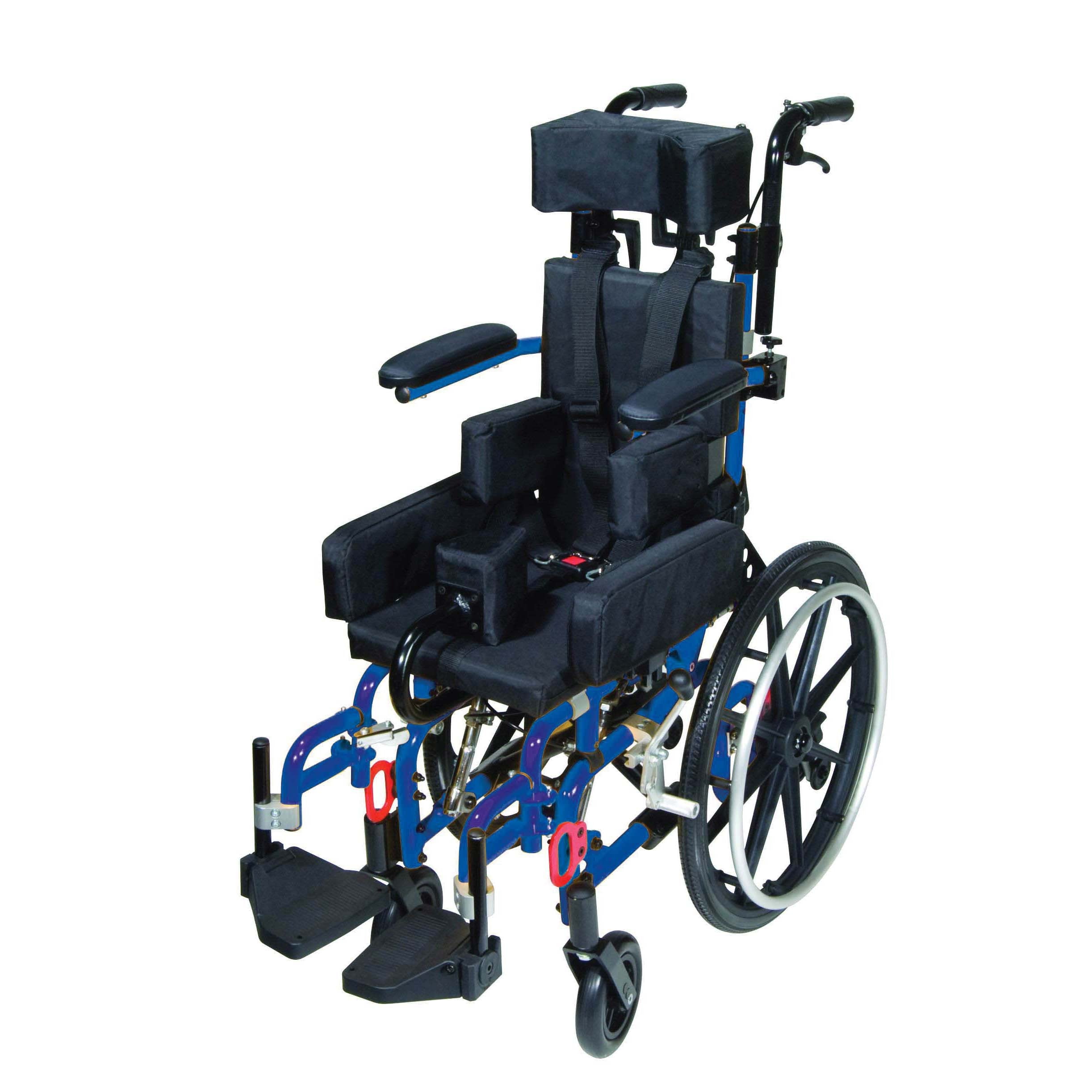
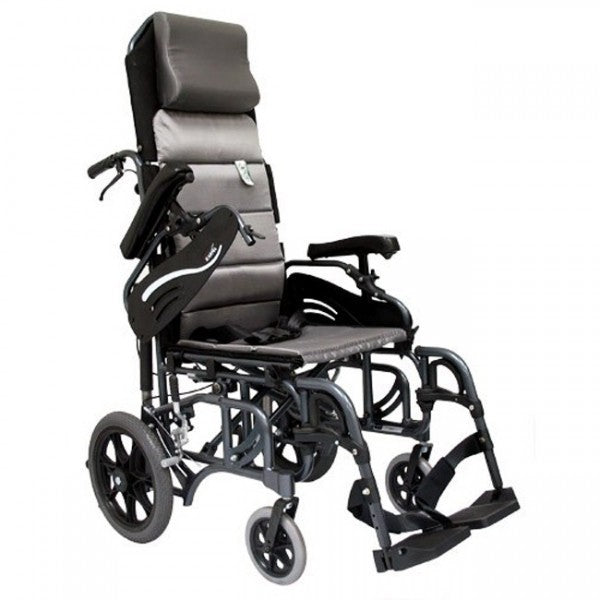
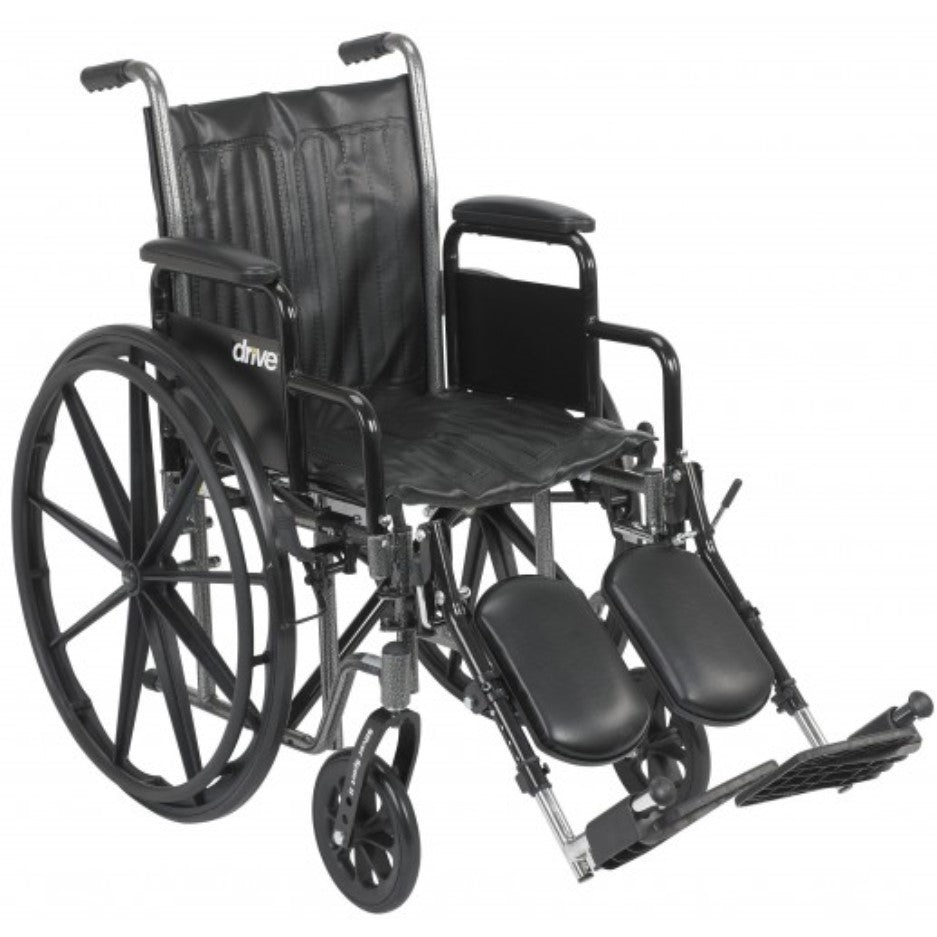
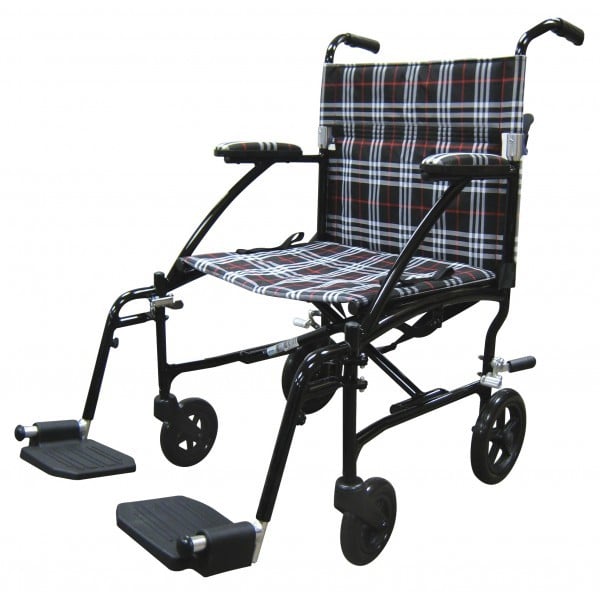
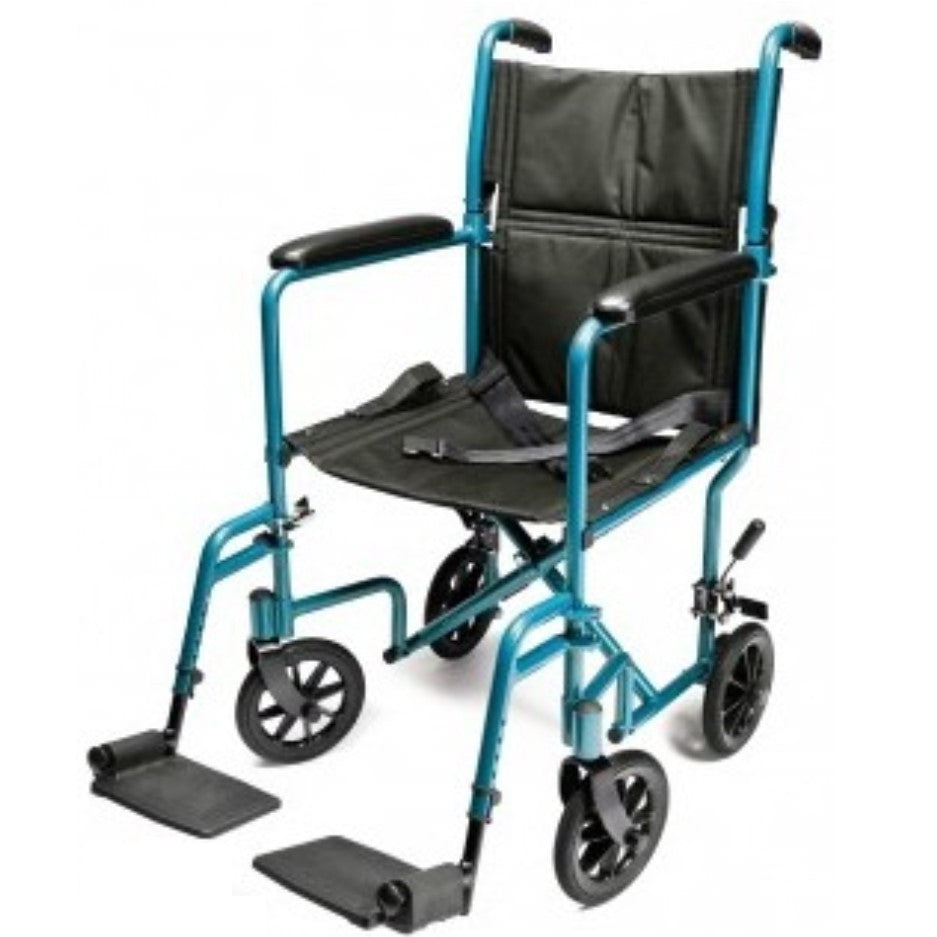



A wheelchair cushion can make the difference between getting through a short outing and sitting comfortably through a full day of meals, appointments, work, and time with family. This wheelchair cushion selection guide helps you look beyond softness and choose a cushion that supports posture, helps manage pressure, fits the wheelchair correctly, and suits the person who will use it.
The right choice depends on much more than the wheelchair model. Sitting tolerance, body weight, skin health, balance, transfers, and how often the chair is used all matter. A cushion that feels comfortable for five minutes may not provide the support needed after several hours.
Start With the User's Daily Needs
Before comparing foam, gel, or air cushions, consider how and where the wheelchair is used. Someone who uses a chair occasionally after surgery may have different needs than a person who relies on it all day for mobility. A caregiver should also consider whether the user can reposition independently, check the cushion, and manage any routine maintenance.
Think about the typical day. Is the wheelchair used mainly indoors, for community outings, or for long periods at home? Does the user transfer in and out of the chair several times a day? Are there issues with leaning to one side, sliding forward, numbness, pain, or reduced sensation? Clear answers make the selection process far more productive.
Skin history deserves special attention. People with limited mobility, poor circulation, diabetes, changes in sensation, or a prior pressure injury may need a more advanced pressure-management cushion and guidance from a clinician. A cushion is a valuable part of a seating plan, but it does not replace regular position changes, skin checks, or professional care when skin concerns are present.
Wheelchair Cushion Selection Guide: The Core Fit Checks
A cushion must fit both the person and the wheelchair. Measuring only the wheelchair seat can lead to a poor fit, especially if the chair has side guards, armrests, or a tapered seat frame.
Match the Width and Depth
Measure the usable seat width between the wheelchair's side panels or armrests, then choose a cushion width that fits within that space without curling at the edges. An overly wide cushion can interfere with armrests and transfers. One that is too narrow may leave the thighs unsupported and create uncomfortable pressure along the hips.
For depth, the cushion should support the thighs while leaving a small amount of clearance behind the knees. A cushion that reaches too far forward can press into the backs of the knees and affect circulation or positioning. Too little depth can make the user feel as if they are perched on the front edge of the chair.
Consider Cushion Height
Thicker is not automatically better. A higher cushion may provide more immersion or pressure distribution, but it also raises the user in the chair. That can change foot support, armrest height, transfer technique, and the ability to reach tables, counters, or wheelchair hand rims.
After adding a cushion, the feet should still have proper support on the footplates or floor, depending on the setup. The knees and hips should be positioned comfortably, without forcing the user into a cramped or overly extended posture. If the cushion changes the sitting height significantly, footrest adjustment may be needed.
Check Weight Capacity and Stability
Every cushion should have a weight capacity that meets or exceeds the user's needs. This is particularly important for bariatric users, because the cushion must retain its support and positioning properties under regular use.
Stability also matters. Some users need a firmer, flatter surface to feel secure during transfers. Others benefit from a contoured design that helps maintain a centered position. The best choice is often a balance: enough contour to support alignment, with enough stability to make daily movement feel safe and predictable.
Compare the Main Cushion Materials
Cushions are commonly made with foam, gel, air cells, or a combination of materials. Each design has benefits and trade-offs.
Foam Cushions
Foam cushions are a practical option for many users who need everyday comfort, moderate support, and a relatively simple setup. High-density or layered foam can help distribute weight and provide a stable base for transfers. Foam models are often lighter than gel cushions, which can be helpful when the wheelchair is folded or transported frequently.
The trade-off is that lower-quality foam may compress over time and provide less support. Foam can also retain heat, depending on the cover and construction. For a person at higher risk of pressure injuries, basic foam may not provide enough protection on its own.
Gel Cushions
Gel cushions can provide a comfortable, weight-distributing surface and may feel cooler than some foam options. Many combine a gel layer with foam to create both stability and pressure management. They can work well for users who spend extended periods seated and want more cushioning without managing air inflation.
Gel adds weight, however, and some designs can shift if the cushion is not maintained or positioned properly. A gel cushion should be checked regularly for leaks, damage, or uneven areas that may affect comfort.
Air Cell Cushions
Air cushions use interconnected or individual air cells to allow the body to immerse into the cushion and spread pressure across a larger surface. They are often considered for users with complex positioning needs or a heightened risk of skin breakdown.
Their performance depends on proper inflation. Too much air can make the surface feel unstable and reduce immersion; too little can allow the user to bottom out. Air cushions require a user or caregiver who is comfortable checking inflation and following the manufacturer's instructions. For some people, that maintenance is worthwhile. For others, a lower-maintenance option may be more realistic.
Hybrid Cushions
Hybrid cushions combine materials, such as foam and air or foam and gel. They can offer a useful middle ground for people who need more pressure management than standard foam but prefer greater stability or less maintenance than a full air-cell design.
Because hybrid designs vary widely, compare the features rather than relying on the category name. Look at the contour, cover, height, weight capacity, maintenance needs, and intended level of support.
Look for Positioning Features That Solve a Real Problem
A cushion should address a specific seating concern, not simply add padding. A contoured cushion may help a user who slides forward or leans to one side. A coccyx cutout or relief area may be appropriate for someone who needs reduced contact at the tailbone, while a pelvic well can help encourage a more stable sitting position.
These features are not one-size-fits-all. Deep contouring can feel restrictive to a user who performs frequent lateral transfers. A very soft cushion may make it harder for someone with limited trunk strength to maintain balance. When posture is significantly affected by scoliosis, pelvic asymmetry, contractures, or neurological conditions, a seating evaluation by an occupational therapist, physical therapist, or other qualified clinician is the safest path.
Do Not Overlook the Cover and Everyday Care
The cover affects comfort, skin protection, and ease of use. A breathable, stretchable cover can allow the cushion to conform more effectively while helping manage heat and moisture. A fluid-resistant cover can be useful for incontinence concerns or frequent spills. For active users, a non-slip bottom helps keep the cushion from shifting during transfers and travel.
Choose a cover that can be removed and cleaned according to its care instructions. Inspect the cushion and cover regularly for flattened foam, torn seams, leaks, moisture, or a change in shape. Even a quality cushion should be replaced when it no longer provides consistent support.
Test the Setup, Not Just the Cushion
Once the cushion is in place, observe the complete seating position. The user's hips should be supported near the back of the wheelchair, with the pelvis as level as possible. The thighs should rest comfortably, the feet should be supported, and the user should not feel pushed forward by the backrest or cushion contour.
Give the setup time. Comfort should be assessed after normal use, not only while sitting briefly in a showroom or at the kitchen table. Watch for increased pain, redness that does not fade, new numbness, sliding, or difficulty transferring. Those signs suggest the fit or cushion type should be reconsidered.
For caregivers, asking a few direct questions can reveal a lot: Does the user feel stable? Can they reach the brakes and wheels? Are transfers easier or harder? Is there discomfort after an hour or two? The answers are often more useful than choosing based on appearance alone.
Get Help When the Decision Has Higher Stakes
A wheelchair cushion is a personal piece of mobility equipment, especially when skin integrity, long-term seating, or complex medical needs are involved. If you are unsure about measurements, material choices, or support features, speaking with a mobility product specialist can help narrow the options before you buy.
American Quality Health Products has supported customers with mobility and home medical equipment since 2001, with knowledgeable assistance for shoppers who want help matching equipment to everyday needs. A well-chosen cushion supports more than comfort: it can make daily routines, family time, and independent mobility feel more manageable.


