










A hospital bed can change far more than a sleeping position. For someone recovering at home, living with limited mobility, or receiving long-term care, the ability to sit up, raise the legs, or adjust the bed height can make everyday routines safer and less physically demanding. Understanding how hospital beds work helps families choose equipment that supports both the person in bed and the caregiver beside it.
Unlike a standard bed, a hospital bed is designed around positioning, transfers, access, and care. It uses an adjustable frame, a specialized mattress, and either manual or powered controls to adapt to changing needs throughout the day.
How Hospital Beds Work: The Core Components
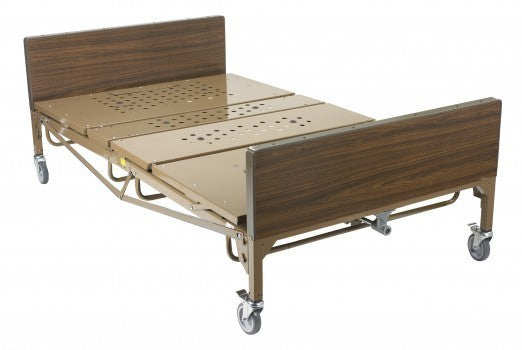
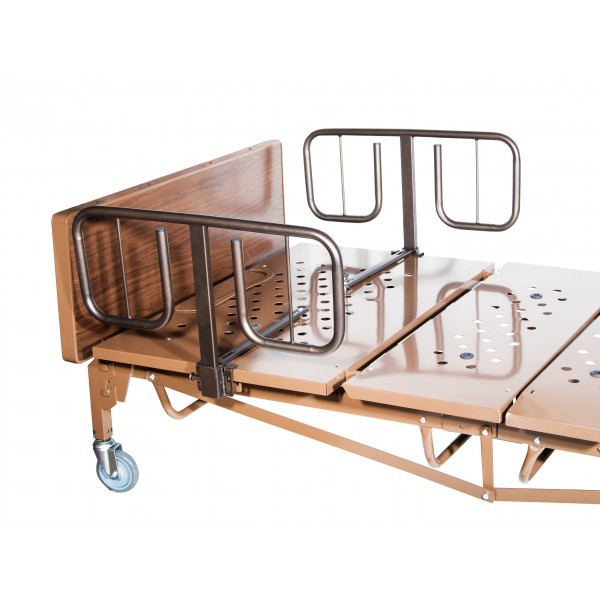
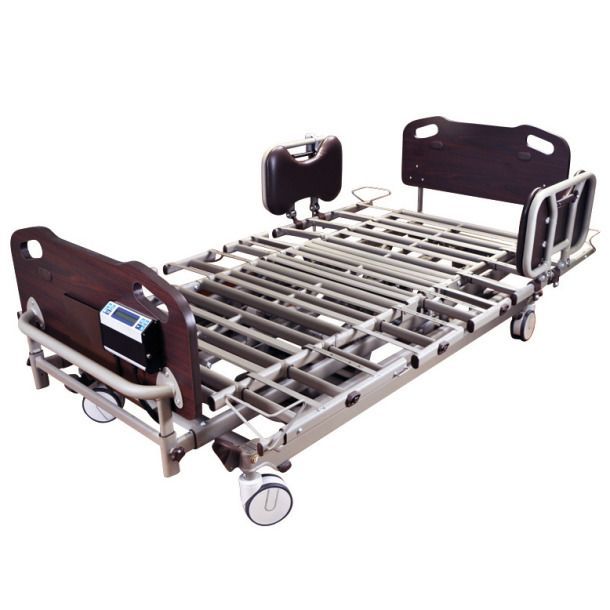
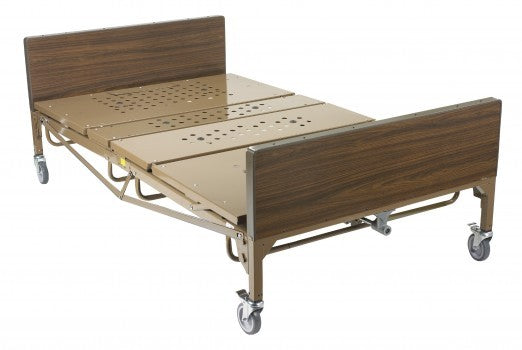
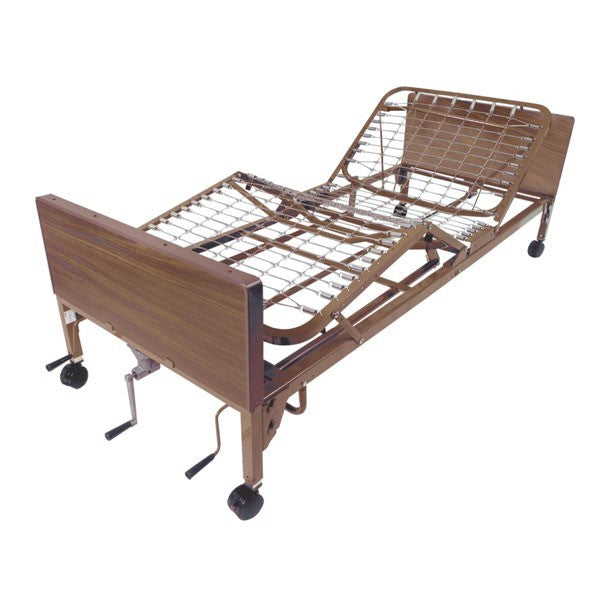
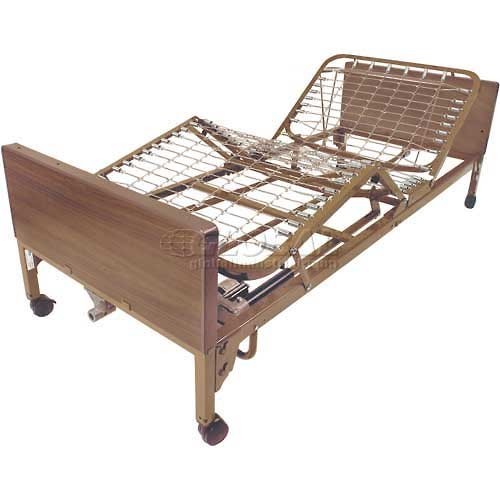
Most home hospital beds have a steel frame divided into articulated sections. The head section raises the upper body, the knee section bends at the knees, and the foot section supports the legs. Moving these sections changes the user's position without requiring them to shift their full body weight independently.
The bed's base also moves vertically. Raising or lowering the entire sleep surface is one of the features that separates a true hospital bed from many consumer adjustable beds. A caregiver can raise the bed to a more comfortable working height for dressing, repositioning, or changing linens. Lowering it makes it easier for many users to get in and out of bed and can reduce the distance of a fall if one occurs.
Hospital beds generally use one of two systems:
- Electric beds use a handheld pendant control to adjust the head, feet, and overall height. These are usually the easiest option for users who can operate the buttons themselves.
- Semi-electric beds use electric controls for the head and leg sections, while the bed height is adjusted with a hand crank.
- Manual beds use cranks for all adjustments. They can be a practical choice in some care situations, but require more physical effort from a caregiver.
What the Bed Positions Do
The head section can be raised for reading, watching television, eating, talking with visitors, or getting ready to transfer to a wheelchair. A more upright position may also be more comfortable for people who should not lie flat because of certain breathing, swallowing, reflux, or circulation concerns. Personal medical guidance should always take priority over a preferred bed position.
The knee and foot sections support the lower body when the head is raised. Without this support, a person may slide toward the foot of the bed, creating discomfort and shear on the skin. Raising the knees slightly can help keep the body positioned more securely. Elevating the legs may also be useful when it has been recommended by a healthcare professional.
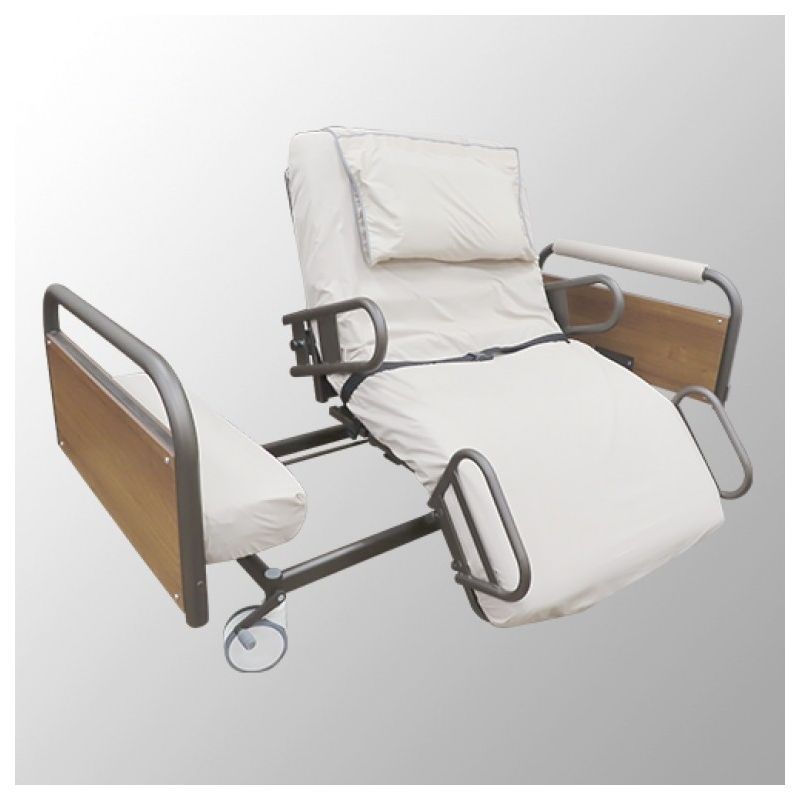
Some beds offer preset positions, such as a chair position that raises the head and bends the knees together. Others include a Trendelenburg or reverse Trendelenburg function, which tilts the whole sleep surface. These advanced positions are not necessary for every household, and they should only be used when appropriate for the user's care needs.
The Motor, Hand Control, and Backup Features
An electric hospital bed uses quiet motors underneath the frame. When the user presses a button on the pendant, the motor moves an actuator that pushes or pulls the bed sections into position. The movement is controlled and gradual, helping prevent abrupt shifts that could be uncomfortable or unsafe.
The pendant is typically attached to the bed rail or frame so it stays within reach. For someone with reduced hand strength, button size, cord placement, and control simplicity matter. A control that looks straightforward to one person may be difficult for another person with arthritis, tremors, vision loss, or limited dexterity.
Because power interruptions can happen, many electric home hospital beds include a battery backup or a manual method for lowering the bed. Backup power often supports limited adjustments rather than regular daily operation, so it should be viewed as a safety feature, not a substitute for household electricity. Caregivers should know how the backup system works before it is needed.
Why Hospital Bed Mattresses Are Different
A hospital bed mattress must flex with the moving frame. A regular mattress is usually not designed to bend repeatedly at the head and knee sections, and using one can affect both comfort and bed performance.
A basic foam medical mattress provides a supportive surface that moves with the bed. Higher-support options can add pressure redistribution, firmer edge support, or a multi-layer foam design. For people who spend extended hours in bed or have skin-integrity concerns, the mattress deserves as much attention as the frame.
Alternating-pressure and low-air-loss mattresses use air cells and pumps to change pressure across the body. These surfaces can be appropriate for people at elevated risk of pressure injuries, but the right choice depends on mobility, body weight, skin condition, and clinical recommendations. More technology is not automatically better. A person who can reposition independently may have different needs than someone who remains in one position for long periods.
The mattress must also match the bed's dimensions and weight capacity. A poor fit can leave gaps along the sides, interfere with rails, or create an unstable sleeping surface.
Bed Rails, Assist Rails, and Safety
Bed rails can provide a handhold during transfers, help with repositioning, and create a visual boundary for some users. However, rails are not right for everyone. Full-length rails may create an entrapment risk for individuals with confusion, involuntary movement, or a tendency to climb over the rail.
Many home users benefit more from half rails or assist rails. These allow access to the bedside while still offering a stable place to hold during position changes. The safest rail setup depends on the person's cognition, strength, transfer ability, and level of supervision.
Check for gaps between the mattress, rail, headboard, and footboard after installation. Keep the bed at its lowest practical height when unattended, keep the pendant accessible, and make sure cords are routed away from wheels and walking paths. If the bed has casters, lock them whenever the bed is in use or someone is transferring.
Choosing the Right Hospital Bed for Home Use
The right bed starts with the user's daily routine, not just a list of features. Consider whether the person can reposition independently, transfer to a chair, operate a pendant, and safely use rails. Also consider how often a caregiver will assist with personal care and whether multiple caregivers will use the bed.
Weight capacity is a central buying factor. The listed capacity should account for the user, mattress, bedding, and any accessories used on the bed. Bariatric hospital beds provide a wider sleep surface and higher capacity, but they also require more floor space and may affect room access. Measure the room, doorways, and route from delivery entry to the final location before selecting a model.
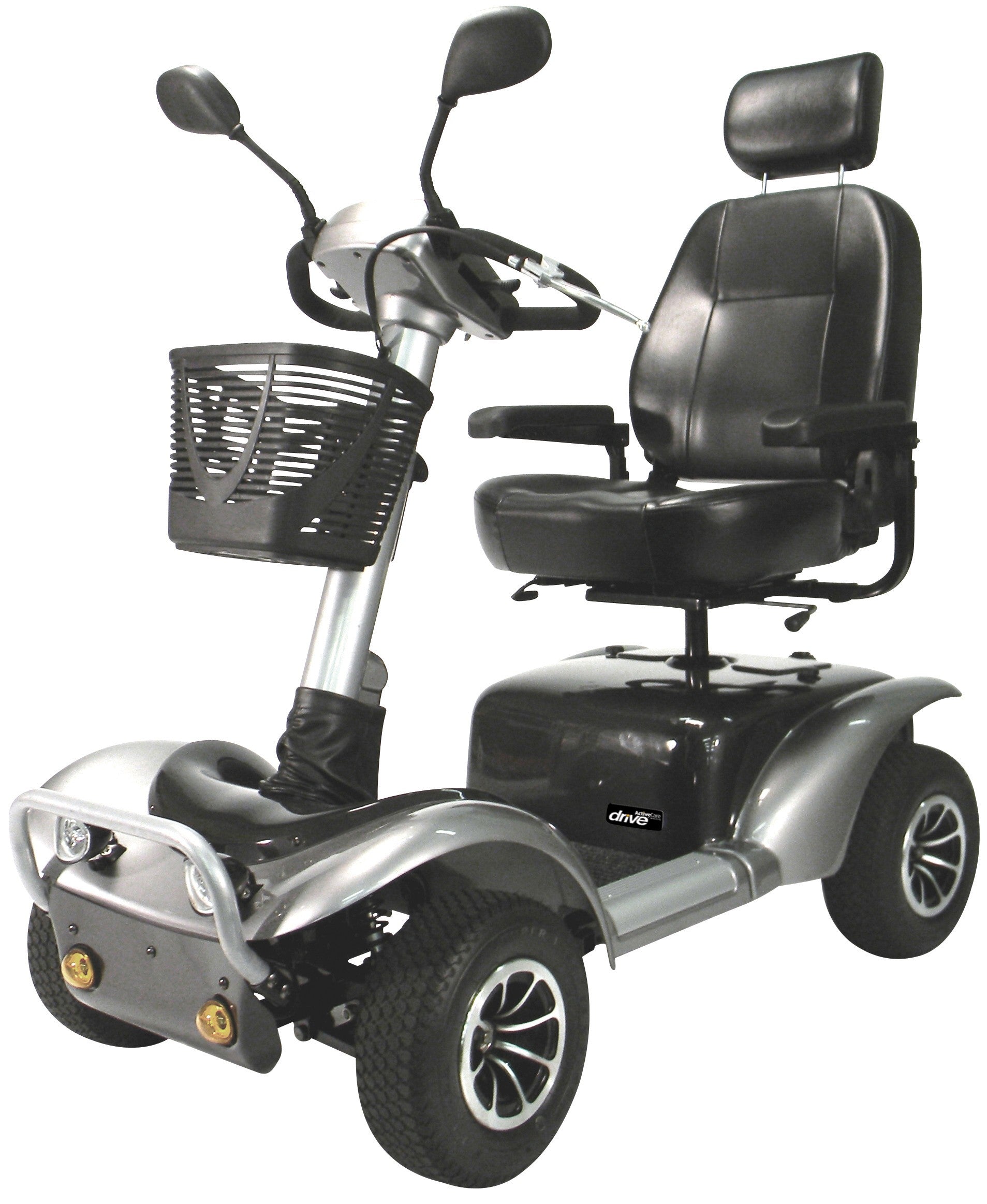
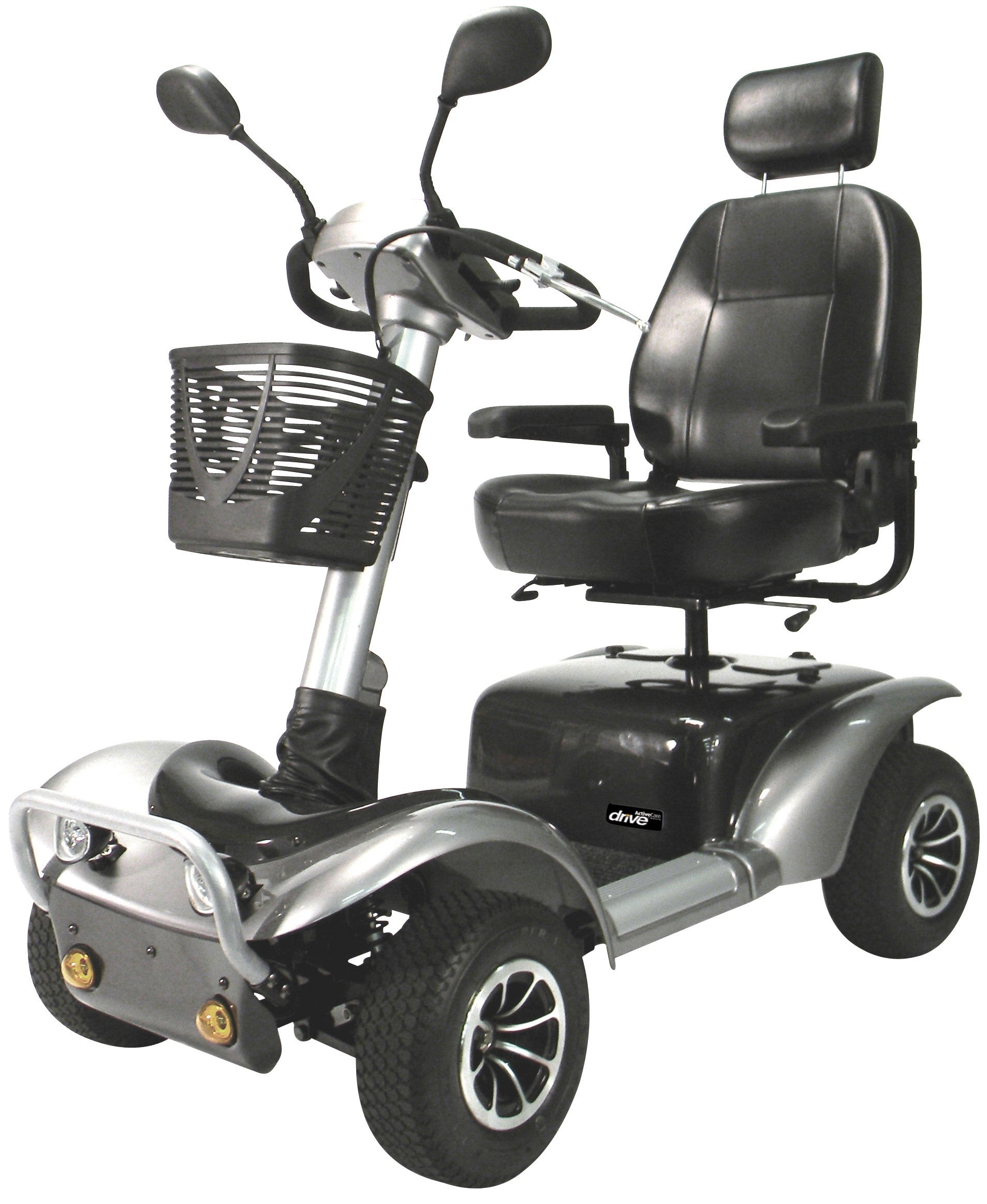
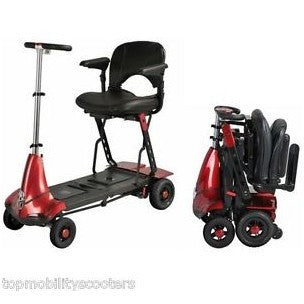
Bed height range matters, too. A low bed can support safer transfers for shorter users or those at risk of falling. A wider height range may be especially helpful when caregivers need to perform care tasks without excessive bending. If a wheelchair, lift chair, or mobility scooter is part of the person's routine, consider how the bed height works with those transfer surfaces.
Accessories can make the setup more useful, but only when they solve a real need. An overbed table can make meals and activities easier. A trapeze bar may assist a user who has enough upper-body strength to reposition. Protective pads, mattress covers, and bed wedges can add comfort or simplify cleanup. Avoid filling the bedside with equipment that makes transfers harder or restricts access for caregivers.
Setup and Everyday Use
Place the bed in a room with enough clearance on both sides whenever possible. Caregivers need room to assist, and the user needs a clear route to the bathroom, doorway, or mobility device. Position the bed near a grounded electrical outlet, but do not run cords under rugs or across the main walking path.
Before the first night, test every function with the user present. Practice raising and lowering the head and feet, bringing the bed to a transfer-friendly height, locking the wheels, and locating the emergency backup feature. This small amount of preparation can reduce stress when care is needed quickly.
A hospital bed should feel like practical support, not a loss of independence. The best setup gives the user comfortable positioning and easier access to daily life while giving caregivers safer ways to help. When you match the frame, mattress, capacity, and safety features to the person using it, the bed becomes a dependable part of care at home.


