














A bed rail can make the difference between needing help to sit up and being able to get out of bed with confidence. But are bed rails safe? The honest answer is that they can be, when the rail, mattress, bed frame, and user are matched carefully. The wrong rail or an improper fit can create a serious entrapment or fall hazard, especially for older adults with limited mobility, memory changes, or poor balance.
For families setting up a home care bed or making a familiar bedroom safer, the goal is not simply to add a rail. It is to choose the level of support that encourages independence without creating new risks.
Are Bed Rails Safe for Home Use?
Bed rails are not one-size-fits-all safety equipment. A rail that is helpful for a person recovering from hip surgery may be inappropriate for someone who is confused at night or unable to reposition independently. Safety depends on the person's physical and cognitive abilities, the kind of rail used, and how securely it works with the bed.
A properly selected bedside assist rail can provide a stable handhold for turning, sitting upright, and standing. This can be especially valuable for people with arthritis, generalized weakness, balance concerns, or temporary restrictions after surgery. Many people do not need a full-length rail. They need a secure support point that makes the first movement out of bed less difficult.
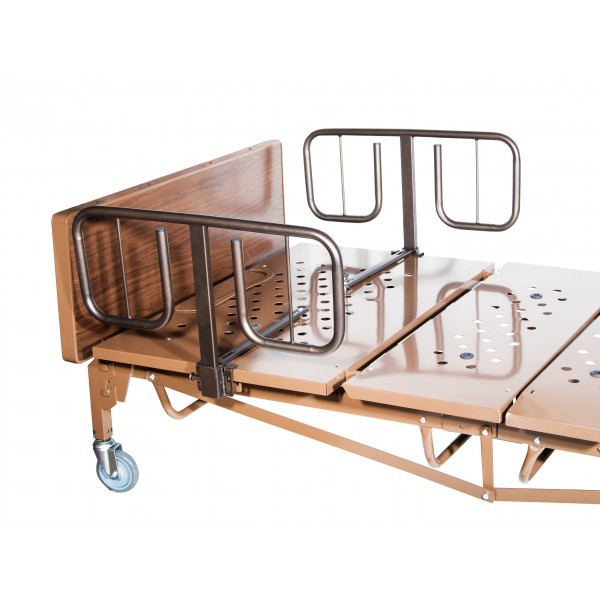
Full-length rails serve a different purpose. They may help keep a person positioned in bed or provide support along more of the mattress edge, but they also require more careful assessment. Gaps between a rail and mattress, rail and headboard, or rail and footboard can trap the head, neck, chest, or limbs. A person who tries to climb over a full rail may also be at greater risk of falling from a higher position.
Who May Benefit From a Bed Rail?
Bed rails may be a practical option for an adult who understands how to use the rail, can call for help if needed, and has enough strength and coordination to reposition or transfer safely. For example, a low-profile assist rail may support someone using a walker who needs a firm place to hold while rising from bed.
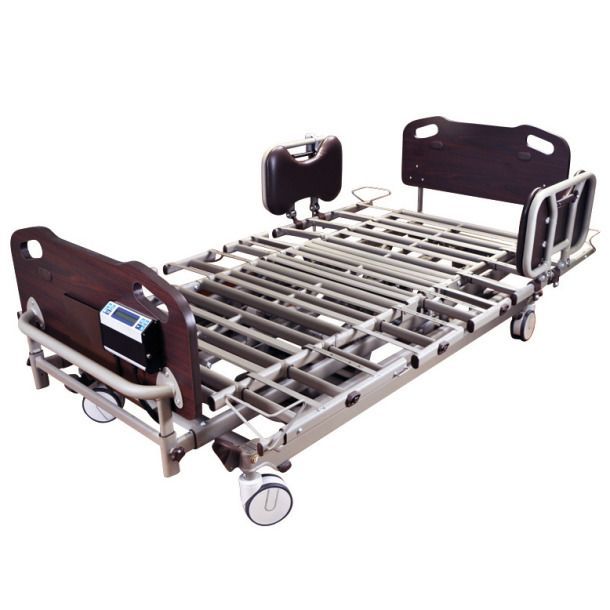
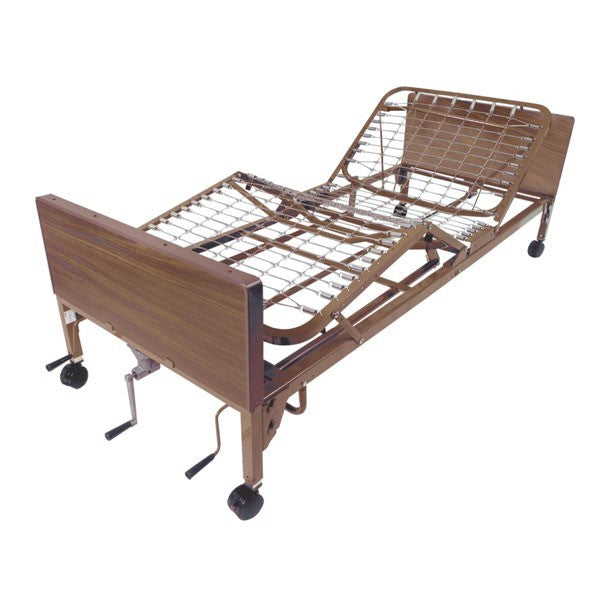
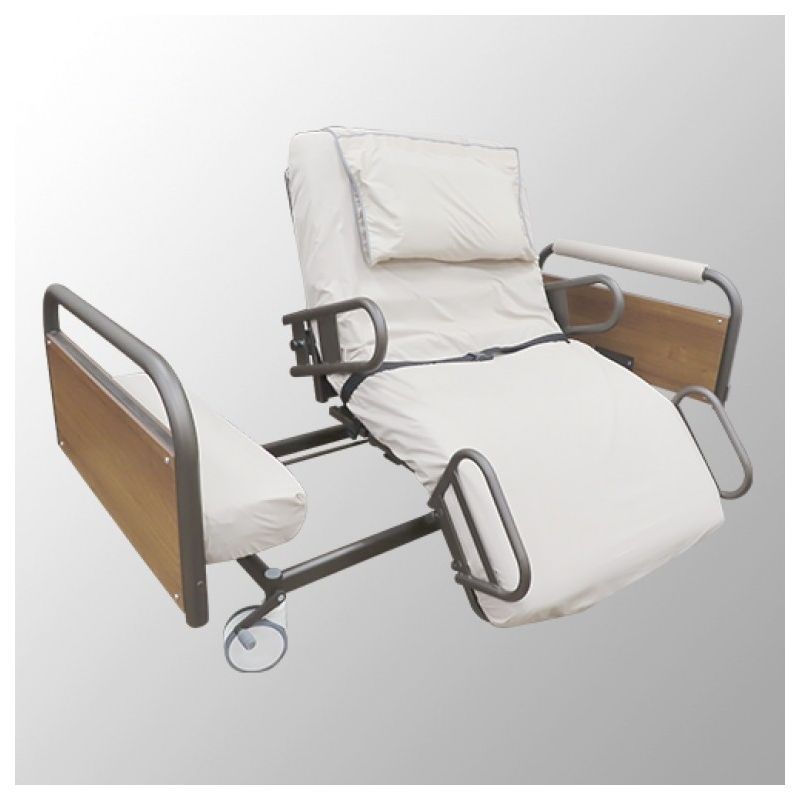
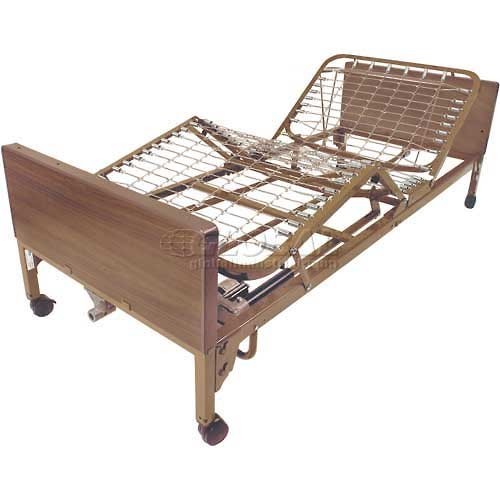
They can also be useful with adjustable beds and home hospital beds when the rail is designed for that specific bed type. Adjustable positioning can reduce the effort of getting upright, while a compatible rail offers additional support during transfers. Compatibility matters because the movement of an adjustable bed can change the spacing around the mattress and rail.
A rail may not be the right choice for a person who is restless, impulsive, severely weak, unable to recognize danger, or likely to attempt climbing over it. People living with advanced dementia, delirium, certain neurological conditions, or significant nighttime confusion need an individualized care plan. In these situations, a lower bed height, floor mat, bedside monitoring, or caregiver assistance may provide a safer approach.
The Biggest Bed Rail Risks to Understand
The primary concern is entrapment. This occurs when part of the body becomes caught in an opening around the rail, mattress, or bed frame. Entrapment risk is higher when a mattress is too narrow, too thin, worn down, or not positioned securely. It can also occur when a rail shifts away from the bed during use.
Falls are another concern. A rail can be mistaken for fall prevention, but it cannot guarantee that someone will stay safely in bed. If a person attempts to climb over a rail, the fall can be more severe than a roll from a low bed. A rail may also create false confidence if it is loose, incorrectly installed, or not rated for the user's weight and transfer needs.
There is also a comfort and access trade-off. Some full rails can make it harder for a caregiver to provide personal care, change linens, or assist with repositioning. A rail that limits easy access may not work well for someone who requires frequent hands-on support.
Choose the Right Type of Rail
Start by identifying what problem the rail needs to solve. If the main concern is getting in and out of bed, a bedside assist rail is often more appropriate than a full-length rail. These rails are typically shorter and positioned near the upper body, offering something secure to hold during transfers while leaving an open area for entering and exiting the bed.
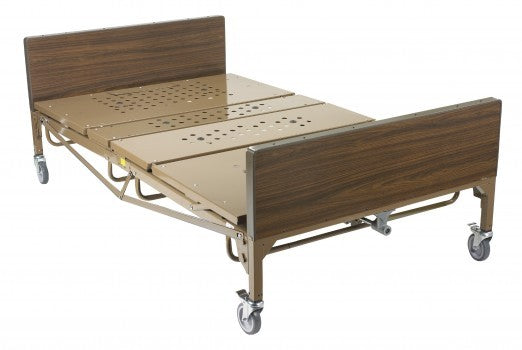
For people using a home hospital bed, choose rails made for that bed model or a clearly compatible system. Hospital bed rails are not interchangeable with every mattress platform. A rail designed for a standard home bed may not attach safely to an adjustable frame, while an incompatible hospital rail can leave dangerous gaps when the bed is raised or lowered.
When comparing options, focus on practical specifications rather than appearance alone. Check the rail's attachment method, height above the compressed mattress, length, weight capacity, and whether it is intended for transfer support or for more extensive side coverage. A rail with a built-in pouch can be convenient for glasses, medications, or a remote, but those extras should never take priority over fit and stability.
How to Set Up a Bed Rail Safely
Before the rail is used, install it according to the manufacturer's instructions and test it under normal pressure. The mattress should sit snugly against the rail, without a space that could widen when the person shifts their weight. Do not use a rail with a mattress that is undersized, sagging, or able to slide easily across the bed frame.
Use this four-point check every time a rail is installed or a mattress is replaced:
- Confirm the rail is designed for the specific bed type and mattress size.
- Check for gaps between the rail, mattress, headboard, and footboard.
- Make sure straps, clamps, or support bars are secure and cannot shift during use.
- Test the rail at the user's normal transfer point while the bed is in its usual position.
If the bed has adjustable features, test the rail with the head and foot sections raised and lowered. The safest setup in a flat position may not remain safe when the bed changes shape. Recheck the setup regularly, particularly after moving the bed, changing bedding, replacing a mattress, or noticing that the rail feels less stable.
Safer Alternatives When a Rail Is Not Appropriate
A bed rail is only one part of a safe bedroom setup. For some people, alternatives offer the support they need with fewer risks. A bed cane or transfer handle can provide a stable grip without extending far along the mattress edge. A lower bed height can make transfers easier and reduce the impact of a fall.
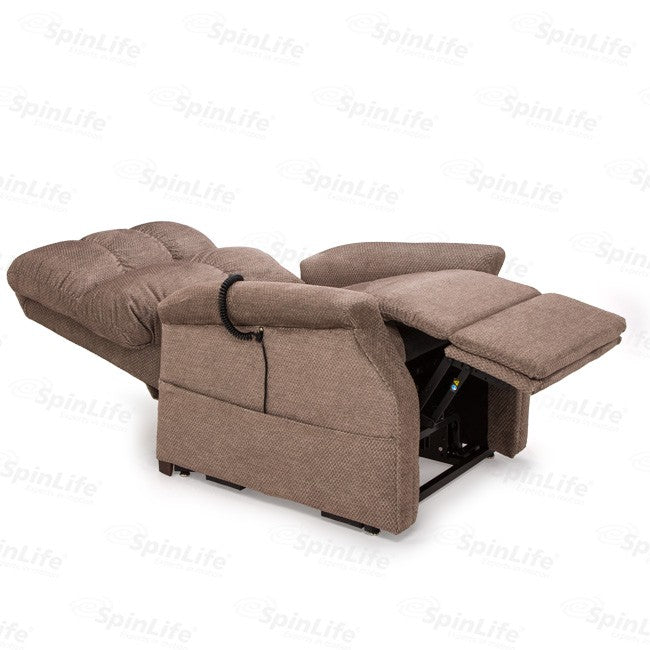
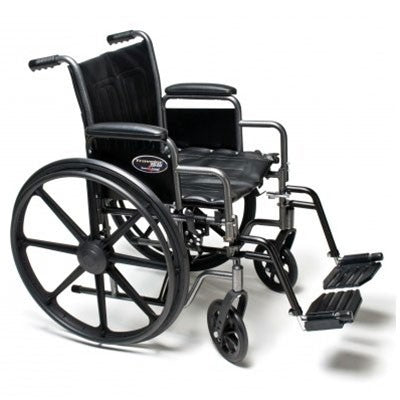
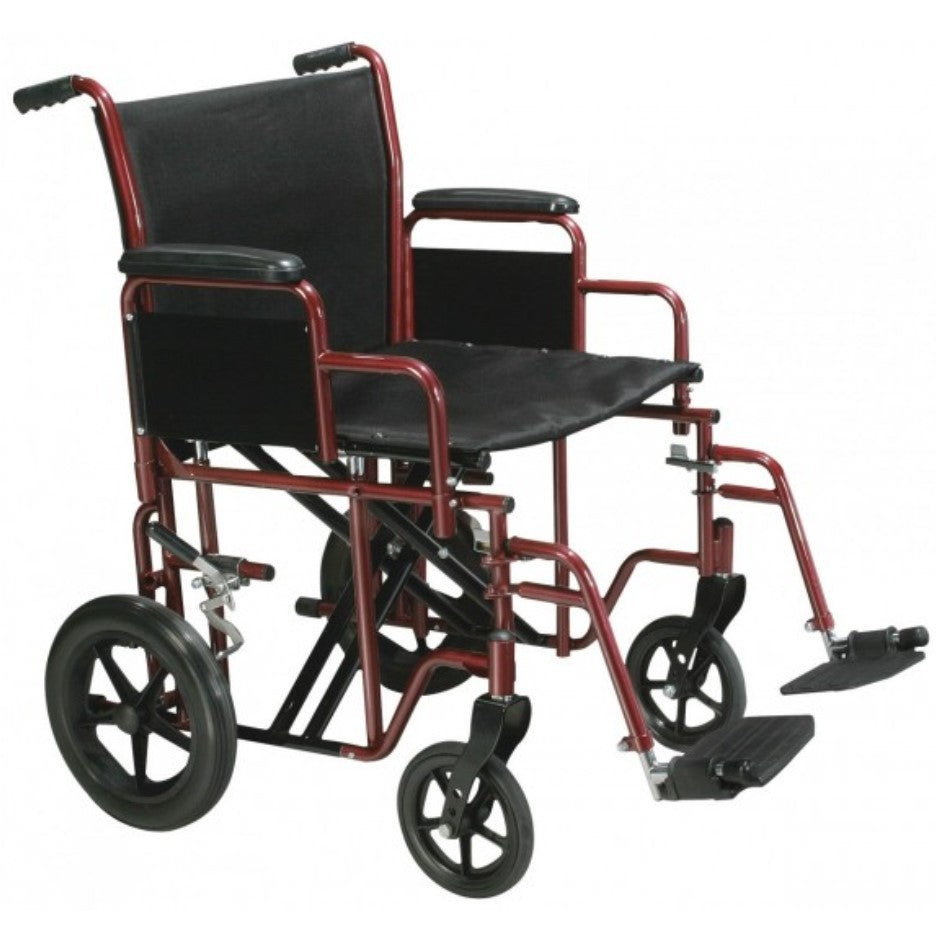
Other useful changes may include a firm bedside lamp, a clear route to the bathroom, non-slip footwear, and a properly placed walker or wheelchair. For someone who needs help overnight, a bedside commode can reduce the distance and urgency of nighttime trips. Adjustable beds can also make it easier to sit up and reposition without relying on a rail alone.
Caregivers should consider the full transfer routine. Does the person need to move from lying down to sitting, then stand, then reach for a walker? The best equipment supports that entire sequence. A rail may help with the first step, but it should not be used as a substitute for an appropriate mobility aid, caregiver assistance, or a properly fitted bed.
When to Ask for Expert Guidance
If you are purchasing a rail for a loved one who has recently returned home from rehabilitation, experienced a fall, or has changing mobility needs, a little guidance can prevent an expensive and unsafe mismatch. Have the bed type, mattress dimensions, user's approximate weight, transfer ability, and primary concern ready before choosing equipment.
American Quality Health Products helps families compare home care beds, adjustable beds, and support accessories based on real-world use. A knowledgeable product specialist can help narrow the options, but the final decision should also reflect guidance from the person's clinician or care team when there are significant medical, cognitive, or fall-risk concerns.
The right bed rail should feel like a dependable support, not a barrier. When it fits the bed correctly and matches the user's abilities, it can make everyday routines more comfortable and help preserve the independence that matters most.


