









A well-planned post surgery home bed setup can make the difference between a recovery space that feels manageable and one that creates unnecessary pain, falls, and caregiver strain. The goal is not to turn a bedroom into a hospital room. It is to create a safe, comfortable place where the recovering person can rest, change positions, get in and out of bed, and reach daily necessities without risky movements.
The right setup depends on the procedure, mobility level, home layout, and how much help is available. Someone recovering from a knee replacement may need a very different arrangement than someone returning home after abdominal, back, heart, or shoulder surgery. Start with the discharge instructions, then build the room around the movements the person will need to make every day.
Start With the Bed Height and Transfer Path
Before adding accessories, look at the path from the bed to the bathroom, chair, and doorway. It should be wide enough for a walker or wheelchair if needed, free from loose rugs and cords, and well lit at night. A clear route is one of the simplest ways to reduce fall risk during the first days at home, when pain medicine, fatigue, and limited balance can all affect stability.
Bed height matters just as much. When seated on the mattress edge, the person should generally be able to place both feet flat on the floor with knees near a right angle. A bed that is too low can make standing difficult and put extra stress on the knees, hips, or surgical area. A bed that is too high can leave feet dangling and make transfers unsteady.
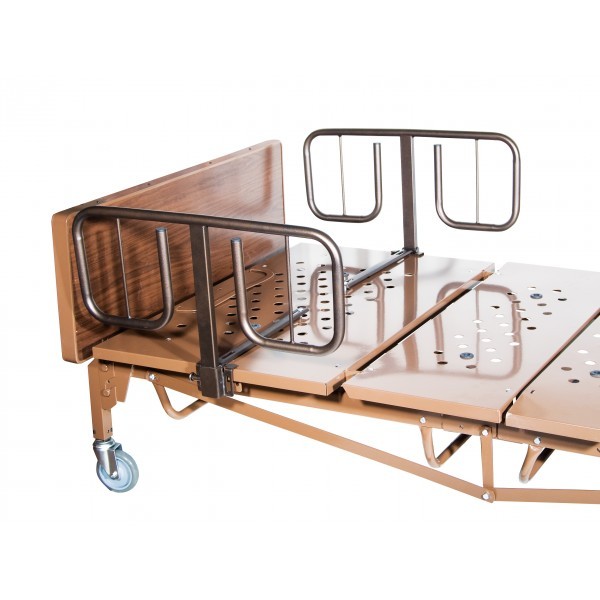
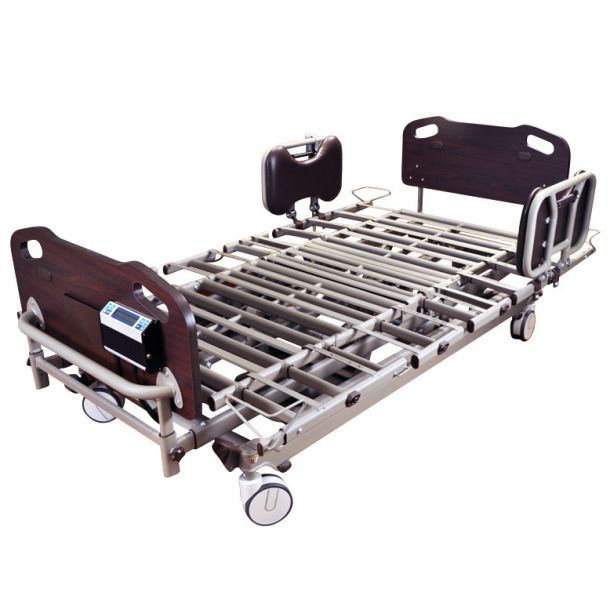
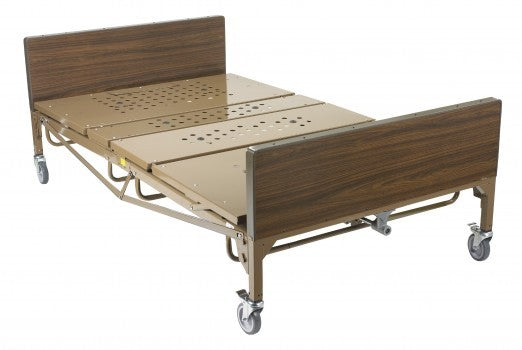
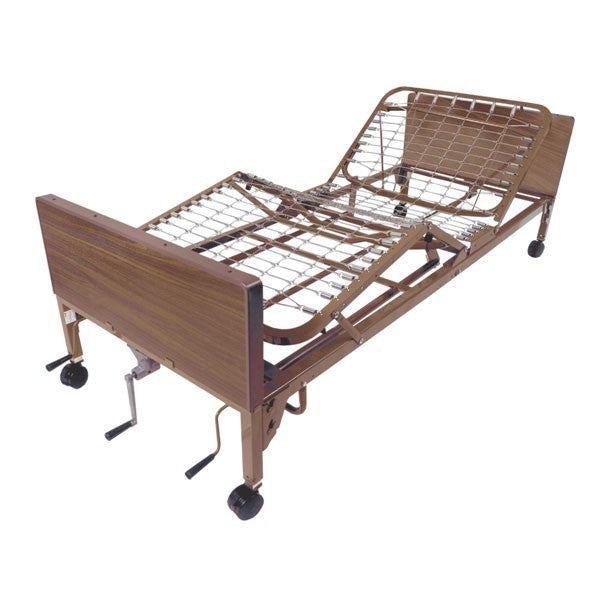
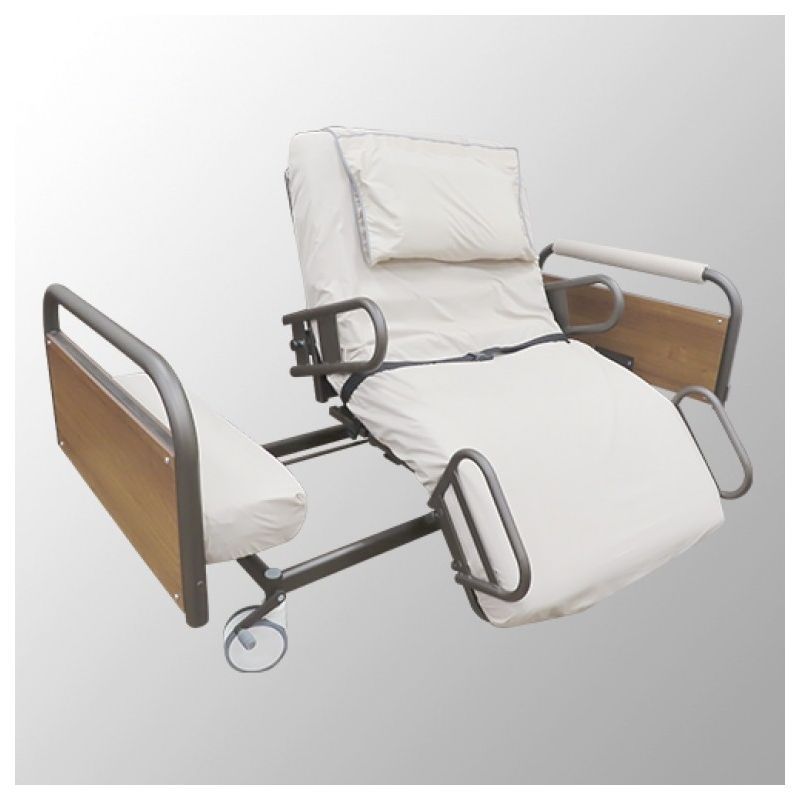
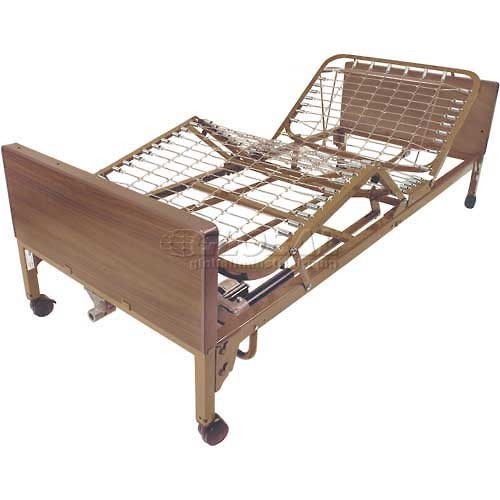
A standard home bed may work well for a person who can stand and pivot with limited assistance. If they need frequent repositioning, cannot lie flat comfortably, or have trouble getting from lying down to sitting, an adjustable bed or home hospital bed may be a safer choice. Raising the head and knees can improve comfort while reducing the effort required to change positions.
When a Home Hospital Bed Makes Sense
A home hospital bed is not necessary after every procedure. However, it can be especially useful when recovery involves limited weight-bearing, weakness, swelling, breathing concerns, pain when lying flat, or a need for caregiver assistance. Electric height adjustment helps bring the bed to a safer transfer level, while head and foot positioning can reduce the need to pull, twist, or strain.
For many families, the key benefit is not simply comfort. It is control. A bed that adjusts allows the recovering person to find a more supportive position independently, which can preserve dignity and reduce repeated calls for help overnight.
When selecting a bed, focus on practical fit. Measure the room, doorways, and intended placement area before ordering. Consider the user’s weight, mattress support needs, and whether a caregiver must work from both sides of the bed. If the bed will be placed in a living room or first-floor room, make sure there is enough space for walking, medical equipment, and a stable bedside surface.
Choose a Mattress for Support, Not Just Softness
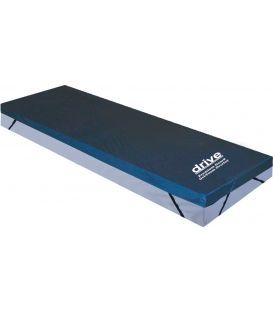
A soft mattress may feel inviting, but it can be difficult to move on after surgery. The person may sink too deeply and struggle to reposition or stand. A supportive medical mattress can provide a more stable surface while helping distribute pressure during longer periods in bed.
The right option depends on how long the person will spend lying down and whether they are at elevated risk for skin breakdown. For a short recovery with regular movement, a quality supportive mattress may be enough. For someone with limited mobility who cannot shift position independently, a pressure-relieving mattress should be considered with guidance from the care team.
Build a Post Surgery Home Bed Setup Around Reach
The recovering person should not have to bend, stretch, or twist to reach essentials. Place a stable bedside table or overbed table within easy reach of the stronger side of the body. The surface should hold a water bottle, medications as directed, tissues, glasses, phone, remote control, and any care instructions needed during the day.
Keep the table close enough to use while seated or lying down, but not so close that it blocks a walker, cane, or caregiver. If using an overbed table, check that its base fits securely around the bed and does not create a tripping point during transfers.
A few small adjustments often improve comfort significantly:
- Use a firm pillow arrangement recommended for the procedure, especially when elevation or joint support is needed.
- Keep a phone and call device within arm’s reach, including overnight.
- Place a lamp with an easy-to-reach switch beside the bed, and add a night-light along the path to the bathroom.
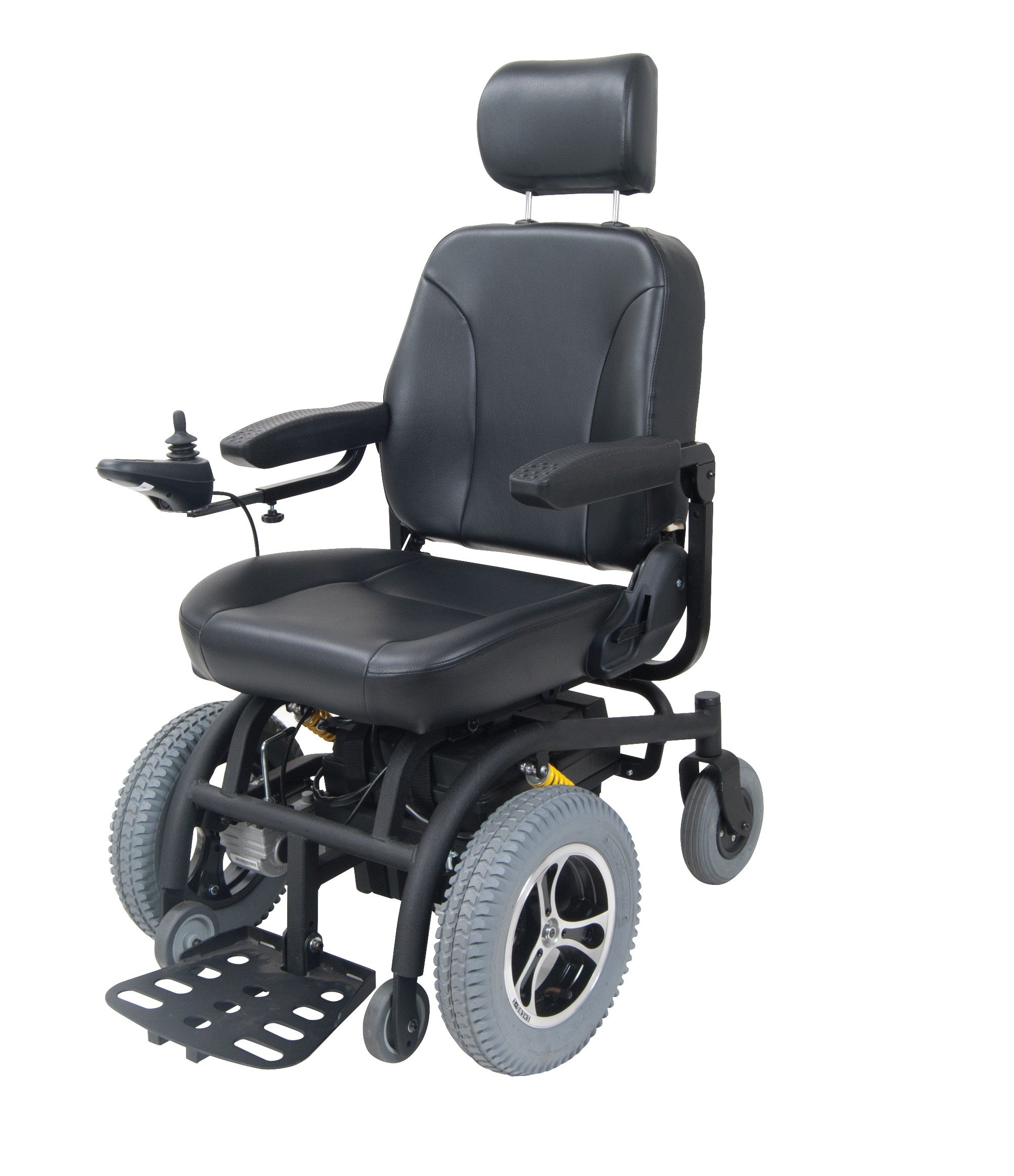
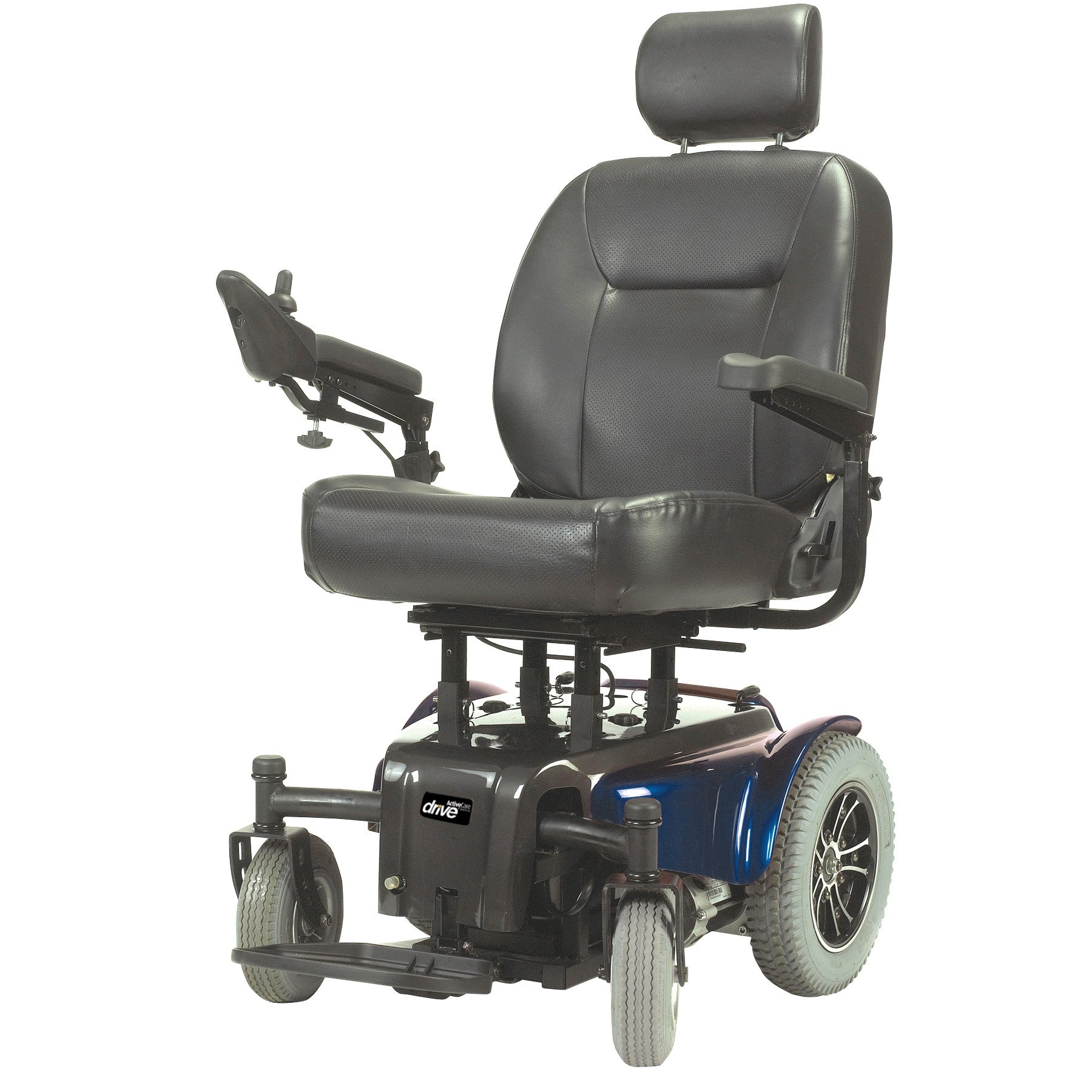
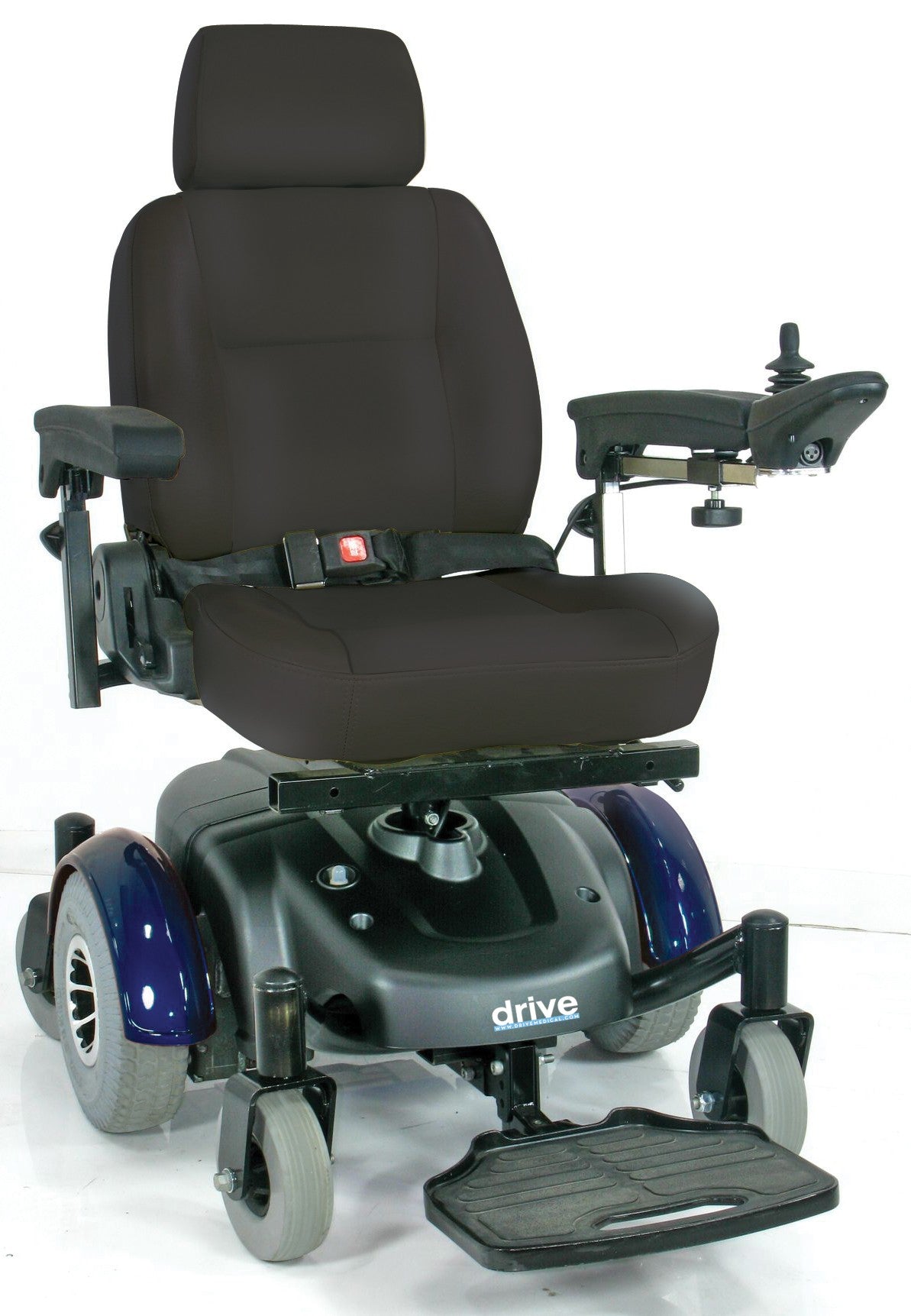
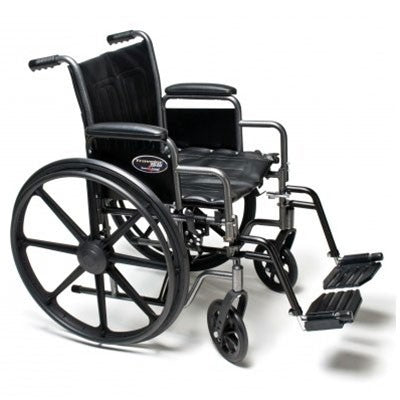
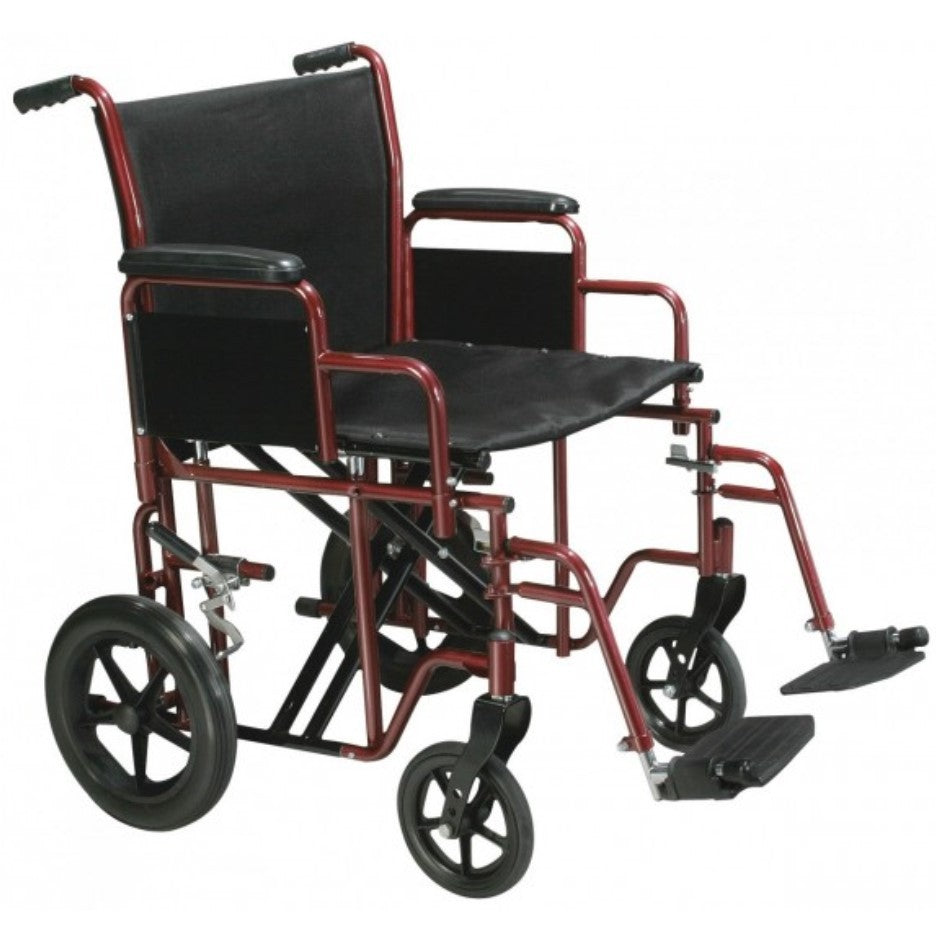
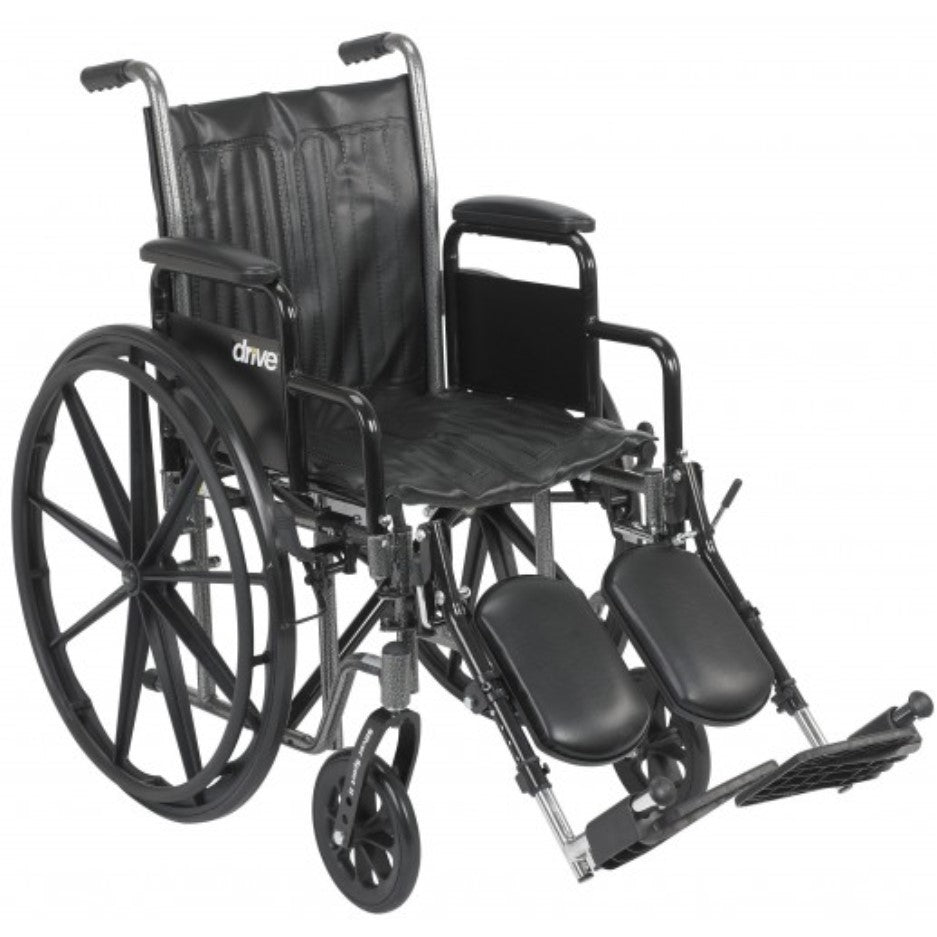
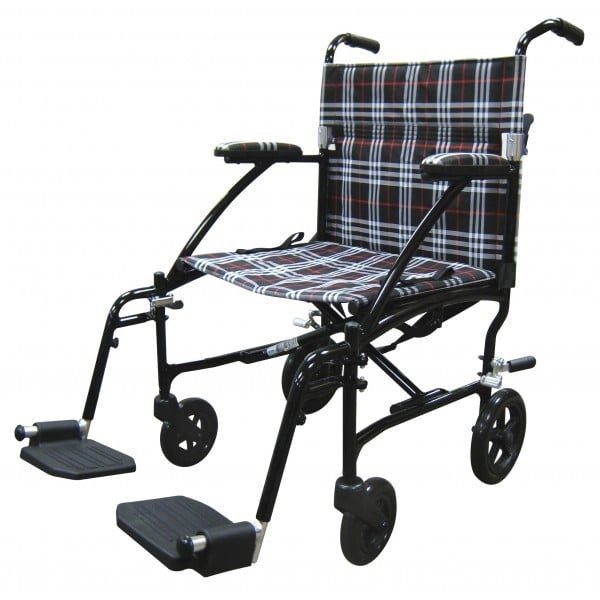
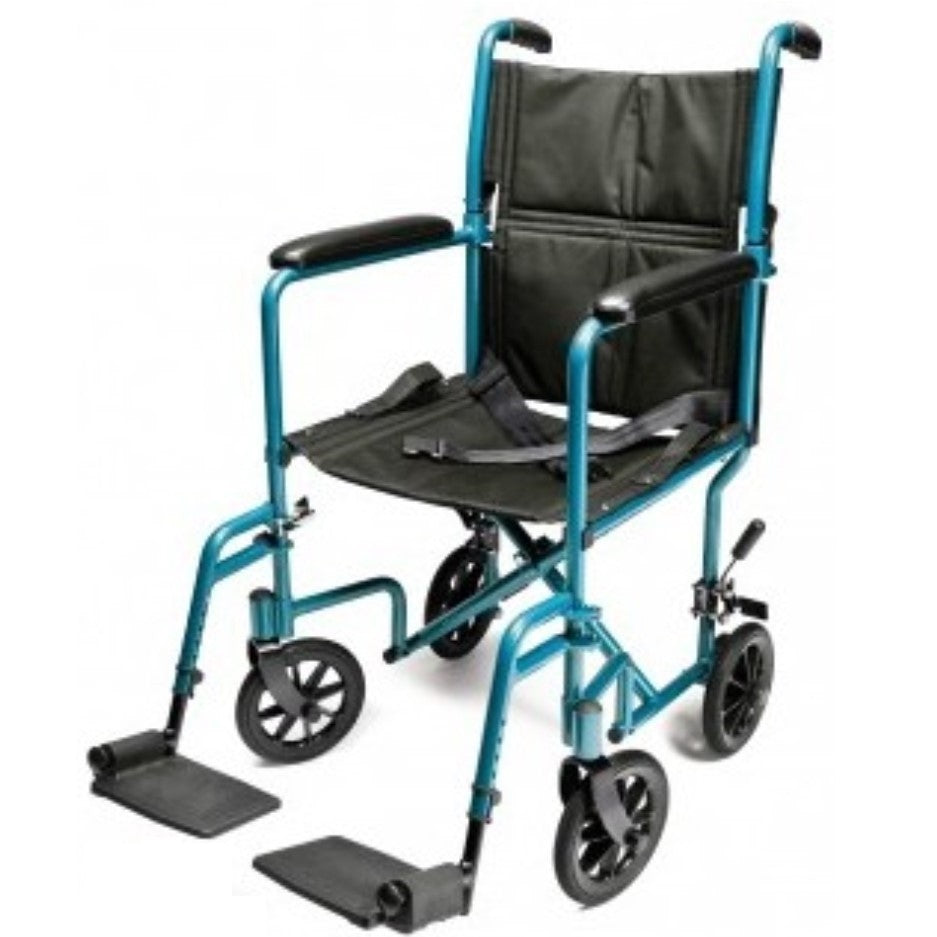
- Keep frequently used mobility aids positioned consistently, with brakes locked on any wheelchair before transfers.
- Use a reacher tool for lightweight items that fall beyond safe reach, rather than encouraging bending or stretching.
Use Bed Rails Carefully
Bed rails can provide a handhold for repositioning and a visual reminder of the bed edge, but they are not right for everyone. Full-length rails can create entrapment risks, particularly for people with confusion, poor coordination, or certain cognitive conditions. They can also encourage someone to climb over them, increasing the risk of a more serious fall.
For many home recovery situations, a properly fitted assist rail or bed handle is the better option. It gives the user something secure to hold while sitting up or standing without enclosing the full length of the bed. Confirm that the rail is compatible with the bed frame and mattress, installed according to its instructions, and checked regularly for movement or gaps.
If a person is too weak to use a rail safely, do not assume a rail solves the problem. They may need closer supervision, a lower bed position, or a different transfer plan recommended by a therapist or clinician.
Plan for Position Changes and Pain Management
Recovery is often harder at night. Pain can increase when the body stays in one position too long, and getting out of bed can be more challenging when a person is groggy or stiff. Arrange the room so nighttime needs require as little effort as possible.
If elevation is part of the care plan, use pillows or wedges that stay in place and do not force the joint or incision into an uncomfortable angle. For example, some procedures call for elevation of a limb, while others have specific restrictions on pillow placement. Follow the surgeon’s or therapist’s instructions rather than copying a general setup from another recovery experience.
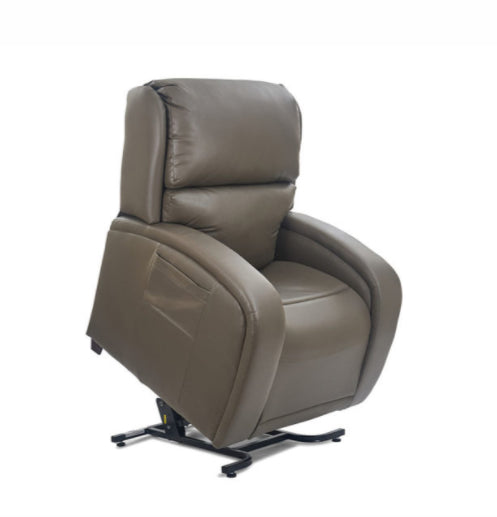
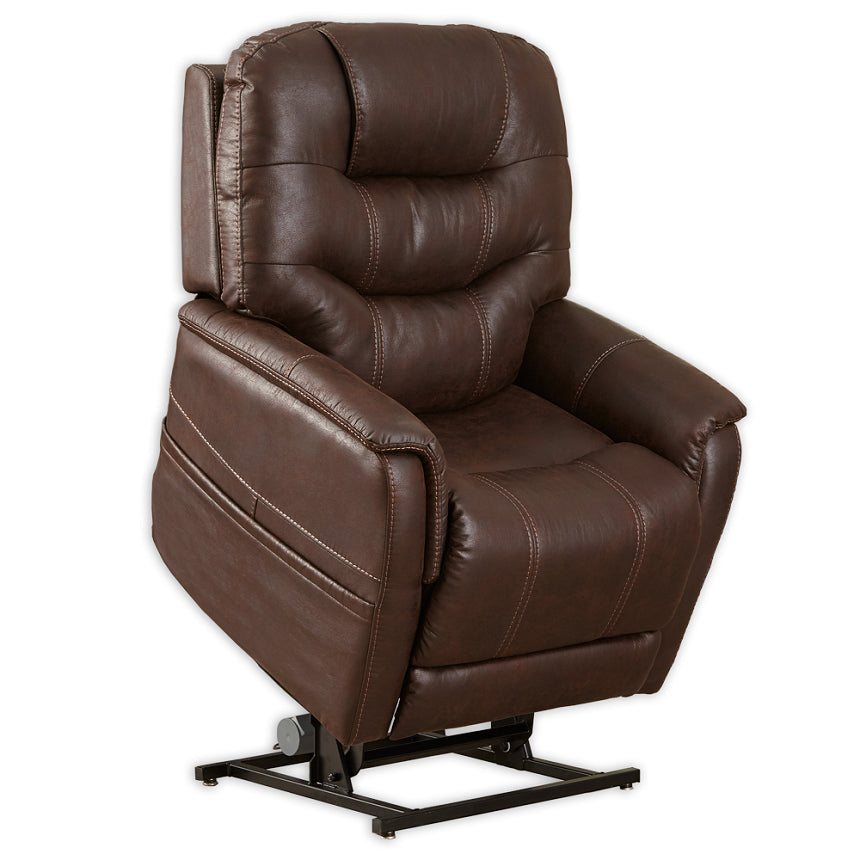
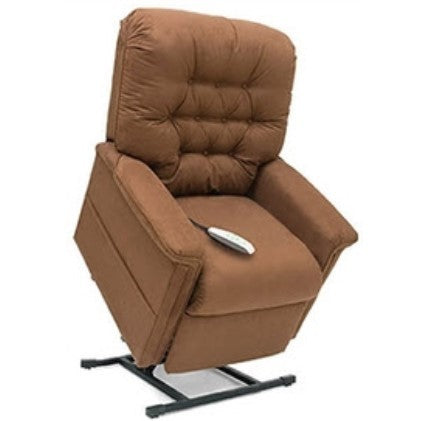
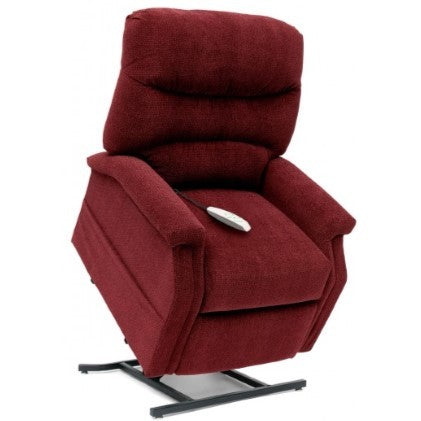
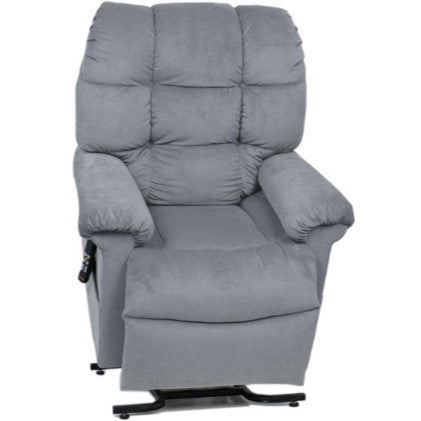
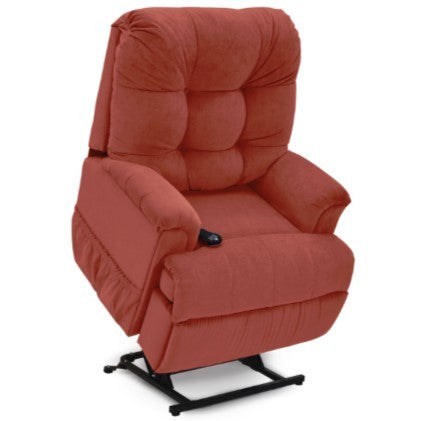
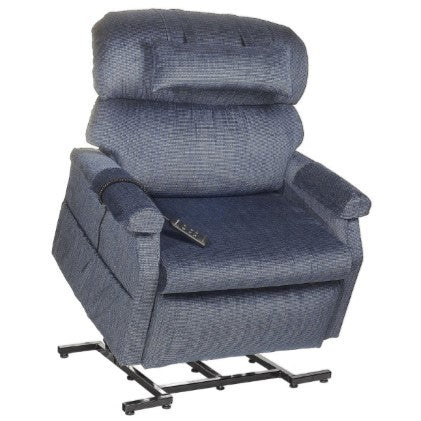
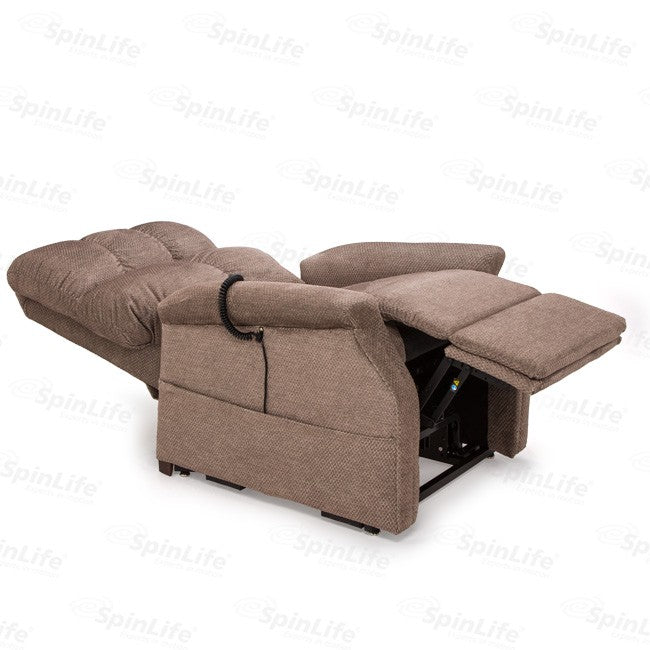
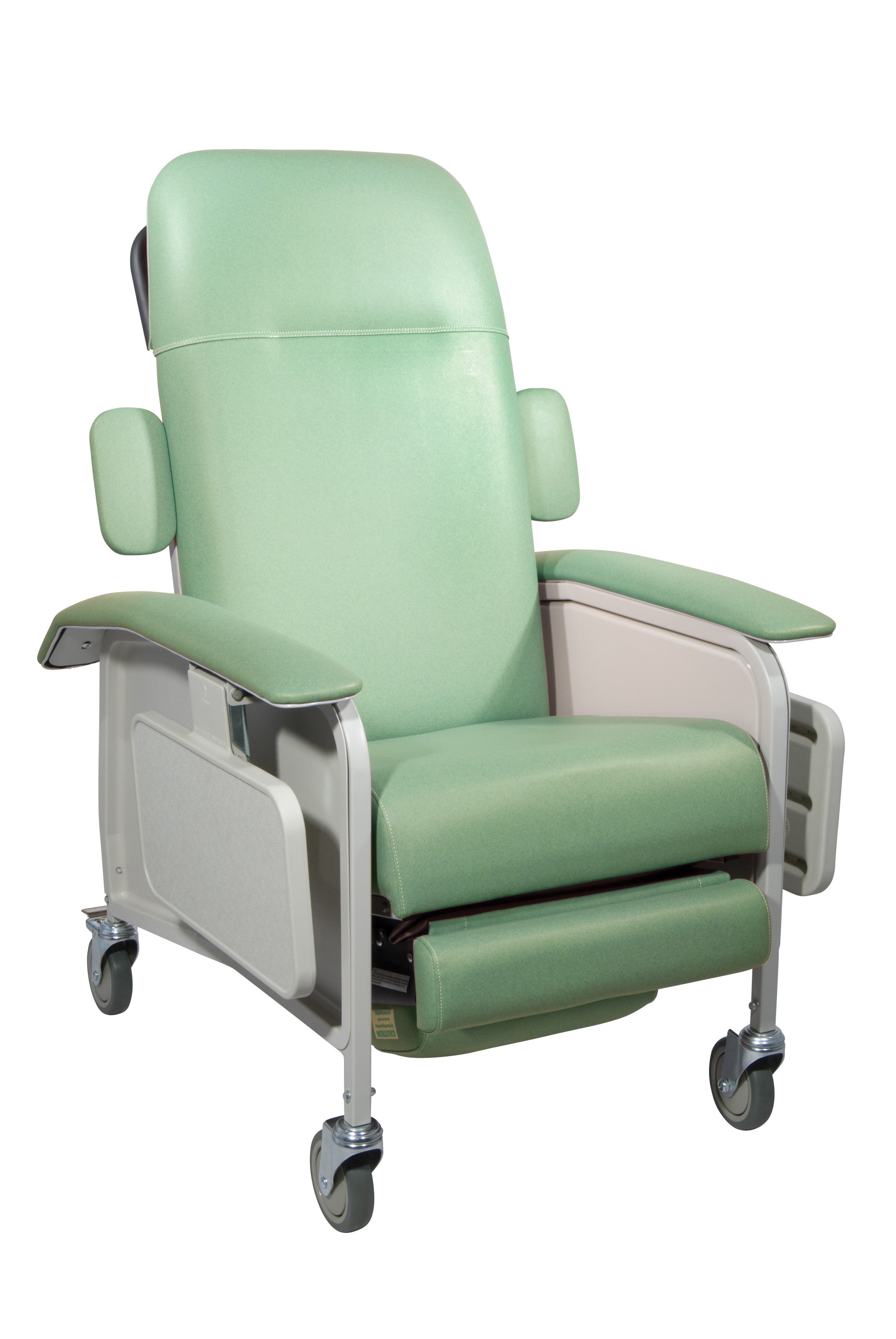
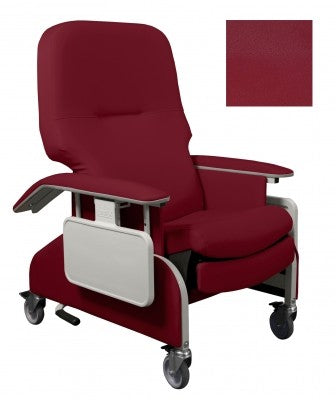
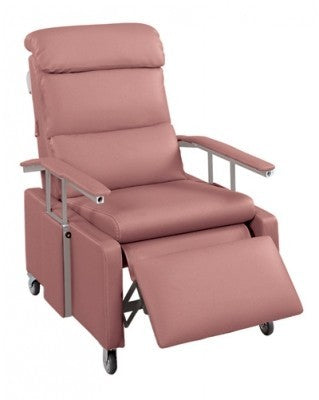
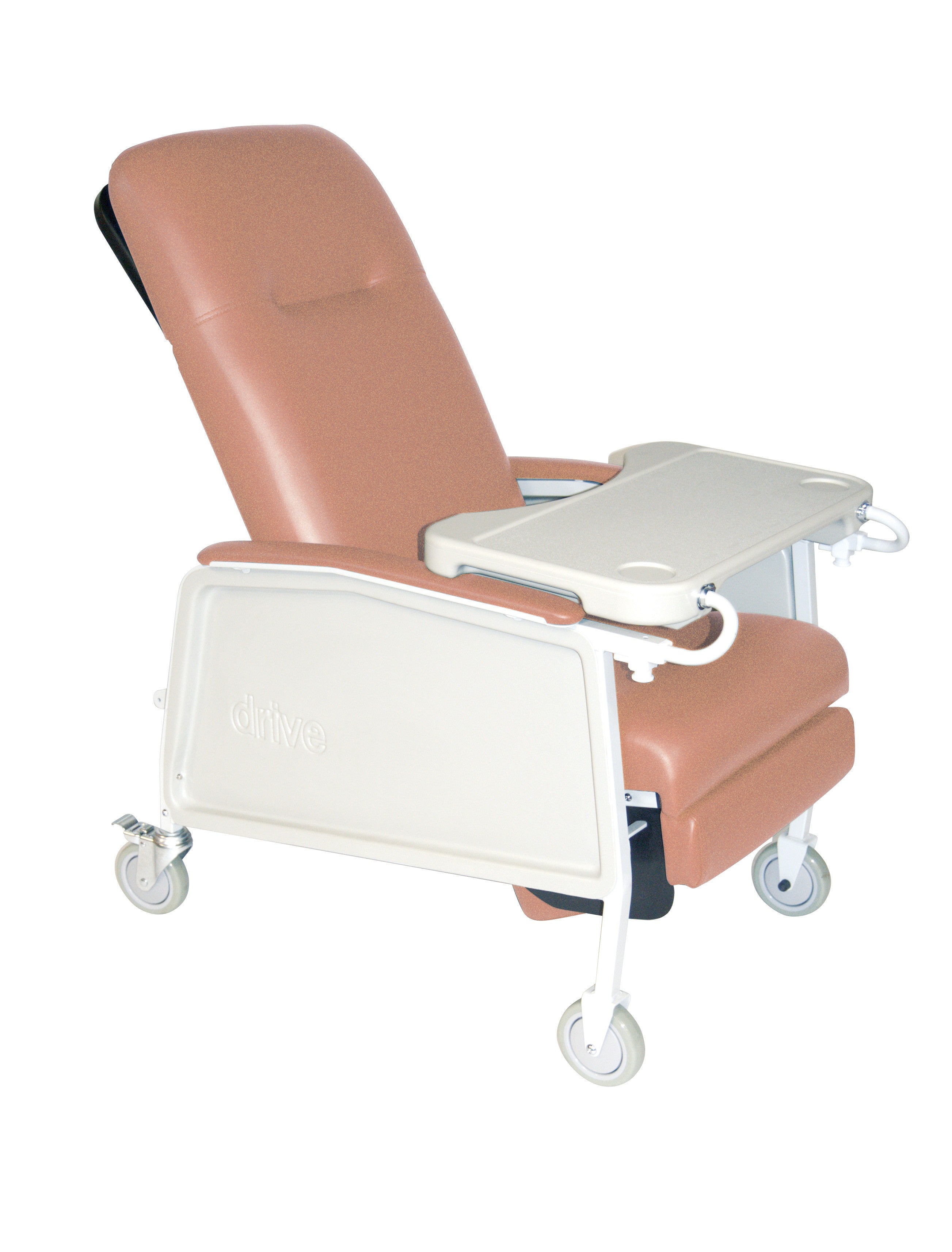
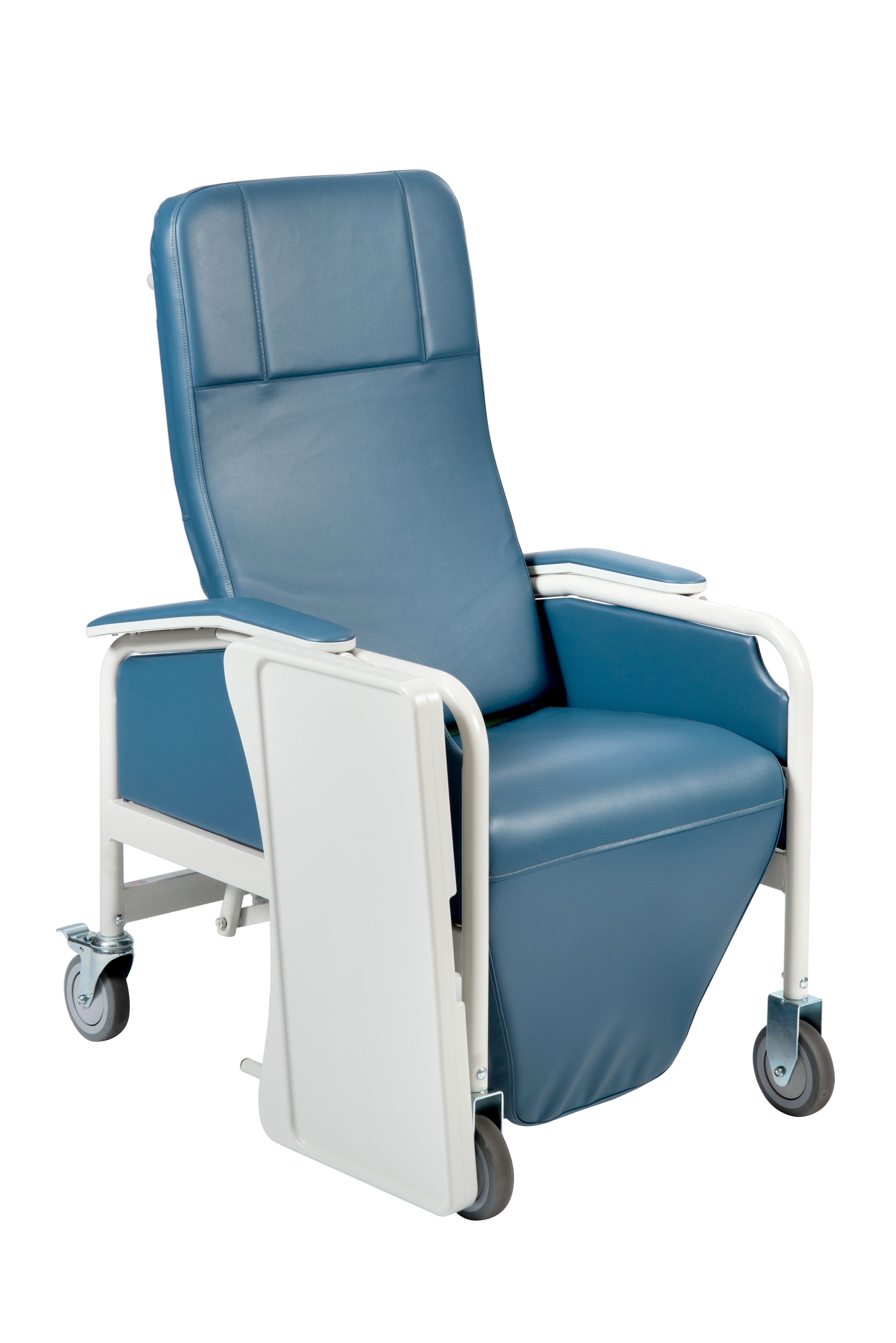
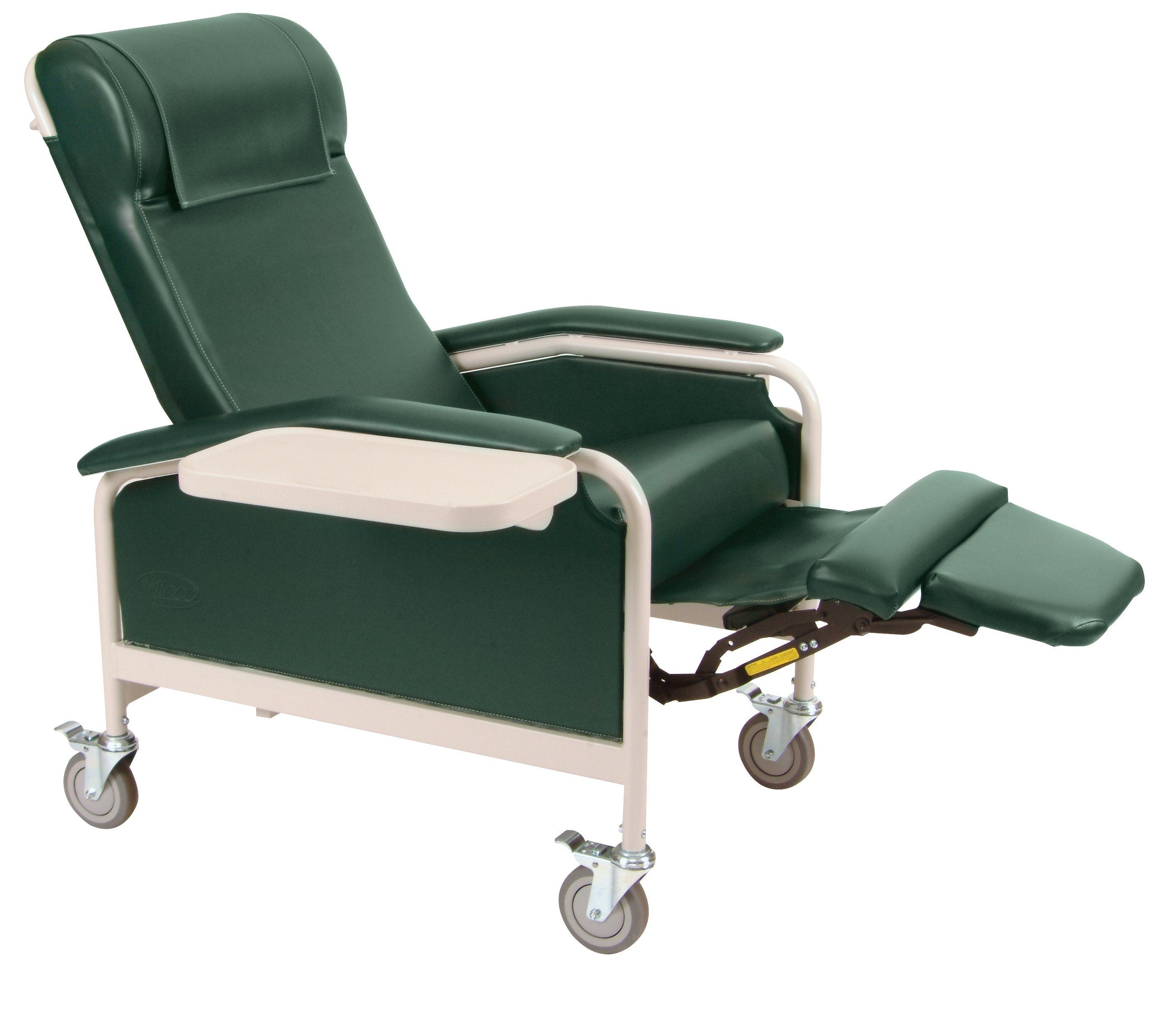
A recliner or lift chair can be helpful when lying flat is uncomfortable or when the person needs a controlled way to stand. It should not automatically replace the bed, though. The decision depends on sleep quality, swelling management, pressure relief needs, and clinical guidance. Some people recover best with a mix of bed rest and upright rest periods during the day.
Make Caregiver Access Part of the Plan
When a family member or home caregiver will assist with dressing, repositioning, or transfers, leave clear working space on the needed side of the bed. Pushing the bed tightly against a wall may save room, but it can make assistance more difficult and less safe.
Caregivers should not pull a person up by the arms or rely on their own back strength to force a transfer. If assistance is needed, ask the discharge team to demonstrate the safest technique before leaving the hospital or rehabilitation facility. A gait belt, transfer device, adjustable bed, or lift equipment may be appropriate depending on the level of support required.
Also consider privacy and communication. A simple bell, wireless call button, or phone can help the recovering person request assistance before attempting an unsafe transfer alone. That small safeguard can reduce anxiety for everyone in the home.
Check the Room Before the First Night Home
Set up the bedroom before the person arrives, then test the space from their perspective. Sit on the bed edge. Reach for the light. Walk the route to the bathroom with the intended mobility aid. Open the door, turn around, and make sure there are no furniture corners or cords in the way.
Pay attention to changes in condition as recovery progresses. A setup that works on day one may need adjustment after swelling decreases, weight-bearing restrictions change, or the person becomes more independent. Remove equipment that is no longer needed only when it is safe to do so, not simply because recovery appears to be moving quickly.
American Quality Health Products offers home care beds, adjustable beds, mobility equipment, and knowledgeable assistance to help families match equipment to real recovery needs. The best setup is one that supports the care plan while giving the person a safer, more comfortable path back to everyday independence.


