

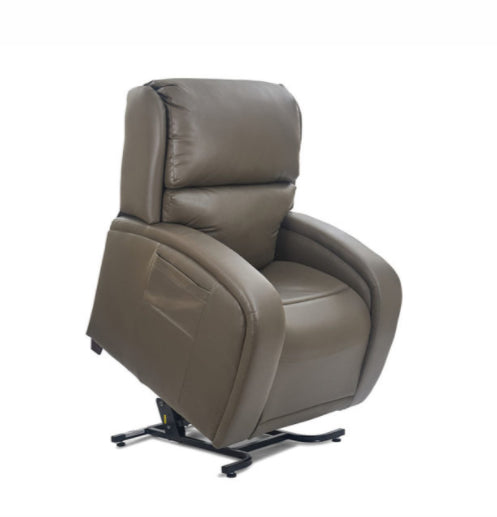
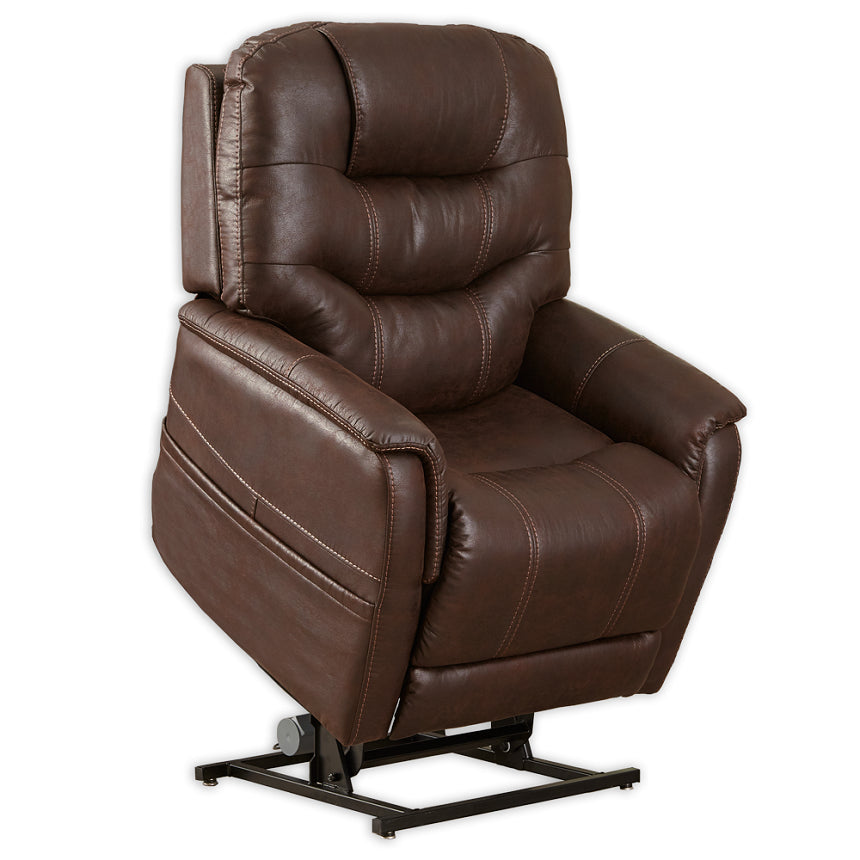
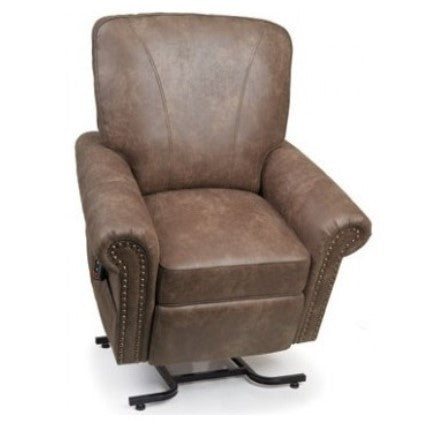
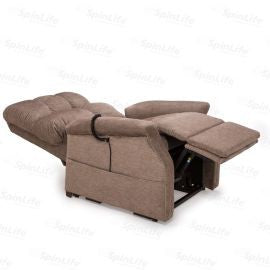
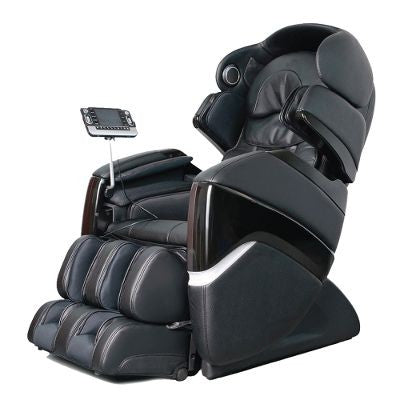
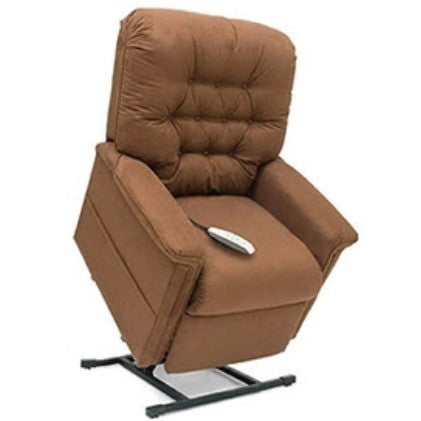
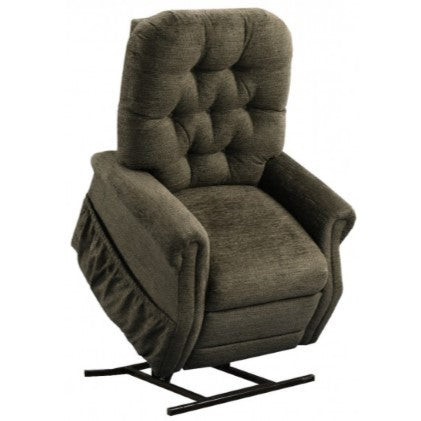
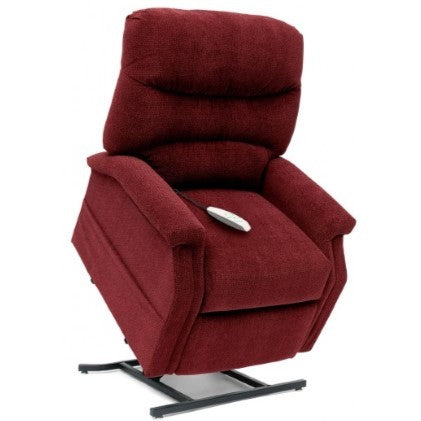
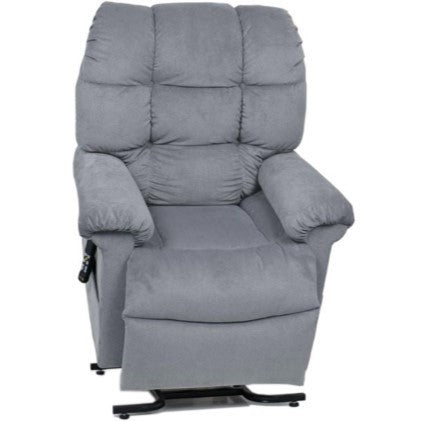
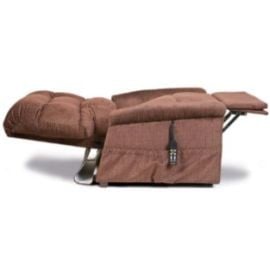
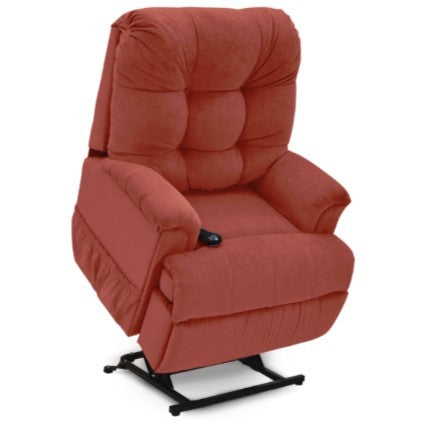
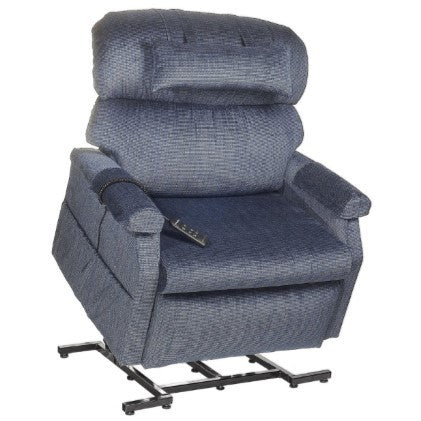
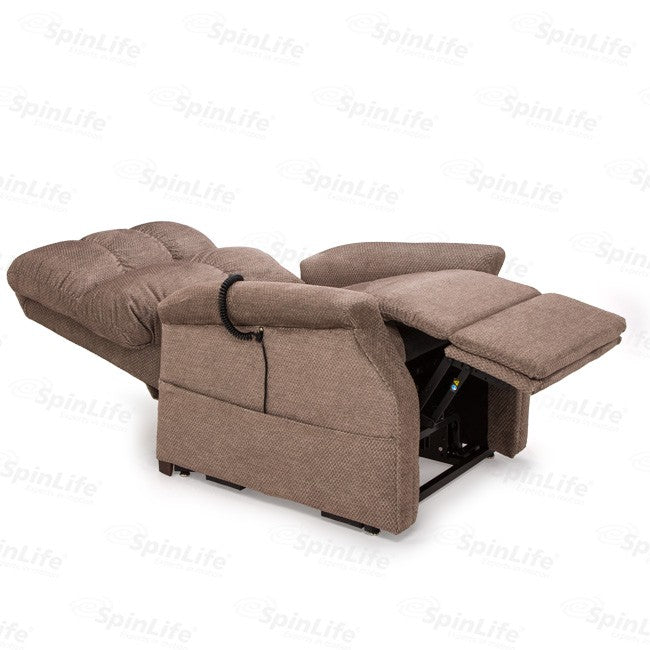
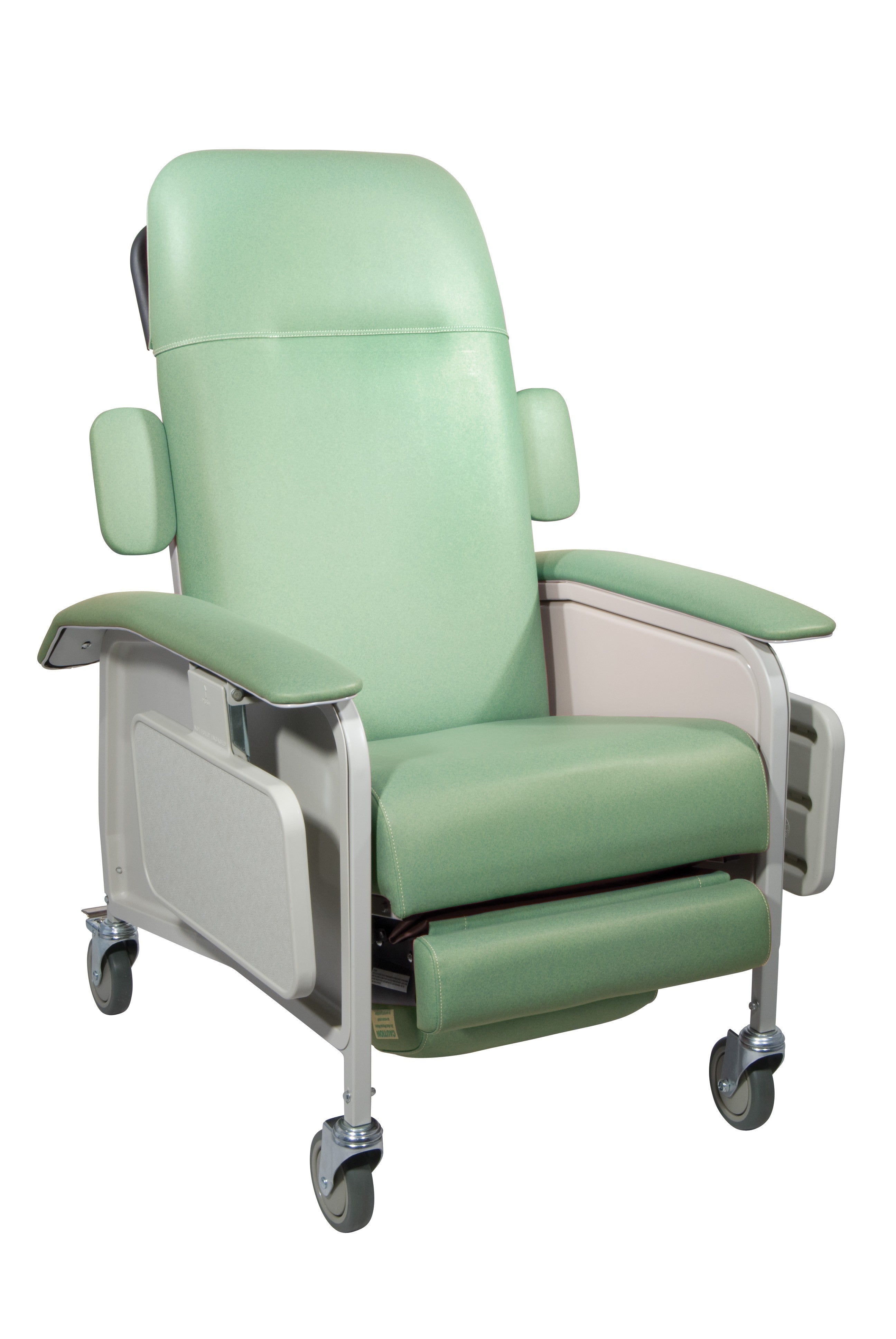
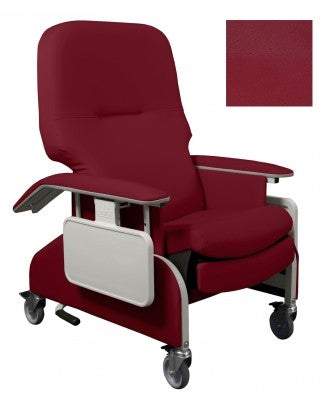
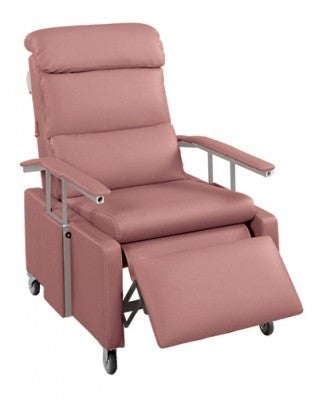
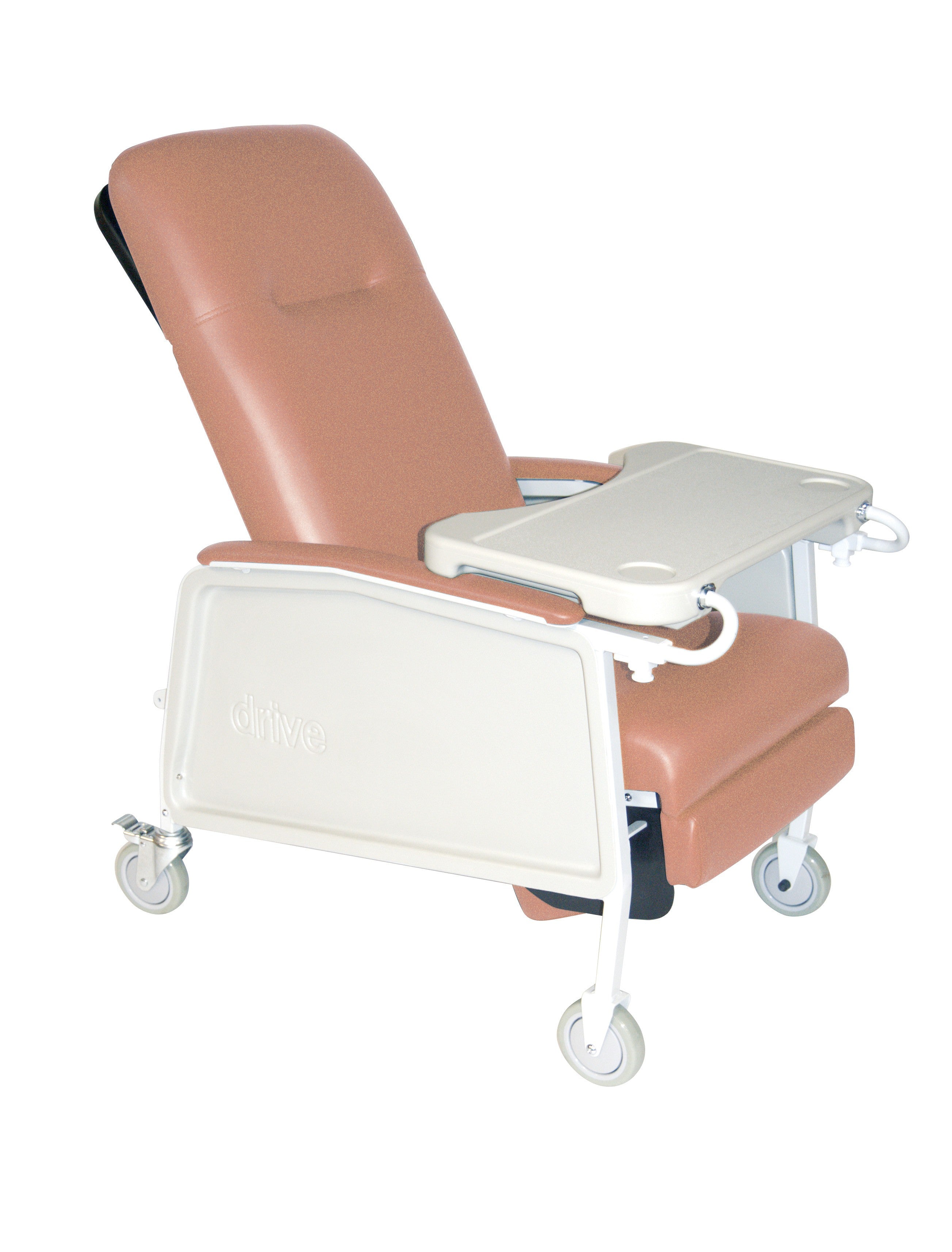
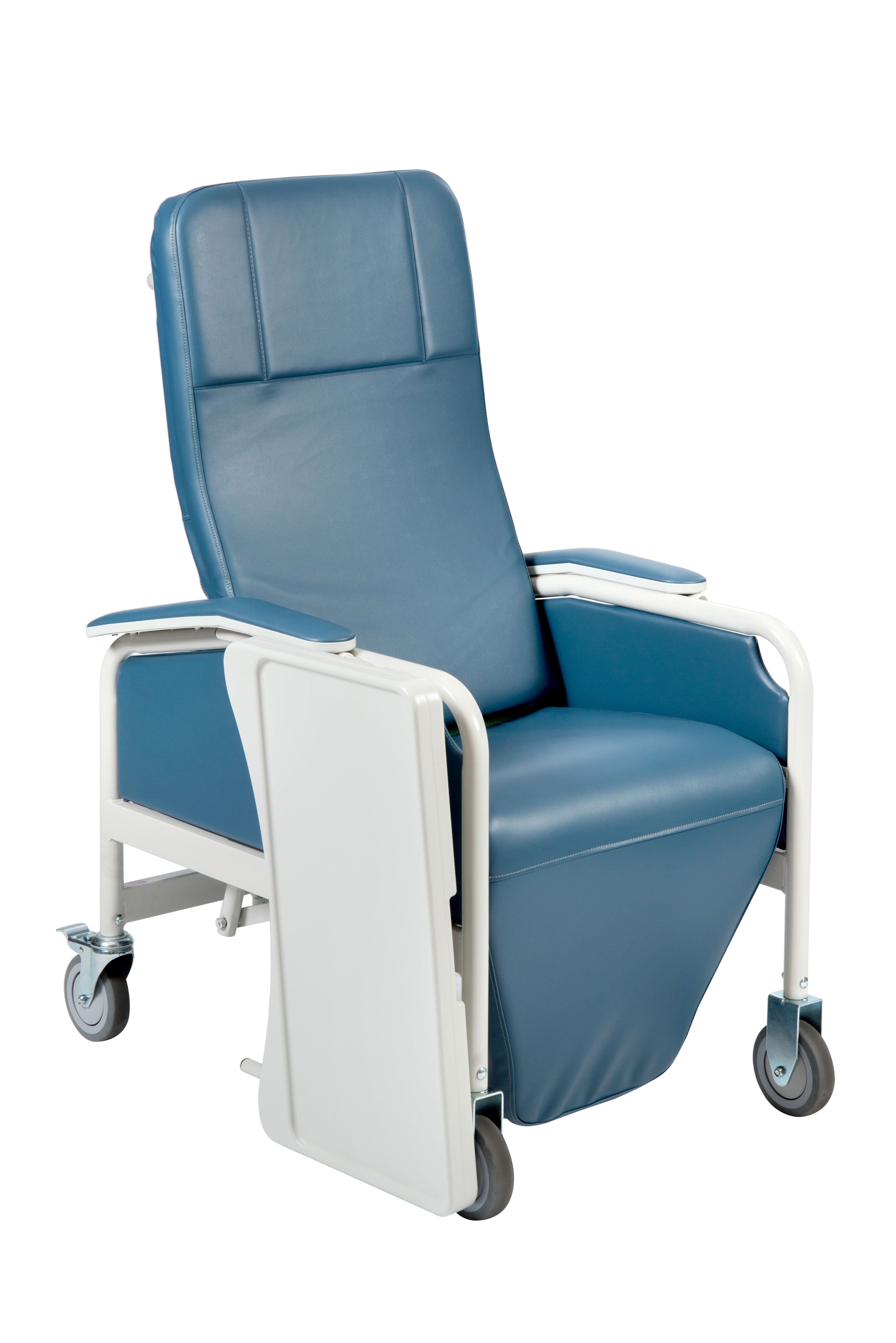
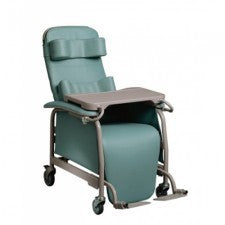
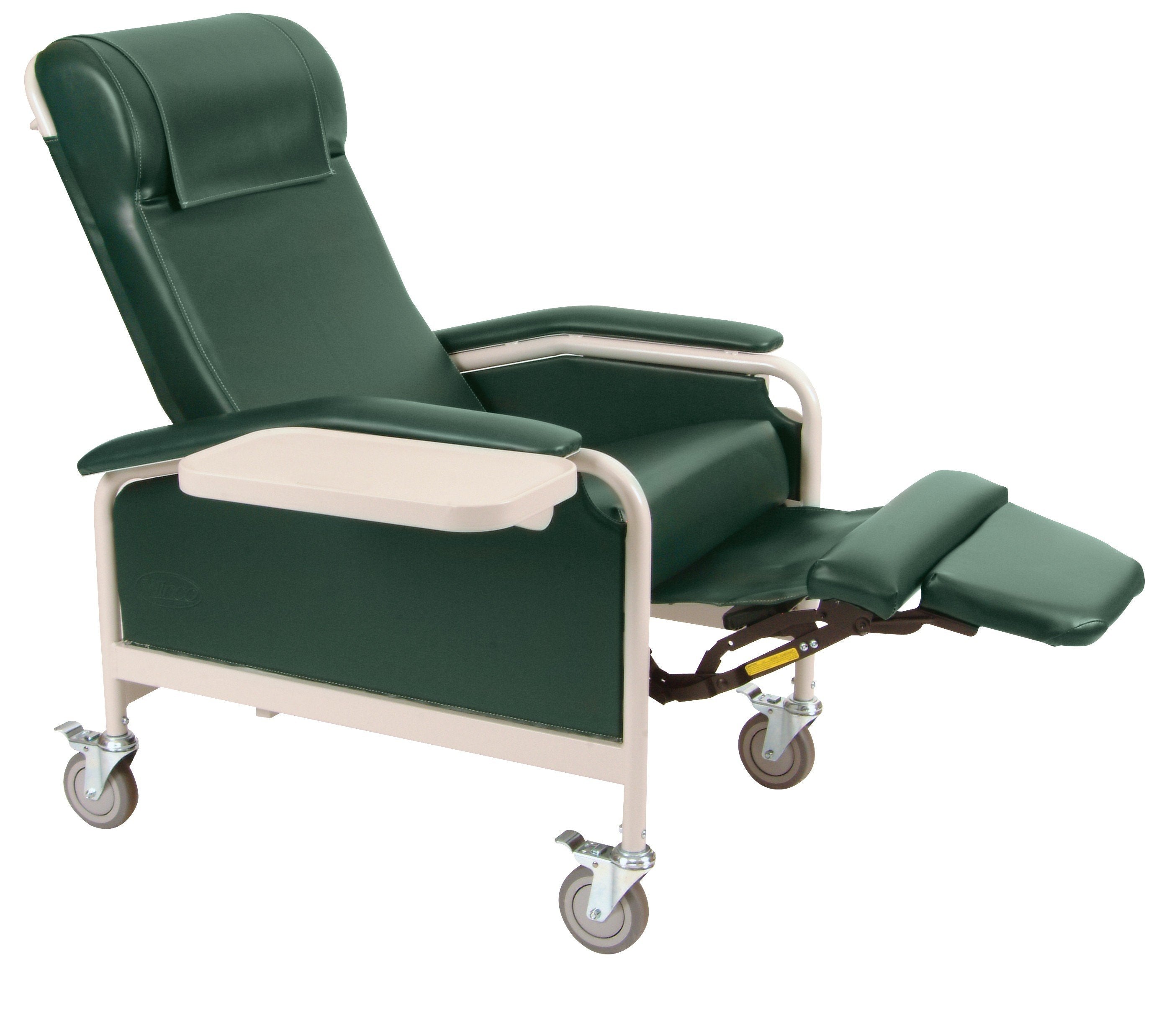




A lift chair can make the difference between needing help to stand and getting up with confidence. That naturally leads many shoppers and caregivers to ask: can you sleep in lift chairs? For some people, the answer is yes, particularly for an occasional night or short recovery period. But whether it is a good long-term arrangement depends on the chair, the person’s health needs, and how their body feels after several hours in a reclined position.
A power lift recliner is designed first to provide comfortable seated support and a safer transition from sitting to standing. Many models also recline far enough for resting or sleeping. Still, a chair that feels excellent during an afternoon nap is not automatically the right place for a full night of sleep.
Can You Sleep in Lift Chairs Every Night?
Some people do sleep in lift chairs every night, especially when lying flat makes breathing, pain, swelling, or mobility challenges worse. A lift chair may be helpful during recovery from surgery, after an illness, or when a person needs to remain somewhat upright to rest comfortably.
The right answer is not the same for every household. If someone can transfer safely, maintain a comfortable position, and wake without increased stiffness, numbness, swelling, or pain, overnight chair sleeping may work for a period of time. A quality lift chair with generous cushioning, a supportive back, and a reclining position that matches the user’s needs can provide meaningful relief.
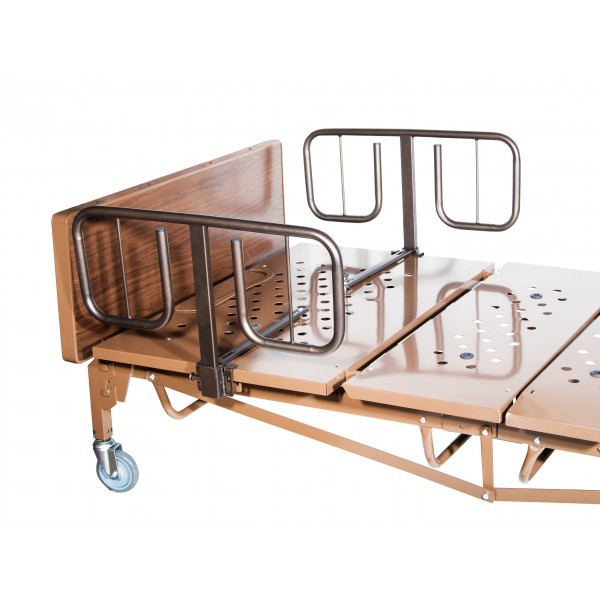
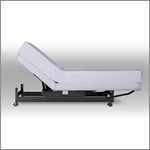
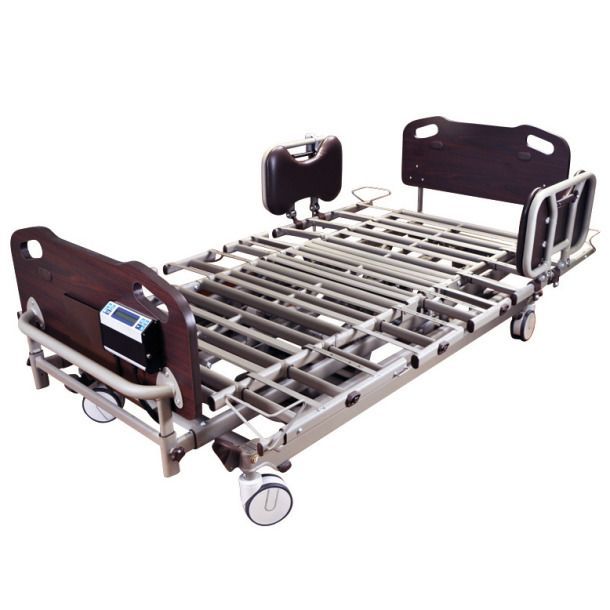
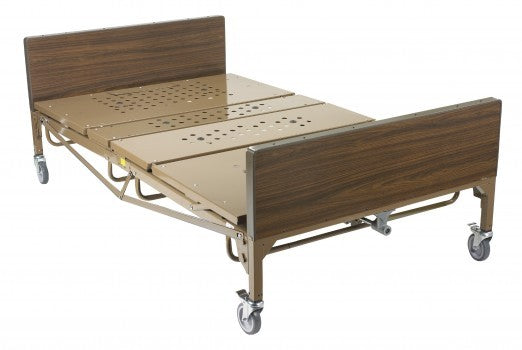
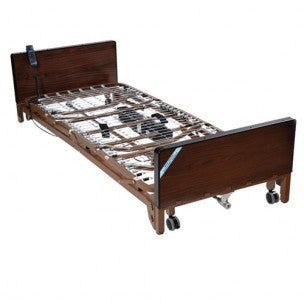
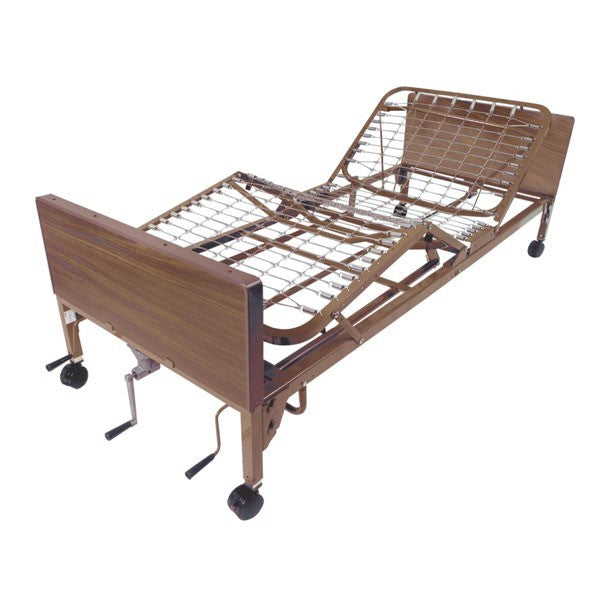
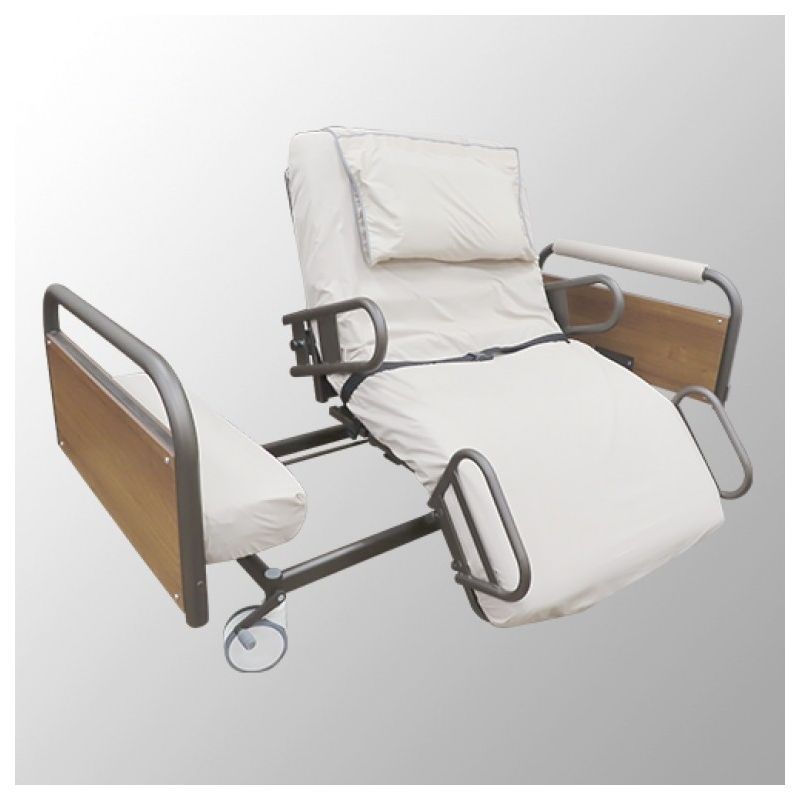
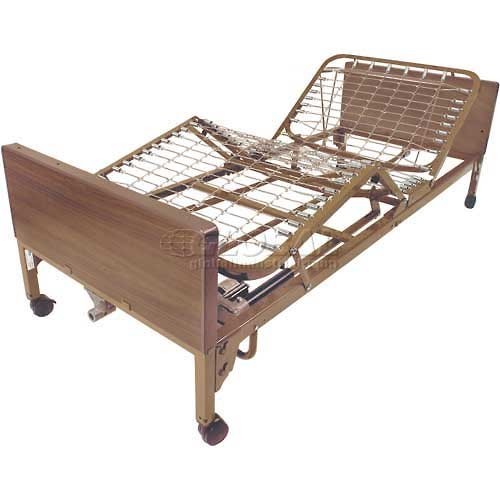
For permanent nightly use, though, a bed often offers better room to change positions, stretch out, and manage bedding. An adjustable bed may be the more practical choice for a person who needs elevated legs or upper-body positioning every night but also needs the surface area of a mattress. A hospital bed may be appropriate when caregiving, transfers, side rails, or medical positioning are part of daily care.
Why a Lift Chair May Feel Better Than a Flat Bed
Sleeping flat can be uncomfortable for people with certain mobility or health concerns. A reclined position may reduce pressure on painful joints, make it easier to breathe comfortably, or reduce the effort required to get up in the morning. For someone who has arthritis, limited leg strength, back discomfort, or trouble rising from a standard mattress, the powered lift function can be especially valuable.
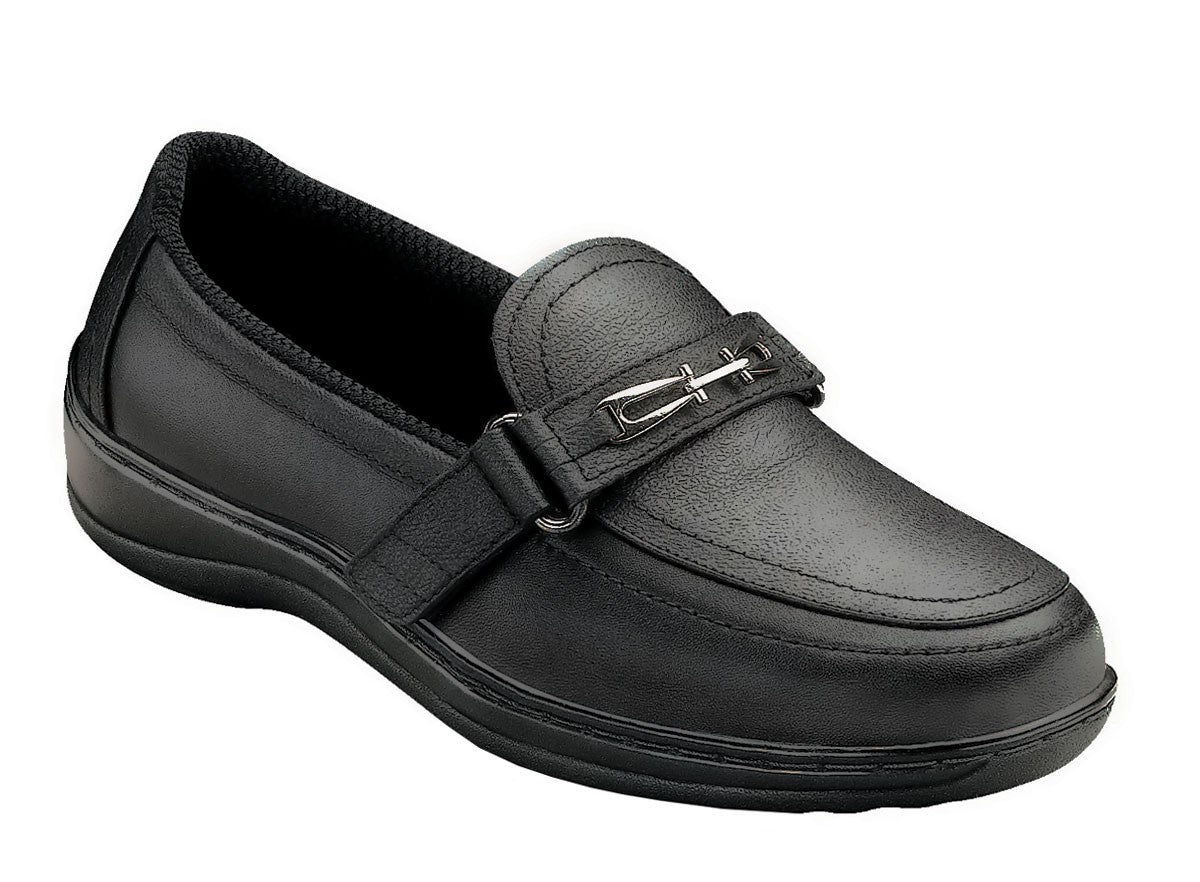
Lift chairs can also reduce the worry of getting stranded in a low seat. When it is time to stand, the chair gently raises and tilts forward to help the user reach a standing position with less strain. That feature supports independence, but it does not replace safe transfer habits. Users should still wear stable footwear, keep the area clear, and use a cane, walker, or caregiver assistance when needed.
The most comfortable sleep position varies. Some users prefer a lightly reclined posture with their feet supported. Others need their legs raised higher, while some benefit from more upright back support. Lift chairs with multiple positions offer more flexibility than basic two-position models, which are generally best for sitting and limited reclining.
The Trade-Offs of Sleeping in a Lift Chair
A lift chair is narrower than a bed and does not allow the same freedom of movement. People who shift frequently in their sleep may feel confined, and staying in one position for too long can contribute to soreness, stiffness, or pressure discomfort. A chair may also be difficult for a person who needs to lie fully flat, sleep on their side, or use specific medical equipment at night.
Leg elevation deserves careful thought. Raising the footrest can feel very comfortable, but the best position depends on the user’s circulation, swelling, joint comfort, and clinician recommendations. If a person has a history of pressure injuries, circulation concerns, severe edema, or other ongoing medical conditions, their healthcare professional should guide the overnight positioning plan.
There is also a practical concern: bedding. A standard blanket can slide off as the chair changes position, and bulky bedding can interfere with the footrest or moving parts. A lighter blanket, a wearable layer, or bedding designed to stay in place can make overnight use more comfortable. Never place cords, blankets, pillows, or personal items where they can become caught in the chair mechanism.
Choosing a Lift Chair for Rest and Overnight Comfort
If resting or occasional overnight sleep is a priority, do not choose a chair based on color or appearance alone. Fit is the foundation of comfort and safe use. The user’s height, weight, hip width, leg length, and preferred position all affect which model will feel supportive.
A properly fitted chair allows the user’s feet to rest comfortably on the floor when seated upright, with the back supported and the knees positioned naturally. A seat that is too deep can make standing harder and leave the user leaning forward. A seat that is too shallow may fail to support the thighs. The wrong seat width can create pressure at the hips or leave the user without enough stable support.
For sleep-friendly comfort, look closely at the recline range, back style, seat cushioning, and weight capacity. Infinite-position lift chairs generally offer the most flexibility because the back and footrest can often be adjusted independently. This can help users find a position that supports both the upper body and legs. Zero-gravity-style positioning may feel relieving for some people, but comfort remains personal and should not be assumed from a feature name alone.
Consider these four buying factors before choosing a chair for frequent resting:
- Seat dimensions and weight capacity: The chair should fit the user’s body comfortably and provide dependable support.
- Recline and footrest control: More independent adjustment options give the user more ways to fine-tune comfort.
- Fabric and cushioning: Easy-clean upholstery can be useful for daily care, while firmer or softer cushioning should match the user’s preference and transfer needs.
- Power and backup considerations: Understand how the chair operates during a power outage and keep the power cord positioned safely away from foot traffic and moving components.
When a Bed May Be the Better Choice
A lift chair may be a useful short-term solution, but it is worth considering a bed when sleeping in the chair becomes a routine because no other option feels manageable. A bed can be more suitable if the person needs to turn frequently, lies on their side, shares a sleeping space, needs caregiver assistance overnight, or wakes with new discomfort after chair sleeping.
An adjustable bed can offer many of the same advantages people seek from a lift chair: head elevation, leg elevation, and easier repositioning. Unlike a chair, it provides a full mattress surface and more room to move. For higher levels of care, a home hospital bed can support safer transfers, easier caregiver access, and positioning features that fit changing needs.
The goal is not to force a person into one type of equipment. It is to choose the setup that allows them to rest safely, move with less assistance, and remain as independent as possible.
Signs It Is Time to Reassess the Setup
Pay attention to what happens after sleeping in the chair, not only how it feels at bedtime. New pain, persistent numbness, skin irritation, worsening swelling, difficulty transferring, or poor sleep quality are reasons to reassess. A healthcare professional can help determine whether the sleeping position is appropriate, especially after surgery or when managing a chronic condition.
Caregivers should also watch for changes in a loved one’s ability to operate the remote, keep the chair clear of hazards, and get out of the chair safely. If nighttime assistance is becoming frequent, different sleep equipment may reduce strain for both the user and caregiver.
American Quality Health Products has helped customers find mobility and home comfort equipment since 2001. When choosing between a lift chair, adjustable bed, or home hospital bed, knowledgeable product guidance can help you focus on fit, positioning, and everyday usability rather than guessing from photos alone.
A lift chair can be a comfortable place to rest and, for some people, sleep temporarily or regularly. The best choice is the one that supports a safe night, an easier morning, and the independence that makes home feel like home.


