











A bed that is too low can make standing difficult. One that does not raise the upper body can turn a simple meal, medication routine, or night of sleep into a daily struggle. This guide to home hospital beds helps families look beyond the word “hospital” and focus on what the bed must do: support safer care, preserve comfort, and make life at home more manageable.
A home hospital bed is not automatically the right choice for every person who needs extra comfort. But when someone has limited mobility, needs help transferring, is recovering from surgery, spends extended time in bed, or requires regular caregiver assistance, an adjustable medical bed can make a meaningful difference. The best choice comes down to the user’s physical needs, the caregiver’s routine, the room itself, and the mattress and accessories that complete the setup.
What Makes a Home Hospital Bed Different?
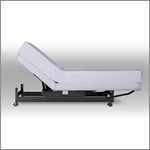
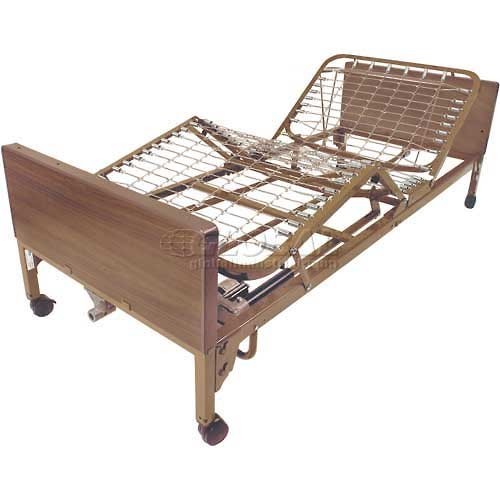
Home hospital beds are designed for positioning, transfer support, and long-term durability. Most models allow the head and knee sections to rise independently, helping the user sit up for reading, meals, or personal care while reducing the need to stack pillows. Many also adjust in height, allowing caregivers to bring the sleep surface to a safer working level and lower it for easier entry and exit.
This is a major distinction from a standard adjustable bed. Adjustable residential beds may offer comfort features, but a home hospital bed is built around care needs. It typically includes a stronger medical-style frame, a higher weight capacity, compatible safety rails, and a mattress intended for medical use. Some models also include a footboard and headboard to create a more familiar bedroom appearance.
The trade-off is that hospital beds can take up more room and may look more clinical than conventional furniture. For many households, however, the gains in safety and independence outweigh that concern. Today’s options include more residential-looking designs for people who want medical function without making the bedroom feel institutional.
Guide to Home Hospital Beds: Start With Daily Needs
Before comparing bed styles or features, think through a normal day and night. Can the person move from lying down to sitting without help? Do they need a caregiver to assist with bathing, dressing, repositioning, or transfers? Are they likely to remain in bed for long periods? Answers to these questions point toward the features that matter most.
Someone recovering for a few weeks after surgery may need a straightforward adjustable bed with head and knee articulation. A person with progressive mobility limitations or long-term care needs may benefit more from a fully electric hi-low bed, a pressure-relief mattress, and carefully selected rails. If transfers involve a wheelchair, walker, or lift device, bed height and clearance become especially important.
It is also worth asking what independence looks like for the user. A hand control that raises the head section may allow one person to sit up without calling for help. A low bed position may give another person the confidence to get in and out more safely. The right bed should support ability, not simply add equipment to the room.
Consider the caregiver’s needs, too
A bed that supports the user but strains the caregiver is not a complete solution. Height adjustment is one of the most valuable features for families providing hands-on care. Raising the bed can reduce bending during dressing, changing linens, or assisting with personal care. Lowering it can make transfers easier and may reduce the risk of a fall from bed.
If more than one person will provide care, choose controls and features that are simple to understand. Care routines are easier when the bed works predictably and does not require complicated adjustments every time the user changes position.
Choose the Right Bed Type and Controls
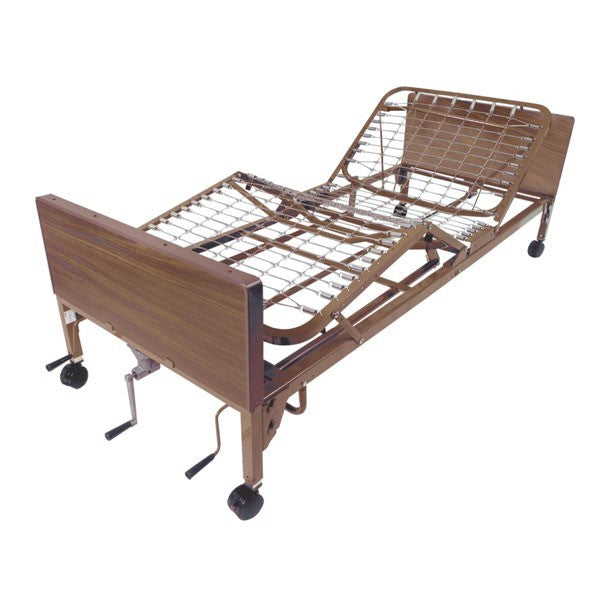
Home hospital beds generally fall into three categories: manual, semi-electric, and fully electric.
Manual beds use hand cranks to adjust the head, knees, and sometimes the height. They can be appropriate when adjustments are occasional and a caregiver is always available. Their simpler design may suit short-term situations, but they are less convenient when frequent repositioning is needed.
Semi-electric beds use an electric hand control for the head and knee sections, while bed height is adjusted manually. This can be a practical middle ground for users who want powered positioning but do not need to change the height often.
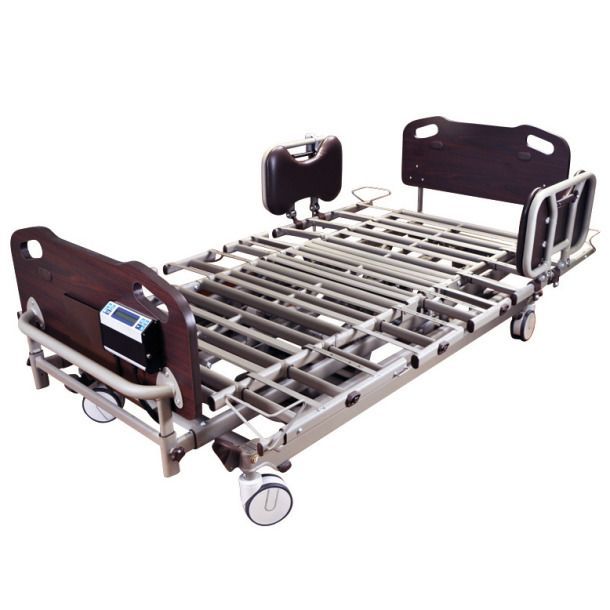
Fully electric beds allow the head, knees, and overall bed height to be adjusted with a hand pendant. For daily use, limited mobility, or regular caregiver support, this is often the most practical option. It gives the user more control and makes it easier to adapt the bed to changing care needs.
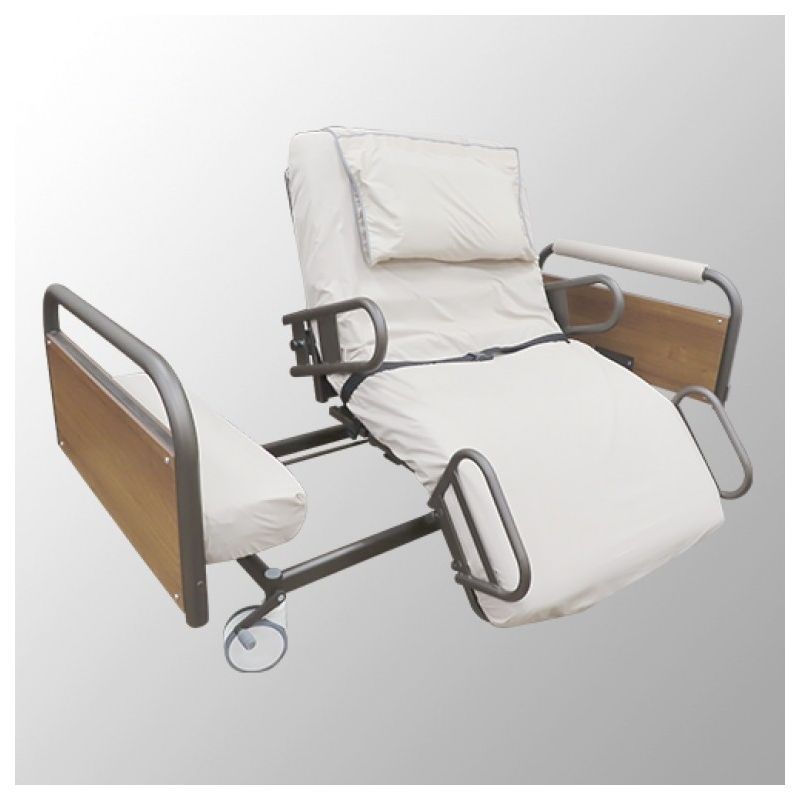
Some premium models offer additional positioning options, including advanced back support or comfort-focused configurations. These features can be worthwhile when a person spends many hours in bed, but they should not replace the basics: correct size, safe transfers, reliable controls, and a supportive mattress.
Size, Weight Capacity, and Room Measurements
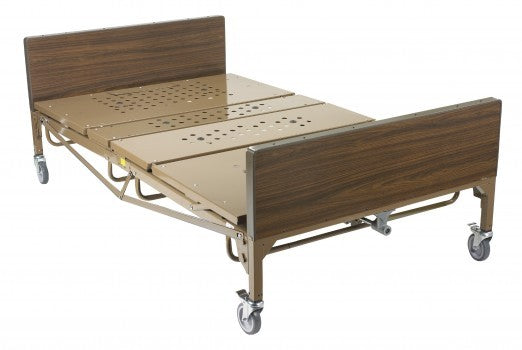
A standard home hospital bed sleeping surface is commonly 36 inches wide by 80 inches long, similar in length to a twin XL mattress. Wider options may be available for users who need more room, have a larger body frame, or require additional space for repositioning. A wider bed can improve comfort, but it also needs more floor space and may affect how caregivers move around the room.
Measure the intended room before ordering. Account for the bed at its full length, space beside the bed for transfers, access to doors and closets, and room for a wheelchair, walker, lift chair, or caregiver. A bed placed tightly against a wall may conserve space, but it can limit safe access for care.
Weight capacity deserves close attention. Check the manufacturer’s stated capacity and confirm whether it includes the mattress, rails, accessories, and other items placed on the bed. For bariatric users, choose a bed specifically engineered for higher weight capacity and pair it with a compatible bariatric mattress. The frame, mattress, and accessories should work together as a system.
Do Not Treat the Mattress as an Add-On
The mattress has as much influence on comfort as the bed frame. A basic innerspring medical mattress may work well for a person who changes position often and is using the bed for a limited recovery period. For someone with reduced mobility or a higher risk of skin breakdown, a pressure-relief foam mattress, alternating-pressure mattress, or other therapeutic surface may be a better fit.
The best mattress depends on body weight, mobility, moisture concerns, time spent in bed, and guidance from the person’s healthcare professional. A mattress that is too soft may make transfers more difficult. One that is too firm can create discomfort during long periods of lying down. It must also flex properly as the bed raises and lowers.
Use a mattress designed for the specific hospital bed frame. A standard household mattress may not bend safely with an articulated base, can shift out of position, and may create gaps near rails or the frame.
Safety Features Need Thoughtful Selection
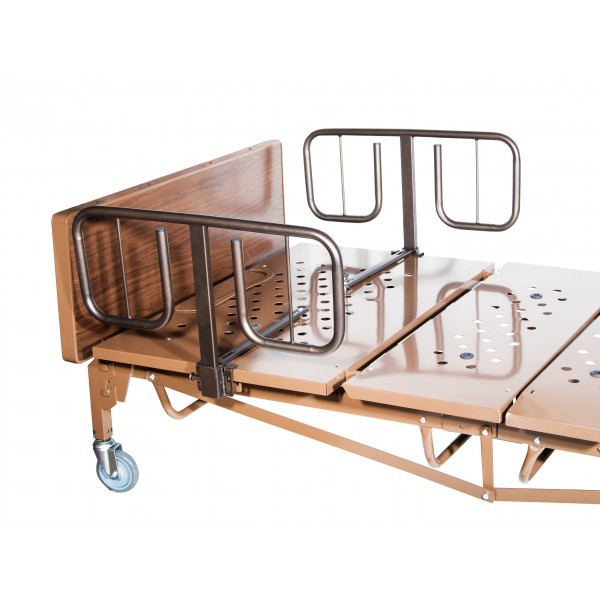
Bed rails are often viewed as an automatic safety upgrade, but they should be chosen carefully. Half rails can provide a handhold for repositioning and may assist with getting in and out of bed. Full rails may be appropriate in certain care settings, yet they can also create risks for people who are confused, restless, or likely to attempt climbing over them.
A healthcare professional can help determine whether rails are appropriate for the individual. When rails are used, confirm they are compatible with the bed and mattress, installed correctly, and inspected for gaps that could create entrapment hazards. Never improvise with non-compatible rail systems.
Other useful safety details include locking casters, an easy-to-reach hand control, a battery backup for power interruptions when available, and clear paths around the bed. Keep cords organized and away from walking areas. If the bed is near a bathroom route, make sure there is adequate lighting for nighttime trips.
Plan for Delivery, Setup, and Long-Term Use
Home hospital beds are substantial pieces of equipment. Before delivery, confirm there is a clear route through entryways, hallways, and the bedroom. Remove loose rugs or furniture that could interfere with setup or create trip hazards afterward.
Think beyond the immediate recovery period. If the user’s needs may change, a fully electric bed with adjustable height can offer more flexibility than a basic model. If the bed is intended for temporary use only, a simpler configuration may be perfectly appropriate. There is no benefit in paying for specialized features that will not be used, but choosing too little bed can create unnecessary difficulties later.
At American Quality Health Products, knowledgeable assistance can help shoppers compare bed styles, weight capacities, mattress options, and accessories based on real home-care needs. A confident purchase starts with matching the equipment to the person, not choosing the most complicated model.
The right home hospital bed should make ordinary moments easier: sitting up for breakfast, resting after therapy, moving safely to a wheelchair, or receiving care with less strain. When those everyday moments are considered first, the best bed choice becomes much clearer.


