

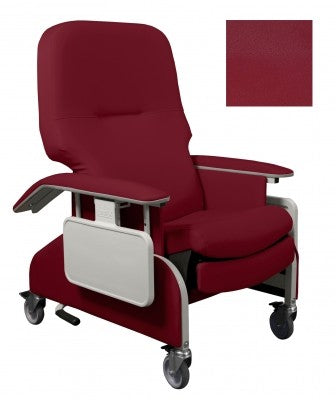
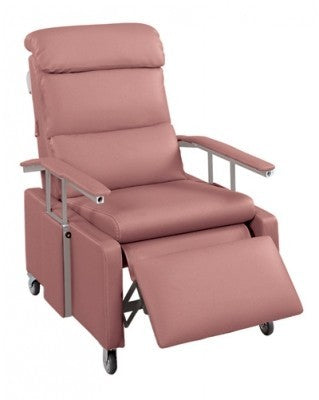
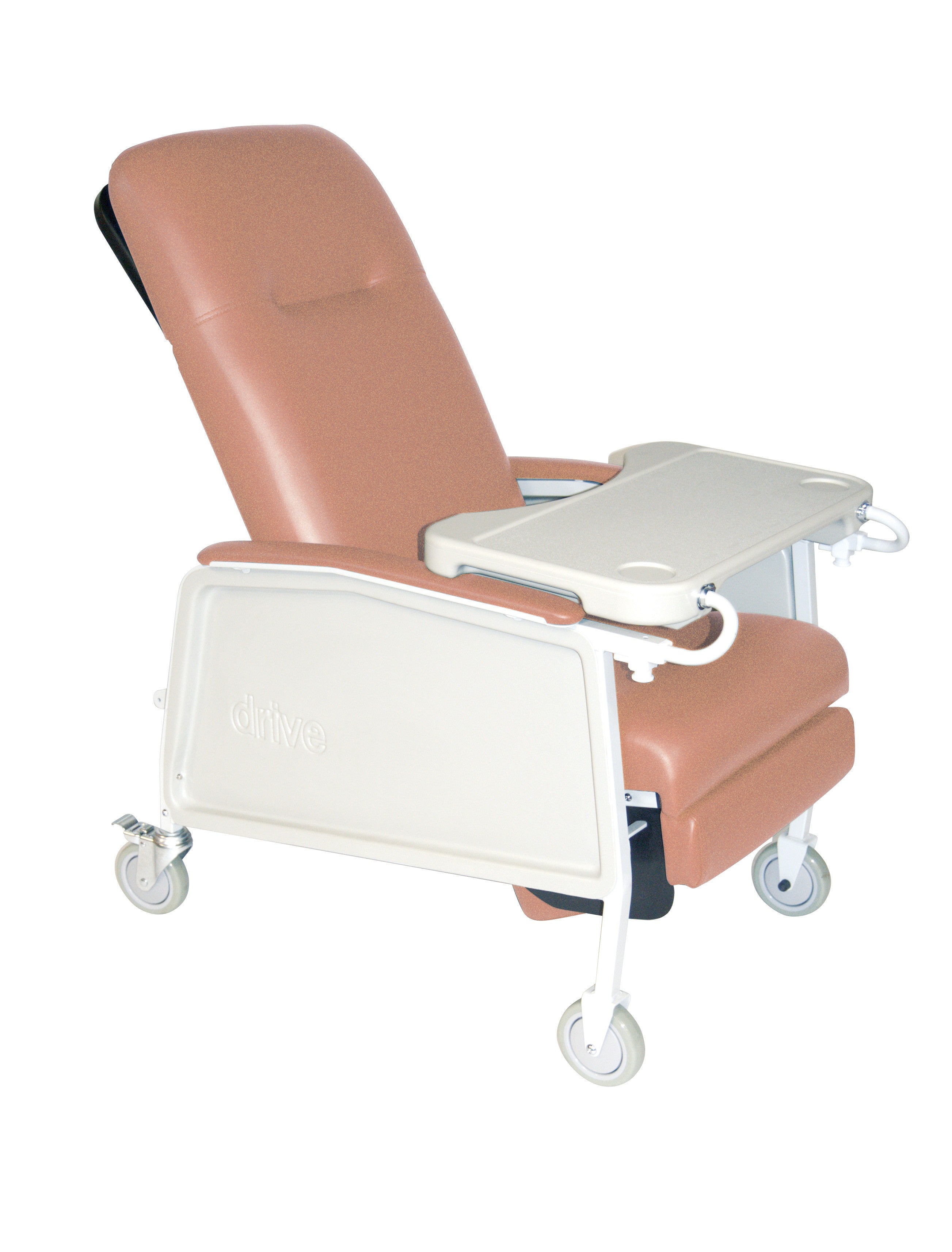
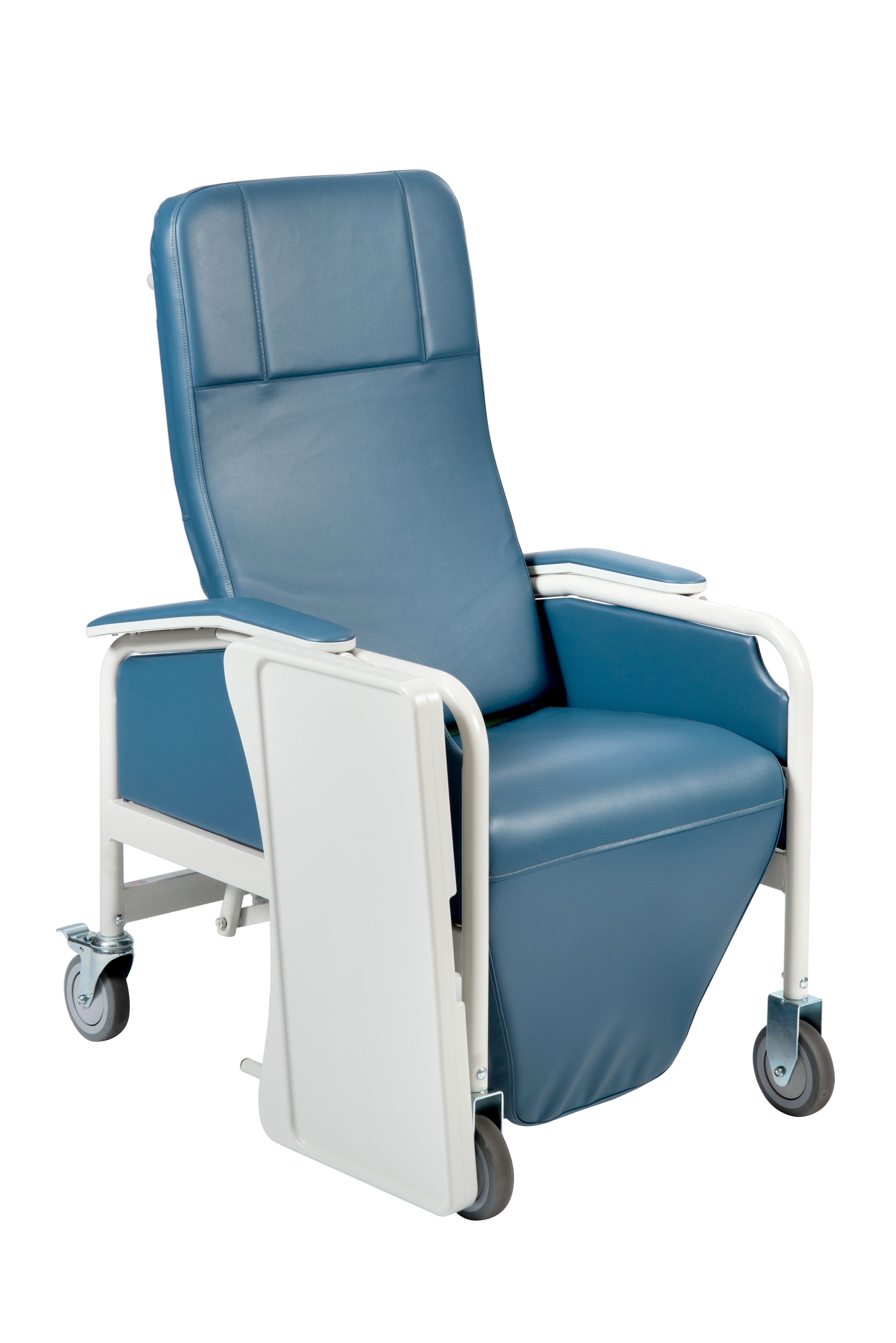





A wheelchair that feels right in a showroom can feel very different after a full day at home, at appointments, or in the car. When comparing folding versus rigid wheelchairs, the best choice is rarely about which style is universally better. It is about how the chair will support the user’s body, routines, transportation needs, and level of independence.
For some people, a folding frame makes outings and caregiver transport far more manageable. For others, the lighter, more responsive feel of a rigid chair can reduce effort with every push. Understanding those differences before you buy helps prevent a costly mismatch and makes daily mobility more comfortable.
The Basic Difference Between Folding and Rigid Frames
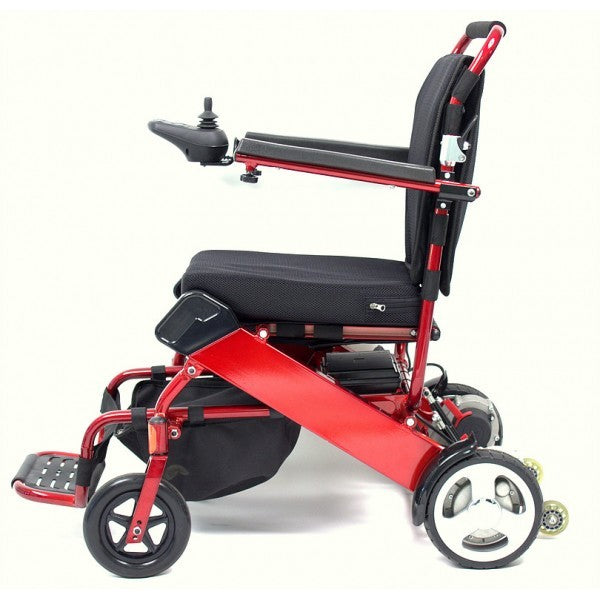
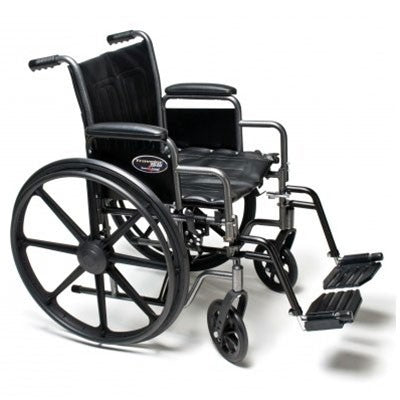
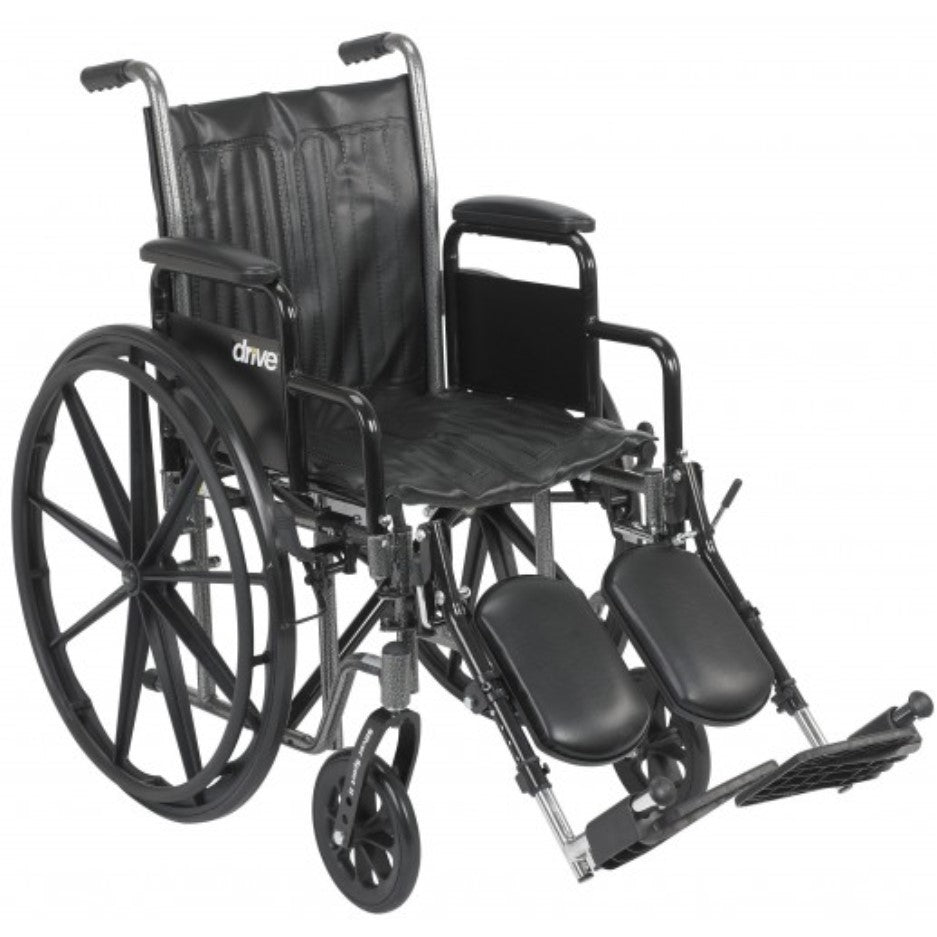
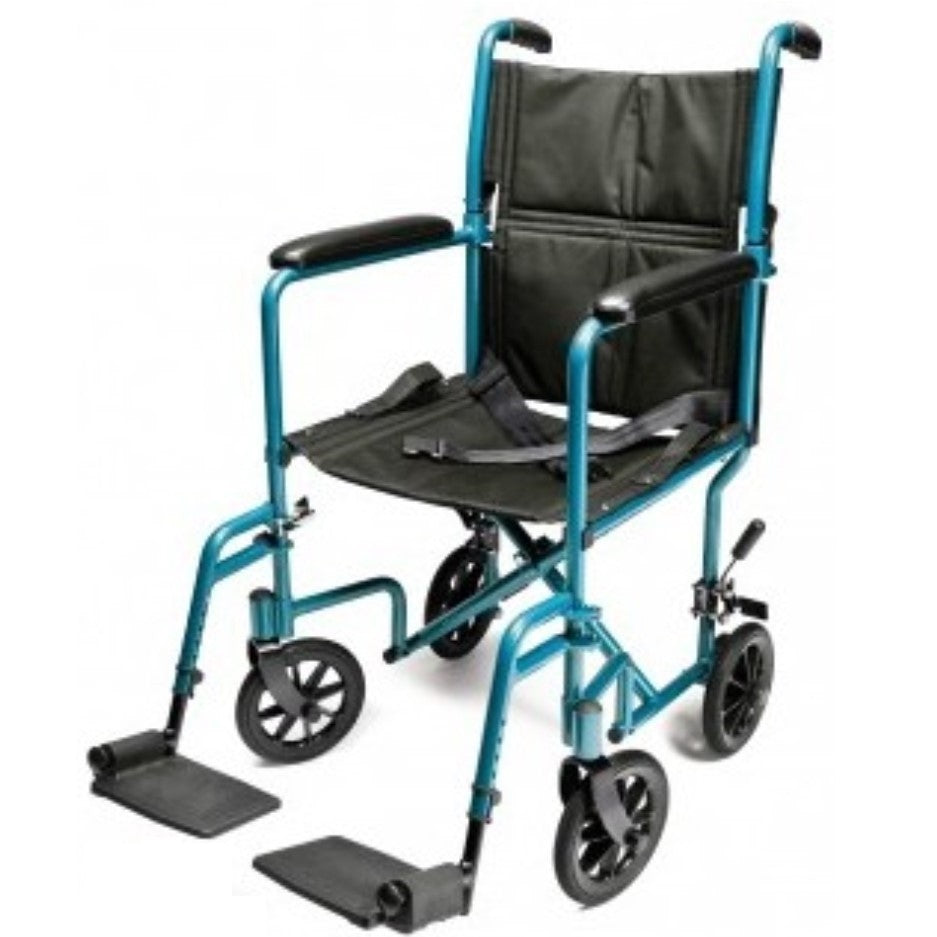
A folding wheelchair has a cross-brace frame that allows the sides of the chair to collapse inward. This design has been familiar for decades because it is practical for storage, travel, and households where a caregiver often loads the wheelchair into a vehicle.
A rigid wheelchair has a fixed frame that does not fold in the middle. Its wheels may remove quickly, and certain models have folding backrests, but the main frame stays solid. Because there are fewer moving parts in the frame, rigid chairs are often lighter and transfer more of the user’s pushing energy into forward movement.
Frame style matters, but it is only one part of the decision. Seat width and depth, back support, armrest style, footrest position, wheel setup, overall chair weight, and weight capacity all affect whether a wheelchair will work well day after day.
Folding Versus Rigid Wheelchairs for Daily Use
The biggest practical distinction is how each chair behaves during everyday movement. Folding wheelchairs prioritize convenience and flexibility. Rigid wheelchairs often prioritize efficiency, customized positioning, and performance.
When a Folding Wheelchair Makes Sense
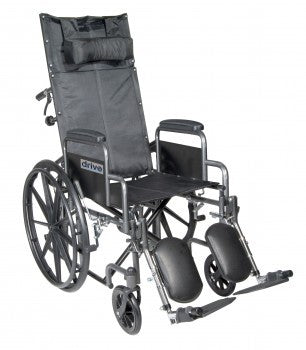
A folding manual wheelchair is often a strong choice for a person who rides occasionally, needs help from a caregiver, or must fit the chair into a trunk or back seat regularly. The frame can collapse for transport without removing major components, which can save time when getting to medical visits, family events, or errands.
Folding chairs are also a sensible option for temporary needs, such as recovery after surgery or illness. If the chair will mainly be used around the house, for short outdoor trips, or when walking long distances is not possible, a dependable folding model may provide the right balance of comfort and convenience.
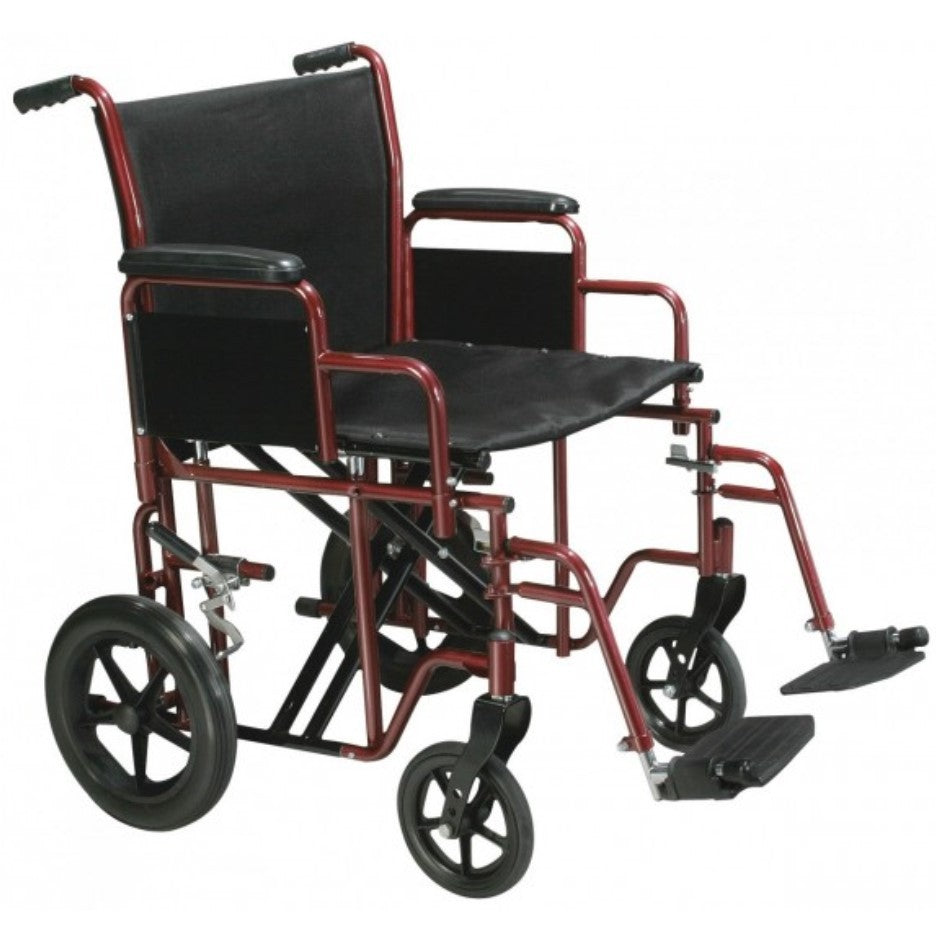
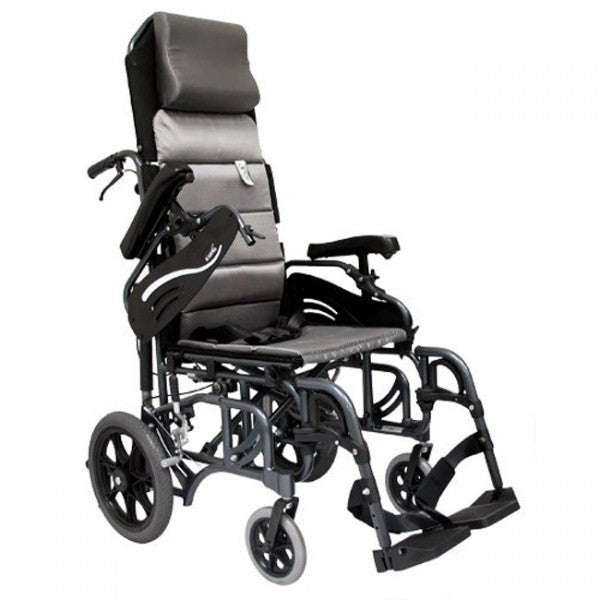
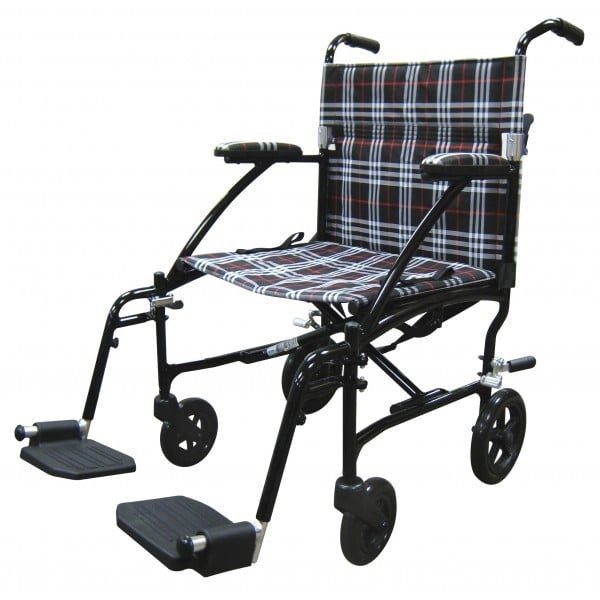
Caregivers frequently appreciate features such as attendant hand brakes, swing-away footrests, removable armrests, and anti-tippers. These details can make transfers, pushing, and storage easier. A transport wheelchair, which typically has smaller rear wheels, can be particularly useful when the user will not self-propel.
There are trade-offs. Folding frames can weigh more than comparable rigid frames, and the cross-brace may make the chair feel less direct to propel. They also need enough width to fold and unfold comfortably, which can matter in a tight entryway or vehicle.
When a Rigid Wheelchair Is the Better Match
A rigid wheelchair is often preferred by active self-propellers who spend many hours in the chair. Its fixed frame can feel more responsive because less energy is lost through frame movement. Over the course of a day, that efficiency may mean less fatigue, especially for someone who propels across larger homes, workplaces, school campuses, or community spaces.
Many rigid models are designed with a lower overall weight and a more tailored fit. The rear axle can often be positioned to improve balance and make the wheels easier to reach. The seat angle, back height, footplate placement, and wheel camber may also be selected around the user’s posture and mobility goals.
A rigid frame still can travel well, but the loading process is different. The user or caregiver may remove the quick-release wheels and lift the frame into the vehicle. For a person with good upper-body strength, that can be manageable. For a caregiver lifting equipment alone, it is worth comparing the true carry weight of the frame and wheels, not just the advertised chair weight.
Rigid chairs are not automatically the right answer for everyone. They may require more careful measurement and setup, and a fixed frame may be less convenient when storage space is limited. They are most valuable when the user will benefit from the performance and individualized fit they provide.
Comfort Depends on Fit, Not Frame Alone
A common mistake is choosing a wheelchair based only on whether it folds. Comfort and safety begin with proper dimensions. A seat that is too narrow can create pressure and restrict movement. One that is too wide may make it harder to reach the wheels and maintain stable posture. Seat depth must support the thighs without pressing into the back of the knees.
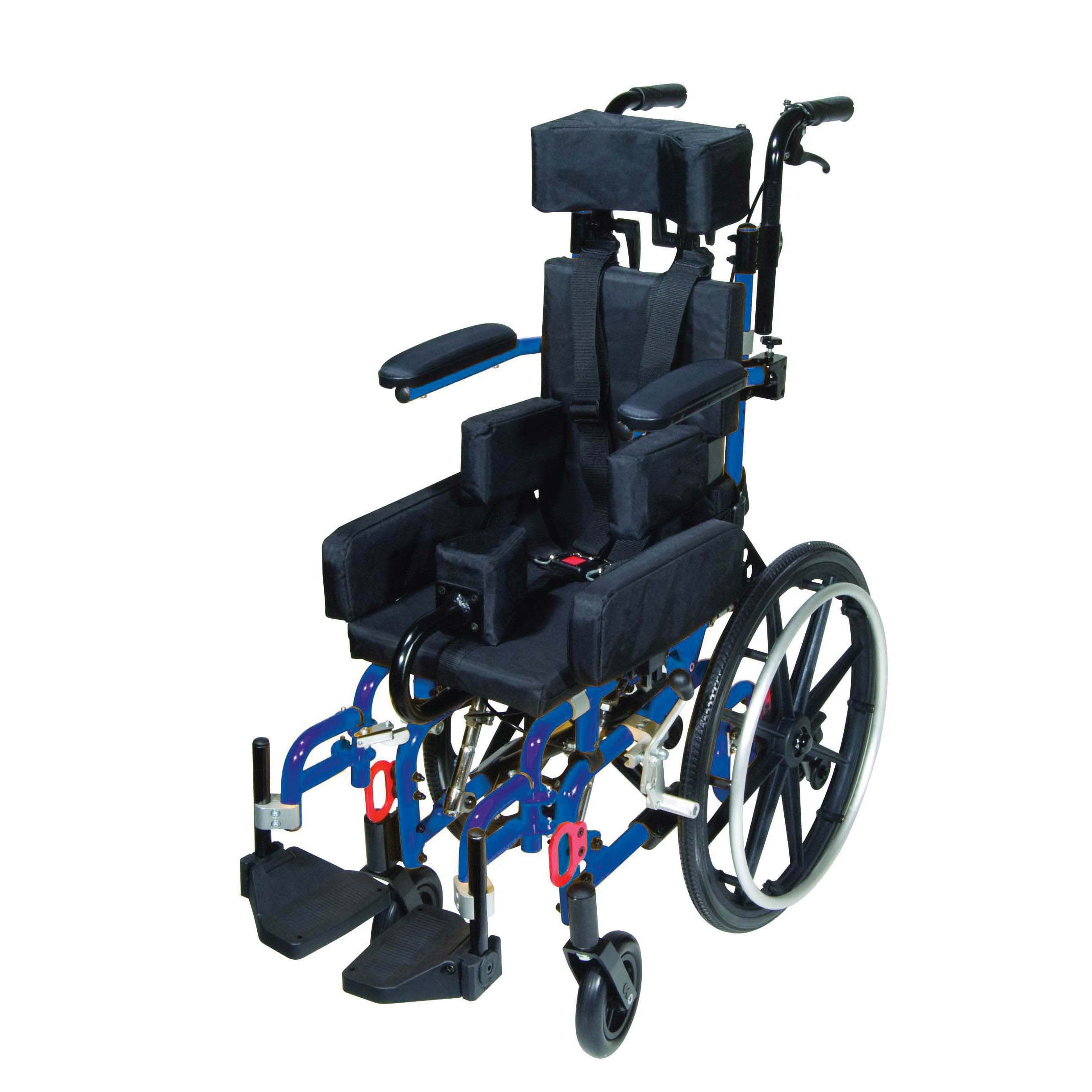
Back support deserves equal attention. A basic sling back may work for brief use, while a person who sits for several hours may need firmer support, an adjustable back, or a compatible cushion. Pressure management is especially important for users with limited sensation, diabetes, skin concerns, or difficulty repositioning independently.
Consider how the wheelchair will be used indoors. Measure doorways, bathroom entrances, hallways, and the space beside the bed or favorite chair. The overall width of the wheelchair, particularly at the handrims, can determine whether a user can move through the home without assistance.
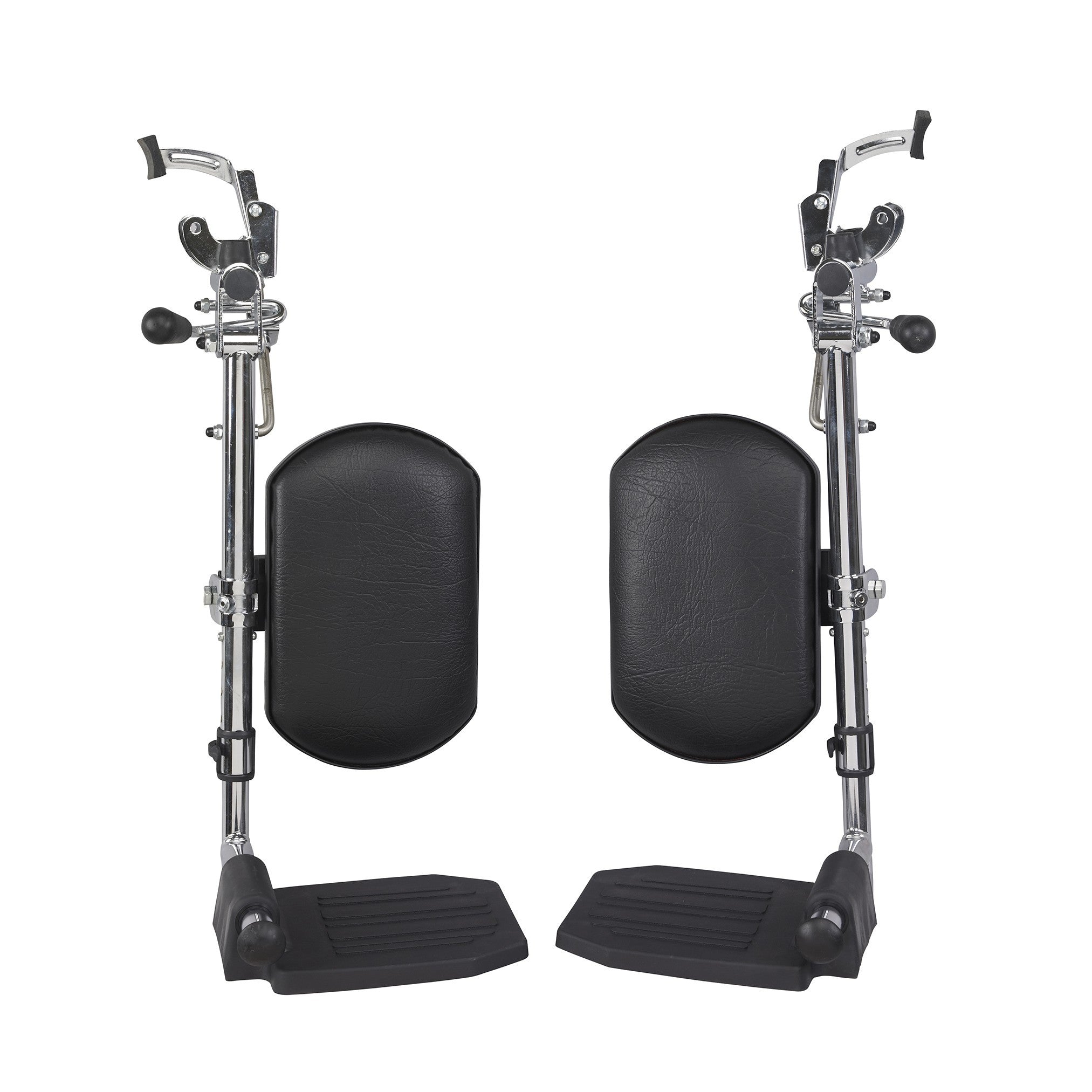
The right cushion, armrests, and leg support can make a larger difference than many shoppers expect. Elevating leg rests may help some users who need support for swelling or recovery, while standard swing-away footrests may be easier for frequent transfers. A mobility specialist can help match these choices to the user’s daily needs rather than adding accessories that are unnecessary.
Transportation, Storage, and Caregiver Needs
Before choosing between folding and rigid wheelchairs, picture the actual loading routine. Who will lift the chair? How high is the vehicle cargo area? Will the wheelchair be taken apart at every outing? Is there room to store it open at home, or does it need to fit in a closet?
A folding chair can simplify the process, but it is not always the lightest item to lift. A lightweight rigid chair with removable wheels may be easier for some users and caregivers to handle than a heavier folding model. Checking component weights is more useful than assuming one frame type will always be simpler.
If a caregiver will do most of the pushing, pay close attention to push handles, wheel size, braking controls, and maneuverability. If the user will propel independently, handrim access, axle position, and rolling efficiency deserve more weight in the decision. The chair should support independence where possible without creating an unsafe or exhausting routine.
Ask These Questions Before You Choose
A successful wheelchair purchase starts with a clear picture of everyday use. Think through these questions before selecting a model:
- Will the user self-propel most of the time, or will a caregiver push?
- Is the wheelchair needed for full-day use, occasional outings, or short-term recovery?
- Does it need to fit into a car, SUV, or accessible van?
- Are there stairs, narrow doorways, thick carpet, ramps, or uneven outdoor surfaces at home?
- Does the user need specialized seating, pressure relief, elevated leg support, or a higher weight capacity?
Choosing With Confidence
Folding wheelchairs offer familiar portability and practical caregiver convenience. Rigid wheelchairs offer efficient propulsion, lighter performance in many configurations, and strong potential for a personalized fit. Neither is the automatic winner because the right chair is the one that supports safe movement in the places where life happens.
American Quality Health Products has helped customers find home mobility equipment since 2001, with knowledgeable assistance for comparing wheelchair features, fit considerations, and everyday usability. A little preparation before ordering can lead to a chair that feels less like a compromise and more like dependable support for the next trip across the room, across town, or wherever the day leads.


