


A mobility device should make the day feel more manageable, not create new obstacles. When comparing a mobility scooter vs wheelchair, the right choice comes down to how you move, where you go, how long you need support, and whether you can safely operate the equipment on your own.
For some people, a scooter brings back the freedom to shop, visit neighbors, and enjoy longer outings without exhausting their legs. For others, a manual or power wheelchair provides the close support, indoor control, and positioning they need throughout the day. Neither option is automatically better. The best fit is the one that supports safe, comfortable independence in your real life.
Mobility Scooter vs Wheelchair: The Core Difference
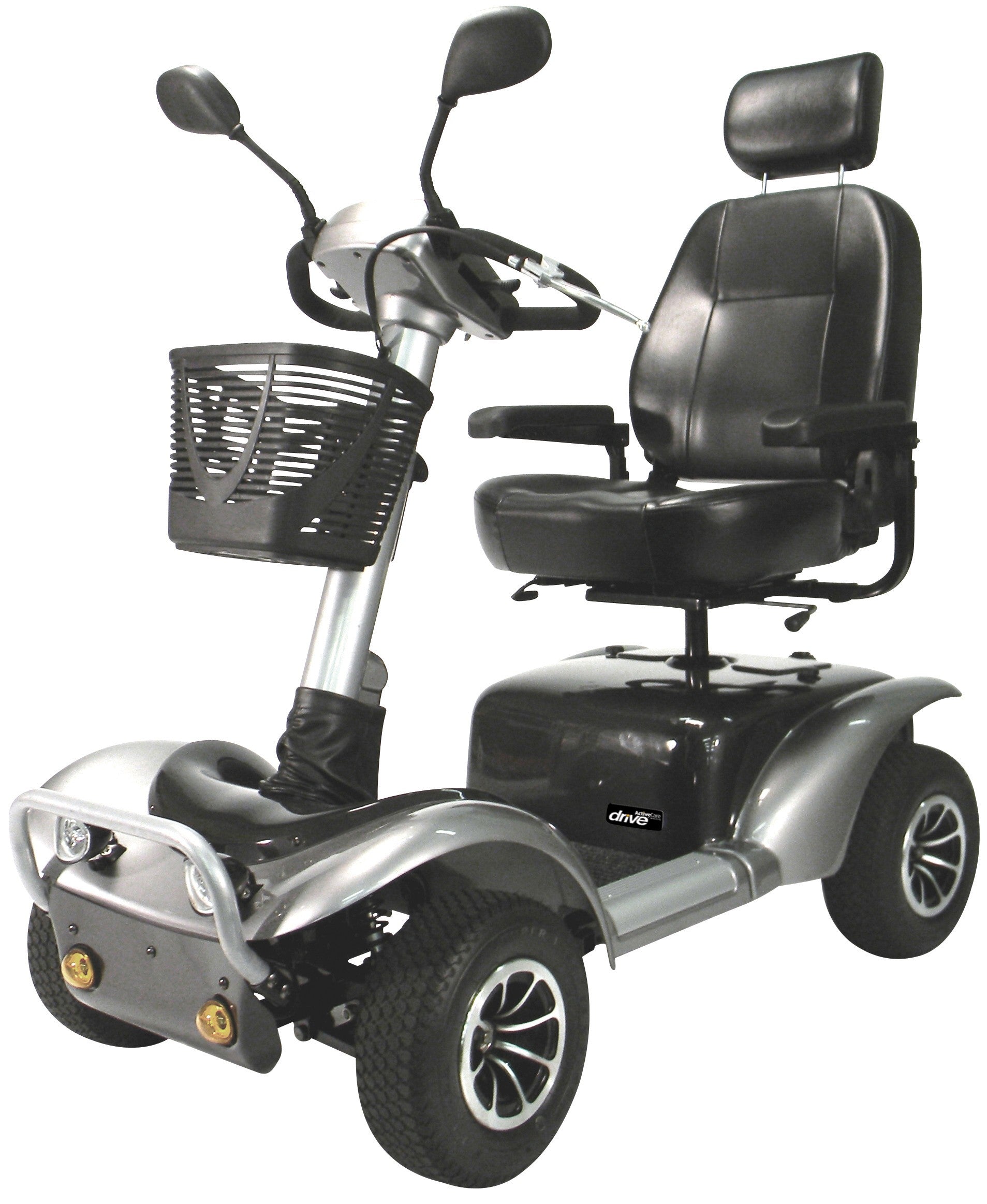
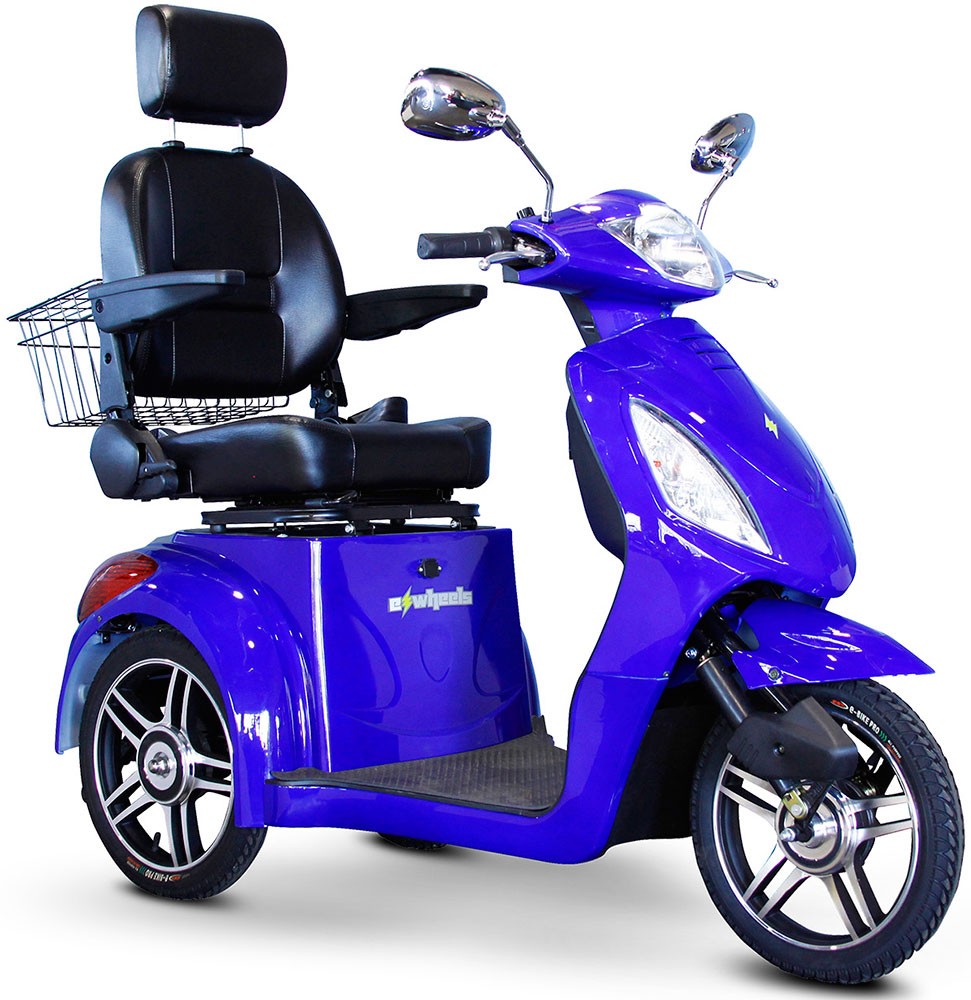
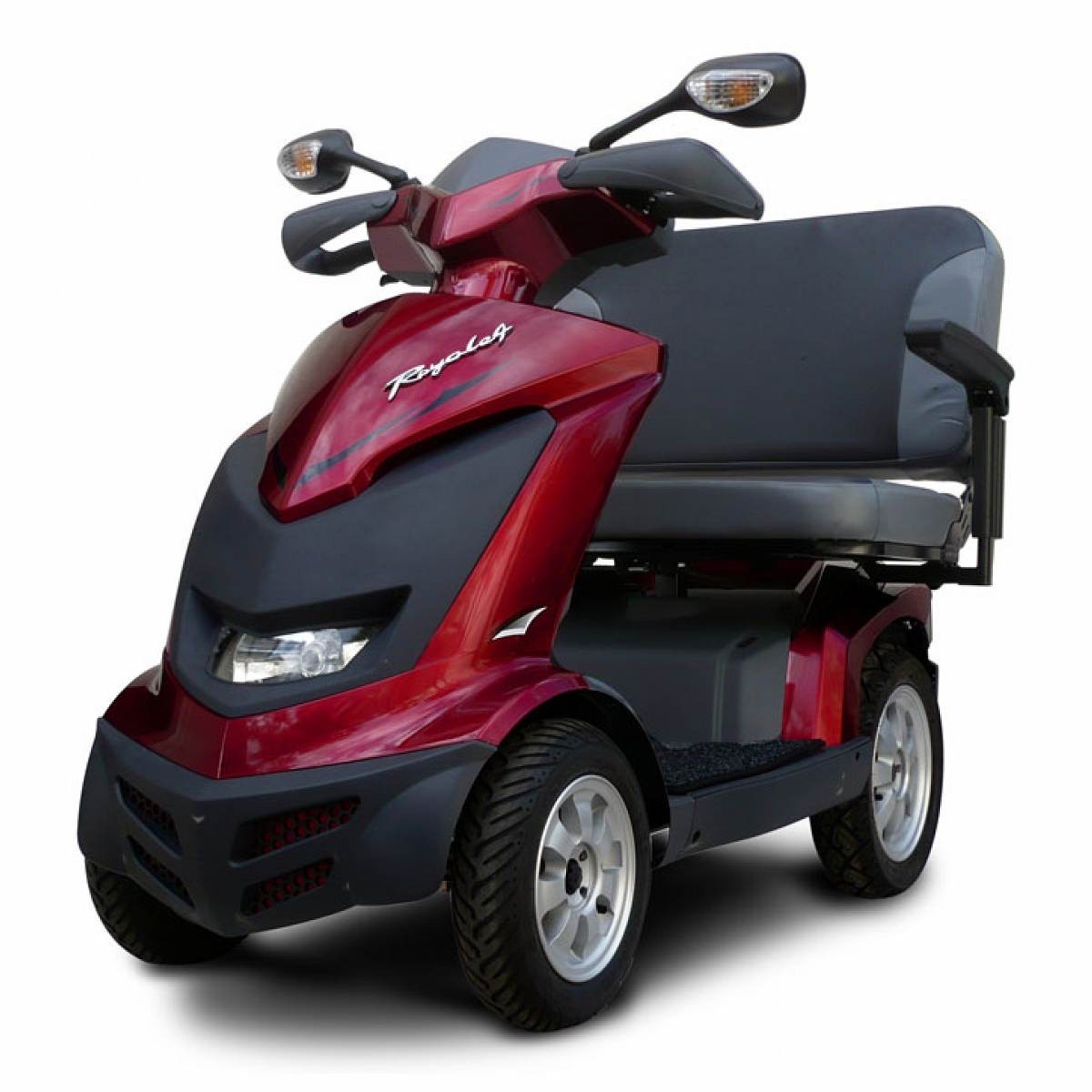
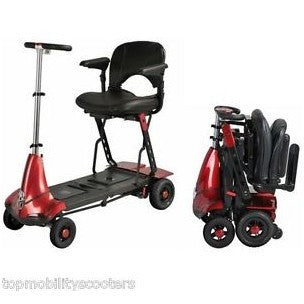
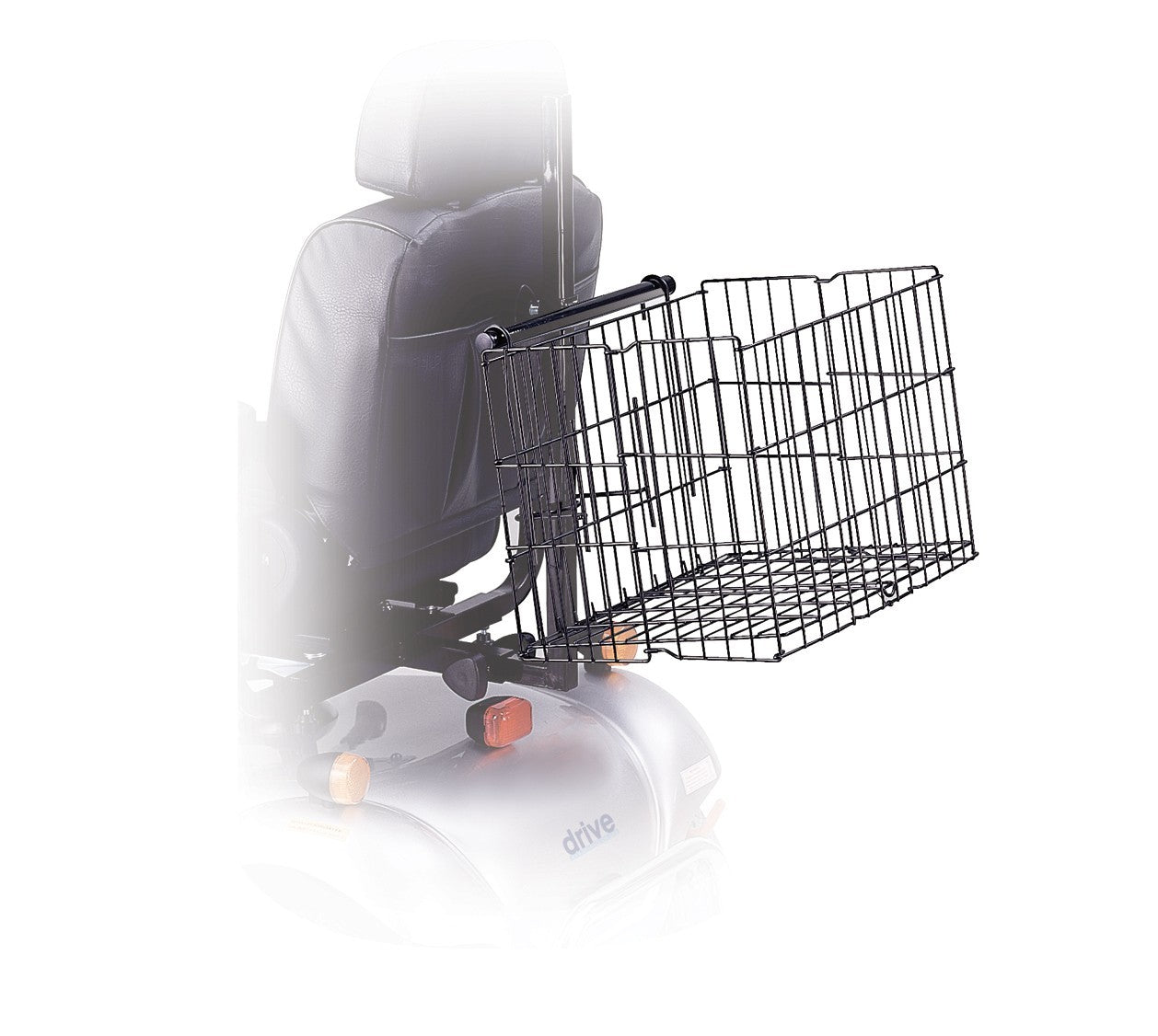
A mobility scooter is designed primarily for people who can stand briefly, transfer on and off a seat, and maintain upright posture while riding. Most scooters use a tiller with handlebars for steering. They commonly have three or four wheels, a swivel seat, and a basket or storage area for personal items.
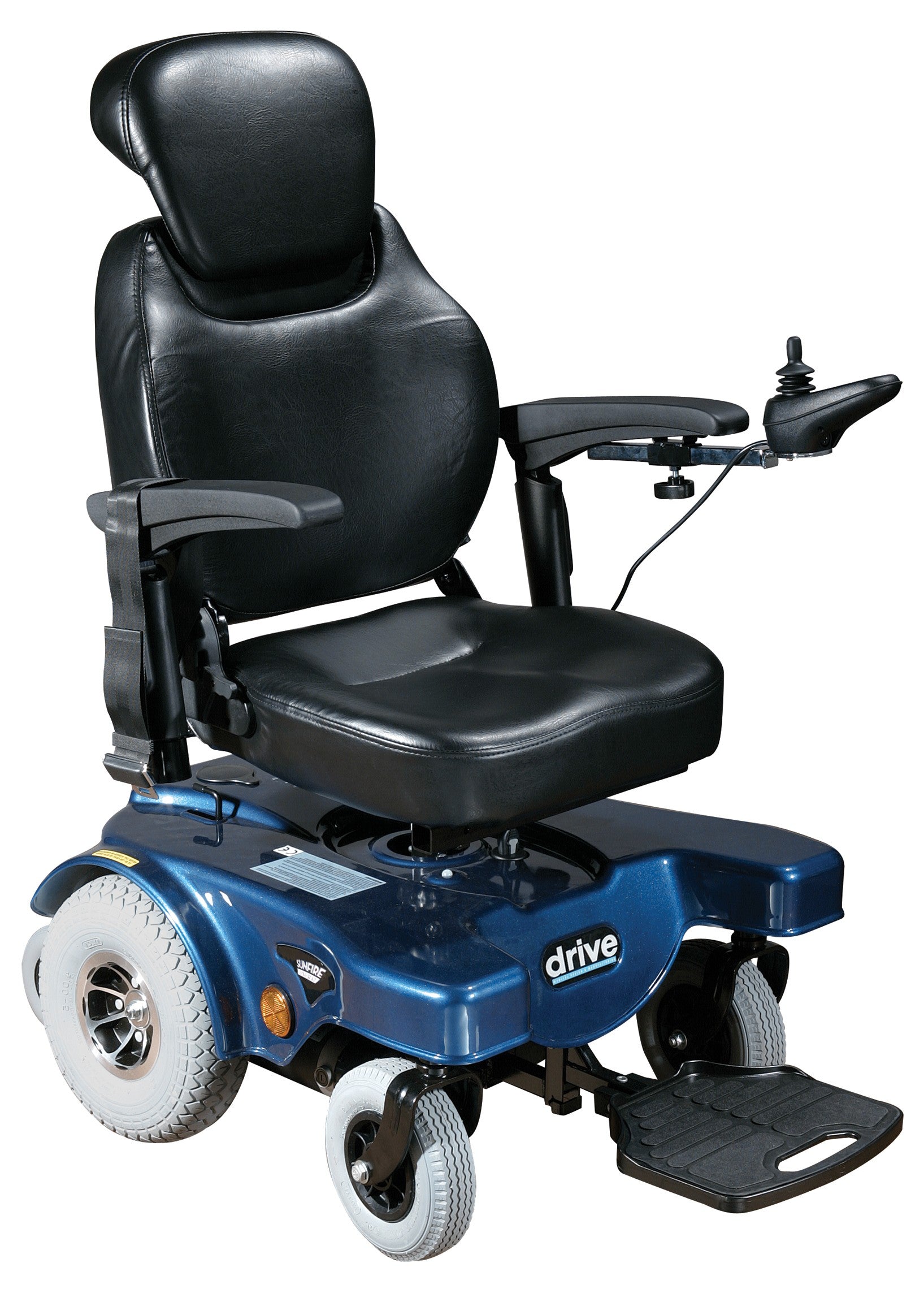
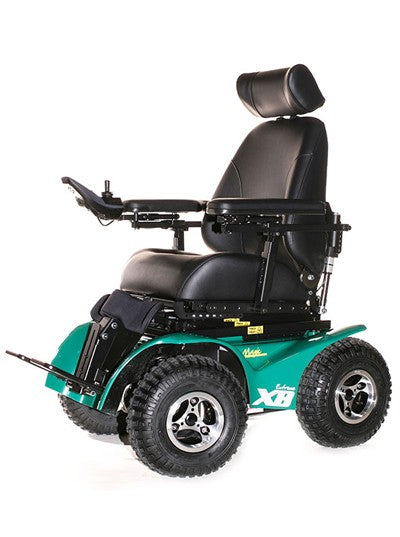
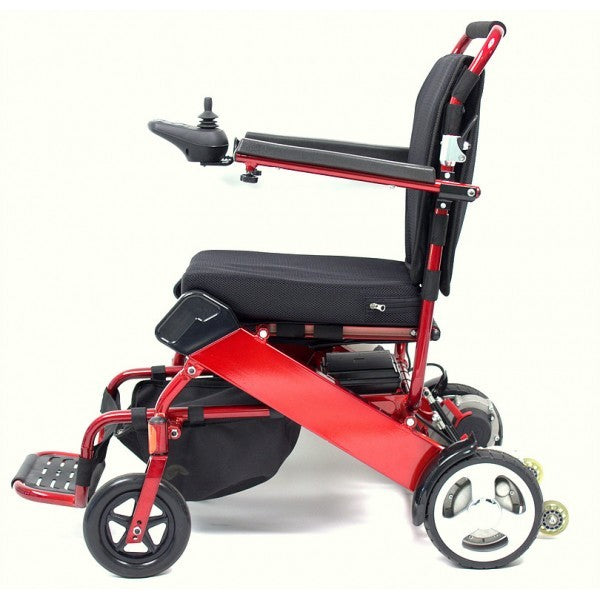
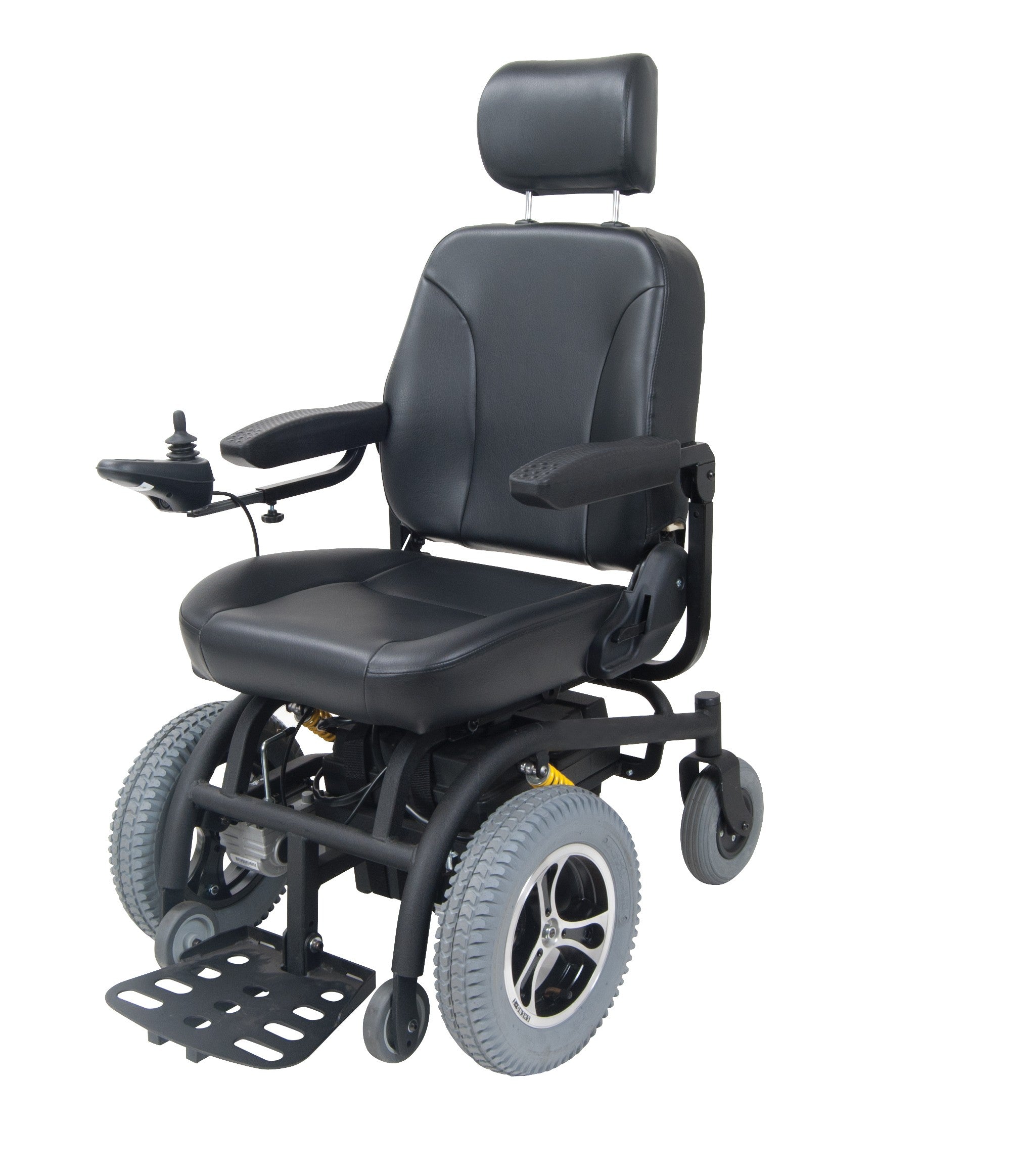
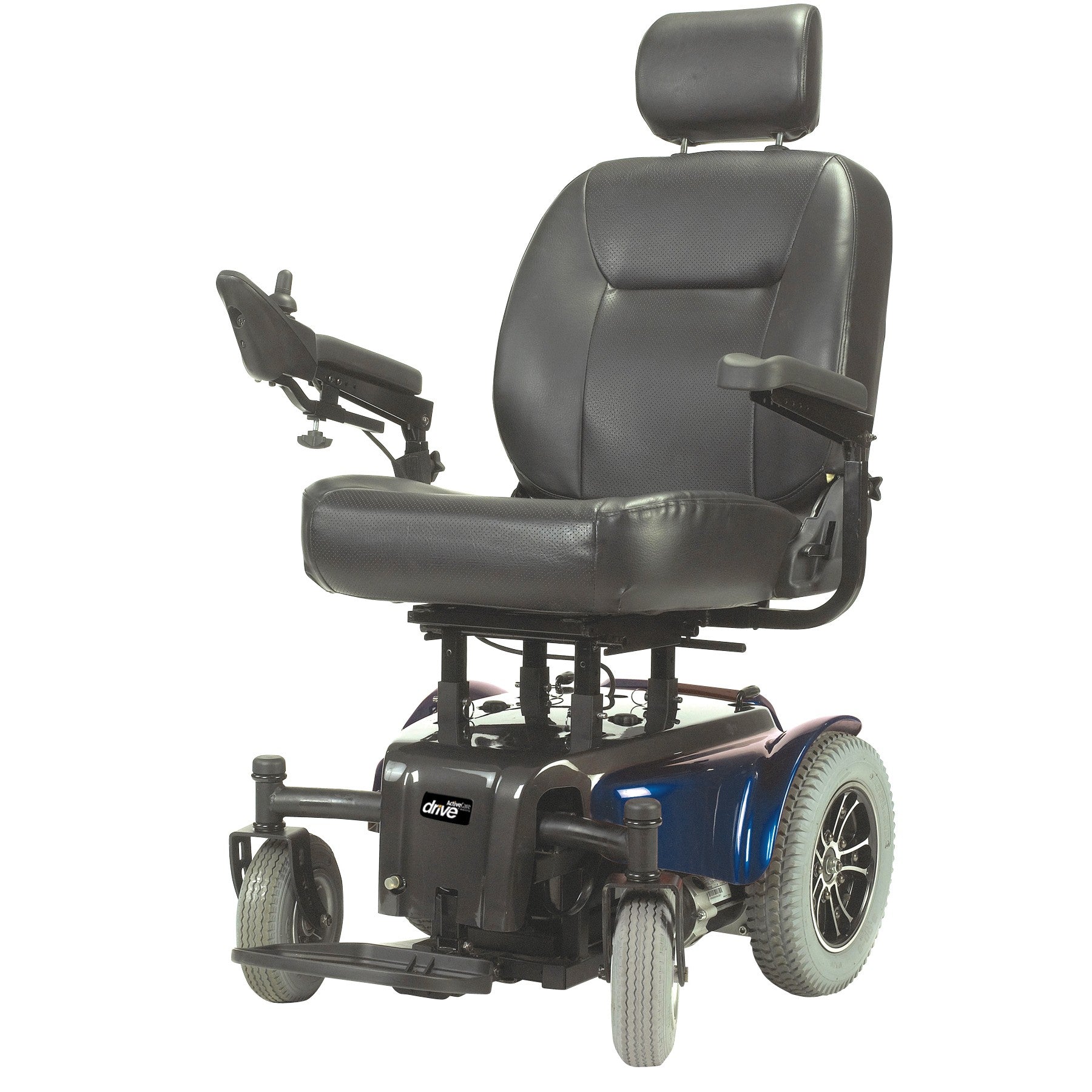
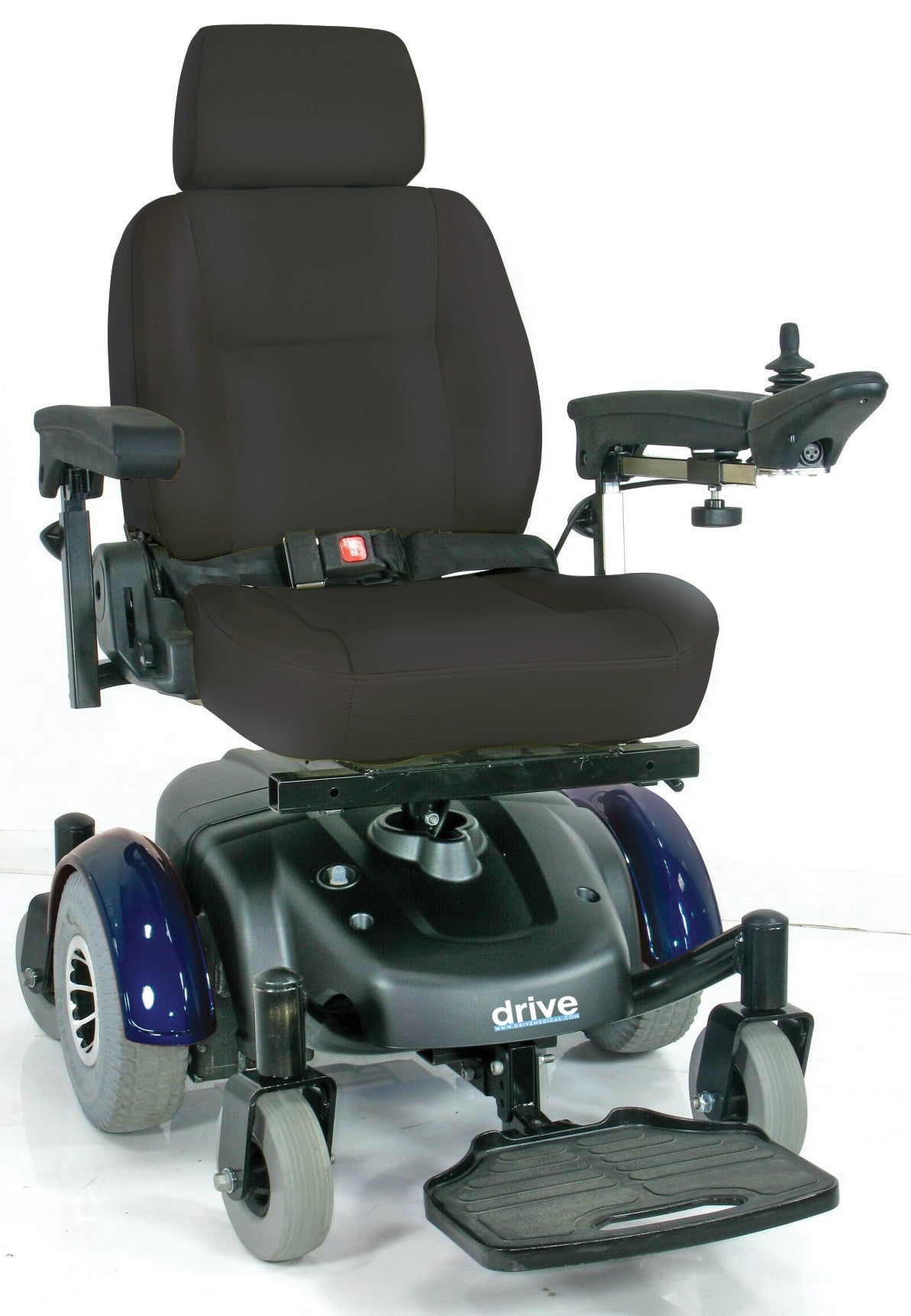
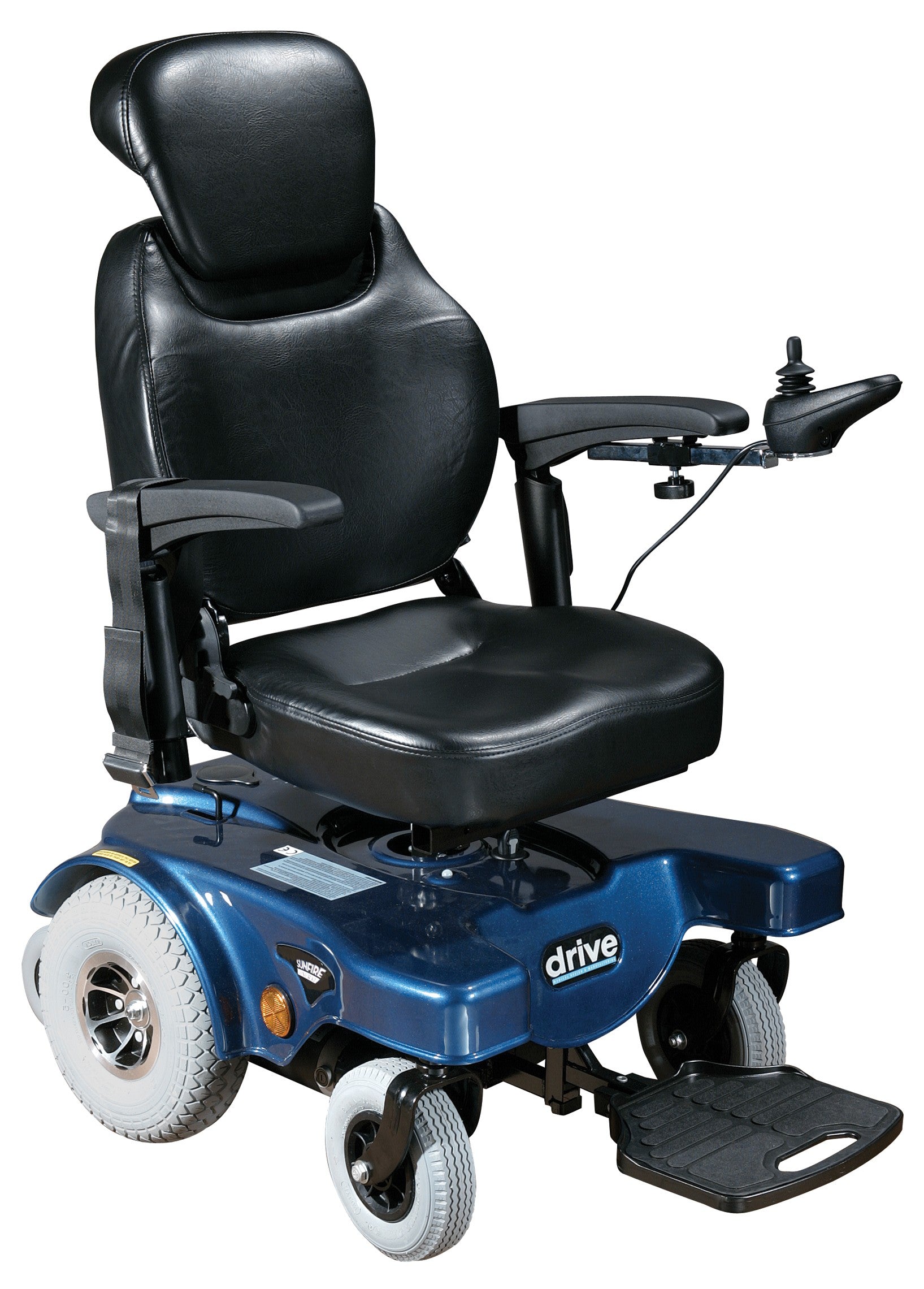
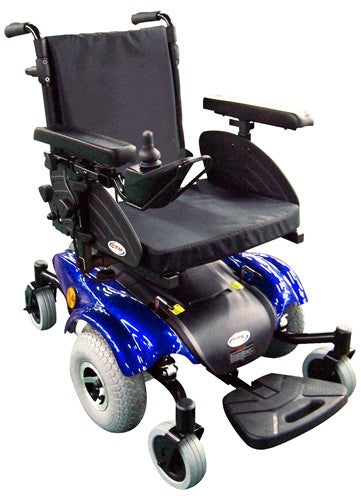
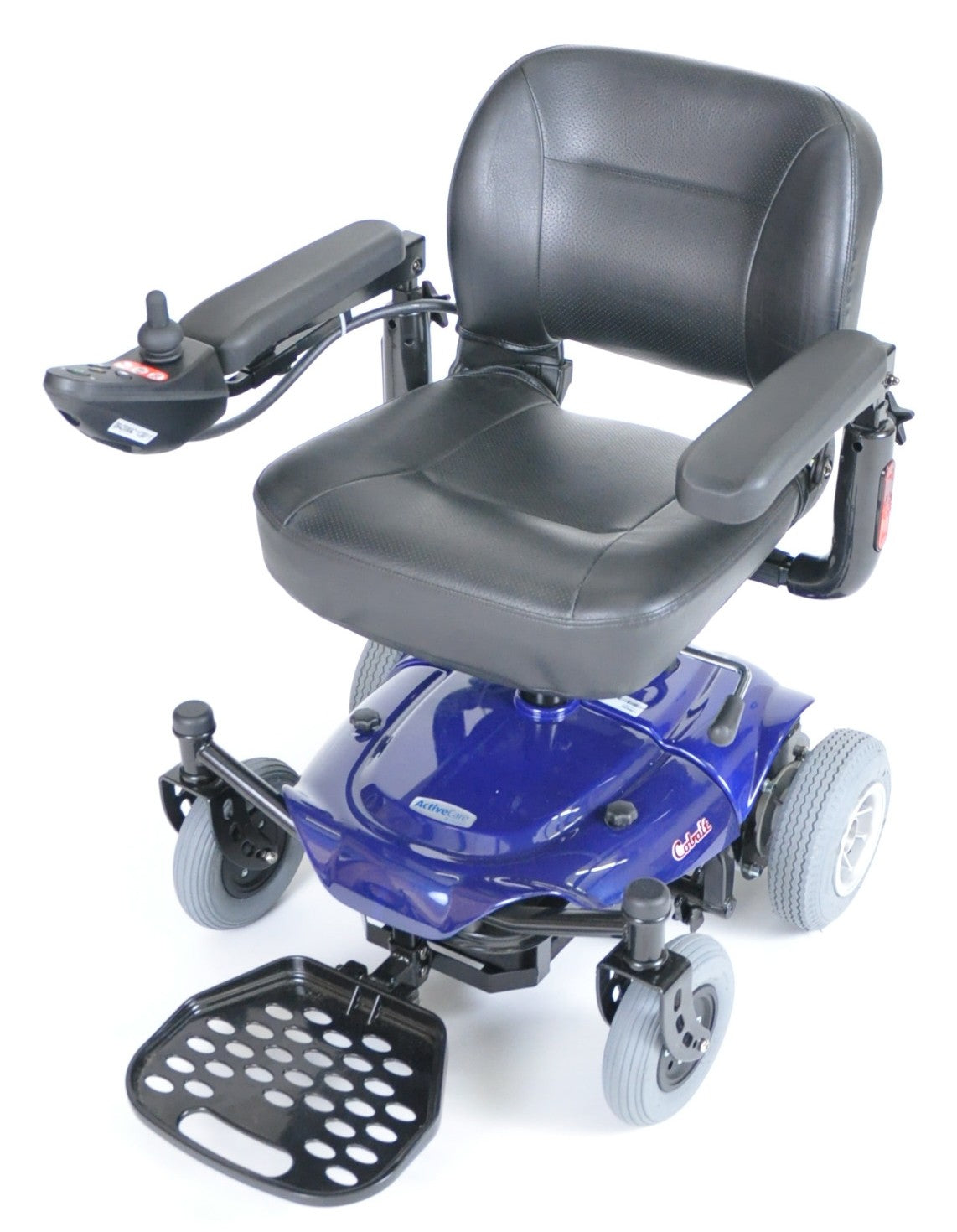
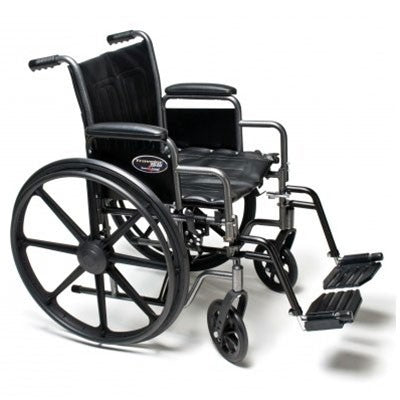
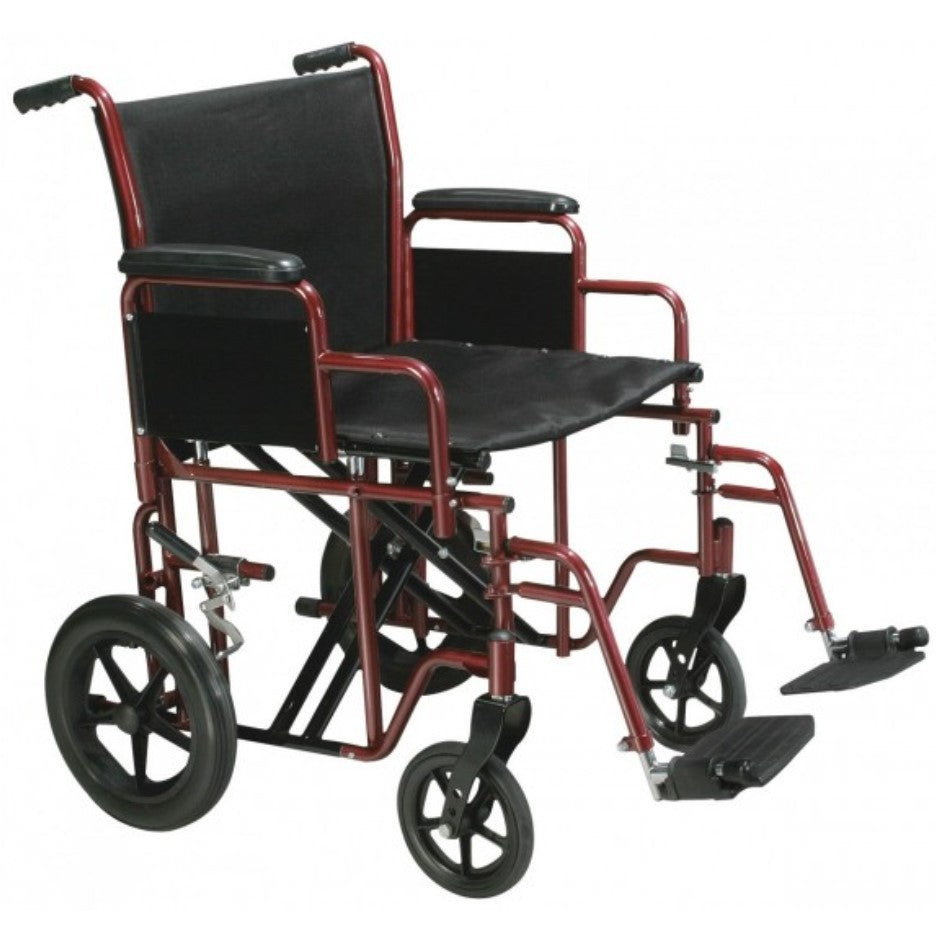
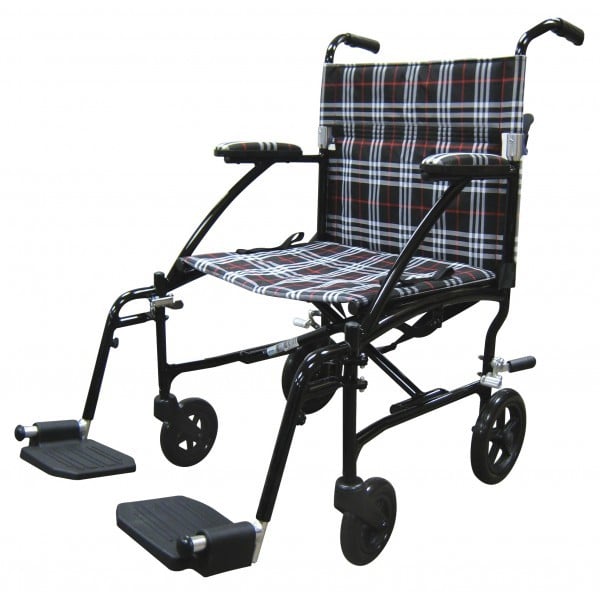
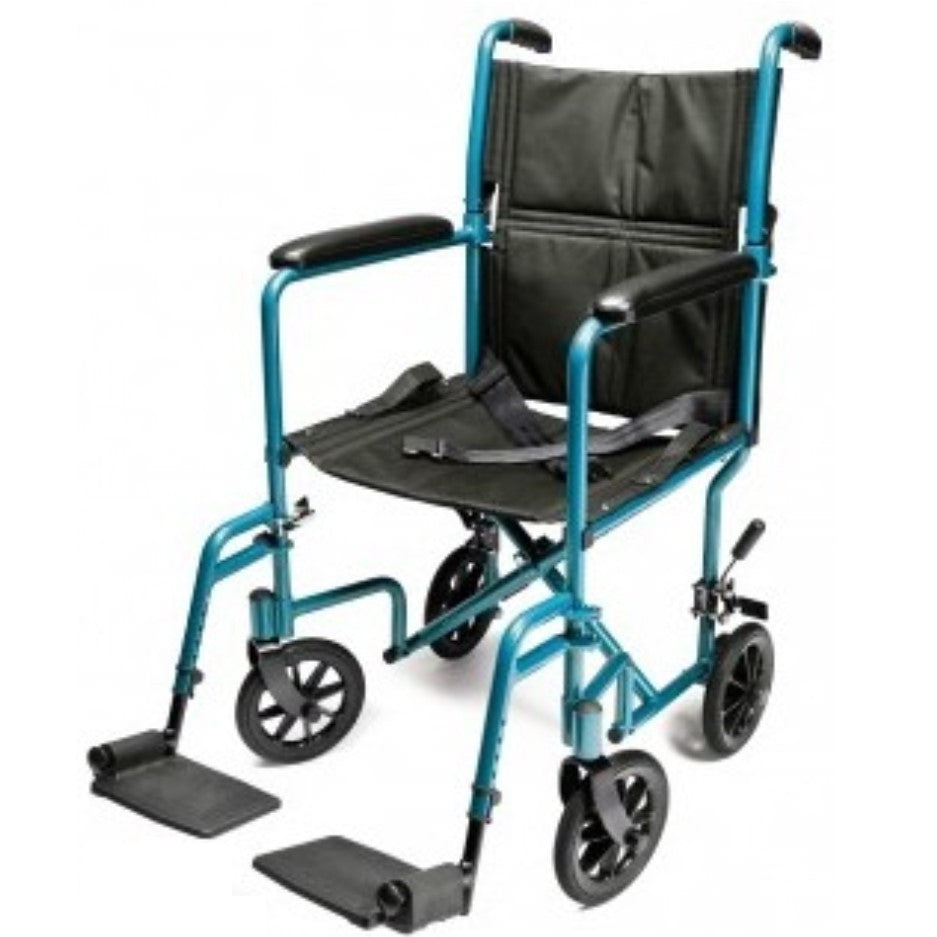
A wheelchair is designed for a wider range of mobility needs. Manual wheelchairs are propelled by the user or a caregiver, while power wheelchairs use a joystick control. Because wheelchairs are available in many seating styles, sizes, and weight capacities, they can better accommodate people who need more postural support, cannot use a tiller, or spend much of the day seated.
The distinction matters because a scooter is not simply a wheelchair with a different look. Scooters generally prioritize travel range and outdoor convenience. Wheelchairs often prioritize access, maneuverability, support, and full-day use.
When a Mobility Scooter May Be the Better Choice
A scooter can be an excellent solution for someone with limited walking endurance but enough balance and upper-body control to transfer safely. It is often a strong choice for people with arthritis, chronic pain, mild to moderate weakness, heart or lung conditions, or recovery needs that make longer walks difficult.
Scooters are especially practical for errands and community outings. A larger four-wheel model can offer stability on sidewalks, parking lots, and smoother outdoor paths. Three-wheel models typically provide a tighter turning radius, which can help in stores, apartments, and other confined spaces. Travel scooters can break down into smaller pieces or fold for transport, although the heaviest component should always be considered before choosing one for frequent vehicle use.
Range is another key advantage. Depending on the battery configuration, scooter design, user weight, terrain, and weather, a scooter may support longer trips than a compact power chair. The comfortable captain-style seat and front basket can also make it easier to carry a purse, groceries, oxygen equipment, or daily necessities.
That said, a scooter works best when the home and destination are accessible. A person who cannot walk a few steps inside a narrow bathroom or cannot transfer without help may need the added support of a wheelchair instead.
Scooter questions to ask before buying
Consider whether you can sit upright without significant support, operate handlebars with both hands, and safely turn your head to watch for people and obstacles. Also measure the narrowest doorway, hallway, and turn inside the home. A scooter that handles outdoor trips well may still be too wide or too long for everyday indoor use.
Think honestly about transport, too. A travel scooter is more portable than a full-size model, but lifting its components may still be difficult for some caregivers. If the scooter will stay at home, a heavier model with a larger seat and longer range may offer better comfort and stability.
When a Wheelchair Is the Better Fit
A wheelchair is often the stronger choice when mobility assistance is needed throughout the home, not only for outdoor trips. Narrower wheelchairs can move through many doorways and hallways more easily than scooters. Power wheelchairs generally turn in a much smaller space, making them particularly useful in kitchens, bedrooms, and bathrooms.
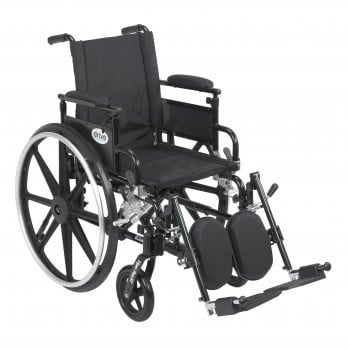
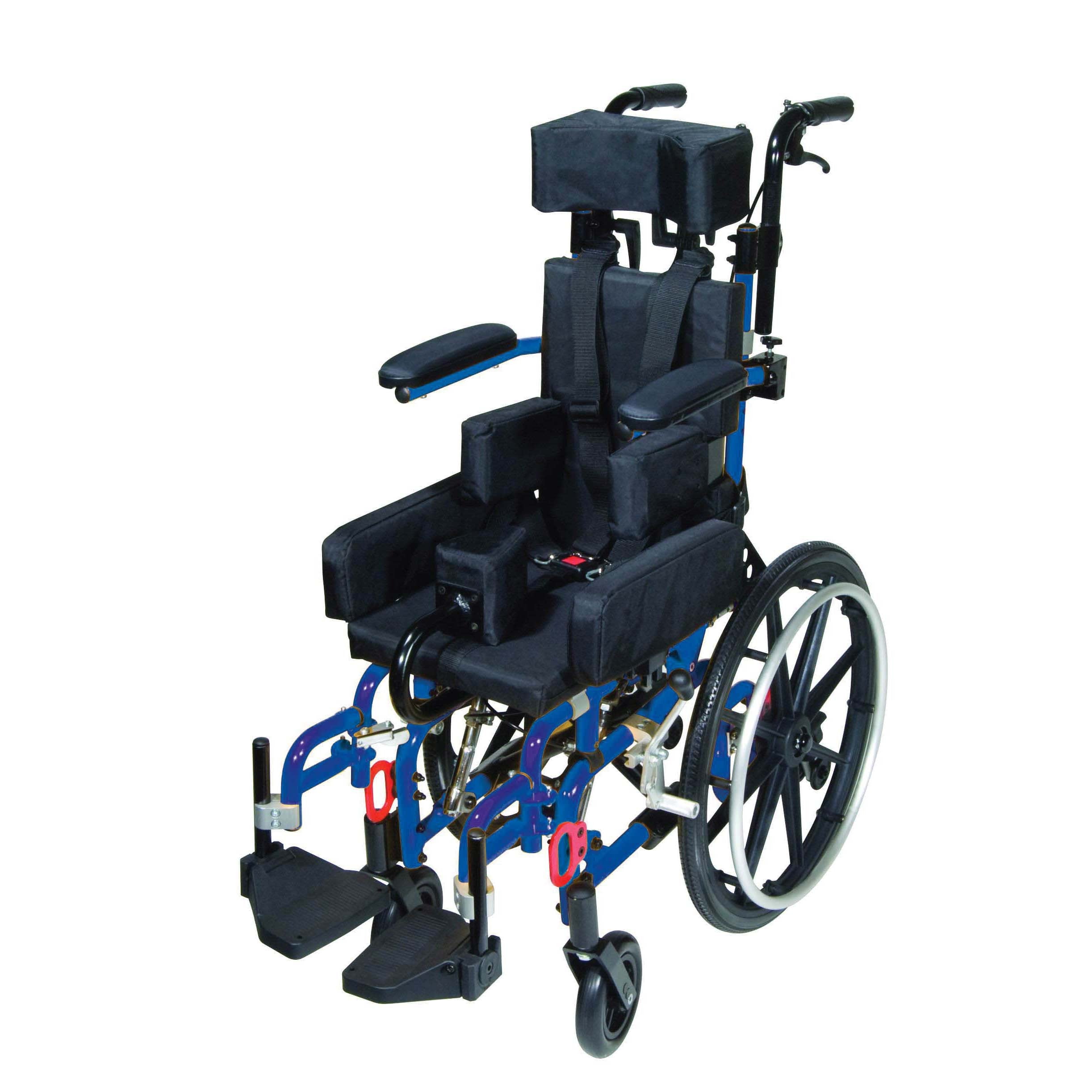
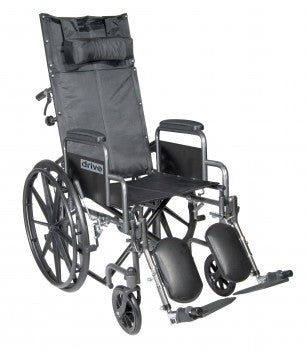
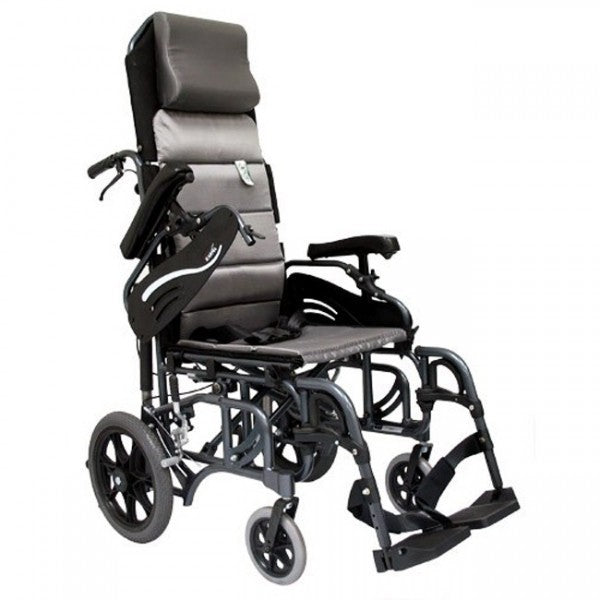
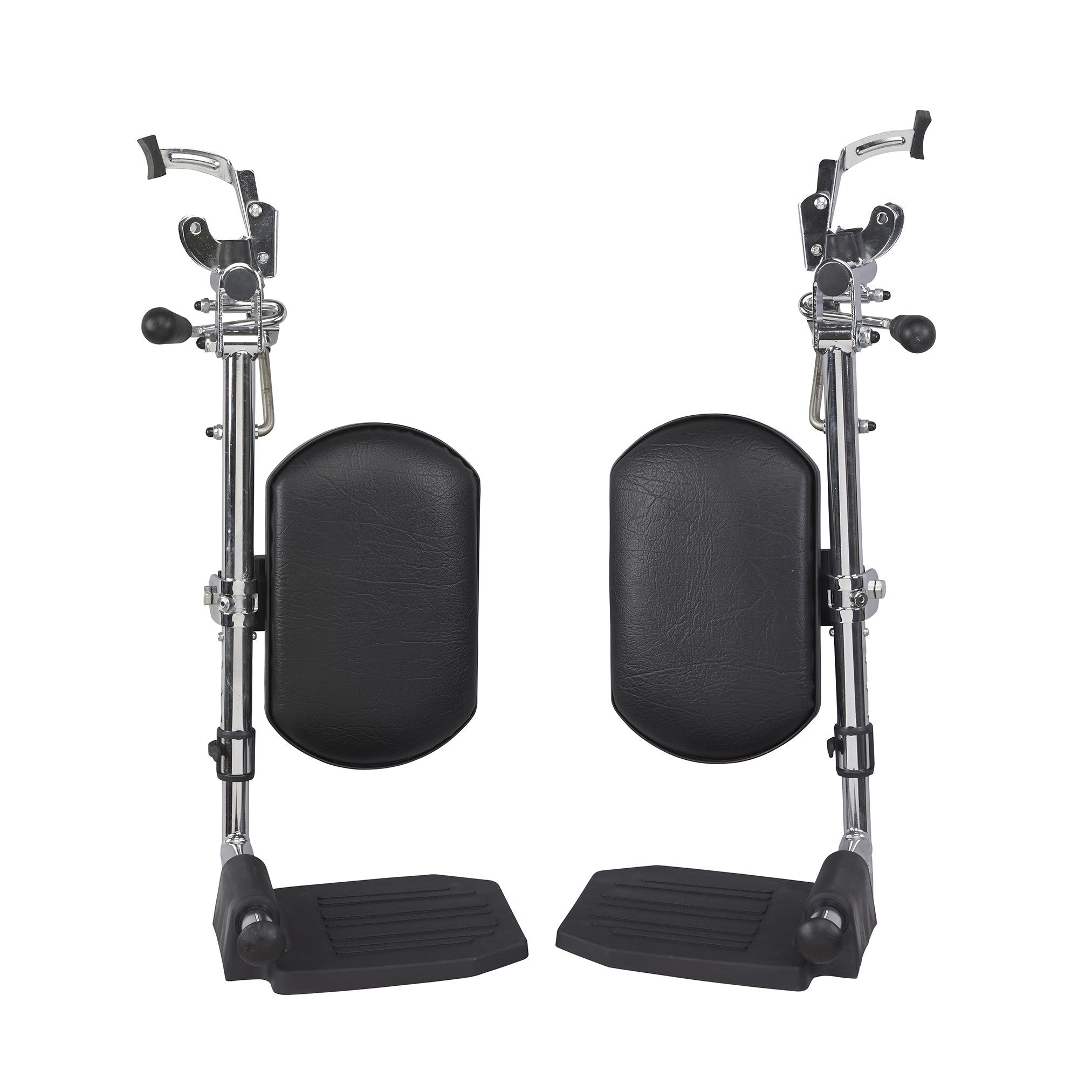
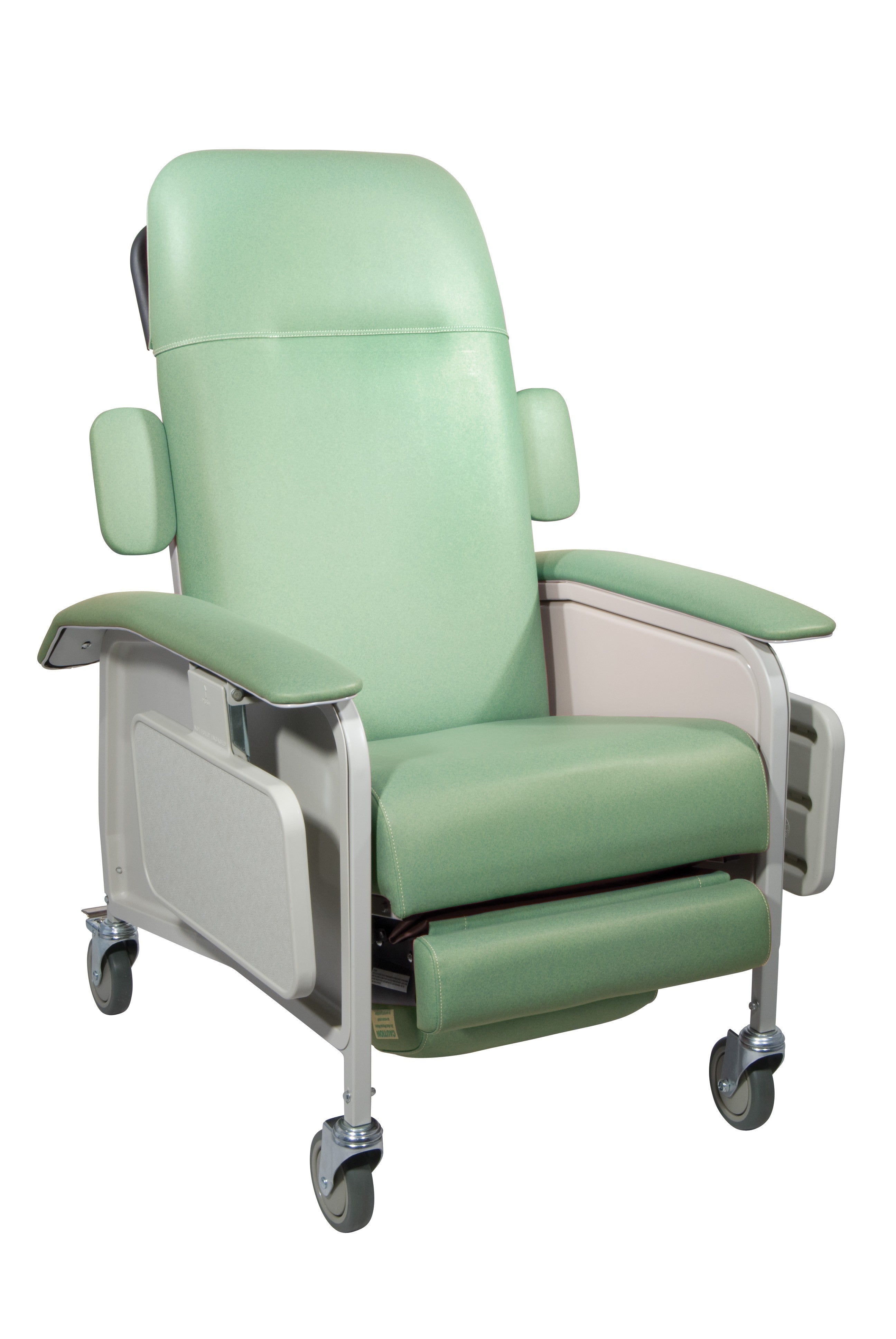
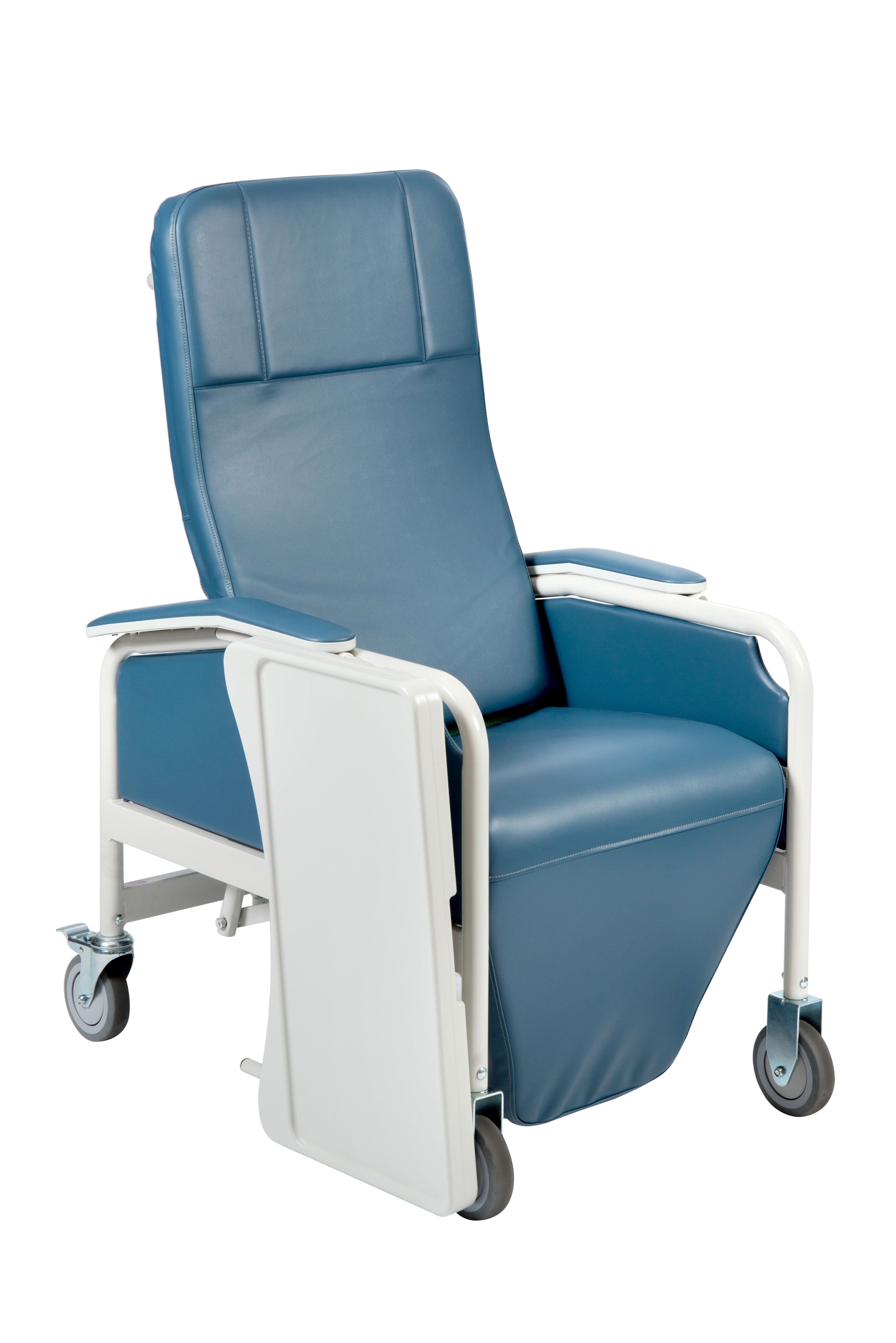
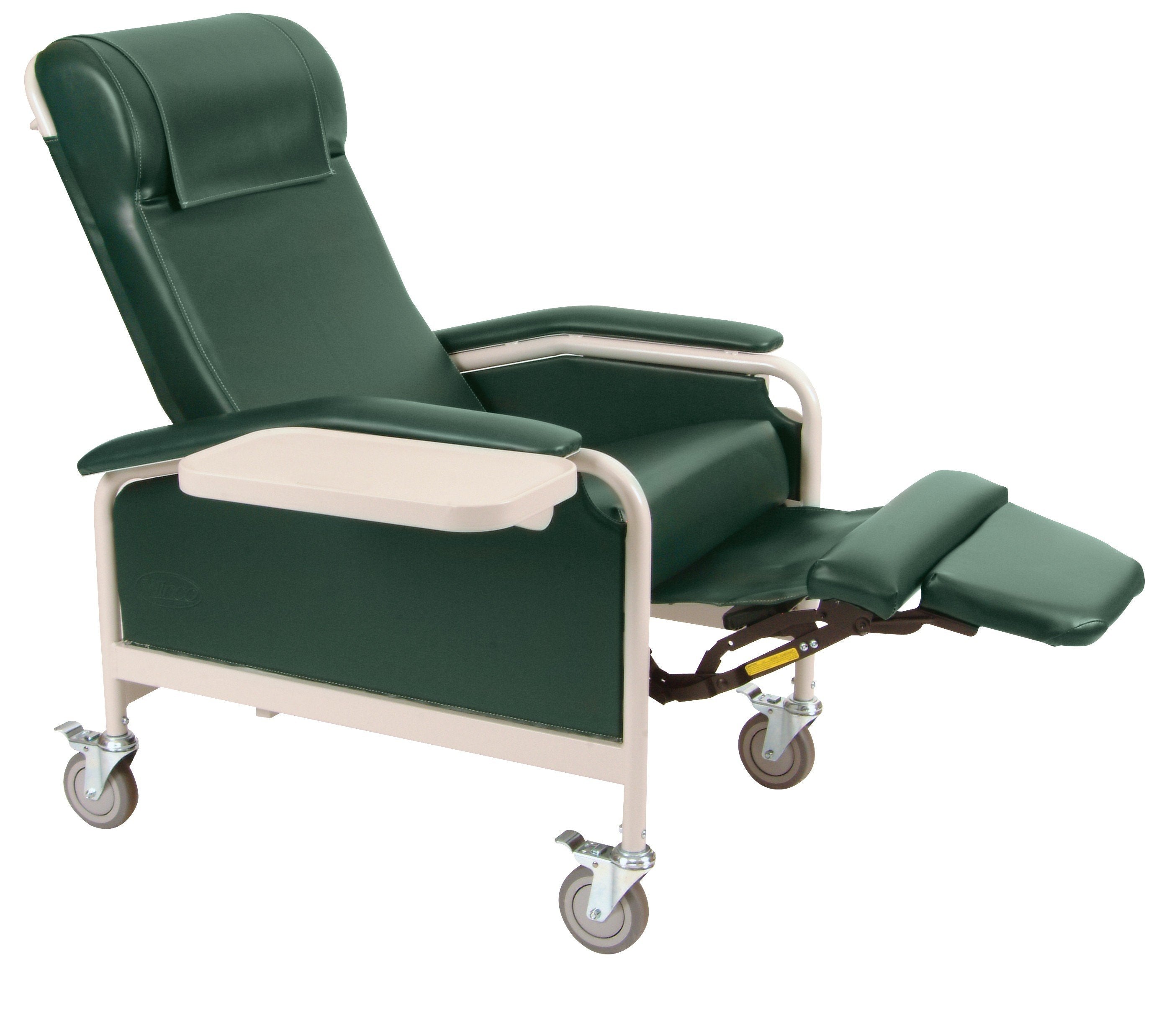
Wheelchairs are also more appropriate for individuals who have limited trunk strength, reduced balance, one-sided weakness, paralysis, severe joint pain, or difficulty transferring independently. Many models can be selected with features such as adjustable armrests, elevated leg rests, recline options, supportive seating, headrests, and positioning accessories. Those features can make a meaningful difference for comfort, circulation, pressure relief, and safe long-term seating.
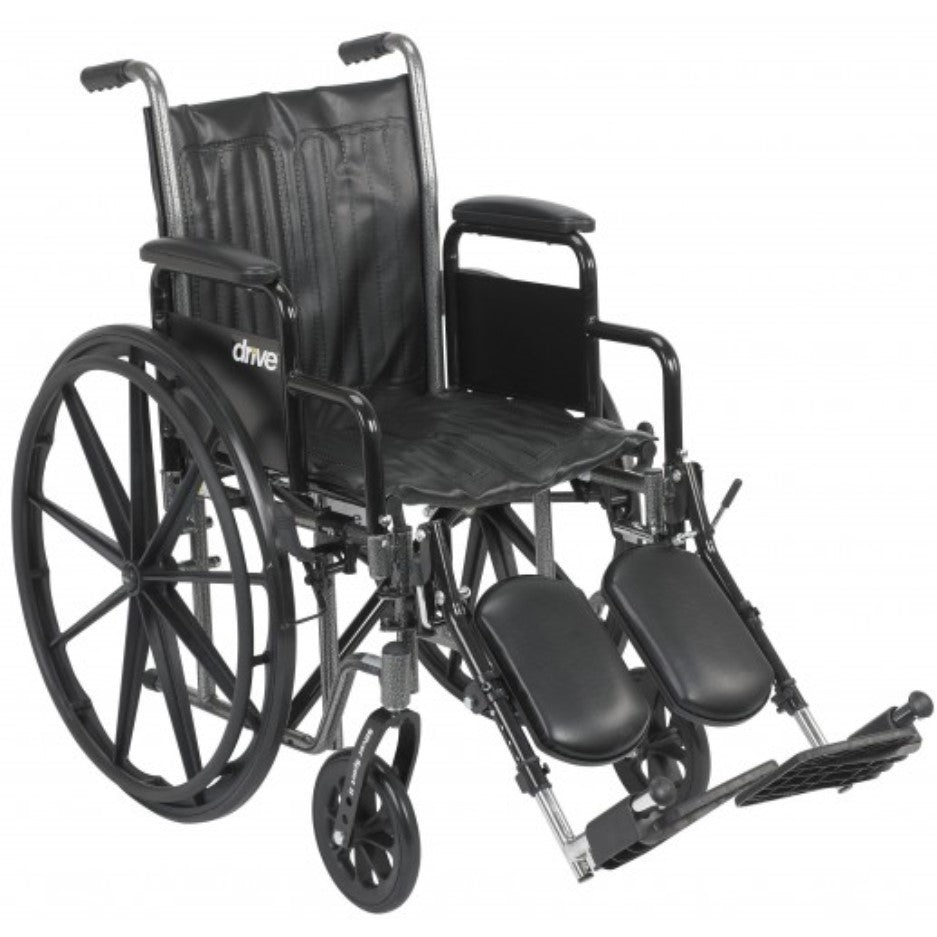
A manual wheelchair may be the simplest choice for short-term recovery, caregiver-assisted mobility, or occasional appointments. It can be easier to fold and place in a vehicle than a scooter or power wheelchair. However, self-propelling a manual chair requires arm and shoulder strength, and caregiver propulsion can become tiring on inclines or during long outings.
A power wheelchair offers independent movement without the physical demands of pushing a manual chair. Its joystick is typically easier to operate for someone who has difficulty with the wider hand and arm movement required by scooter handlebars. Some power wheelchairs are compact enough to work well indoors while still providing dependable outdoor performance.
Seating support should guide the decision
If a person will sit in the device for several hours at a time, seating support should carry as much weight as speed or portability. Look at seat width, seat depth, cushion options, back support, foot positioning, armrest height, and the ability to adjust the chair as needs change.
A device that is too wide can make transfers difficult and reduce access around the house. One that is too narrow can cause discomfort and pressure. Weight capacity also matters, not only for safety but for how the frame, seat, and suspension perform over time. Bariatric mobility equipment may be needed for users who require a higher capacity or a roomier seating area.
Compare Everyday Use, Not Just Product Features
The most useful comparison is not a list of specifications. It is a picture of the user's usual day. Start with where the device will be used most often. If the main goal is getting from the front door to the car, moving through a grocery store, or visiting outdoor events, a scooter may be a natural fit. If the person needs mobility from bed to bathroom to kitchen and cannot safely walk short indoor distances, a wheelchair may provide more dependable support.
Home access deserves close attention. Measure doorways, hallway widths, turning areas, ramps, elevator space, and vehicle storage. Check threshold heights and uneven exterior surfaces. Ramps should have the proper width, weight rating, and slope for the mobility device and user. A ramp that works for a lightweight manual wheelchair may not be appropriate for a heavier scooter.
Also consider who will maintain and transport the equipment. Batteries need charging, tires and casters need occasional attention, and a power device needs a safe, dry place to park. A caregiver may prefer a foldable manual wheelchair for quick appointments, while the user may benefit more from keeping a power chair ready for independent use at home.
Safety Factors That Should Not Be Overlooked
A mobility scooter or wheelchair should fit the user's physical abilities, not just their preferred lifestyle. Before choosing, consider hand strength, vision, reaction time, ability to transfer, posture, and cognitive ability to use the controls safely. If there is a history of falls, dizziness, fainting, or pressure injuries, speak with a healthcare professional or therapist about the right type of mobility support.
For scooters, prioritize a stable base, appropriate weight capacity, a seat that allows safe transfers, and a speed setting the user can confidently manage. For wheelchairs, focus on correct seat dimensions, reliable brakes, footrests that do not create a tripping hazard, and cushions or support options suited to the user's needs.
It is also wise to plan for the next stage of care. A person recovering from surgery may need a simple temporary option. Someone managing a progressive condition may benefit from a device that offers more adjustability, support, and capacity for changing needs.
Get a More Confident Fit
Choosing between a scooter and a wheelchair can feel personal because it is personal. The goal is not to select the most feature-filled model. It is to find equipment that helps the user move safely, comfortably, and with as much independence as possible.
Before ordering, have measurements ready, including the user's height, weight, seat needs, doorway widths, and vehicle space. American Quality Health Products has helped customers find mobility solutions since 2001, with knowledgeable assistance available for shoppers who want help matching a device to their home, routine, and mobility needs.
The right mobility equipment should support the life a person wants to keep living - whether that means a quiet trip through the house, an afternoon with family, or the confidence to say yes to going out again.


