
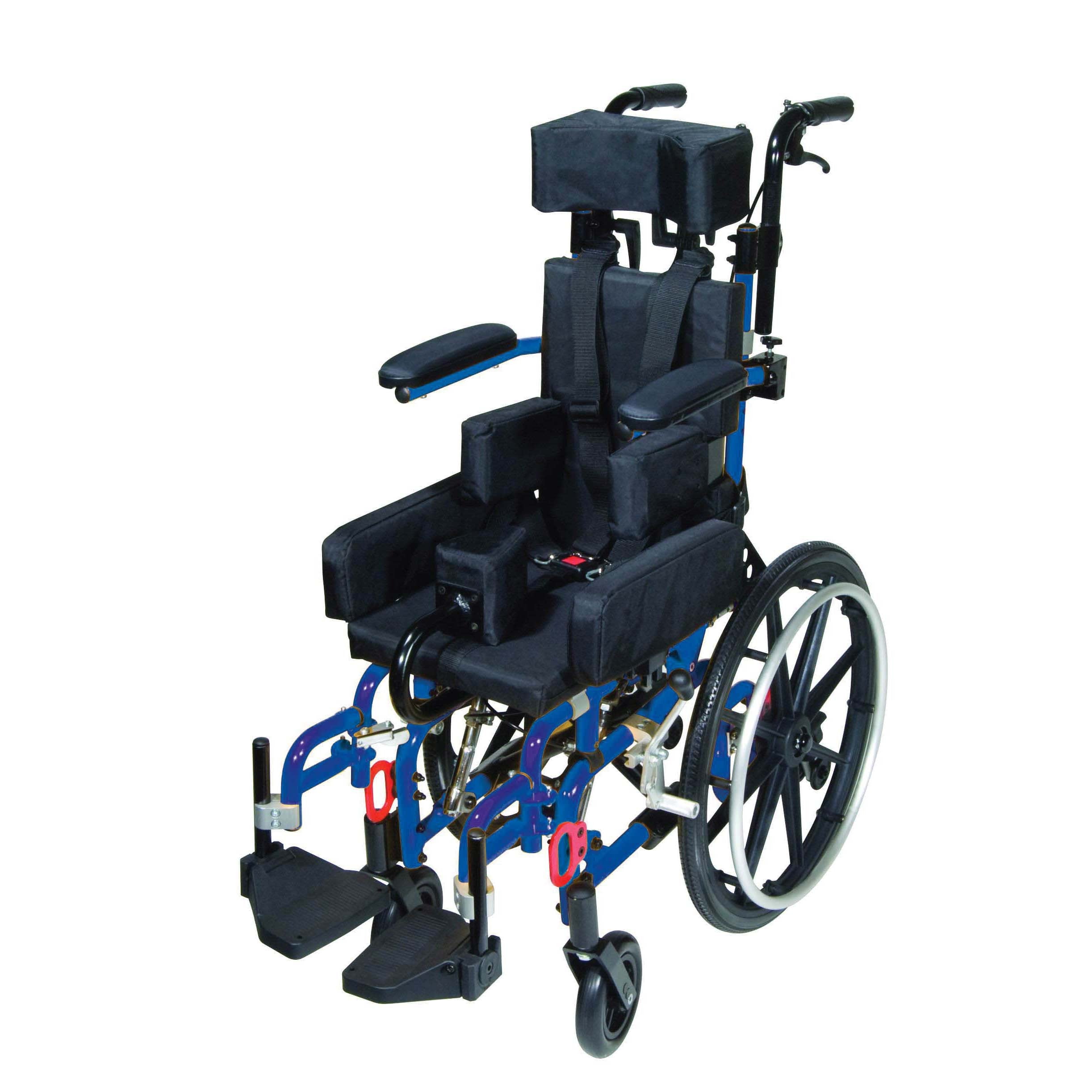
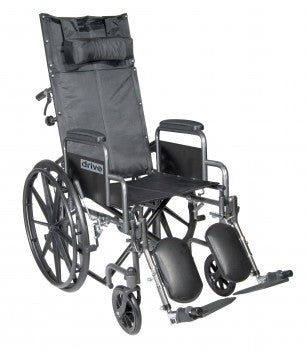
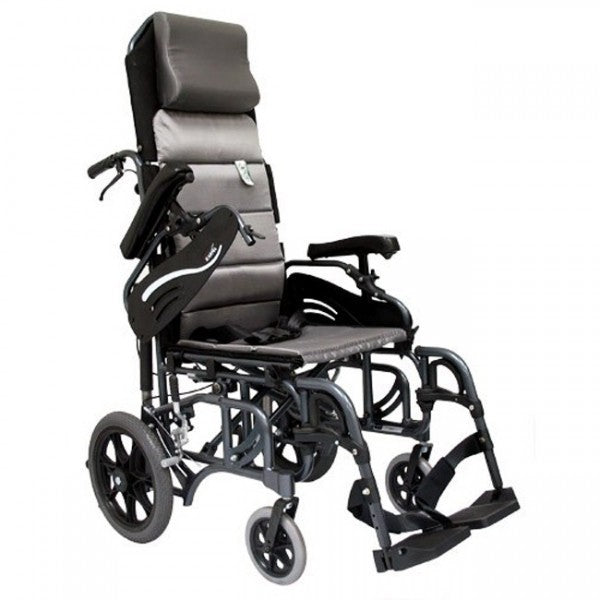
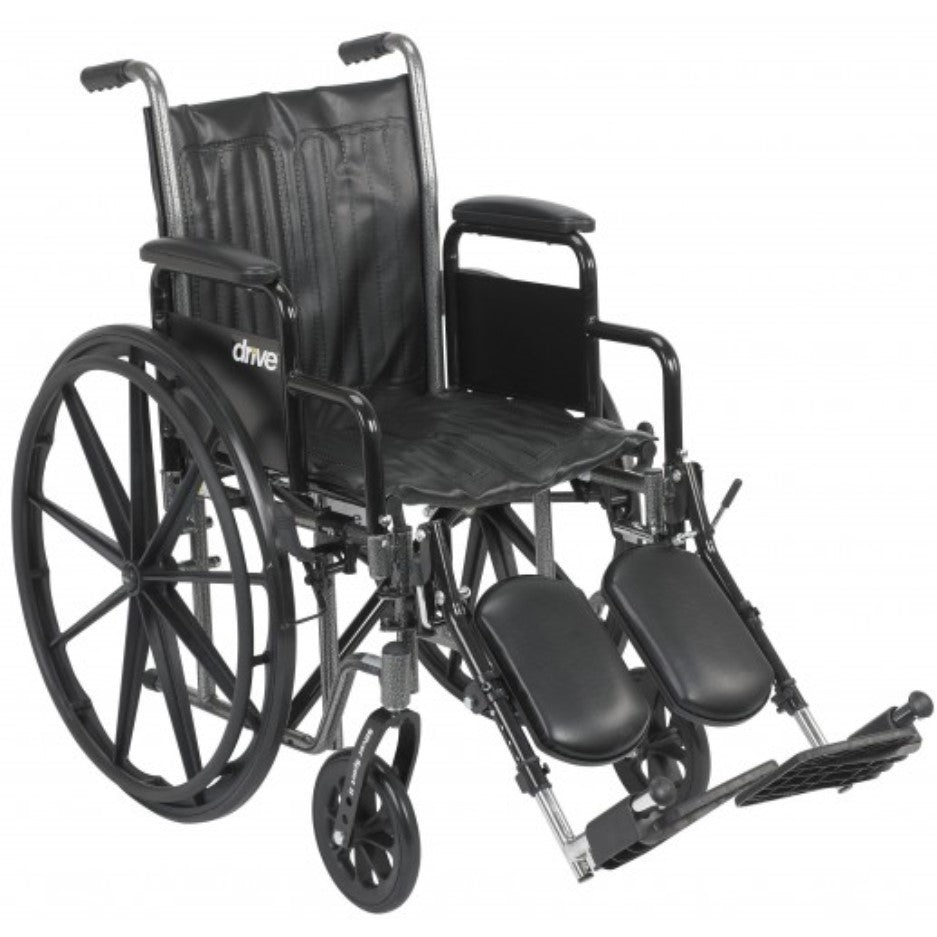



A manual wheelchair for transport should make getting from the house to the car, appointment, restaurant, or family gathering feel more manageable - not create another difficult task for the user or caregiver. The best choice is usually not the chair with the most features. It is the one that fits the rider, folds easily, travels safely, and suits the way it will actually be used.
Transport wheelchairs are especially helpful for people who can walk short distances but need support for longer outings, people recovering from surgery, and individuals who tire easily. They can also give caregivers a practical, dependable way to assist a loved one without relying on a heavier full-size wheelchair.
Start With How the Chair Will Be Used
Before comparing frame styles or colors, consider the trips the wheelchair needs to handle. A chair used mainly for medical appointments and errands has different requirements than one used every day around a large home, on sidewalks, or during frequent travel.
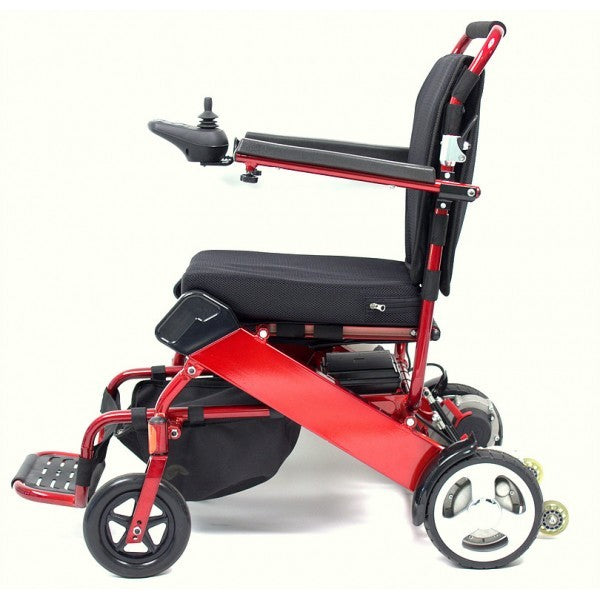
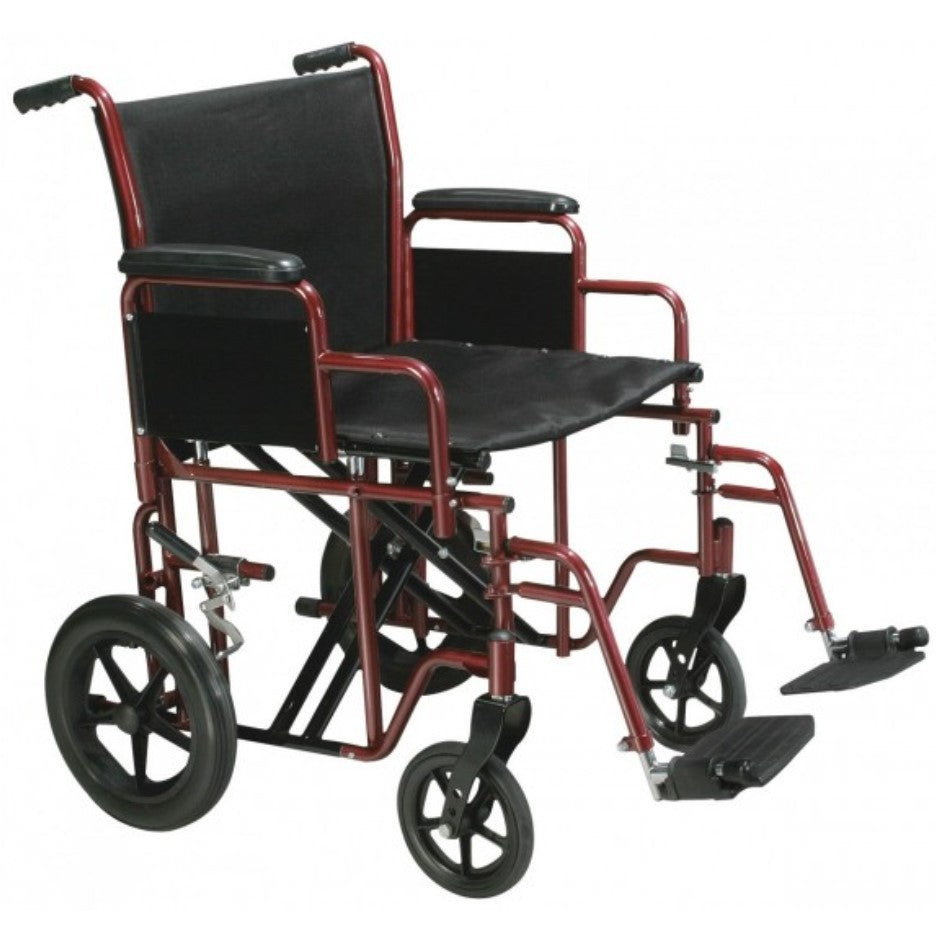
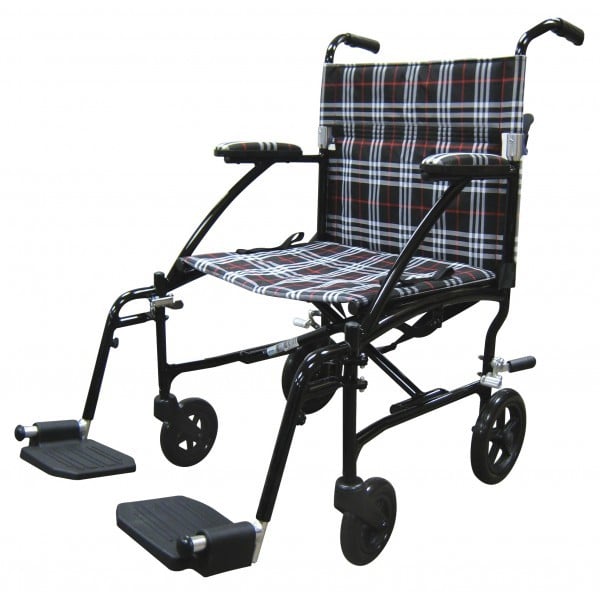
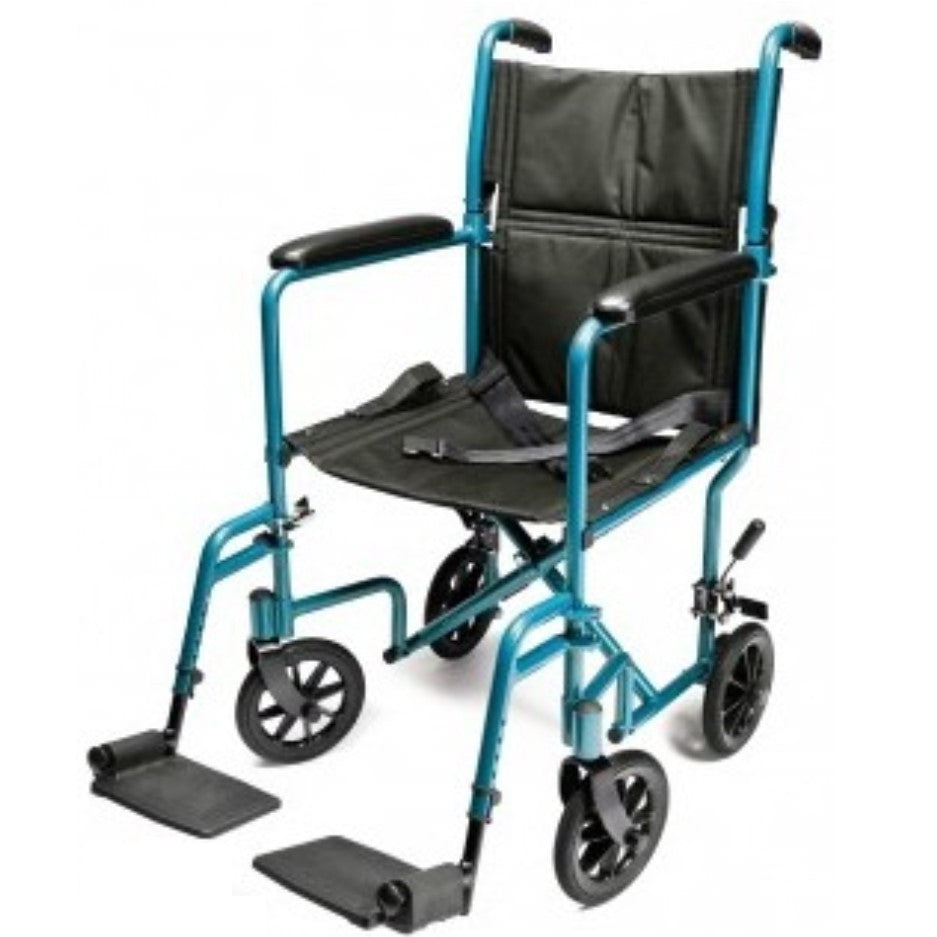
For occasional outings, a lightweight folding transport chair can be an excellent choice. These models are designed to be pushed by a companion and typically have smaller rear wheels than a standard self-propelled wheelchair. Smaller wheels help keep the chair compact and easier to lift into a vehicle, but they also mean the rider generally cannot propel themselves over distance.
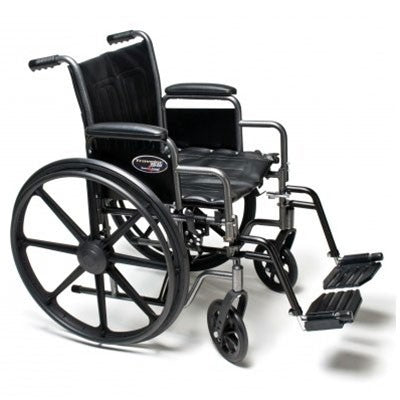
If the person using the chair wants to move independently, a standard manual wheelchair with large rear wheels may be the better fit. It can still fold for transport, although it may take more space in a trunk or SUV. The trade-off is clear: transport chairs favor portability and caregiver assistance, while self-propelled wheelchairs provide more independence.
Weight Matters More Than Most Shoppers Expect
A wheelchair can look compact online and still be difficult to lift repeatedly. Check the chair's product weight separately from its weight capacity. Weight capacity tells you how much the chair can safely support. Product weight tells you what a caregiver will be lifting, folding, and loading.
For families who will move the chair in and out of a vehicle often, a lighter aluminum frame can reduce strain. That said, the lightest model is not automatically the right model. A slightly heavier chair with a firmer seat, stronger frame, better brakes, or more appropriate sizing may provide greater comfort and confidence.
Also consider who will be handling the chair. A strong adult loading it into a minivan may have very different needs than an older spouse lifting it into a sedan. If lifting is a concern, measure the vehicle opening and think through the full process: folding the chair, removing any footrests if needed, lifting it, positioning it, and taking it back out at the destination.
Check the Folded Size, Not Just the Open Size
A folding frame is useful only if it fits where you need it to go. Review the folded width and dimensions before ordering, especially when the chair must fit in a compact car, a narrow storage closet, or a crowded entryway.
Footrests, armrests, and wheels can affect the real-world space required. Swing-away or removable footrests often make transfers easier and can help the chair fit more neatly in a vehicle. If space is limited, it is worth measuring the trunk, rear cargo area, or closet first rather than making assumptions based on a photo.
Fit Is a Safety and Comfort Issue
A wheelchair that is too narrow can feel restrictive and put pressure on the hips. One that is too wide may make it harder to maintain a stable seated position and can be more difficult to navigate through doorways. Seat width and seat depth deserve careful attention.
Measure the user while seated when possible. The seat should provide comfortable room at the hips without leaving excessive space on either side. Seat depth should support the thighs while allowing room behind the knees. A chair that is too deep can press into the backs of the legs, while one that is too shallow may not provide enough support.
Seat-to-floor height is another practical detail. The rider's feet should rest securely on the footplates rather than hang unsupported. Proper foot positioning helps with comfort and can make transfers safer. For users who are taller, shorter, or have swelling in the legs, adjustable footrests can be particularly useful.
Weight capacity should always exceed the user's current weight with room for clothing, personal items, and normal day-to-day variation. For larger users, a bariatric manual wheelchair may offer the wider seat, reinforced frame, and higher capacity needed for comfortable, reliable support.
Choose Features That Solve Everyday Problems
The most useful features are usually the ones that make transfers, outings, and caregiving simpler. Desk-length armrests can allow the wheelchair to pull closer to a table. Full-length arms may provide more support when standing or transferring. Flip-back or removable arms can be helpful when transferring from a bed, chair, or vehicle.
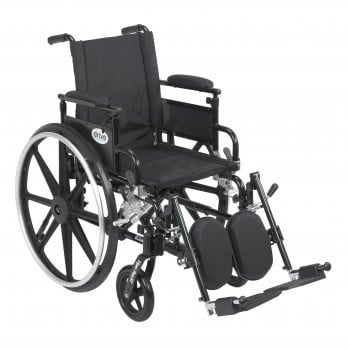
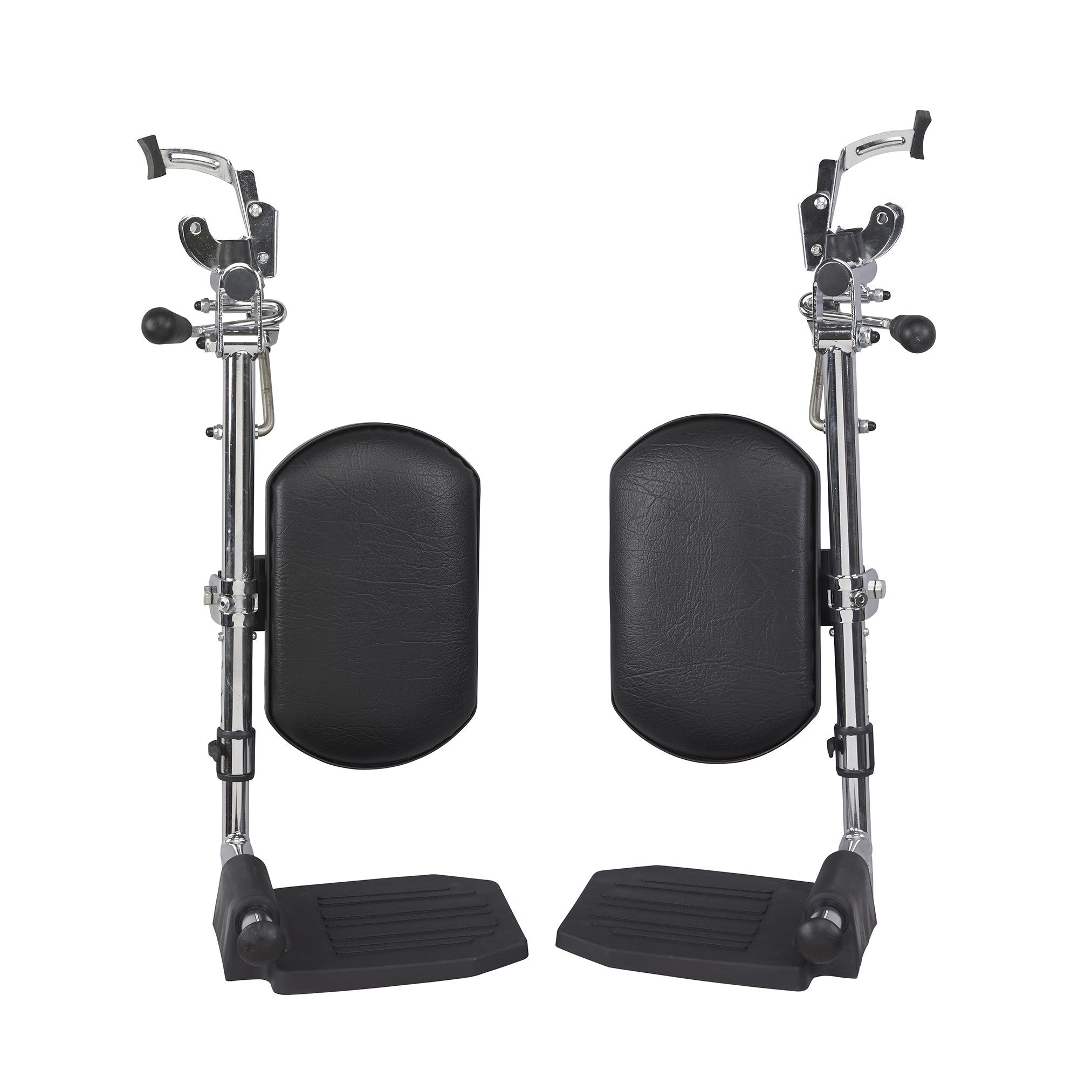
Leg rests also depend on the user's needs. Standard swing-away footrests work well for many riders and make it easier to get closer to a chair or bed. Elevating leg rests may be a better option when a clinician has recommended leg elevation or when swelling and comfort are ongoing concerns. They add bulk, however, so they may not be necessary for a chair used only for brief transport.
Seat padding matters, but it is not the only comfort factor. A supportive back, correct seat size, stable foot placement, and manageable ride all affect how the user feels after an outing. For longer periods in the chair, a compatible wheelchair cushion may improve comfort and positioning. If the user has skin concerns, limited ability to shift position, or complex medical needs, ask a healthcare professional what seating support is appropriate.
Do Not Overlook Wheels, Brakes, and Terrain
A transport chair is at its best on smooth indoor flooring, paved walkways, clinic halls, stores, and similar surfaces. Small wheels are convenient for folding and storage, but they can be less comfortable on rough pavement, thick grass, gravel, or uneven ground.
If outdoor use is common, look for a model with durable wheels and a frame designed for the surfaces you expect to encounter. Solid tires avoid flats and require little maintenance, making them a practical choice for many transport needs. Pneumatic tires can provide a softer ride but may need occasional inflation and care.
Reliable wheel locks are essential whenever the user is transferring into or out of the chair. Caregivers should engage the brakes before transfers, confirm that footrests are moved aside when appropriate, and avoid hanging heavy bags from the push handles. Added weight on the back of a lightweight wheelchair can affect stability, particularly when the rider is not seated.
Consider the Caregiver's Experience Too
A manual wheelchair for transport should work for the person pushing it as well as the person sitting in it. Comfortable push handles, responsive wheels, manageable weight, and easy-fold operation can make a major difference over time.
Pay attention to doorway clearance in the home and the places the chair will visit most often. Standard indoor doorways, bathroom entrances, elevators, and restaurant aisles can all create challenges for wider chairs. A compact chair may be easier to maneuver, but never sacrifice proper rider fit simply to gain a few inches of clearance.
It is also helpful to think about the duration of each outing. A chair that feels fine for a 15-minute trip into a doctor's office may not be comfortable for a full afternoon at a family event. When longer use is expected, prioritize seat support, footrest adjustment, armrest style, and the ability to add suitable accessories.
Get Confident Before You Buy
Mobility equipment is personal. Measurements, daily routines, caregiver strength, vehicle space, and the rider's level of independence all influence the right choice. Product specifications are valuable, but a conversation with a knowledgeable mobility specialist can help turn those numbers into a chair that makes sense for real life.
American Quality Health Products has supported customers with mobility and home medical equipment since 2001, with expert assistance available for shoppers who want help comparing fit, portability, capacity, and features. The right chair should feel like practical support for more outings, more comfort, and more confidence whenever it is time to go.


