



A safer transfer out of bed, a scooter that makes errands possible again, or a lift chair that lets someone stand without assistance can change daily life quickly. The challenge is that the right equipment may be needed before a household has planned for the purchase. Medical financing gives qualifying shoppers a way to spread the cost over time while choosing equipment that supports comfort, safety, and independence now.
For families comparing home medical products, financing should be part of the buying conversation, not an afterthought at checkout. It can make higher-quality, better-fitting equipment more attainable, but it also comes with terms that deserve a close look. The goal is not simply to find a monthly payment. It is to select equipment that fits the person, the home, and the household budget.
What Medical Financing Can Help You Buy
Medical financing is a payment option designed to help eligible customers pay for health-related purchases over a set period rather than in one full payment. Depending on approval and the available plan, it may be used for durable home equipment that supports mobility, recovery, caregiving, and aging in place.
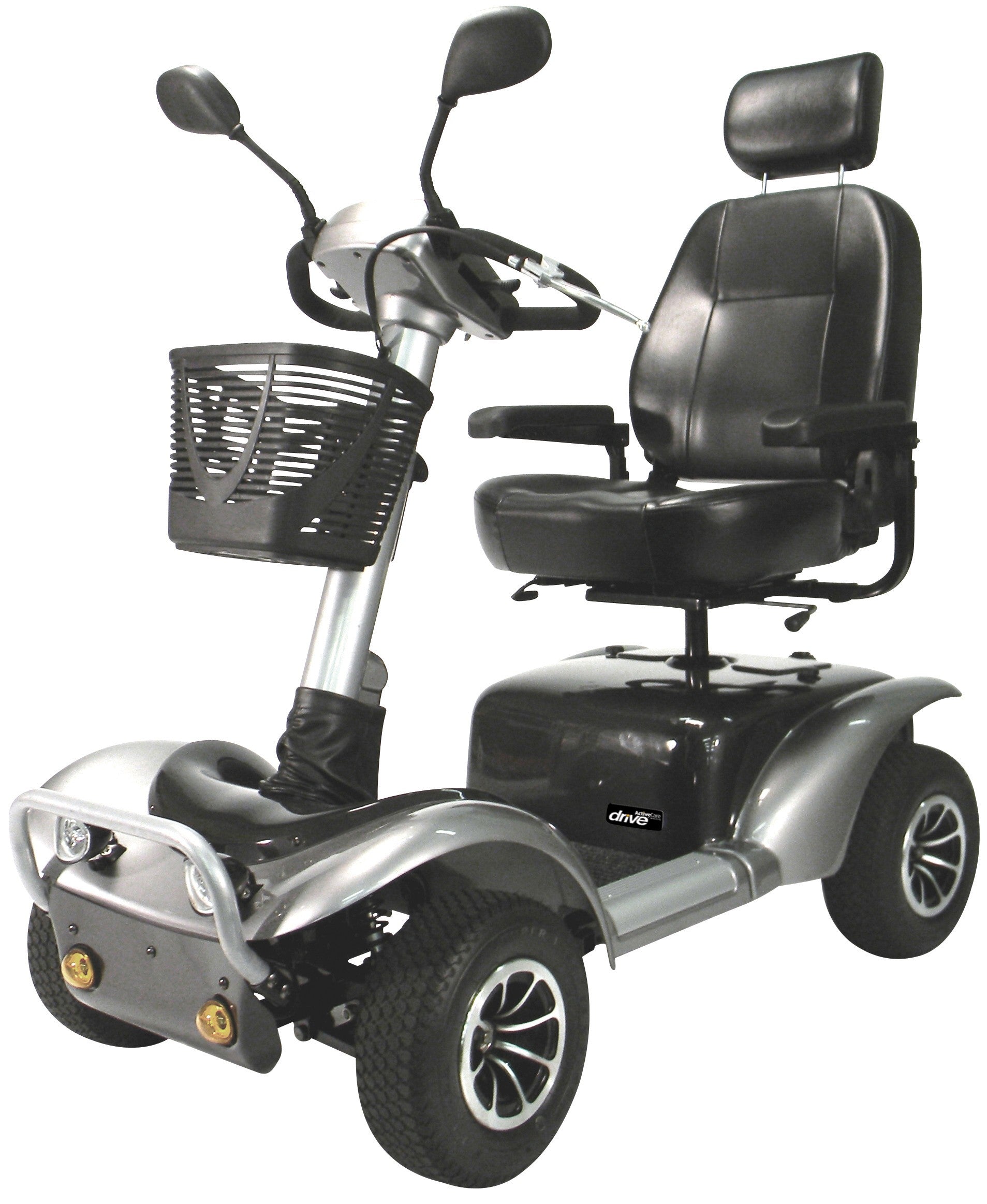
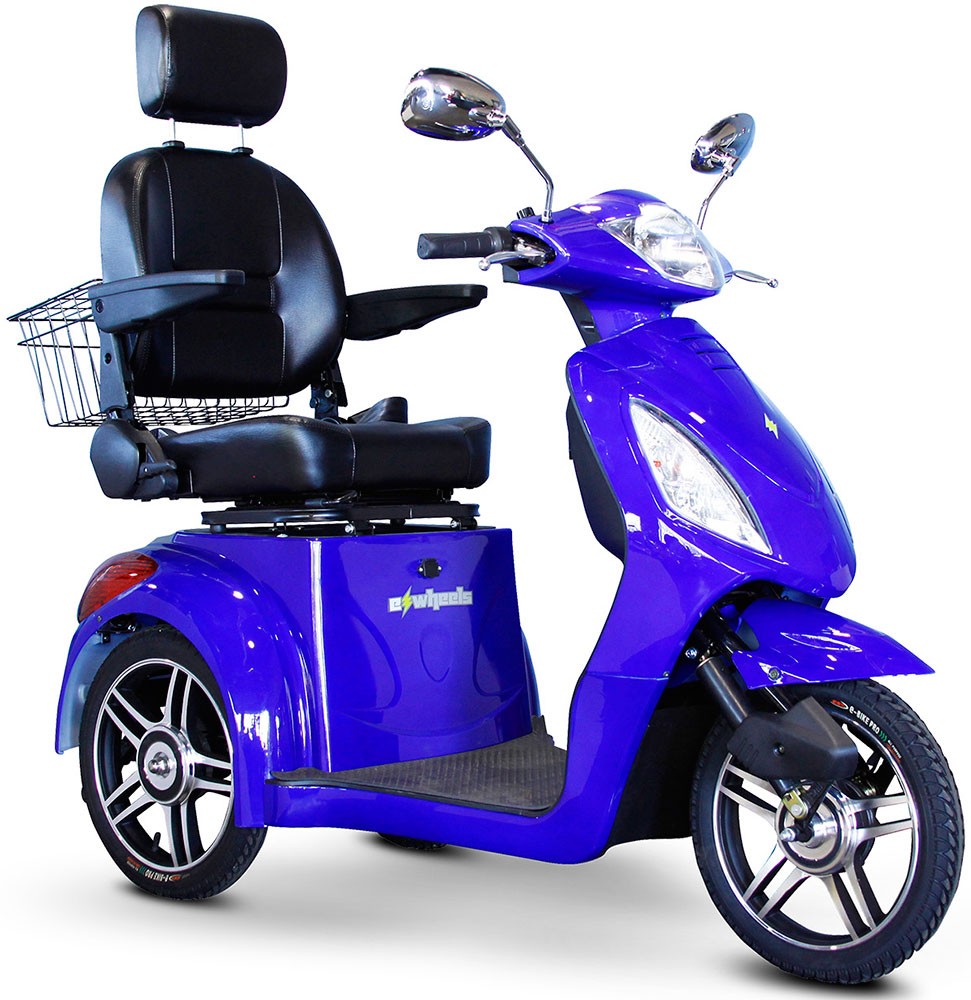
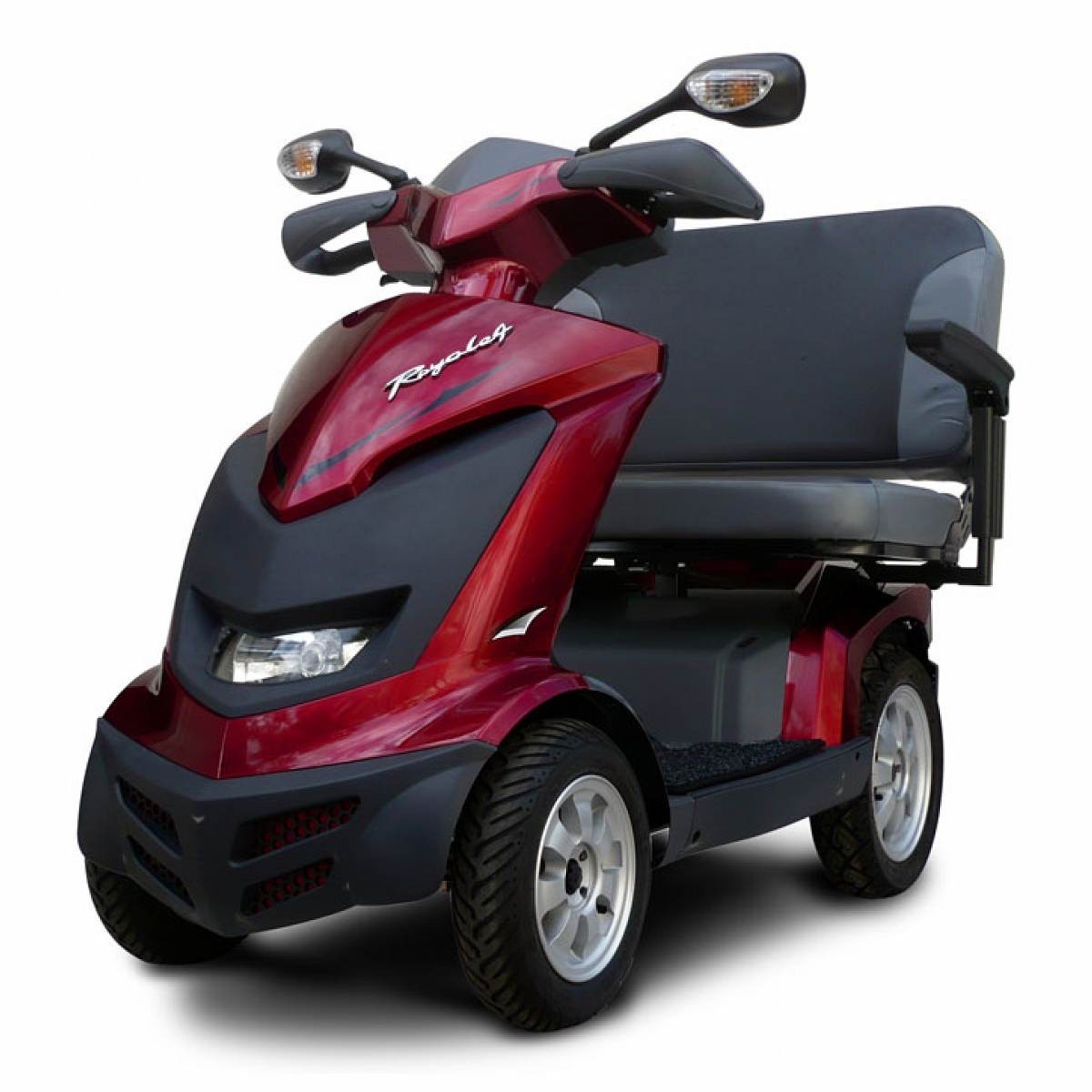
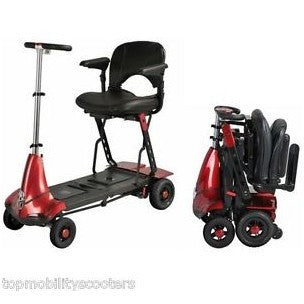
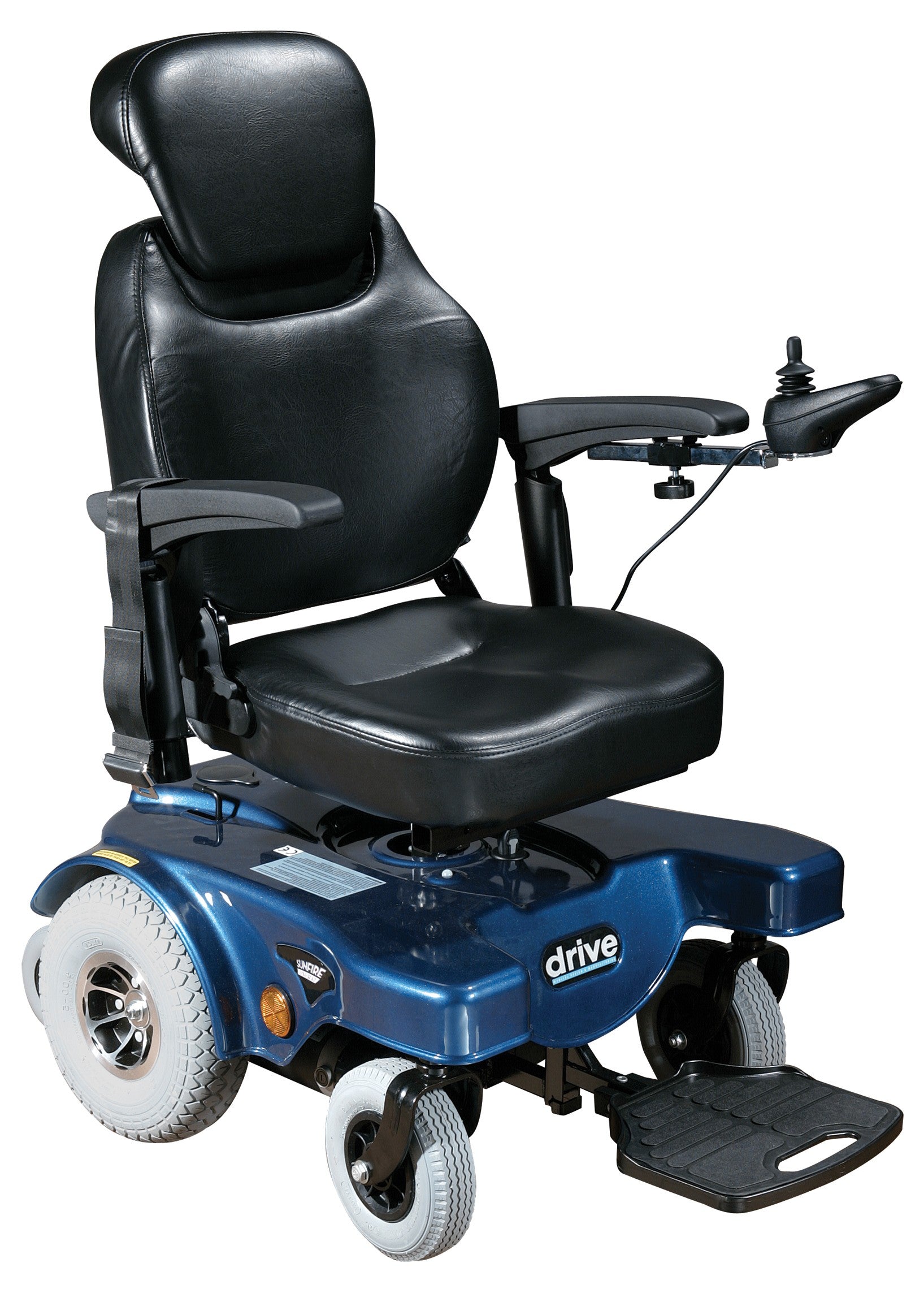
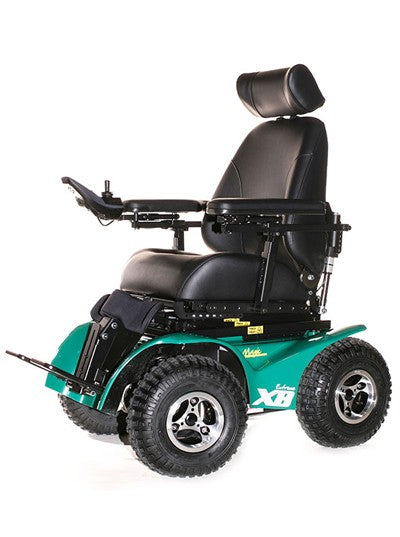
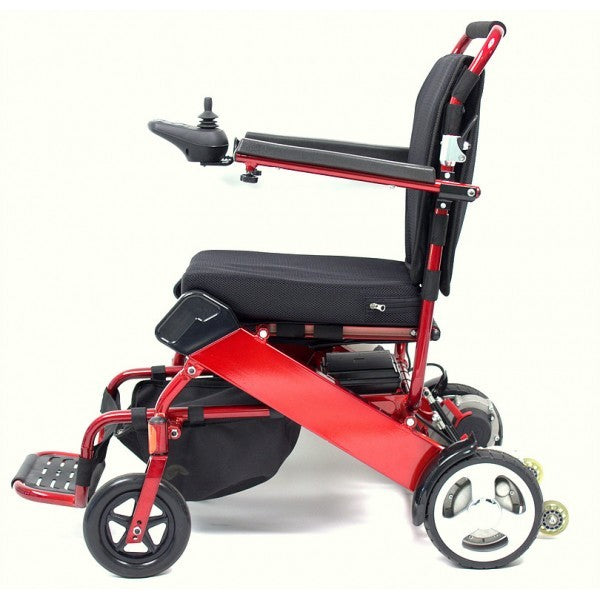
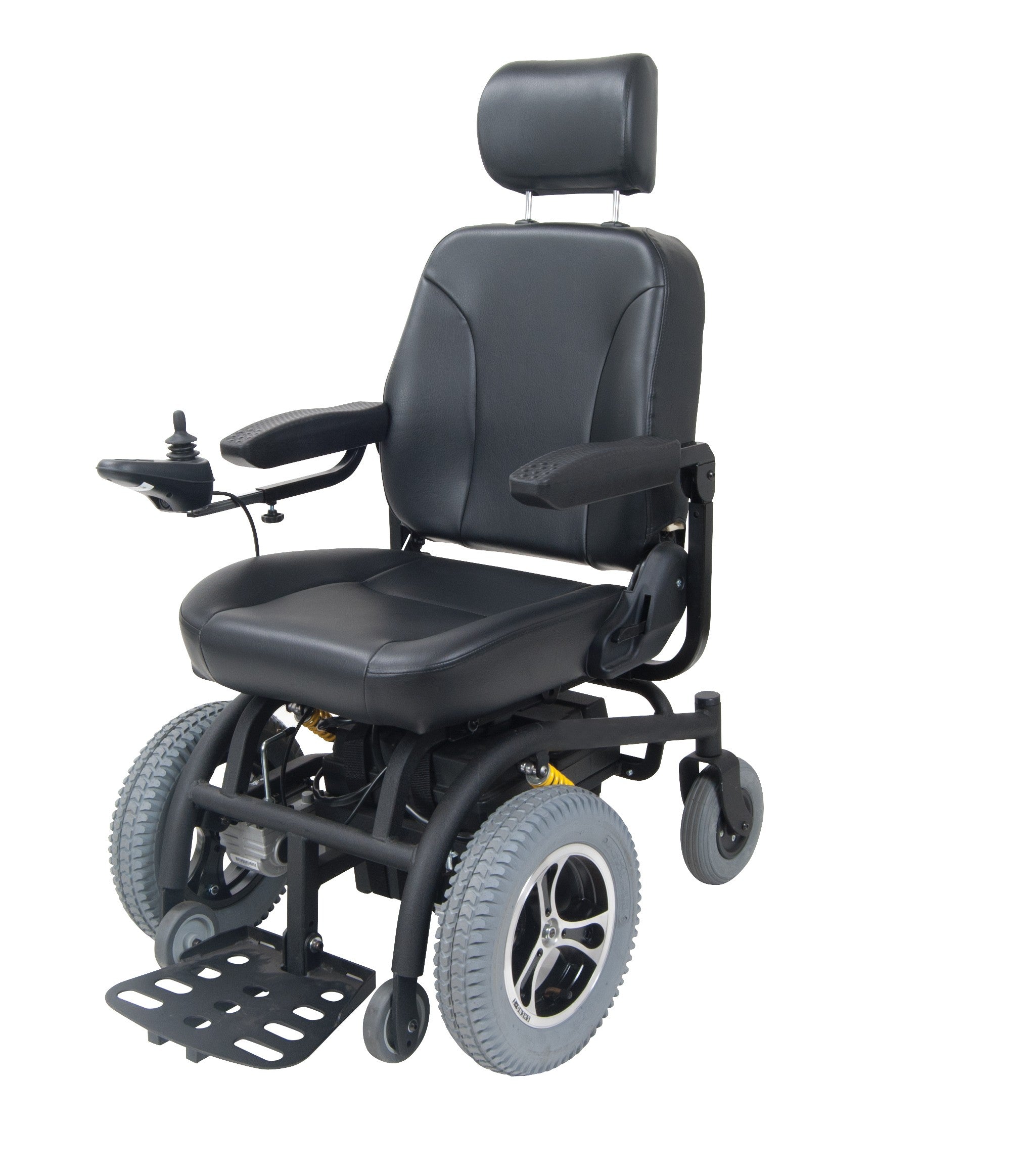
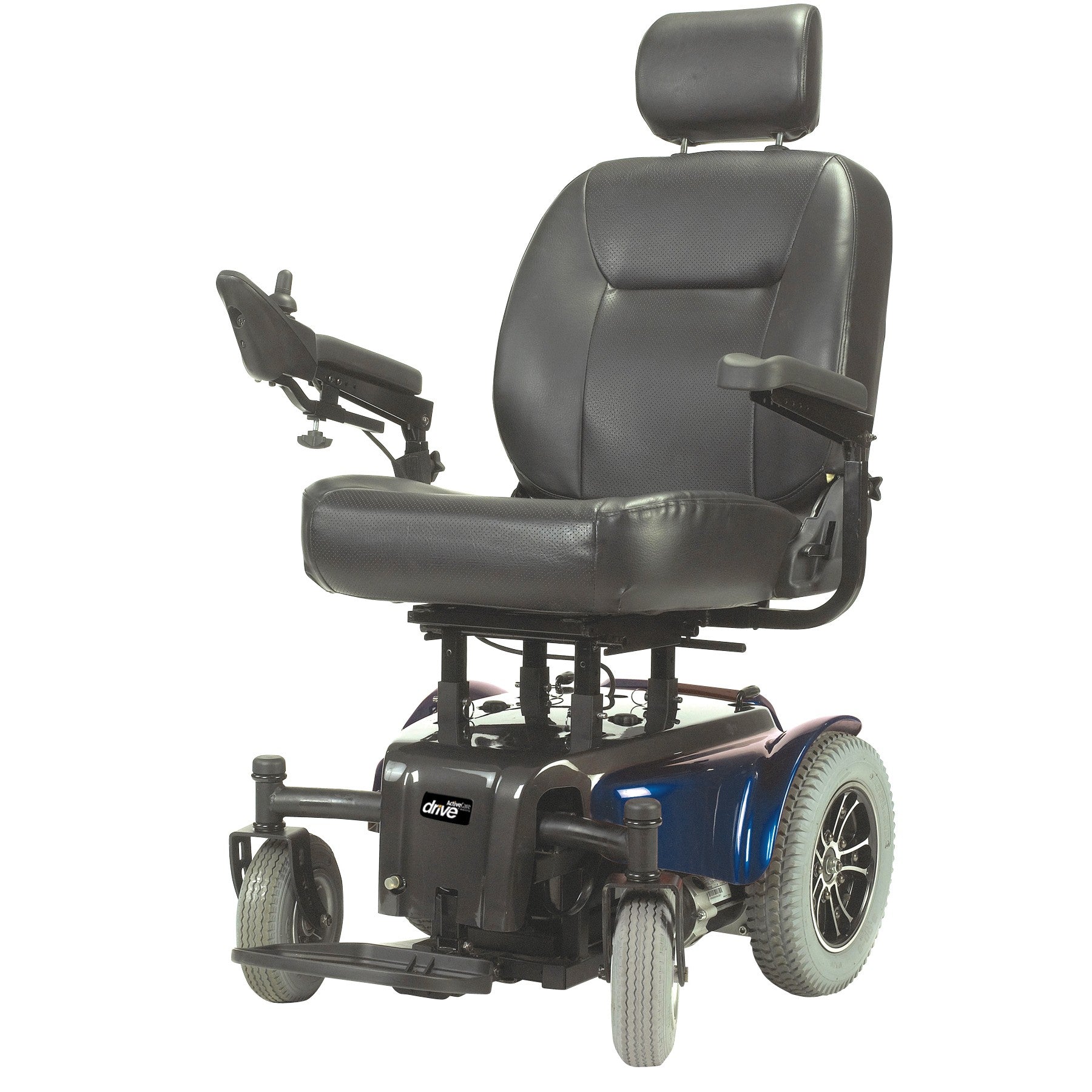
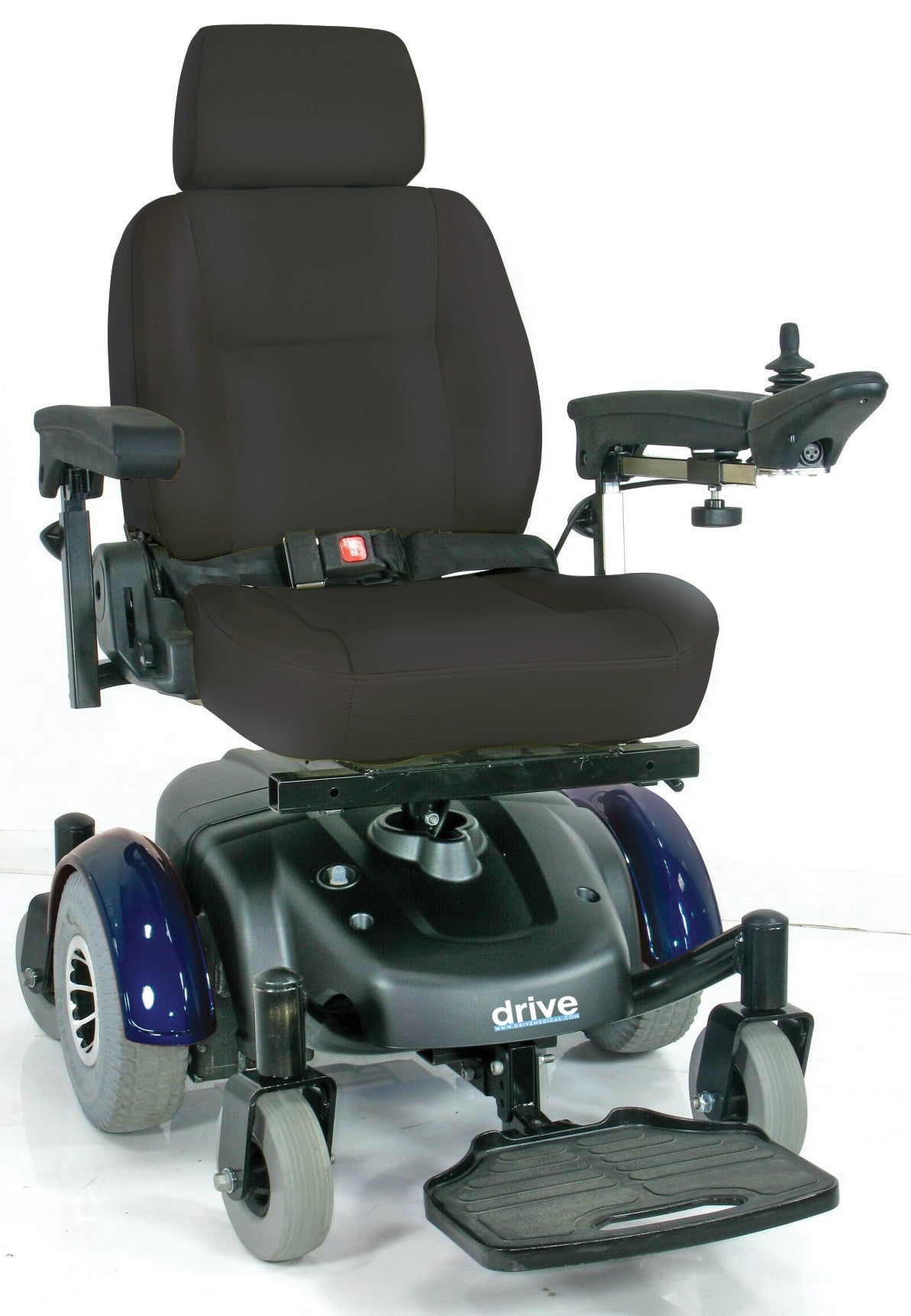
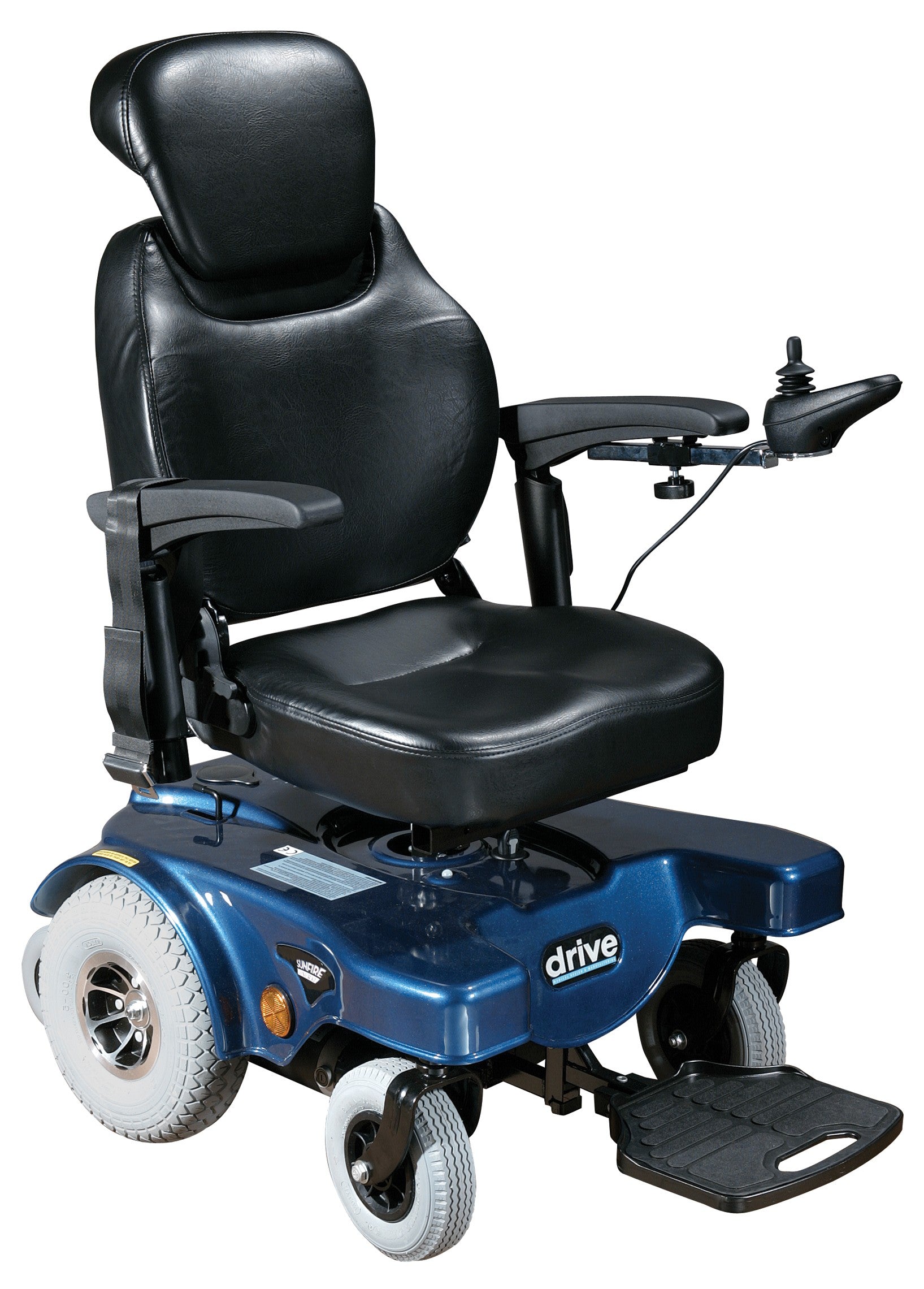
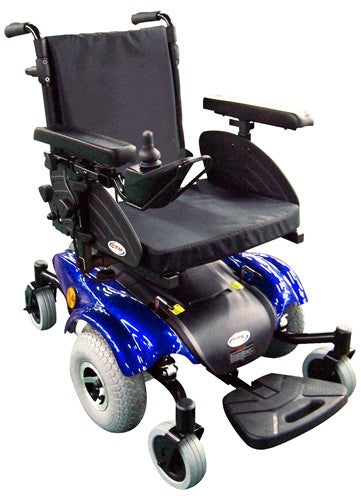
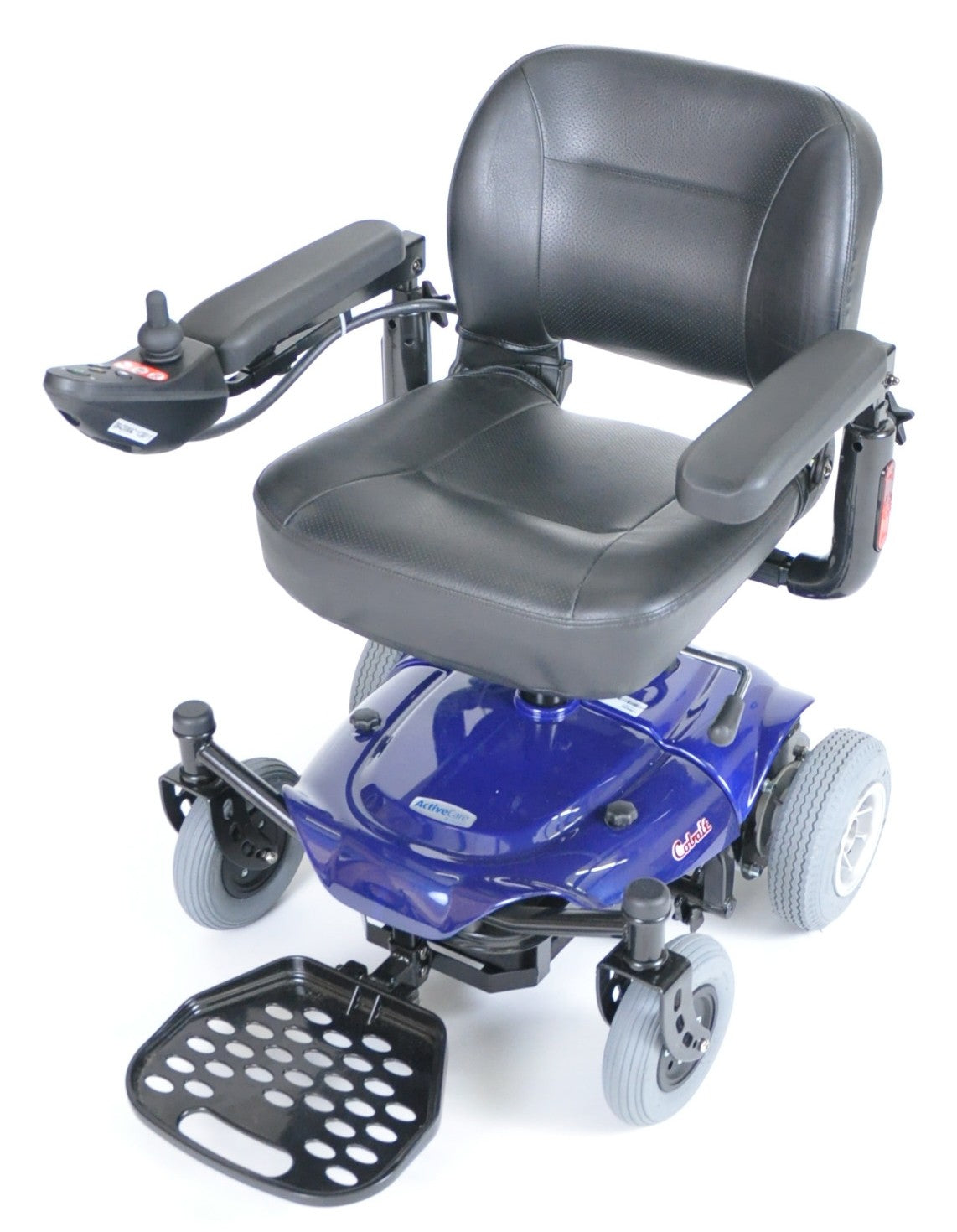
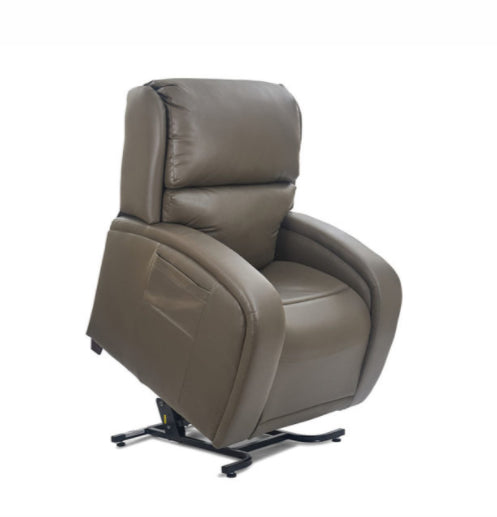
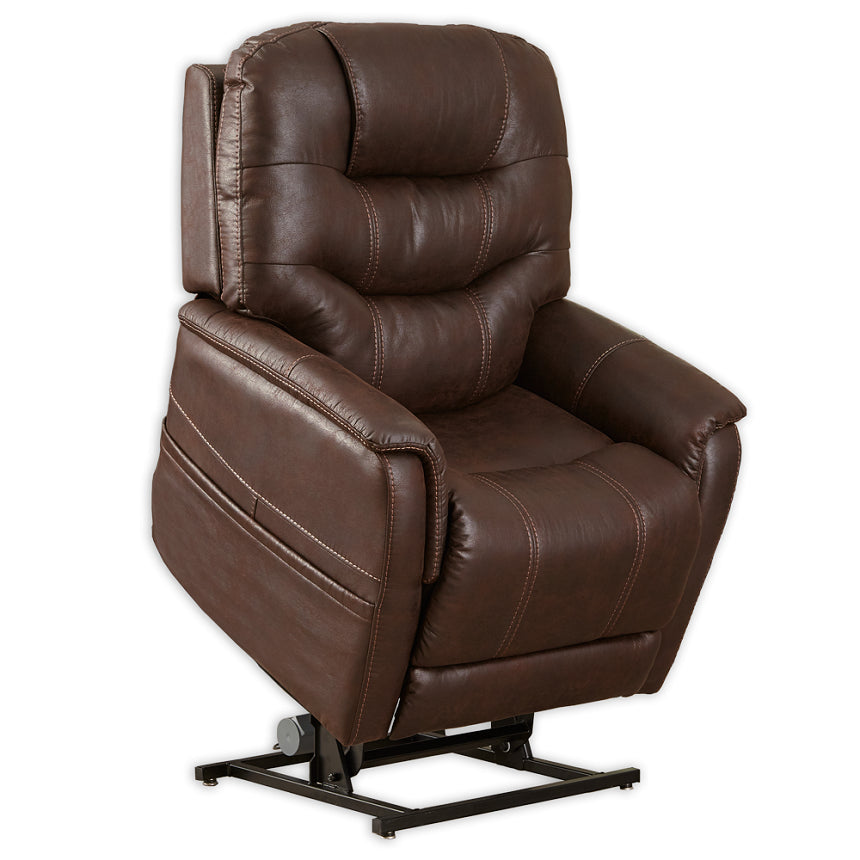
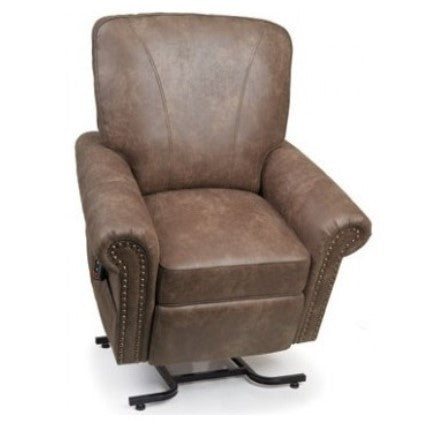
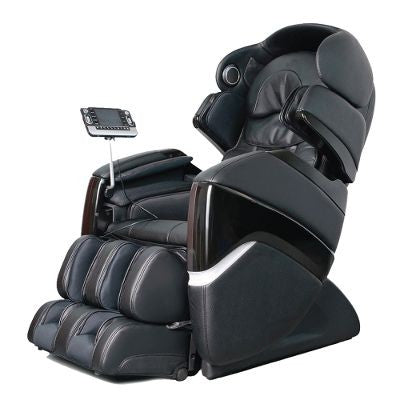
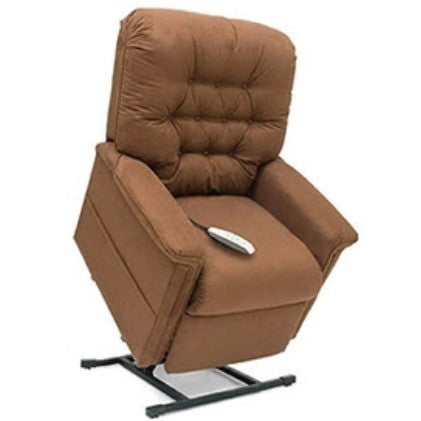
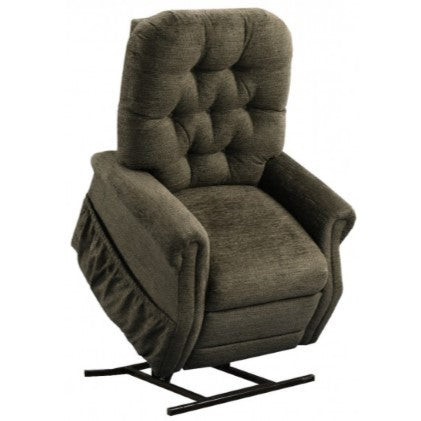
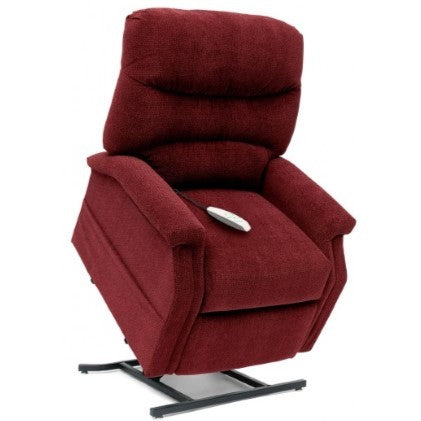
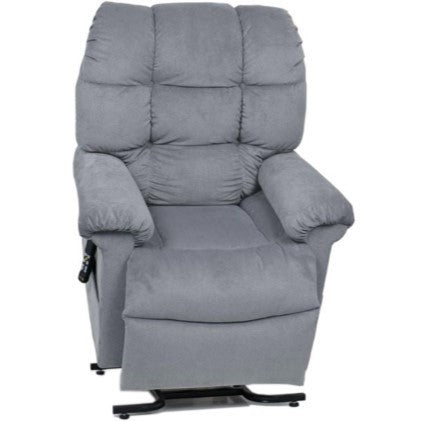
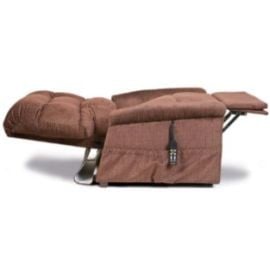
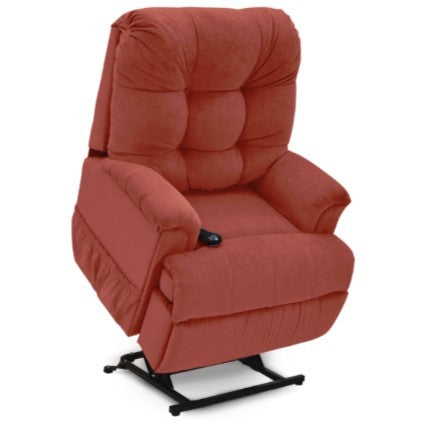
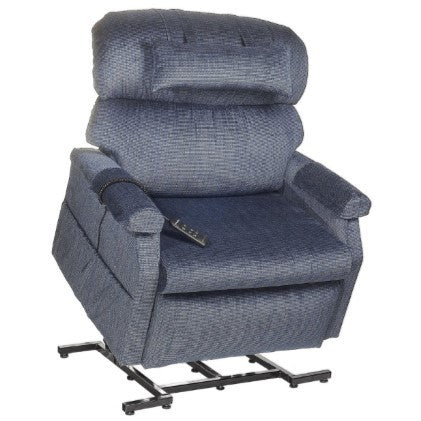
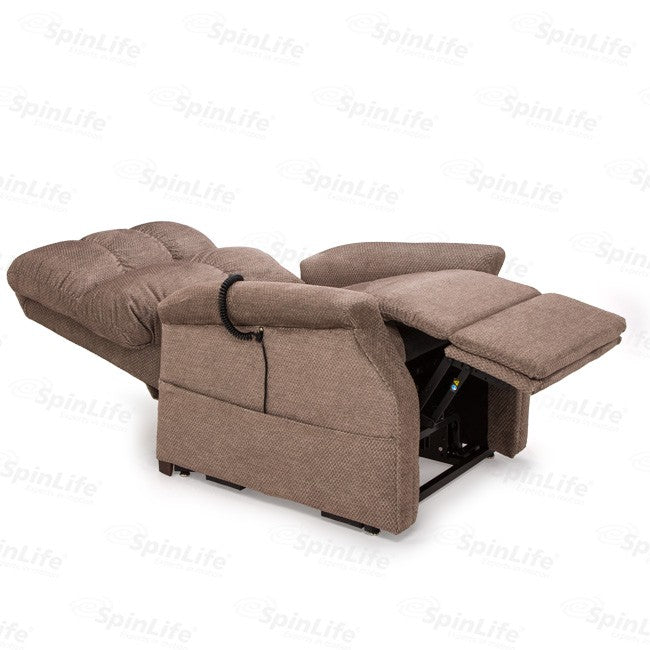
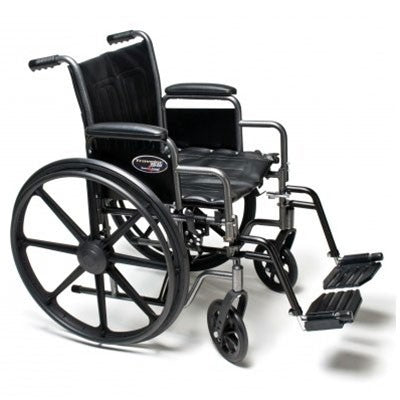
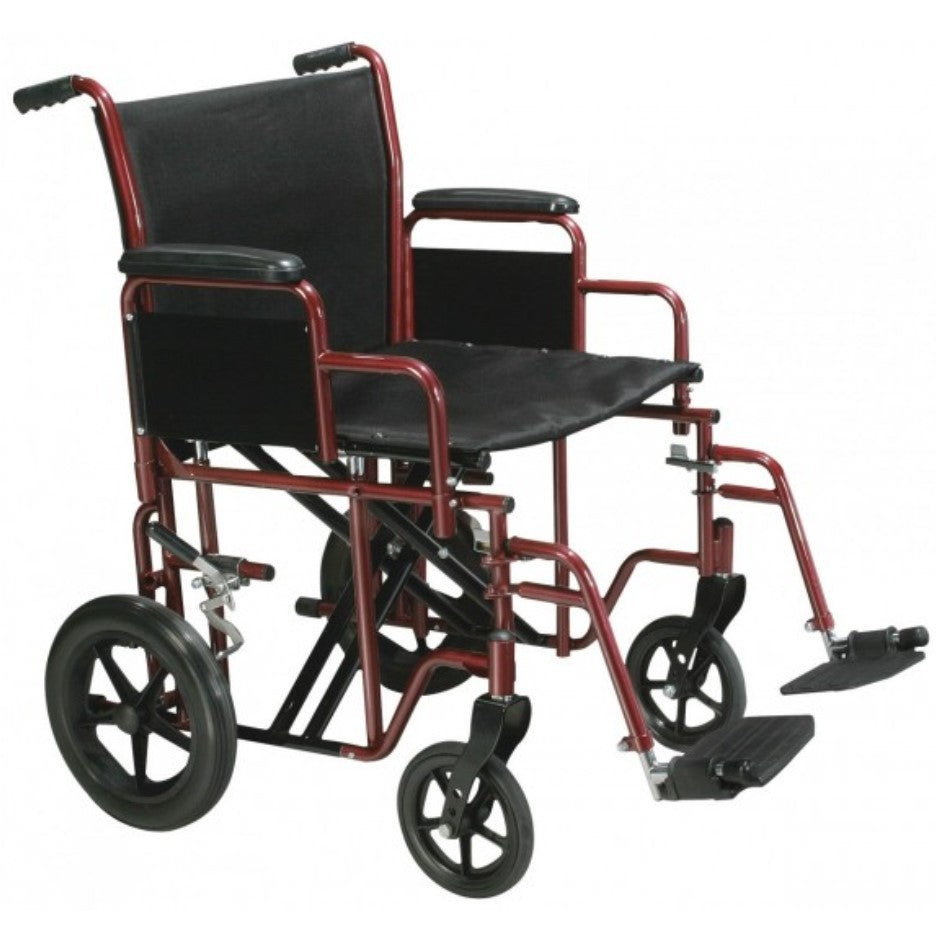
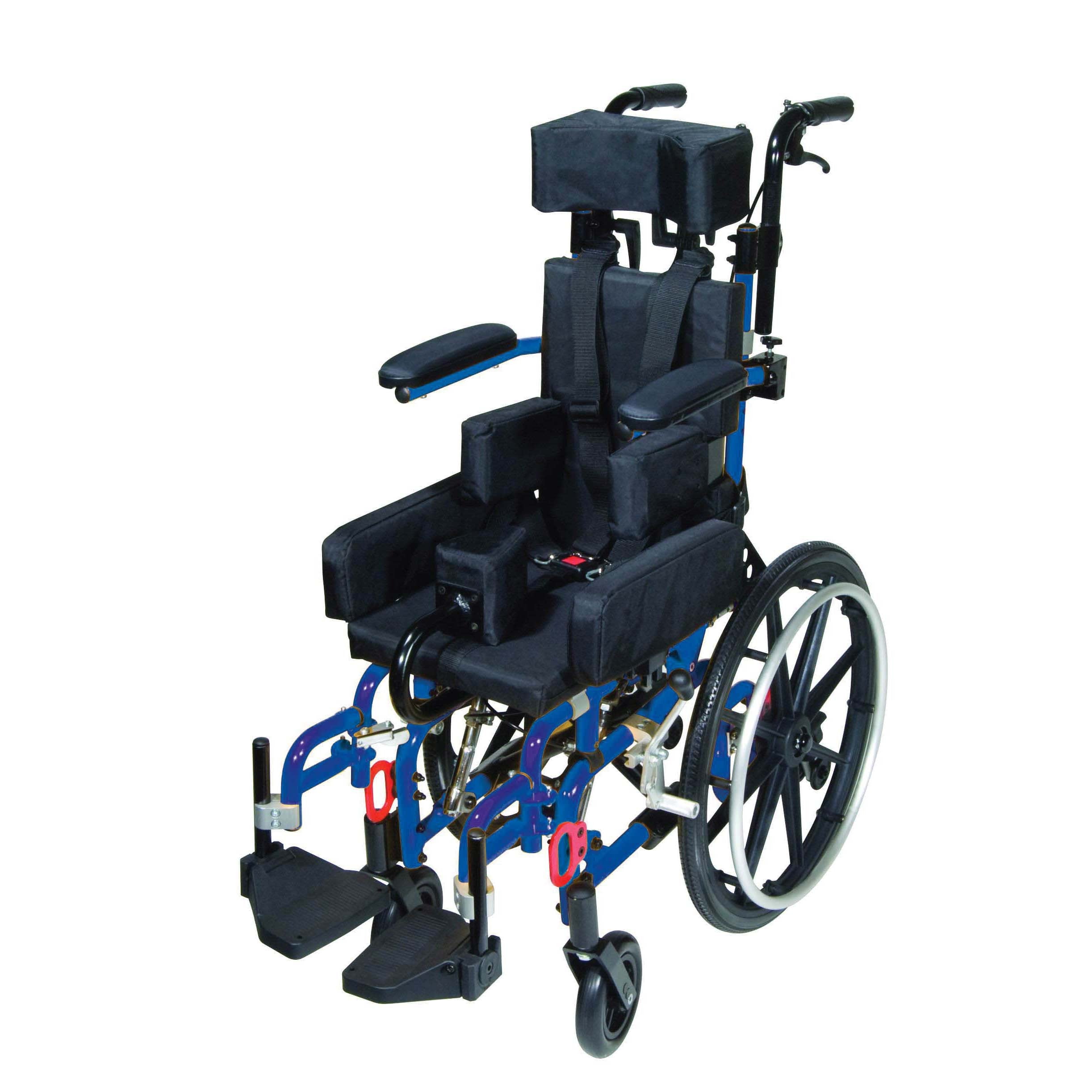
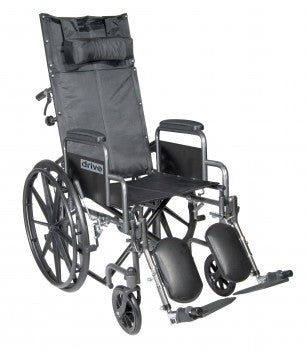
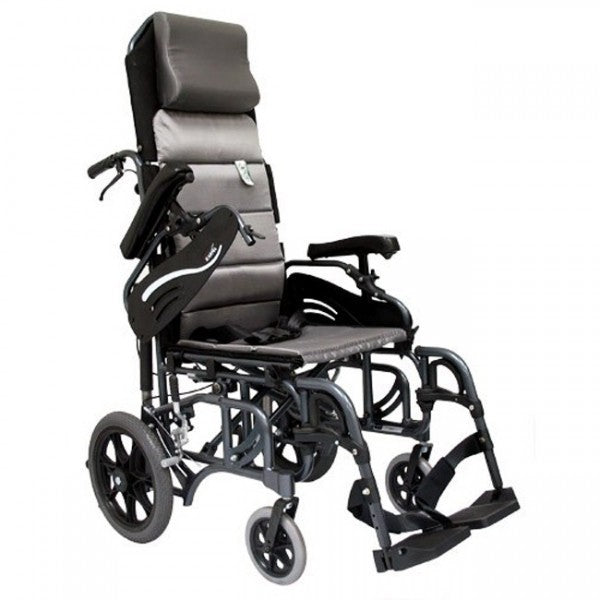
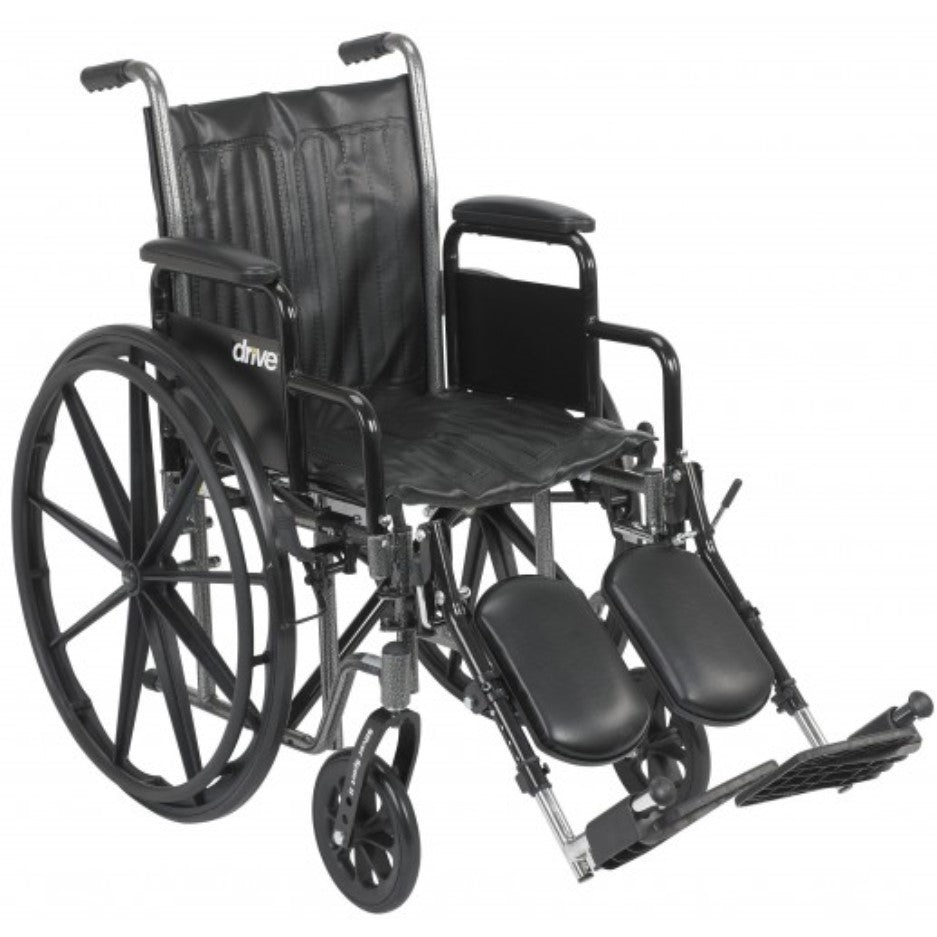
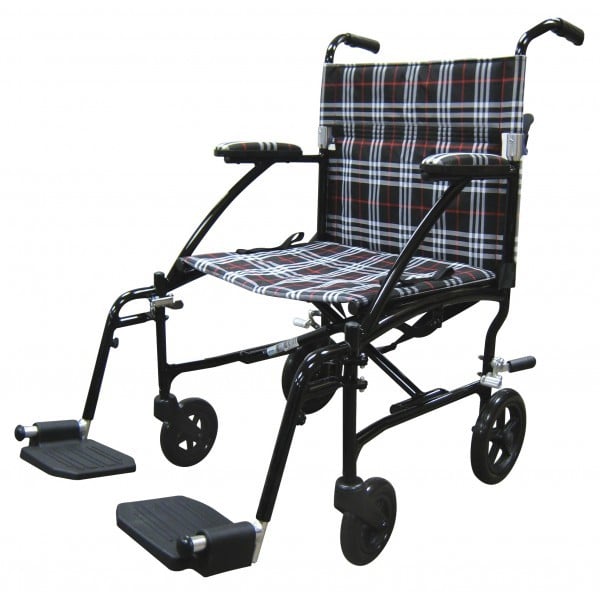
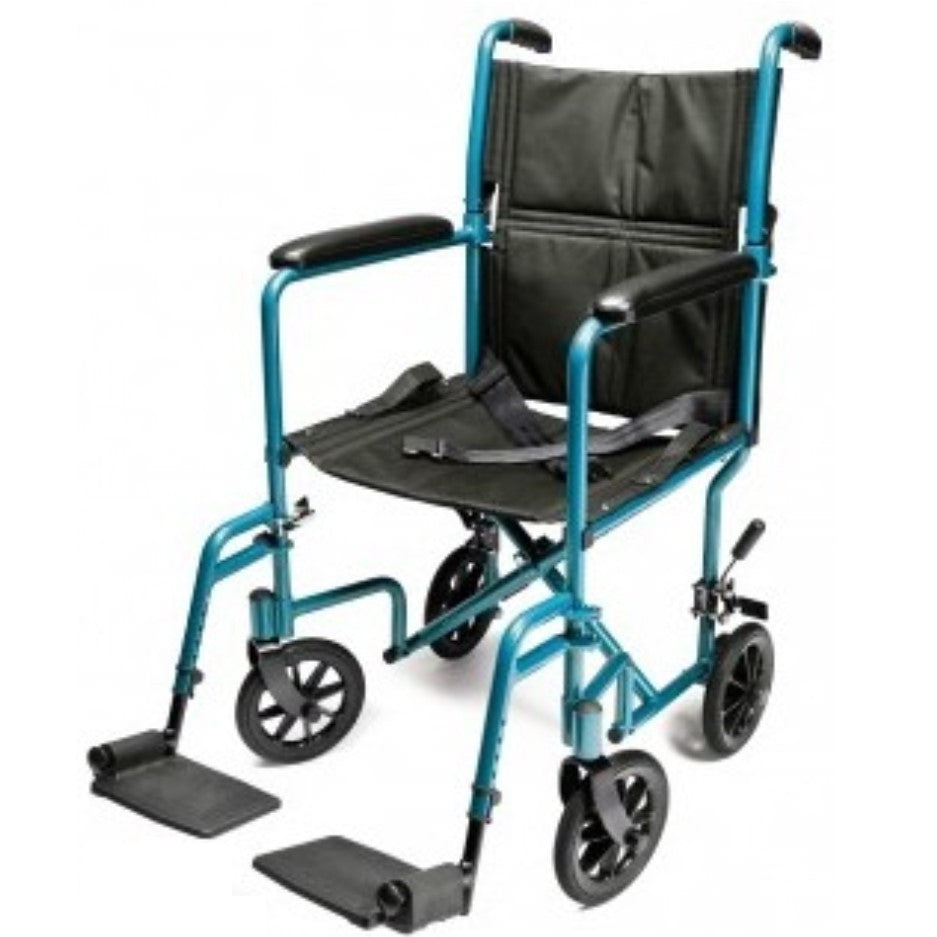
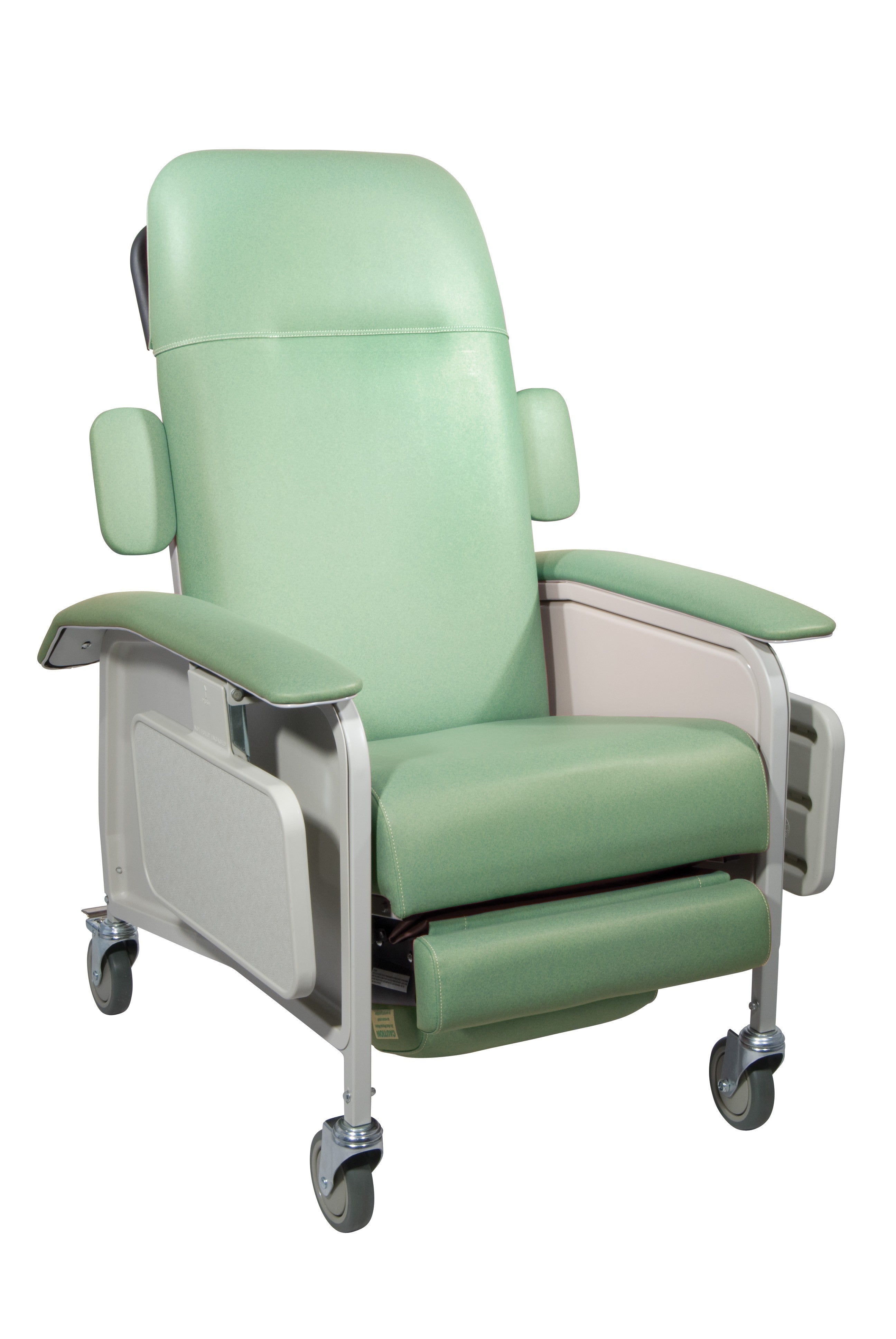
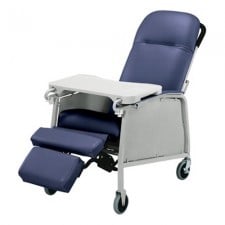
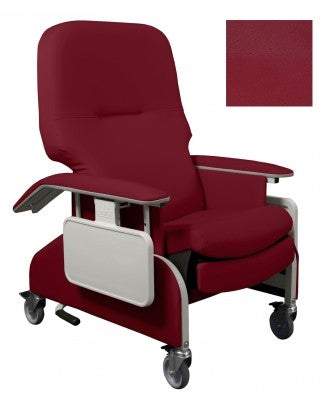
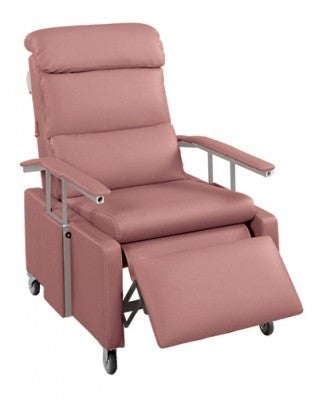
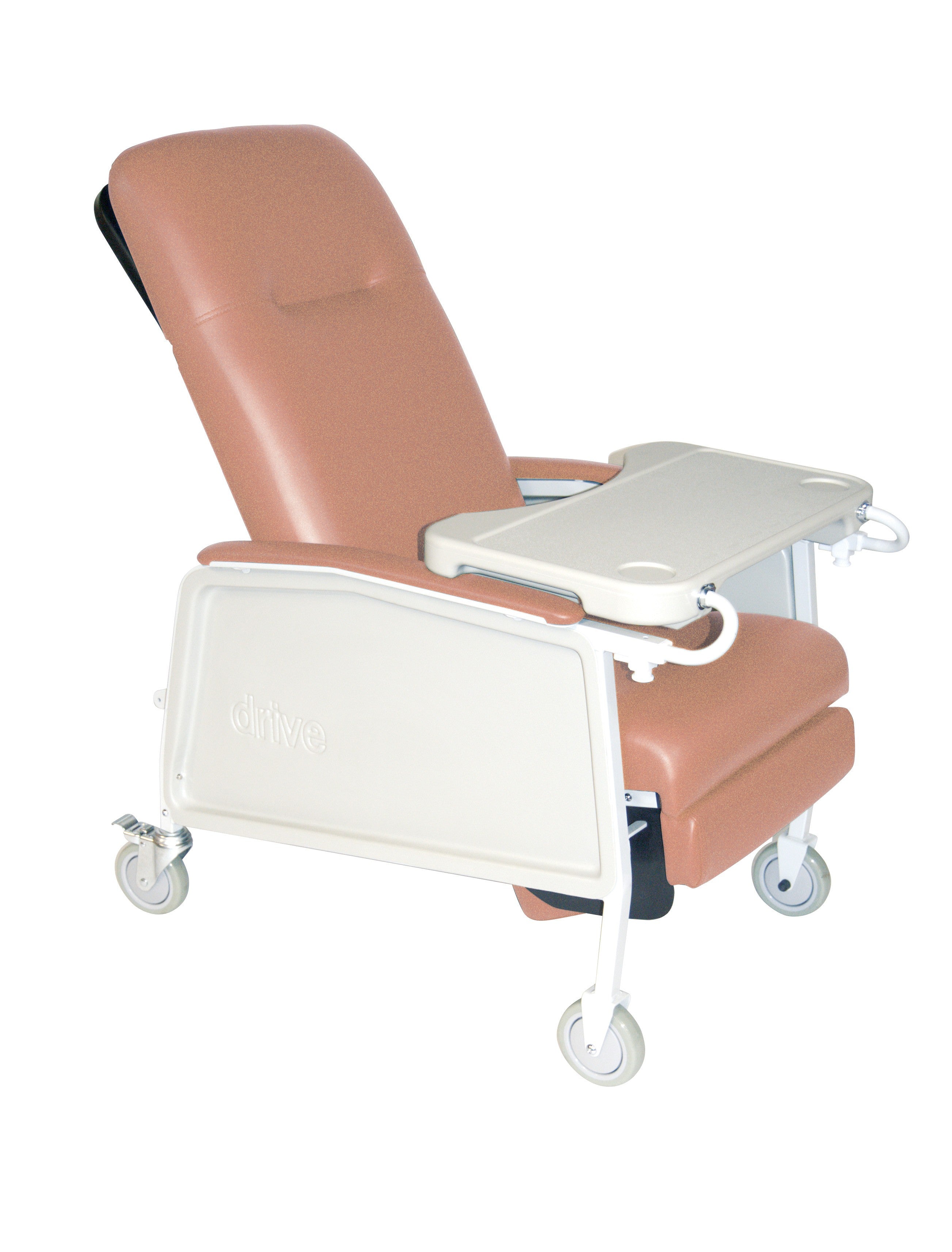
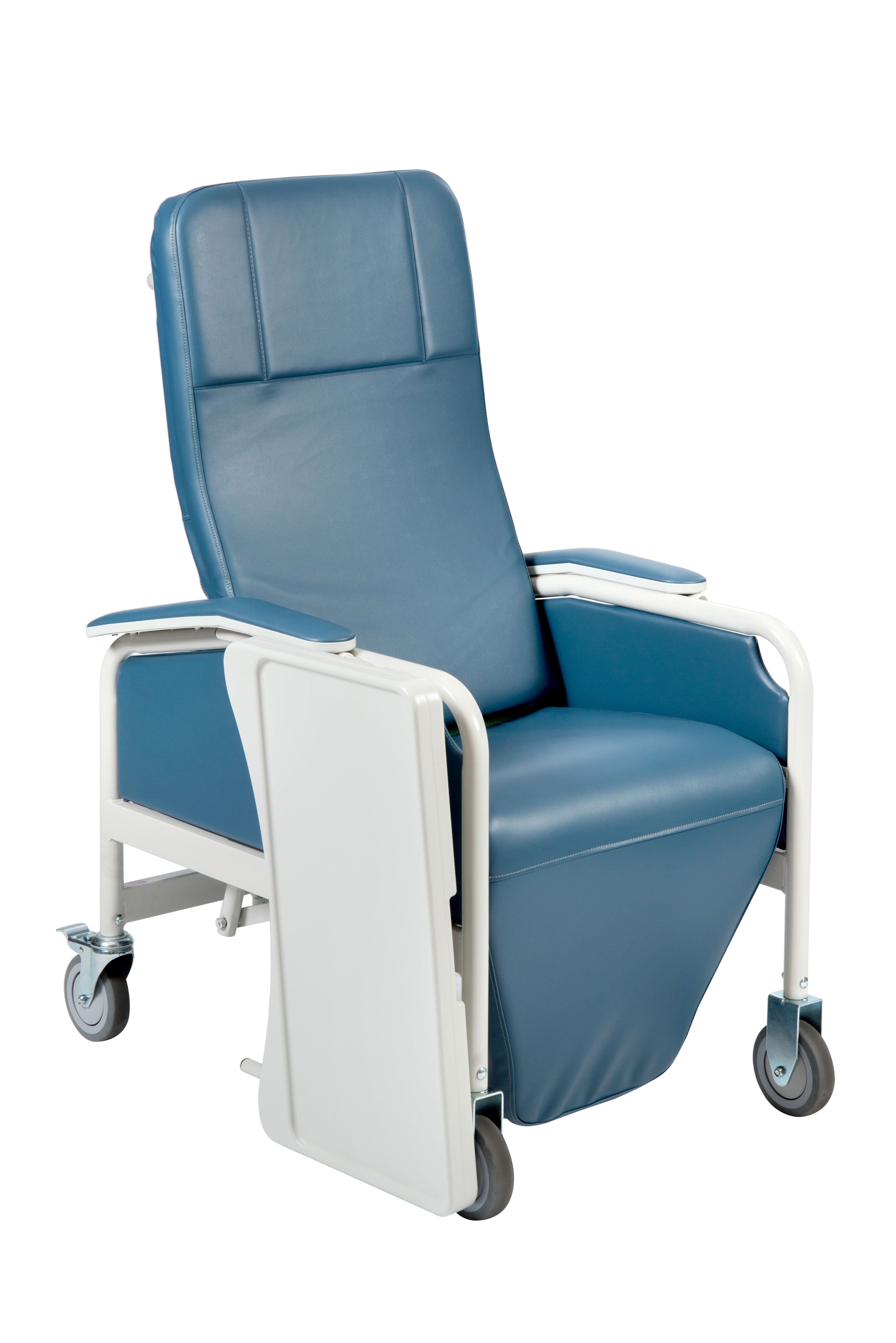
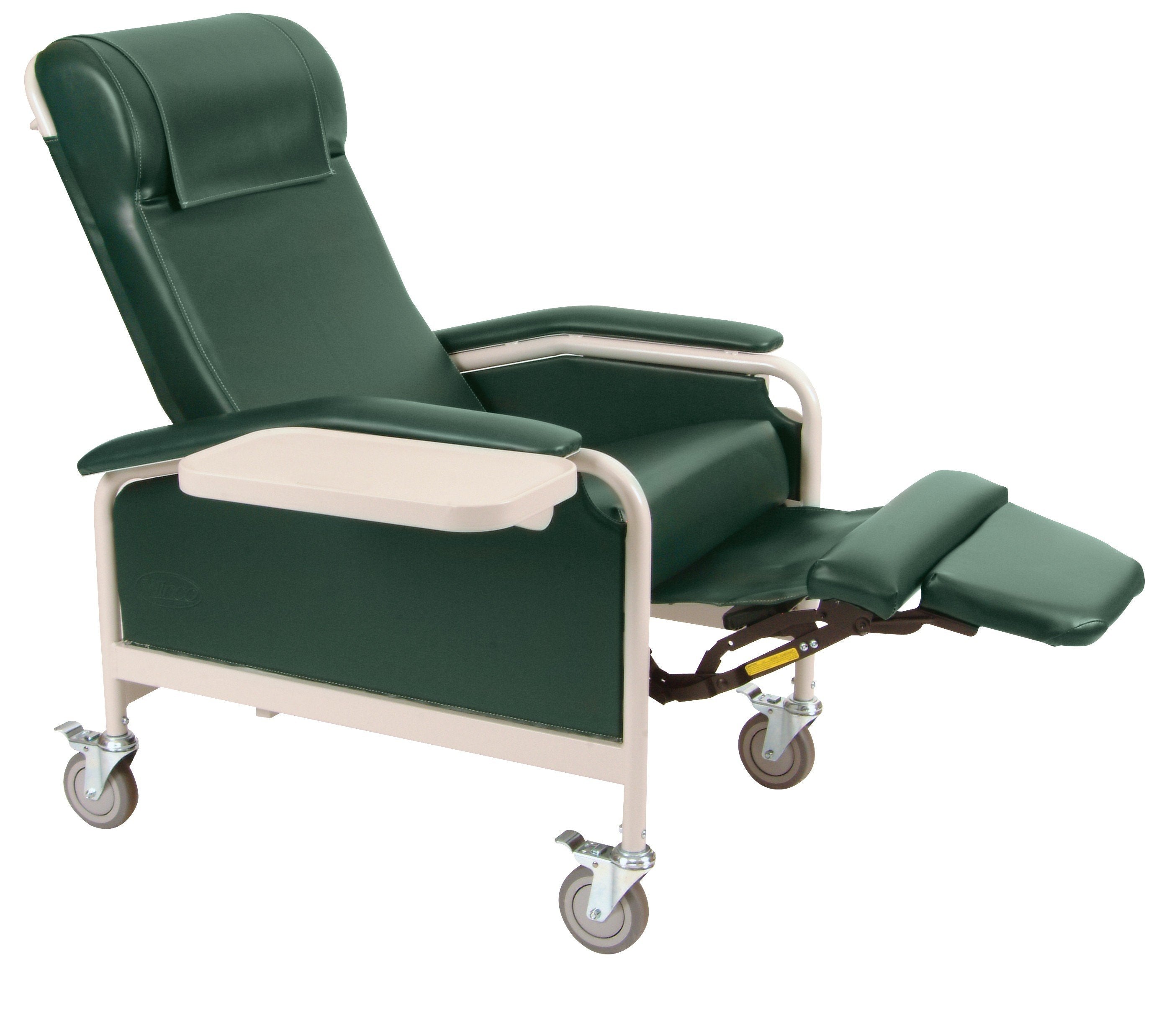
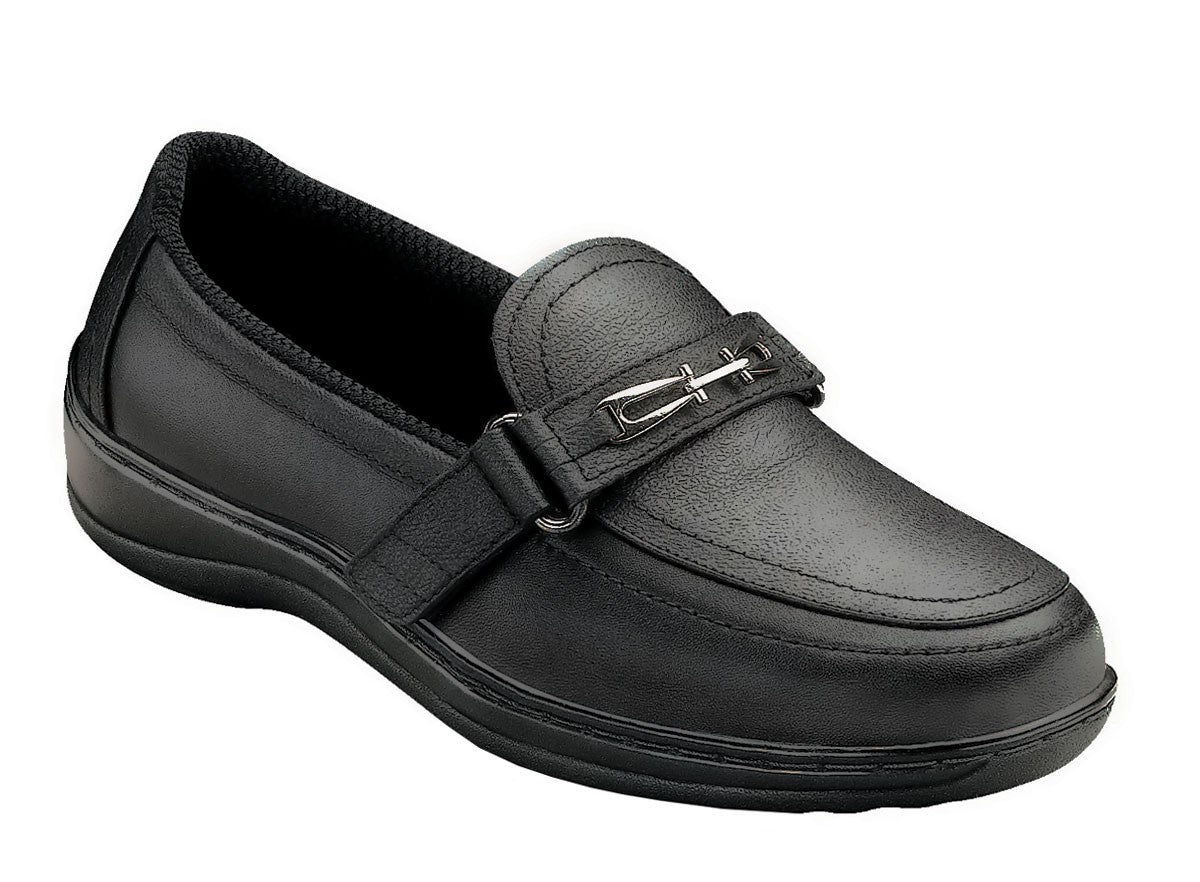
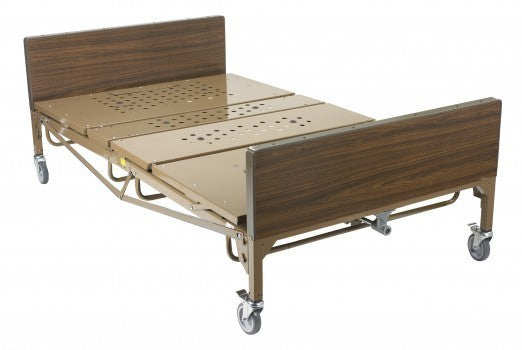
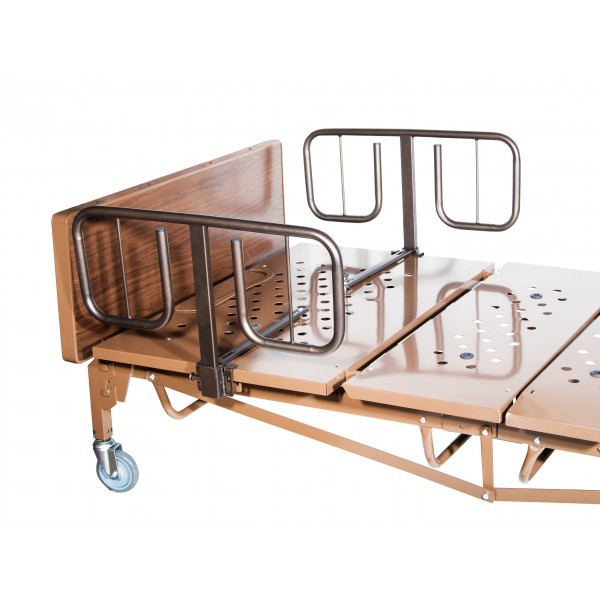
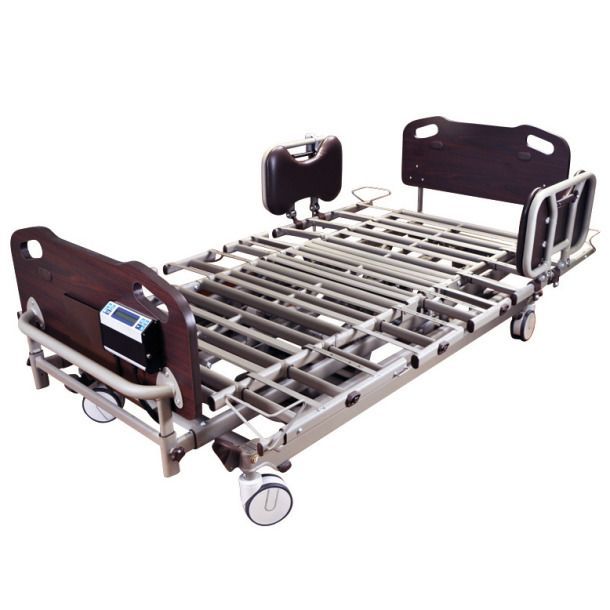
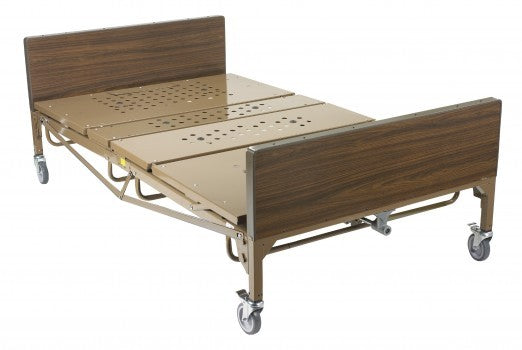
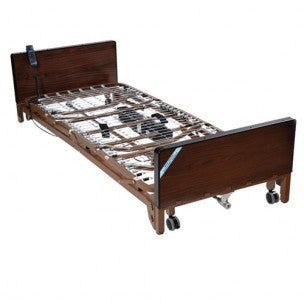
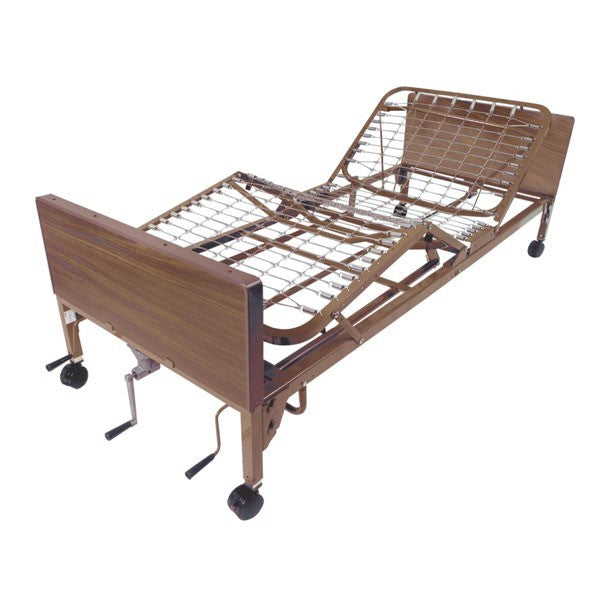
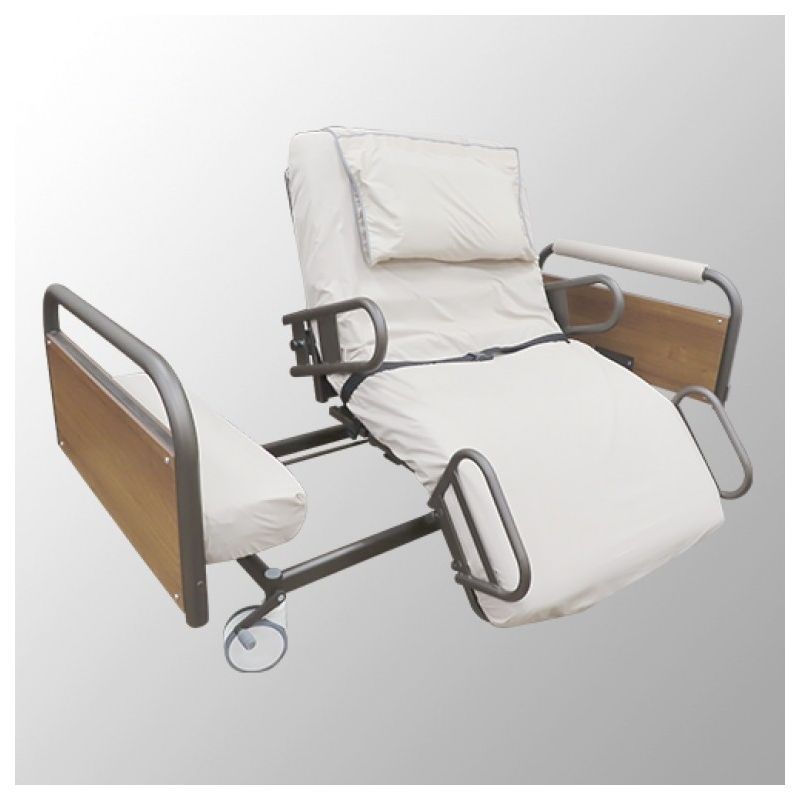
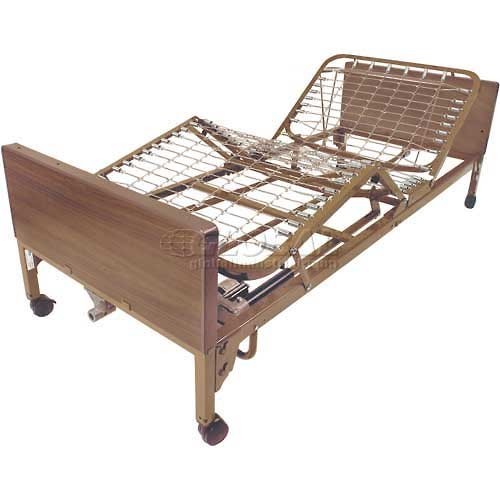
That can include power wheelchairs and mobility scooters for people who need more freedom beyond the living room. It can include adjustable beds, home care beds, and geriatric recliners for comfort, positioning, and easier care routines. Lift chairs may help a person transition from sitting to standing with less strain, while ramps, compression socks, diabetic shoes, and other accessories can address equally practical needs.
Financing does not change the importance of choosing the right product. A power wheelchair with the wrong seat width is still the wrong chair, even if the payment fits the budget. A bed that does not work with a caregiver's transfer routine can create frustration every day. Start with the equipment requirements, then evaluate the payment option that makes sense for your situation.
When Financing May Be a Good Choice
For many customers, the need for equipment is tied to a life change: discharge from rehabilitation, a fall, reduced strength, a progressive condition, or a caregiver's growing responsibilities. Waiting several months to save for a needed product may not be practical. Financing may be worth considering when the equipment can improve safety or make care at home more manageable right away.
It can also be useful when a shopper is deciding between a basic product and a model that is genuinely better suited to the user. For example, a person who spends long periods in a chair may benefit from features that improve positioning and comfort. Someone using a mobility scooter outside the home needs to consider travel range, terrain, turning space, portability, and weight capacity rather than choosing solely by appearance.
There is a meaningful difference between paying for useful features and paying for extras that will not be used. The best purchase is not automatically the most advanced model. It is the one that meets the person's everyday needs without creating an unnecessary financial burden.
Consider the full home-use picture
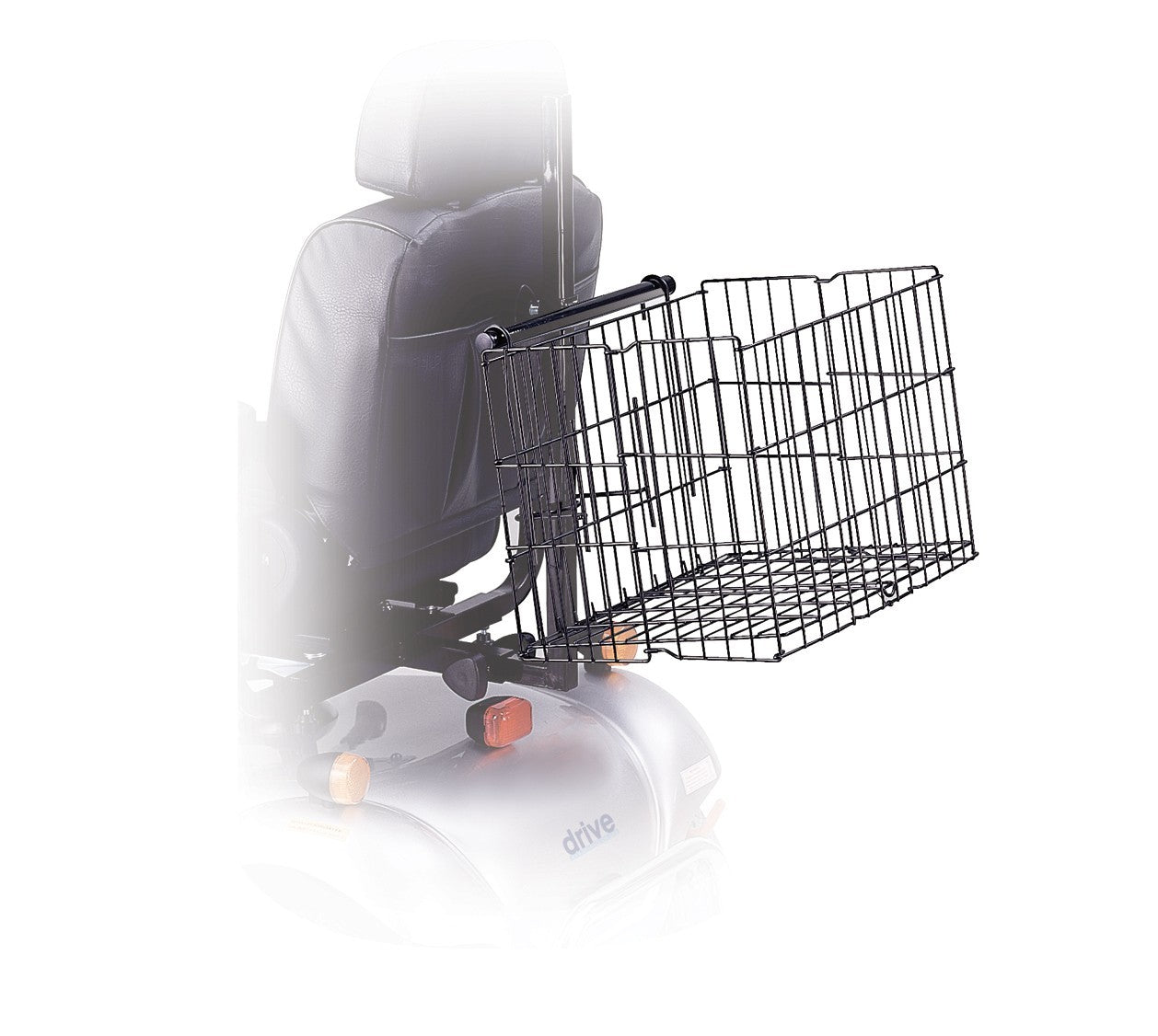
Before applying for financing, think beyond the product itself. Measure doorways, hallways, room layout, and any turns between the entrance and where the equipment will be used. For scooters and power chairs, consider storage, charging access, and whether the user will need a ramp or vehicle lift solution. For beds and lift chairs, consider nearby outlets, caregiver access, and enough clear space to use the equipment safely.
These details help prevent a costly mismatch. They also help you finance the right complete solution the first time, rather than adding avoidable replacements or accessories later.
How to Compare a Medical Financing Offer
An approval decision can feel like the final step, but it is really the beginning of an informed comparison. Read the financing disclosure carefully before accepting any offer. Focus on the total repayment obligation, the length of the payment period, the required monthly payment, and how interest or promotional terms work.
Some plans may offer promotional periods, while others begin charging interest under their standard terms. The specifics matter. Ask what happens if a payment is late, whether payments can be made early, and whether there are fees associated with the account. Never assume that a low initial payment means the overall cost will be low.
It also helps to look at the payment in the context of the household budget. A comfortable payment should leave room for regular expenses, prescriptions, home care needs, transportation, and unexpected costs. If the payment would create pressure every month, it may be better to consider a different equipment configuration or wait until you can make a larger down payment.
Questions worth asking before you apply
You do not need to be a financing expert to make a sound decision. Ask whether the product you selected meets the user's current needs and likely near-term needs. Confirm the repayment timeline and the amount due each month. Find out whether paying the balance off early is allowed and whether any special conditions apply to promotional terms.
Also ask for help choosing the equipment before finalizing the order. A knowledgeable product specialist can clarify practical factors such as seat dimensions, weight capacity, battery needs, transfer support, bed positioning, or portability. That conversation can be especially valuable when a family member is purchasing on behalf of a loved one and cannot see every day-to-day challenge firsthand.
Match the Equipment to the Person, Not Just the Payment
Financing is most helpful when it supports a purchase that will continue to work well after the first few weeks. Think about the user's routine. Do they need to travel through narrow indoor spaces, or will they primarily use the chair outdoors? Can they safely operate scooter controls? Do they require bariatric support? Will a caregiver need side access to the bed? Is the person recovering from surgery, or are they managing a long-term change in mobility?
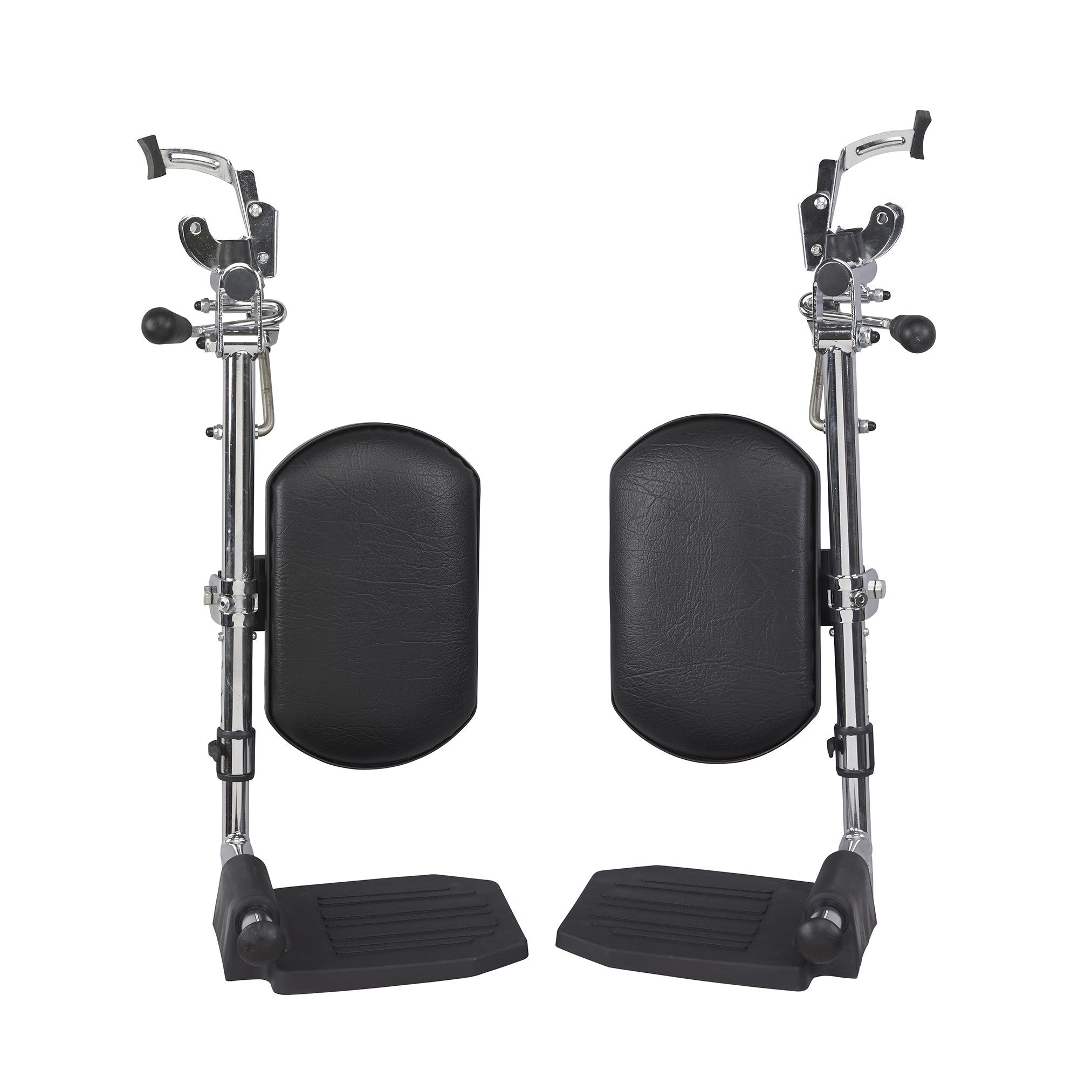
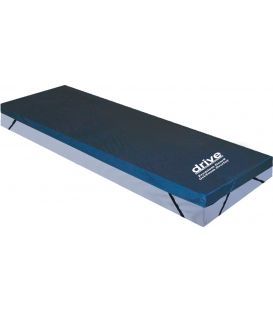
For a lift chair, fit often comes down to seat height, seat depth, back support, and the ability to stand comfortably. For a wheelchair, overall width, maneuverability, user weight, and seat dimensions are central. For an adjustable or home care bed, the preferred sleeping position, transfer needs, and compatible mattress features can make a significant difference in daily comfort.
This is where hands-on guidance matters. American Quality Health Products has supported customers since 2001 with live, US-based assistance to help shoppers compare equipment based on real home-use needs. A quick conversation before purchase can protect both the person's comfort and the value of the financing decision.
Use Financing Responsibly After Your Purchase
Once equipment is on the way, keep the financing account organized. Save your agreement, note the payment due date, and consider setting up reminders or automatic payments if that fits your financial routine. Review statements regularly so there are no surprises.
If your circumstances change and a payment may be difficult, contact the financing provider as early as possible. Waiting until an account is past due can limit your options. It is also wise to avoid adding purchases simply because financing is available. Keep the focus on products that solve a defined mobility, comfort, or caregiving need.
The right medical financing plan should support a practical decision: getting equipment that helps a loved one move more safely, rest more comfortably, or remain more independent at home. Take time to compare the terms, confirm the fit, and ask questions before committing. That extra care can make the purchase feel less like a financial compromise and more like a confident step toward better everyday living.


