





A patient lift transfer can turn one of home care’s most physically demanding tasks into a more controlled, dignified routine. For a person with limited mobility, the right lift may make it possible to move between bed, wheelchair, recliner, commode, or shower chair without placing unsafe strain on their body or on the caregiver assisting them.
A lift is not a one-size-fits-all answer, however. Safe use depends on the person’s ability to bear weight, their comfort and posture needs, the transfer surfaces in the home, and the sling selected for the job. Before purchasing or using a lift, ask a physician, therapist, or qualified care professional to assess the individual’s transfer needs and provide hands-on instruction.
When a Patient Lift Transfer Makes Sense
A patient lift is generally considered when a person cannot safely stand, pivot, or support enough of their own weight during a move. This can happen after surgery, during rehabilitation, with progressive mobility changes, or when a caregiver has been manually lifting and repositioning someone with increasing difficulty.
The goal is not simply to move someone from point A to point B. A properly matched lift helps protect skin, joints, and comfort while reducing the risk of caregiver back, shoulder, and arm injuries. It can also reduce the anxiety that often comes with a difficult transfer. When the equipment is familiar and the process is consistent, the person being moved can feel more secure and involved.
A lift should not be used as a substitute for walking support when the individual can safely walk or perform a supervised stand-pivot transfer. It is also not appropriate to assume that any lift will work for every situation. Someone who has good trunk control and can stand briefly may benefit from a different style of lift than someone who needs full support from head to knees.
Choose the Right Type of Patient Lift
The first buying decision is typically between a full-body lift and a sit-to-stand lift. Both can be valuable home care tools, but they serve different mobility levels.
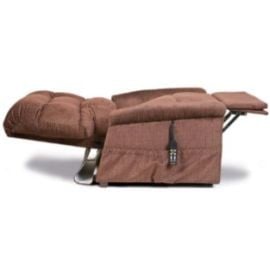
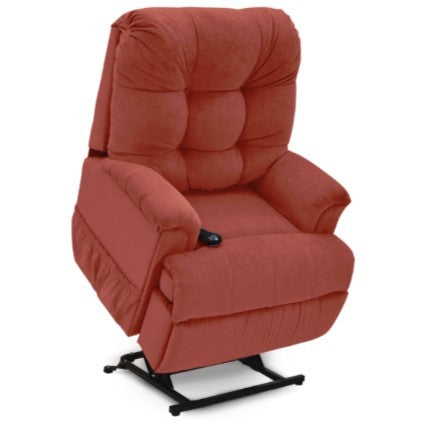
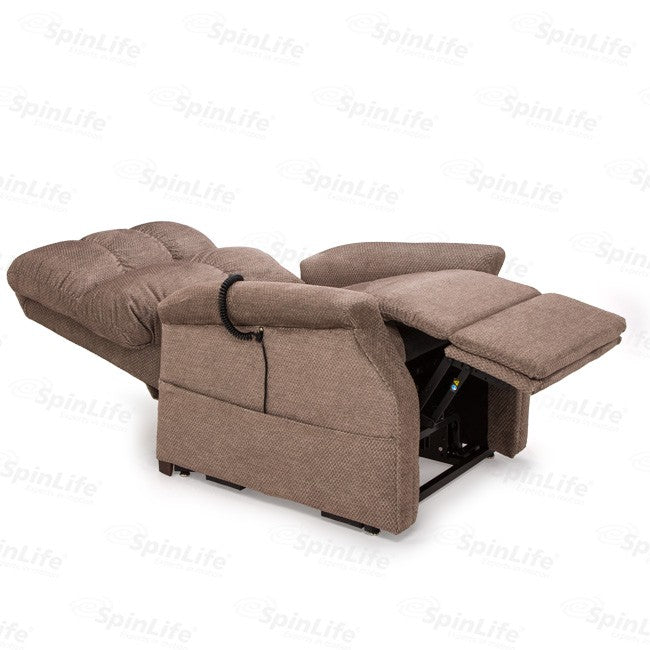
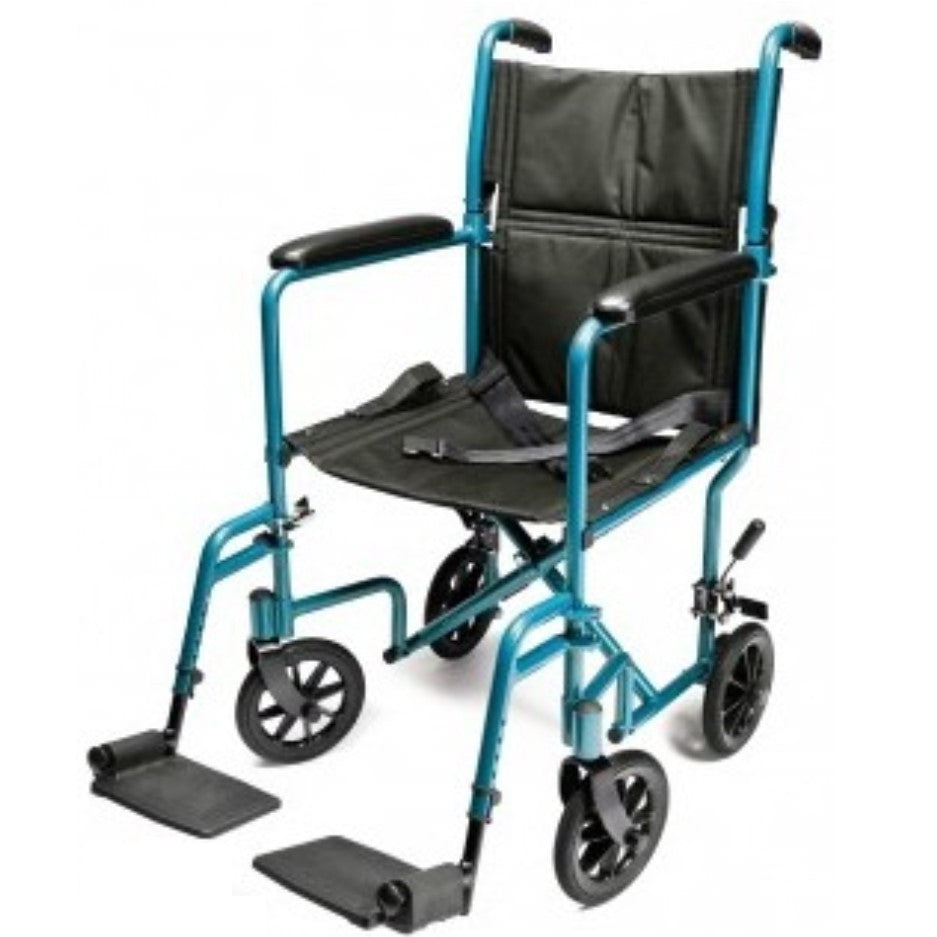
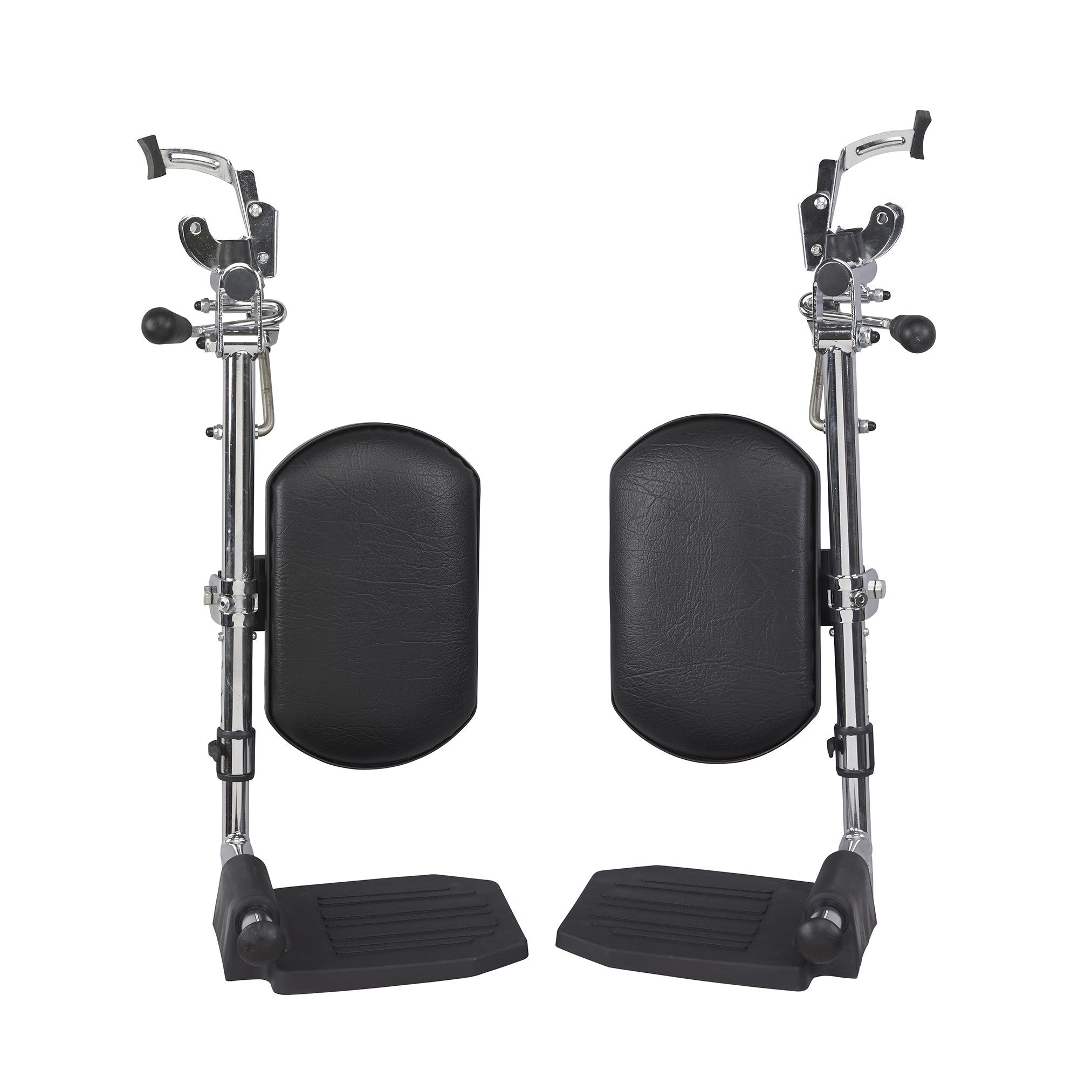
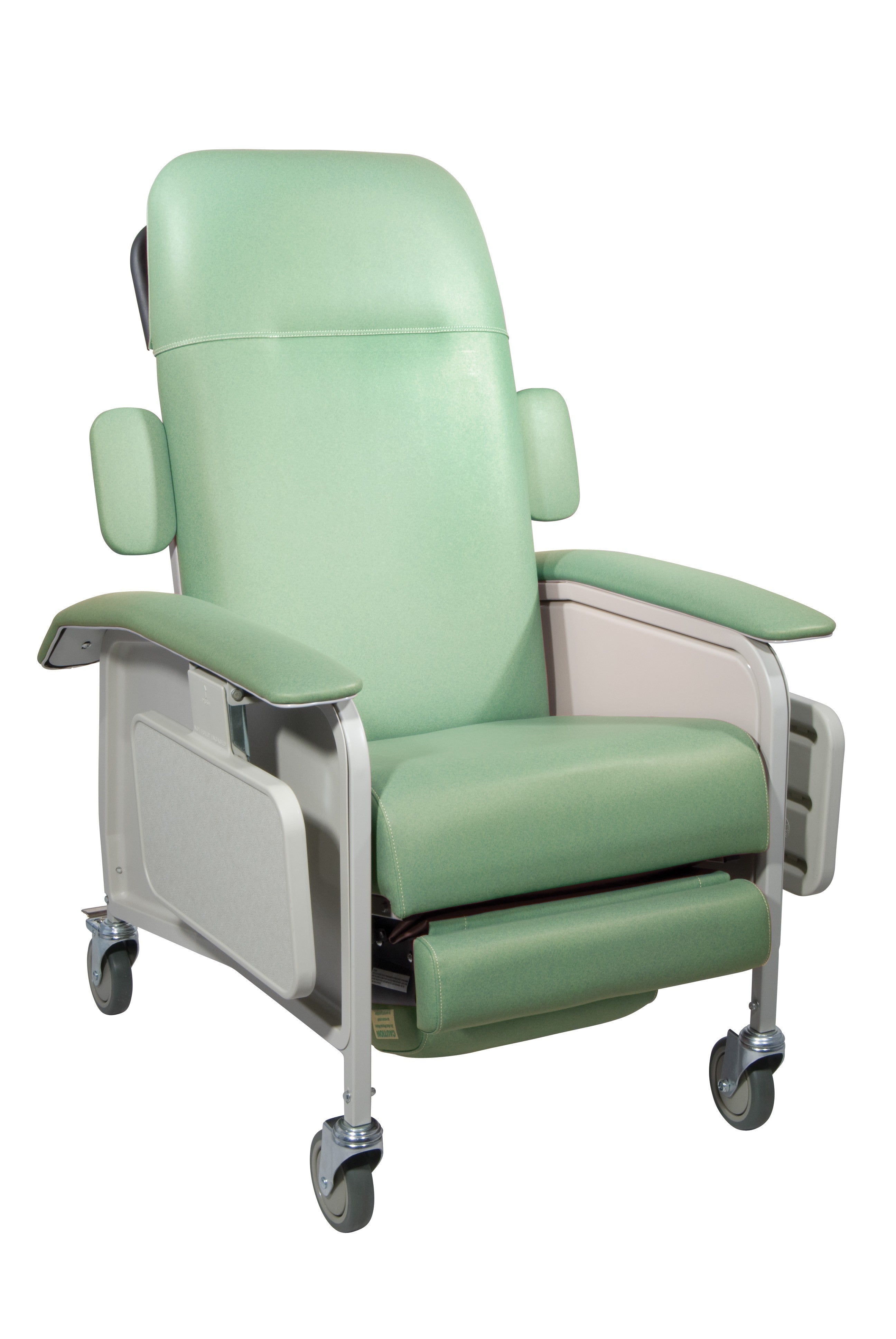
A full-body patient lift supports most or all of the individual’s weight in a sling. It is commonly used for people who cannot stand safely, have limited leg strength, or need support for transfers from a hospital bed, wheelchair, commode, or recliner. Mobile floor lifts are a practical option for many homes because they can be moved where needed, provided there is enough clearance around furniture and under the receiving surface.
A sit-to-stand lift is designed for people who can bear some weight through their legs, hold onto the lift’s handles, and follow instructions during the transfer. It supports the individual in a more upright position while helping them rise from sitting to standing. This option can encourage participation and may be useful for transfers involving a wheelchair, bed, or toilet. It is not suitable for someone who cannot reliably support themselves through part of the movement.
Manual hydraulic lifts and powered lifts also deserve consideration. A manual lift can be a dependable choice for occasional transfers and may appeal to households that want straightforward operation without relying on battery charging. A powered lift uses an electric actuator to raise and lower the boom, reducing physical effort for the caregiver. For frequent transfers, a powered model can be more comfortable and practical. The best choice depends on the care routine, the caregiver’s strength, and how often the equipment will be used.
Weight Capacity Is Only the Starting Point
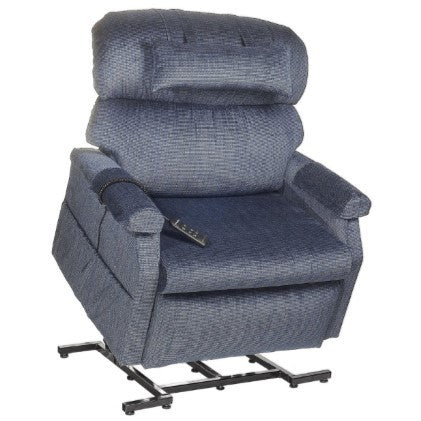
Never choose a lift or sling based on an estimated weight. Confirm the individual’s current weight and select equipment with an appropriate rated capacity. For bariatric care, this is especially critical: the lift, sling, spreader bar, and any related accessories must all be rated for the intended load.
Capacity alone does not guarantee a proper fit. Consider the person’s height, body shape, seating posture, range of motion, and whether they need head support. A sling that is too small can feel restrictive and may not provide adequate support. One that is too large can allow unwanted shifting. Personalized equipment matching is worth the time, particularly when transfers happen every day.
The Sling Determines Comfort and Support
The sling is the part of the system that directly supports the person, so it deserves as much attention as the lift itself. General-purpose full-body slings work well for many bed-to-chair transfers, while divided-leg slings, toileting slings, hygiene slings, and head-support models are designed for more specific needs.
For example, a toileting sling may provide easier clothing access for commode transfers, but it may offer less overall support than a full-body sling. A full-body sling with head support can be more appropriate for someone with poor head or trunk control. Mesh materials can be helpful in bathing environments because they dry more quickly, while padded materials may feel more comfortable for longer transfers.
Use only slings compatible with the lift’s attachment system. Check sling loops, clips, stitching, straps, and fabric before every use. If there are tears, fraying, damaged hardware, or unreadable labels, remove the sling from service until it can be evaluated or replaced.
Prepare the Space Before Every Transfer
Many transfer problems start before the lift is even positioned. A clear route and stable destination make the process easier for everyone involved. Remove loose rugs, cords, pet toys, and small furniture that may block the lift’s base. Keep the floor dry, especially near bathrooms and bedside areas.
Before beginning, make sure the wheelchair, commode, or other receiving surface is positioned correctly and has its brakes locked. If transferring to a bed, adjust the bed height according to the lift instructions and caregiver training. A bed that is too low may limit clearance for the lift base, while a bed that is too high can make positioning difficult.
A useful pre-transfer check includes these six points:
- Confirm the lift, sling, and accessories are rated for the person’s weight.
- Inspect the sling and lift attachments for visible damage or improper connection.
- Charge a powered lift and verify that the emergency lowering feature is understood.
- Clear the route and lock the brakes on the wheelchair, commode, or bed when applicable.
- Explain the transfer in simple terms and make sure the person is ready.
- Keep the lift’s instructions available and follow the care plan provided by the healthcare team.
How to Perform a Safer Patient Lift Transfer
Specific operating steps vary by model, so the manufacturer’s manual and professional training always come first. In general, begin by communicating with the person. Tell them what will happen next, ask about discomfort, and encourage them to participate within their abilities. Small actions, such as holding a handle or placing hands comfortably across the chest, can help the person feel more secure.
Position the sling carefully according to its instructions. The fabric should support the body evenly without bunching under the thighs, shoulders, or lower back. Attach the sling loops or clips to the lift’s spreader bar in the recommended configuration. Uneven loop settings can change the person’s position in the sling, so use the same attachment points on both sides unless the care plan specifically calls for another approach.
Raise the person only a few inches at first. Pause to check that the sling is secure, the body is centered, and there is no pinching or discomfort. Once the person is safely clear of the surface, move the lift slowly. Avoid sudden turns and keep hands and feet away from pinch points around the lift base, boom, and chair arms.
At the destination, lower gradually until the person is fully supported by the chair, bed, or commode. Do not rush to remove the sling. First, make sure their hips are positioned well, their back is supported, and their feet are safely placed. Some people may remain more comfortable with the sling left in place for short periods, while others may need it removed to prevent pressure or bunching. Follow the sling instructions and the person’s clinical guidance.
Common Mistakes to Avoid at Home
Do not attempt a transfer alone if the care plan calls for two caregivers. Some transfers require one person to operate the lift while another guides positioning, manages lines or medical equipment, or reassures the individual. The number of helpers depends on the person’s condition, the environment, and the type of transfer.
Avoid using a lift on thick, uneven carpet or over thresholds without first confirming that the model can travel safely there. Small wheels may be difficult to roll across plush carpeting, and a narrow hallway may not allow the lift legs to open beneath a wheelchair or recliner. Measure doorways, bed clearance, chair clearance, and turning space before selecting equipment.
It is also risky to improvise with non-approved slings, extension straps, or accessories. Home care equipment is designed as a system. Using parts that are not intended to work together can compromise the connection points and the person’s safety.
Get Equipment That Fits the Home and the Person
The best lift is the one that matches real daily conditions: the person’s mobility level, the caregiver’s capabilities, the room layout, and the transfer destinations that matter most. A compact lift may be easier to maneuver in a smaller bedroom, while a wider-base model may provide needed stability or clearance for a larger wheelchair. A rechargeable powered option may be worthwhile when transfers are frequent or caregivers need to minimize exertion.
American Quality Health Products has helped customers select mobility and home care equipment since 2001, with knowledgeable assistance for shoppers who want help comparing lift styles, capacities, and sling options. Taking time to verify measurements and care needs before ordering can prevent an expensive mismatch.
A well-planned transfer routine does more than make caregiving easier. It gives the person receiving care a safer, calmer way to move through the places that make home feel like home.


