



A missed step on the way to the bathroom, a chair that is too low to stand from, or a narrow doorway that catches a walker can quickly turn a familiar home into a daily challenge. This aging in place equipment checklist helps older adults, caregivers, and families identify practical equipment that supports safer movement, comfort, and independence without buying more than the home or person truly needs.
The right setup is personal. Someone recovering from knee surgery may need temporary support around the bathroom and bedroom, while a person with progressive mobility limitations may need a more complete plan that includes seating, ramps, and powered mobility. Begin with the routines that are hardest right now, then choose equipment that addresses those specific moments.
Start With a Room-by-Room Safety Review
Walk through the home at the time of day when the person normally uses it. Pay attention to the route from bedroom to bathroom, the entrance used most often, and the path to the kitchen or living room. Ask simple questions: Is there something sturdy to hold onto? Is there enough room to turn? Can the person rise from the seat without pulling on unstable furniture?
Measure before shopping. Doorway width, hallway clearance, bathroom layout, bed height, threshold height, and the available turning space all affect whether equipment will fit and work as intended. For wheelchairs and mobility scooters, also measure the narrowest point of each route, not only the room itself.
Lighting matters as much as equipment. A clear path with night lights, easy-to-reach switches, and reduced glare can prevent falls before any larger purchase is needed. Secure loose rugs, manage cords along walls, and keep frequently used items within easy reach.
Aging in Place Equipment Checklist: Mobility and Entry
Mobility needs often change gradually. A cane may be enough for occasional balance support, while a walker, manual wheelchair, power wheelchair, or mobility scooter may provide greater confidence for longer distances. The best choice depends on strength, balance, endurance, hand control, body size, and where the device will be used.
Use this checklist to review the most common mobility and access needs:
- Cane or walker: Useful for short-distance support when the user can bear weight and safely use their hands. Check handle height, grip comfort, and whether wheels, brakes, or a seat are appropriate.
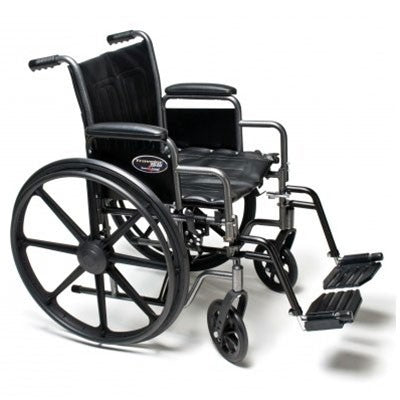
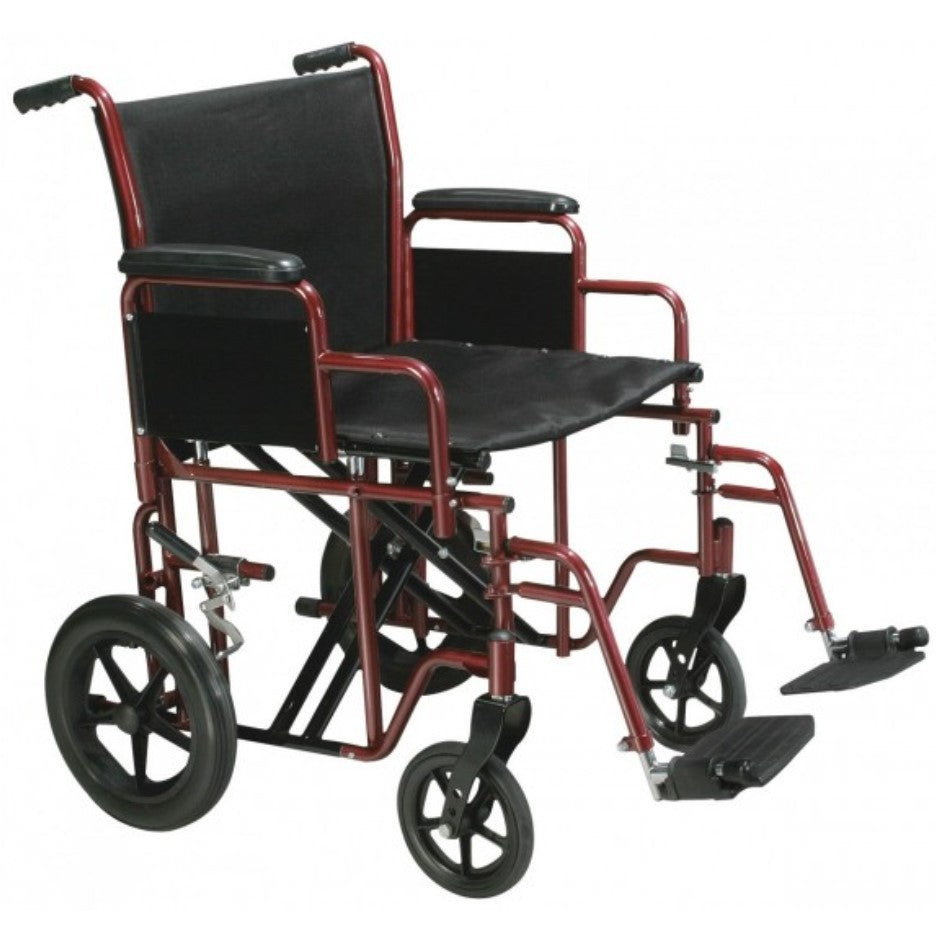
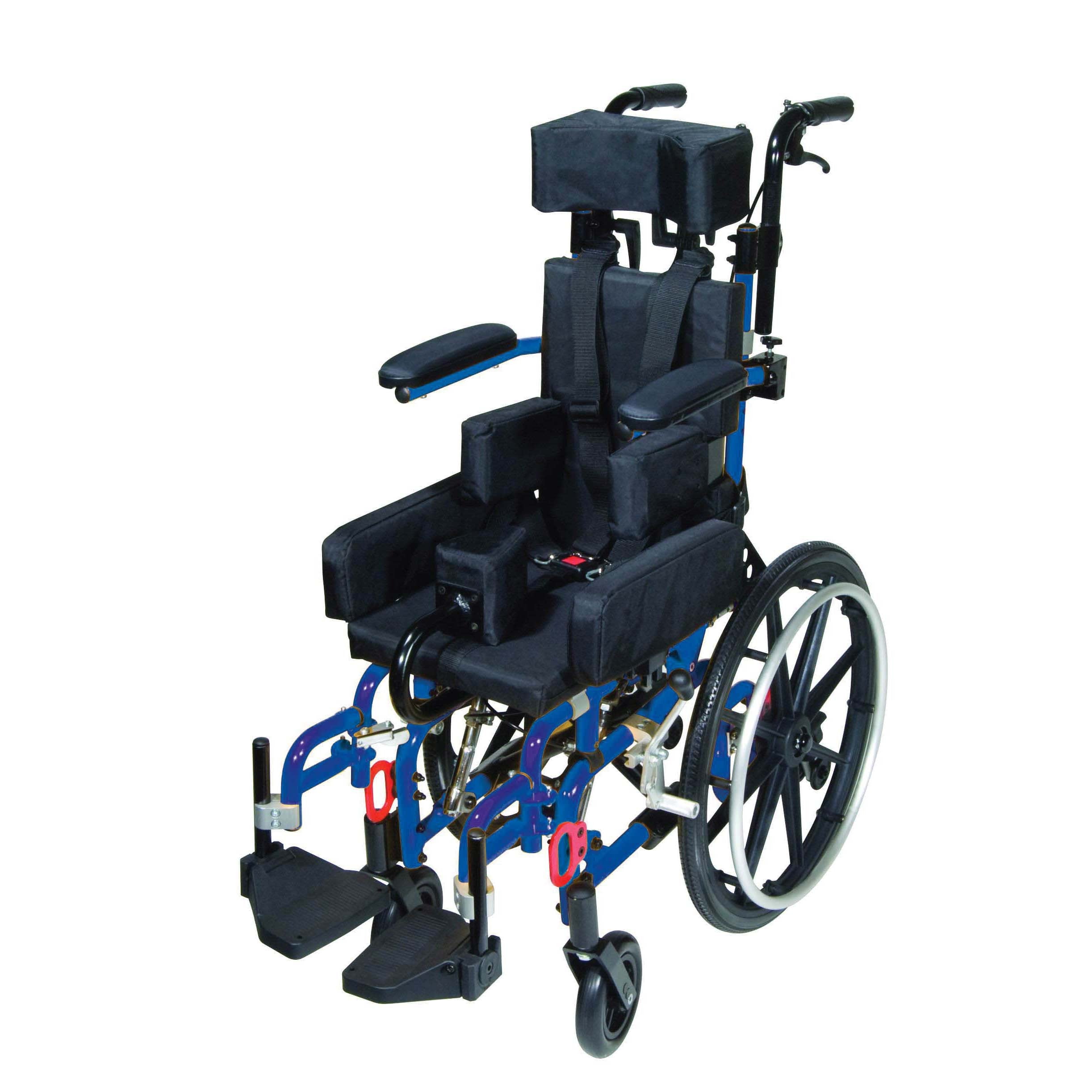
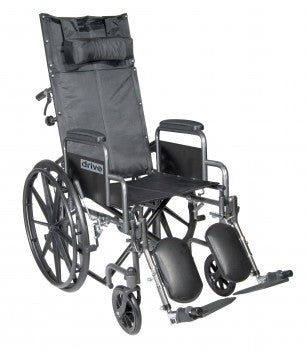
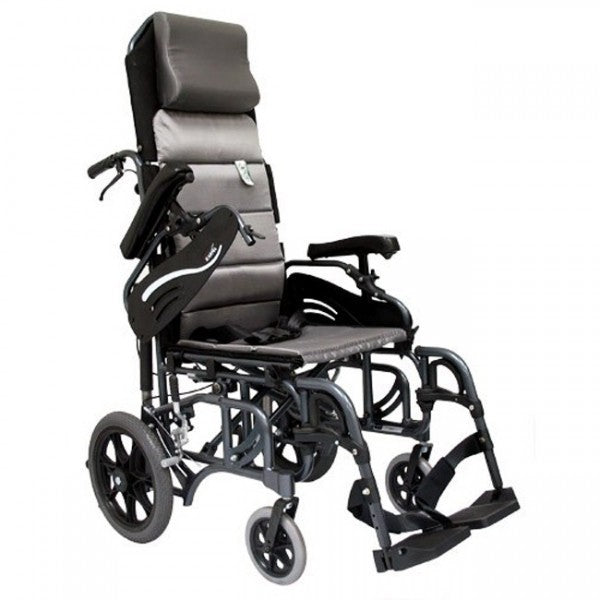
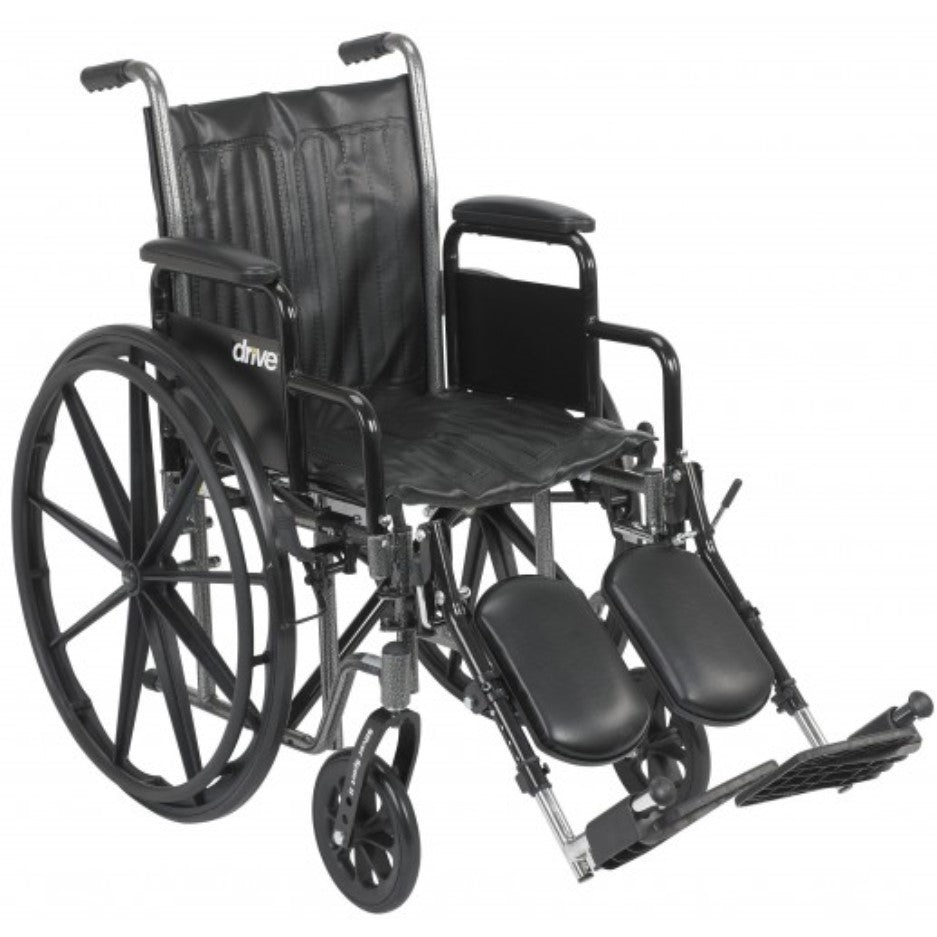
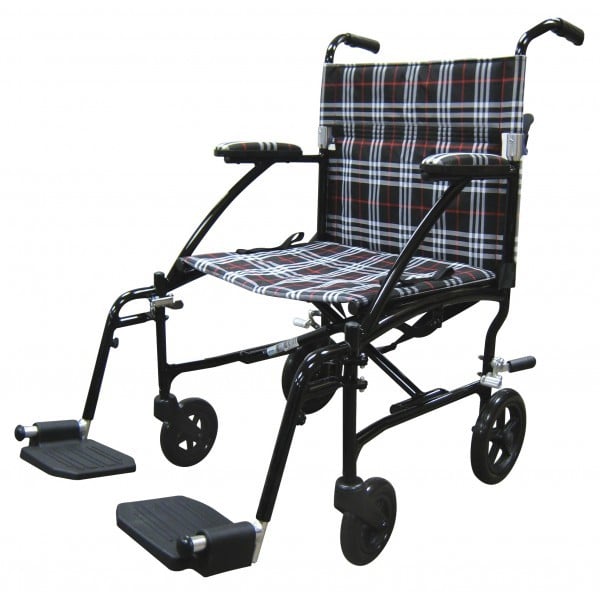
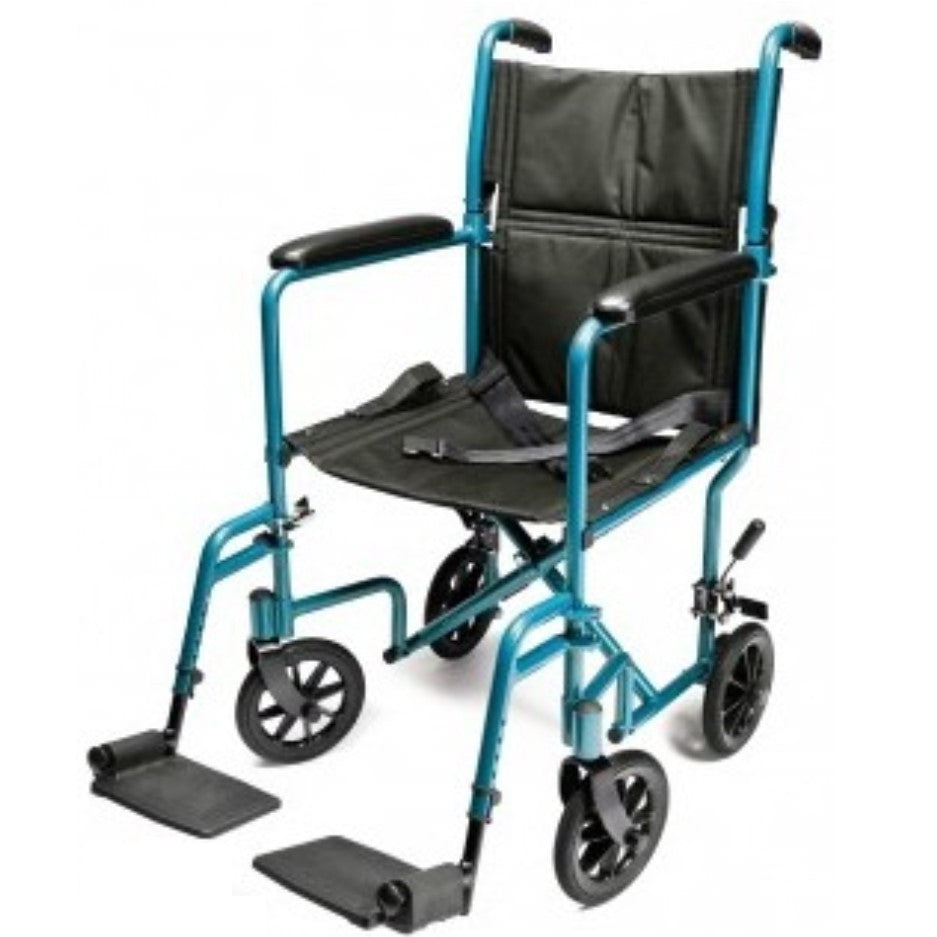
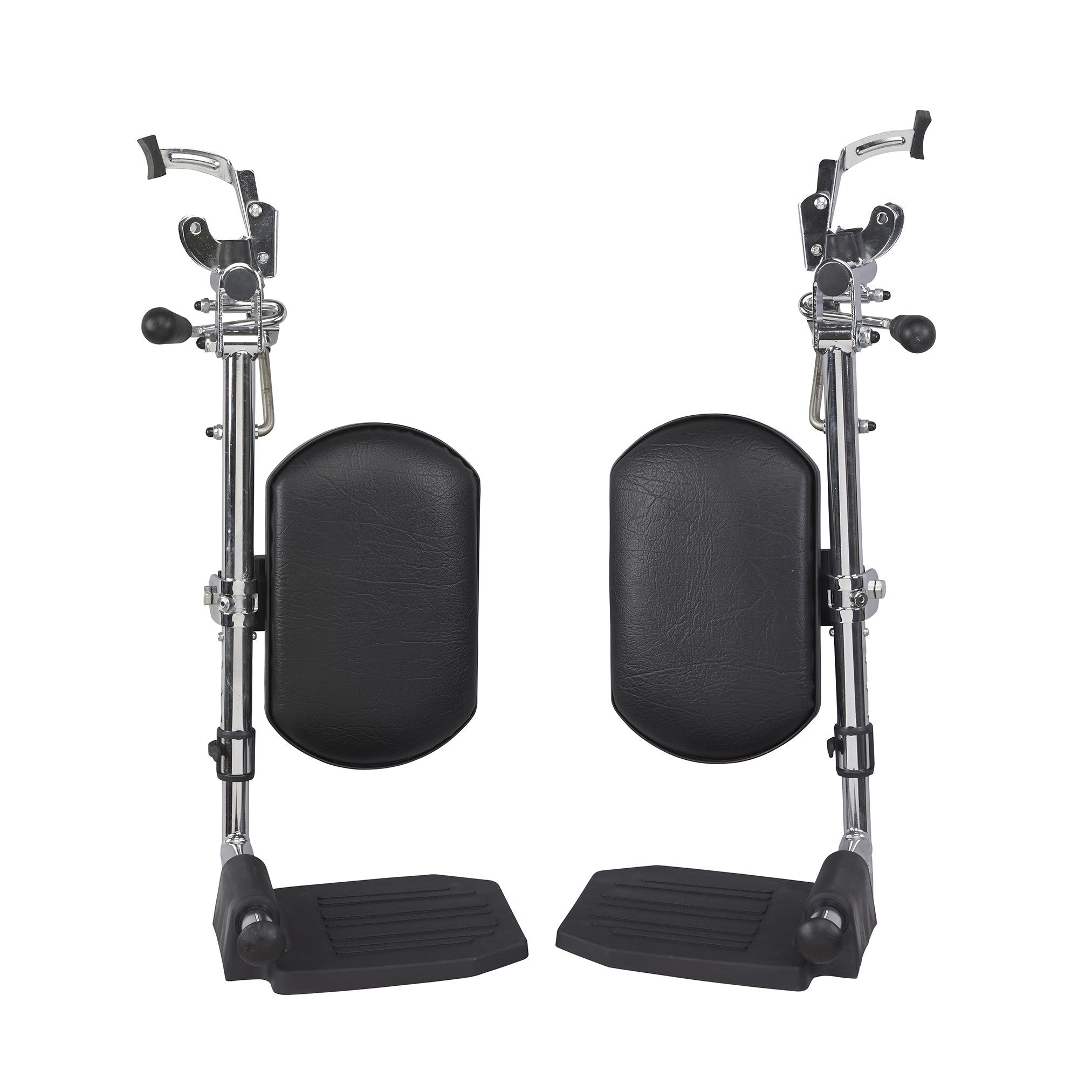
- Manual wheelchair: A practical option for caregiver-assisted outings or users who have enough upper-body strength to propel themselves. Confirm seat width, overall width, footrest style, and weight capacity.
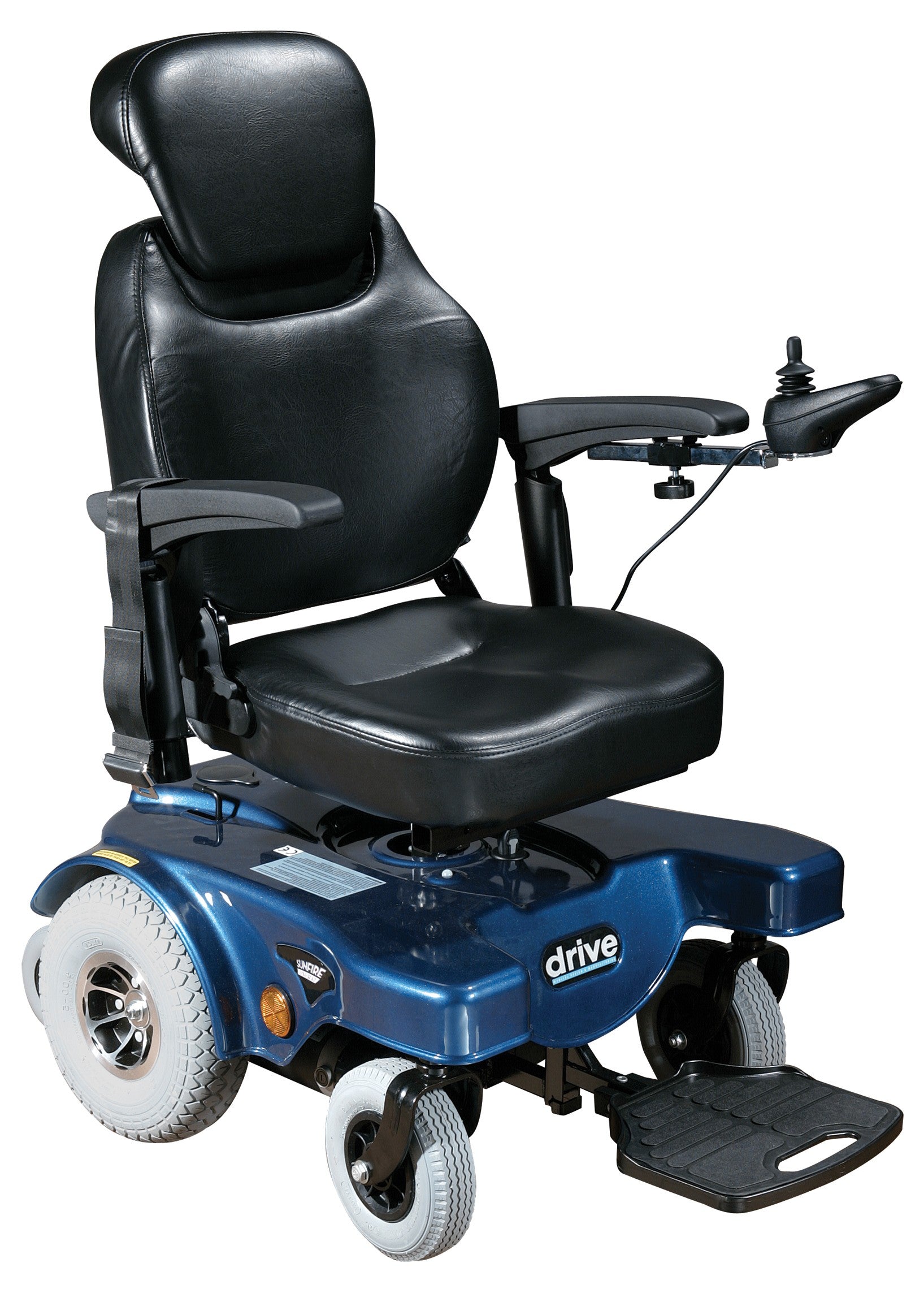
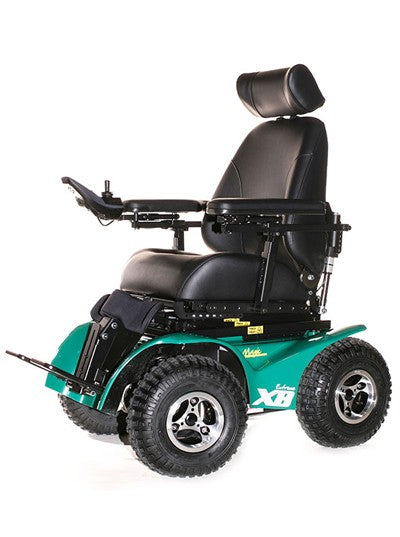
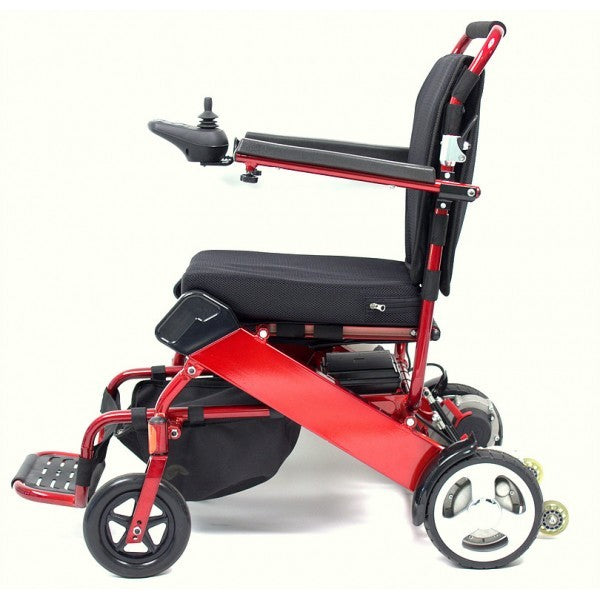
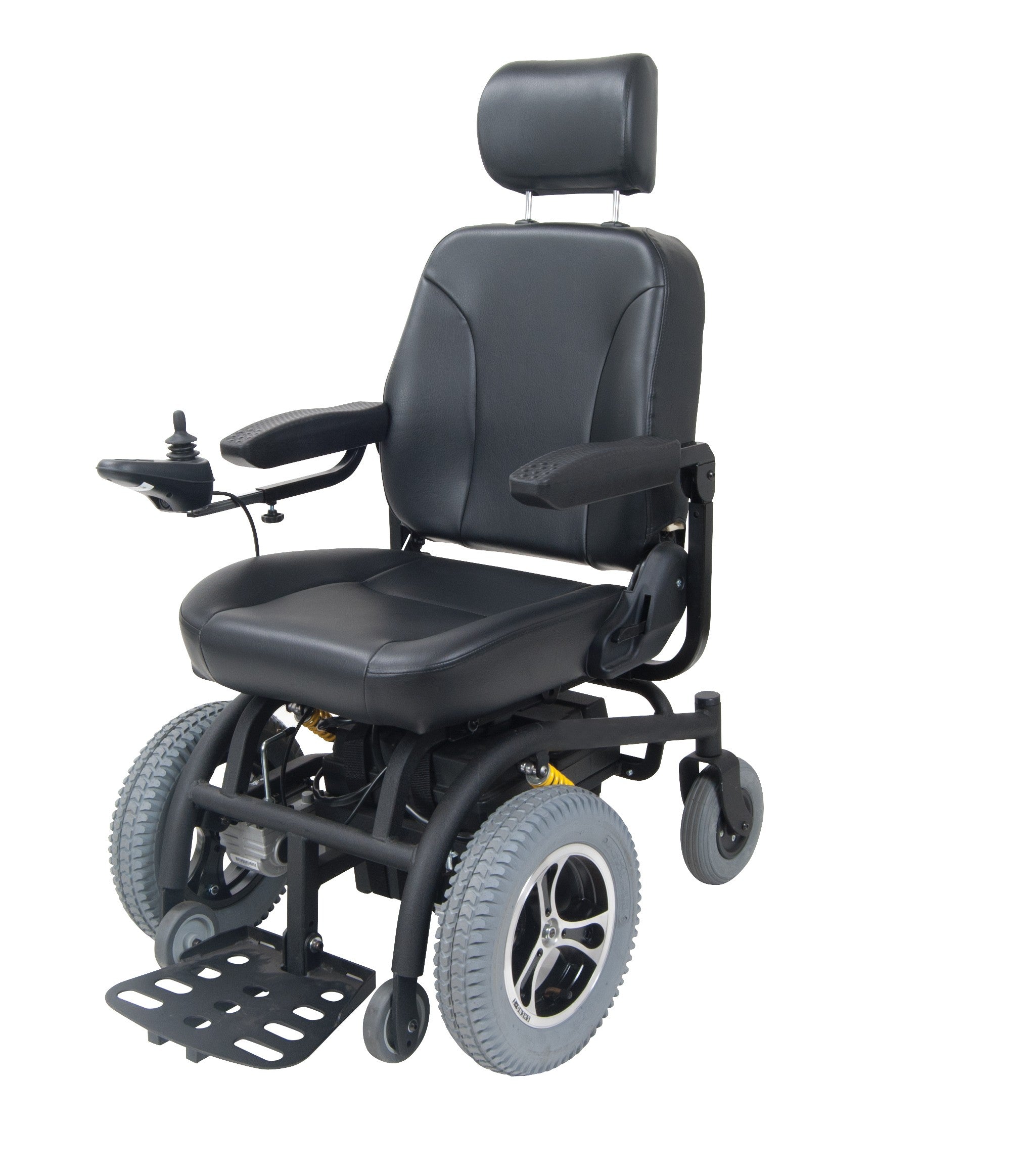
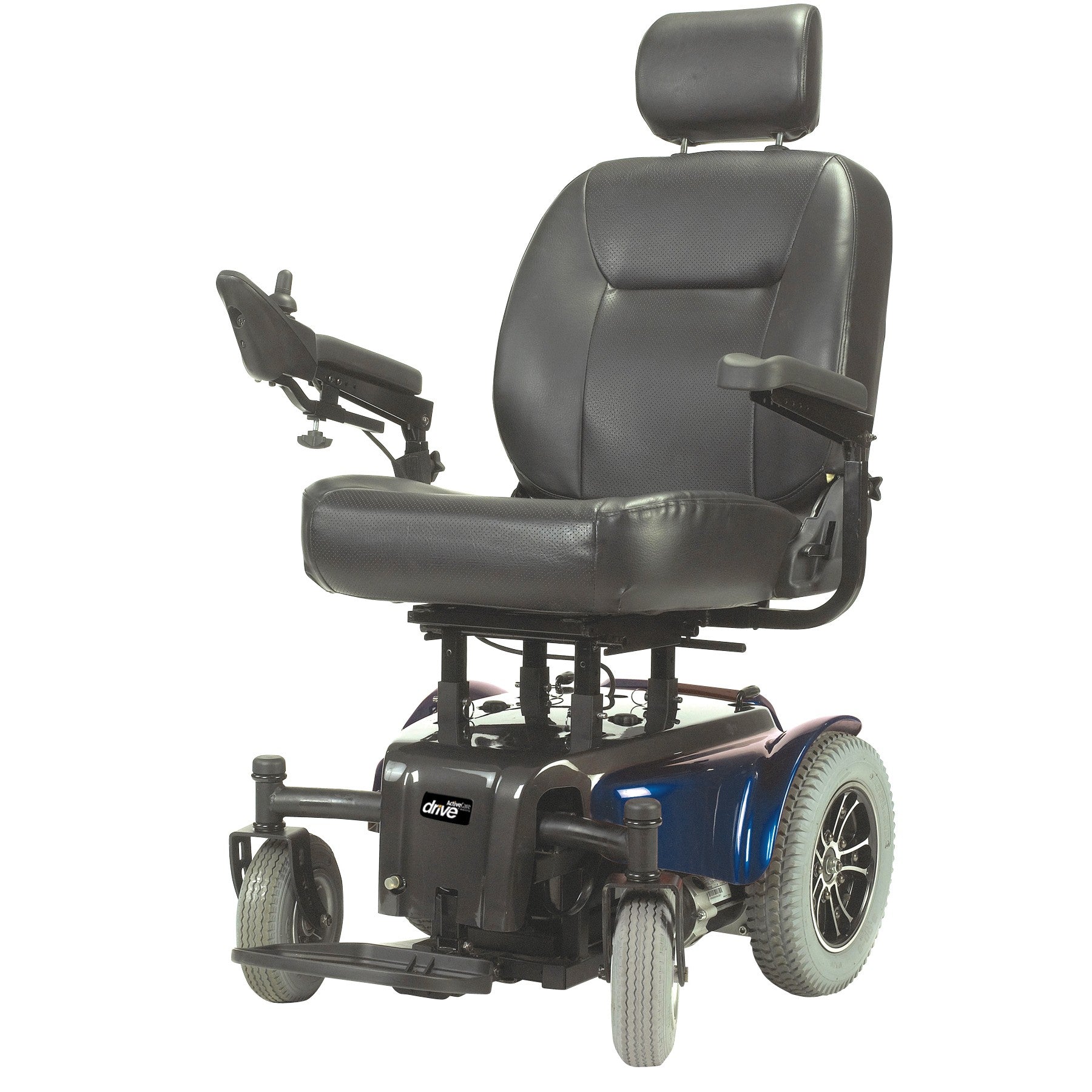
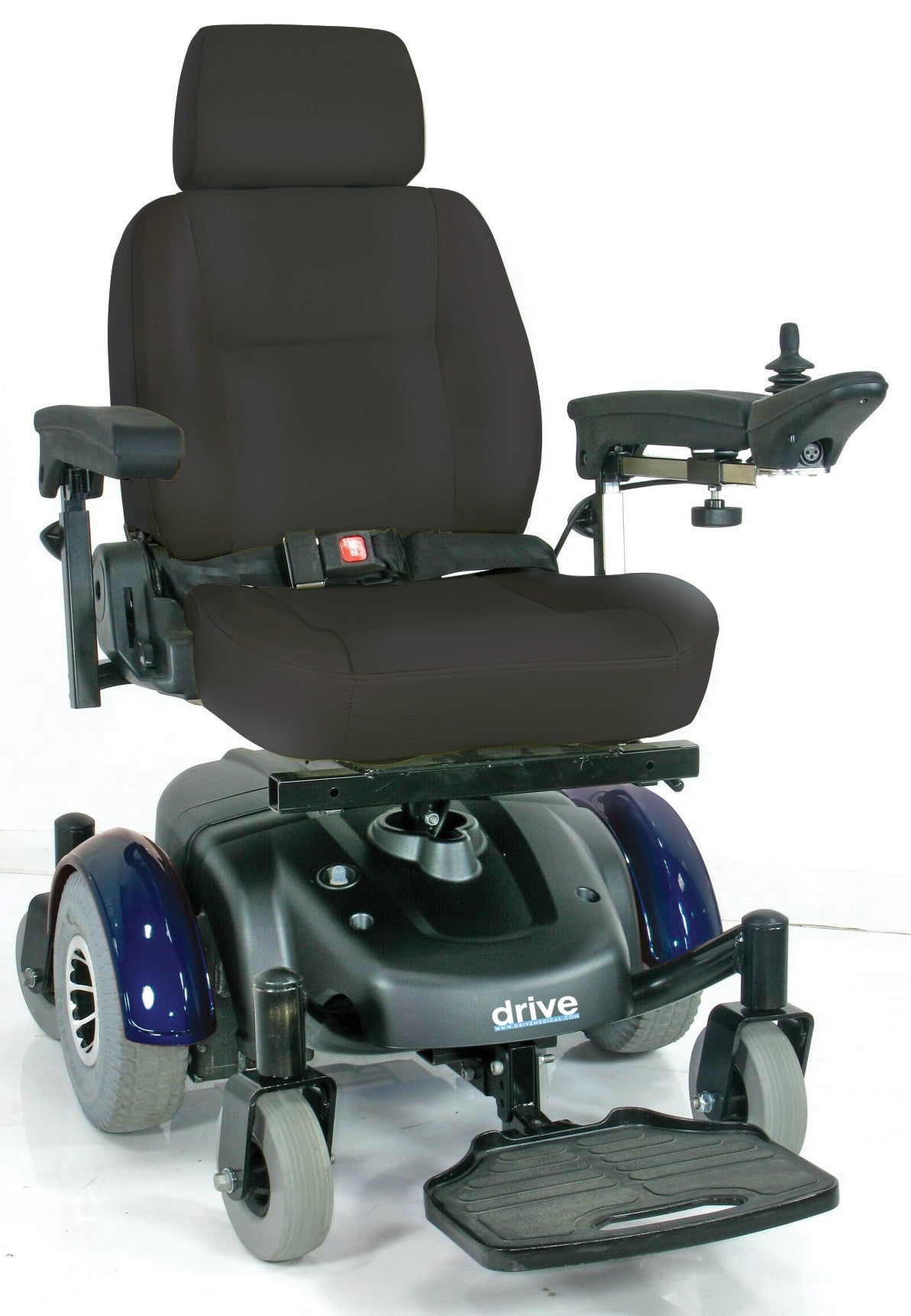
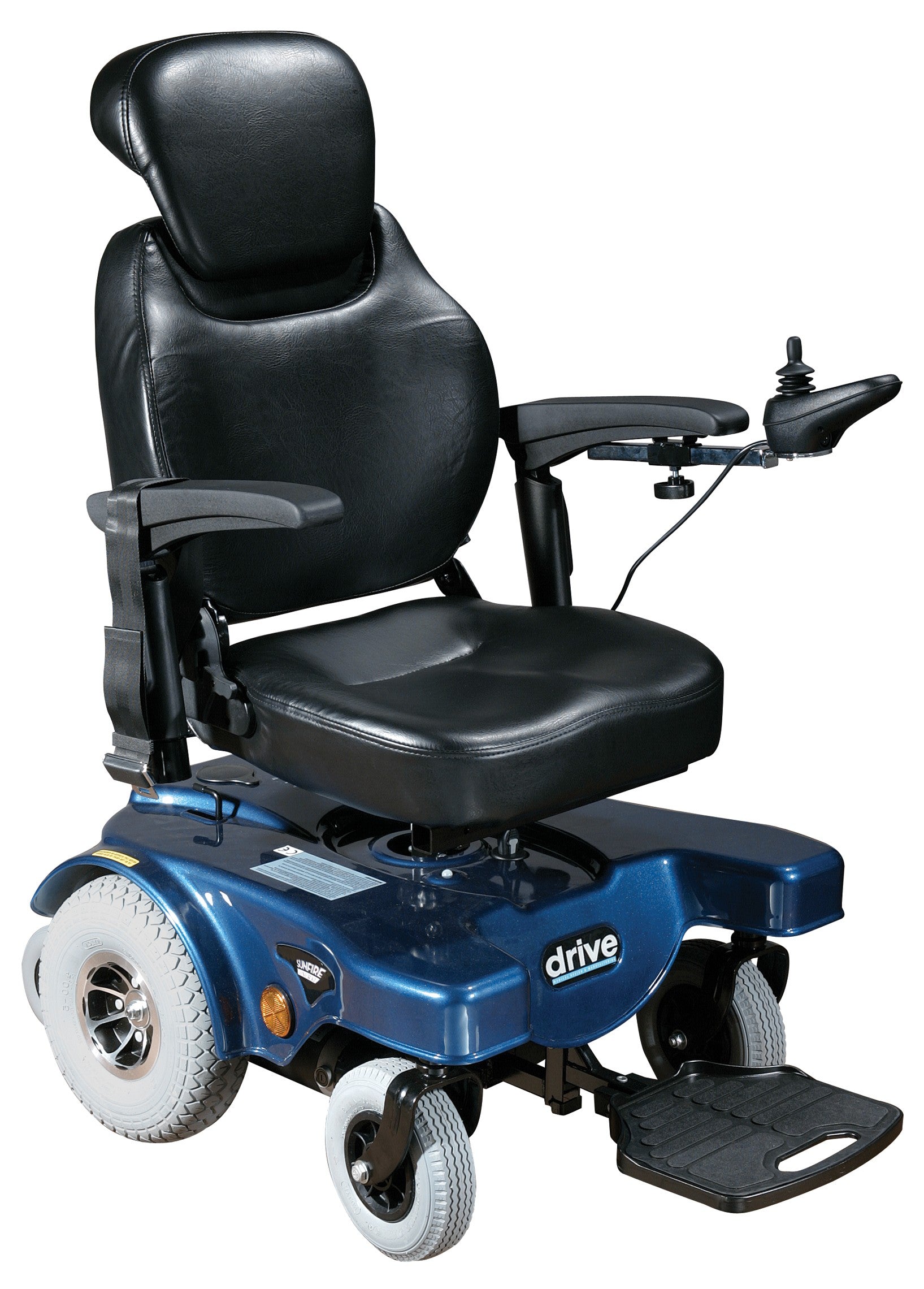
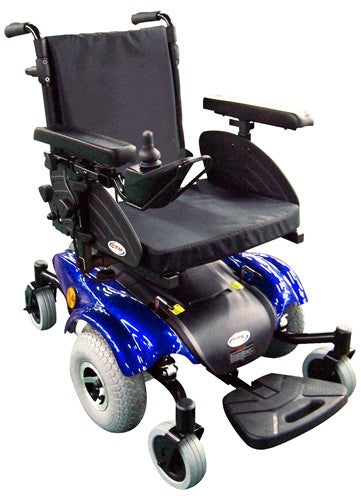
- Power wheelchair: Consider this when independent mobility is a priority but walking tolerance, strength, or balance is limited. Turning radius, seating support, control placement, and indoor maneuverability are key.
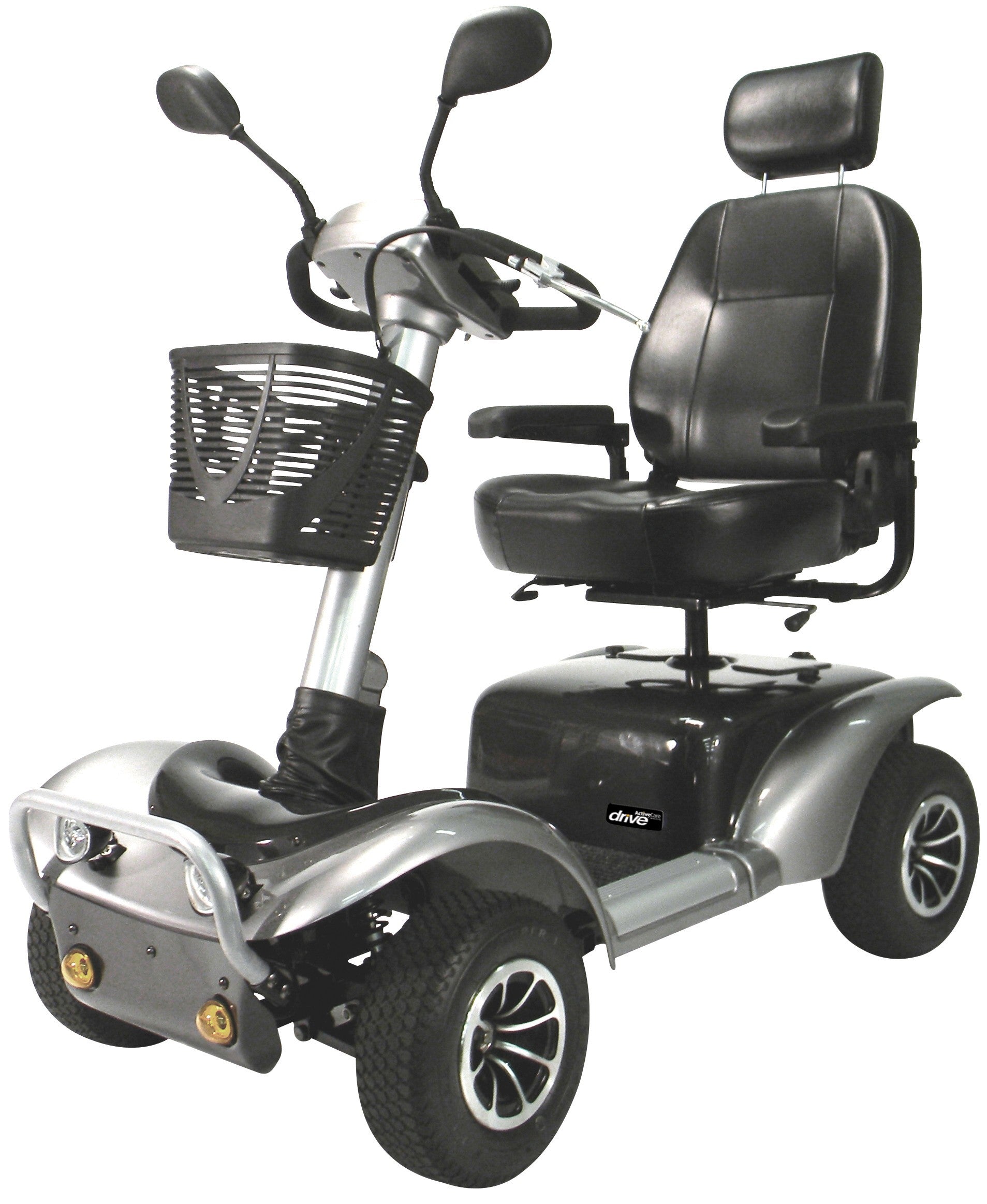
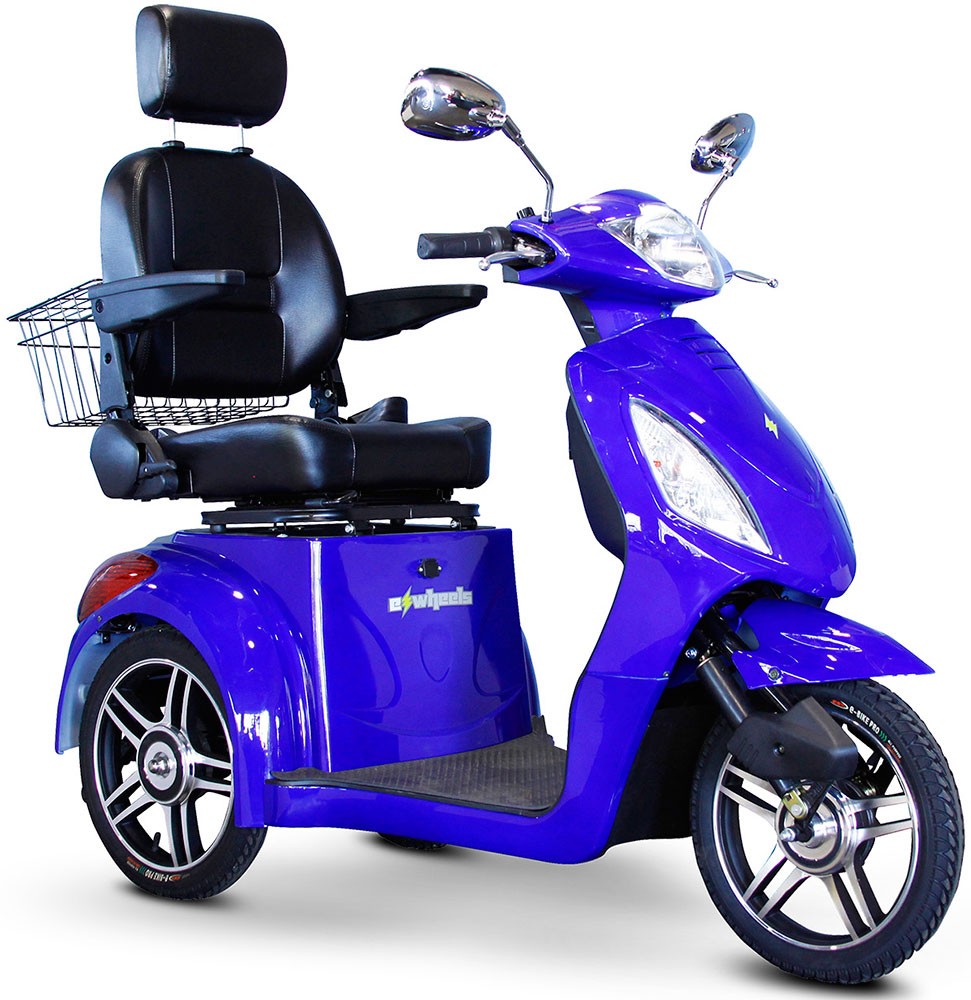
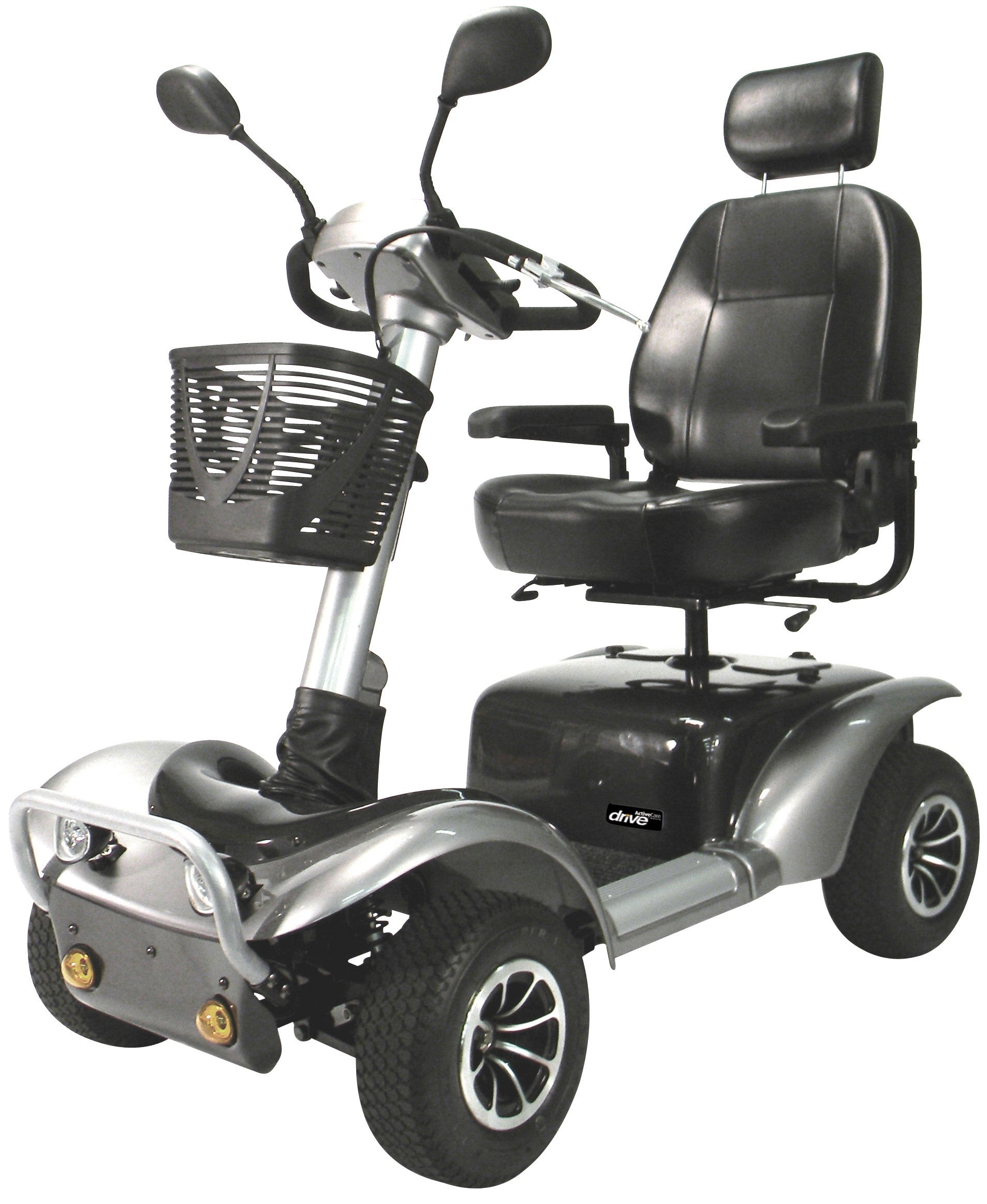
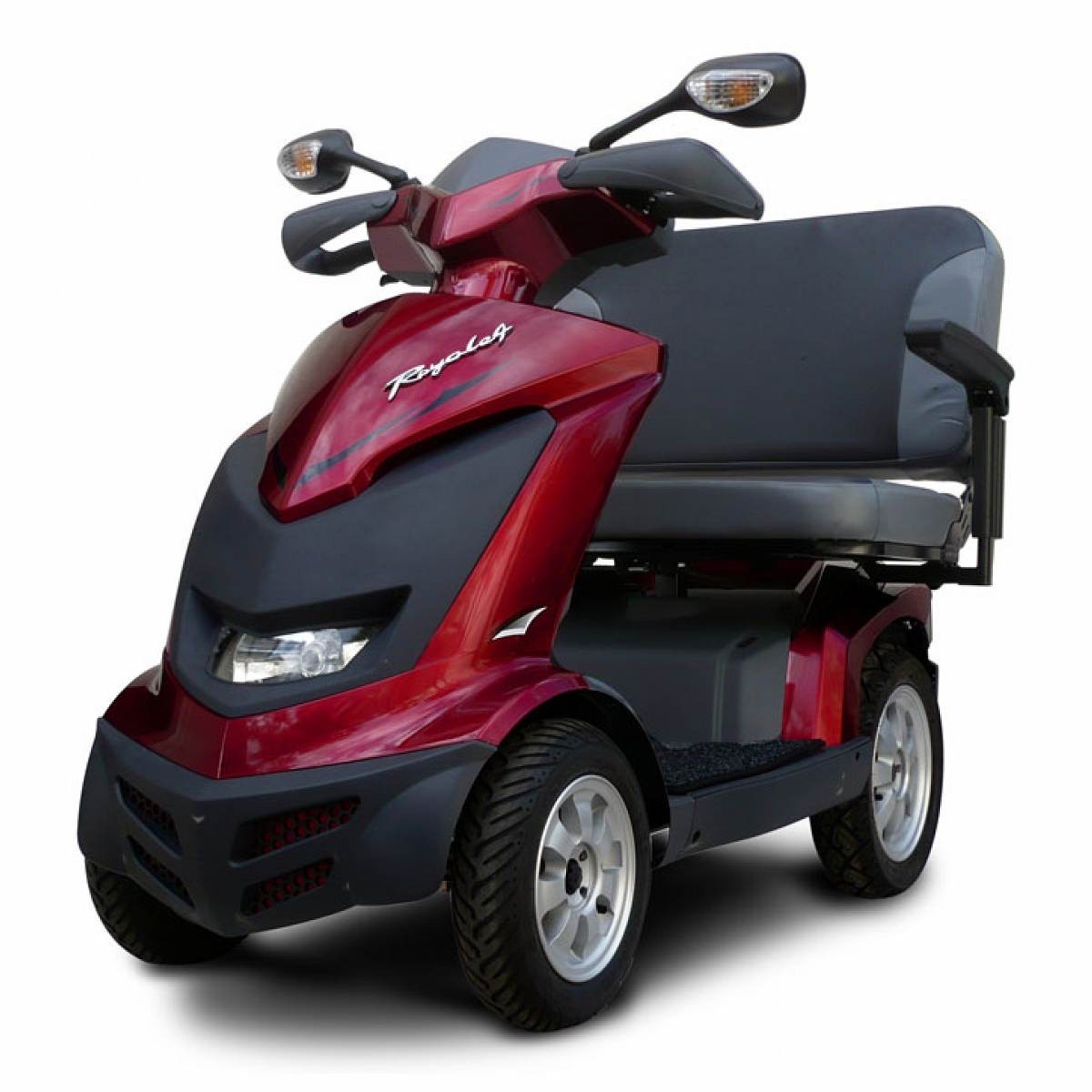
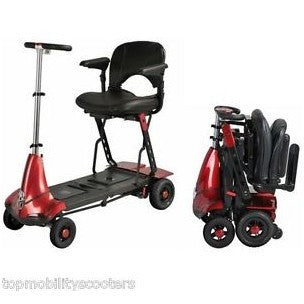
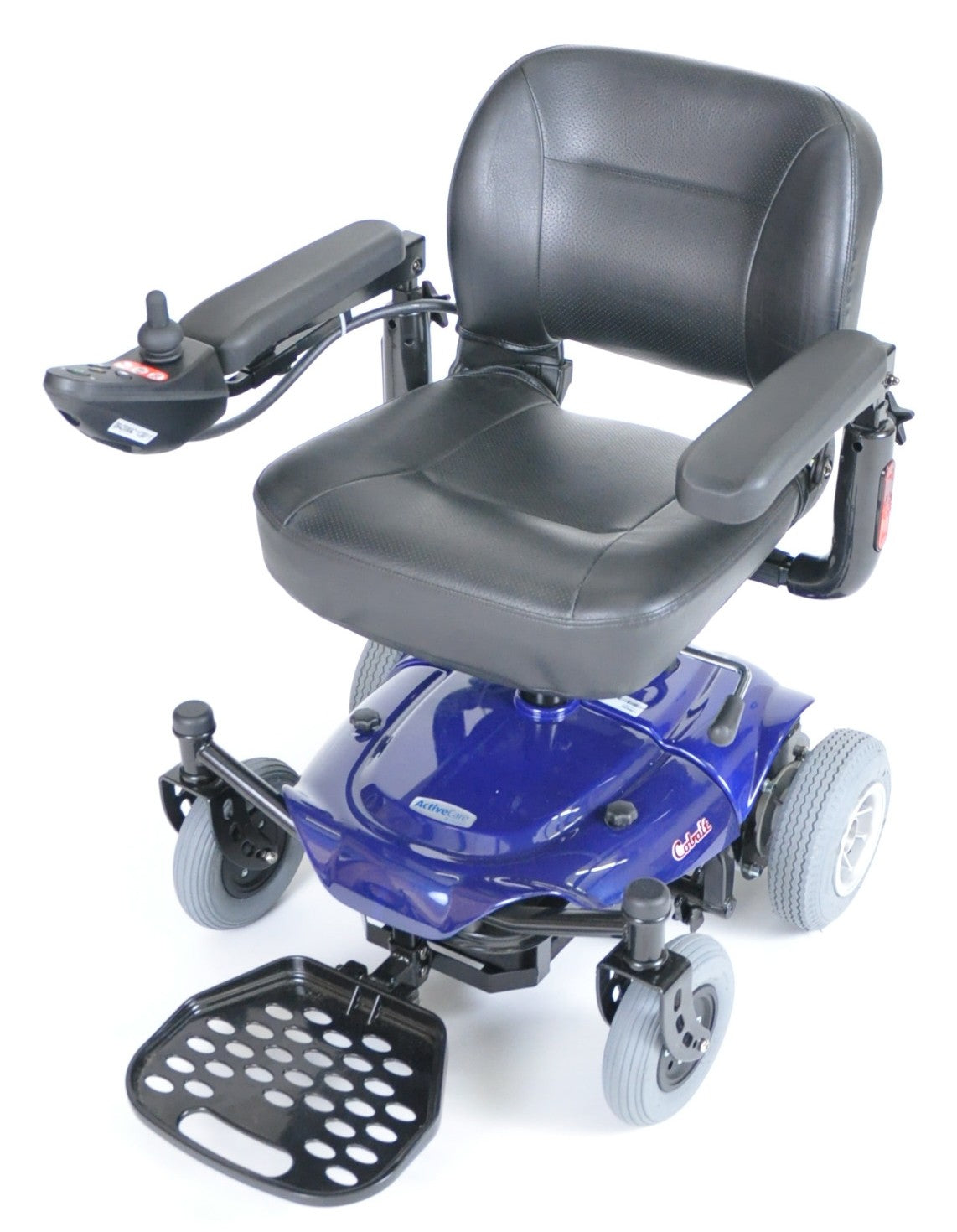
- Mobility scooter: Often a good fit for longer outdoor distances, errands, or spacious homes. Review portability, terrain needs, battery range, seat comfort, and the ability to transfer on and off safely.
- Ramps and threshold solutions: A ramp can make entrances, raised thresholds, and changes in level more manageable. Verify the slope, weight capacity, surface traction, landing space, and local installation requirements for permanent ramps.
Fit Is a Safety Feature
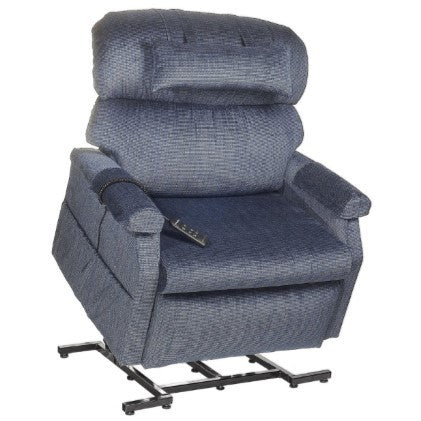
A mobility device should support the person without forcing them into an awkward posture. Feet should rest securely, armrests should allow comfortable transfers, and controls should be reachable without leaning or straining. Bariatric equipment may be necessary when standard capacities or seat dimensions do not provide sufficient support.
For a high-consideration item such as a power chair, scooter, or wheelchair, an equipment specialist can help match measurements and daily routines to the right configuration. That conversation can prevent the common problem of choosing a product that fits the budget but not the user or home.
Bathroom Equipment That Helps Prevent Falls
Bathrooms deserve early attention because water, smooth flooring, low toilets, and tight spaces create multiple fall risks. The goal is not to fill the room with equipment. It is to create stable support for entering, sitting, standing, and bathing.
A raised toilet seat can reduce the distance needed to sit and stand. Some users benefit from a model with armrests, especially when leg strength is reduced. Grab bars should be securely installed in wall studs or with an approved mounting system. Towel bars and suction-only accessories are not reliable substitutes for a properly installed grab bar.
For bathing, consider whether the person can step over the tub wall, stand for the duration of a shower, and safely turn on wet surfaces. A shower chair or tub transfer bench can reduce the need to stand. A handheld showerhead and non-slip bathing surface can make personal care more manageable for both the user and caregiver.
If transfers are difficult, a bedside commode may be appropriate for nighttime use or for a bedroom located far from the bathroom. Make sure there is enough room for the equipment and that the user can transfer safely with the support available.
Bedroom and Seating Equipment for Daily Comfort
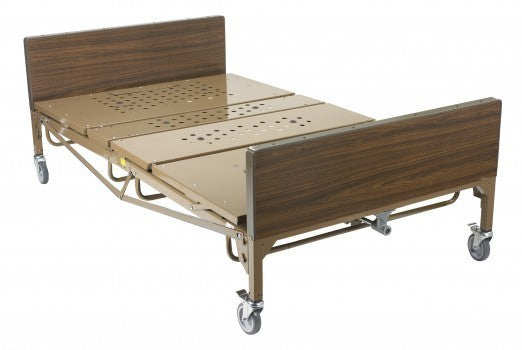
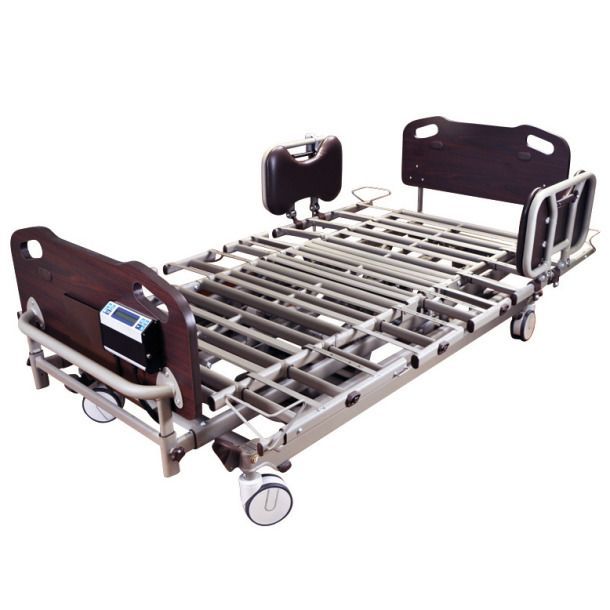
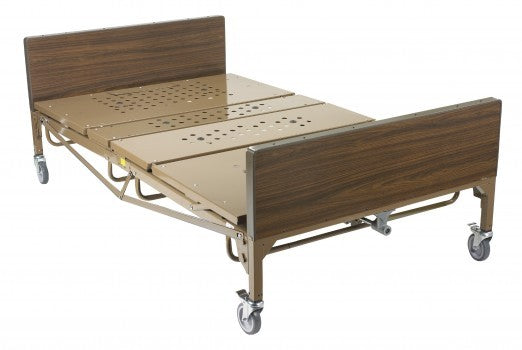
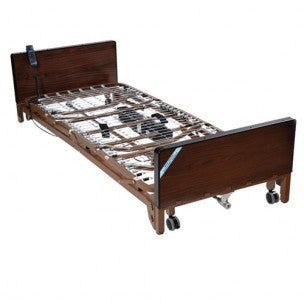
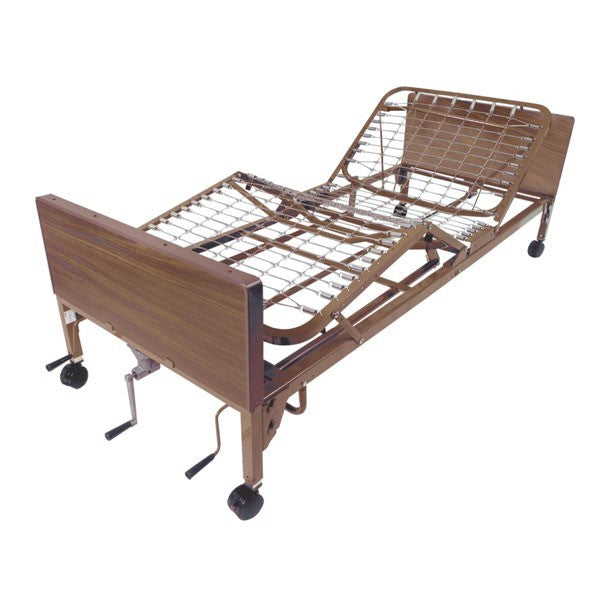
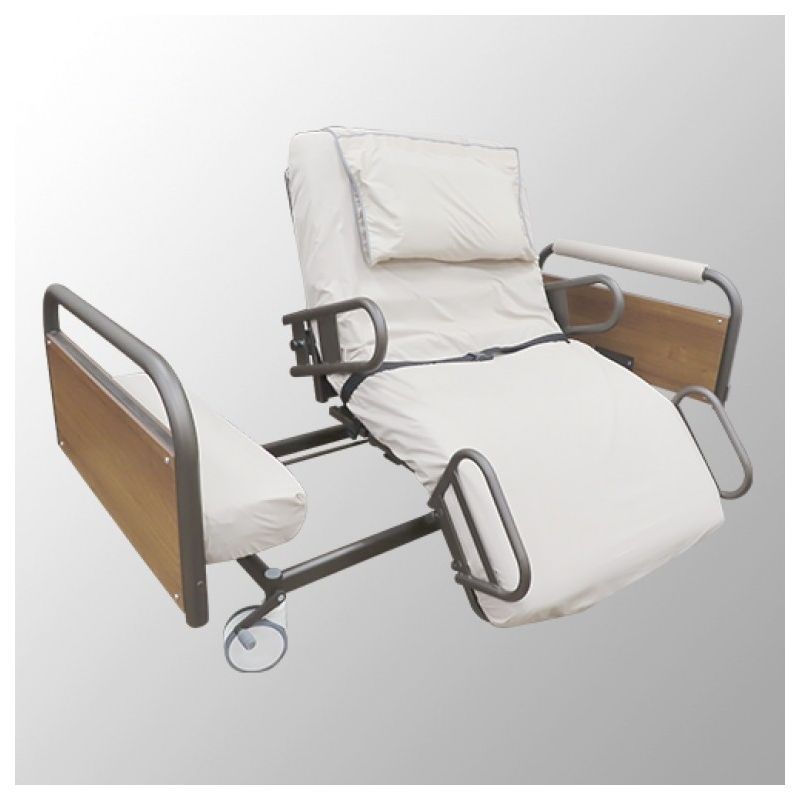
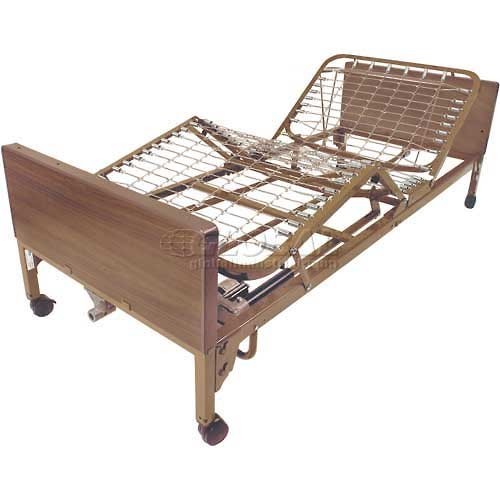
A bed is more than a place to sleep when someone is aging in place. It is where many daily transfers begin and end. If getting in and out of bed requires repeated assistance, or if positioning affects breathing, swelling, pain, or caregiving needs, an adjustable bed or home care bed may be worth considering.
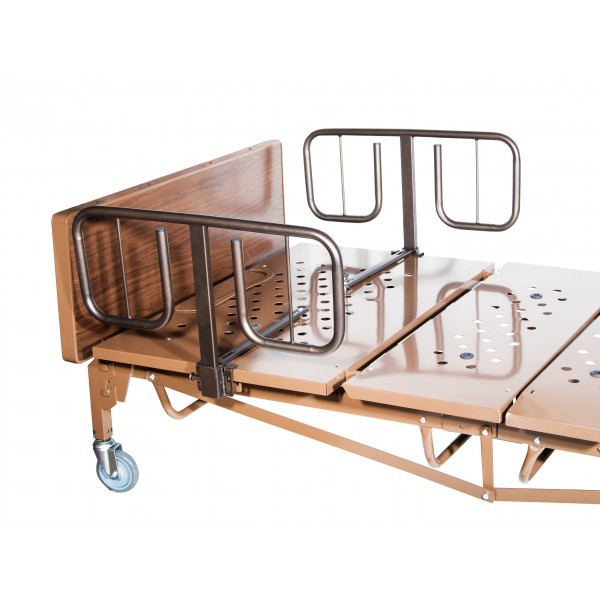
An adjustable bed can support comfortable reading, resting, and leg elevation while helping some users find a position that makes transfers easier. A home care bed may be more suitable when variable height, side rails, specialized mattresses, or frequent caregiver assistance are needed. Side rails require care: they should match the bed and mattress properly, and they are not suitable for every user. A clinician or experienced equipment professional can help assess the safest option.
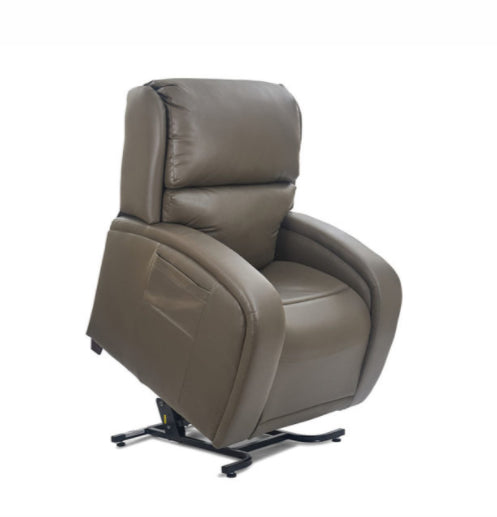
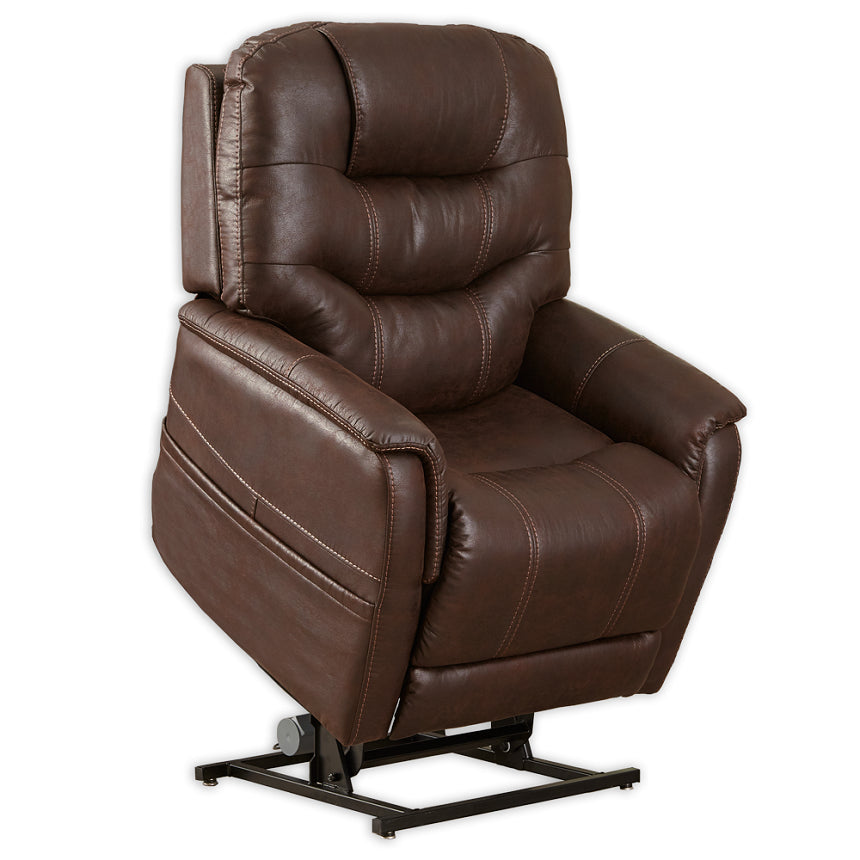
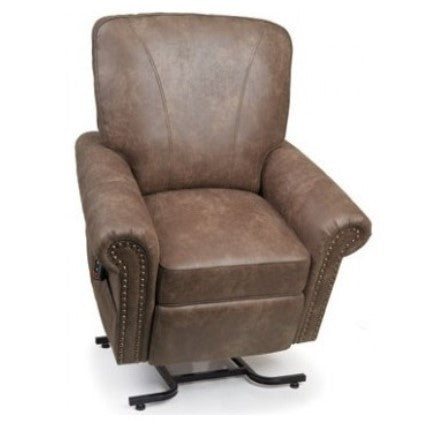
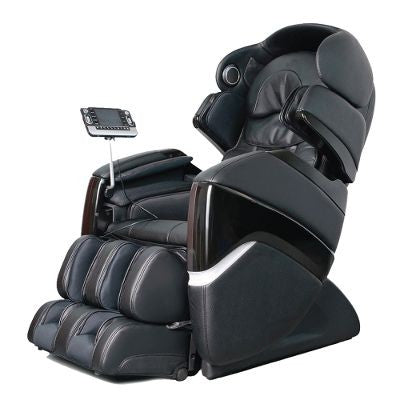
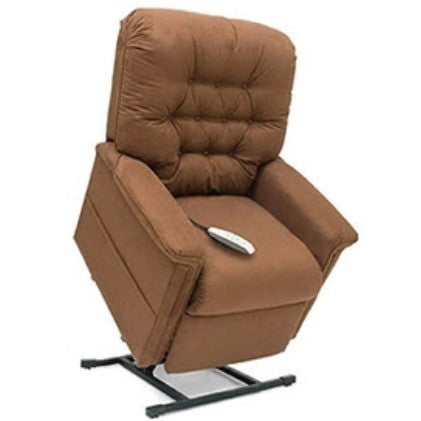
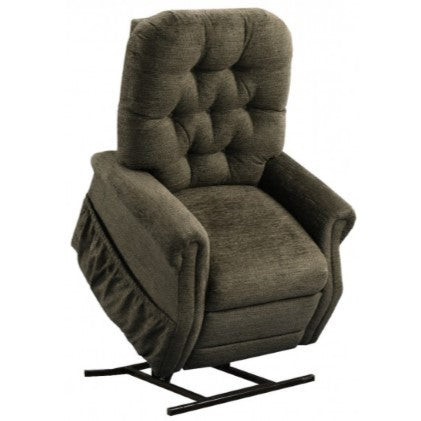
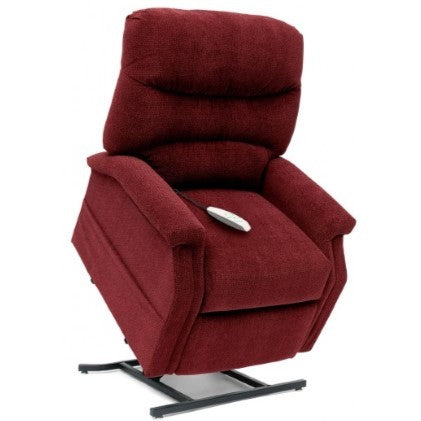
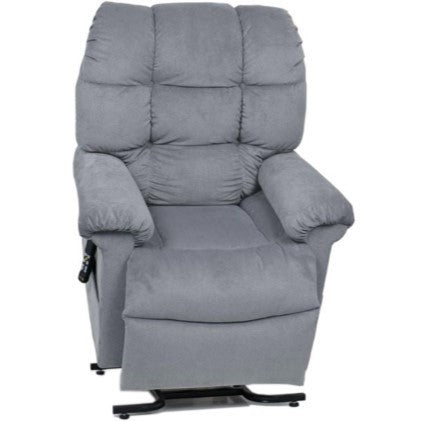
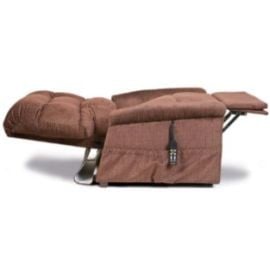
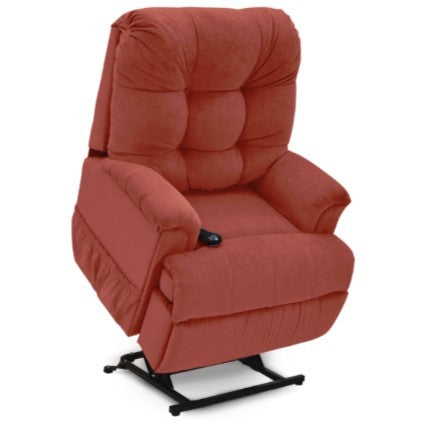
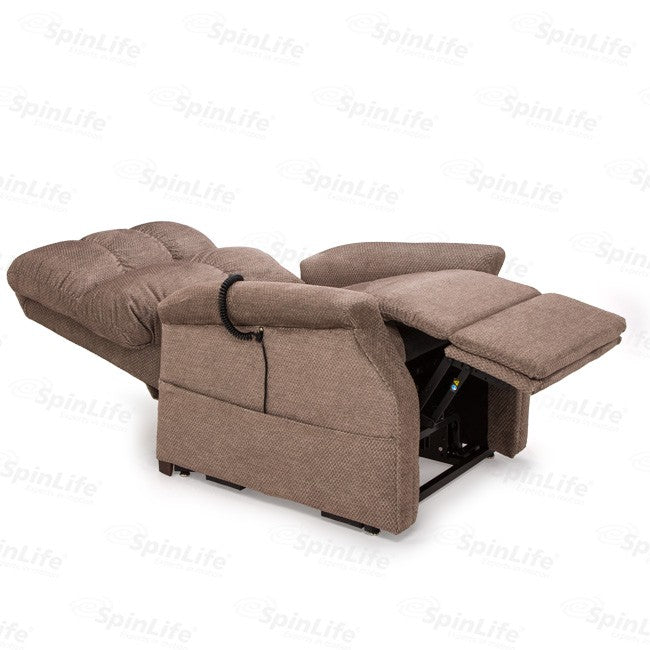
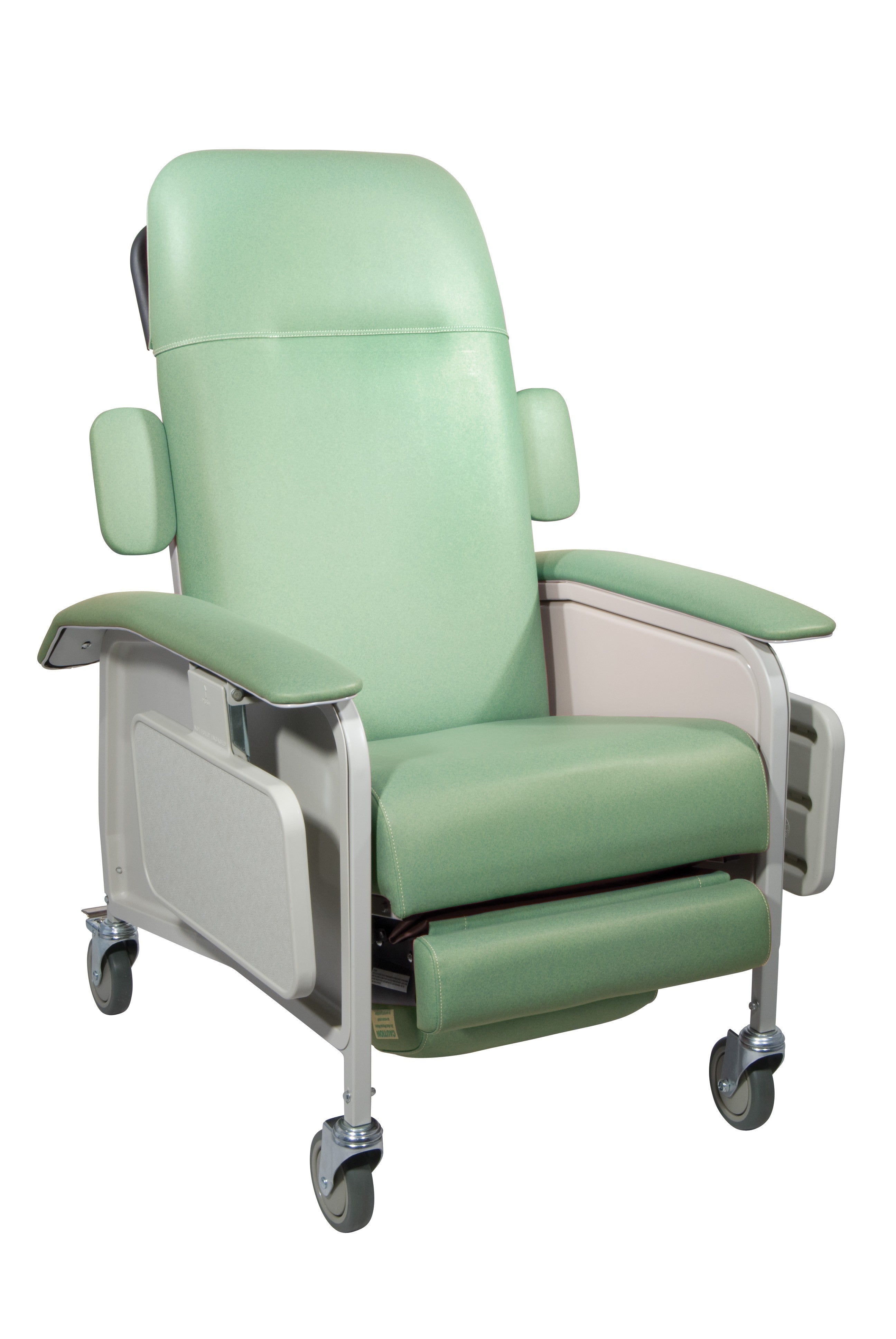
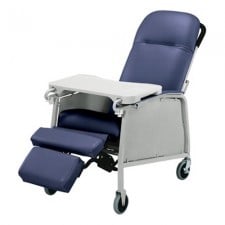
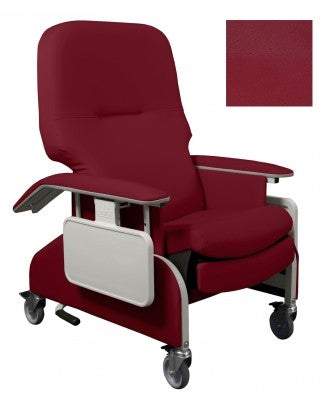
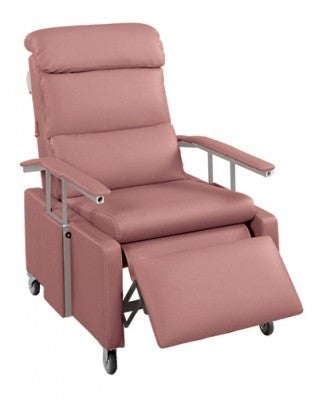
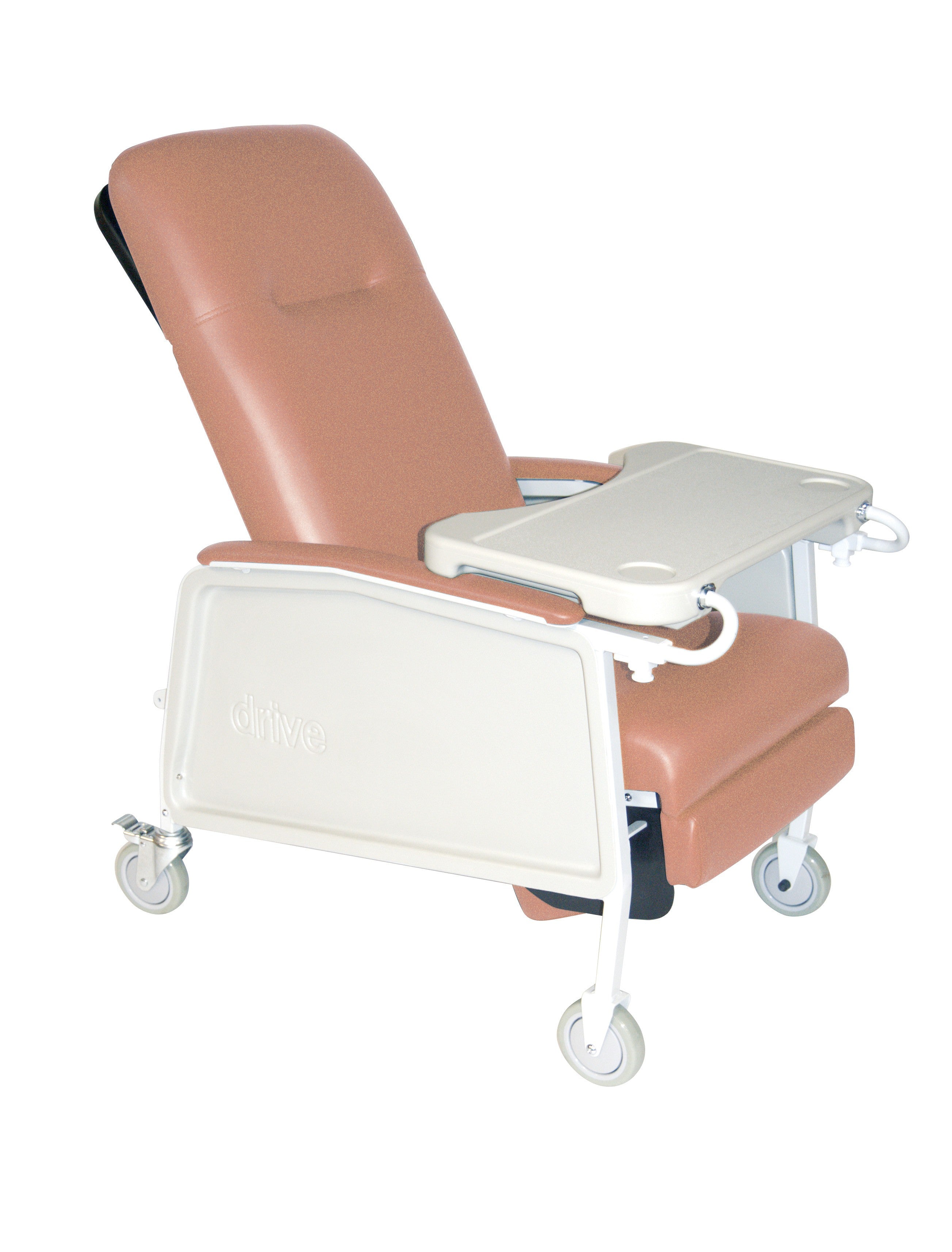
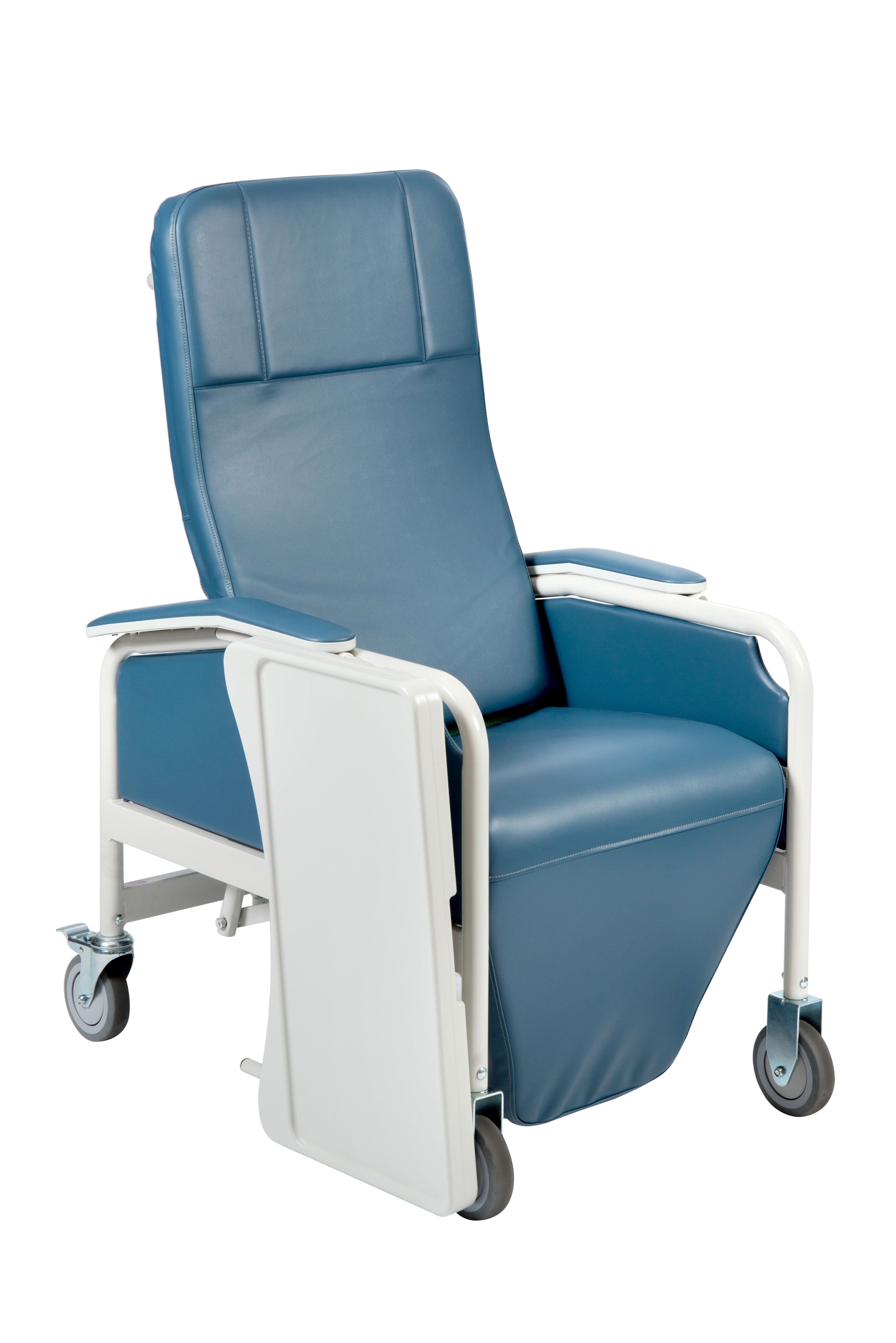
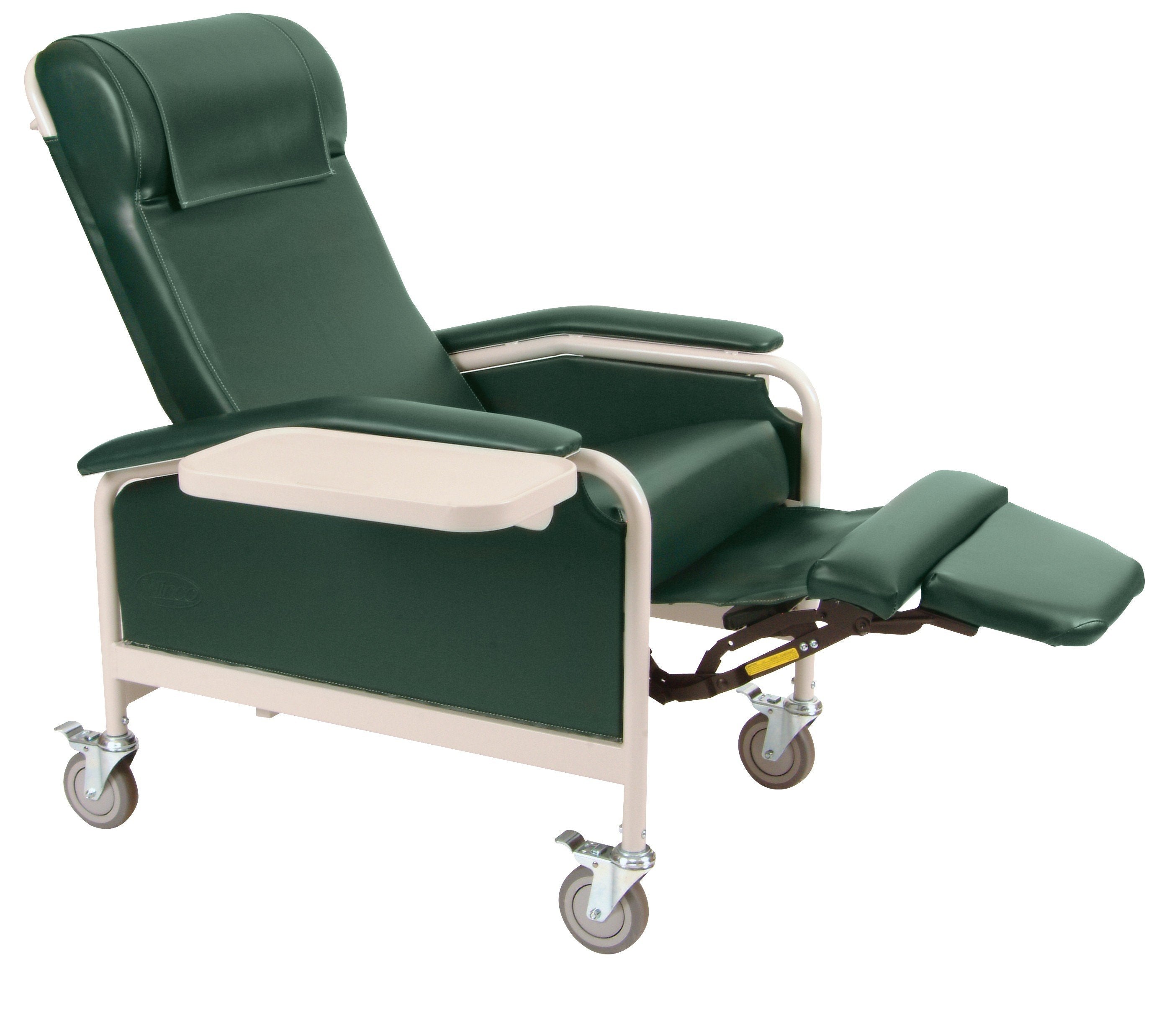
In the living room, inspect the favorite chair. Low, soft seating can make standing difficult even for people who walk well once upright. A power lift chair gently raises the user toward a standing position and can reduce strain on knees, hips, and caregivers. Consider the user’s height, seat depth, leg support, recline position, and available wall clearance.
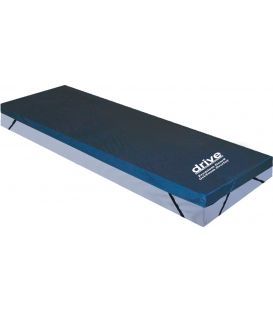
For people who spend extended time in a chair or bed, pressure management and positioning deserve attention. Support cushions, adjustable seating, and appropriate mattress choices can improve comfort, but needs related to skin integrity or medical conditions should be discussed with a healthcare professional.
Everyday Supports That Reduce Strain
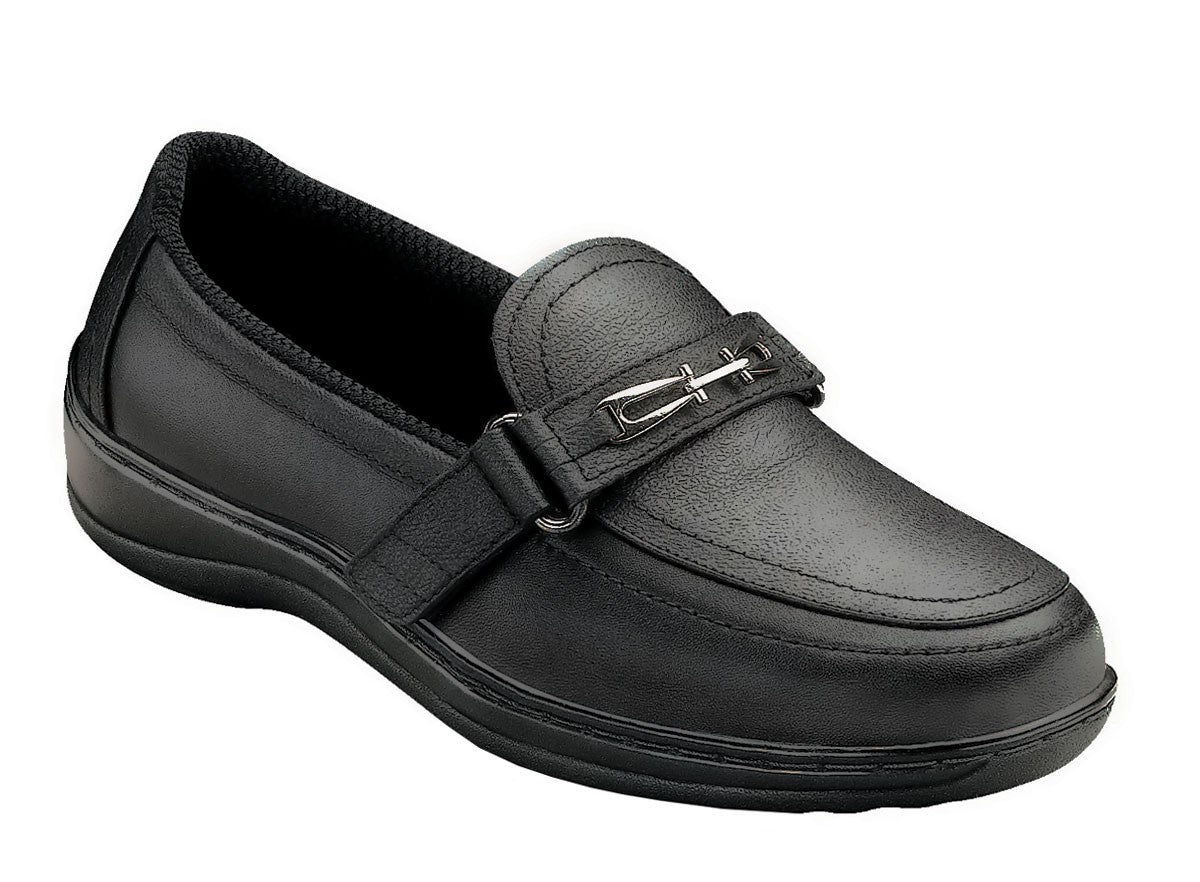
Some of the most useful equipment is simple. Reachers help retrieve items without bending. Bed rails designed for transfer support can provide a steady handhold when correctly fitted. Overbed tables can keep medications, meals, glasses, and a phone within reach. Compression socks and diabetic footwear may also support daily comfort when selected for the individual’s needs and worn as directed by their healthcare provider.
Caregivers should also consider their own safety. If a loved one needs regular assistance with standing, turning, or transferring, do not rely on back strength alone. Transfer aids and thoughtfully arranged furniture can reduce awkward lifting. When needs become more complex, ask a therapist or clinician for hands-on guidance before attempting a new transfer method.
Know When Equipment Needs Change
Revisit your checklist after a fall, hospitalization, surgery, noticeable fatigue, a new diagnosis, or a change in caregiver availability. These moments often reveal that a once-manageable routine now needs a different level of support.
Watch for signs such as furniture-walking, avoiding certain rooms, sleeping in a recliner because the bed is difficult to use, or declining outings because mobility is too demanding. These are not simply inconveniences. They are useful signals that the current setup may no longer match the person’s abilities.
American Quality Health Products offers a wide selection of mobility, bedroom, and home care equipment, along with knowledgeable assistance to help shoppers compare fit, capacity, comfort, and home-use requirements. A well-chosen piece of equipment should make the next day feel more manageable, not more complicated.
The best aging-in-place plan starts before a crisis forces a rushed decision. Address one difficult routine at a time, measure carefully, and choose support that helps the person remain active in the home they know best.


