
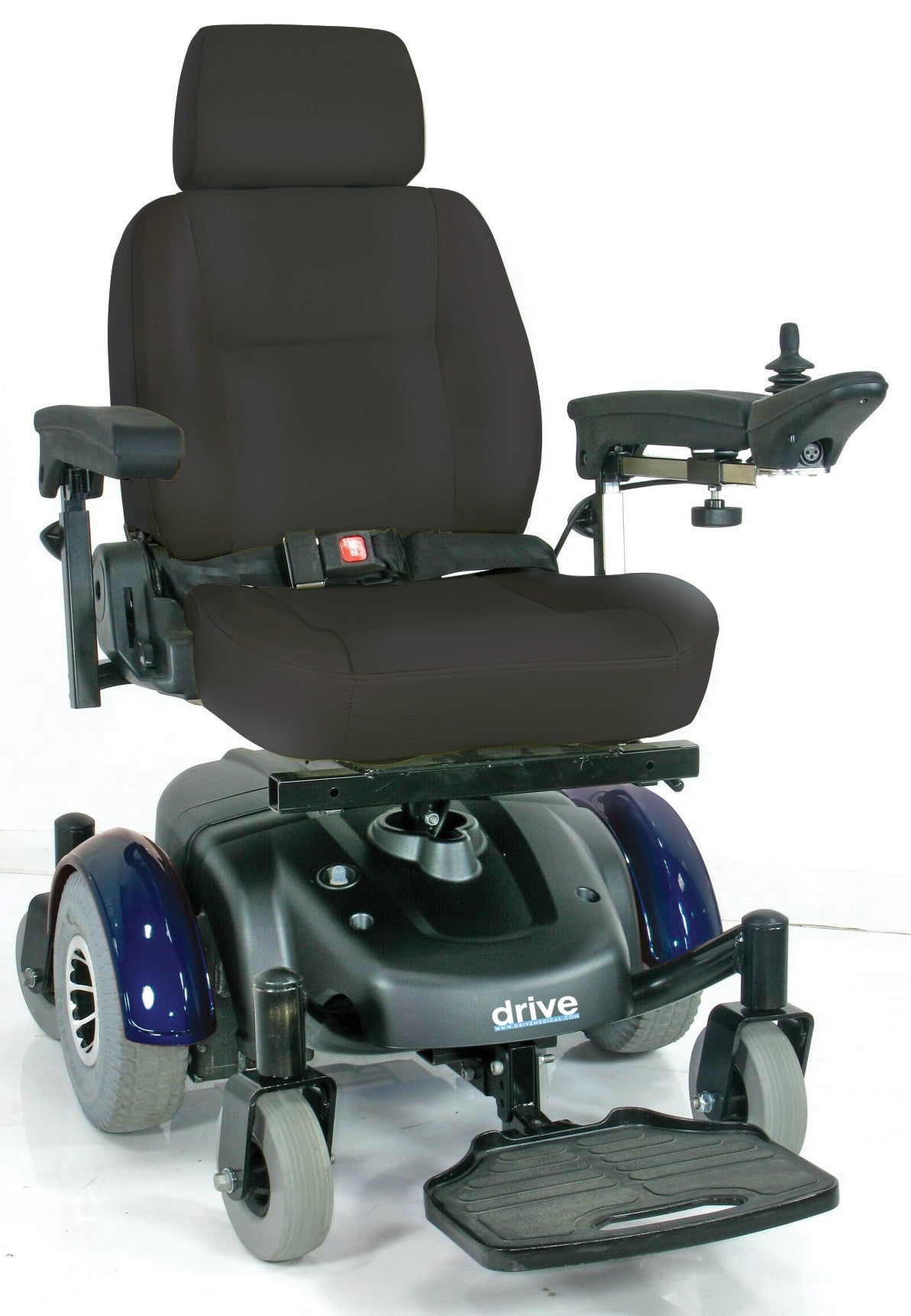
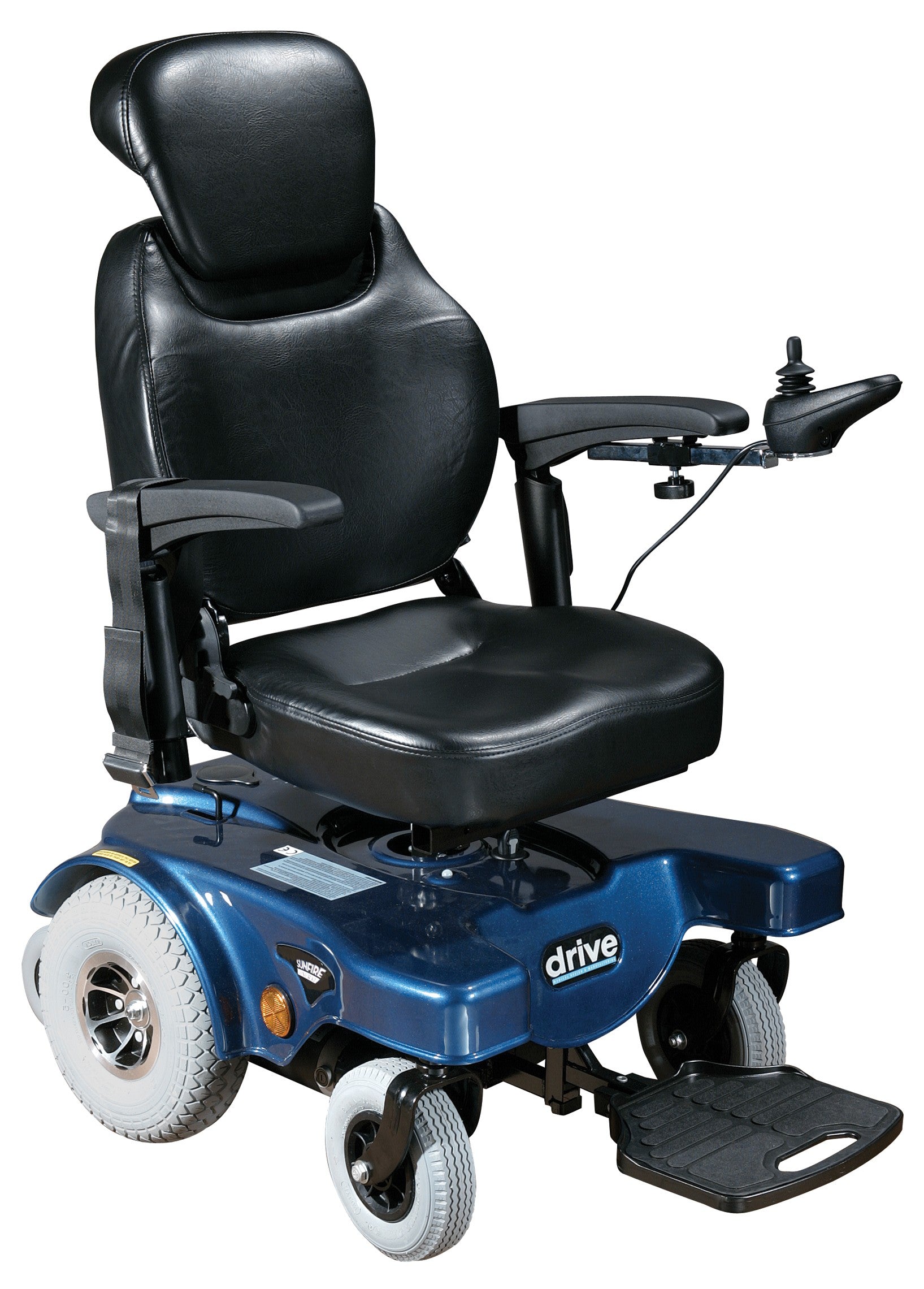
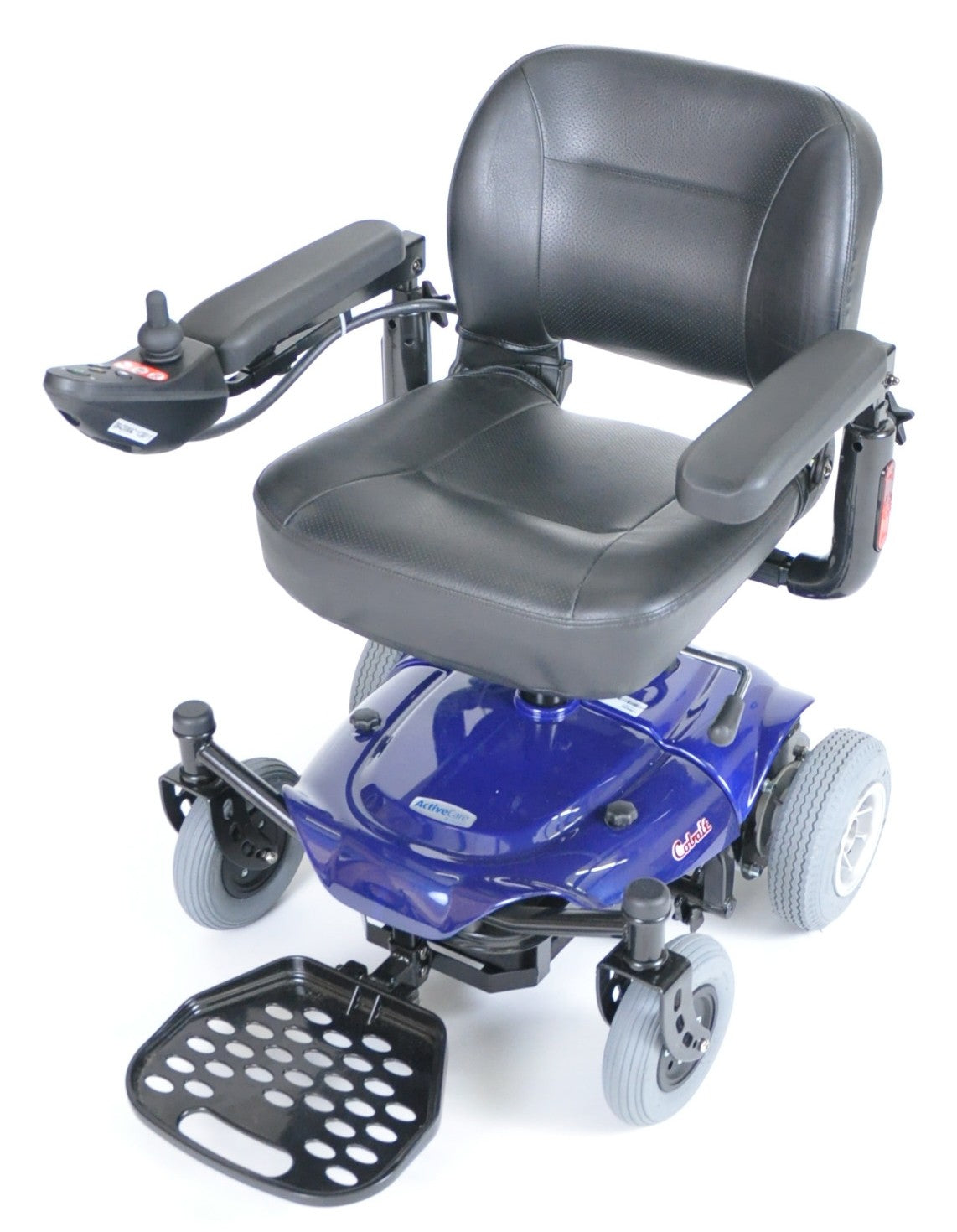
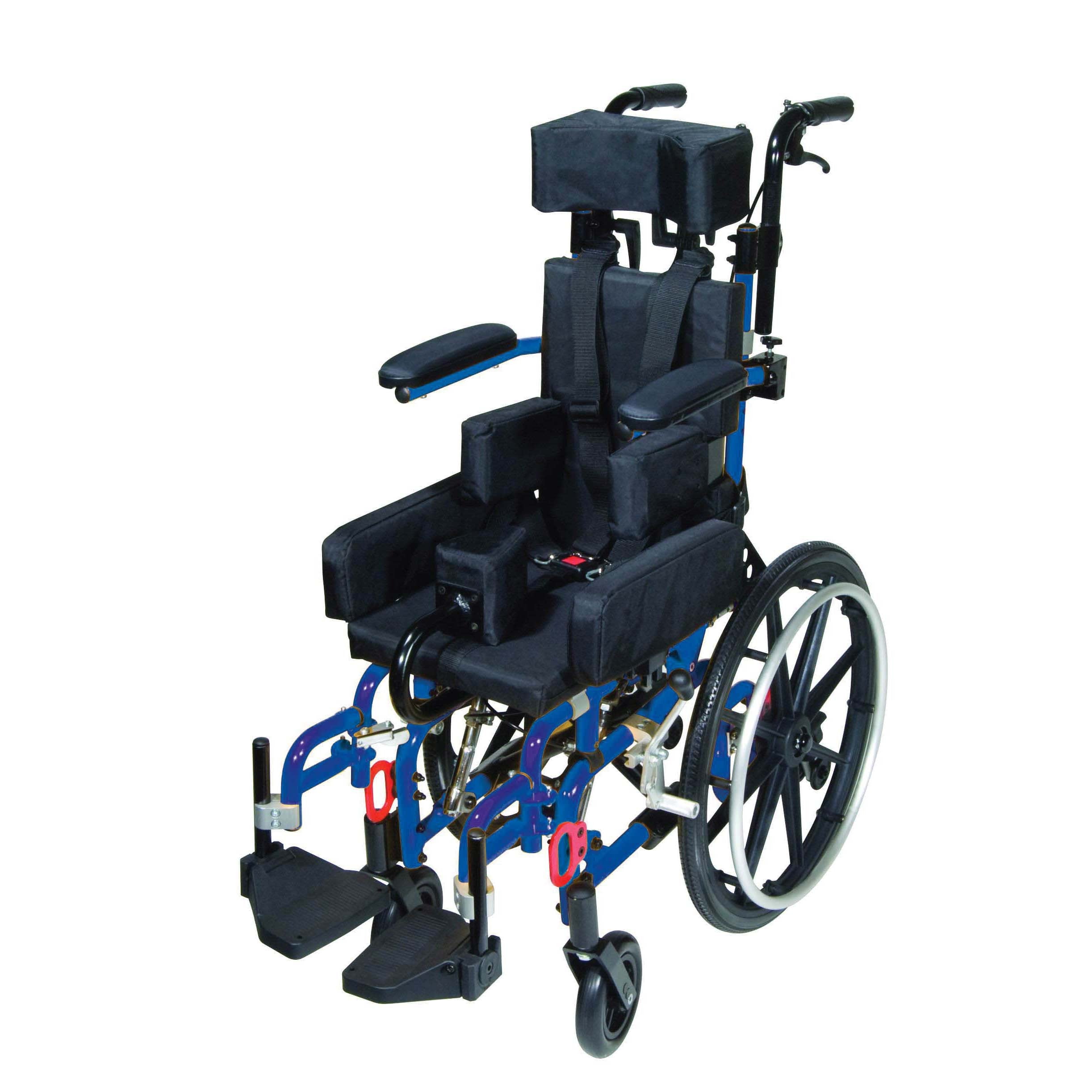
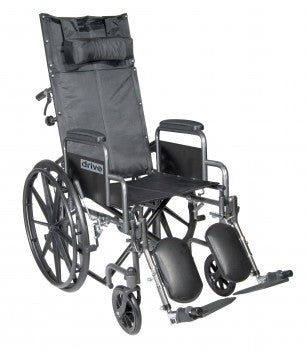
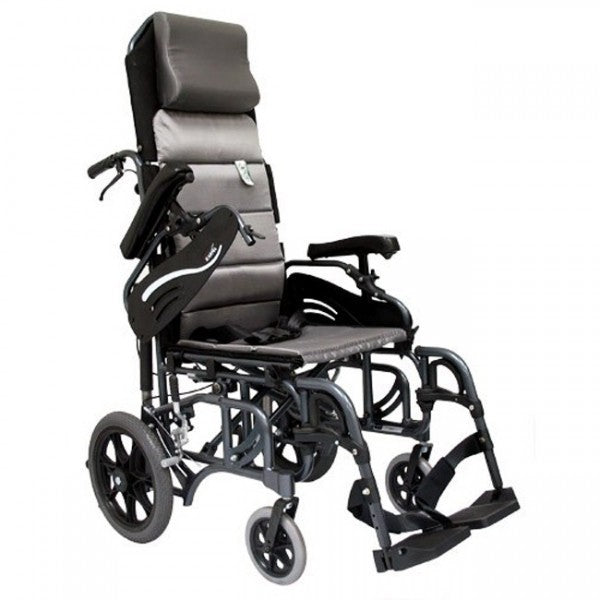
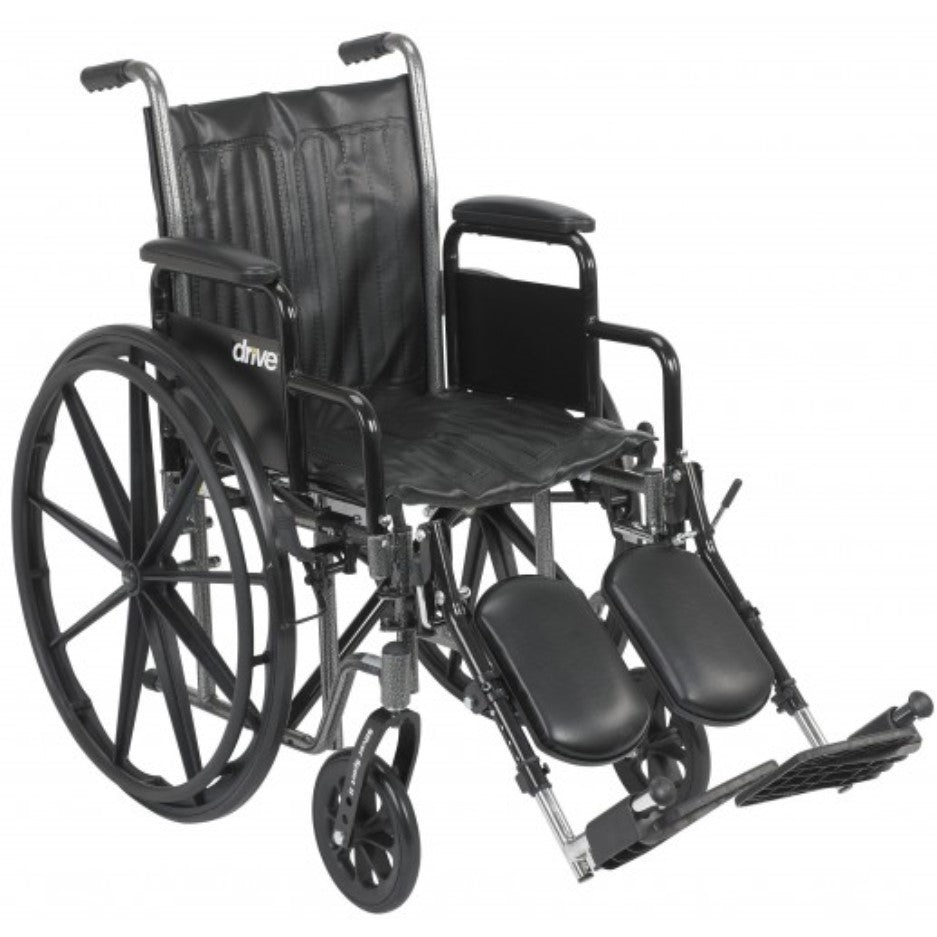


A chair that feels comfortable for ten minutes may not provide the support needed for hours of resting, reading, recovering, or receiving care. Bariatric recliner chairs are designed for individuals who need a roomier seat, higher weight capacity, and dependable stability without giving up the comfort of a familiar home recliner. For a buyer or caregiver, the right choice can make transfers easier, reduce strain, and create a more comfortable place to spend the day.
This is not a purchase to make based on appearance alone. Dimensions, construction, recline function, and the person’s day-to-day needs all matter. A well-matched chair supports independence at home. A poorly matched one can be difficult to enter, hard to operate, or simply uncomfortable where it counts.
What Makes Bariatric Recliner Chairs Different?
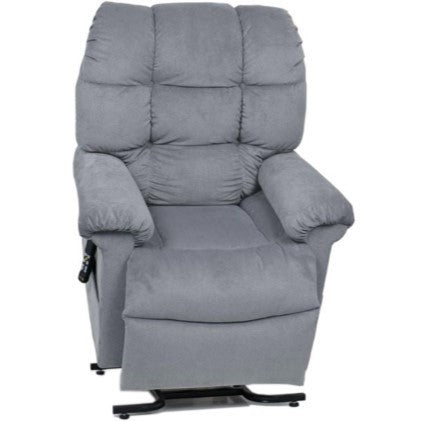
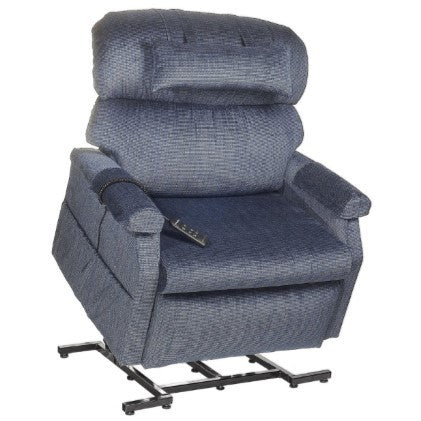
Bariatric recliner chairs are built with reinforced frames, wider seating areas, and weight capacities above those of standard home recliners. The goal is not simply to accommodate more weight. It is to provide a stable, supportive seating solution with room to sit naturally, reposition, and rest without feeling confined.
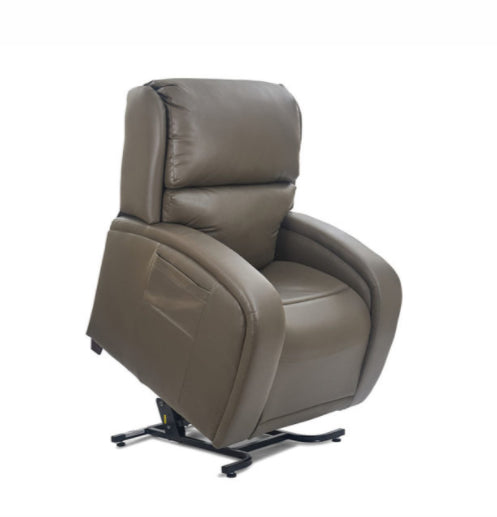
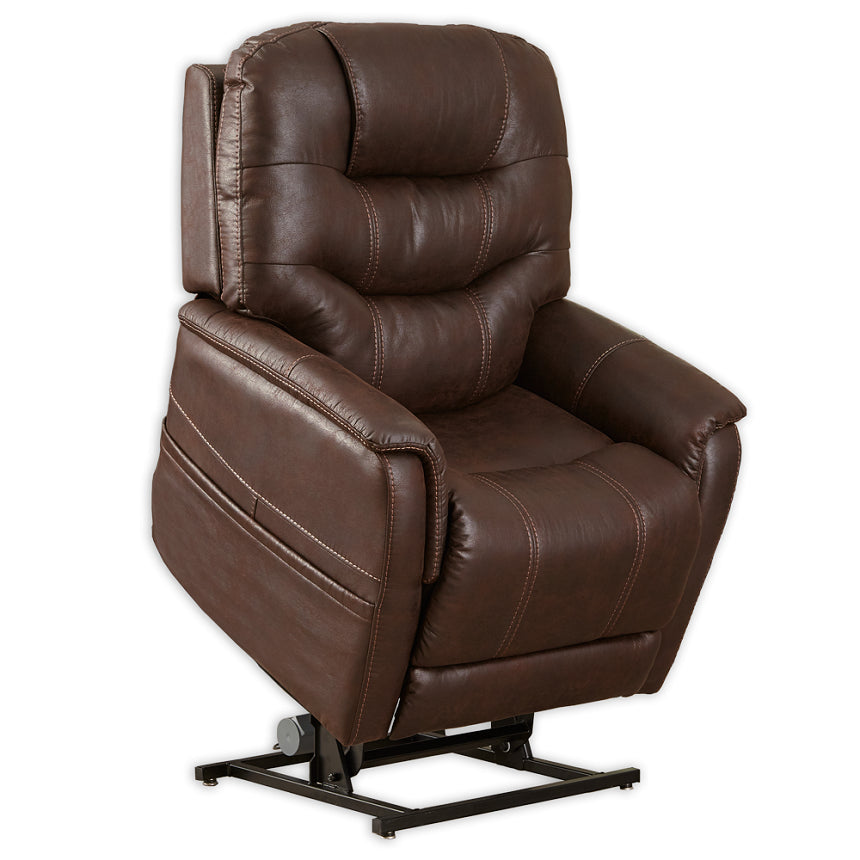
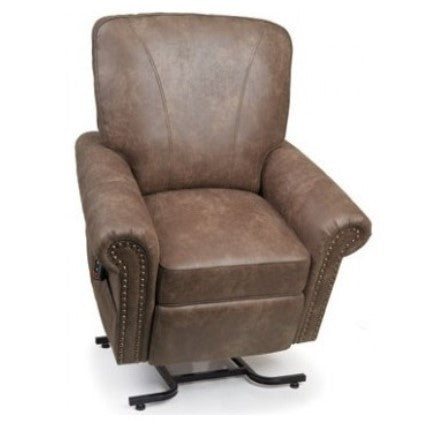
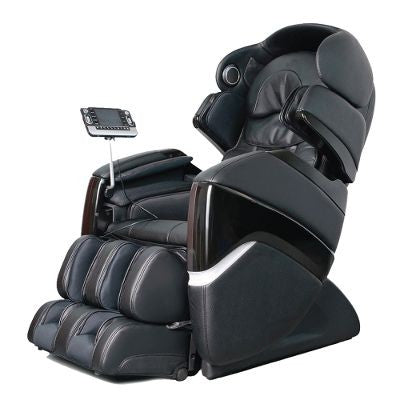
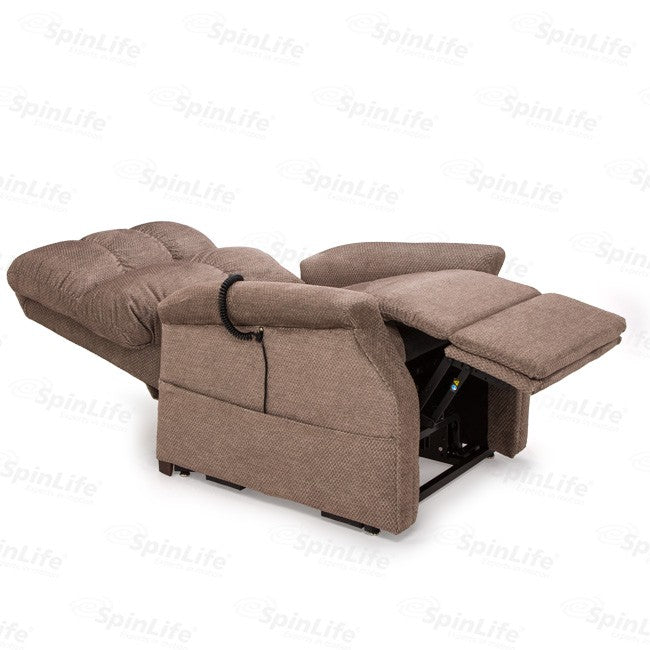
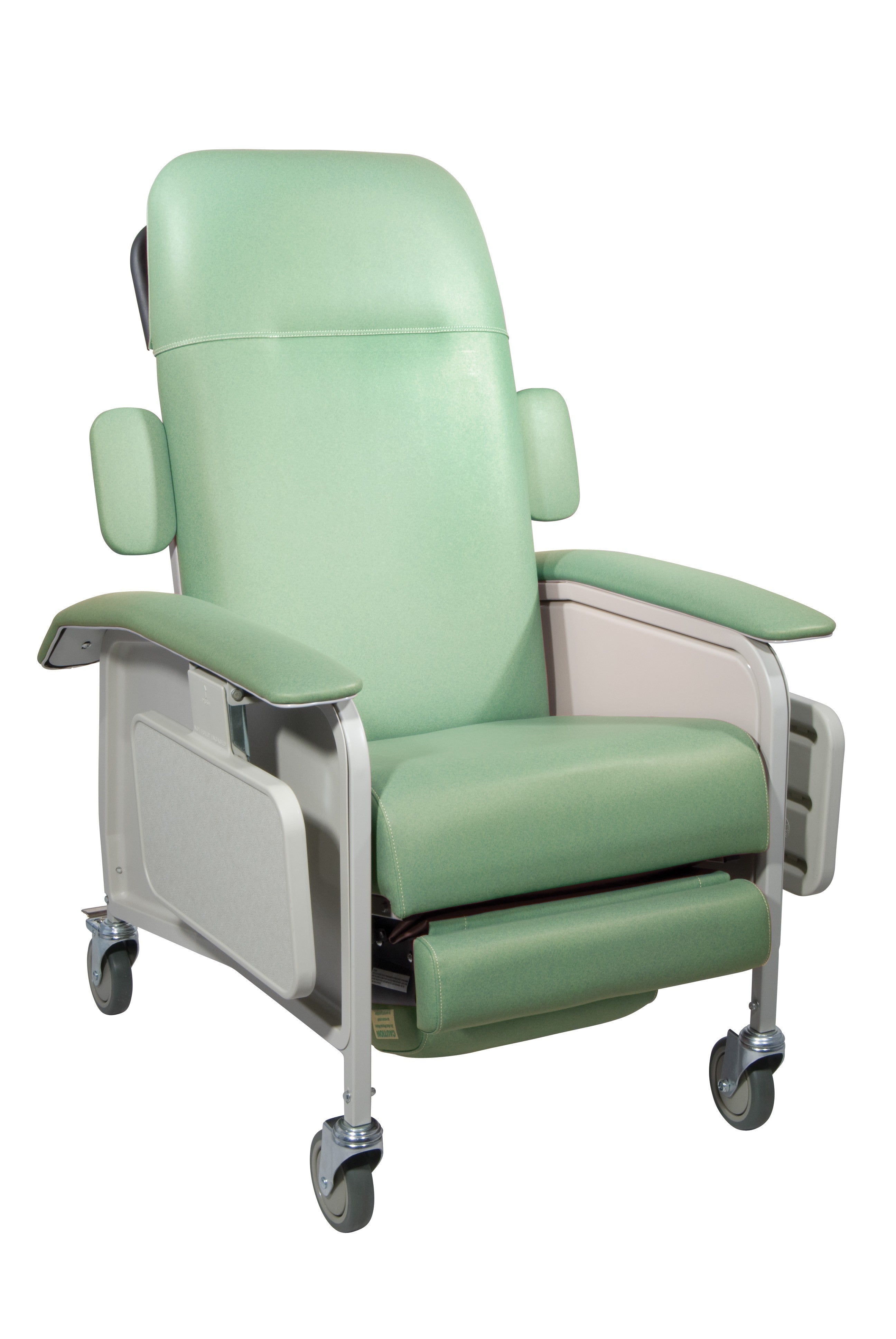
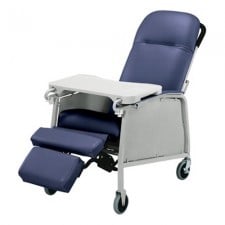
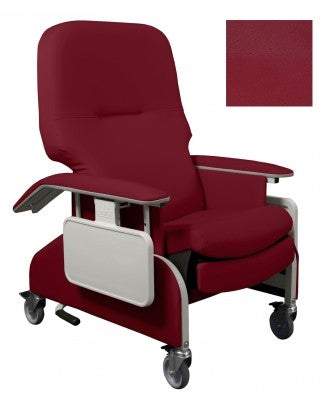
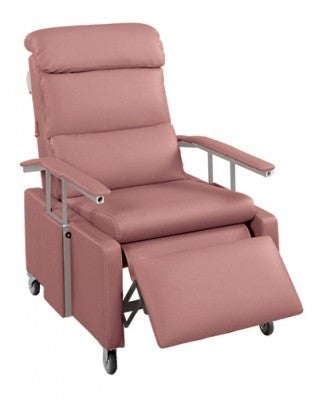
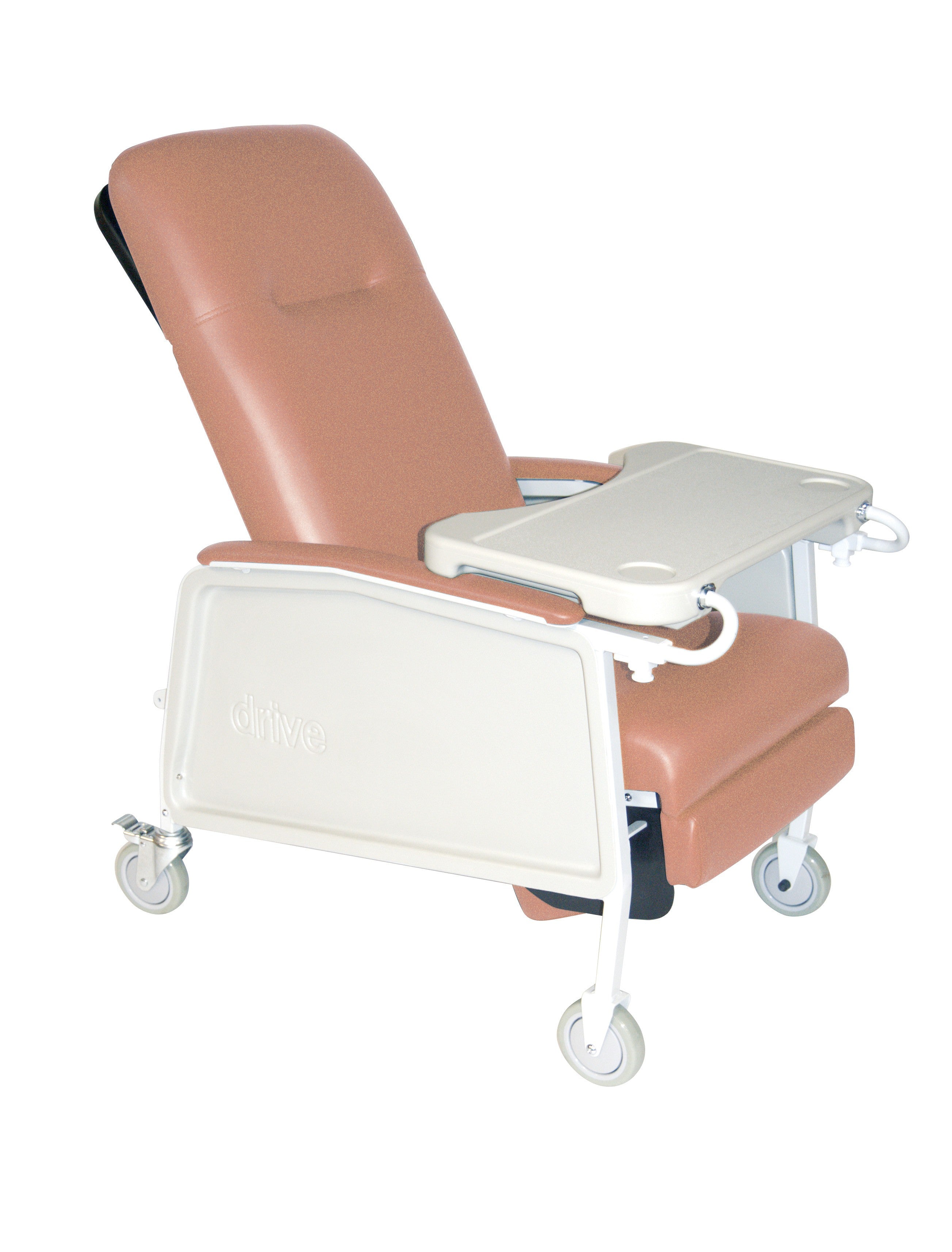
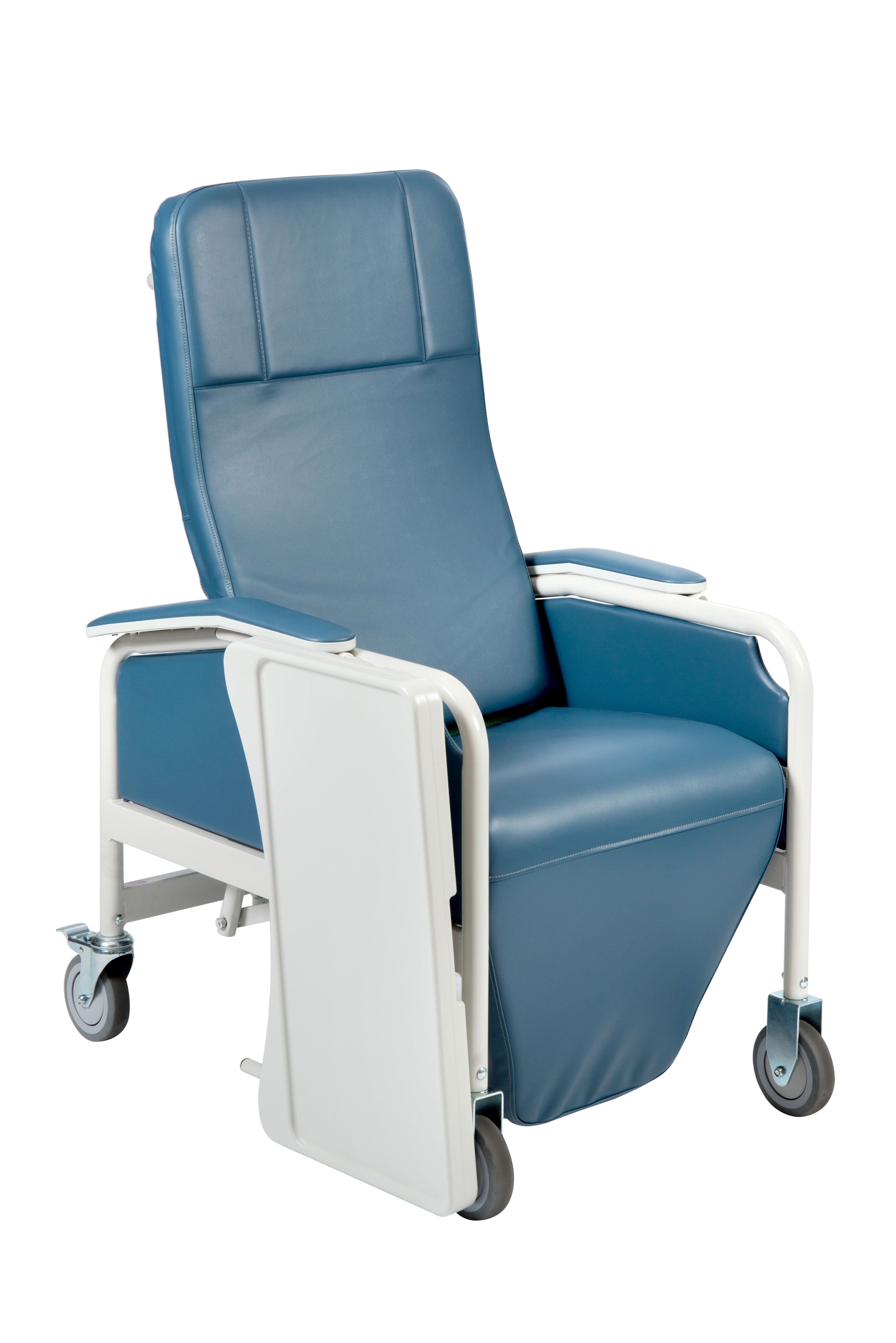
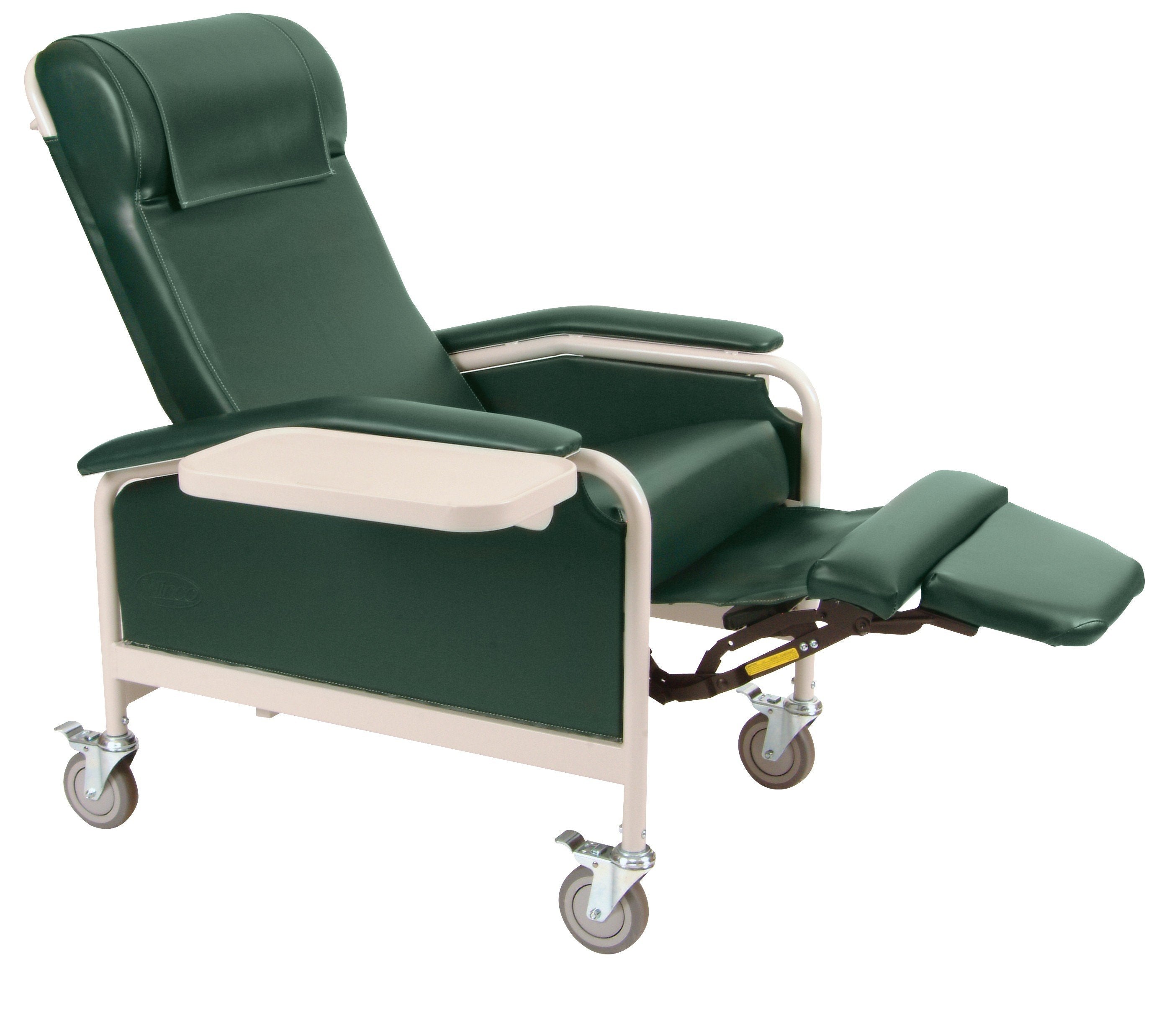
Many models use heavy-duty steel or hardwood frames, high-density cushioning, and durable upholstery selected for frequent use. The seat width is often more generous, while the armrests and footrest are designed to support safe movement into and out of the chair. Depending on the model, a bariatric recliner may be a manual recliner, a power recliner, a lift chair, or a medical-style geriatric recliner with features suited to in-home care.
The best option depends on how the chair will be used. Someone who can stand independently may only need extra room and a higher capacity. Someone with arthritis, weakness after surgery, balance concerns, or limited leg strength may benefit more from a powered lift feature that helps them move from seated to standing with less effort.
Start With Weight Capacity and Seat Dimensions
Weight capacity should be the first specification you review, but it should not be the only one. Select a chair with a capacity that comfortably exceeds the user’s current weight rather than choosing one that is right at the limit. That extra margin supports long-term durability and helps ensure the chair performs as intended during daily use.
Seat width is equally important. A wider chair is not automatically better if it makes reaching the armrests difficult or leaves the user without stable side support. Measure the user while seated, then allow enough room for comfortable movement, seasonal clothing, or a blanket without creating an overly loose fit.
Seat depth and seat height deserve the same attention. If the seat is too deep, the user may slide forward or struggle to keep their feet on the floor. If it is too shallow, there may be inadequate thigh support. A seat that is too low can make standing harder, while one that is too high may leave the feet dangling. For many shoppers, these fit details are more meaningful than the chair’s overall outside dimensions.
Measure the Room, Not Just the Person
Before ordering, measure the intended placement area and the route the chair must travel to reach it. Check doorways, hallways, corners, elevators if applicable, and the space needed when the chair is fully reclined. A wall-hugger or space-saving recline design may be helpful in a smaller bedroom, apartment, or living room.
Also consider what will sit beside the chair. A side table for medications, water, a phone, or a remote can improve daily convenience, but it should not block the chair’s lift path, footrest, or transfer area. Leave room for a walker, wheelchair, or caregiver to approach safely when needed.
Choose the Right Recline and Lift Function
A manual bariatric recliner can be a sensible choice for users with good upper-body strength and reliable balance. It offers comfortable positioning without requiring a power outlet or remote. However, a manual release handle may be difficult for someone with hand pain, limited reach, or reduced coordination.
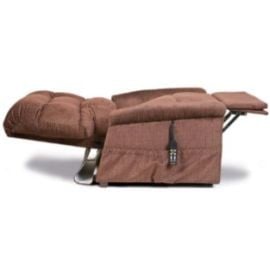
Power recliners allow the back and footrest to move at the touch of a button. This can make repositioning easier throughout the day and may offer a greater range of comfort positions. Some models provide separate control of the backrest and footrest, which is useful when the user prefers to elevate their legs without reclining fully.
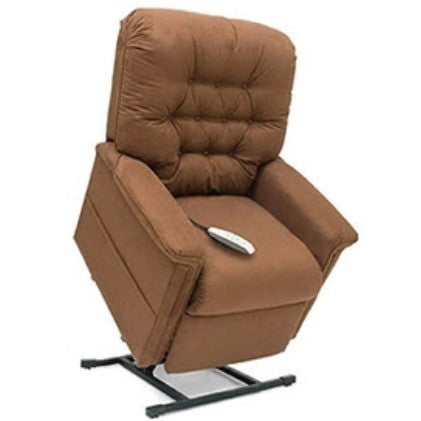
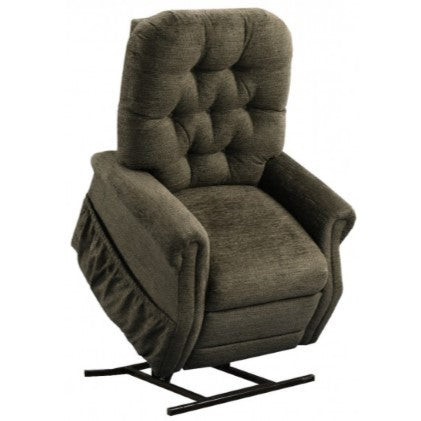
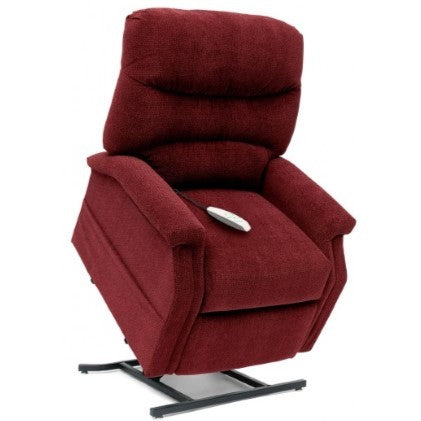
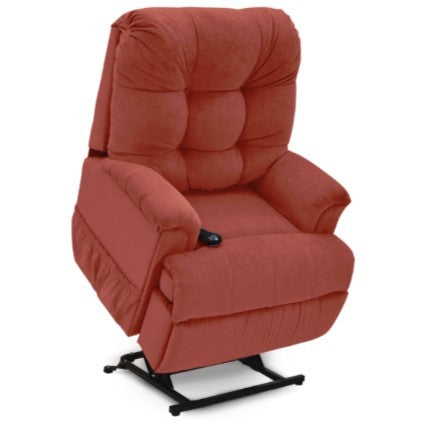
A bariatric lift chair adds a lifting mechanism that tilts the seat forward to assist with standing. This feature can be particularly valuable for people recovering from joint surgery, managing chronic pain, or experiencing reduced lower-body strength. It does not replace hands-on assistance when a person is unsafe standing alone, but it can reduce the effort required for a controlled transfer.
For users who spend extended periods in the chair, look for smooth, gradual movement and simple controls with large, easy-to-identify buttons. Battery backup is also worth considering for power models, especially where outages occur. It can provide peace of mind if the chair is needed during an interruption in household power.
Comfort Features That Matter in Daily Use
Comfort is personal, but several features tend to make a meaningful difference over time. High-density foam helps the seat retain its shape and resist premature sagging. Supportive back cushioning can make long periods of sitting more manageable, while a padded headrest may improve comfort for reading, watching television, or napping.
Upholstery should match the home environment and care needs. Soft fabric can feel warm and inviting, while vinyl or performance upholstery may be easier to wipe clean after spills. Breathable materials can be helpful for users who become warm while seated for long periods. If skin sensitivity or pressure concerns are present, discuss seating needs with a healthcare professional, since a recliner may need to be paired with specialized cushions or a different seating solution.
Armrest design matters more than many buyers expect. Wide, firm armrests provide a stable surface for pushing up, repositioning, or receiving transfer assistance. Loose or overly soft arms may feel comfortable at first but offer less support when getting in and out of the chair.
Think About Safety for the User and Caregiver
A heavy-duty chair should feel stable when the user shifts weight, reclines, or stands. Reinforced construction is essential, but proper setup is just as important. Place the chair on a level surface, follow all manufacturer instructions, and keep cords away from walking paths, mobility devices, and pets.
For powered chairs, avoid using extension cords unless the manufacturer specifically permits them. The outlet should be accessible without creating a tripping hazard. If the person uses oxygen, a walker, or a wheelchair, plan where those items will be positioned before the chair arrives.
Caregivers should also consider how they will assist. A chair placed tightly against a wall or crowded by furniture can make safe transfers harder. If a user has a history of falls, significant weakness, or changing medical needs, ask a clinician or occupational therapist for guidance on the safest seating and transfer setup.
Compare the Chair to the User’s Daily Routine
The most suitable bariatric recliner is usually the one that fits the routine, not the one with the longest feature list. Consider when the chair will be used, how long the person typically sits, whether they nap in it, and whether they need help standing. A user who spends afternoons resting may prioritize cushioned comfort and leg elevation. A person receiving in-home care may need easier-clean upholstery, dependable positioning, and clearance for caregiver access.
It is also wise to think ahead. If mobility is gradually changing, a power lift chair may be a more practical choice than a standard recliner that could become difficult to use later. On the other hand, buying more chair than the user needs can take up valuable space and add features that are never used. The right balance is comfort, support, and function without unnecessary complication.
Get Help Matching the Specifications
Product descriptions can provide useful details, but a few measurements and a real conversation often prevent costly mistakes. Have the user’s approximate height and weight, preferred seat height, available room dimensions, and mobility needs ready when comparing models. If the chair is replacing one that did not work well, identify why: Was the seat too narrow, too low, too soft, hard to recline, or difficult to exit?
American Quality Health Products has helped customers find home medical and mobility equipment since 2001, with knowledgeable support for shoppers who need help comparing fit, capacity, and features. Asking questions before ordering is a practical part of making a confident decision, especially when the chair will be used every day.
The right recliner should feel like a dependable part of the home: supportive when it is time to rest, stable when it is time to move, and comfortable enough that the user can focus less on the chair and more on living well at home.


