
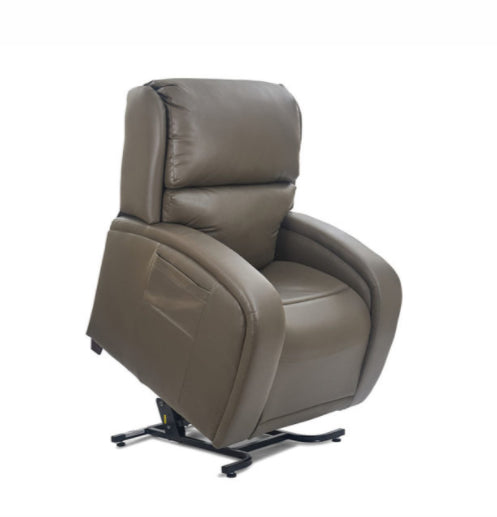
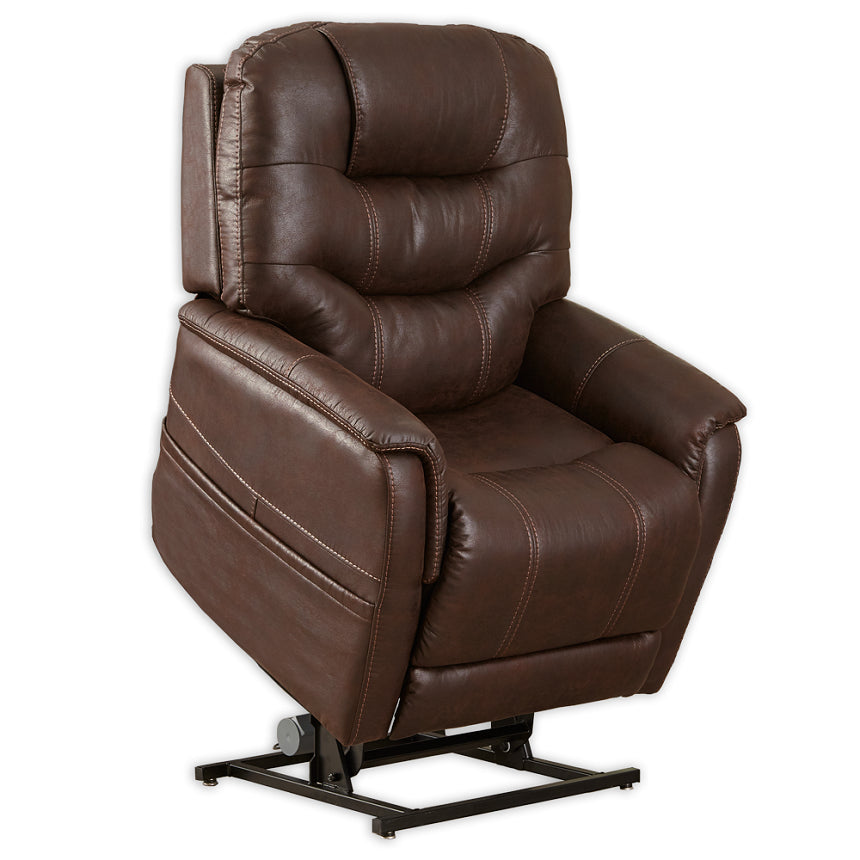
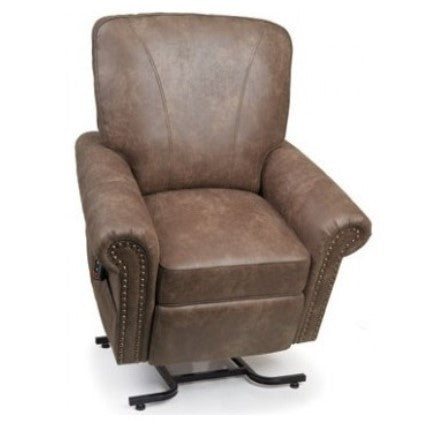
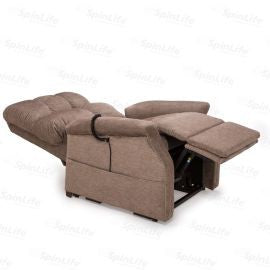
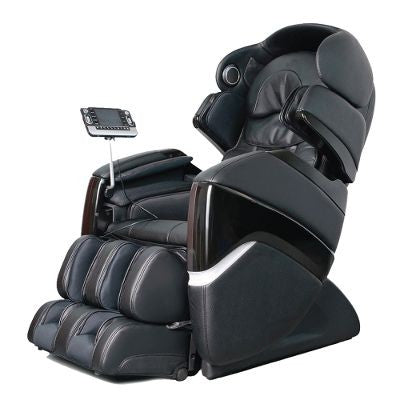
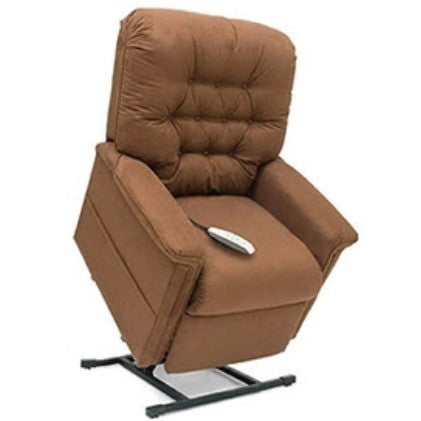
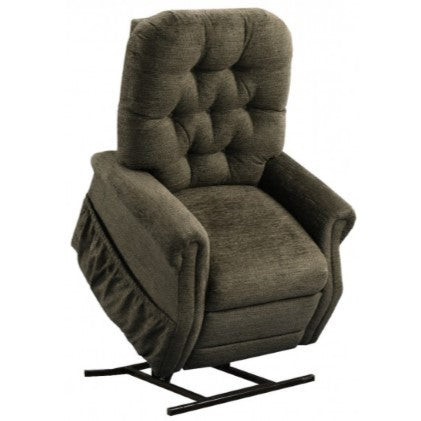
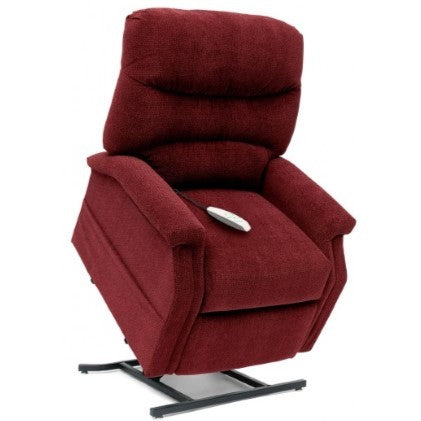
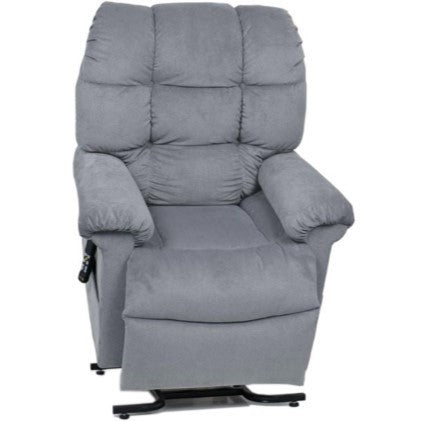
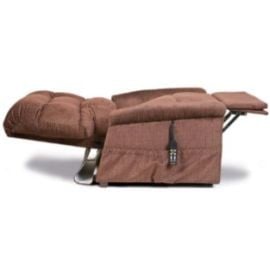
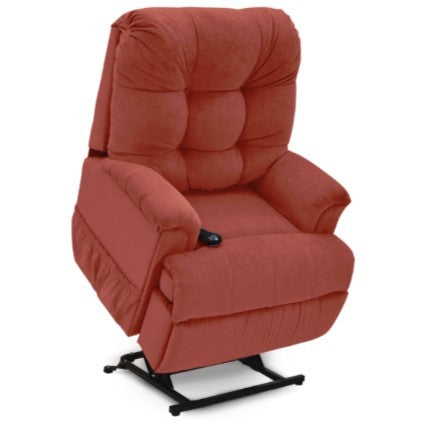
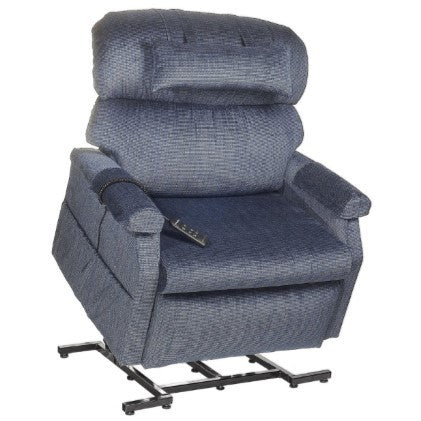
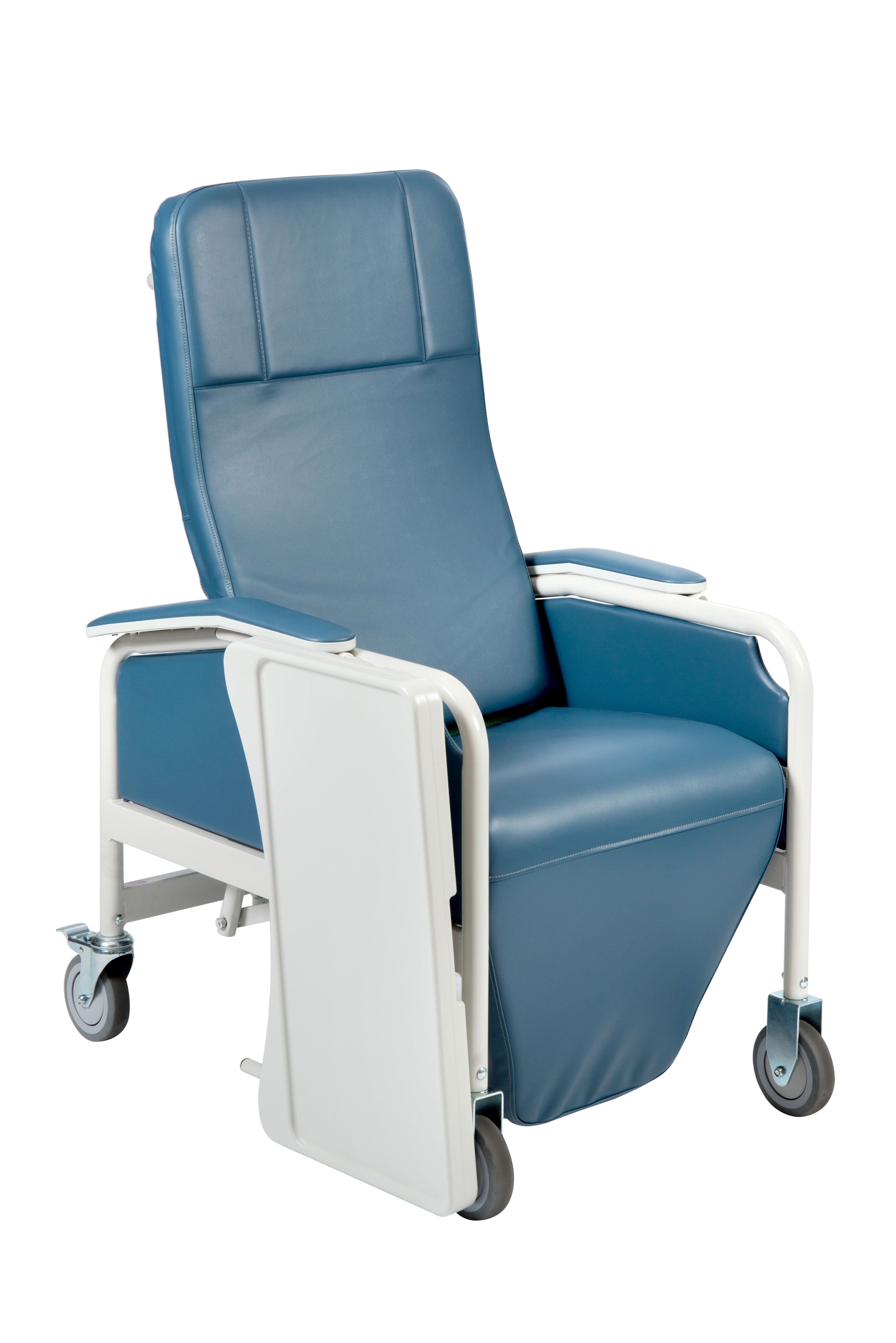

A lift chair can be much more than a comfortable place to watch television. For someone who cannot easily get in and out of bed, is recovering from a procedure, or breathes more comfortably with the upper body elevated, the best lift chairs for sleeping can make nighttime rest safer and more manageable at home. The right chair supports the body in a truly comfortable reclined position, while the lift mechanism helps the user stand without straining sore joints or relying as heavily on a caregiver.
Still, not every power lift recliner is designed for a full night of sleep. The difference often comes down to the recline range, seating dimensions, cushioning, motor design, and the individual's health and mobility needs. A chair that feels great for an afternoon nap may not provide the positioning or pressure relief needed for several hours overnight.
What Makes a Lift Chair Good for Sleeping?
A sleep-friendly lift chair should allow the user to find a stable position that does not create painful pressure points. Many people prefer a near-flat recline, while others do better with their head and upper body raised. The best position depends on the person, not on a single chair feature.
For overnight use, look beyond the chair's appearance and focus on four practical areas: recline capability, body fit, support, and ease of operation. A chair with a higher-end fabric or extra padding may be appealing, but it is not automatically the right choice if the seat is too deep, the back is too short, or the footrest does not support the legs properly.
Infinite-position recline offers more flexibility
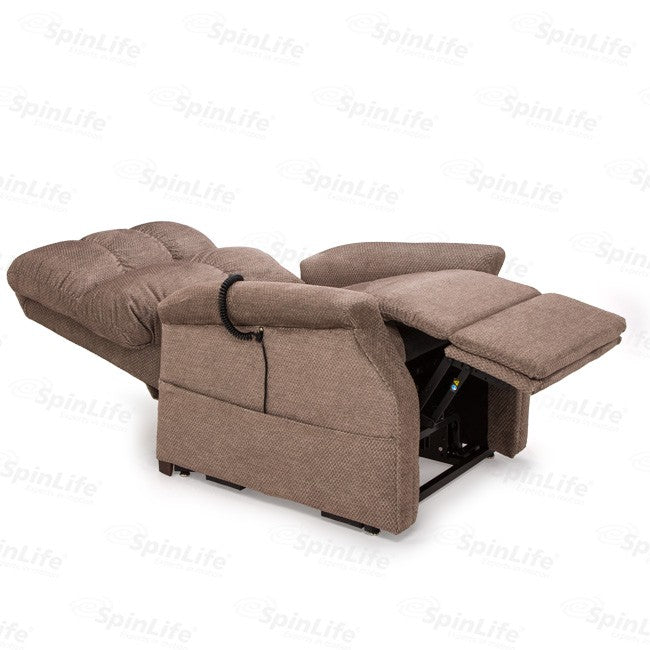
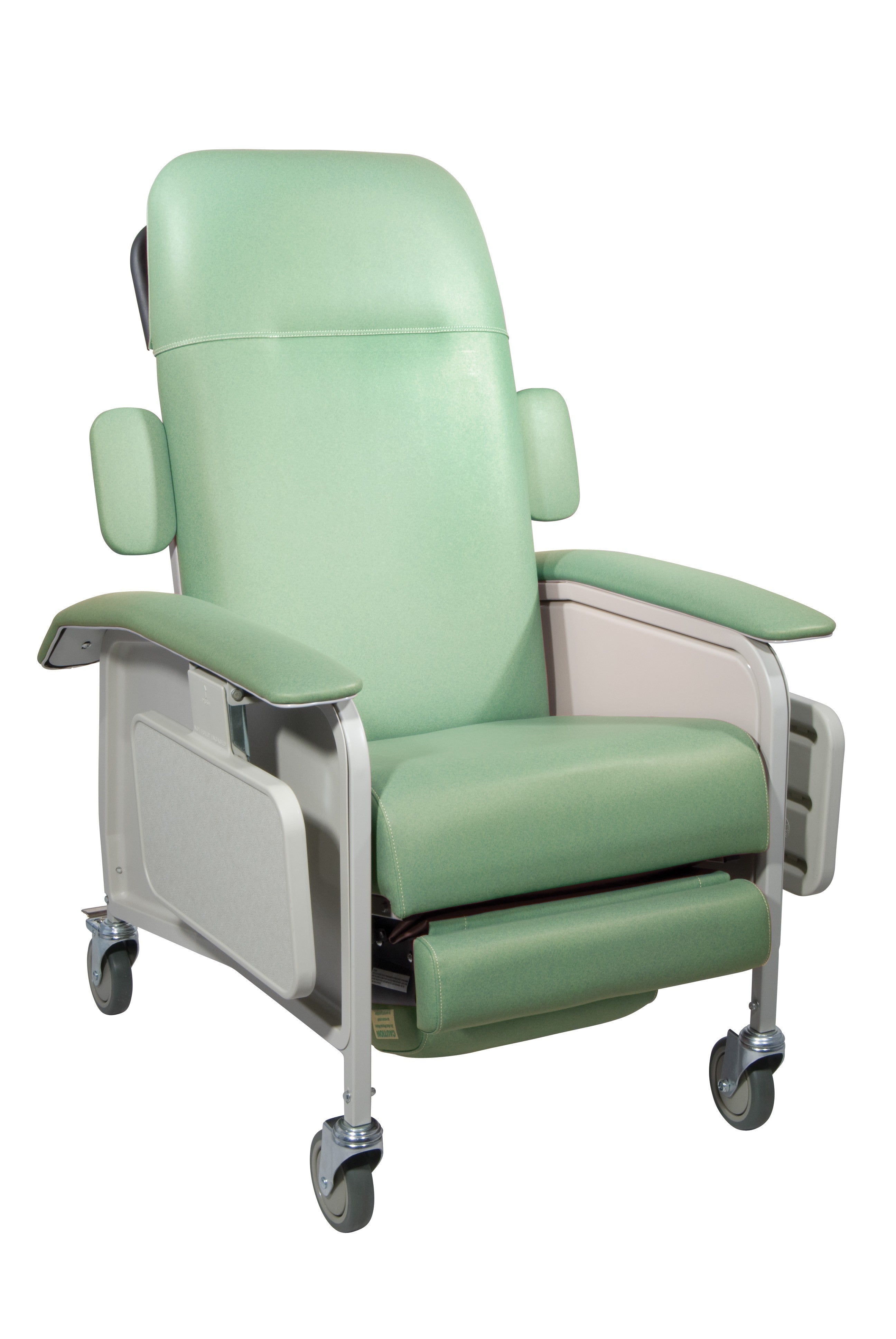
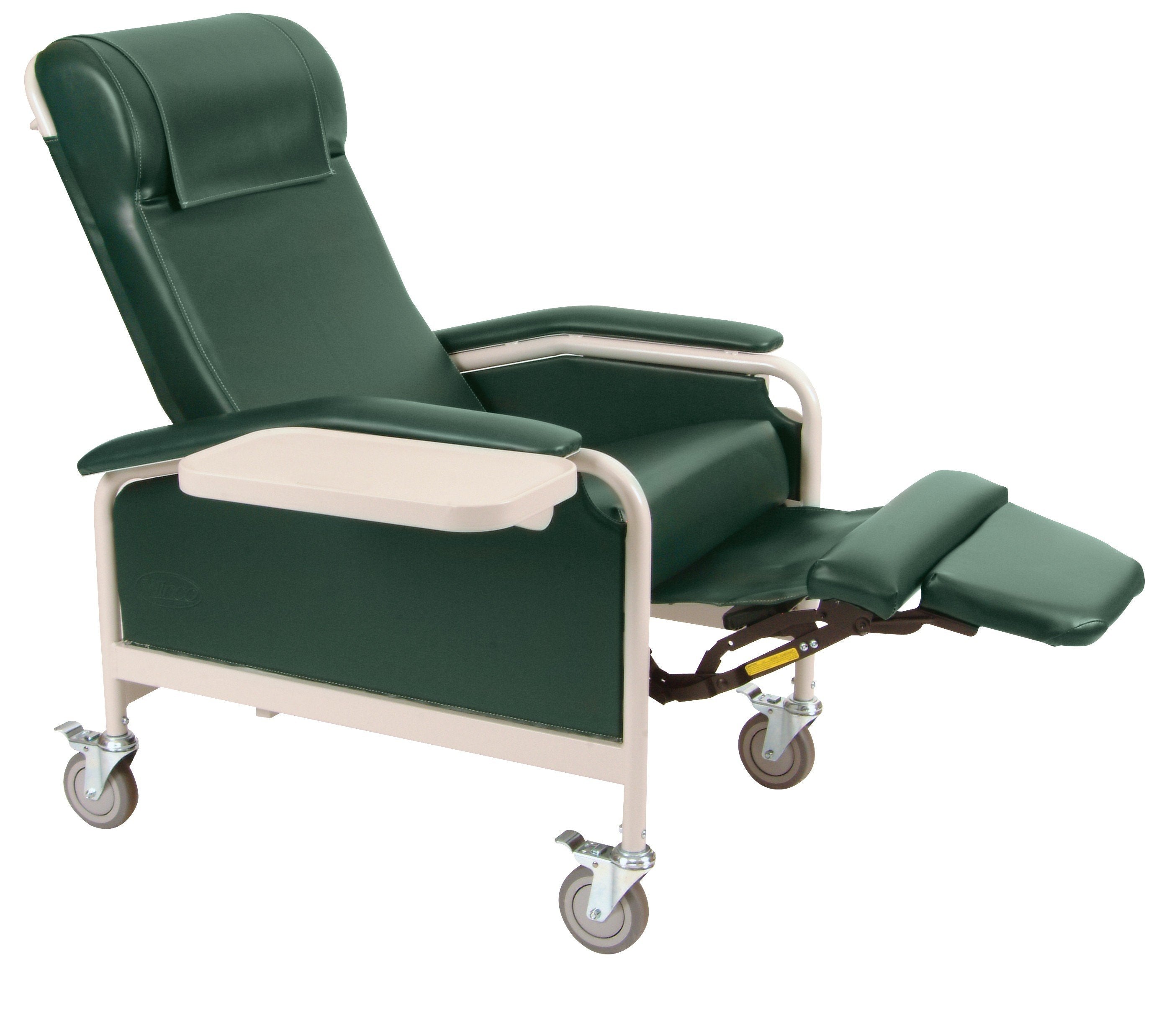
An infinite-position lift chair uses separate motors to control the backrest and footrest independently. This gives the user far more adjustment than a standard two-position or three-position chair. The back can be raised while the legs remain elevated, or the footrest can be lowered without bringing the back fully upright.
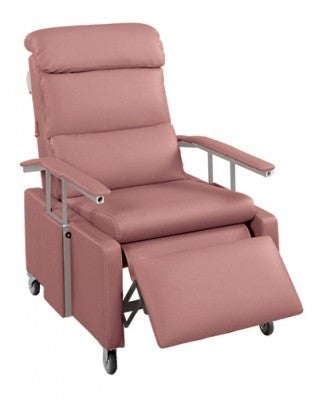
That flexibility is especially useful for sleeping. A user may start the night nearly flat, then adjust to a more upright position if discomfort, stiffness, or breathing needs change. Some infinite-position models also offer a zero-gravity style position that elevates the legs and distributes weight more evenly. It can be comfortable for rest, though it is not the preferred sleep position for every person.
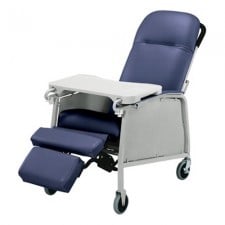
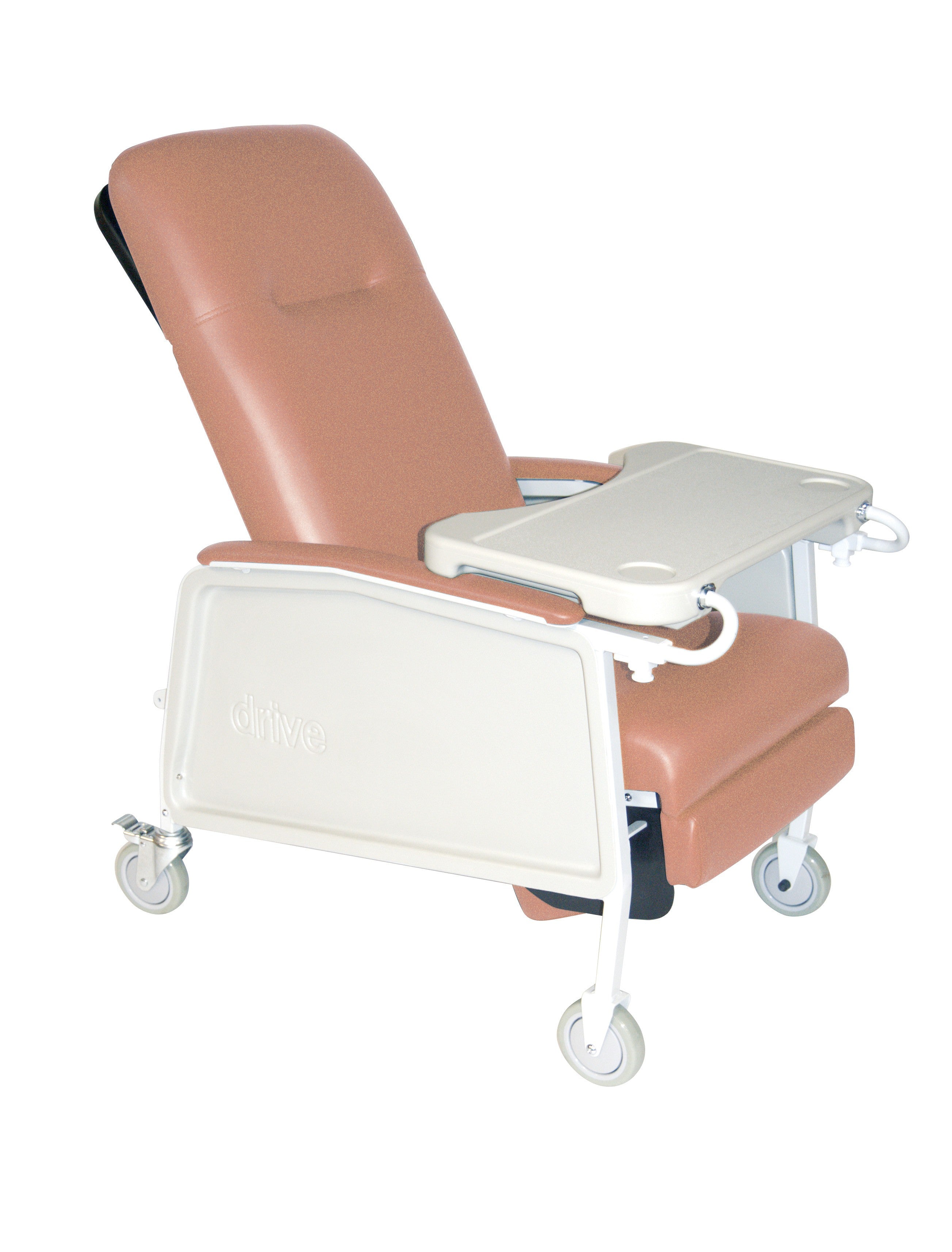
Two-position lift chairs are usually better suited to sitting and occasional napping. They recline, but they generally do not lay close to flat. Three-position chairs recline farther and can work for some overnight sleepers, but anyone planning to sleep in the chair regularly should seriously consider an infinite-position model.
The chair must fit the sleeper, not just the room
Proper fit is one of the most overlooked parts of choosing a lift chair. A chair that is too wide can make it hard for a smaller person to keep their body supported. One that is too narrow can create pressure at the hips and shoulders. Seat height matters just as much, particularly for users whose feet need to rest flat on the floor when seated.
Measure the user's height, weight, hip width, and the distance from the back of the body to the knees. Then compare those measurements with the chair's seat width, seat depth, and back height. The goal is simple: the user should be able to sit all the way back with comfortable lumbar support, knees near the front edge of the seat, and feet supported without overreaching.
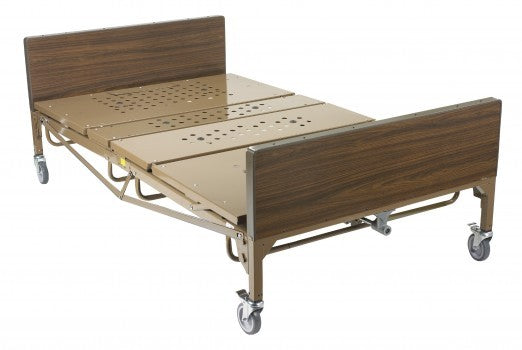
Petite, medium, tall, and extra-wide lift chairs are built for different body types. Bariatric lift chairs provide higher weight capacities and more room, but larger is not always better. A well-fitted chair is usually more comfortable for sleep than an oversized chair with excessive empty space around the body.
Features to Prioritize in the Best Lift Chairs for Sleeping
Once you have narrowed the selection to properly sized, infinite-position models, compare features that affect overnight comfort and safety.
A battery backup is a worthwhile safeguard. It helps the lift function operate during a power outage, allowing the user to return to a standing position if needed. This feature is particularly valuable for anyone who depends on the chair as a primary sleeping location.
A wired remote with large, easy-to-identify buttons can also make a real difference at night. The user should be able to adjust the chair without hunting for small controls in low light. Some chairs include programmable memory positions, which can be helpful when a person has found a comfortable sleep setting and wants to return to it easily.
Heat and massage are comfort features, not substitutes for proper positioning. Gentle heat may feel soothing for some users, while massage can be pleasant before bed. However, these features are not appropriate for every medical condition or every sleeper. If reduced sensation, circulation concerns, skin sensitivity, or another health issue is involved, ask a healthcare professional whether heat or massage is suitable.
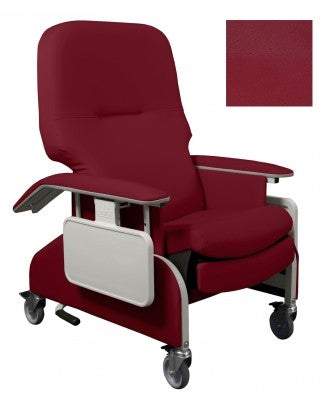
Fabric choice also deserves attention. Soft upholstery can feel inviting, but it should be durable and easy to maintain. For users with incontinence concerns, a chair protector or moisture-resistant covering may be a practical addition. Breathable materials can be more comfortable for people who sleep warm, while plush fabrics may appeal to users who get cold easily.
Consider the Sleeping Position Before You Buy
The most comfortable lift chair position is personal. Some people need their legs elevated to reduce swelling or simply to relax. Others find that a gentle bend at the knees feels better than a fully extended footrest. A person with reflux-like symptoms may prefer a more upright torso, while someone with back discomfort may need frequent small adjustments rather than one fixed position.
This is why independent back and footrest control is so valuable. It lets the user fine-tune the chair rather than settling for a position that is almost right. A head pillow, lumbar pillow, or small blanket can add comfort, but avoid piling on cushions in a way that changes posture or makes it difficult to move safely.
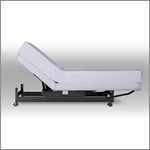
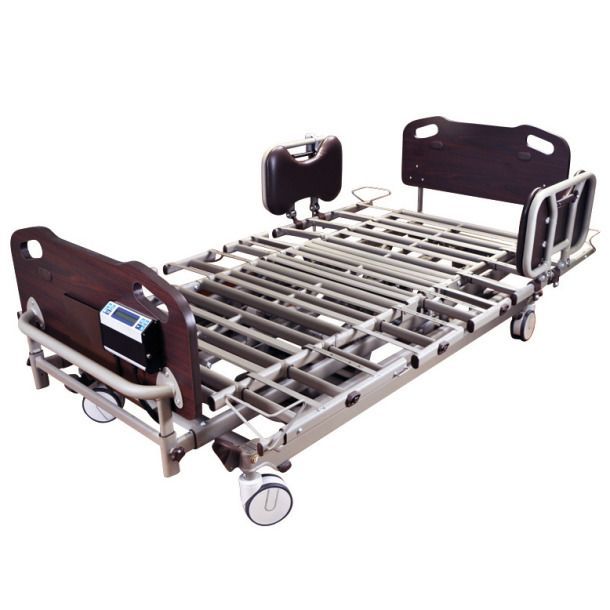
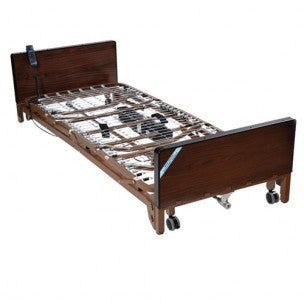
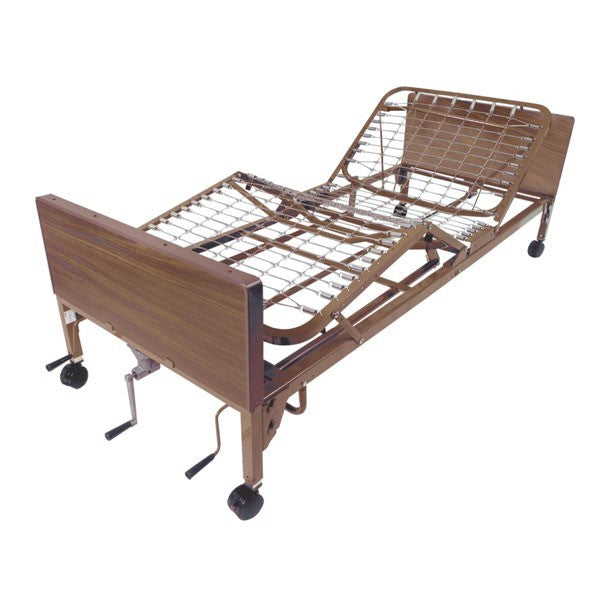
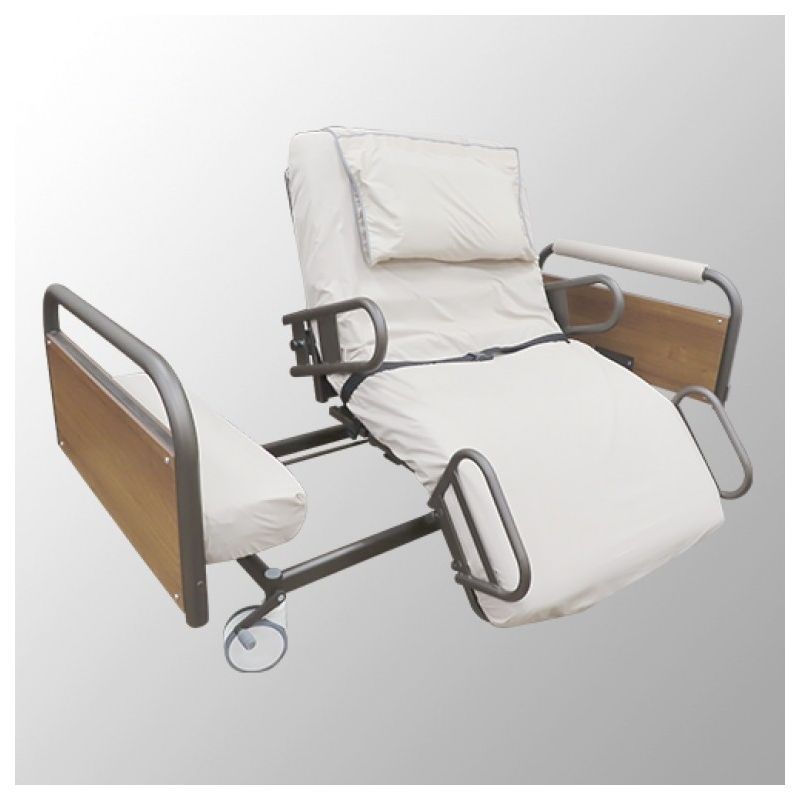
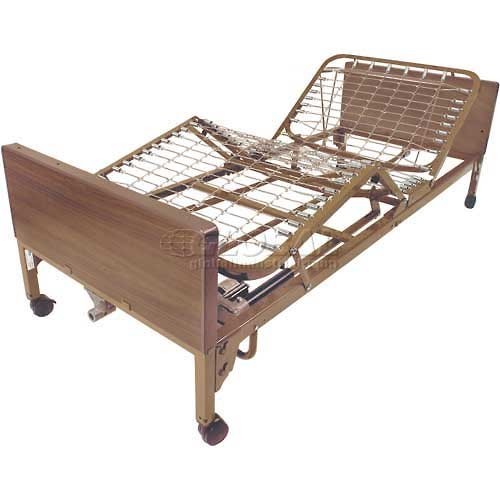
If a person is spending every night in a lift chair because transferring to bed has become difficult, it may also be time to assess whether an adjustable bed or home care bed would provide better long-term support. A lift chair can be an excellent solution for many households, but it should match the person's ongoing care needs rather than serve as a compromise that creates new discomfort.
Safety Details That Matter Overnight
A lift chair should be placed on a level surface with enough clearance behind and in front of it to recline and rise fully. Check the manufacturer's recommended wall clearance before deciding where the chair will sit. Do not place loose rugs, cords, side tables, or pet beds where they could interfere with the chair's moving parts or create a trip hazard when the user stands.
Keep the remote within easy reach, and make sure the power cord is protected from foot traffic. For users who need help transferring, a caregiver should understand how the lift control works and how to position the chair safely before assisting.
It is also wise to consider nighttime essentials. A stable table within reach can hold water, glasses, medication that has been approved for bedside use, and a phone. A nearby lamp or motion-activated night light can make a late-night trip to the bathroom safer. These small details often determine whether sleeping in a lift chair feels reassuring or inconvenient.
Questions to Ask Before Choosing a Lift Chair
Before selecting a model, think through how the chair will be used on a typical night. Will the user sleep in it every night or only during recovery? Can they operate the remote independently? Do they need a nearly flat position, or do they sleep better elevated? Is there a history of sliding forward in recliners, leg swelling, shoulder pain, or difficulty transferring?
It also helps to consider who will assemble, position, and maintain the chair. Lift chairs are substantial pieces of home medical equipment, and delivery access, room layout, doorway width, and power outlet location should be planned in advance.
American Quality Health Products has served customers since 2001 with lift chairs and mobility equipment from established manufacturers, along with knowledgeable assistance for shoppers who need help comparing fit, positioning, and capacity. For a purchase this personal, speaking with a product specialist can prevent the common mistake of choosing a chair based only on color or a single comfort feature.
The right lift chair should leave the user feeling supported, secure, and able to rest without worrying about the next time they need to stand. Start with fit and recline range, then choose the comfort and convenience features that make each night feel more manageable.


