

Why Arthritis Makes Standard Mobility Equipment Fall Short
More than 1 in 2 Americans aged 75 and older have diagnosed arthritis, according to CDC data. Yet most standard mobility equipment is designed for the average body, not for joints that are swollen, stiff, or deteriorating.
Arthritis pain doesn't only strike during movement. It accumulates from hours of small, repeated physical stresses: gripping a walker handle, pushing a wheelchair rim, rising from a chair, reaching for a door. These micro-demands add up quietly across the day.
Joint pain is acute and localized. Cumulative fatigue, by contrast, drains your entire energy reserve, making even simple tasks feel impossible by mid-afternoon. Arthritis is recognized as the most disabling disease worldwide, and it's a leading reason seniors transition to powered mobility equipment as joints weaken over time.
The right equipment features work quietly in the background, reducing stress on joints before pain starts, not just after. That principle guides everything covered below.
Matching Equipment to the Joints Arthritis Affects Most
The most effective way to choose mobility equipment is to start with a simple question: which joints hurt the most? The answer should directly determine which features you prioritize.
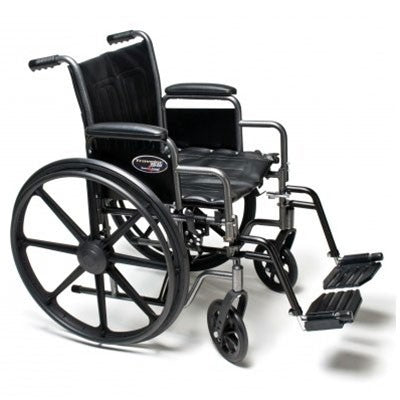
Hand and wrist arthritis: Standard walker grips and manual wheelchair push rims demand sustained grip strength. Wrapping inflamed finger joints around a hard surface and applying force repeatedly compresses the small bones and tendons of the hand, inflaming already-damaged tissue. Every push of a manual wheelchair rim sends friction and impact directly into the wrist and finger joints.
Knee and hip arthritis: Weight-bearing during walking or standing for extended periods compresses cartilage that's already inflamed. Mobility scooters and power chairs eliminate this load entirely, allowing you to cover distances without putting any weight through those joints.
Upper-body arthritis (shoulders and elbows): Self-propelling a manual wheelchair demands repetitive shoulder rotation that can accelerate joint deterioration over months and years. Power wheelchairs with joystick controls remove this demand completely, requiring only minimal finger pressure to steer.
Many seniors have arthritis in multiple joint groups simultaneously. For that reason, powered equipment with minimal physical input requirements tends to be the most broadly protective choice across the body.
Power Wheelchairs: Eliminating Grip and Propulsion Demands
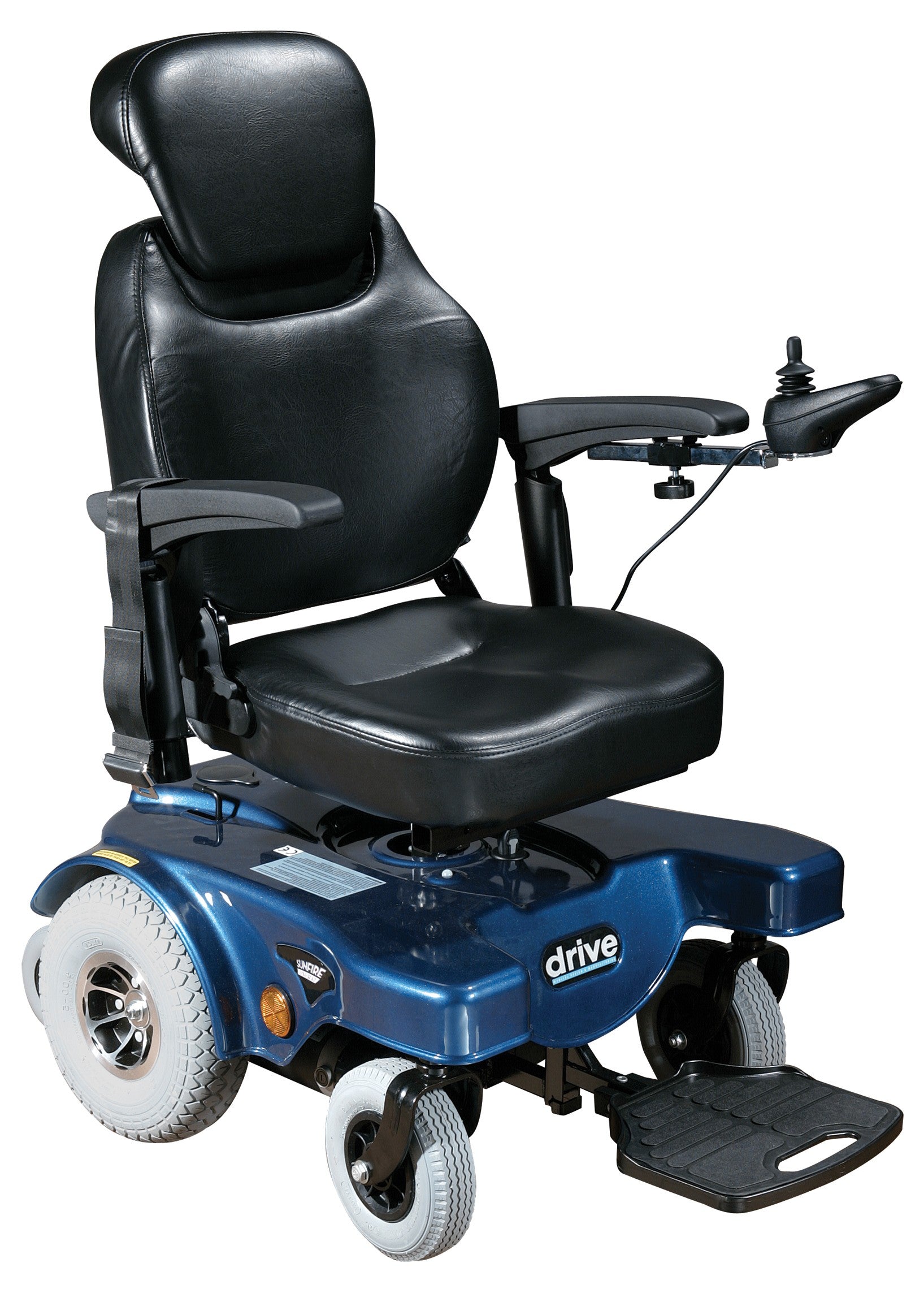
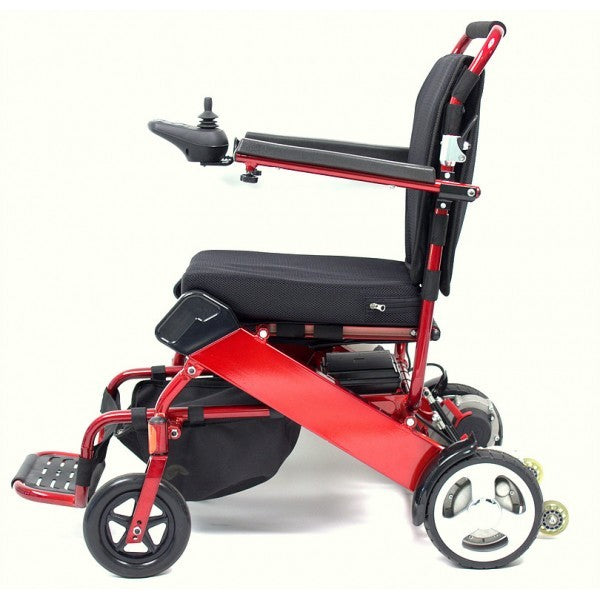
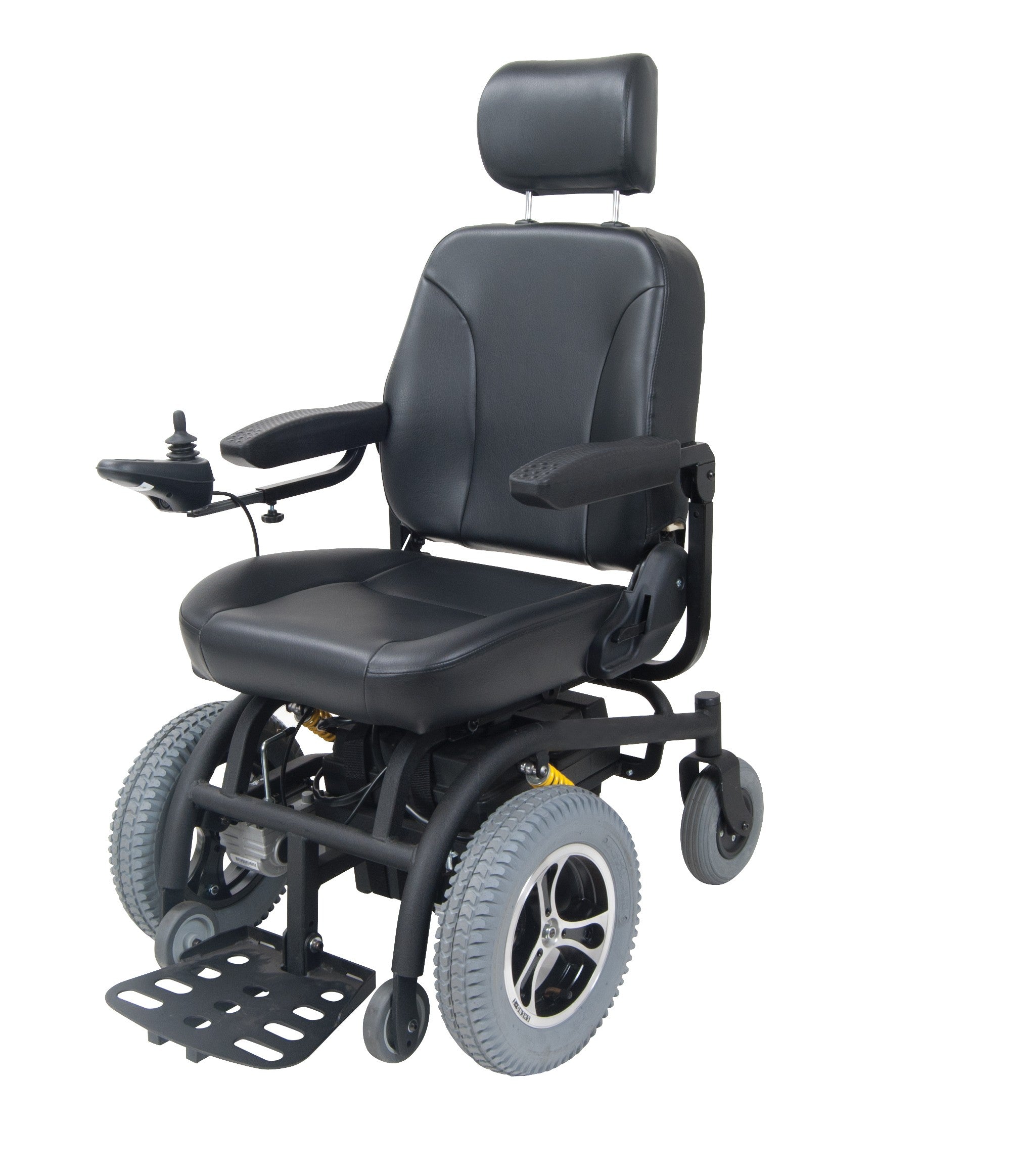
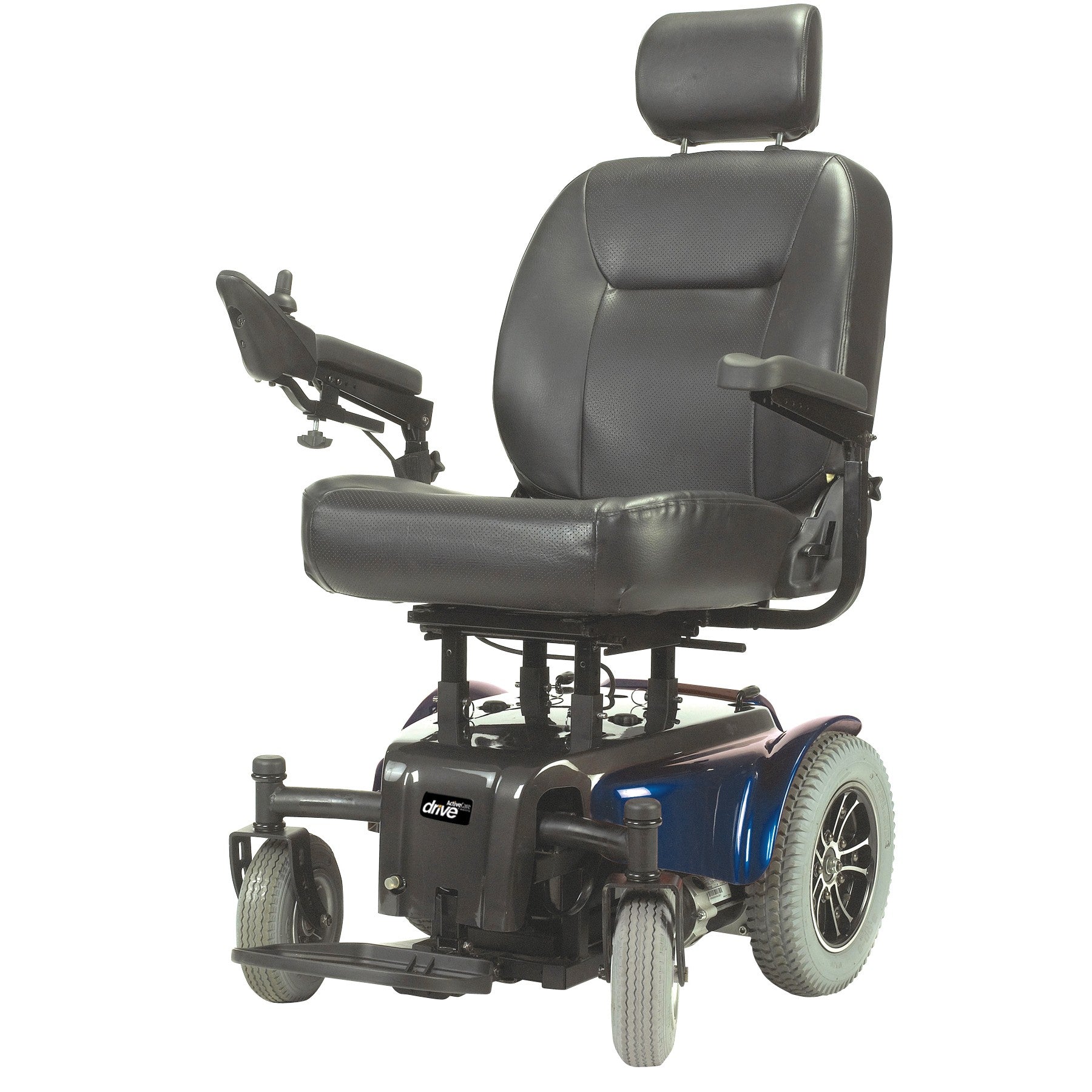
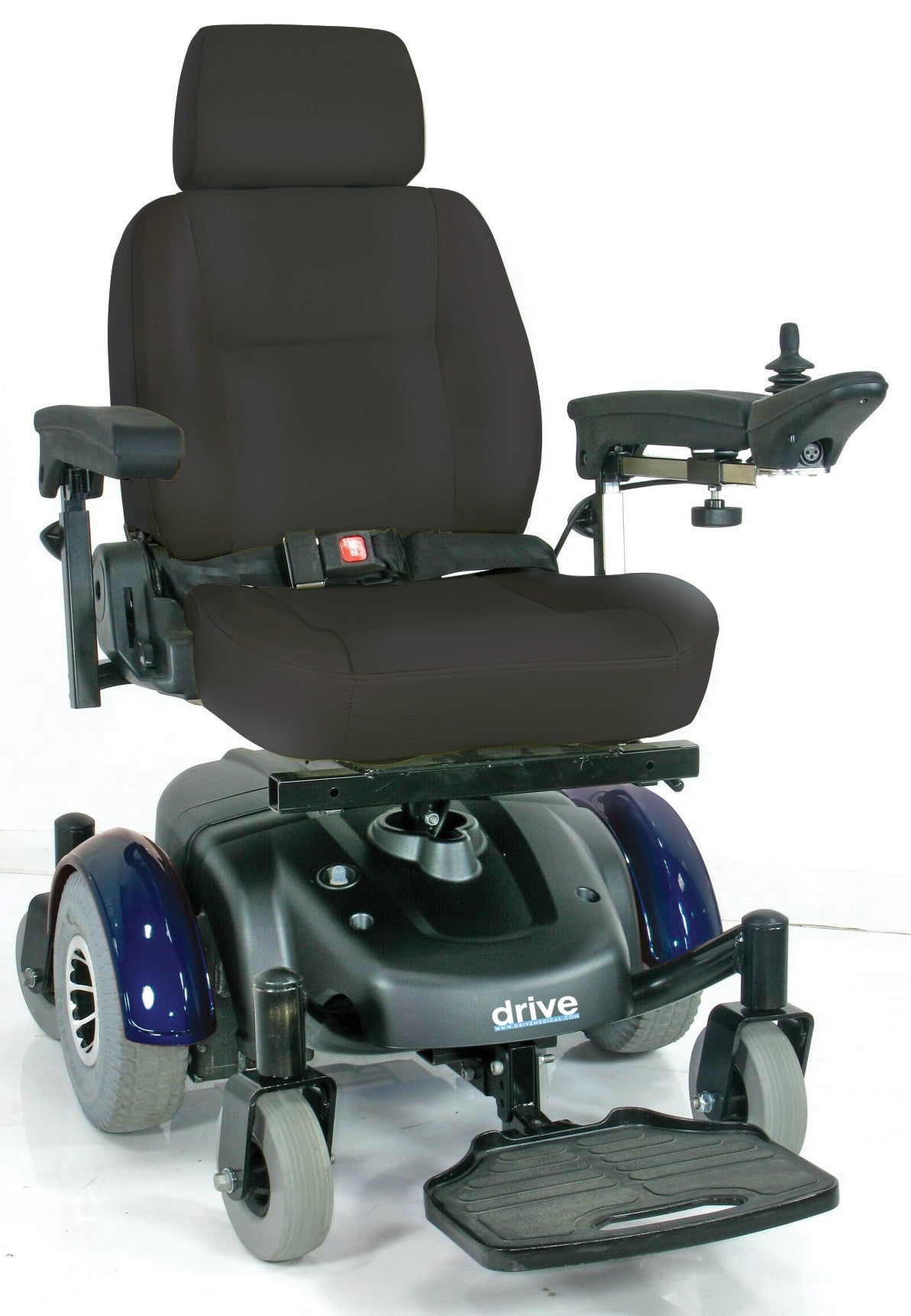
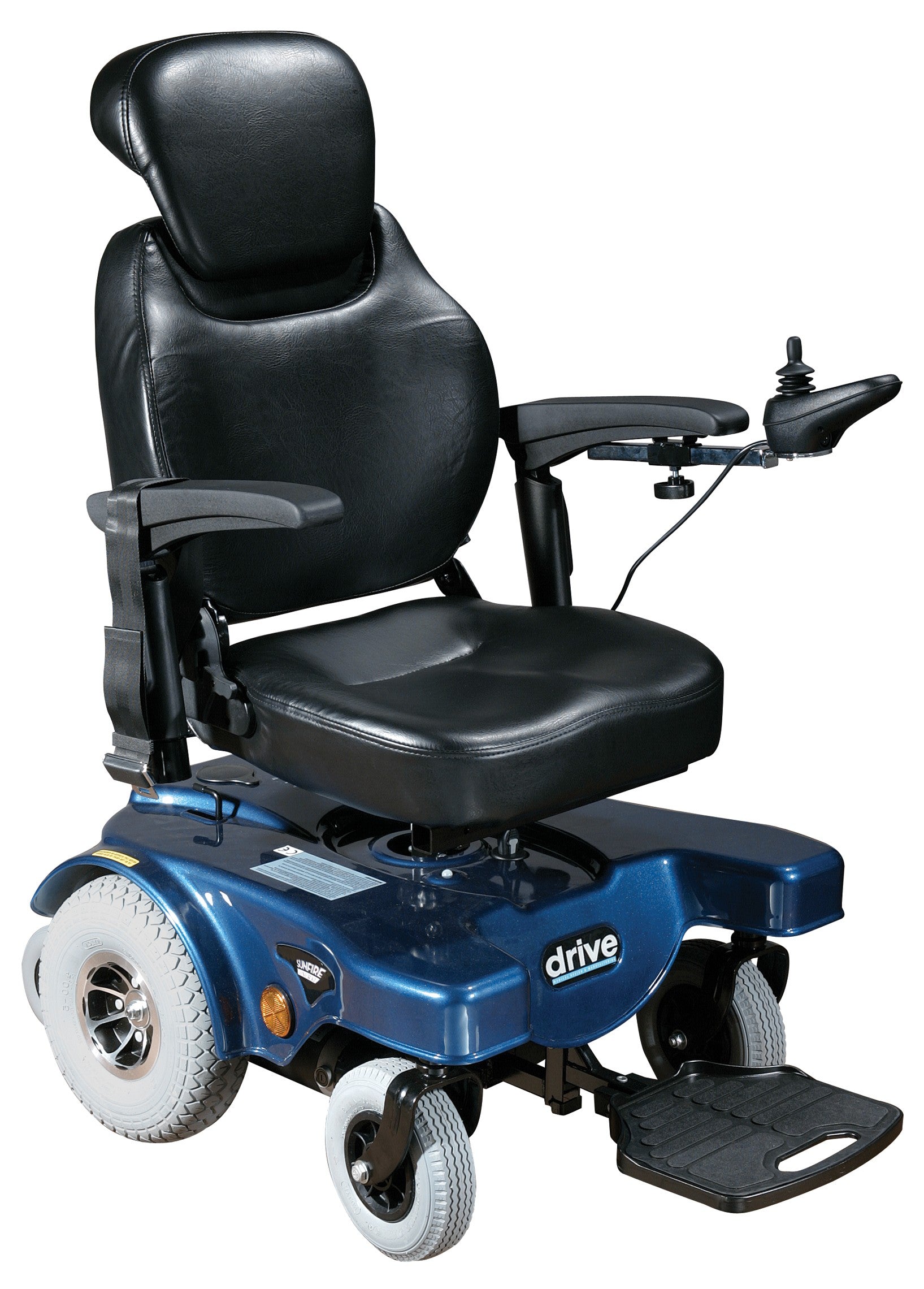
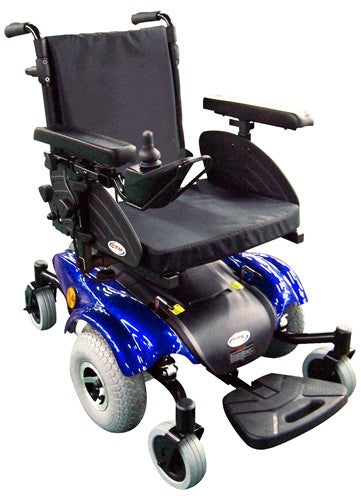
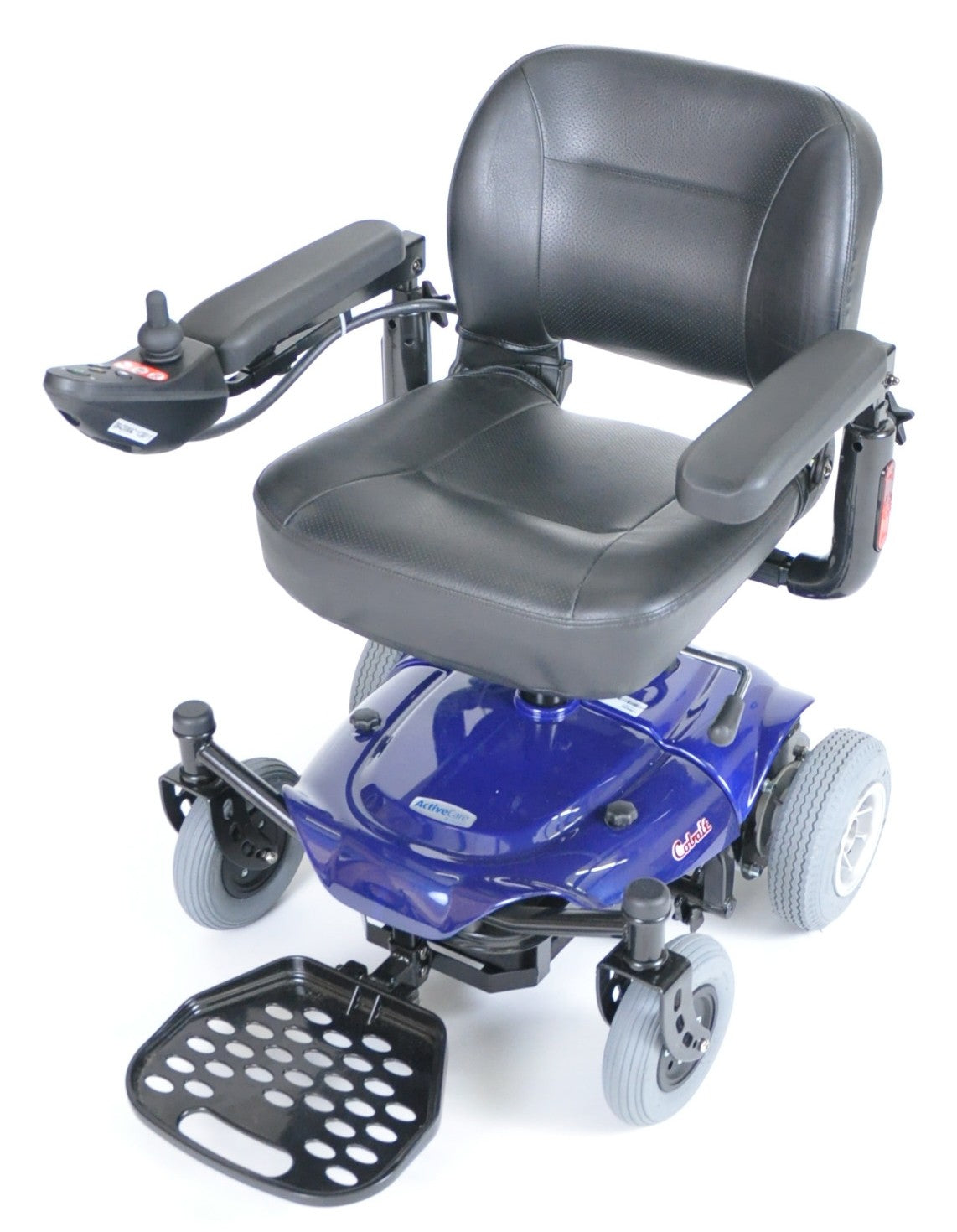
Joystick controls on power wheelchairs require only light finger pressure to operate. No grip strength is needed, no push-rim friction, no shoulder rotation. For seniors with hand, wrist, or upper-body arthritis, this makes power wheelchairs the gold standard. As mobility specialists note, joystick operation eliminates the exact physical demands that cause the most harm to arthritic upper-body joints.
Posture-adaptive seating geometry keeps hips, spine, and shoulders in neutral alignment. This distributes body weight evenly across the seat and backrest, lowering the localized pressure that aggravates arthritis in the lower back and hips.
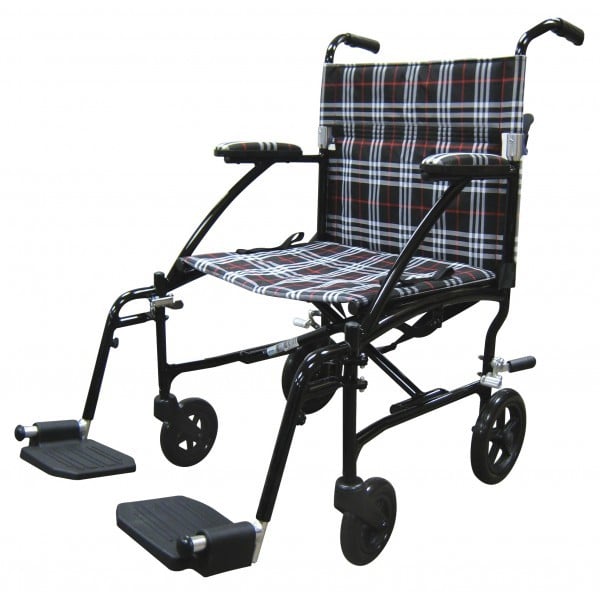
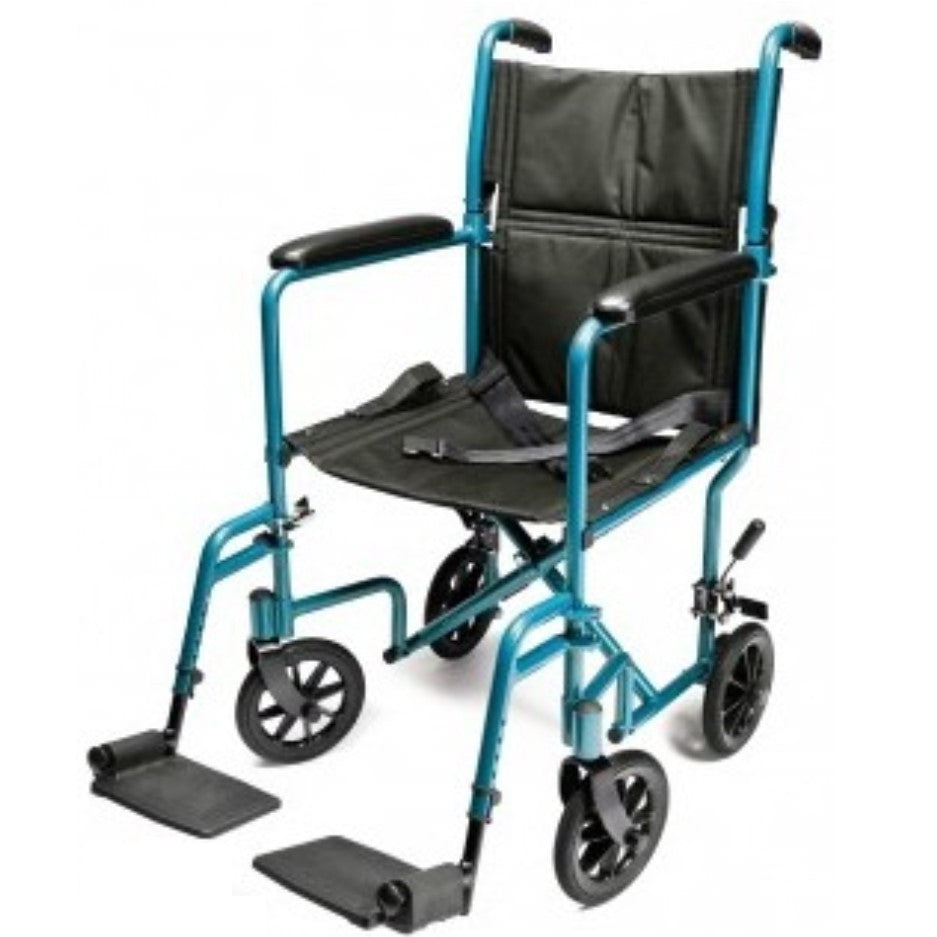
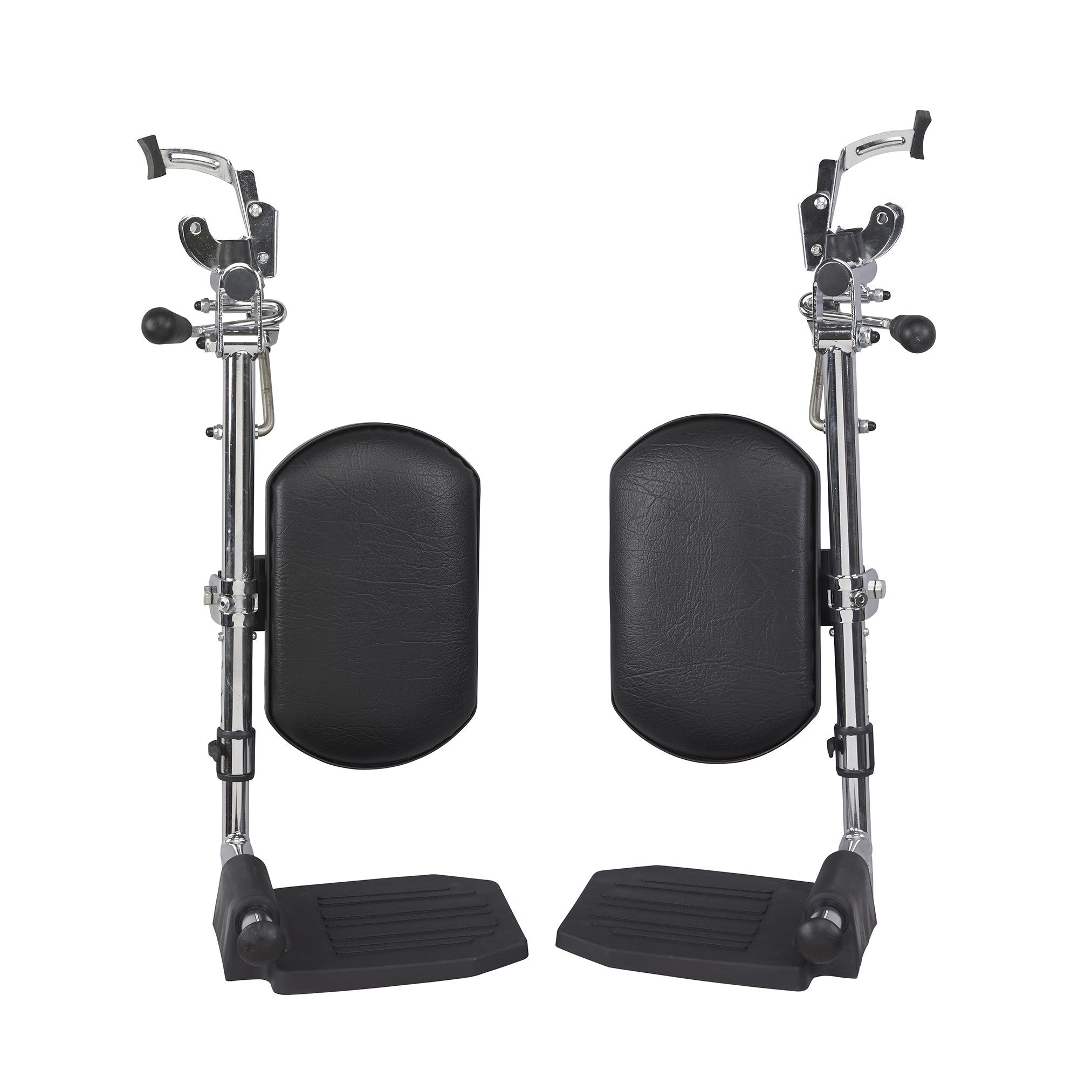
Adjustable features matter more than most people realize. Flip-up armrests reduce hip and knee strain during transfers. Height-adjustable backrests support spinal alignment. Swing-away footrests prevent knee compression during entry and exit.
Electrically powered wheelchairs are now the fastest-growing product type in the mobility aids market, driven directly by arthritis and aging population demand. These features are mainstream expectations now, not premium add-ons.
Mobility Scooters: Covering Distance Without Joint Stress
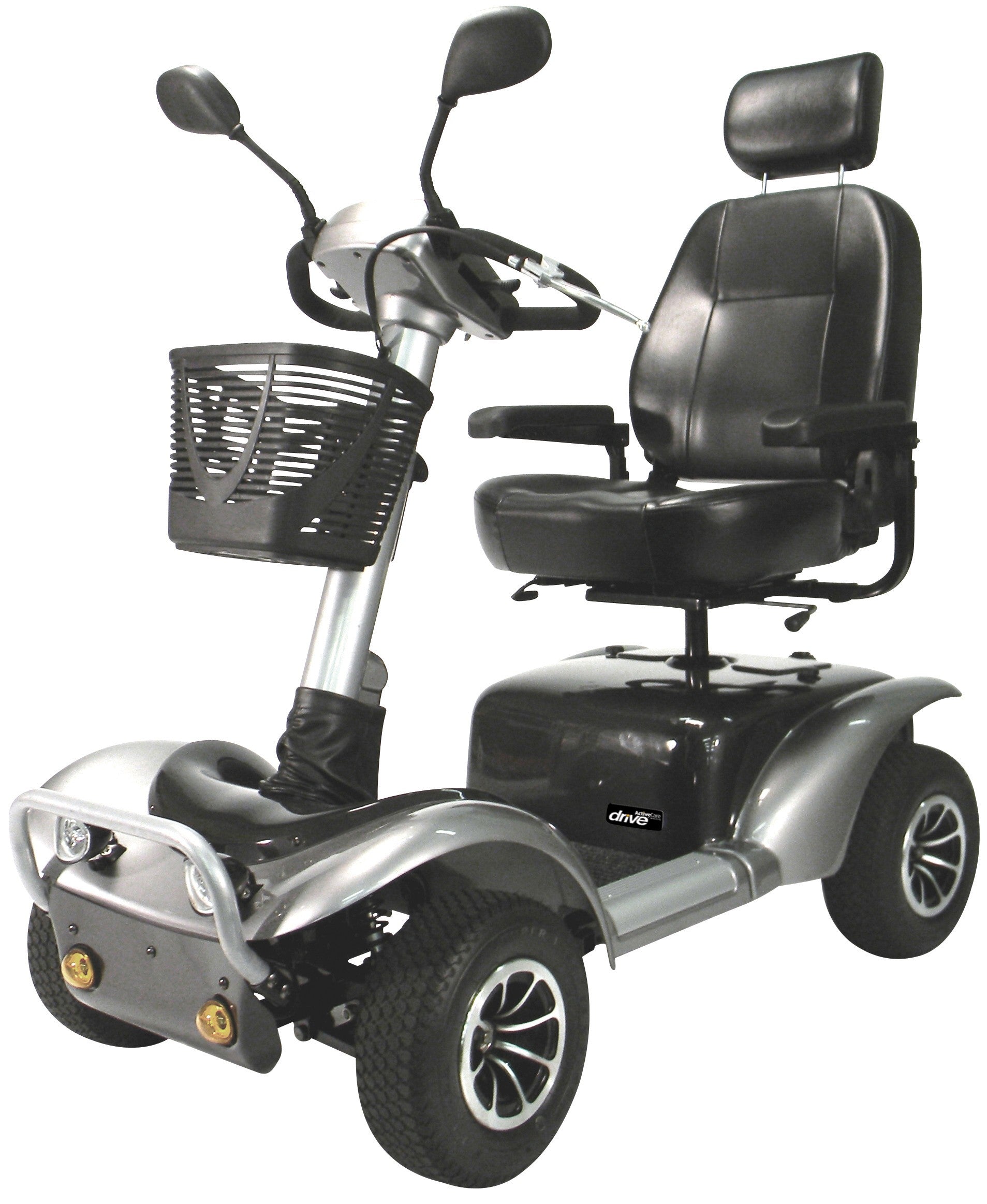
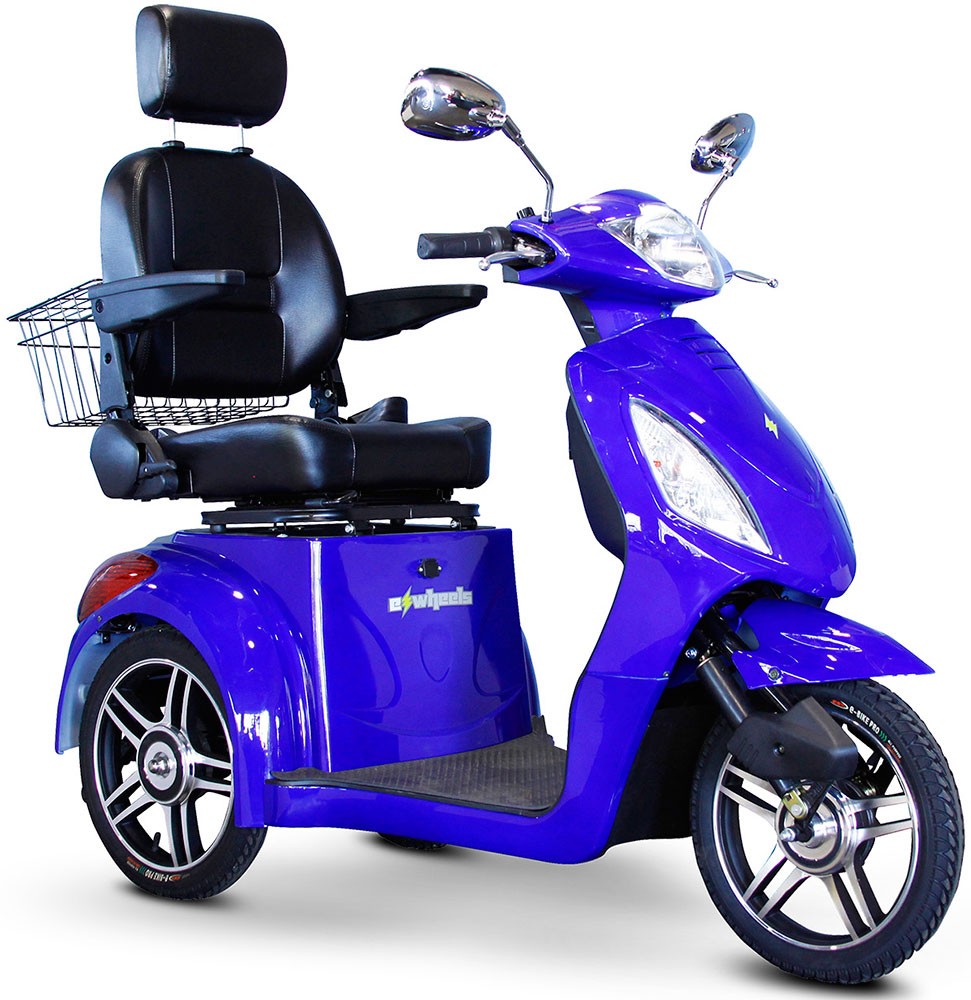
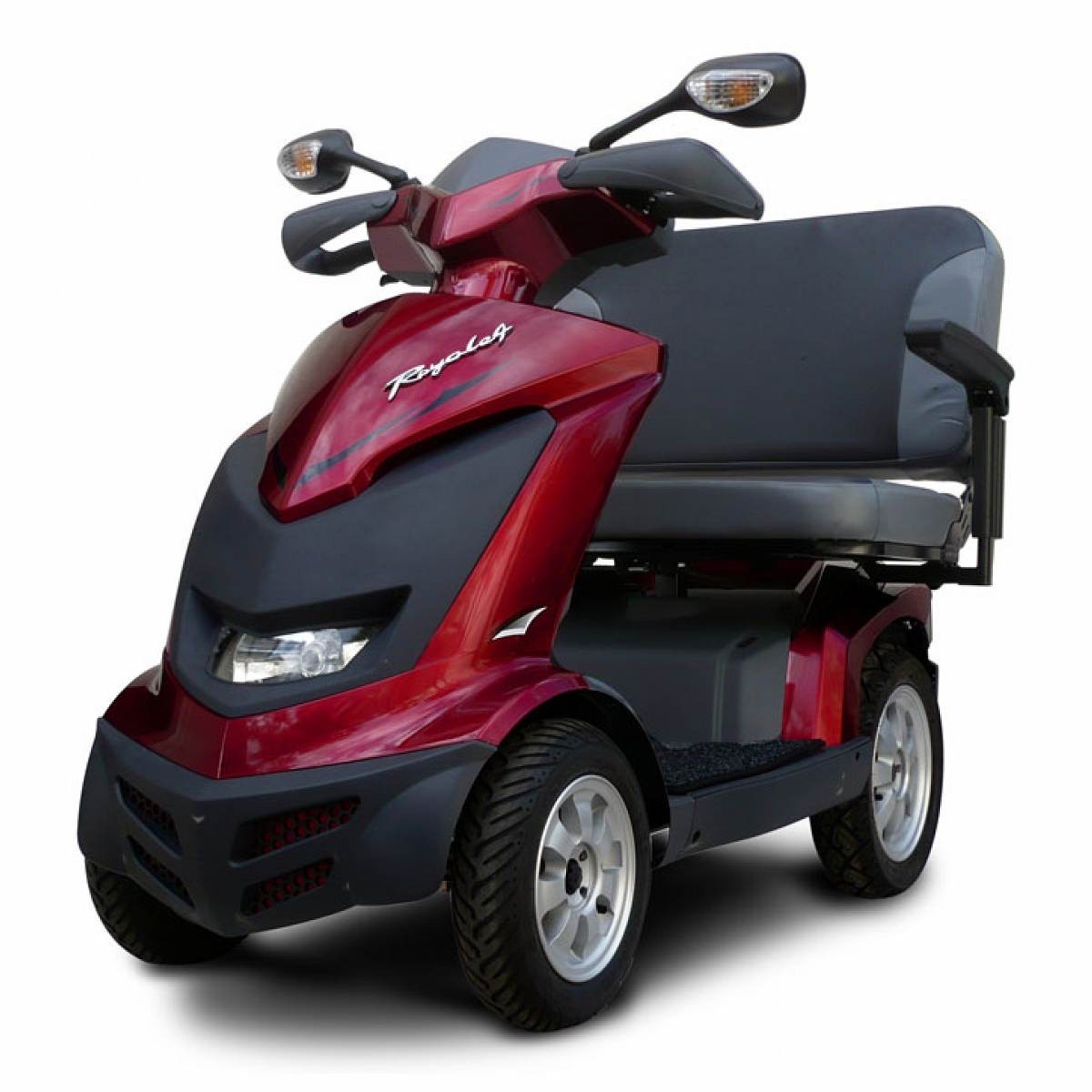
The core benefit of a mobility scooter for arthritis is straightforward: you can cover real distances without any weight-bearing stress on your knees, hips, or ankles. Over time, this directly preserves joint integrity and slows deterioration.
The wrap-around delta tiller design is worth understanding. It brings steering controls closer to your hands, shortening the reach needed to operate the scooter. That shorter reach reduces tension in the shoulders, wrists, and forearms. For anyone with upper-body arthritis, this biomechanical advantage is significant.
Shock-absorbing suspension is a structural feature, not a comfort gimmick. Road and sidewalk vibration transmits directly into your joints with every bump. Suspension systems interrupt that force transfer before it reaches your wrists, spine, and hips.
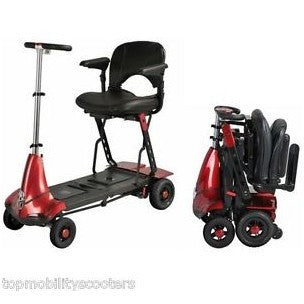
Folding and lightweight scooter frames address an arthritis-specific need that's easy to overlook. Lifting a heavy scooter in and out of a vehicle can trigger flare-ups in the back, shoulders, and hands. Quick-fold mechanisms and lightweight materials prevent this entirely.
Padded, adjustable seating with customizable seat depth and height reduces pressure points during longer outings. This is often the difference between a 20-minute trip and a full day of comfortable independence.
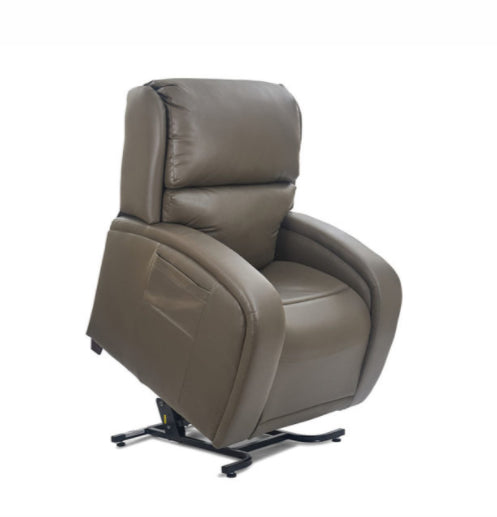
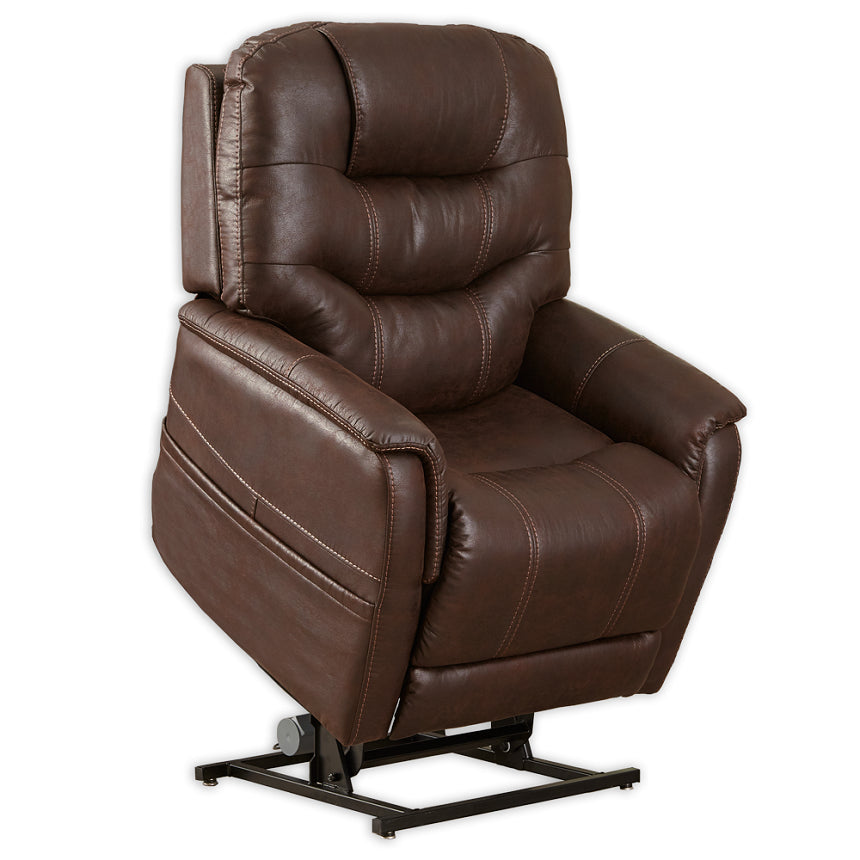
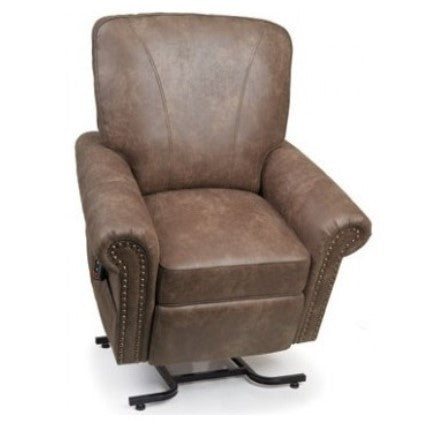
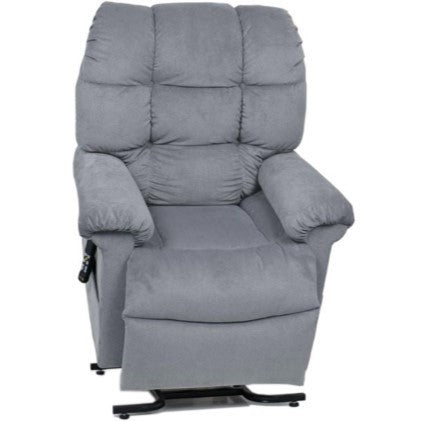
Power Lift Chairs: Solving the Sit-to-Stand Problem
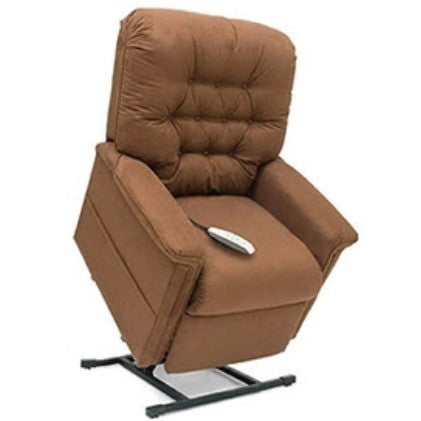
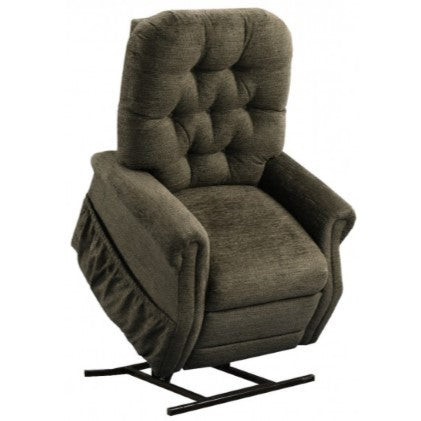
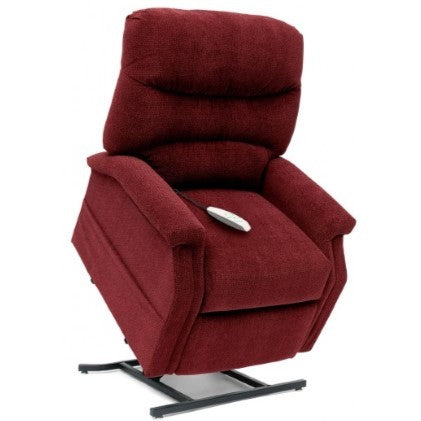
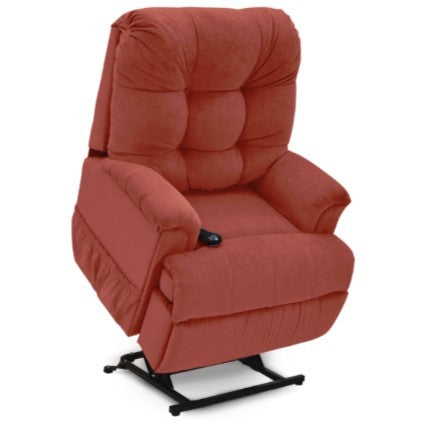
The sit-to-stand transition is one of the highest-risk, highest-pain moments in an arthritis senior's day. Rising from a seated position requires simultaneous loading of the knees, hips, and lower back, all while balance is compromised. It's the moment when falls happen most.
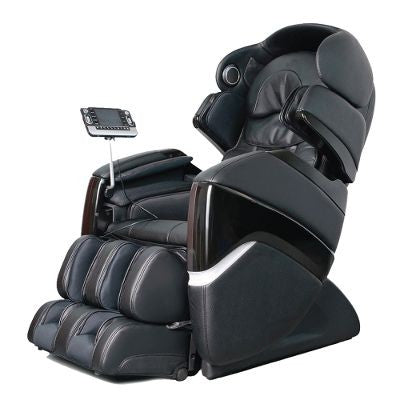
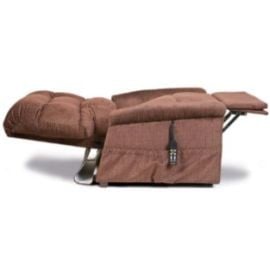
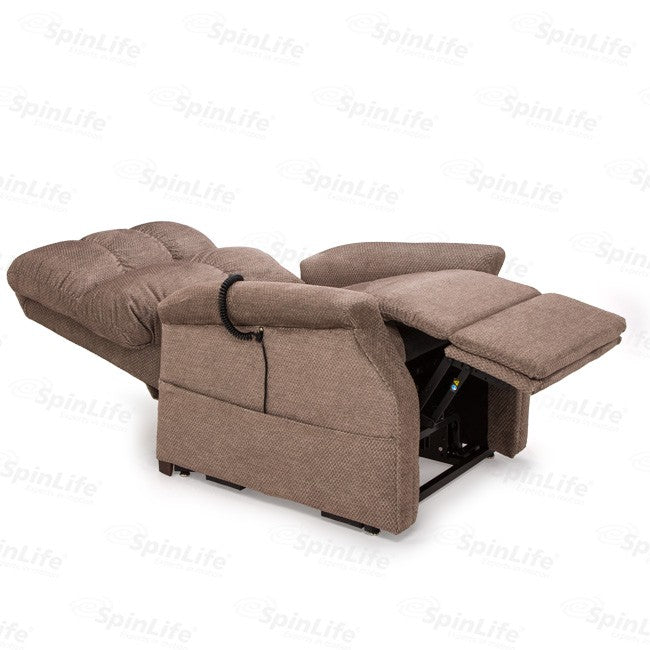
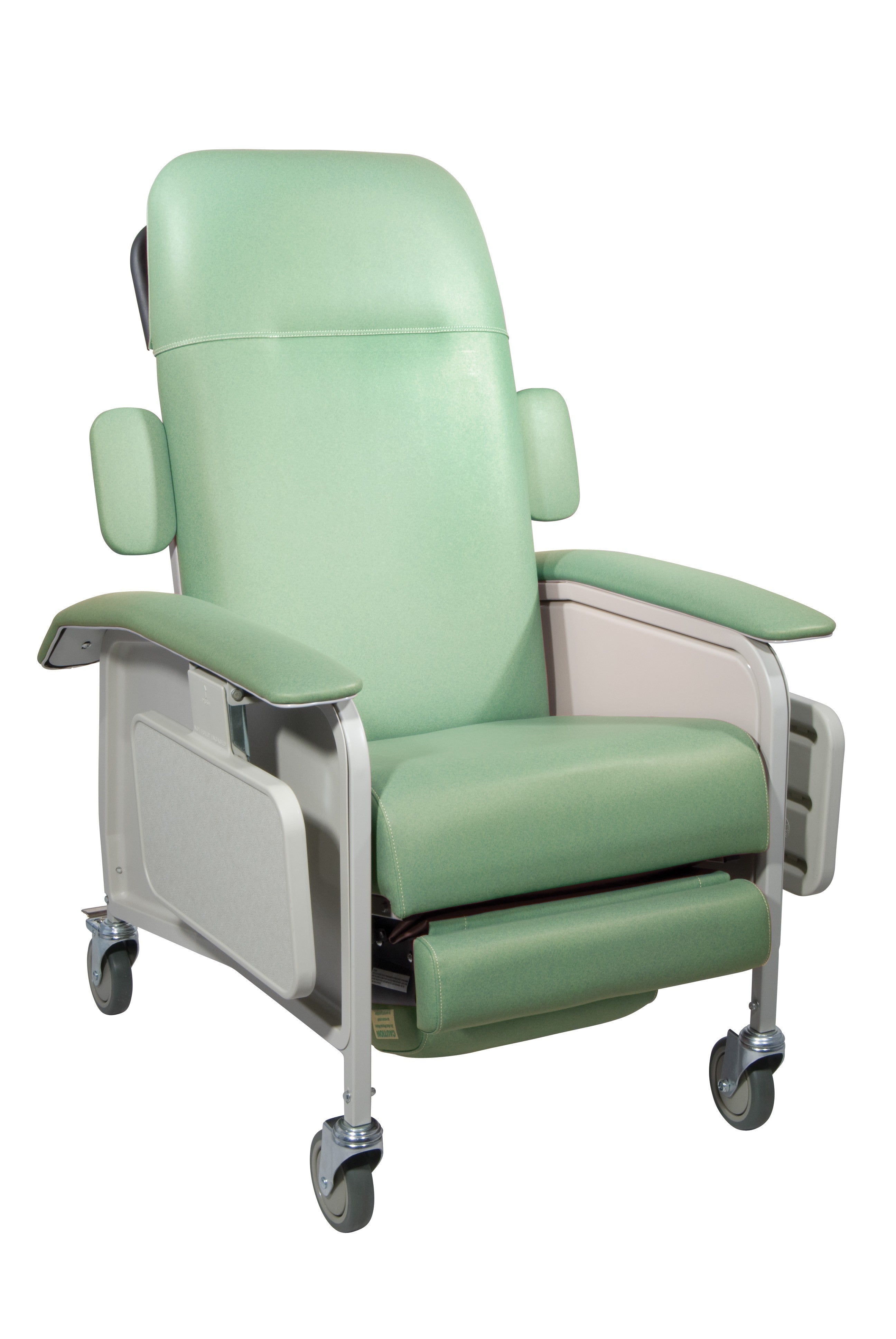
Power lift chairs address this directly. The base and back tilt forward together, gradually shifting you toward a standing position. Your joints bear load progressively rather than all at once, and the explosive muscular effort that normally triggers pain (and fall risk) is dramatically reduced.
Premium lift chairs in 2026 increasingly include built-in massage and vibration therapy to stimulate circulation and relieve muscle tension. This directly addresses the stiffness and reduced blood flow that worsen arthritis symptoms during prolonged sitting.
Morning stiffness is one of the most debilitating and underaddressed arthritis symptoms. After hours of sleep, joints are at their stiffest and most painful. A lift chair's gentle recline-to-rise motion makes starting the day significantly less painful than struggling out of a standard chair or bed. For many seniors, this single feature transforms the first hour of every morning.
Ergonomic Design Features That Reduce Fatigue All Day Long
Energy conservation is a measurable engineering goal, not a marketing buzzword. Every physical demand that equipment design eliminates (a grip, a push, a reach) is energy returned to you for the rest of your day. When you're living with arthritis, that math matters enormously.
Think of your body as a posture chain. Joint pain reduction has to be treated as a full-body goal across wrists, lower back, hips, and knees simultaneously. A single poorly adjusted armrest height can create a cascade of compensatory strain up the arm and into the shoulder. One misaligned footrest can shift pressure to the opposite hip. Current mobility equipment design trends treat this full-body alignment as a core engineering priority.
Modular and adjustable equipment design is now mainstream. Users should be able to set handle angles, seat heights, armrest positions, and footrest angles to their exact anatomy. Generic positioning forces your body to adapt to the equipment, which is the opposite of what arthritic joints need.
The benefits extend beyond the person in the chair. Research shows that lightweight wheelchairs reduce caregiver shoulder strain by nearly 30%. Arthritis-friendly design protects family members and caregivers who provide daily support.
The cumulative effect of well-designed ergonomic features is real and measurable: seniors with arthritis arrive at the end of the day with more energy, less pain, and greater confidence to engage in social and daily activities. That directly combats the isolation and depression associated with mobility loss.
Our US-based product specialists can help match specific ergonomic configurations to your arthritis location and severity. That kind of personalized guidance is something most online retailers simply don't offer.
How to Choose the Right Equipment for Your Situation
Start with which joints are most affected. Then identify the daily activities causing the most pain or fatigue. From there, match equipment features to those specific demands. That three-step framework keeps the decision grounded in your actual experience rather than product specs alone.
Seniors and families rarely get guidance on the transition journey. When should you move from a cane to a rollator? From a rollator to a scooter? From a manual wheelchair to a power chair? The signs are usually consistent: when your current equipment causes more pain than it prevents, or when fatigue limits your day more than your condition itself, it's time to consider the next step.
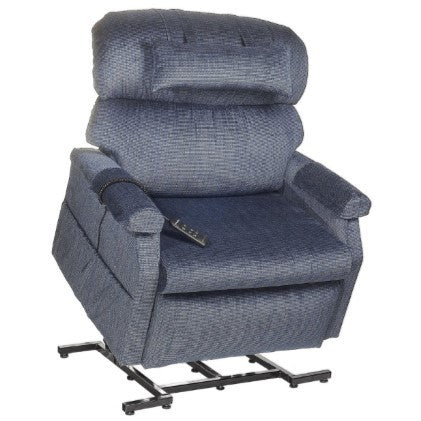
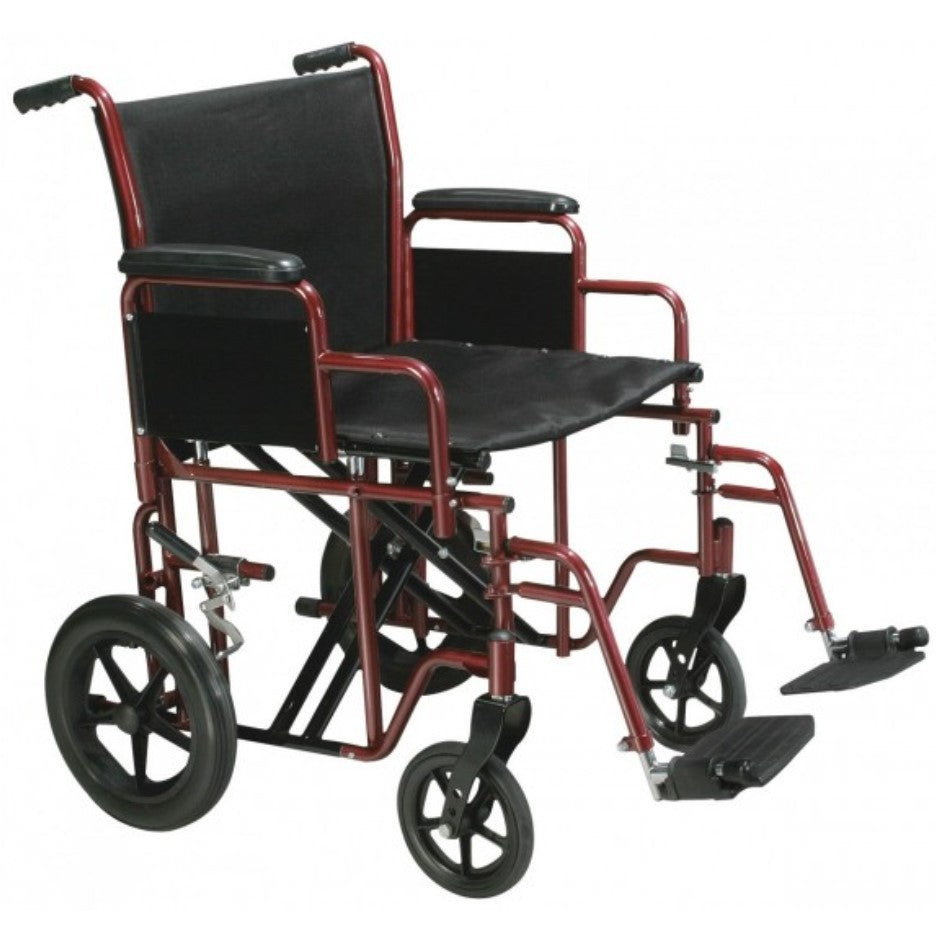
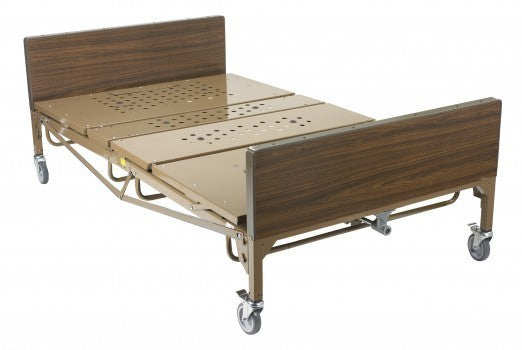
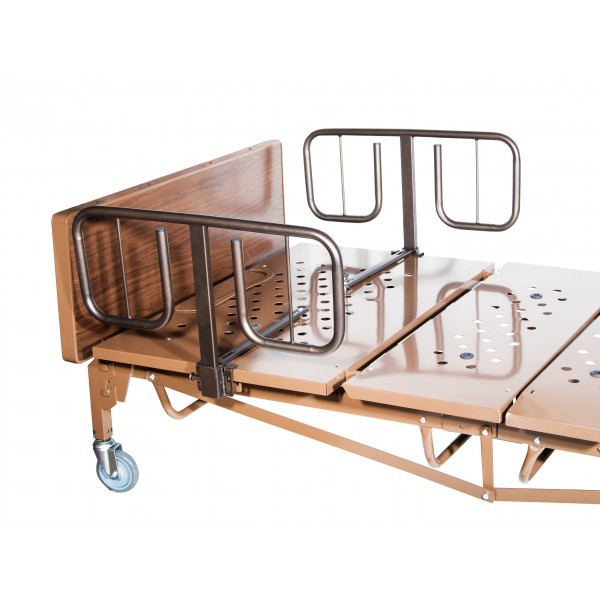
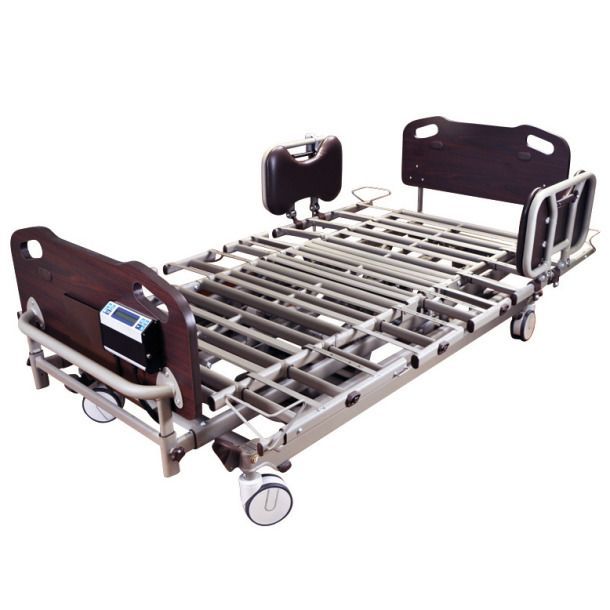
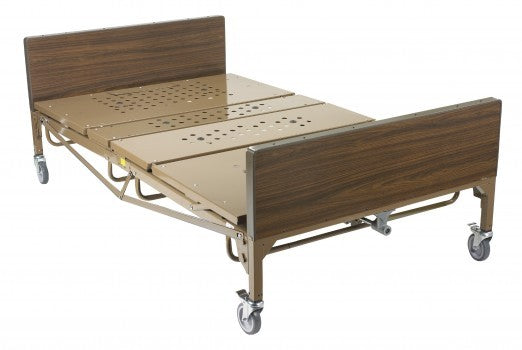
Bariatric patients with arthritis have specific needs, including reinforced frames, wider seating, and higher weight capacities. These heavy-duty options are available and should be discussed with a product specialist rather than selected by weight capacity alone.
If you're a caregiver or family member shopping for a parent or spouse, know that the right equipment choice reduces physical strain on you as well. Your health matters in this equation too.
We encourage you to speak with one of our live, US-based product specialists before purchasing. They're available six days a week and can walk through options based on your specific arthritis symptoms, living situation, and budget. Financing options are available for those who need them.
Moving Forward with Less Pain and More Independence
The right mobility equipment doesn't just move you from point A to point B. It actively reduces the joint stress and energy drain that arthritis creates throughout every hour of the day.
With approximately 53 million U.S. adults living with diagnosed arthritis and the senior population growing rapidly, equipment designed specifically for arthritic joints is widely available at competitive prices. The global mobility aids market reached $11.98 billion in 2025, and the options have never been better.
American Quality Health Products has been serving customers since 2001, with over 5,000 verified reviews and a team that understands these products inside and out. Explore our selection of power wheelchairs, mobility scooters, and lift chairs. Call our US-based specialists for personalized guidance, and take advantage of our lowest price guarantee and free shipping on orders over $100. You deserve to move through your day with less pain and more confidence.
Sources
- CDC NCHS Data Brief #497 — Arthritis in Adults Age 18 and Older: United States, 2022
- Frontiers in Public Health — Factors Influencing Impaired Daily Living Abilities in Arthritis Patients, 2025
- TousDaWheelchair — Guide to Top Lightweight Wheelchairs for Arthritis Patients
- Persistence Market Research — Mobility Aids & Transportation Equipment Market
- AllSeniors.org — Top Durable Medical Equipment Trends for Senior Mobility in 2026–2027 (Lift Chairs)
- AllSeniors.org — Top Durable Medical Equipment Trends for Senior Mobility in 2026–2027 (Modular Design)
- MyRideAid — Top 7 Powerful Mobility Aids for Arthritis Relief
- CDC/NIH — Prevalence of Diagnosed Arthritis, United States 2019–2021
- GII Research — Senior Mobility Aid Devices Global Market Report 2026


