




A raised toilet seat, a sturdier path from the bedroom to the kitchen, and a chair that helps someone stand without straining their knees can make a greater difference than a major renovation. That practical focus is at the center of aging in place trends: helping people remain comfortable, safe, and active in the homes they know while adapting the space to changing needs.
For older adults, people managing chronic conditions, and families supporting a loved one after surgery or illness, aging in place is not one product or one decision. It is a plan that considers mobility, sleep, bathing, transfers, caregiver support, and the layout of the home. The best choices preserve independence without making everyday life unnecessarily complicated.
Aging in Place Trends Are Moving Beyond Basic Accessibility
The conversation around home accessibility once centered mainly on grab bars and wheelchair ramps. Those remain valuable tools, but families are now taking a more complete view of daily living. They are looking at how a person gets out of bed, moves through narrow spaces, reaches the bathroom at night, manages fatigue, and stays connected to the parts of life they enjoy.
This shift reflects a simple reality: most falls, discomfort, and caregiver injuries do not happen during a planned activity. They happen during routine moments, such as standing from a low chair, stepping into a shower, or trying to turn in bed. Equipment that supports those moments can reduce strain before a small challenge becomes a loss of confidence.
Another major trend is planning earlier. Many shoppers are no longer waiting for a crisis before considering a lift chair, adjustable bed, mobility scooter, or ramp. Early planning allows time to compare dimensions, weight capacities, controls, and home fit. It also gives the person using the equipment a meaningful voice in the decision.
Independence Depends on the Right Level of Support
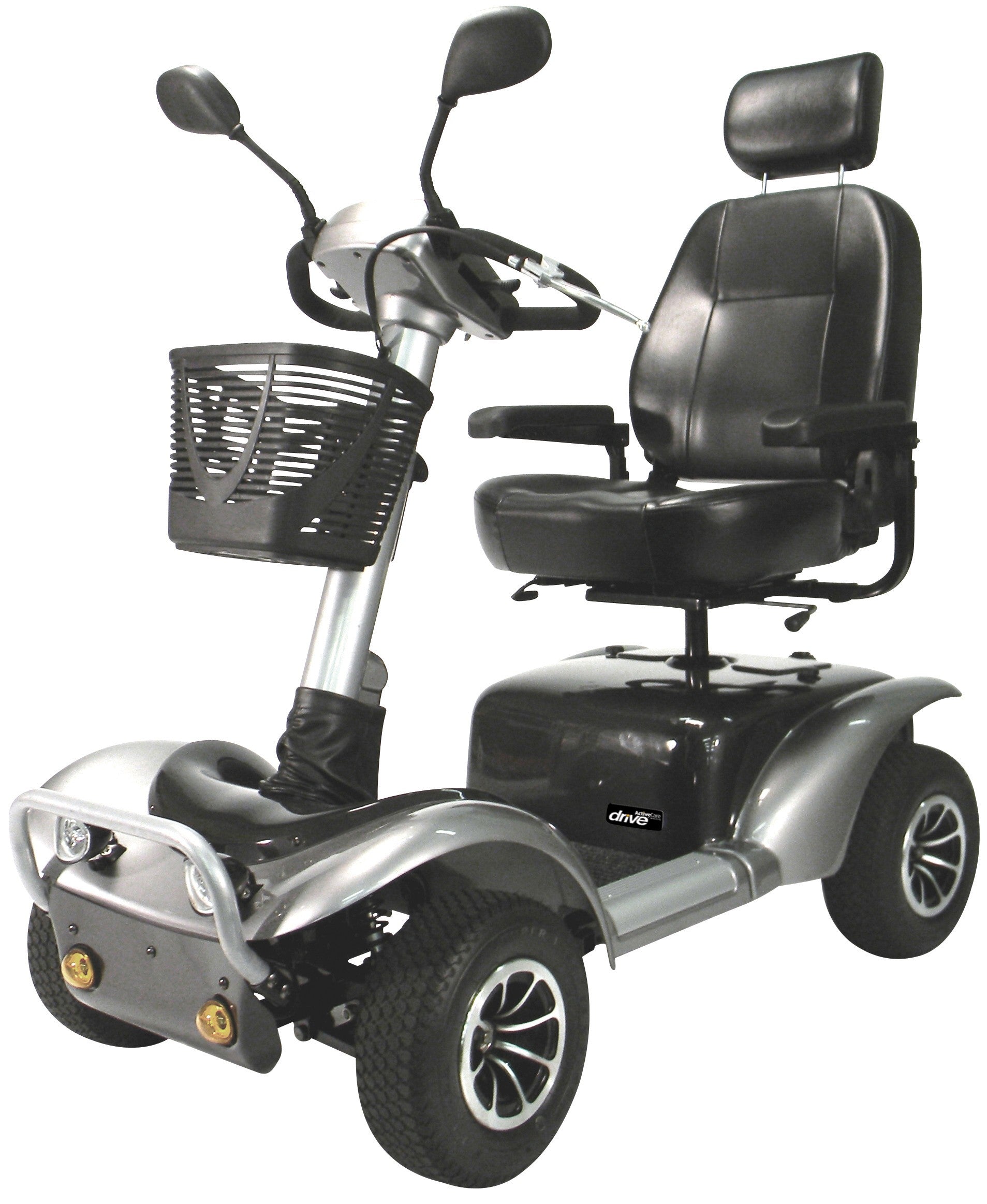
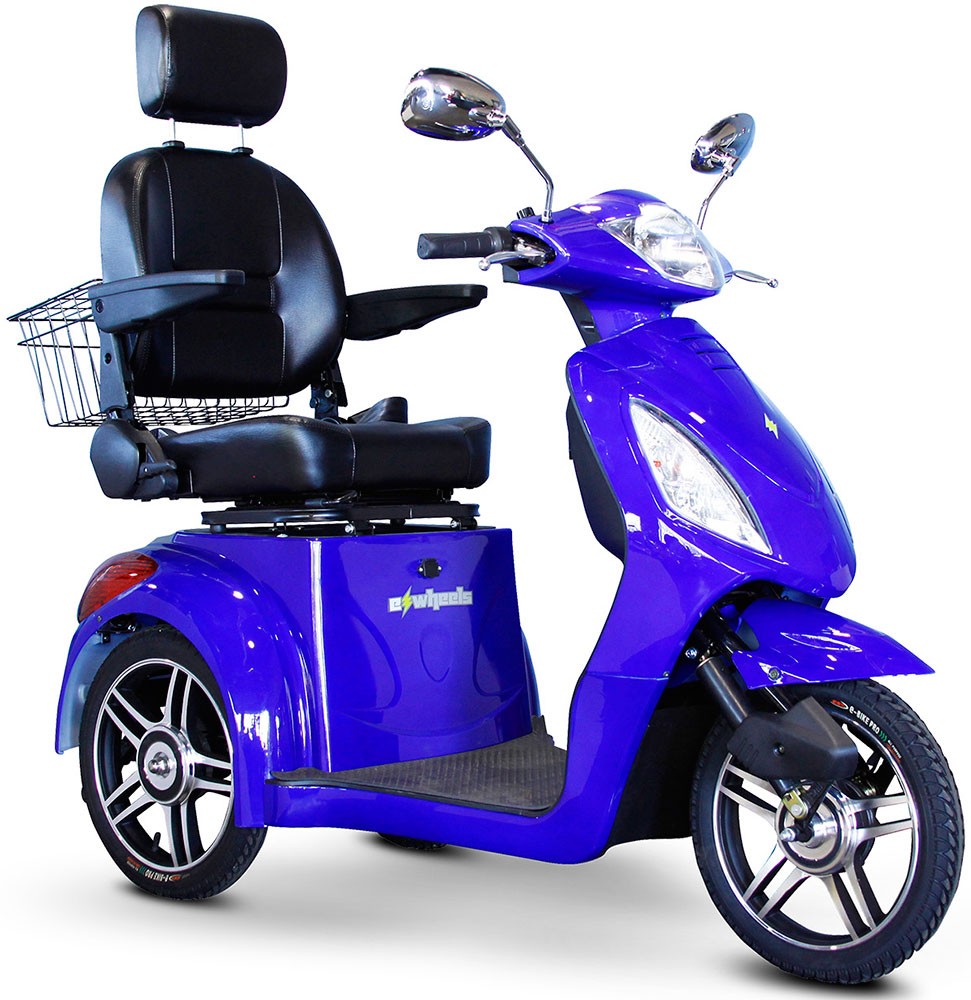
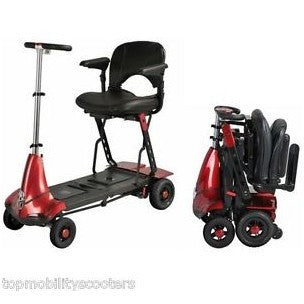
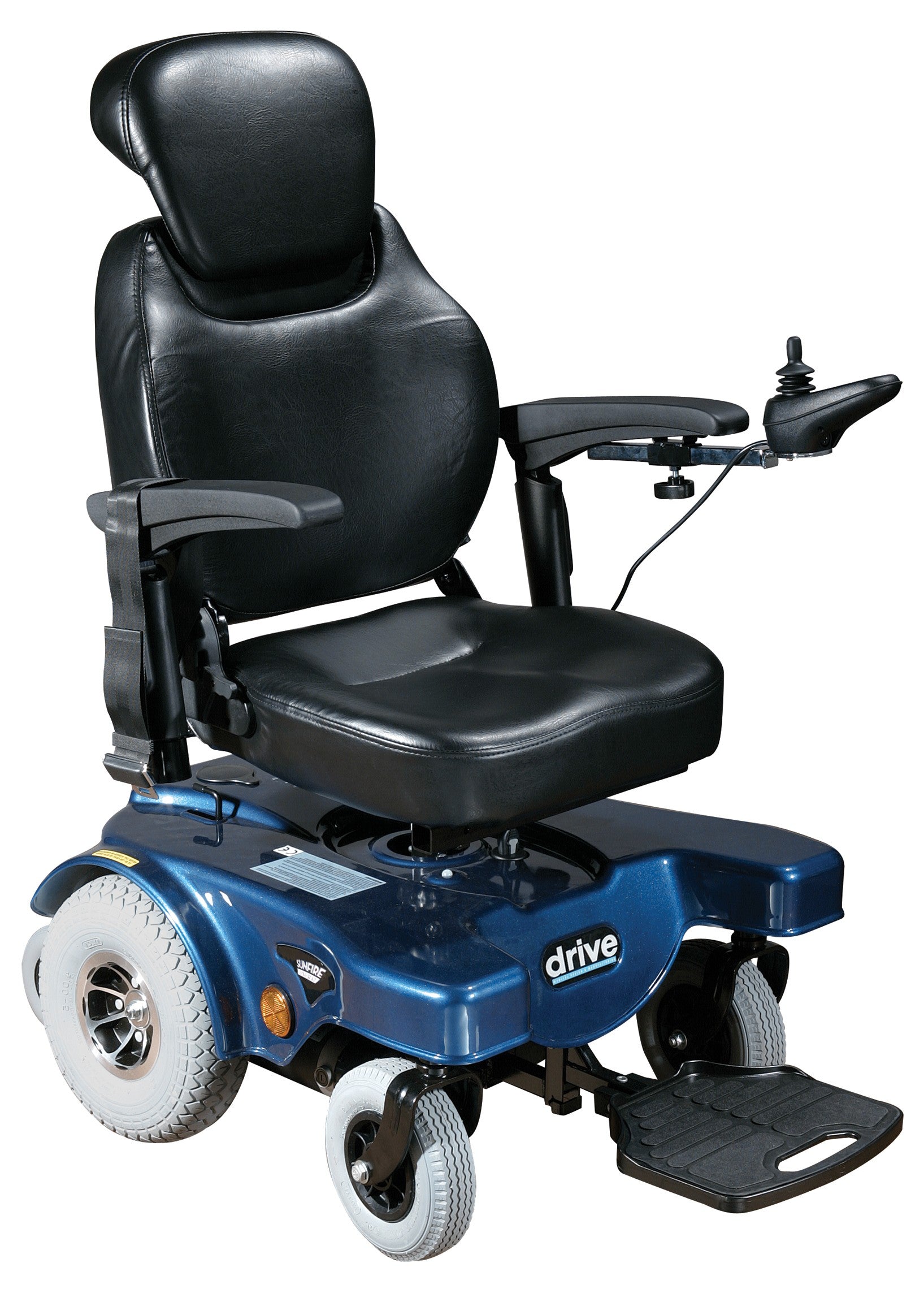
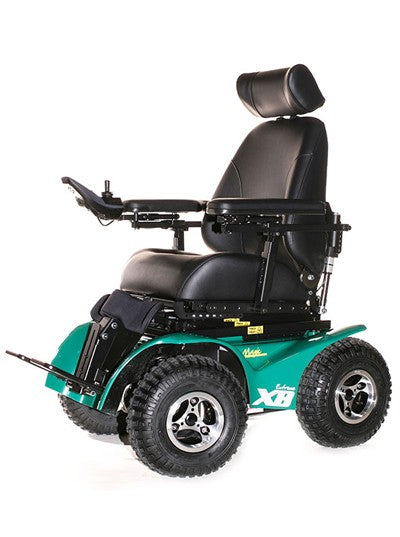
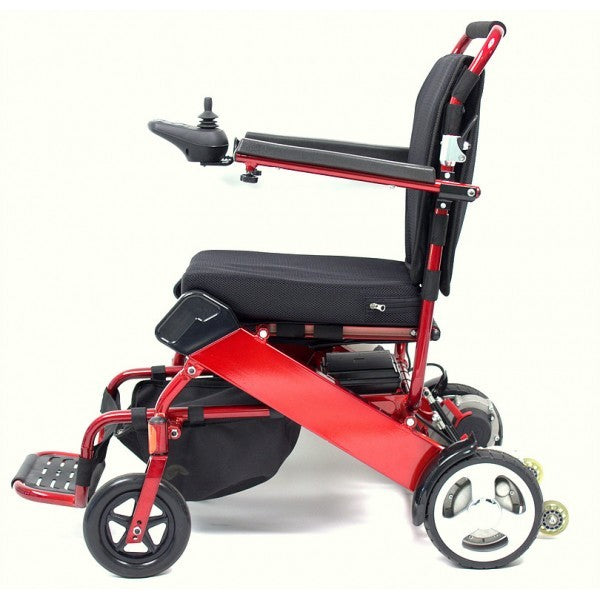
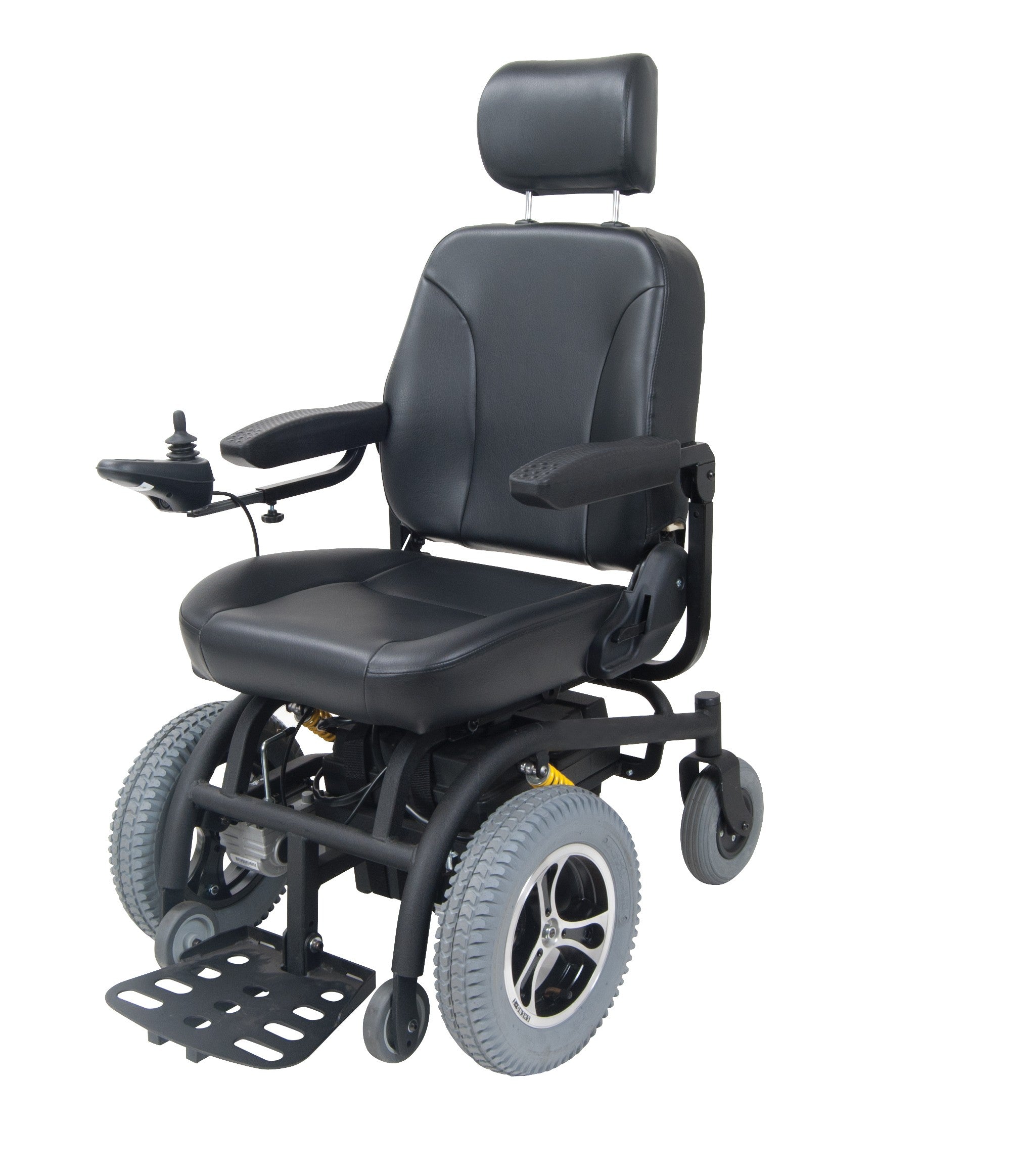
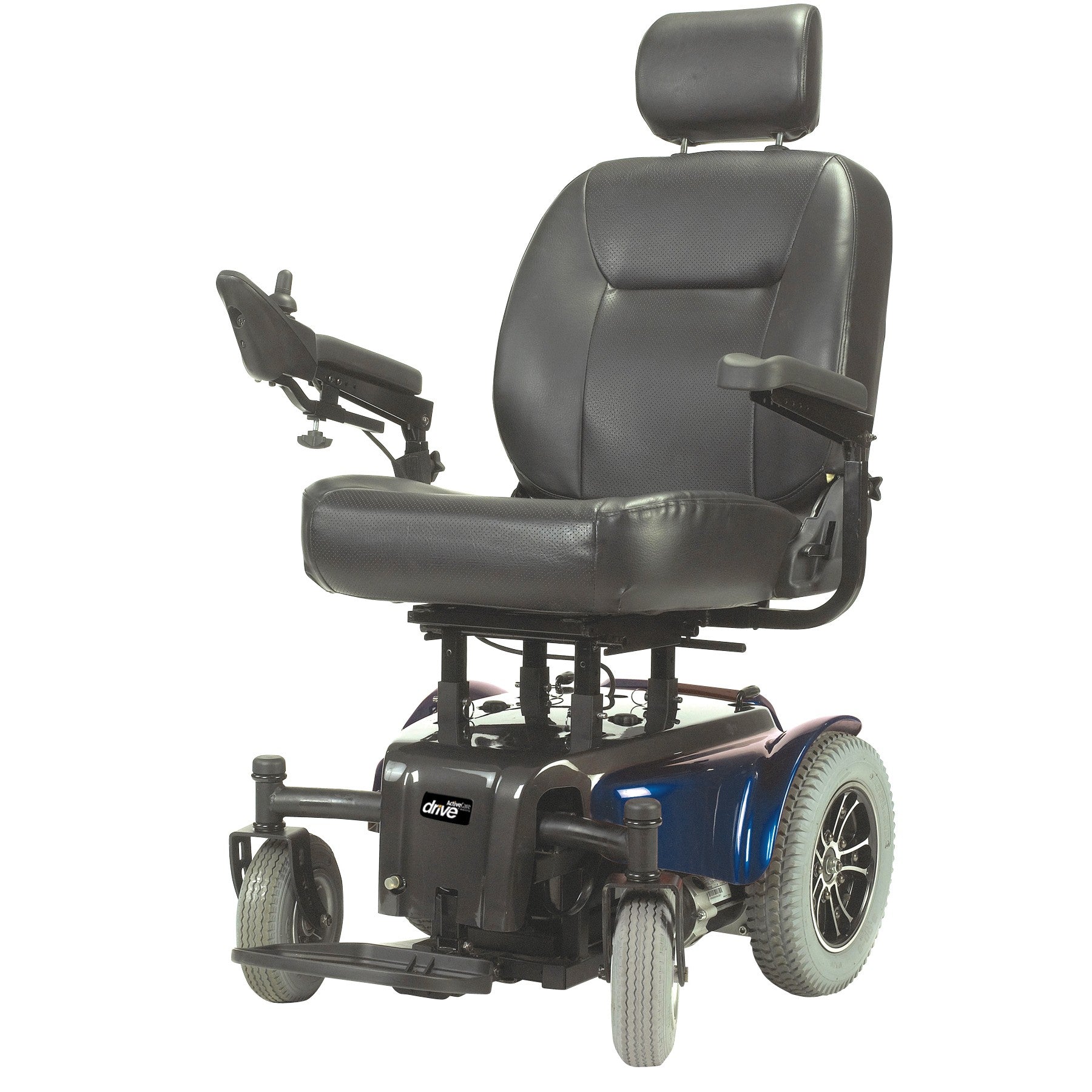
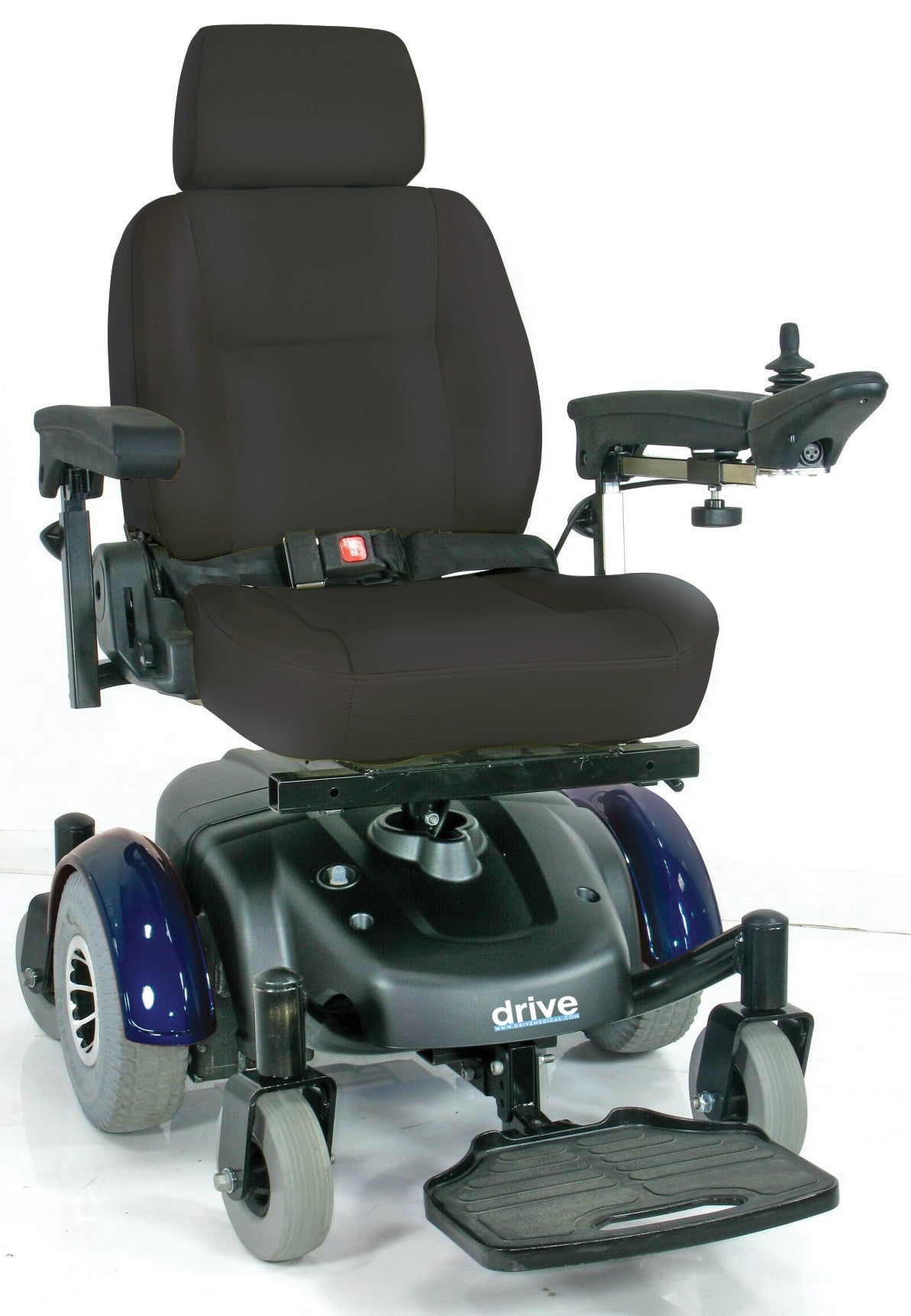
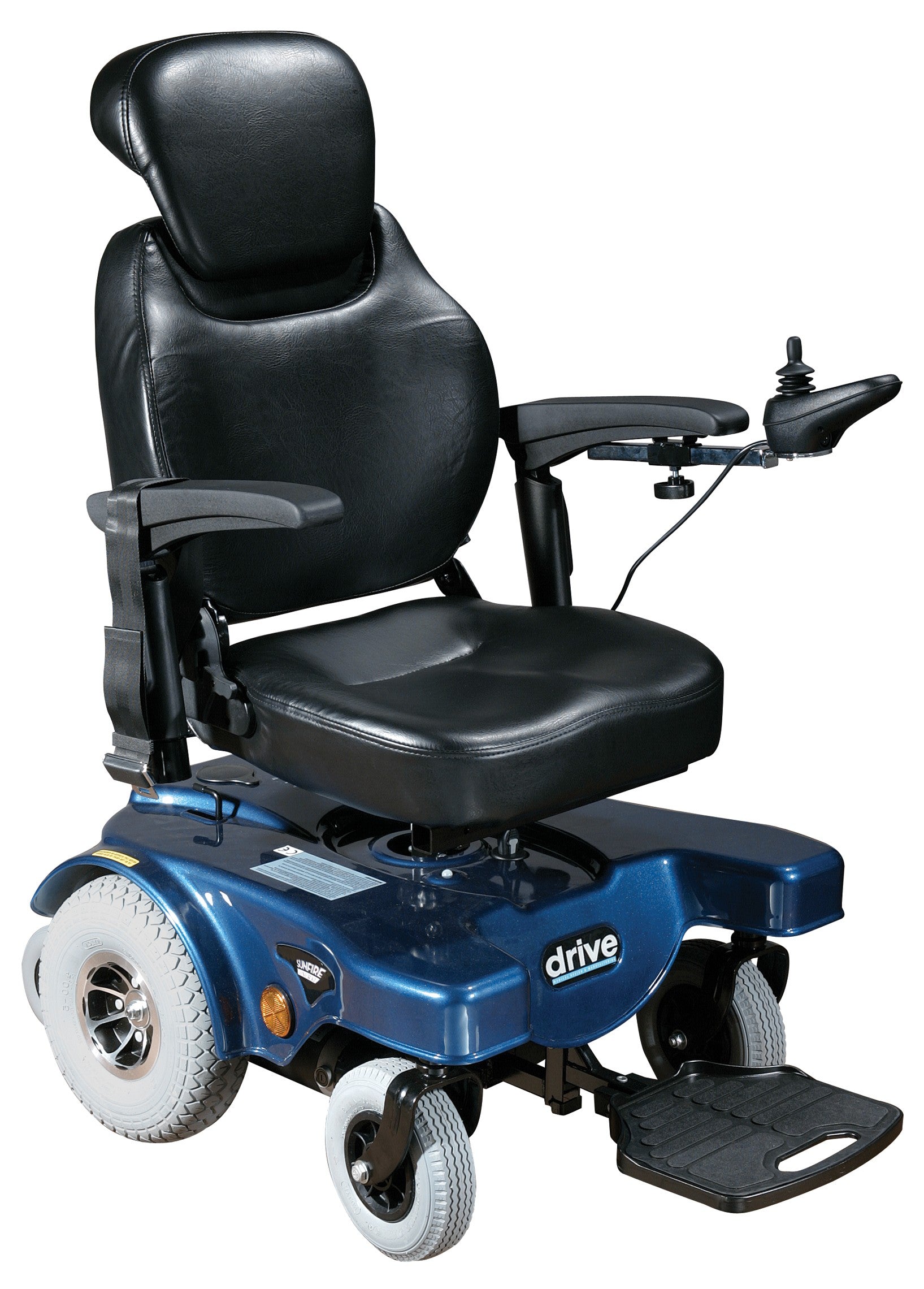
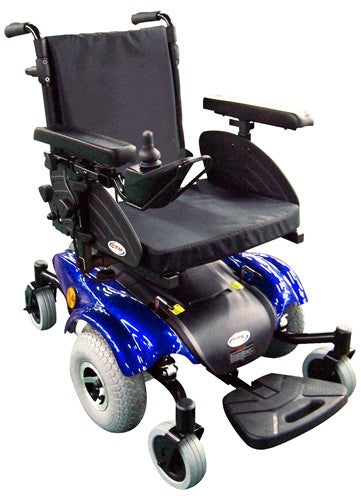
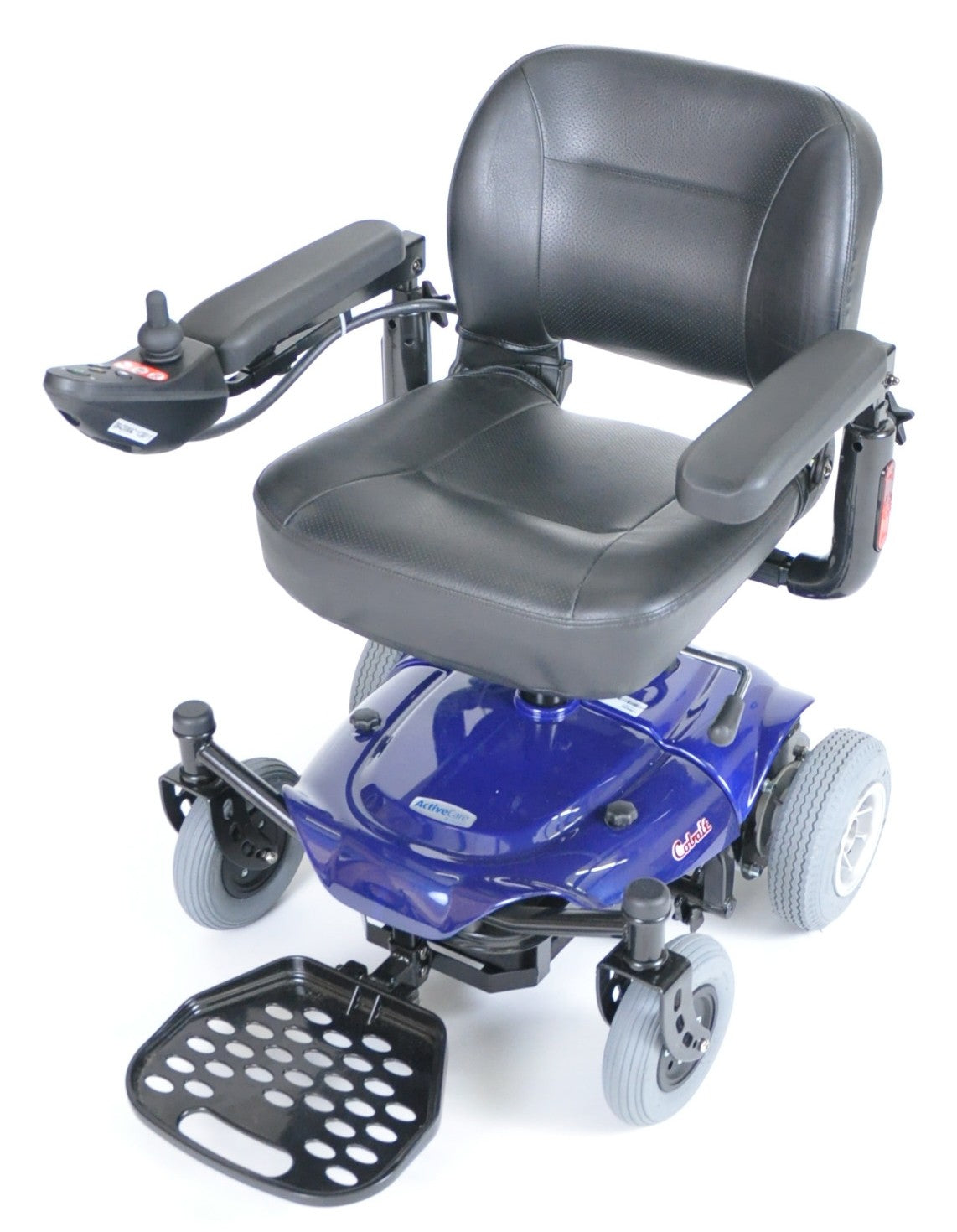
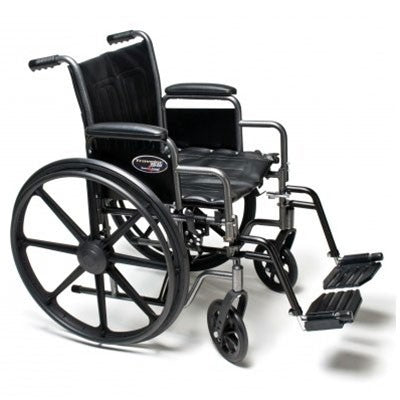
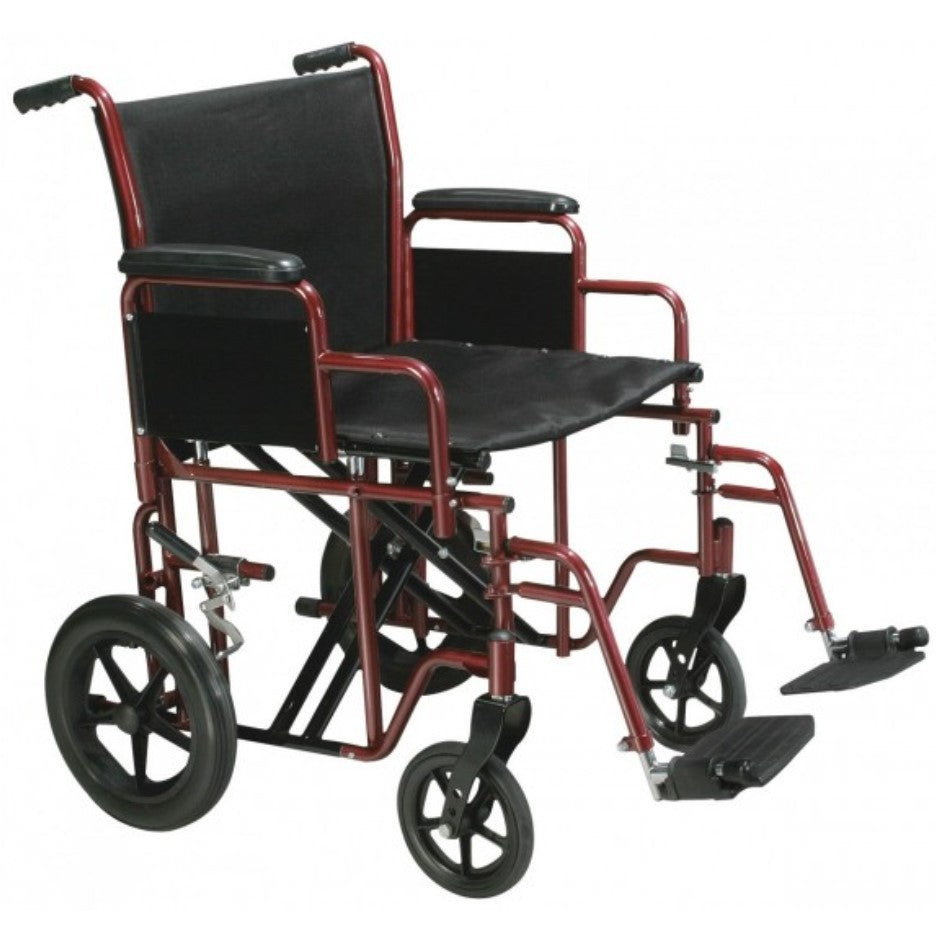
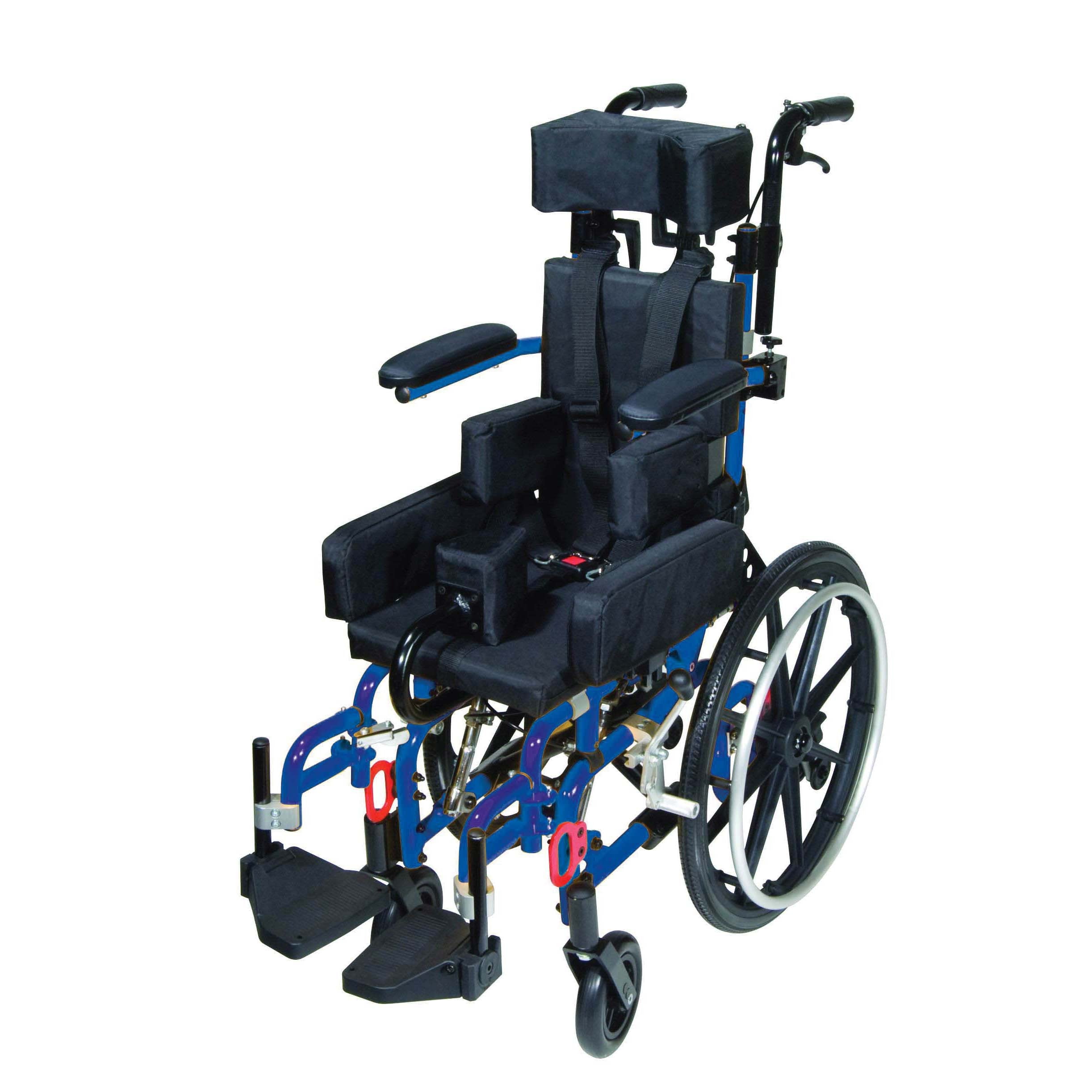
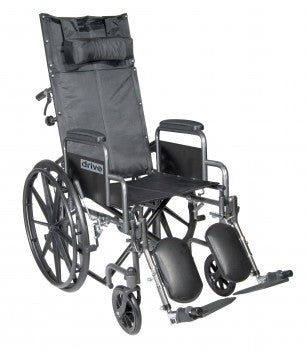
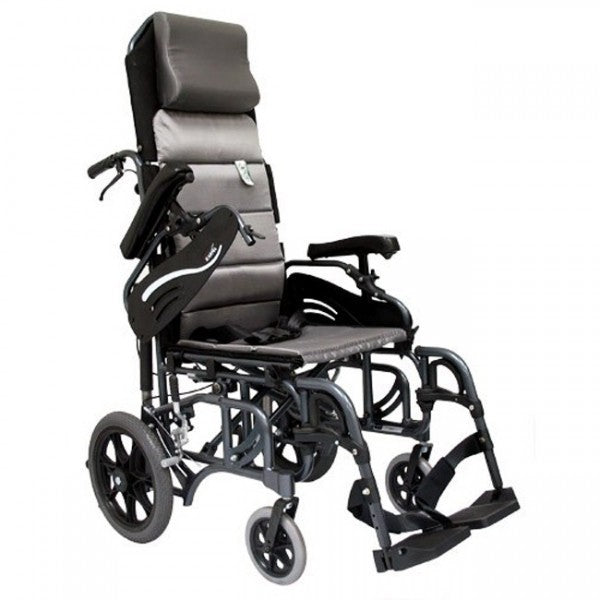
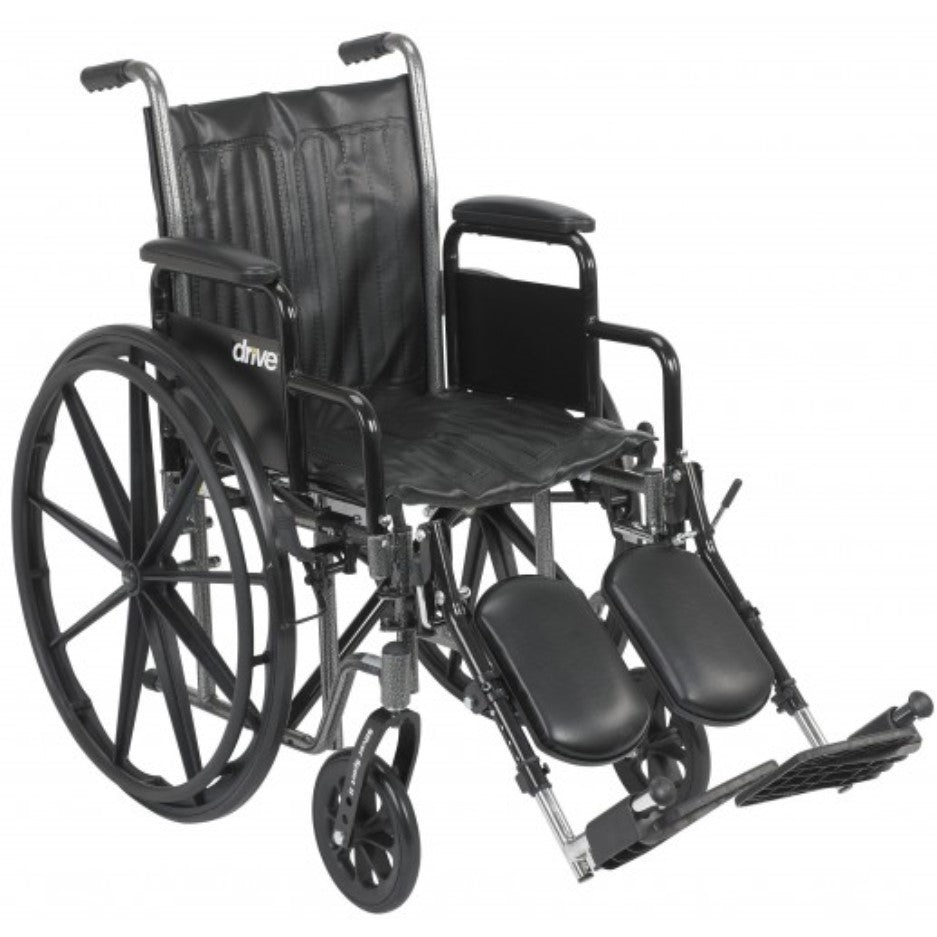
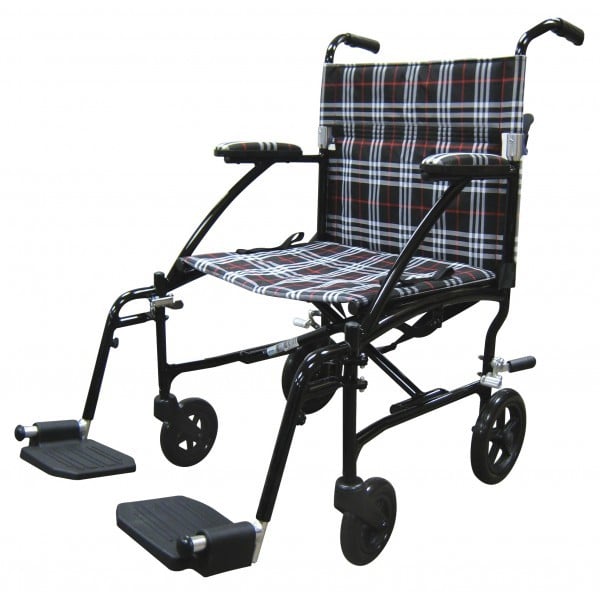
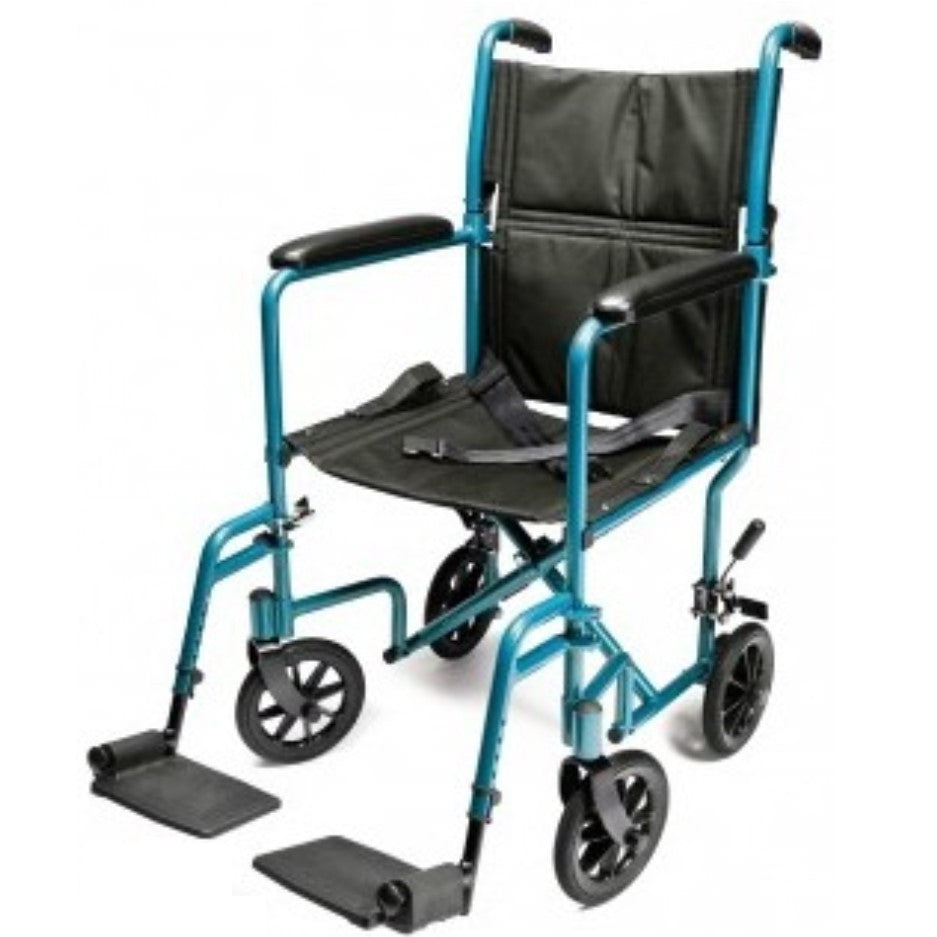
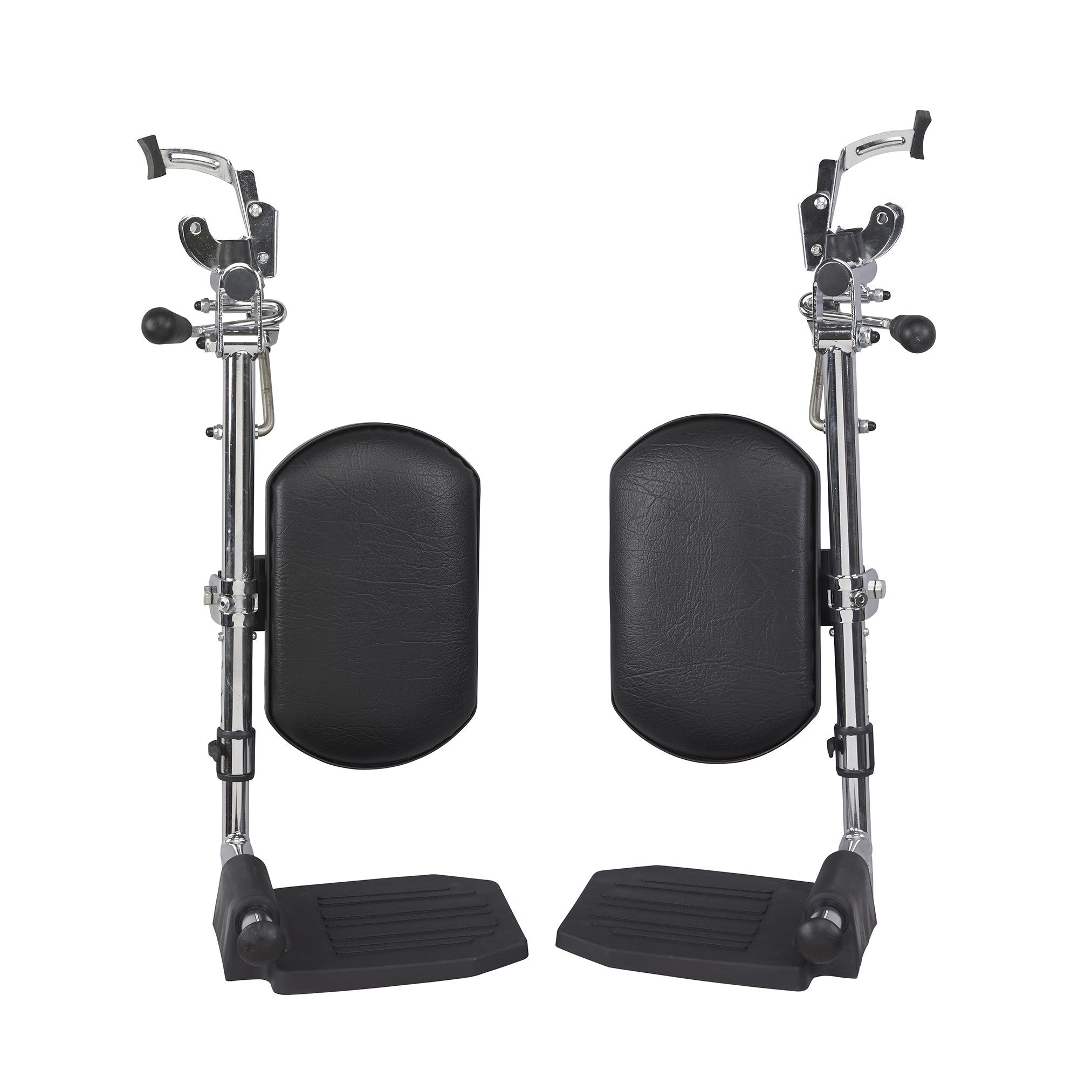
Aging in place does not mean every person needs the same type of equipment. A compact travel scooter may be appropriate for someone who walks independently at home but tires during errands. A power wheelchair may better serve someone who needs dependable mobility throughout the day. For another person, a manual wheelchair with the right seat width and footrest configuration may be the most practical choice.
The goal is not to choose the most advanced option. It is to match the equipment to the person, the home, and the daily routine. A device that is too large for hallways or too heavy for a caregiver to handle can create new frustrations. On the other hand, choosing a model with too little support may leave the user uncomfortable or unable to use it consistently.
Product fit is becoming a priority
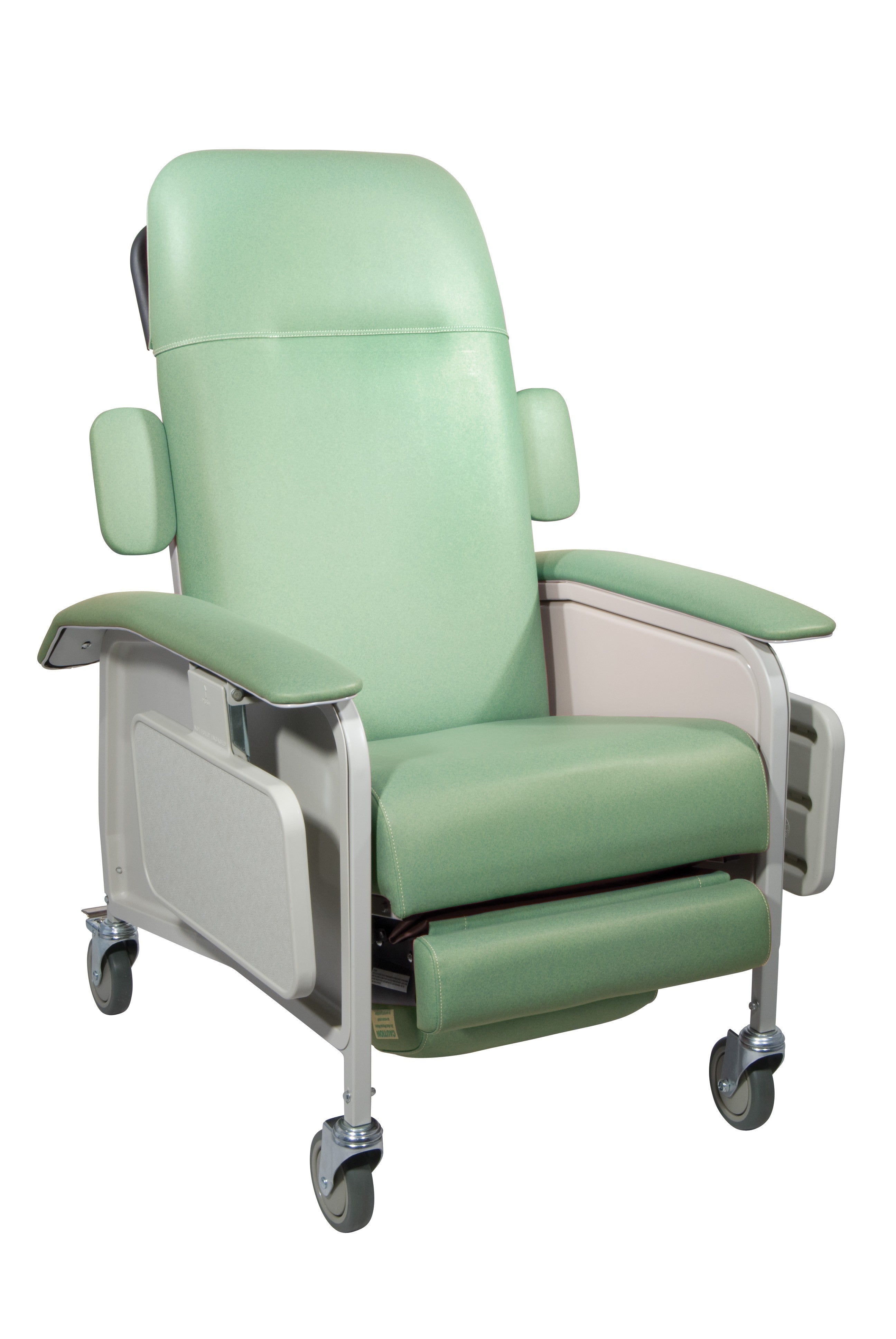
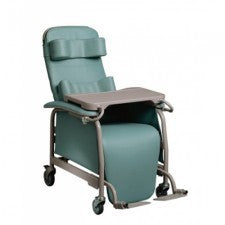
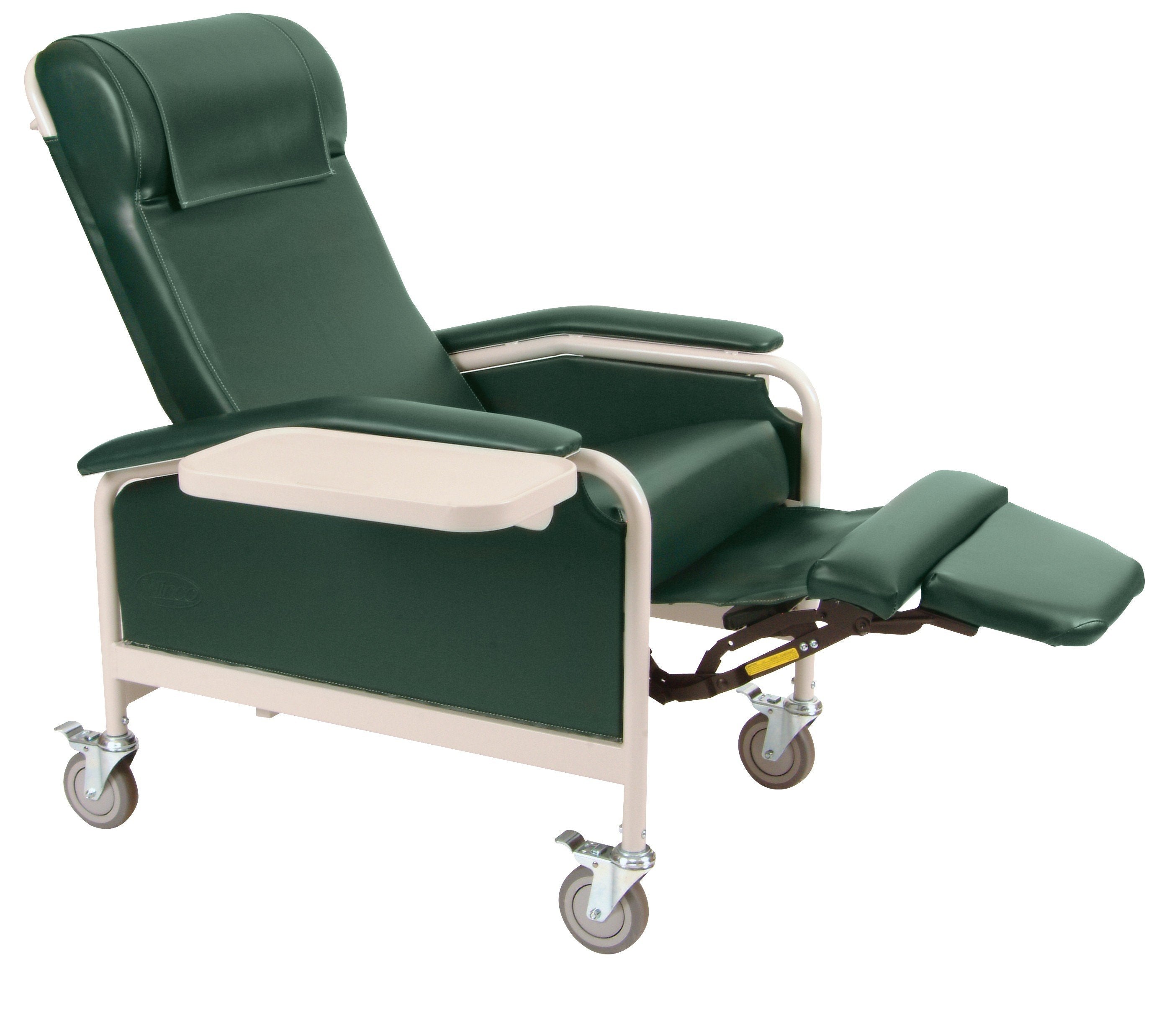
Families are placing more attention on measurements and personal fit, especially for larger purchases. Seat width, user weight, leg support, turning radius, ground clearance, and battery range all affect whether a mobility product works in real life. The same is true for beds and recliners, where transfer height, mattress support, positioning options, and ease of control matter every day.
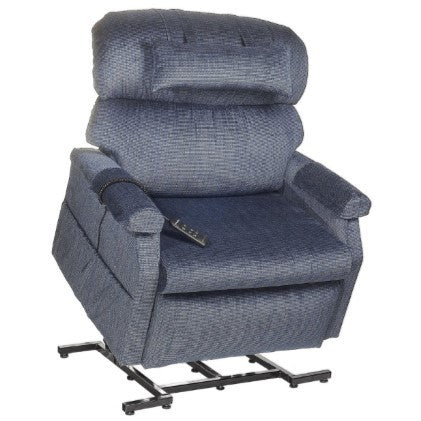
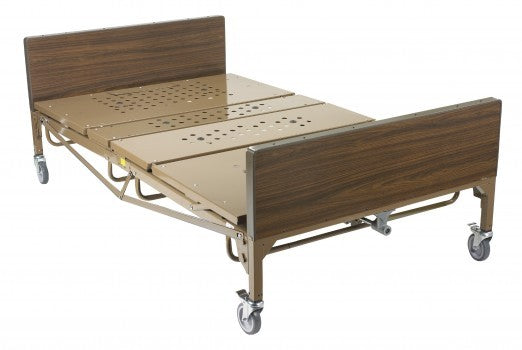
For bariatric users, selecting equipment built for the proper weight capacity is essential for both comfort and safe operation. For shorter or taller users, seat depth and foot placement can change how stable a chair feels. These details are not extras. They are part of making the product useful over time.
Bedrooms Are Becoming a Key Part of Home Safety
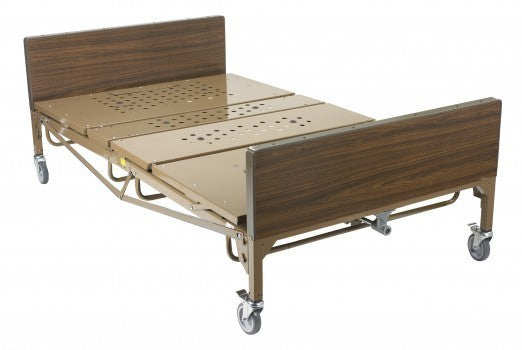
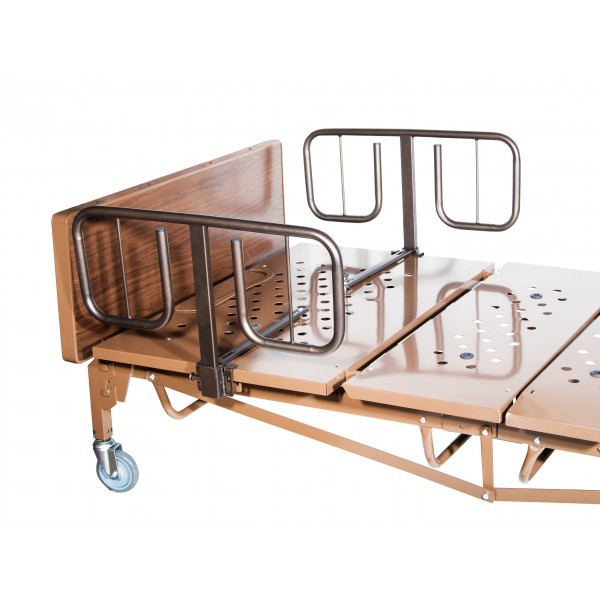
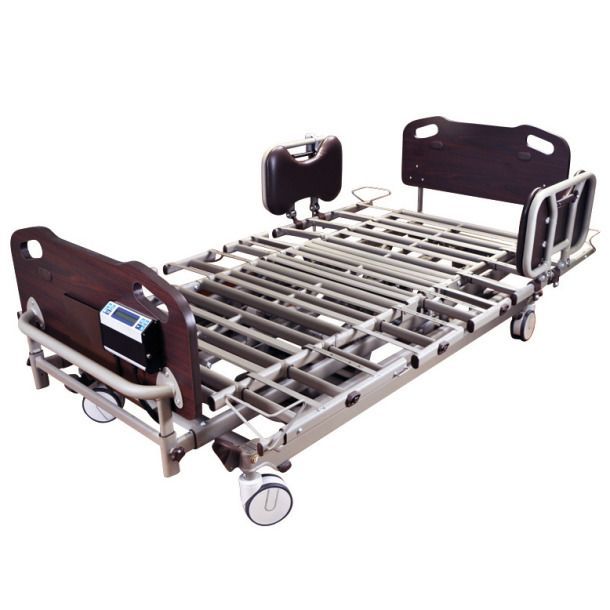
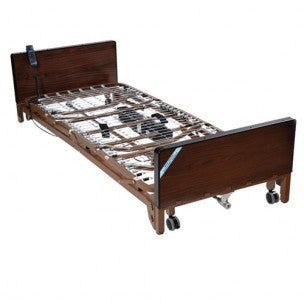
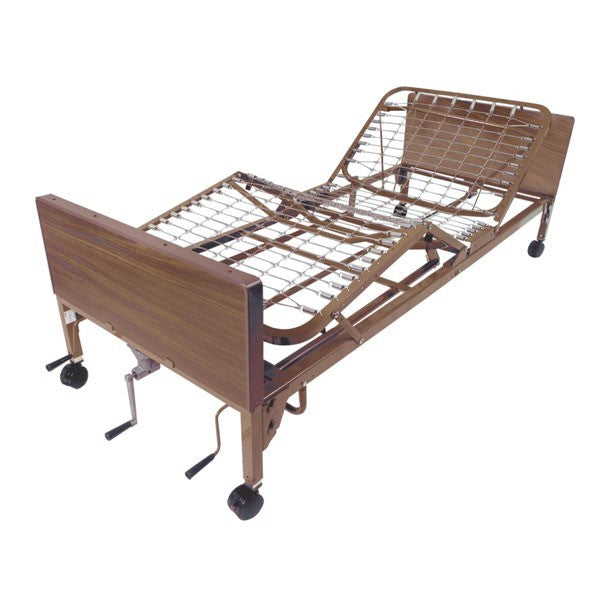
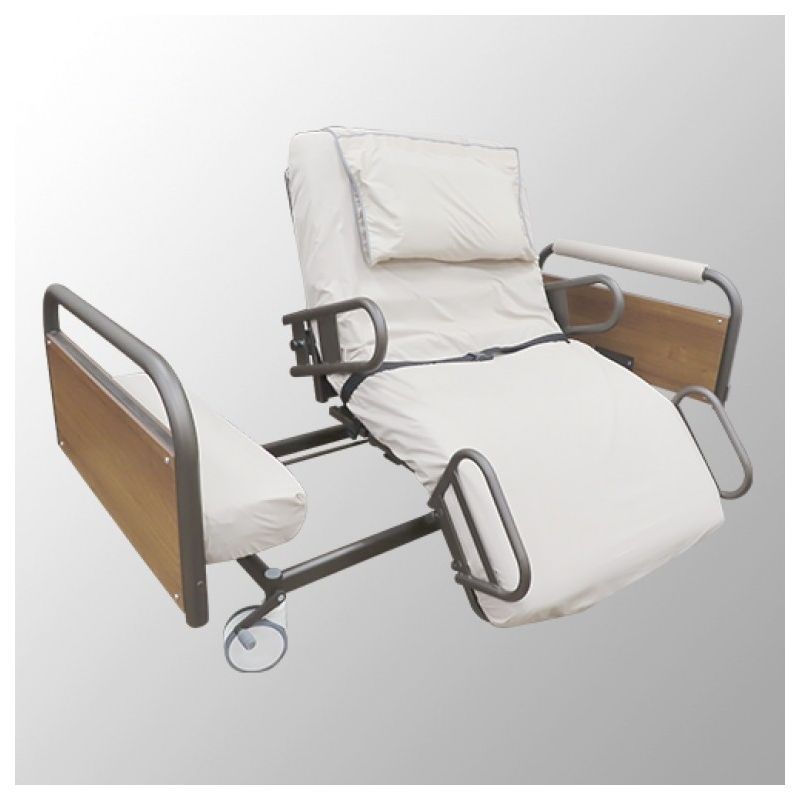
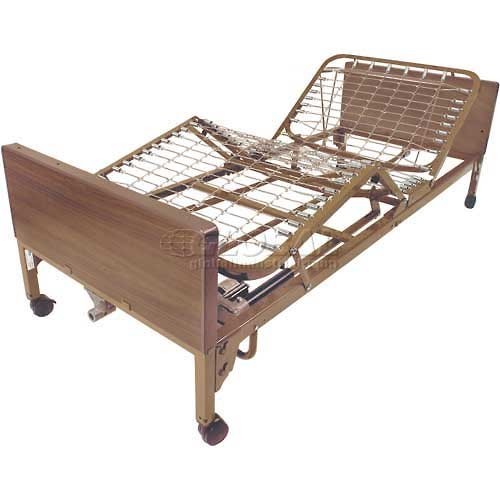
Sleep and nighttime movement are getting more attention in aging-in-place planning. A traditional bed can become difficult when someone has trouble rising from a flat position, experiences swelling, needs to reposition frequently, or is recovering from a procedure. Adjustable beds and home care beds can help create a more supportive sleep environment while making transfers easier for the user and caregiver.
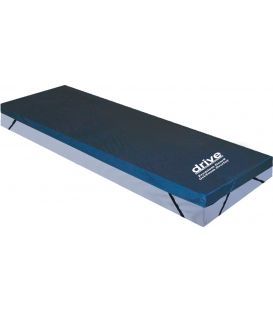
The right choice depends on the level of care needed. An adjustable bed may suit someone looking for personalized head and foot positioning for comfort. A home care bed may be more appropriate when height adjustment, side rails, or caregiver access are needed. It is worth thinking about the full setup, including the mattress, bed rails where appropriate, bedside storage, lighting, and a clear route to the bathroom.
A bedroom should support rest, not create a nightly obstacle course. Keep mobility aids within reach, remove loose rugs and cords, and use lighting that makes a nighttime path easy to see without being harsh or confusing.
Bathrooms Still Require the Most Careful Planning
Bathrooms combine hard surfaces, water, tight turns, and frequent transfers. That is why they remain one of the first areas families evaluate. Small changes can make a meaningful difference, including shower chairs, transfer benches, handheld shower accessories, raised toilet seats, and properly installed grab bars.
The right solution depends on the person’s balance, strength, and bathing routine. A shower chair may be enough for someone who can step over the threshold but cannot safely stand for a full shower. A transfer bench may be a better fit for someone who needs to sit before moving into the tub area. If a wheelchair or walker is used, measure door openings and turning space before selecting equipment.
Do not assume that a grab bar can be installed anywhere or that a towel bar can handle body weight. Secure installation and placement are as important as the product itself. When uncertainty is involved, a qualified home modification professional or occupational therapist can provide valuable guidance.
Caregivers Are Influencing Aging in Place Trends
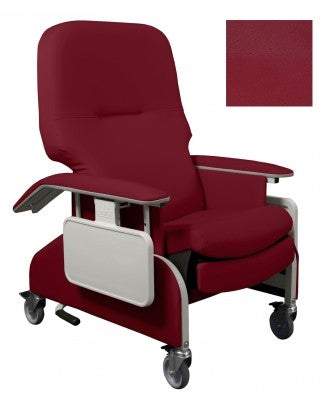
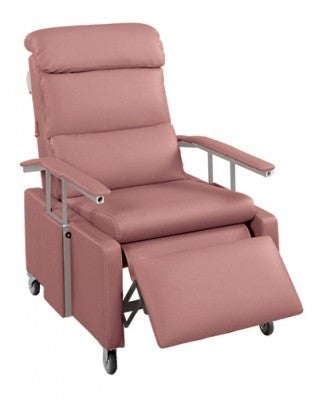
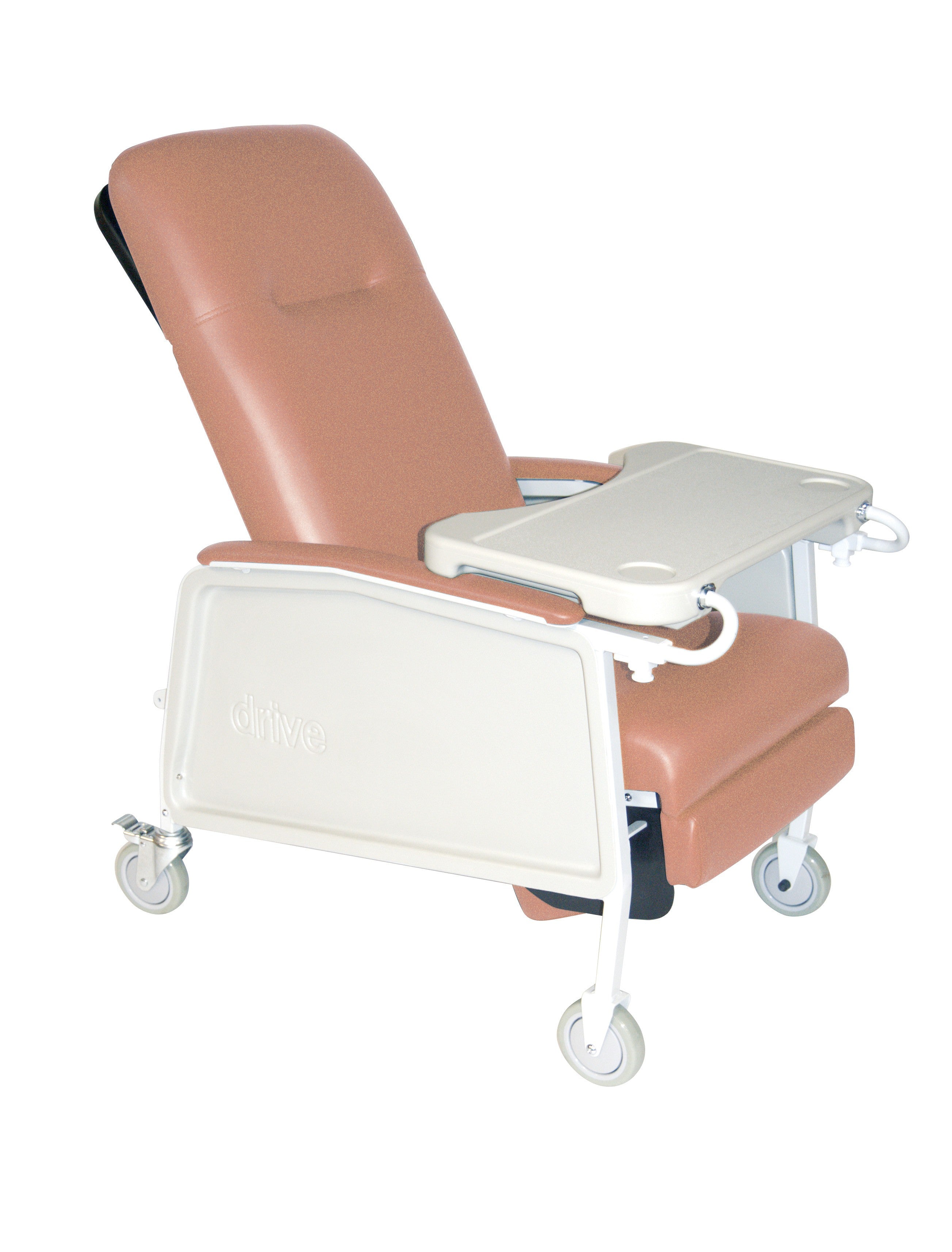
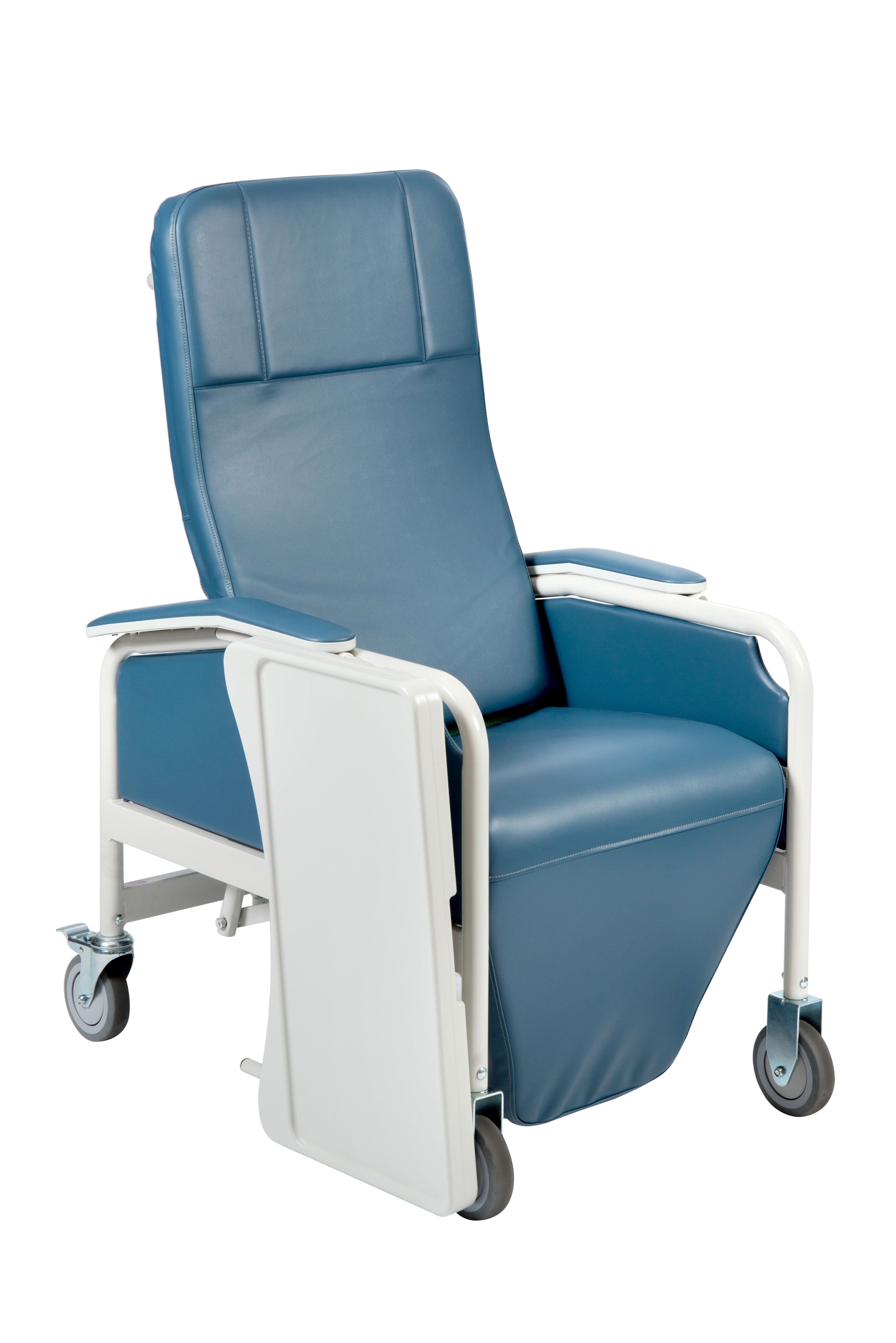
A home plan should support the caregiver as well as the person receiving care. Repeated lifting, pulling, and awkward transfers can lead to back, shoulder, and wrist injuries. Equipment such as lift chairs, adjustable beds, transfer aids, and appropriately sized wheelchairs can reduce physical strain and make assistance more predictable.
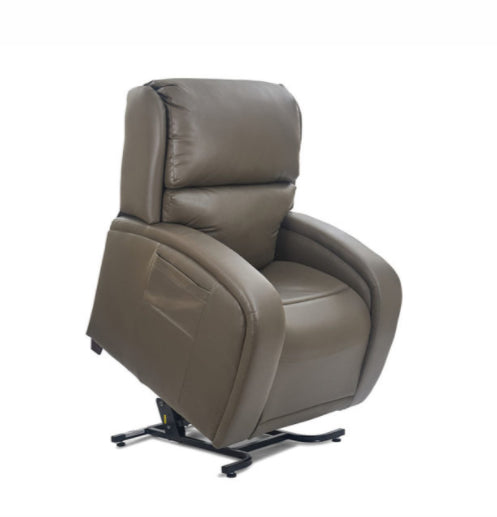
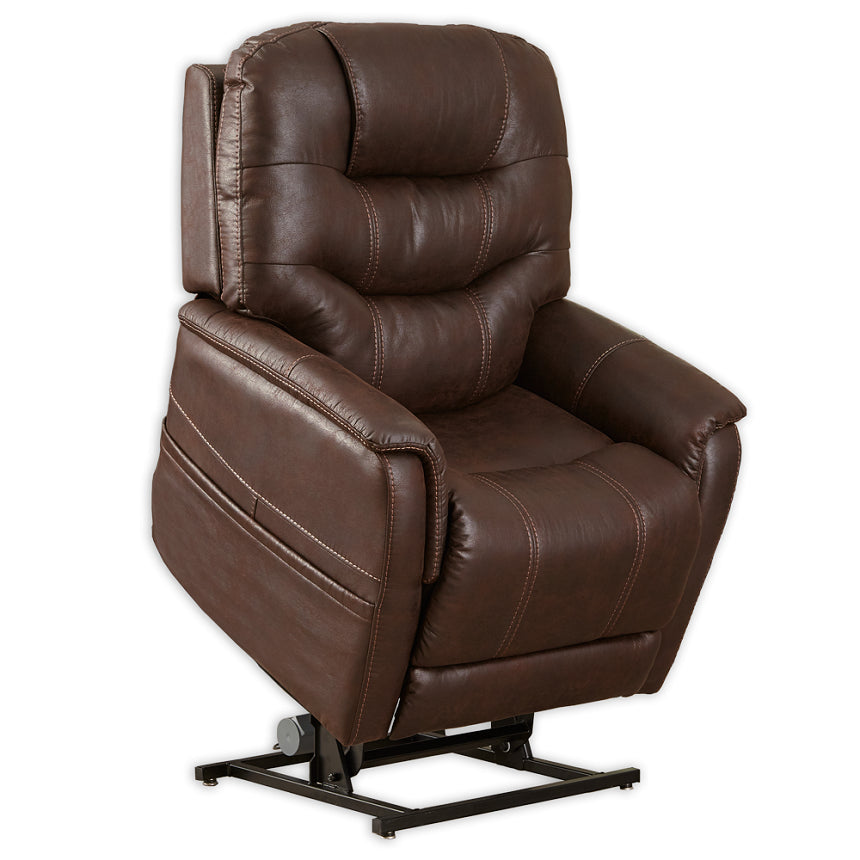
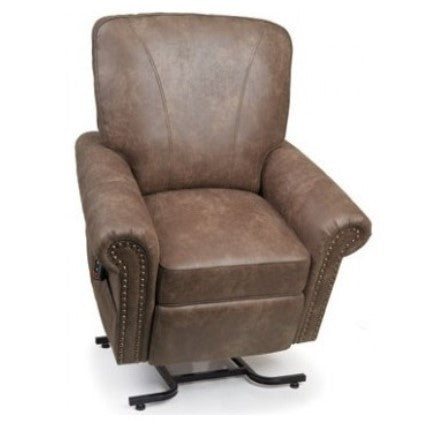
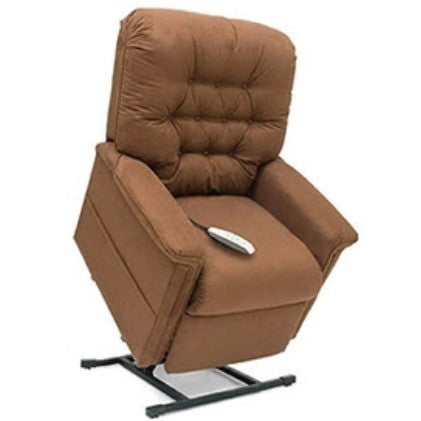
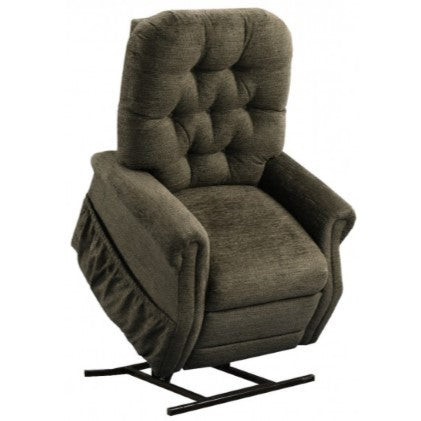
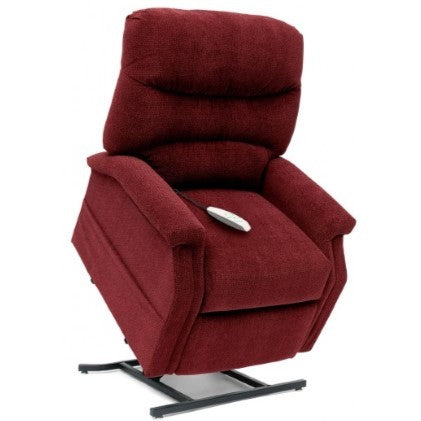
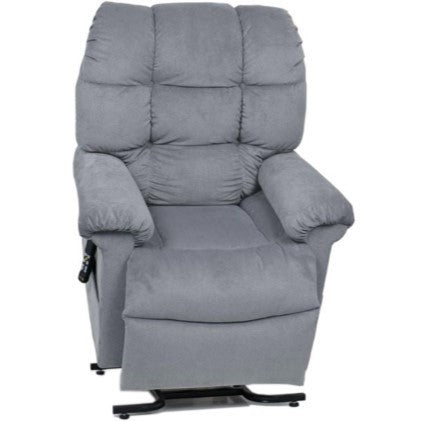
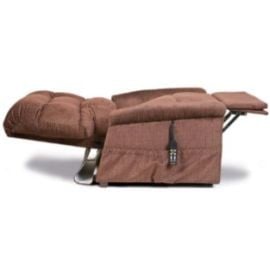
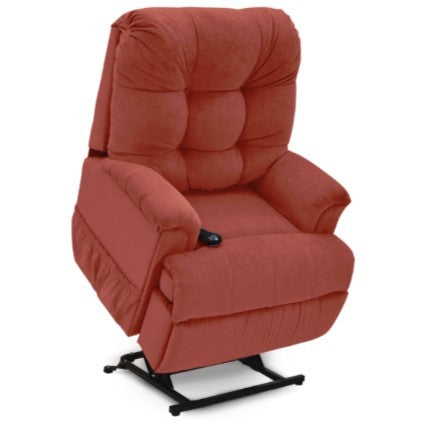
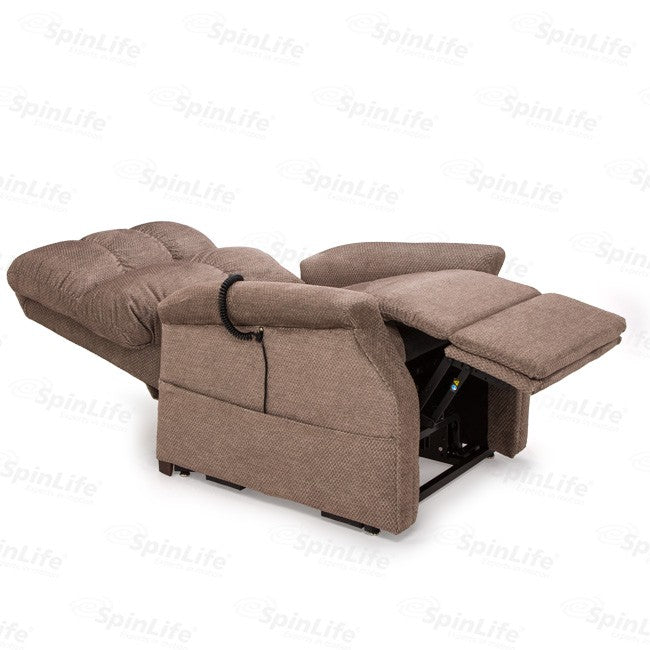
This does not mean equipment replaces caregiving. It means the home is better prepared for the work caregivers do. A lift chair, for example, can help a person move from sitting to standing with less effort, while still allowing them to participate in the transfer. That can protect dignity as well as reduce the need for hands-on assistance.
Families should also consider who will operate and maintain the equipment. Are controls easy to understand? Can the device be positioned near a wall outlet? Is there enough room to maneuver? Is the user able to charge a scooter or power chair independently, or will someone else need to help? Clear answers make a purchase more likely to succeed long term.
Smart Features Are Useful When They Solve a Real Problem
Technology is appearing in more home medical and mobility products, from powered positioning controls to battery indicators and adjustable settings. These features can be helpful, but more technology is not always better. A person with limited hand strength may benefit from large, easy-to-use controls. Someone with memory concerns may prefer fewer buttons and a straightforward operating routine.
The most useful features are the ones that address a clear need: easier transfers, better positioning, safer travel around the home, or less fatigue during the day. Before choosing a product, consider how it will be used at home, in the community, and during appointments or family outings.
How Families Can Build a Practical Home Plan
Start with the daily routine rather than a product category. Notice where the person pauses, struggles, or asks for help. The answer may be a mobility chair, but it may also be better lighting, a bed with adjustable positioning, or a bathroom transfer solution.
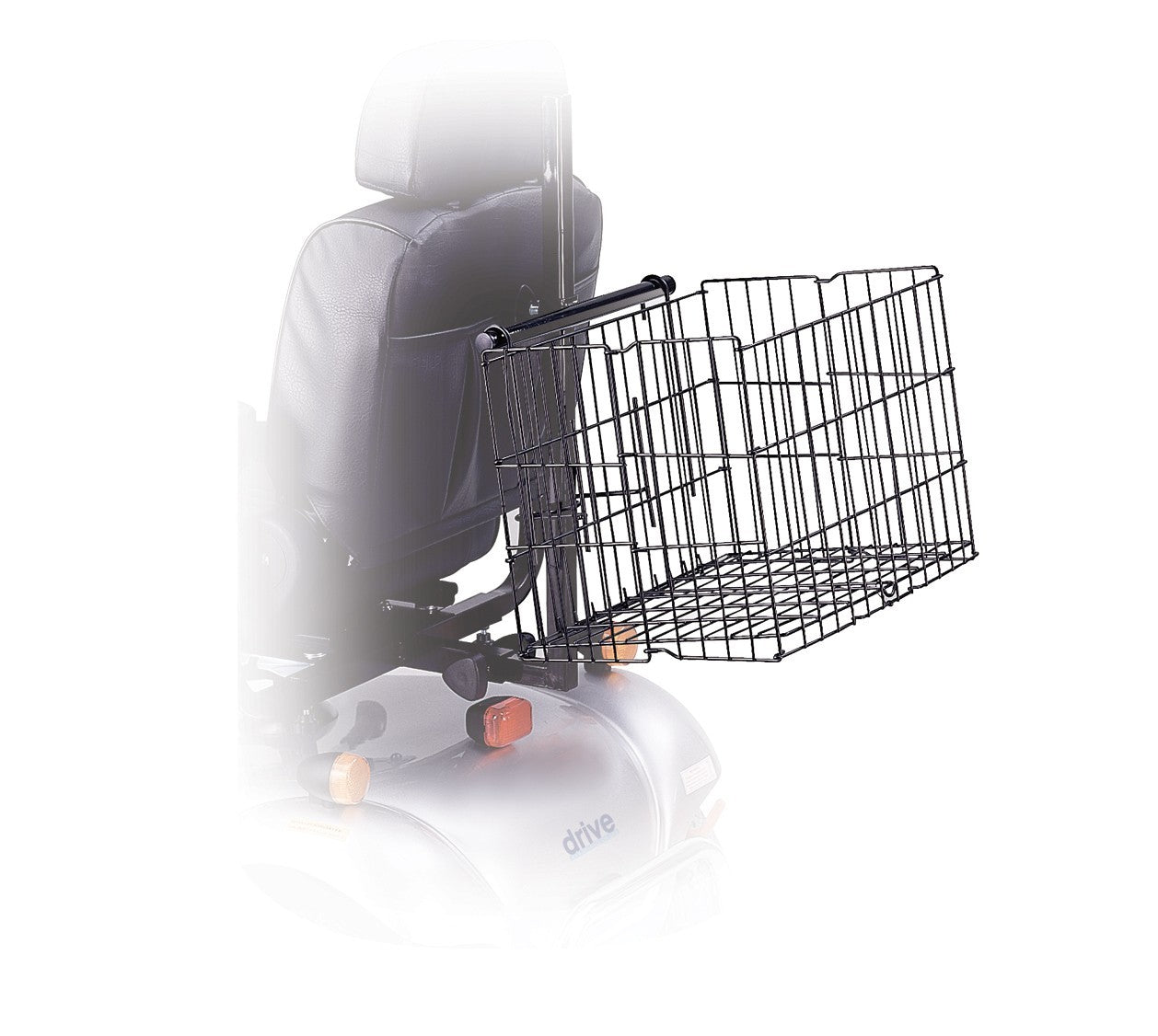
Next, measure the space. Record door widths, hallway widths, room dimensions, thresholds, and the available storage area for a scooter or wheelchair. Check weight capacity carefully and consider the total weight of any accessories or items that will be carried.
Finally, think ahead without buying for every possible future need. A flexible plan might begin with a lift chair and a portable ramp, then add other support if mobility changes. Expert assistance can be especially helpful when comparing equipment that involves fit, transfers, or a significant change to a person’s daily routine.
The most encouraging aging-in-place trend is not a new device. It is the growing understanding that independence can be supported thoughtfully, one daily task at a time. When the right equipment fits the person and the home, it can help make familiar rooms feel comfortable, capable, and truly their own.


