




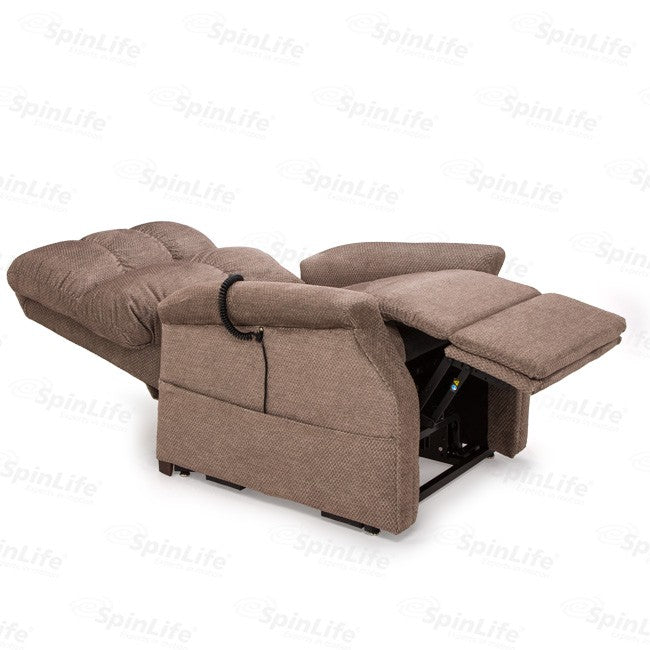
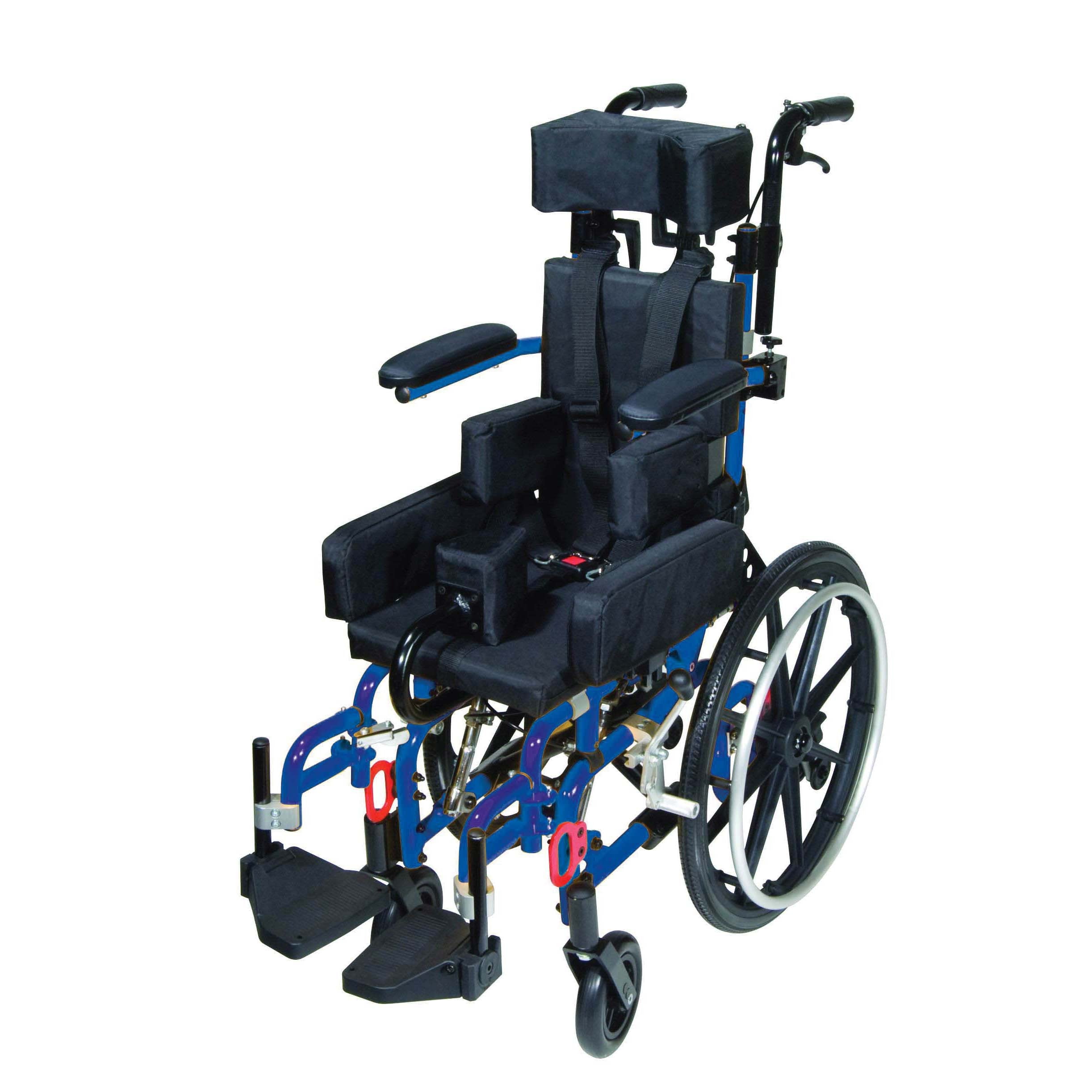
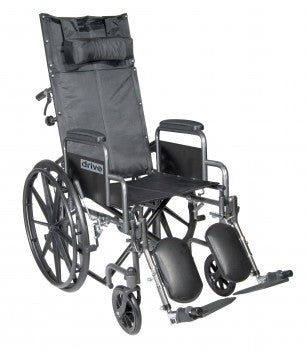
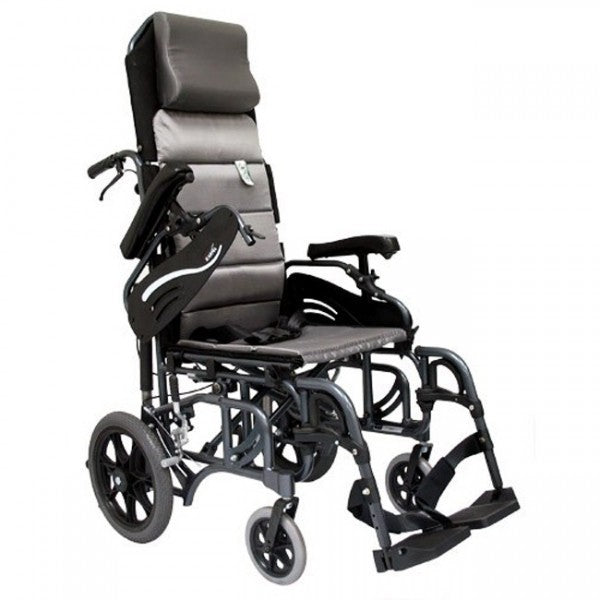
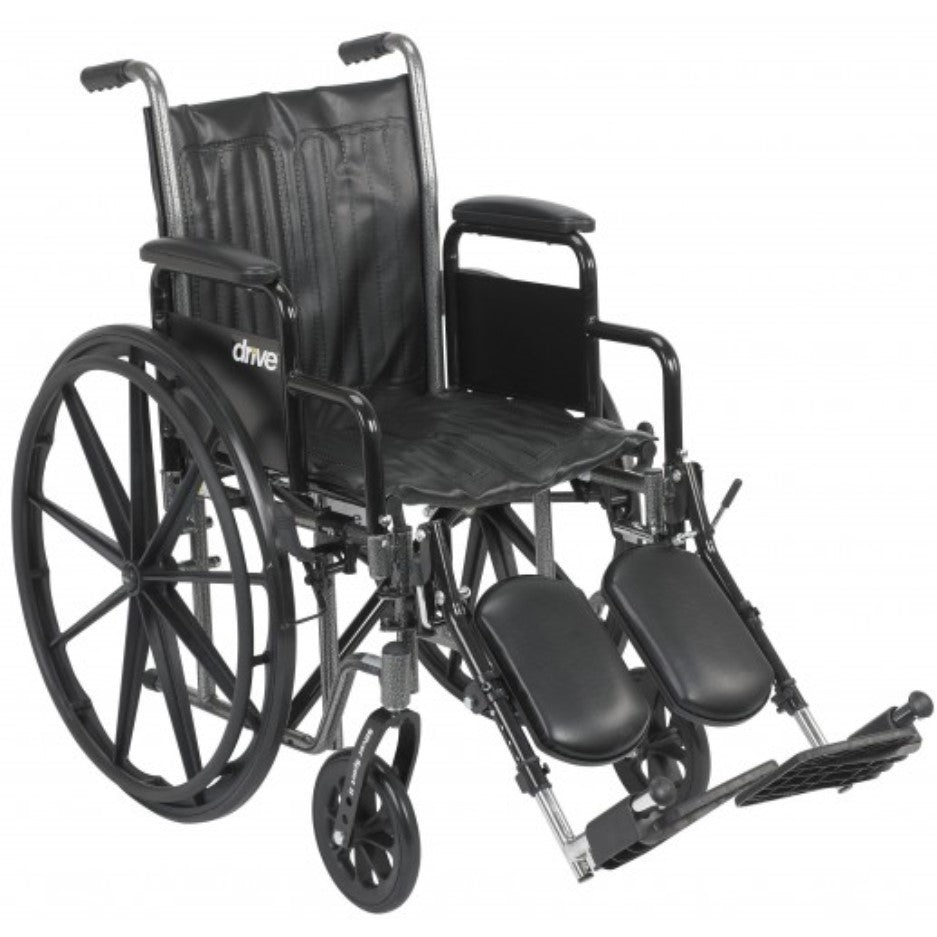
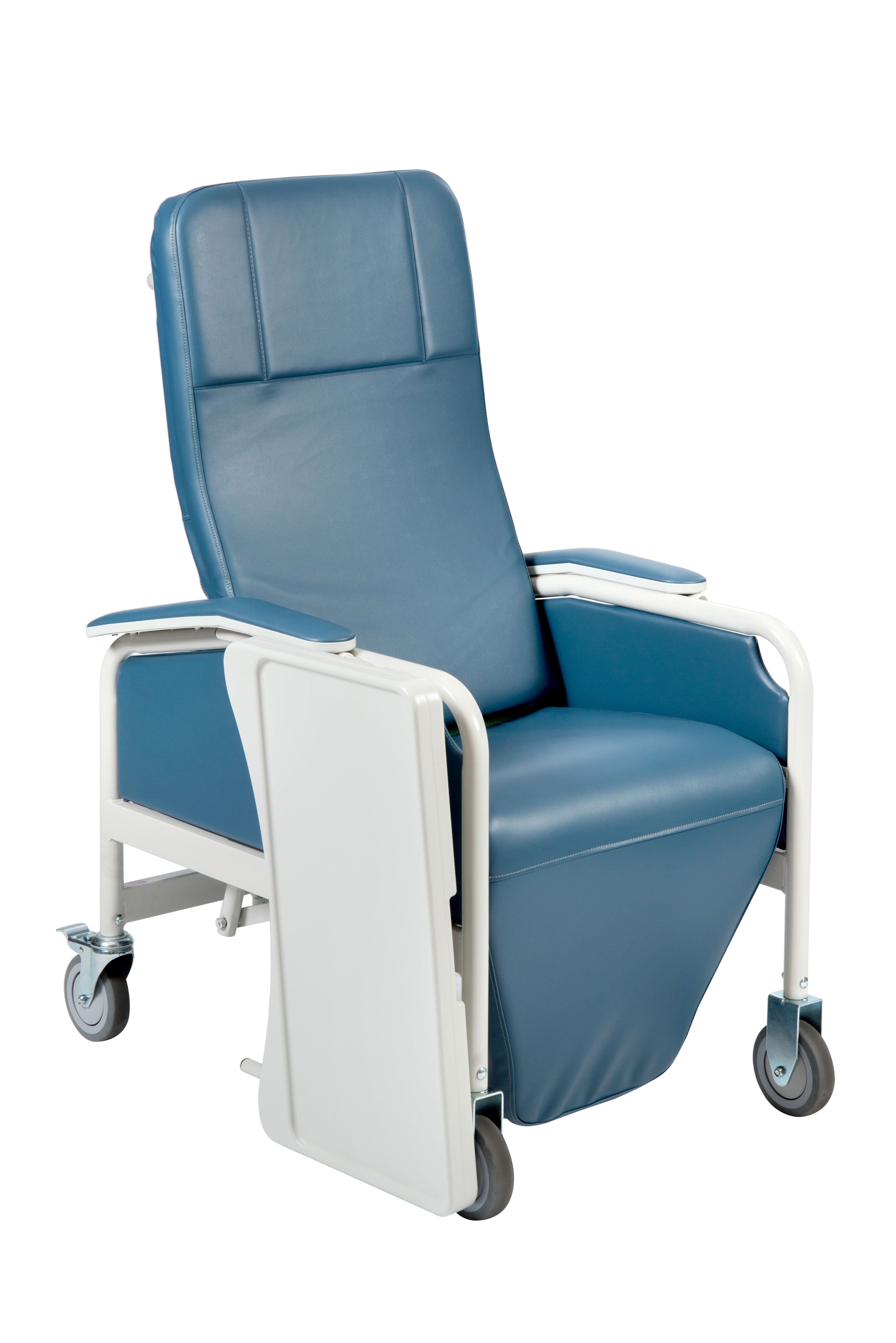
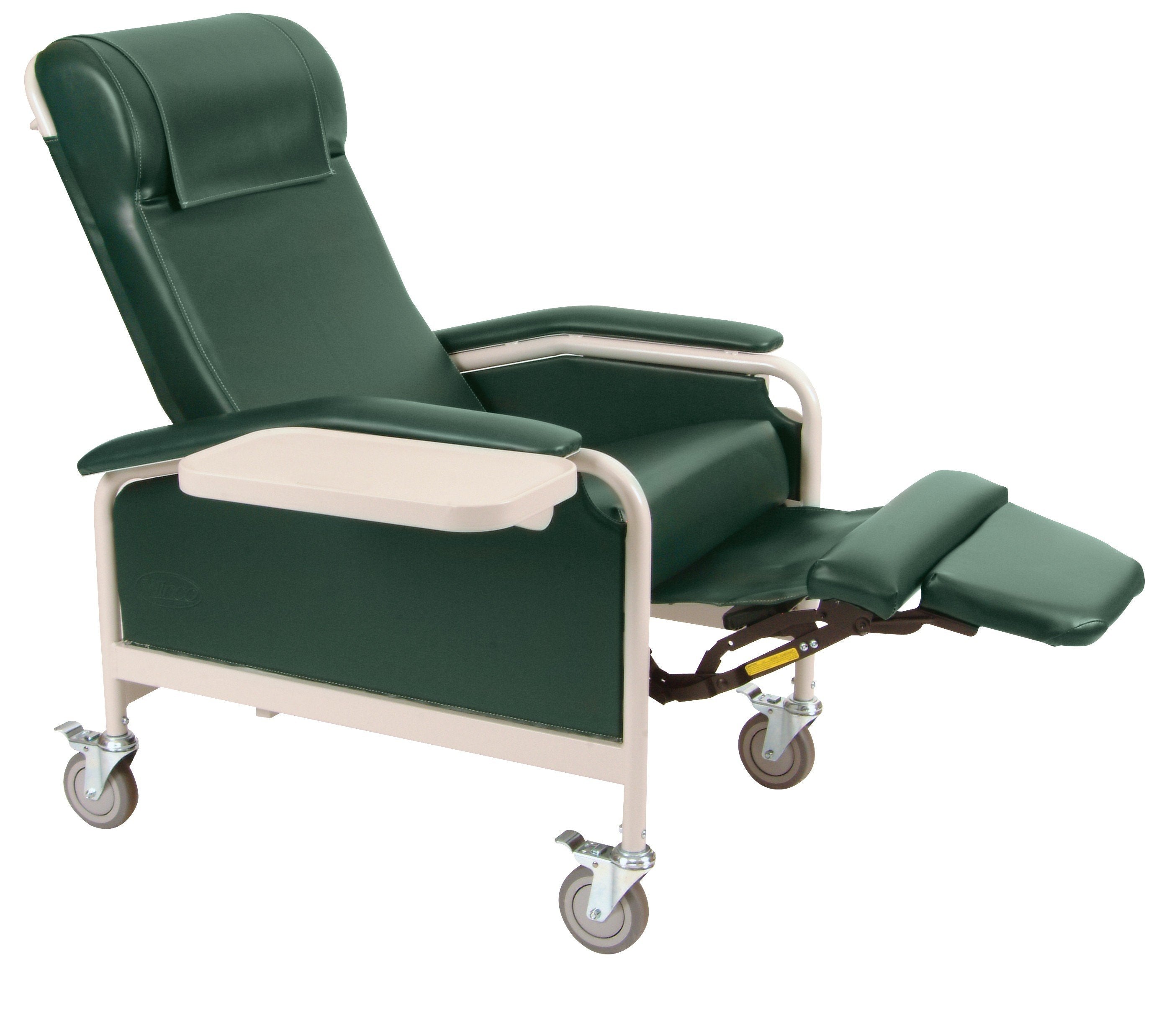






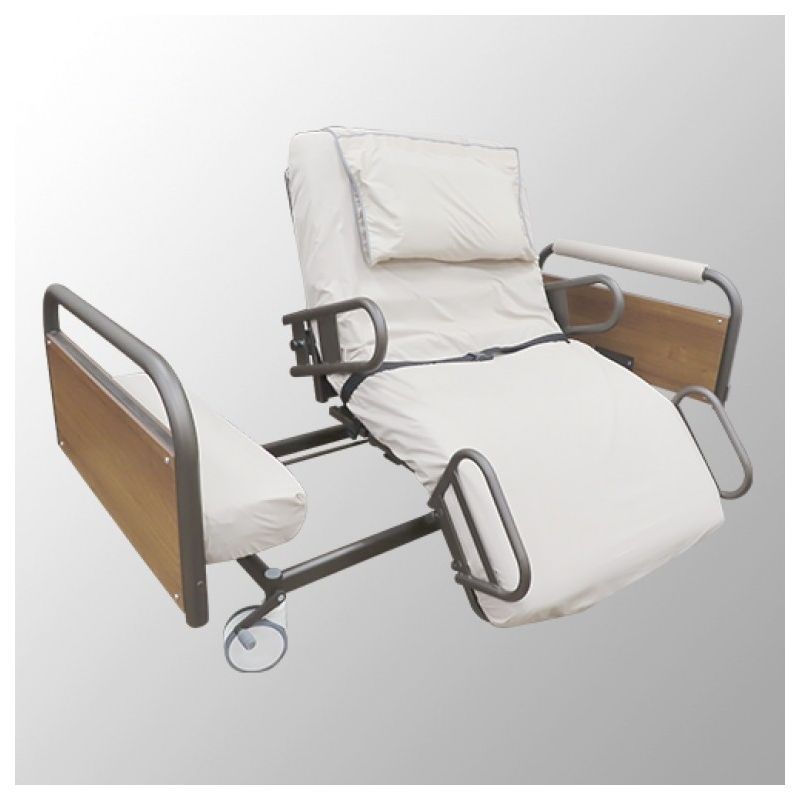


Getting comfortable in bed should not require strain, a stack of pillows, or help from another person. The right adjustable bed for seniors can make everyday rest easier by raising the head, lifting the legs, and creating a position that feels more supportive for sleeping, reading, recovering, or getting in and out of bed.
For older adults and caregivers, this is more than a comfort purchase. An adjustable bed may support safer transfers, reduce the need to reposition manually, and make time spent in bed more manageable. The best choice depends on the person's mobility, medical needs, room layout, preferred sleep position, and the features they will actually use.
Why an Adjustable Bed Can Make a Meaningful Difference
A flat mattress works well for many people, but it can become limiting when mobility changes. Sitting up from a fully flat position may be difficult after surgery, during illness, or with conditions that affect strength, balance, breathing, circulation, or joint comfort. Raising the head section allows the sleeper to move toward a seated position gradually instead of pulling themselves upright.
Elevating the legs can also be helpful for people who experience swelling, tired legs, or discomfort after being on their feet. For some sleepers, a slight bend at both the knees and torso creates a more relaxed position than lying completely flat. This is often called a zero-gravity-style position, although the ideal setting is personal and should be adjusted for comfort.
An adjustable bed is not a replacement for medical care, and it cannot solve every sleep or mobility concern. Still, it can be a practical part of an aging-in-place plan when it helps someone rest more comfortably and retain more control over their daily routine.
Start With the Senior's Daily Needs
Before comparing remote controls, massage settings, or upholstery, consider how the bed will be used from morning through night. A person who mainly wants easier reading and TV viewing may need a different setup than someone recovering from a procedure or receiving regular in-home care.
Getting in and out of bed
For many seniors, transfer support is the first priority. Head elevation can make it easier to rise to a sitting position before standing. However, the bed height matters just as much. When seated at the edge, the person's feet should rest securely on the floor or an appropriate stable surface. A bed that is too high can make standing less stable, while one that is too low can require excessive bending at the knees and hips.
If the person uses a walker, wheelchair, cane, or bedside commode, measure the available clearance around the bed. Caregivers also need adequate room to assist safely from both sides when necessary.
Sleeping comfort and health considerations
An adjustable base may help a side sleeper, back sleeper, or someone who prefers to sleep with the upper body raised. Yet there is no single best position for every condition. Seniors with persistent breathing issues, reflux symptoms, swelling, pain, or circulation concerns should ask their clinician which positions are appropriate for their individual needs.
It is also wise to think about how often the person changes position independently. Someone with limited movement may benefit from a pressure-relieving mattress and more frequent caregiver attention, whether the bed is adjustable or not. The base should complement the overall care plan rather than be treated as the only solution.
Choose the Right Bed Type and Size
Adjustable beds range from home-style bases paired with flexible mattresses to more clinical hospital-bed designs. The right category comes down to the level of support required.
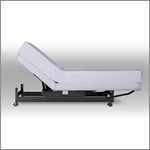
A residential adjustable bed can be an excellent fit for an older adult who wants a familiar bedroom appearance along with head and foot positioning. Many models are available in common mattress sizes, including twin, full, queen, and split king configurations. A split king can be useful for couples because each person can adjust their side independently. The trade-off is that it requires two mattresses and may create a center gap.
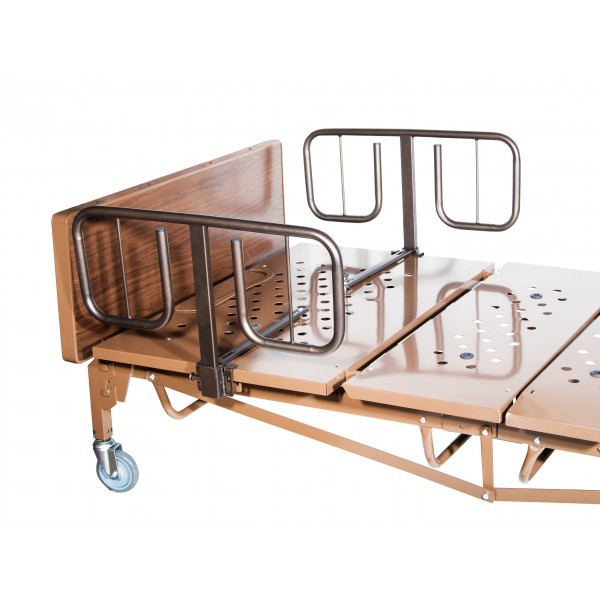
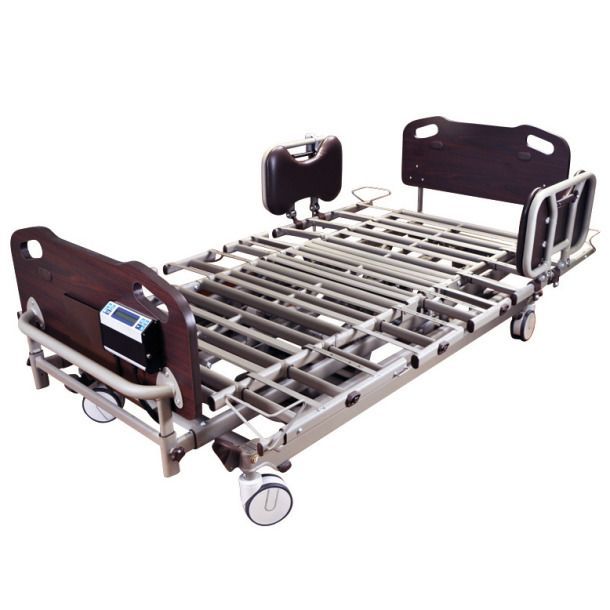
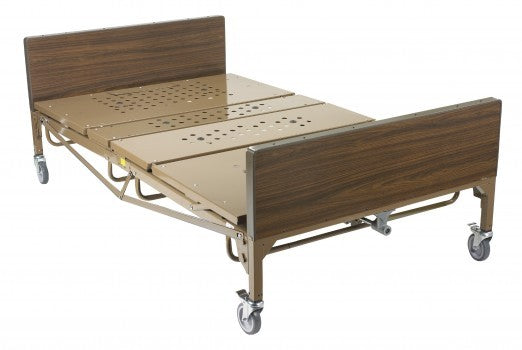
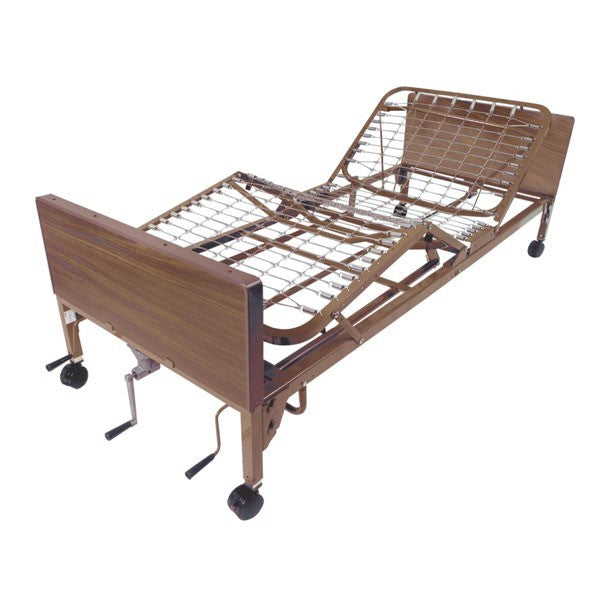
A hospital-style bed is often better suited to a person who needs a higher level of assistance, frequent repositioning, side rails selected for their care needs, or easier caregiver access. These beds may offer height adjustment in addition to head and foot articulation. That added functionality can be valuable, but it also means paying closer attention to room space, mattress compatibility, and the user's ability to operate the controls safely.
Measure the bedroom before ordering. Account for the bed's full length, the movement of the head and foot sections, nearby furniture, door swings, and a clear route for delivery and setup. A bed that fits on paper can still feel crowded if there is not enough space to walk, use mobility equipment, or provide care.
Mattress Compatibility Is Not Optional
Not every mattress works on an adjustable base. The mattress must flex with the moving sections without resisting the base or becoming damaged over time. Flexible foam, latex, and certain hybrid mattresses are commonly designed for adjustable use, while a traditional innerspring mattress may not bend correctly unless it is specifically rated for that purpose.
Comfort is only one part of mattress selection. Seniors with limited mobility or extended bed time may need to consider pressure redistribution, edge support, ease of movement, temperature preferences, and the ability to transfer in and out of bed. A mattress that feels soft in a showroom can make movement harder if the sleeper sinks too deeply.
Check the mattress dimensions and weight recommendations for the selected base. If using an existing mattress, verify its condition and compatibility rather than assuming it will work. Pairing the wrong mattress with an adjustable base can reduce comfort and may affect performance.
Features Worth Considering
The most useful features are the ones that match a real daily need. A simple wired or wireless remote with large, easy-to-read buttons can be more valuable than a long list of settings. Look for clearly marked head-up, foot-up, flat, and preset-position controls. Backlit buttons can be helpful for overnight use.
Other features may be worth considering depending on the person and home:
- Adjustable height: Helpful when transfers, wheelchair alignment, or caregiver access are major concerns.
- Emergency power-down capability: Allows the bed to return toward a flat position during a power interruption, depending on the model's design.
- Under-bed lighting: Can provide a low level of visibility for nighttime trips to the bathroom without turning on a bright room light.
- Wall-hugging design: Keeps the sleeper closer to a nightstand as the head section rises, which may make personal items easier to reach.
- Massage functions: Some people enjoy them for relaxation, while others may never use them. This feature should not outweigh more important fit and safety considerations.
Safety Details That Deserve Attention
An adjustable bed should feel stable in every position. Confirm the base's weight capacity, including the mattress and any accessories, not just the sleeper's body weight. For bariatric needs, choose equipment specifically designed to provide the required capacity and support.
Cords should be routed to reduce trip hazards, and the bed should be positioned near a grounded outlet without relying on unsafe extension-cord arrangements. Keep pets, bedding, and stored items away from moving mechanisms. Make sure the person knows how to return the bed to a flat position and can reach the remote when lying down.
Bed rails require thoughtful consideration. They can offer a handhold or help define the edge of the bed, but poorly matched rails can create entrapment hazards. Do not add rails or accessories without confirming that they are compatible with the bed and appropriate for the user's needs. A healthcare professional or experienced equipment specialist can help assess whether a rail, transfer handle, or another option is safer.
Plan for Delivery, Setup, and Ongoing Support
Because an adjustable bed is a large, long-term purchase, reliable buying support matters. Confirm what is included with delivery, whether assembly is required, how warranty service is handled, and who can answer product-specific questions after the bed arrives.
It helps to prepare the room in advance by removing the old bed, clearing pathways, and deciding where the remote, nightstand, medications, mobility aids, and charging devices will be placed. Small details make a noticeable difference once the bed becomes part of the daily routine.
American Quality Health Products has supported customers with home medical and mobility equipment since 2001, and expert guidance can help narrow the choices when bed height, mattress type, weight capacity, or caregiver needs are unclear. The right adjustable bed should feel like a practical extension of the home: easy to use, comfortable to live with, and suited to the person who will rely on it every day.


