
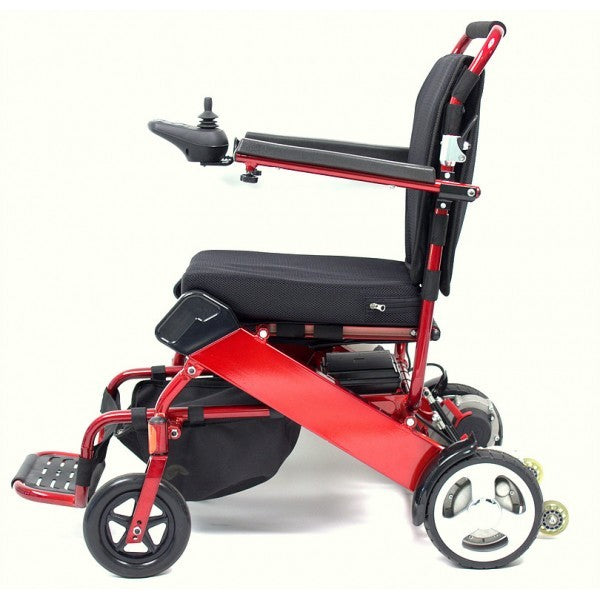
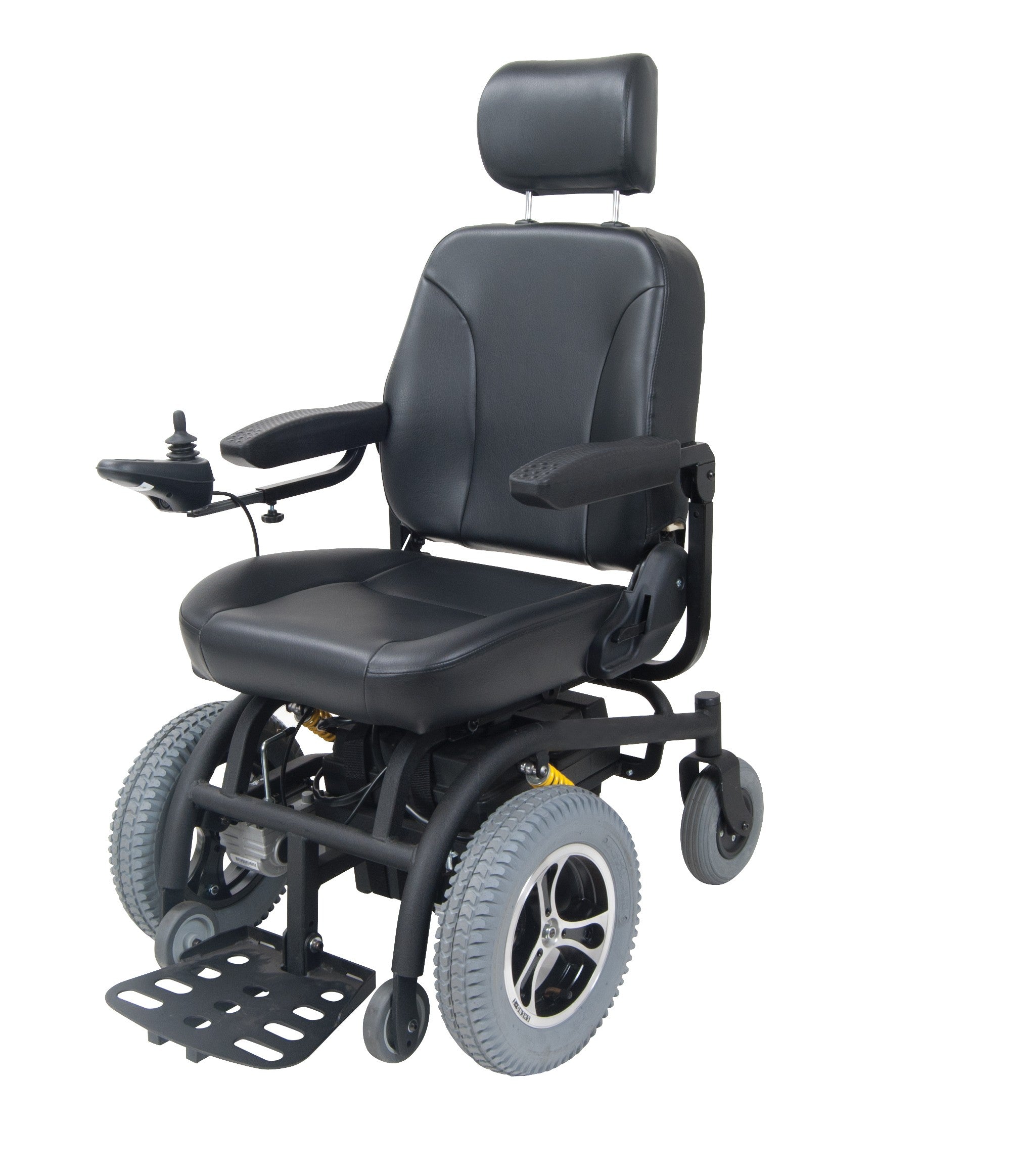
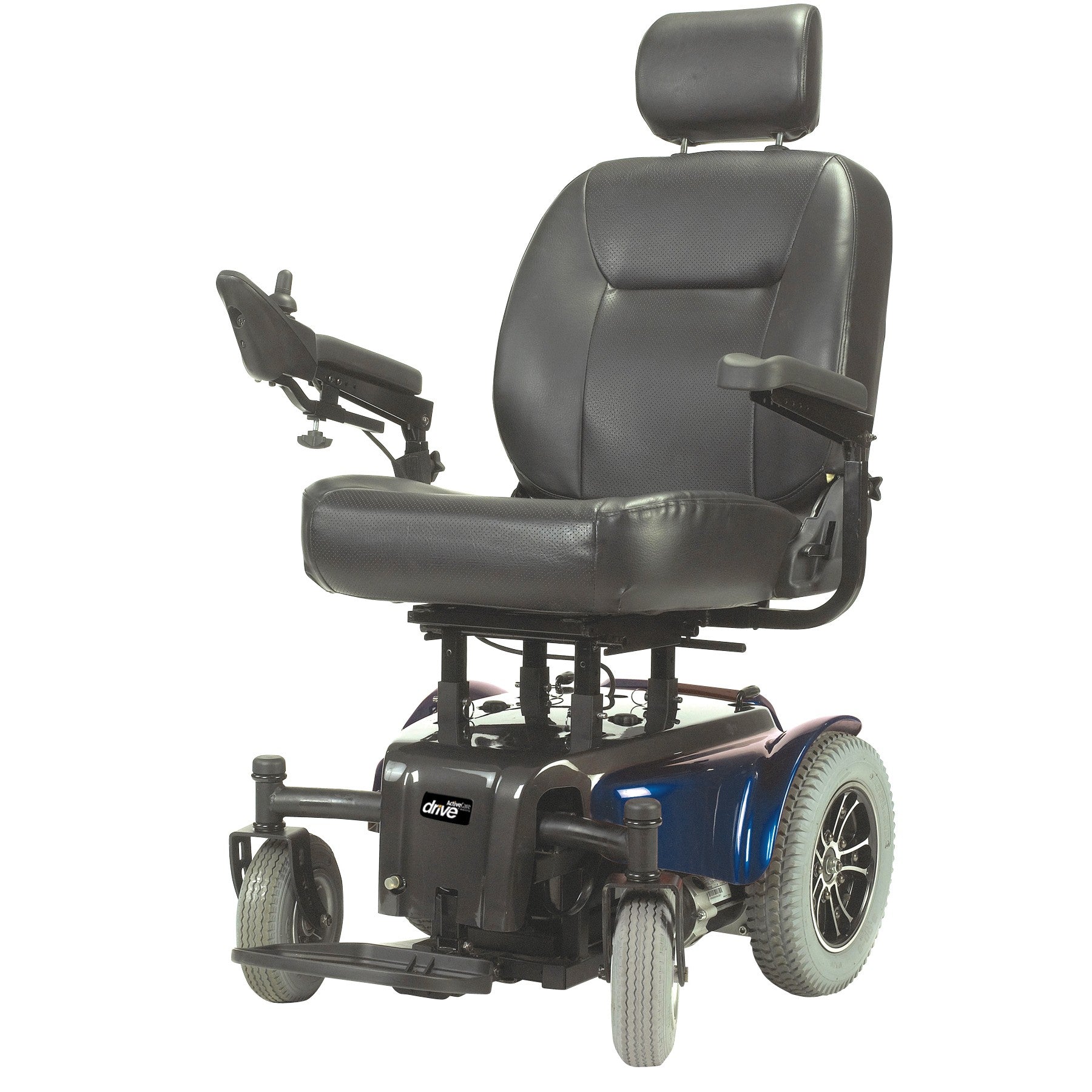
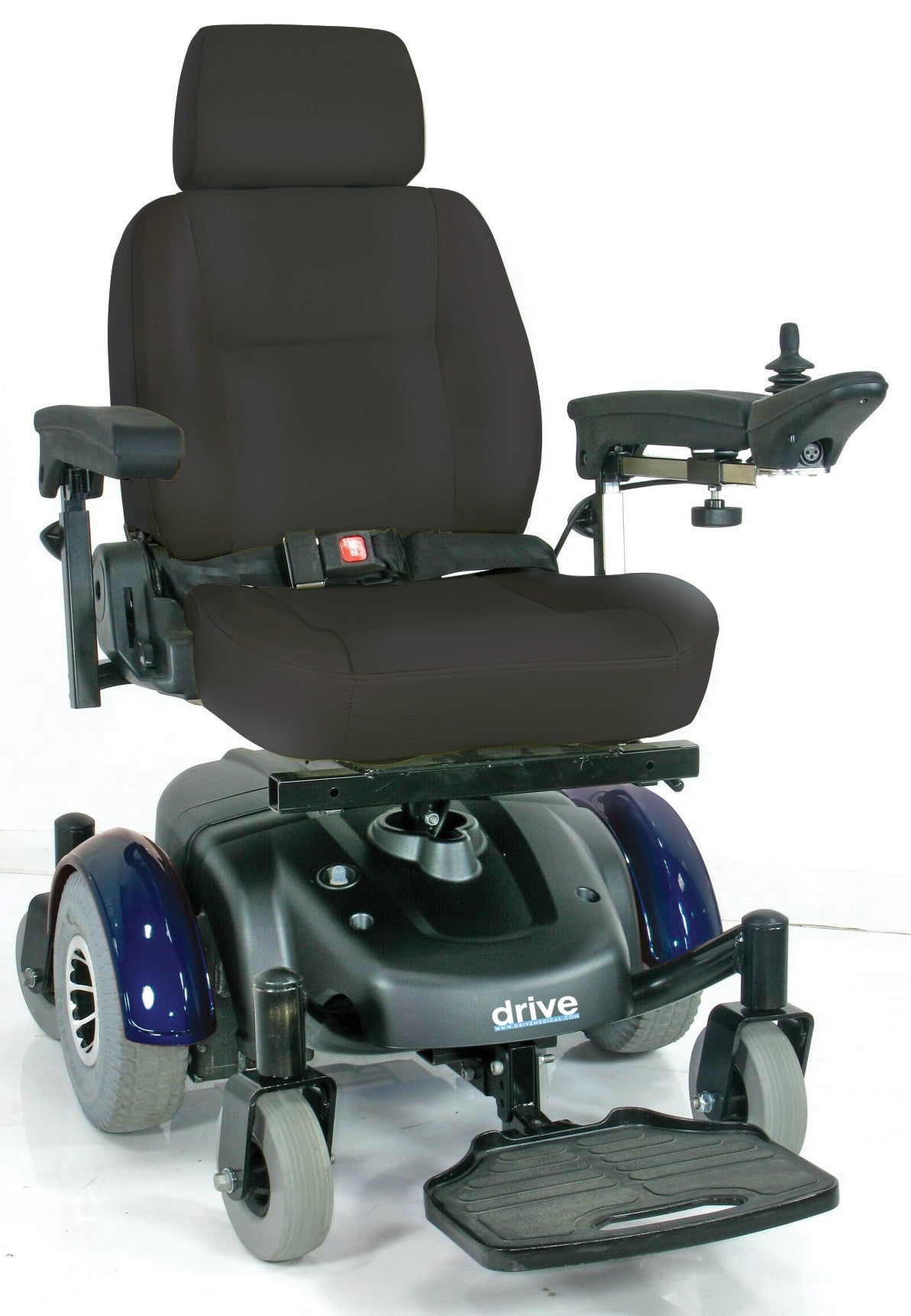
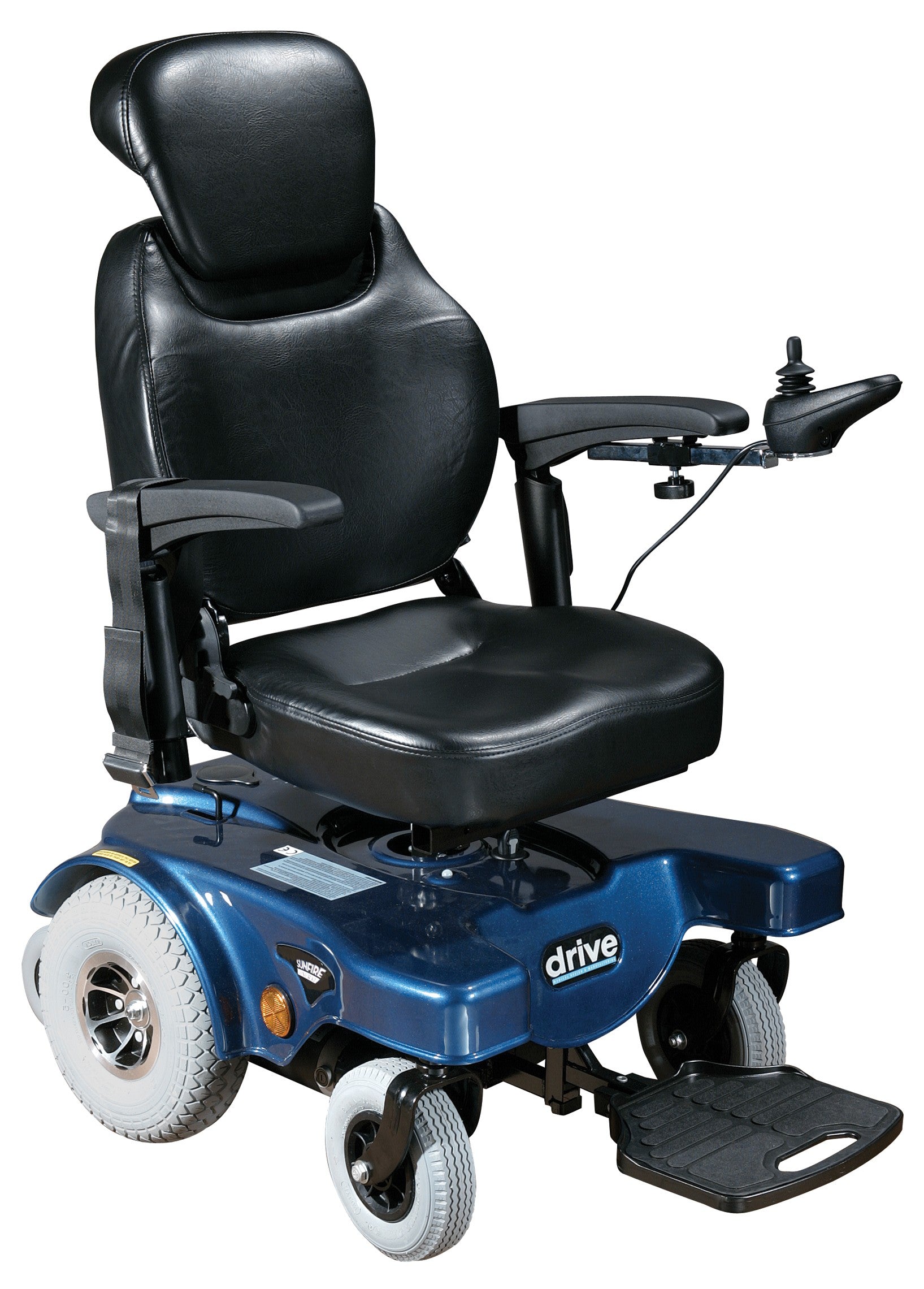
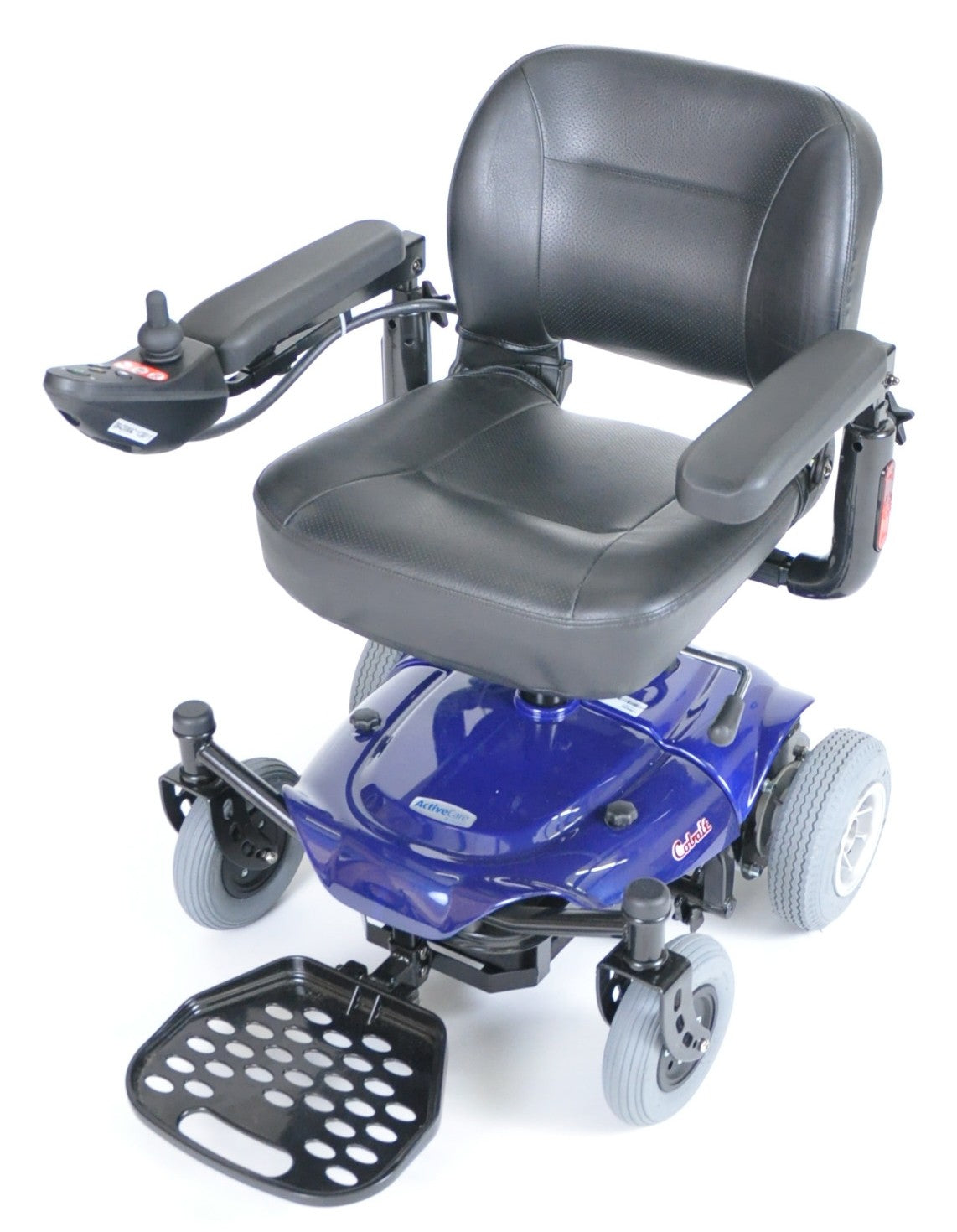


A scooter that feels cramped, unstable, or underpowered can turn a welcome source of independence into another daily frustration. The right bariatric mobility scooter options are built for more than a higher weight limit. They should provide comfortable seating, a stable ride, practical battery range, and enough room to support the way you actually move through your home and community.
For many shoppers, this is a high-consideration purchase. Whether you are buying for yourself, a parent, or someone recovering from illness or surgery, a careful match can make errands, family visits, appointments, and time outdoors feel manageable again.
What Makes a Mobility Scooter Bariatric?
A bariatric scooter is designed to accommodate a higher user weight capacity than a typical travel scooter. Many standard models are intended for lighter-duty use and may have narrower seats, shorter wheelbases, smaller tires, and less powerful drive systems. A bariatric model generally brings a stronger frame, wider seating, reinforced suspension or drivetrain components, and greater overall stability.
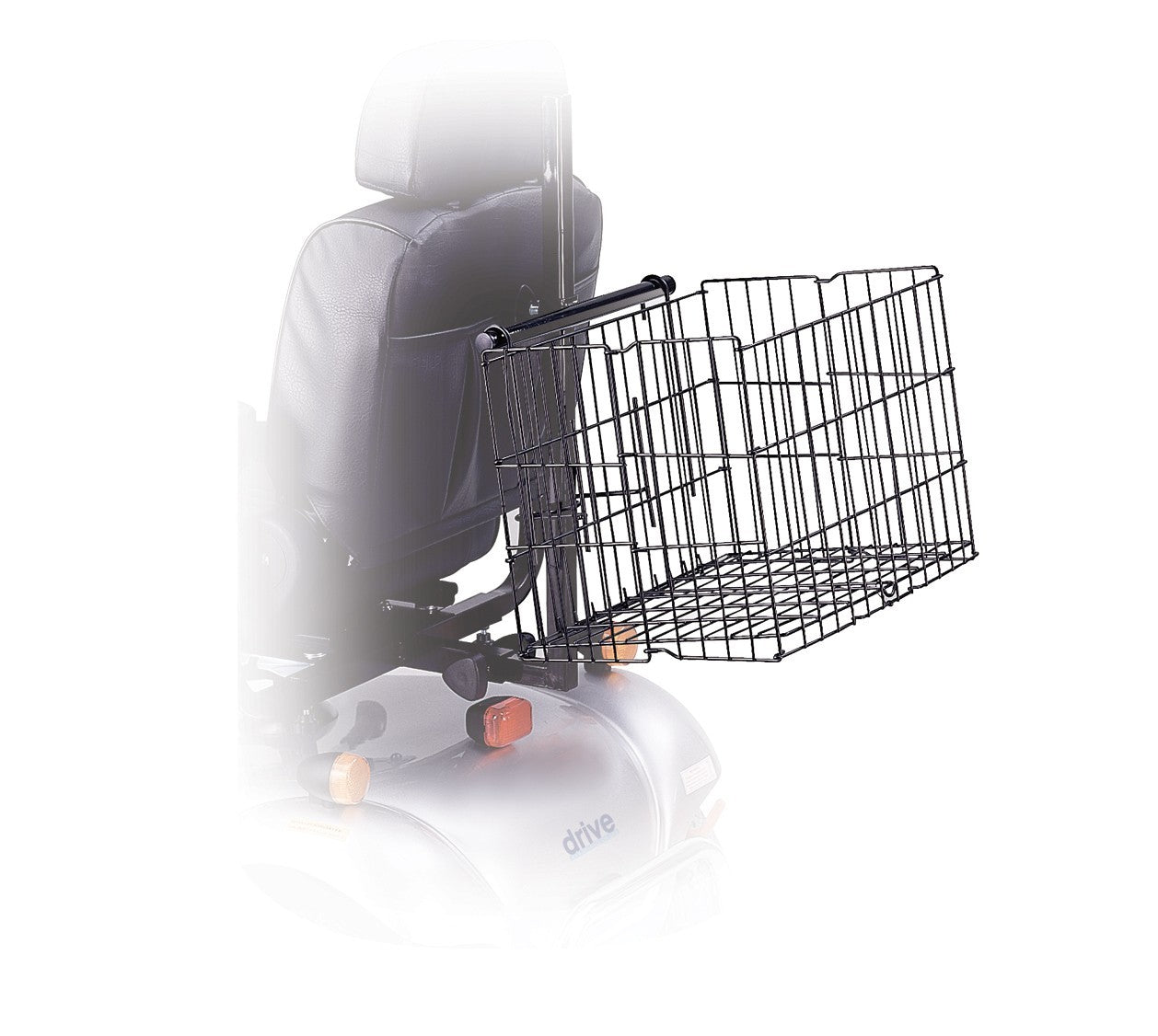
Weight capacity is the first number most shoppers notice, but it is not the only number that matters. The capacity must cover the user and the items they routinely carry, such as a purse, oxygen equipment, groceries, or a heavy winter coat. Choosing a model that is only barely rated above the expected load can limit performance and may place unnecessary strain on the scooter.
Comfort also matters over time. A wider, well-cushioned seat, adjustable armrests, a supportive backrest, and adequate legroom can make the difference between using the scooter occasionally and relying on it with confidence every day.
Bariatric Mobility Scooter Options by Lifestyle
The best scooter depends on where it will be used most often. Think about the places the rider goes in a normal week rather than choosing based on one feature alone.
Full-size scooters for daily community use
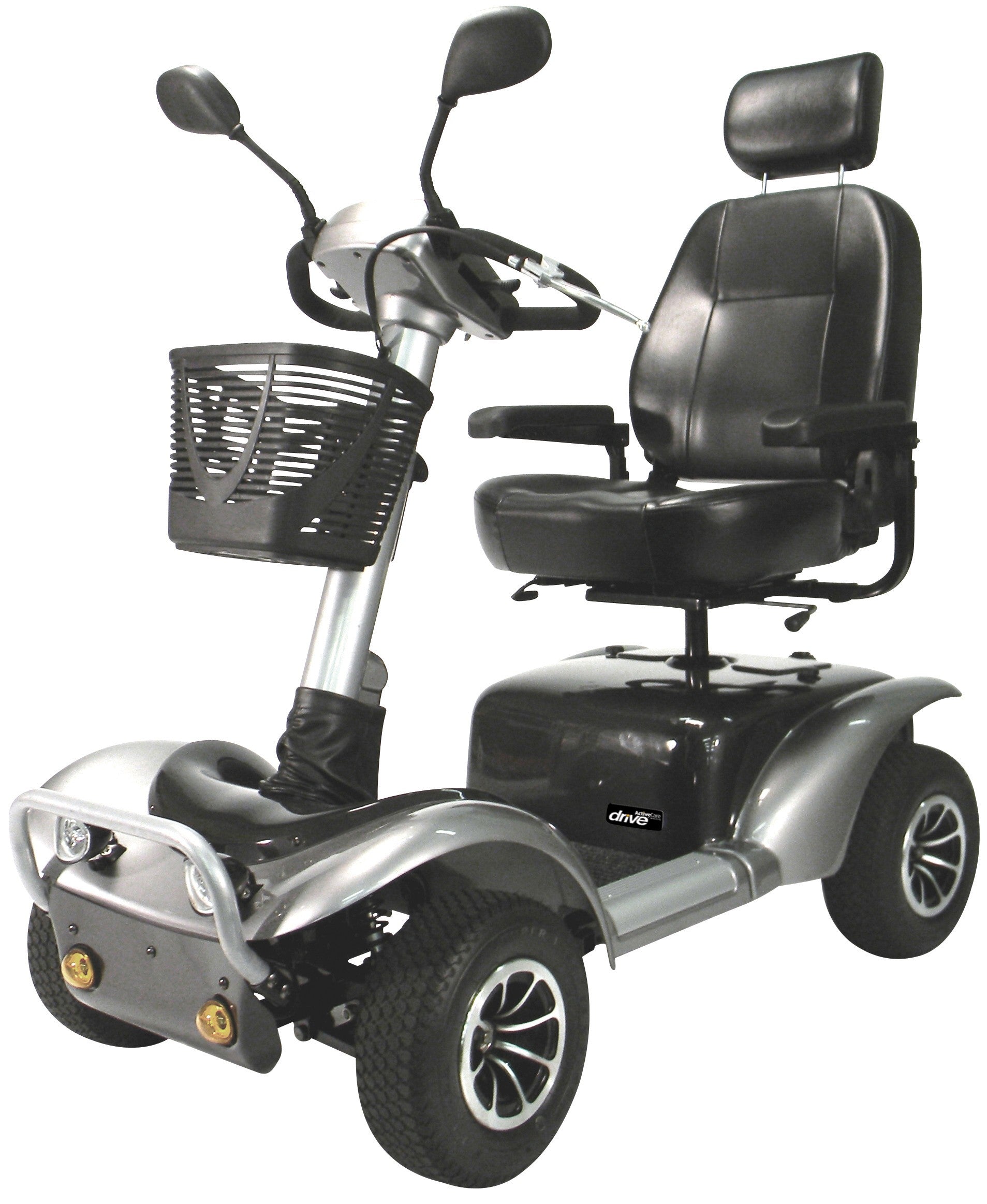
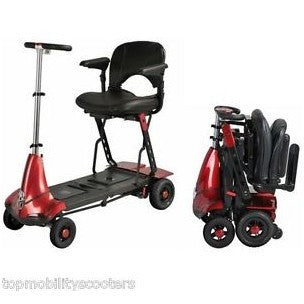
Full-size bariatric scooters are often the best fit for riders who need dependable transportation around larger stores, medical campuses, sidewalks, neighborhood streets, or outdoor events. These models commonly offer a longer operating range, larger batteries, wider tires, and a more substantial seat than compact scooters.
The trade-off is size. A full-size scooter may be difficult to lift, may not fit in a standard vehicle, and can require more room for parking and turning at home. It is a strong choice when comfort and stability are more important than quick disassembly for travel.
Heavy-duty outdoor scooters
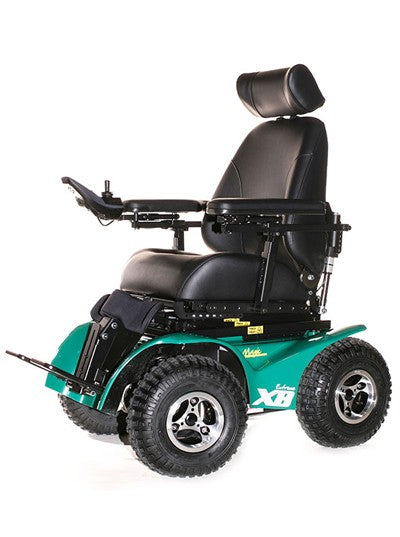
If uneven pavement, packed gravel, grass, long driveways, or changing weather are part of the routine, look for a heavy-duty model with a stable wheelbase, quality suspension, higher ground clearance, and tires suited to outdoor surfaces. More motor power can help the scooter handle gradual inclines and maintain a steady pace under a heavier load.
No mobility scooter should be treated like an all-terrain vehicle. Steep grades, loose gravel, deep grass, wet leaves, curbs, and standing water can create safety concerns even with a capable model. Still, an outdoor-oriented bariatric scooter can offer much more confidence than a lightweight travel design when the route includes imperfect surfaces.
Four-wheel versus three-wheel designs
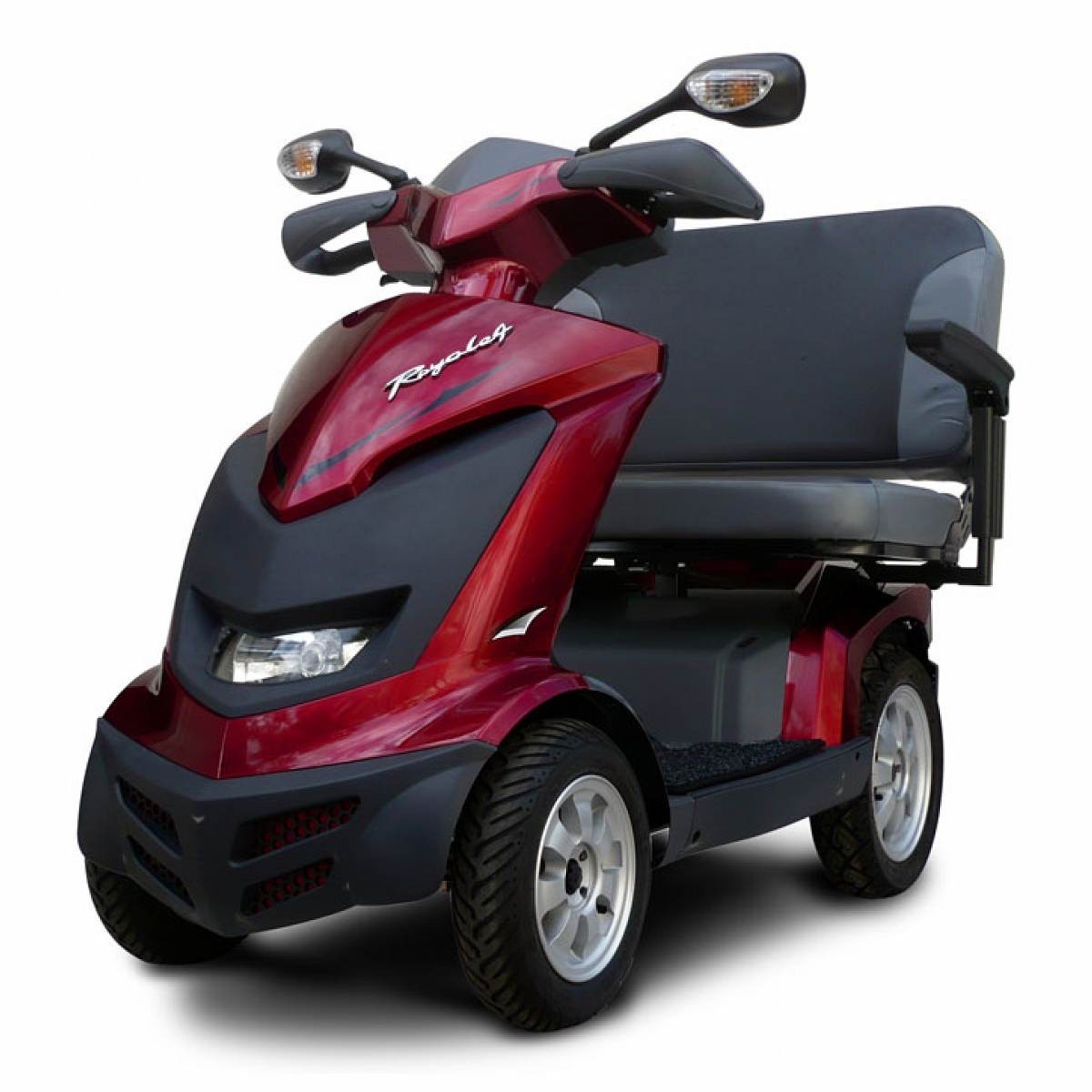
Four-wheel scooters are often preferred for bariatric use because they provide a broad, stable base. They are particularly helpful outdoors, on longer trips, and for riders who want a planted feel when making turns. The added stability usually comes with a wider turning radius.
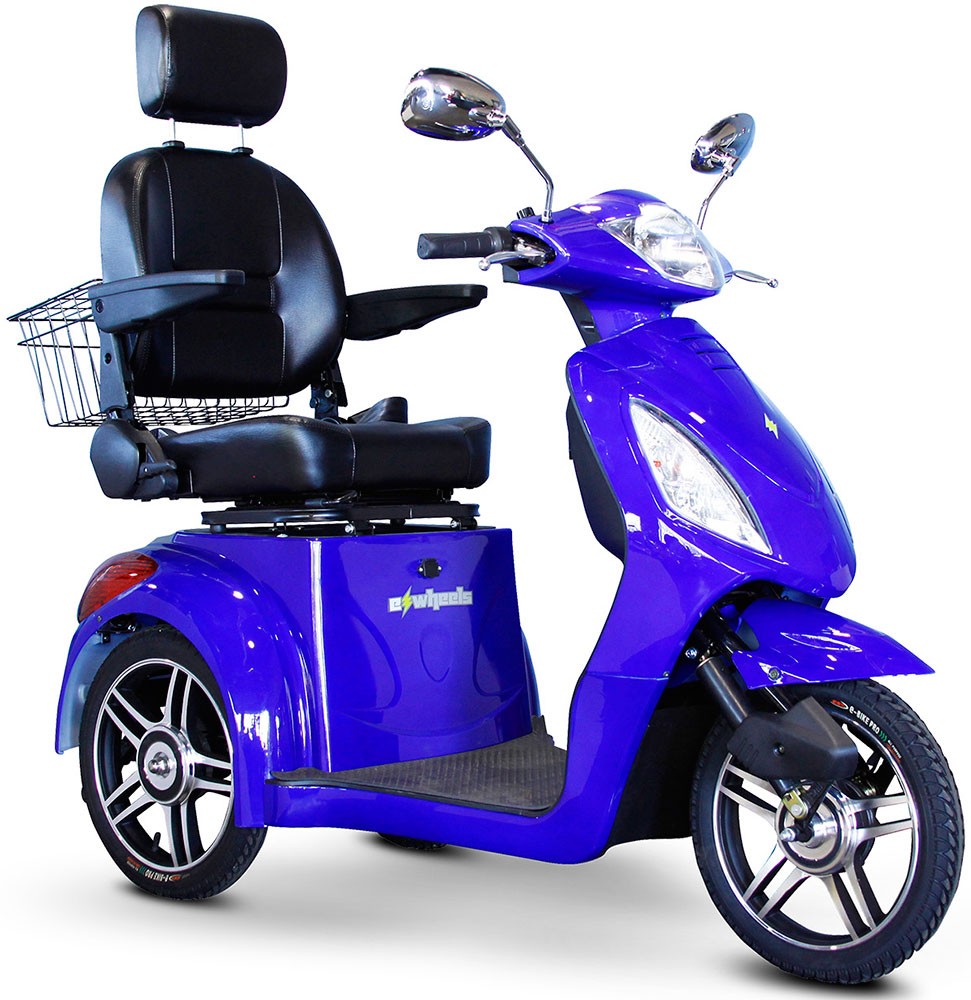
Three-wheel scooters can offer more legroom and a tighter turning radius, which can be useful in larger indoor spaces, shopping areas, and accessible apartments. They may be appropriate for some users, but the rider's balance, route, body position, and typical terrain should all be considered carefully. For many bariatric shoppers, a four-wheel platform offers the confidence they want for everyday use.
Start With Fit, Not Just Capacity
A scooter can meet the weight rating on paper and still be the wrong fit. Before narrowing down models, measure the rider and the spaces where the scooter will travel.
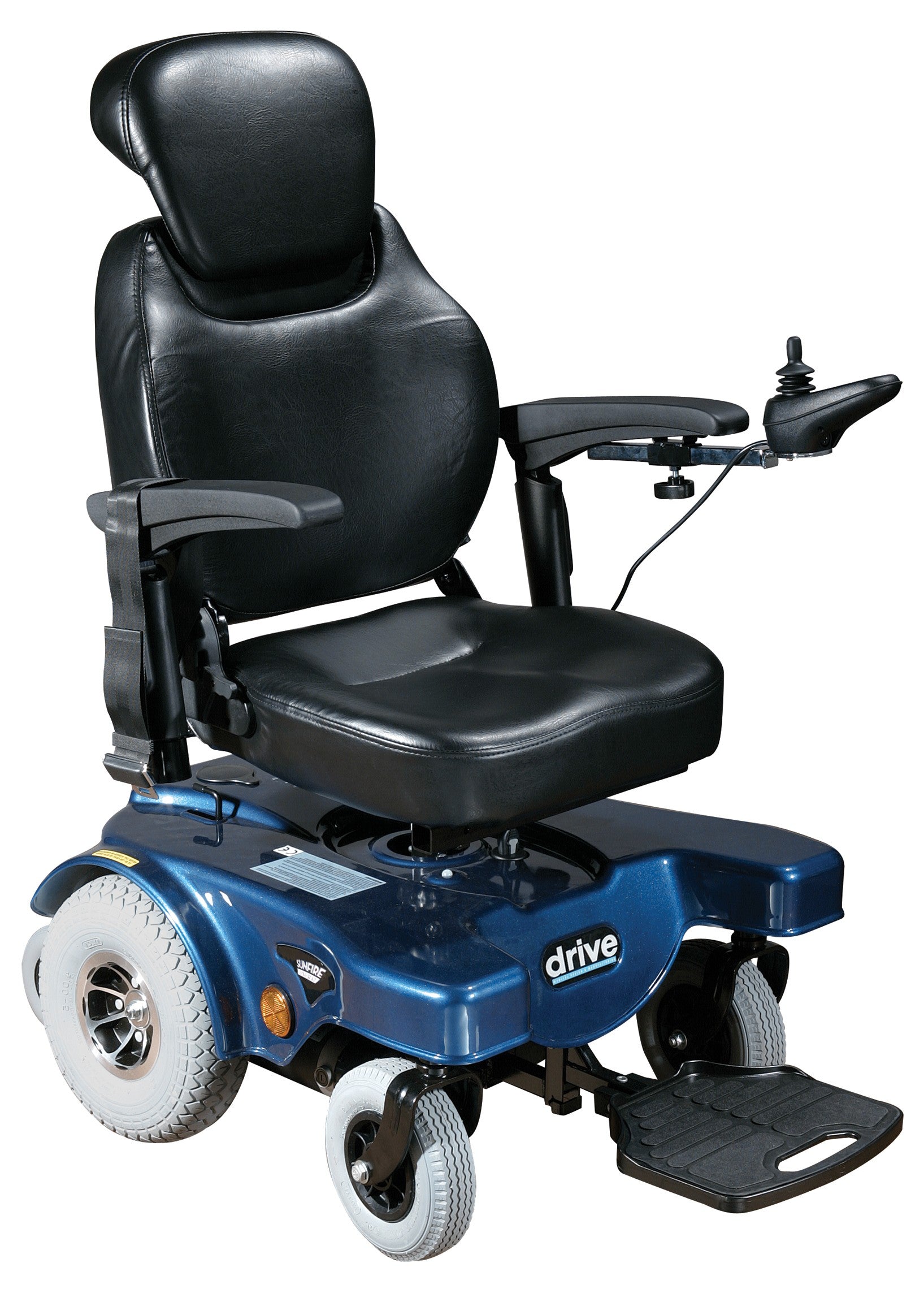
Seat width and depth should allow the rider to sit fully back with room at the hips and thighs, without feeling pinched by the armrests. Seat height affects how easily the rider can transfer on and off. Adjustable armrests and a swivel seat can make transfers easier, especially for people with knee, hip, or back limitations.
Next, consider legroom. Taller riders may need a longer deck and enough distance between the seat and tiller. The tiller should be easy to reach without leaning forward or putting pressure on the shoulders. If the rider has limited hand strength or arthritis, look at the controls, throttle style, and tiller adjustment as closely as the seat.
At home, measure doorways, hallways, elevator interiors, turning areas, and the location where the scooter will be stored and charged. Do not assume a scooter that fits through the front door will make the turn into a bathroom, bedroom, or kitchen. A little measuring before purchase can prevent a major inconvenience later.
Battery Range, Speed, and Real-World Use
Published travel range is helpful, but it is not a guarantee. Rider weight, hills, tire condition, outside temperature, stops and starts, cargo, and battery age all affect how far a scooter can go on one charge. A heavier rider using a scooter outdoors on inclines will typically see less range than ideal test conditions suggest.
Choose a range that leaves a comfortable margin for the longest normal outing. If regular trips include appointments across a large campus or extended shopping, a larger battery setup may be worth the added size and charging time. For short, predictable trips near home, an oversized battery may not be necessary.
Speed should also match the environment. Faster models can be useful on long outdoor paths, but controlled handling and responsive braking matter more than top speed in crowded stores, apartment communities, and busy walkways. A scooter should feel predictable, not intimidating.
Safety Features Worth Prioritizing
Safety equipment is not an add-on to think about later. It should be part of the initial decision, particularly for riders with reduced balance, vision changes, or limited upper-body strength.
Look for these practical features when comparing models:
- Anti-tip wheels that provide added support on inclines and uneven transitions.
- Bright front lighting, rear lighting, and reflectors for visibility in dim conditions.
- A horn and easy-to-reach controls for navigating shared public spaces.
- A secure seat belt and a stable, non-slip foot platform.
- A clear battery gauge so the rider can plan trips before charge levels become low.
Plan for Transport and Storage
Most bariatric mobility scooters are not designed to be lifted into a trunk or quickly broken down into lightweight pieces. If transporting the scooter is a priority, plan for a compatible vehicle lift, accessible van, trailer solution, or a vehicle with sufficient cargo space and ramp access.
Storage is just as important. The scooter needs a dry, secure area with access to an appropriate electrical outlet for charging. Avoid storing batteries in extreme heat, freezing temperatures, or damp areas. Keeping the batteries charged according to the manufacturer's guidance helps protect performance and extends useful battery life.
Ask yourself who will handle loading, charging, routine checks, and any necessary service. A larger scooter reduces certain compromises for the rider, but it may require more planning from the household.
Get Guidance Before You Choose
Bariatric mobility equipment should feel personal because it is personal. A knowledgeable specialist can help compare seat dimensions, capacity, turning radius, range, ground clearance, and transport needs against the rider's daily routine. That conversation is especially useful when the buyer is a caregiver shopping from a distance or when several health concerns affect comfort and transfers.
American Quality Health Products has supported mobility shoppers since 2001 with a broad selection of established mobility brands and live, US-based expert assistance. The goal is not simply to choose the largest scooter available. It is to find one that supports safer movement, greater comfort, and more independence where it matters most.
A well-matched scooter gives its rider more than a way to get from one place to another. It can make the next appointment, family gathering, neighborhood outing, or quiet trip outside feel like a choice again.


