
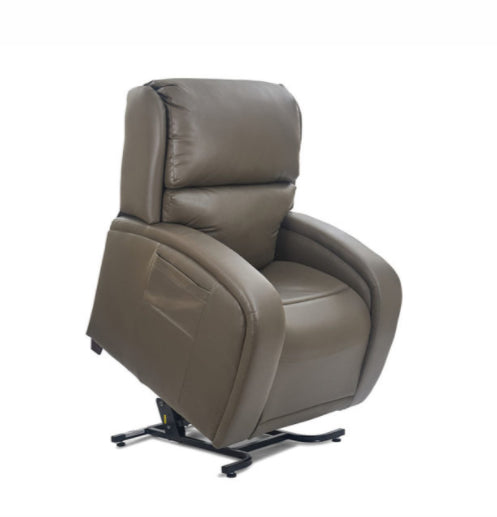
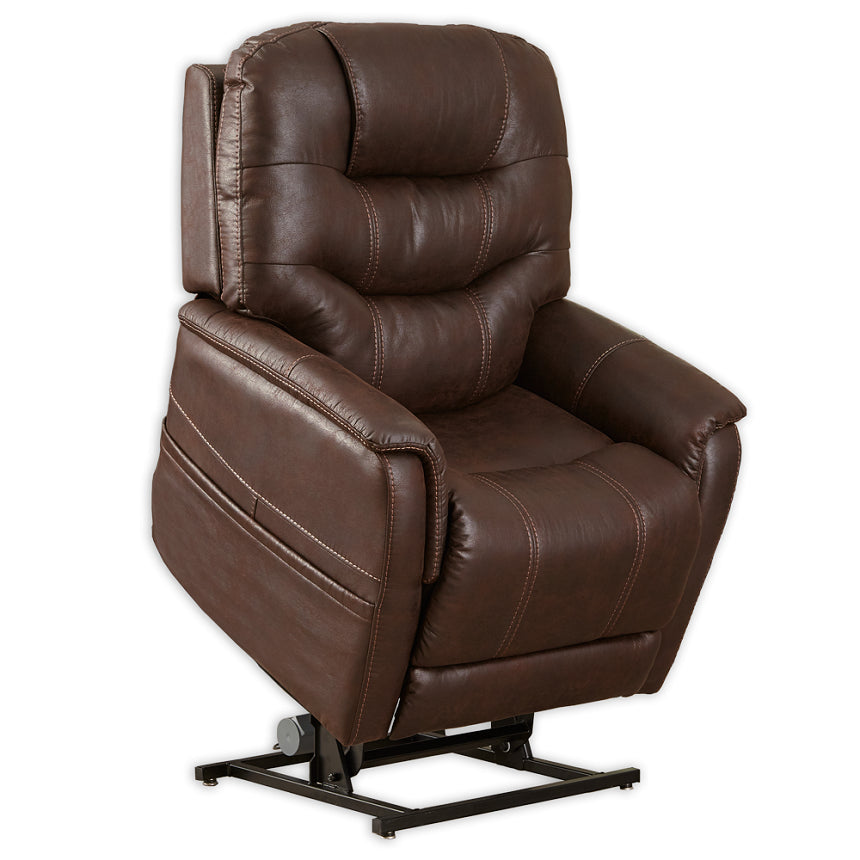
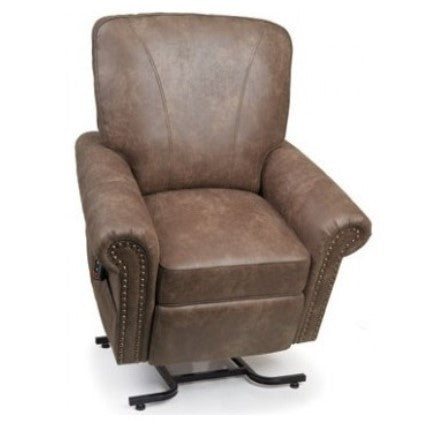
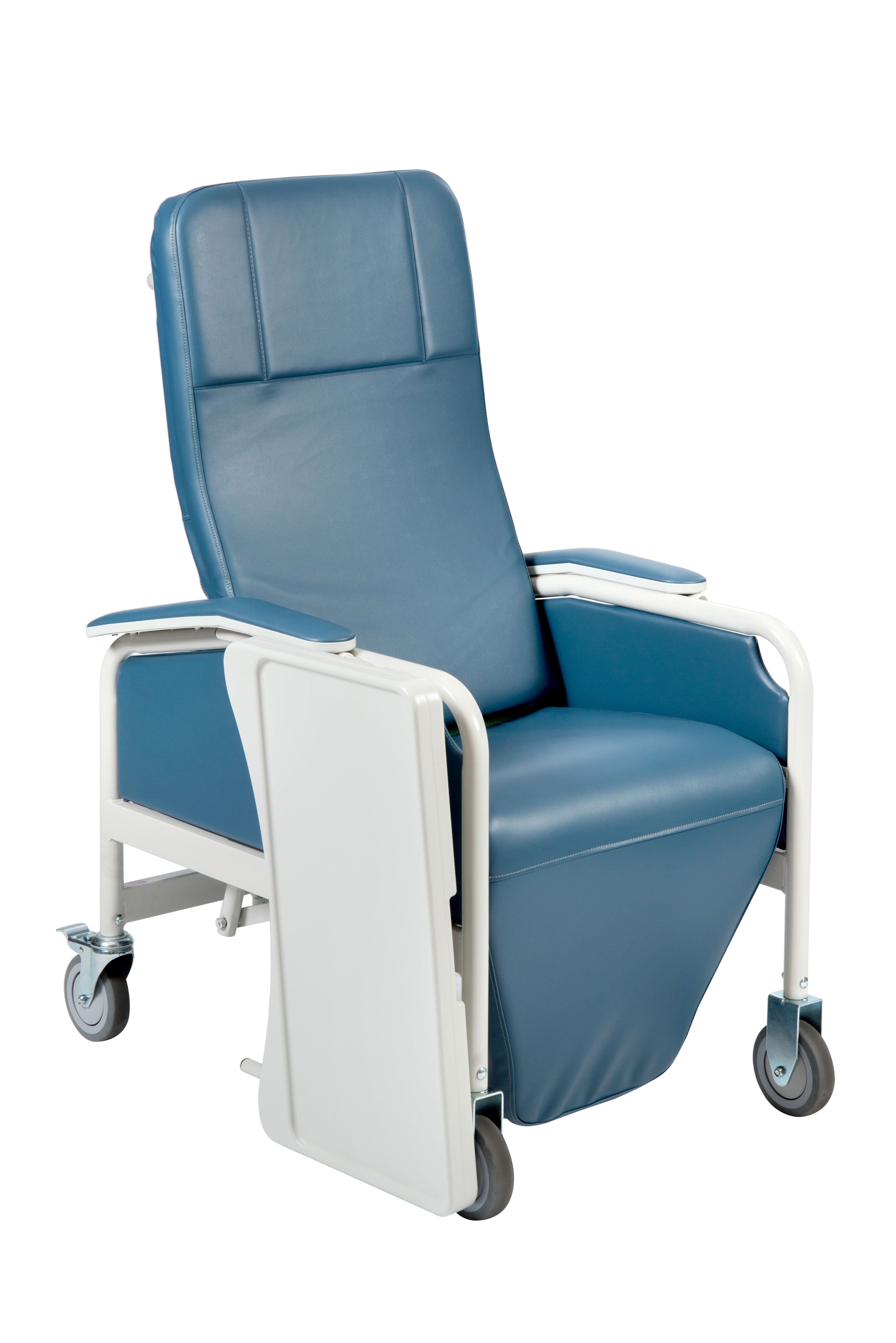

What Makes a Lift Chair Different From a Regular Recliner?
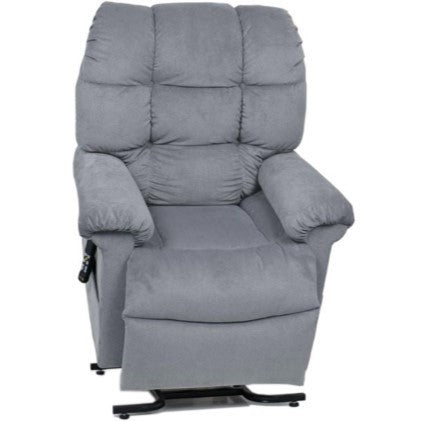
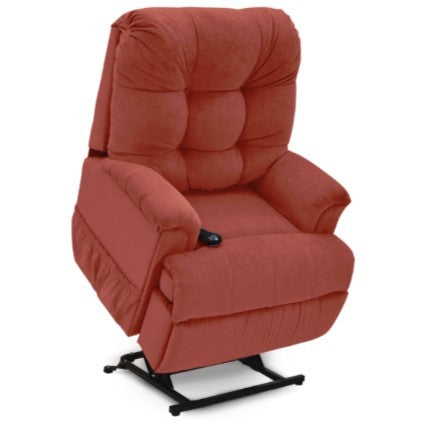
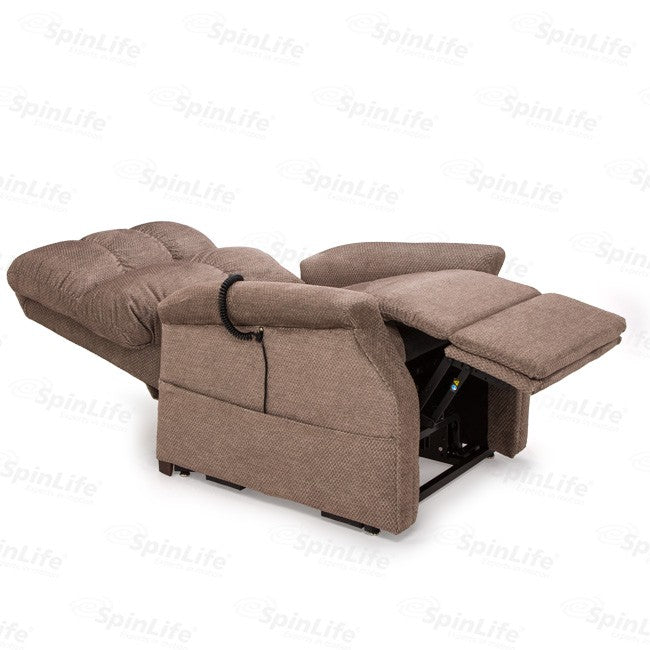
Your recliner can't do this: tilt you forward and upward to a near-standing position with the push of a button. That powered lift function is what separates a lift chair from every other piece of living room furniture, and it's the reason lift chairs are classified as FDA Class II Medical Devices. The motorized seat-lift mechanism qualifies as Durable Medical Equipment (DME) under Medicare Part B when prescribed by a physician.
The clinical case is straightforward. One in four adults over 65 falls each year, and sit-to-stand transitions are among the highest-risk moments. A lift chair removes that risk by handling the work for you.
Lift chairs come in three main types: 2-position, 3-position, and infinite-position. Together, 3-position and infinite-position models account for over 60% of global lift chair demand. With the first Baby Boomers turning 80 this year and over 4 million Americans crossing the age-65 threshold in 2026 alone, demand for home medical equipment has never been higher. At American Quality Health Products, we've been helping families navigate these decisions since 2001, and this guide covers everything you need to make the right choice.
Infinite Position Lift Chairs: The Dual-Motor Difference Explained
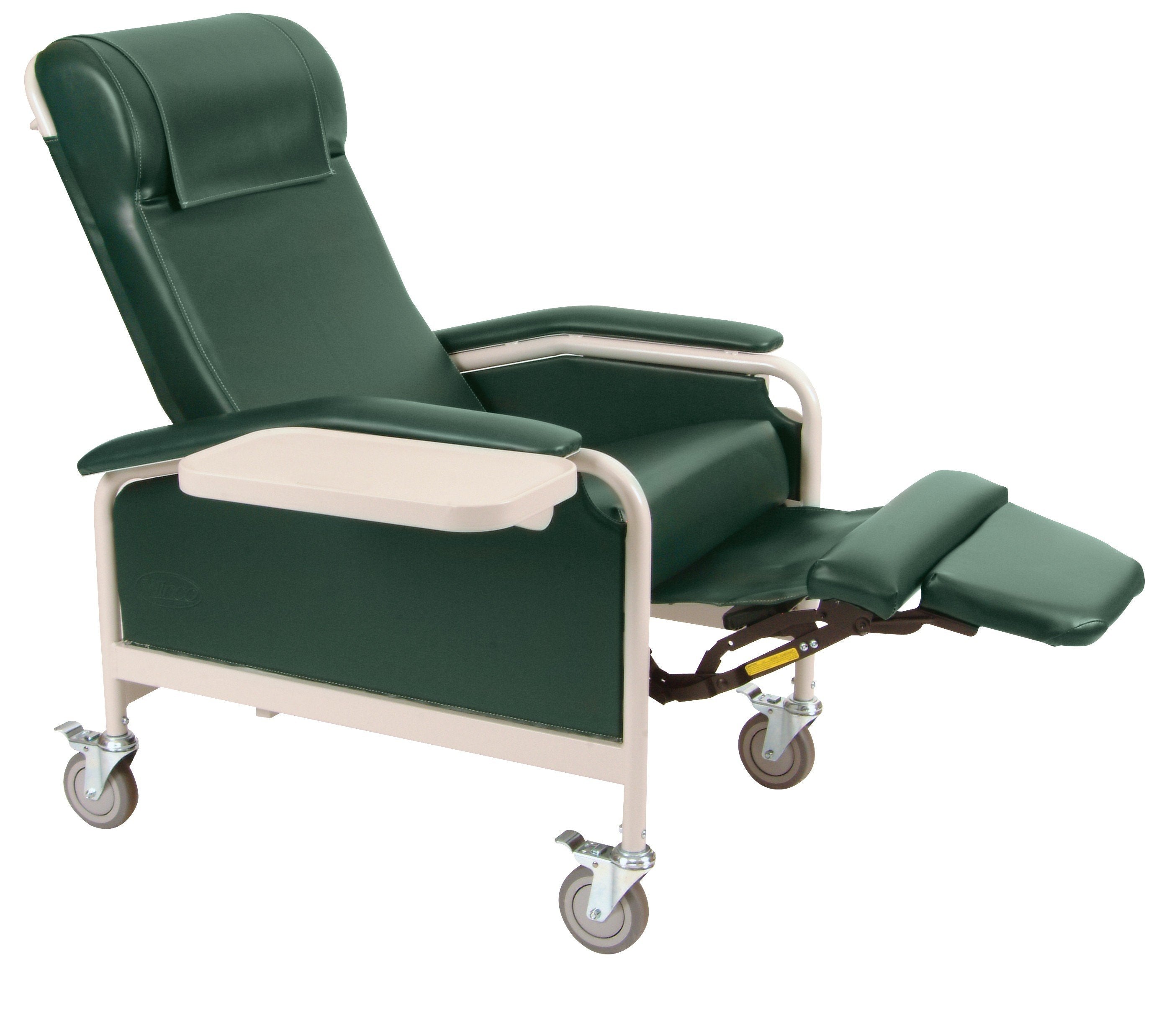
The defining feature of an infinite-position lift chair is its dual-motor system. One motor controls the backrest; the other controls the footrest. This means you can adjust each independently, stopping at any angle you prefer. Single-motor lift chairs (2-position and most 3-position models) move the backrest and footrest as a linked unit, so you can't raise your legs without also reclining your back.
That independence matters clinically. If you're managing leg edema, recovering from surgery, or dealing with chronic lower back pain, you may need your legs elevated while your torso stays upright. A single-motor chair simply can't do that.
Select premium infinite-position models can even achieve a Trendelenburg position, where your legs are elevated above heart level. This is a therapeutic position used in clinical settings to promote venous return and reduce swelling. It's a feature most competitor guides never mention, but it can be genuinely valuable for users with circulatory concerns.
The numbers reflect growing demand. The infinite-position sub-segment is the fastest-growing lift chair category, projected to expand at an 8.9% CAGR through 2034. Dual-motor technology has improved overall lift chair appeal by nearly 35% according to recent market data. If you want the most flexibility from your chair, infinite position is the category to focus on.
Zero Gravity Lift Chairs: NASA Science Meets Home Healthcare
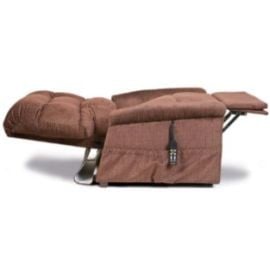
Zero gravity positioning is inspired by NASA's neutral body posture (NBP): the position astronauts naturally assume in weightlessness, a 120 to 130 degree angle between the torso and thighs, with the legs elevated to roughly heart level. In this position, gravitational stress on the lumbar spine drops dramatically, circulation improves, and pressure is redistributed across the body rather than concentrated on the lower back and hips.
Here's the distinction that confuses many buyers: all zero-gravity lift chairs are infinite-position chairs. Zero gravity is a specific reclined angle achievable within the infinite-position range, not a separate mechanical category. Zero-gravity models are engineered and calibrated to hit that precise NASA-derived angle consistently, often with enhanced features to support the position.
Golden Technologies' patented Twilight 5-zone positioning system is a standout example. It uses five independent motors to control the footrest, backrest, headrest, lumbar support, and tilt angle separately, delivering a true zero-gravity sensation that standard dual-motor chairs can't replicate.
Zero-gravity models command a premium. They represented about 11.3% of the lift chair market in 2025, with average selling prices starting above $2,800. That price gap makes more sense once you understand you're paying for precision engineering, not just a marketing label. If spinal decompression, post-surgical recovery, or chronic pain relief are priorities, zero gravity is worth the investment.
Lift Chairs With Massage and Heat: What the Features Actually Do
Not all massage systems are created equal, and this is where many buyer's guides fall short. There are two fundamentally different types of massage found in lift chairs:
- Vibration massage uses small motors that produce rhythmic pulsing. It's effective for general relaxation and mild muscle tension but doesn't provide deep tissue work.
- Air-chamber massage uses inflatable cells that expand and contract to knead tissue. This delivers a more therapeutic experience, closer to what you'd feel from a professional massage.
Golden Technologies' DeLuna Series features their Nirvana Swedish Air Massage system with 10 air chambers, providing full-body kneading action. Pride Mobility's VivaLift Premier PLR-5900 takes a different approach with a bladder massage system offering 3 intensity settings, plus infrared heat therapy.
Infrared heat is worth understanding. Unlike surface-level heating pads, infrared heat penetrates deeper into muscle tissue, promoting relaxation, improving local circulation, and relieving joint pain. For users with arthritis or chronic pain conditions, this feature can make a meaningful daily difference.
Premium lift recliners with heat and massage have seen a 33% increase in demand in the U.S. home healthcare market, and the feature set keeps expanding. The Pride VivaLift Premier now includes app-connected remotes, programmable position memory, wireless charging, and integrated audio.
One critical safety feature that almost no competitor content mentions: backup battery systems. The Pride VivaLift Ultra includes a lithium battery backup that allows you to lower the chair and stand up during a power outage. If you rely on your lift chair daily, this feature isn't optional.
Bariatric Lift Chairs: Built for Strength, Designed for Dignity
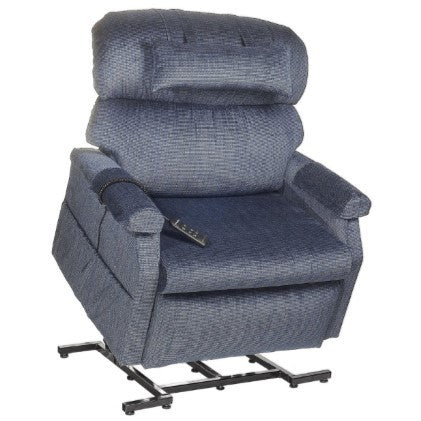
Standard lift chairs support 350 to 375 pounds. Heavy-duty bariatric models support up to 700 pounds, built with steel-reinforced frames, high-density cushioning, reinforced footrests, and triple-motor systems to handle the additional weight load across independent zones.
The structural differences go beyond weight capacity. Bariatric lift chairs feature extra-wide seat pans (24 to 28 inches compared to the standard 20 to 21 inches), providing the room and support that larger users need for comfortable, safe daily use.
Pride Mobility and Golden Technologies both manufacture bariatric models in the 500 to 700 pound capacity range. These chairs are available with the same comfort features found in standard models, including massage, heat, and zero-gravity positioning. No one should have to choose between capacity and comfort.
Most buyer's guides treat bariatric users as an afterthought, if they mention them at all. Every person deserves equipment that fits their body and supports their independence with dignity. If you or a loved one needs a higher weight capacity, these options exist and they perform.
How to Size a Lift Chair Correctly (Most Buyers Skip This Step)
Poor sizing is the leading cause of lift chair returns. Three measurements matter most:
- Seat height (floor to the top of the seat pan): Your feet should rest flat on the floor with your knees at a 90-degree angle. Too high creates instability; too low makes standing difficult.
- Seat depth (back of the seat to the front edge): This should match your thigh length. A seat that's too deep puts pressure behind the knees and restricts circulation. Too shallow, and your thighs lose support.
- Seat width: The seat should be wide enough for comfort without excess space that reduces lateral support.
Fit challenges are common at the extremes. Users above 6'2" often need extended seat depths and higher seat pans. Users under 5'3" frequently find standard chairs too deep, causing them to sit forward and lose back support. Both situations are solvable with the right model selection.
One more consideration for smaller rooms: wall-hugger lift chairs need only 6 to 12 inches of clearance from the wall to fully recline, compared to 18 to 24 inches for standard models. If your living space is tight, a wall-hugger can make the difference between a chair that fits your room and one that doesn't. Getting these measurements right before you order saves time, frustration, and return shipping costs.
Medicare Coverage for Lift Chairs: What It Pays For (And What It Doesn't)
This is where most buyers get surprised. Medicare Part B covers 80% of the approved cost of the motorized lift mechanism only. It does not cover the chair frame, cushioning, or upholstery. Those costs are your responsibility.
The 2026 Medicare Part B annual deductible is $288. After you meet that deductible, Medicare pays 80% of the approved lift mechanism cost, and you pay the remaining 20% plus the full price of the chair itself.
To qualify, you need:
- A doctor's prescription
- A Certificate of Medical Necessity (CMS-849 form)
Qualifying conditions include severe arthritis of the hip or knee, neuromuscular diseases, balance impairments, and post-surgical recovery from hip or knee replacement. Always consult your physician and confirm your specific coverage with Medicare before purchasing.
American Quality Health Products has been a trusted resource for Medicare-related equipment questions since 2001. Our US-based product specialists can help you understand your options and navigate the reimbursement process. Give us a call and we'll walk you through it.
Choosing the Right Lift Chair: Your Decision Checklist
Before you buy, work through these key decision points:
- Motor type: Single motor (linked backrest/footrest) or dual motor (independent control)
- Positioning range: 2-position, 3-position, infinite position, or zero gravity
- Weight capacity: Standard (up to 375 lbs) or bariatric (up to 700 lbs)
- Seat dimensions: Measured to fit the user's body (height, depth, width)
- Upholstery: Fabric is most breathable; vinyl and Ultrafabrics are easiest to clean (important for incontinence management); genuine leather is durable but can retain heat
- Add-on features: Massage, heat, battery backup, smart controls
Here's a number worth considering: home caregiver assistance typically costs $25 to $40 per hour. A lift chair that reduces caregiver dependency by just 2 to 3 hours per week can pay for itself within one to two years. For family caregivers and adult children shopping for aging parents, that's a compelling return on investment.
With 41% of lift chair purchases now happening online, buying from a knowledgeable retailer with live support matters more than ever. At American Quality Health Products, we offer our Lowest Price Guarantee on every lift chair, free shipping on orders over $100, and 100% financing options through third-party providers. Our US-based product specialists are available by phone six days a week, backed by over 22 years of experience and 5,000+ verified customer reviews.
Browse our full selection of lift chairs from Pride Mobility, Golden Technologies, and Drive Medical. If you have questions, call us. That's what we're here for.


