



Which Mobility Device Actually Fits Your Life?
Choosing the wrong mobility device can cost you thousands of dollars and, worse, limit the very independence you're trying to protect. Mobility challenges affect nearly 40% of adults over 65, and the decision between a mobility scooter and a power wheelchair is one of the most consequential choices you'll make for your daily quality of life.
Scooters and power wheelchairs may look similar at first glance, but they're built for fundamentally different users and environments. The right pick depends on your home layout, physical ability, lifestyle, Medicare coverage, and budget.
At American Quality Health Products, we've helped customers navigate this exact decision since 2001. Here's what more than two decades of experience has taught us about matching people with the right device.
Understanding the Core Difference: How Each Device Works
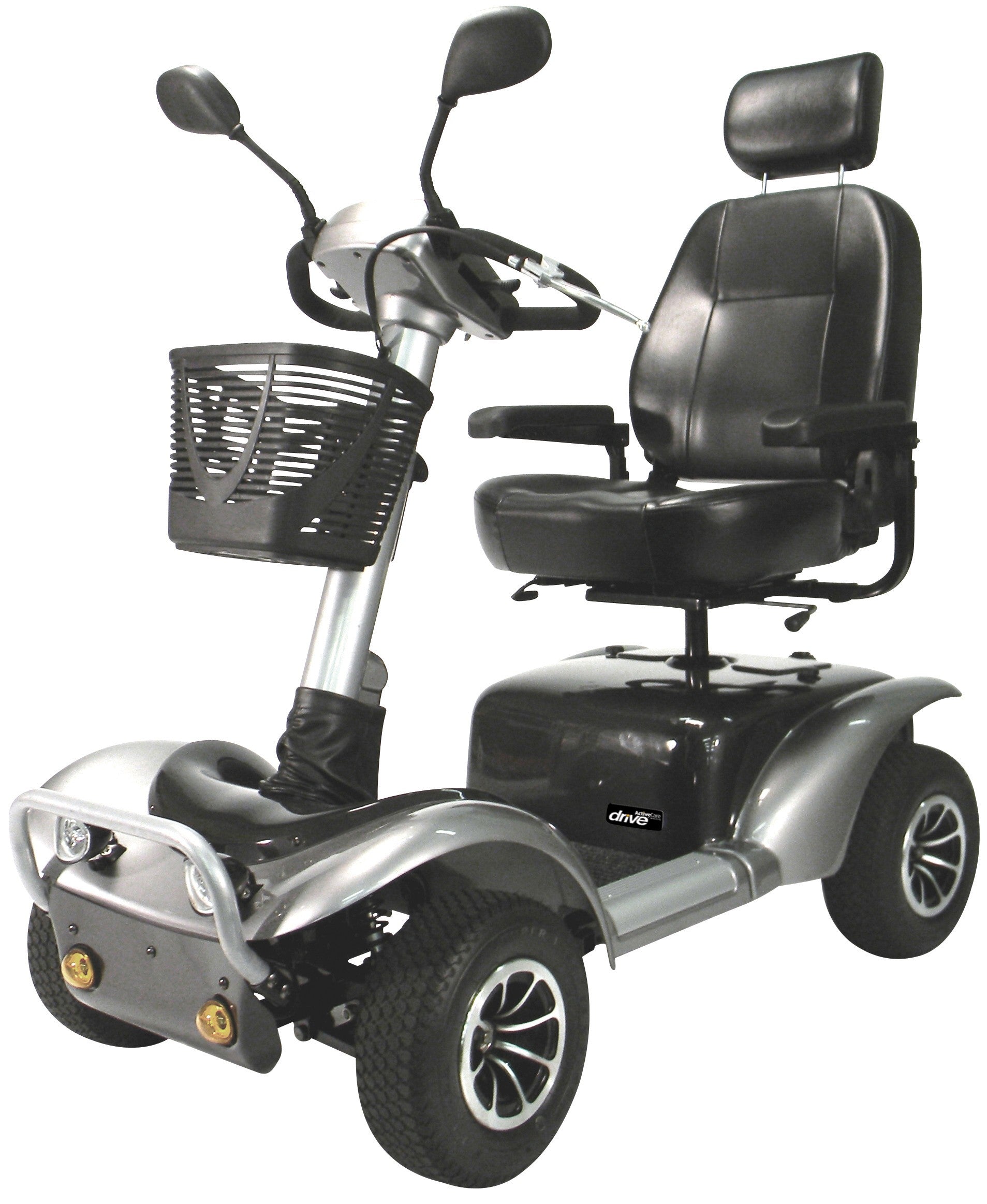
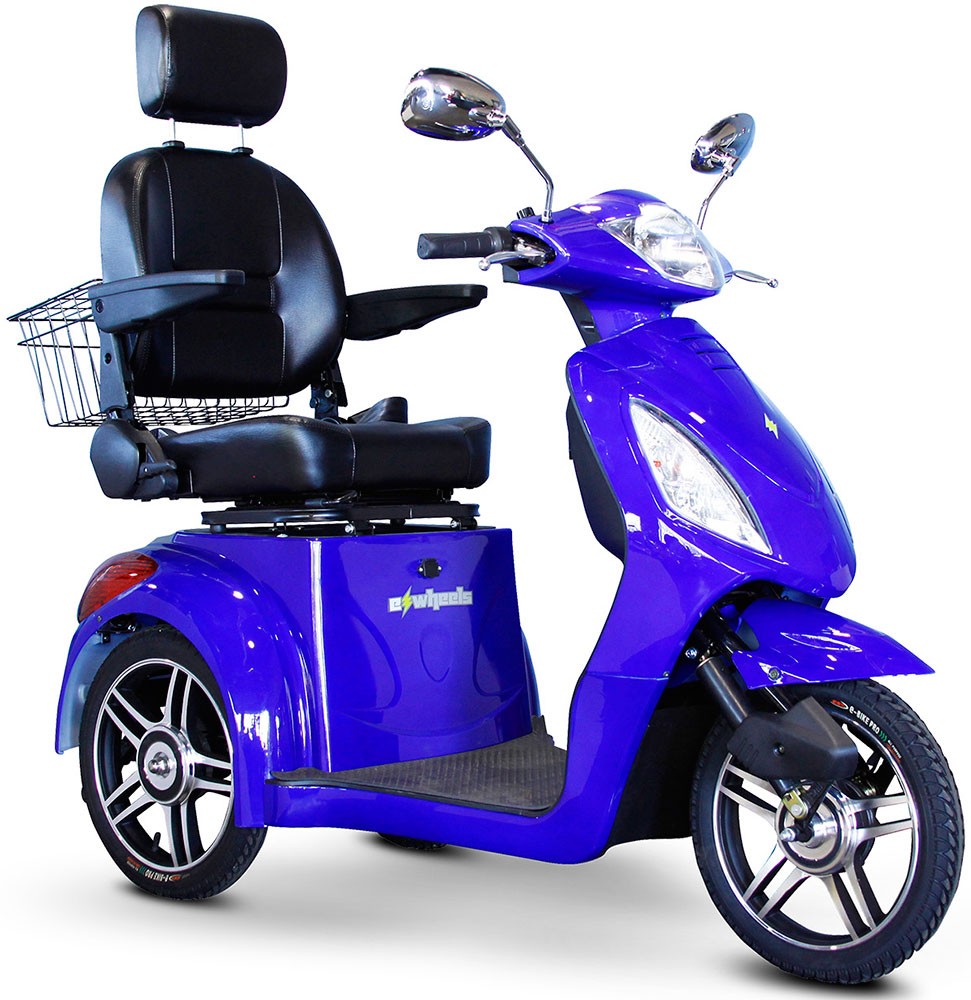
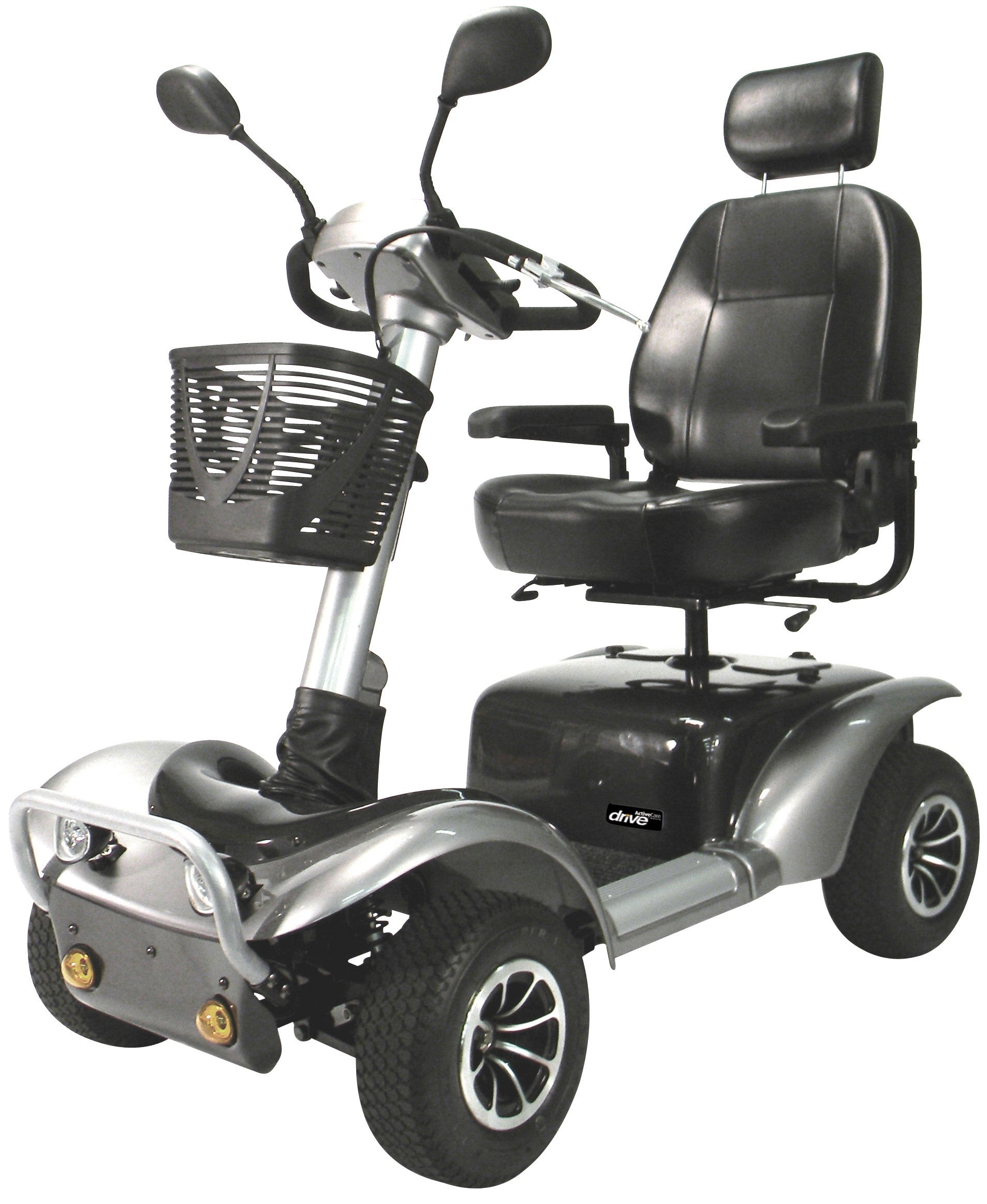
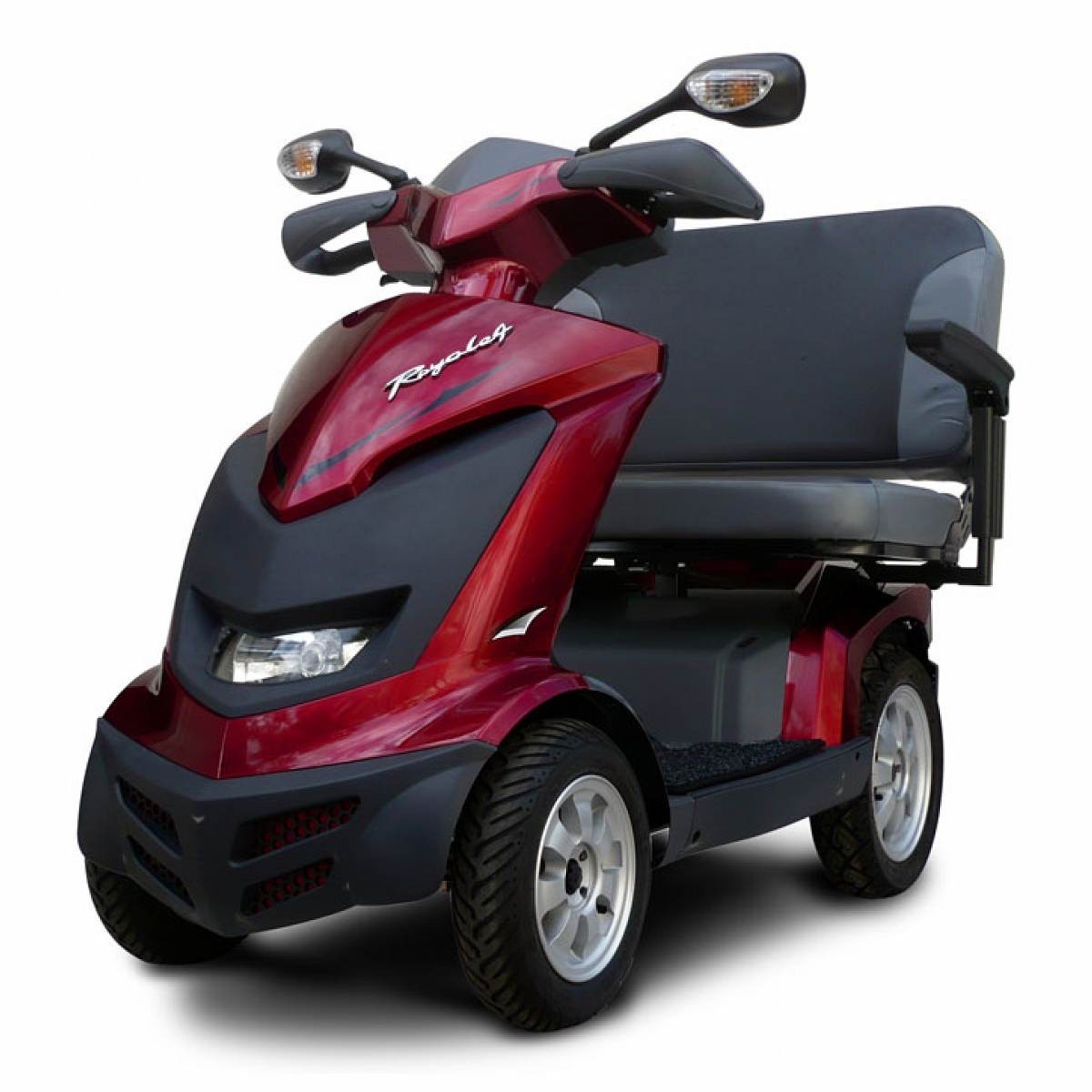
A mobility scooter steers with a tiller, essentially a set of handlebars. Operating one requires trunk stability, hand strength, and the ability to sit upright without external support. Scooters are optimized for outdoor use on paved surfaces and community outings. Many models travel 4 to 8 mph and can cover up to 30 miles per charge, making them excellent for shopping trips, parks, and neighborhood errands.
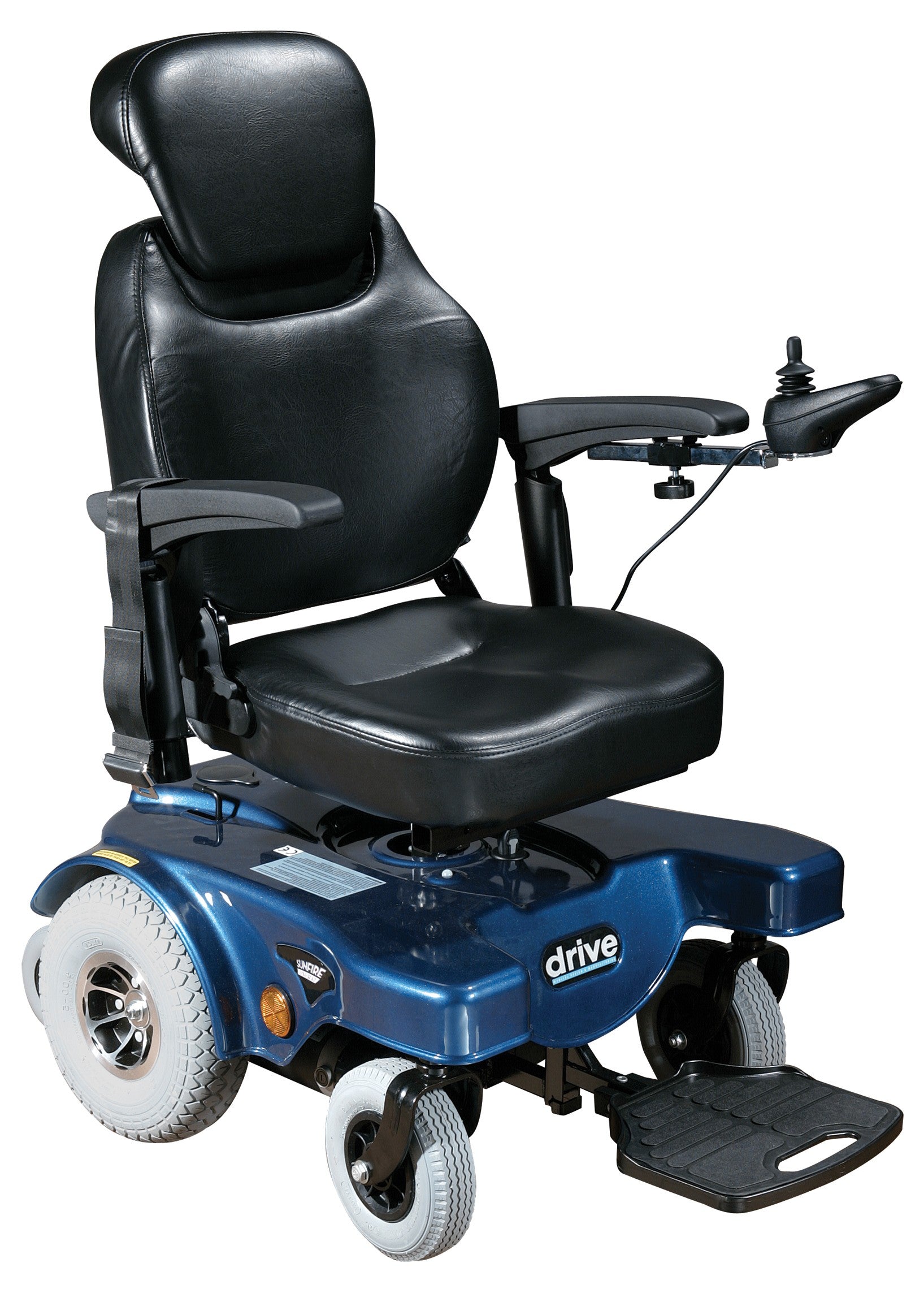
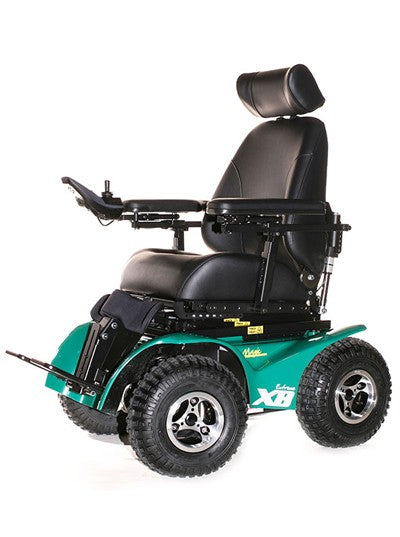
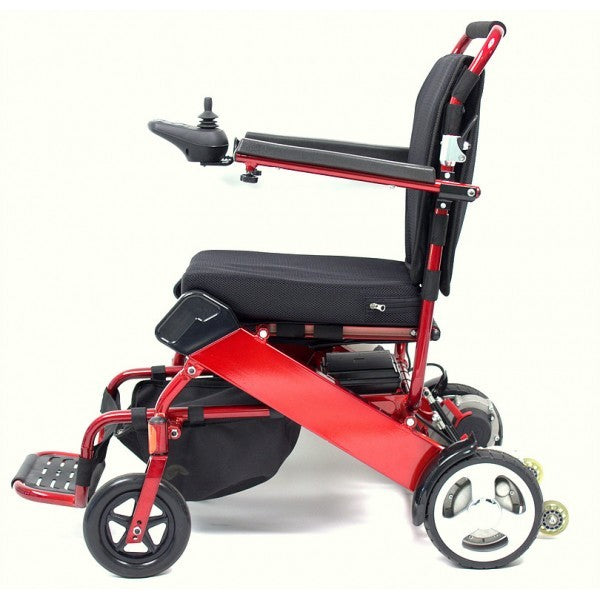
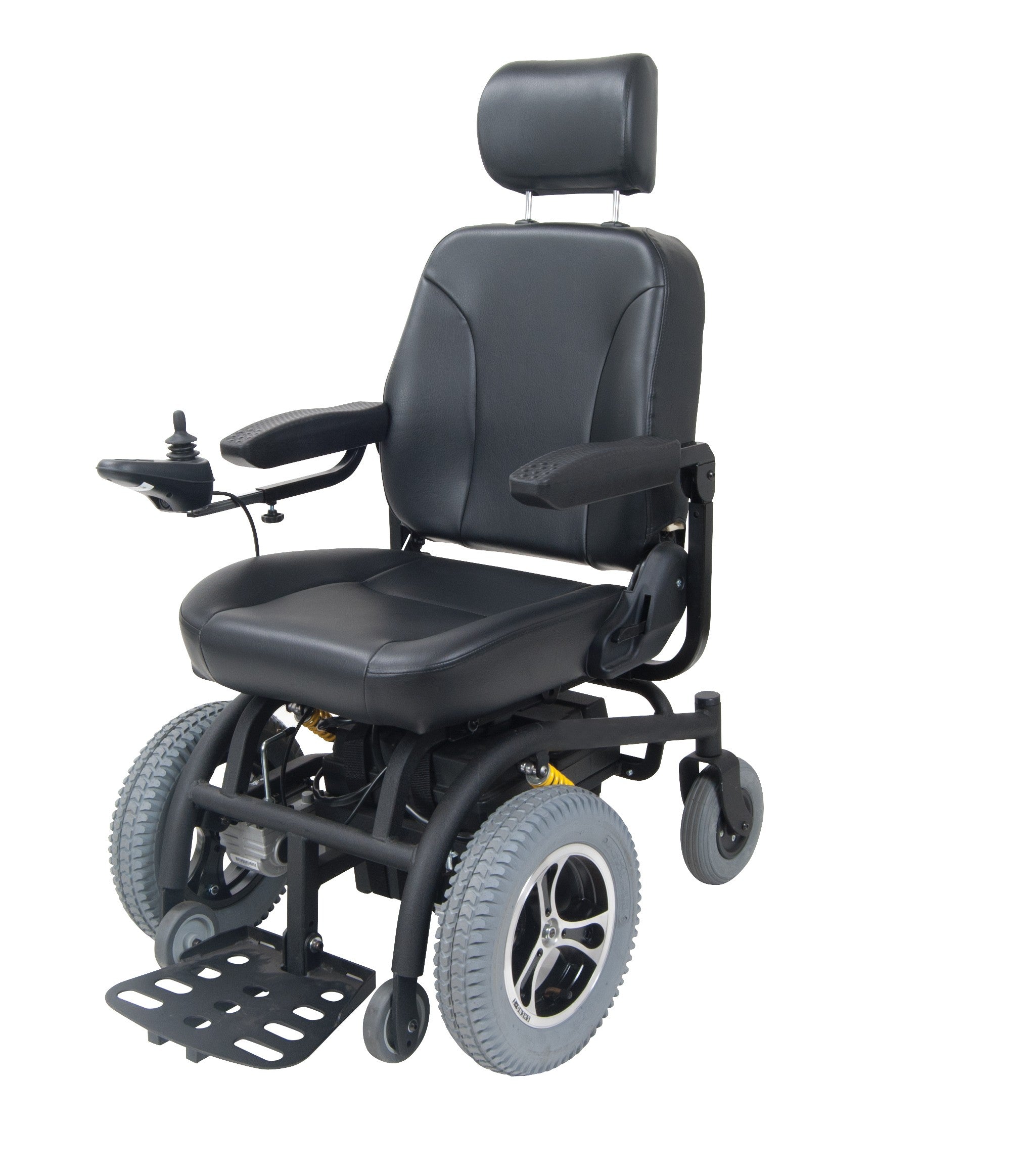
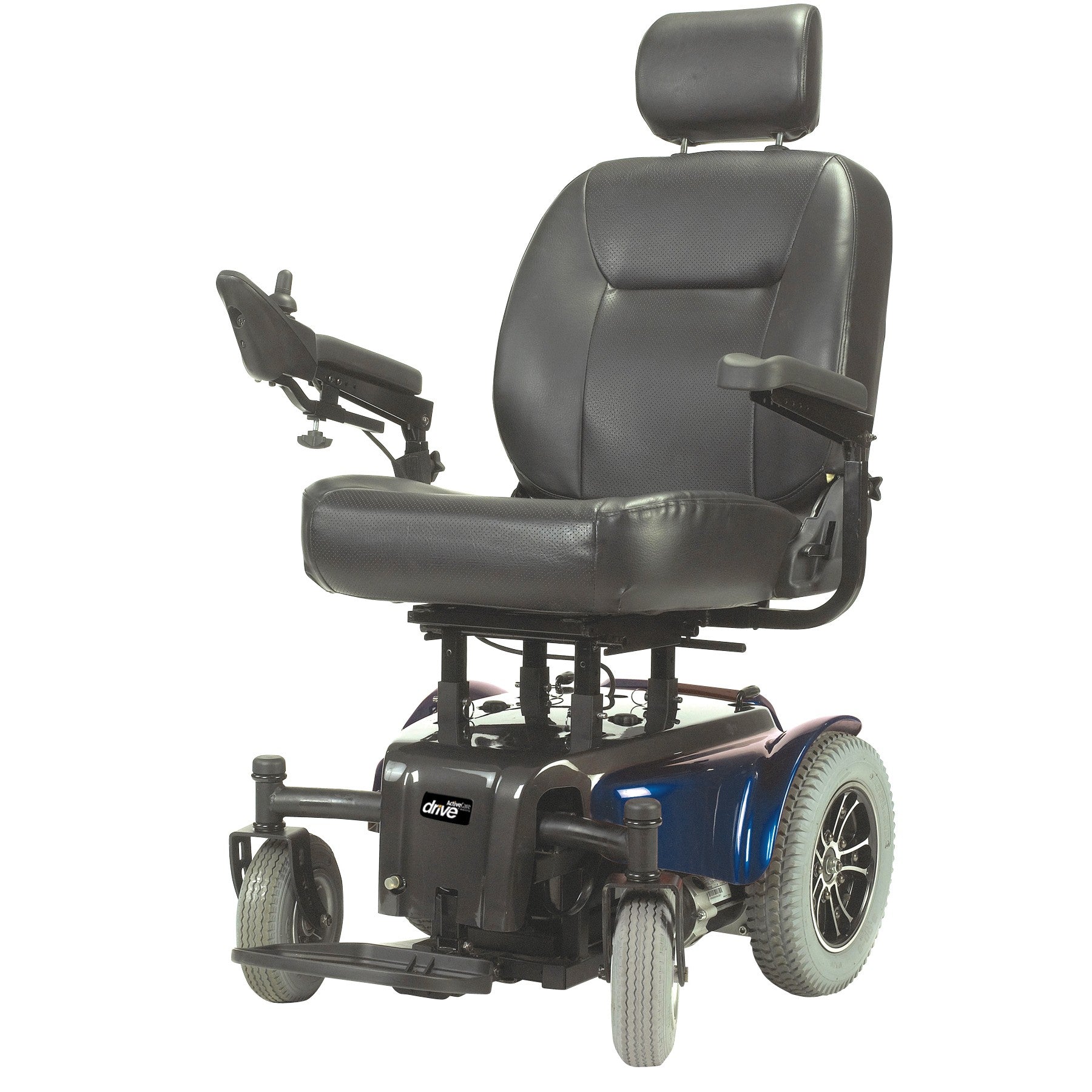
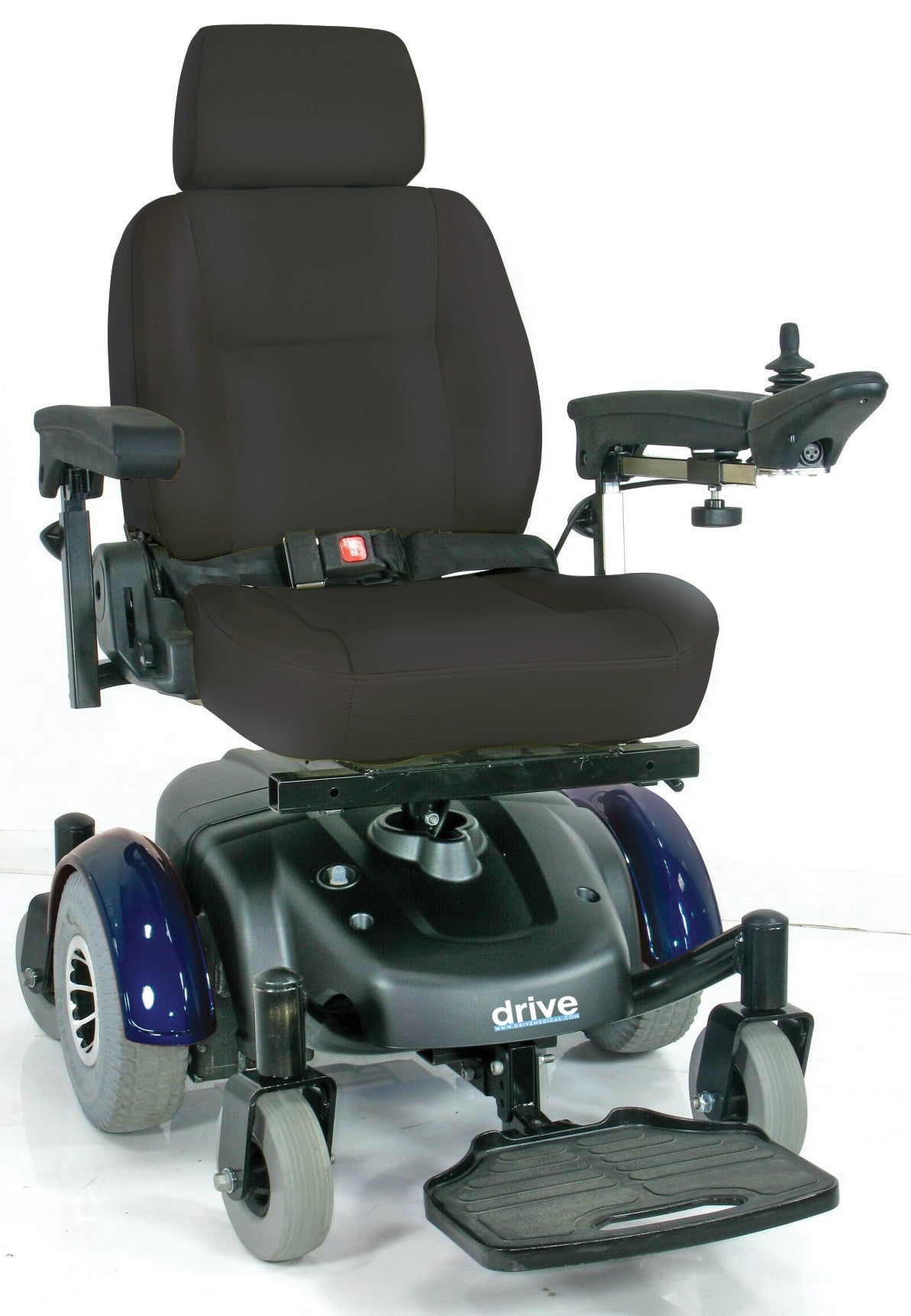
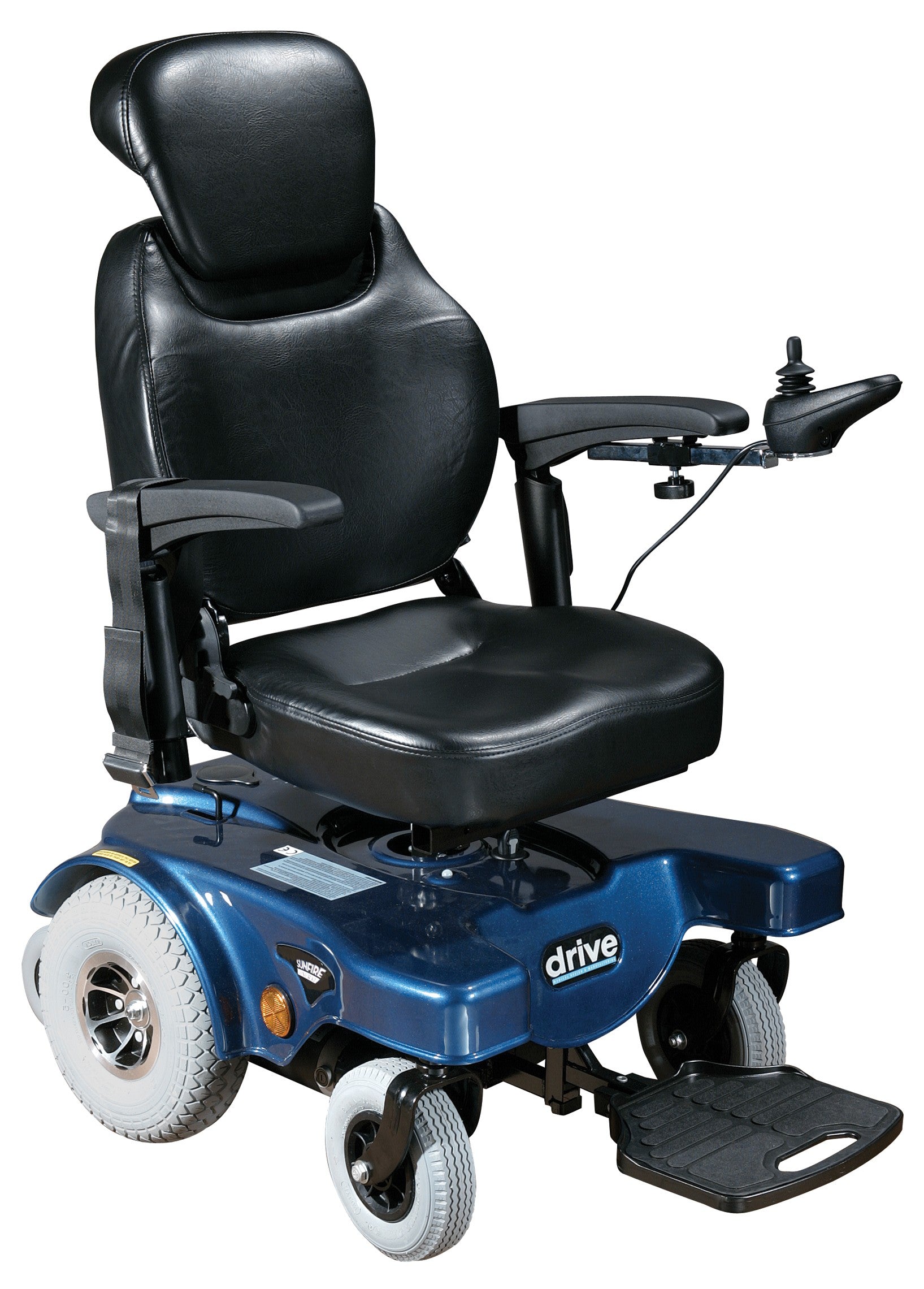
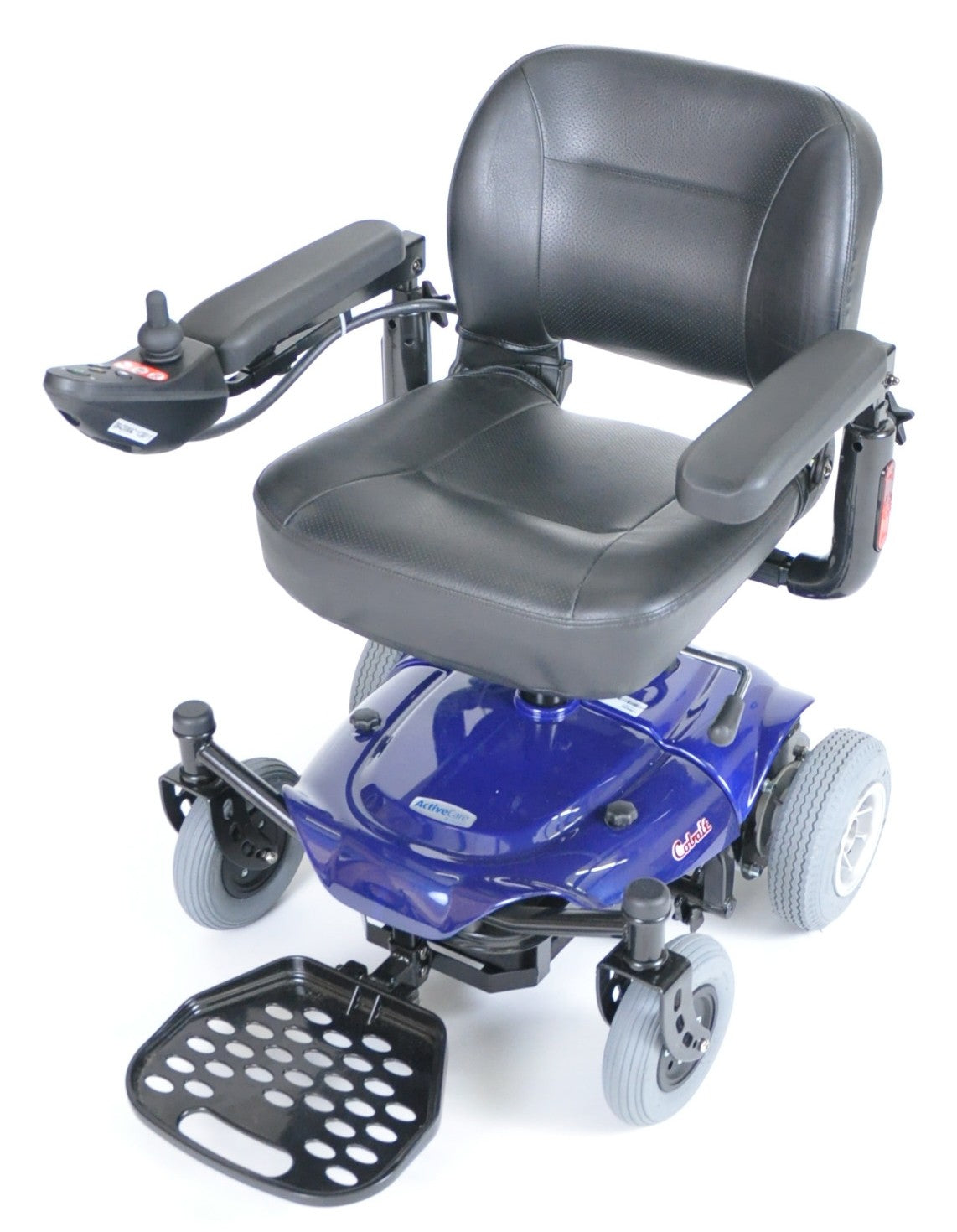
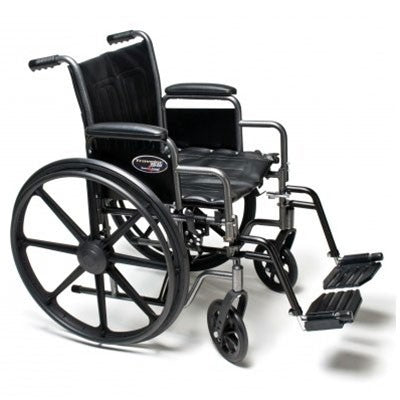
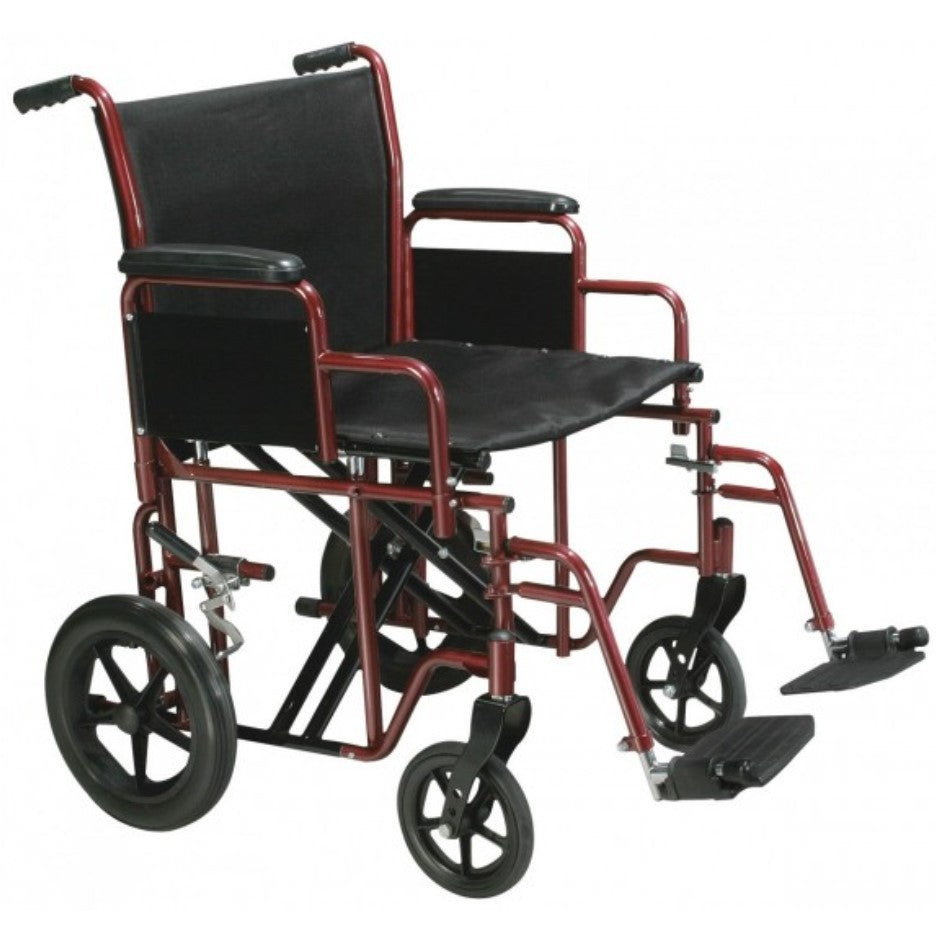
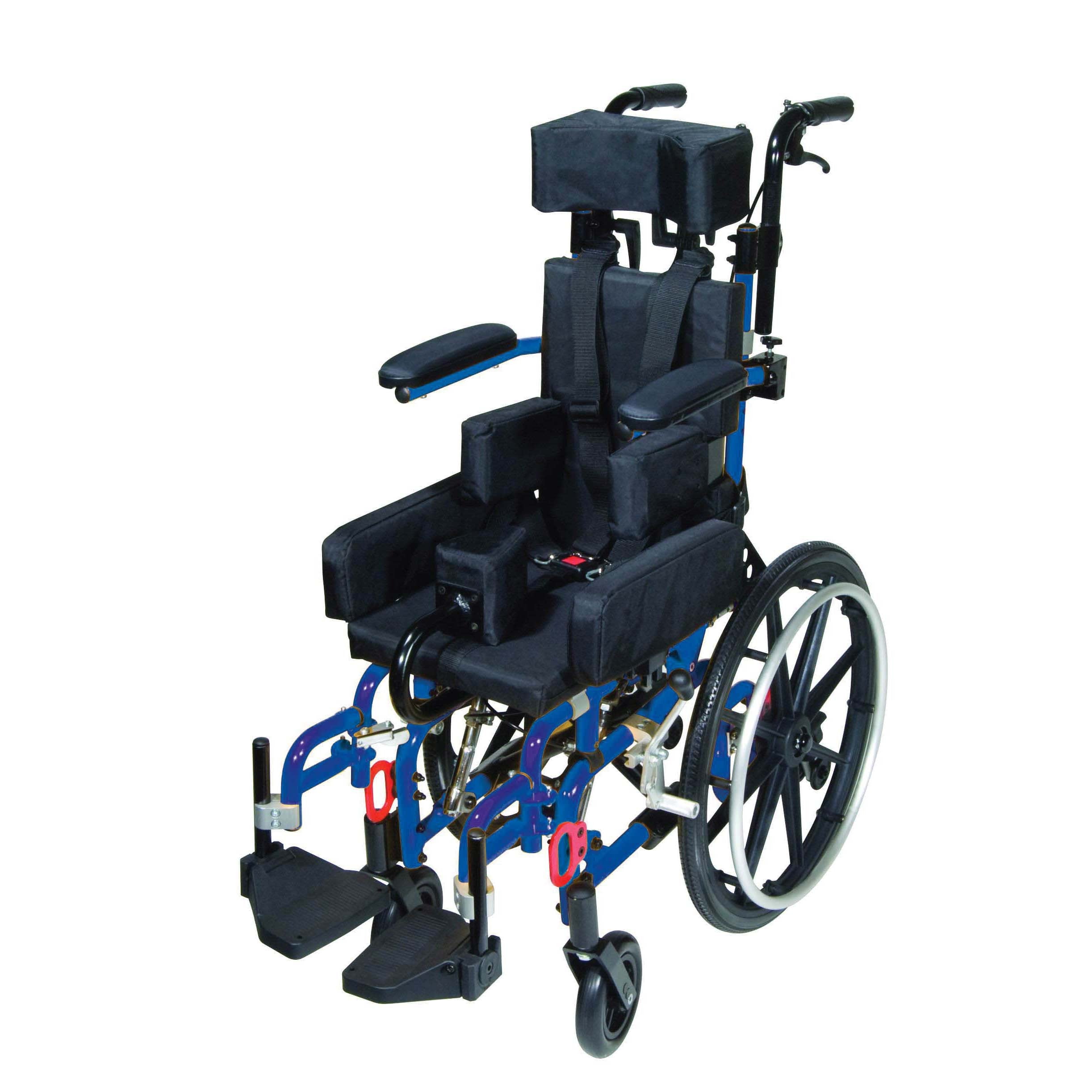
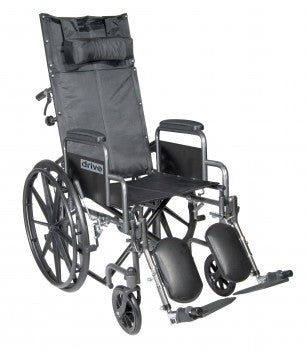
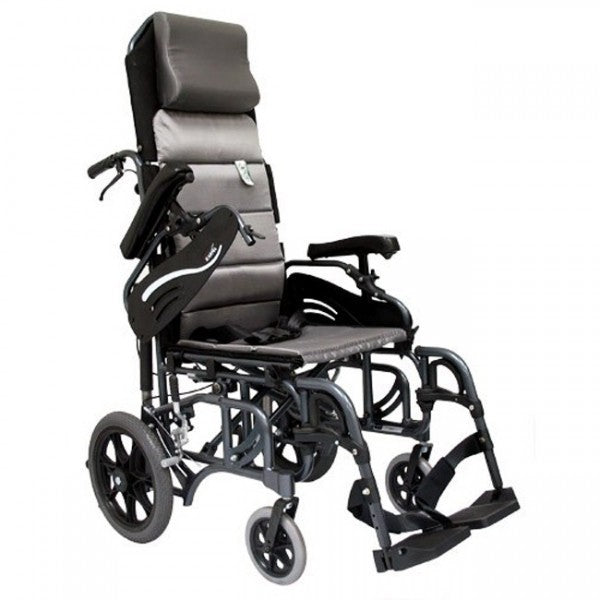
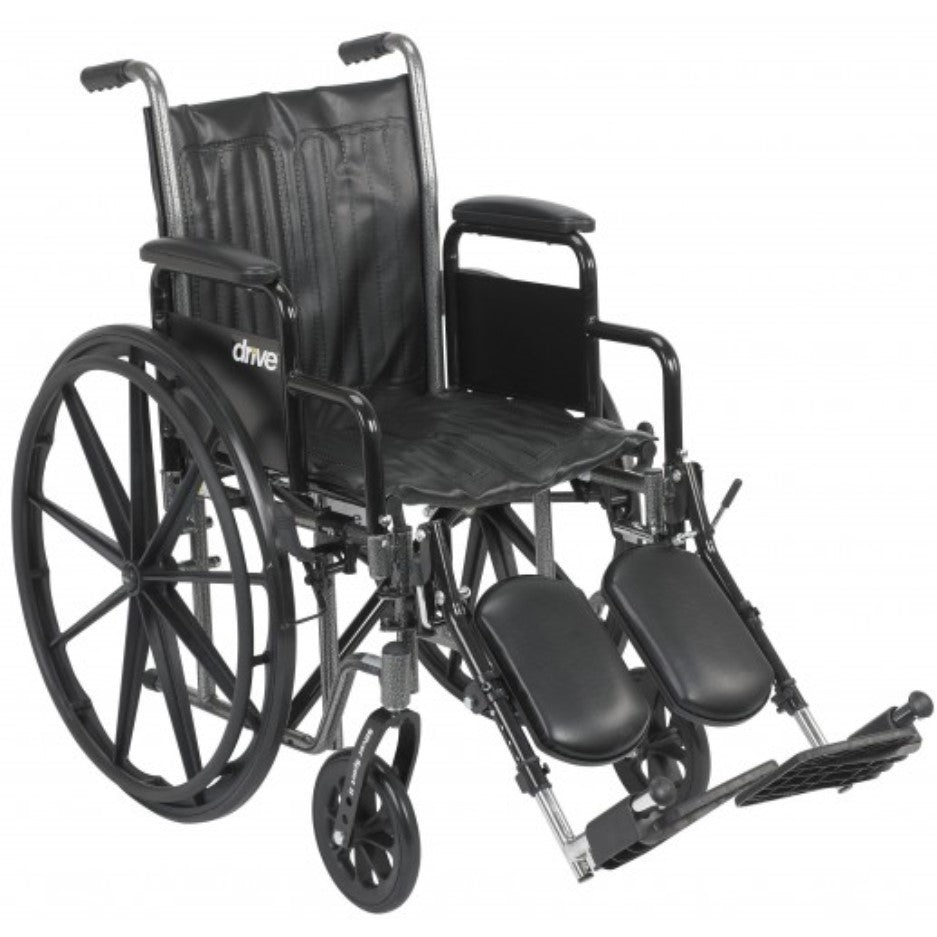
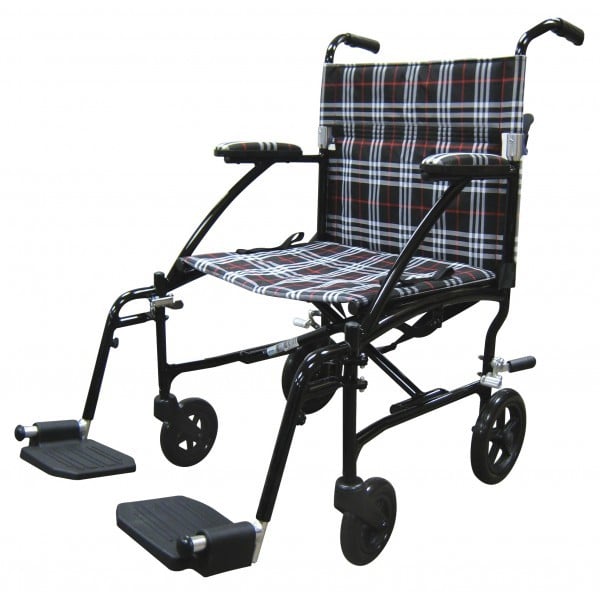
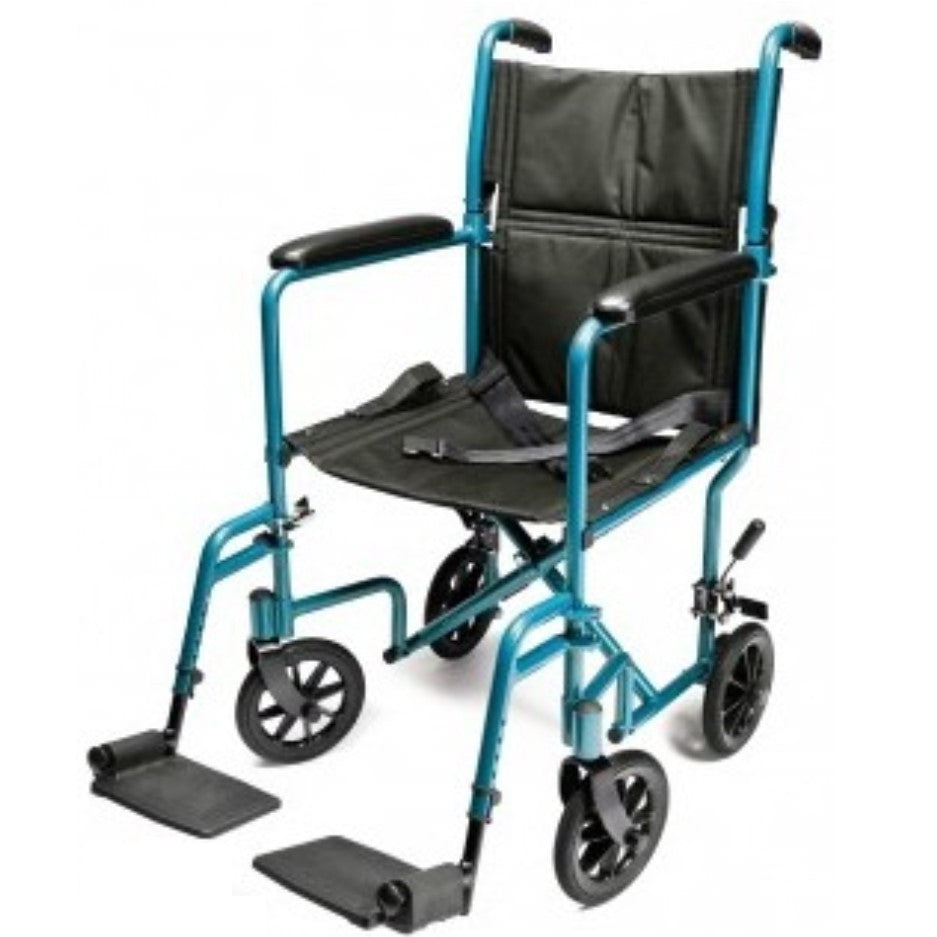
A power wheelchair uses a joystick controller, typically mounted on the armrest. It provides full postural and positioning support, making it the right choice for users with limited upper body strength or compromised balance. Power wheelchairs run at 3.5 to 6 mph and are engineered for battery endurance during frequent, short-distance indoor movement throughout the day.
The market reflects this clinical distinction. Powered wheelchairs accounted for 62.1% of the global powered mobility devices market in 2025, driven by growing demand for home healthcare solutions and full-support devices. Innovations like the Permobil M5 Corpus X, launched in June 2025 with AI-assisted drive and cloud-connected diagnostics, show how rapidly power wheelchair technology is advancing.
The bottom line: scooters are built for people who can steer and sit independently. Power wheelchairs are built for people who need the chair to do more of the work.
The Home Test: Will It Actually Fit in Your Space?
This is the step most buyers skip, and it's the one that matters most. Before you spend a dollar, grab a tape measure and check three things in your home: your narrowest doorway, your hallway width, and your bathroom turning space.
The ADA recommends a minimum clear doorway width of 32 inches for wheelchair passage and a minimum hallway width of 36 inches. These are the baselines. Your actual home may be tighter.
Here's where the numbers tell the real story:
- 3-wheel scooters need a turning radius of 30 to 40 inches.
- 4-wheel scooters need 40 to 60 inches to turn around.
- Mid-wheel drive power wheelchairs need only 19 to 23 inches.
That difference is enormous in practice. A power wheelchair can complete a full U-turn in a 4-foot-wide hallway. Most scooters simply cannot. If you live in a small apartment, an older home with narrow corridors, or any space where turning room is limited, a scooter may leave you stuck.
A 2025 systematic review published in PLOS One confirmed that indoor mobility challenges among older adults remain critically understudied, even though they directly impact independence, safety, and quality of life. Don't assume your home will work. Measure it.
The mid-wheel drive power wheelchair segment is the fastest-growing sub-segment in the electric wheelchair market, and superior indoor maneuverability is the reason.
Who Should Choose a Mobility Scooter?
A mobility scooter is the right fit if you have partial mobility, can sit upright without support, and have the hand strength to grip and steer a tiller. Scooters excel at community outings, shopping trips, outdoor recreation, and longer-distance travel on paved surfaces.
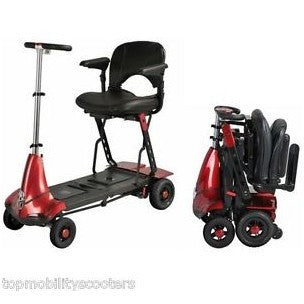
If portability matters to you, folding and travel scooters are one of the fastest-growing sub-segments in the market. These compact models break down or fold for car trunks and airline travel, making them ideal for active users.
Standard scooters support 250 to 300 lbs, while bariatric models handle up to 600 lbs. Out-of-pocket prices start around $600, making scooters the more accessible option for budget-conscious buyers.
A scooter is not recommended if you need postural support, have a progressive neurological condition, or spend most of your time navigating indoor spaces.
Who Should Choose a Power Wheelchair?
A power wheelchair is the right choice if you have limited upper body strength, poor trunk stability, or a progressive condition such as MS, Parkinson's disease, post-stroke weakness, ALS, or COPD-related fatigue. These chairs provide customized seating and positioning support that a scooter cannot offer.
Power wheelchairs are purpose-built for full-time indoor use and tight home spaces, making them central to any serious aging in place plan. The geriatric segment accounted for 55.7% of electric wheelchair market revenue in 2024, reflecting how central these devices are to senior independence.
Standard models support 250 to 400 lbs, with bariatric power wheelchairs rated up to 600 lbs. Brands like Pride Mobility, Golden Technologies, and Drive Medical offer options across this full range.
Many users start with a scooter and transition to a power wheelchair as their condition progresses. This is a common and expected path. It's simply matching the right tool to your current needs.
Cost, Batteries, and Long-Term Ownership
Upfront prices vary widely. Mobility scooters typically run $600 to $2,000 out of pocket. Standard power wheelchairs range from $1,000 to $8,500. But the purchase price is only part of the picture.
Battery replacement is the hidden long-term cost most buyers overlook. Sealed lead-acid scooter batteries last 12 to 18 months and cost $50 to $150 to replace. Lithium-ion batteries last 2 to 4 years but run $200 to $500. Power wheelchair batteries (SLA or gel-cell) typically last 12 to 24 months. Factor these replacement cycles into your total cost of ownership.
If you're not using Medicare, American Quality Health Products offers 100% financing through third-party providers, so you don't have to pay everything upfront. We also back every purchase with our Lowest Price Guarantee and free shipping on orders over $100, keeping your upfront costs as low as possible.
Making Your Decision: A Simple Framework
Here's the straightforward version:
- Choose a power wheelchair if you need indoor maneuverability, postural support, or spend most of your time at home.
- Choose a mobility scooter if you have physical stability, need outdoor range, and your home can accommodate the turning radius.
Before you buy, measure your doorways, hallways, and turning spaces. If you're pursuing Medicare coverage, schedule a face-to-face exam with your treating physician.
Not sure which direction to go? Our live, US-based product specialists are available six days a week to walk you through your options, review your home layout, and match you with the right device for your specific situation. With over 25 years of experience and more than 5,000 verified customer reviews, we've guided thousands of customers through this decision.
Call us today or browse our full selection of power wheelchairs and mobility scooters to find the device that fits your life.


