









A bed rail can make the difference between a steady, confident trip out of bed and a difficult moment that leaves someone afraid of falling. The best bed rails seniors use are not simply the tallest or heaviest options. They are the rails that match the person’s mobility, the bed’s construction, and the way the rail will be used every day.
For an older adult aging in place, a caregiver helping with transfers, or someone recovering from surgery, the right bedside support can provide a practical layer of independence. Choosing carefully matters because a poorly fitted rail can create gaps, shift during use, or make it harder to get into and out of bed.
Start With the Purpose of the Bed Rail
“Bed rail” describes several different products, and the right choice depends on the problem you are trying to solve. A compact bedside assist rail is designed primarily as a handhold for sitting up, standing, and repositioning. This is often the best starting point for a person who is generally steady but needs leverage when moving from lying down to sitting.
A longer rail provides more coverage along the side of the mattress. It may be useful when a person tends to roll near the edge of the bed or needs a larger area to grasp while changing positions. However, longer coverage is not automatically safer. It can restrict easy exit from the bed and requires extra attention to gaps between the rail, mattress, and frame.
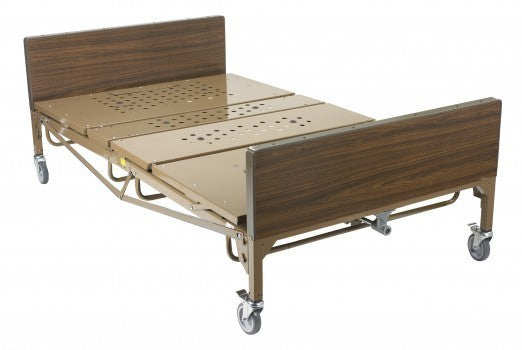
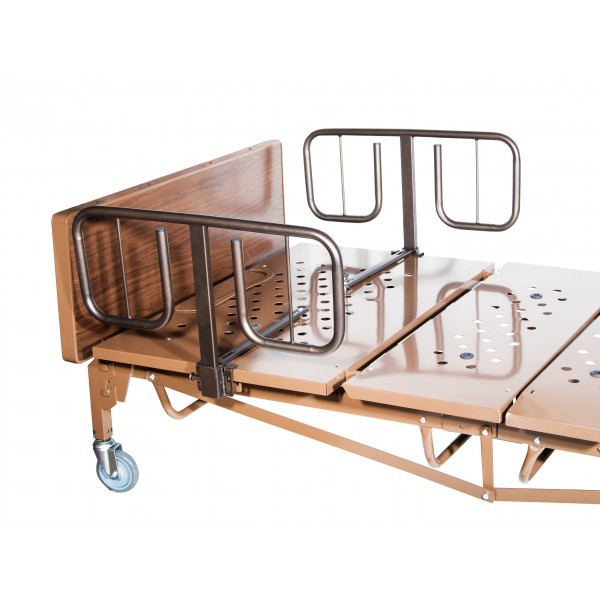
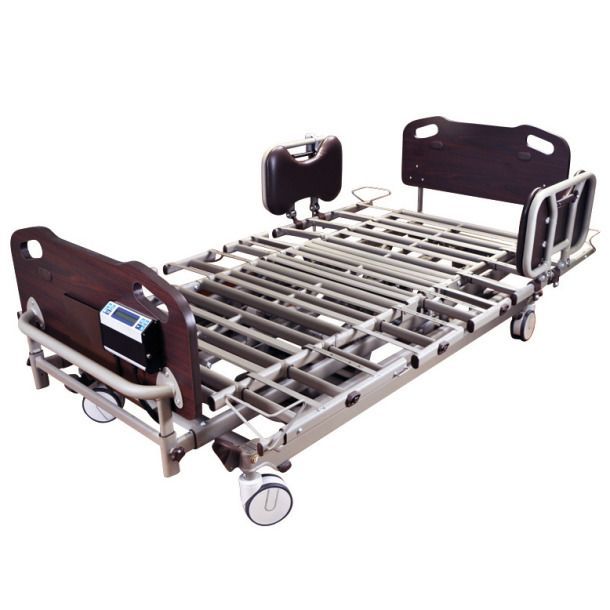
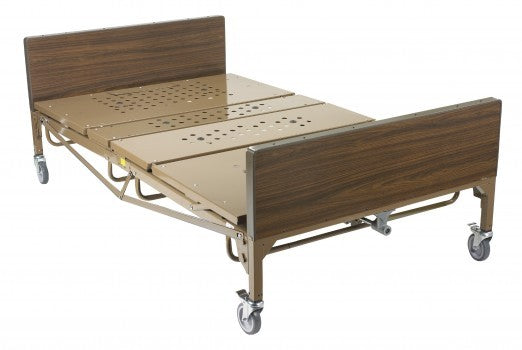
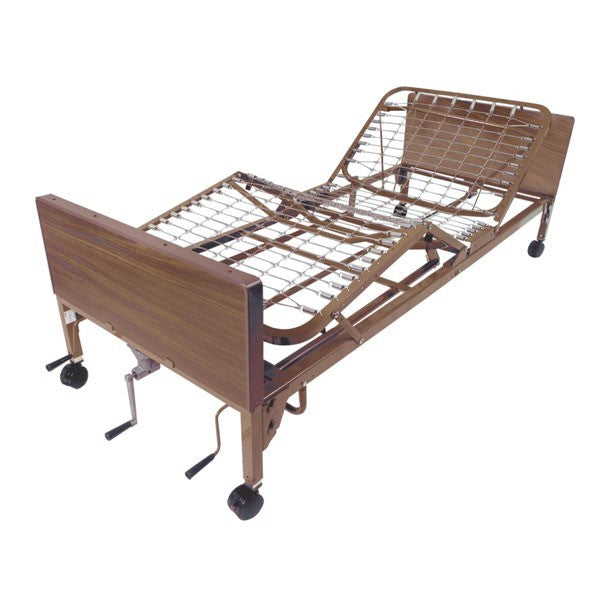
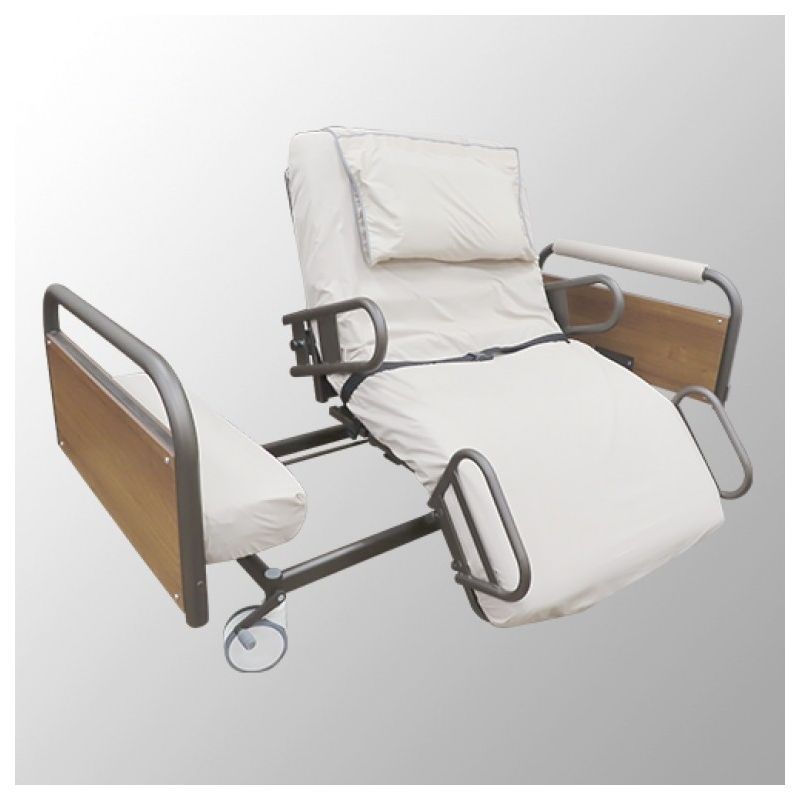
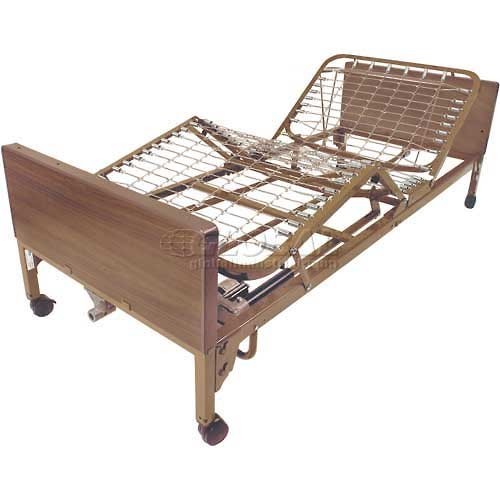
Some home care beds and hospital-style beds use rails made specifically for that bed model. These can offer dependable integration and may be necessary when the bed raises, lowers, or changes position. If the user needs frequent repositioning, has significant weakness, or receives regular caregiver assistance, a purpose-built home care bed rail may be more appropriate than a universal accessory.
Best Bed Rails for Seniors Must Fit the Bed
A strong rail is only as safe as its installation. Before choosing a model, identify whether the bed has a traditional box spring, a platform base, slats, an adjustable base, or a hospital-style frame. Many assist rails slide between the mattress and foundation and use a securing strap or support frame beneath the mattress. That arrangement may not work the same way on every bed.
Measure the mattress width and thickness, then check the manufacturer’s compatible dimensions. A thick pillow-top mattress can change rail height considerably. If the handle sits too low, it may not offer enough leverage. If it rises too far above the sleep surface, it may feel awkward to reach and may increase the risk of an unsafe opening beside the mattress.
Adjustable beds deserve special attention. When the head or foot section moves, a rail can shift, bind, or create a gap if it was not designed for that frame. Do not assume a universal rail is compatible just because it fits when the bed is flat. Test it through the positions the person uses most often.
Choose Support That Matches the User’s Ability
The person’s movement pattern should guide the purchase. Someone with arthritis may benefit from a padded, easy-to-grip handle that supports a controlled push to standing. A person recovering from hip, knee, or back surgery may need a stable handhold at a specific height to follow transfer precautions. Someone with limited balance might need more than a bedside rail alone, including clear pathways, proper footwear, and caregiver supervision.
Weight capacity is a key specification, but it should be interpreted realistically. A rail is meant to assist with balance and transfers, not serve as a full-body lifting device unless its design specifically states otherwise. A user who pulls heavily on the rail, has bariatric support needs, or requires substantial assistance should use equipment selected for that level of demand.
Also consider hand strength and dexterity. Small release buttons, narrow handles, and complicated adjustments can be frustrating for someone with tremors, neuropathy, or reduced grip. Simple operation is not a luxury in home care equipment. It is a safety feature.
Look Closely at Gaps and Entrapment Risks
Bed rails need to be evaluated with safety in mind, especially for people with cognitive impairment, severe weakness, uncontrolled movement, or a history of sliding down in bed. The space between the mattress and rail, the opening at the head or foot of the rail, and the area underneath the rail all deserve attention.
The rail should sit firmly against the mattress without leaving an opening where a person could become caught. Mattress compression can change the fit after someone lies down, so inspect the setup under real conditions rather than judging it only when the bed is empty. Recheck the rail after changing mattresses, adding a topper, or moving the bed.
A bed rail is not suitable for every individual. If a person is confused, attempts to climb over barriers, cannot reposition independently, or is at risk of becoming trapped, speak with a healthcare professional or qualified equipment specialist before using one. In some cases, lower beds, fall mats, transfer aids, or closer caregiver support may be safer options.
Features That Make Daily Use Easier
Once the rail is compatible with the bed and appropriate for the user, practical details can improve day-to-day comfort. The most useful features often include:
- A secure under-mattress frame or anchoring system that limits shifting
- Adjustable handle height to suit the mattress and the user’s preferred transfer position
- A comfortable grip surface that is easy to hold with arthritic or weak hands
- A folding or swing-down design when the rail must be moved out of the way for bedding changes or caregiver access
- A small storage pouch for essentials such as glasses, a phone, medication reminders, or a remote control
Think Beyond the Rail: Build a Safer Bedside Area
Even the best rail cannot correct an unsafe room layout. The path from the bed to the bathroom should be open, well lit, and free of loose rugs, cords, and furniture edges. A bedside lamp or motion-activated nightlight can reduce the risk of nighttime missteps. Keep a cane, walker, or other mobility aid within easy reach, but position it so it cannot tip into the walking path.
Bed height also matters. When seated at the edge of the mattress, the user should generally be able to place both feet securely on the floor. A bed that is too high can make standing difficult; a bed that is too low can require excessive effort and strain. For many people, a rail works best as part of a complete setup that includes the right bed height and the right mobility equipment.
Caregivers should watch a few real transfers after installation. Is the person using the handle naturally? Does the rail stay stable when they shift weight? Can they reach the light, phone, and mobility aid without twisting or overreaching? These simple observations often reveal whether a setup is truly practical.
When a Bed Rail Is Not Enough
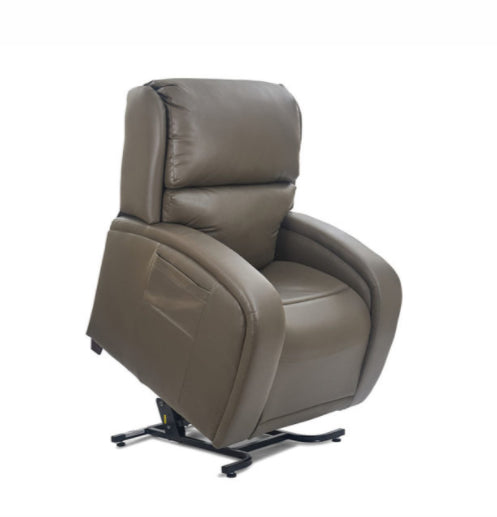
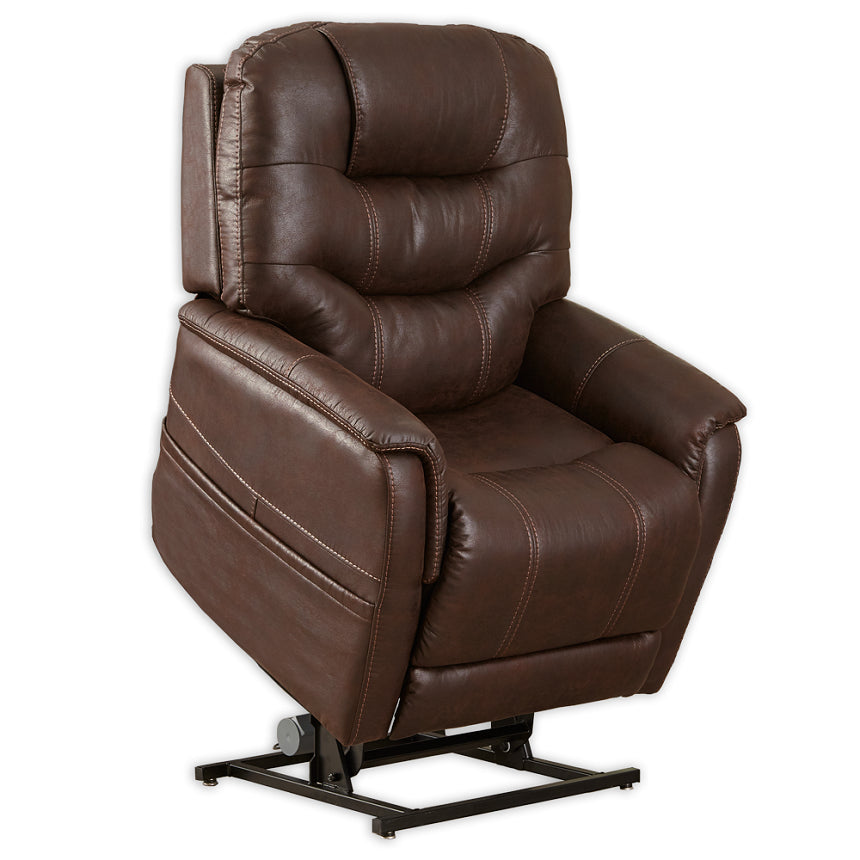
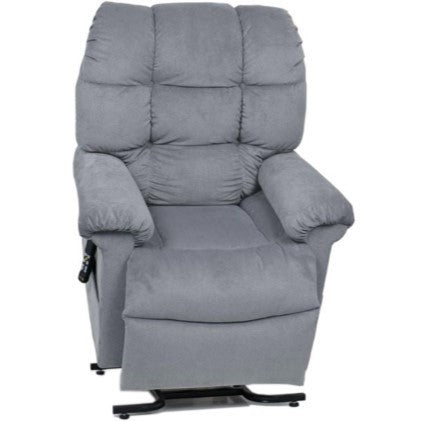
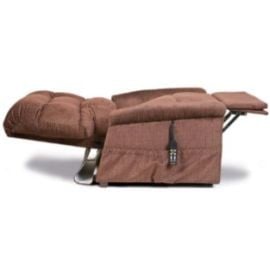
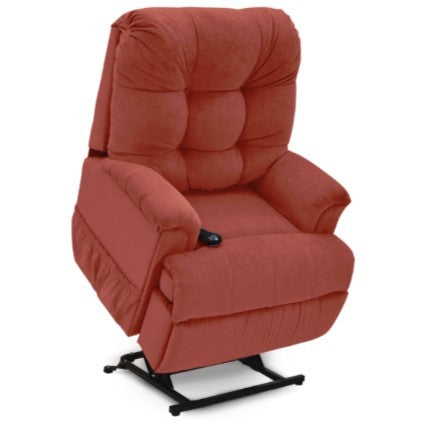
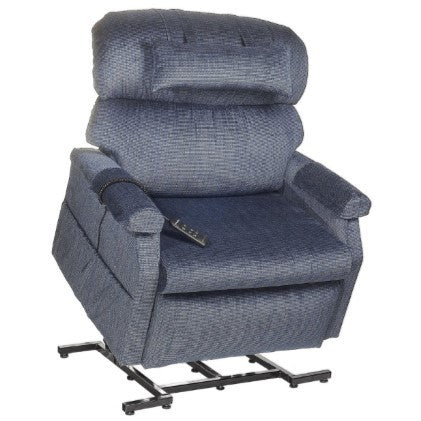
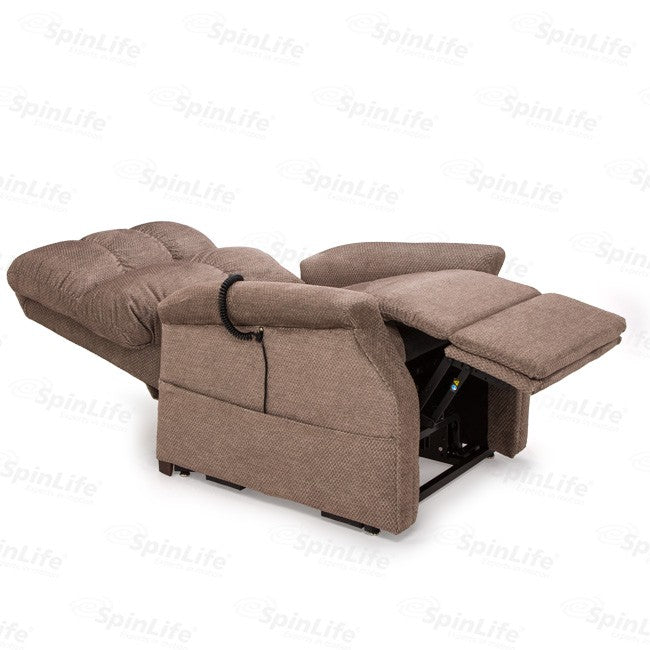
A bedside assist rail can be an excellent choice for modest support needs, but it is not a replacement for equipment designed for more complex care. Someone who needs help rising several times each day may benefit from an adjustable bed that raises the head and knees, reducing the effort of sitting up. A person with limited standing ability may also need a lift chair, transfer device, or professional guidance on safe movement.
For caregivers, choosing the right level of support can prevent strain as well. Repeatedly trying to lift someone from a low bed using a small rail is unsafe for both people. Equipment should reduce risk, not create a harder transfer routine.
American Quality Health Products has helped customers match home medical equipment to real-life mobility needs since 2001. If you are unsure whether a bedside assist rail, a longer rail, or a compatible home care bed solution is right for your situation, expert assistance can help you compare fit, function, and daily use before you buy.
The right bed rail should feel reassuring, not restrictive. When it is properly matched to the bed and the person using it, it can turn a vulnerable part of the day into a steadier, more independent routine.


