



A mattress can be the difference between getting restorative rest and spending the night shifting, aching, or needing help to get comfortable. This guide to pressure relief mattresses is designed for families, caregivers, and home-care shoppers who need to match the right sleep surface to a person's mobility, comfort needs, bed frame, and daily routine.
A pressure relief mattress is not simply a softer mattress. It is a medical-adjacent support surface designed to spread body weight more evenly, reduce concentrated pressure around bony areas, and help manage moisture and heat. The right choice can support comfort and safer long-term bed use, but the best option depends on the person using it.
Why pressure relief matters in home care
When someone can change positions independently throughout the day and night, the body naturally relieves pressure from the shoulders, hips, tailbone, heels, and elbows. Limited mobility changes that. A person recovering from surgery, living with a neurological condition, managing chronic illness, or spending extended time in bed may remain in one position for too long.
Over time, sustained pressure can contribute to discomfort and skin breakdown. A pressure relief mattress helps distribute weight across a broader surface rather than allowing a few areas to carry most of the load. Many models also use materials or airflow systems that help reduce heat and moisture buildup.
That said, a mattress is one part of a complete care plan. Repositioning schedules, skin checks, proper nutrition, hydration, clean bedding, and guidance from a physician or wound-care professional remain essential when pressure injury risk is a concern. No mattress can replace attentive daily care.
Guide to pressure relief mattresses: know the main types
The most practical way to narrow your search is to start with the mattress category. Each type has different strengths, and a more advanced system is not always the right answer.
Foam pressure redistribution mattresses
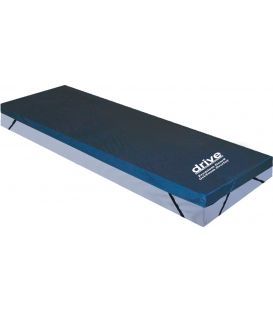
High-density foam mattresses are a common choice for people who need better support and comfort than a standard innerspring mattress provides. Multi-layer foam designs may combine firmer support at the base with softer, contouring foam near the top. Some use cut foam sections or specialized shapes to help redistribute pressure.
Foam mattresses are usually quiet, simple to use, and require no electricity. They can be a strong fit for people with mild to moderate pressure concerns, those who can reposition with some assistance, or households that want a supportive replacement mattress for a hospital bed or adjustable bed.
The trade-off is that foam does not actively change pressure points. For a person who is fully bedbound or unable to reposition, a static foam surface may not provide enough intervention on its own.
Alternating pressure air mattresses
Alternating pressure mattresses use powered air cells that inflate and deflate in a repeating pattern. As one set of cells softens, another set provides support. This cycle changes the areas receiving the most pressure and can be particularly helpful for people with very limited mobility.
These systems are often used for individuals at higher risk of skin breakdown or those who spend most of the day in bed. Many feature adjustable pressure settings so caregivers can tailor firmness based on body weight, comfort, and clinical recommendations.
Because they use a pump, alternating air mattresses require access to an electrical outlet and should be checked regularly to make sure the hose is not kinked and the pump is operating properly. Some users are sensitive to the sound or motion of the air cycle, although many modern systems are designed for quieter operation.
Low-air-loss mattresses
Low-air-loss mattresses use a powered system to circulate air beneath the user. This can help manage moisture and maintain a cooler sleep surface while providing pressure redistribution. These mattresses may be appropriate when heat, perspiration, or moisture management is a major concern in addition to pressure relief.
They are often more specialized than basic foam options and may require more caregiver attention during setup and routine use. The benefit is a higher level of surface management for users with complex needs. The right model should be selected with input from the person's healthcare provider when active wounds or significant skin concerns are involved.
Combination mattress systems
Some support surfaces combine alternating pressure with low-air-loss features. These systems are designed for higher-acuity home care situations where pressure redistribution and moisture control both matter. They can offer valuable support, but they are not automatically necessary for every user.
Before choosing a combination system, consider whether the person will benefit from the added functions and whether the household is comfortable operating the pump, settings, alarms, and maintenance requirements.
Match the mattress to the person, not the diagnosis
Two people with the same condition may need very different mattress setups. A better starting point is to look at daily function: how much time the person spends in bed, whether they can turn independently, their body weight, their skin condition, and the level of caregiver support available.
For example, someone who walks with a mobility aid but rests in bed after therapy may be well served by a quality foam pressure redistribution mattress. Someone who needs full assistance with turning and remains in bed for long periods may need an alternating pressure system. A person with fragile skin, perspiration concerns, or existing wounds may require clinical guidance before selecting a low-air-loss or combination surface.
Comfort preferences matter, too. Some people prefer the familiar, stable feel of foam. Others find that an air system reduces discomfort at the hips or tailbone. Whenever possible, discuss the user's preferences early, especially if they will be using the mattress every night.
Confirm fit with the bed frame
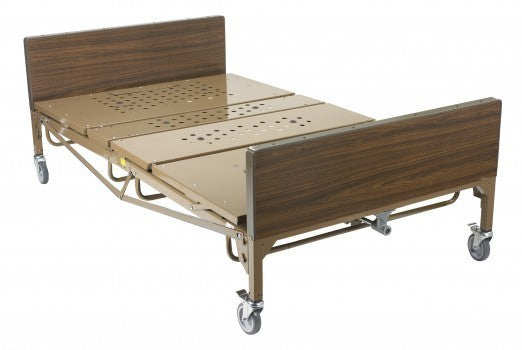
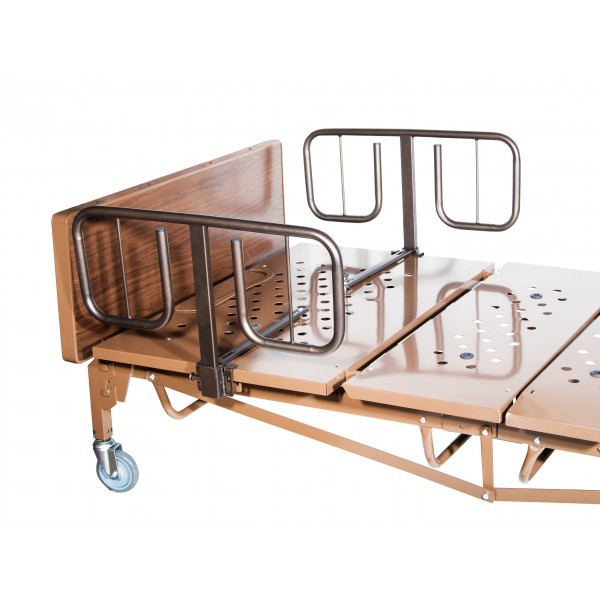
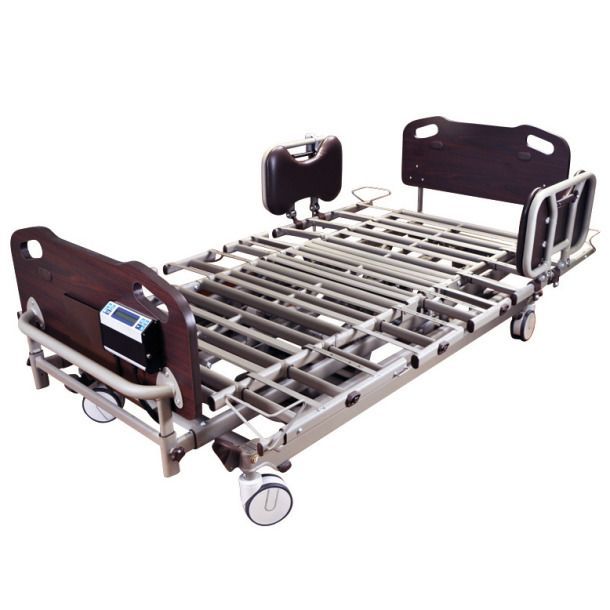
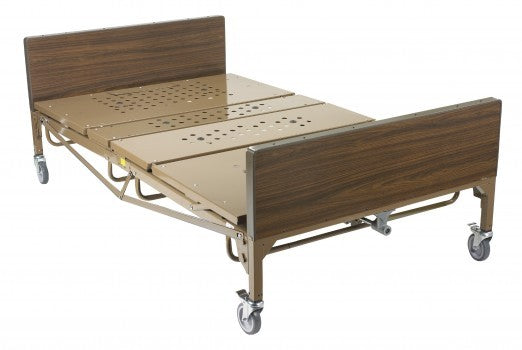
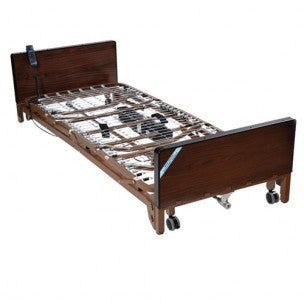
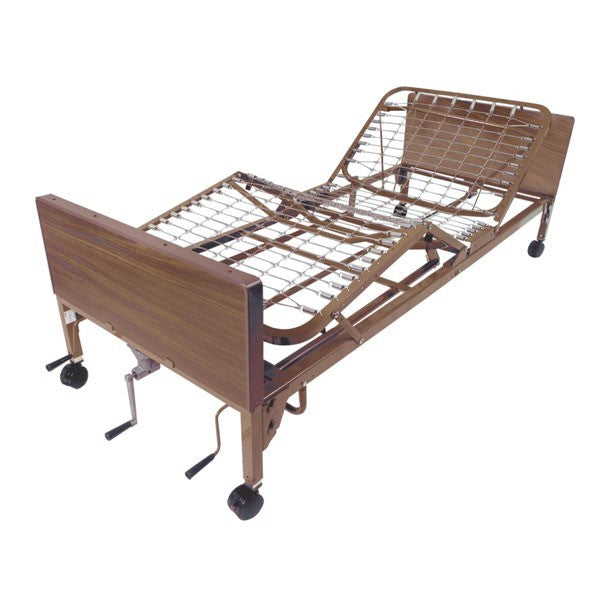
A pressure relief mattress must fit the bed correctly. This is especially important with home hospital beds, adjustable beds, and bariatric bed frames. Measure the sleep deck length and width, then confirm that the mattress is designed for those dimensions.
Pay close attention to mattress height. A thicker mattress may improve cushioning, but it can also affect bed rail height, transfer safety, and the user's ability to sit at the edge of the bed with feet supported on the floor. On a hospital bed, the mattress should not interfere with rail function or leave unsafe gaps.
Weight capacity is equally important. The mattress, bed frame, and any accessories should all support the user's weight. For bariatric care, choose equipment specifically rated for the required capacity rather than assuming a standard mattress will be sufficient.
Practical features that make daily care easier
A mattress may look similar on a product page but feel very different to use every day. Consider the details that affect both the user and caregiver.
A fluid-resistant, easy-to-clean cover is helpful for incontinence care and routine hygiene. Look for a cover that is durable while still allowing the mattress to conform to the body. A removable cover can make cleaning and replacement simpler, provided it fits securely after laundering or maintenance.
For powered air systems, check the pump controls, pressure range, alarm features, hose placement, and power-cord length. Caregivers should be able to reach the controls without moving heavy furniture or creating a trip hazard. If the person sits up in bed for meals, reading, or respiratory comfort, make sure the mattress is suitable for use with the bed's head and knee adjustments.
Edge support deserves attention when transfers are frequent. A mattress that feels comfortable when lying down may feel unstable when the user sits near the edge to stand, pivot, or transfer to a wheelchair. Good transfer technique and appropriate equipment remain important, but a supportive edge can improve confidence.
Common buying mistakes to avoid
The most common mistake is choosing based on softness alone. Very soft surfaces can feel pleasant at first but may make transfers harder or fail to provide the right support for the user's body size and needs.
Another mistake is buying an active air system without considering power access, caregiver capacity, or the user's tolerance for movement and pump noise. A powered mattress only helps when it is set up correctly and used consistently.
Finally, do not overlook the rest of the sleep environment. A properly fitted mattress works best with smooth, dry sheets, minimal wrinkles, and positioning aids selected for the person's needs. Thick layers of loose blankets or unsuitable pads can change how the mattress performs.
When to ask for professional guidance
Contact a healthcare professional promptly if there is persistent redness, open skin, drainage, warmth, swelling, increased pain, or any concern about a possible pressure injury. These signs should not be managed by changing mattresses alone.
Professional guidance is also wise when the user has existing wounds, severe circulation problems, diabetes-related foot or skin concerns, a recent major surgery, or is unable to reposition without full assistance. A clinician can help determine the appropriate support-surface category and the broader care plan.
For help comparing mattress dimensions, weight capacities, features, and compatibility with home hospital beds, American Quality Health Products can help you narrow the options before you buy. The goal is not to choose the most complicated mattress. It is to choose a dependable surface that supports comfort, care, and greater confidence at home.


