
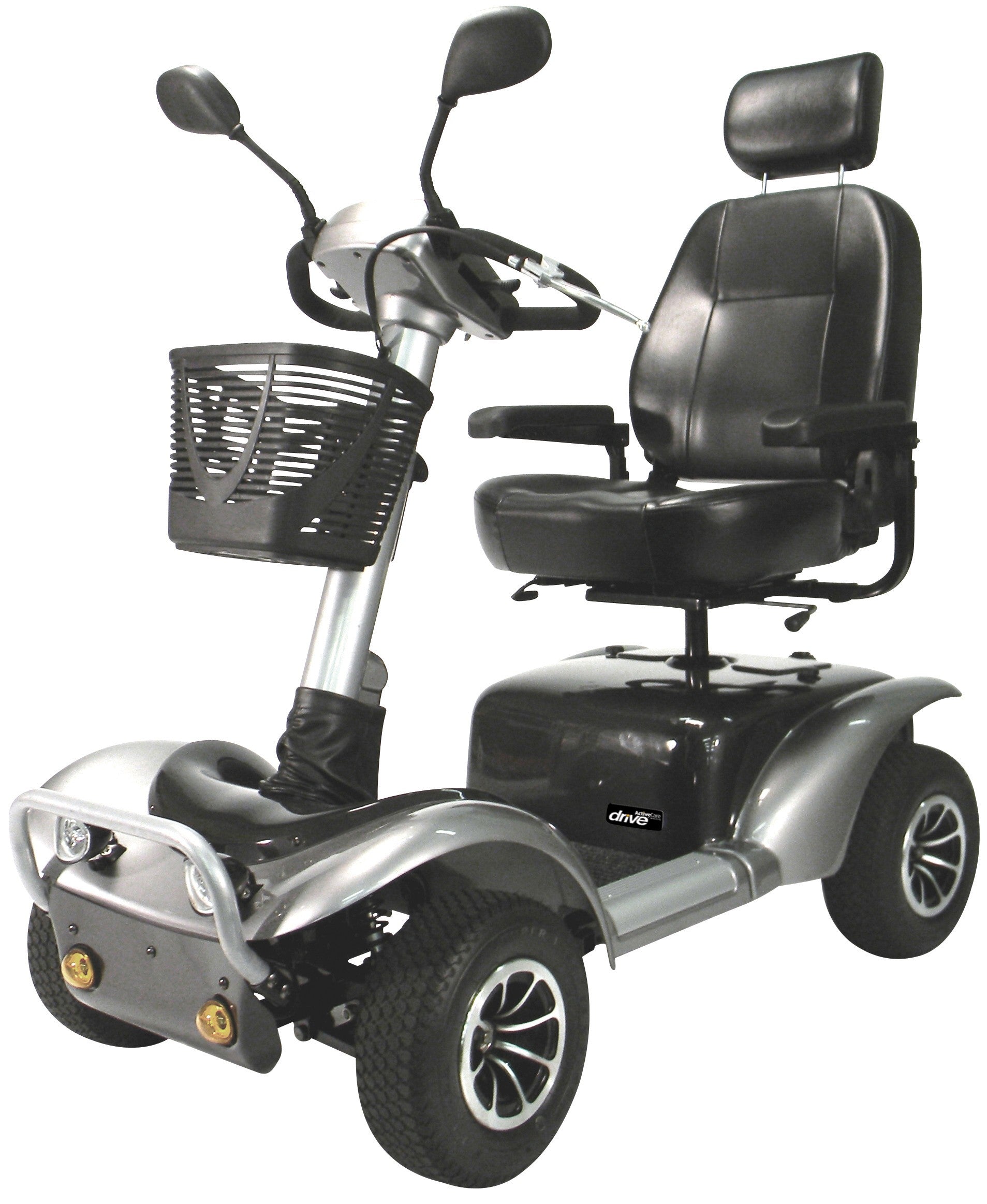
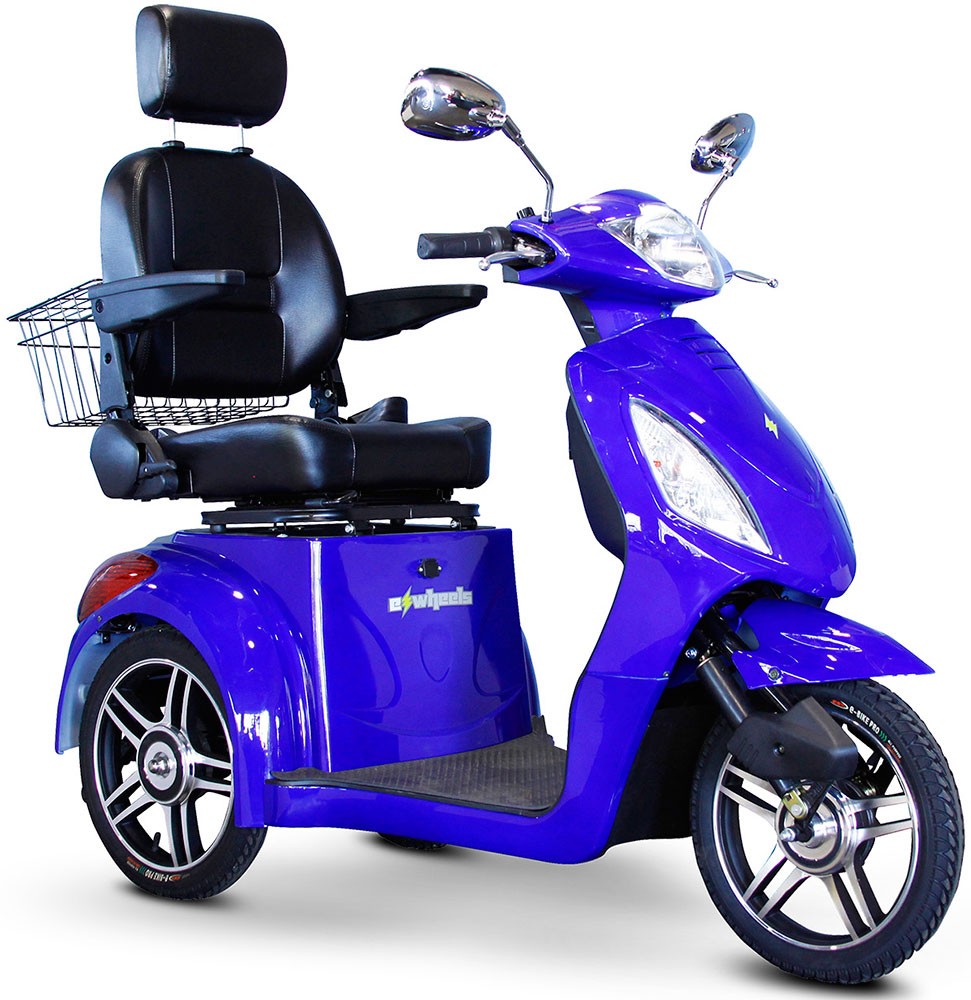
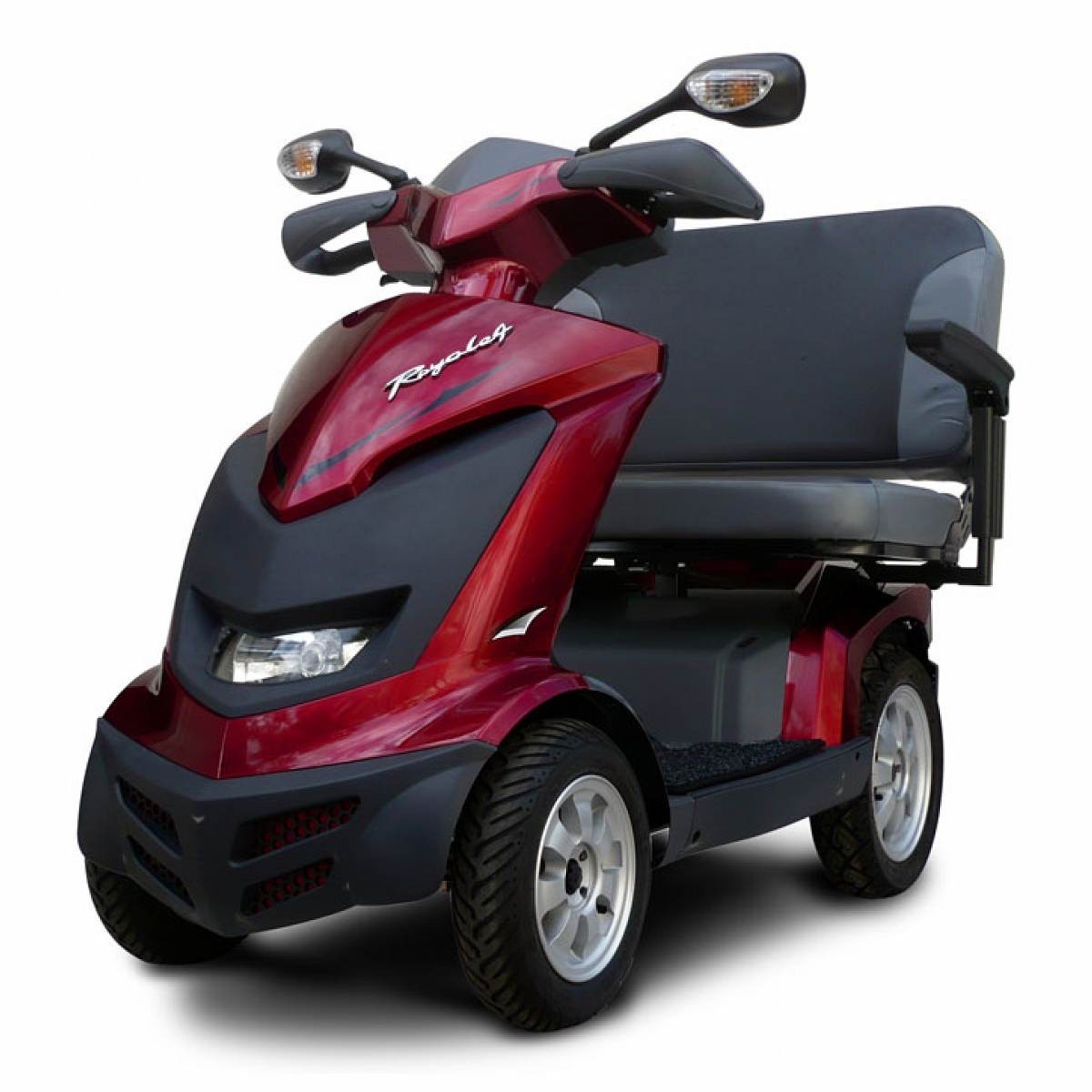
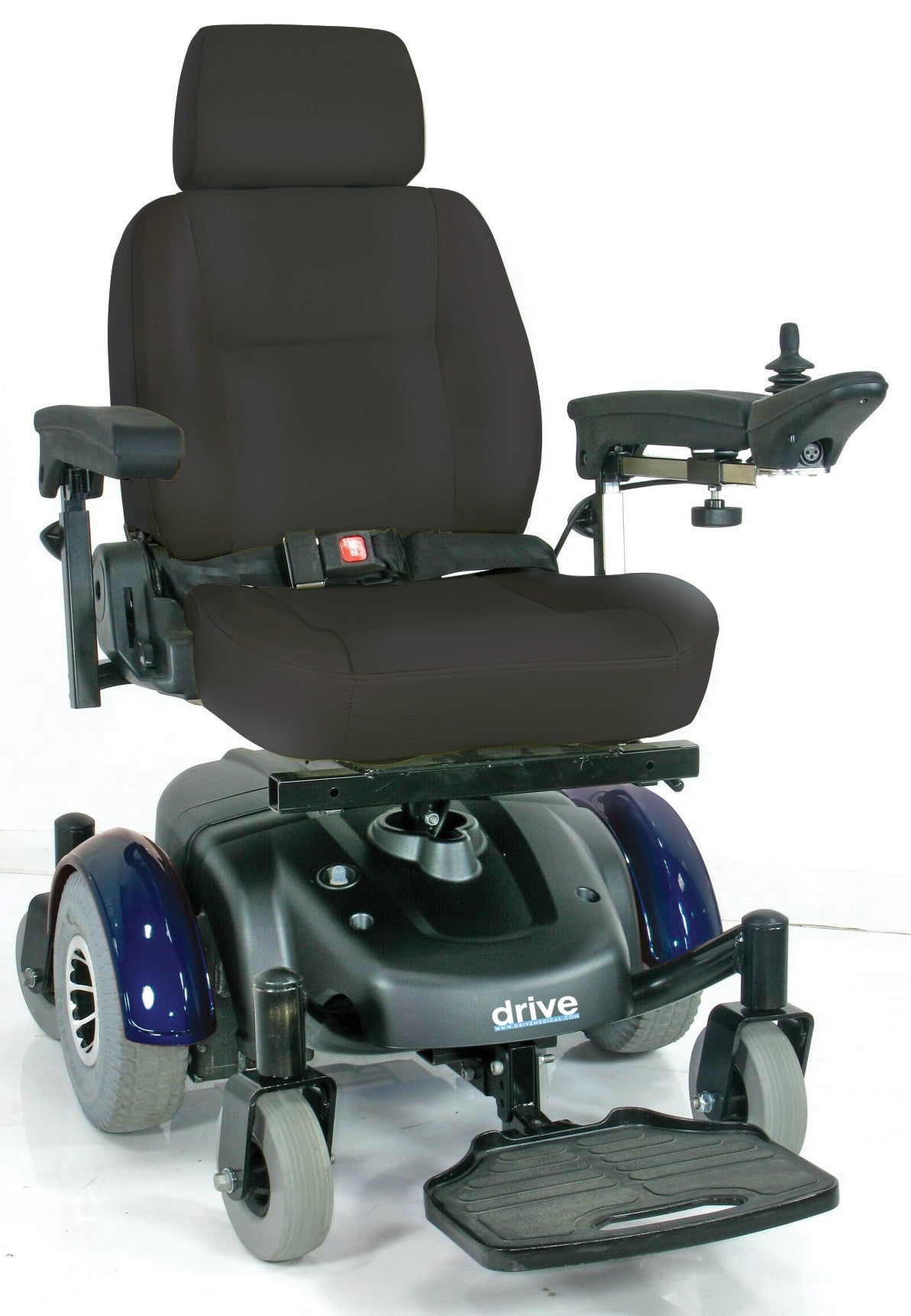
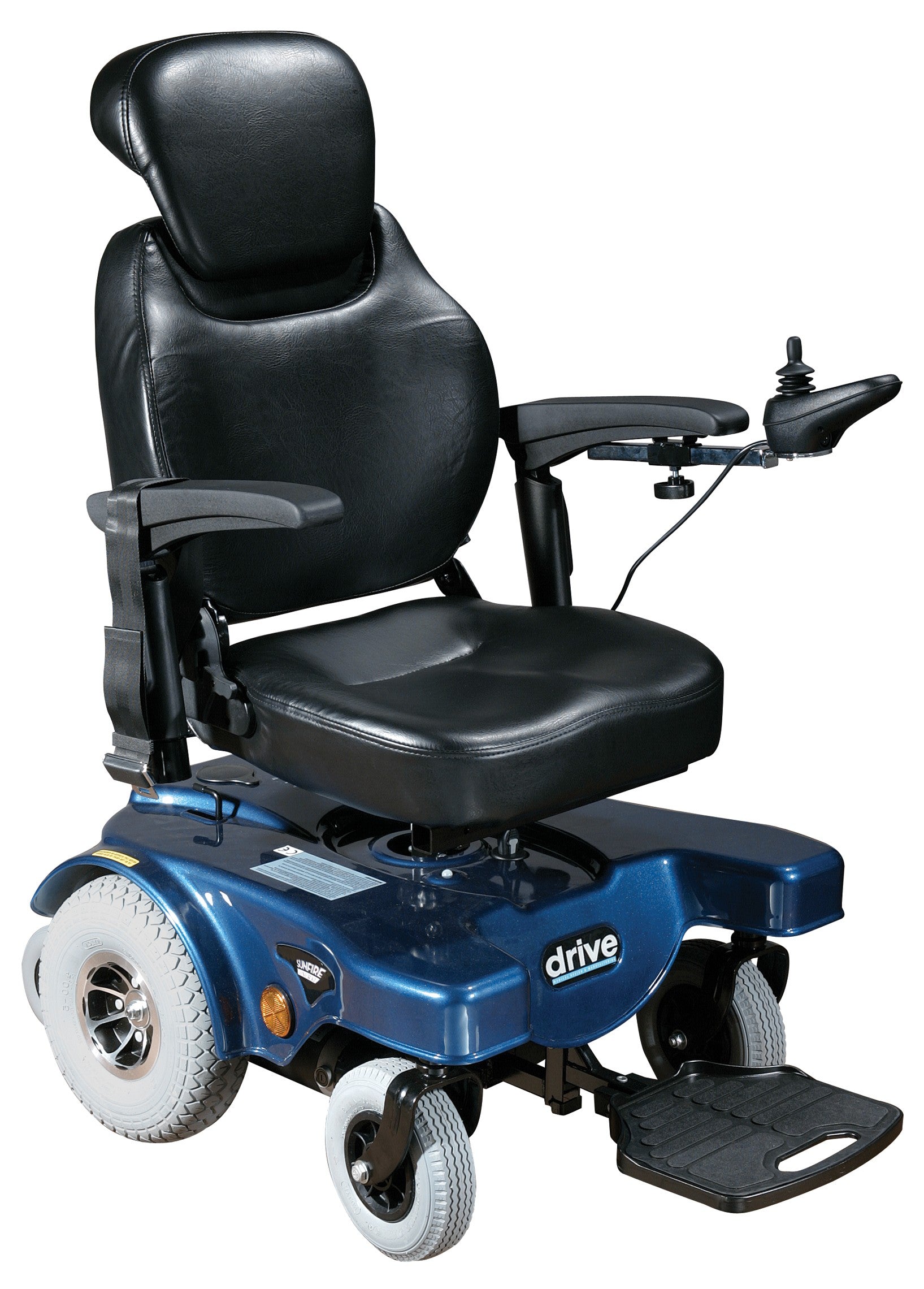
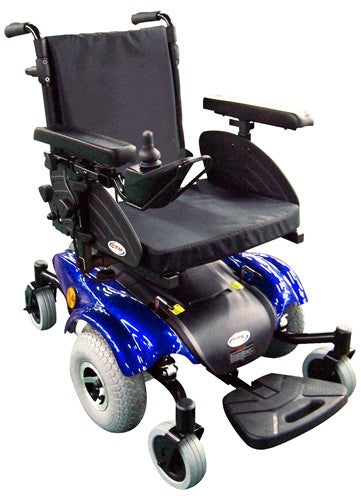
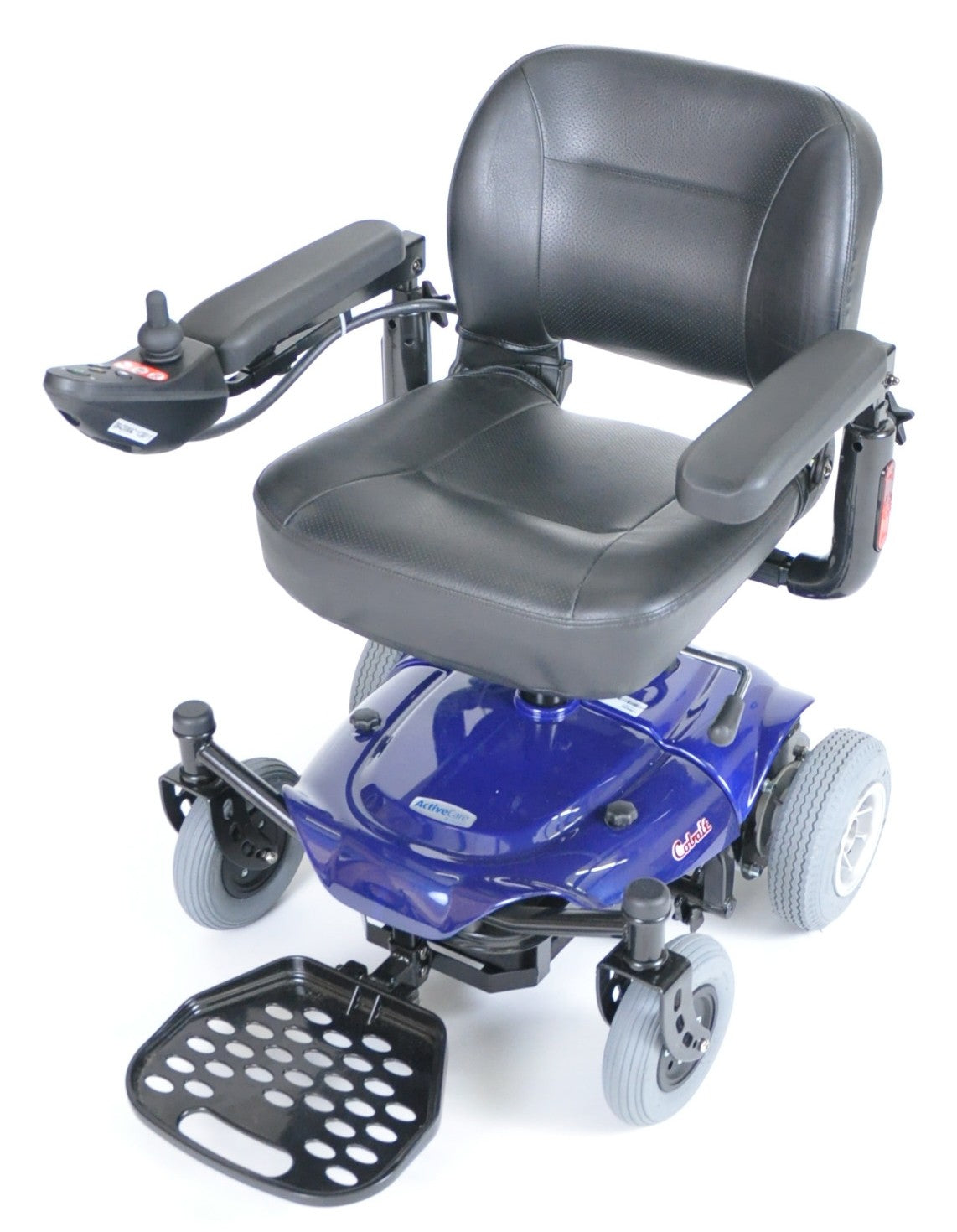
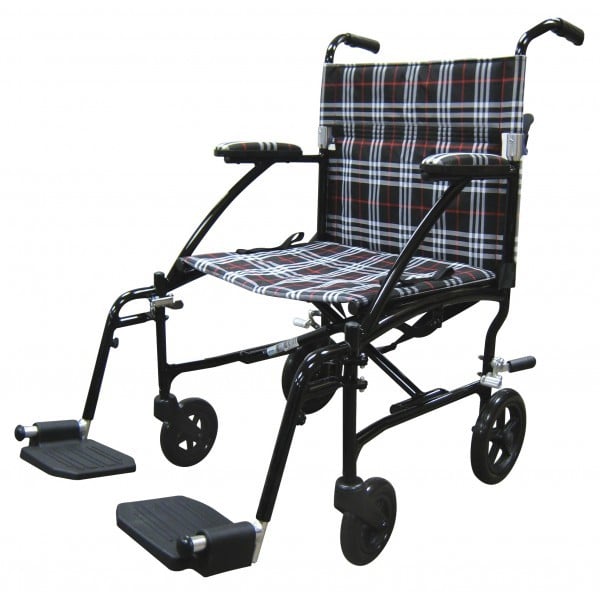
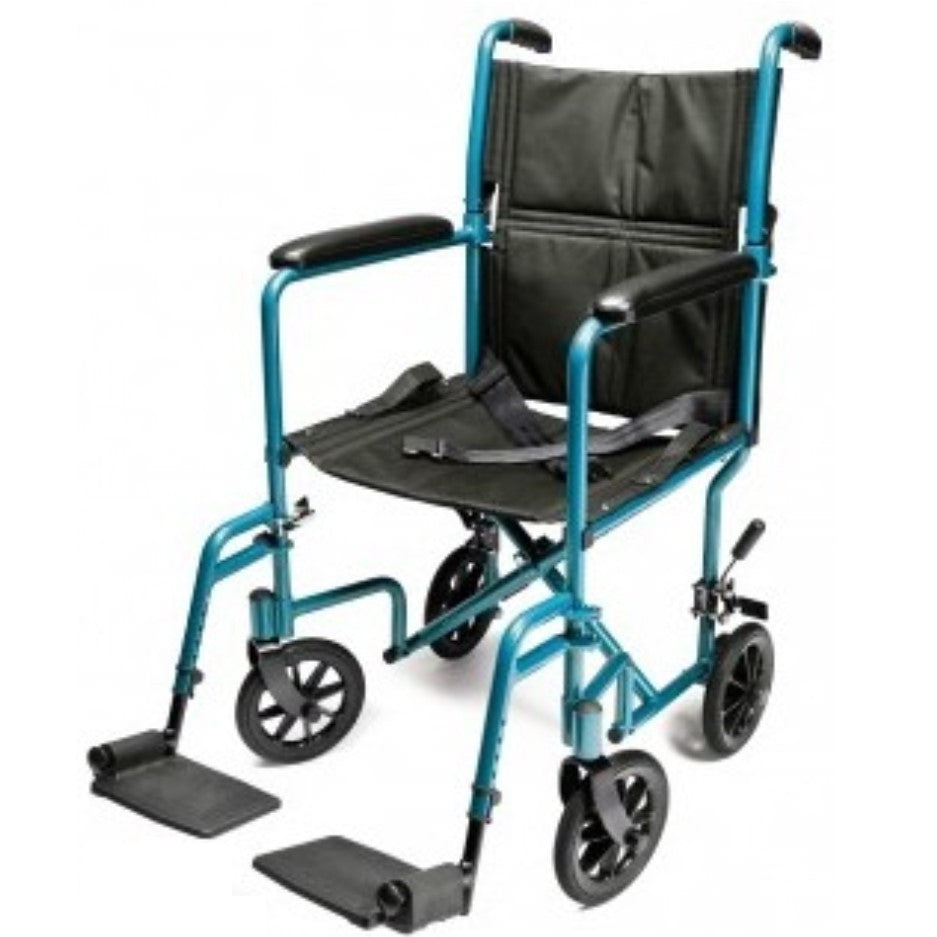
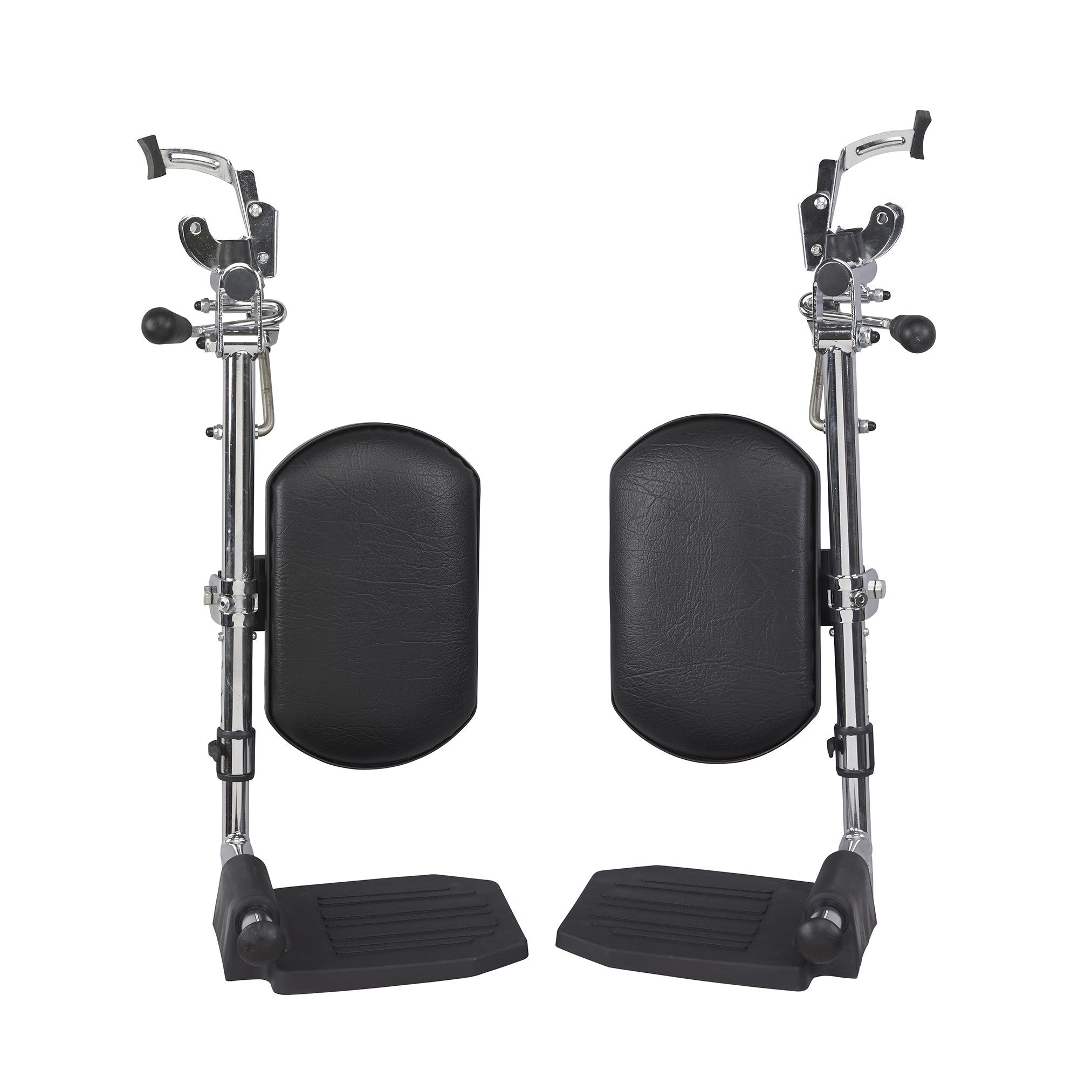
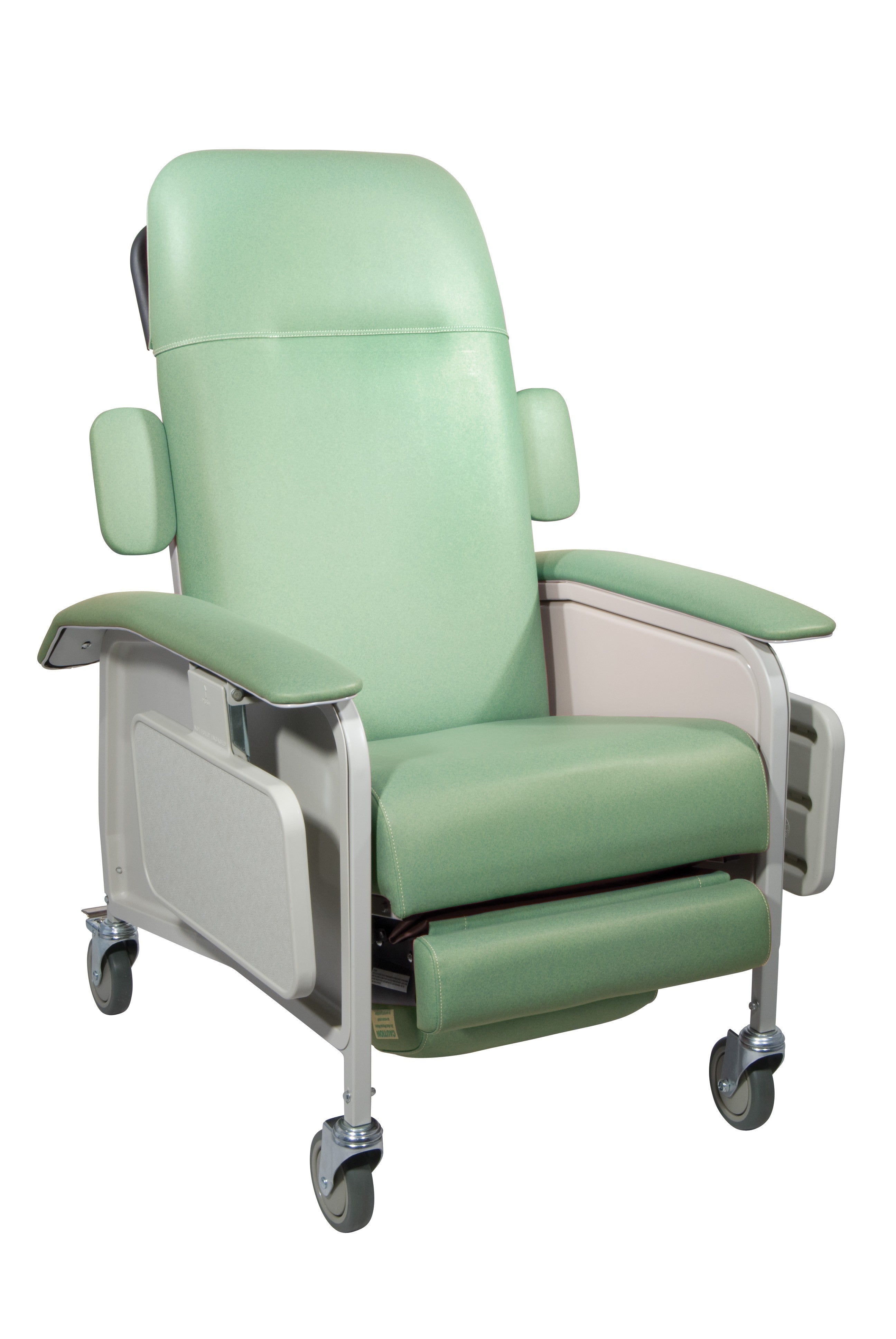


A power chair can change the shape of a day. It can make it easier to move through the kitchen, attend an appointment, visit family, or simply get from room to room without exhausting effort. When shopping for low price power chairs online, the goal is not to find the least expensive option at any cost. It is to find dependable mobility that fits the person, the home, and the routines that matter most.
A lower-priced power wheelchair can be an excellent choice when its features match real-world needs. The key is knowing which specifications affect safety and comfort, which upgrades are worth considering, and when a conversation with a mobility specialist can prevent an expensive mismatch.
Start With How the Power Chair Will Be Used
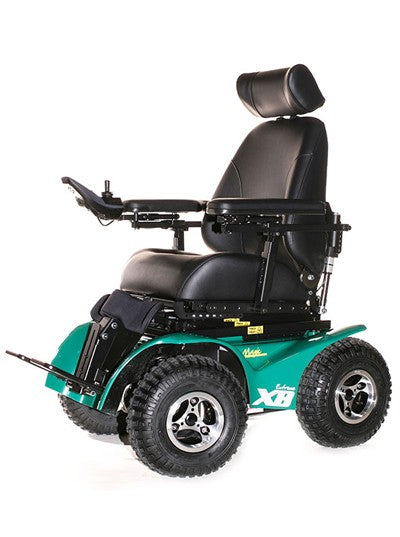
Before comparing models, picture a typical week. Is the chair mainly for moving around the home? Will it be used for errands, medical visits, outdoor paths, or family events? A compact chair that turns easily in tight spaces may be ideal for indoor use, while someone traveling over uneven sidewalks may need larger drive wheels, greater ground clearance, and a more stable base.
Also consider how long the user will sit in the chair at one time. A person using a power chair for short transfers and occasional outings may have different comfort needs than someone relying on it throughout the day. Seat width, seat depth, back support, armrest position, and footrest placement all affect comfort. A chair that looks like a good value but causes pressure, poor posture, or difficulty transferring is not a practical long-term purchase.
Caregivers should be part of this conversation when possible. They often notice details that can be overlooked, such as whether the chair can approach a favorite table, clear a hallway corner, or fit beside the bed for safe transfers.
Low Price Power Chairs Online: Features That Matter Most
Online product listings make it easy to compare options, but not every specification carries the same weight. Focus first on the features that directly affect daily use.
Weight Capacity and Proper Fit
Always select a power chair with a weight capacity that safely accommodates the user and any regular items carried on the chair. This is not just a durability issue. Staying within the recommended capacity supports proper handling, braking, and battery performance.
Fit is equally important. The seat should give the user enough room without being overly wide, which can make it harder to reach the armrests or maintain stable posture. Consider the user’s clothing, positioning needs, and whether a cushion or support accessory will be used. For bariatric users, choose equipment specifically designed for higher weight capacities and appropriate seating dimensions rather than trying to adapt a standard chair.
Turning Radius and Home Measurements
A power chair can be well built and still be wrong for the home. Measure doorways, hallways, bathroom entrances, kitchen pathways, and the space near the bed or favorite chair. Compare those measurements with the chair’s overall width and turning radius.
A compact power chair usually offers better maneuverability indoors. Larger models may provide a more substantial ride outdoors, but they need more space to turn. This is one of the most common trade-offs when choosing mobility equipment: the chair that handles outdoor terrain best may not be the easiest one to use in a narrow home.
Battery Range and Charging Routine
Battery range should reflect the user’s normal schedule, not an idealized one. Think about the longest usual outing, the distance through a large medical facility or shopping center, and whether the chair will be used all day away from home. Keep in mind that terrain, rider weight, temperature, speed, and battery age can affect actual range.
A reliable charging routine matters as much as the stated range. The user or caregiver should have a convenient, dry location for charging and a consistent habit of plugging in the chair as recommended. For many households, dependable daily charging is the simplest way to protect mobility and avoid surprise interruptions.
Drive Type and Surface Conditions
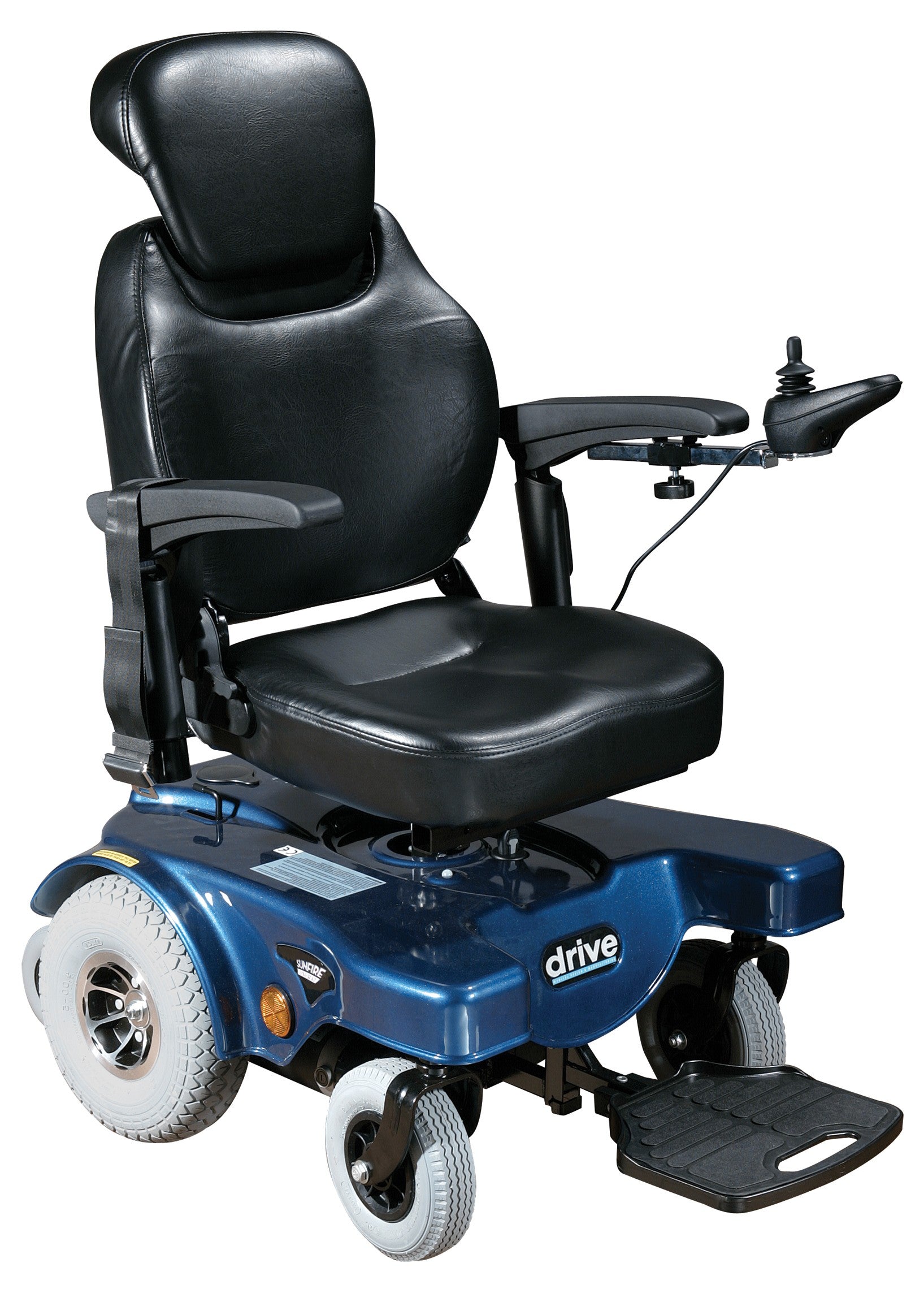
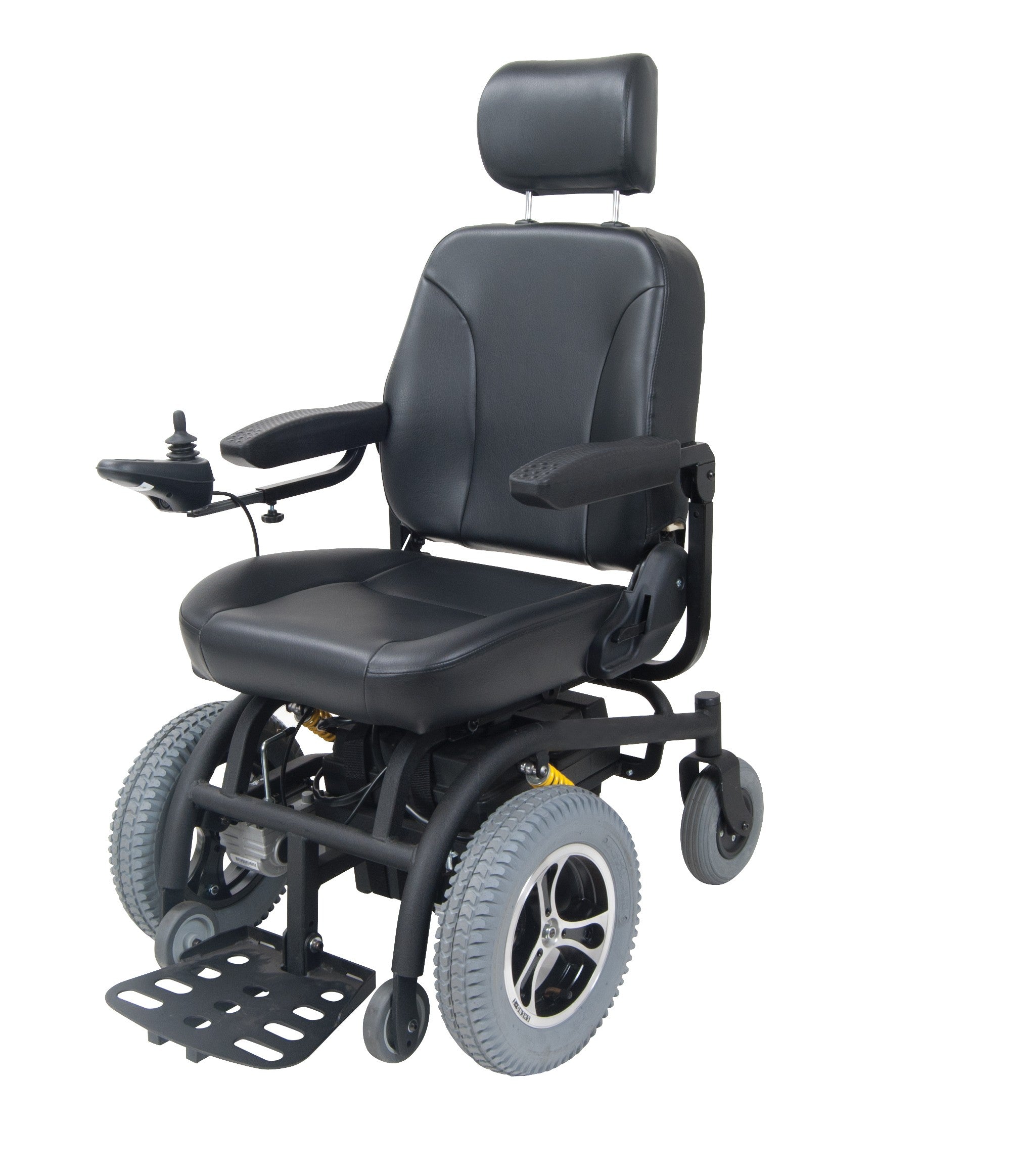
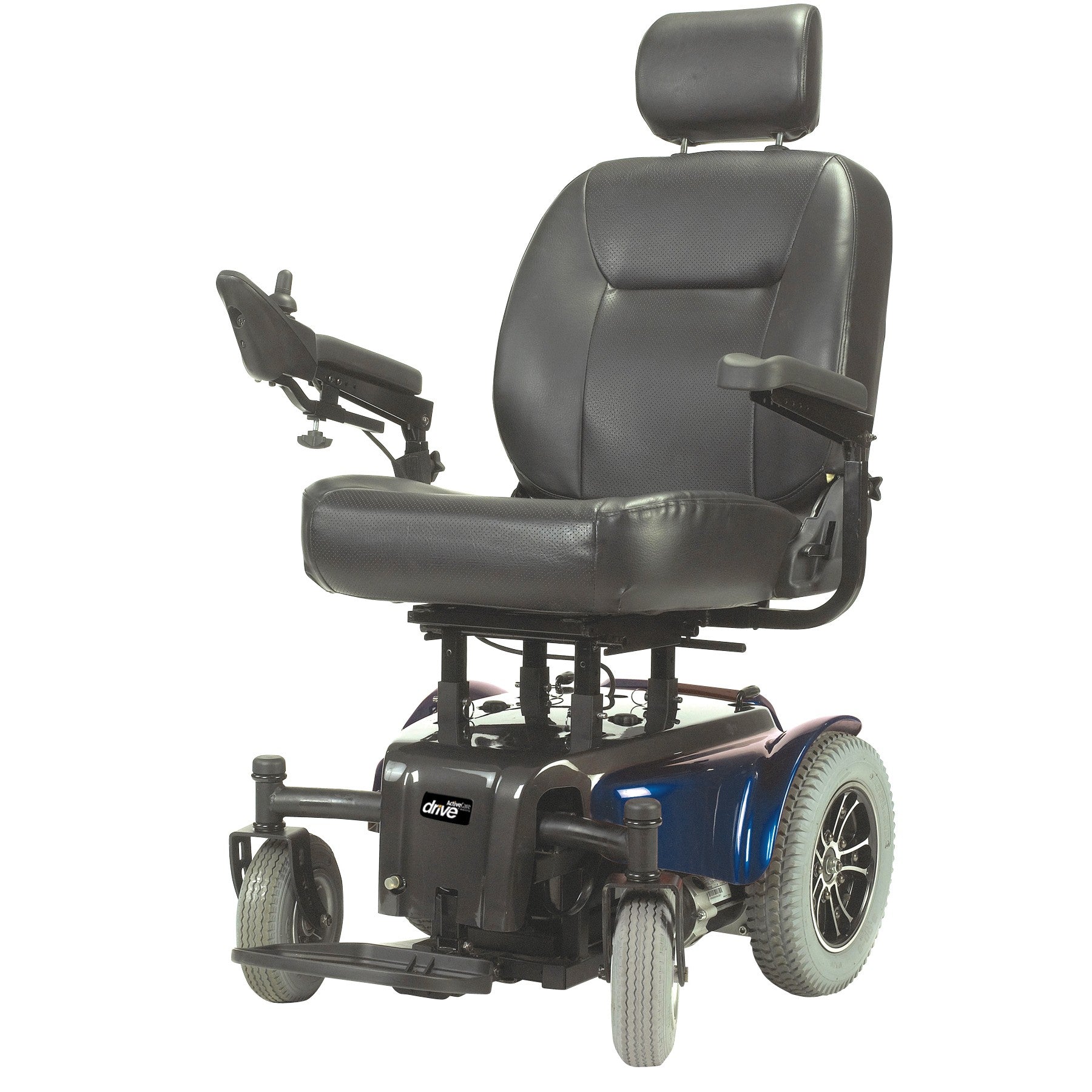
Front-wheel, mid-wheel, and rear-wheel drive power chairs each have advantages. Mid-wheel models are often valued for tight turning and indoor maneuvering. Front-wheel drive may work well for people who need help navigating small obstacles or uneven transitions. Rear-wheel drive can offer a familiar, stable feel for longer outdoor travel.
There is no single best drive type for every user. The right choice depends on the home, neighborhood surfaces, transportation needs, and how confidently the user operates the joystick. If the chair will regularly travel over grass, gravel, or rough pavement, ask for guidance before assuming a basic indoor model will be suitable.
Look Beyond the Product Photo
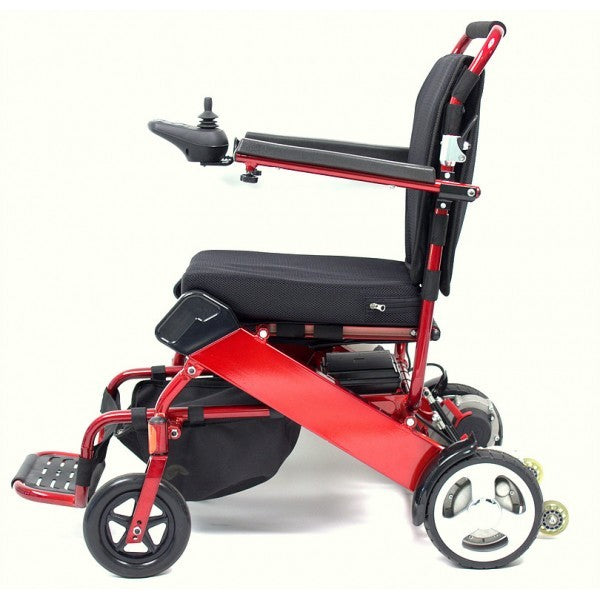
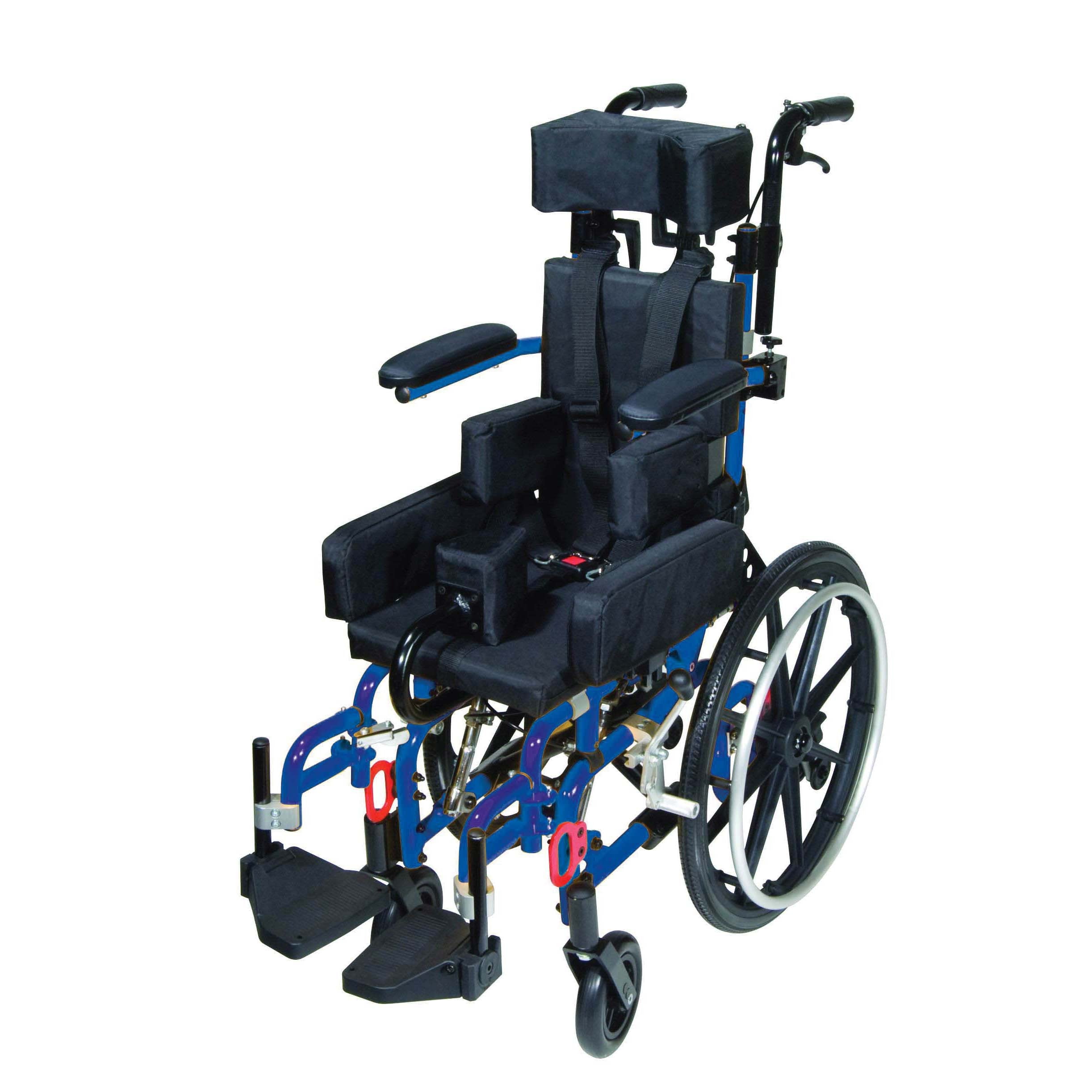
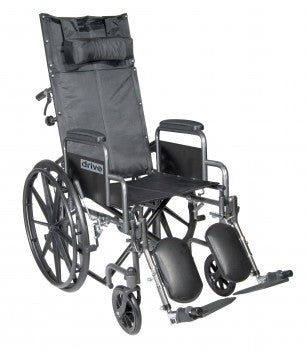
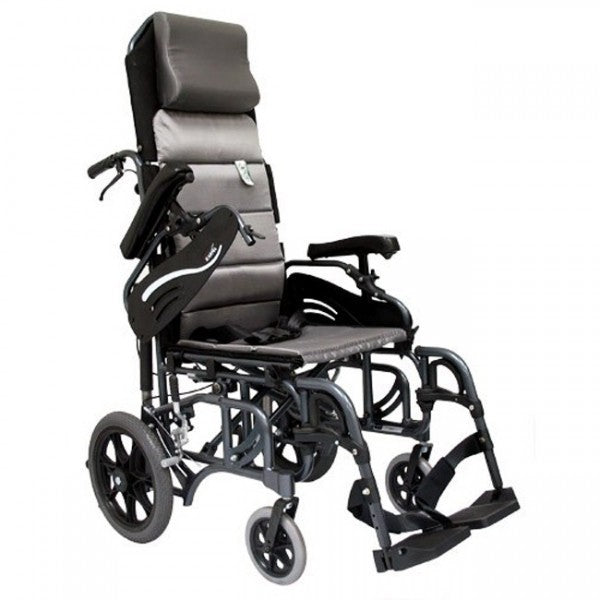
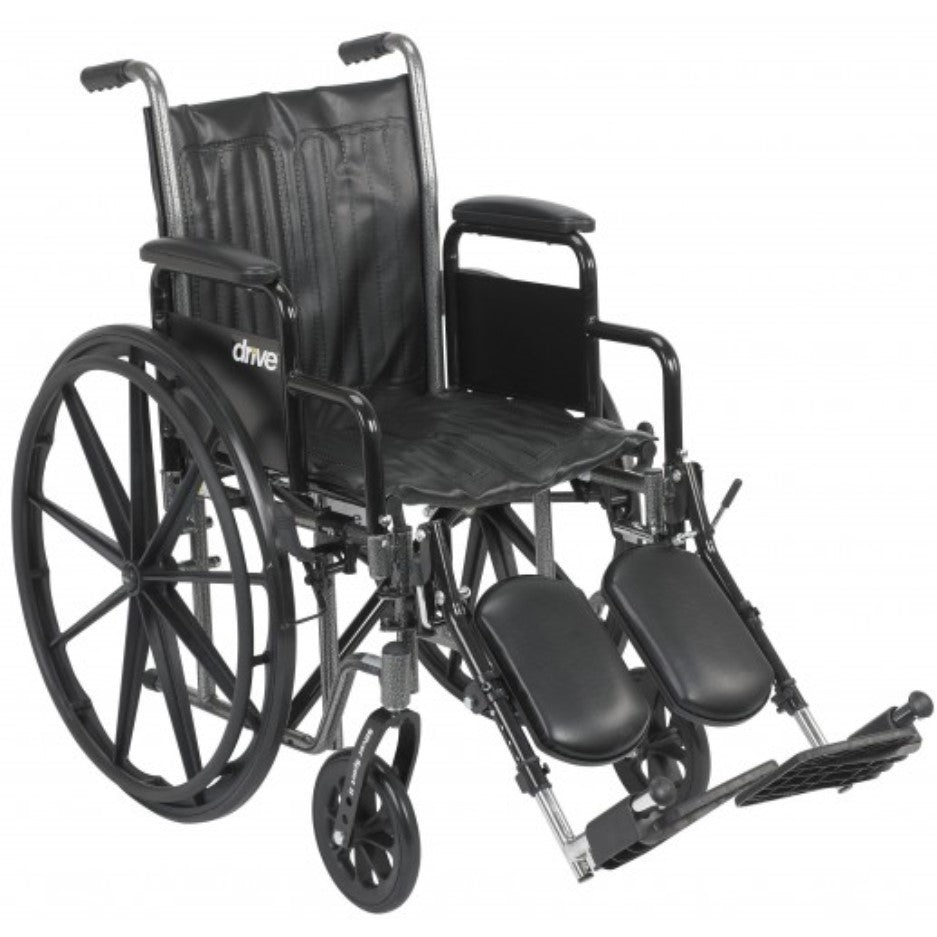
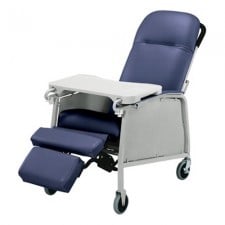
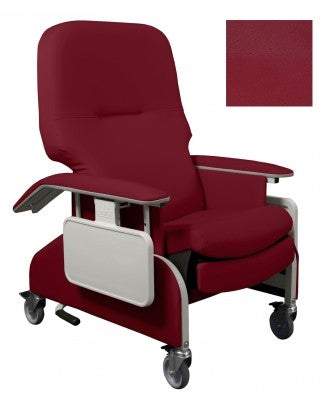
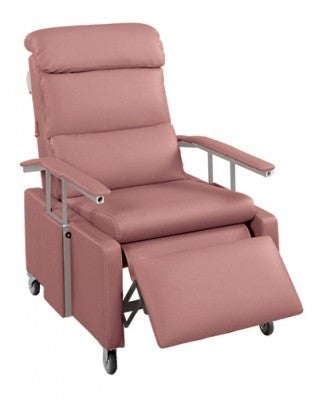
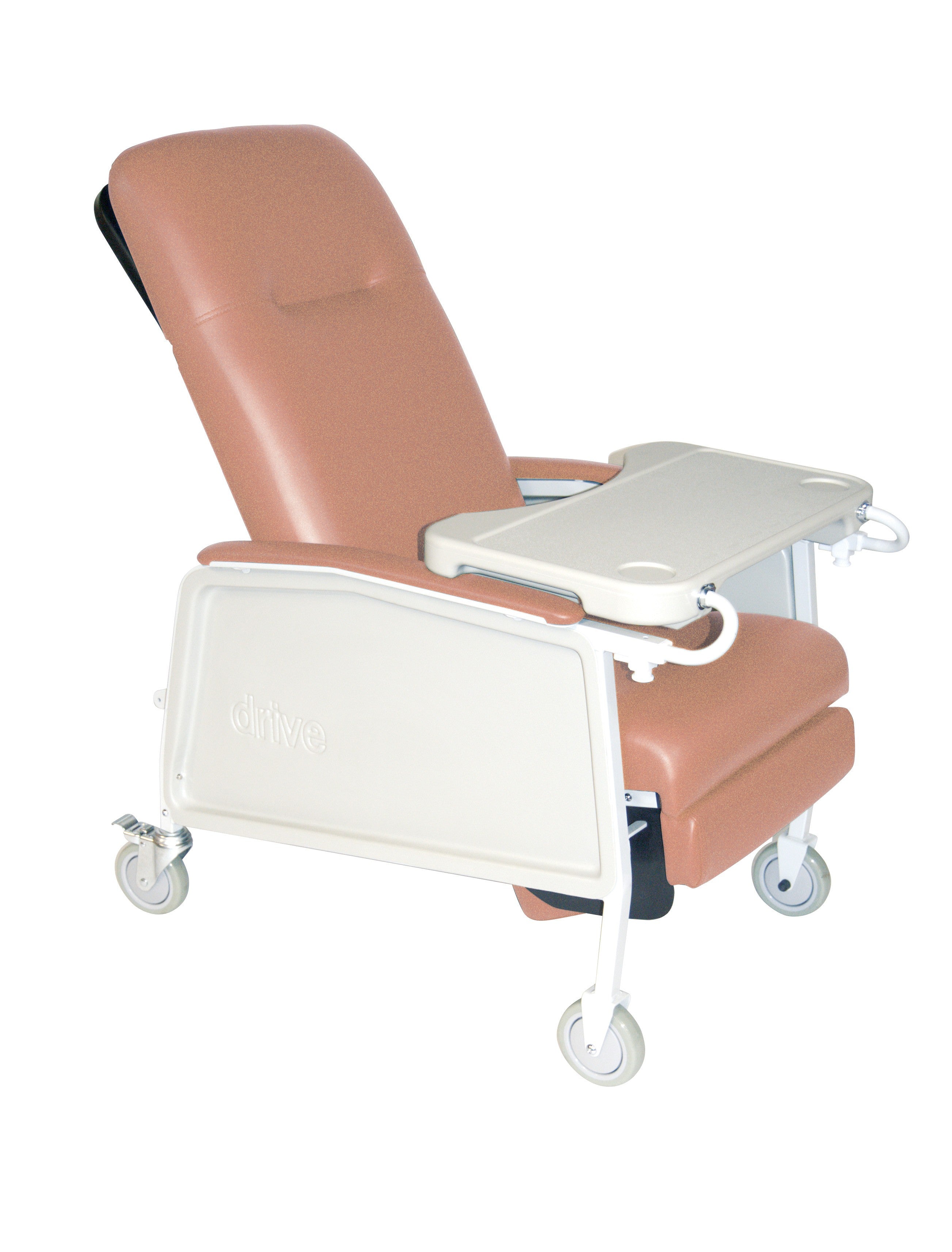
A product photo cannot show how a chair will feel after an hour of use or how easily it will fit into a daily routine. Read the full specifications, including overall dimensions, seat measurements, ground clearance, battery requirements, transport weight, and available support options.
It also helps to think through these practical questions before ordering:
- Can the chair enter and turn inside the user’s most important rooms?
- Will it be transported in a vehicle, and if so, can it be disassembled or carried safely?
- Does the user need elevating leg rests, a headrest, specialized seating, or positioning support?
- Who will charge, maintain, and inspect the chair on a regular basis?
Understand the Trade-Off Between Portability and Comfort
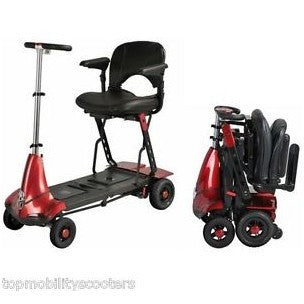
Many shoppers want a lightweight or foldable power chair because travel and storage are important. These models can be very useful for vacations, appointments, and households with limited space. However, portability often comes with trade-offs in seating size, suspension, battery capacity, and all-day comfort.
A more substantial power wheelchair may be better for primary, everyday use, especially for users who need more support or spend long periods seated. A portable chair may be the smarter choice for someone who walks short distances at home but needs powered mobility for community outings. Matching the equipment to the primary purpose keeps the decision clear.
Transportation deserves careful attention as well. Do not assume that a chair labeled portable will fit every vehicle or be easy for every caregiver to lift. Check the heaviest component, folded dimensions when applicable, and the lifting ability of the people who will handle it.
Buy With Support, Not Guesswork
Power wheelchairs are personal mobility devices, not one-size-fits-all purchases. Online shopping offers the convenience of comparing models from home, but expert assistance can be especially valuable when the user has changing mobility needs, balance concerns, limited hand strength, or seating requirements.
American Quality Health Products has served customers since 2001 with a broad selection of mobility equipment and knowledgeable buying support. Speaking with a US-based representative can help clarify model differences, review home-use needs, and identify features that support independence without adding unnecessary complexity. Financing options may also help qualified shoppers plan for the equipment they need.
When comparing low price power chairs online, consider the full ownership experience. Look for established mobility brands, clear product information, available support, and a retailer that understands the importance of fit. A low-price promise is most meaningful when it is paired with guidance that helps you choose correctly the first time.
Make the Final Choice With Everyday Safety in Mind
Before placing an order, confirm the chair’s dimensions, capacity, intended use, and charging needs one more time. If the user is new to powered mobility, plan for a gradual adjustment period in a clear, familiar area. The joystick response, turning behavior, and stopping distance may feel different from a manual wheelchair or mobility scooter.
Keep pathways open, remove loose rugs when appropriate, and make sure chargers and power cords do not create trip hazards. If the chair will be used outdoors, discuss safe routes and weather considerations with the user. Independence grows best when mobility is paired with a safe, comfortable routine.
The right power chair is not defined by the longest feature list. It is the one that gives its user a comfortable, dependable way to take part in daily life with greater confidence.


