

Why Standard Mobility Equipment Isn't Built for Larger Users
Over 100 million U.S. adults live with obesity, according to the latest CDC NHANES data showing that 40.3% of American adults are affected. Yet most standard mobility equipment tops out at a 250 to 300 lb weight capacity, leaving millions of people relying on equipment that simply was not designed for them.
The consequences go well beyond discomfort. Using an under-rated power wheelchair or scooter puts real stress on motors, frames, and structural joints, leading to motor burnout, frame warping, and a significantly higher risk of falls. These are serious safety concerns, not minor inconveniences.
Bariatric mobility equipment is engineered specifically for users who need support beyond the standard range, with reinforced frames, upgraded motors, and weight capacities from 300 to over 700 lbs. This guide covers the three most important categories: bariatric power wheelchairs, bariatric scooters, and bariatric lift chairs. The right equipment exists, and with more than 22 years of experience serving customers since 2001, we are here to help you find it.
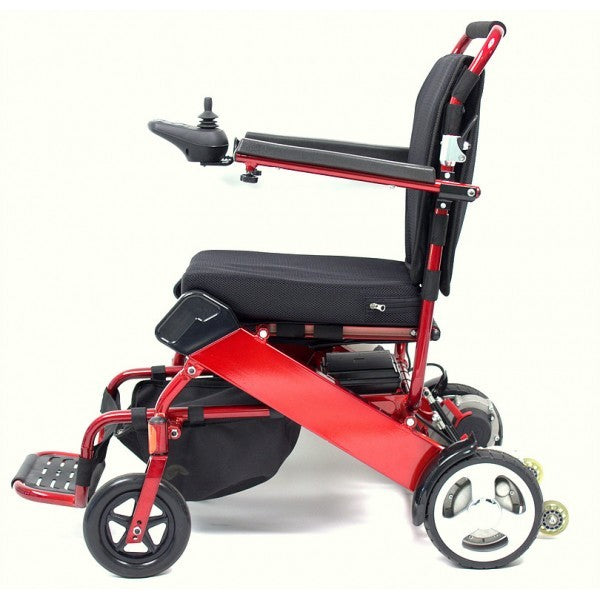
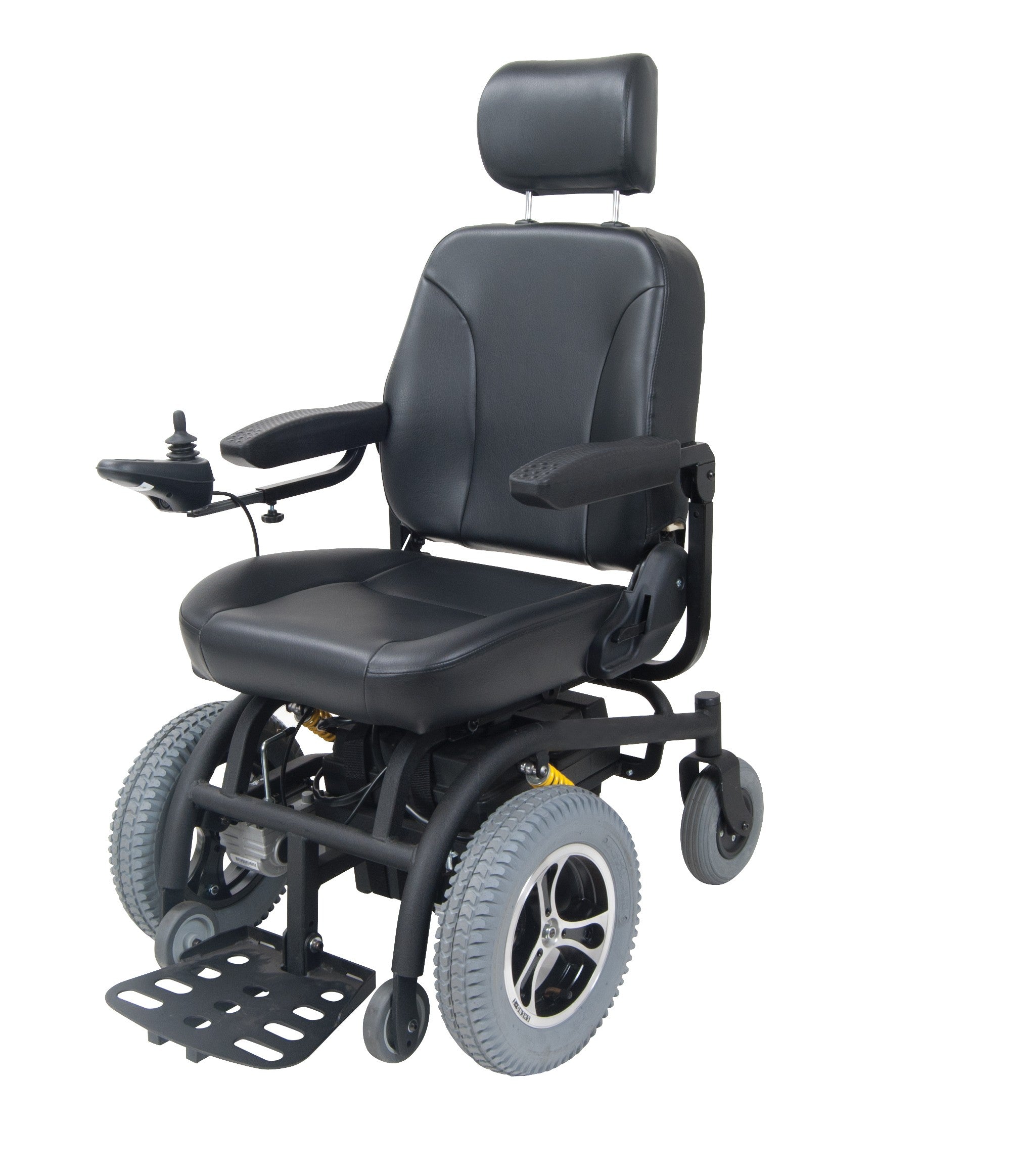
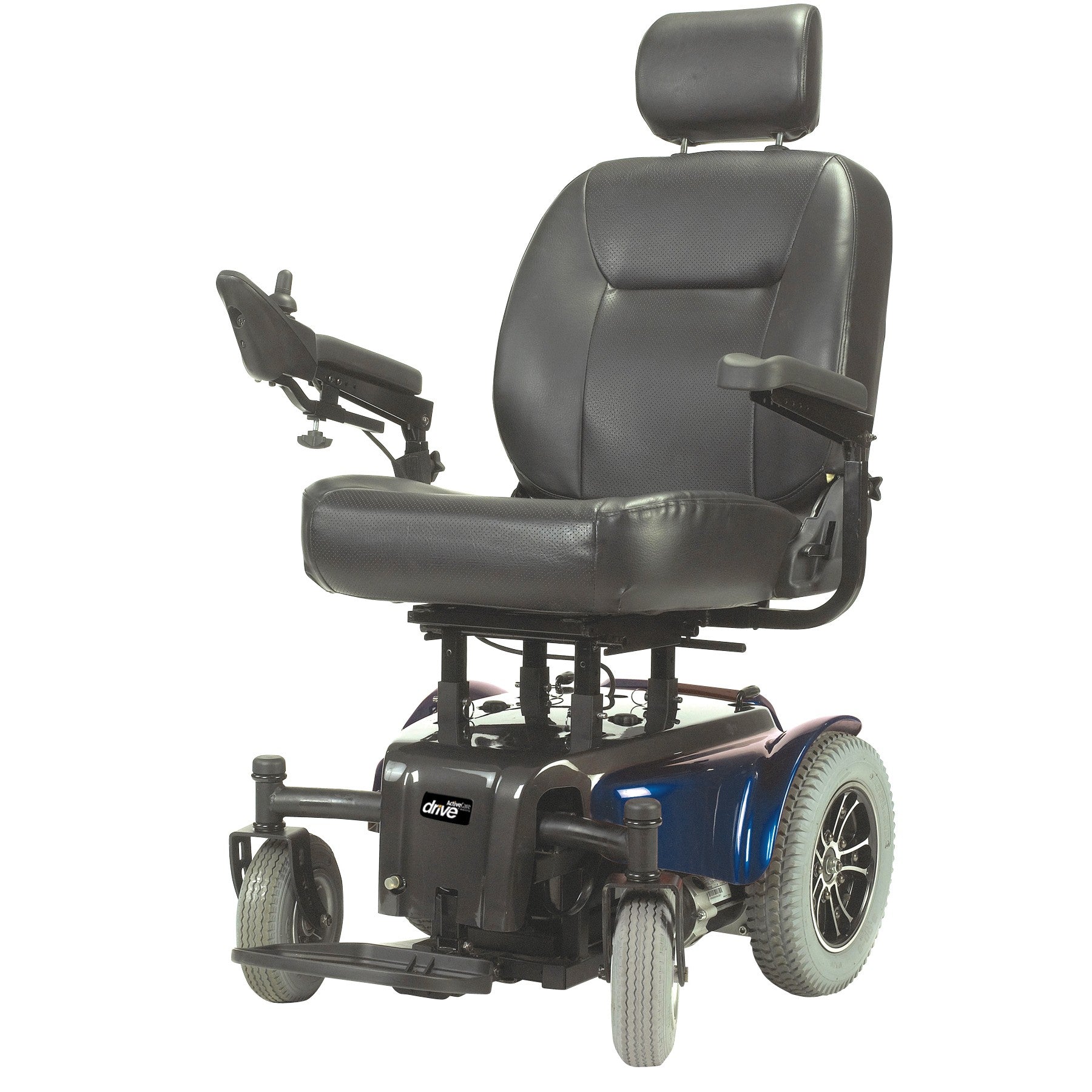
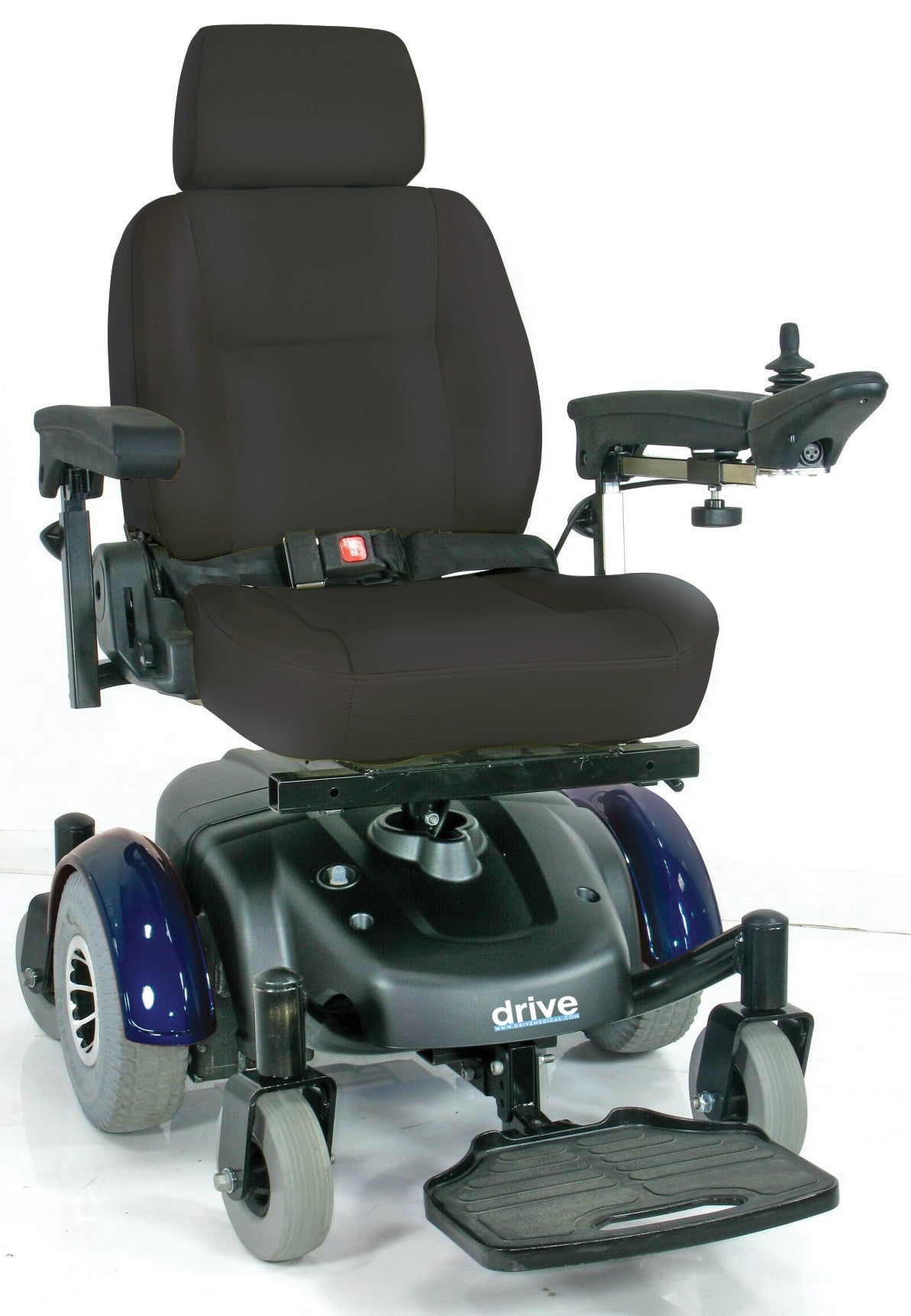
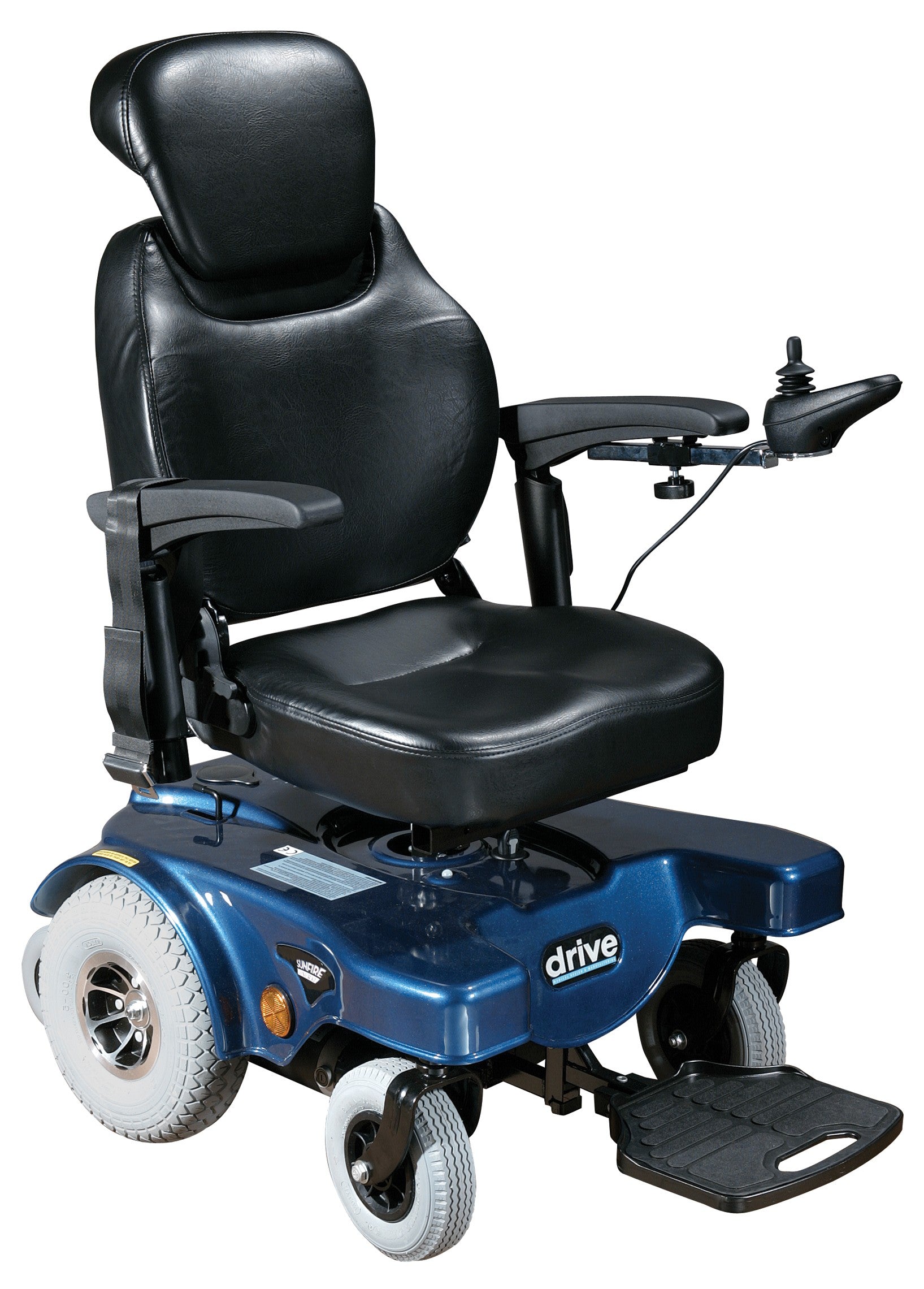
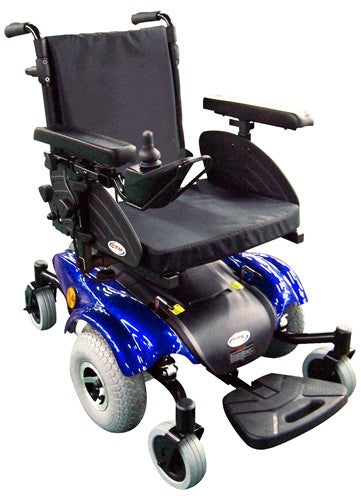
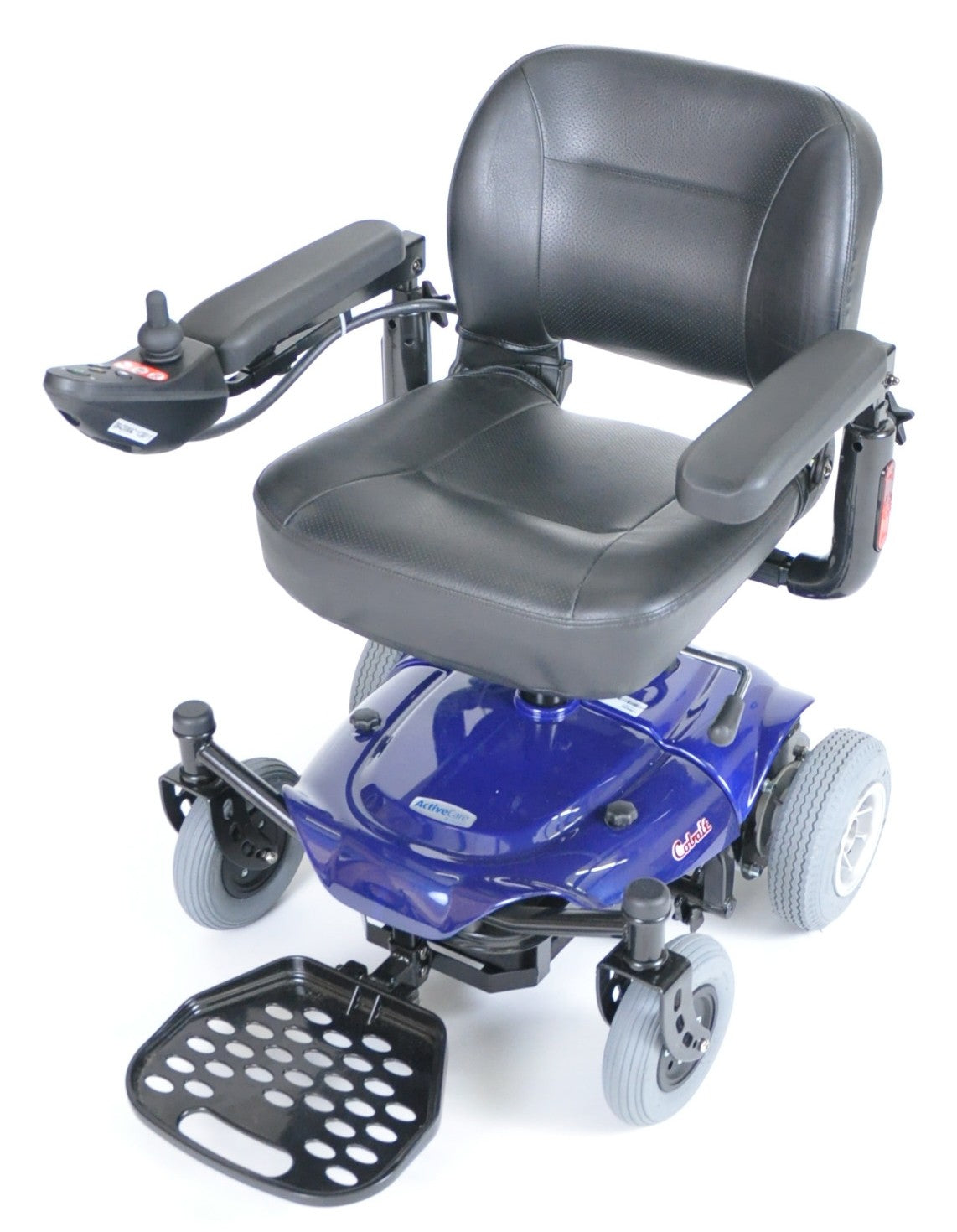
Bariatric Power Wheelchairs: Indoor Freedom and Postural Support
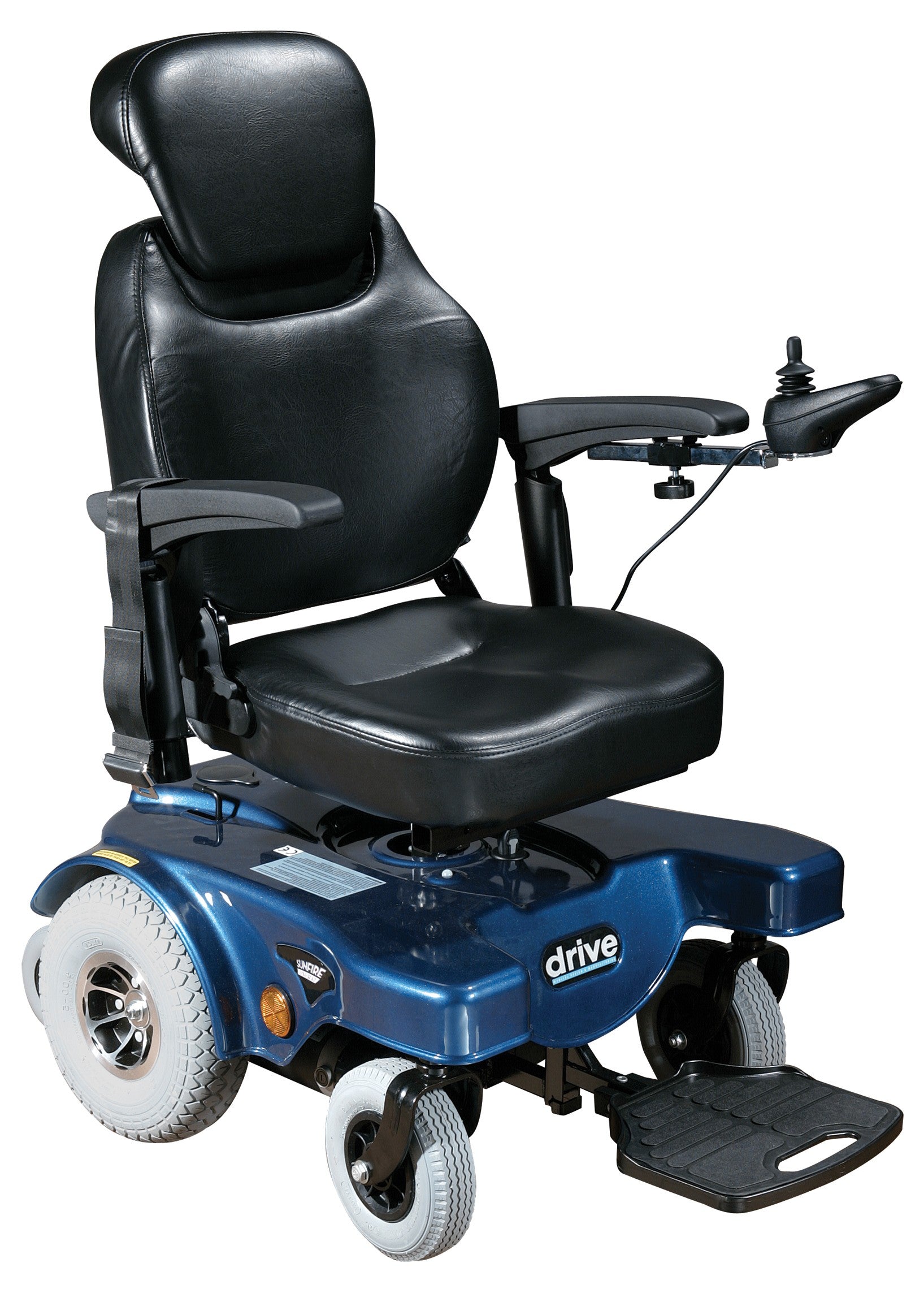
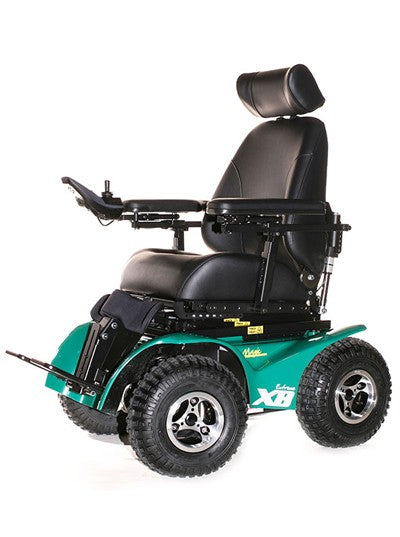
A power wheelchair earns the "bariatric" label through specific engineering upgrades. These chairs feature reinforced steel frames, wider seats ranging from 20" to 32", and dual or triple motors built to handle higher loads day after day, providing both the weight capacity and the postural support that larger users need.
- Heavy Duty: 301 to 450 lbs
- Very Heavy Duty: 451 to 600 lbs
- Extra Heavy Duty: 601 lbs and above
Getting the right tier classification matters for both safety and insurance coverage, so it is worth understanding where you fall.
One critical rule experienced specialists follow: always choose a chair rated at least 75 to 100 lbs above your actual body weight. This buffer accounts for clothing, personal items, and the everyday loads that add up, and it extends the life of your chair's motors and frame.
Bariatric power chairs excel indoors. Many models offer turning radii as tight as 21" to 22", making it possible to navigate hallways, kitchens, and bedrooms with confidence. Chairs with 22" to 24" seat widths typically measure about 30" to 31" in total width, which clears most standard 32" doorways. If you need a 26"+ seat, consider door modifications or offset hinges before ordering.
Homecare settings are the fastest-growing environment for bariatric power wheelchairs. As more people receive care at home rather than in facilities, having properly rated equipment in the house is becoming essential.
Bariatric Scooters: Outdoor Range and Independence
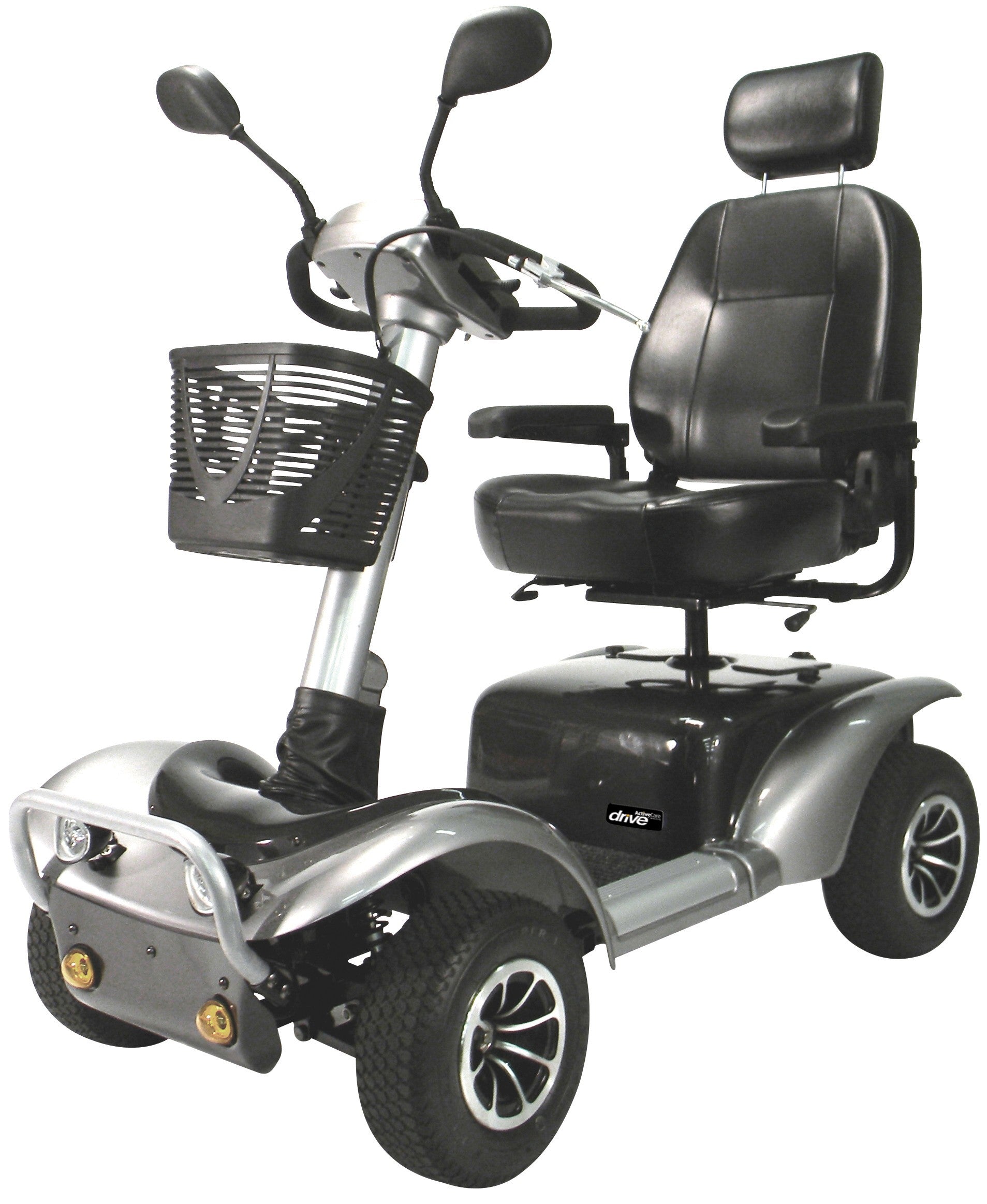
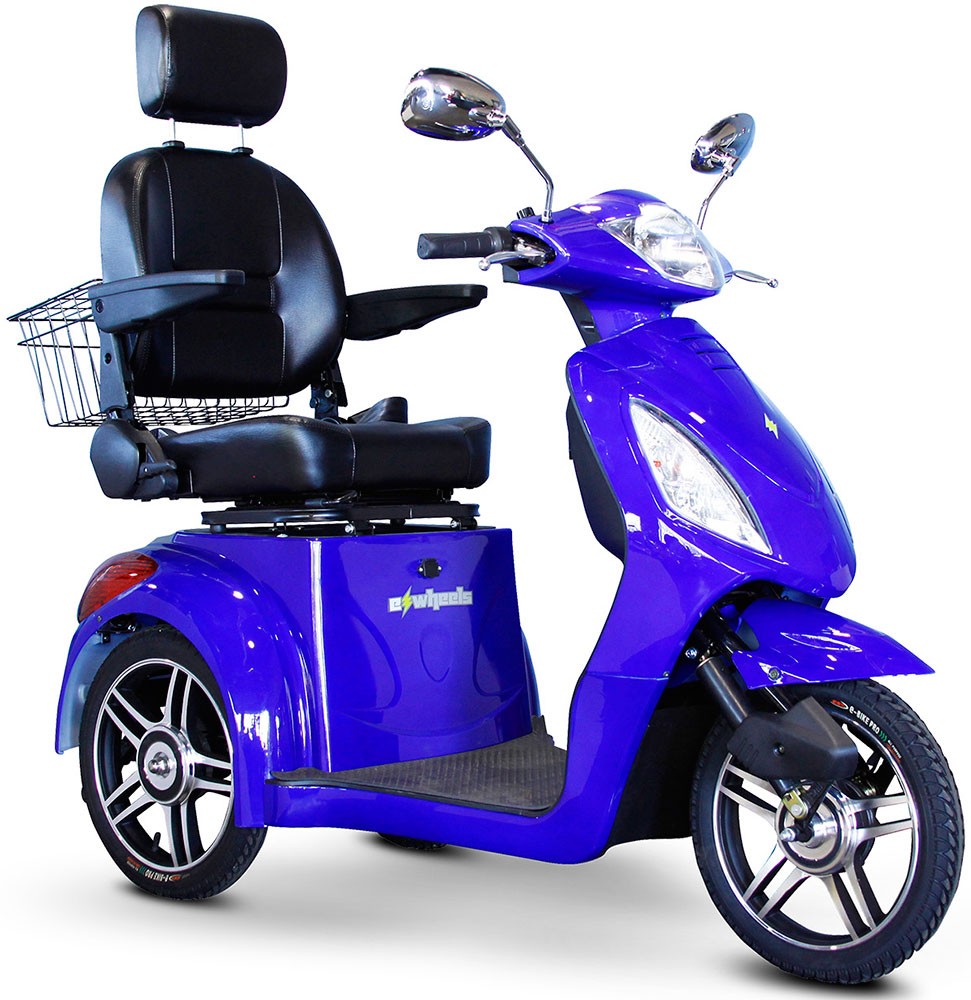
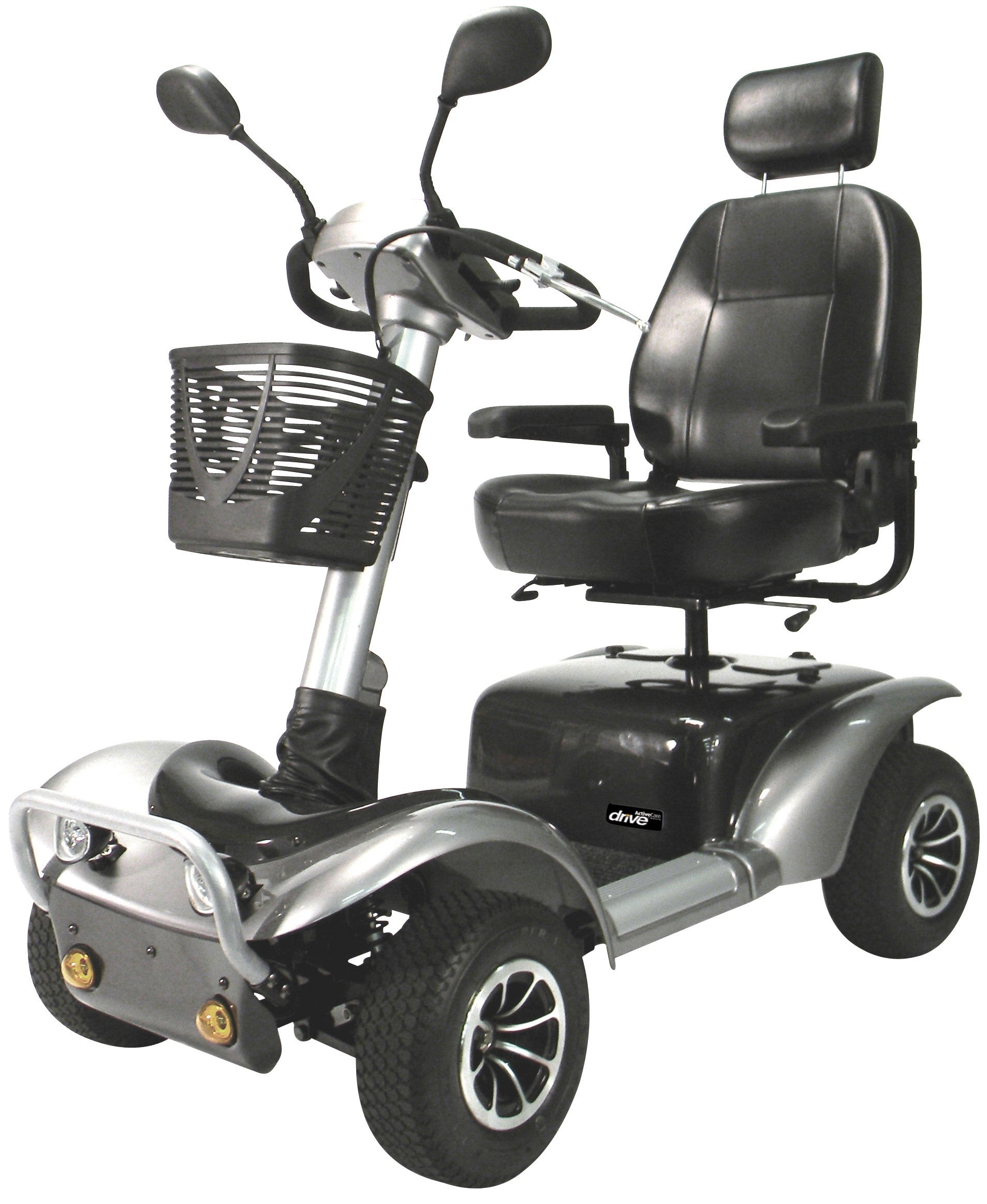
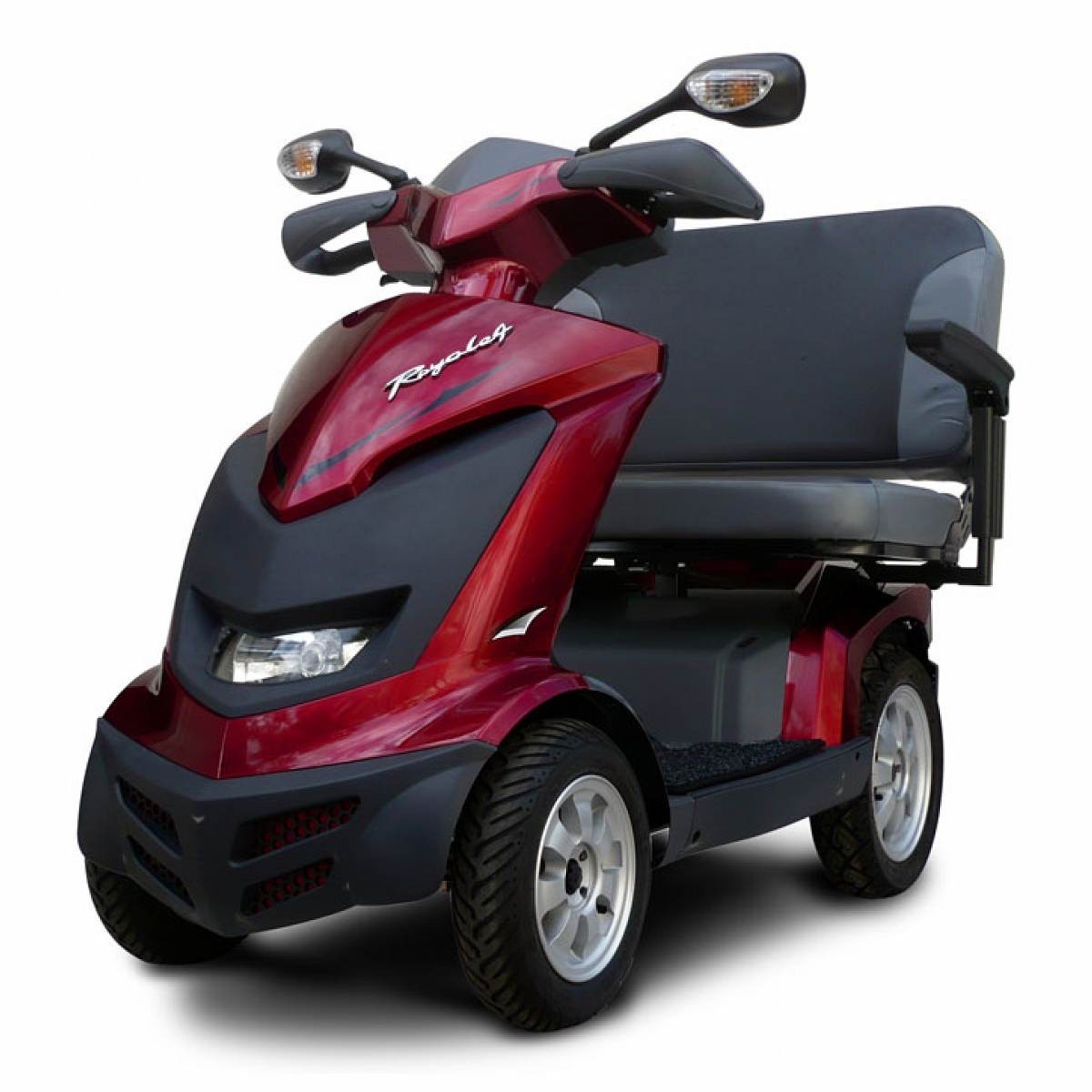
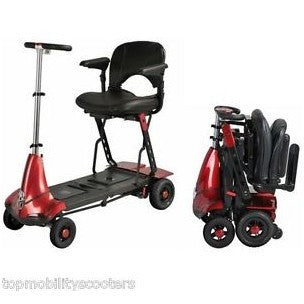
A bariatric scooter is the right choice when you can sit upright independently and your primary need is outdoor or community mobility. Think grocery runs, neighborhood outings, parks, and shopping centers. Scooters are built for covering ground.
The specs reflect that purpose. Bariatric scooters support 400 to 600 lbs, with select models reaching speeds up to 15 mph and ranges up to 55 miles on a single charge, opening up real independence for users who want to stay active in their communities.
The trade-off compared to power chairs is straightforward: scooters offer greater speed and range but provide less postural support and are harder to maneuver in tight indoor spaces. If you spend most of your time at home, a power chair is likely the better fit.
When comparing configurations, 3-wheel bariatric scooters offer tighter turning for occasional indoor use, while 4-wheel models provide greater stability on uneven outdoor terrain, which is especially important for larger users. Reliable bariatric scooters typically start at $3,000 or more. As with power chairs, apply the 75 to 100 lb weight capacity buffer when selecting your model.
Bariatric Lift Chairs: Safe Sitting, Standing, and Resting at Home
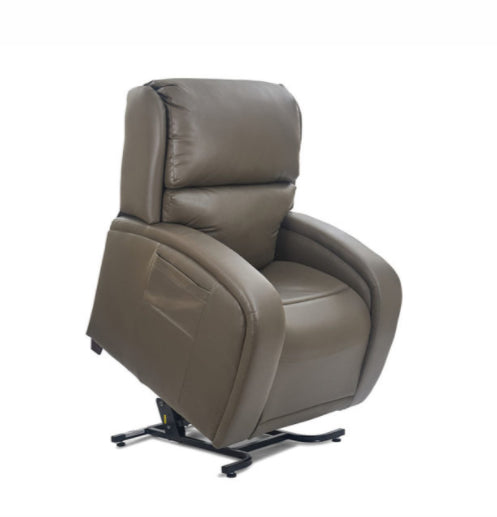
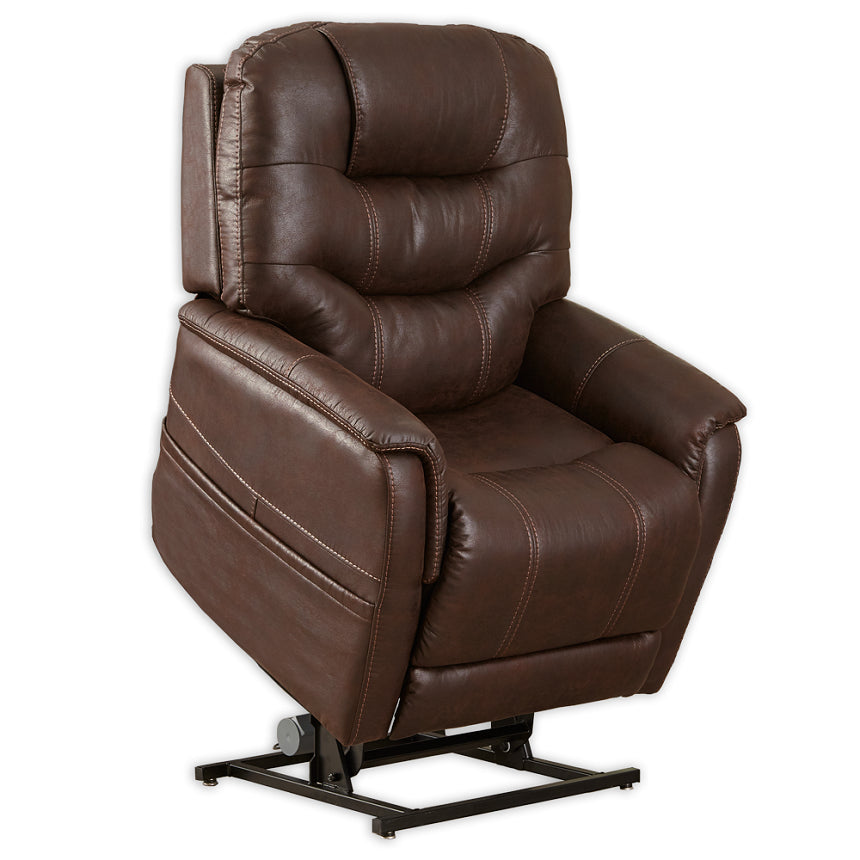
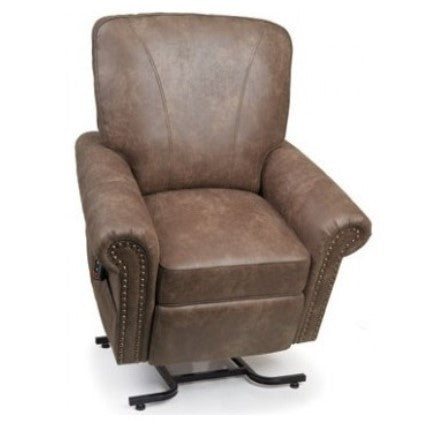
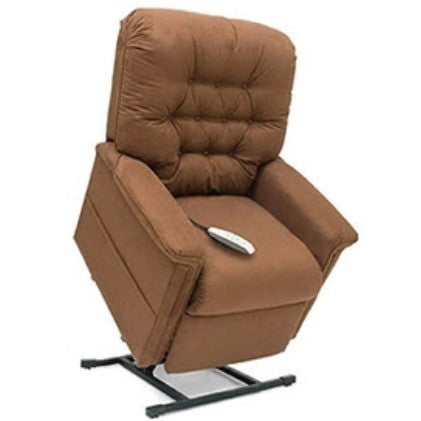
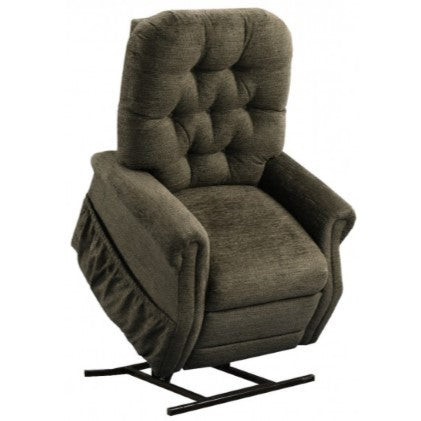
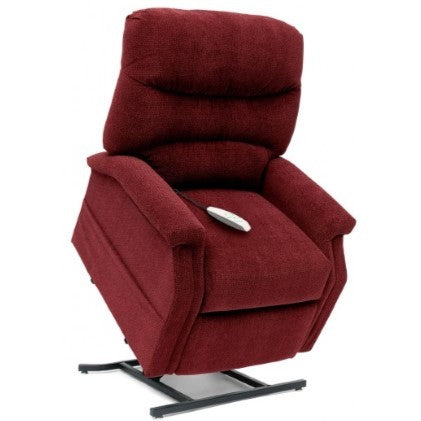
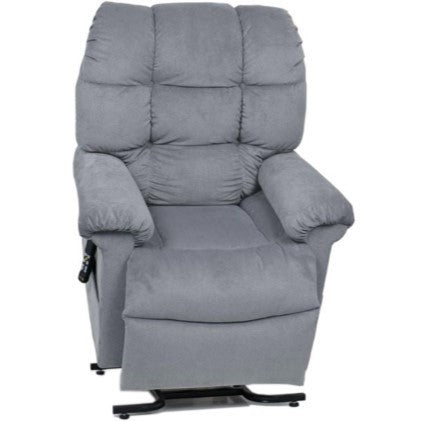
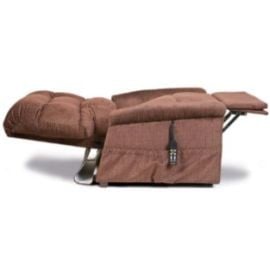
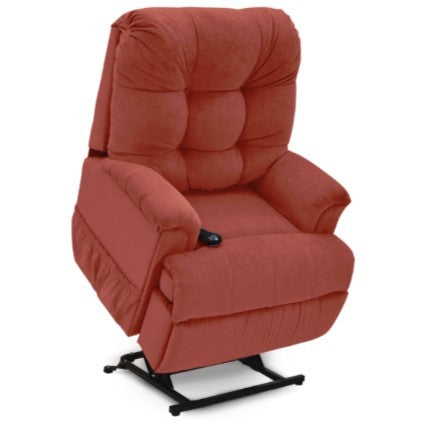
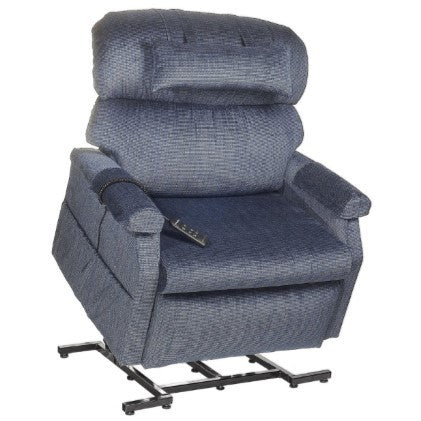
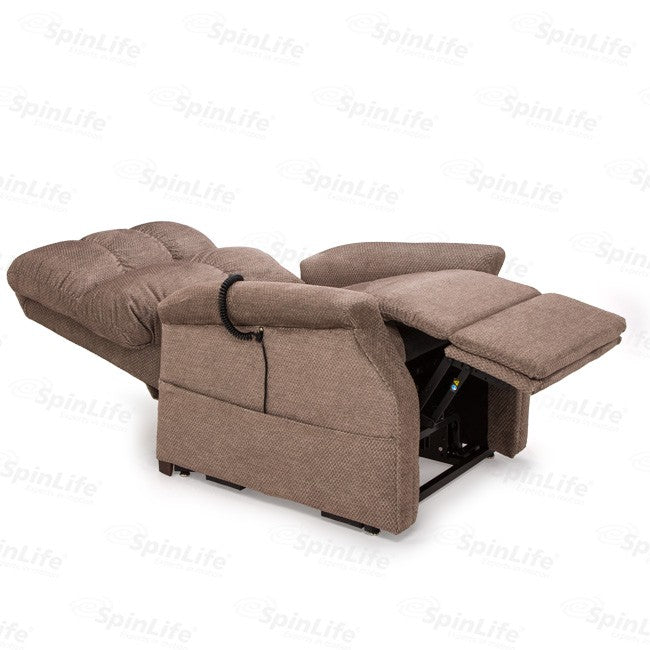
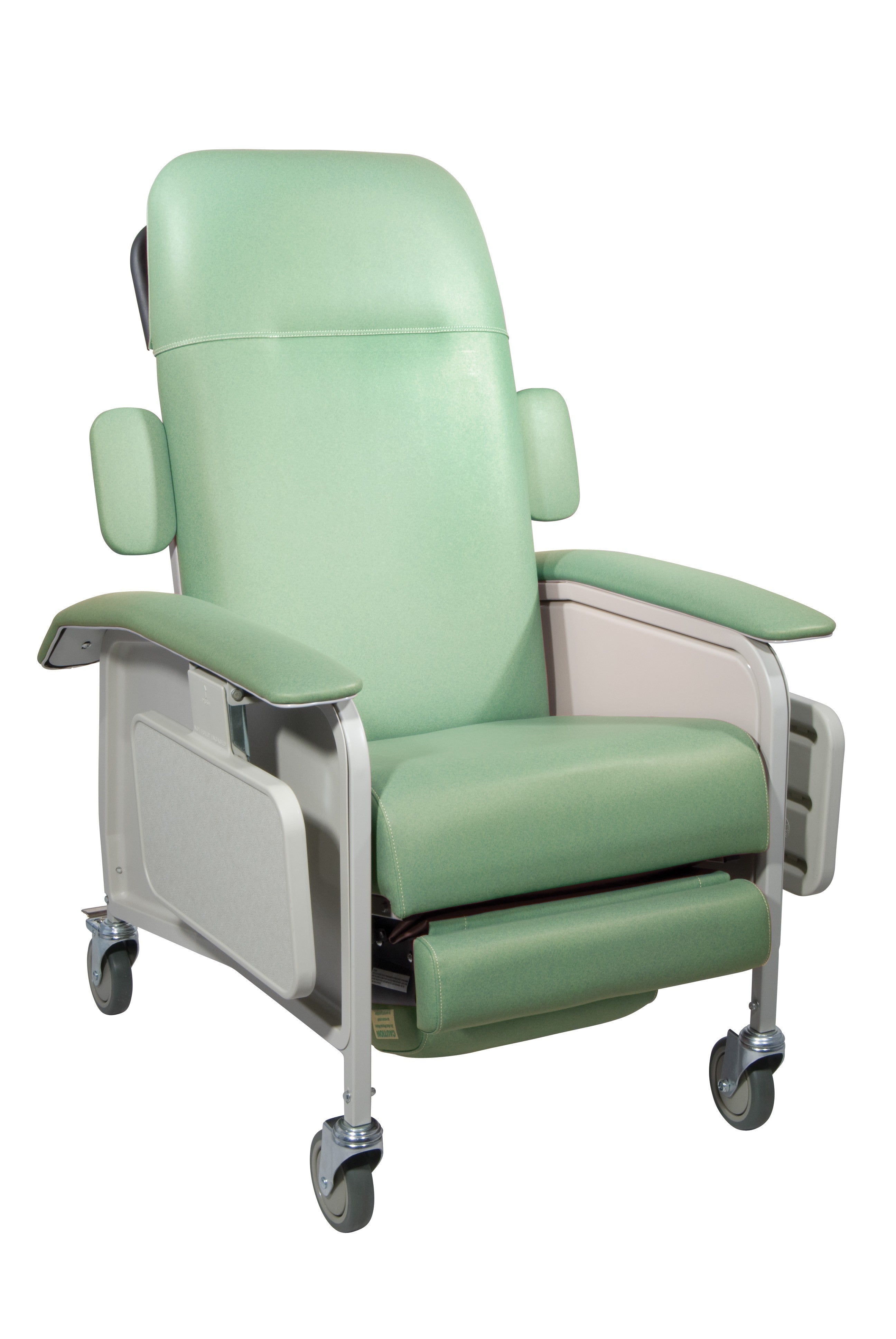
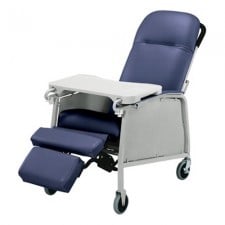
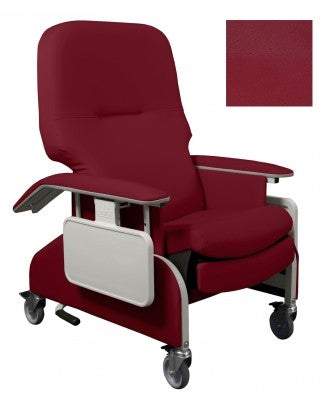
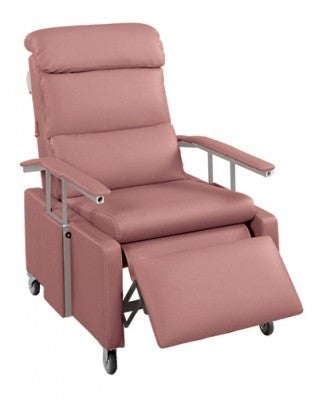
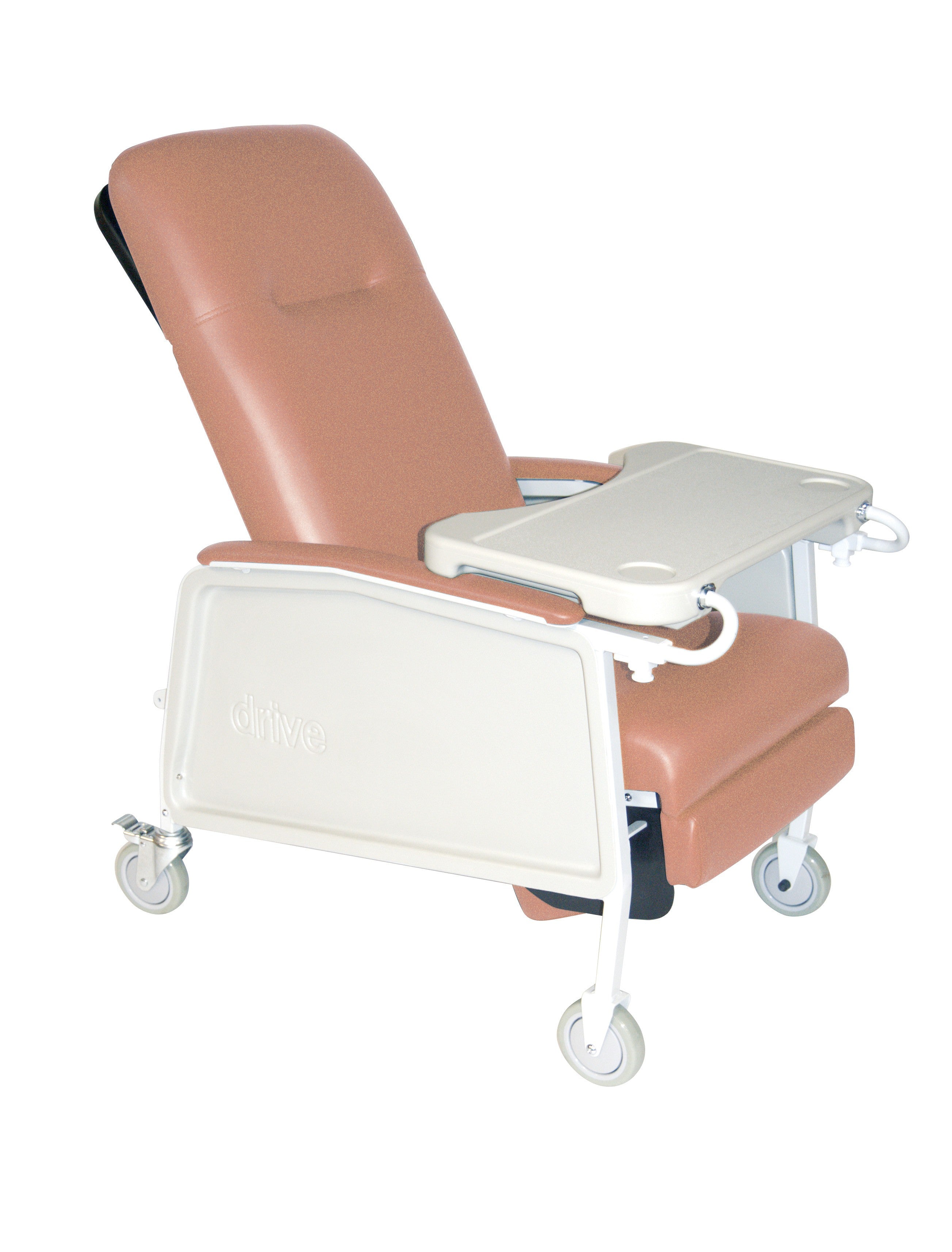
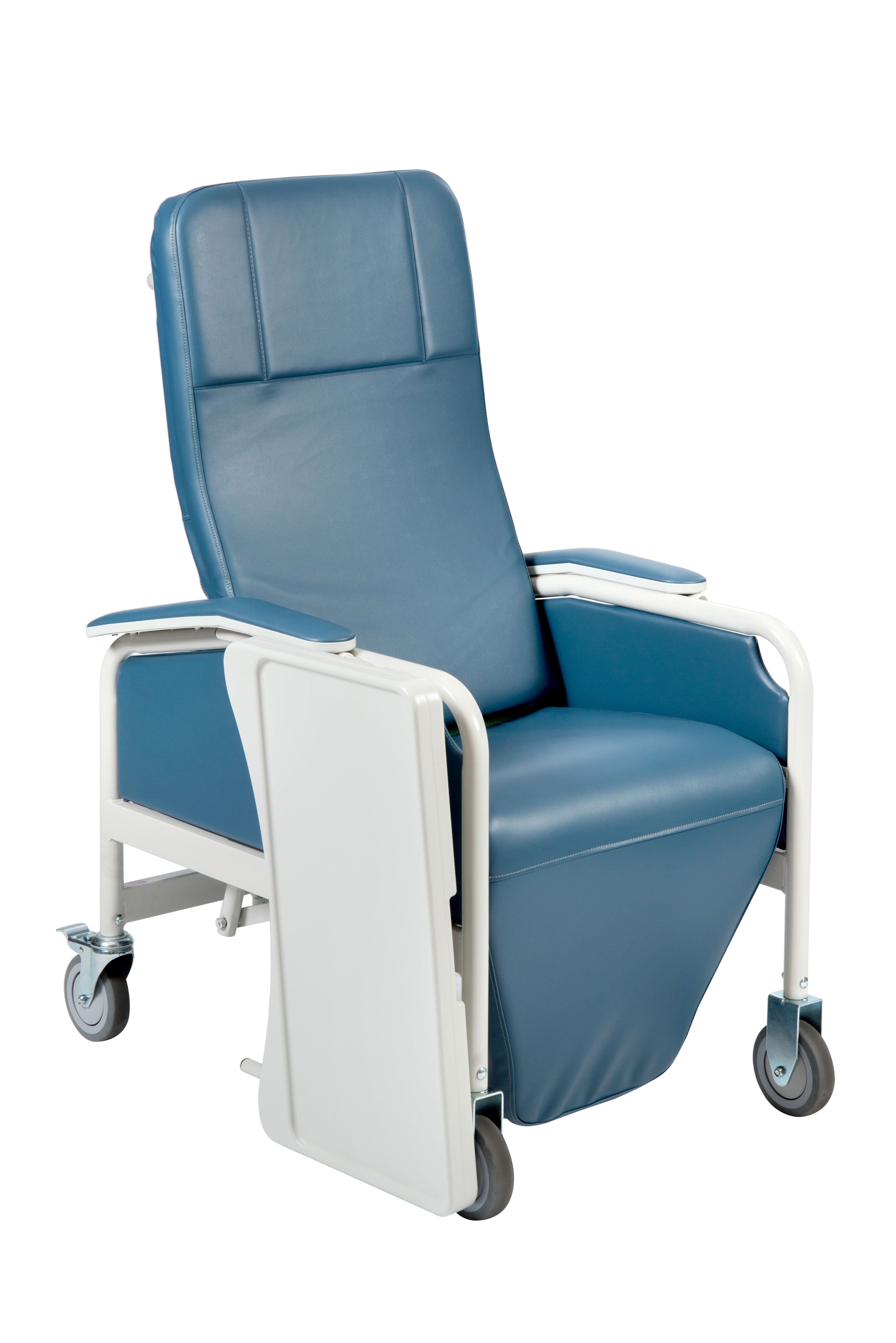
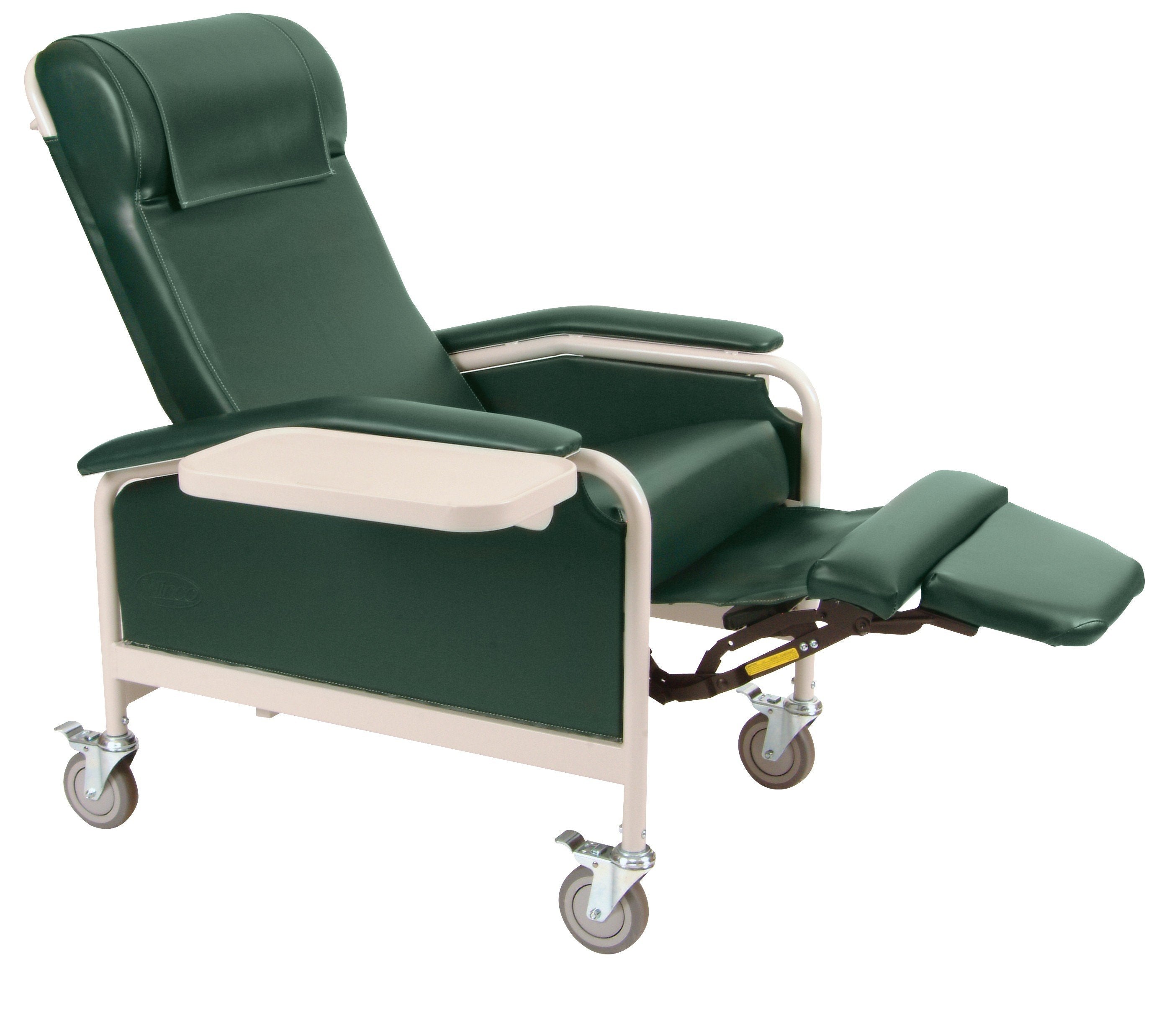
A bariatric lift chair combines the comfort of a recliner with a powered lift mechanism that helps you move safely from sitting to standing. These chairs feature wider seats (26" to 33"), heavy-gauge steel scissor-lift mechanisms, and weight capacities up to 700 lbs. Standard lift chairs max out around 375 lbs, so bariatric versions are built to an entirely different standard.
Motor configuration determines how much control you have over positioning:
- Dual-motor chairs let you control the backrest and the lift/footrest independently. These work well for users in the 300 to 500 lb range.
- Triple-motor chairs add independent head positioning on top of separate back and footrest control, giving maximum adjustability for users at higher weight ranges.
For models rated at 600 lbs and above, manufacturers use heavy-duty linear actuators that deliver smooth, no-jerk motion during the lift cycle. A strong example is the Golden Technologies PR-502, which features a 33" seat width, triple motors, and a 700 lb capacity.
Exceeding a lift chair's weight limit creates the same risks as overloading a wheelchair: motor burnout, frame warping, and potential failure during a transfer. These are preventable problems when you choose the right capacity from the start.
For family caregivers and home aides, a properly rated lift chair dramatically reduces the physical strain of assisting with sit-to-stand transfers, protecting both the user and the caregiver from injury.
How to Choose: Power Chair vs. Scooter vs. Lift Chair
Choosing the right bariatric mobility equipment comes down to three questions:
- Where will you use it most? Indoors points toward a power chair. Outdoors points toward a scooter.
- Do you need postural support? If yes, a power chair with adjustable seating is the better option.
- Do you need help sitting down and standing up? That is exactly what a lift chair is designed for.
Many bariatric users benefit from more than one device. A lift chair at home paired with a scooter for community outings is a common and practical combination.
Before you order, do a quick home accessibility check:
- Measure doorway widths (standard is 32")
- Check hallway widths for turning clearance
- Assess floor surfaces for smooth rolling
If you are unsure which product fits your situation, our live US-based product specialists are available by phone six days a week. They can walk you through measurements, weight ratings, and features to find the right match.
Medicare Coverage for Bariatric Mobility Equipment
One important note: lift chairs are generally not covered by Medicare, though the lift mechanism itself may qualify for partial reimbursement under certain circumstances. Our product specialists can help you understand your options and navigate the insurance process.
Shop Bariatric Mobility Equipment with Confidence
The right bariatric equipment is available at accessible price points. Standard bariatric manual wheelchairs start in the $400 to $500 range, electric bariatric power chairs begin around $2,000, and reliable bariatric scooters start at $3,000 and up.
At American Quality Health Products, we have been helping customers find the right mobility solutions since 2001. Here is what sets us apart:
- Lowest Price on mobility and home medical equipment
- Free shipping on orders over $100
- 100% financing available through third-party providers
- 5,000+ verified customer reviews
- Extensive brand selection including Pride Mobility, Golden Technologies, and Drive Medical
Our live US-based product specialists are available by phone six days a week, which is especially valuable if you live in a rural area without access to a local showroom. Nearly half of rural adults are affected by obesity, and many face real barriers to finding properly rated equipment nearby. We ship nationwide and can guide you through every step of the selection process remotely.
The right bariatric mobility equipment restores independence, protects your safety, and improves quality of life. Expert help is just a phone call away.


