
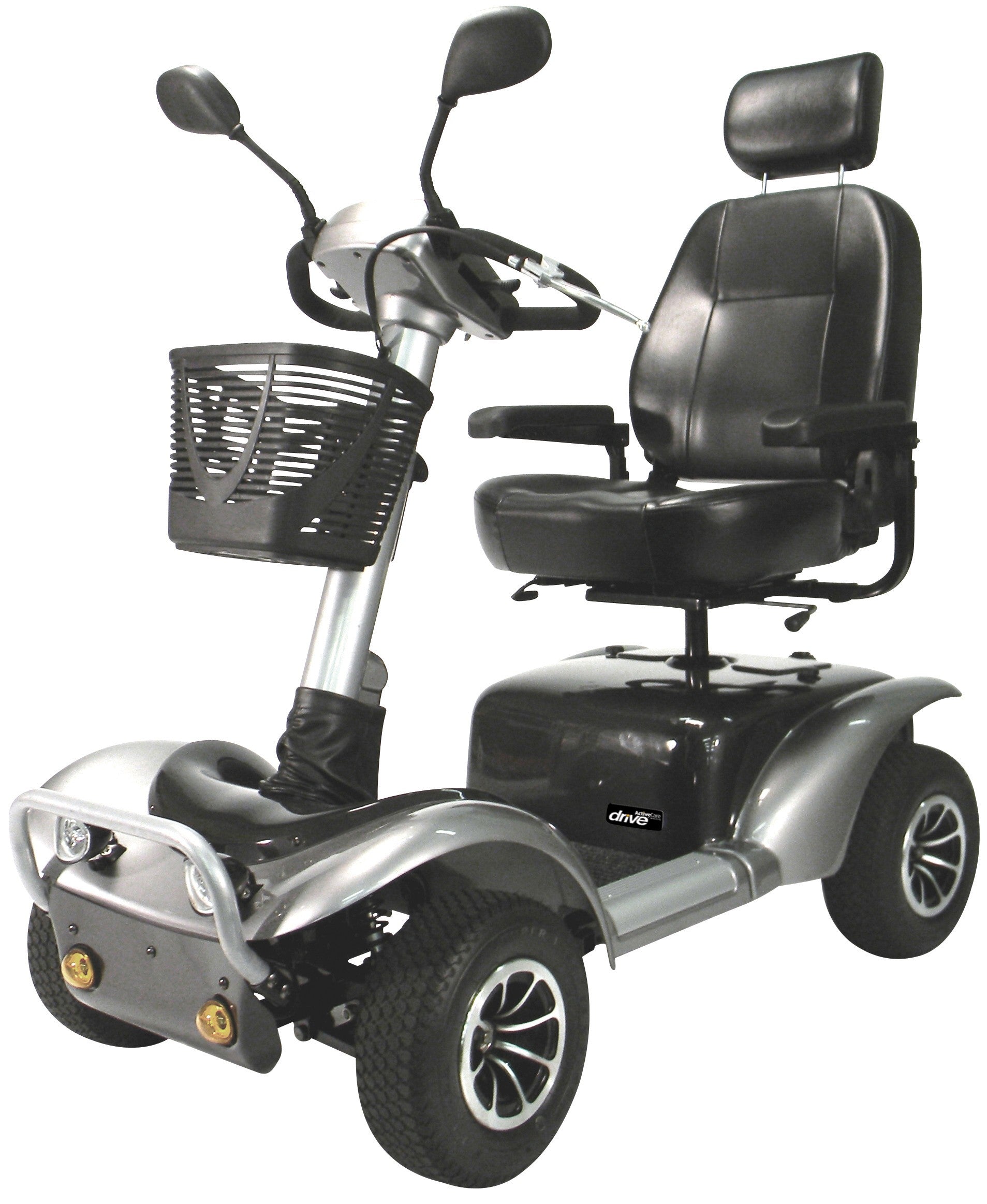
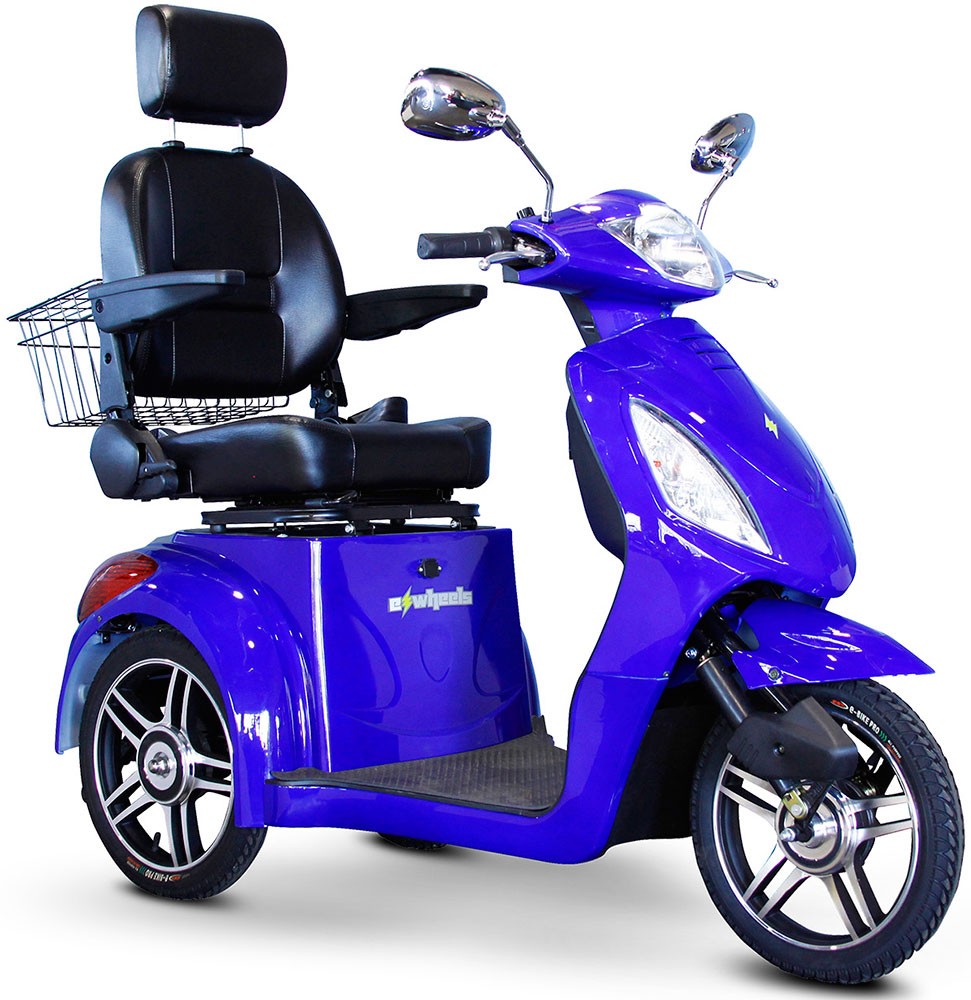
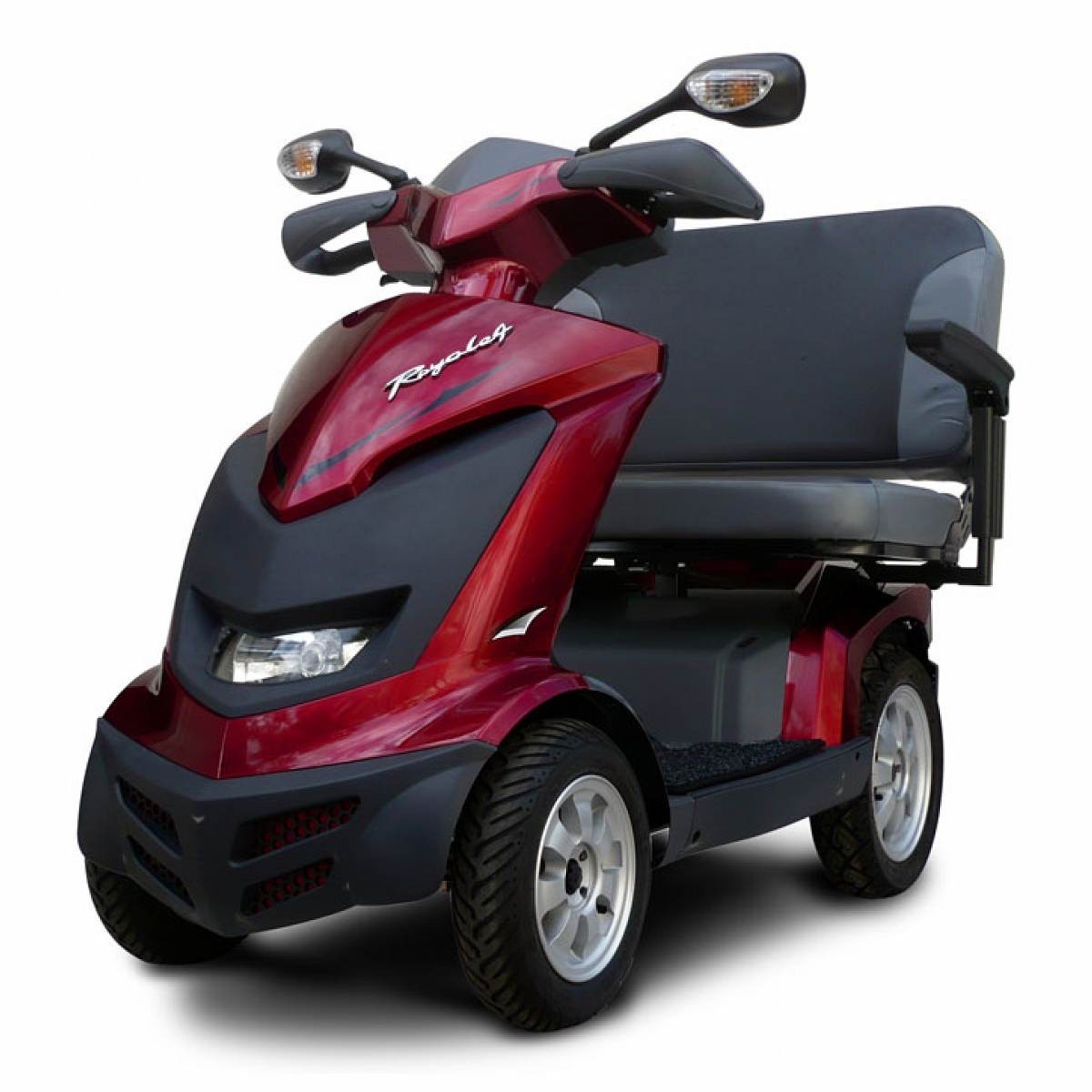


A power wheelchair should make everyday movement feel more secure, not more complicated. For people who need higher weight capacity, a roomier seat, stronger support, or dependable performance over varied surfaces, a heavy duty power wheelchair can be a practical path to greater independence at home and in the community.
The right chair is not simply the one with the highest capacity. It needs to fit the person using it, the places they travel, and the routines that matter most. A chair that feels supportive on a showroom floor may still be the wrong choice if it cannot turn through a hallway, fit under a table, or provide enough range for a full day away from home.
What Makes a Heavy Duty Power Wheelchair Different?
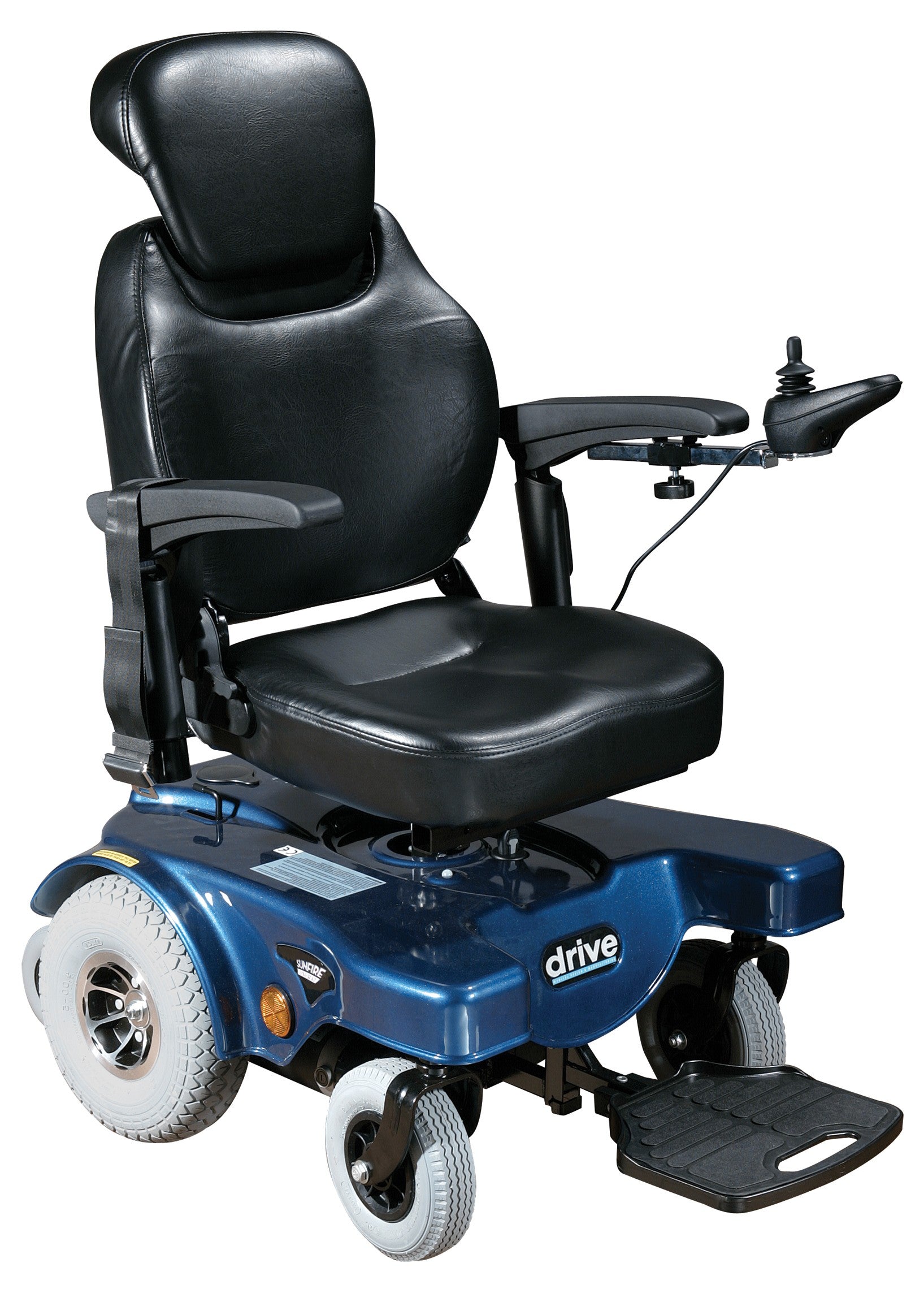
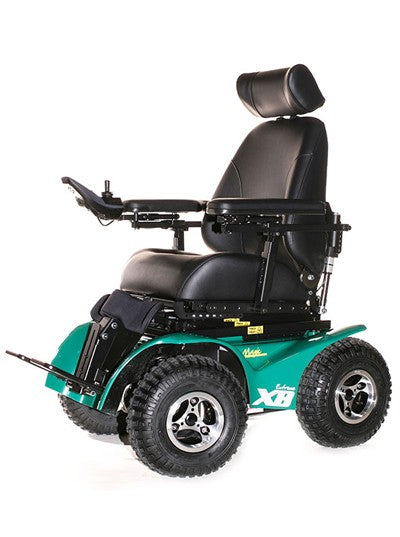
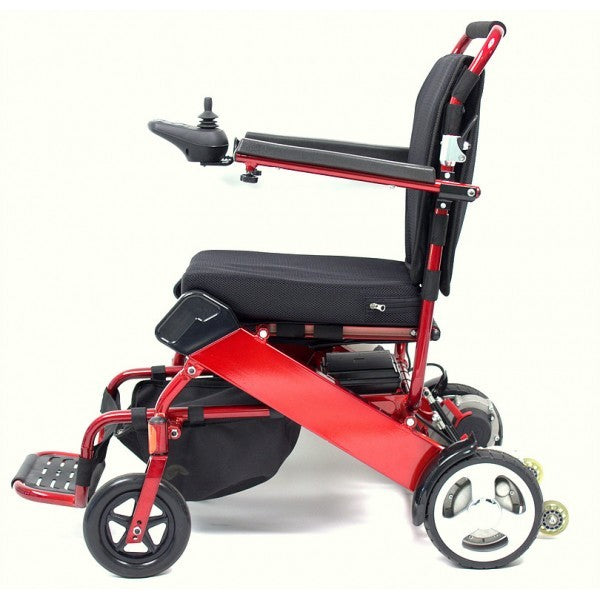
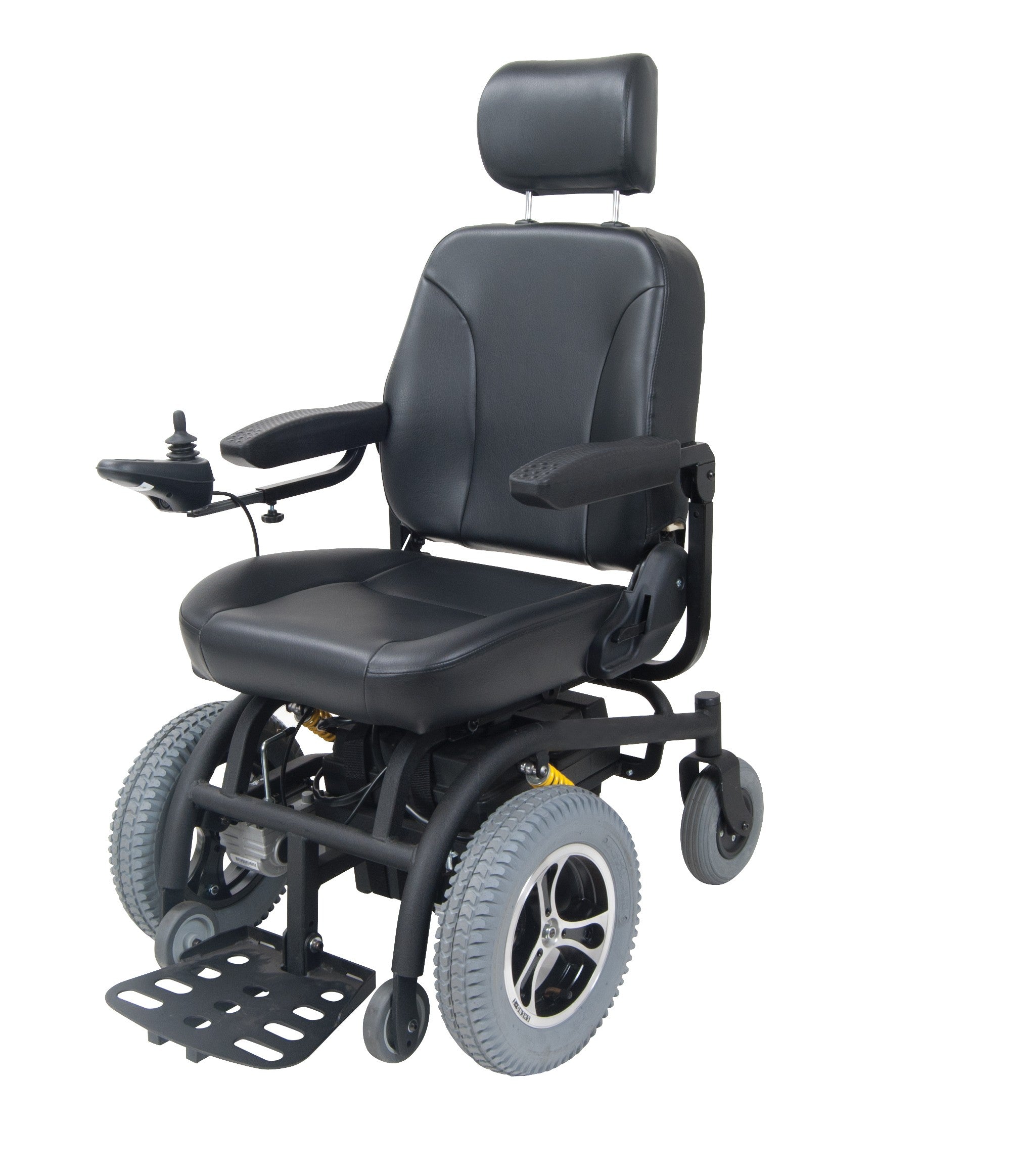
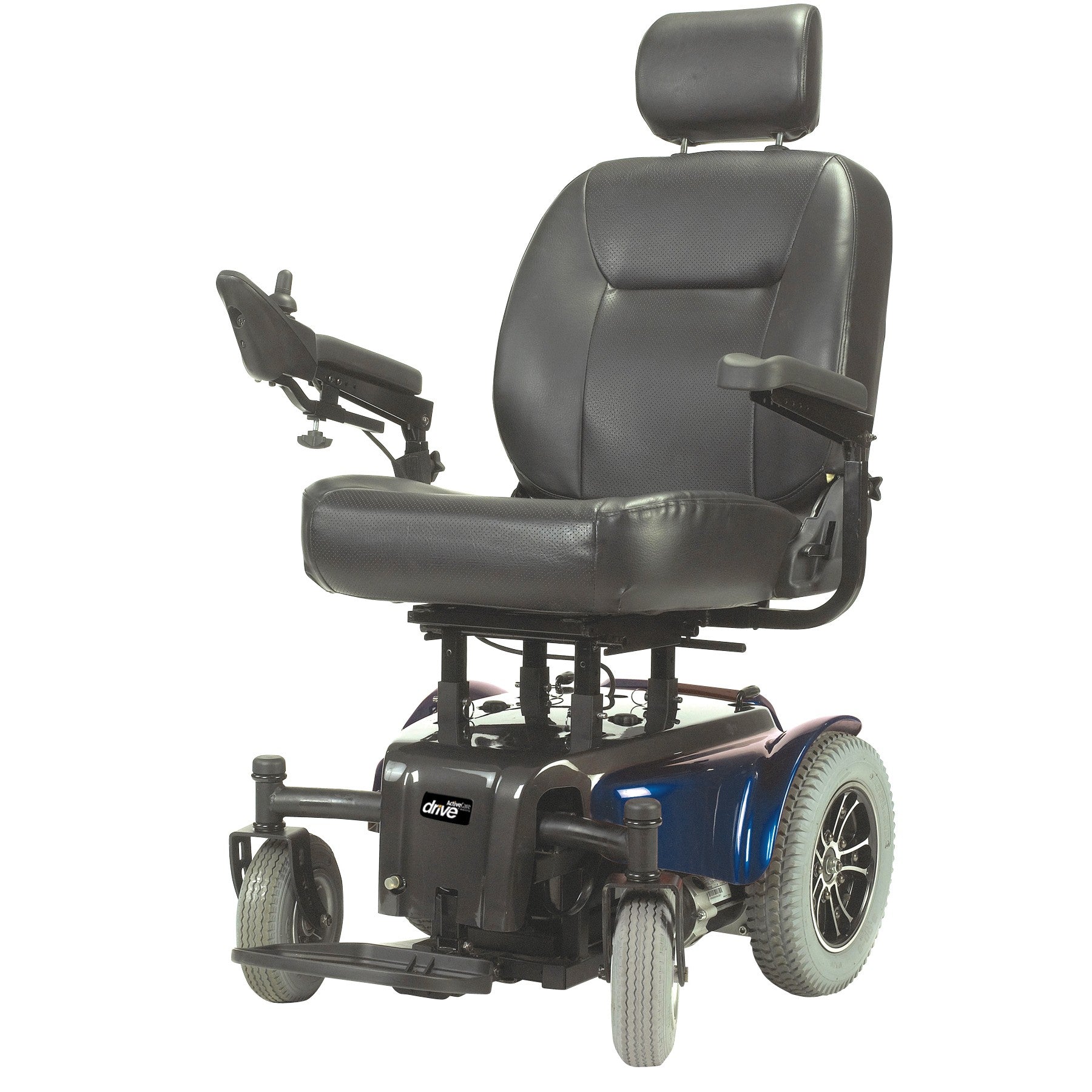
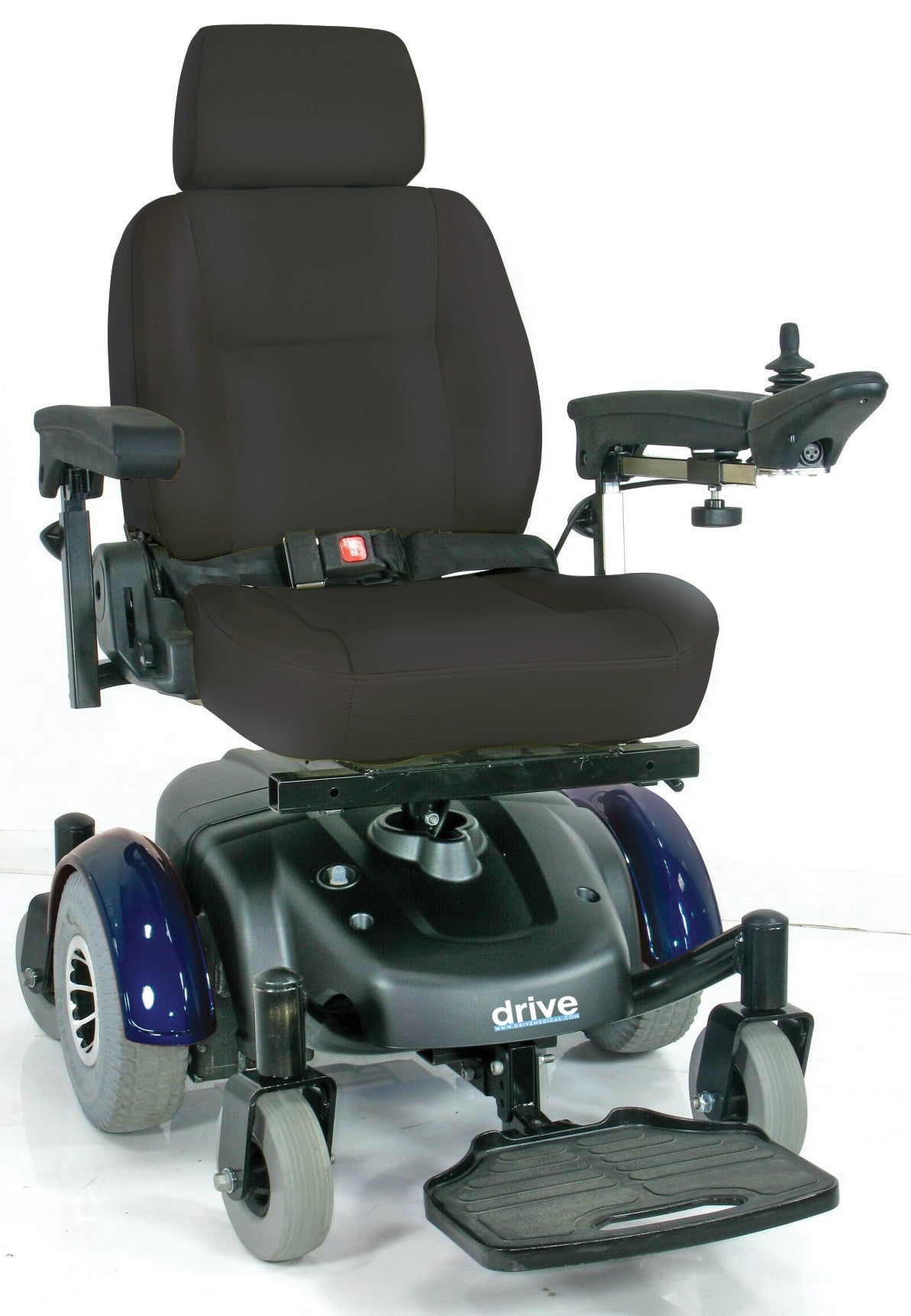
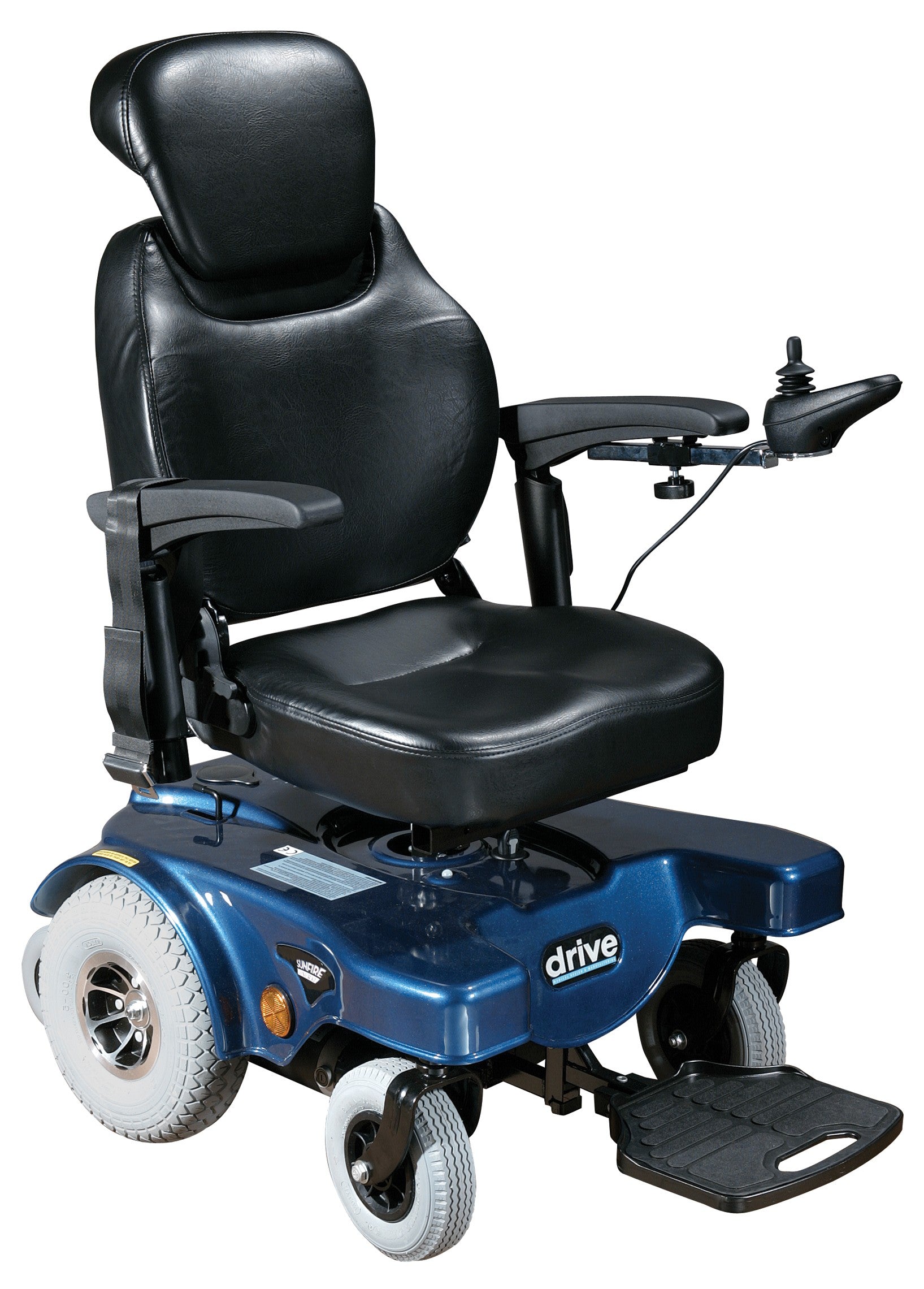
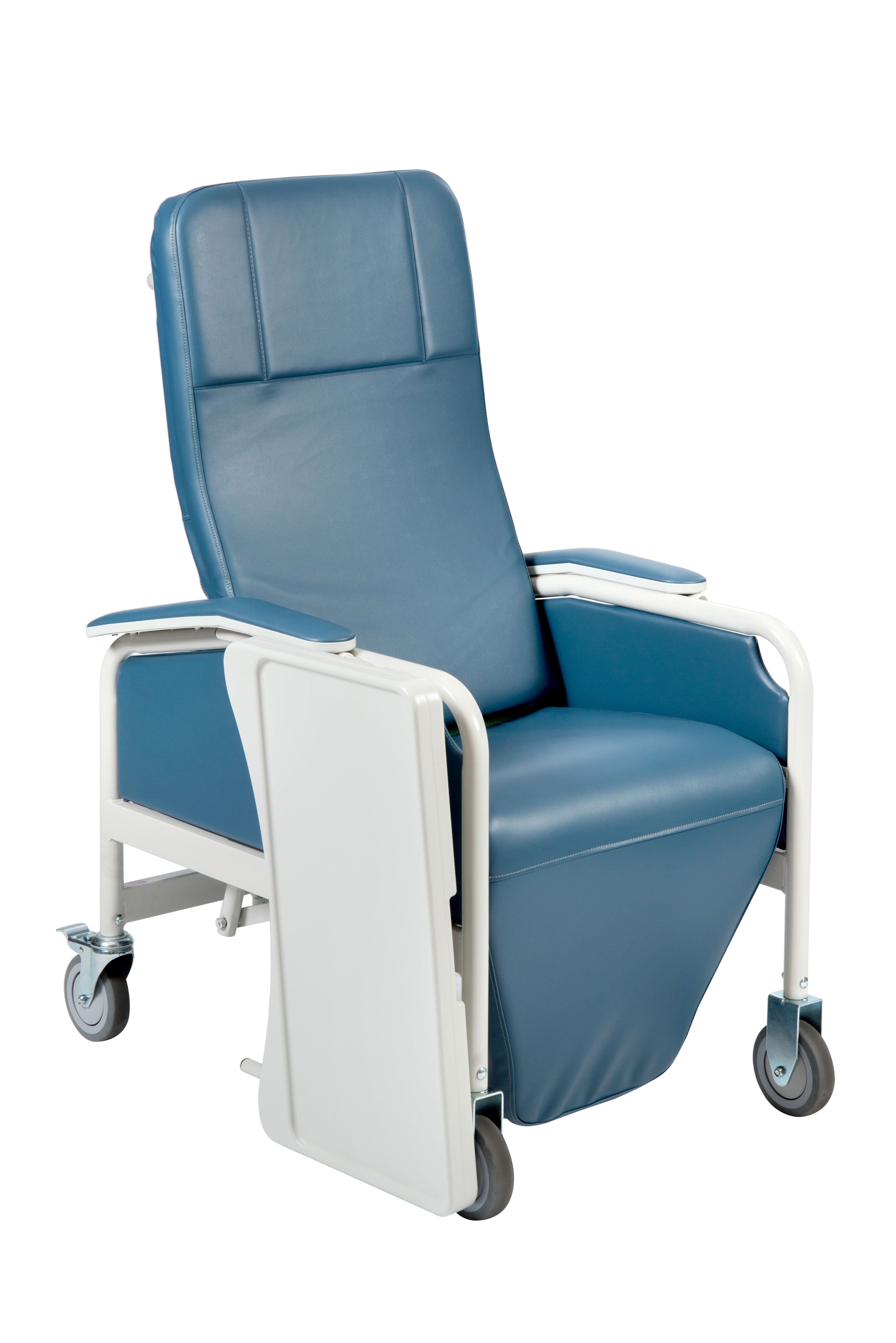
Heavy duty power wheelchairs are designed for users who need more support than a standard power chair typically provides. They often feature higher weight capacities, wider or deeper seating options, reinforced frames, larger drive wheels, and more substantial suspension. Many models are built for daily use, with features that support longer trips and a smoother ride over uneven pavement, thresholds, and other common obstacles.
Capacity is an essential starting point, but it is not the whole story. The listed weight capacity should account for the user's body weight plus clothing, personal items, medical equipment, and anything regularly carried on the chair. Choosing a chair with appropriate capacity provides a more comfortable margin and helps support stable, reliable operation.
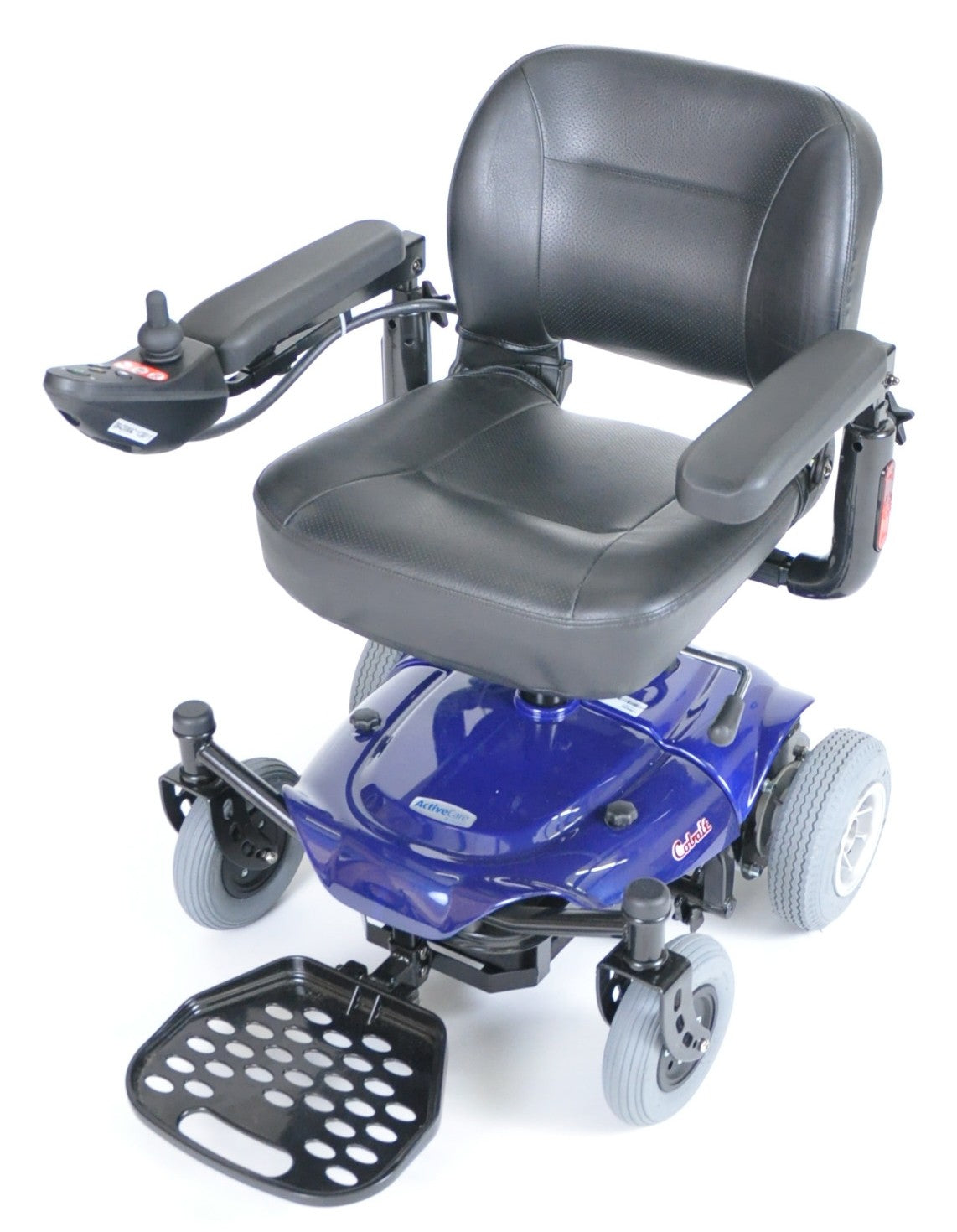
These chairs may be heavier and less portable than compact travel power wheelchairs. That trade-off is often worthwhile for someone who prioritizes durability, seating space, and ride quality. If the chair needs to be lifted into a vehicle frequently, however, a heavy duty model may require a vehicle lift or a different transportation plan.
Start With Fit, Not Just Weight Capacity
A properly sized seat can make a significant difference in comfort, posture, and confidence. A seat that is too narrow can create pressure and restrict movement, while one that is excessively wide may make it harder to maintain proper positioning. Seat width, depth, back height, armrest placement, and footrest adjustment all deserve careful attention.
Measure the user while seated whenever possible. Consider hip width, thigh length, lower-leg length, and the amount of support needed at the back and sides. If the person experiences swelling, limited trunk control, skin sensitivity, or difficulty shifting weight, seating and cushion selection become even more important.
Think About Comfort Over a Full Day
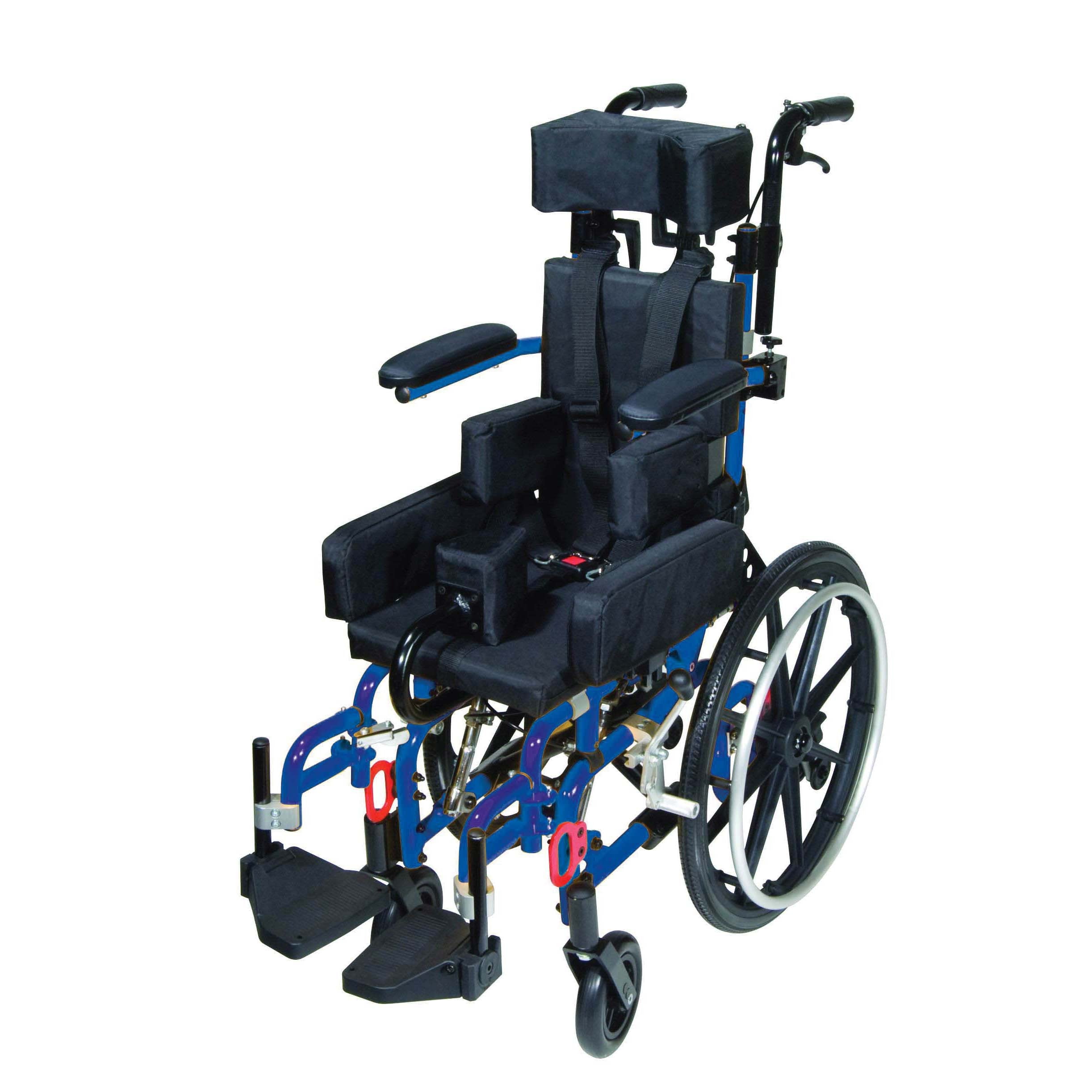
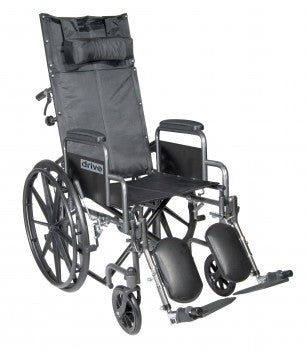
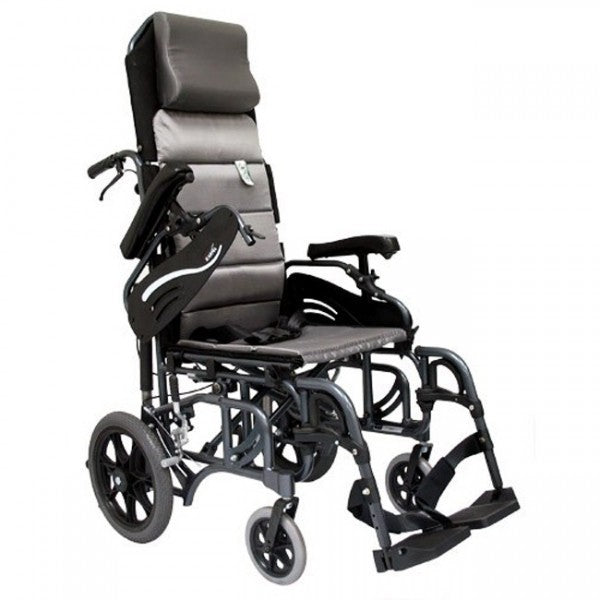
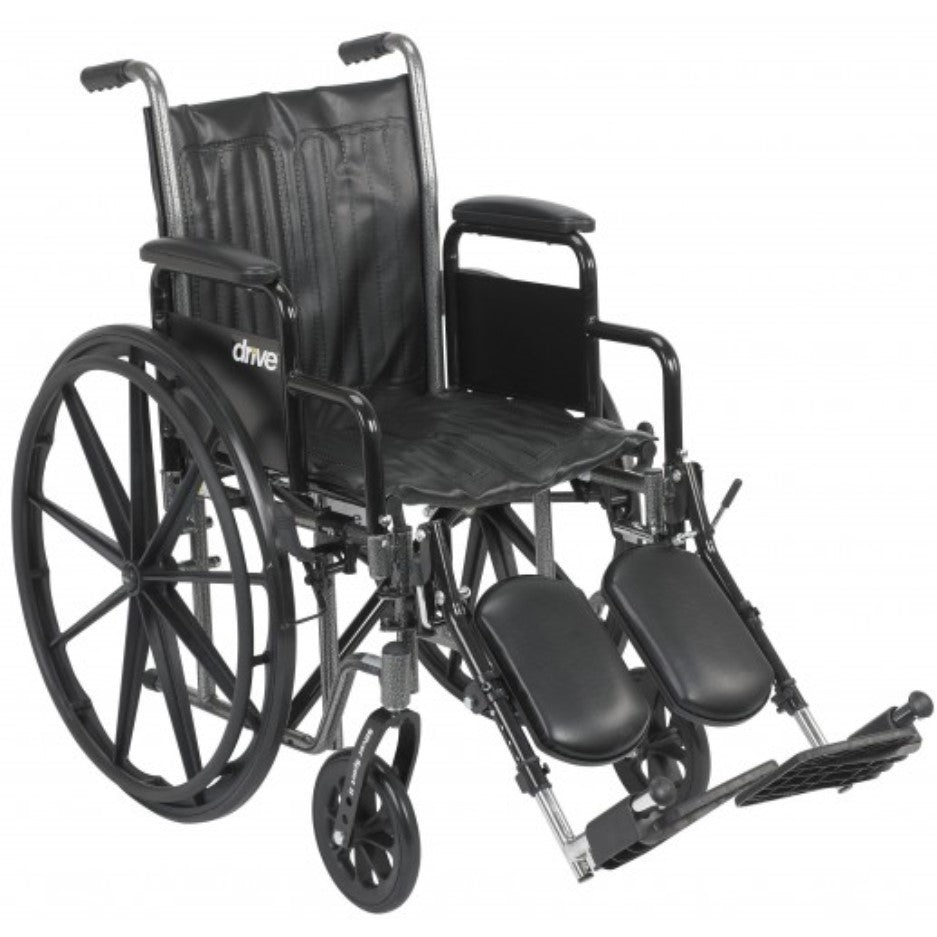
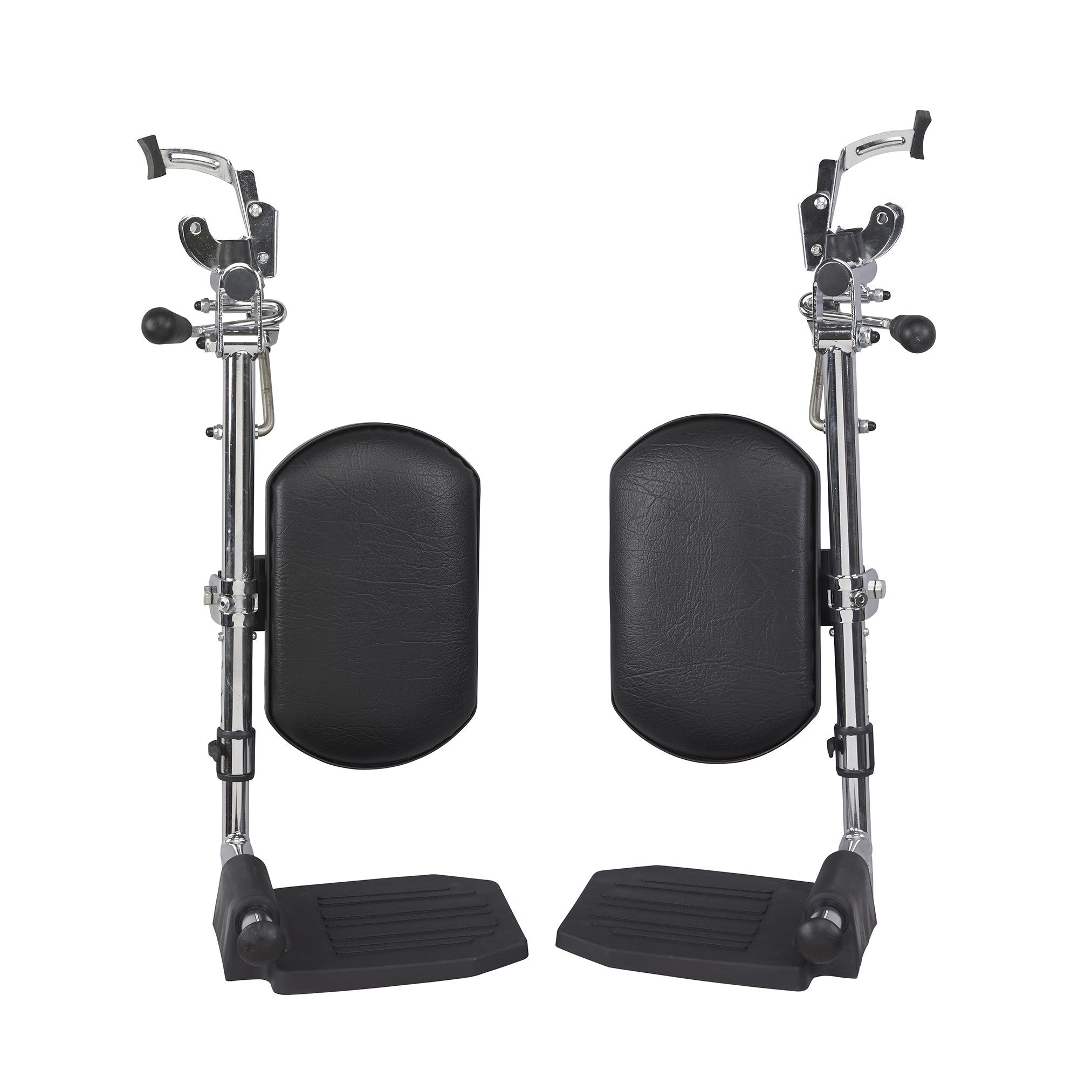
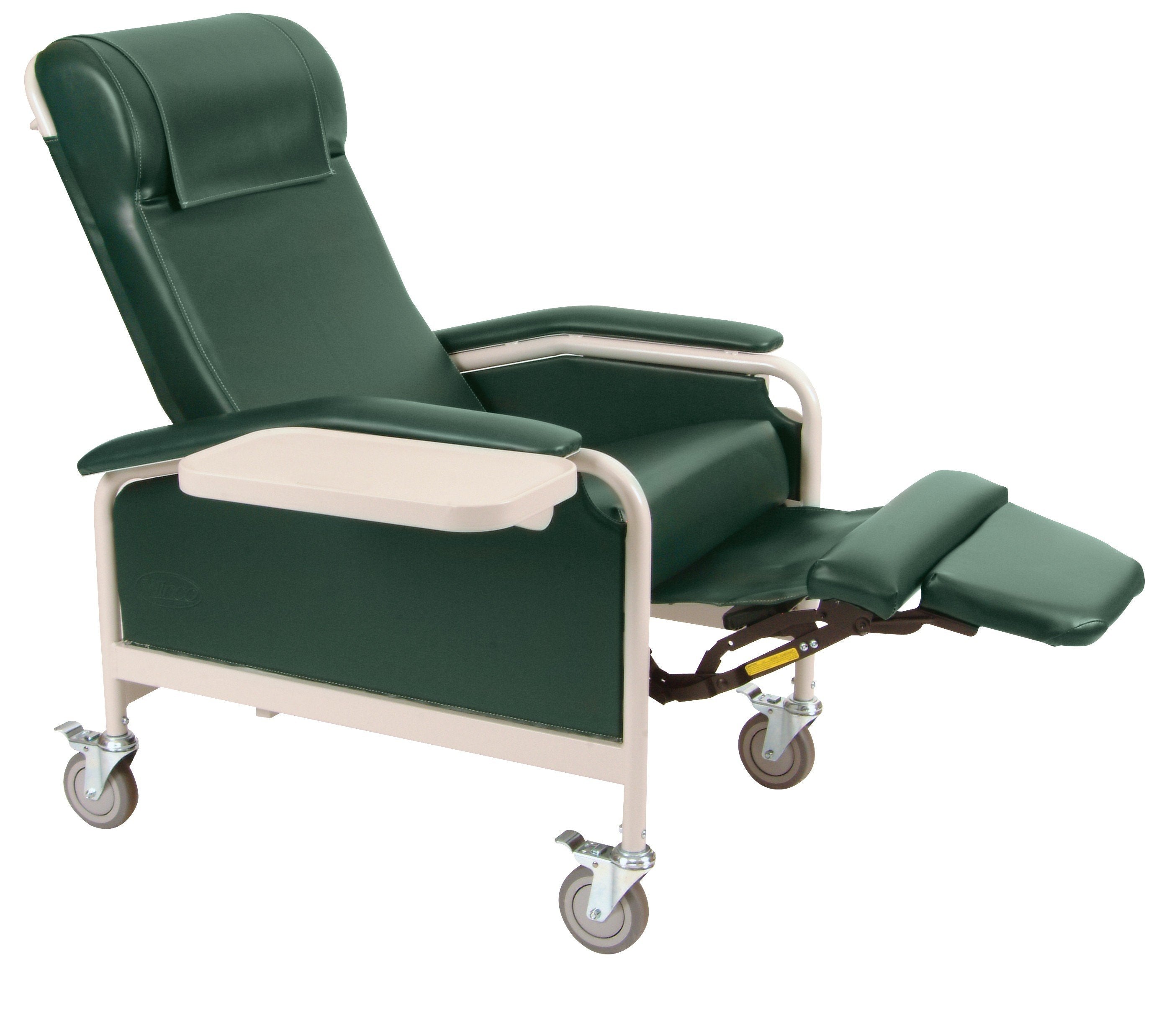
A brief test sit does not reveal how a chair will feel after several hours. Look for supportive cushioning, adjustable armrests, footplates that can be positioned correctly, and a backrest that encourages comfortable posture. Some users benefit from tilt, recline, elevating leg rests, or more specialized seating systems, depending on their physical needs.
These options can add convenience and comfort, but they can also increase the chair's overall dimensions and affect how it fits in a home or vehicle. A mobility specialist can help match seating features to the user's daily needs without adding equipment that is unnecessary.
Match the Drive Style to Where the Chair Will Be Used
The drive-wheel position affects how a power wheelchair handles. There is no one best configuration for every person.
Mid-wheel drive power wheelchairs are often a strong choice for indoor use because they typically offer a tight turning radius. They can be easier to maneuver in kitchens, bedrooms, and hallways, especially in homes with limited space. Their compact turning performance can make everyday tasks less frustrating.
Front-wheel drive models may handle outdoor obstacles well and can provide a confident feel when crossing uneven surfaces. Rear-wheel drive chairs can offer stable tracking at higher speeds and are often preferred by users who spend more time traveling outdoors. The best choice depends on the surfaces, slopes, doorways, and terrain the chair will encounter regularly.
Before ordering, measure the narrowest interior doorway, hallway, bathroom entrance, and key turning areas. Also consider ramps, elevator dimensions, thresholds, and the space beside the bed or favorite chair. A powerful chair is only useful when it can move comfortably through the places that define daily life.
Consider Range, Batteries, and Charging Habits
Battery range should match real routines, not ideal conditions. Manufacturer estimates may vary based on user weight, terrain, battery condition, temperature, tire pressure, and the use of power seating features. A person who uses the chair only around the house may need less range than someone who visits neighbors, attends appointments, or uses a large community campus.
Think through a typical day. How far does the user travel from morning to evening? Will the chair be used outdoors on hills or rough sidewalks? Is there a reliable, accessible place to charge it overnight? A convenient charging location matters because regular charging is one of the simplest ways to protect battery performance.
It is also wise to plan for transportation. Some heavy duty power wheelchair models are intended primarily for home and local use, while others may be secured in an accessible vehicle with the right lift and tie-down system. Never assume a chair can be safely transported in a standard vehicle without confirming its requirements.
Safety Features Should Support Everyday Confidence
A well-matched chair supports safe movement without making the user feel confined. Anti-tip wheels, properly adjusted speed settings, reliable brakes, positioning belts, and stable foot support all contribute to everyday confidence. For users new to power mobility, a slower initial speed setting can make it easier to learn controls and navigate tight spaces.
Lighting and visibility features can be valuable for anyone traveling outdoors, in parking areas, or during lower-light conditions. Suspension can improve comfort and control on uneven surfaces, although it may add size and weight. Consider the user's actual travel pattern rather than selecting features solely because they sound appealing.
Caregiver needs matter, too. If a family member assists with transfers, charging, maintenance, or transportation, the chair should work with that support plan. Controls should be positioned where the user can reach them comfortably, and any specialized control system should be chosen based on the person's strength, coordination, and range of motion.
Plan for Ownership Beyond Delivery Day
A power wheelchair is a long-term mobility investment. Before making a decision, confirm how the chair will be maintained, where it will be charged, and how replacement batteries or accessories will be handled when needed. Keep the owner's manual accessible and follow the recommended schedule for charging, cleaning, and inspection.
Simple habits can help preserve performance. Check tires and casters for wear, keep the chair clean and dry, avoid exposing electronics to heavy rain, and report unusual sounds or changes in steering promptly. Do not overload bags or hang heavy items from the back of the seat, as this can affect balance and handling.
Questions Worth Asking Before You Buy
The most useful questions are practical: Will this chair fit through the home? Does the seat support the user comfortably for several hours? Is the capacity appropriate for the user and regular belongings? Can it handle the surfaces used every week? Is there a safe charging space and transportation plan?
It also helps to discuss future needs. A condition may be stable today, but changes in endurance, posture, swelling, or caregiver support can affect what will be comfortable six months from now. Selecting a chair with suitable adjustment options can prevent an expensive mismatch later.
Get Personalized Help With the Selection
Choosing mobility equipment from specifications alone can be difficult, especially when seat dimensions, drive style, and home access all need to work together. American Quality Health Products has supported customers since 2001 with knowledgeable assistance for matching power mobility equipment to real-world needs.
A heavy duty power wheelchair should support the freedom to move through familiar spaces, keep appointments, spend time with family, and remain active in daily routines. Take the time to measure, ask questions, and choose the features that make the user feel secure and comfortable where it matters most.


