





Why Home Setup Matters More Than Most Families Realize
About 75% of adults aged 50 and older want to remain in their current homes as they age, yet 85% of those seniors have done nothing to prepare their homes for that reality. That gap between intention and action is where preventable injuries happen.
According to the CDC, 1 in 4 older adults falls each year, resulting in nearly 3 million emergency department visits annually. And 55% of fall injuries among seniors happen inside the home, making the physical environment a direct life-safety issue.
Consider the financial picture: assisted living averages $4,500 to $5,000 per month. Even a $30,000 full-home modification pays for itself in under seven months compared to facility care. A proactive, room-by-room approach to home care setup is almost always the smarter investment.
Roughly 30% of caregivers report feeling mostly or completely unprepared when they begin caregiving. This guide walks you through every area of the home so you can act before a crisis forces the decision.
Start With a Home Safety Assessment
Before purchasing any equipment, walk through the home with fresh eyes. A home safety assessment means identifying tripping hazards (loose rugs, raised thresholds, clutter), checking for poor lighting, measuring doorway widths for walker or wheelchair clearance, and evaluating bathroom risks.
Nearly 9.4% of noninstitutionalized adults 65 and older already have difficulty with self-care, meaning many seniors need environmental support well before obvious physical decline sets in.
We recommend involving a physical or occupational therapist for a professional assessment, especially after a hospitalization or new diagnosis. This is easier to arrange than many families expect: 73% of remodeling industry leaders report increased demand for aging-in-place features, so professional help is more available than ever.
The rest of this article follows a room-by-room framework. Keep one thing in mind: a home safety assessment is not a one-time event. As the senior's condition changes, the home setup should change with it.
Bedroom: Prioritizing Rest, Comfort, and Safe Transfers
Seniors spend a significant portion of their day in the bedroom, and nighttime transfers to the bathroom are one of the most common fall scenarios. That makes this room a high-priority space to address.
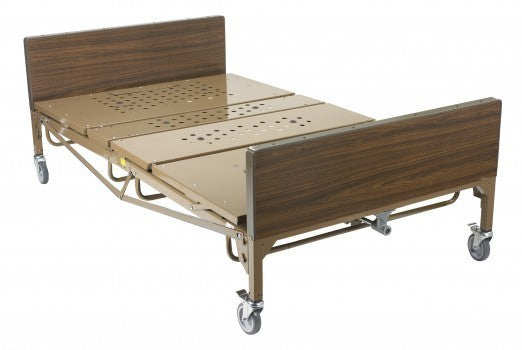
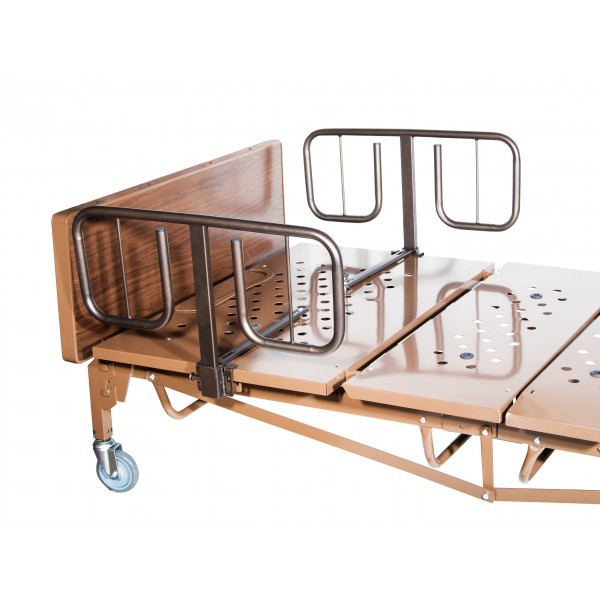
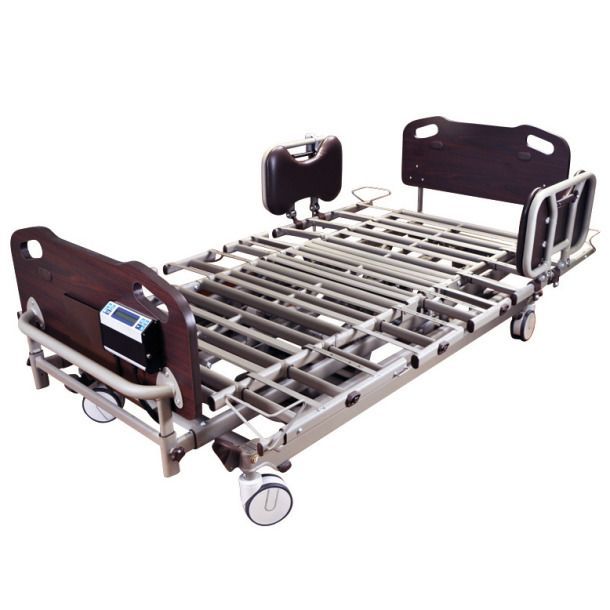
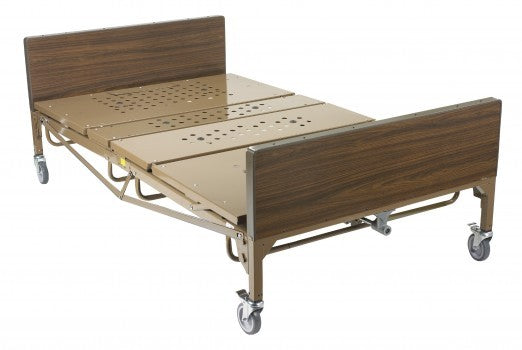
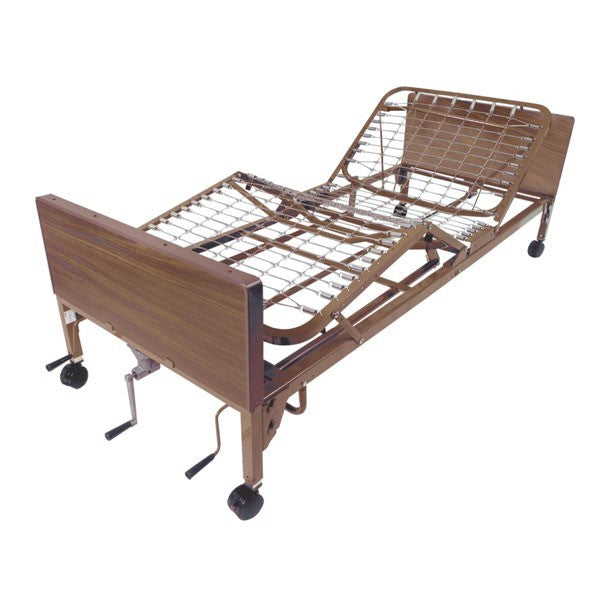
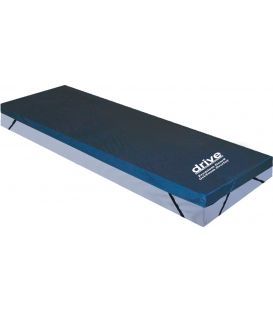
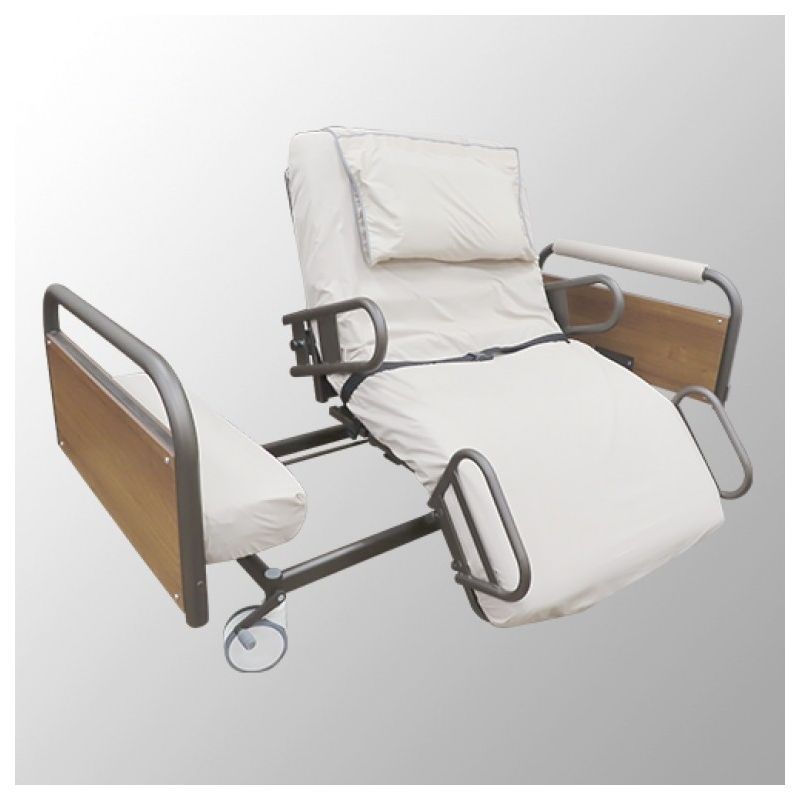
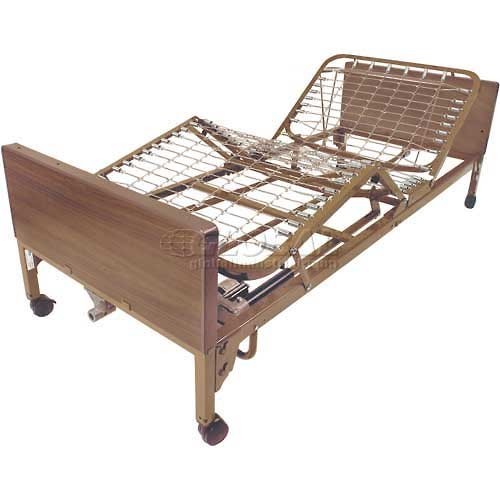
Home hospital beds with electronic height, head, and foot adjustments are a practical solution for many families. They allow the senior to reposition independently, reduce the physical effort of getting in and out of bed, and improve comfort for those managing chronic pain or respiratory conditions. Specialized pressure-relief mattresses work alongside these beds to prevent pressure ulcers and improve circulation, which is especially important for seniors with limited mobility.
Bed rails and bed assist handles provide a stable grip point during transfers, giving seniors confidence when moving between lying and standing positions. For seniors with higher weight capacity needs, bariatric bed options are available and should be considered early in the planning process.
Families often overlook this: height-adjustable beds also protect the caregiver. Back injuries from lifting and repositioning are a leading contributor to caregiver burnout. Equipment that reduces physical strain on the caregiver keeps the whole care arrangement sustainable.
Finally, clear the pathway between the bedroom and bathroom. Remove any obstacles and install nightlights or motion-sensor lighting along the route. A well-lit path at 2 a.m. can prevent the fall that changes everything.
Bathroom: The Highest-Risk Room in the Home
The bathroom is, statistically, the most dangerous room for seniors. A 2025 systematic review published in Healthcare found that bathroom-targeted modifications significantly reduced fall risk and supported independent living. This is evidence-based guidance, not guesswork.
Consider that 83% of home care recipients need help specifically with bathing and showering. Bathroom setup is the single most impactful modification you can make.
Grab bars should be installed near the toilet, inside the shower or tub, and at the entry point. Professional installation matters here; grab bars must be anchored to wall studs to handle weight-bearing loads safely. A suction-cup bar from a hardware store is not a substitute.
Shower chairs and tub transfer benches allow seniors with limited balance or mobility to bathe while seated. Pair these with a handheld showerhead for easier reach. Raised toilet seats and toilet safety frames make sit-to-stand transfers significantly easier, reducing strain on knees and hips.
Non-slip bath mats should cover any wet surface. For wheelchair users, threshold ramps can provide roll-in shower access, removing a major barrier to independent bathing.
Well-designed bathroom aids allow seniors to maintain personal hygiene on their own terms. That independence supports emotional wellbeing just as much as physical safety.
Living Room and Common Areas: Mobility, Comfort, and Independence
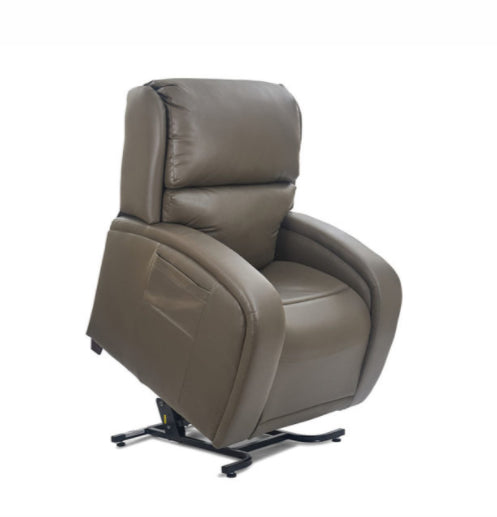
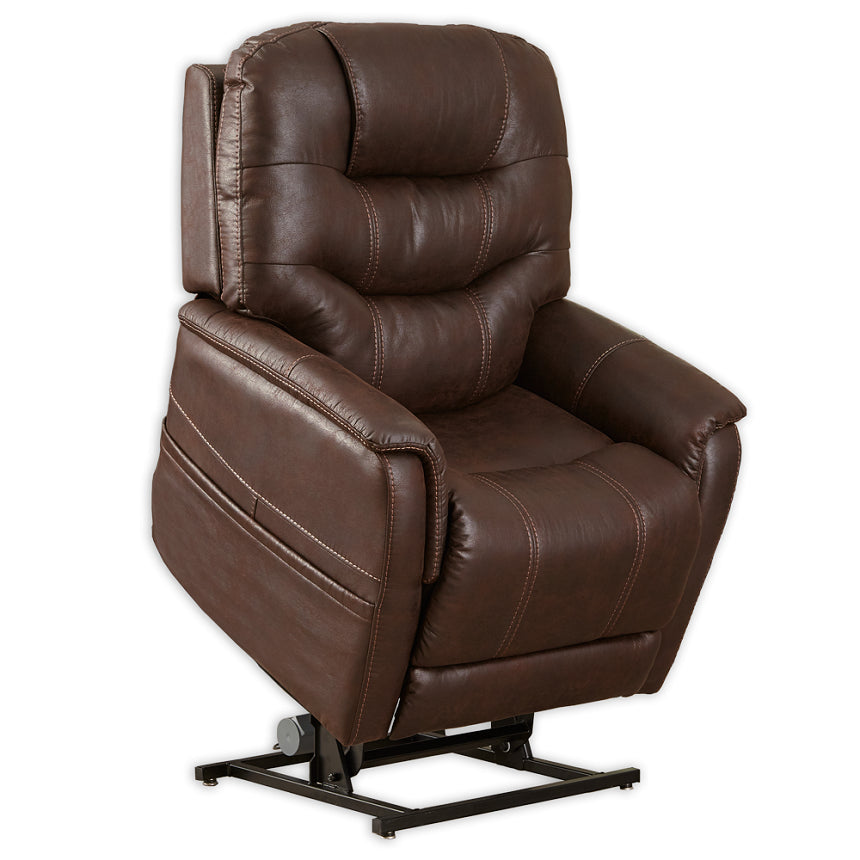
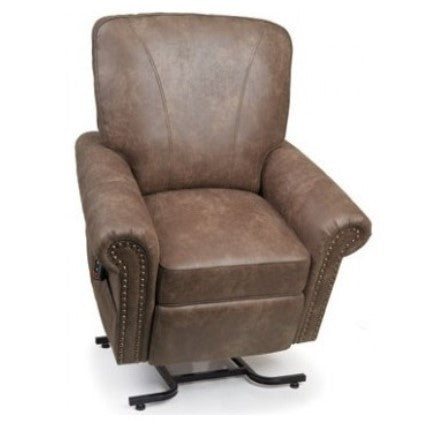
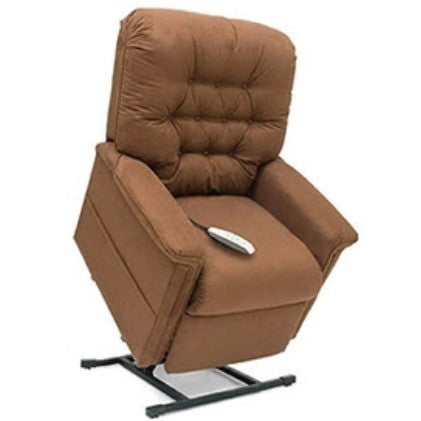
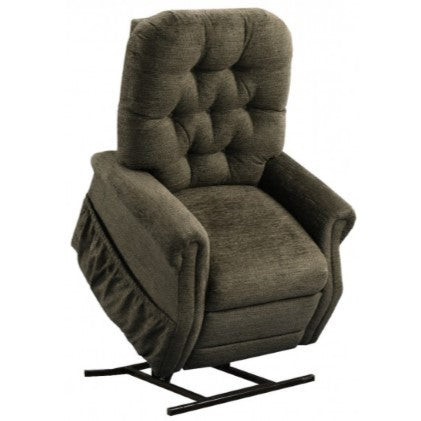
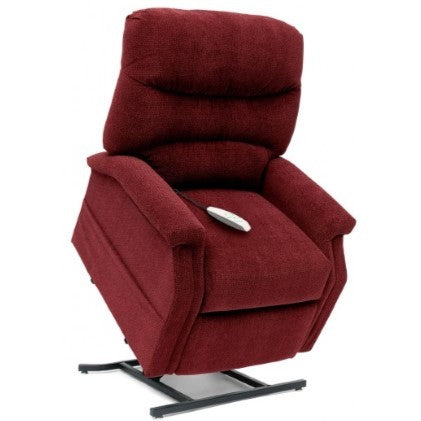
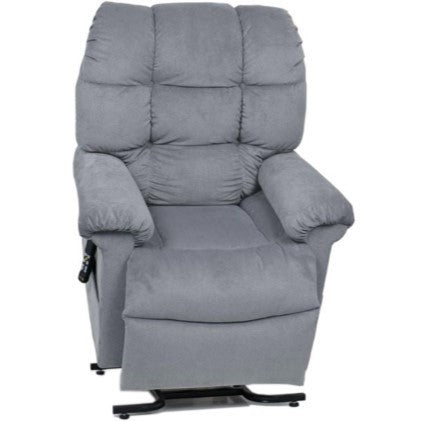
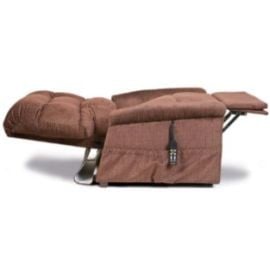
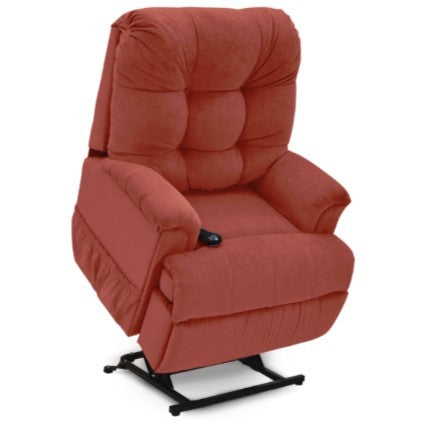
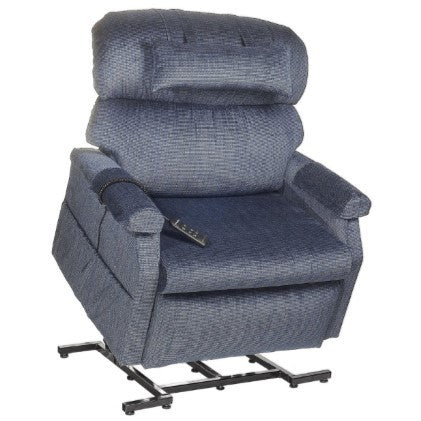
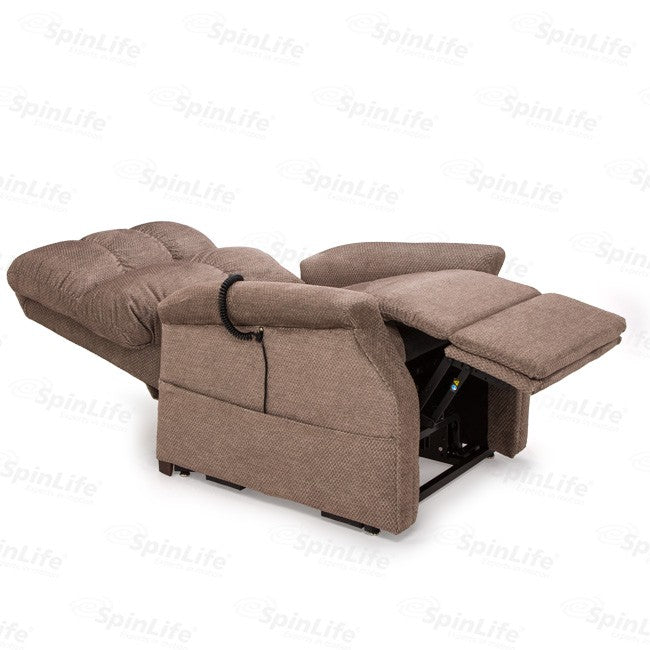
Lift chairs can genuinely transform daily life for a senior who struggles with sit-to-stand transitions. These chairs use a powered lifting mechanism to gently bring the user to a near-standing position, reducing fall risk and easing joint strain.
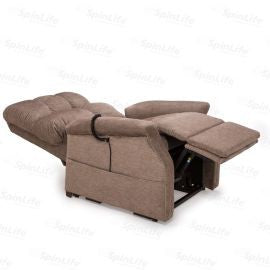
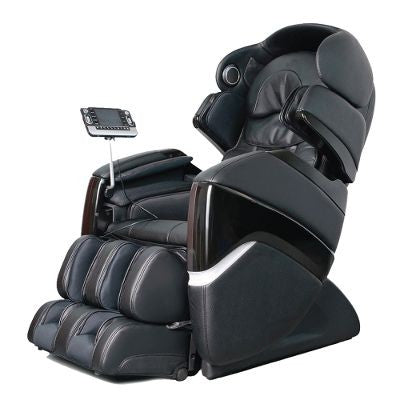
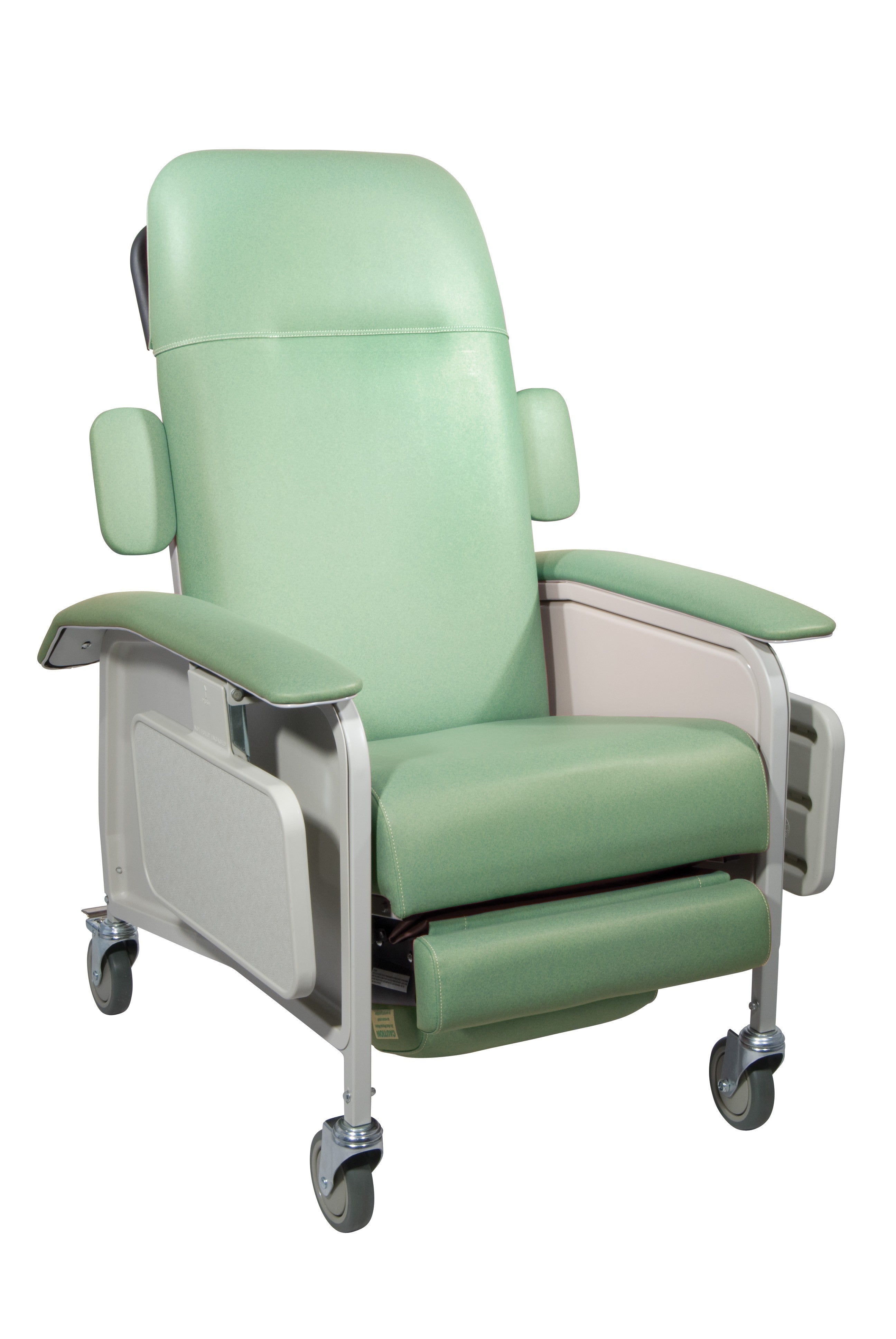
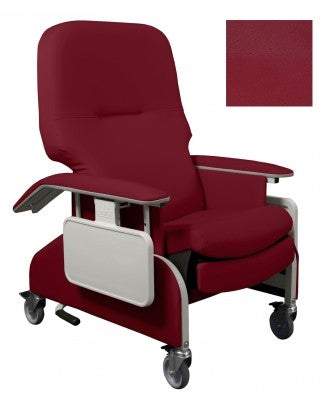
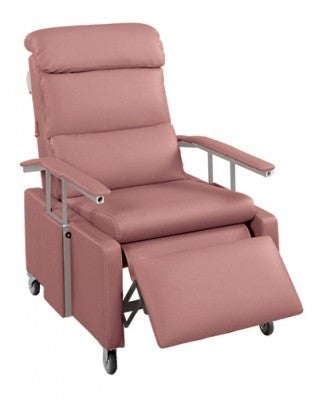
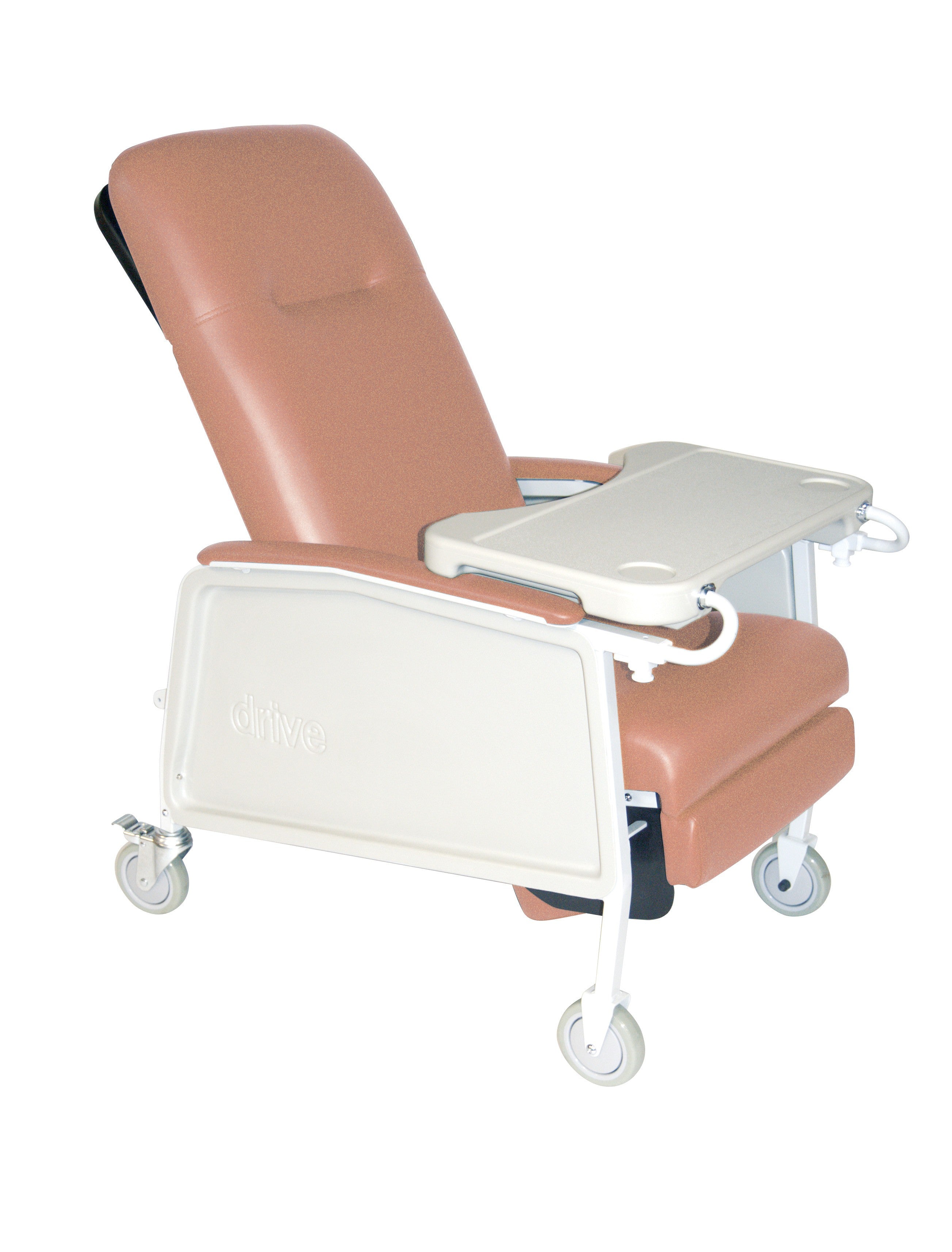
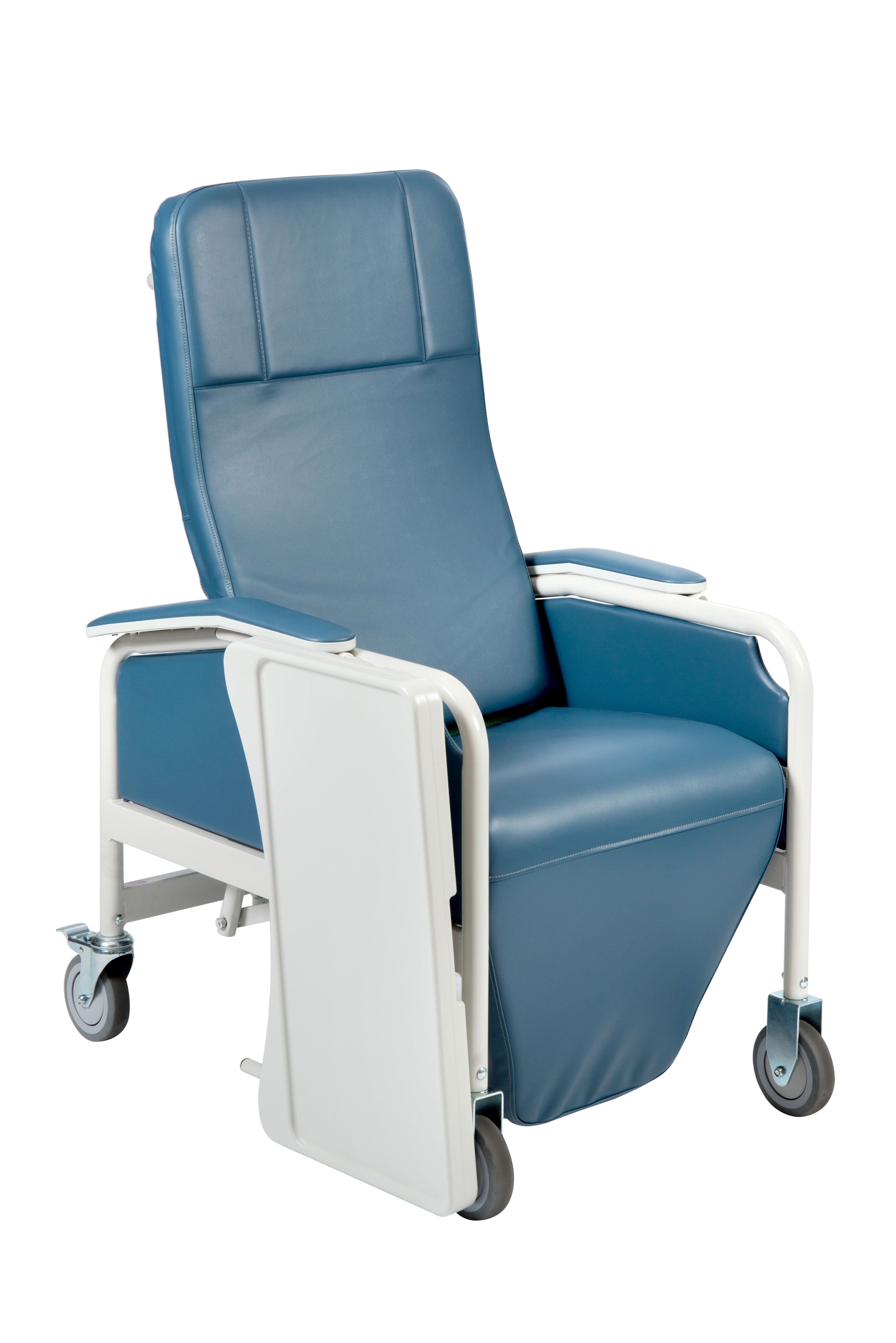
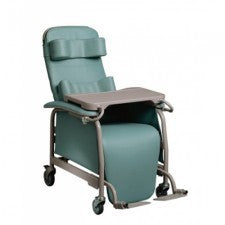
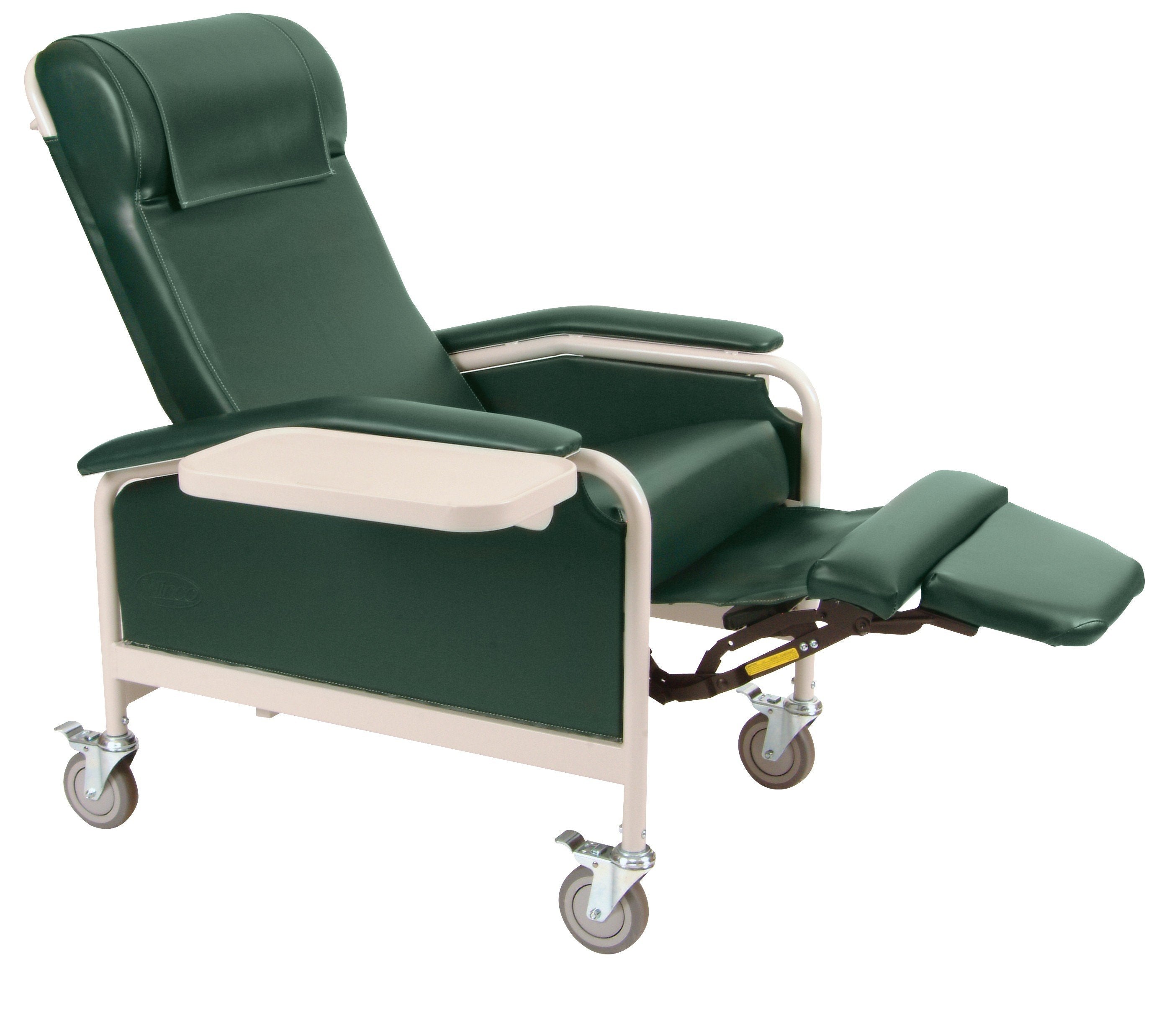
Not all lift chairs are the same. Two-position chairs recline partially and work well for seniors who mainly need help standing. Three-position chairs recline further for napping. Infinite-position and zero-gravity models offer full recline with independent back and leg adjustments, ideal for seniors who spend extended time in their chair or need pressure relief. Bariatric lift chairs serve seniors with higher weight capacity requirements.
Research supports the value of these tools: 49% of seniors report feeling safer when using assistive technologies, and 45% feel more independent as a result.
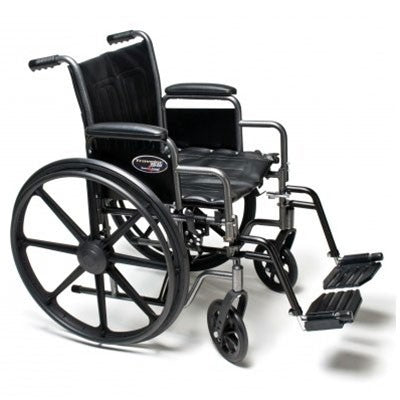
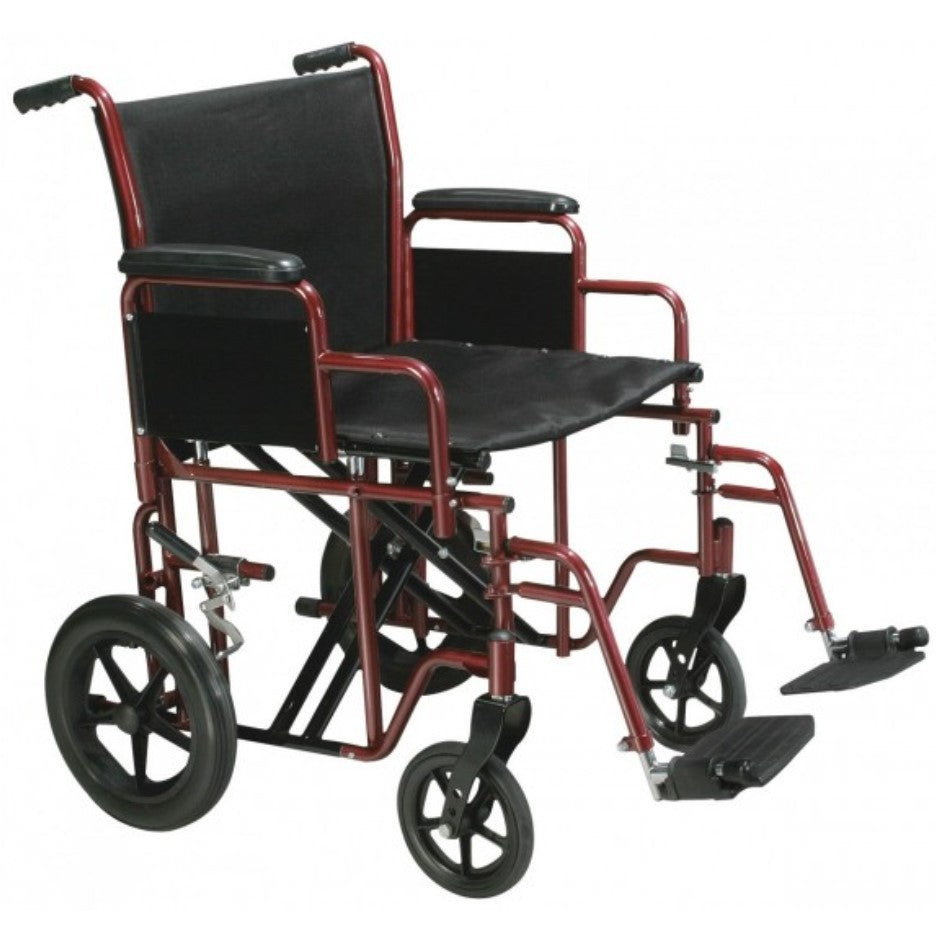
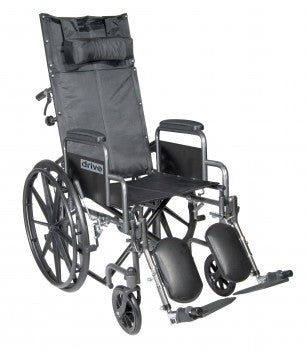
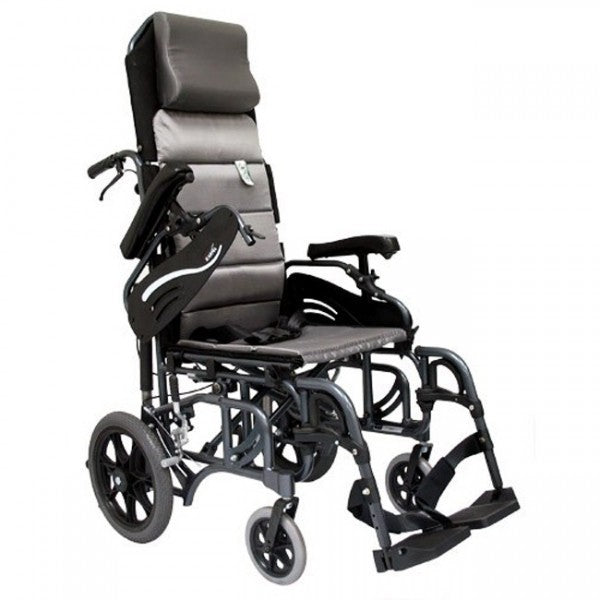
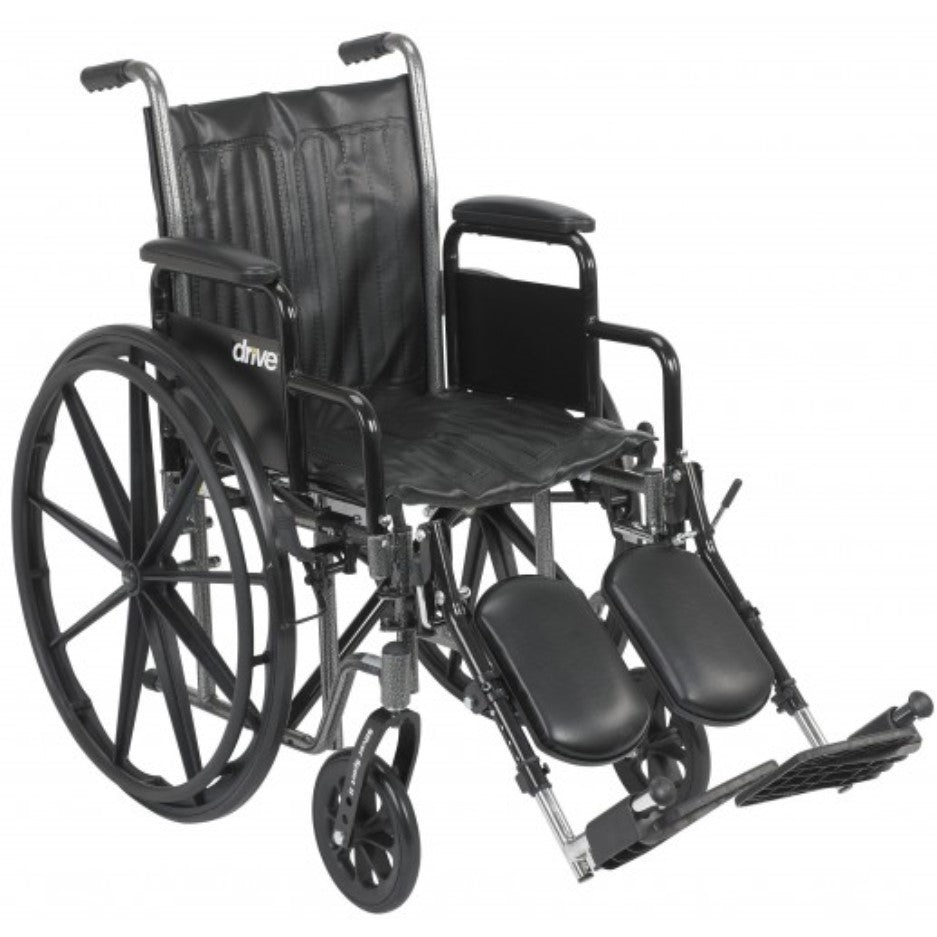
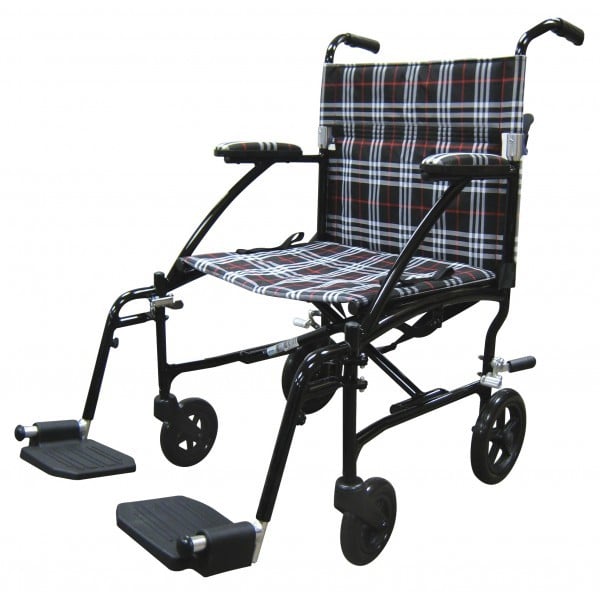
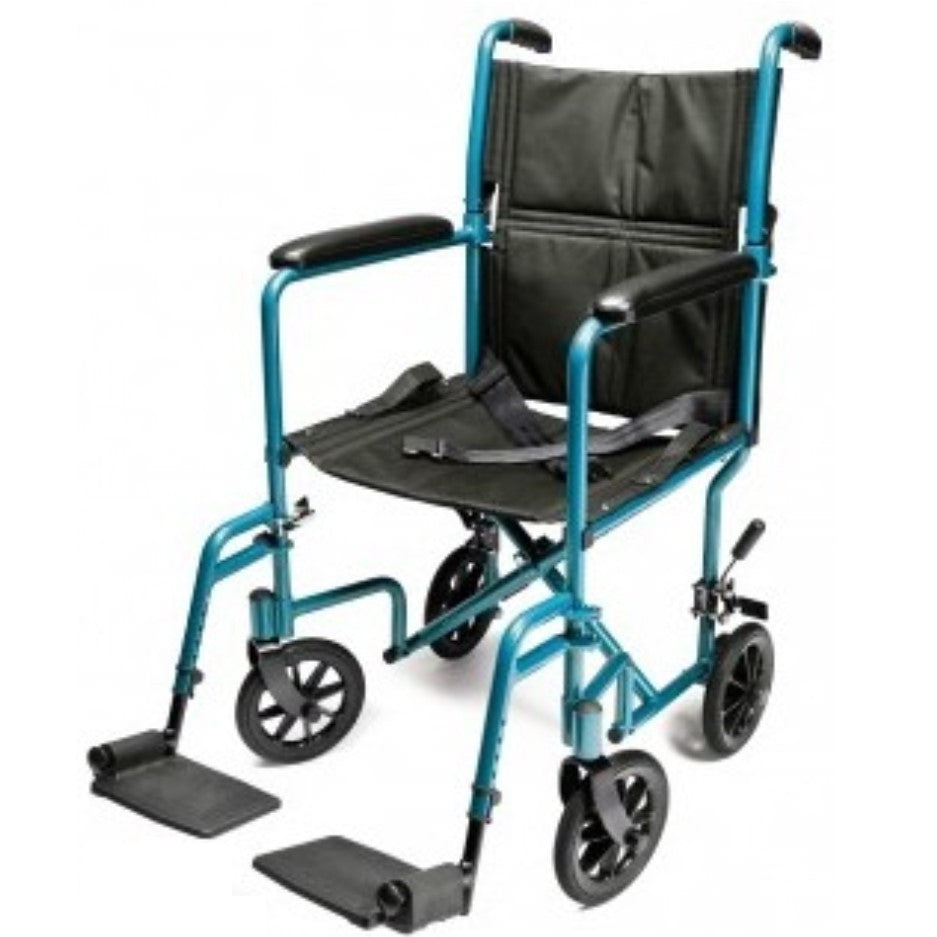
Beyond the chair itself, room layout matters. Remove loose rugs, secure electrical cords against walls, and rearrange furniture to create clear, wide pathways for walkers or wheelchairs. Rollators and transport wheelchairs give mobile seniors the support they need to move safely through common areas.
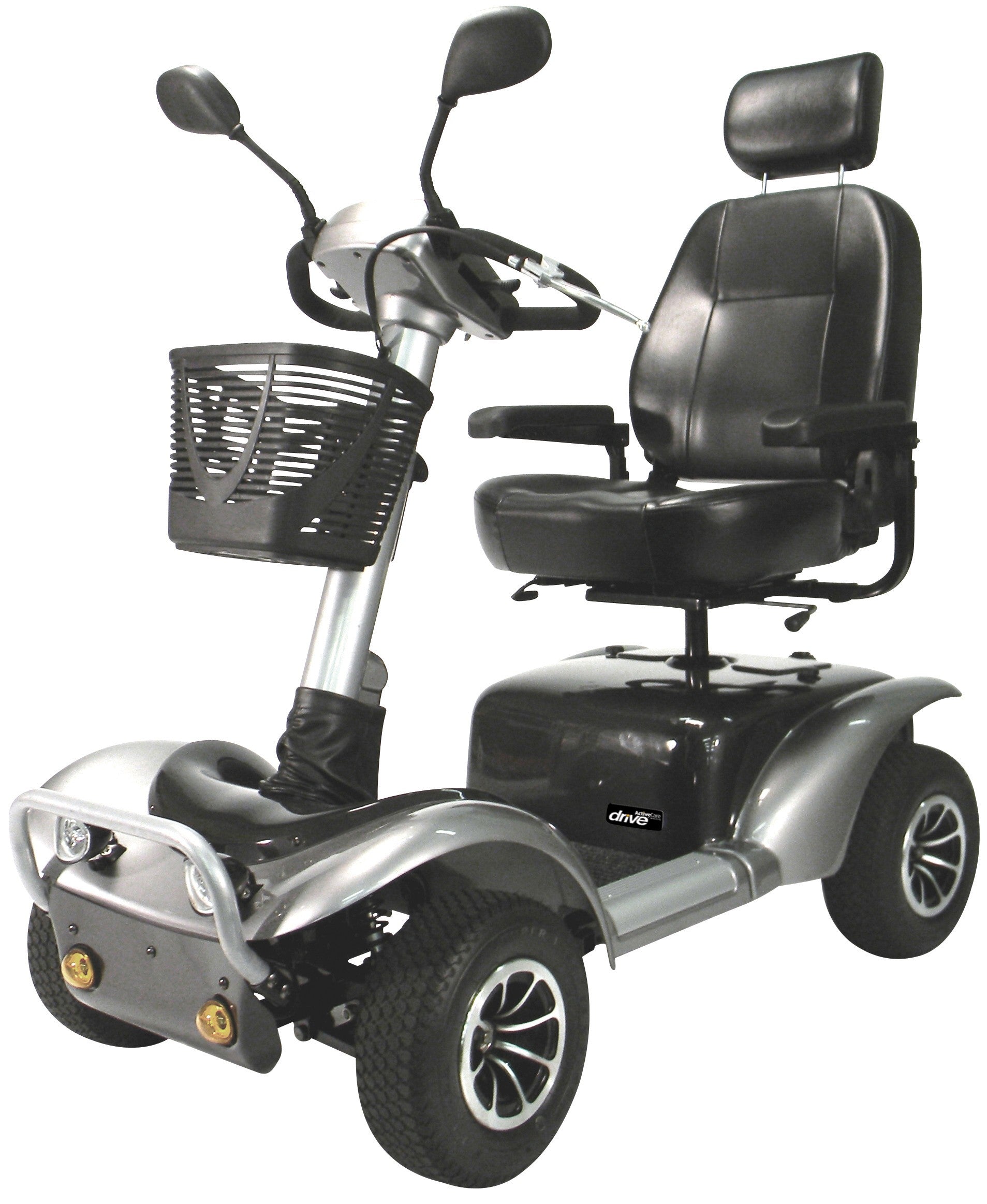
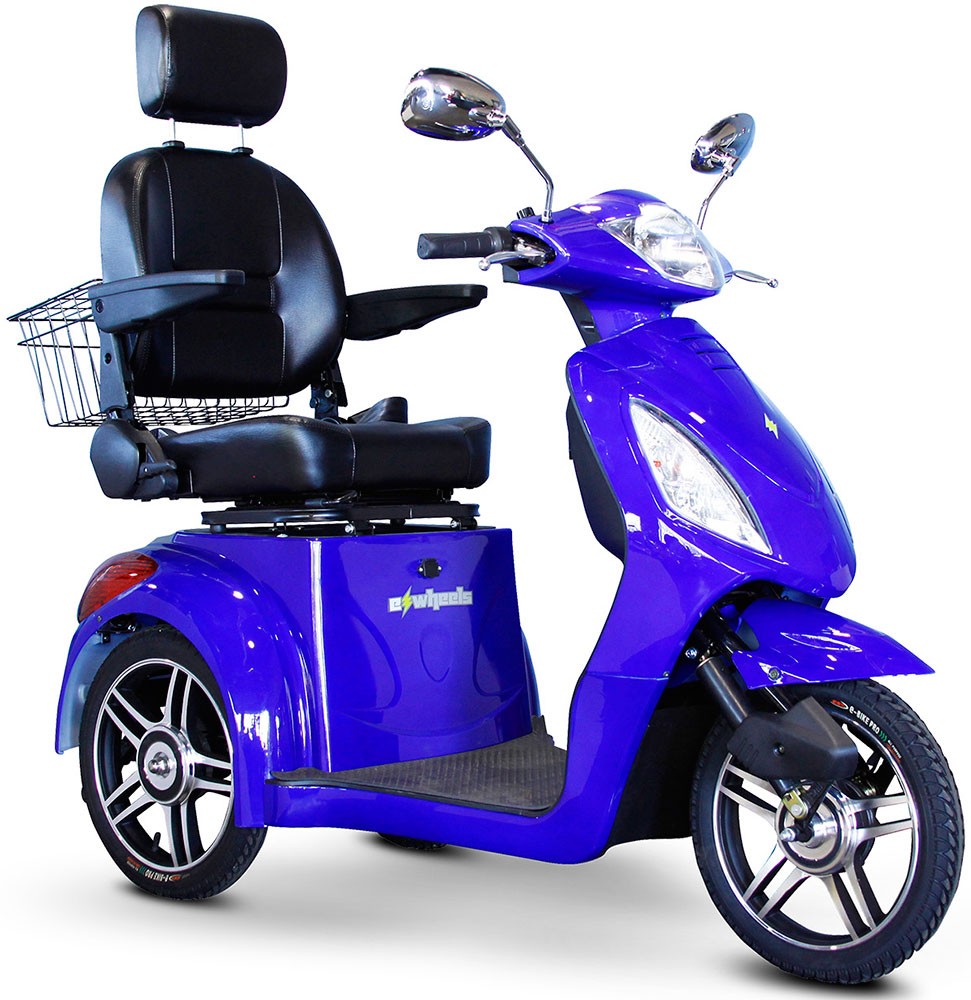
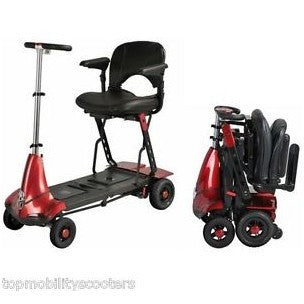
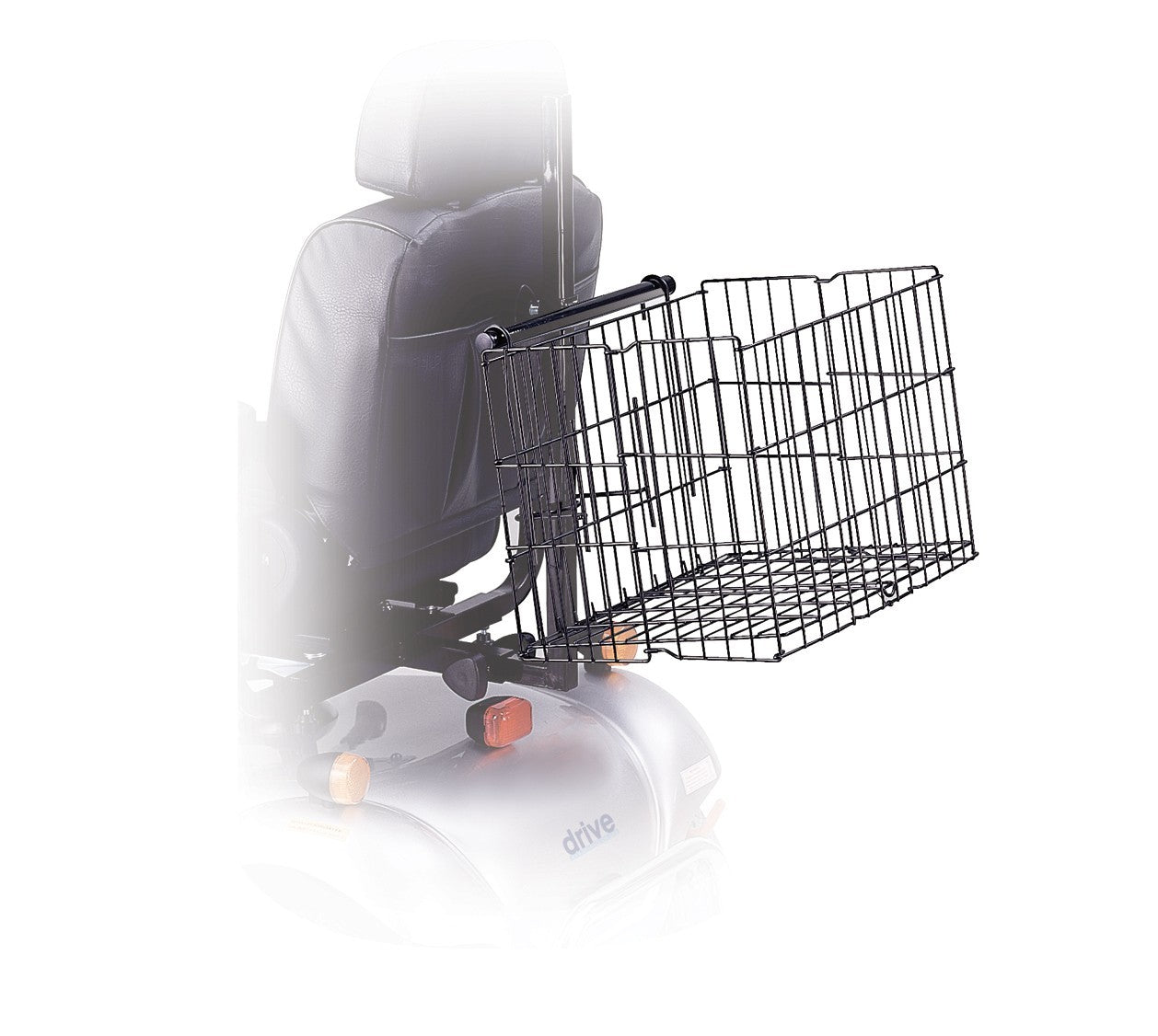
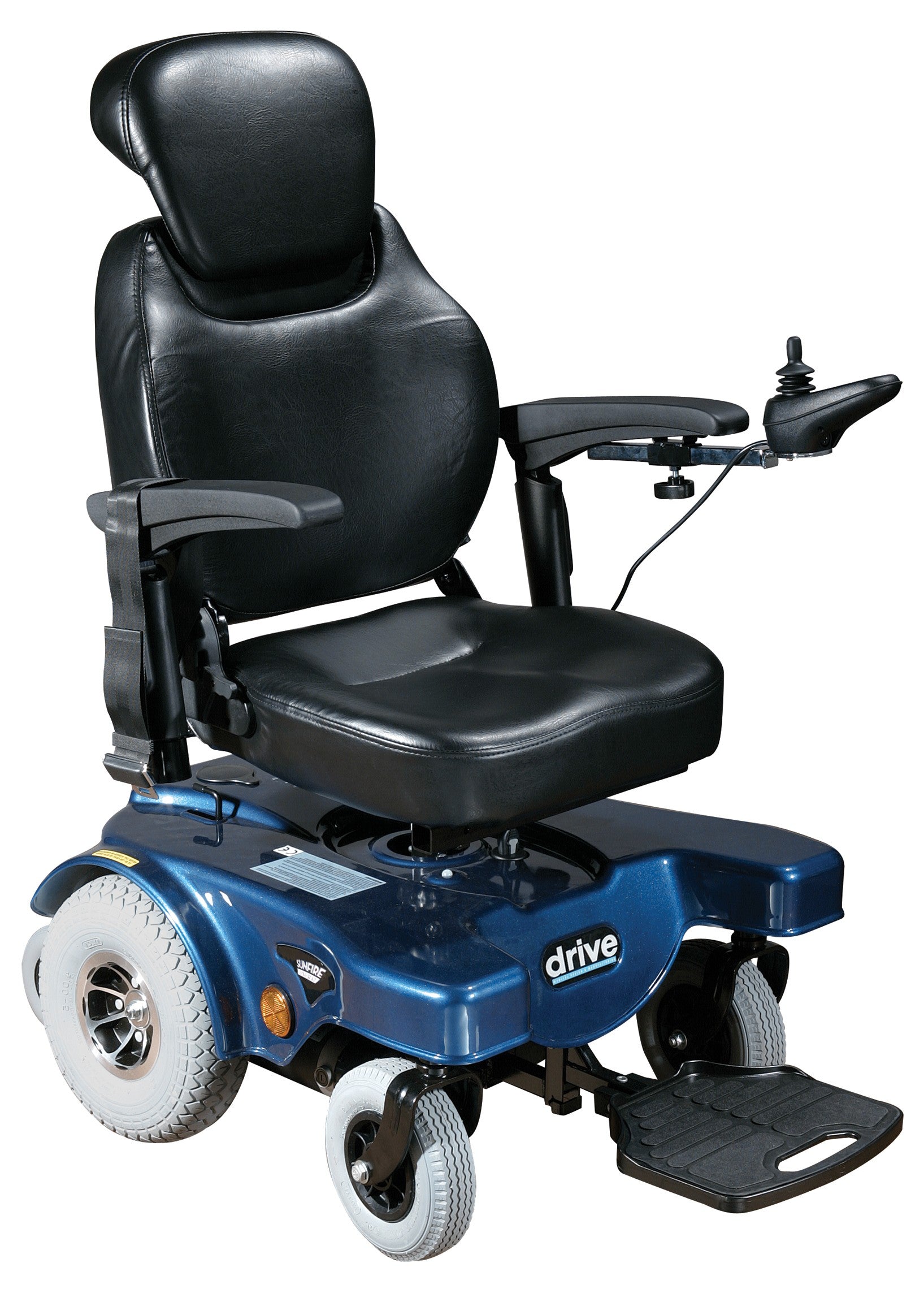
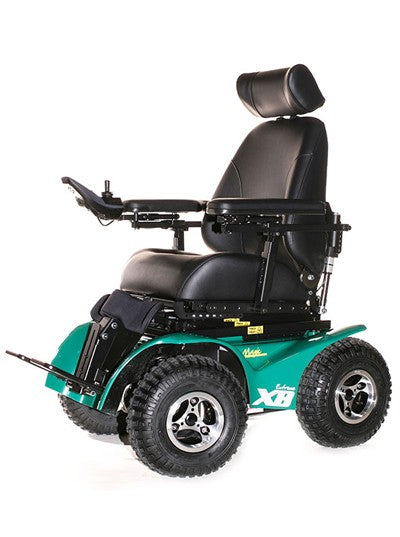
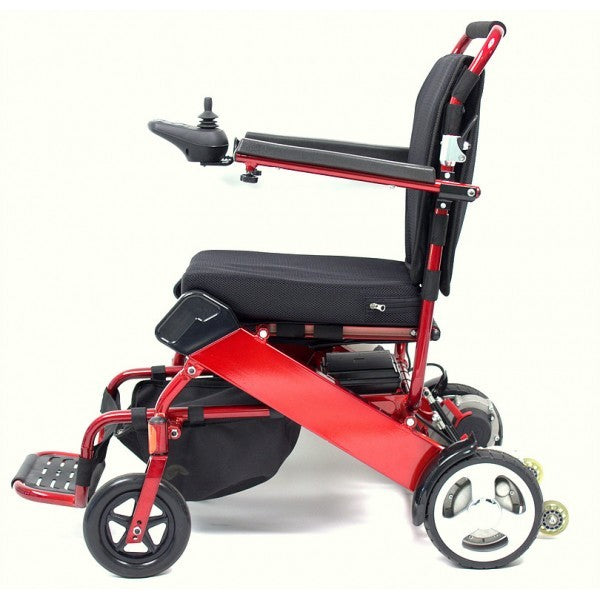
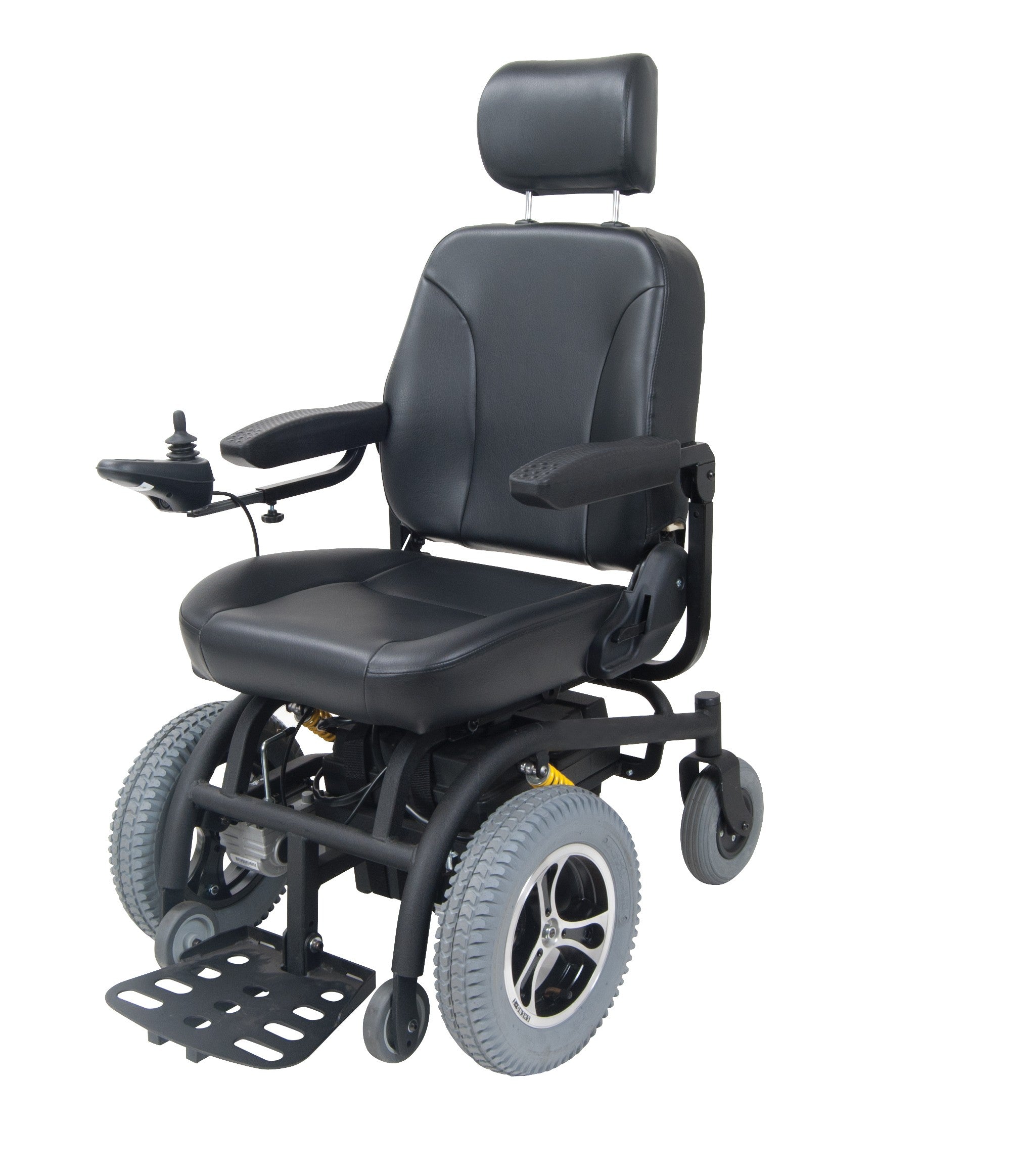
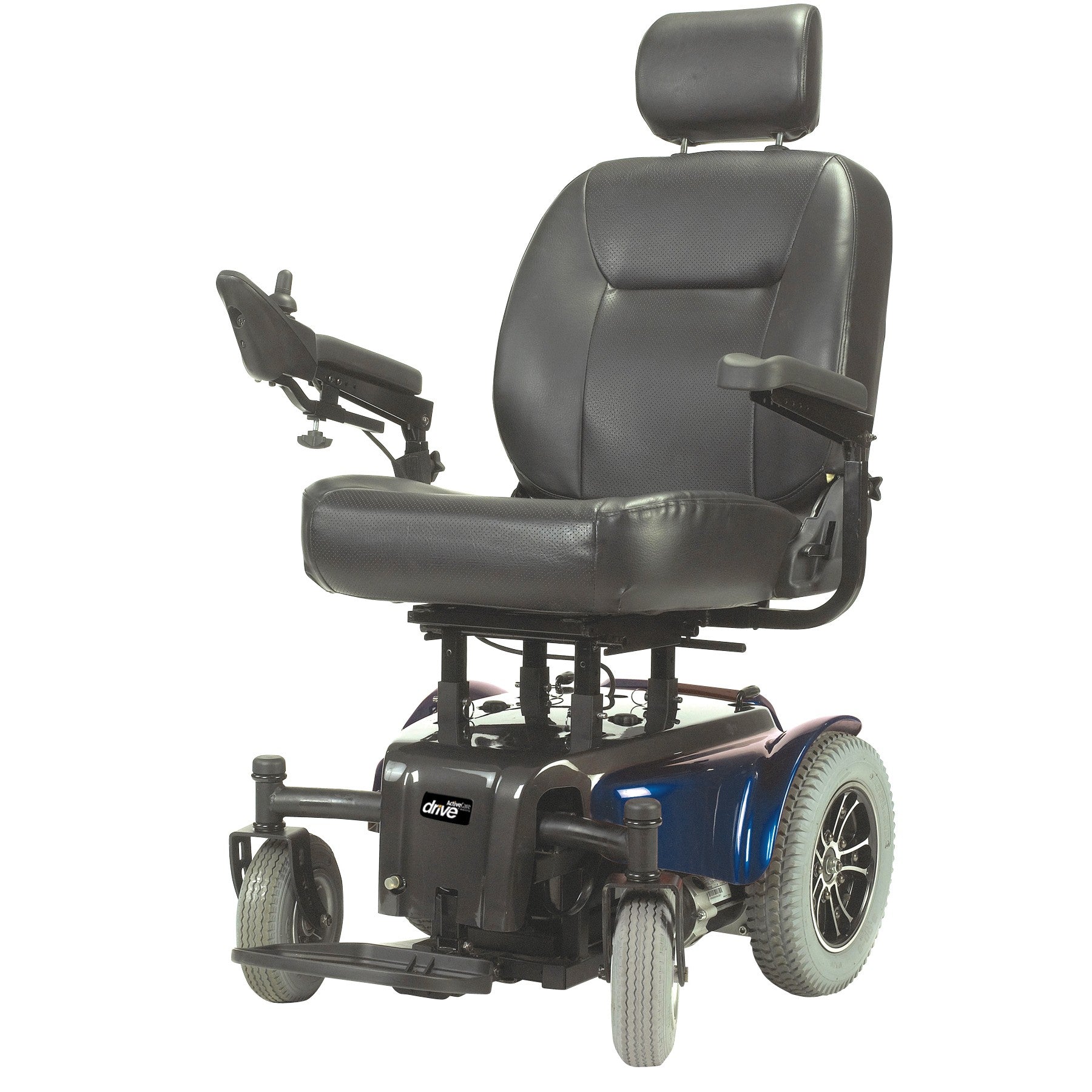
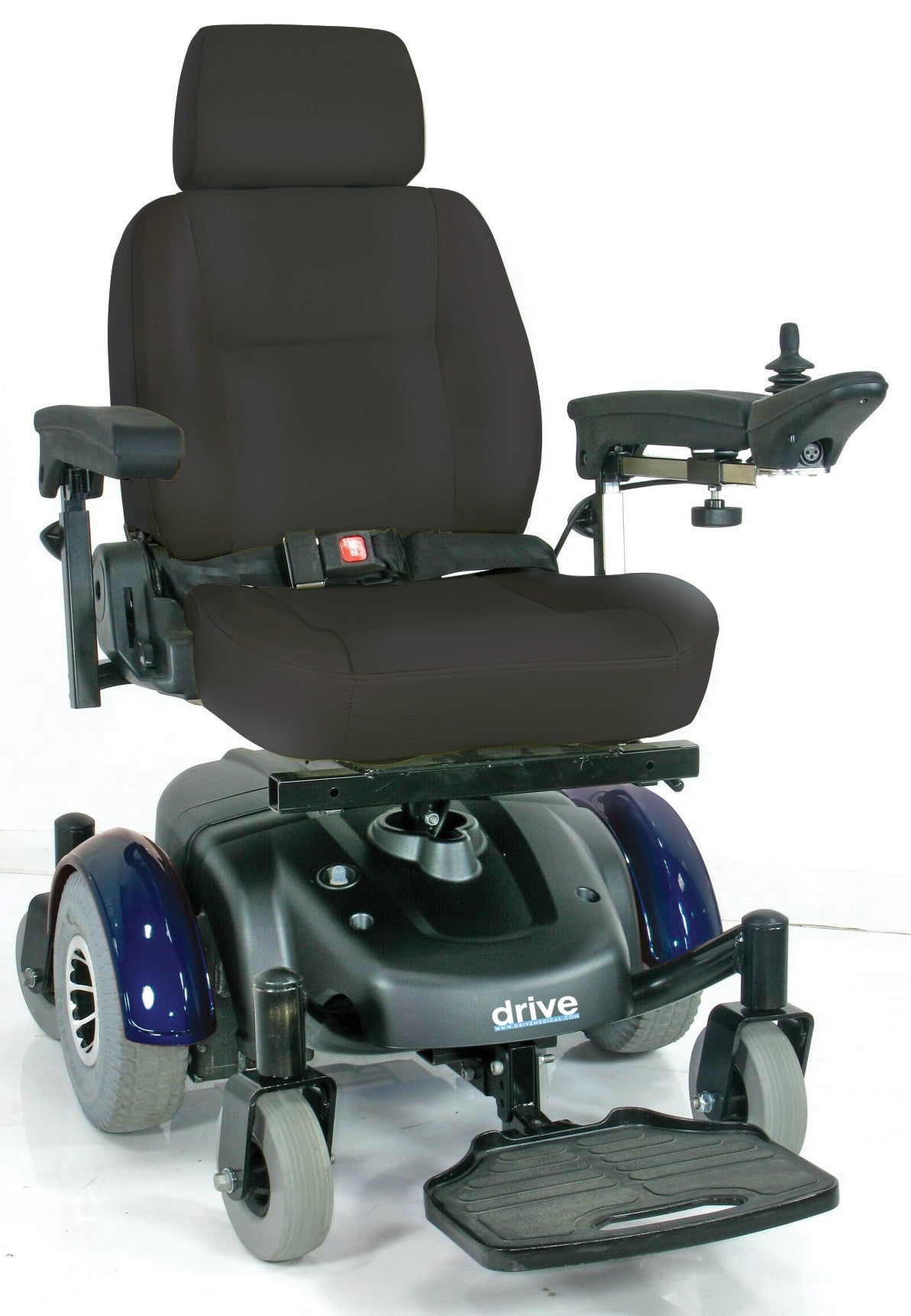
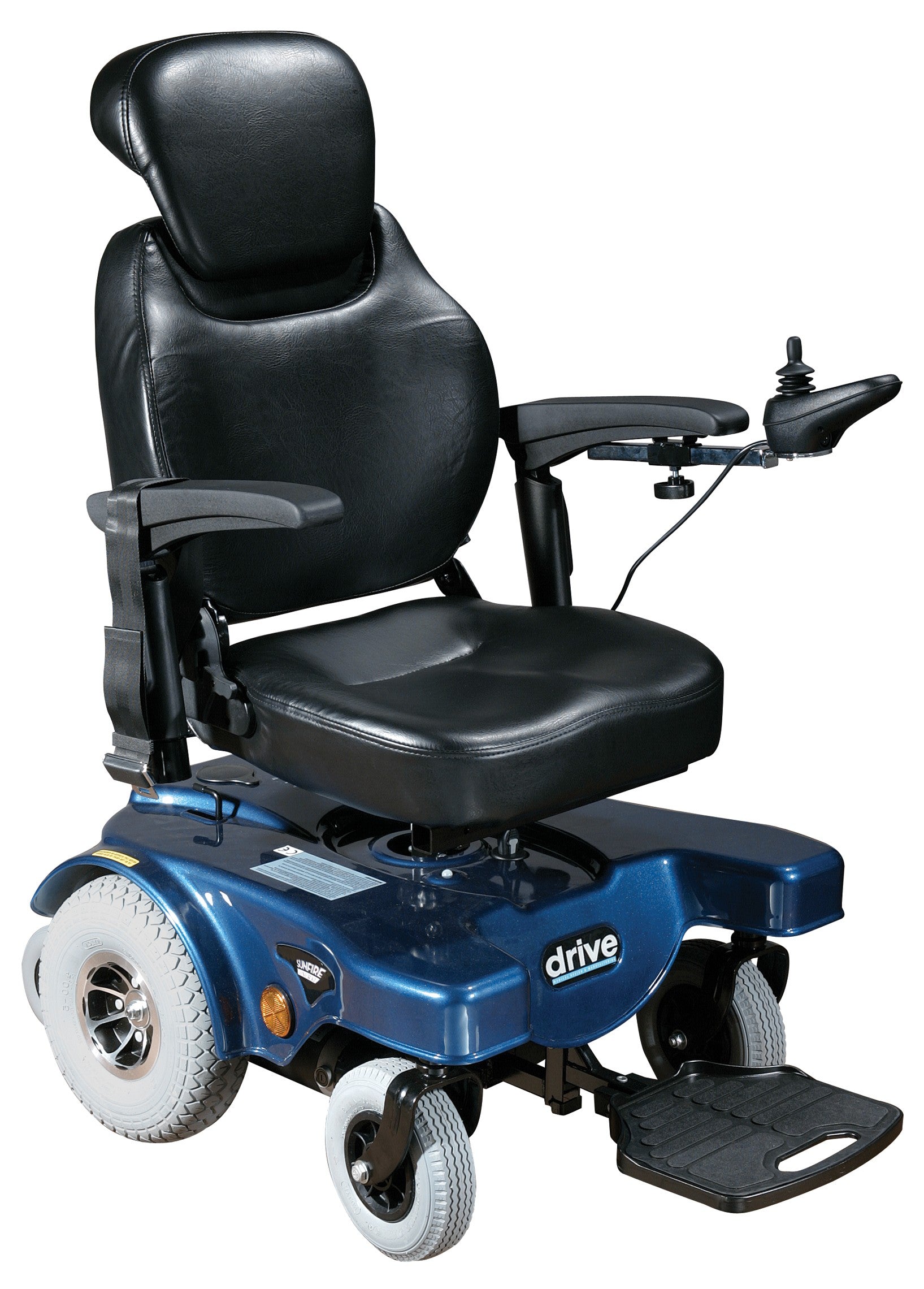
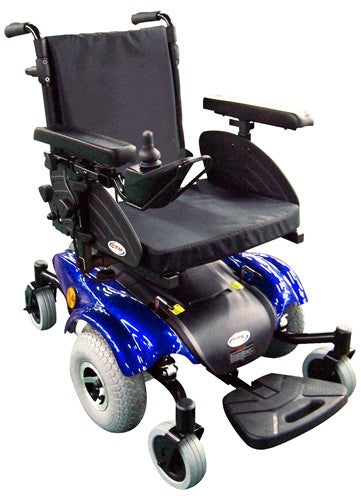
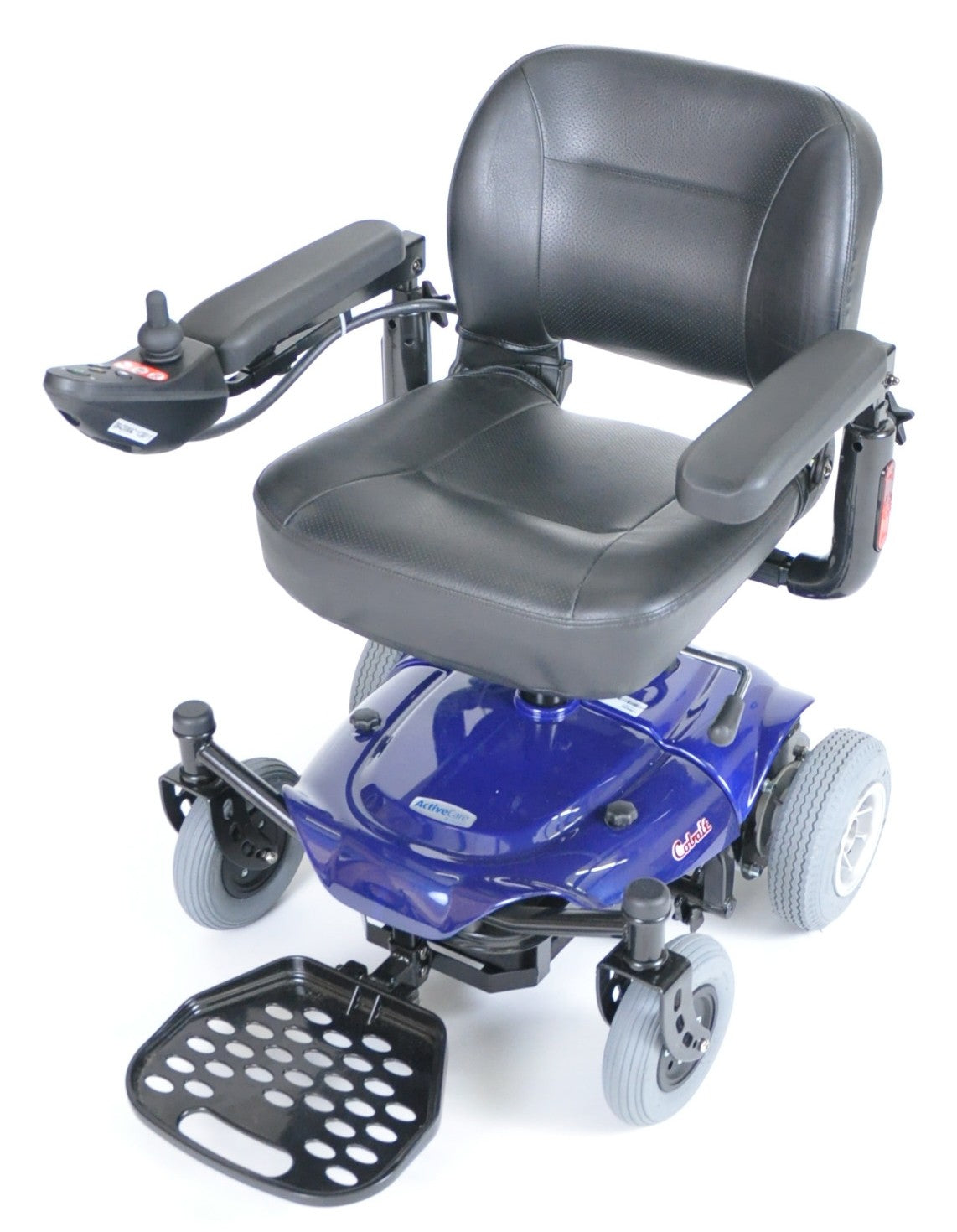
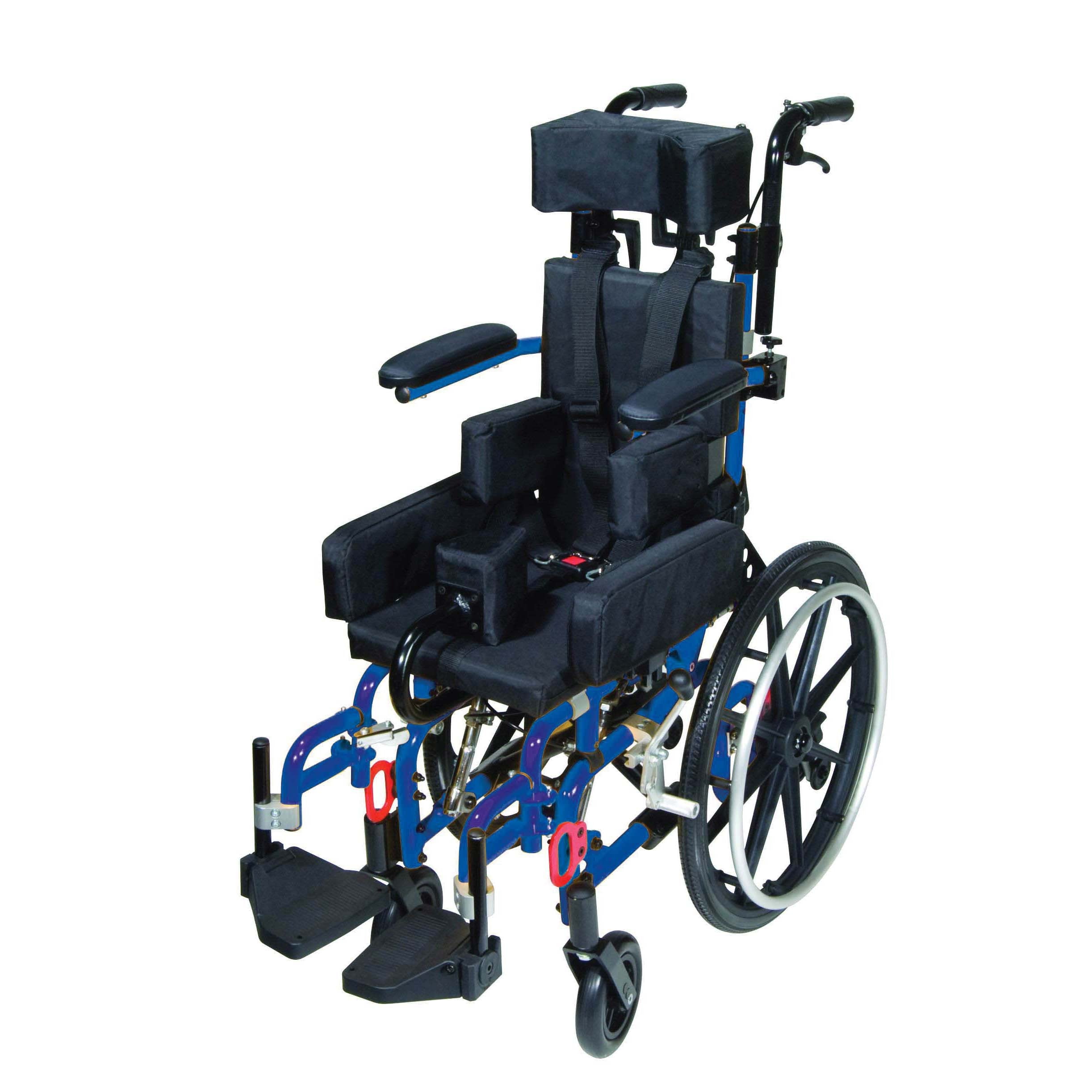
For seniors who want to stay active within and around the home, mobility scooters and power wheelchairs extend their range and independence far beyond what static safety modifications alone can offer. Ensure common areas have adequate lighting throughout, including motion-activated options for hallways and transitional spaces.
Entryways, Stairs, and Outdoor Access
About 23% of senior falls happen outside but near the home. Entryways, exterior steps, and porches are a critical zone that many families overlook.
Threshold ramps eliminate trip hazards at doorways and are essential for wheelchair and scooter users. For homes with front steps, portable and modular wheelchair ramps provide access without permanent construction. This type of modification work is increasingly common; 56% of remodelers are currently involved in aging-in-place projects.
For multi-story homes, stair lifts offer a practical alternative to relocating the senior's bedroom to the ground floor. They represent a significant investment, but far less disruption than a full home renovation or a move to a single-story residence.
Install handrails on both sides of all stairways, interior and exterior. Motion-sensor exterior lighting improves visibility after dark, and a video doorbell lets seniors see and speak with visitors without walking to the door.
Smart home safety technology adoption among adults 50 and older has risen significantly, with camera and alarm usage growing notably since 2024, according to AARP's 2025 Tech Trends Report. These tools add a practical layer of security at the home's perimeter.
Smart Technology and Monitoring Tools That Add a Safety Layer
Technology adoption among older adults is no longer the barrier it once was. According to AARP, 66% of older adults view technology positively and see it as helping them age at home.
Fall detection wearables are a first-line safety tool, especially for seniors who live alone or are at high fall risk. These devices automatically alert emergency contacts or monitoring services when a fall is detected, even if the senior cannot press a button.
Voice assistants like Amazon Echo and Google Nest serve as hands-free tools for medication reminders, emergency calls, and staying connected with family. They are simple to set up and require no technical expertise to use daily.
Motion-sensor lighting works double duty as both a fall prevention tool and a comfort feature for nighttime navigation. Medical alert systems with GPS are worth considering for seniors who use mobility scooters outdoors or take regular walks.
Over 68% of Medicare-certified home health agencies now use some form of telemonitoring or virtual care, reflecting how standard technology has become in home care settings.
One important note: smart tech works best when layered with physical equipment. A fall detection wearable is valuable, but it does not prevent the fall. Grab bars, proper lighting, and clear pathways do that. Use technology as an added safety layer, not a replacement for the physical modifications covered above.
How to Choose the Right Equipment and Get Help Doing It
Choosing the right home medical equipment can feel overwhelming, especially when balancing a senior's clinical needs, physical dimensions, and budget. Working with a knowledgeable specialist makes a meaningful difference.
At American Quality Health Products, our US-based product specialists are available by phone six days a week. With over 25 years of experience serving families since 2001, we understand both the clinical considerations and the practical realities of setting up a safe home care environment. We carry a broad range of brands, including Pride Mobility, Golden Technologies, and Drive Medical, so recommendations are based on what fits your situation, not on limited inventory.
When evaluating equipment, consider the senior's specific conditions: current mobility level, weight capacity requirements, any relevant diagnoses, and how much caregiver involvement is needed. A lift chair for someone recovering from hip surgery looks different from one for a senior managing congestive heart failure.
Funding options can help.
We also offer 100% financing through third-party providers, so families can get the equipment they need without a high upfront cost. Our Low Prices and free shipping on orders over $100 help stretch your budget further. Because needs change over time, our easy return policy and extensive product range mean you are not locked into a single solution.
Building a Home Care Environment That Lasts
Setting up a safe home care environment is not a one-time checklist. It is an ongoing process that evolves as the senior's needs change. The bedroom, bathroom, living areas, entryways, and technology layer each play a distinct role, and all of them deserve attention.
The numbers tell a clear story: 94% of adults 55 and older say aging in place is an important goal. The right environment makes that goal achievable, and the benefits extend beyond the senior. Proper equipment and thoughtful room layouts reduce the physical and emotional burden on caregivers, too.
Start now, before a fall or hospitalization forces urgent decisions. The proactive approach is both safer and more cost-effective. Call our product specialists to talk through your situation. We will help you identify the right equipment, explore funding options, and build a home care setup that supports independence for years to come.


