


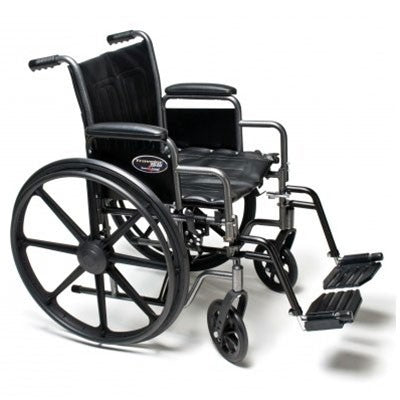
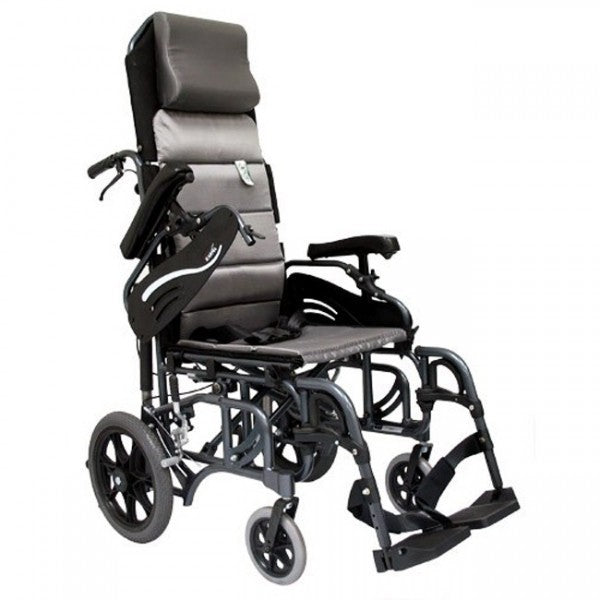
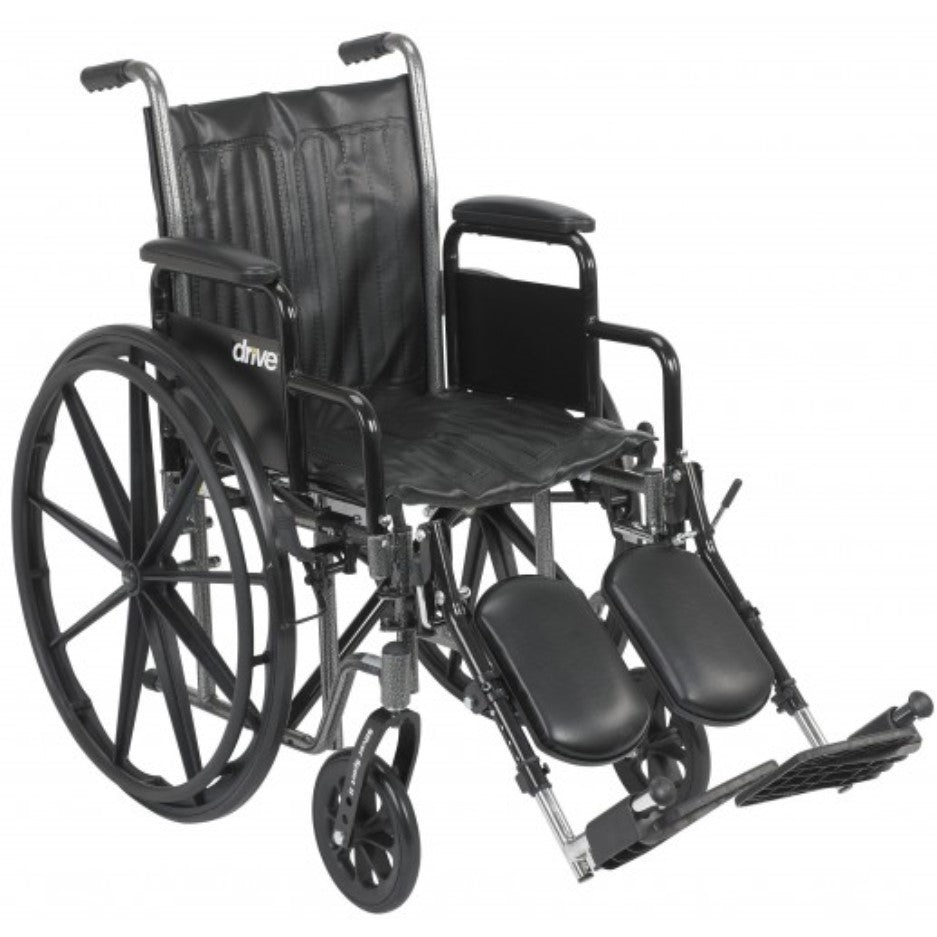
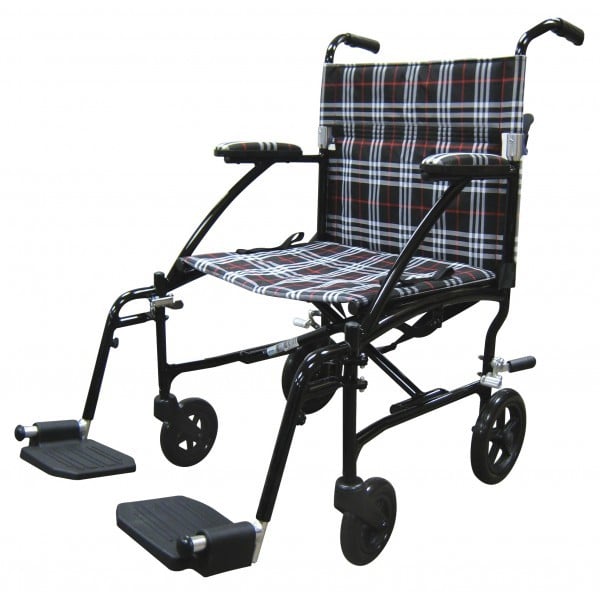
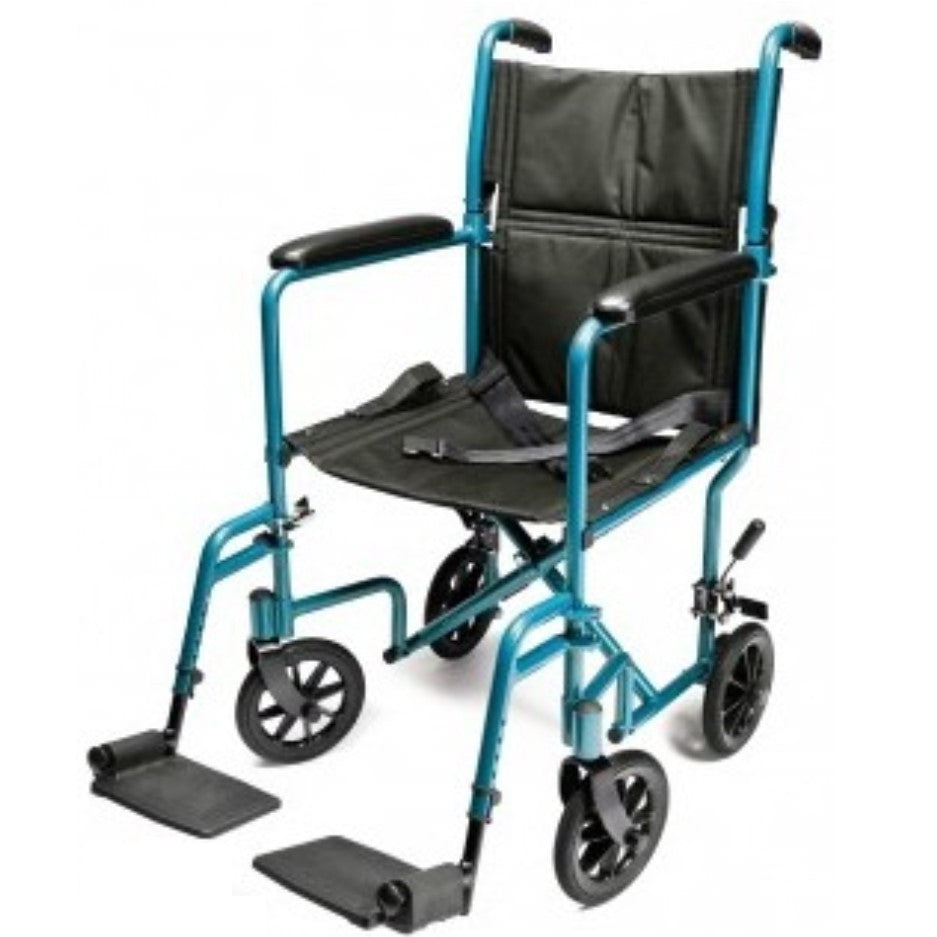


Is Your Manual Wheelchair Working Against You?
Here's a number worth noting: up to 84% of manual wheelchair users with spinal cord injuries develop shoulder overuse injuries, according to research from Virginia Commonwealth University. And that risk isn't limited to spinal cord injury. Long-term manual wheelchair users across all conditions may be silently damaging their joints with every push.
If you've been thinking about a power chair but feel conflicted, know this: upgrading isn't giving up. It's gaining independence and protecting your health for the long run. With 5.5 million Americans relying on wheelchairs and power chair prescriptions rising 23% between 2021 and 2023, millions of people are already making this shift.
Below are 10 clear signs it may be time for you, too. No judgment, just practical guidance to help you decide.
Sign 1: You're Experiencing Chronic Shoulder or Wrist Pain
The shoulder joint was never designed to serve as a primary means of propulsion. Yet that's exactly what manual wheelchair users ask it to do, hundreds of times a day. Studies show rotator cuff tear prevalence of 63% to 70% in adult manual wheelchair users, compared to just 13% to 15% in non-wheelchair users of the same age.
Nearly 44% of manual wheelchair users report shoulder pain. Pushing through that pain doesn't build resilience; it accelerates degenerative shoulder disease, muscle imbalance, and potentially permanent damage.
A power chair upgrade addresses more than comfort. It's injury prevention. Removing the repetitive stress of manual propulsion can preserve the shoulder function you still have and keep you independent longer.
Sign 2: Your Fatigue Is Cutting Your Day Short
If you're spending so much energy getting from point A to point B that you have nothing left for work, family, or social activities, your wheelchair is working against you. Manual propulsion demands significant physical and cognitive energy, and for people living with conditions like MS, COPD, heart disease, or post-stroke fatigue, that demand can be overwhelming.
A power chair conserves that energy. You can travel longer distances with far less effort, which means more capacity for the things that actually matter to you. The physical resources you save on mobility get redirected toward your quality of life and mental well-being.
Sign 3: Your Upper Body Strength Is Declining
Loss of upper body strength is one of the primary clinical indicators that a transition to a power wheelchair is appropriate. Progressive conditions like MS, Parkinson's, ALS, and muscular dystrophy create a moving target for mobility needs. The manual chair that worked well at diagnosis may no longer be safe or sustainable as your condition advances.
This isn't a failure. Periodic reassessment of your wheelchair type is a clinical best practice. If propelling your chair takes noticeably more effort than it used to, or if you can no longer safely navigate your daily routine, bring it up with your treating provider at your next appointment.
Sign 4: You're Relying More on Caregivers to Push You
This one is easy to overlook because it happens gradually. A family member starts pushing you through the grocery store. A caregiver handles the longer stretches. Before long, someone else is doing most of the work your chair was supposed to help you do independently.
Increasing dependence on others to push your manual chair is a clear signal that the chair no longer meets your needs. It also places real, cumulative physical strain on your loved ones and caregivers. A power chair can restore your independence and reduce that burden simultaneously, empowering both you and the people who support you.
Sign 5: You're Avoiding Activities Because of Your Chair
Ask yourself honestly: are you skipping outings, social events, or errands because your manual chair makes them too difficult? If your mobility equipment is the reason you stay home, that's a warning sign worth paying attention to.
Avoidance behavior tied to mobility limitations is linked to documented declines in mental health and social participation. A power chair extends your range and reduces the effort required to get through your day, making it possible to re-engage with the activities and people you've been missing. Choosing a power chair is choosing participation, and that matters for your emotional health as much as your physical health.
Sign 6: Your Medical Condition Has Progressed
Conditions like MS, Parkinson's, ALS, post-stroke recovery, COPD, and bariatric needs frequently trigger the manual-to-power transition. Degenerative and progressive conditions change your mobility requirements over time, and continuing to use a manual chair despite that progression can worsen outcomes, including scoliosis, muscle imbalance, and chronic pain.
Reassessing your equipment as your condition evolves is a standard part of good medical care. If your diagnosis has changed, your symptoms have worsened, or your functional abilities have shifted since your last evaluation, bring this conversation to your next provider appointment. Your wheelchair should match where you are now, not where you were five years ago.
Sign 7: You're Struggling on Inclines, Uneven Terrain, or Longer Distances
Propelling a manual chair up a slope, across gravel, or over long parking lots is exhausting and potentially dangerous. Difficulty navigating terrain is both a safety risk and a quality-of-life issue that limits where you can go and what you can do.
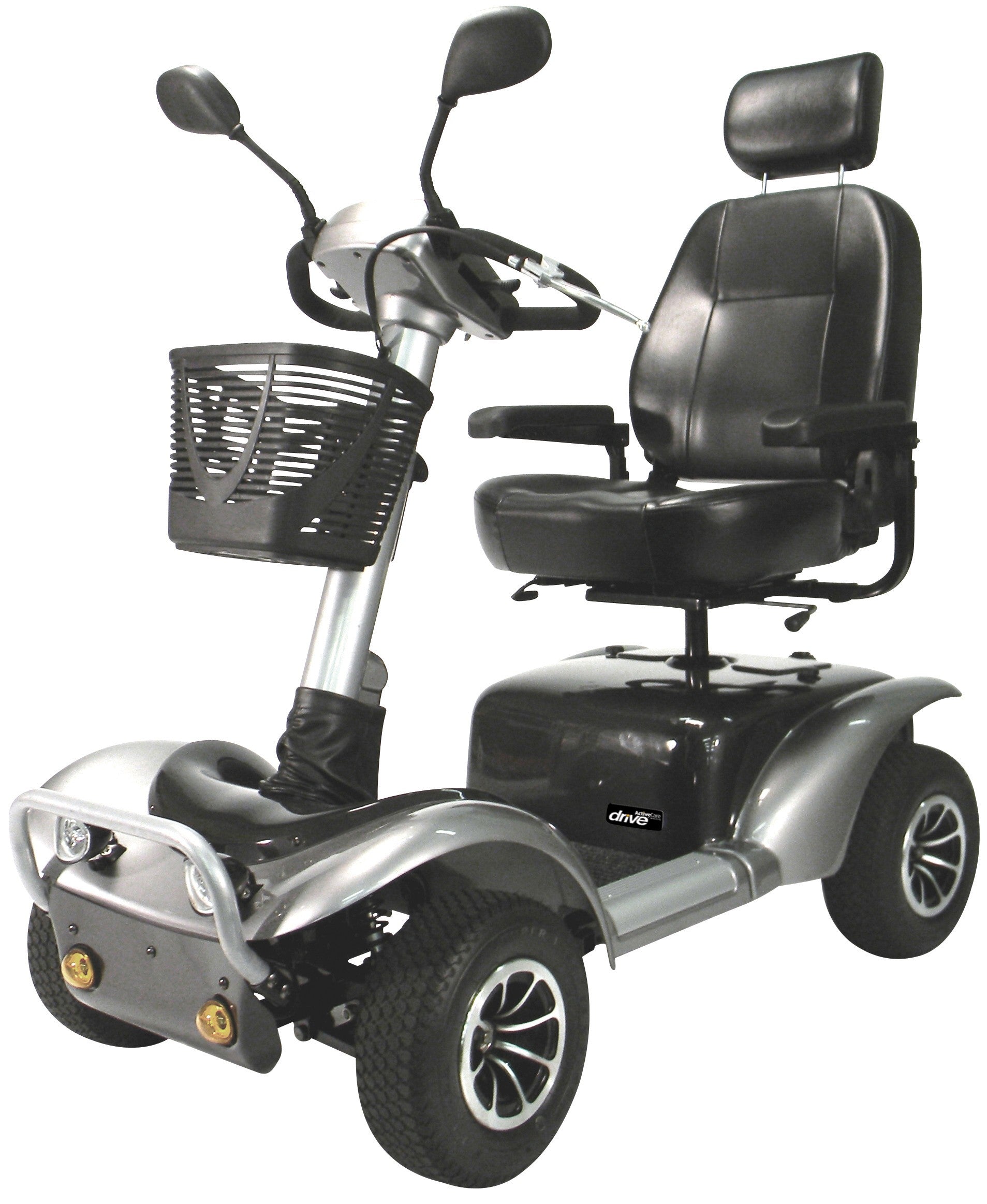
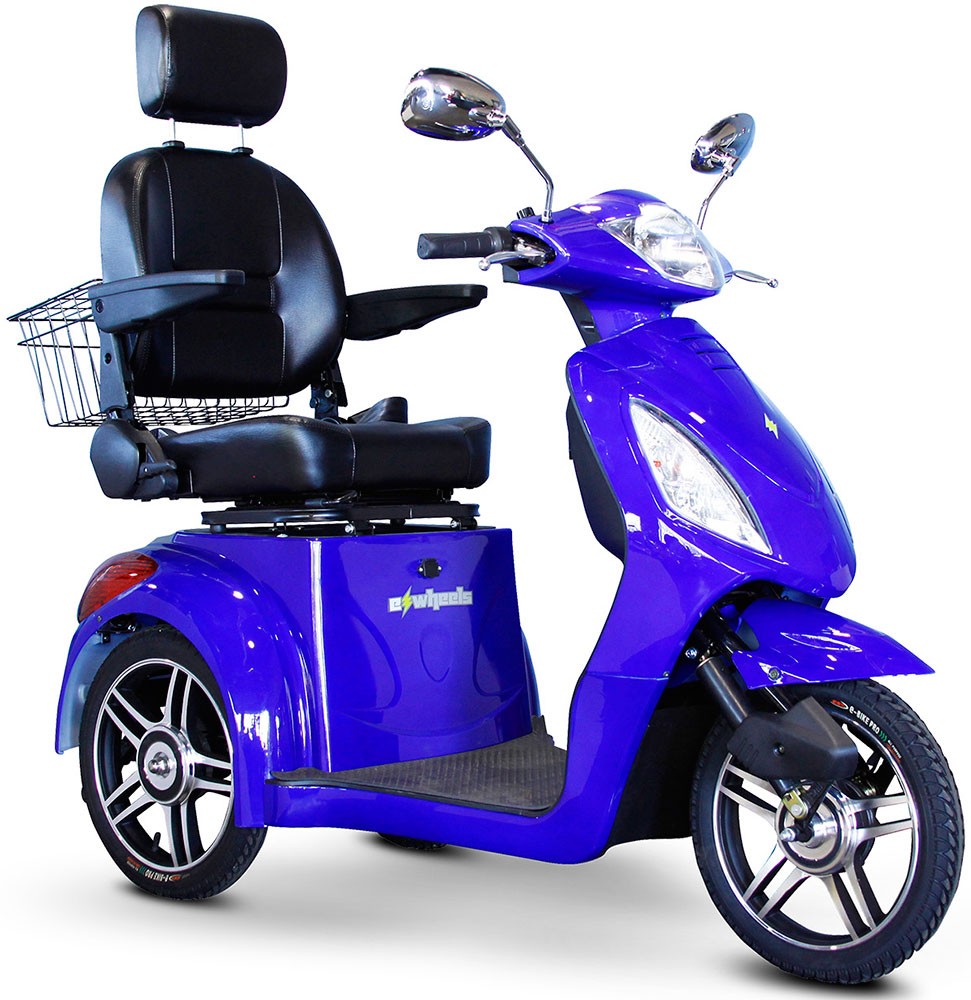
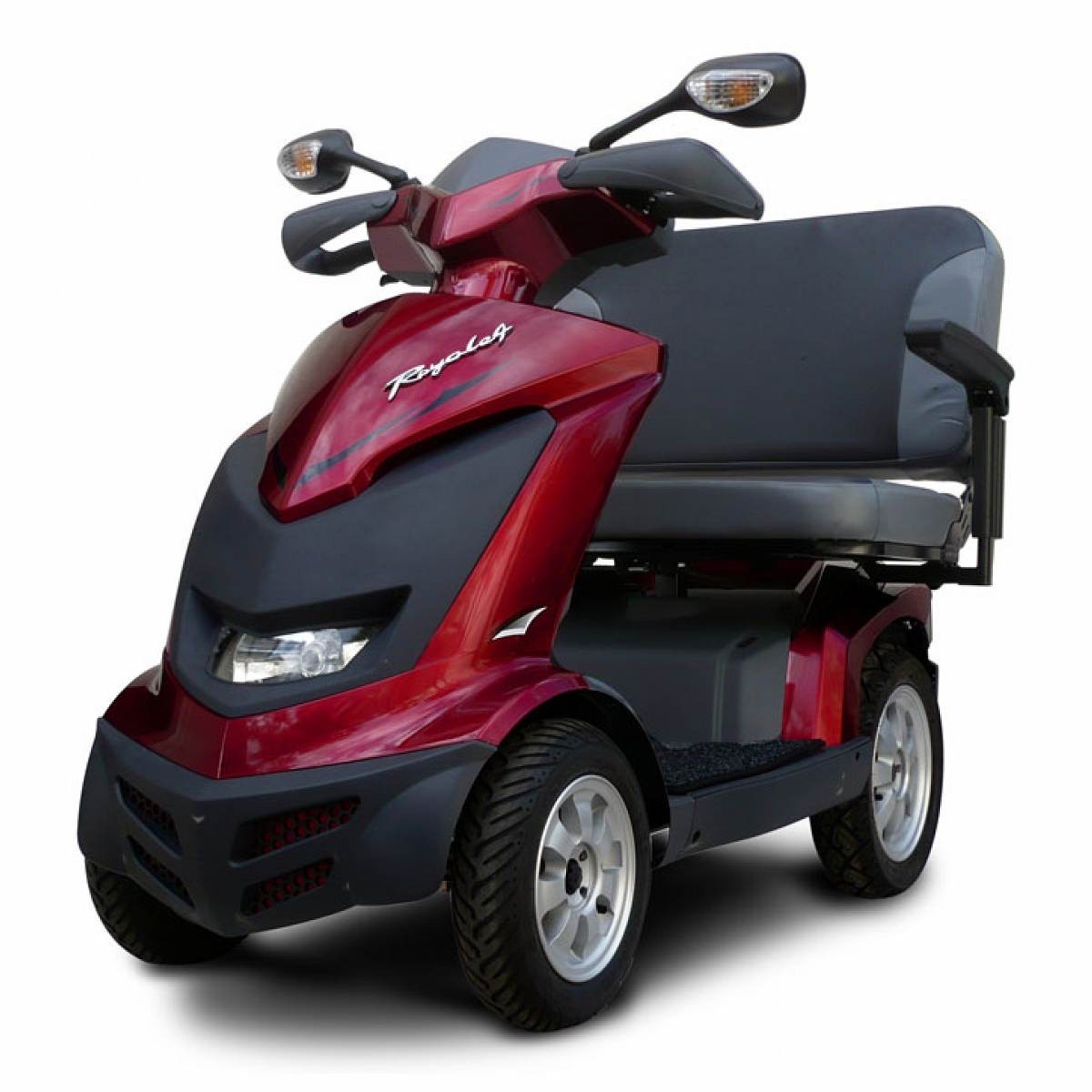
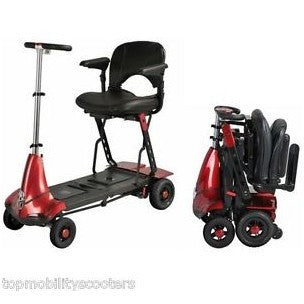
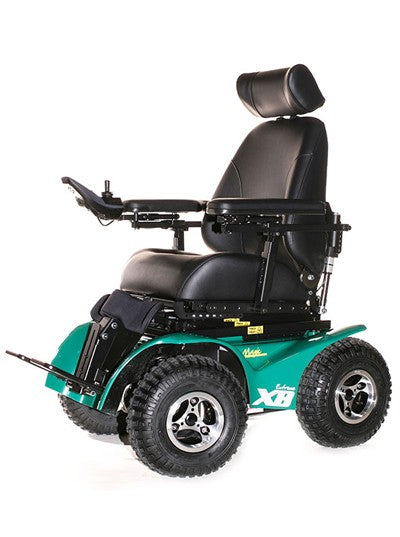
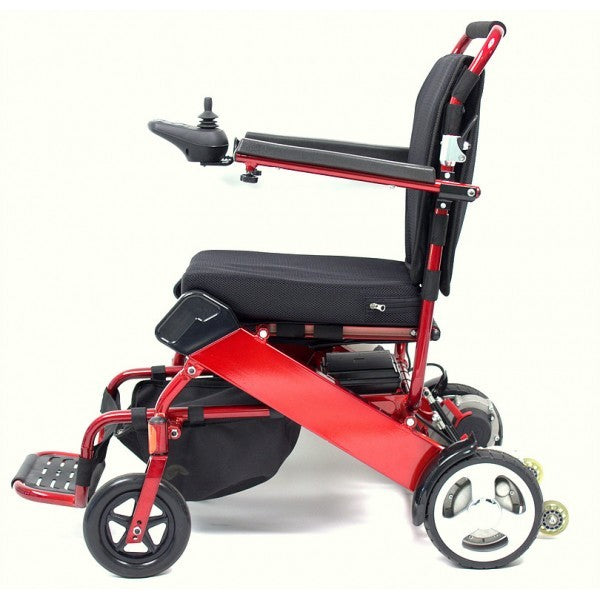
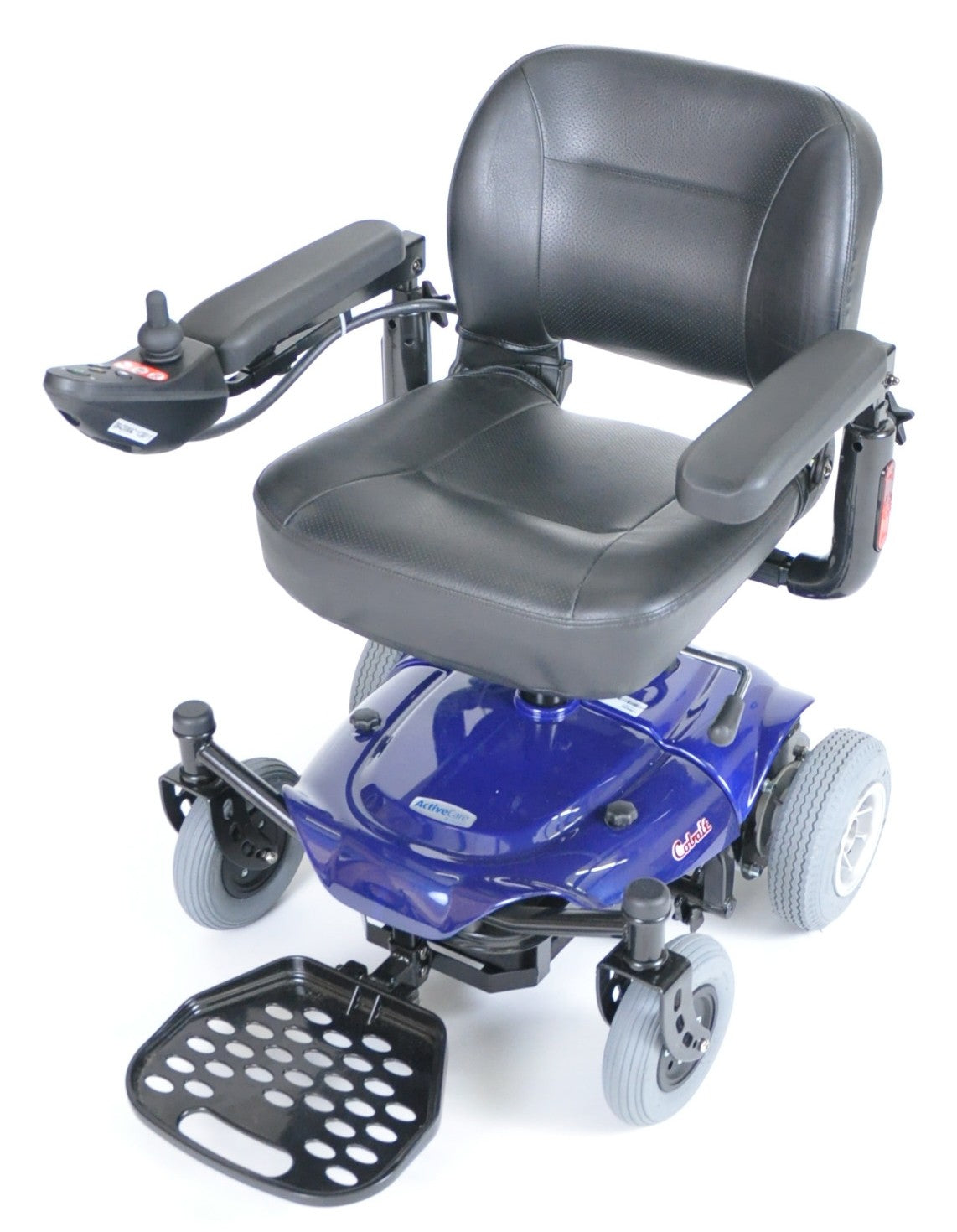
Modern power chairs are engineered for varied terrain, with improved traction, stability, and impressive range. Lithium-ion batteries, which now hold over 61% of the wheelchair battery market, extend travel range to 12 to 25 miles on a single charge while keeping the chair lighter. Struggling with terrain is an objective, practical sign that your current setup isn't enough.
Sign 8: Your Posture and Positioning Are Suffering
Poor posture in a manual chair, often caused by fatigue or inadequate support, can lead to pressure injuries, scoliosis, and chronic pain. Over time, these positioning problems affect respiratory function, circulation, and skin integrity.
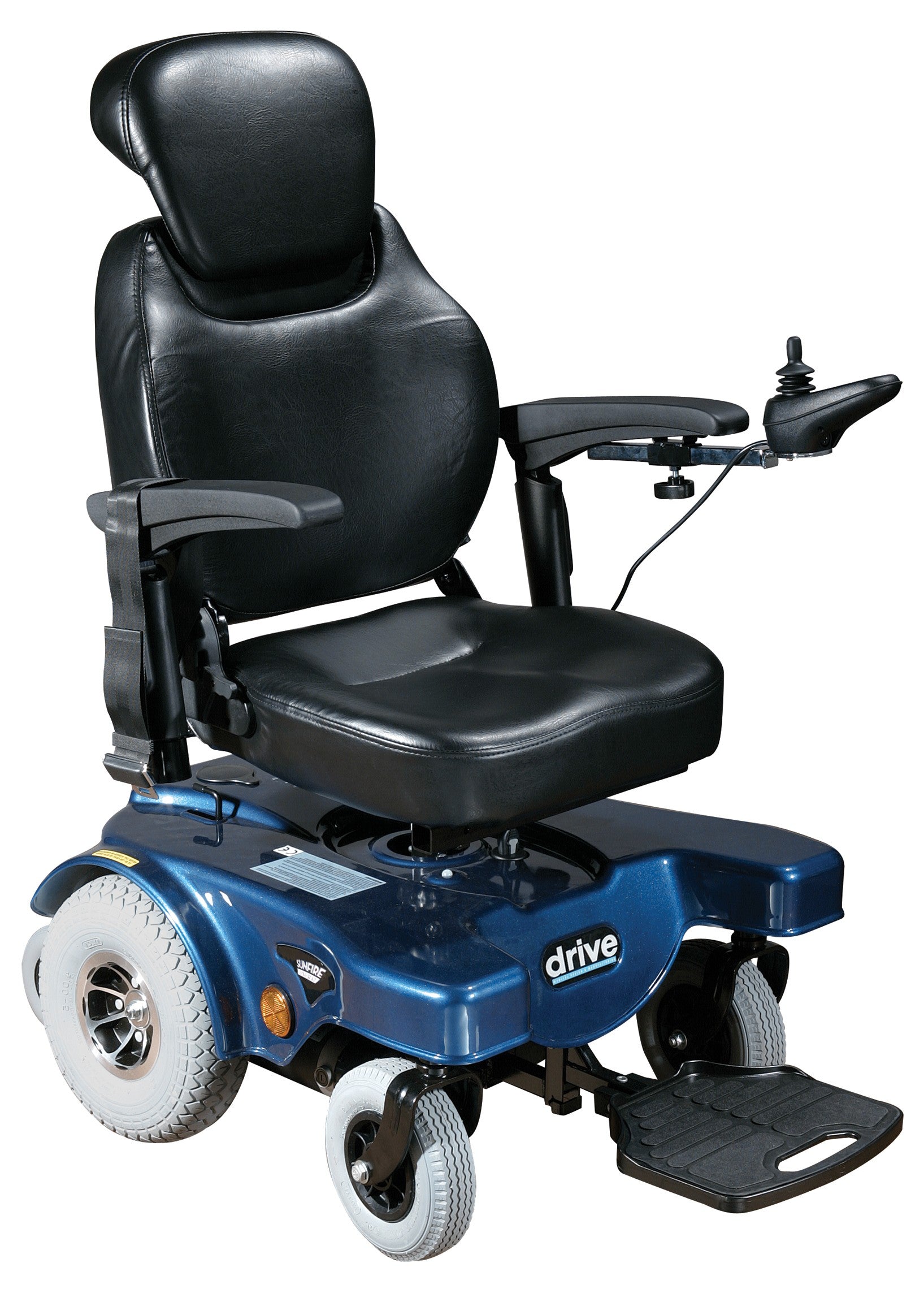
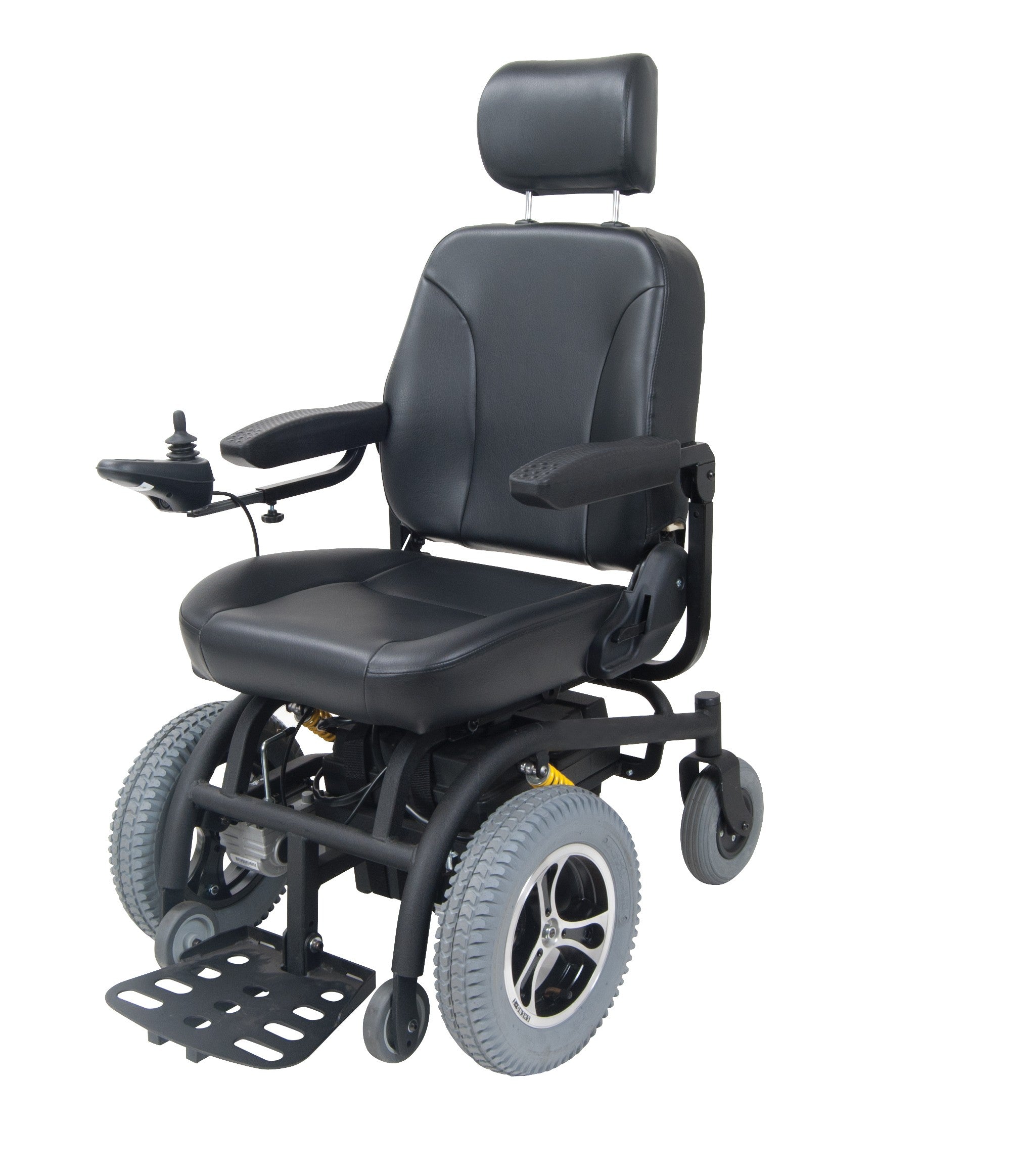
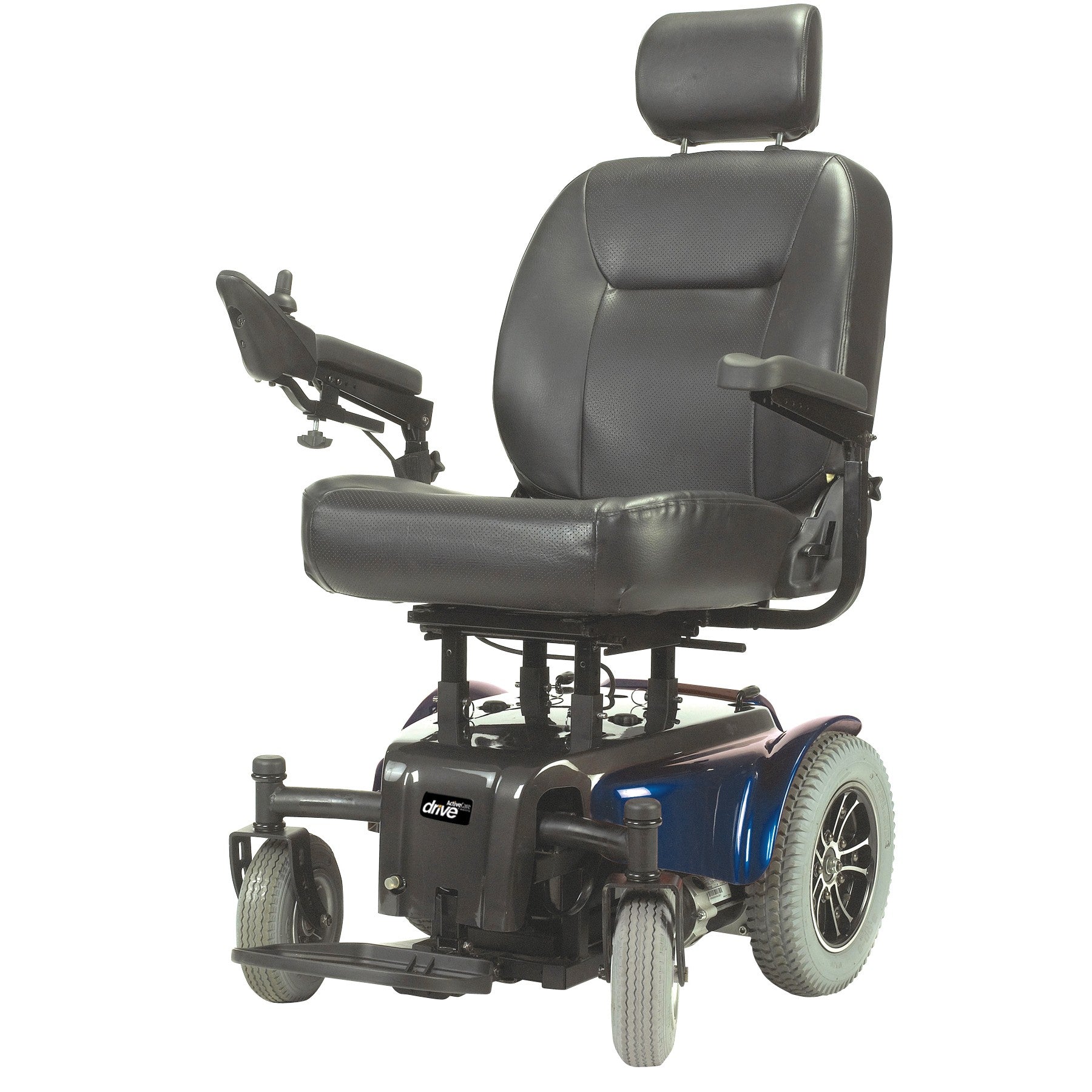
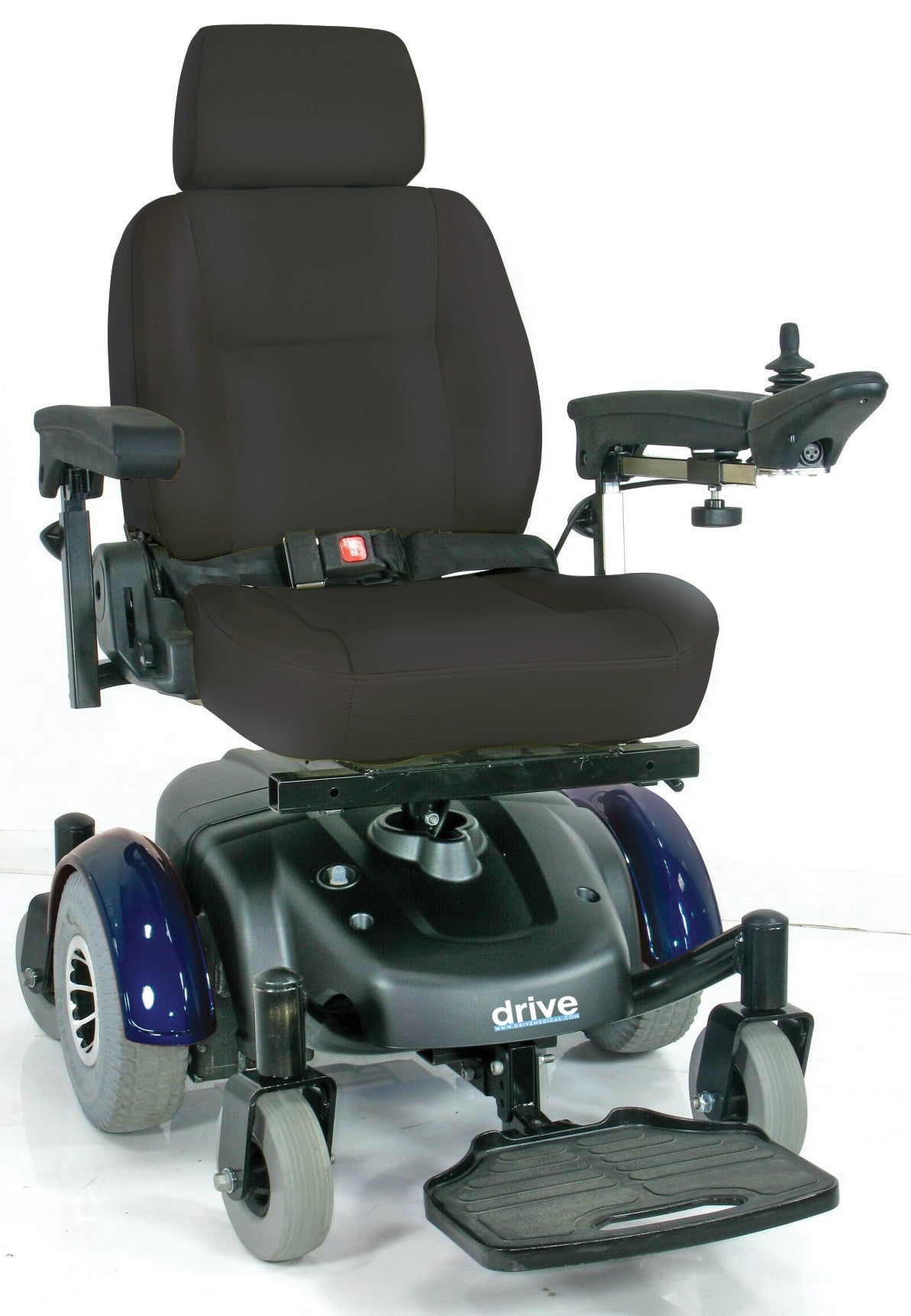
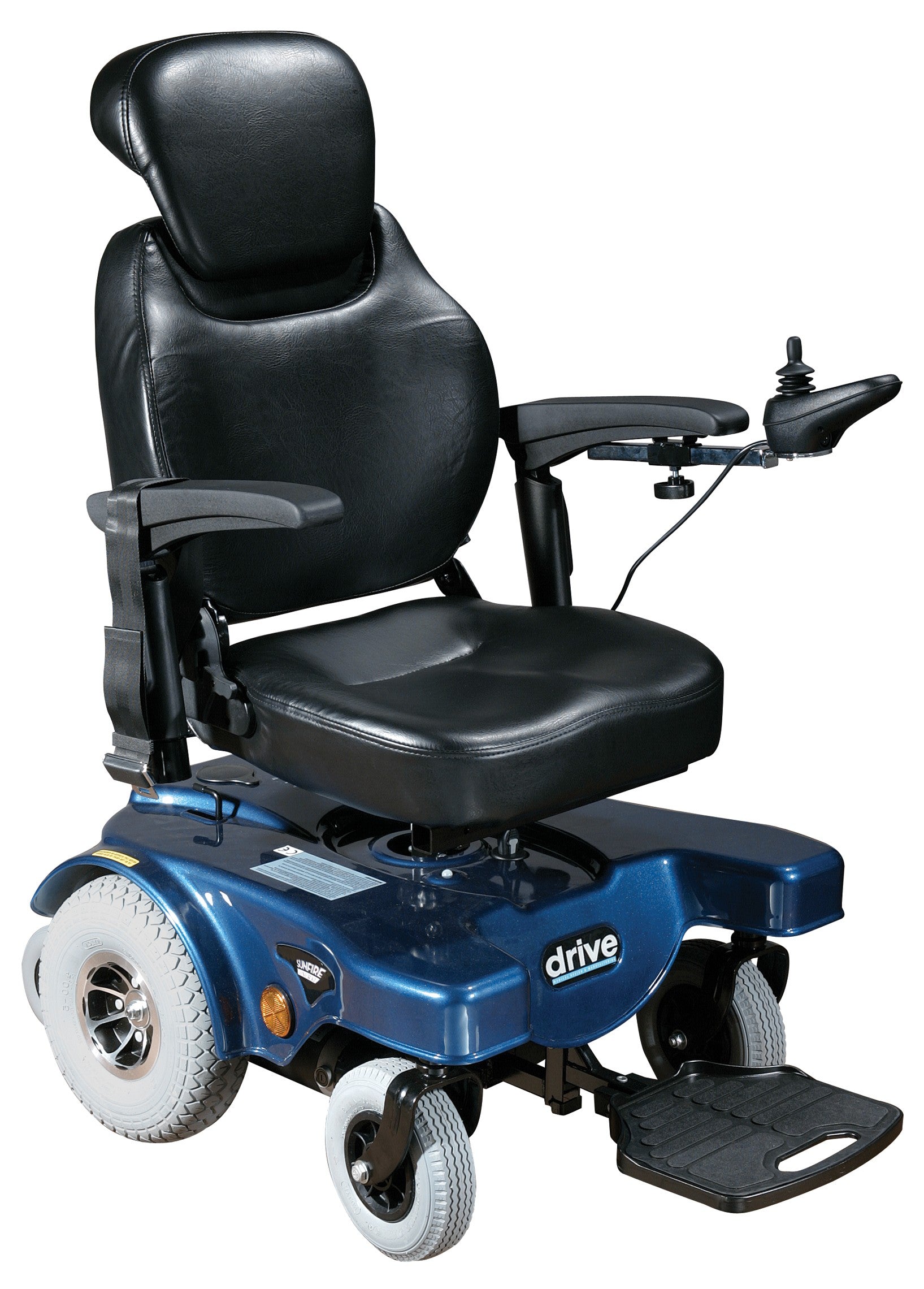
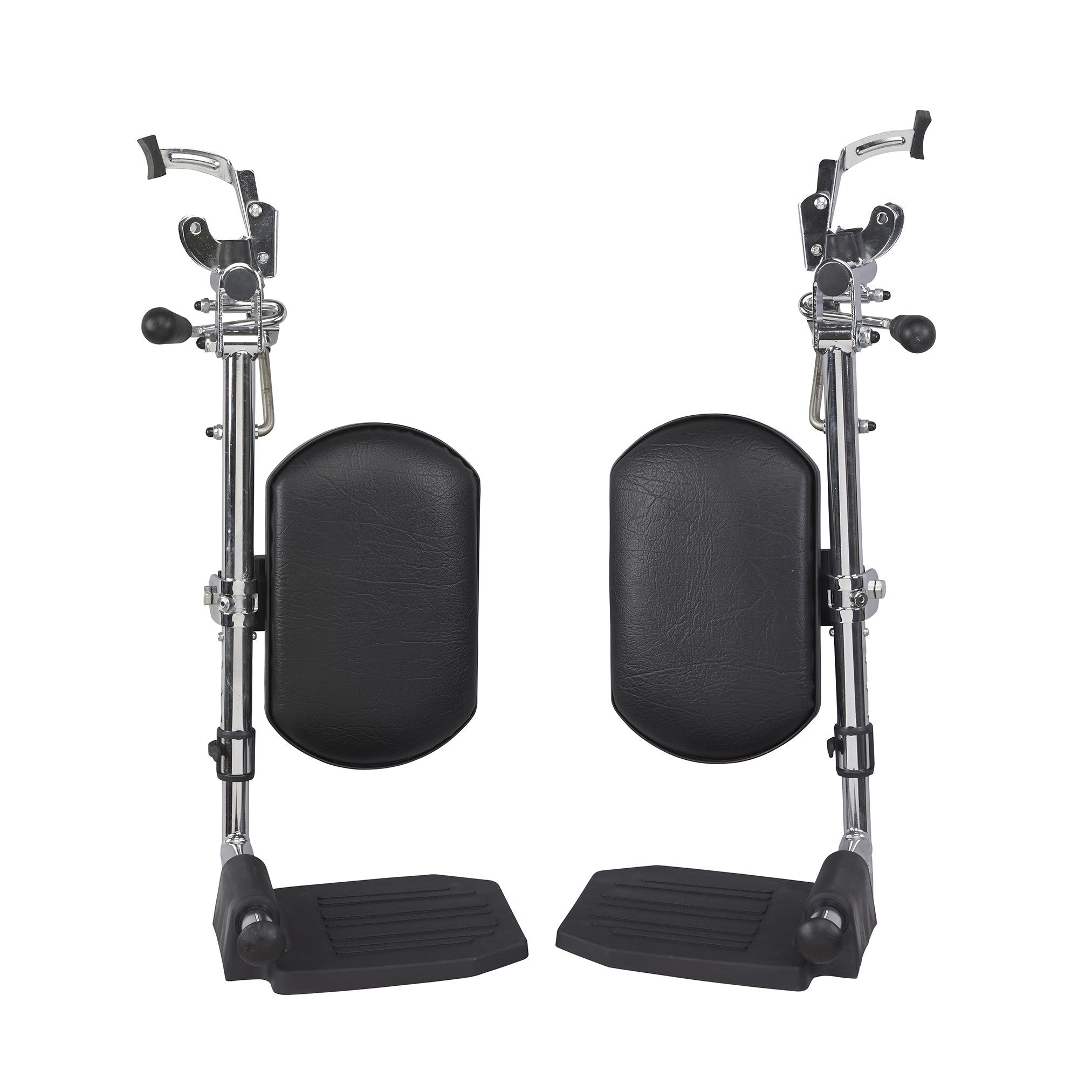
Power chairs offer advanced seating systems with tilt, recline, and elevating leg rests that provide superior positioning throughout the day. For users with higher weight capacity needs, bariatric power chair options deliver the same positioning benefits with reinforced frames and wider seating. Proper positioning affects your long-term health outcomes directly, not just your comfort.
Sign 9: You Feel Like Your Chair Is Holding You Back
Many manual wheelchair users resist upgrading because it feels like giving in. That emotional weight is real, and it's understandable. But consider this: electric wheelchairs now represent 56% of the total wheelchair market, and power chair prescriptions climbed 23% between 2021 and 2023. Millions of people have already made this choice and are moving through the world with greater freedom because of it.
Modern power chairs are high-tech mobility tools, not symbols of decline. Many models now integrate smart technology, including AI-assisted navigation, obstacle detection, and IoT connectivity. Upgrading to a power chair is a proactive decision that puts you in control of how you move, where you go, and how much energy you have left when you get there.
What to Do Next: How to Start Your Power Chair Upgrade
If you recognized yourself in several of the signs above, it's worth taking the next step. Here's how to move forward:
At American Quality Health Products, our live US-based product specialists are available six days a week by phone to walk you through every option. With over 25 years of experience serving customers since 2001, a Lowest Prices on mobility equipment, free shipping on orders over $100, and 100% financing available through third-party providers, we're here to make this transition as straightforward as possible.
The right power chair can protect your health, restore your independence, and open up your world. You deserve equipment that works as hard as you do.


