
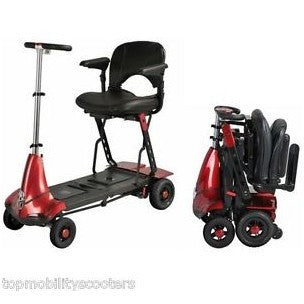
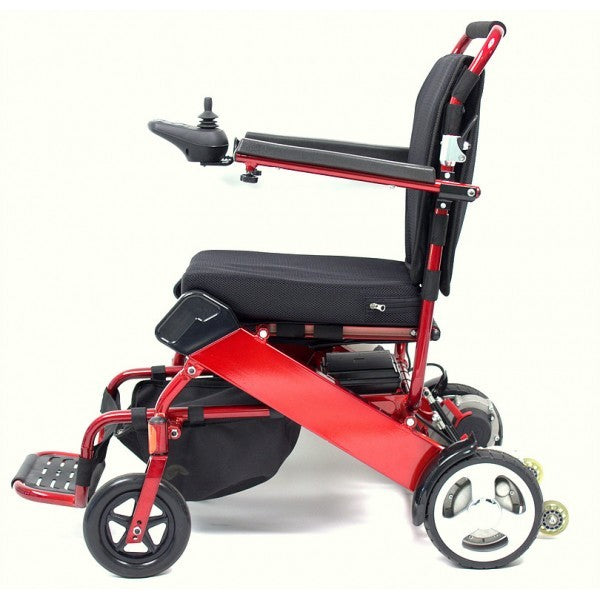
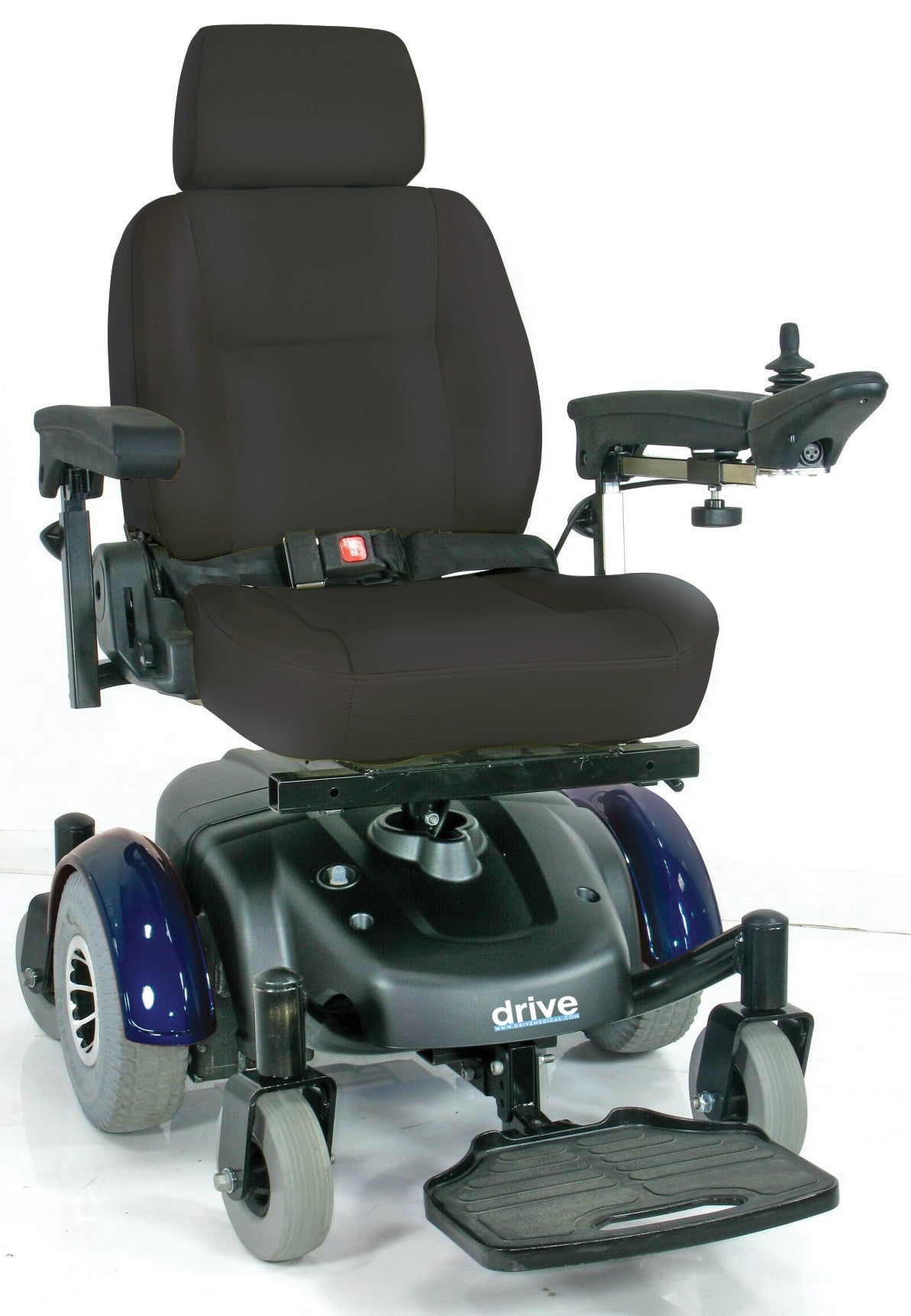
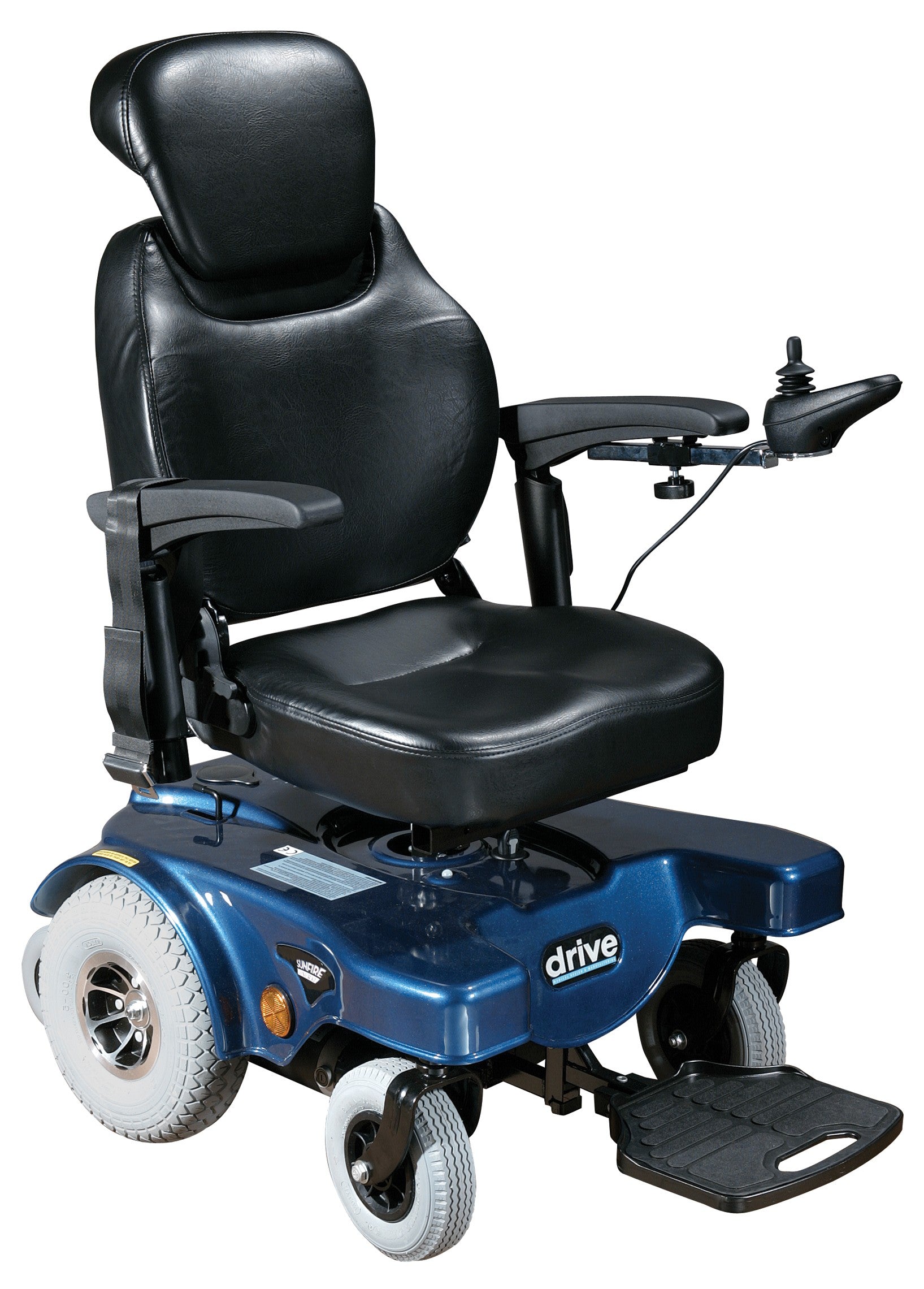
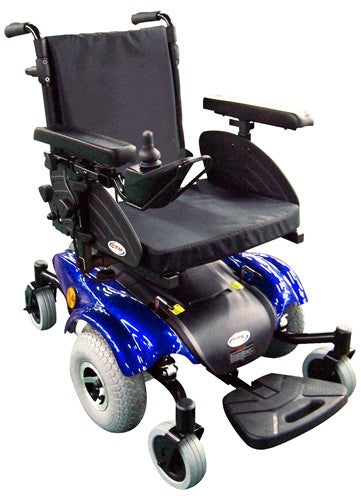
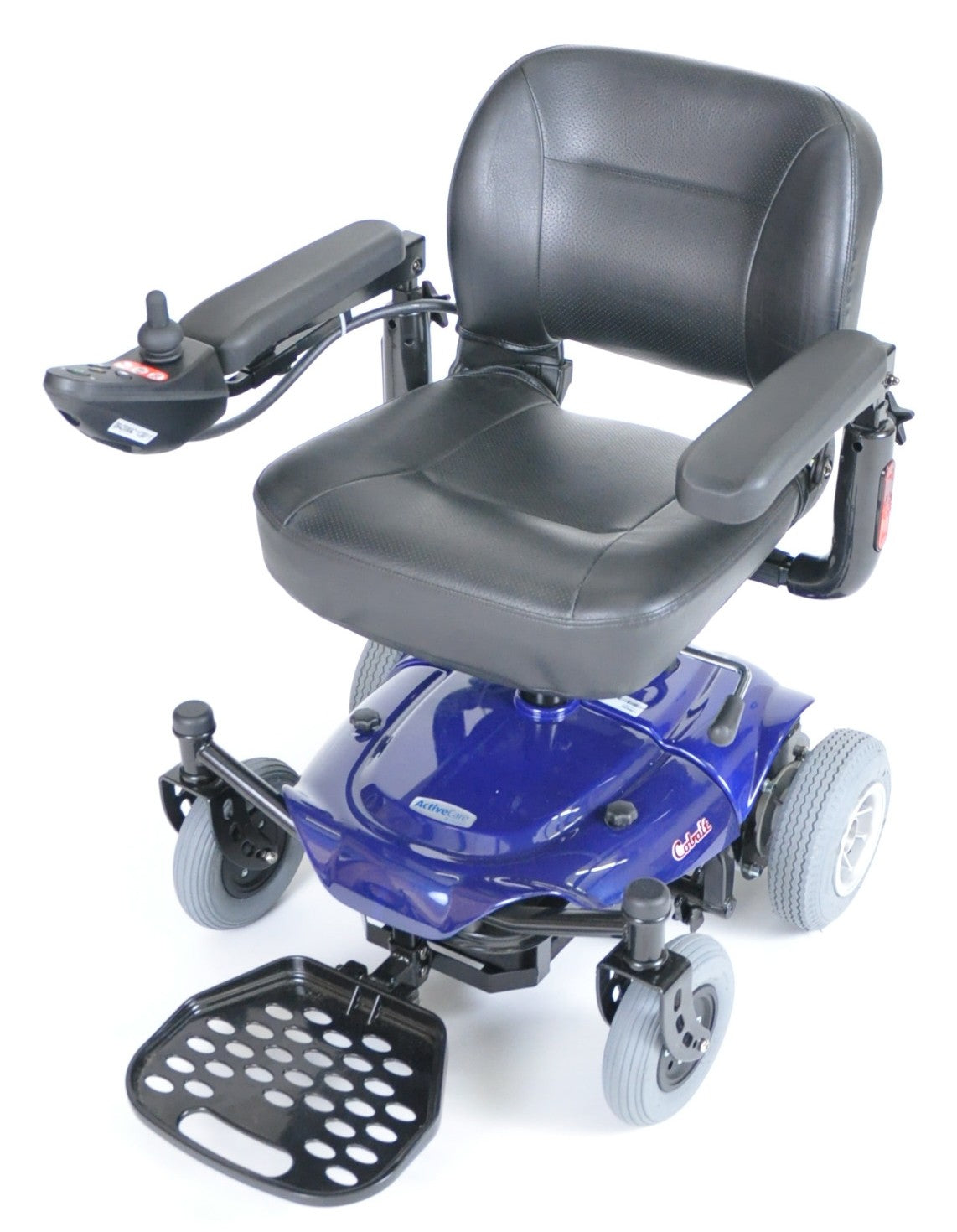


A folding power wheelchair can make the difference between staying home and saying yes to a family visit, a medical appointment, or a much-needed trip. The best folding power wheelchairs are not simply the lightest models or the ones that fold the smallest. They are the chairs that match the rider's body, daily routine, transportation plan, and need for dependable support.
For many people, portability is the first priority. That makes sense, especially when a chair needs to fit in an SUV, ride in a van, or travel on a plane. But a power chair also needs to feel stable, comfortable, and easy to control once it is unfolded. Choosing well means looking beyond the folded dimensions and considering how the chair will work in real life.
1. Start With the Rider, Not the Folded Size
Before comparing chairs, consider who will use it and where. A compact chair that works beautifully for a petite rider making short indoor trips may not provide the seat width, leg support, or weight capacity needed by someone who will use it for several hours at a time.
Start with practical measurements: the rider's height, weight, hip width, and lower-leg length. Seat width should allow comfortable positioning without feeling restrictive, while seat depth should support the thighs without pressing behind the knees. A chair that is technically usable but poorly fitted can lead to discomfort, poor posture, and less confidence using it independently.
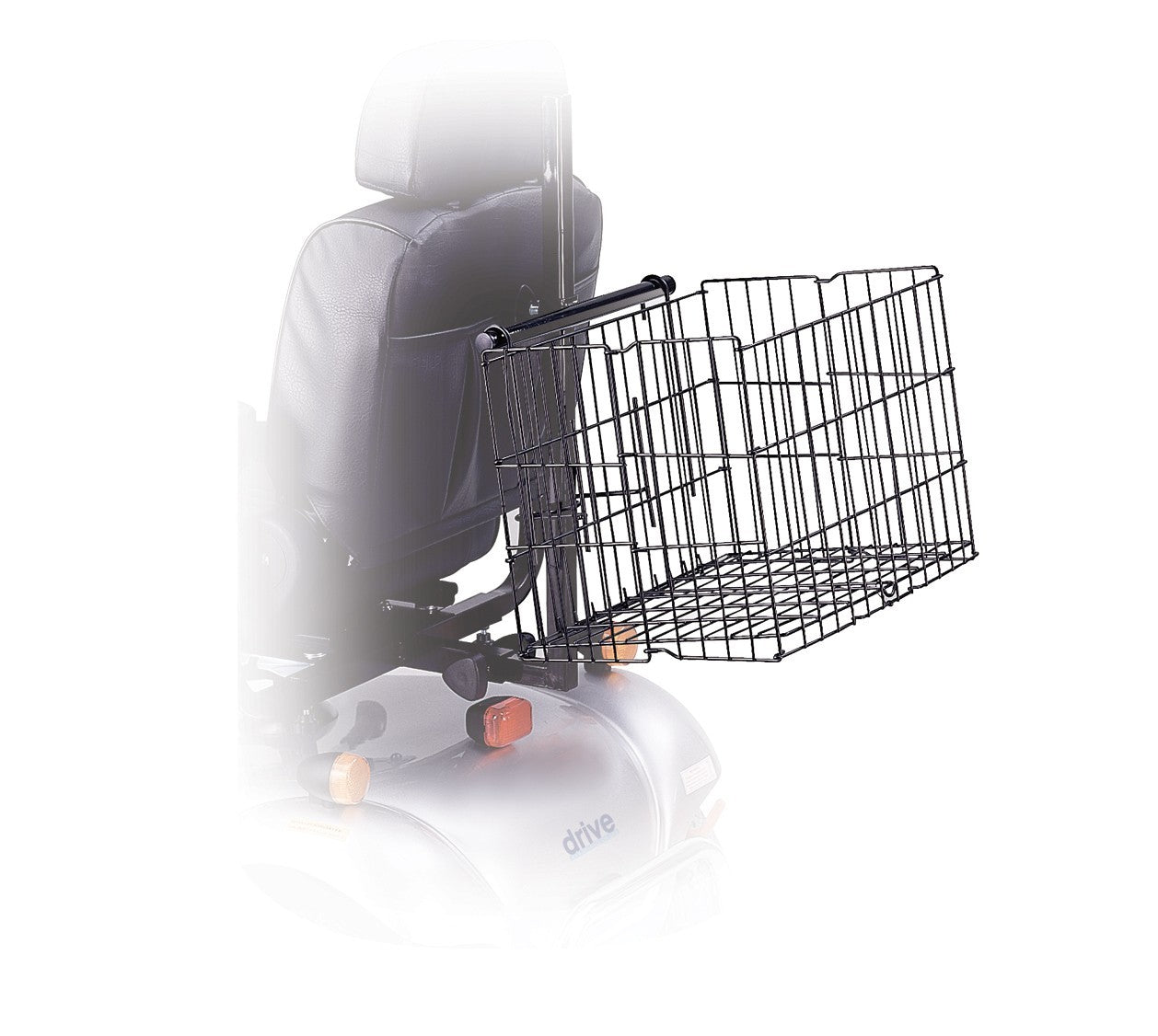
Weight capacity deserves the same attention. Choose a model rated to safely support the rider and any items routinely carried, such as an oxygen bag, personal belongings, or medical supplies. Bariatric needs require particular care. A higher capacity chair may weigh more, but it can offer the stability, seating space, and durability that everyday use demands.
2. Compare Folding Power Wheelchairs by Total Weight
“Lightweight” can mean different things from one model to another. Look at the chair's complete weight, not just the frame. Batteries, cushions, footrests, and accessories all affect what a caregiver must lift and what a vehicle can accommodate.
A lighter chair is usually easier to load, but it may involve trade-offs in seat cushioning, battery range, ground clearance, or suspension. A slightly heavier model may be the better choice for a rider who needs a more supportive seat or expects to travel over uneven sidewalks and parking lots.
Also ask whether the chair folds as one piece or separates into components. One-piece folding chairs are convenient for quick loading, while removable batteries can make the heaviest lift more manageable. If a spouse, adult child, or caregiver will be loading the chair, consider their lifting ability honestly. The most portable chair is the one that can be loaded safely every time.
Check your vehicle before you buy
Measure the cargo opening, interior cargo space, and lift-over height of the vehicle. A chair may fit once it is inside but still be difficult to maneuver through a narrow trunk opening. If the chair will be carried in a sedan, measure carefully and confirm the folded dimensions with an equipment specialist.
For drivers who use wheelchair-accessible vehicles, think about tie-down needs and the chair's position during transport. Folding power wheelchairs are generally designed to be transported folded rather than occupied, unless the manufacturer specifically confirms otherwise.
3. Battery Range Should Match Your Real Routine
Battery range is one of the most useful specifications, but it should be read as an estimate rather than a promise. Rider weight, hills, surface type, temperature, tire condition, and frequent stopping can all reduce the distance a chair travels on one charge.
For occasional errands and indoor use, a shorter-range battery may be enough. For full days at appointments, community events, museums, or travel destinations, more range provides useful peace of mind. Think about the longest normal outing, then choose a chair with enough capacity to handle it without pushing the battery to its limit.
Battery type matters as well. Lithium batteries are common in travel-oriented folding chairs because they are lighter and easier to remove. If air travel is part of the plan, confirm the battery's airline suitability and check with the airline before departure. Rules can vary, and advance planning helps avoid a stressful check-in experience.
Keep charging simple. A chair only supports independence when it is ready to go, so choose a charging setup the rider or caregiver can manage consistently. Establish a routine of charging after use, particularly before a long outing.
4. Look Closely at Comfort and Positioning
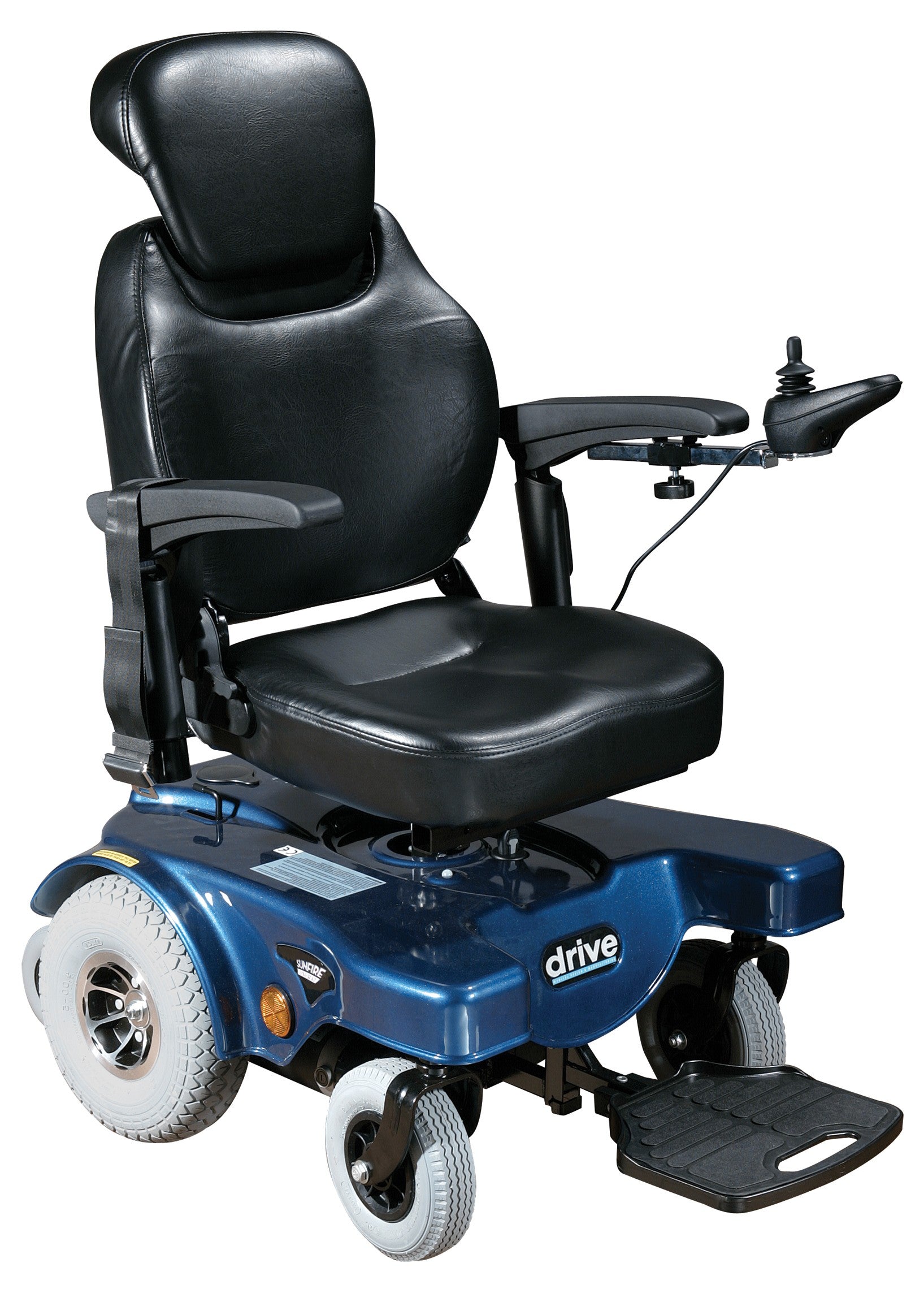
Folding design should not come at the expense of comfort. A well-designed power chair should provide a supportive seat, practical armrests, stable foot positioning, and controls that are easy to reach. This is especially important for people recovering from illness or surgery, those with chronic pain, or anyone who spends extended time seated.
Consider whether the seat cushion is adequate for the intended length of use. Some riders do well with a standard cushion for short trips, while others need additional pressure relief or a more customized support surface. Back support is equally important. A sling-style back may be suitable for brief use, but a rider with reduced trunk strength may benefit from a more structured seating system.
Footrests should support the feet without forcing the knees too high or too low. Adjustable footrests, armrests, and joystick position can make a meaningful difference in day-to-day comfort. If swelling, limited joint movement, or one-sided weakness is a concern, discuss those needs before selecting a chair.
5. Choose Controls That Build Confidence
Most folding power chairs use a joystick controller. The best arrangement is one that the rider can operate without straining the shoulder, wrist, or hand. Test the sensitivity if possible, and make sure the control location works with the rider's dominant hand and range of motion.
Speed settings are another practical feature. Lower speeds help new users navigate hallways, kitchens, and crowded spaces with greater confidence. Higher settings can be useful outdoors, but control and stopping ability matter more than top speed.
Pay attention to turning radius and overall chair width. A compact footprint can be valuable in older homes, apartment hallways, elevators, and accessible bathrooms. At the same time, a very narrow chair may not be the right fit for every body type. Home access should be measured before purchase, including doorways, tight corners, ramps, and the space beside the bed or dining table.
6. Plan for the Surfaces You Use Most
Many folding power wheelchairs are designed for smooth indoor flooring, paved sidewalks, shopping centers, and other everyday surfaces. They can handle small transitions and minor unevenness, but they are not all-terrain chairs.
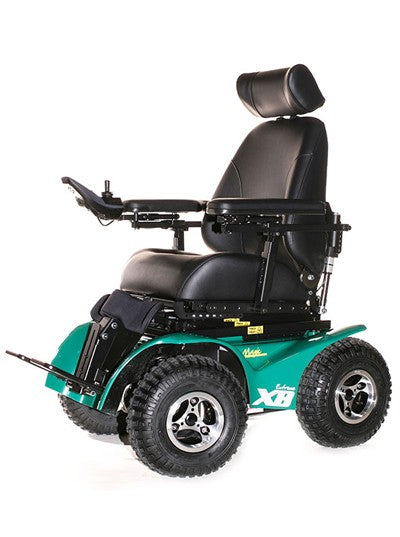
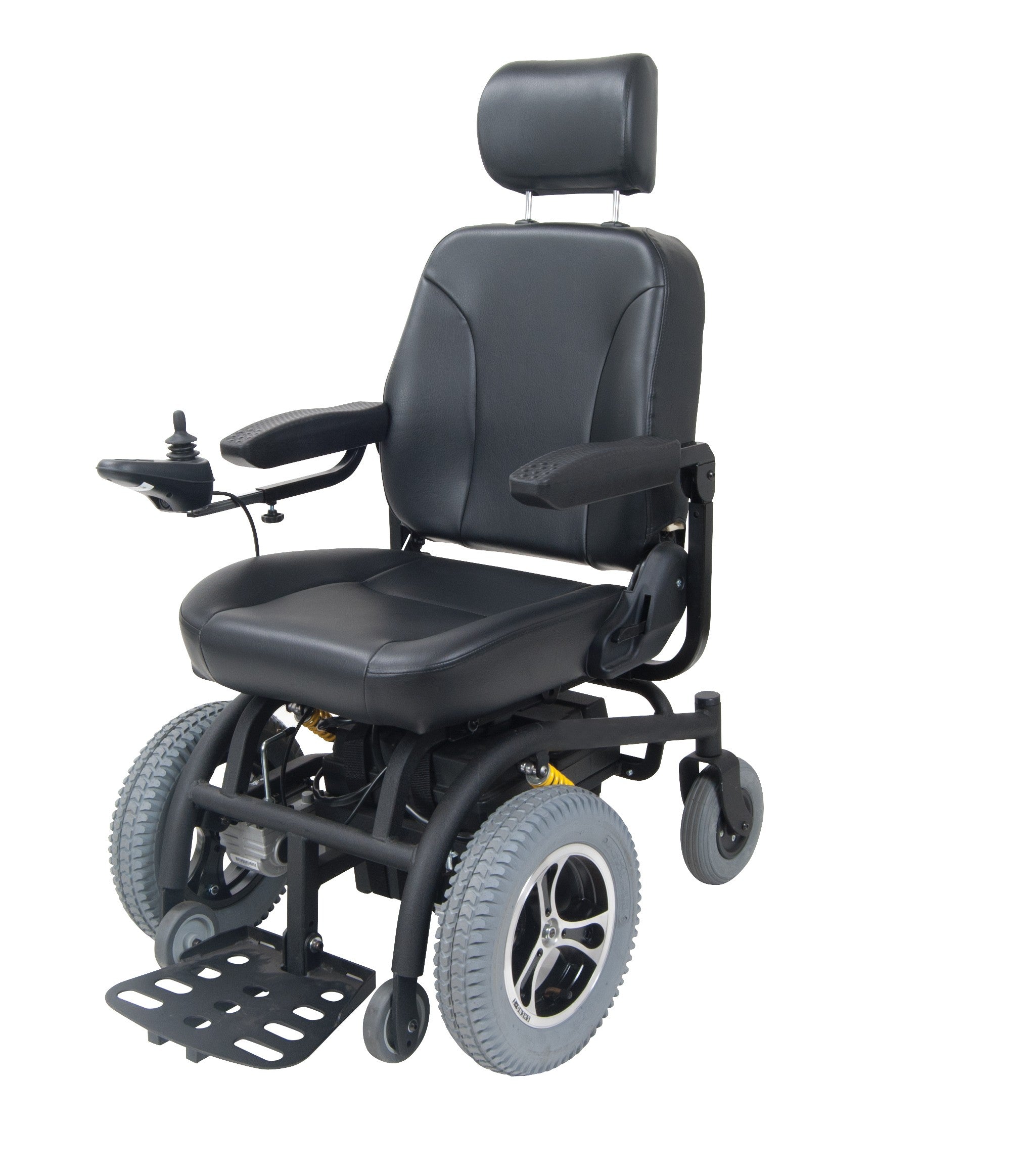
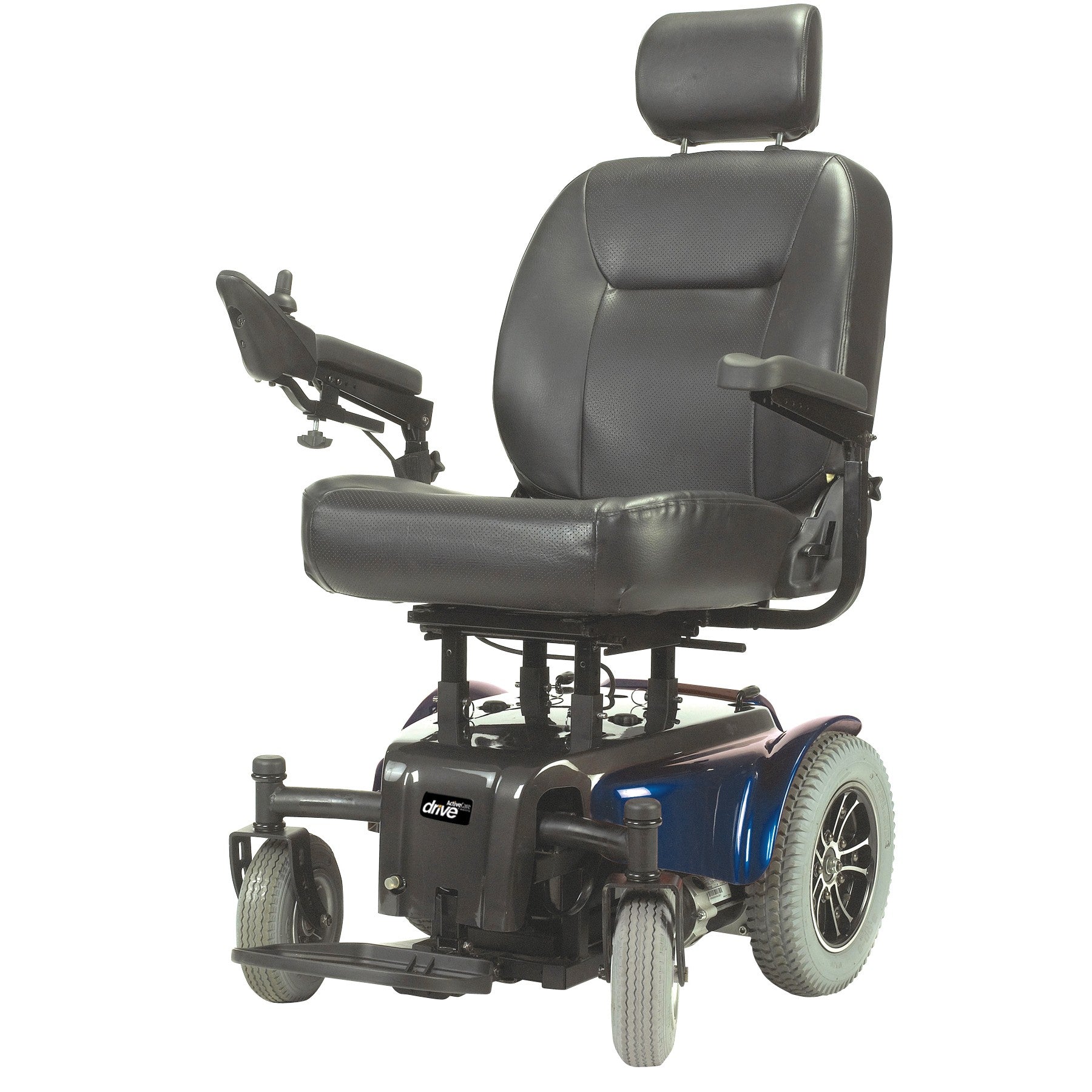
If the rider regularly encounters gravel, thick grass, steep driveways, cracked sidewalks, or rough parking areas, look for larger drive wheels, adequate ground clearance, and a design known for stability. Keep expectations realistic. A portable folding chair may be excellent for travel and errands, while a heavier full-size power wheelchair may be better for demanding outdoor use.
Ramps deserve attention, too. Confirm that any ramp is wide enough, has an appropriate weight rating, and is suitable for the chair's wheelbase. Safe access at home is as important as the chair itself.
7. Get Support Before Making a High-Consideration Purchase
The best folding power wheelchair is rarely chosen by one specification alone. It is the result of balancing portability, support, range, maneuverability, and the rider's specific physical needs. A chair that looks ideal online may not be the best match if it is too narrow, too heavy to lift, or not supportive enough for regular use.
At American Quality Health Products, customers can speak with knowledgeable representatives who understand the practical questions behind a mobility purchase. Discuss the rider's height and weight, vehicle type, home layout, expected use, and any comfort or positioning concerns. That conversation can narrow the choices and help prevent an expensive mismatch.
A folding power wheelchair should make daily life feel more possible, not more complicated. Take the time to measure, compare, and ask questions, then choose the chair that gives the rider a secure, comfortable way to keep participating in the places and moments that matter.


