
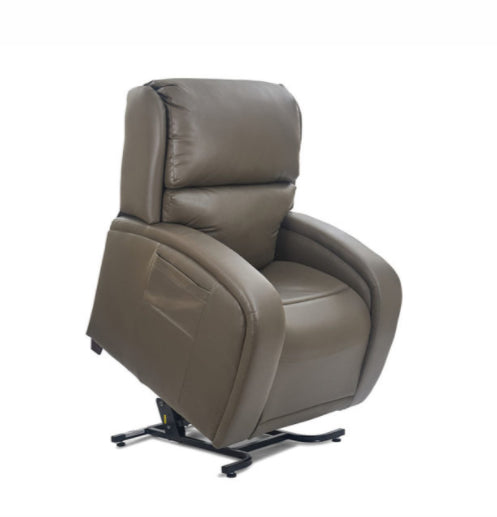
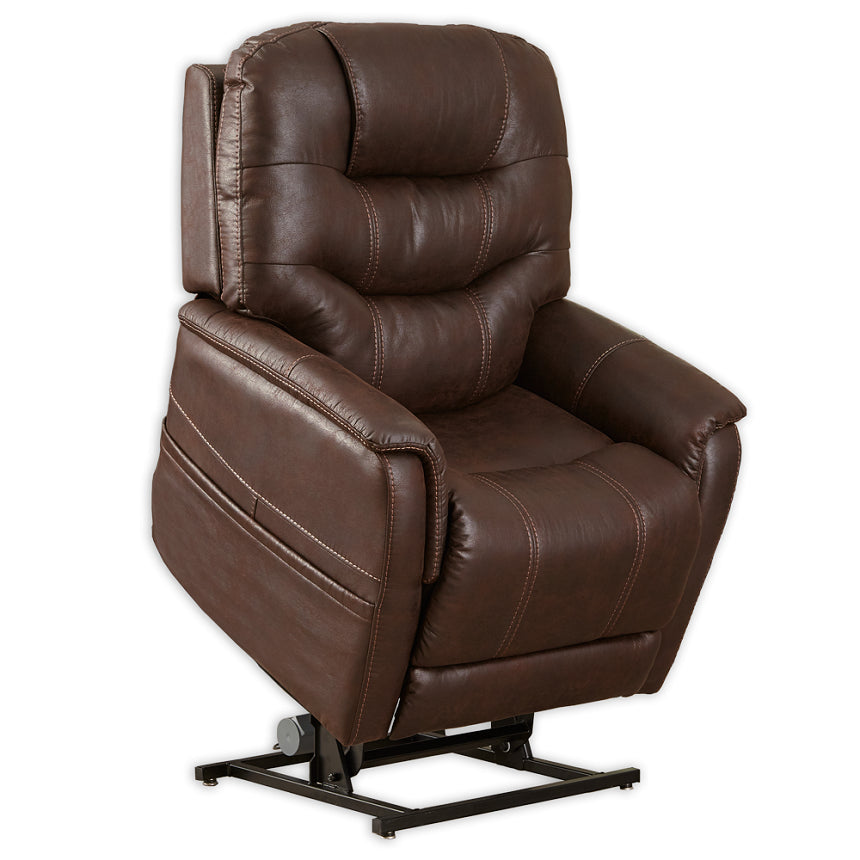
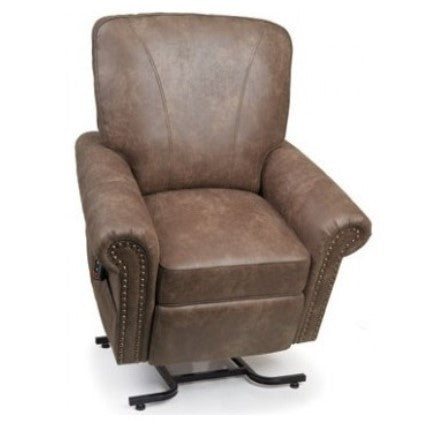
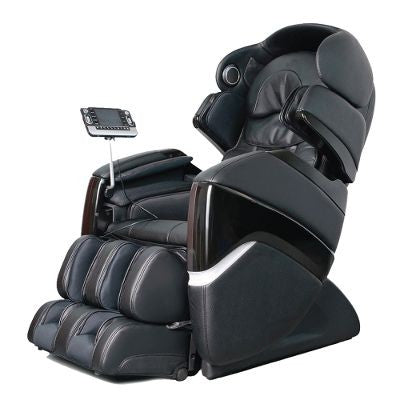
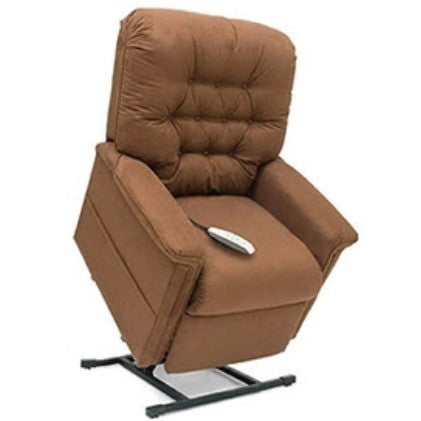
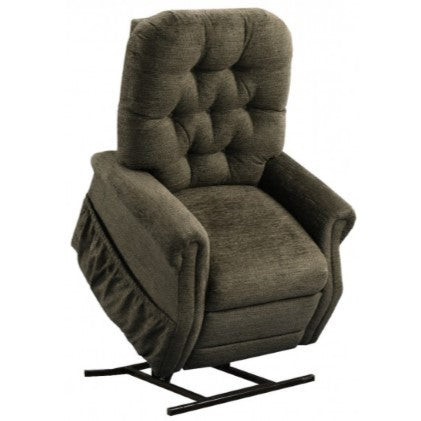
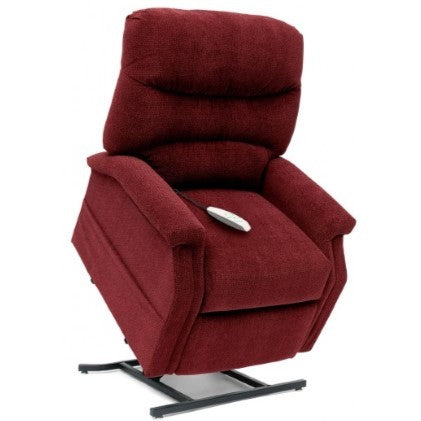
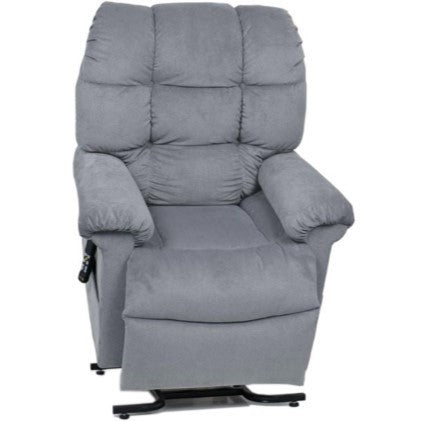
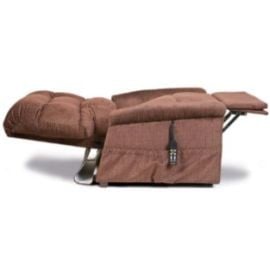
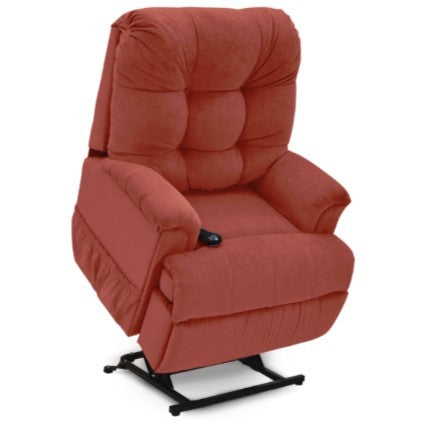
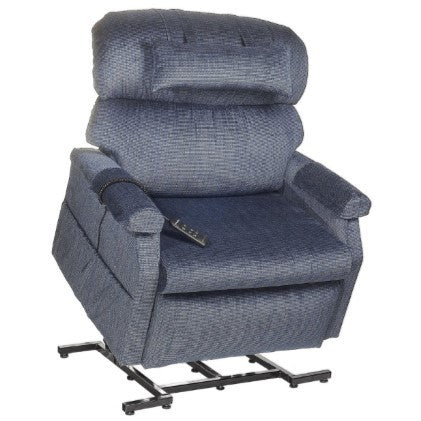
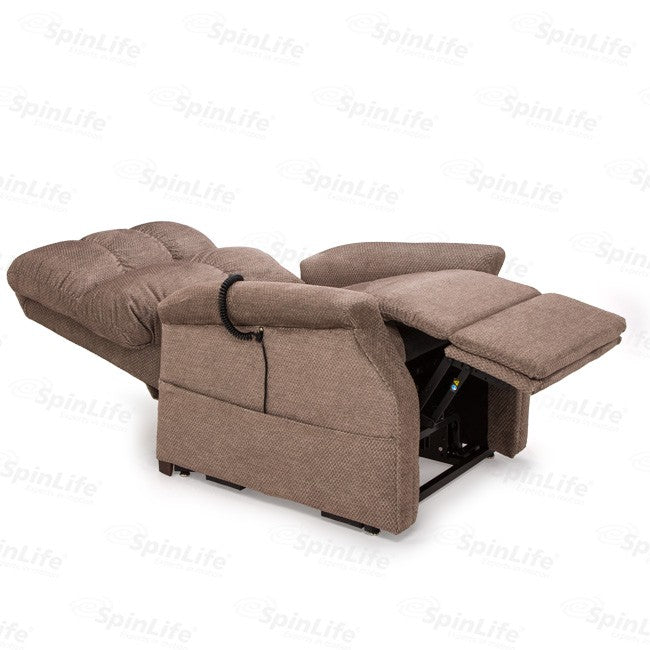



A lift chair can make the difference between needing hands-on help every time you stand and getting up safely on your own. But does Medicare cover lift chairs? The answer is yes, in limited circumstances - and only for the powered lifting mechanism, not the entire chair.
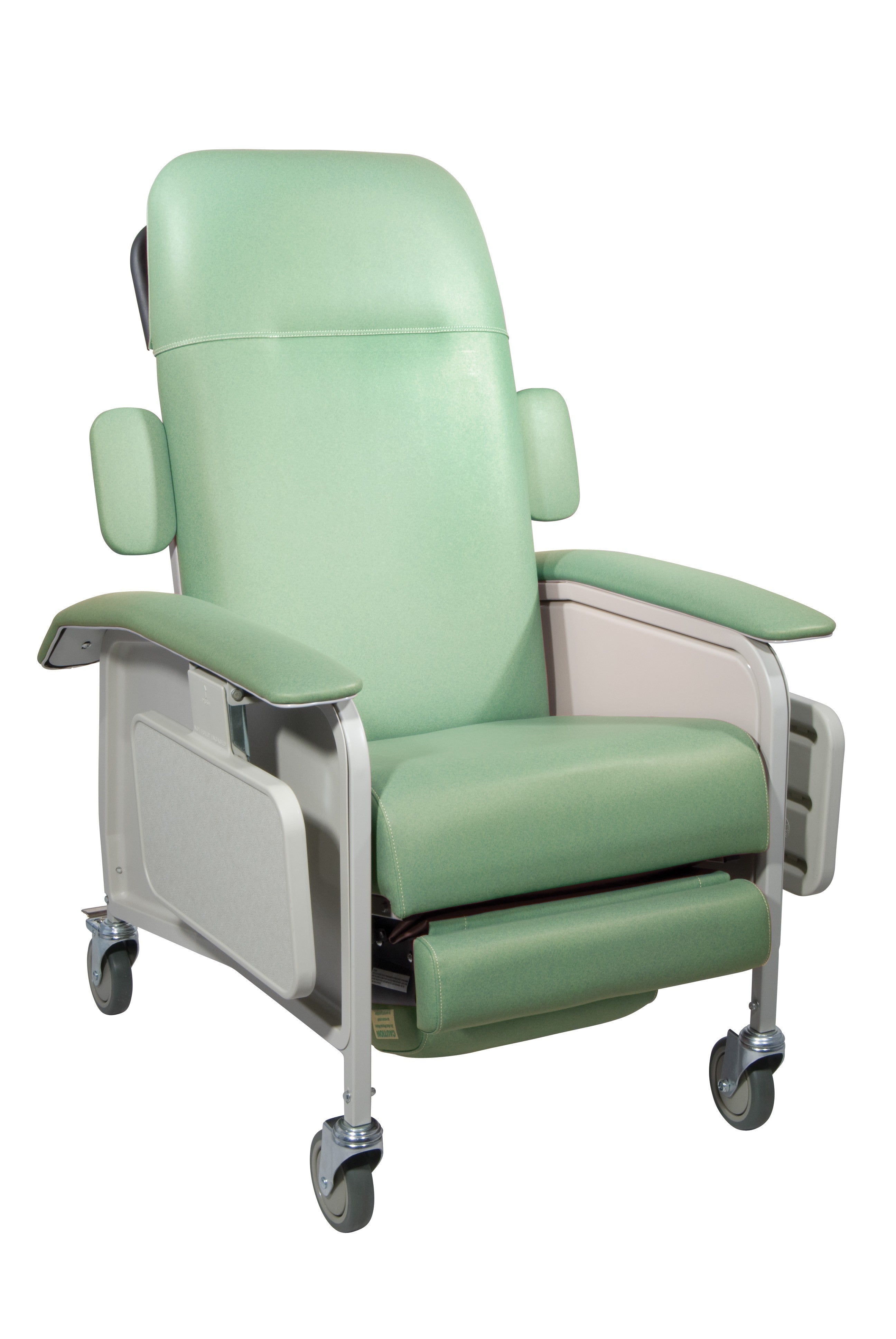
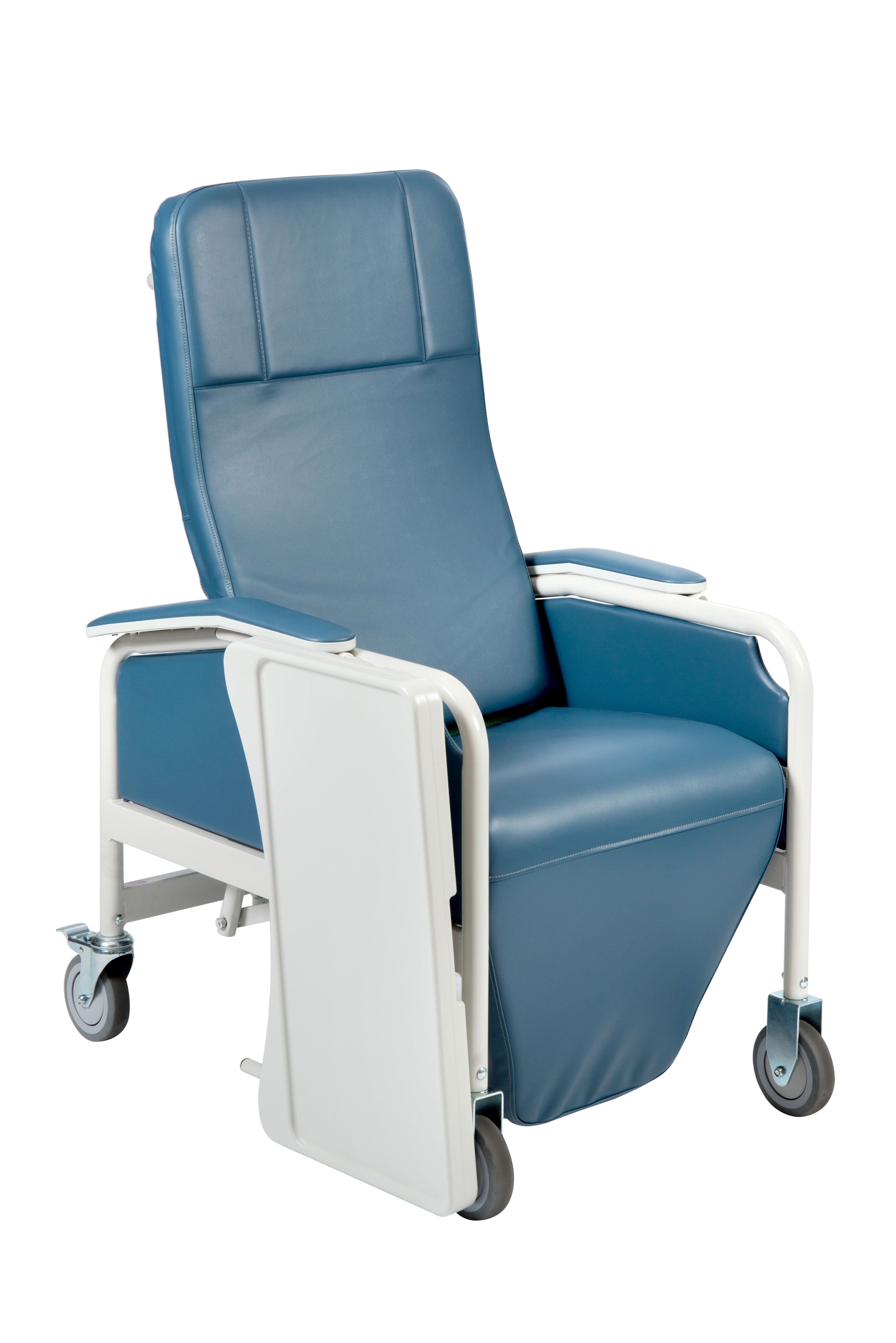
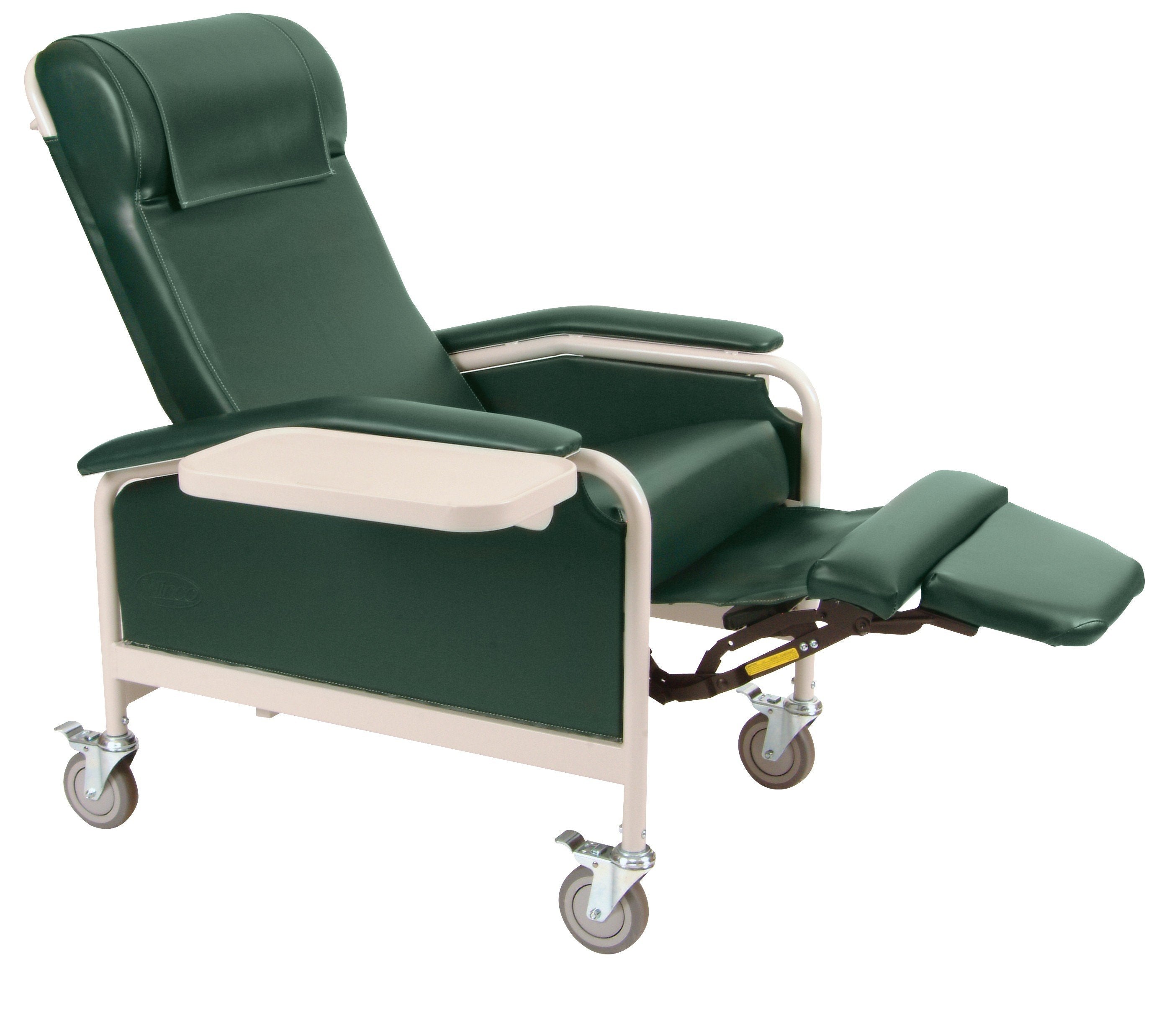
That distinction matters when you are planning a purchase for yourself or a loved one. A lift chair is still a comfortable home recliner, but its motorized seat can raise and tilt forward to help a person move from sitting to standing with less strain on the knees, hips, back, and caregiver. Medicare recognizes that function as potentially medically necessary durable medical equipment, provided specific requirements are met.
Does Medicare Cover Lift Chairs Under Part B?
Original Medicare Part B may cover the seat-lift mechanism in a lift chair when it is considered medically necessary. Medicare generally does not cover the chair's upholstery, frame, reclining features, heat or massage options, fabric upgrades, or other comfort features. Those portions remain the purchaser's responsibility.
The covered component is the motorized lifting device that helps bring a person from a seated position to a standing position. It is not a payment for a standard recliner with a lift feature added for convenience alone.
After you meet your Part B deductible, you typically pay 20% of the Medicare-approved amount for the covered lift mechanism when the supplier accepts Medicare assignment. Your actual out-of-pocket responsibility can vary based on your supplemental coverage, whether your deductible has been met, and the supplier you use.
Who May Qualify for Lift Chair Coverage?
Medicare coverage depends on medical need, not simply age, difficulty getting out of a favorite chair, or a general desire to make the home safer. Your doctor must determine that a seat-lift mechanism is medically necessary as part of treatment for a qualifying condition.
A person may qualify when they have severe arthritis of the hip or knee, or a severe neuromuscular disease that significantly limits their ability to rise from a regular chair. The condition must be serious enough that standing from an ordinary seated position is difficult, but the individual must still be able to stand and walk independently once lifted.
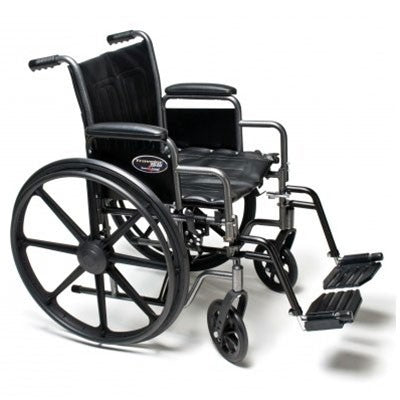
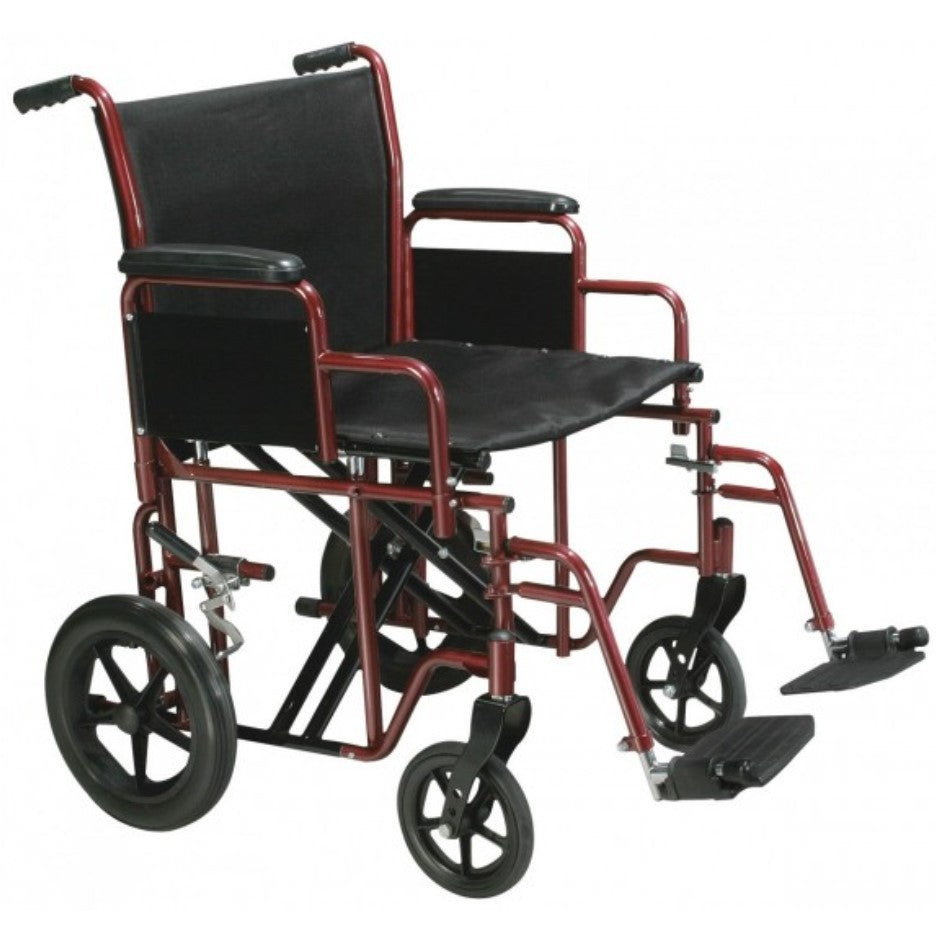
This last point is often misunderstood. A lift chair helps with the transition from sitting to standing. It is not designed to replace a wheelchair, provide full transfers for someone who cannot bear weight, or lift a person from a lying-down position. If someone requires total assistance with transfers, a different piece of home medical equipment may be more appropriate.
Medicare also expects that other treatment approaches have been considered and that the lift mechanism is likely to improve or maintain the person's ability to function at home. Your physician's documentation should support the diagnosis, mobility limitation, and reason the lift is needed.
The prescription and supplier matter
Before ordering, speak with your prescribing physician and confirm that the documentation supports Medicare's criteria. You should also work with a Medicare-enrolled supplier that can process the covered seat-lift mechanism correctly.
Buying a lift chair first from a retailer that is not set up to bill Medicare and trying to seek reimbursement afterward can lead to an unwelcome surprise. Coverage and payment are not automatic simply because a chair has a lift motor or because a doctor verbally recommends one. Confirm the process before you place the order.
Original Medicare vs. Medicare Advantage Plans
The rules above describe Original Medicare. Medicare Advantage plans must provide at least the same Part A and Part B benefits as Original Medicare, but they can use different networks, prior authorization requirements, copayments, and supplier rules.
If you have a Medicare Advantage plan, call the member services number on your insurance card before purchasing. Ask whether prior authorization is required, whether a particular supplier network applies, and what portion of the seat-lift mechanism is covered. Get clear answers on the process, not just a general statement that durable medical equipment is covered.
A Medigap policy may help with some of the remaining approved costs for people with Original Medicare, depending on the plan. It does not turn the non-covered portion of the chair into a covered benefit.
What Medicare Does Not Usually Pay For
The Medicare benefit is narrower than many shoppers expect. Medicare generally does not pay for the full lift recliner, including its style, cushioning, fabric, footrest design, cup holders, powered headrest, lumbar support, or heat and massage functions.
That does not mean these features lack value. For someone who spends substantial time seated, proper cushioning, pressure distribution, positioning support, and a comfortable recline can make day-to-day life much easier. They are simply consumer features rather than the specific medical component Medicare may cover.
This is why it helps to separate two decisions. First, determine whether you qualify for coverage of the lifting mechanism. Then choose the chair that best fits the user's body, mobility needs, room layout, and comfort preferences. The best chair is not always the one with the most features. It is the one that supports safe, consistent use.
Choosing a Lift Chair That Works at Home
A lift chair should be sized for the person who will use it most, not just for the available space in the room. Seat width and depth, back height, arm height, weight capacity, and footrest extension all affect whether the chair feels supportive and safe.
A seat that is too deep can make it harder for a shorter person to place both feet firmly on the floor. One that is too wide may leave the user without stable arm support when preparing to stand. A chair with a capacity well matched to the user's weight can provide better long-term performance than one selected only for its appearance.
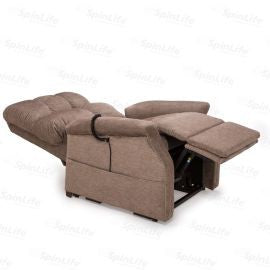
Chair position is another practical consideration. Two-position models recline modestly and work well for reading or television. Three-position models recline farther for rest. Infinite-position lift chairs allow independent adjustment of the backrest and footrest, which can be helpful for users who need more individualized positioning or spend longer periods in the chair.
Measure the intended location before ordering. Account for the chair's fully reclined length, wall clearance, nearby walkways, and access to a grounded power outlet. If the user relies on a walker, cane, or caregiver assistance, leave enough open floor space for a safe approach and exit.
Consider the user's daily routine
The right lift chair supports more than standing. Think about how the person gets dressed, transfers to a walker, reaches a side table, takes medications, and rests during the day. A remote control that is easy to see and operate, supportive armrests, and a stable lift motion can be more meaningful than decorative upgrades.
For a person recovering from surgery, comfort needs may change over time. For someone aging in place with progressive arthritis or a neuromuscular condition, choosing a chair with an appropriate fit and positioning range can help preserve independence longer. A mobility equipment specialist can help compare these practical details before a high-consideration purchase.
Questions Shoppers Commonly Ask
Can Medicare pay for a lift chair if I have trouble standing?
Trouble standing alone does not guarantee coverage. Medicare requires a qualifying diagnosis, a physician's documentation of medical necessity, and evidence that the seat-lift mechanism is needed to help you rise from a regular chair.
Does Medicare cover a lift chair for someone who uses a wheelchair?
It depends on the person's transfer ability. A lift chair may be appropriate for someone who can bear weight and walk after standing. It is generally not intended for a person who cannot stand independently after the chair lifts.
Can I choose any lift chair model?
You may have choices in chair model, size, and features, but Medicare's potential contribution is limited to the approved lifting mechanism. Features beyond that component are generally paid out of pocket.
A lift chair is an investment in safer movement at home, not just a piece of furniture. Start with the medical coverage question, verify the supplier and documentation requirements, then focus on fit, function, and comfort. That approach gives you the best chance of finding a chair that supports everyday independence for years to come.


