
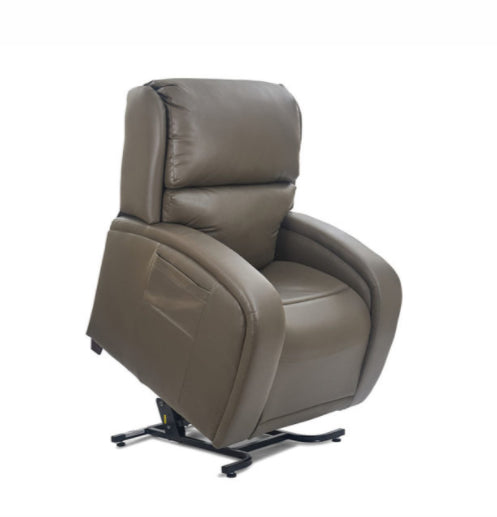
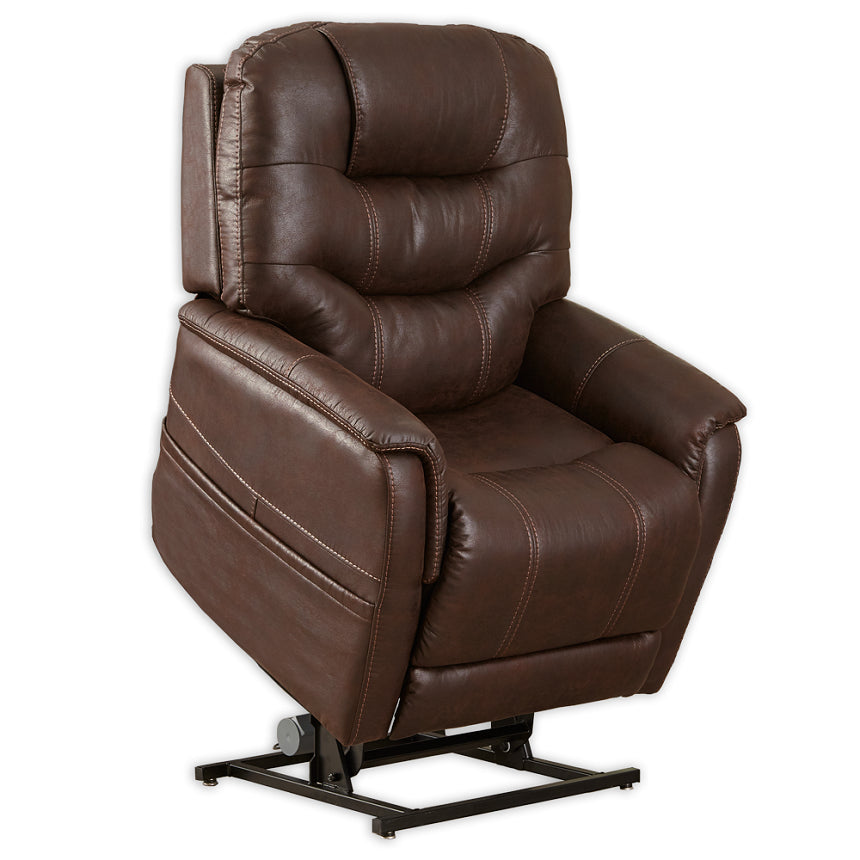
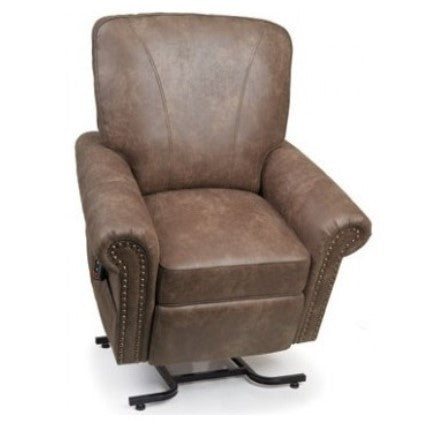
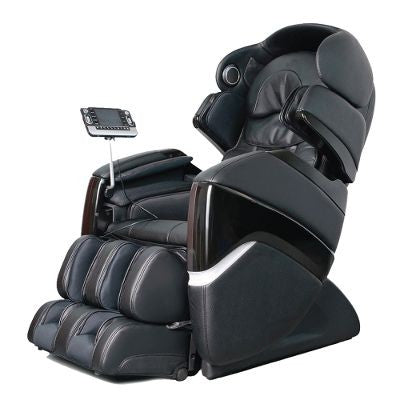
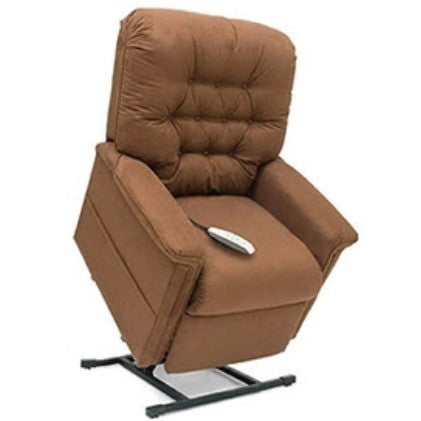
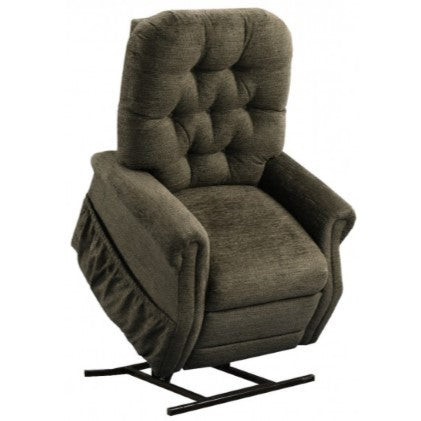
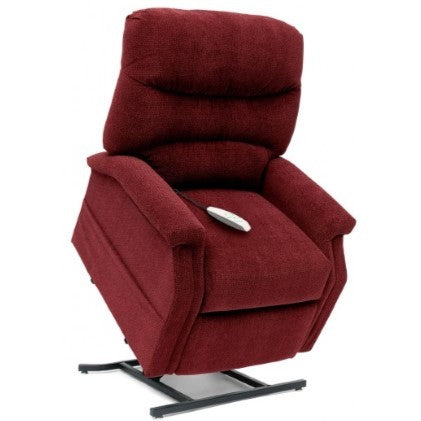
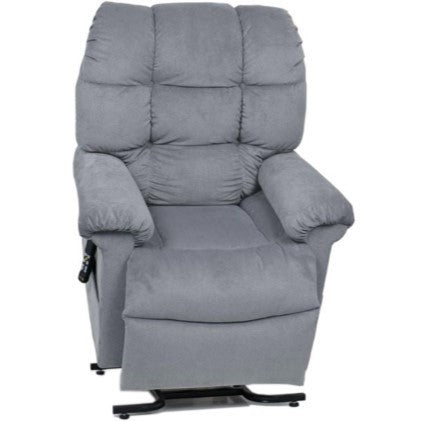
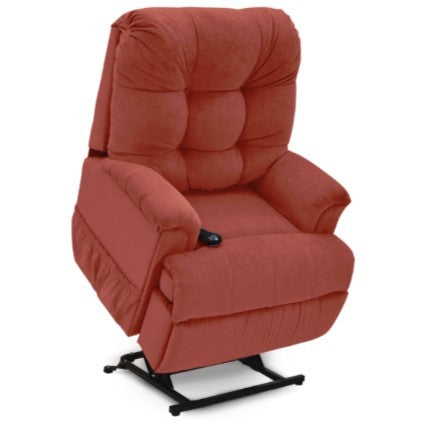
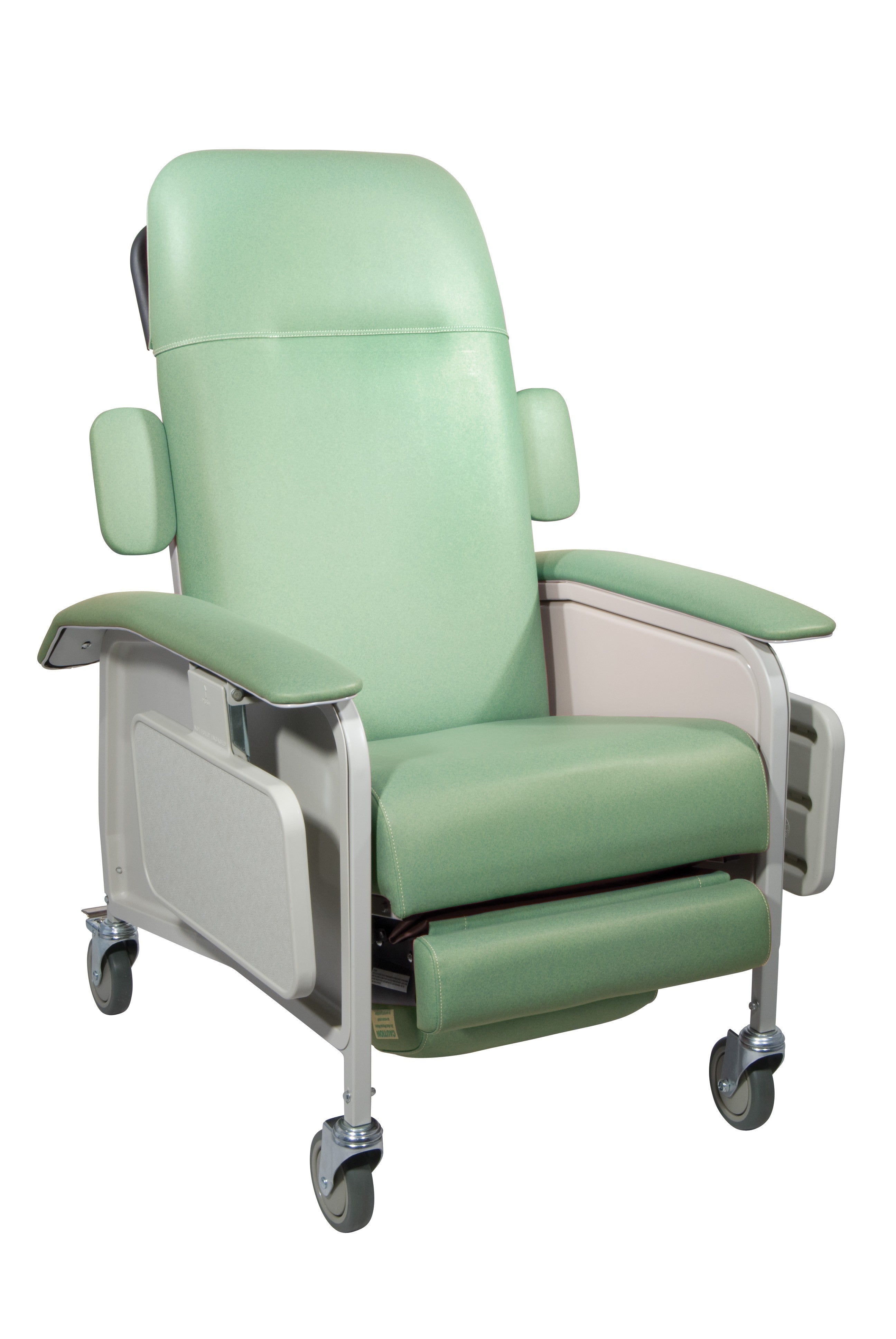

A lift chair should not feel like a compromise between comfort and independence. The right model supports the way a person sits, rests, and stands every day, while the wrong fit can make even a well-built chair frustrating to use. This Golden Technologies lift chair comparison focuses on the buying factors that matter most at home: fit, reclining range, positioning technology, support needs, and available space.
Golden Technologies is known for lift recliners designed around comfort, personalized sizing, and dependable power lift assistance. Its lineup includes simpler reclining chairs for everyday use as well as advanced positioning models for people who spend extended time resting in the chair. The best choice depends less on choosing the most feature-rich option and more on matching the chair to the user.
Start With the Lift Chair's Daily Job
Before comparing features, consider why the chair is needed. For someone who mainly needs help rising from a seated position, a traditional power lift recliner with a comfortable upright position may be enough. For a person recovering from surgery, managing swelling, dealing with back discomfort, or spending much of the day in the chair, positioning range and pressure-relieving support may carry more weight.
A Golden lift chair uses a powered lifting mechanism to gently bring the seat forward and upward, helping the user transition to standing with less strain. It is useful for older adults, people with arthritis, limited leg strength, balance concerns, or reduced mobility. It is not a substitute for hands-on assistance when a person cannot bear weight safely, so caregivers should consider transfer ability as part of the decision.
The chair also needs to work for ordinary living. Think about reading, watching television, napping, elevating the legs, and being able to get out of the chair without waiting for someone to help. A lift chair becomes much more valuable when it supports these routines comfortably.
Golden Technologies Lift Chair Comparison by Positioning
The biggest difference between Golden Technologies lift chairs is often how far and how independently the backrest and footrest move. This affects both comfort and the type of support the chair can provide.
Two-position and three-position recliners
Two-position models generally move from upright to a modest recline while the footrest extends. They suit users who want a familiar recliner feel and reliable lift assistance, especially when the chair will be used primarily for sitting and occasional relaxation.
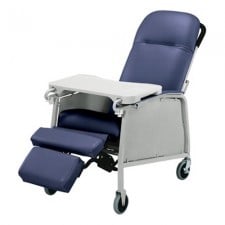
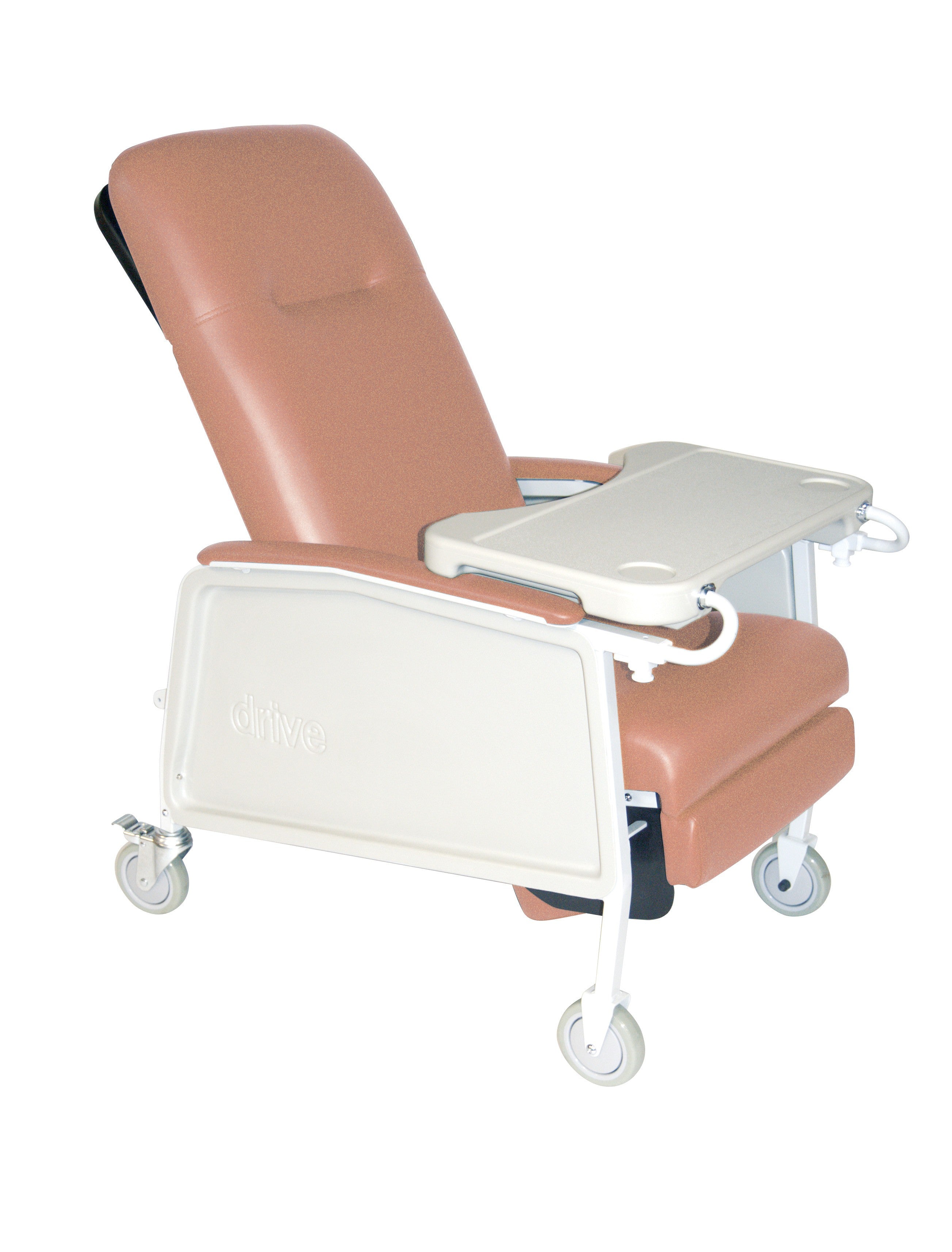
Three-position chairs recline farther and may be a better fit for naps or longer rest periods. They can offer meaningful leg elevation, but they do not always lie completely flat. This category makes sense for shoppers who want more flexibility than a basic recliner without needing highly specialized positioning.
Infinite-position lift chairs
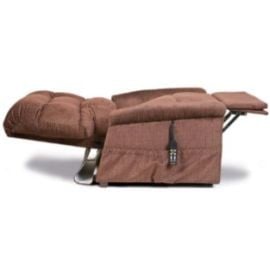
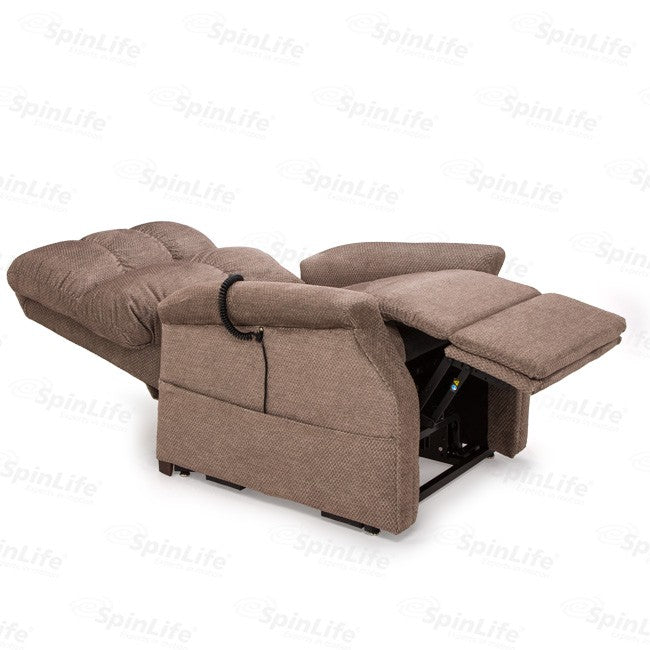
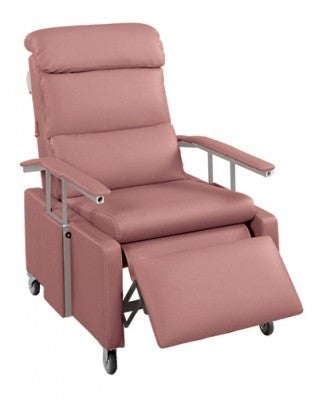
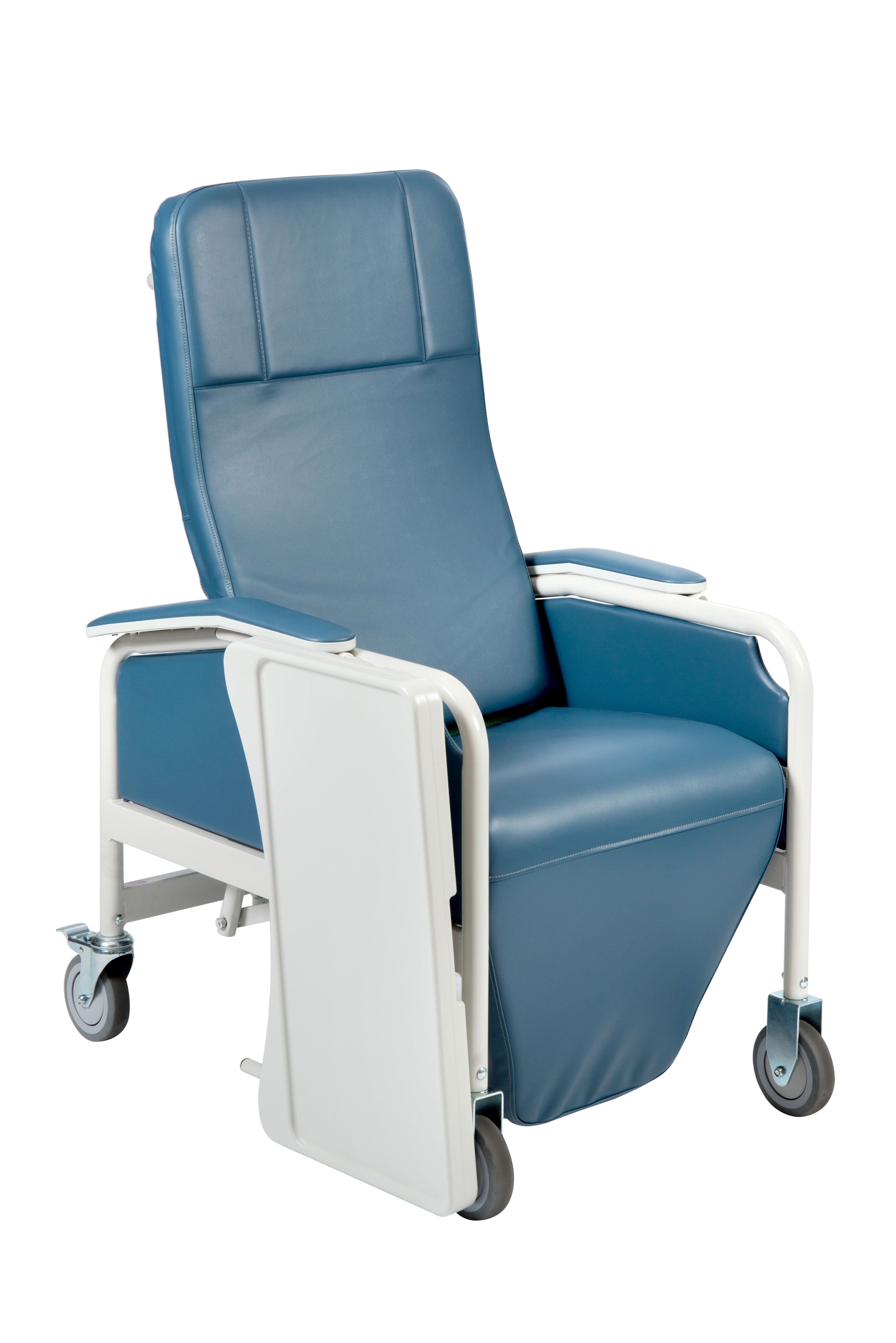
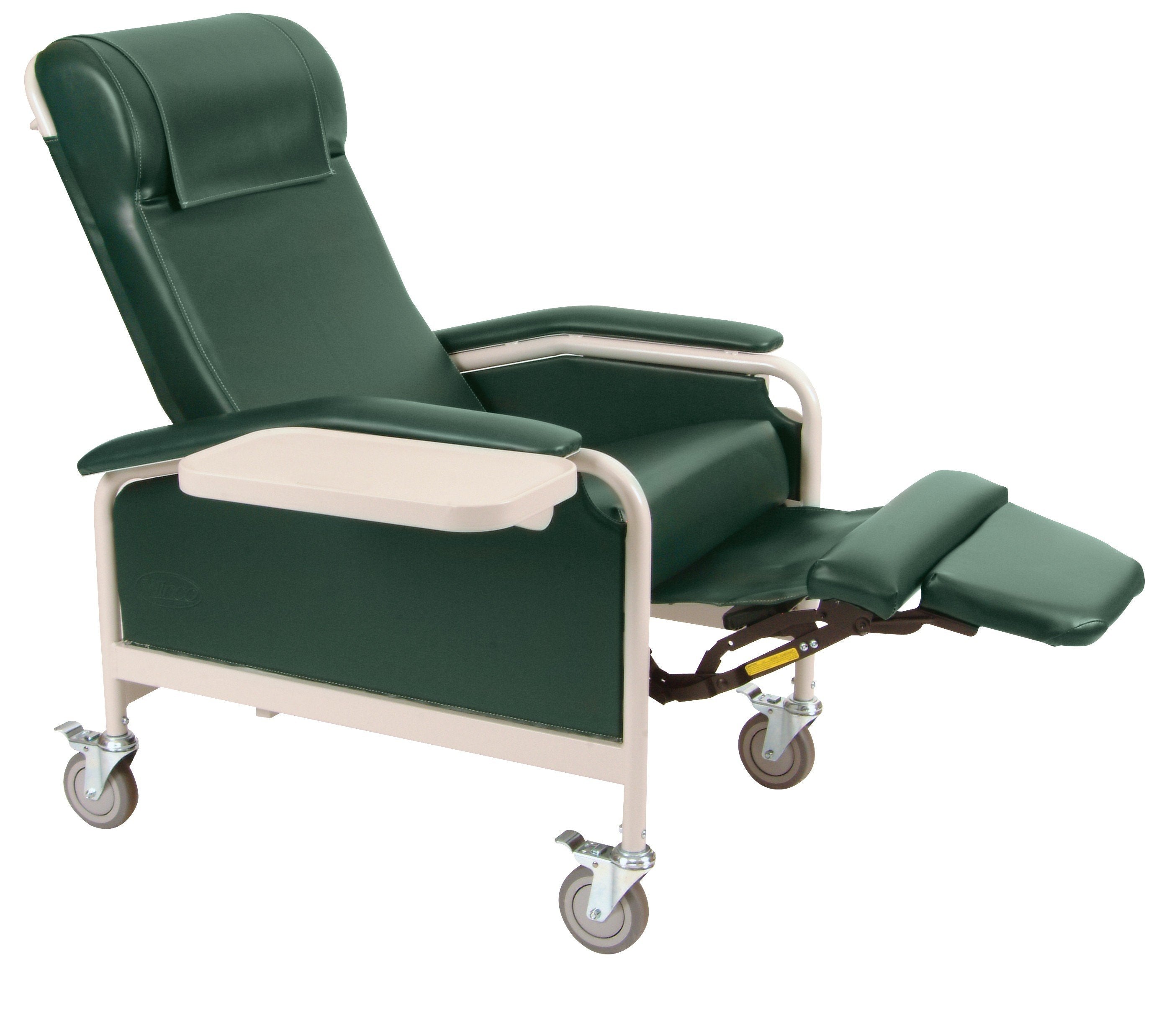
An infinite-position lift chair allows the backrest and footrest to operate independently. That distinction matters. The user can raise the legs while keeping the back relatively upright, recline the back without fully extending the footrest, or adjust both until the position feels right.
This flexibility is especially helpful for people managing circulation concerns, lower-back discomfort, or fatigue. It also gives caregivers and users more opportunity to fine-tune comfort instead of settling for one fixed recline angle. The trade-off is that advanced positioning chairs typically require more space and more careful feature selection.
MaxiComfort and Twilight positioning
Golden Technologies offers advanced positioning systems in selected lift chair models. MaxiComfort-style positioning is designed to provide a deeply supportive, individualized recline with the legs elevated and pressure more evenly distributed. It can be a strong choice for users who spend long periods in the chair and want more than a standard recliner position.
Twilight positioning adds a tilt-style motion in certain models, changing the user's angle while helping maintain supportive contact with the chair. Some users find this beneficial for relaxation, head and neck support, or reducing the tendency to slide forward while reclined. It is a specialized feature, not an automatic necessity. If the user mostly wants help standing and a comfortable place to read, a simpler chair may be the better value and easier fit for the room.
Fit Matters More Than Most Shoppers Expect
A lift chair is only as comfortable as its fit. Seat width, seat depth, back height, and arm height should match the individual rather than the room alone. A chair that is too deep may leave the user unable to sit back comfortably with feet supported. One that is too shallow can place pressure behind the knees or leave the thighs unsupported.
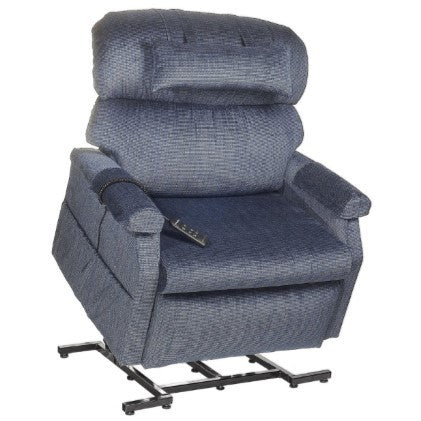
Golden Technologies offers lift chairs in a range of sizes, including compact, medium, large, tall, and heavy-duty options. The correct size is based on body proportions, not simply height or weight. A taller person may need a higher back and deeper seat, while a petite user may need a shallower seat and lower armrests to make standing easier.
When comparing models, check these measurements carefully:
- Seat width and depth for hip and thigh support
- Floor-to-seat height for easier transfers
- Back height for shoulder, neck, and head support
- Overall chair width for doorways and room placement
- Required wall clearance for reclining
- Weight capacity for safe daily use
Comfort Features Worth Comparing
Once the chair's size and position category are right, comfort features become easier to evaluate. Heat and massage are popular options, but they should not distract from the fundamentals of fit, lift support, and positioning. A well-fitted chair without extras is often more useful than a poorly fitted chair with every available upgrade.
Look at the cushioning style and back design. Plush pillow-back styles can feel inviting and soft, while firmer structured backs may provide more consistent support for users who sit for longer stretches. Headrest and lumbar adjustment can be useful when more precise neck and lower-back support is needed. Some models also offer adjustable headrests, lumbar functions, extended footrests, and convenient remote controls.
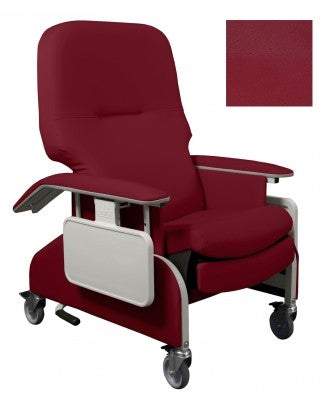
Fabric choice matters in real homes. Consider whether the user needs an easy-to-clean surface, a particular texture, or a color that works with the room. If incontinence, spills, pets, or frequent caregiver cleaning are concerns, discuss practical upholstery needs before ordering. The best fabric is one that supports daily use without creating more work for the household.
Home Setup and Safety Considerations
A power lift chair needs a nearby electrical outlet and should be placed where cords will not create a trip hazard. Do not rely on an extension cord unless the chair's instructions specifically allow it. The path in front of the chair should remain clear, particularly when the footrest is extended or the chair is in its raised lift position.
Measure doorways, halls, and turns between the delivery entrance and the final room. Overall chair width is not the only concern. Deep models, wide arms, and room layout can all affect delivery and placement. Also allow enough clearance behind the chair, since many recliners need room to recline safely unless they are designed for closer wall placement.
For users with significant weakness, dizziness, or a history of falls, involve a caregiver, therapist, or healthcare professional in the selection process. The chair can make standing easier, but safe use still depends on the person's balance, footwear, transfer technique, and ability to use the remote.
How to Choose the Right Golden Lift Chair
Choose a two- or three-position model when the priority is dependable standing assistance and familiar recliner comfort. Move toward infinite-position seating when independent back and leg adjustment will make daily resting more comfortable. Consider MaxiComfort or Twilight features when extended sitting, elevated-leg positioning, or more specialized pressure and posture support is part of the user's routine.
Then narrow the selection by fit. Confirm the seat dimensions, back height, arm height, weight capacity, and required space in the home. This order prevents a common mistake: falling in love with a feature set before confirming that the chair will actually support the person using it.
A lift chair is a long-term comfort and mobility purchase, so personal guidance is worthwhile. American Quality Health Products has US-based product specialists who can help shoppers compare Golden Technologies options around body size, mobility needs, home layout, and preferred features.
The most helpful chair is the one that makes a daily transition feel safer and less exhausting. Start with the user's body, routine, and room, and the right level of lift-chair comfort becomes much easier to recognize.


