

The Choice That Could Determine Your Independence
If you've started shopping for a mobility scooter, chances are someone has already told you to "just get the 4-wheel for stability." It's well-meaning advice, but for thousands of seniors and people with mobility limitations, a 4-wheel scooter simply won't fit through their own front door.
Four-wheel models now account for 57 to 68 percent of global scooter sales, and that popularity is growing. But popularity doesn't equal the right fit for every user. The two core questions every buyer must answer are straightforward: Where will I use it most? and What does my home layout look like?
With over 22 years of experience helping customers find the right mobility equipment (serving since 2001), we've walked thousands of people through this exact decision. The stakes are real: approximately 36 million senior falls are reported annually, and proper use of assistive devices like mobility scooters can reduce fall risk by up to 30 percent. Getting this choice right matters for your safety, your comfort, and your independence.
How 3-Wheel and 4-Wheel Scooters Actually Differ
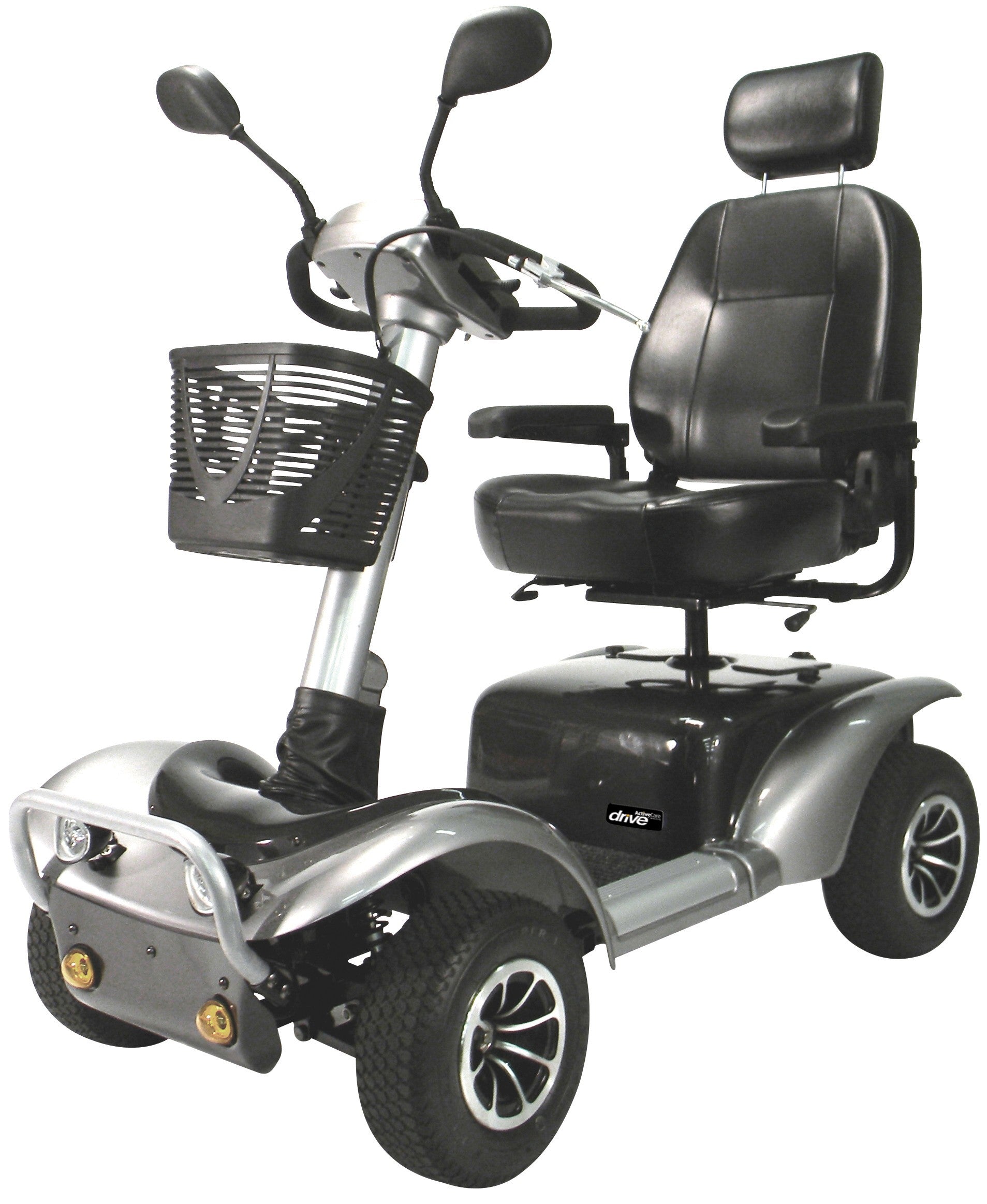
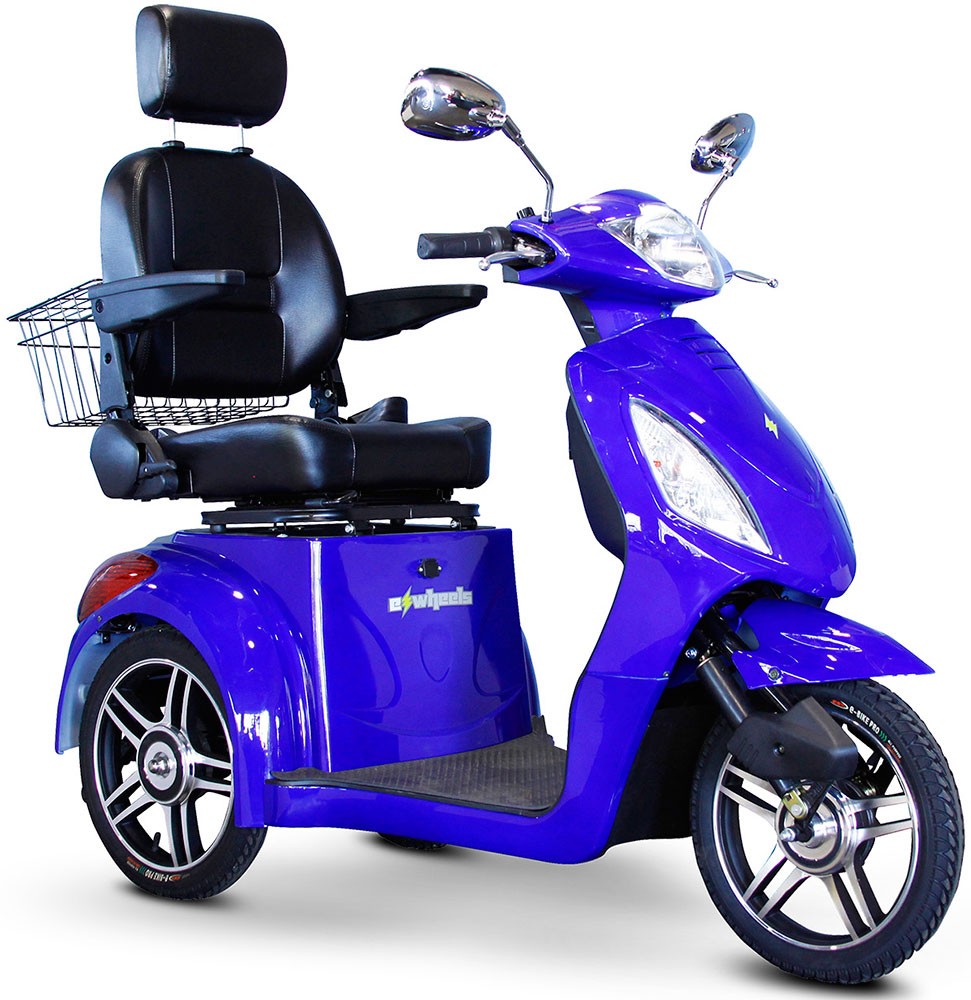
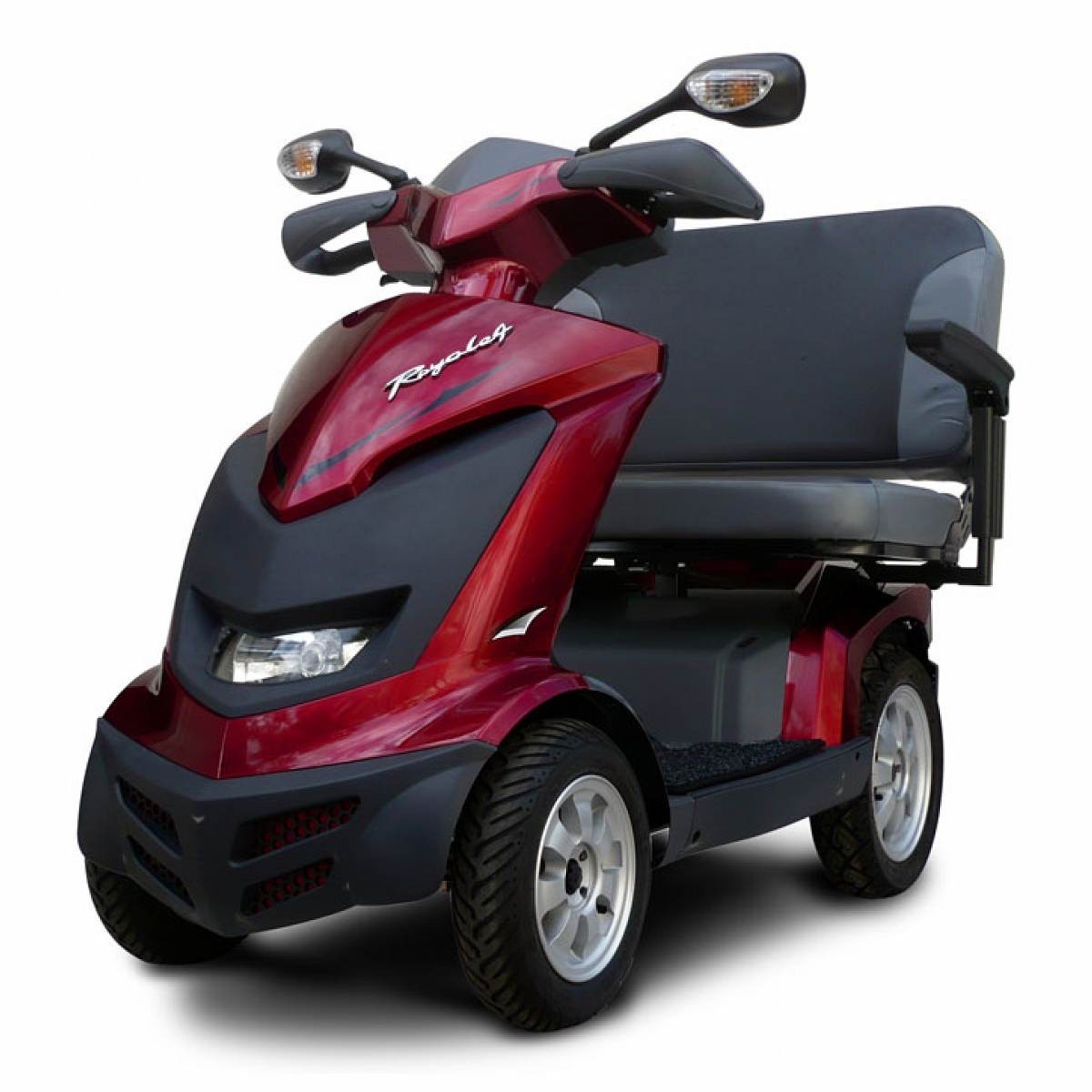
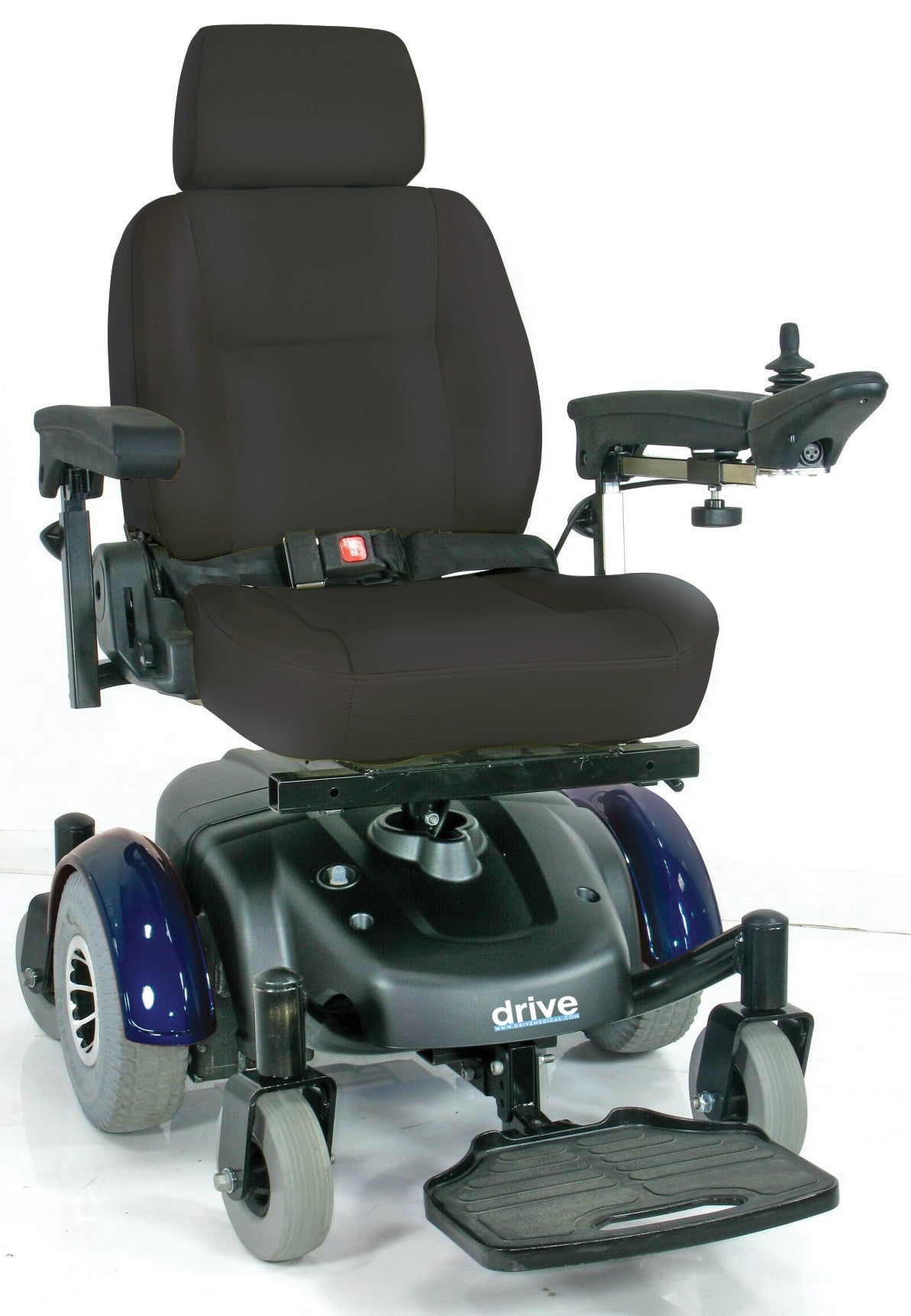
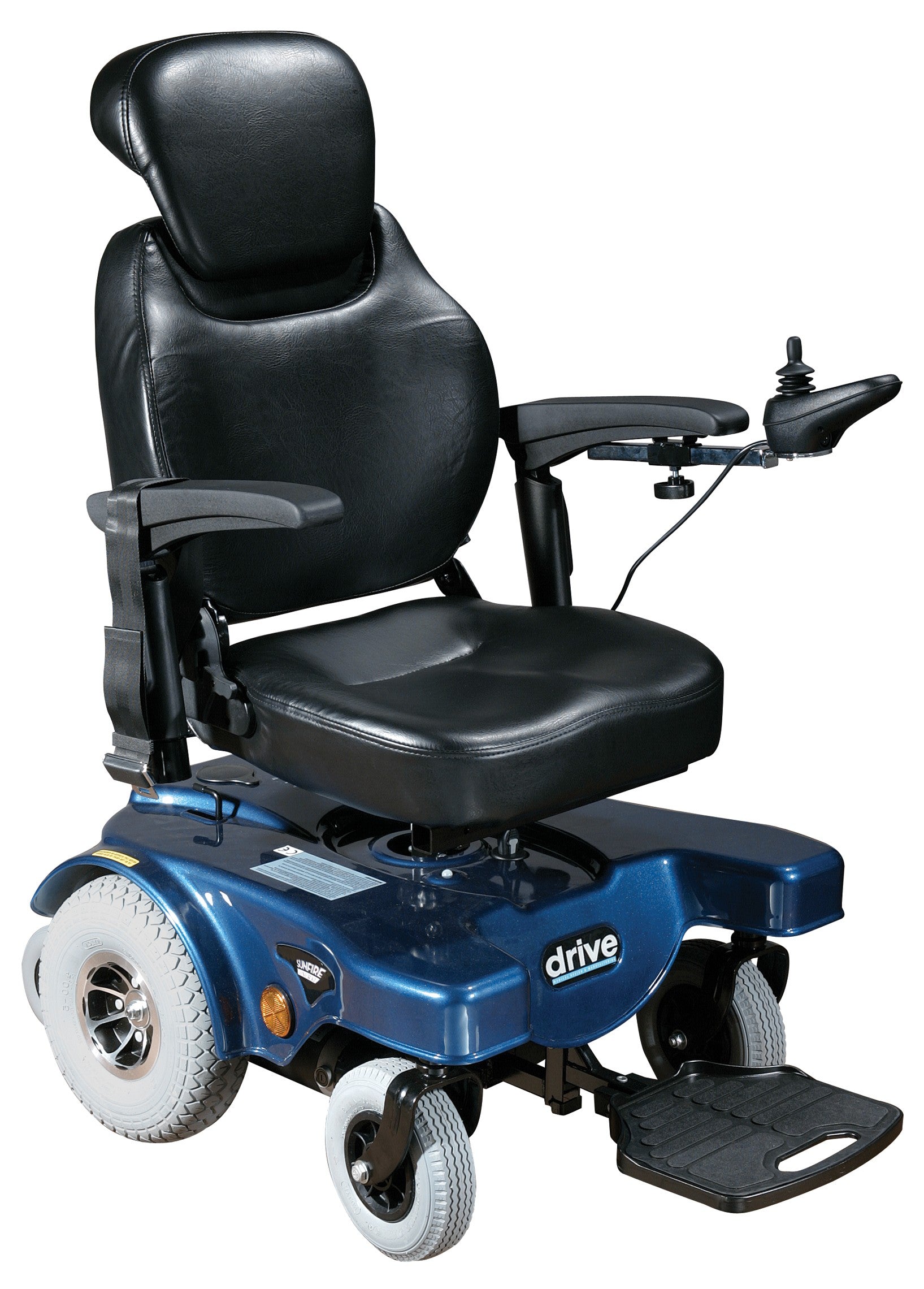
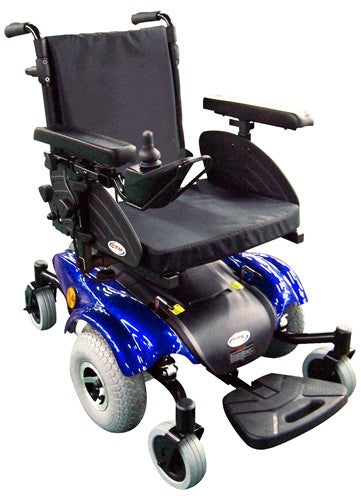
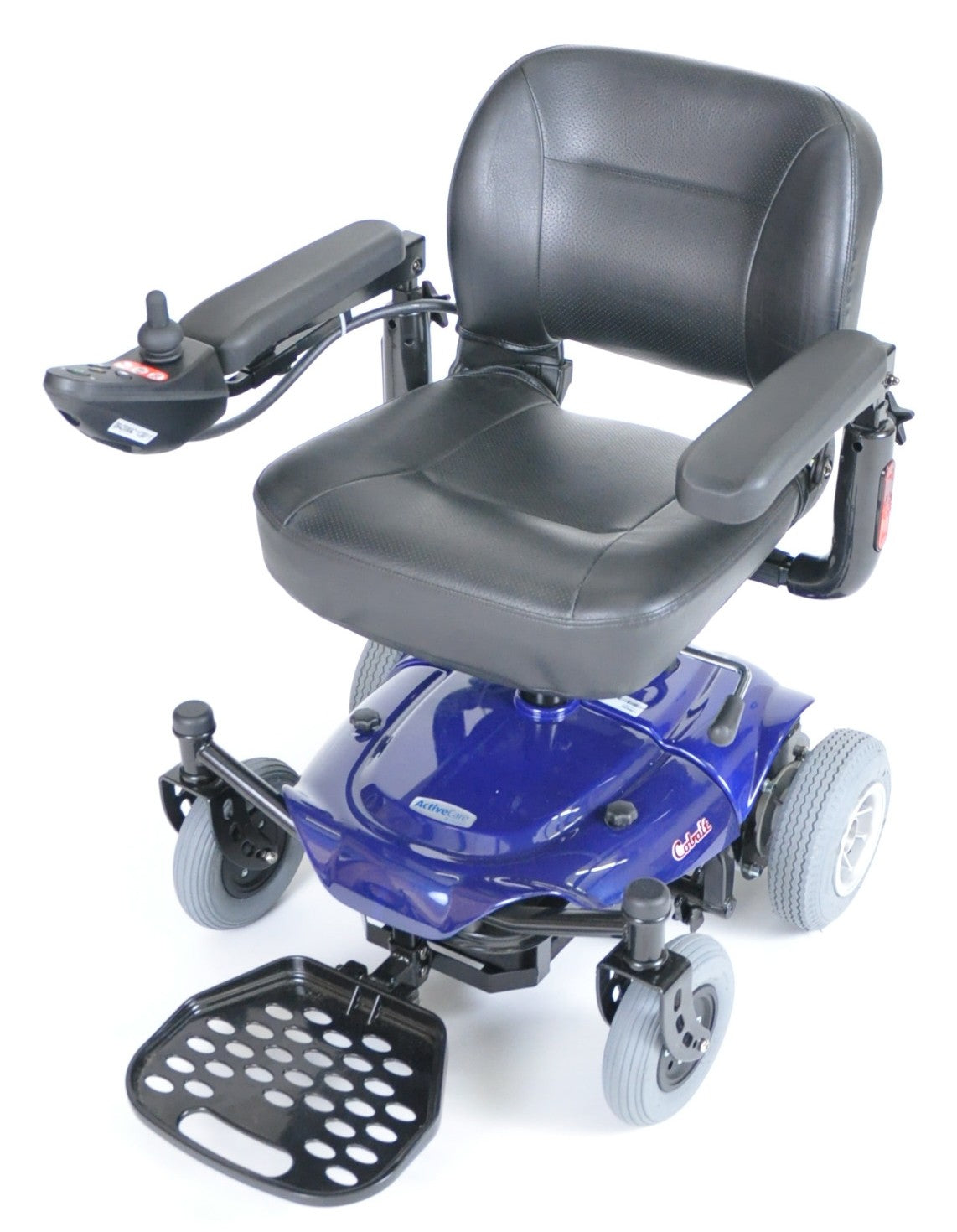
The difference starts with geometry. A 3-wheel mobility scooter has a single front wheel paired with two rear drive wheels. A 4-wheel mobility scooter places two wheels up front and two in the rear, creating a wider, more stable base. That one extra wheel changes almost everything about how the scooter handles.
Turning radius: Three-wheel models can offer up to a full foot tighter turning radius compared to their 4-wheel counterparts. That difference is the gap between gliding through a narrow hallway and getting stuck in one. If you spend time navigating shopping malls, museum corridors, or tight indoor spaces, that extra maneuverability is significant.
Stability: The four-point contact design of a 4-wheel scooter significantly reduces tipping risk on slopes, grass, gravel, and uneven pavement. For outdoor use, this is a genuine safety advantage.
Legroom: Because 3-wheel scooters eliminate the front axle and wheel wells, they provide noticeably more legroom. Taller users or those with knee conditions, arthritis, or post-surgical needs often find 3-wheel models far more comfortable.
Battery range: Four-wheel models generally deliver longer range per charge. About 65 percent of newly launched scooter models now offer 20-plus miles on a single charge, and 4-wheel designs lead this category.
Weight capacity: Three-wheel scooters typically carry less weight. If you have bariatric needs or weigh over 300 pounds, 4-wheel designs are better engineered to support higher capacities.
It's worth noting that modern 3-wheel scooters have closed much of the safety gap. Many now include anti-tip wheels, efficient braking systems, and integrated lighting for better visibility.
Quick-Reference Comparison: 3-Wheel vs. 4-Wheel at a Glance
| Feature3-Wheel Scooter4-Wheel Scooter | ||
| Turning Radius | Tighter (up to 1 ft. less) | Wider |
| Stability | Good; improved with anti-tip wheels | Excellent; four-point contact |
| Legroom | More open (no front axle) | More limited |
| Weight Capacity | Typically up to 300 lbs | Up to 400–600+ lbs |
| Battery Range | Moderate (10–18 miles typical) | Longer (15–25+ miles typical) |
| Best Environment | Indoor, tight spaces | Outdoor, uneven terrain |
| Typical Price Range | $800–$2,500 | $1,000–$5,200 |
| Example Models | Pride Mobility Go-Go Sport 3-Wheel, Drive Medical Scout 3 | Golden Technologies Buzzaround EX 4-Wheel, Drive Medical Scout 4 |
Neither configuration is universally superior. The right choice depends on your specific lifestyle, home layout, and health needs. Keep this table handy as you read through the sections below.
Who Should Choose a 3-Wheel Mobility Scooter?
If you spend most of your time indoors, a 3-wheel mobility scooter deserves serious consideration. Homes with narrow hallways, tight doorways, or small rooms are where these scooters truly shine.
The home layout test: If your doorways are under 32 inches wide or your hallways are under 36 inches across, a 3-wheel model is strongly favored. Before you order, run through this quick checklist:
- Measure your narrowest doorway width (frame to frame).
- Measure your hallway length and width.
- Test the turning space: can you comfortably turn a dining chair around in the tightest spot?
Condition-specific fit: Users with knee conditions, leg-length concerns, or those recovering from surgery often benefit from the extra legroom a 3-wheel design provides. If arthritis in your knees makes it painful to sit with bent legs, that open front deck can make a real difference.
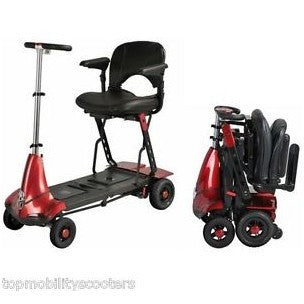
Three-wheel scooters also tend to be lighter and easier to disassemble for travel. If you're a caregiver or family member shopping for a loved one, grab a tape measure before you start browsing. Those doorway and hallway measurements will narrow your options quickly and save you from a costly return.
Who Should Choose a 4-Wheel Mobility Scooter?
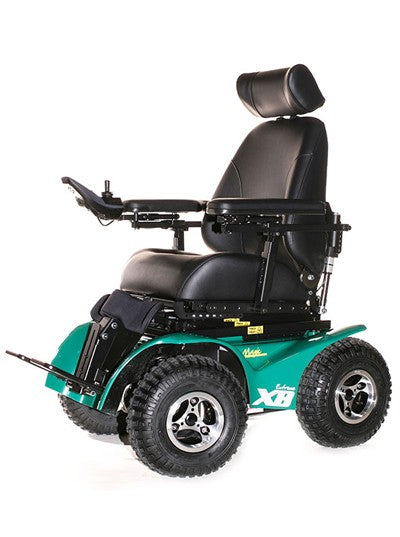
If your daily life takes you outdoors regularly — across grass, over gravel paths, up gentle hills, or along uneven sidewalks — a 4-wheel mobility scooter is the safer and more capable choice.
Fall prevention: With 36 million senior falls reported each year and over 3 million resulting emergency department visits, stability isn't a luxury. The four-point contact design of a 4-wheel scooter reduces tipping risk on outdoor terrain, and CDC-cited data shows assistive devices can decrease fall incidents by up to 30 percent when used correctly.
Bariatric users: Four-wheel designs are better engineered to handle these higher weight capacities safely.
Active seniors: About 40 percent of North American scooter sales now focus on high-range, all-terrain models, and 4-wheel scooters dominate this segment. If you want to ride through your neighborhood, visit outdoor markets, or cover longer distances, the extended battery range of a 4-wheel model (often 20-plus miles per charge) is a practical advantage.
Condition-specific fit: Users with balance concerns, Parkinson's disease, post-stroke conditions, or multiple sclerosis who need maximum stability will generally feel more secure on a 4-wheel platform.
If you're a caregiver and your loved one uses their scooter primarily in the yard, around the neighborhood, or at outdoor shopping venues, a 4-wheel model is likely the better investment. These models now represent 68 percent of the global market, driven largely by active, outdoor-oriented seniors.
What About Mixed-Use? The Case for a Mid-Range Compromise
Not everyone fits neatly into an "indoor" or "outdoor" category. If you need to navigate your home's hallways and also handle a gravel driveway or a trip to the park, you're a mixed-use buyer.
Mid-range 3-wheel models equipped with all-terrain tires can serve as a viable compromise. Lithium-ion battery technology has also narrowed the gap considerably; next-generation Li-ion packs now deliver 25 to 40-plus miles per charge at lighter weights, giving 3-wheel models range and portability that used to be exclusive to larger scooters.
Foldable variants now represent 29 percent of new product launches, and lithium-ion models account for roughly 46 percent of newly introduced scooters. These innovations are expanding options for mixed-use buyers significantly. If you fall into this category, we'd recommend speaking with one of our live product specialists who can help you evaluate specific models side by side.
Your Decision Checklist: 5 Questions to Ask Before You Buy
Before you commit, work through these five questions. They apply whether you're buying for yourself or shopping on behalf of a loved one.
- Where will you use it most? Primarily indoors, outdoors, or both? Indoor-heavy use favors 3-wheel; outdoor-heavy use favors 4-wheel.
- What are your home's doorway widths and hallway dimensions? Measure before you order. Doorways under 32 inches and hallways under 36 inches strongly favor a 3-wheel model.
- What is your weight, and do you have bariatric needs? If you weigh over 300 pounds, prioritize 4-wheel models with higher capacity ratings.
- Do you have a condition that affects balance or leg mobility? Balance concerns (Parkinson's, post-stroke, MS) favor a 4-wheel's stability. Knee or leg conditions may favor a 3-wheel's extra legroom.
If you're still unsure after working through these questions, that's completely normal. Our live US-based product specialists are available six days a week to walk you through the decision at no cost. Sometimes a 10-minute phone call is all it takes to feel confident.
Find the Right Scooter with Expert Guidance, at the Lowest Price
We've been helping people find the right mobility equipment since 2001. More than 22 years and 5,000-plus verified customer reviews later, we know that the best scooter is the one that fits your life, not just the one with the most features on paper.
Every mobility scooter we sell comes with our Lowest Price, free shipping on orders over $100, and access to 100% financing through third-party providers. We carry trusted brands including Pride Mobility, Golden Technologies, and Drive Medical, in both 3-wheel and 4-wheel configurations.
About 30 percent of scooter purchases now happen online, and we've made the process straightforward with no-hassle returns if something isn't right. Browse our selection, or call one of our product specialists to get personalized recommendations based on your needs, your home, and your budget.
The right mobility scooter gives you back the freedom to move through your day on your own terms. That independence is worth getting this decision right.


