



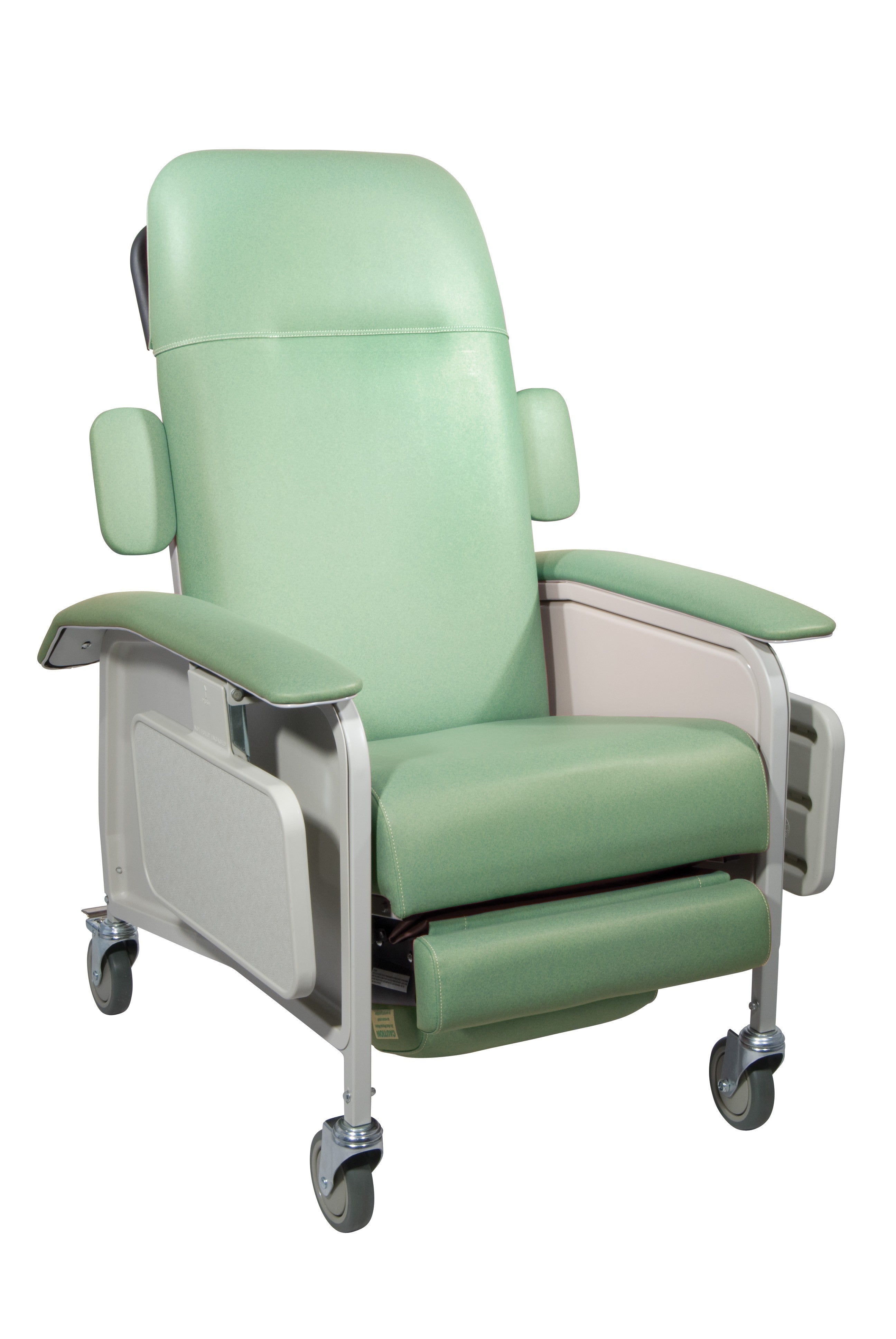
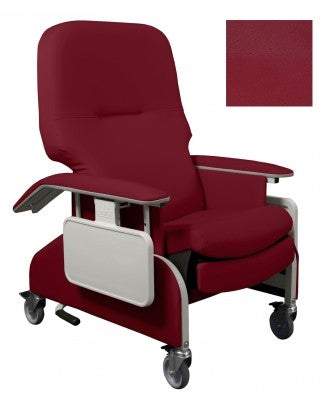
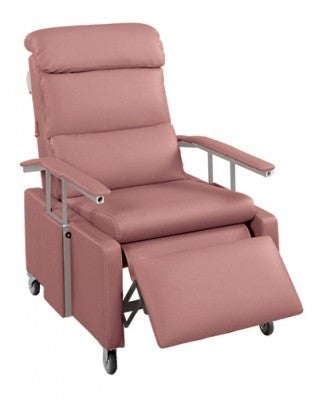
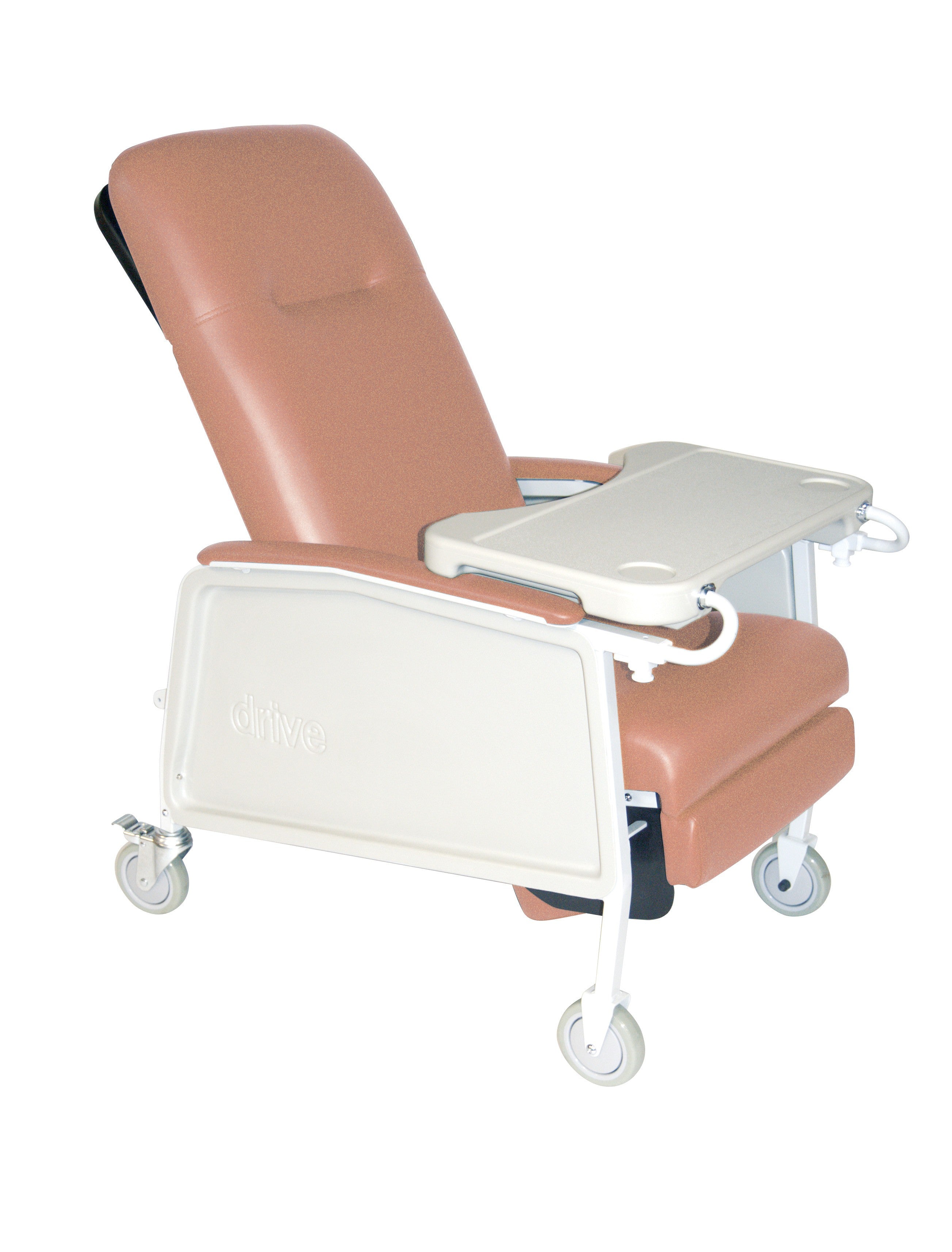
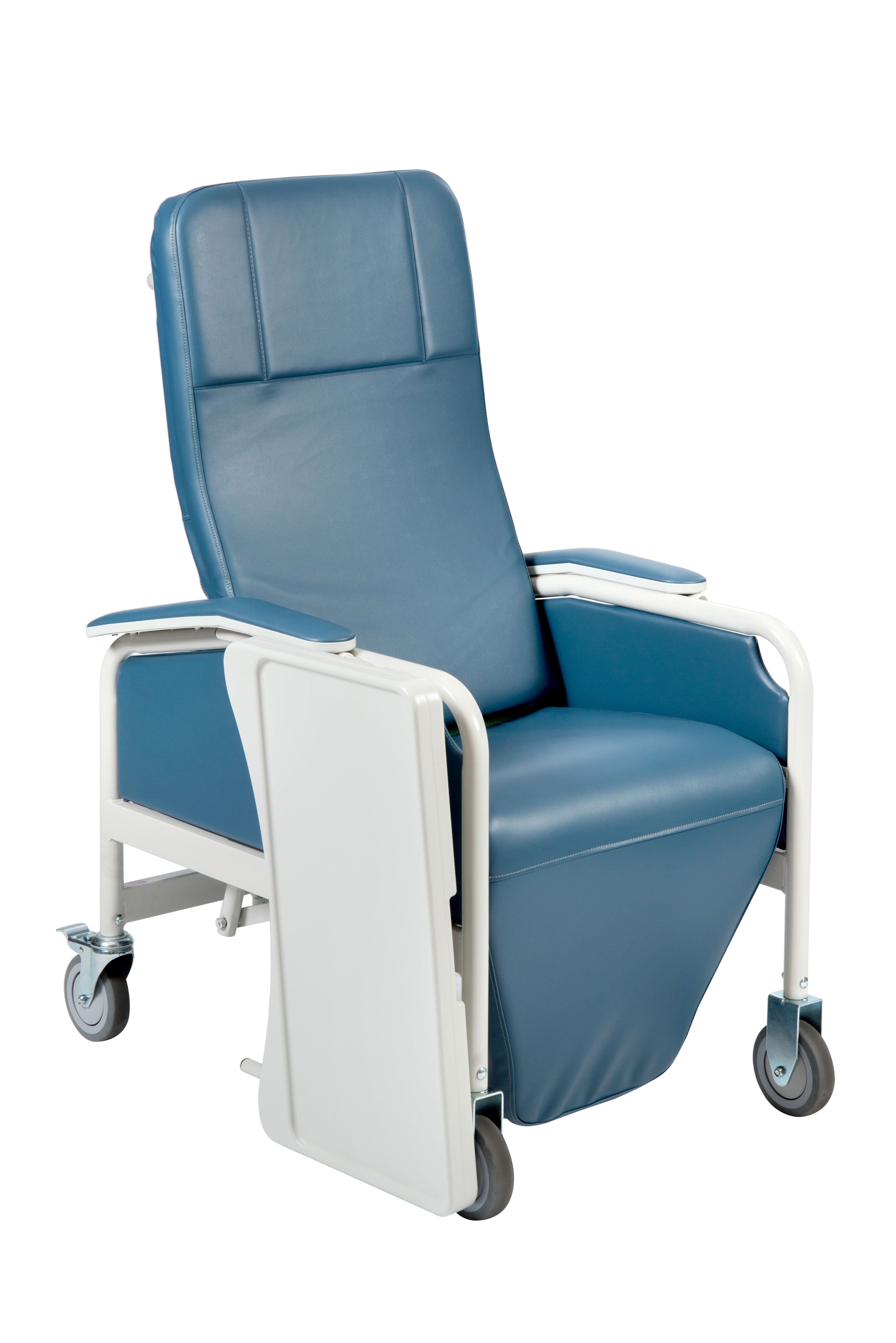
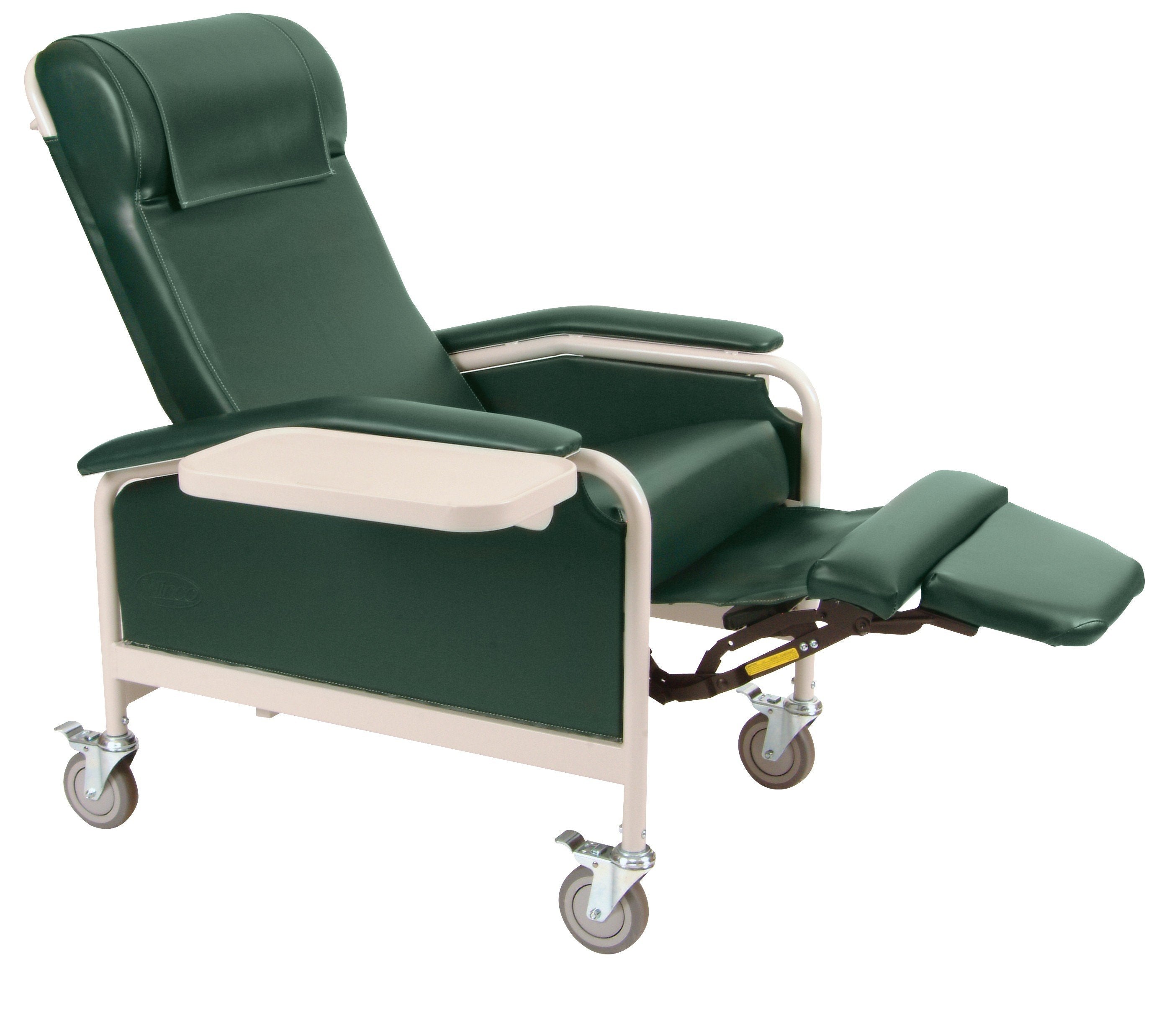




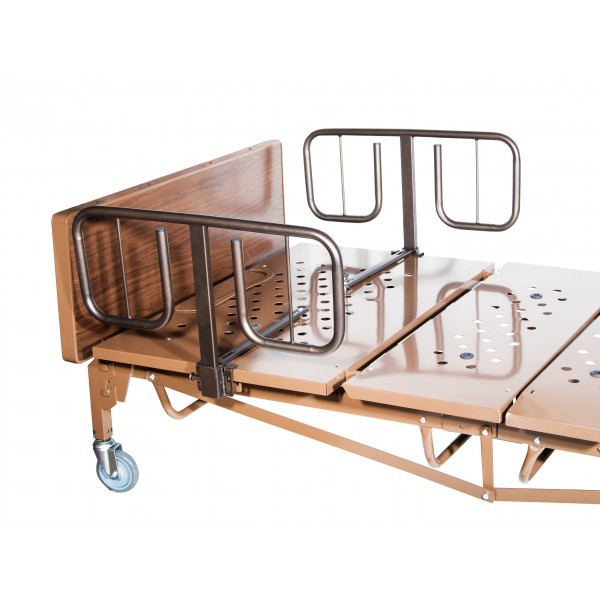
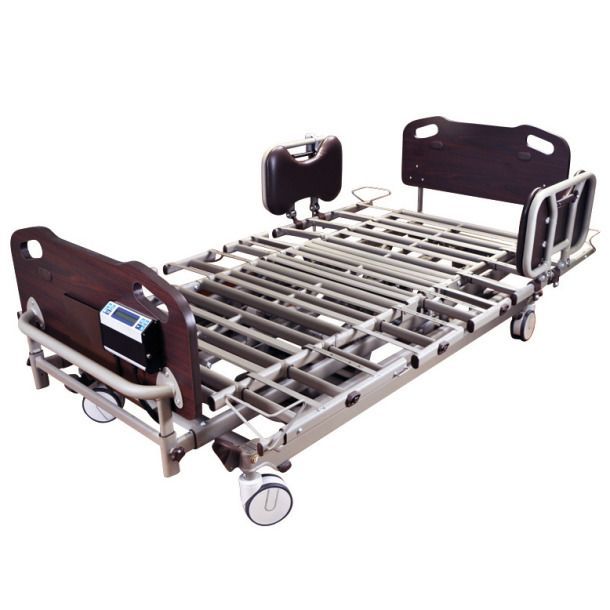
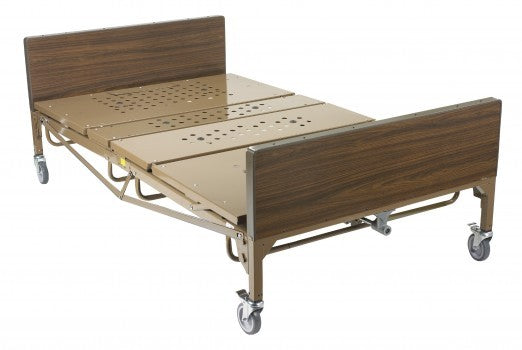



A hospital bed for home use can change the daily routine for both the person resting in it and the person providing care. It can make transfers safer, make comfortable positioning easier, and give a loved one more control over sleeping, reading, eating, and resting at home. The right choice is not simply the bed with the most functions. It is the bed that fits the user’s health needs, body size, bedroom space, and level of caregiver support.
For many families, this purchase happens after surgery, a hospital discharge, a change in mobility, or a new need for long-term care. That can make the decision feel urgent. A clear look at the essential features can help you choose with confidence and avoid bringing home equipment that is too large, too limited, or difficult to use.
Start With the User’s Daily Needs
The best home hospital bed starts with a practical question: what must this bed help the user do each day? A person recovering from a short-term procedure may mainly need help getting in and out of bed and adjusting to a comfortable sleeping position. Someone living with a chronic condition, limited mobility, or a higher fall risk may need more support for transfers, pressure relief, repositioning, and caregiver access.
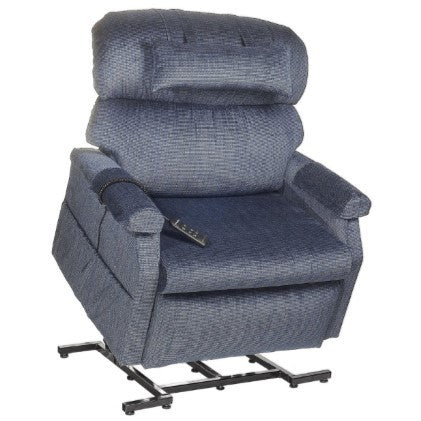
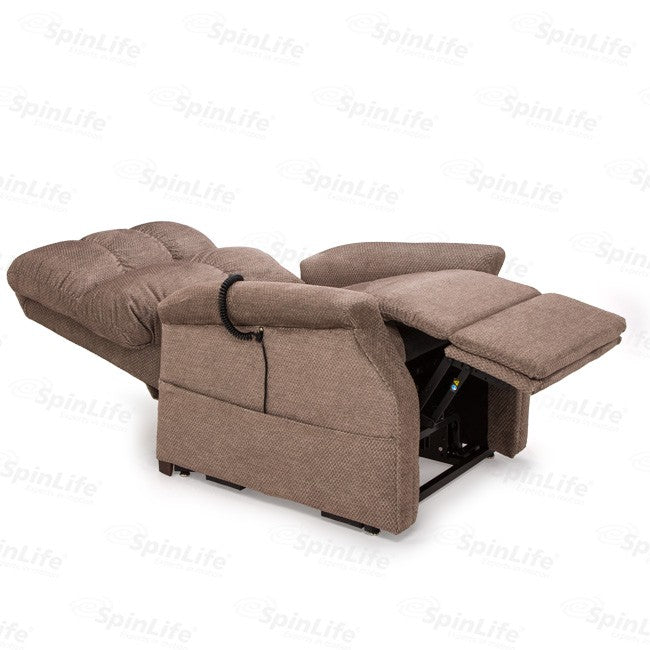
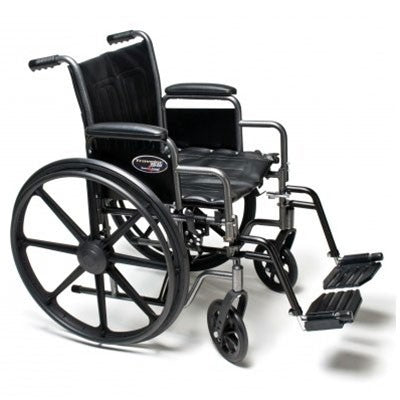
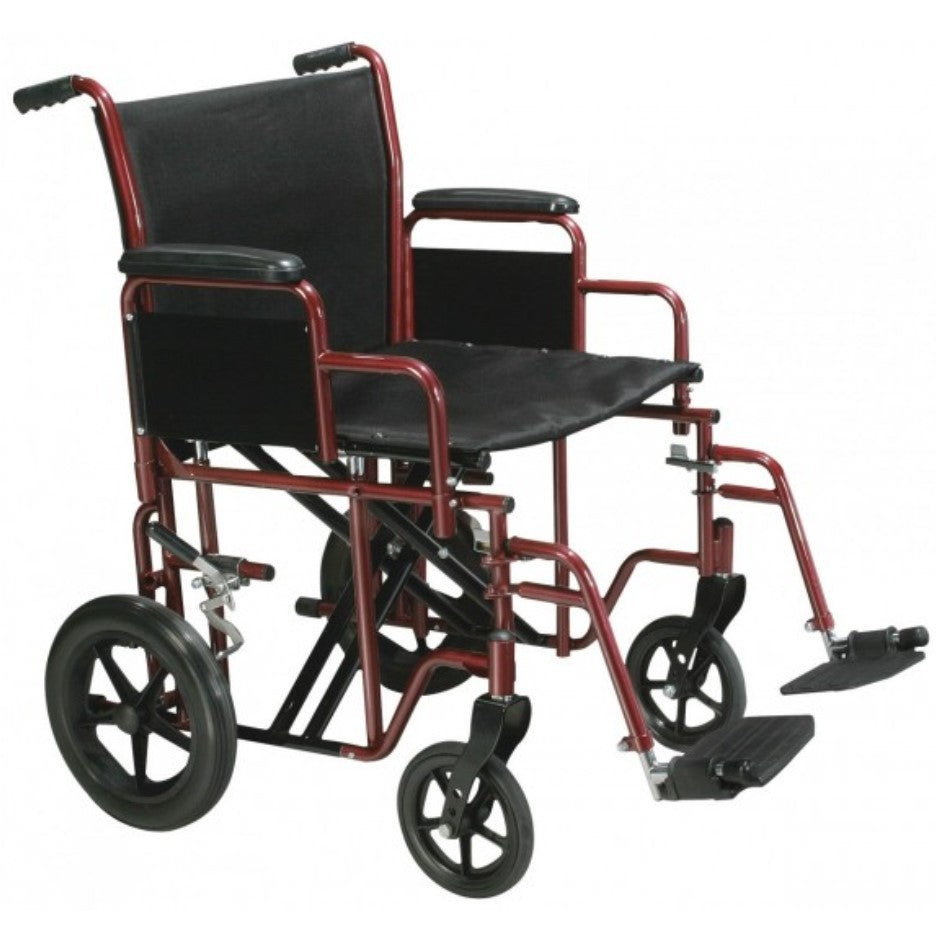
Think through the full routine, not just nighttime sleep. Can the user change position independently? Do they need to sit upright for meals, medication, breathing comfort, or reading? Will a caregiver assist with dressing, personal care, or transfers? Does the user use a wheelchair, walker, lift chair, or transfer device? These answers guide the bed type, height range, rail configuration, and mattress selection.
It is also wise to follow any bed, positioning, or mattress recommendations from the user’s doctor, therapist, or care team. Equipment can support a care plan, but it does not replace professional medical guidance.
Choose the Right Bed Function
Home hospital beds are generally available in manual, semi-electric, and fully electric designs. Each has a purpose, and the best option depends on how often adjustments are needed and who will make them.
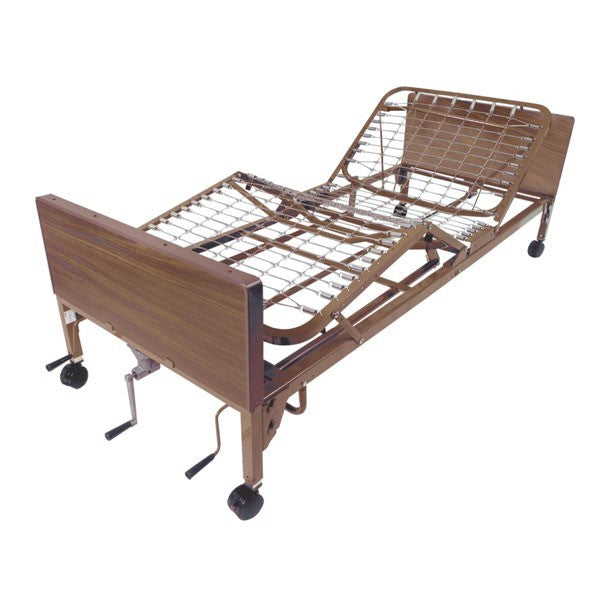
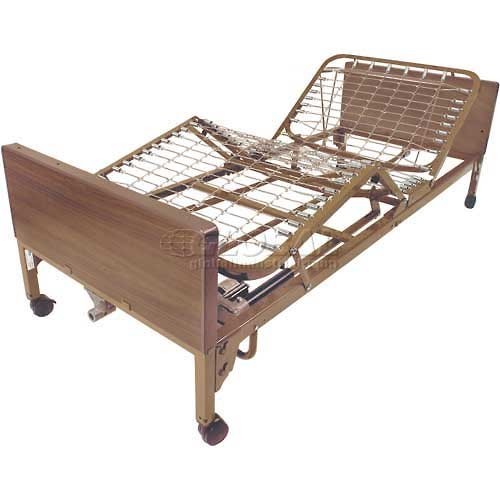
A manual hospital bed uses hand cranks to raise or lower the head, feet, and sometimes the bed height. It can be a practical choice when adjustments are occasional and a caregiver is available to operate the controls. The trade-off is convenience. Cranking a bed several times a day can be physically demanding, especially for a caregiver with back, shoulder, or hand limitations.
A semi-electric bed usually allows the user or caregiver to adjust the head and foot sections with a hand control, while bed height is adjusted manually. This works well for many households because it provides easier positioning without requiring a fully powered height adjustment.
A fully electric bed uses a hand pendant to control the head section, foot section, and bed height. This is often the most useful setup for ongoing care. Raising the bed can reduce bending for caregivers during care tasks, while lowering it can help a user transfer more safely. A fully electric model may also give a more independent user greater control over comfort throughout the day.
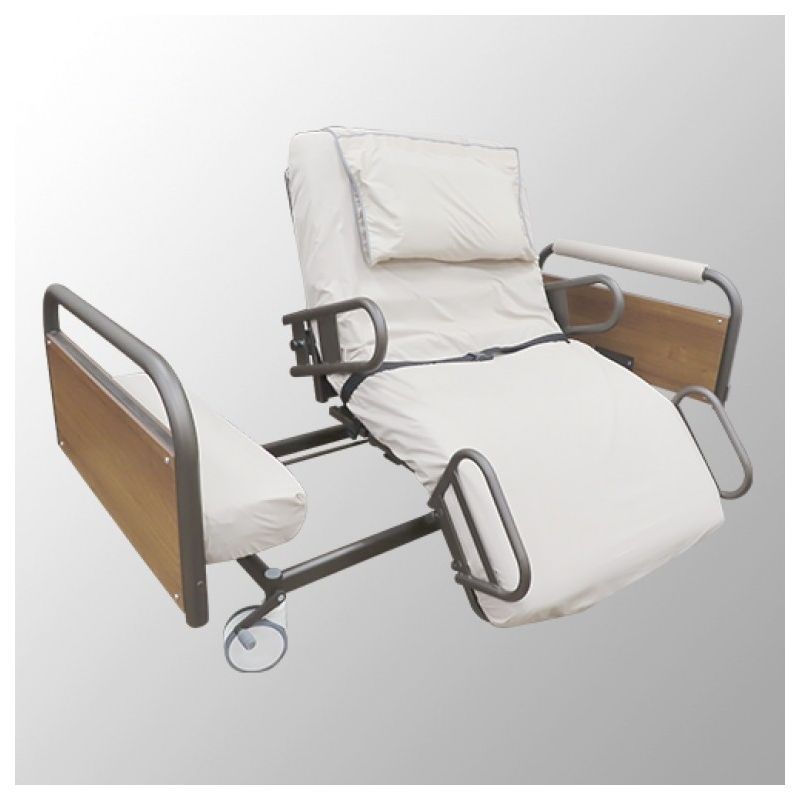
Some adjustable beds offer comfort-focused positioning and may be appropriate for independent sleepers. However, they are not always built with the same caregiver access, side rail options, height range, or medical-style accessories as a hospital bed. If transfers, care tasks, or fall prevention are part of the need, compare those details carefully before deciding.
Measure the Room Before Ordering
A hospital bed needs more than enough floor space to fit the frame. There should also be room for a caregiver to stand beside the bed, for a wheelchair or walker to approach safely, and for doors, closets, and pathways to remain usable.
Most standard hospital beds use a sleep surface similar in width to a twin mattress, but the overall frame is larger. Wider beds are available for users who need more room or a higher weight capacity. A wider bed can improve comfort, but it also requires more clearance and may make it harder for some users to reach a bedside table or reposition independently.
Measure the intended room, including narrow hallways, doorways, turns, and elevator access if applicable. Confirm that the delivery route can accommodate the bed and that there is a grounded electrical outlet nearby for electric models. Avoid placing power cords where they can become a trip hazard or interfere with mobility equipment.
Height Range Matters for Transfers
Bed height is one of the most overlooked features. A bed that sits too high can make it difficult for a user to place both feet on the floor. A bed that sits too low can make standing harder and may increase caregiver strain during transfers.
For safer transfers, the bed should generally allow the user to sit with feet supported on the floor and knees in a comfortable position. The ideal height varies by the person’s leg length, strength, footwear, and transfer method. If a wheelchair is used, consider the wheelchair seat height as well. A low-height bed can be especially helpful for people with a fall risk, while a broader height range can better support caregivers during personal care.
Select a Mattress That Matches the Care Need
A hospital bed mattress must flex with the moving sections of the bed frame. A regular household mattress is not designed for this purpose and can bunch, shift, or limit the bed’s movement.
A basic foam mattress can be appropriate for a person who can reposition independently and needs temporary support during recovery. For users who spend long periods in bed, have limited ability to shift their weight, or have skin concerns, a therapeutic mattress may be a better fit. Options can include higher-density foam, pressure-redistribution surfaces, gel layers, or alternating-pressure systems.
The mattress choice should reflect the user’s mobility and care plan, not just softness. A very soft surface may feel comfortable at first but can make it harder to reposition or transfer. Check the mattress dimensions, weight rating, recommended use, and compatibility with the selected bed frame. A properly fitted mattress is also important for rail safety.
Consider Rails Carefully, Not Automatically
Side rails can offer a useful handhold, help with repositioning, and provide a sense of security. They are not right for every person or every situation. Full-length rails may create risks for users who are confused, prone to climbing, or unable to use the rail safely. Gaps between the mattress, rails, and frame also require careful attention.
For many home users, half rails provide a balanced option. They can support turning and transfers while leaving an open area for getting in and out of bed. The best rail setup depends on the person’s cognition, mobility, fall risk, and ability to call for help.
Before choosing rails, speak with the care team if the user has dementia, agitation, seizure concerns, a history of falls, or limited awareness of surroundings. Rails should be installed correctly and used according to the manufacturer’s instructions.
Check Weight Capacity and Fit
Every bed has a specified weight capacity, and that number may include the user, mattress, bedding, and accessories. Choose a model with appropriate capacity rather than treating the listed limit as a target. Bariatric hospital beds are designed for higher weight capacities and often offer a wider sleep surface, reinforced frame, and more stable support.
Body size is only one part of fit. Consider whether the user can comfortably turn, sit near the edge, and reach needed items such as a phone, water, remote, or mobility aid. If the user requires frequent repositioning or assistance from a caregiver, a little extra width can be valuable as long as the room allows it.
Plan for Everyday Accessories
The bed itself is central, but a few accessories can make the setup much more practical. An overbed table can bring meals, books, and medications within reach. A bed rail pouch can keep small personal items organized. A trapeze bar may help some users reposition or sit up, provided they have the upper-body strength to use it safely.
Protective mattress covers, waterproof pads, and properly fitted sheets can simplify cleaning and preserve the mattress. For caregivers, consider where supplies will be stored and whether the bed’s adjustable height will provide comfortable access. Small decisions made before delivery can reduce daily frustration later.
Get Guidance Before You Commit
A hospital bed is a high-consideration purchase because the wrong fit affects comfort, safety, and caregiving every day. Product specifications matter, but a conversation about the user’s needs matters just as much. At American Quality Health Products, knowledgeable support can help families compare bed functions, dimensions, capacity, mattresses, and accessories for a more informed choice.
Take measurements, write down the user’s daily challenges, and keep the care team’s recommendations close at hand. The right bed should feel less like a piece of medical equipment taking over a room and more like dependable support for safer, more comfortable living at home.


