

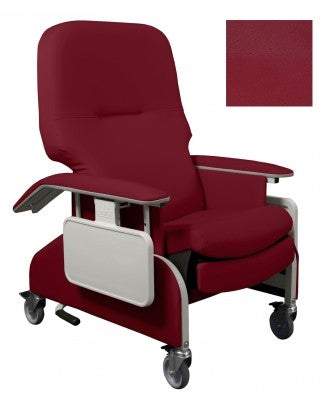
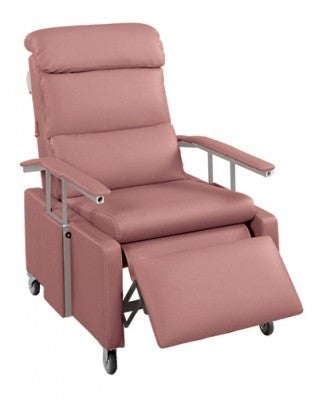
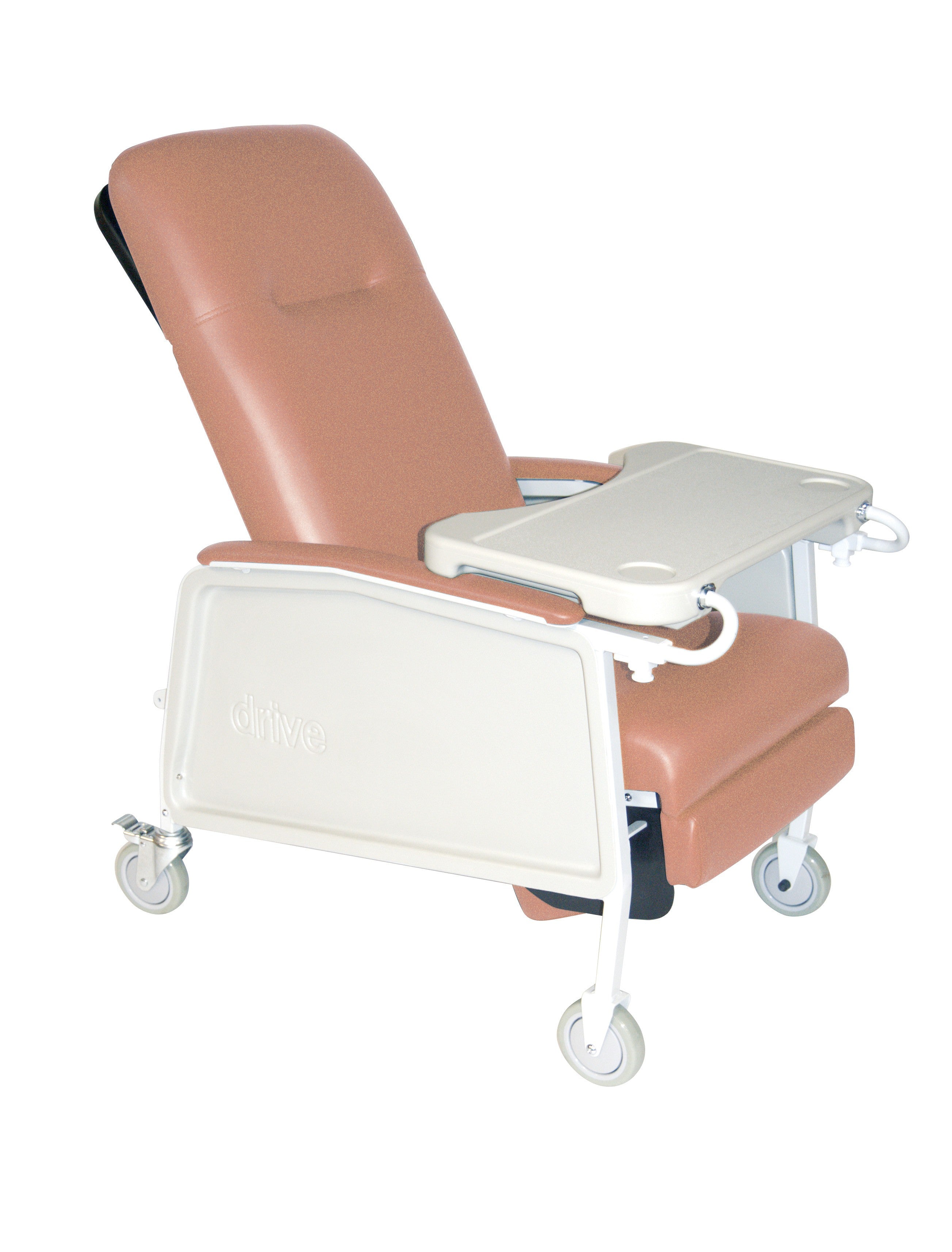
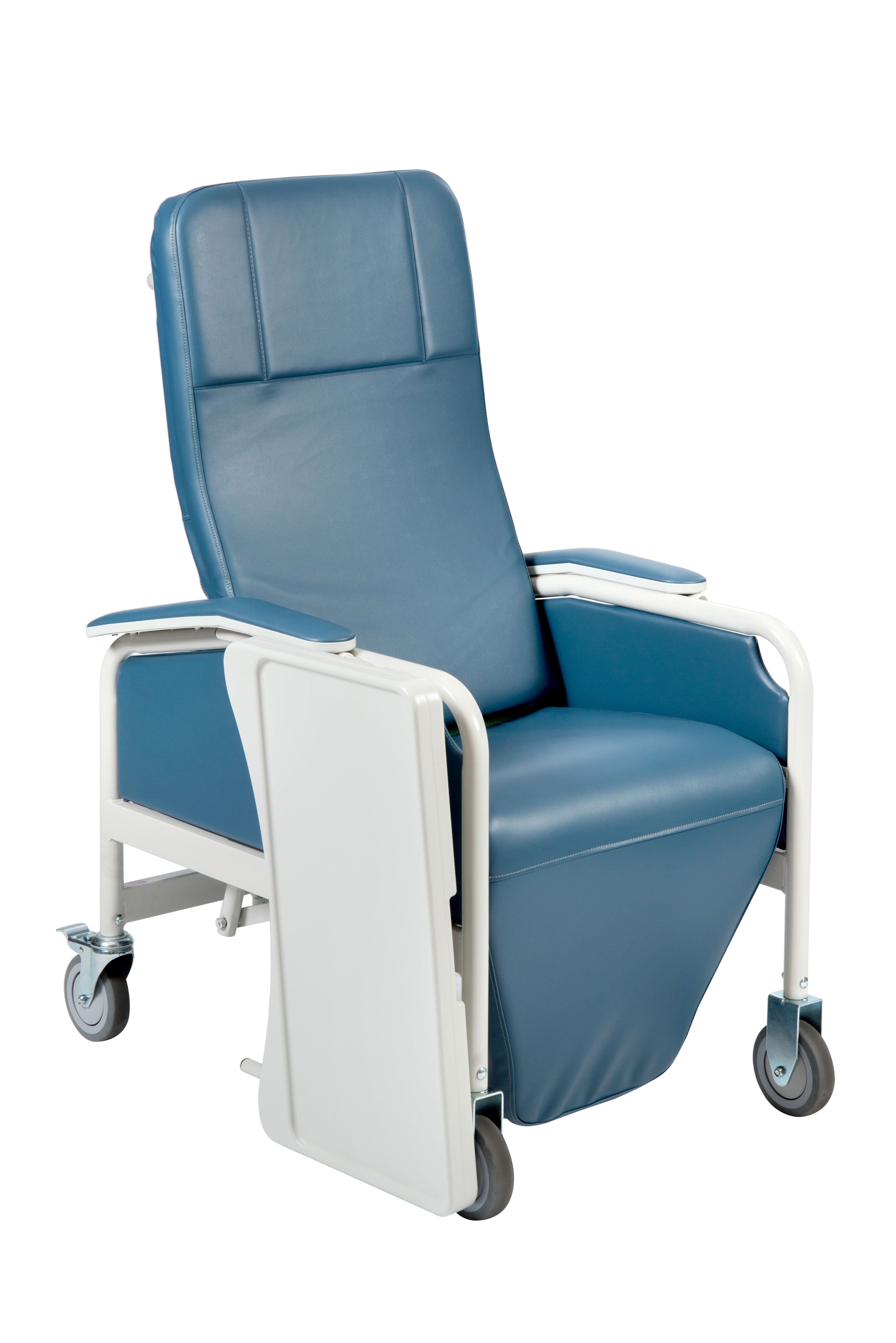
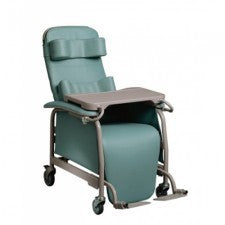
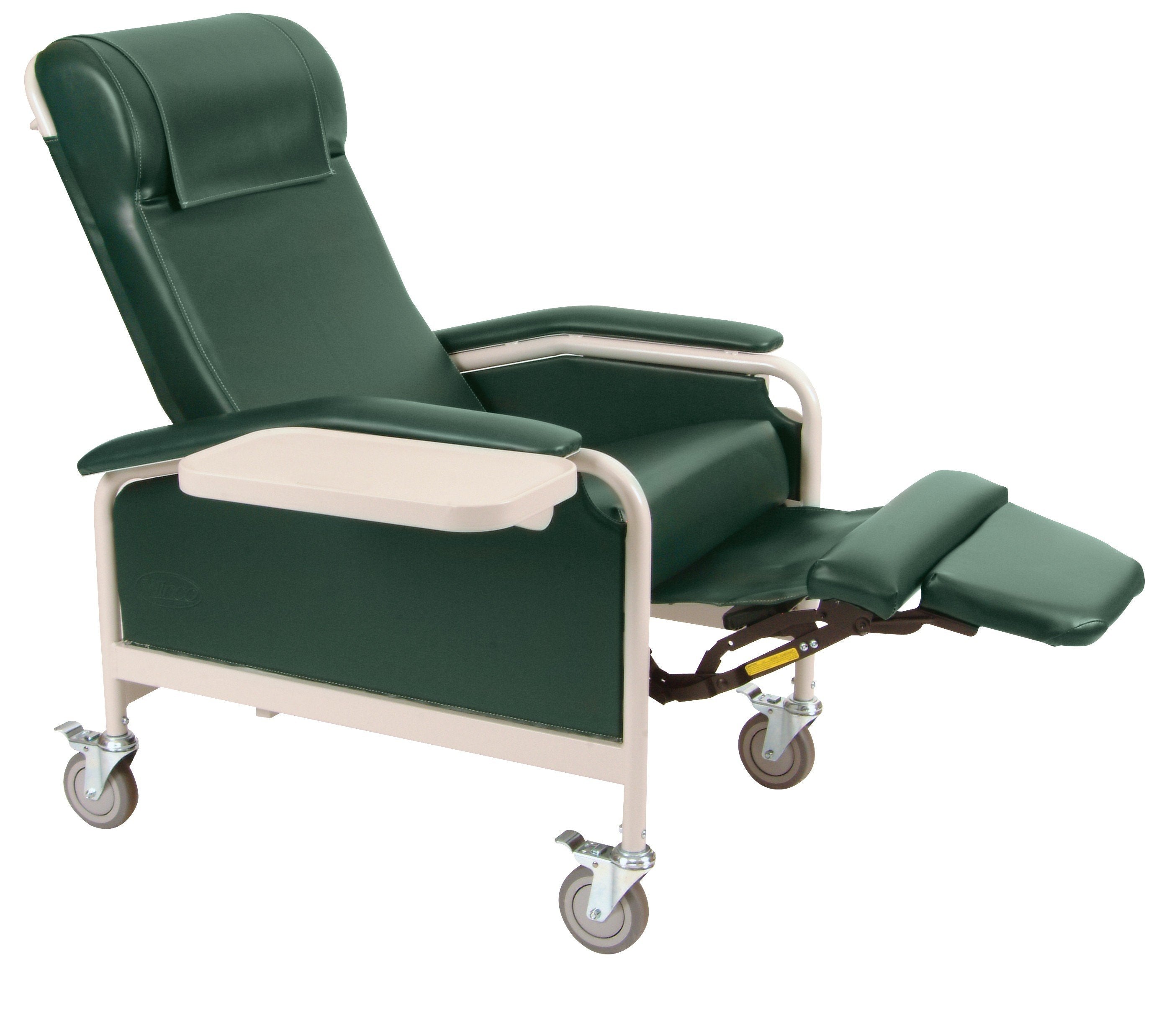



A chair can either make daily life easier or make every sit-to-stand movement feel like work. When you are shopping for a lift chair recliner for elderly adults, the right fit matters just as much as the lifting mechanism. A well-matched chair supports safer transfers, better comfort, and more confidence at home, while the wrong one can feel awkward, too large, too firm, or simply hard to use.
This is why lift chair shopping should start with the person, not just the product category. Height, weight, mobility level, balance, joint pain, and how the chair will be used throughout the day all shape which model makes the most sense. For some households, a simple two-position chair is enough. For others, a medium or infinite-position model is the better long-term choice.
What a lift chair recliner for elderly users actually does
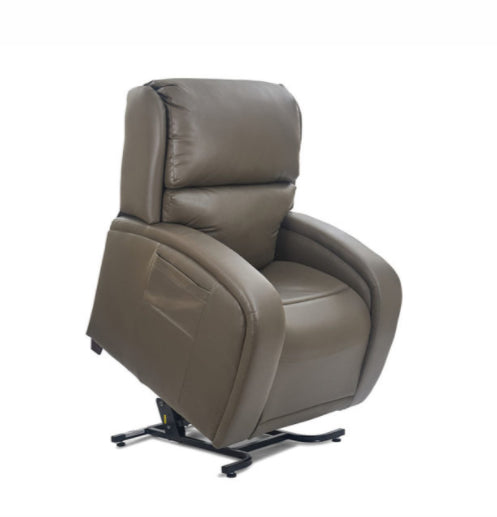
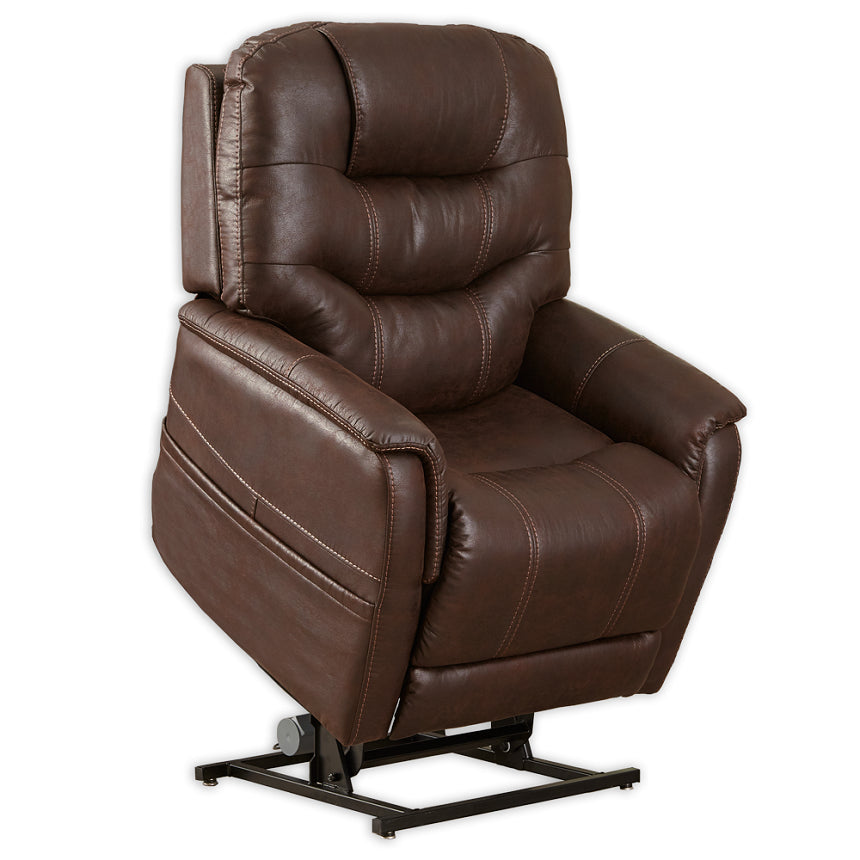
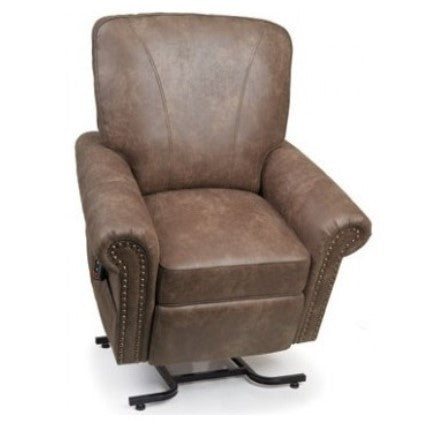
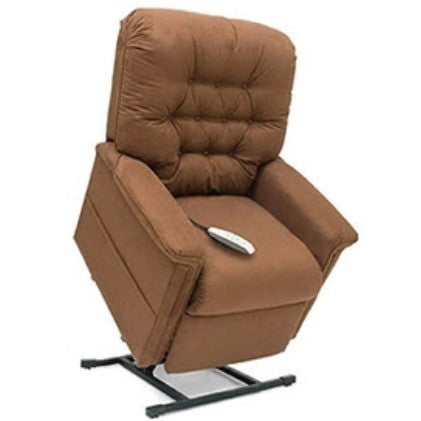
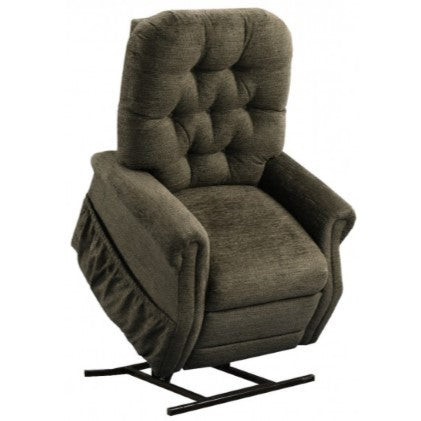
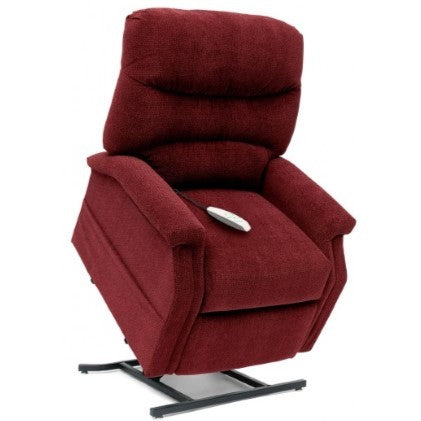
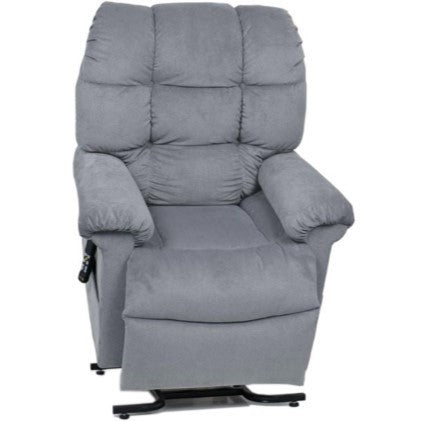
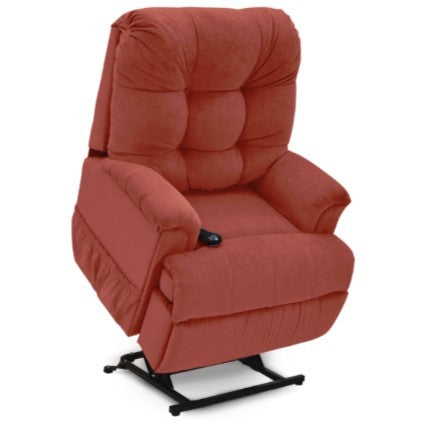
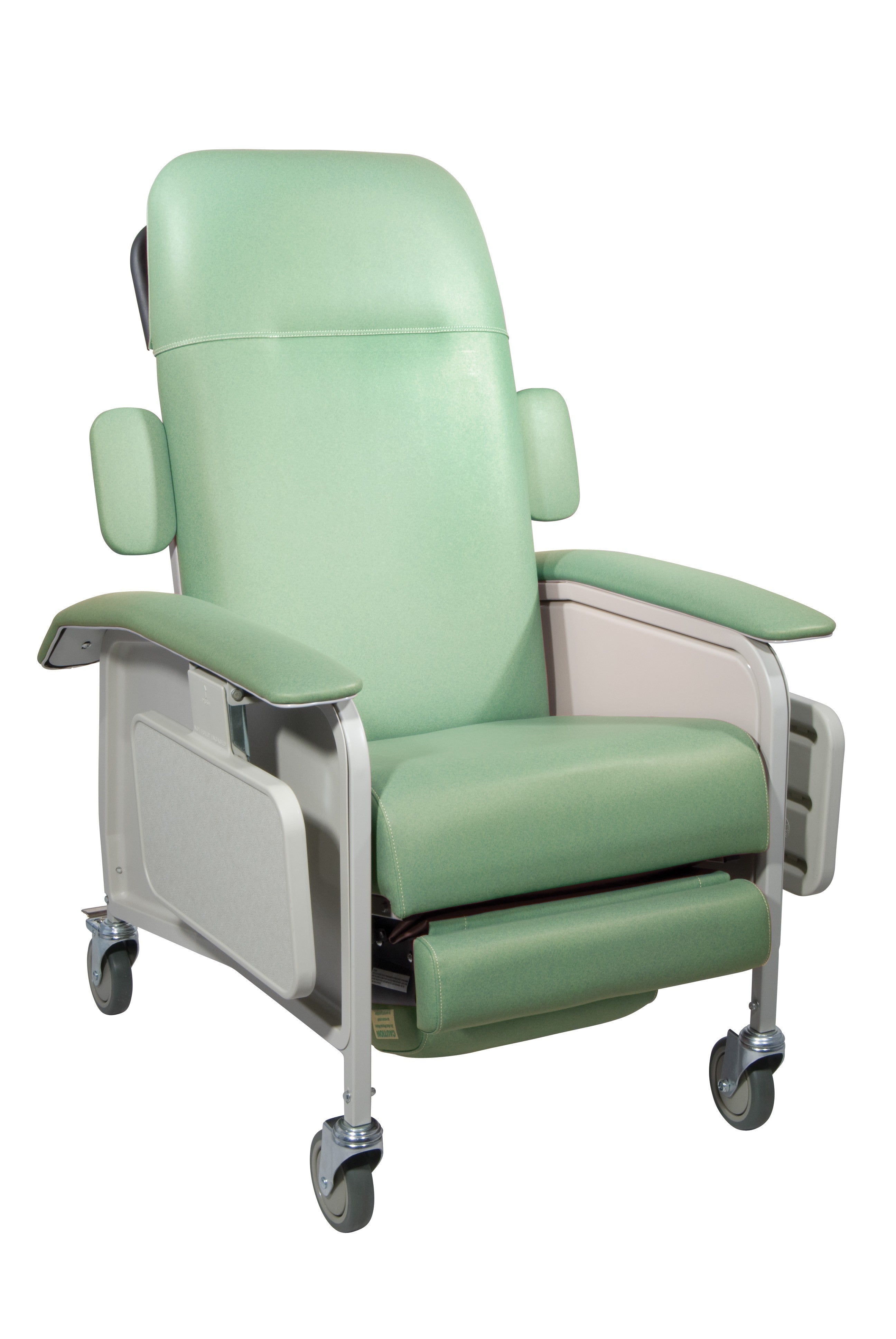
A lift chair looks like a traditional recliner, but it includes a powered base that gently tilts the seat forward to assist with standing up and sitting down. That motion can reduce strain on the knees, hips, and back, which is especially helpful for older adults dealing with arthritis, weakness, recent surgery, or balance concerns.
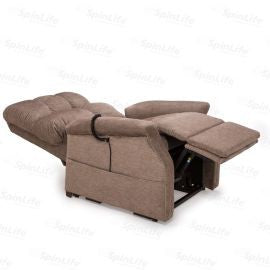
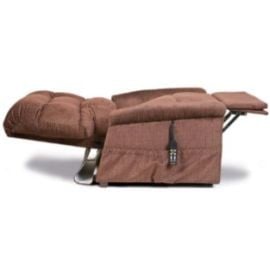
The recline function adds another layer of daily comfort. Depending on the model, the chair may offer a modest recline for reading and television, a deeper angle for napping, or extended positioning for pressure relief and leg elevation. Some chairs also separate the backrest and footrest movement, which gives the user more control over posture.
That said, not every lift chair is built the same. The key difference is not just whether it lifts, but how it fits the body and supports the person across a full day of use.
How to choose the right size and fit
The most common mistake is buying based on appearance alone. A chair may look comfortable online, but if the seat is too deep, the user may not sit fully back and will lose proper lumbar support. If the seat height is too tall, the feet may not rest flat on the floor. If it is too wide, the user may lean to one side or struggle to use the armrests for support.
A good fit starts with a few basic measurements. Seat width should allow room to sit comfortably without excess space. Seat depth should let the user sit back with their lower back supported while keeping a small gap behind the knees. Seat-to-floor height should allow the feet to rest flat. Back height should support the shoulders and head in a natural position.
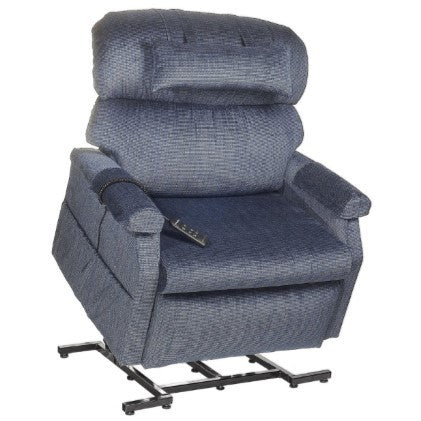
This is also where body type and strength matter. A petite senior often needs a chair designed specifically for shorter users, while a tall user may need extra seat depth and a higher back. Bariatric models are important when additional weight capacity and reinforced frame support are needed. A larger chair is not automatically better if the user cannot control their posture comfortably inside it.
Recline positions and why they matter
Lift chairs are often grouped by position type, and this affects both comfort and budget. Two-position chairs recline slightly and are usually best for users who want basic sitting comfort with standing assistance. They are practical for shorter periods of rest, but they are not ideal for someone who plans to nap in the chair often.
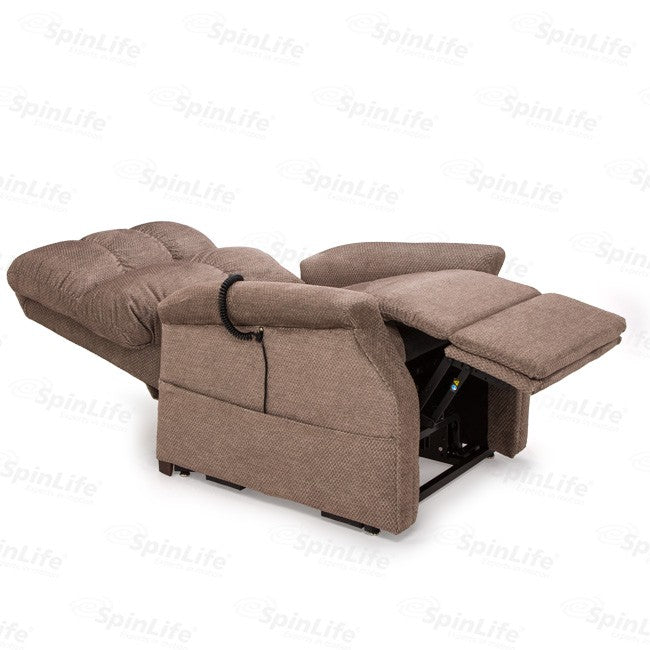
Three-position chairs recline farther and can usually reach a near-flat position. This makes them better for users who spend longer hours seated or want a more restful recline during the day. Infinite-position chairs offer the most flexibility because the backrest and footrest can move independently. For seniors with circulation needs, swelling, pressure concerns, or a preference for tailored positioning, that extra adjustability can make a real difference.
The trade-off is simple. More position options usually mean a more feature-rich chair, but only if the user will benefit from those positions. If someone mainly needs help standing and a comfortable place to sit, a simpler model may be the better fit.
Comfort features that improve daily use
Comfort is more than cushioning. It is how the chair performs after hours of sitting, how easily the user can operate it, and whether it supports the body in the right places. Foam density, backrest design, arm height, and chaise-style leg support all affect the experience.
For seniors who use the chair as their primary seat, supportive cushioning matters more than an overly soft feel. Very plush padding may feel good for a few minutes but can become harder to get out of. Firmer support is often easier for transfers and more stable over time.
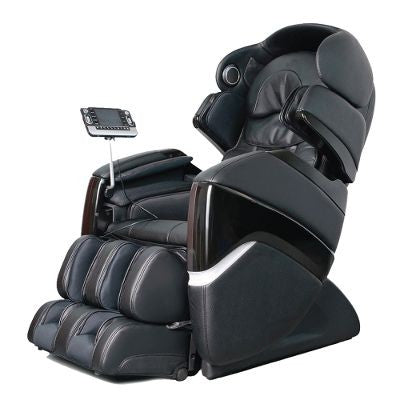
Heat and massage are popular upgrades, but they should be considered secondary to fit and function. They can add comfort for some users, especially those with stiffness or muscle tension, but they do not fix poor sizing or weak posture support. The remote should also be easy to read and simple to operate. Large buttons and clear labeling are a real advantage for users with limited hand strength or vision changes.
Safety should guide the decision
A lift chair recliner for elderly adults should help reduce fall risk, not create new problems. Stable lifting action, predictable controls, and proper seat height are all part of that. If a user struggles to sit down slowly or tends to push hard on furniture to stand, the chair should support a controlled transfer with minimal effort.
Placement in the room matters too. The chair needs enough clearance to recline and lift without hitting the wall or nearby furniture. It should also be positioned where the user can easily reach a side table, lamp, phone, or mobility aid. If the chair becomes the main daily seat, convenience and clear walking space around it are just as important as the chair itself.
Power outage backup is another point worth checking. Some models include battery backup systems that allow the chair to return to a seated position if household power is interrupted. That feature can offer extra peace of mind, especially in homes where the chair is used frequently.
Matching the chair to the user’s mobility needs
The best chair for one senior may be the wrong chair for another. Someone recovering from joint replacement may need temporary standing assistance and a supportive recline for rest. A user with chronic arthritis may need long-term comfort, easier transfers, and more leg elevation. Someone with edema or circulation concerns may benefit from more advanced positioning.
Caregivers should also think about hand control use, transfer ability, and whether the person can safely reposition themselves in the seat. If the user tires easily, has limited upper-body strength, or struggles with balance, choosing a chair with better posture support and smoother operation becomes even more important.
This is where expert guidance can save time and frustration. A trusted company serving since 2001 can help narrow down options based on actual measurements, mobility level, and intended use rather than guesswork.
Upholstery, maintenance, and long-term value
Fabric choice affects comfort and upkeep more than many shoppers expect. Some users prefer a softer, warmer fabric feel, while others want a surface that is easier to wipe clean. In homes where spills, incontinence concerns, pets, or frequent use are part of daily life, easy-care upholstery can make ownership much simpler.
Durability should be part of the decision as well. The chair is a piece of daily-use medical mobility furniture, not occasional seating. Frame quality, motor reliability, stitching, and cushioning support all affect long-term satisfaction. A lower-cost chair that does not fit properly or wear well is rarely the better value.
It also helps to think one step ahead. If the user’s mobility is likely to change, a chair with broader adjustability or stronger support may be a smarter purchase than the most basic option. Not every shopper needs all the extra features, but planning for realistic future needs often leads to a better choice.
When to ask for buying help
If you are deciding between sizes, position types, or specialty features, it makes sense to get expert assistance before ordering. This is especially true when the chair is being purchased for someone else, because comfort preferences and transfer needs are easy to misjudge from a product photo.
A good buying conversation should focus on measurements, daily routine, health considerations, and where the chair will be used in the home. That kind of personalized support is often what turns a confusing search into a confident purchase. It also helps reduce the chance of choosing a chair that looks right on paper but feels wrong in practice.
The right lift chair should do more than recline. It should support safer movement, better rest, and greater independence day after day. When the fit is right, the chair becomes one of the most useful pieces of equipment in the home.


