
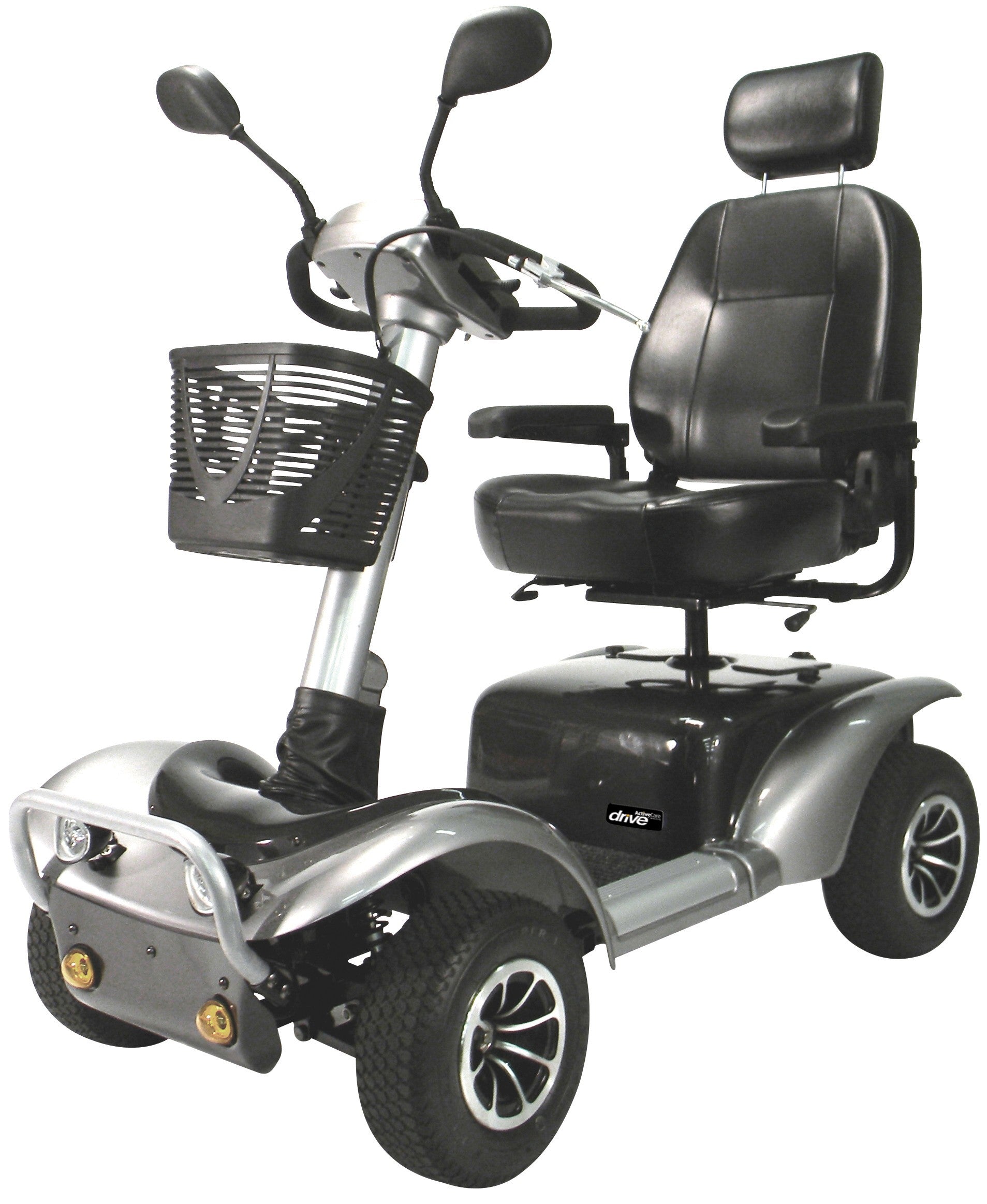
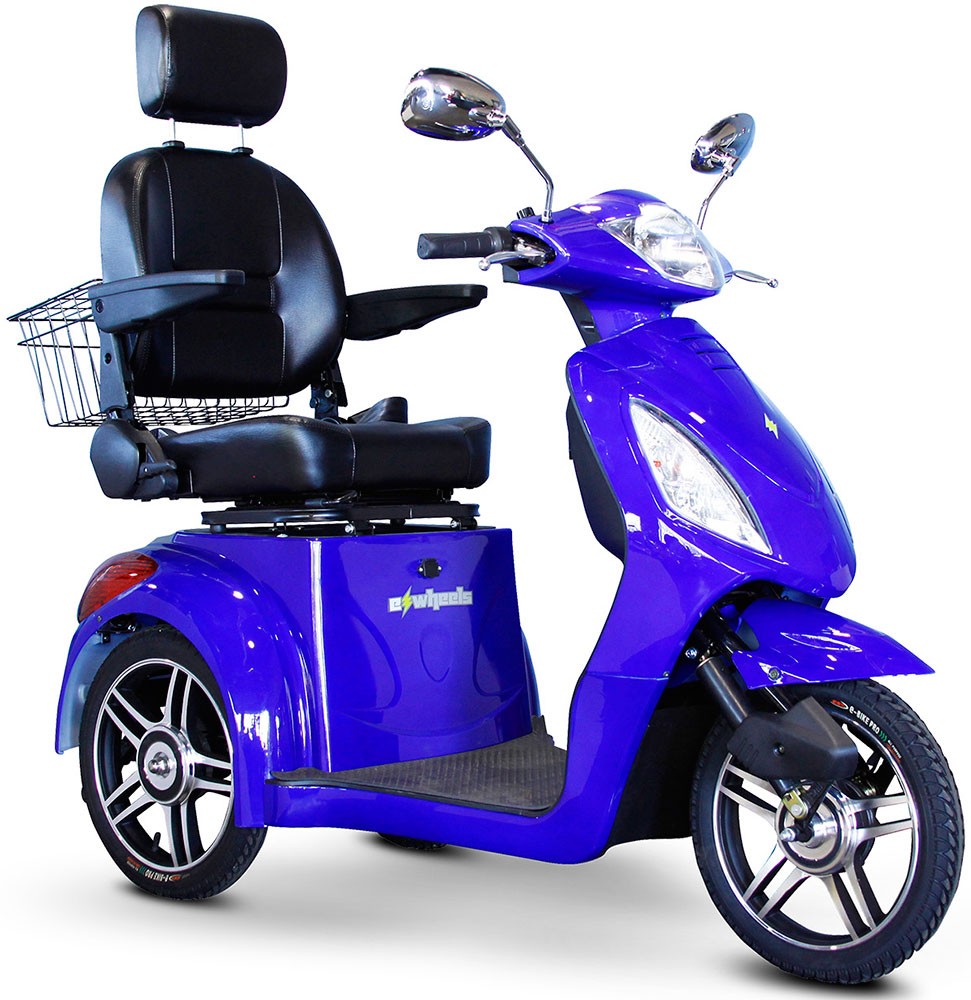
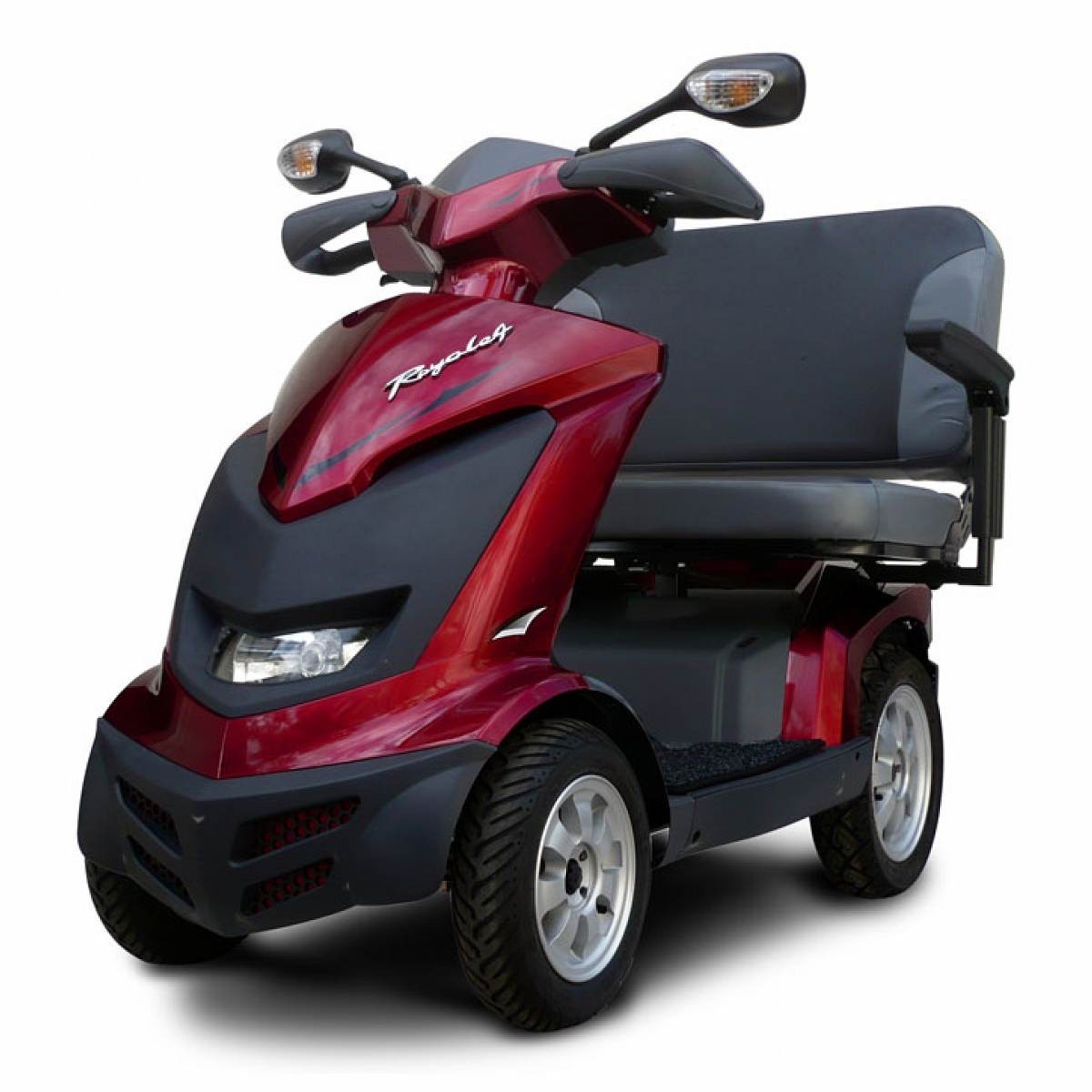
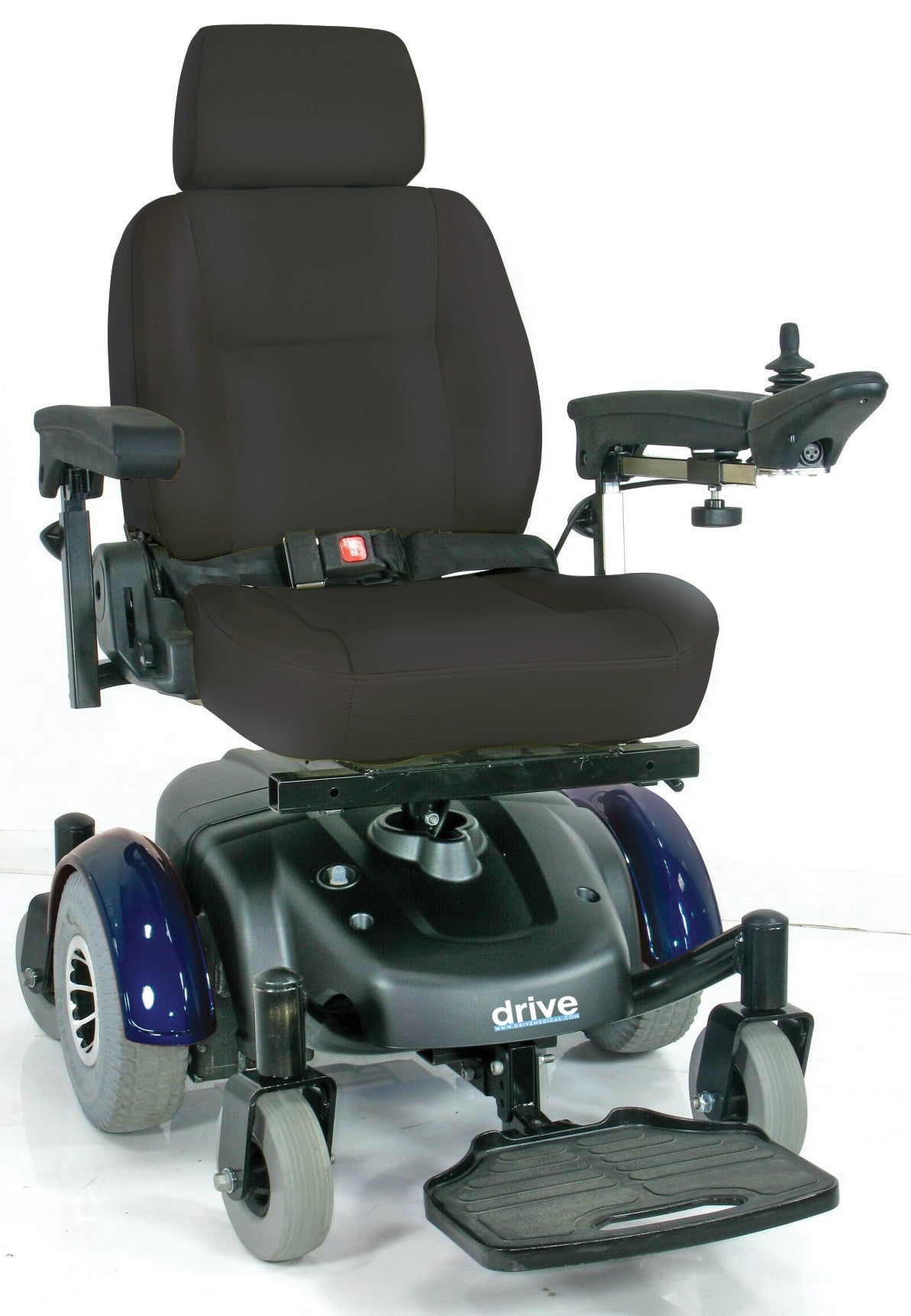
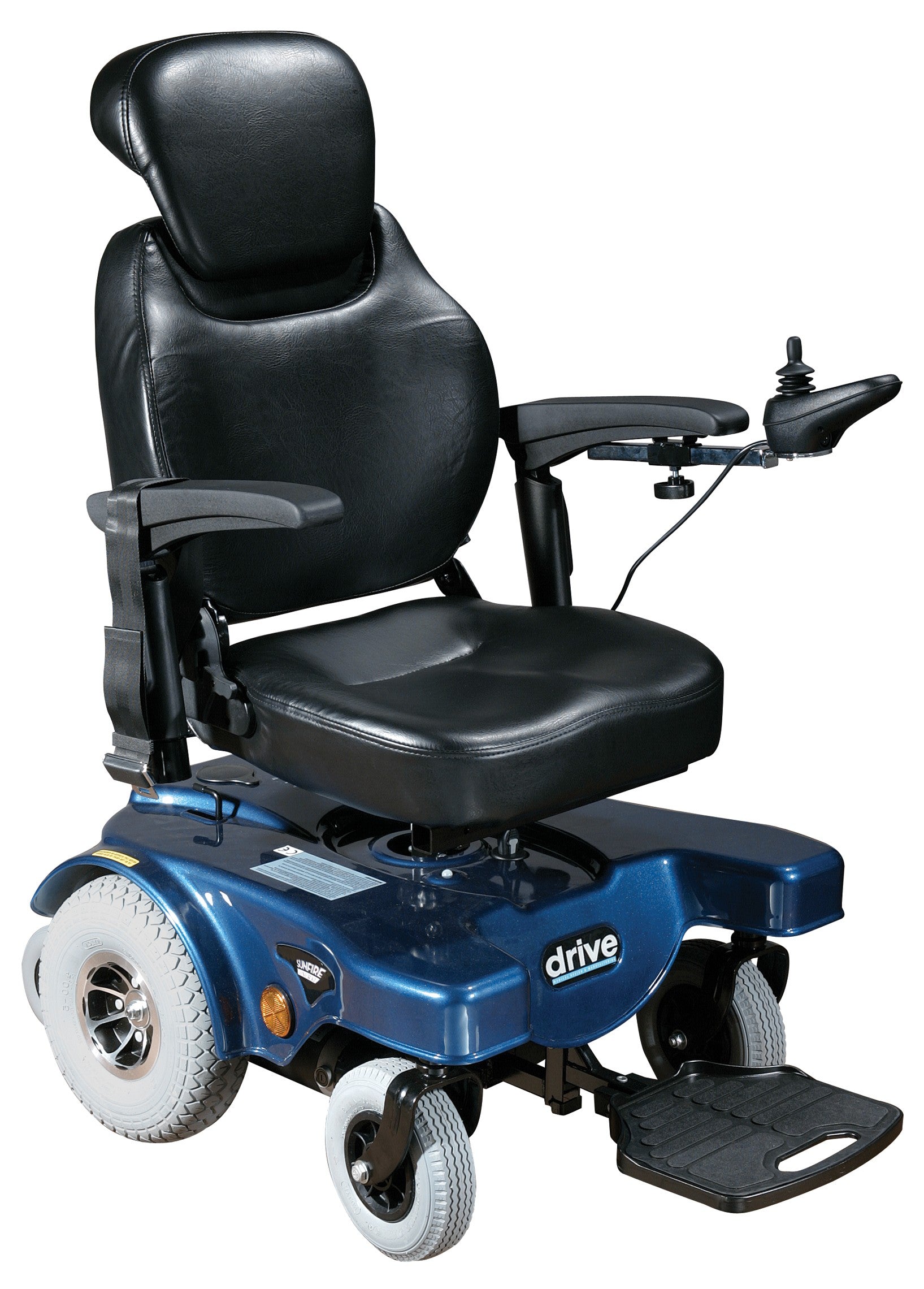
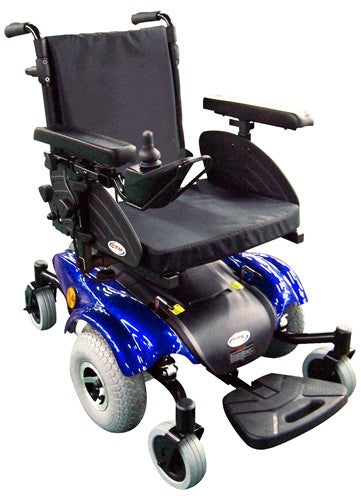
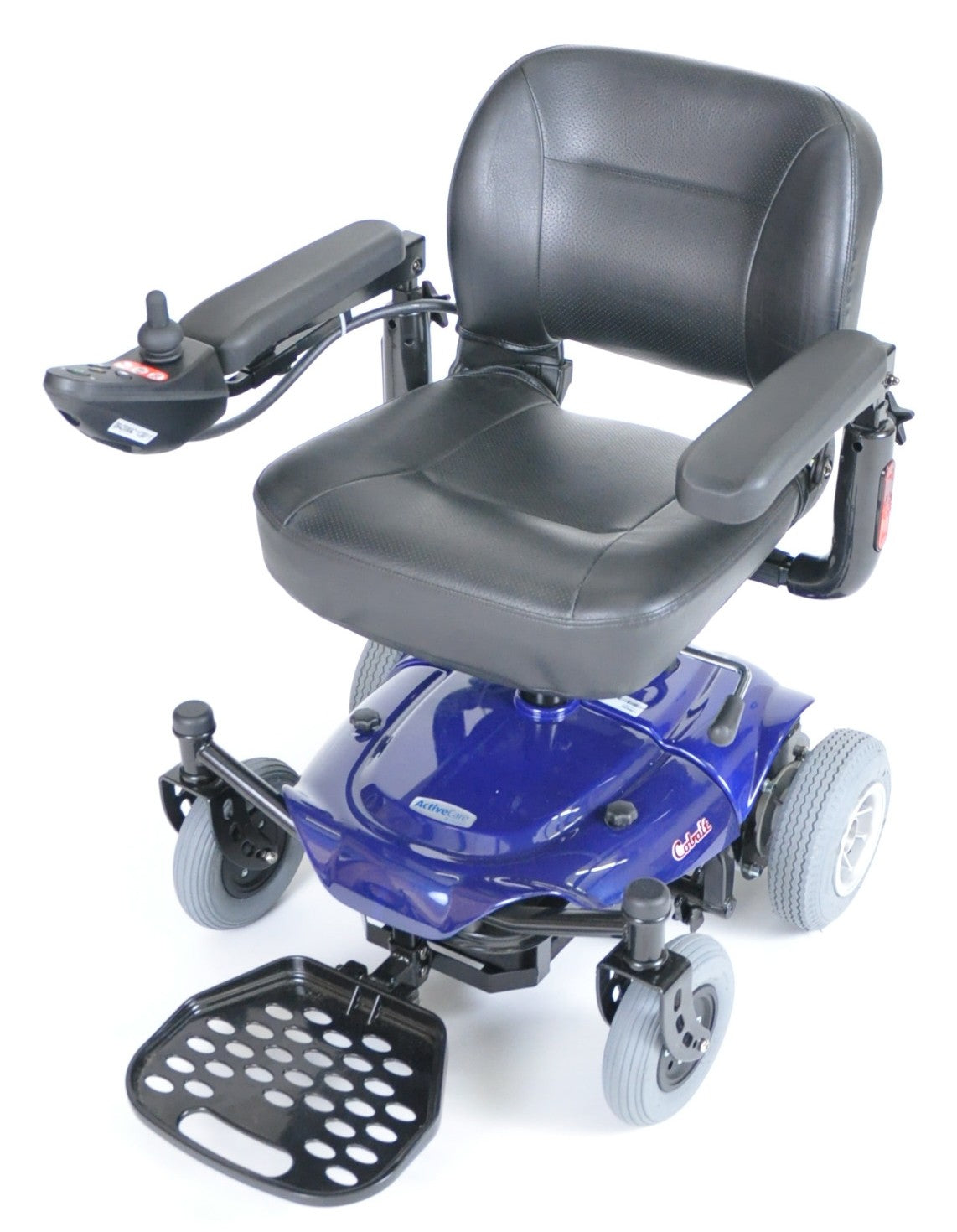
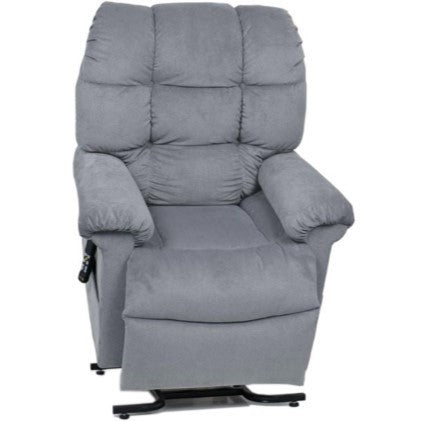
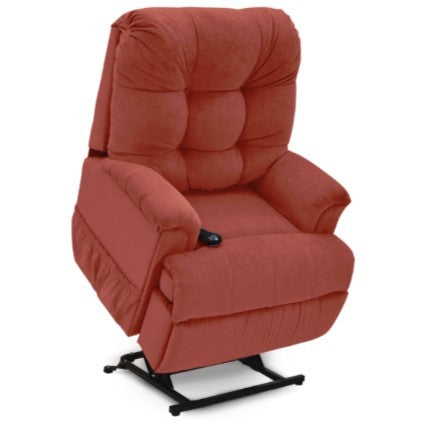
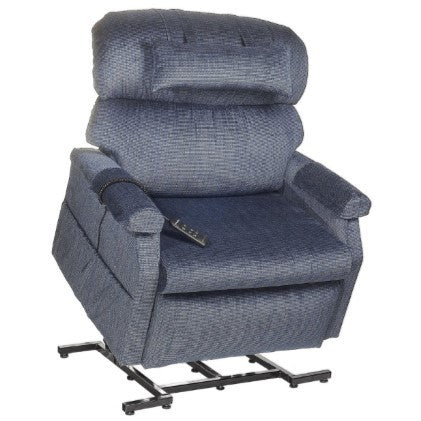
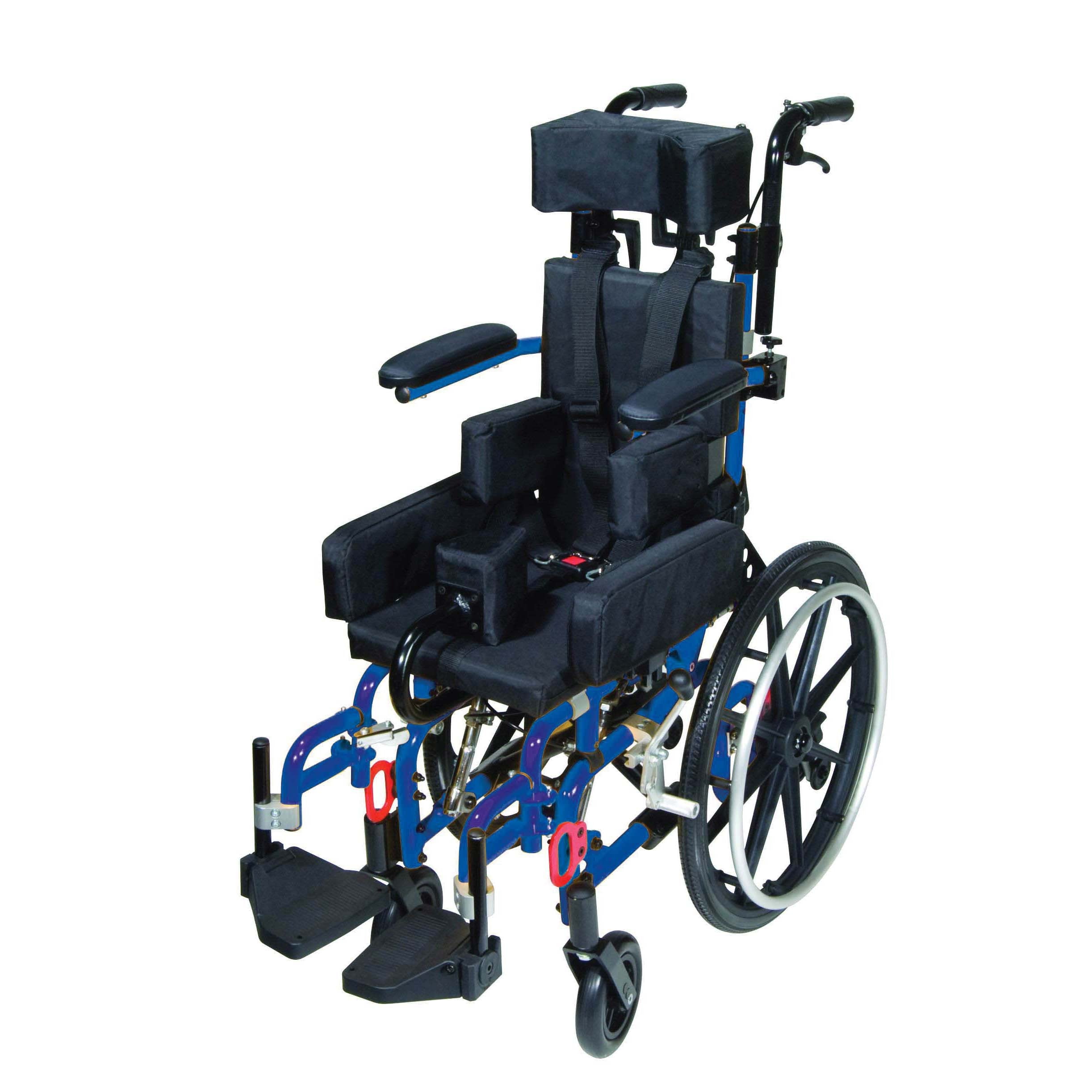
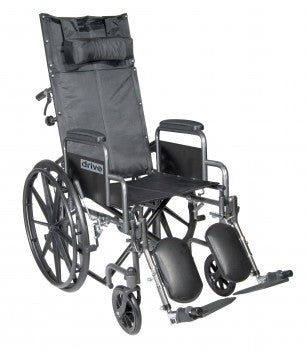
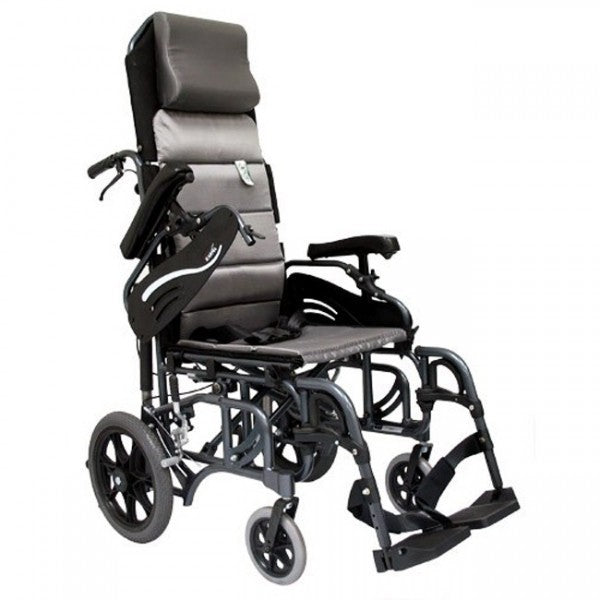
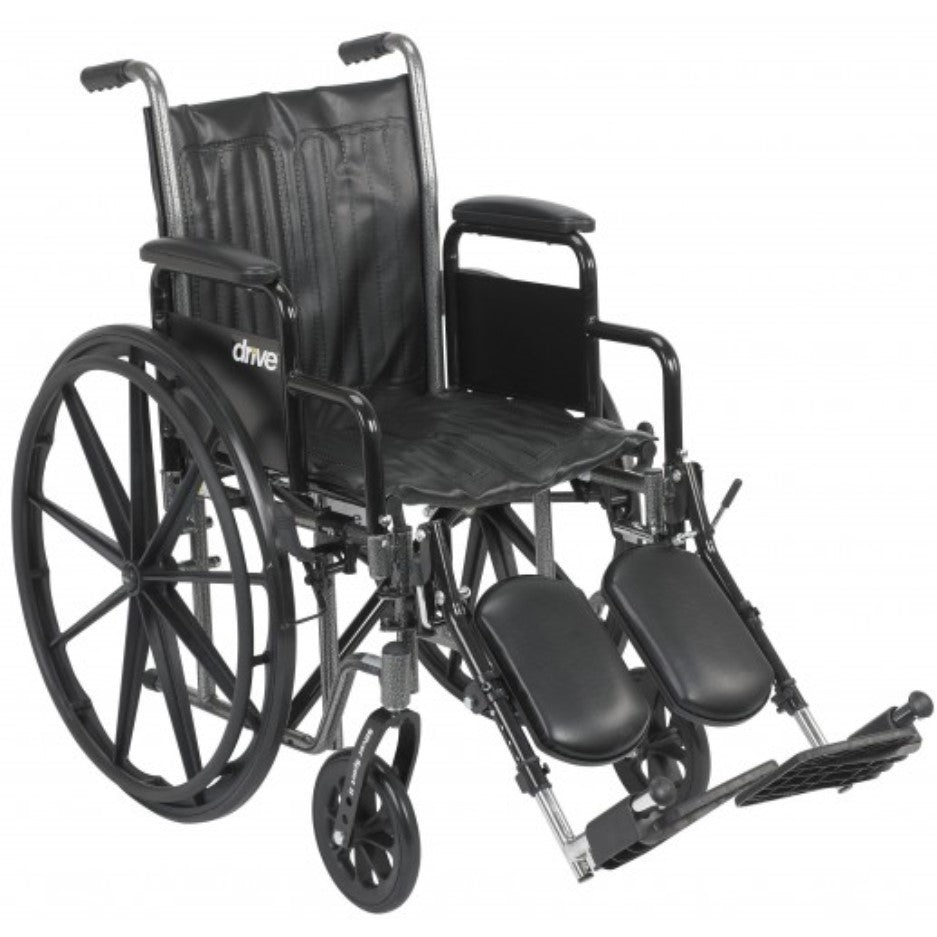
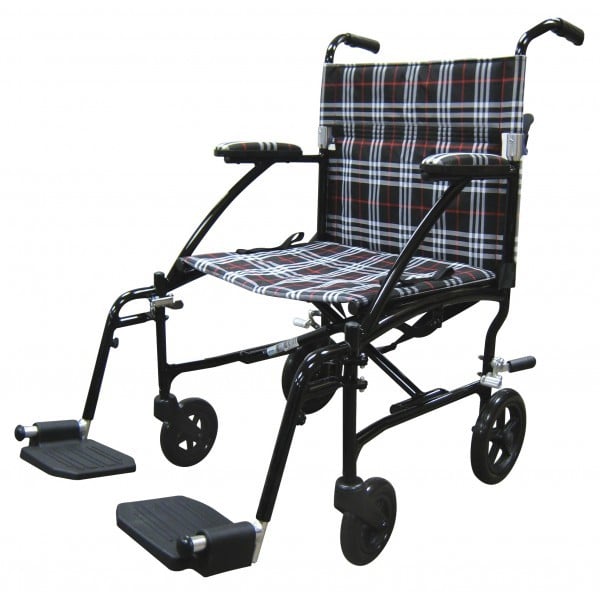
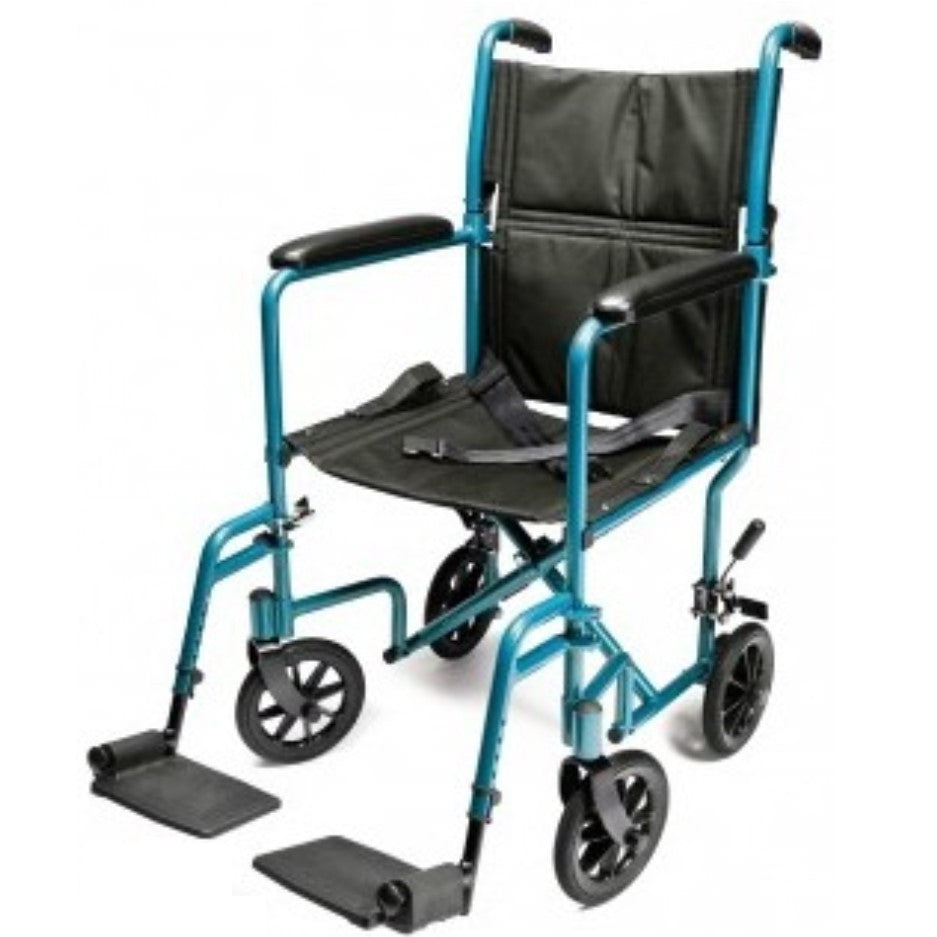


A power wheelchair can either make daily life easier or create new frustrations if the fit is wrong. When people ask how to choose a power wheelchair, the best answer is not to start with the brand name or the appearance. Start with how the chair will be used every day, where it needs to go, and what kind of support the rider needs to stay safe and comfortable.
This is a high-consideration purchase, and it should be treated that way. The right chair supports independence, reduces strain, and gives the user more confidence at home and away from home. The wrong chair may be too large for tight rooms, too heavy for transport, or uncomfortable after an hour of sitting. That is why the selection process needs to be practical from the beginning.
How to choose a power wheelchair for real daily use
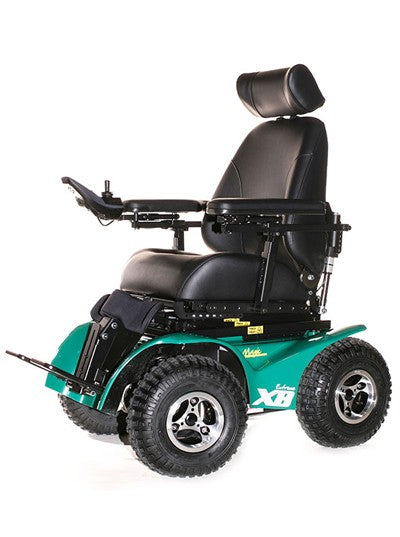
The first question is simple: where will the chair be used most often? Some users need a compact chair mainly for indoor mobility, especially in apartments, hallways, kitchens, and bathrooms where turning space is limited. Others need stronger outdoor performance for sidewalks, parking lots, uneven surfaces, or longer distances.
If the chair will spend most of its time indoors, a tighter turning radius matters more than top speed. A smaller frame can make a major difference in how easily the user moves around furniture, corners, and doorways. If outdoor use is the priority, ground clearance, stability, and battery range usually move higher on the list.
Many buyers need both. In that case, balance matters. A chair that handles daily indoor living but still performs reliably for appointments, shopping, and social outings is often the best fit. This is where expert guidance can save time, because small differences in dimensions and drive configuration can have a big impact in actual use.
Start with fit before features
One of the most common mistakes is choosing features first and sizing second. Power wheelchairs are not one-size-fits-all products. Seat width, seat depth, back height, legroom, and arm support all affect comfort and posture.
A chair that is too narrow can feel restrictive and uncomfortable very quickly. A seat that is too wide may reduce positioning support and make transfers harder. Seat depth matters too. If it is too short, support can feel incomplete. If it is too deep, it may press behind the knees and affect circulation or comfort.
For users who spend long periods in the chair, cushioning and positioning become even more important. Pressure relief, back support, and head support may not seem like the first buying factors, but over time they often become some of the most important ones. Comfort is not an extra. It is part of choosing a chair that can truly be used day after day.
Weight capacity is about more than a number
Every power wheelchair has a stated weight capacity, but this should not be treated as a box to check and move on. The capacity should match the user comfortably, not barely. Choosing a chair with an appropriate margin can help support performance, durability, and overall stability.
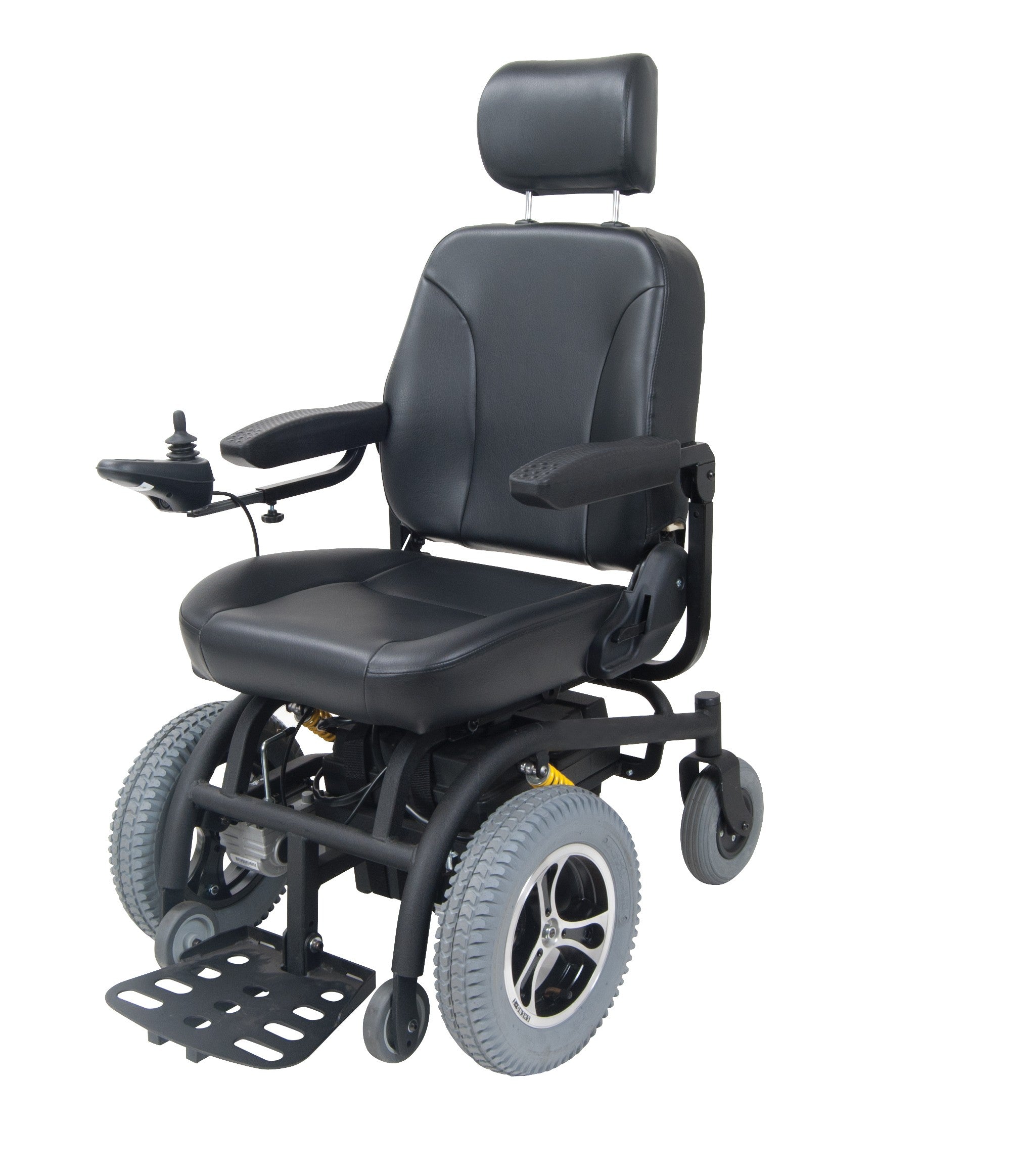
For bariatric users, reinforced frames, wider seating, and heavy-duty suspension may be essential rather than optional. A chair built for higher capacity is usually designed differently from the ground up, and that difference can be felt in ride quality and long-term reliability.
Think carefully about transfers
Transfers are a daily part of life for many users. If the rider transfers from bed, a lift chair, a vehicle, or a toilet seat, then seat height, armrest style, and footrest design deserve close attention.
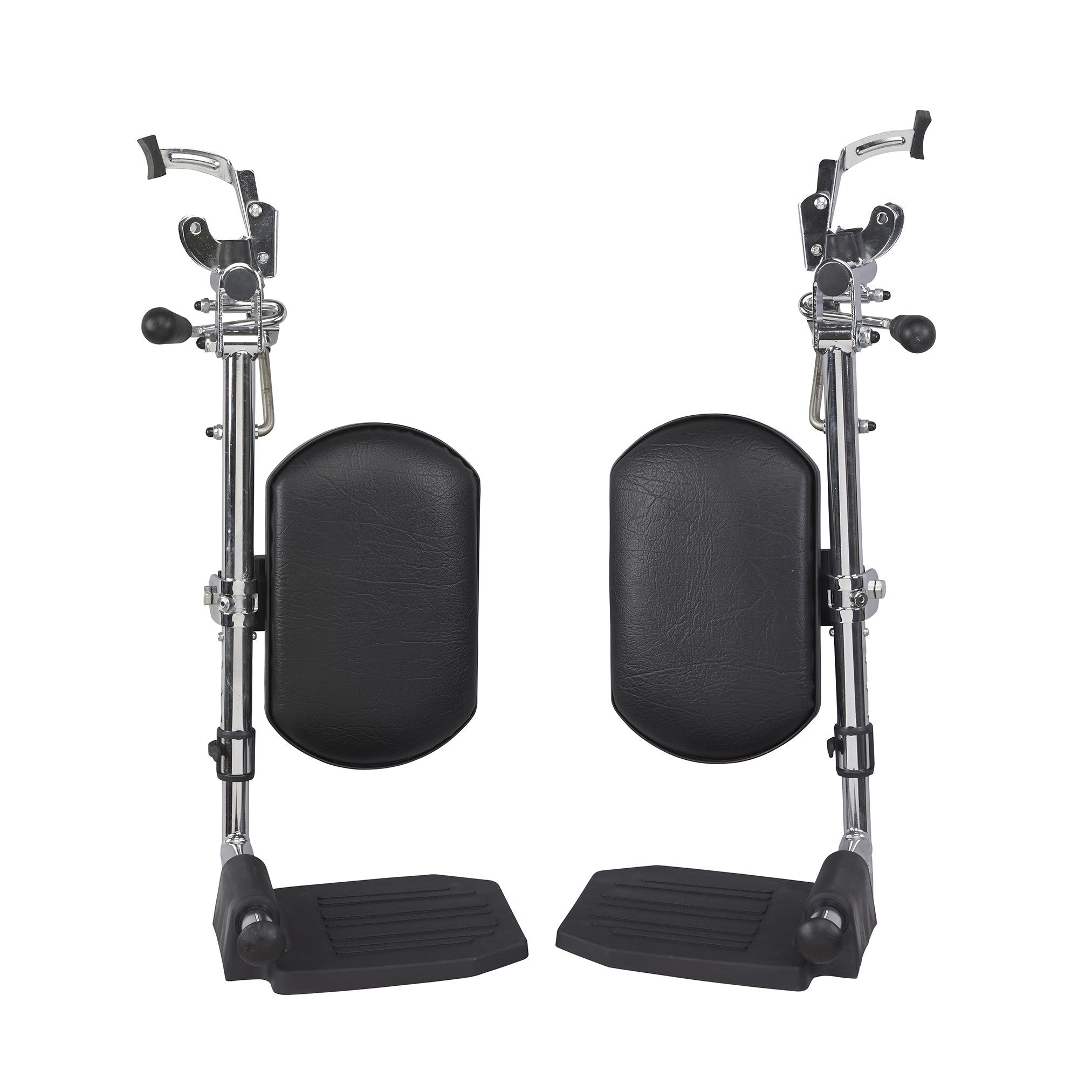
Flip-up or removable armrests can make side transfers easier in some situations. Swing-away footrests may help create a cleaner path in and out of the chair. These details are easy to overlook online, but they can matter every single day.
Understand drive types and handling
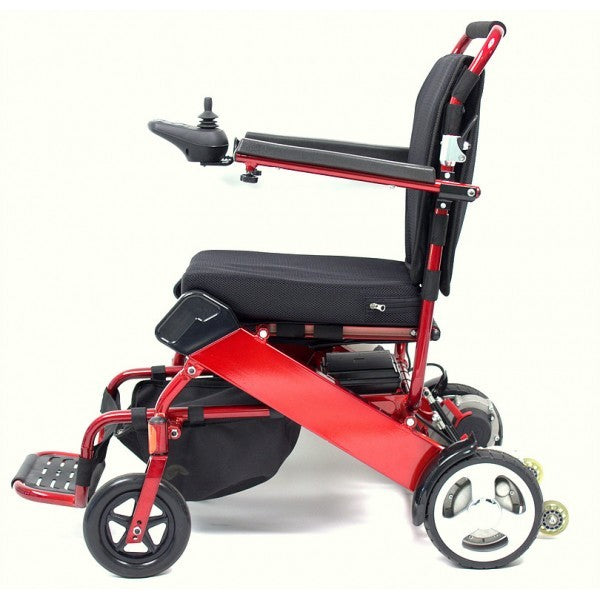
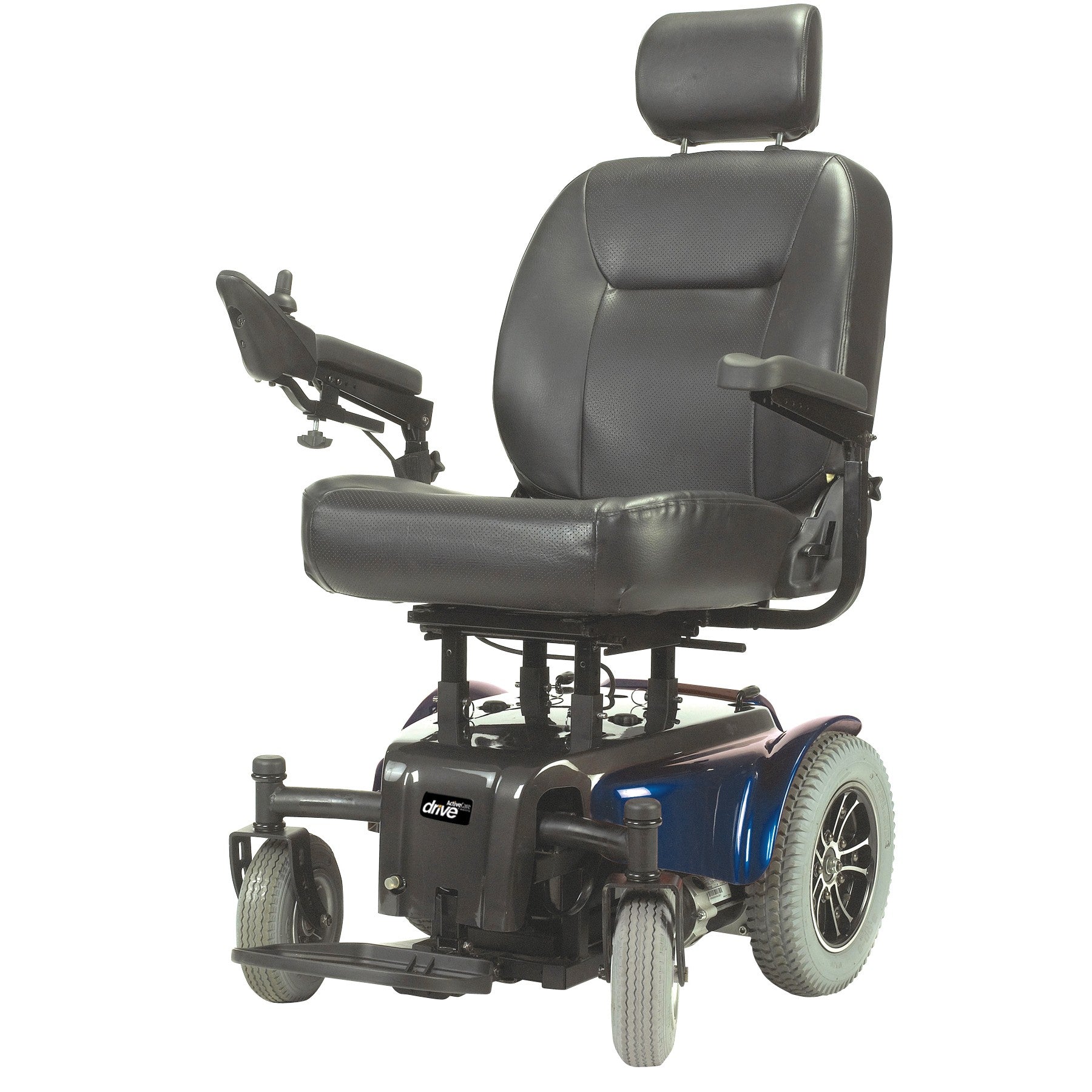
If you are learning how to choose a power wheelchair, drive type is one of the most important differences to understand. Front-wheel, mid-wheel, and rear-wheel drive chairs each have strengths.
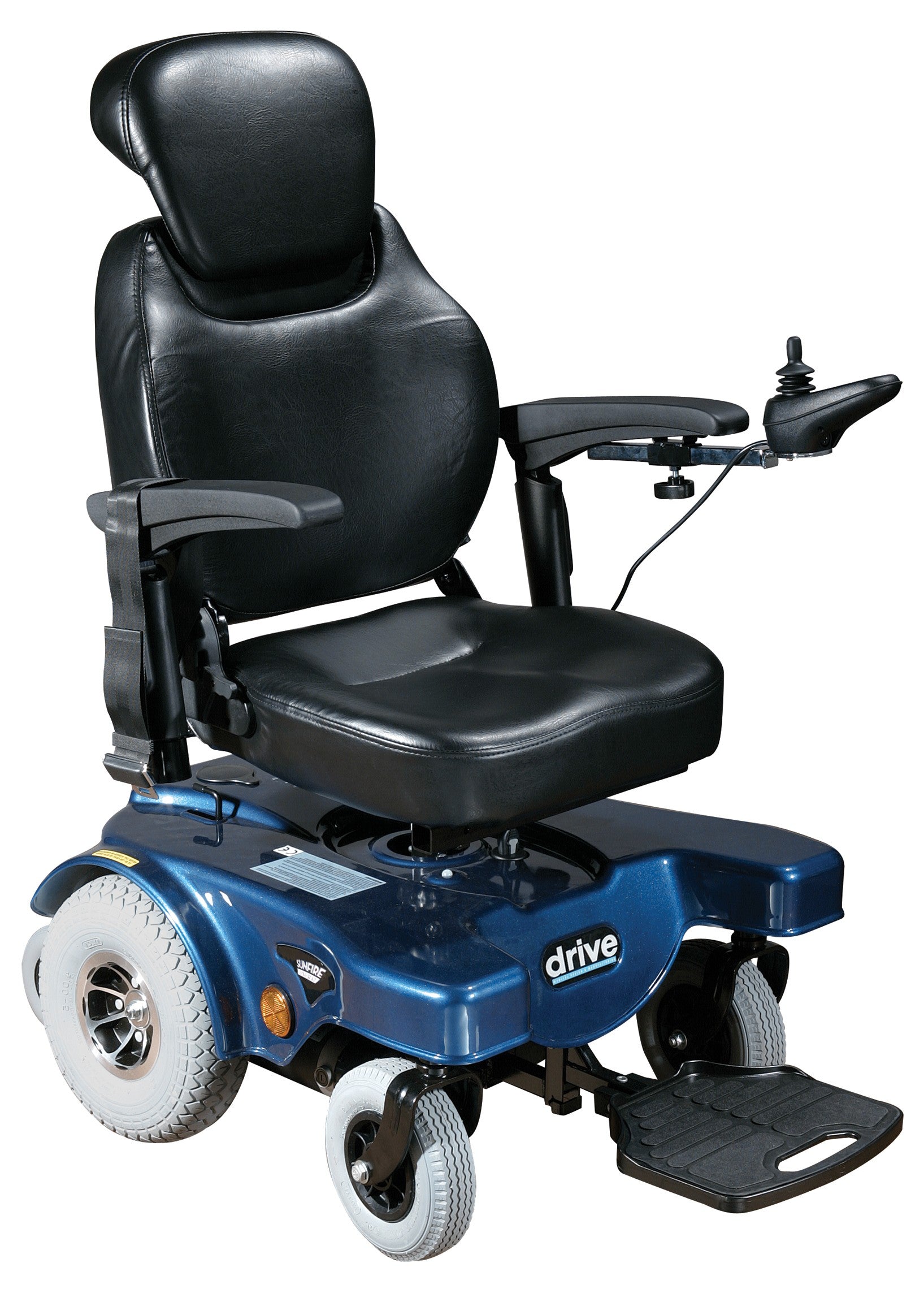
Mid-wheel drive models are often popular for indoor use because they usually offer the tightest turning radius. That can be a major advantage in homes with narrow spaces. The trade-off is that some users need time to get used to how the chair tracks over uneven ground.
Front-wheel drive chairs can perform well over obstacles and may offer a smoother feeling when approaching changes in terrain. Rear-wheel drive chairs often provide solid tracking at higher speeds and can feel stable outdoors, though they may need more room to turn.
There is no universal best option. The right choice depends on the user, the home, and the surfaces the chair will travel most often.
Battery range, travel needs, and transport
Range matters, but it should be judged honestly. Some users only need enough battery life for moving around the house and short local outings. Others need a chair that can handle a full day of errands or appointments without creating range anxiety.
Think about a normal week, not an ideal one. Does the user need dependable all-day performance? Will the chair be loaded into a vehicle? Does it need to be easier to transport or store? These questions can quickly narrow the field.
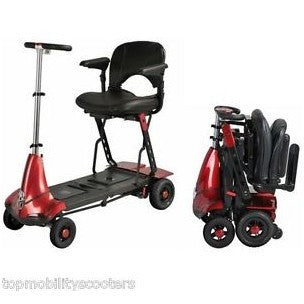
A larger, heavier power wheelchair may offer stronger performance and more comfort features, but it can also be harder to transport. A travel-friendly model may be easier to manage away from home, but that convenience sometimes comes with compromises in seat size, ride feel, or advanced support options. That is the kind of trade-off buyers should consider upfront rather than after delivery.
How to choose a power wheelchair for comfort and control
The control system should match the rider's physical abilities, not just standard expectations. A traditional joystick works well for many users, but not all. Hand strength, coordination, posture, and fatigue level all affect how easy the chair is to operate safely.
Joystick placement matters too. Some riders need right-side control, others left-side. Armrest height and positioning can affect whether the control feels natural or tiring. For users with limited upper-body strength or changing medical needs, seating and control customization may be worth discussing early in the process.
Comfort also comes back to suspension, seat design, and support surfaces. A chair that feels acceptable for ten minutes in a product description may feel very different after several hours of real use. If the rider will depend on the chair every day, comfort should be treated as a performance feature.
Measure the home before you buy
A power wheelchair can look appropriately sized on paper and still create problems once it arrives. Doorways, hallway widths, turning areas, flooring transitions, and ramp access all matter.
Measure the narrowest interior doors the chair must pass through. Check bathroom access carefully, especially if the user needs the chair for bathroom mobility. Look at thresholds, rugs, and transitions between rooms. If the chair will be used outside, consider sidewalks, entry ramps, and how easily it can approach vehicles or building entrances.
This step prevents many costly mistakes. It also helps clarify whether the buyer should prioritize compact maneuverability, outdoor stability, or a middle-ground option.
Don’t overlook support after the sale
A power wheelchair is not an impulse purchase, and most buyers do not want to make the decision alone. They want clear answers about fit, function, and compatibility with the user’s needs. That is where real product guidance matters.
Working with a knowledgeable mobility specialist can help uncover issues a product grid will not explain. A shopper may think they need a compact travel chair, then realize they need more support for long sitting periods. Another may focus on outdoor power, then discover the chair will not work well in the home. Good guidance helps match the product to the person, not just the category.
For many families, financing availability and phone-based support also make the process easier. A purchase like this should feel informed and manageable, especially when it affects daily independence and quality of life.
American Quality Health Products has built its reputation around that kind of hands-on support, helping customers compare trusted mobility brands and narrow down options based on real-life needs rather than guesswork.
The best choice is the one that fits the user
A power wheelchair should fit the rider’s body, routine, home, and long-term needs. That may mean choosing tighter maneuverability over extra speed, stronger seating support over lighter transport weight, or a higher-capacity frame for comfort and peace of mind. The best decision is rarely the chair with the most features. It is the chair that makes everyday movement safer, easier, and more dependable.
If you are comparing models, slow the process down just enough to ask better questions. The right chair does more than move someone from room to room. It helps protect independence, comfort, and confidence every day.


