
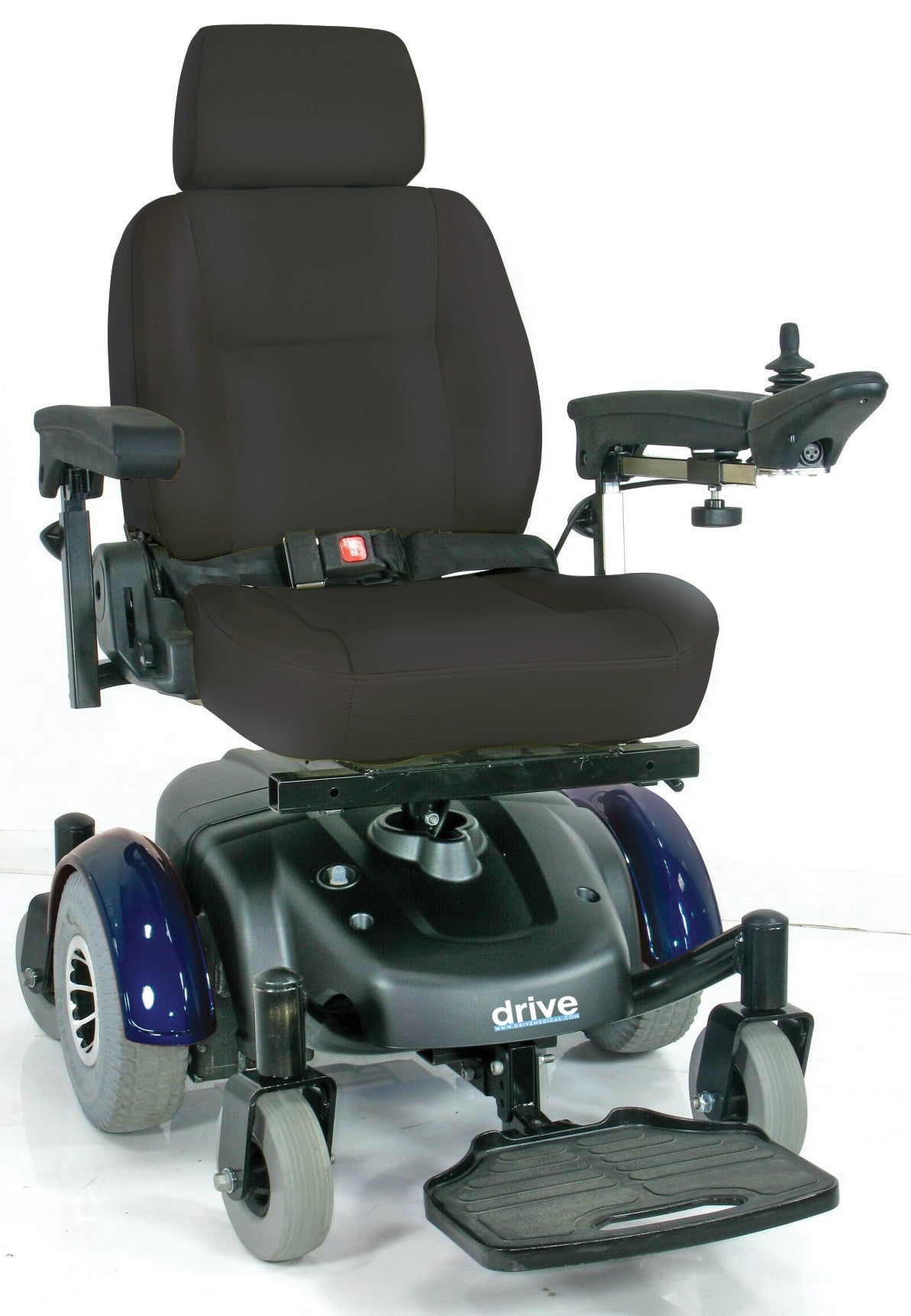
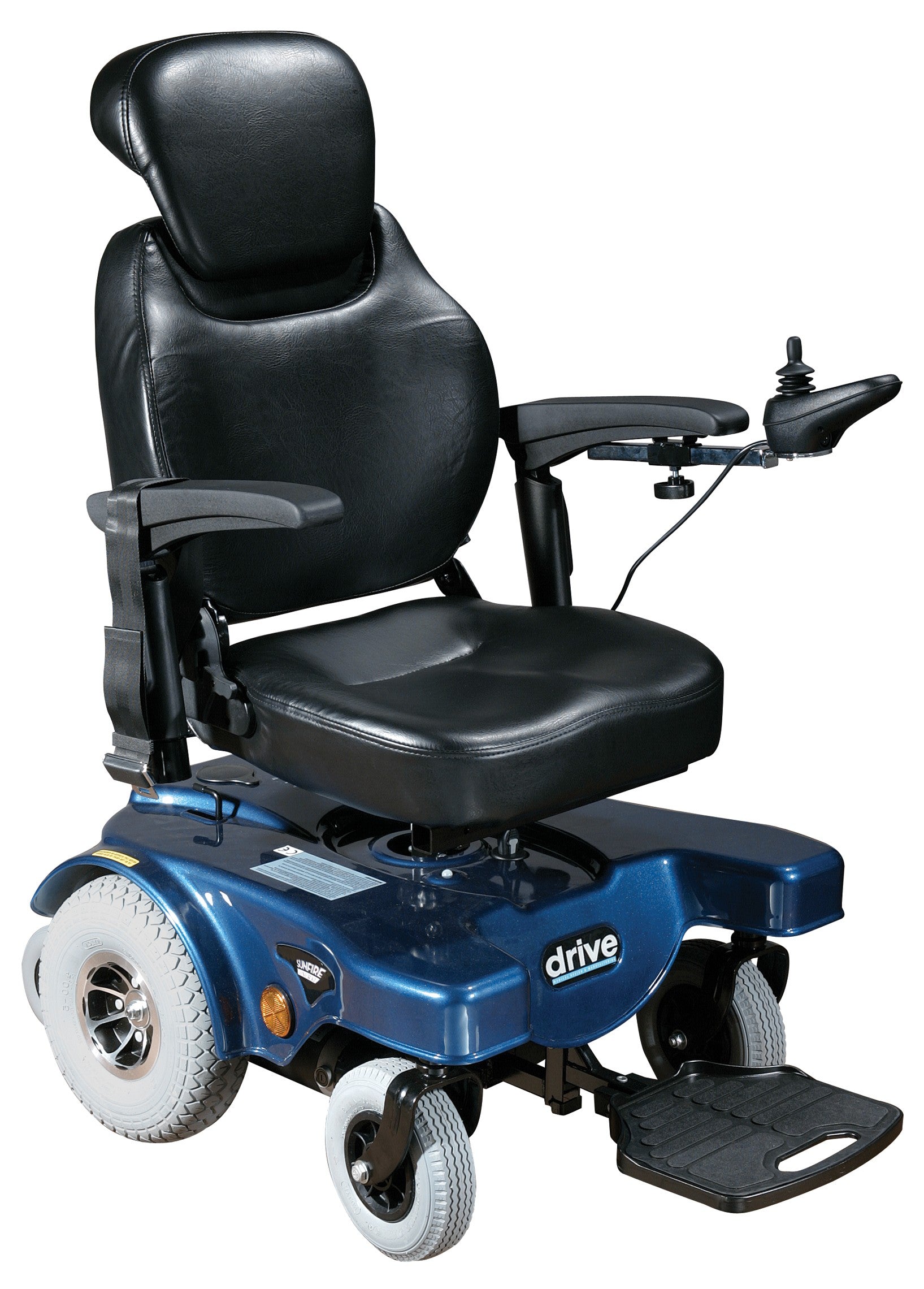
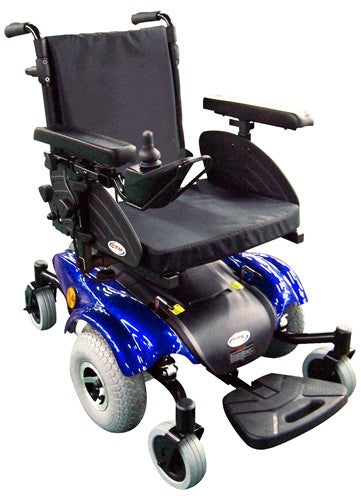
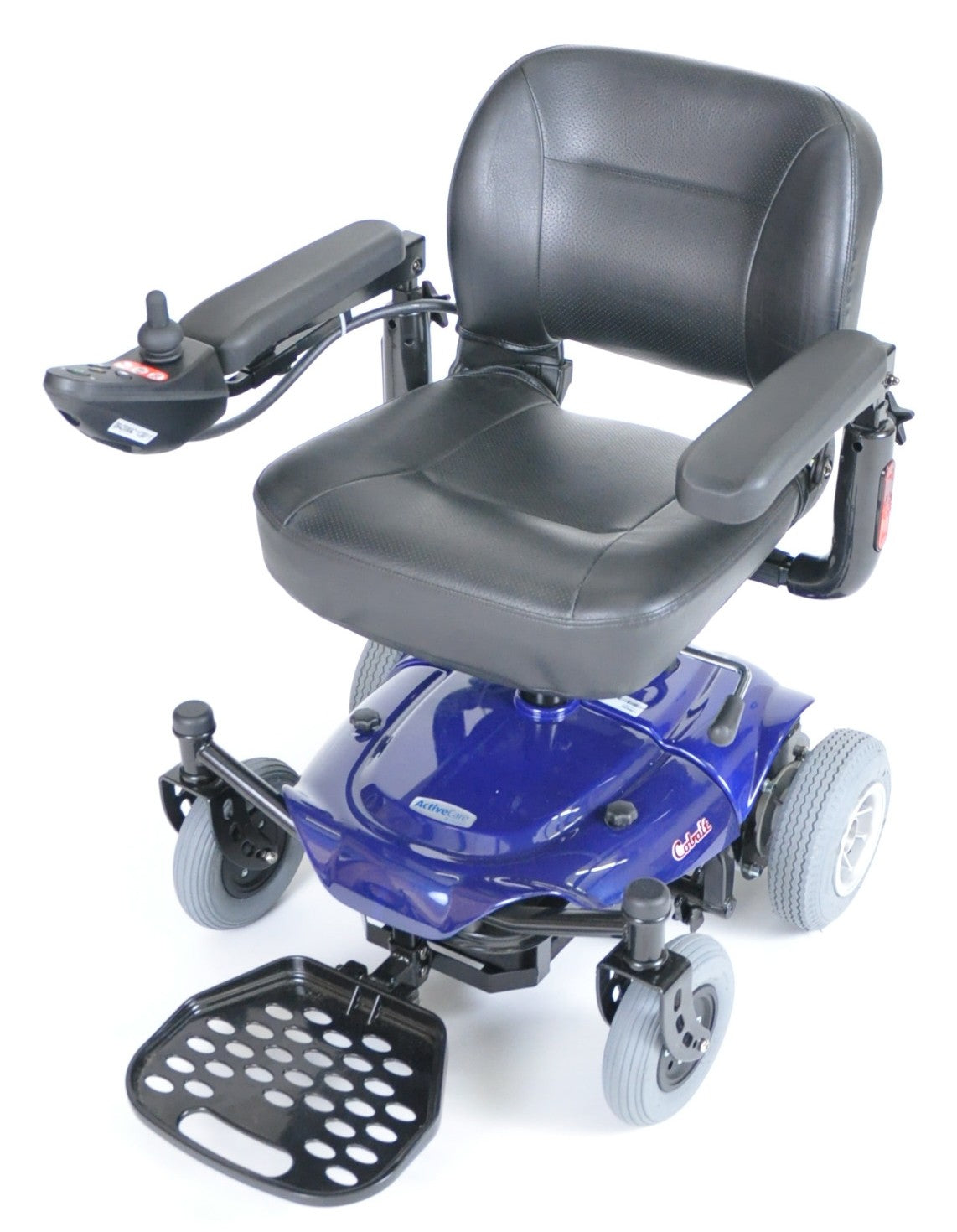

A scooter that looks great on a product page can feel completely wrong after a week at home. That is why finding the best mobility scooter for seniors usually comes down to fit, comfort, and daily use - not just price or top speed. The right scooter should make everyday life easier, safer, and less tiring, whether the goal is getting to the mailbox, shopping with less strain, or staying active around the neighborhood.
For most seniors and caregivers, the real question is not which scooter is best overall. It is which scooter is best for the person who will rely on it every day. A compact travel model may be ideal for one customer and a poor choice for someone else who needs more legroom, higher weight capacity, or better outdoor stability.
How to choose the best mobility scooter for seniors
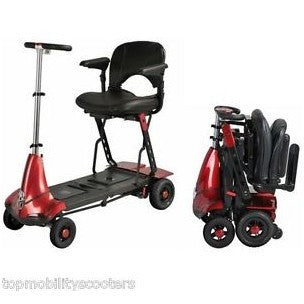
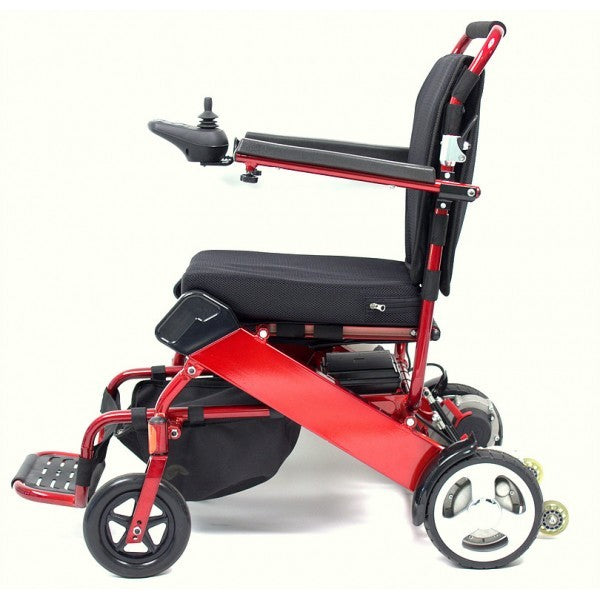
The best place to start is with lifestyle. If the scooter needs to fit in a car trunk for errands, doctor visits, or vacations, a lightweight travel scooter often makes the most sense. These models are designed for portability and easy disassembly, which is a major benefit for users who are frequently on the go or have family members helping with transport.
That said, travel scooters involve trade-offs. They are usually more compact, which can mean less seat padding, less foot space, and a shorter driving range than larger models. For shorter outings, that may be perfectly fine. For longer days away from home, comfort can become the deciding factor.
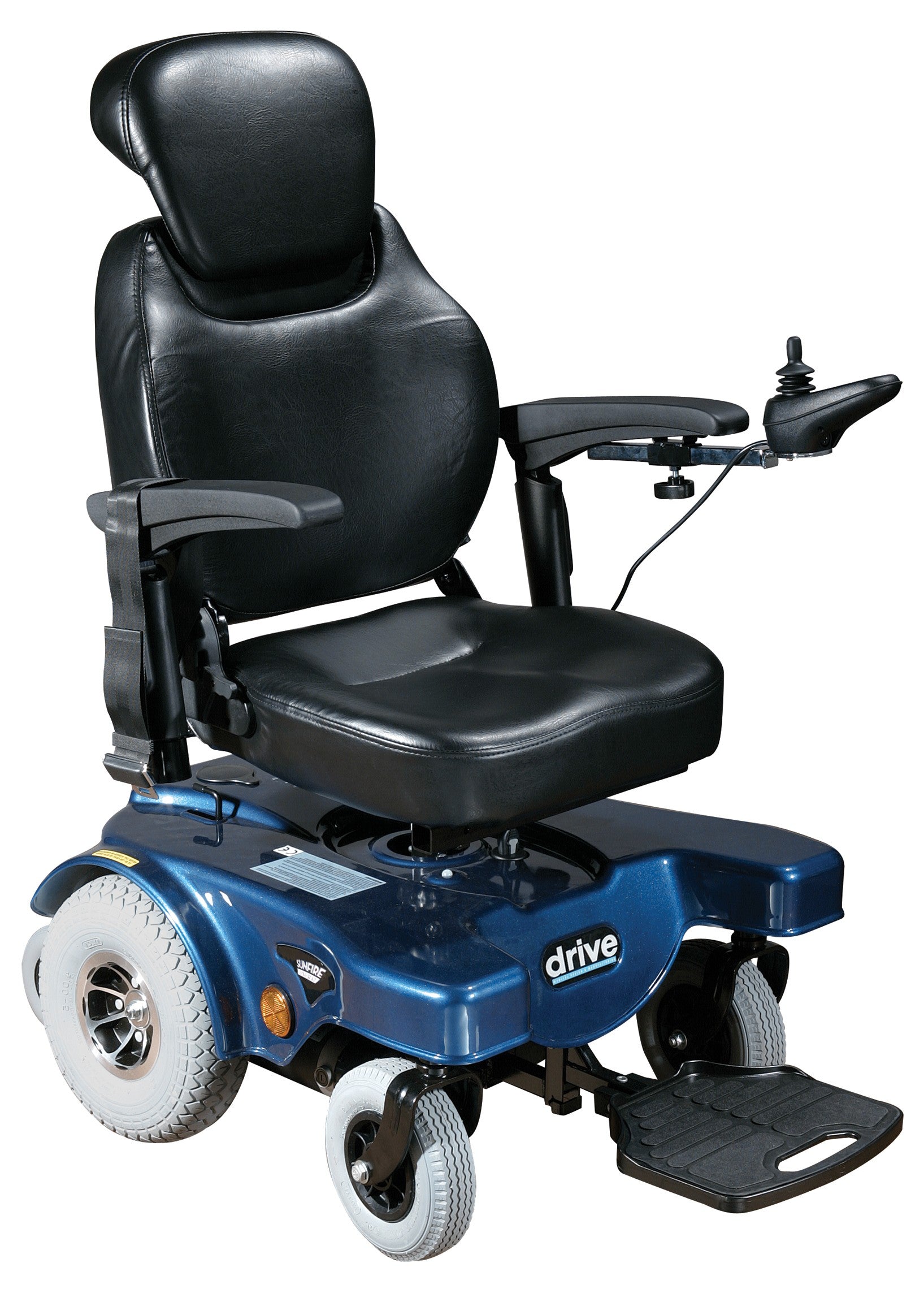
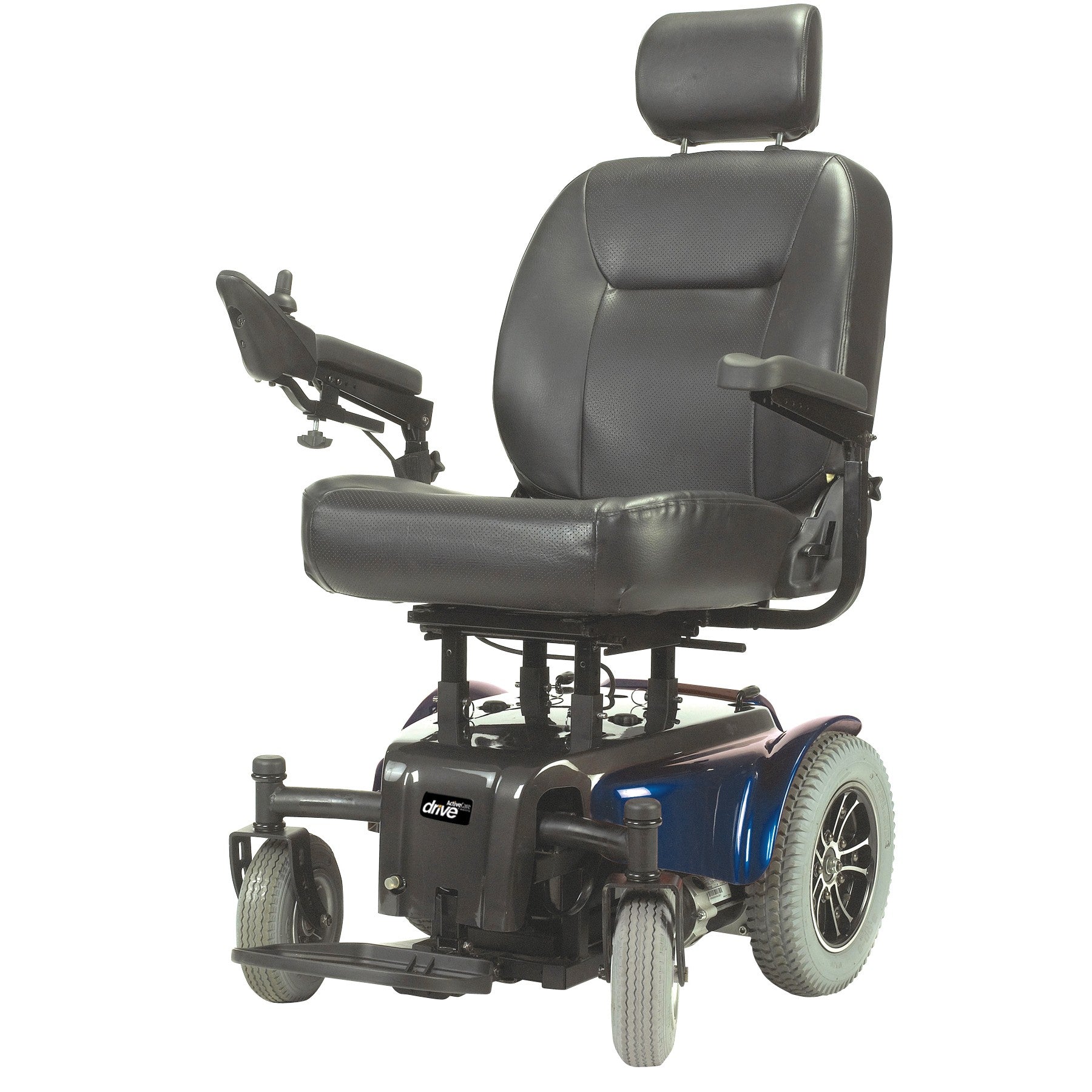
If the scooter will be used more often around the home, in senior living communities, or on local sidewalks, a mid-size scooter is often the stronger all-around option. Mid-size models typically offer a better balance of comfort, maneuverability, and battery range. They are easier to live with than heavy-duty units but usually feel more substantial than travel scooters.
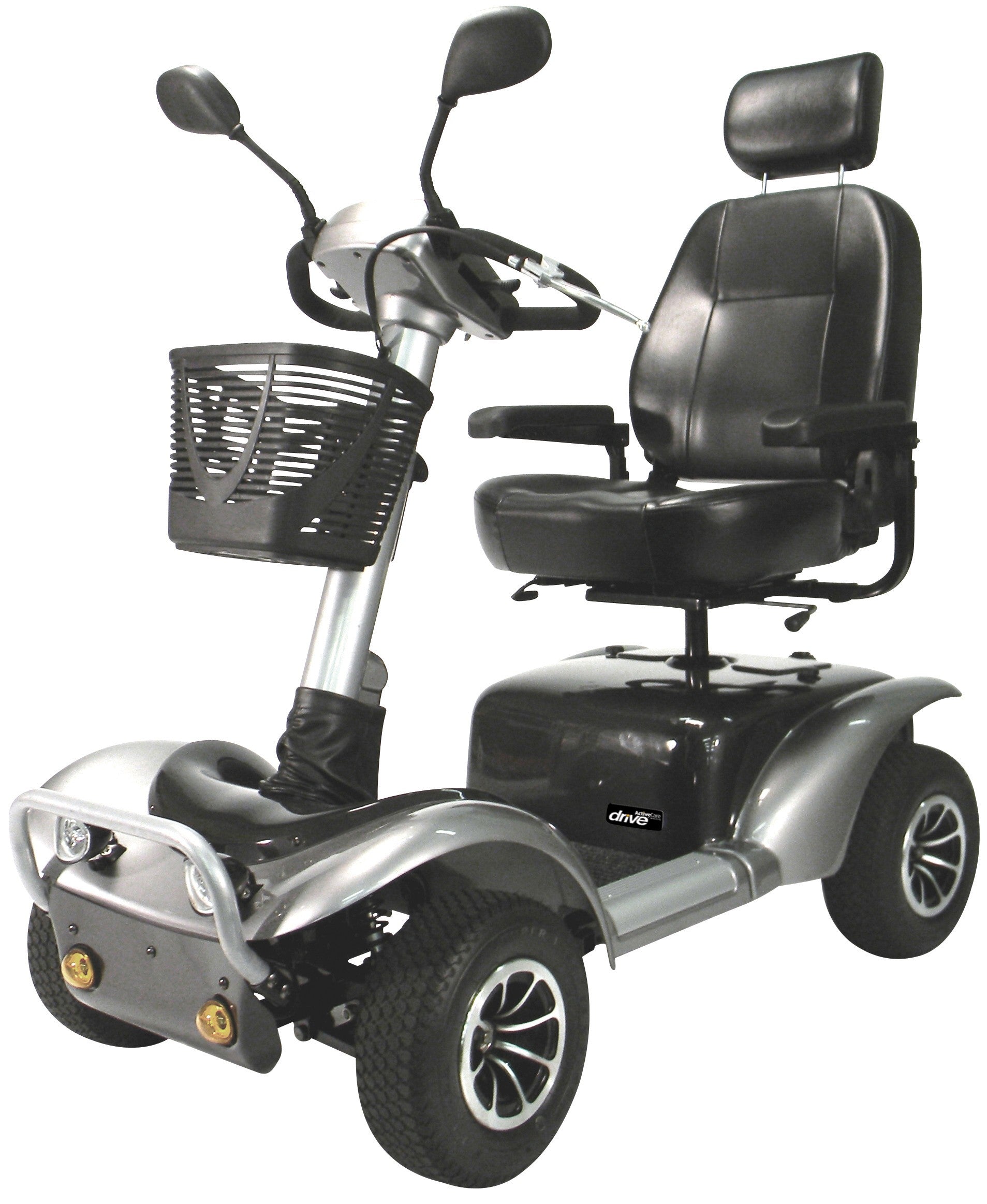
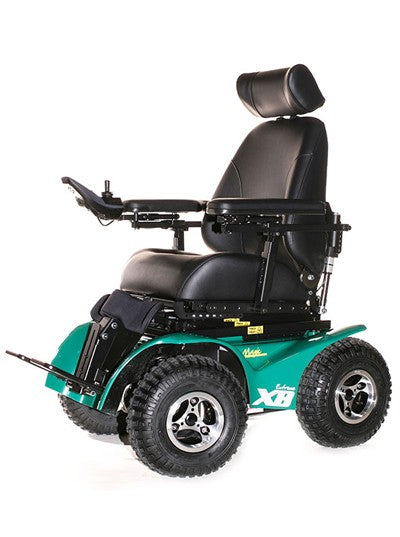
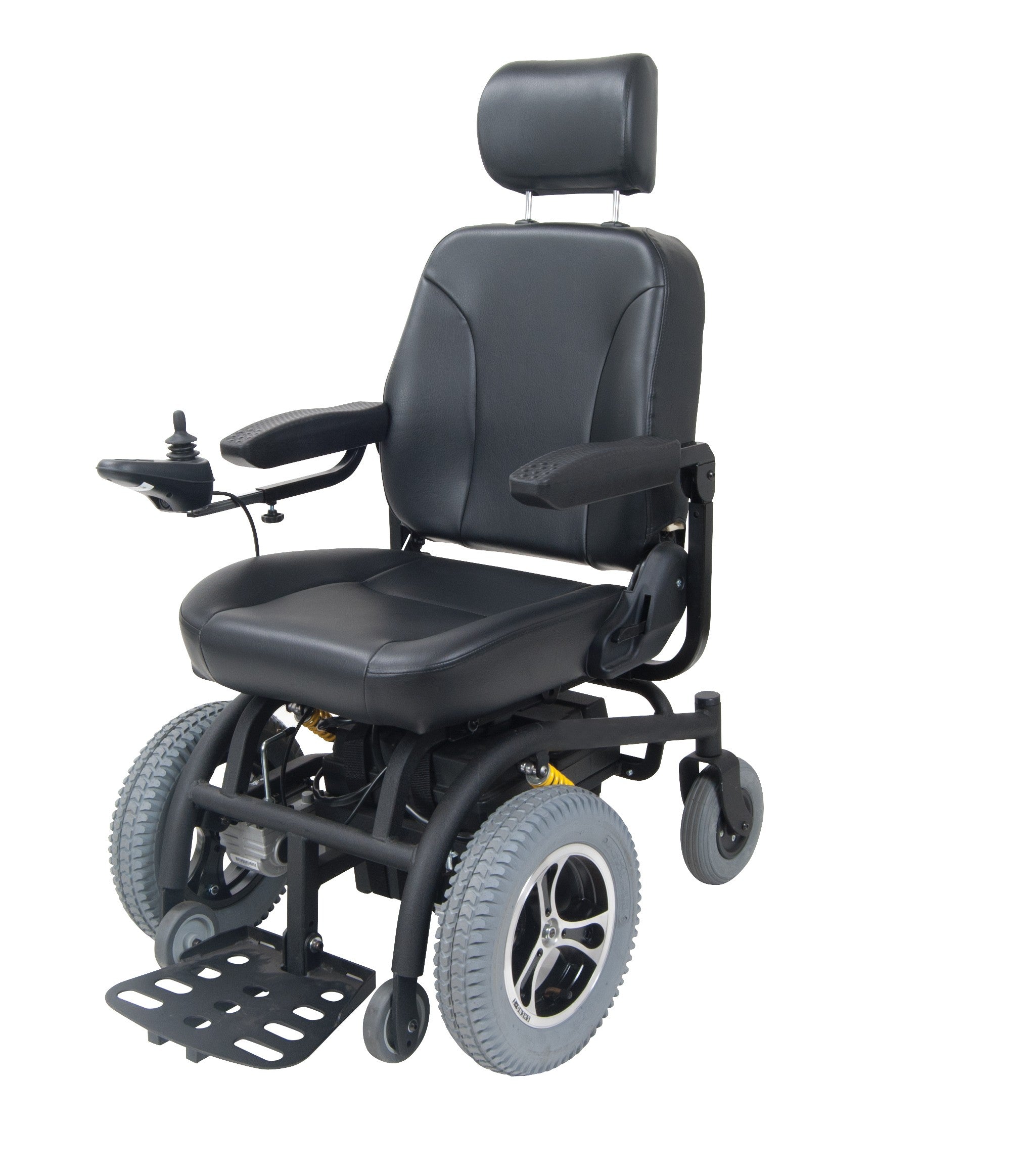
For users who need extra support, higher weight capacity, or more outdoor performance, heavy-duty scooters deserve a close look. These models are built for stability, longer distances, and a roomier ride. They can be especially helpful for taller users, bariatric users, or anyone who plans to use the scooter on uneven ground, longer driveways, or community pathways. The trade-off is that they are larger, heavier, and not nearly as easy to transport.
Key features that matter most
Shoppers often compare scooters by brand or appearance first, but the day-to-day experience depends on a few practical details.
Seat comfort matters more than many buyers expect. A padded swivel seat, supportive backrest, and adjustable armrests can make a huge difference for users with arthritis, back pain, or limited stamina. If someone will spend more than a few minutes at a time on the scooter, seat size and cushioning should never be treated as a minor detail.
Turning radius is another feature that affects satisfaction quickly. In tighter homes, apartment buildings, and store aisles, a scooter that turns more easily will feel far less frustrating. A larger scooter may offer more stability and comfort, but if it is difficult to navigate indoors, that strength can become a drawback.
Battery range should match real routines, not best-case assumptions. A senior who uses a scooter for short trips to the dining room or mailbox has very different needs than someone planning regular outdoor rides, shopping trips, or long community use. Choosing too little range can create anxiety. Paying for much more range than needed may not add real value.
Ground clearance and tire type also matter. Indoor-friendly scooters often perform well on smooth flooring and pavement but may struggle on rougher surfaces. If the user will cross thresholds, ramps, parking lots, or cracked sidewalks, sturdier wheels and better clearance can improve both comfort and safety.
Weight capacity is critical, and not just for meeting the listed limit. A scooter tends to perform best when there is a comfortable margin between the user weight and the maximum capacity. That often helps with ride quality, durability, and overall confidence.
Three-wheel vs. four-wheel scooters
This is one of the most common buying decisions, and the right answer depends on where the scooter will be used.
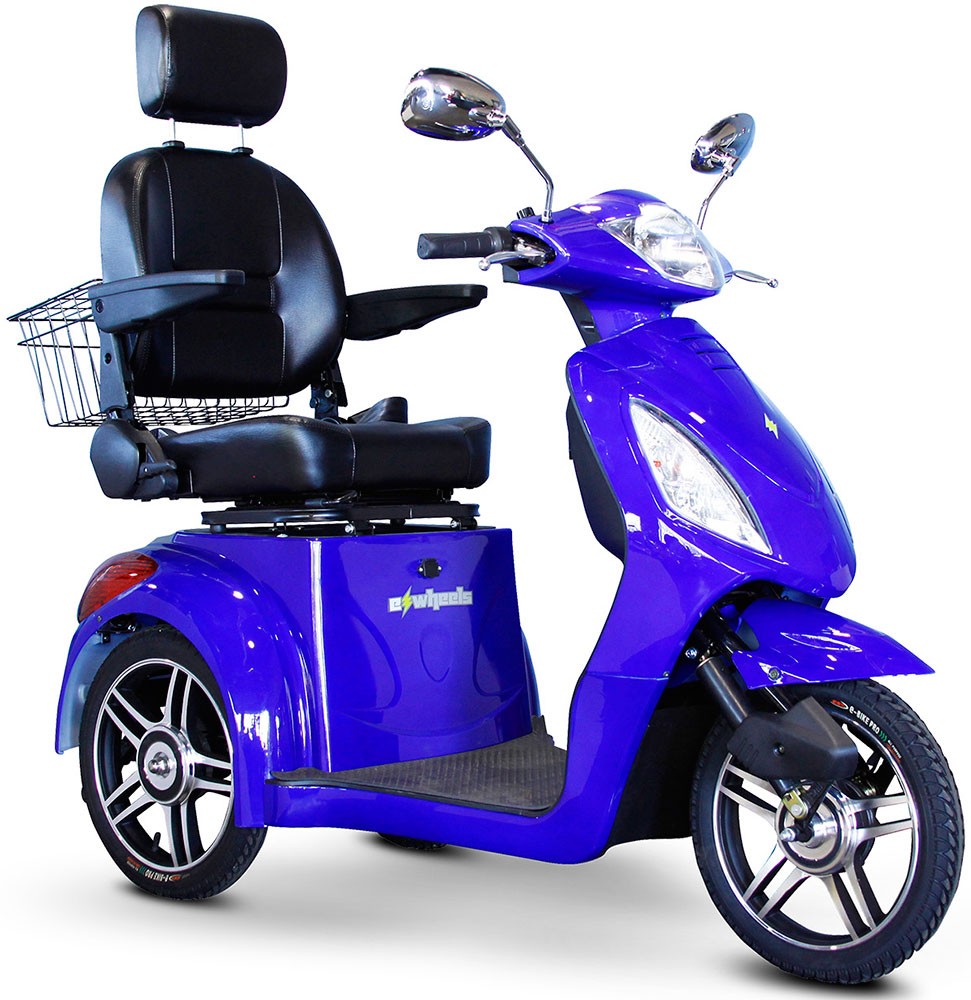
Three-wheel scooters are typically easier to maneuver. They tend to have a tighter turning radius, which makes them appealing for indoor use and crowded retail spaces. Many seniors like the added legroom as well. The downside is that they may feel less stable on uneven outdoor surfaces.
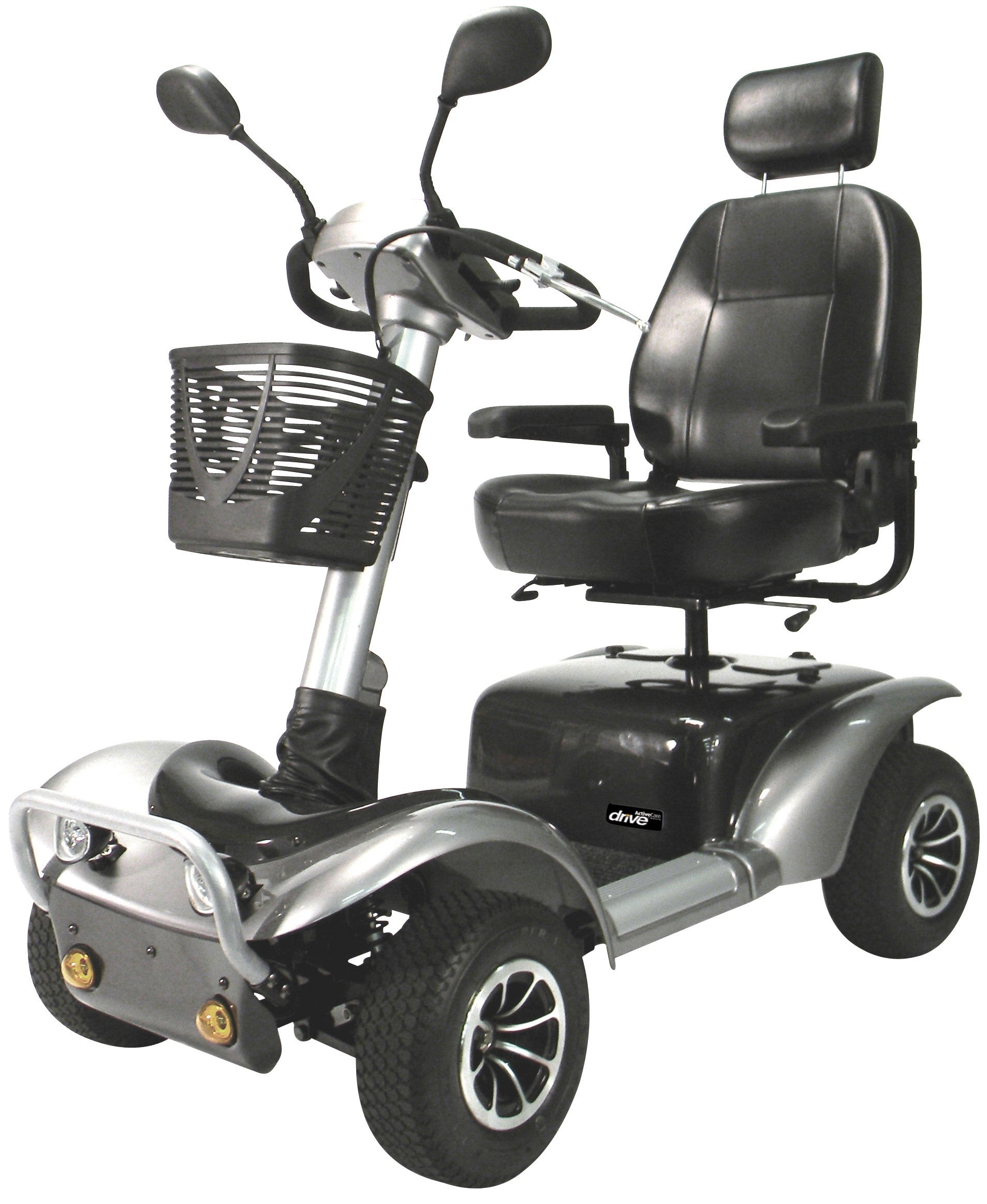
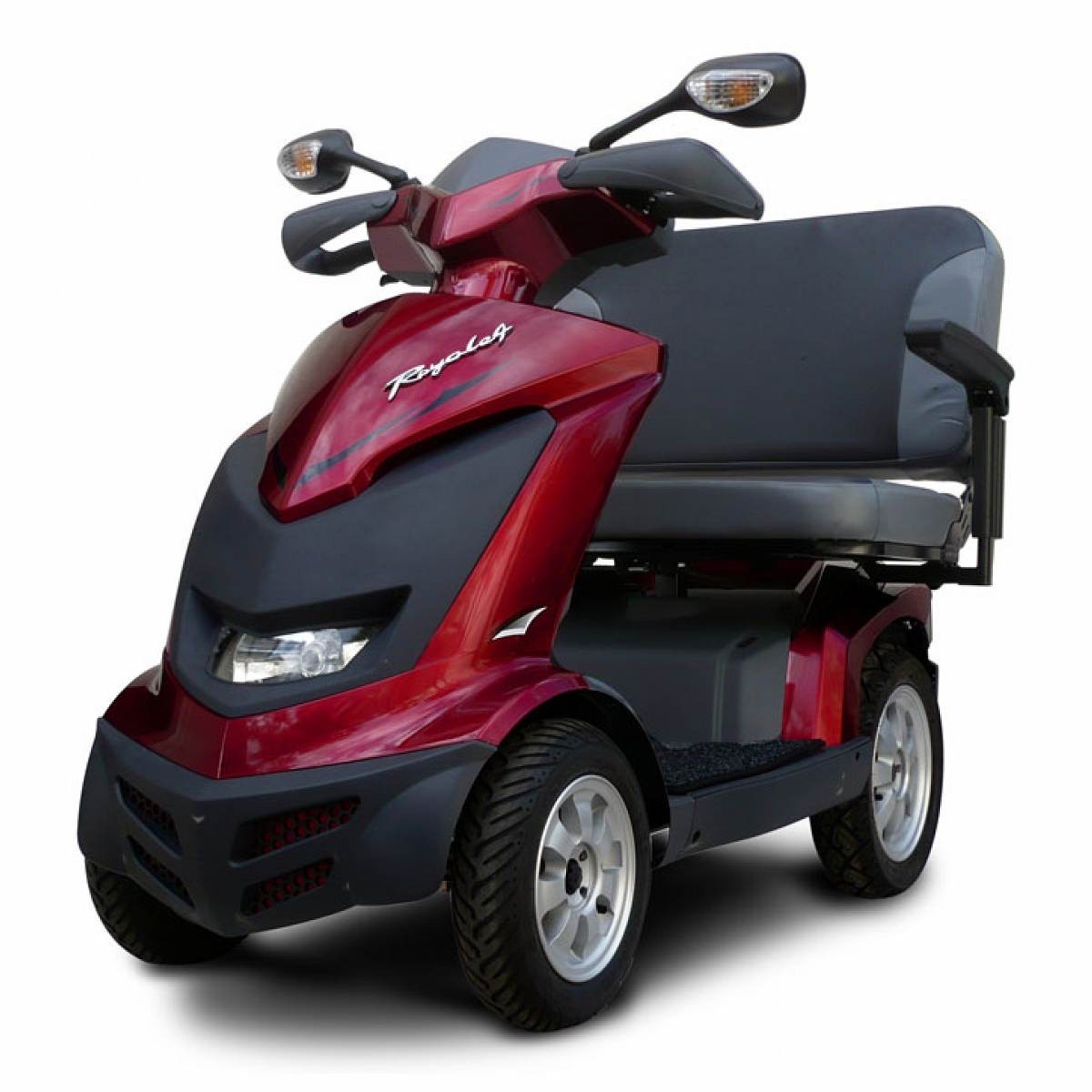
Four-wheel scooters usually provide a steadier feel, especially outside. They are often the better pick for sidewalks, parking lots, and longer outdoor trips. If safety and outdoor stability are the top priorities, a four-wheel model is often worth the extra size.
Best mobility scooter for seniors by use case
A travel scooter is often the best mobility scooter for seniors who still ride in the car often and want a convenient option for errands and appointments. These scooters are especially practical for caregivers who need to load and unload the unit regularly. Brands such as Pride Mobility, Golden Technologies, Drive Medical, and EV Rider are well known for travel-focused models with strong reliability and parts support.
A mid-size scooter is usually the best fit for seniors who want one scooter that can handle daily life without feeling too bulky. This category works well for apartment communities, assisted living settings, and local neighborhood use. It is often the sweet spot for shoppers who want better comfort than a travel scooter without stepping up to a full heavy-duty model.
A heavy-duty scooter is often the best choice for seniors who need more room, higher capacity, stronger suspension, or longer battery performance. For bariatric support or frequent outdoor use, this category can offer a much better ownership experience. It costs more upfront and takes up more space, but it may prevent the frustration that comes from buying too small.
Brand matters, but fit matters more
Established manufacturers earn trust for a reason. Pride Mobility, Golden Technologies, Drive Medical, and EV Rider all offer respected scooter lines with different strengths. Some models focus on portability, some on comfort, and others on durability for heavier daily use.
Still, the brand name alone does not decide whether a scooter will work well. Two scooters from the same manufacturer can serve completely different users. That is why product matching matters. The better approach is to compare the scooter to the user, not just the scooter to another scooter.
Common mistakes seniors and caregivers should avoid
One of the biggest mistakes is buying only for the current moment. If walking is becoming more difficult now, it may make sense to consider what will still work comfortably six months or a year from now. A scooter that barely meets today’s needs can feel limiting very quickly.
Another common issue is underestimating where the scooter will be stored and charged. Larger scooters need more room, and every scooter needs a practical charging setup. Before buying, it helps to think through doorways, garage access, apartment layouts, and vehicle transport.
Some shoppers also focus too heavily on price and miss the bigger value picture. A lower-cost scooter can be a smart purchase if it truly fits the user. But if it leads to discomfort, poor outdoor performance, or difficult transport, the lower price may not feel like savings for long.
Comfort testing on paper is also hard. Seat dimensions, tiller adjustability, and legroom can look fine in specifications but feel very different in use. That is one reason expert guidance is so valuable for this category. A strong product selection matters, but hands-on buying support can prevent an expensive mismatch.
When expert help makes the difference
Mobility scooters are not one-size-fits-all equipment. A senior recovering from surgery may need something very different from someone aging in place with long-term mobility limitations. The same goes for caregivers buying for a parent or spouse. Details like transfer ability, home layout, travel habits, and body type all affect the right choice.
That is where working with a knowledgeable mobility retailer can save time and money. American Quality Health Products has built its reputation on helping customers compare trusted brands, understand trade-offs, and choose equipment that fits their daily life. For a higher-consideration purchase like a scooter, real product guidance is often just as valuable as the scooter itself.
The best mobility scooter for seniors is the one that supports independence without adding stress. It should feel stable, comfortable, and practical from the first ride, with features that match real routines instead of marketing claims. If you start with how the scooter will be used, who it needs to support, and where it needs to go, the right option usually becomes much clearer.


