

Why 2026 Is the Year to Act on Aging in Place
Wanting to age in place and being equipped to do it safely are two very different things. Over 90% of adults aged 65 and older want to remain in their homes, according to the National Council on Aging, yet only 10% of U.S. homes are currently set up to support them, according to Retirement Living.
The urgency is real. In 2025, 4.2 million Americans turned 65, a wave experts call "Peak 65." A 2025 Pew Research Center survey found that 93% of adults 65+ currently live in their own home or apartment, while 67% say rising costs make aging in place harder and only 1% would choose a nursing home.
At American Quality Health Products, we've spent over 25 years helping families close the gap between wanting to stay home and actually being safe there. This checklist is the practical bridge. With over 5,000 verified customer reviews behind us, we know what equipment makes the biggest difference.
Fall Prevention: The #1 Priority for Every Senior Home
Falls are the leading cause of fatal and nonfatal injuries for adults 65 and older, according to the CDC. One in four older adults (over 14 million people) report falling every year, and falling once doubles the chance of falling again. Over the past decade, fall-related deaths among older adults have increased by 51%, according to the National Safety Council.
The financial case is equally compelling. The average treat-and-release ER visit after an older adult fall costs $8,869, and fall-related costs are projected to exceed $101 billion by 2030, according to the NCOA. A $40 grab bar or a $50 non-slip bath mat can prevent a single fall that would cost thousands.
Essential fall prevention equipment includes:
- Grab bars near toilets, showers, and bathtubs
- Non-slip bath mats and adhesive strips
- Handheld showerheads for seated bathing
- Tub transfer benches
- Toilet safety rails
For 2026, consider smart upgrades like medical alert systems and AI-powered fall detection devices that connect to platforms like Alexa and Google Home. A 2025 U.S. News survey found that 49% of seniors feel safer using assistive technologies. Grab bars and toilet safety rails are typically Medicare Part B eligible when prescribed by a physician, so talk to your doctor about documentation.
Bathroom Safety Equipment Checklist
The bathroom is the most common location for senior falls. Wet surfaces, tight spaces, and the physical demands of bathing create a concentrated zone of risk. Here's what every senior bathroom needs:
- Grab bars near the toilet and inside the shower ($20–$80). Suction-cup models work well for renters or temporary setups.
- Raised toilet seats to reduce the strain of sitting and standing ($25–$60)
- Shower chairs or transfer benches for stable, seated bathing ($40–$150)
- Non-slip mats inside the tub and on the bathroom floor
Smart bathroom upgrades for 2026 include waterproof sensors that detect falls, voice-activated water controls, and smart emergency alert systems that automatically call for help. These additions make a dangerous room significantly safer without requiring a full renovation.
Mobility Aids: Choosing the Right Equipment for Your Lifestyle
Roughly 85% of adults 65+ have at least one chronic health condition, and many of those conditions affect mobility. The right mobility aid supports independence and keeps people active, not just mobile.
The spectrum of options is wide, and matching the right device to your needs matters:
- Canes and walkers for light stability support
- Rollators with seats and brakes for longer distances and outdoor use
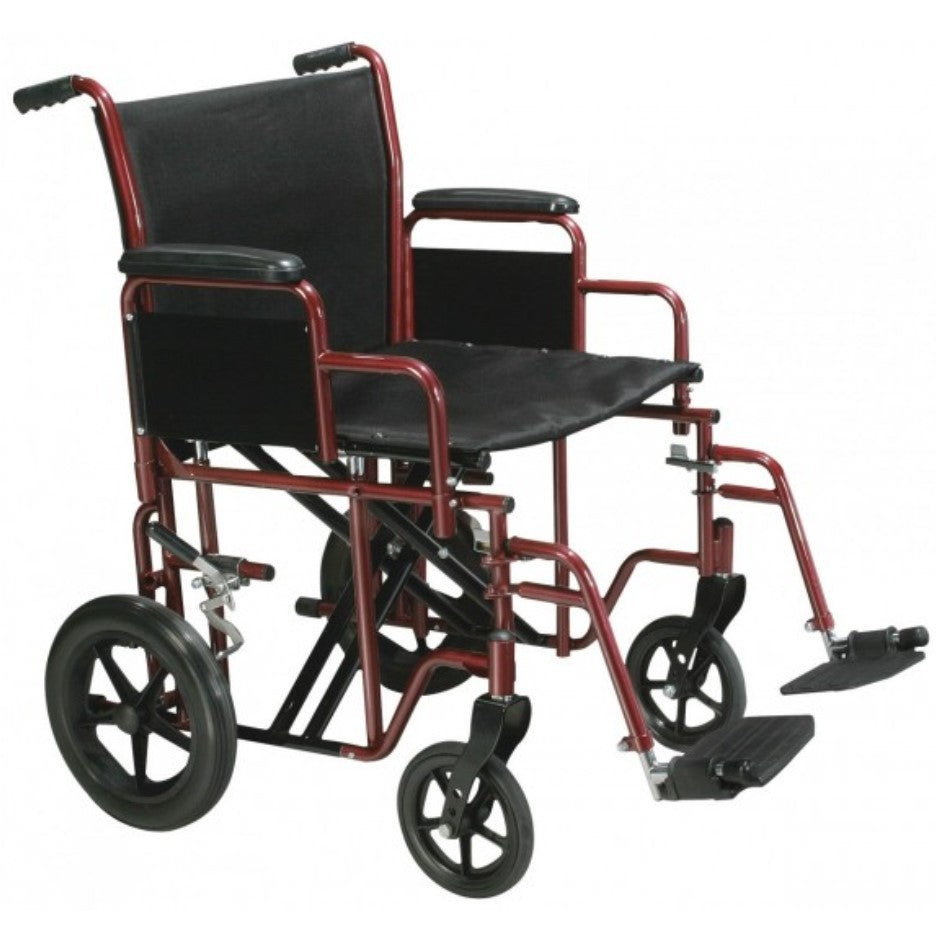
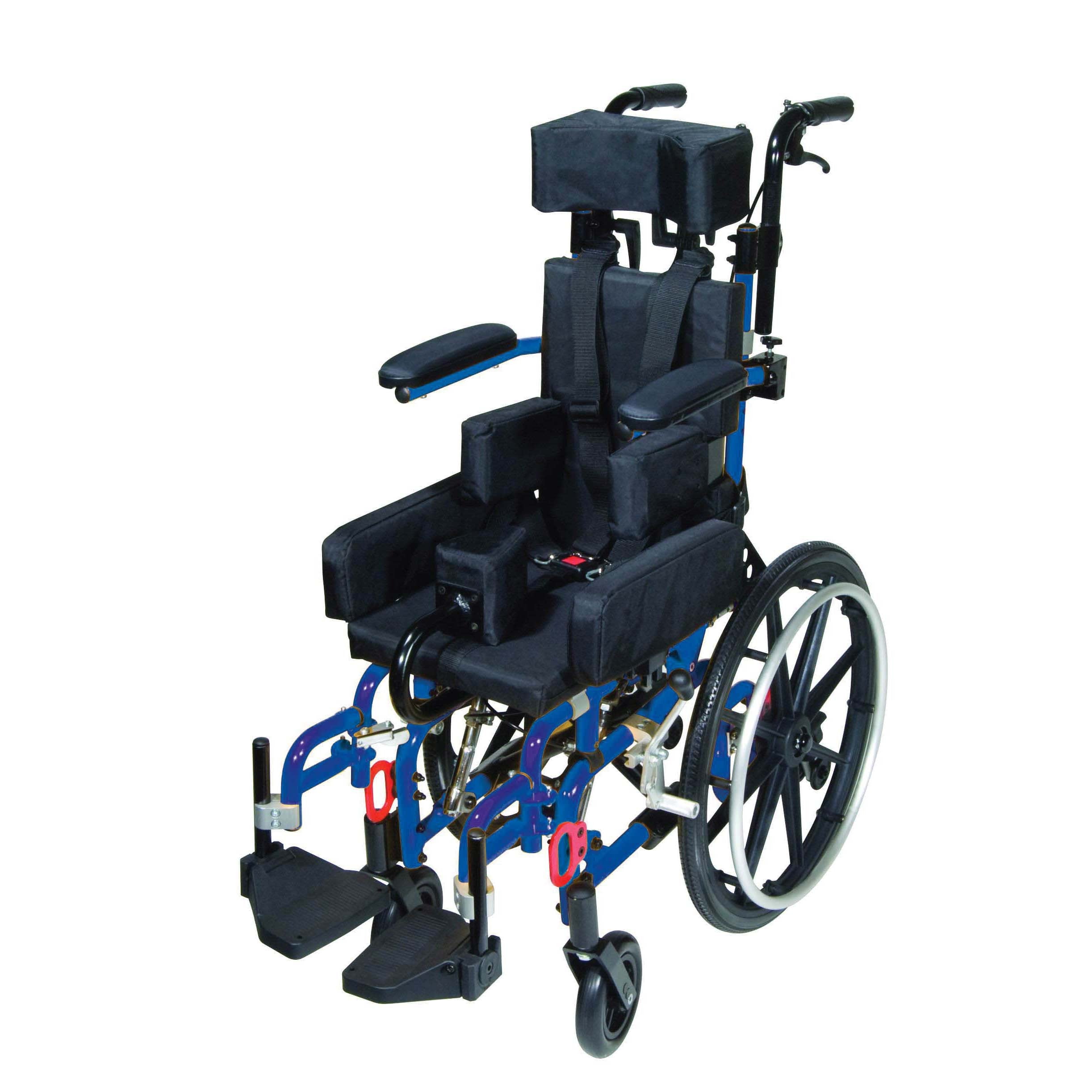
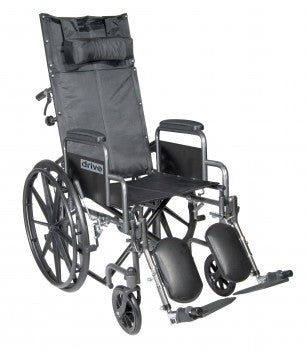
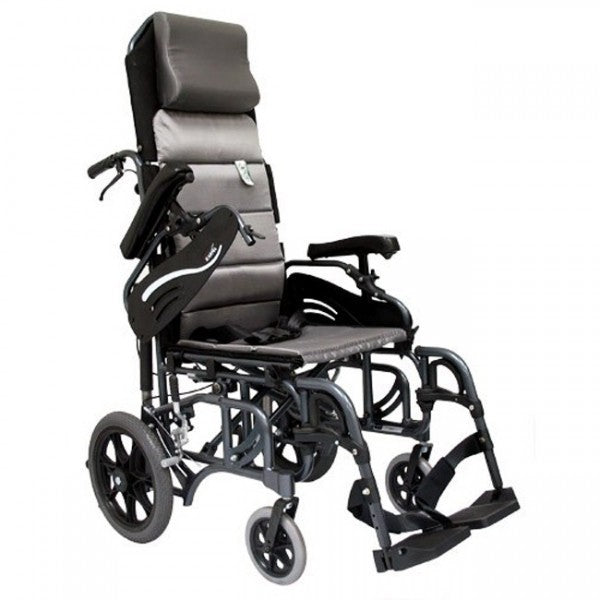
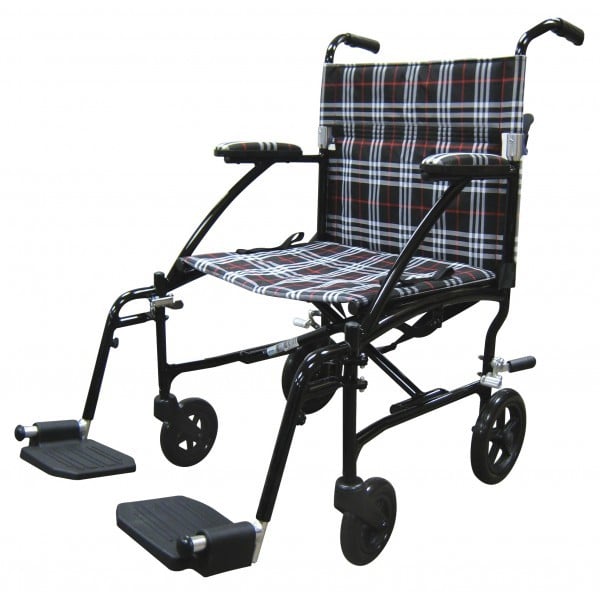
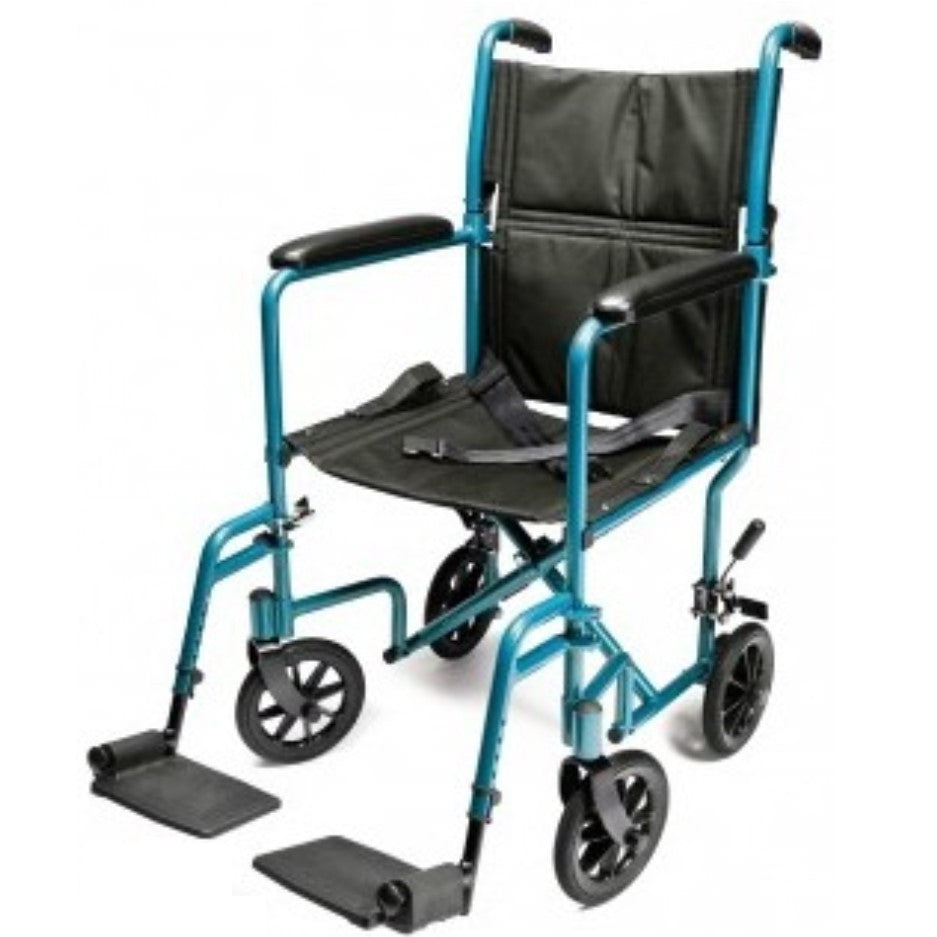
- Transport wheelchairs for outings when a caregiver can push
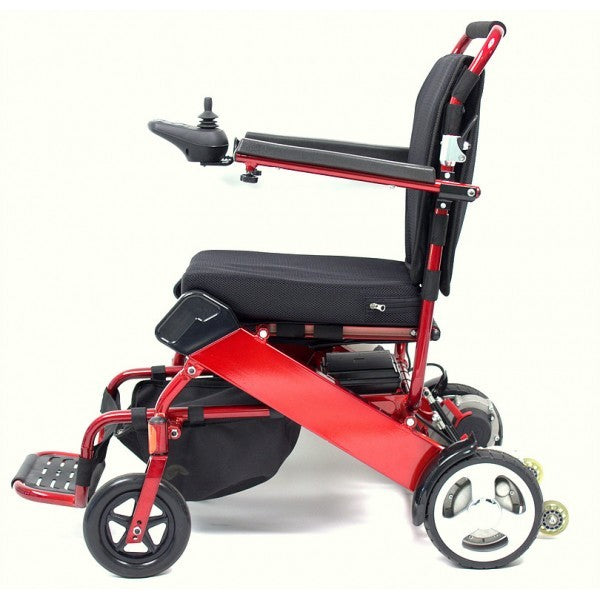
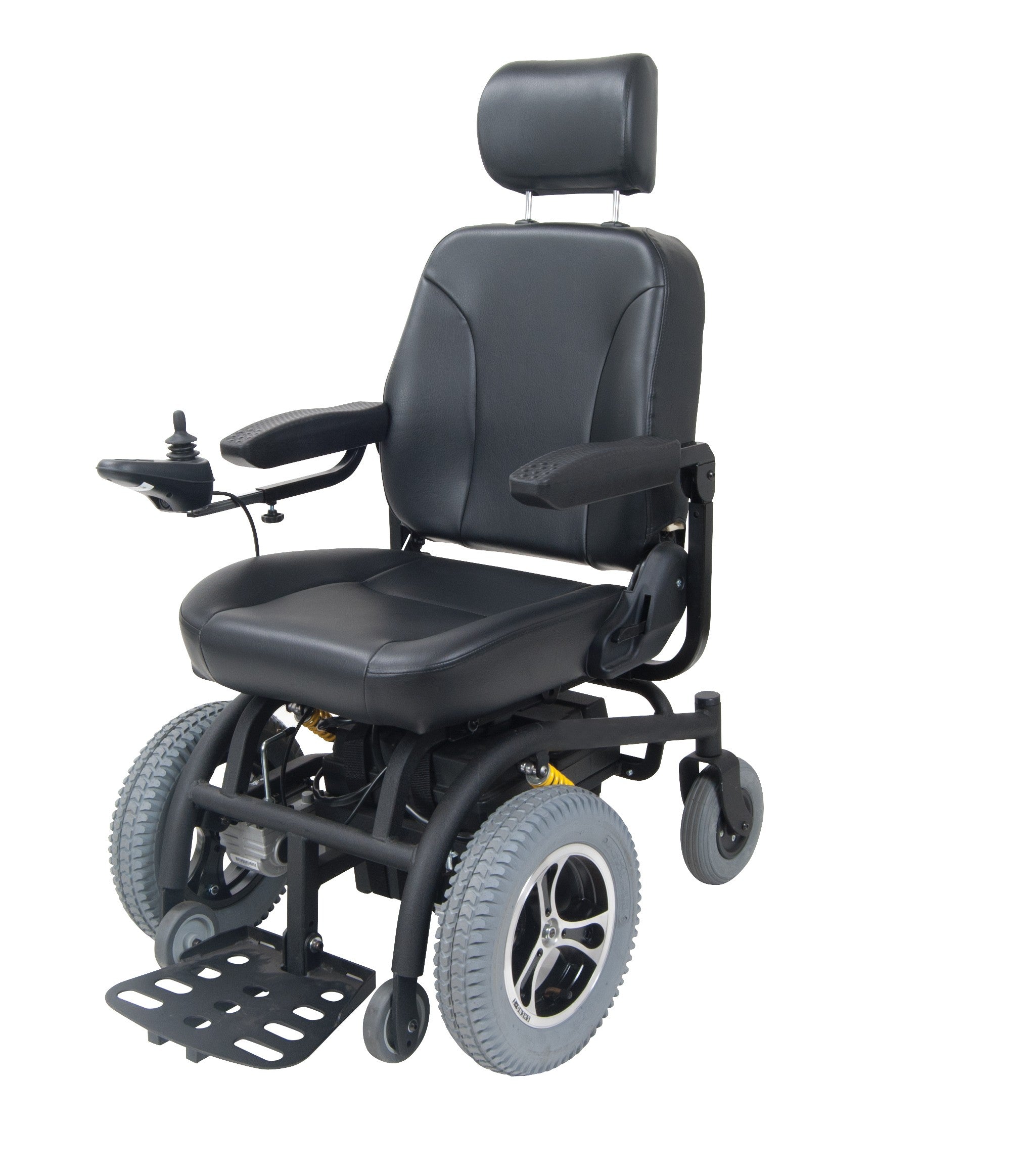
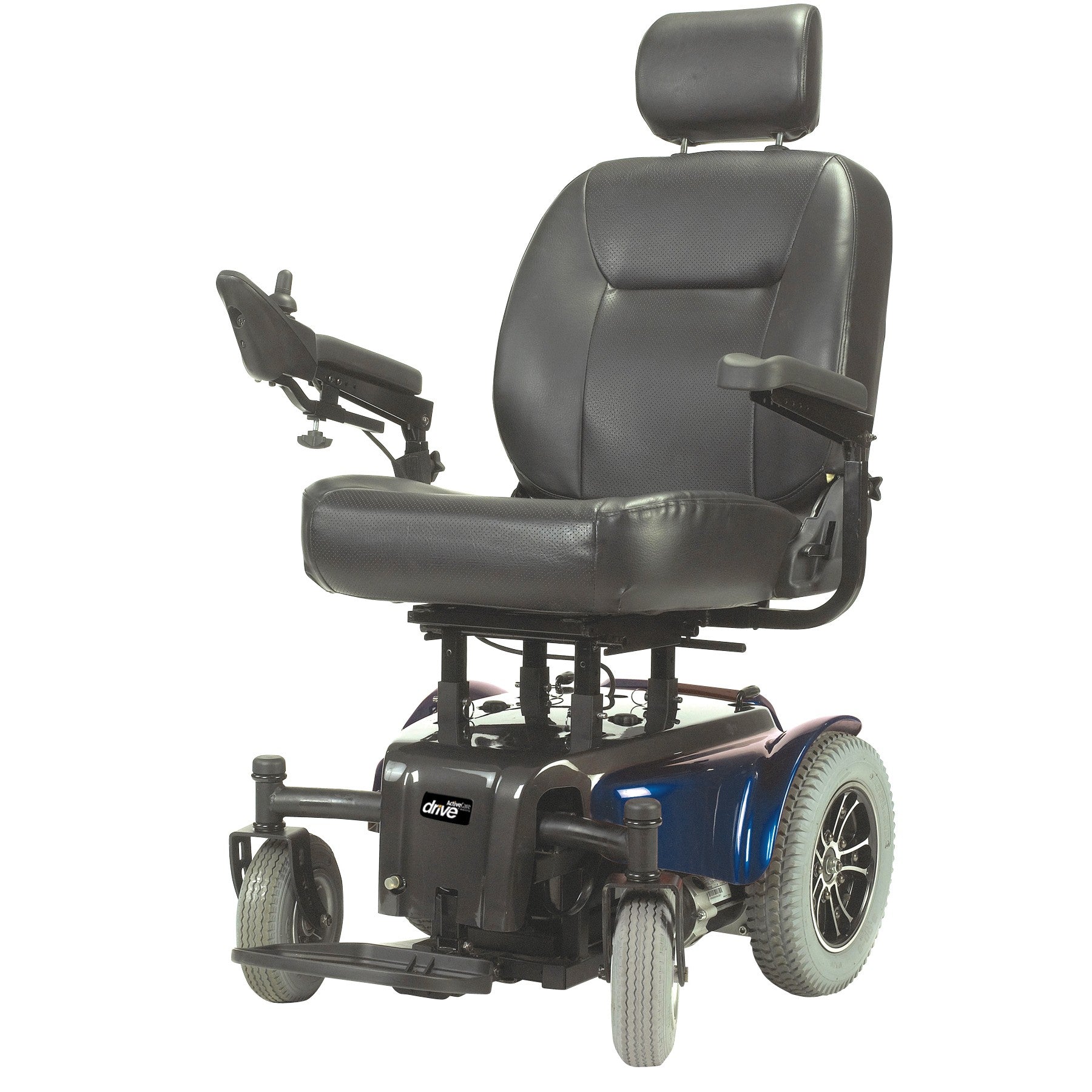
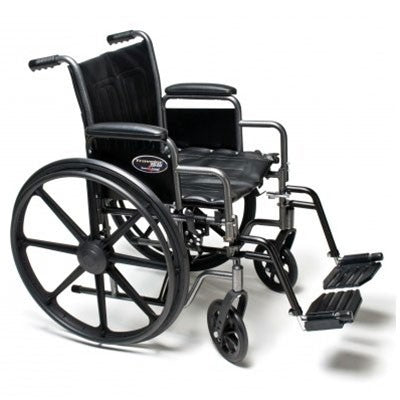
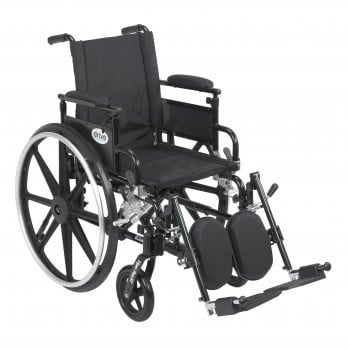
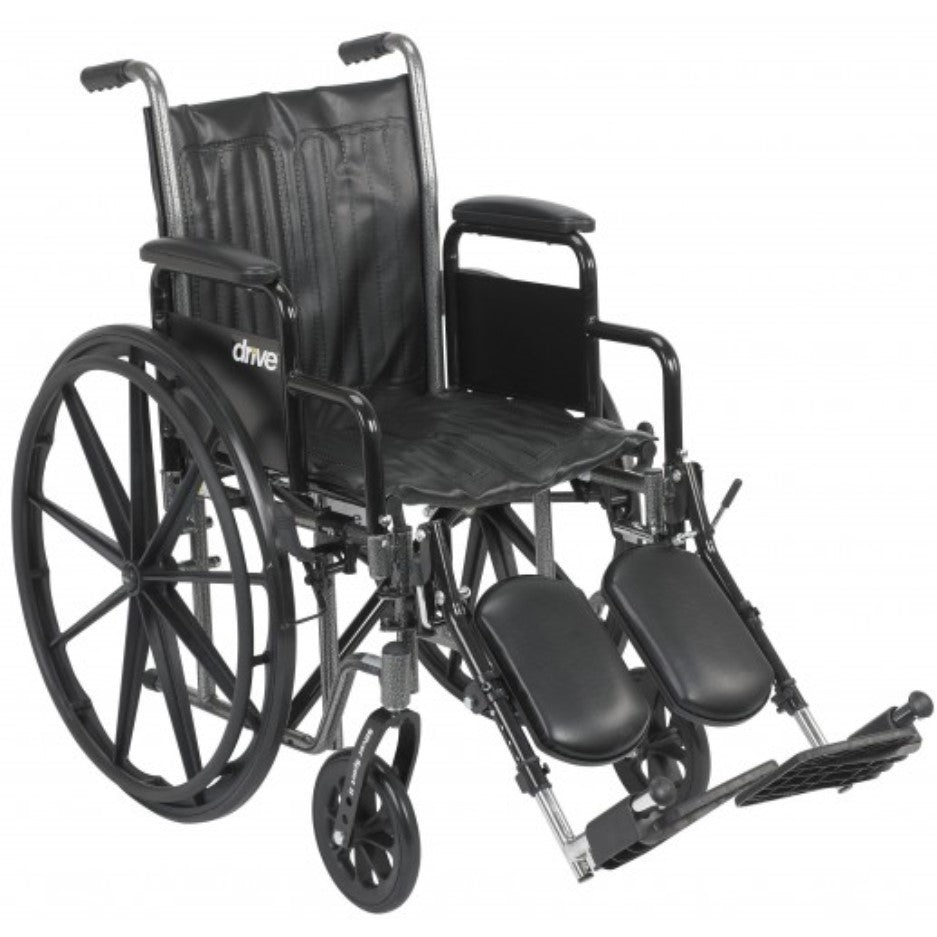
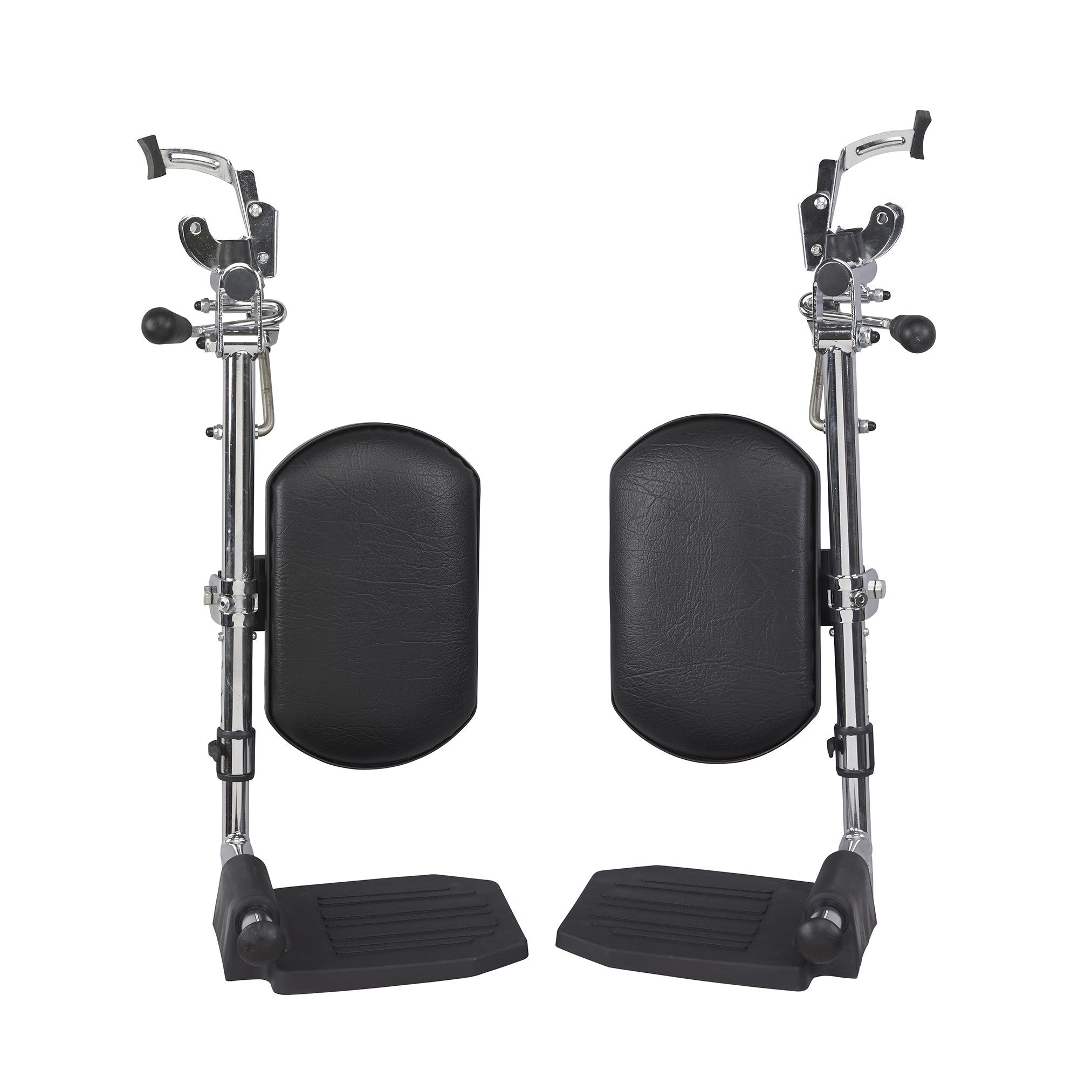
- Manual and power wheelchairs for those with limited upper or lower body strength
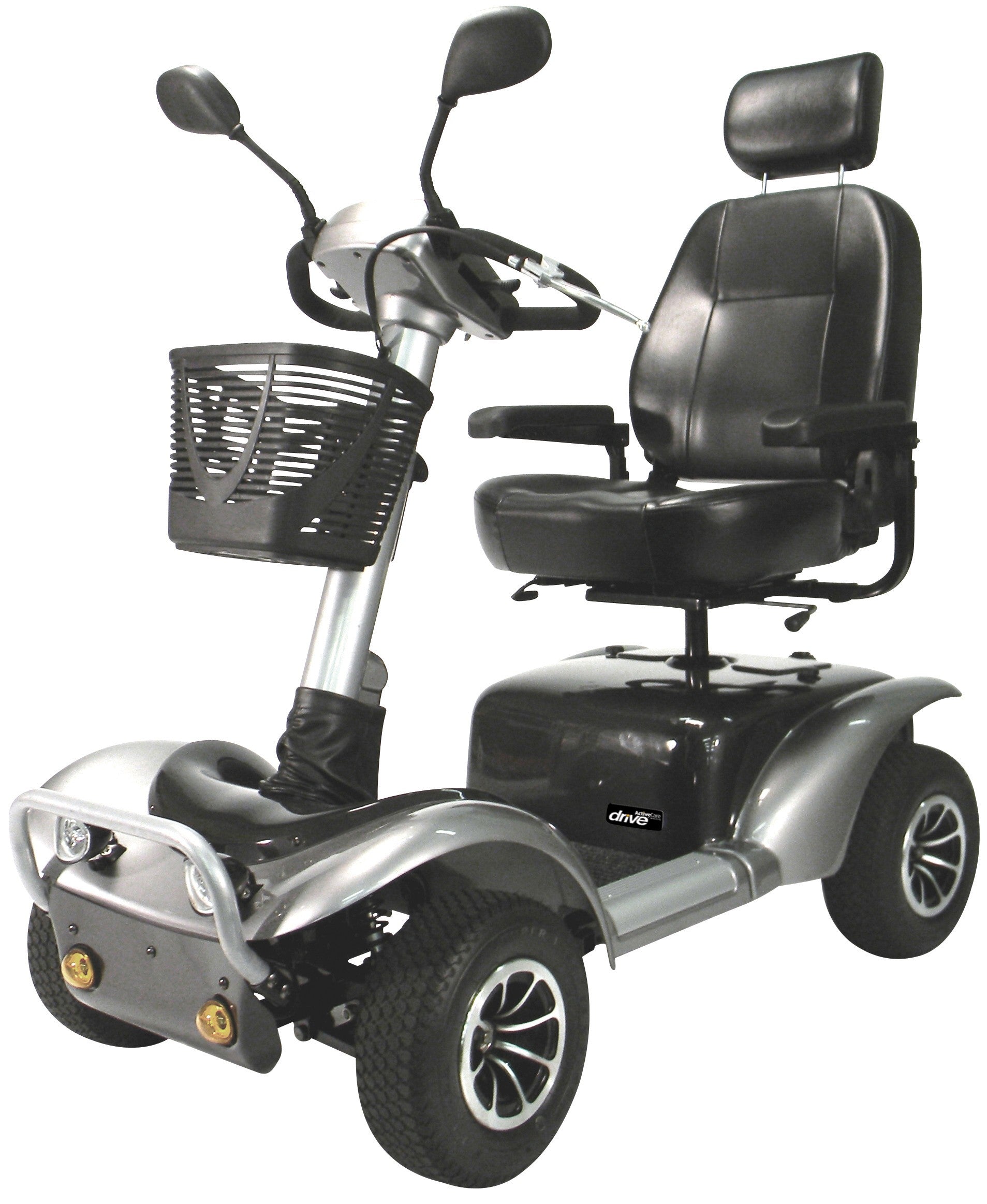
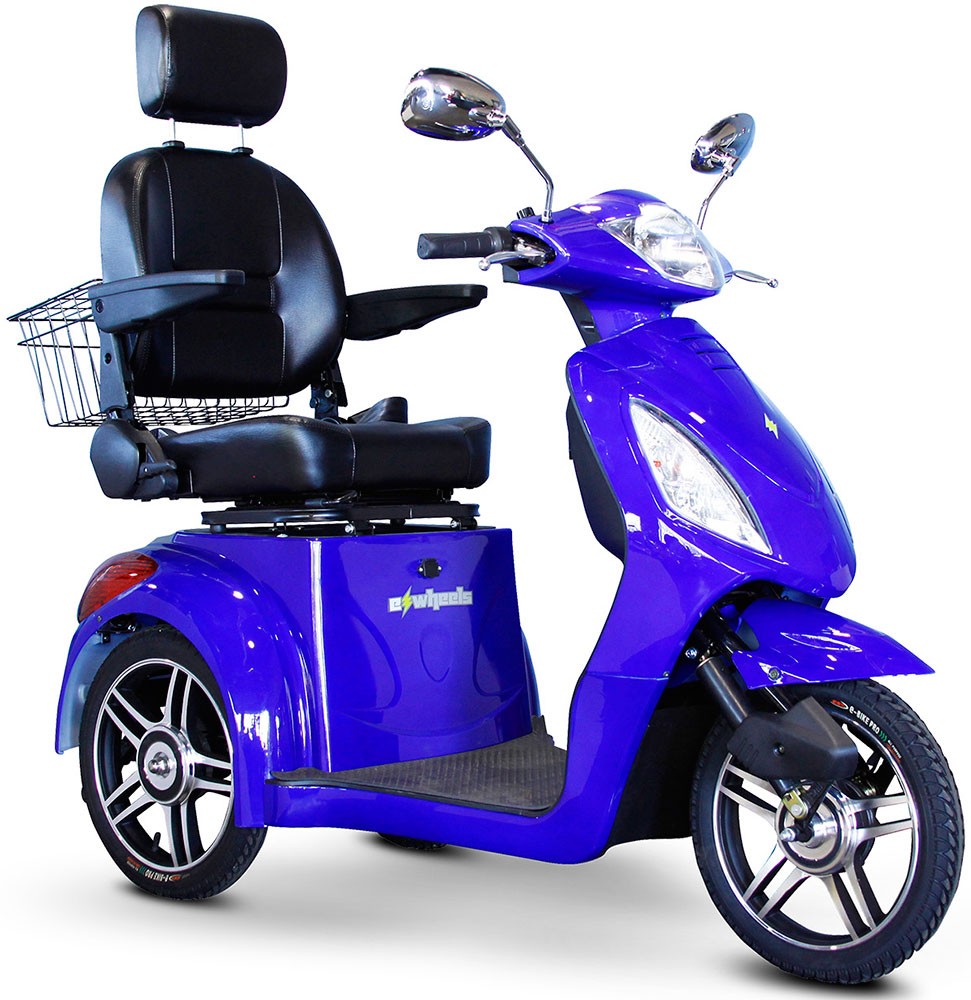
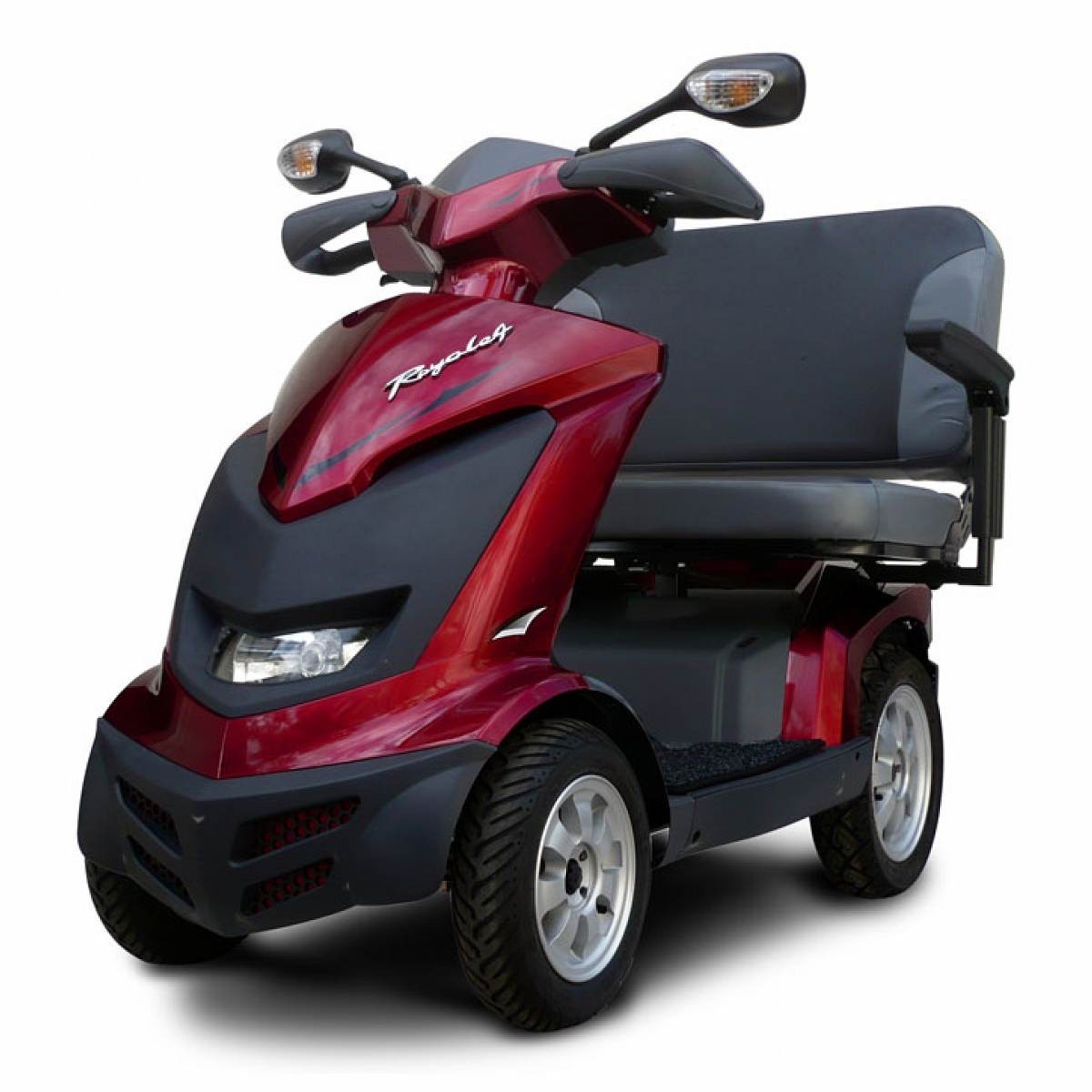
- Mobility scooters for active users who need help covering distance
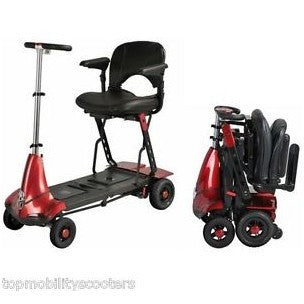
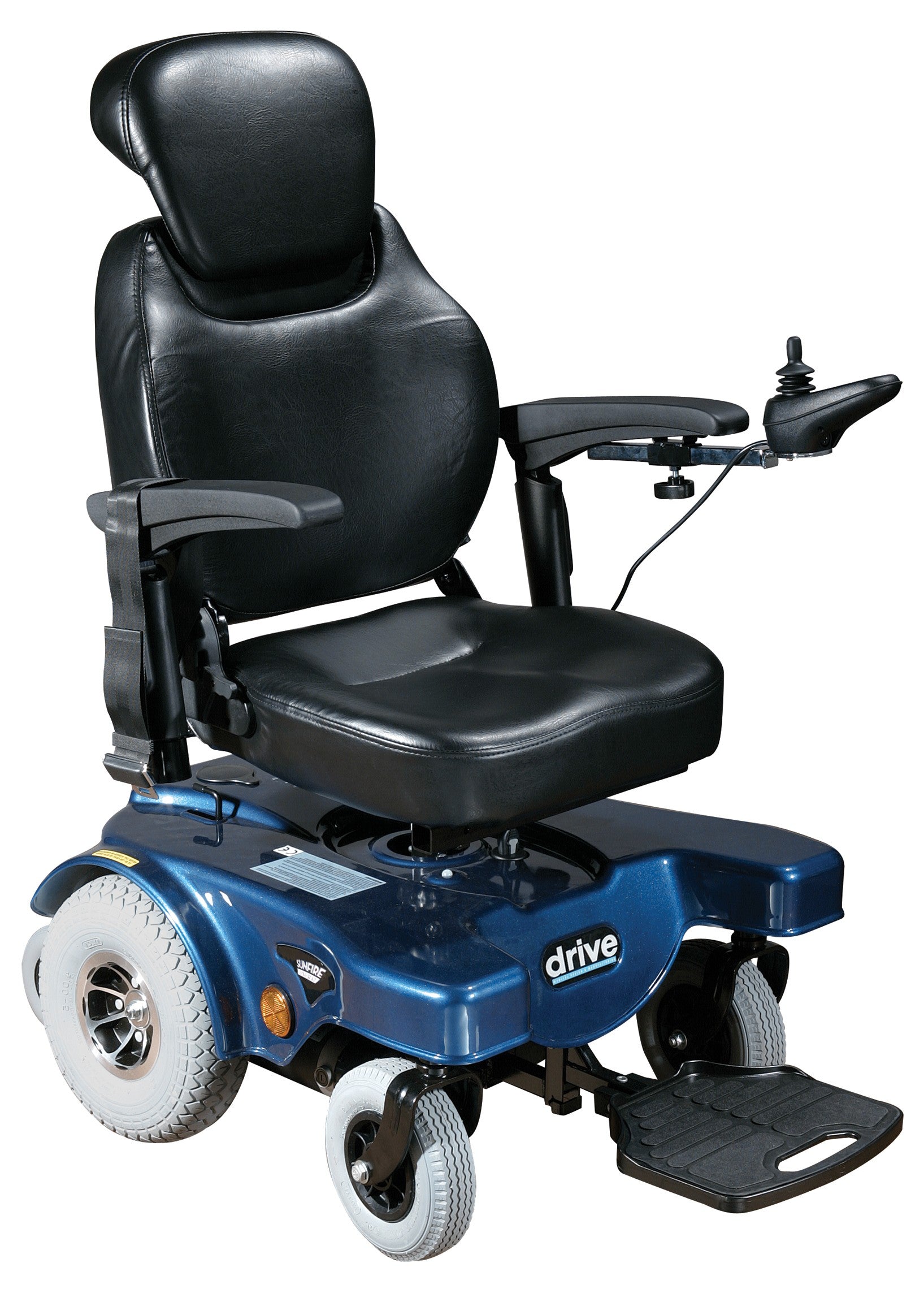
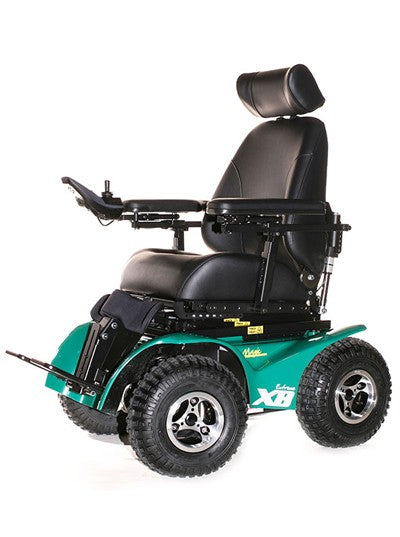
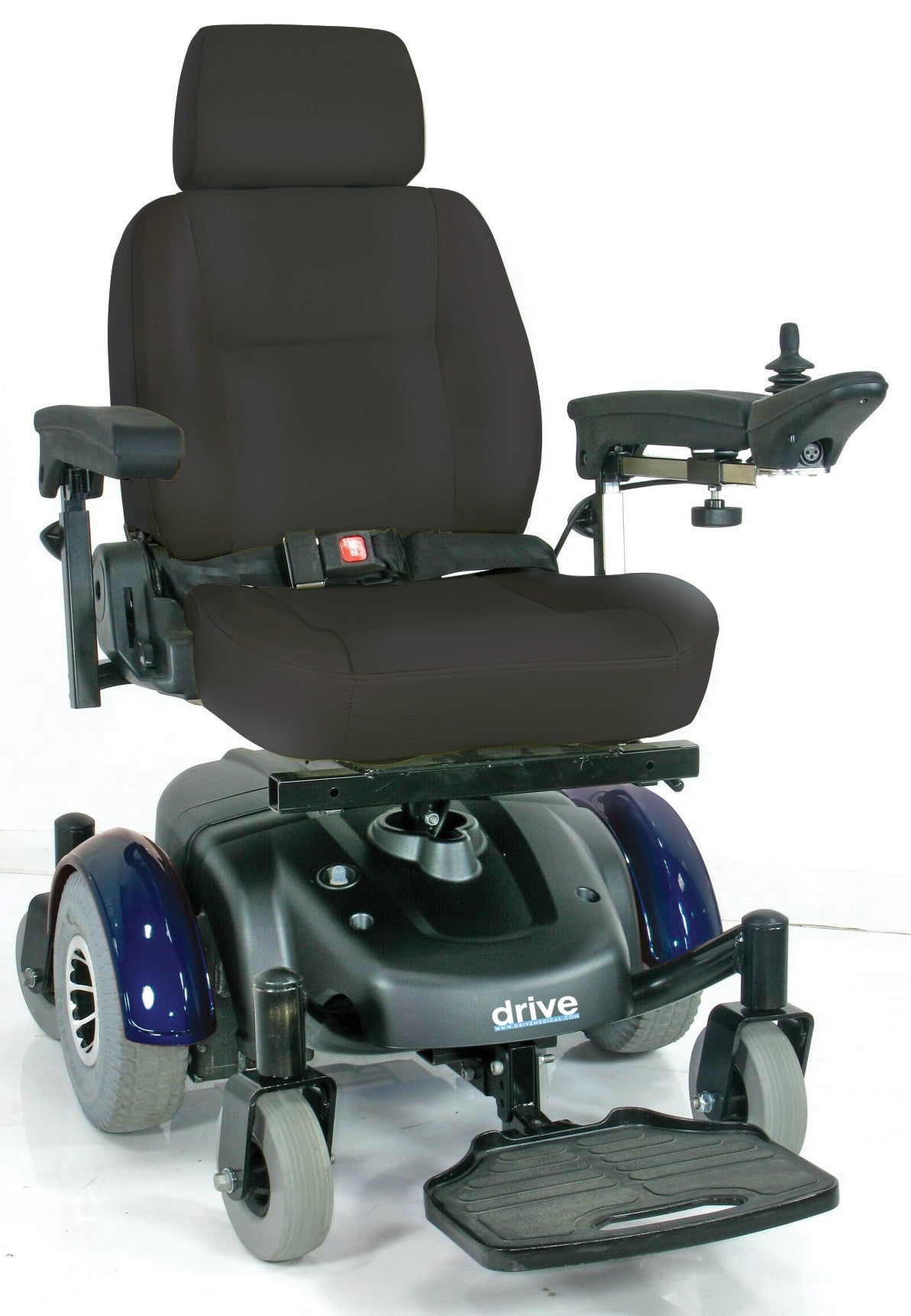
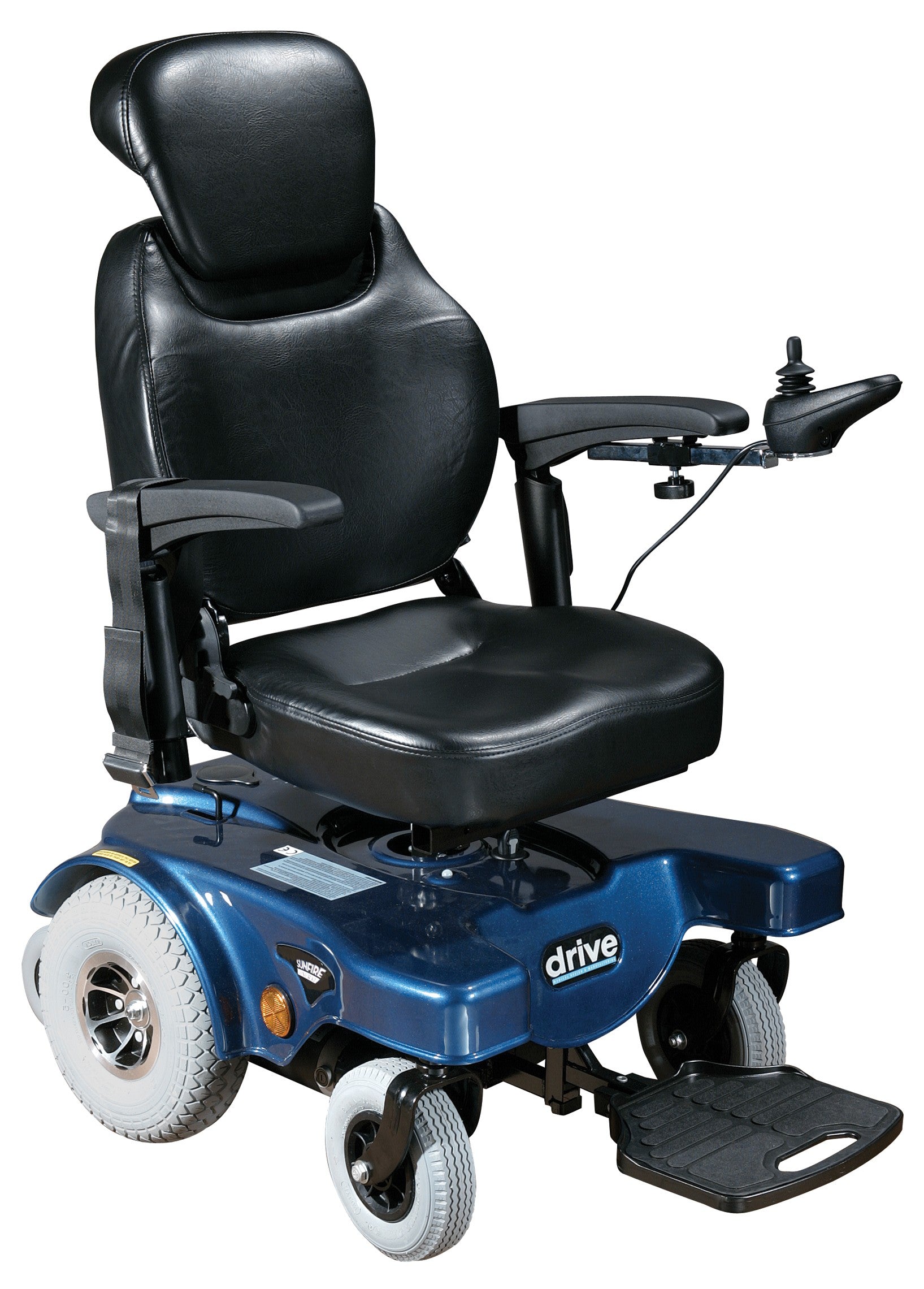
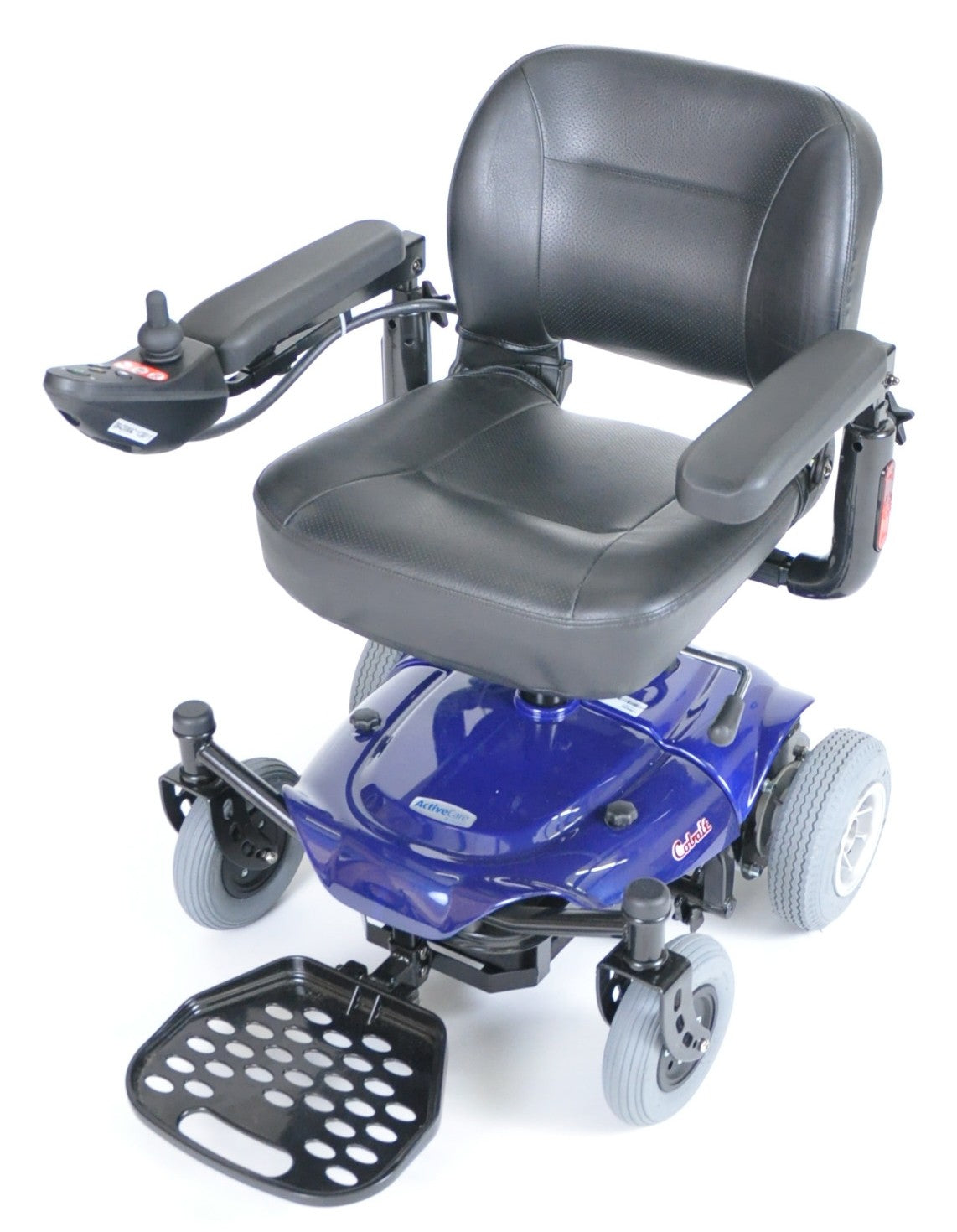
In 2026, power wheelchairs feature intuitive joysticks, voice commands, and adaptive seating. Mobility scooters now offer batteries lasting up to 30 miles per charge and foldable designs for easy transport. Choose a 3-wheel scooter for tighter indoor spaces and a 4-wheel model for outdoor stability. Smart walkers with GPS tracking are also emerging for users with cognitive concerns.
For bariatric needs, we carry wide-seat wheelchairs and heavy-duty scooters with higher weight capacities from brands like Drive Medical. Power wheelchairs and manual wheelchairs are Medicare Part B eligible when medically necessary with a physician's prescription. Without coverage, costs can range from $2,000 to $15,000, so proper documentation is worth the effort. Our live US-based product specialists can walk you through the process.
Lift Chairs and Recliner Seating: More Than Comfort
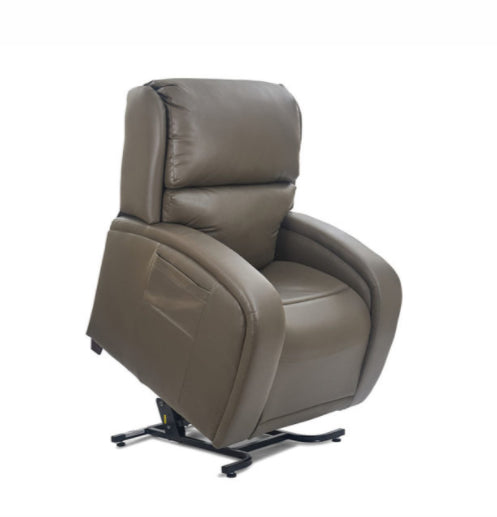
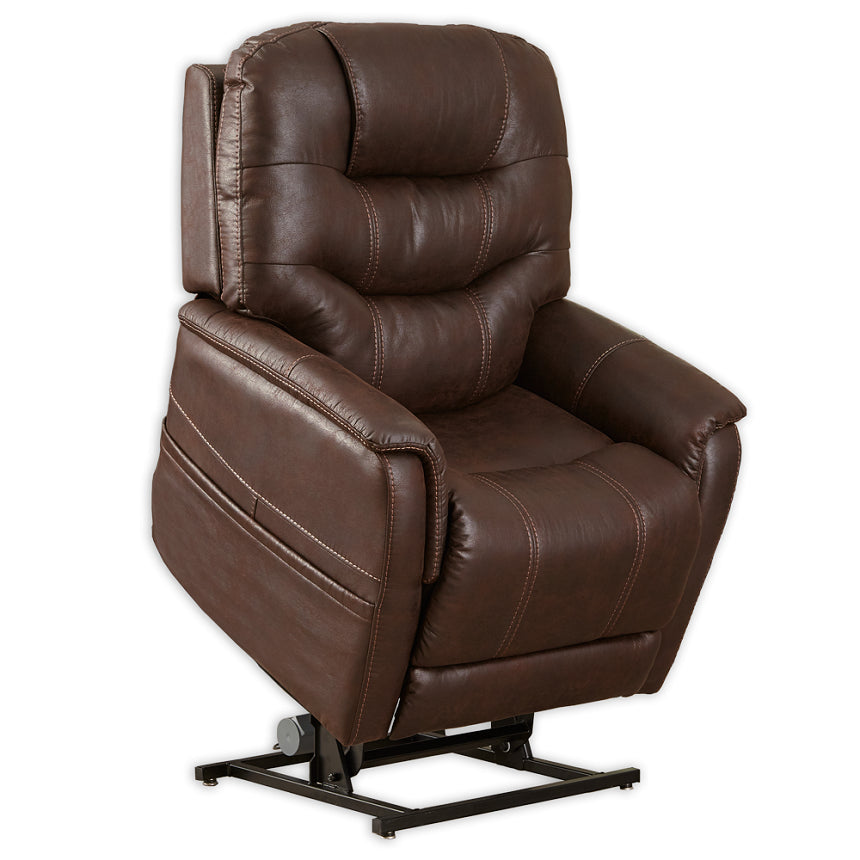
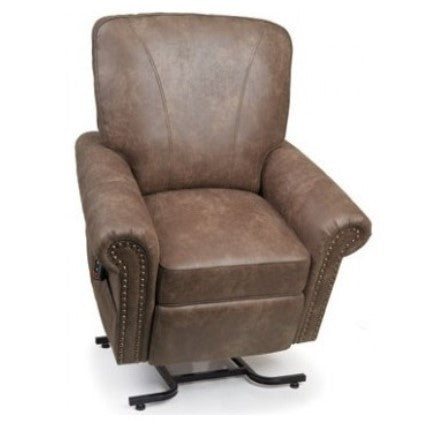
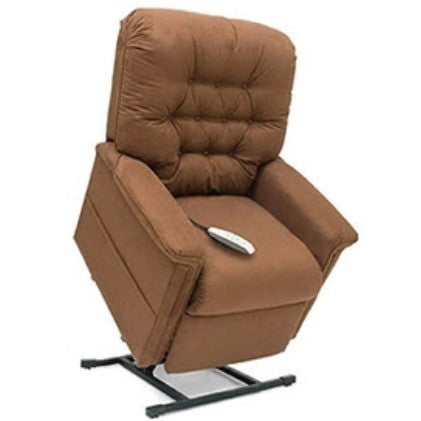
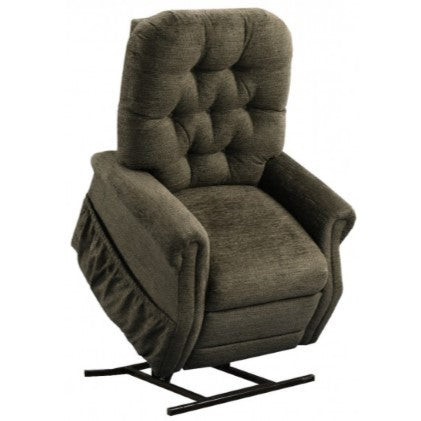
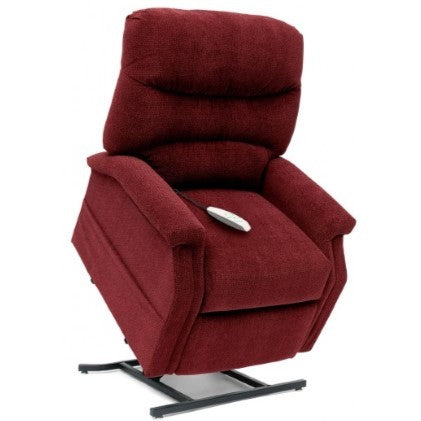
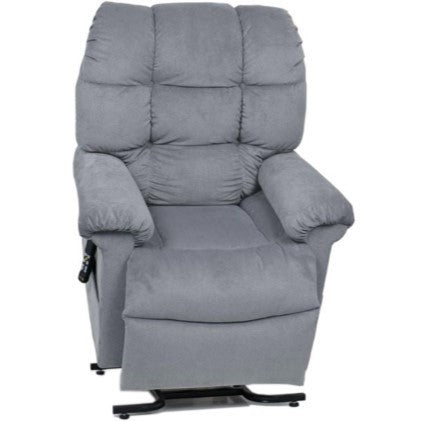
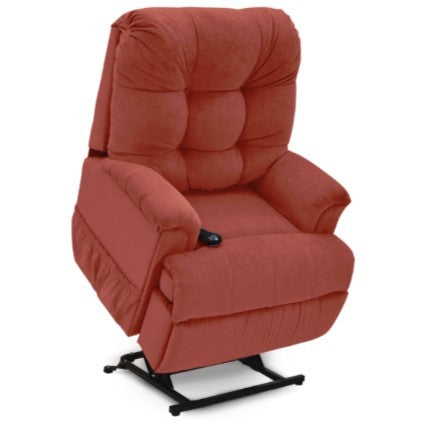
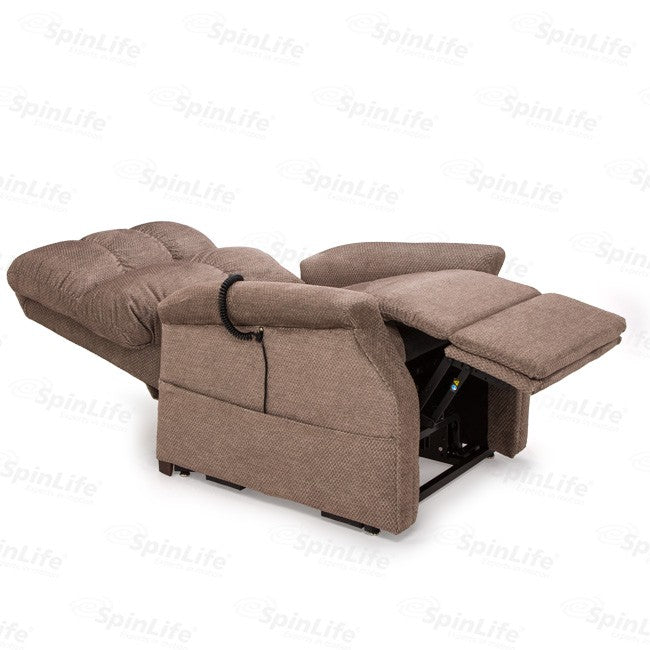
Lift chairs are a vital aid for people with hip, knee, or shoulder conditions and for those recovering from surgery. They gently tilt forward to help a person stand without straining joints or relying on a caregiver's back.
Here's how to choose the right type:
- 2-position: Upright and slight recline; budget-friendly starting around $400
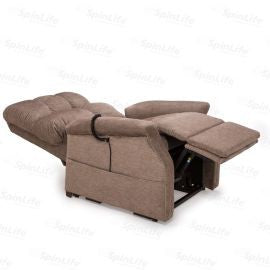
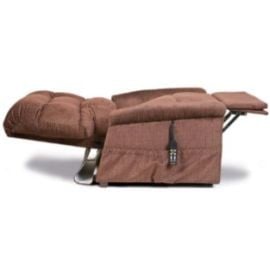
- 3-position: Adds a full recline for napping
- Infinite position: Fully customizable angles, including Trendelenburg for circulation ($800–$2,500+)
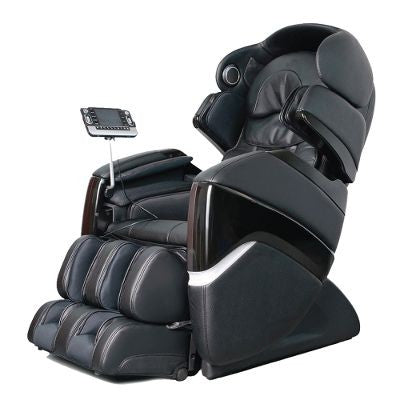
- Zero-gravity and massage models: Therapeutic positioning for chronic pain
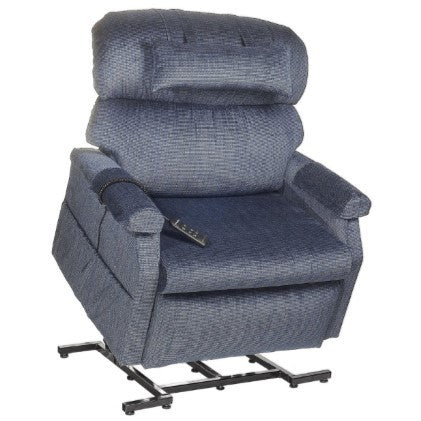
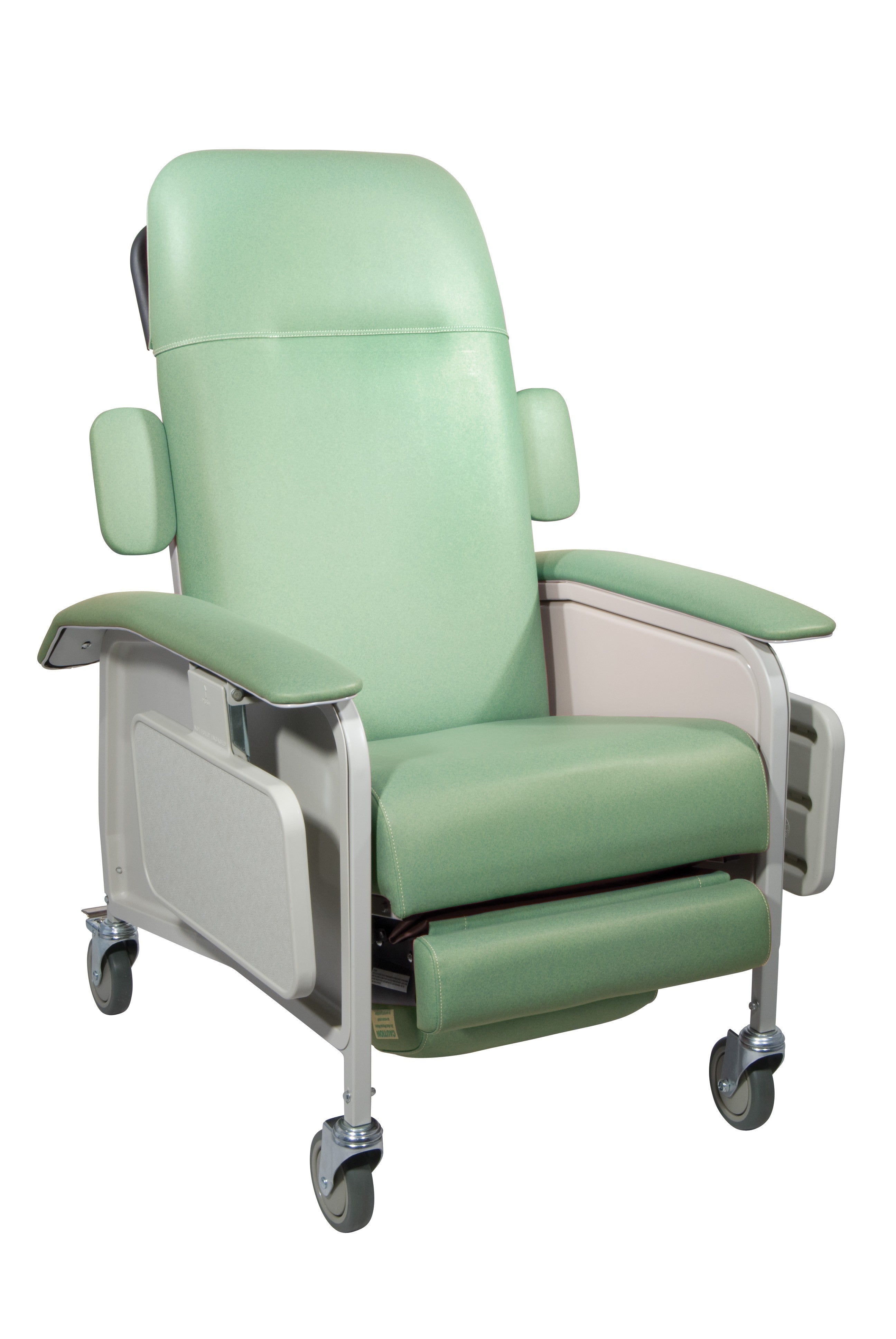
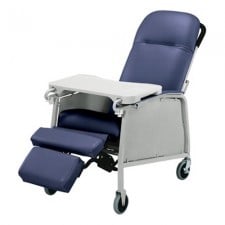
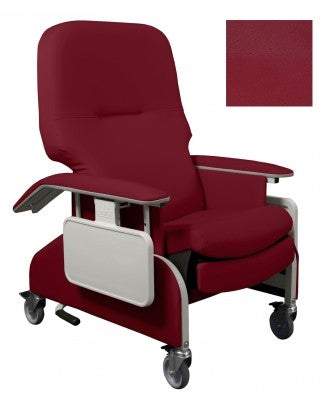
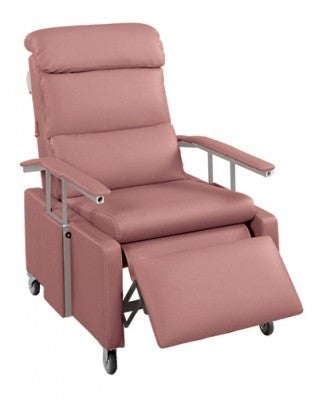
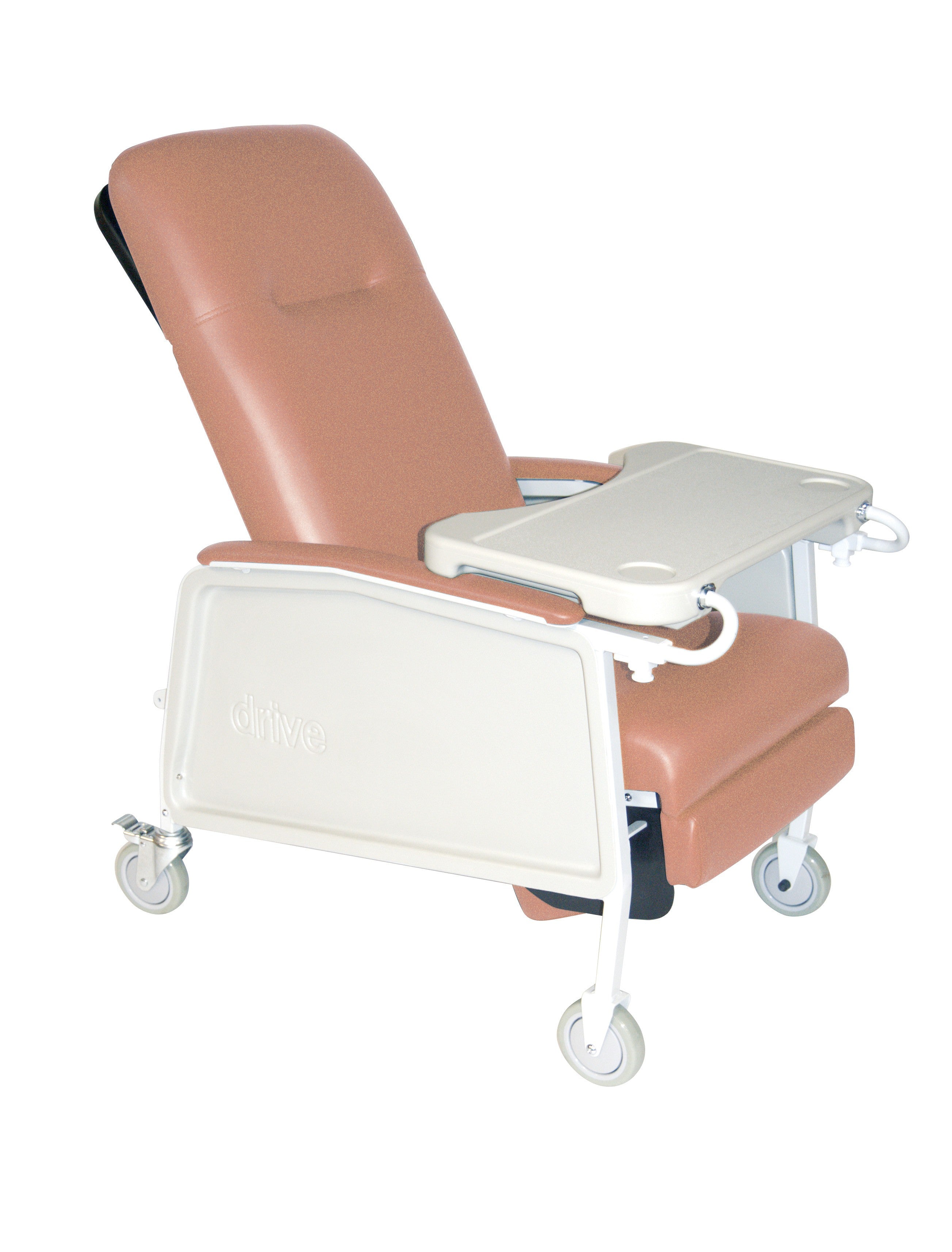
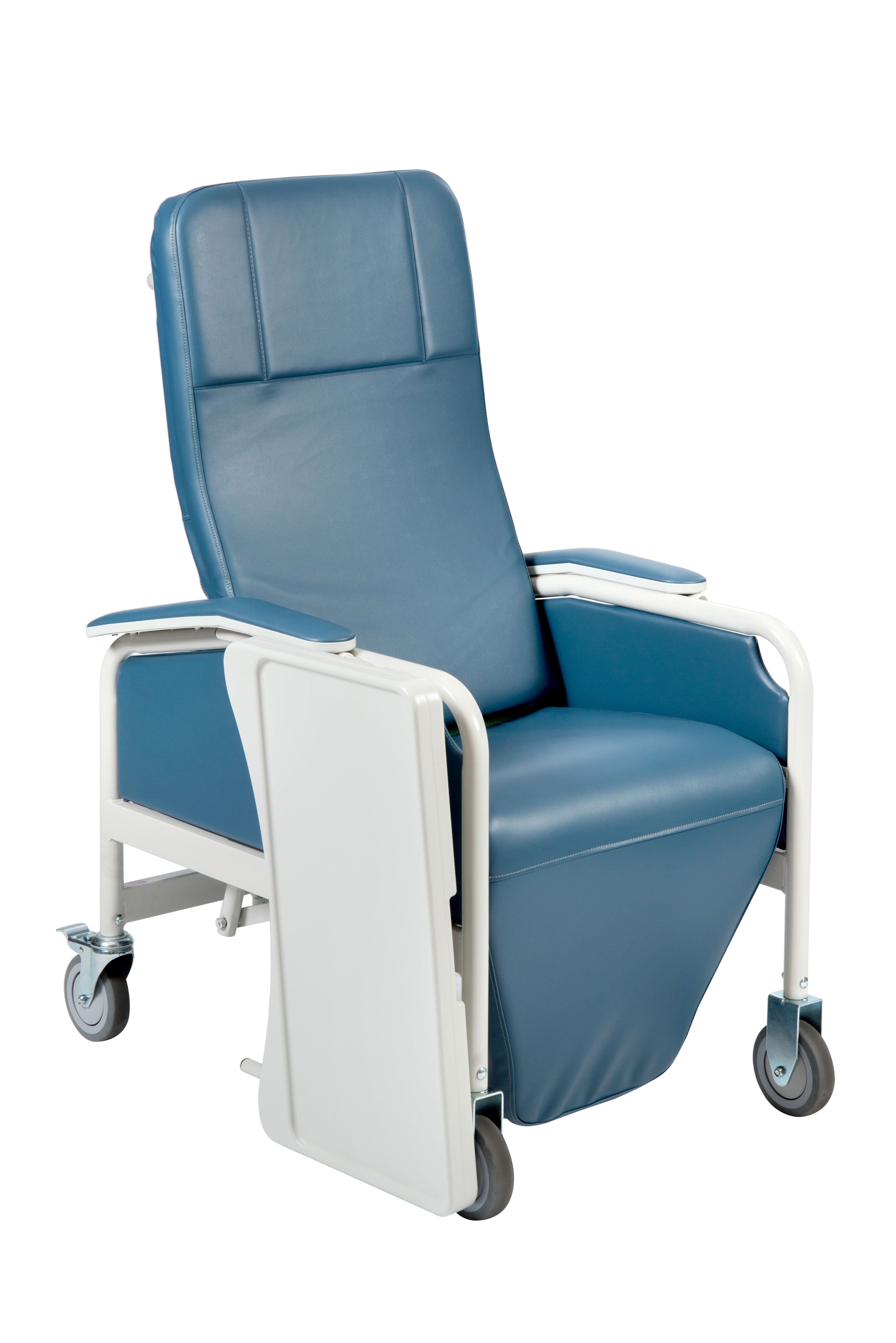
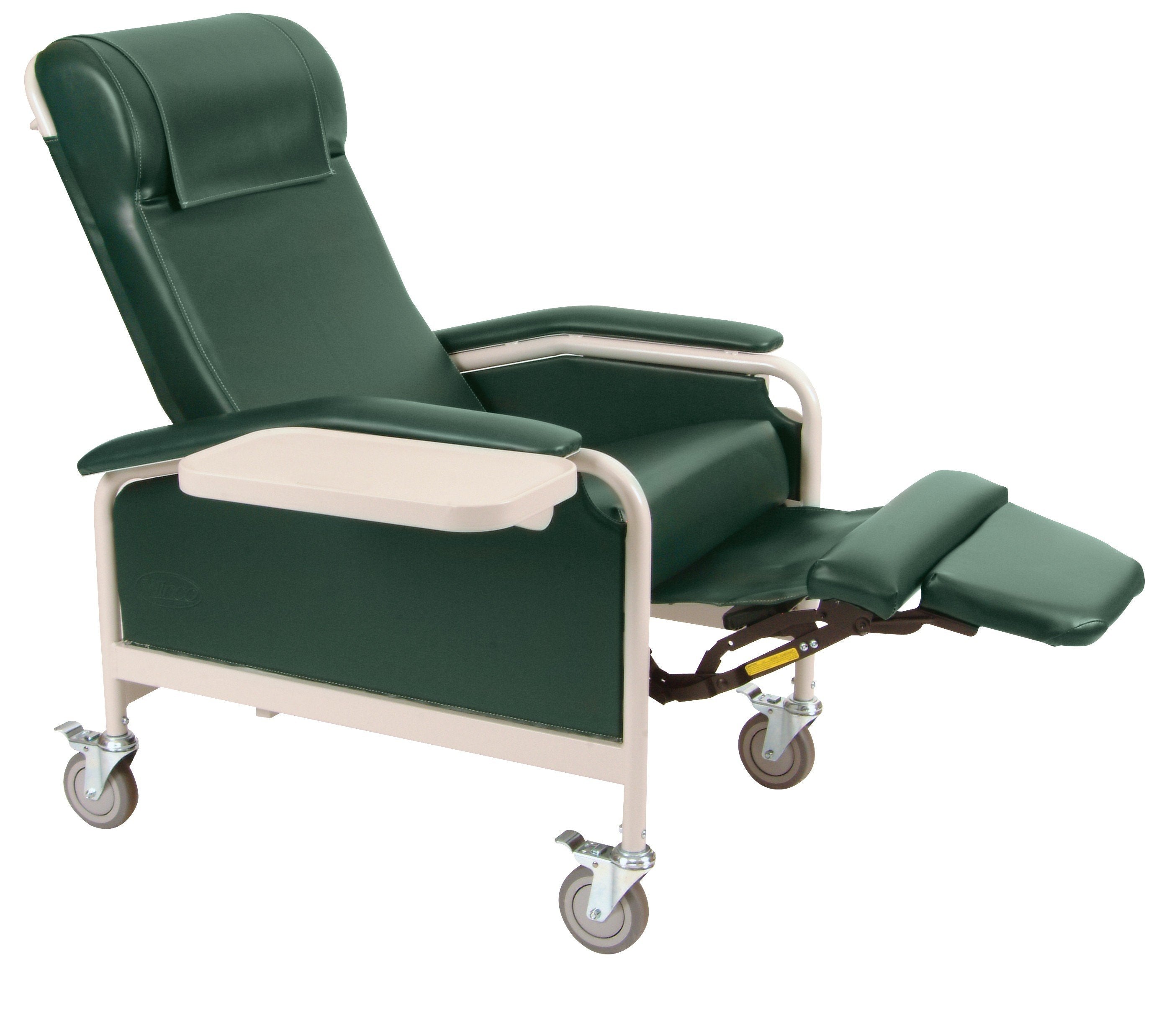
Voice-activated controls are a 2026 feature worth considering for users with limited hand dexterity. Lift chairs also reduce caregiver injury risk by eliminating the physical strain of helping someone stand. For home care settings requiring clinical-grade seating, Geri chairs (geriatric recliner chairs) offer full positioning support with safety features. We carry options from Pride Mobility and Golden Technologies. The lift mechanism portion of a lift chair may be Medicare Part B eligible for qualifying conditions.
Bedroom and Sleep Equipment for Safe, Restorative Rest
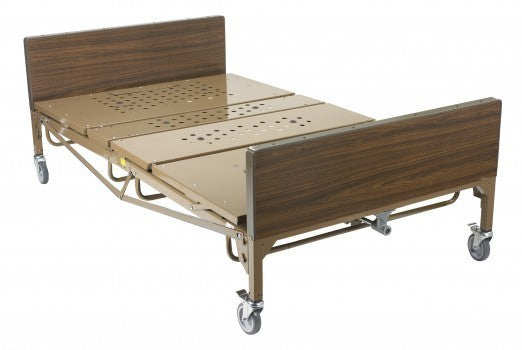
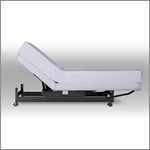
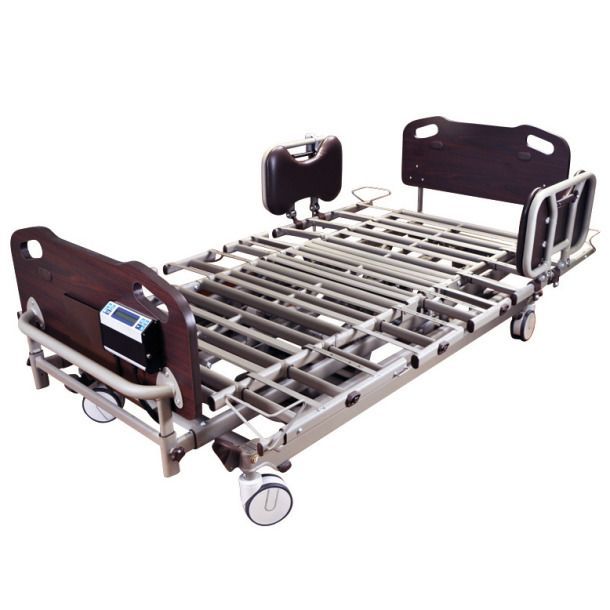
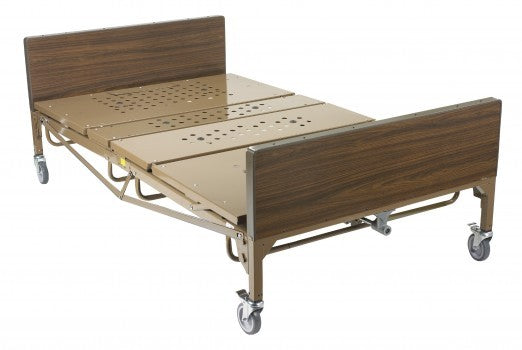
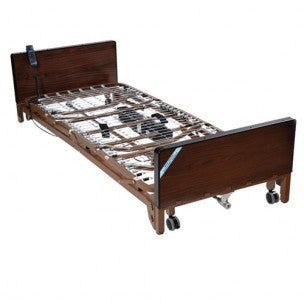
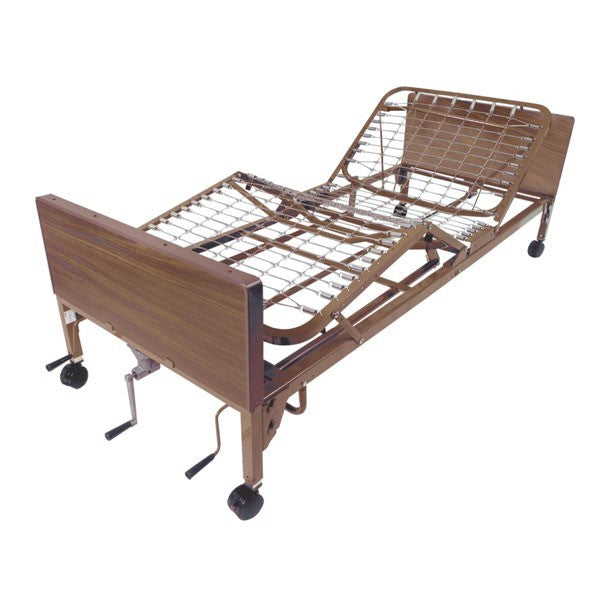
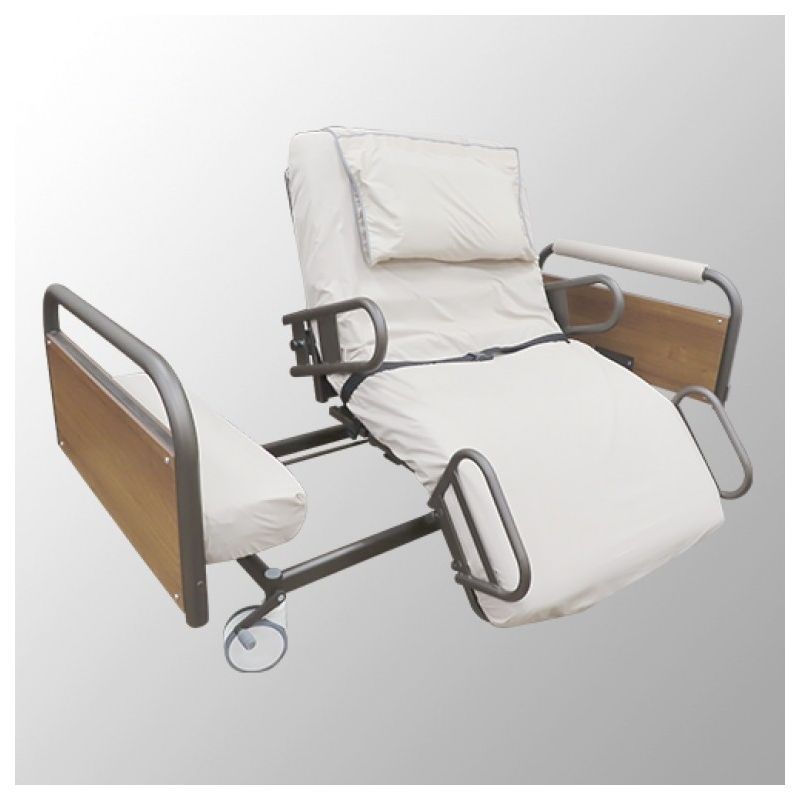
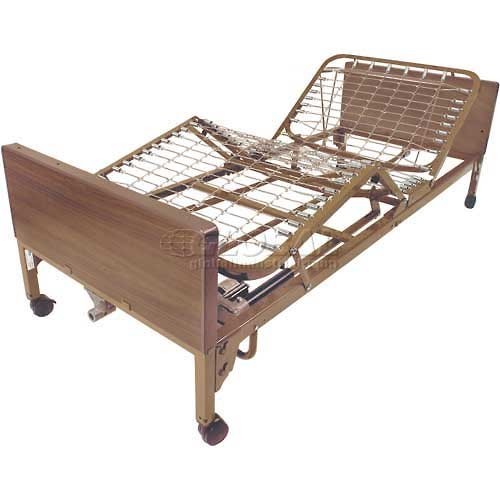
Adjustable hospital beds aren't just for hospitals anymore. At home, they reduce caregiver back injuries by eliminating the need to bend over a flat mattress for repositioning, wound care, or medication administration — a caregiver-safety benefit that often goes unrecognized.
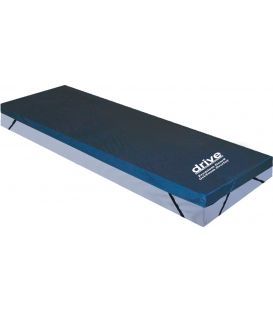
In 2026, adjustable beds feature memory foam and gel-infused materials, customizable incline settings, and smart mattress sensors that track sleep quality and detect irregularities like sleep apnea. Basic models start around $500, while smart hospital beds with full monitoring range from $1,500 to $5,000+.
Supporting bedroom equipment includes:
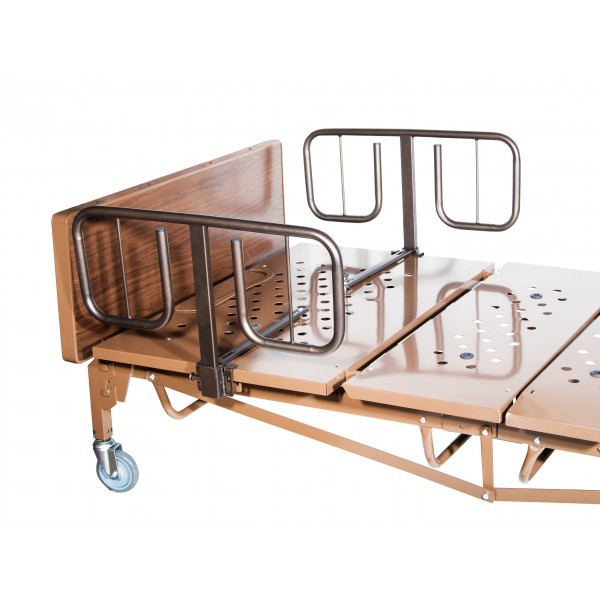
- Bed rails to prevent nighttime falls
- Over-bed tables for meals and medication
- Bed assist handles for getting in and out safely
- Trapeze bars for independent repositioning
Remote patient monitoring devices are a growing category, accounting for nearly 35% of home medical equipment sales in 2026, according to Coherent Market Insights. Hospital beds for home use are typically Medicare Part B eligible with physician documentation.
Entryway and Home Accessibility: Ramps and Threshold Solutions
Entryway barriers are among the primary obstacles to aging in place for wheelchair and scooter users, yet they're often the last thing families address. A single step at the front door can make an entire home inaccessible.
Three main ramp types address different situations:
- Threshold ramps ($30–$150): Small wedge-style ramps for interior doorways and minor transitions between rooms
- Portable ramps ($100–$600): Folding or telescoping ramps for travel, vehicle access, or temporary use
- Modular ramp systems ($1,000+): Semi-permanent or permanent installations for front doors, garages, and multi-step entries
The national average aging-in-place remodel costs approximately $9,500 in 2026, and 76% of remodelers reported increased demand for these renovations over the past five years. Portable ramp solutions offer a cost-effective alternative to full construction. They install in minutes, require no permits, and can move with you if your living situation changes.
Chronic Condition and Specialty Equipment Often Overlooked
With 85% of adults 65+ managing at least one chronic condition and the average senior taking four to five prescription medications daily, condition-specific equipment is just as important as mobility aids. These categories are almost entirely absent from most aging-in-place checklists.
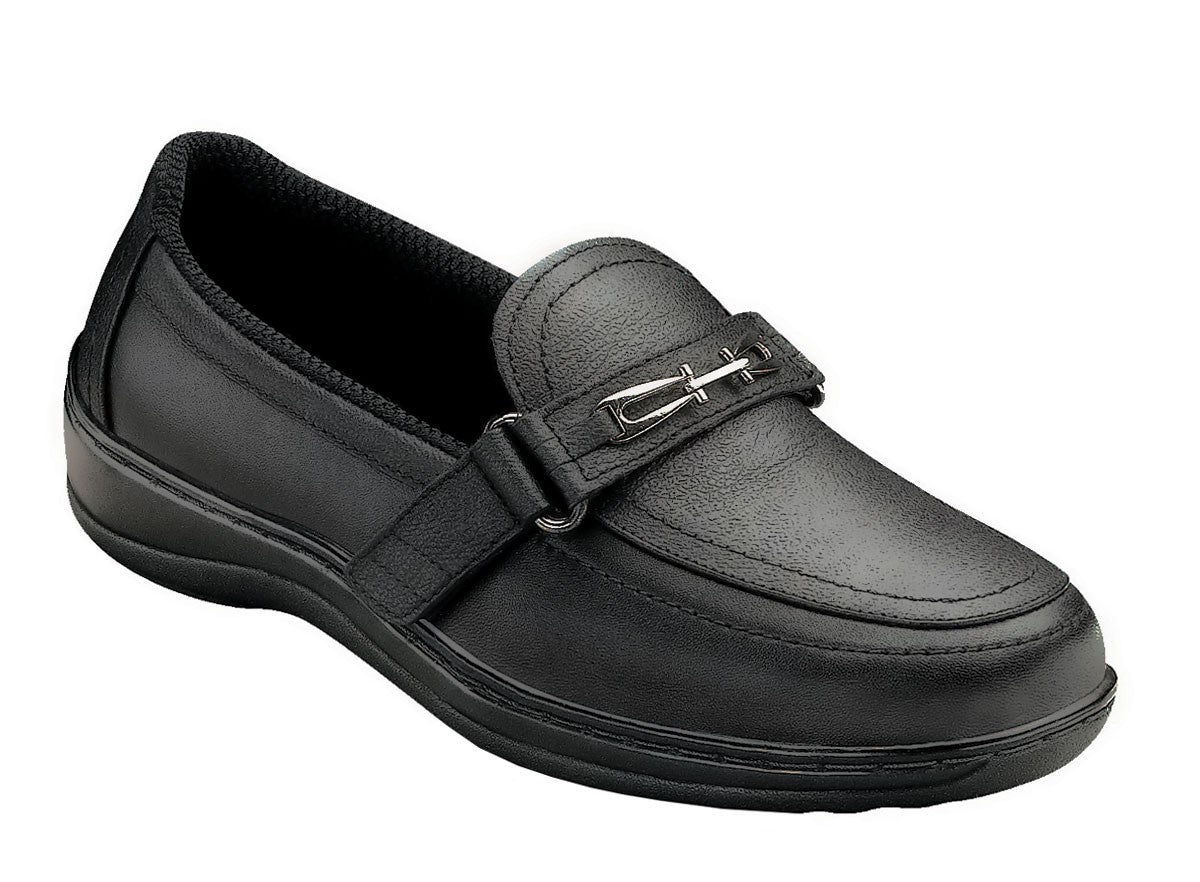
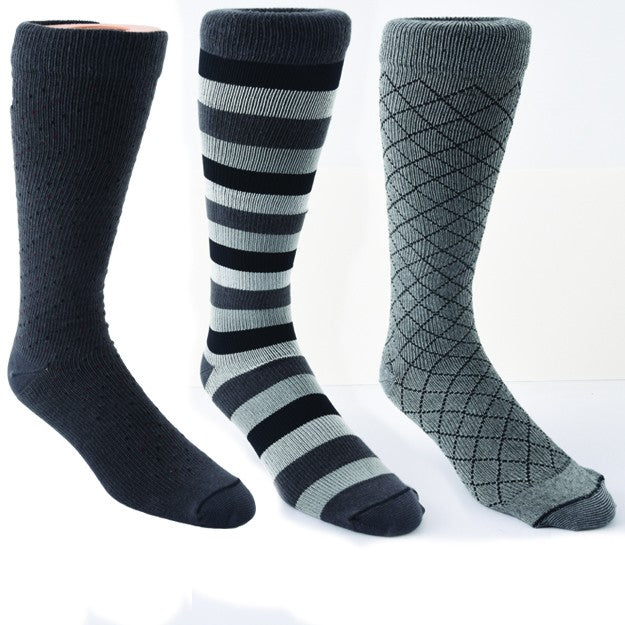
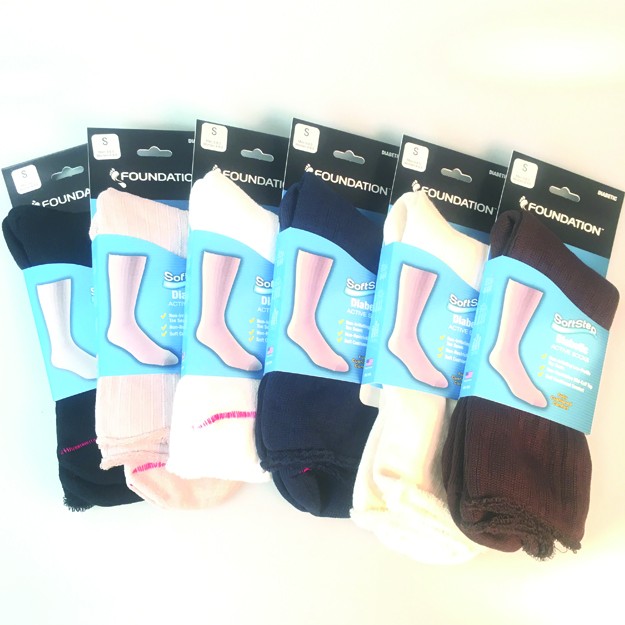
Diabetic care equipment: Diabetic shoes and socks protect against foot ulcers and nerve damage, common complications that lead to hospitalizations. Smart glucose monitoring systems accounted for nearly 60% of diabetes care equipment sales in 2026.
Compression therapy: Compression socks and stockings support circulation, manage edema, and aid post-surgical recovery. They're inexpensive and make a meaningful daily difference.
Medication management: Pill organizers and automatic pill dispensers with alarms help prevent dangerous missed or double doses.
Bariatric-specific needs: Reinforced beds, heavy-duty lift chairs, and wide-seat commodes accommodate users requiring higher weight capacities. These products are often hard to find locally, but we stock a full range and ship nationwide.
Your 2026 Aging in Place Action Plan: Start Here
The full checklist can feel overwhelming, so we've organized it into three tiers based on urgency:
Tier 1: Start Here
- Grab bars near the toilet and shower
- Non-slip bath mats
- Medical alert system
- Raised toilet seat
Tier 2: Next Priority
- Lift chair or power lift recliner
- Rollator walker
- Adjustable bed with bed rails
Tier 3: Advanced Mobility
- Power wheelchair or mobility scooter
- Home ramp system
This equipment doesn't just help the person aging in place. Family caregivers spend over 37 hours per week on caregiving duties and provide an estimated $873 billion in unpaid labor annually. The right equipment reduces the physical toll on caregivers, too.
If you're not sure where to start, call our live US-based product specialists. They've been helping families navigate these decisions for over two decades. We carry trusted brands including Pride Mobility, Golden Technologies, and Drive Medical, and we back every purchase with our Lowest Price Guarantee. Orders over $100 ship free, and 100% financing is available through our third-party providers.
Getting equipped is the first step to staying safely and independently at home. You don't have to figure it all out at once, but starting today matters.
Sources
- Porch Light at Home (citing NCOA)
- Retirement Living / Aging in Place Statistics 2026
- University of Florida College of Medicine / Innovative Aging Studies
- Pew Research Center (2025 Survey)
- CDC Facts About Falls
- National Safety Council / Older Adult Falls
- ConsumerAffairs / Elderly Fall Statistics 2026
- NCOA / Get the Facts on Falls Prevention
- All Heart Home Care (citing U.S. News & World Report, 2025)
- MyLifeSite (citing CDC data)
- Hudson Pharmacy & Surgical
- All Seniors Foundation / Home Medical Equipment 2026
- Coherent Market Insights / Home Medical Equipment Market
- RubyHome / Aging in Place Statistics


