

Lift Chair vs. Geri Chair: Understanding the Core Difference
Choosing the right chair for a loved one can feel overwhelming, especially when two very different products seem to serve a similar purpose. At American Quality Health Products, we've been helping families navigate these decisions since 2001, and the lift chair vs. geri chair question is one we hear every day.
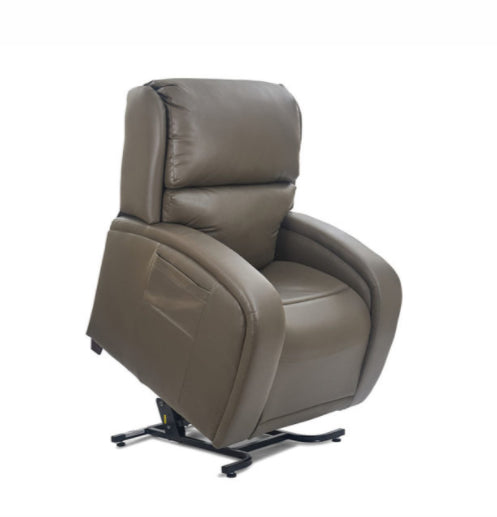
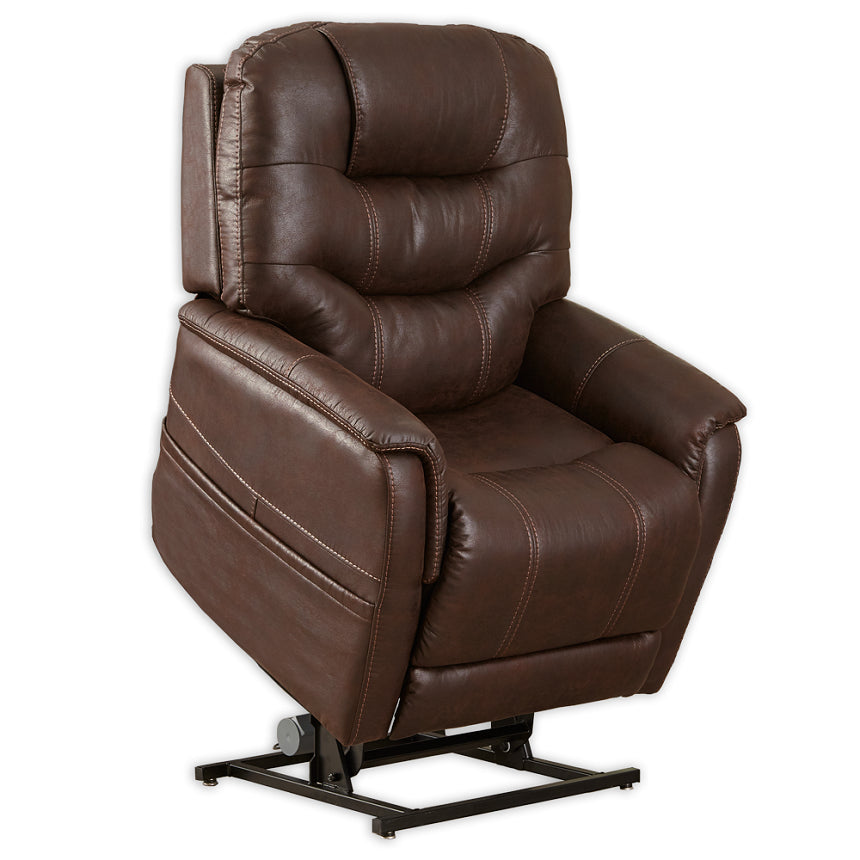
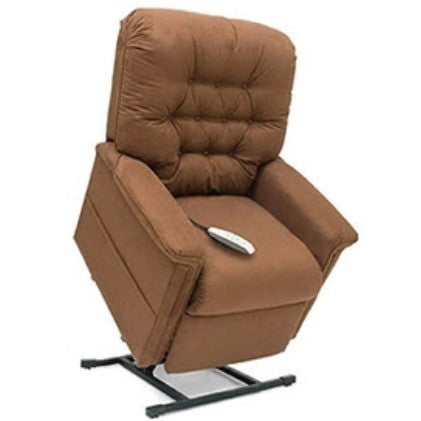
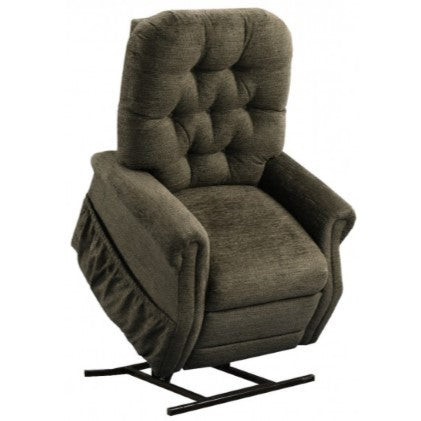
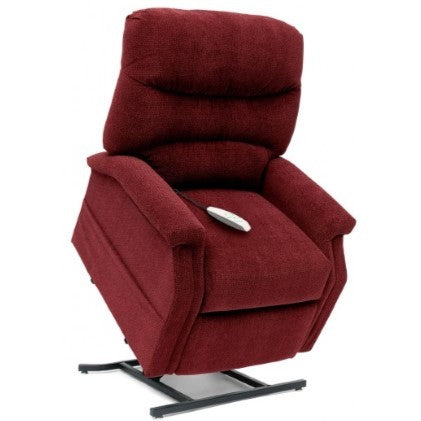
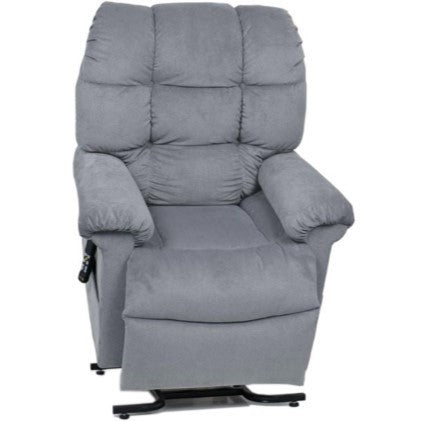
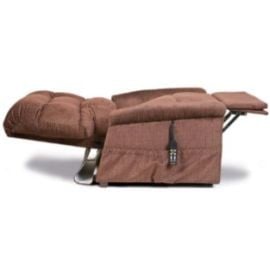
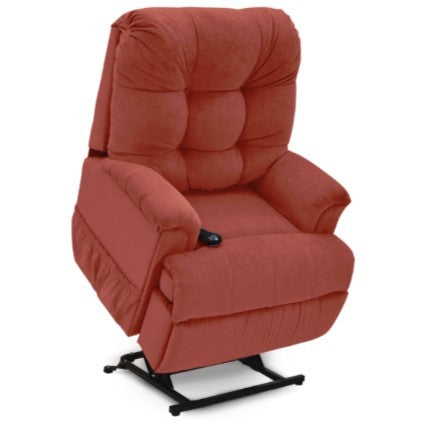
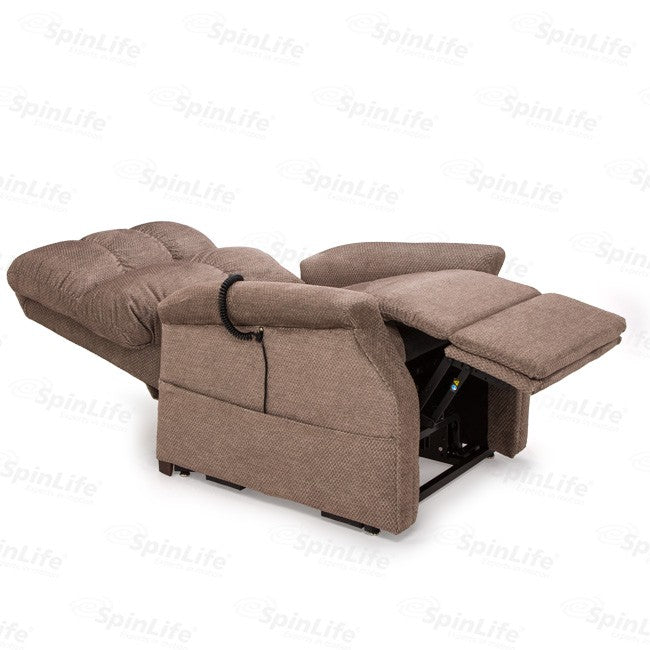
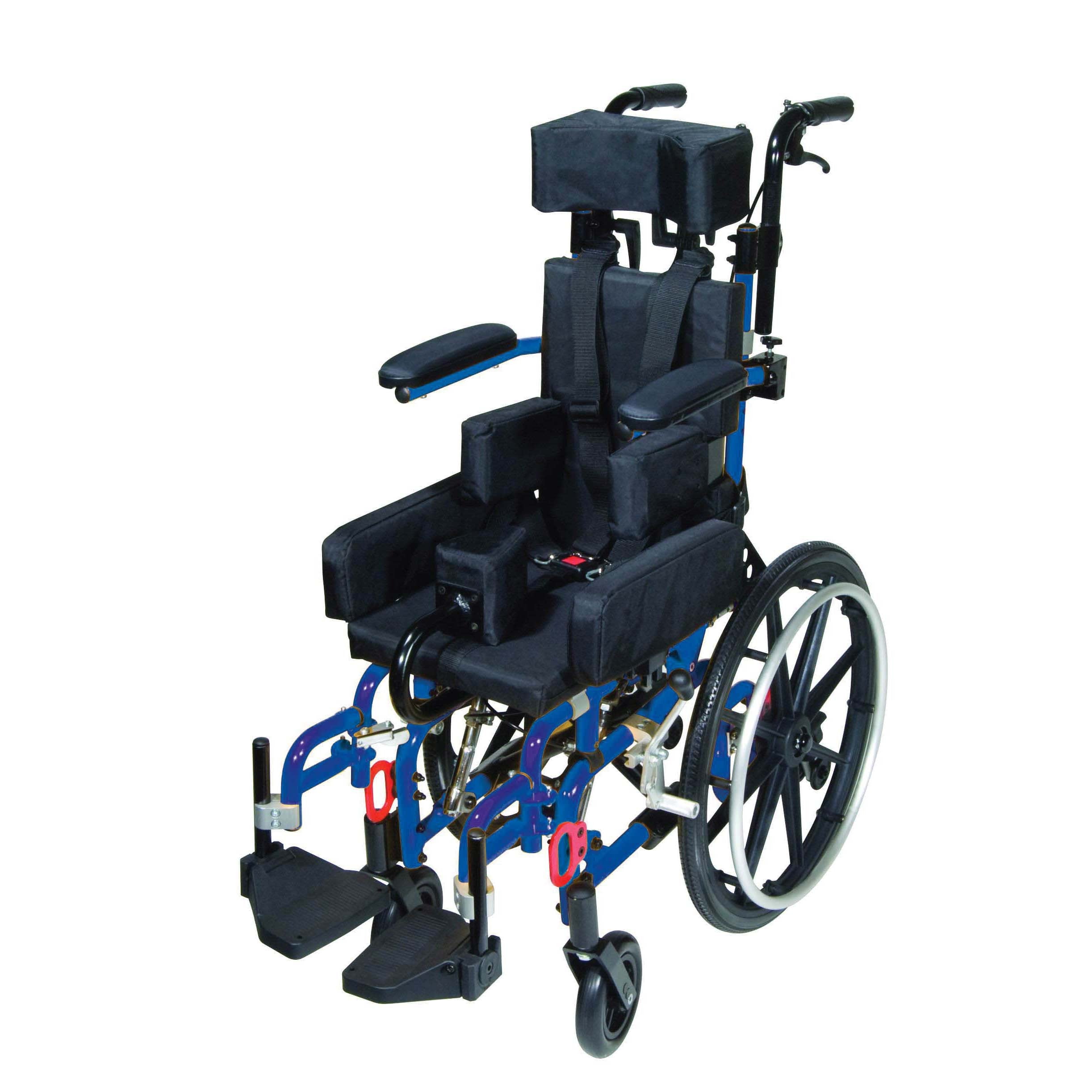
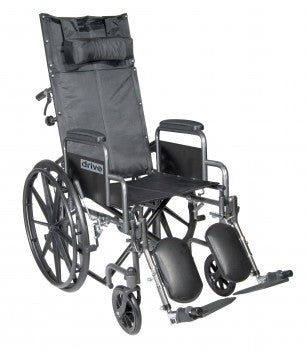
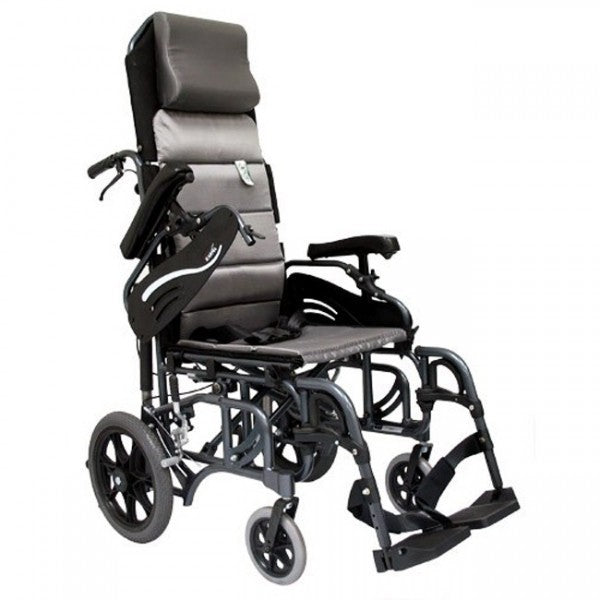
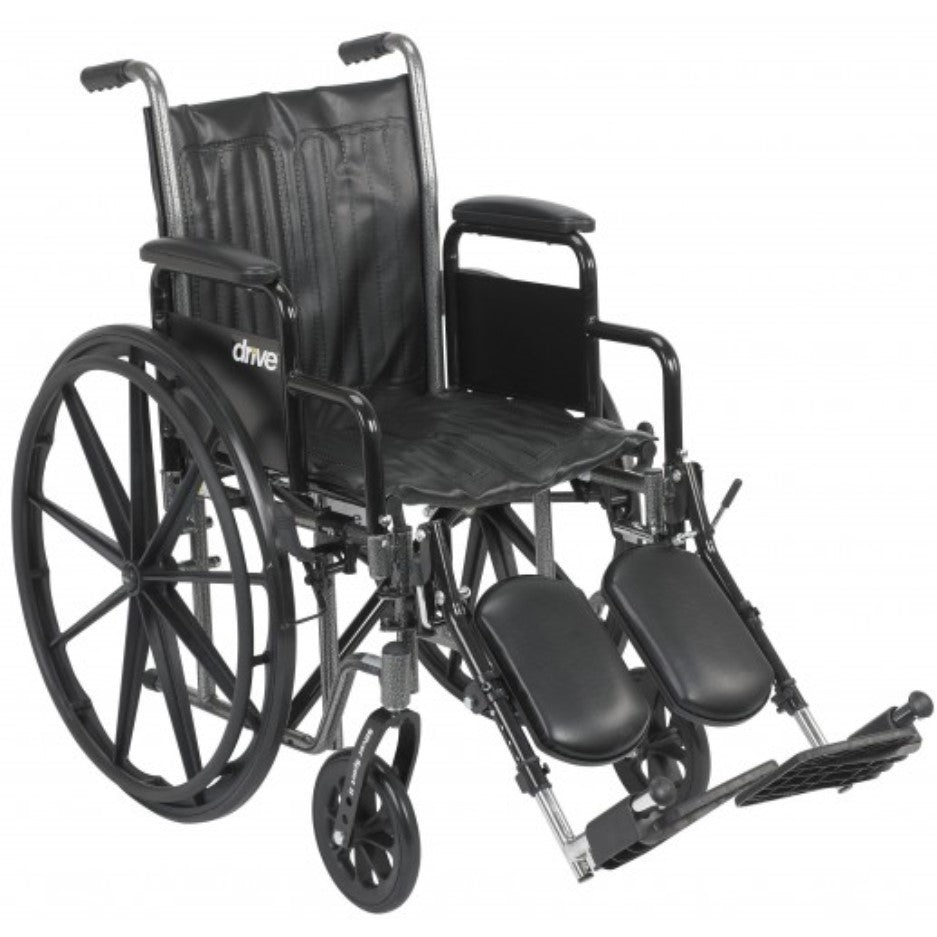
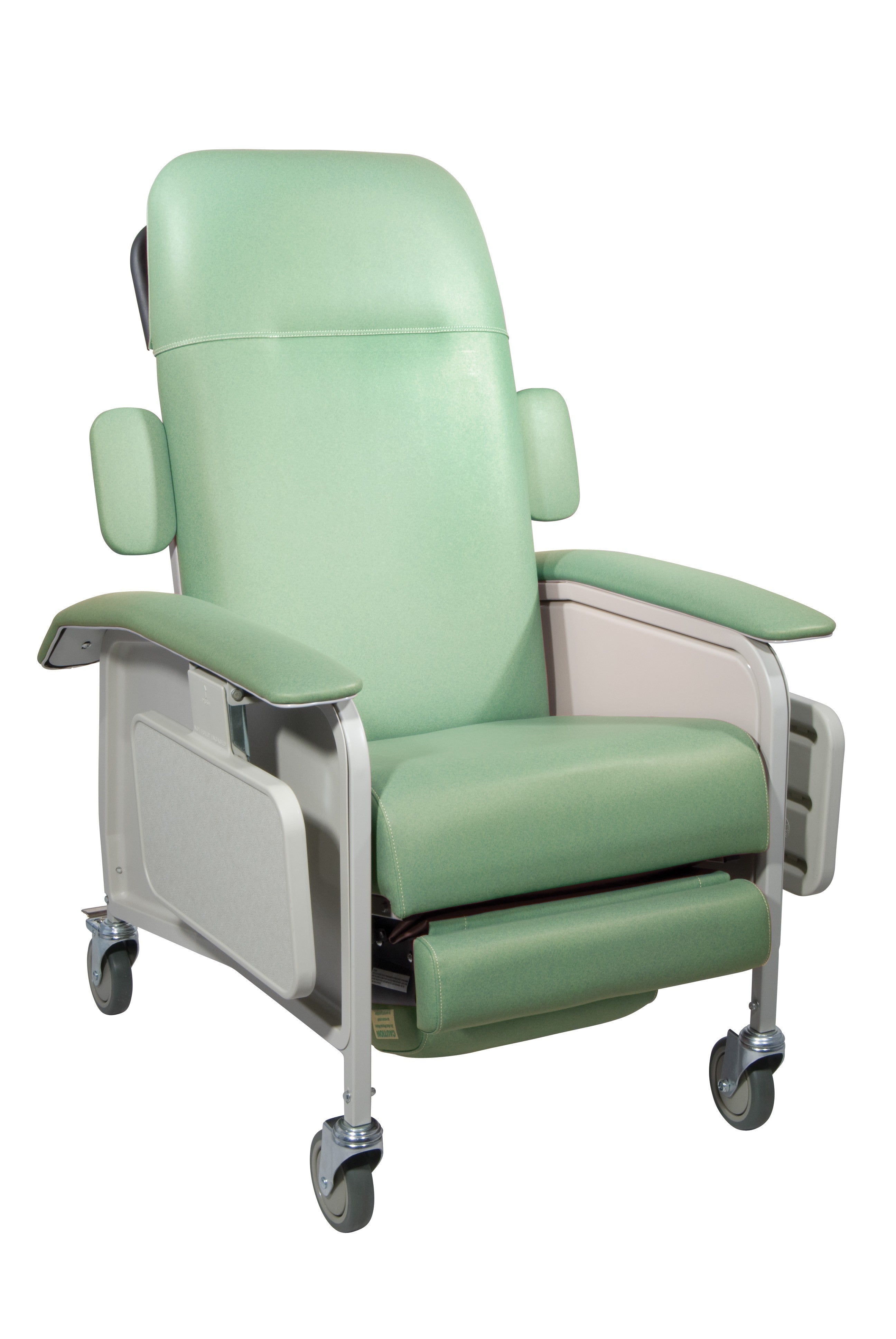
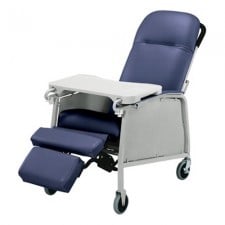
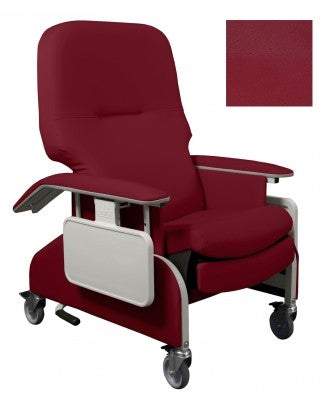
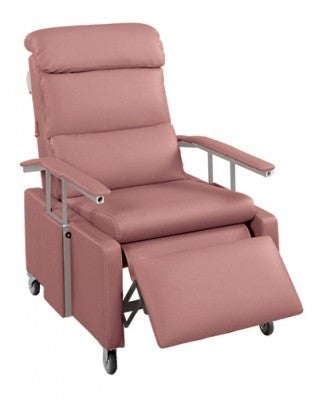
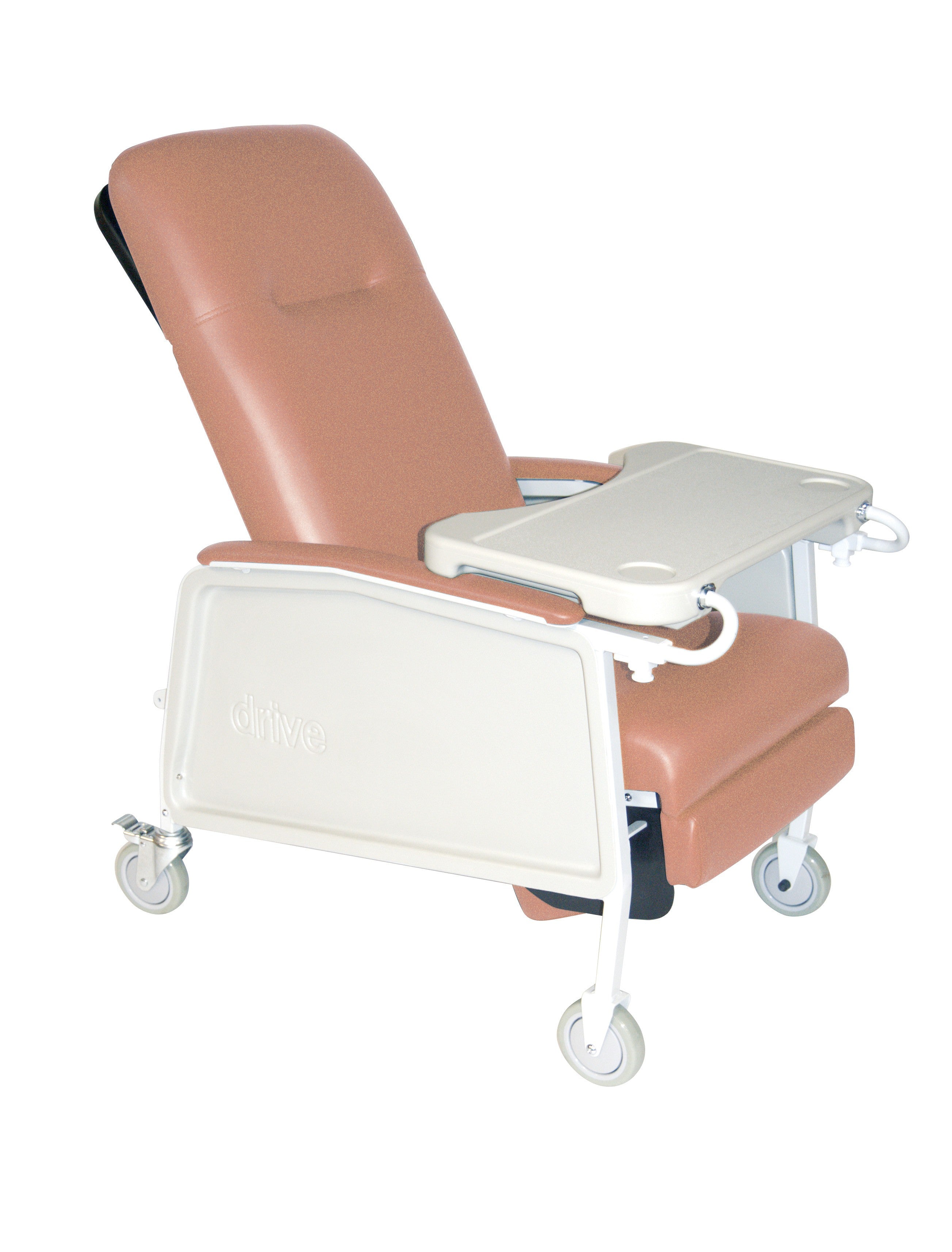
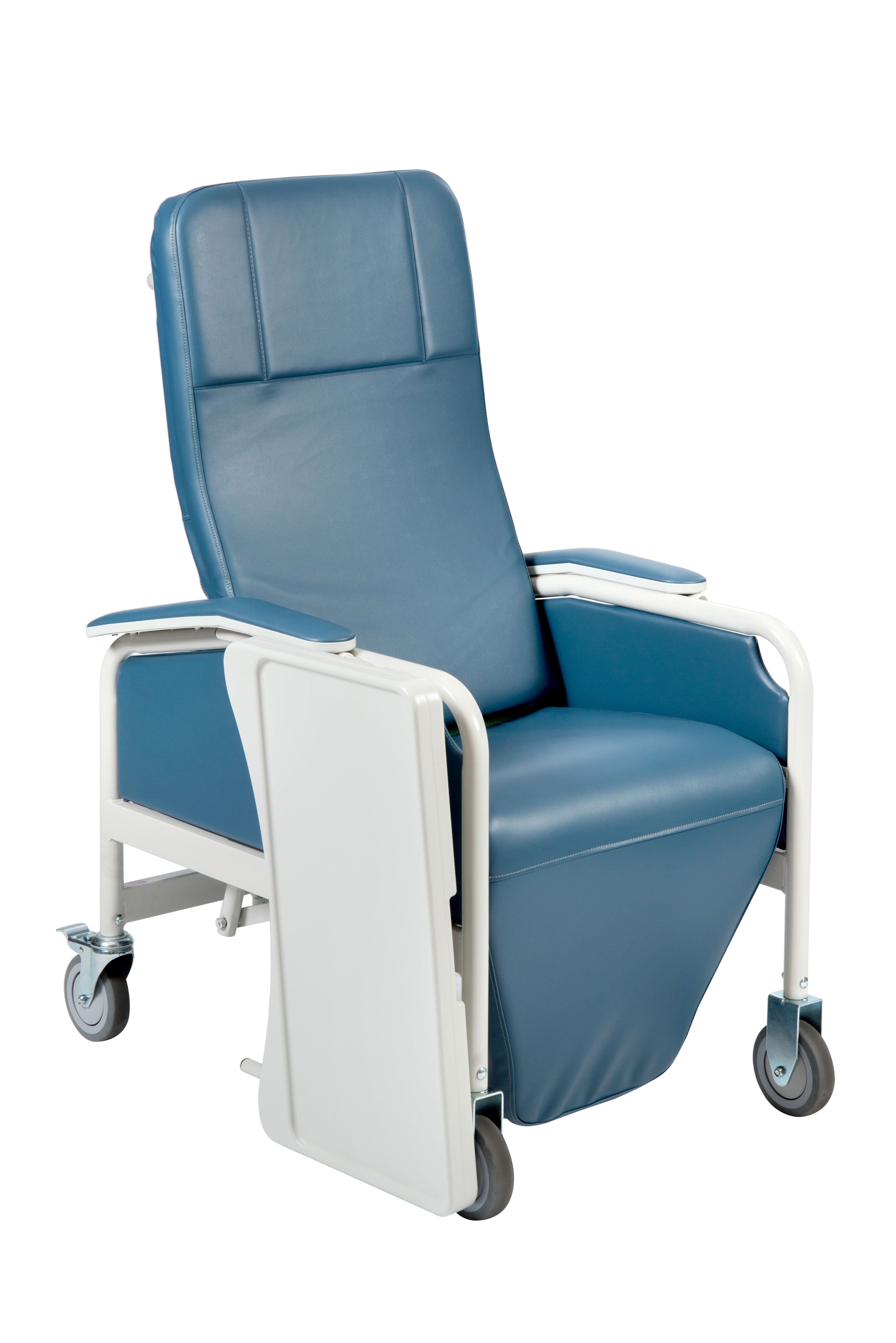
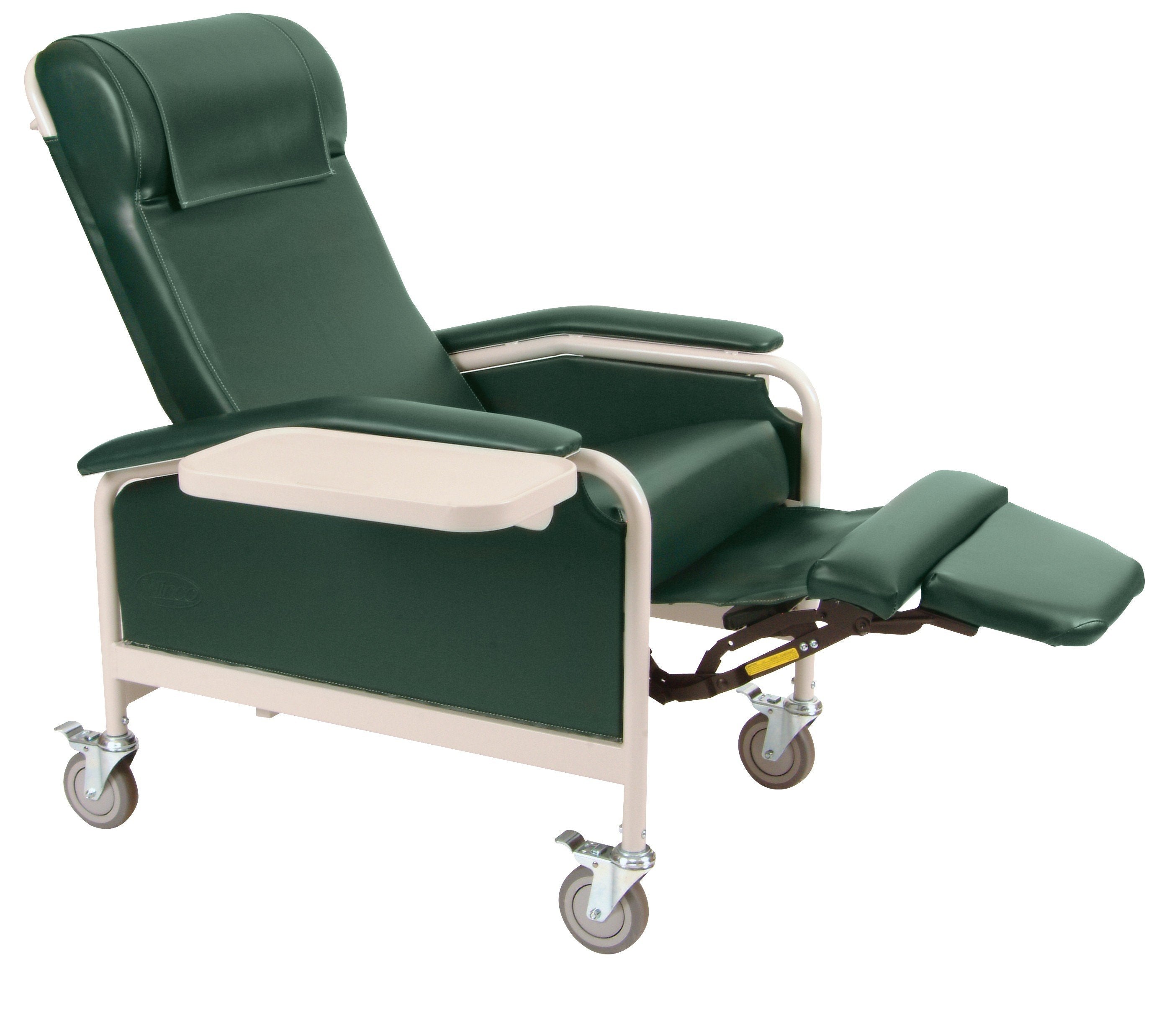
A lift chair (also called a power lift recliner) is a motorized armchair with a tilting seat mechanism that gently raises the user to a near-standing position, making sit-to-stand transitions safer and more independent. A geri chair (geriatric recliner) is a large, padded medical recliner mounted on wheeled casters, designed for extended sitting, therapeutic positioning, and caregiver-assisted transport between rooms.
The simplest way to think about it: lift chairs empower independence, while geri chairs prioritize full-body support and caregiver-assisted safety. About 38% of U.S. households with seniors now own at least one power lift chair, a sign that assistive seating has become a mainstream part of aging at home. By the end of this guide, you'll know exactly which option fits your situation, or why your family might benefit from both.
What Is a Lift Chair? Features, Types, and Best-Fit Users
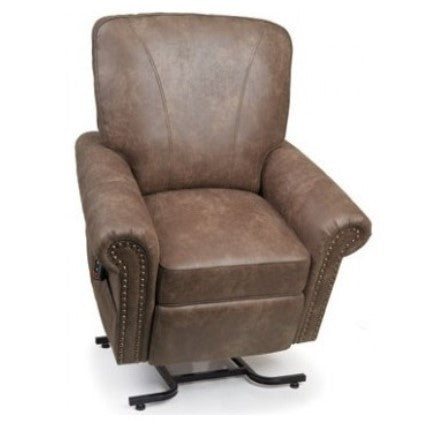
A lift chair looks and feels like a comfortable living room recliner, but it has a motorized base that tilts the entire seat forward. This brings the user to a near-standing position with minimal effort, significantly reducing the risk of falls during one of the most dangerous daily movements: getting up from a seated position.
Lift chairs come in three main position types:
- 2-position: Offers a basic recline, suitable for reading or watching TV.
- 3-position: Reclines further for napping, with a more relaxed leg elevation.
- Infinite-position: The backrest and footrest move independently, allowing zero-gravity positioning and even Trendelenburg (feet above heart) positioning for circulation support.
Lift chairs work best for people who are still partially mobile and want to maintain their independence at home. Many models now include premium features like built-in heat, massage, USB charging ports, and app-based controls. A 2025 survey found that 49% of seniors report feeling safer with assistive technologies, and 45% feel more independent because of them. A quality lift chair delivers on both counts.
One important caution: improper sizing leads to an estimated 30 to 40% return rate on lift chairs. Before purchasing, always measure the user's seat width, seat depth, and floor-to-seat height. Our product specialists walk customers through this process every day to prevent costly mistakes.
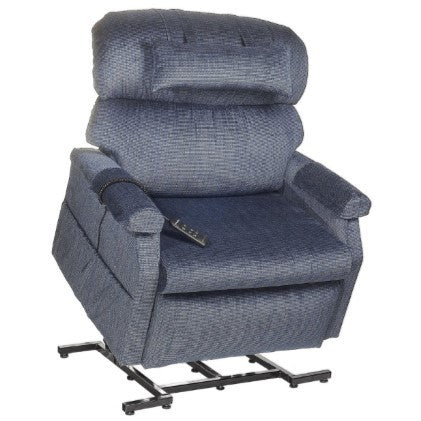
For users with higher weight needs, bariatric lift chairs like Pride Mobility's LC-358XXL support up to 600 lbs, offering the same independence in a reinforced frame. We carry trusted brands including Pride Mobility, Golden Technologies, and Drive Medical to cover the full range of needs.
What Is a Geri Chair? Features, Types, and Best-Fit Users
A geri chair is built for a very different situation. Its wheeled base with locking casters allows caregivers to transport a user from room to room without heavy lifting, a feature you won't find on a standard lift chair, and one that makes a meaningful difference in homes where a caregiver is present.
The most important clinical feature of a geri chair is tilt-in-space positioning. Unlike standard recline, which changes the hip angle and can cause users to slide forward (creating harmful shear forces on the skin), tilt-in-space tilts the entire chair while keeping the hip and back angles constant. This redistributes pressure from the sitting surface to the back, which is critical for preventing pressure injuries and skin breakdown. This distinction comes directly from occupational therapy and clinical care practice, and it's rarely explained in consumer-facing content.
Geri chairs are clinically recommended for conditions including stroke, Parkinson's disease, CHF/COPD fatigue, post-operative recovery, high fall risk, and hospice or comfort care. If your loved one spends long hours seated or has complex medical needs, a geri chair is often the safer choice.
The medical-grade, wipeable upholstery is designed for frequent cleaning and infection control, a real advantage in home care settings where hygiene matters. Clinical accessories like detachable meal trays, IV poles, oxygen tank holders, pressure-relief cushions, and adjustable headrests make geri chairs far more versatile for ongoing care than a standard recliner.
For users with higher weight needs, bariatric geri chairs like the Graham-Field Lumex Bariatric model support up to 700 lbs. If you're caring for someone with bariatric needs, we encourage you to consult with a physician or occupational therapist before purchasing. Our specialists can help match you with the right model.
Side-by-Side Comparison: Lift Chair vs. Geri Chair
Here's how the two chairs compare across the dimensions that matter most:
- Primary purpose: Lift chairs assist independent sit-to-stand transitions. Geri chairs provide all-day seated support and caregiver-assisted positioning.
- Mobility and transport: Lift chairs are stationary furniture. Geri chairs roll on locking casters for room-to-room transport.
- User independence level: Lift chairs require some weight-bearing ability. Geri chairs are designed for users who need full caregiver assistance.
- Pressure management: Lift chairs offer comfort padding. Geri chairs provide clinical tilt-in-space positioning to prevent pressure injuries.
- Hygiene and upholstery: Lift chairs come in a wide range of home-friendly fabrics. Geri chairs feature medical-grade wipeable upholstery for infection control.
- Accessory compatibility: Lift chairs support basic comfort add-ons. Geri chairs accommodate IV poles, oxygen holders, meal trays, and specialized cushions.
Many families find that the best approach isn't choosing one or the other. Experts recommend a hybrid home setup: a lift chair in the living room for shorter, independent sits and socializing, paired with a geri chair for longer daytime seating, caregiver-assisted mobility, and clinical positioning. This "both/and" solution covers the full range of daily needs.
The stakes are real. One in four adults over 65 falls each year, resulting in 3 million emergency room visits annually. Choosing the right chair for the right context meaningfully reduces that risk.
How to Choose: A Simple Decision Framework
Choose a lift chair if: the user can bear some weight, wants to stand independently, is mobile enough to transfer with minimal assistance, and values a chair that fits naturally into the living room.
Choose a geri chair if: the user has had a stroke, lives with Parkinson's, manages severe COPD or CHF, is at high fall risk, or is in post-operative or hospice care. A geri chair is also the right call when a caregiver needs to reposition or transport the user, or when pressure injury prevention is a clinical priority.
Consider both if: the user spends eight or more hours seated daily, has a caregiver present part of the day, and needs independence during some hours but full support during others.
A physician or occupational therapist can help guide this decision, and their recommendation may also be required for Medicare coverage. Our US-based product specialists are available six days a week to talk through your specific situation and help you find the right fit.
Medicare Coverage for Lift Chairs and Geri Chairs
Medicare Part B covers only the motorized lift mechanism of a lift chair, not the chair itself. Coverage requires a doctor's prescription for qualifying conditions such as severe arthritis of the hip or knee, or neuromuscular disease. As of 2026, the Medicare Part B annual deductible is $288. After meeting the deductible, beneficiaries are typically responsible for 20% coinsurance on the approved amount for the lift mechanism.
For geri chairs, Medicare coverage can be more limited. It may apply only to models with casters of at least 5 inches in diameter or those with powered lift mechanisms specifically designed for injured, ill, or impaired individuals. The specifics depend on the model and the medical documentation provided.
Here's a statistic worth knowing: 82% of Medicare lift chair appeals succeed when pursued, yet only 11% of people actually appeal a denial. If your claim is denied, don't accept the decision without appealing. The odds are strongly in your favor.
FSA and HSA funds can also be used to cover out-of-pocket costs for qualifying medical equipment, giving you another path to offset expenses. Our US-based product specialists at American Quality Health Products help customers navigate Medicare questions and coverage documentation regularly. Give us a call and we'll walk you through it.
Finding the Right Fit: Sizing, Bariatric Options, and What to Measure
Before purchasing any lift chair or geri chair, measure three things: seat width (the user's hip width plus at least one inch on each side), seat depth (from the back of the hip to the back of the knee), and floor-to-seat height (so the user's feet rest flat on the floor). Getting these right prevents discomfort, poor posture, and safety issues.
Improper sizing drives an estimated 30 to 40% return rate on lift chairs. This is entirely preventable with the right guidance upfront.
Bariatric users have excellent options: lift chairs like the Pride LC-358XXL support up to 600 lbs, and geri chairs like the Graham-Field Lumex Bariatric model support up to 700 lbs. Call our live US-based product specialists six days a week for personalized sizing help. We'll make sure you get the right chair the first time.
Make the Right Choice with Confidence
Lift chairs restore independence during sit-to-stand transitions. Geri chairs provide all-day safety, pressure management, and caregiver-assisted mobility. Many families benefit from having both. With 75% of adults 50 and older wanting to remain in their homes as they age, the right seating solution is a foundational part of making that possible.
Browse our full selection of lift chairs and geri chairs, backed by our Lowest Price Guarantee and free shipping on orders over $100. We also offer 100% financing through third-party providers, so cost doesn't have to stand between your loved one and the right chair.
With over 5,000 verified customer reviews and 25 years of experience, American Quality Health Products is here to help. Call our live US-based product specialists six days a week for personalized guidance. We'll help you find the perfect fit.


