


What Is a Geriatric Recliner (Geri Chair)?
You've probably seen one in a hospital room, but a geri chair might be exactly what your loved one needs at home.
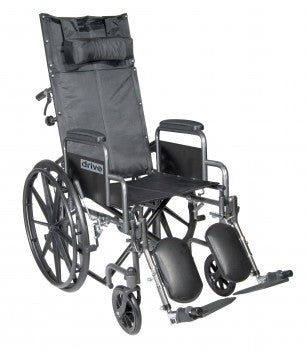
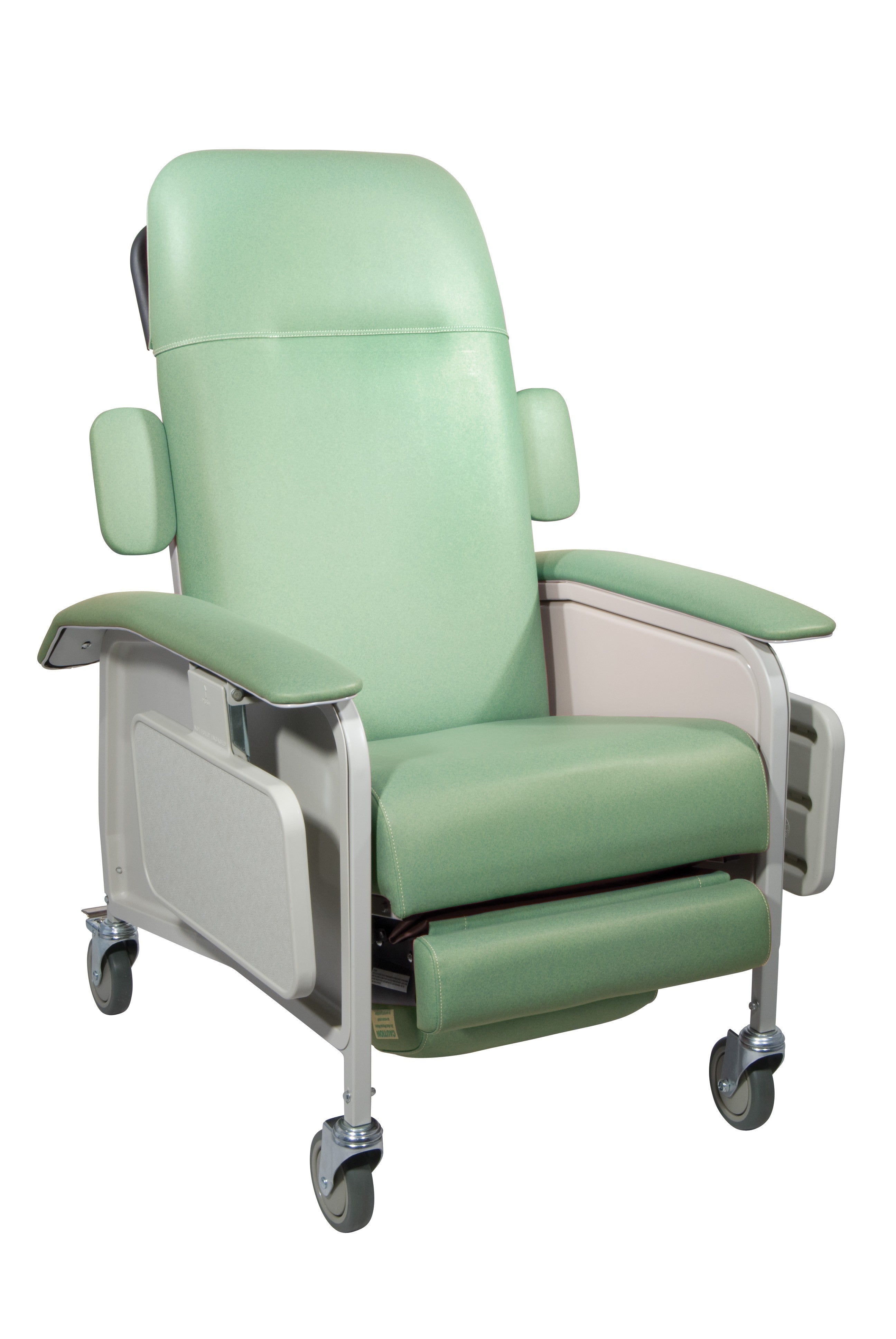
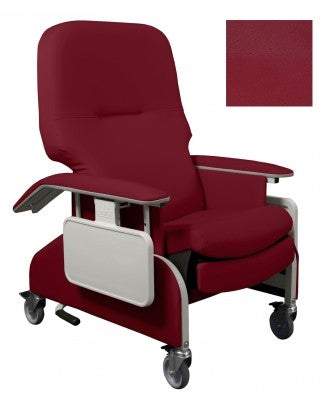
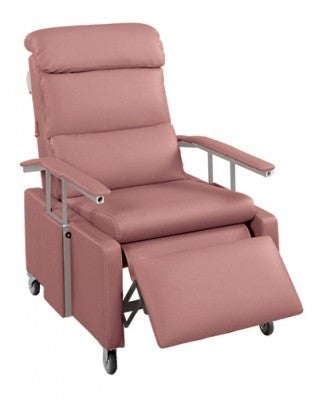
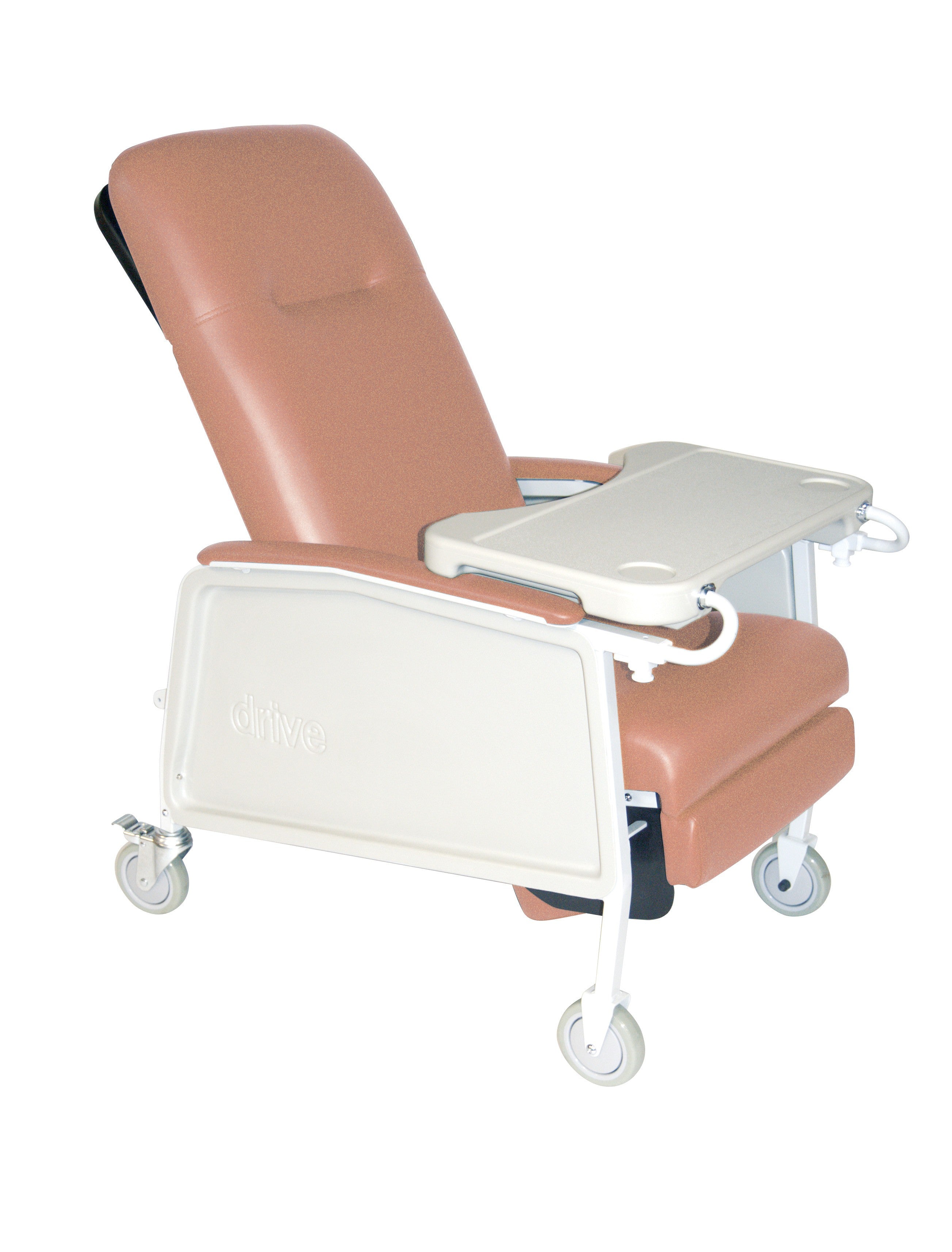
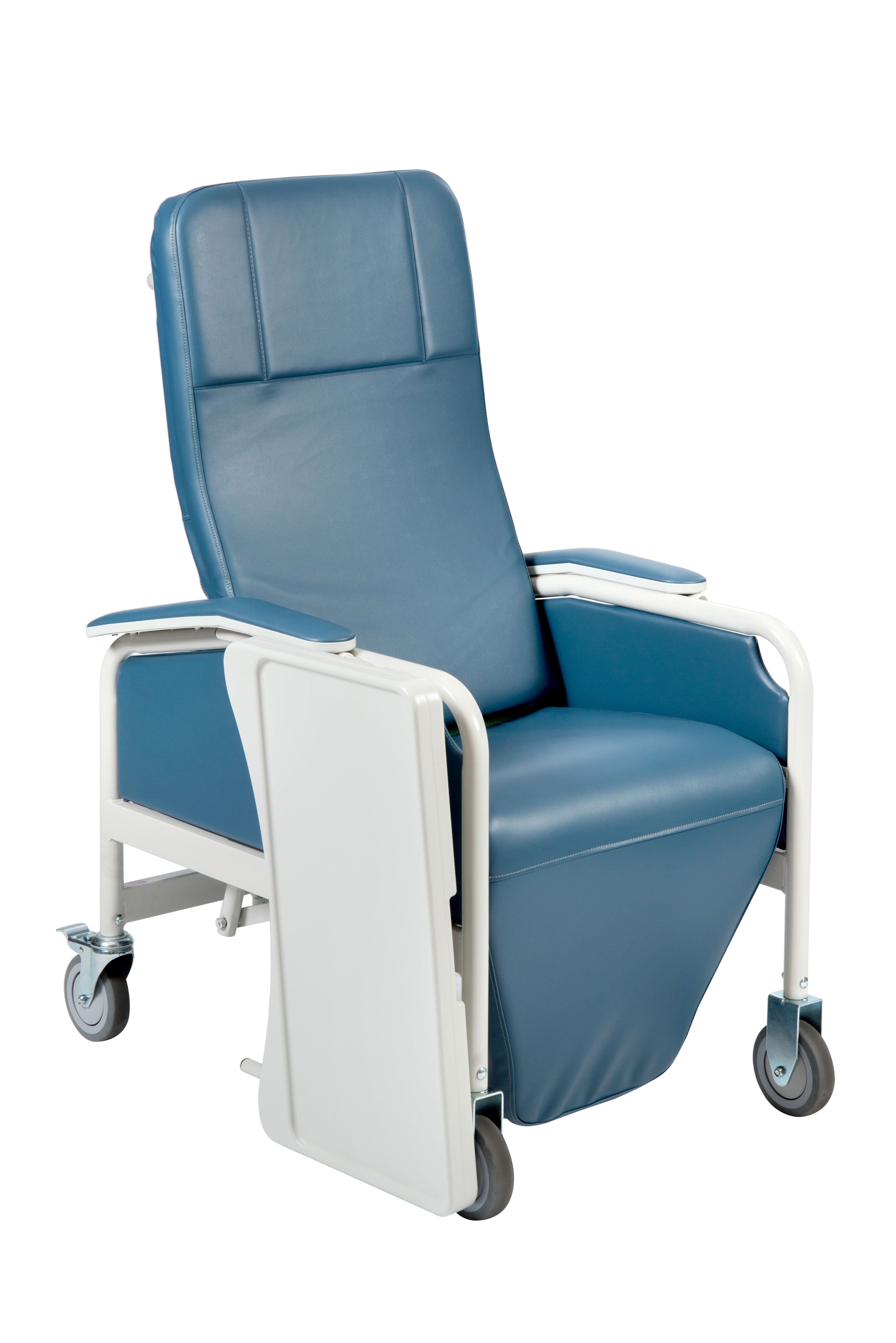
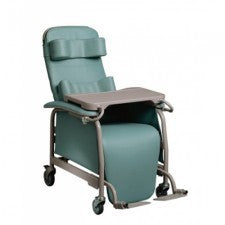
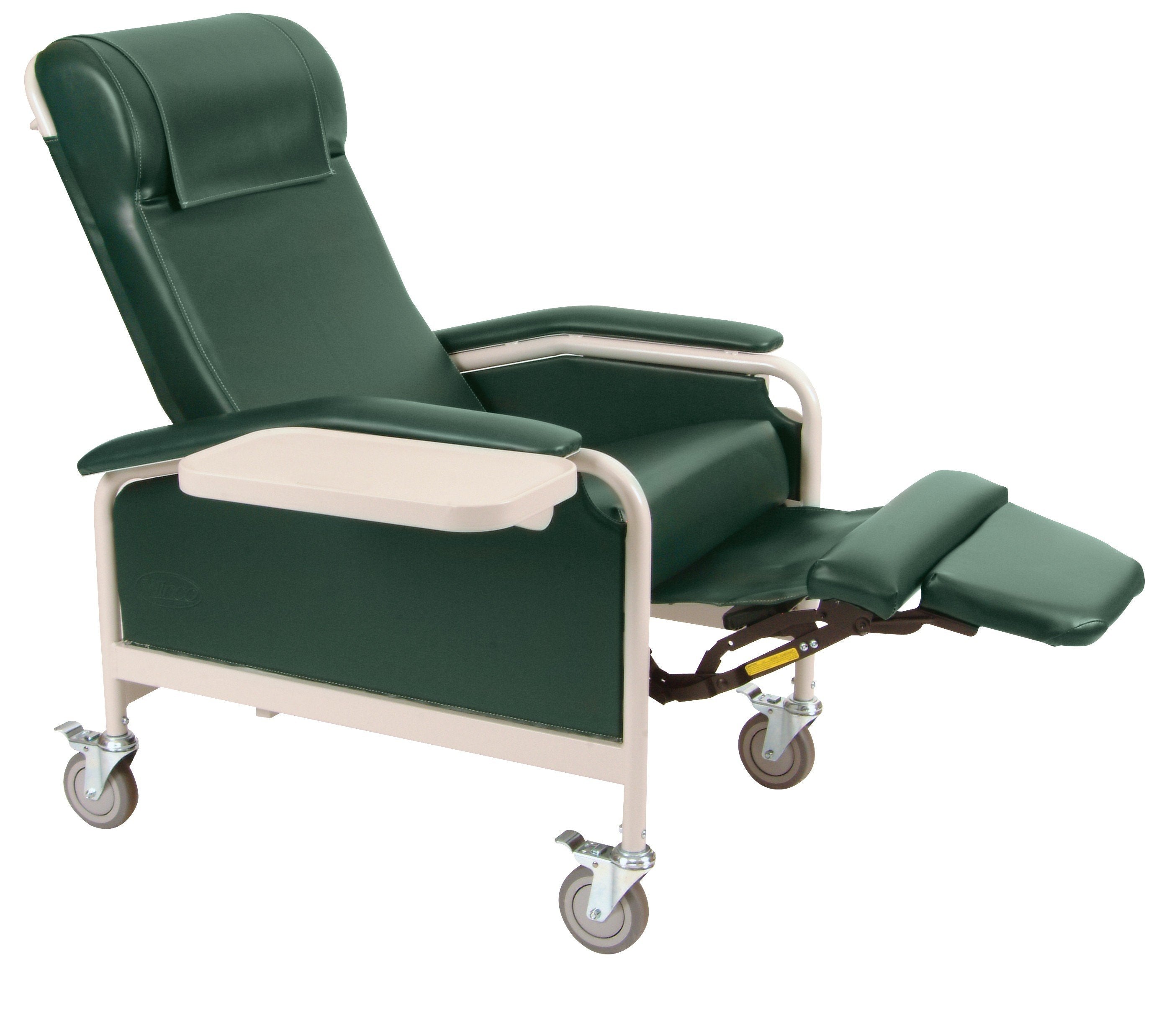
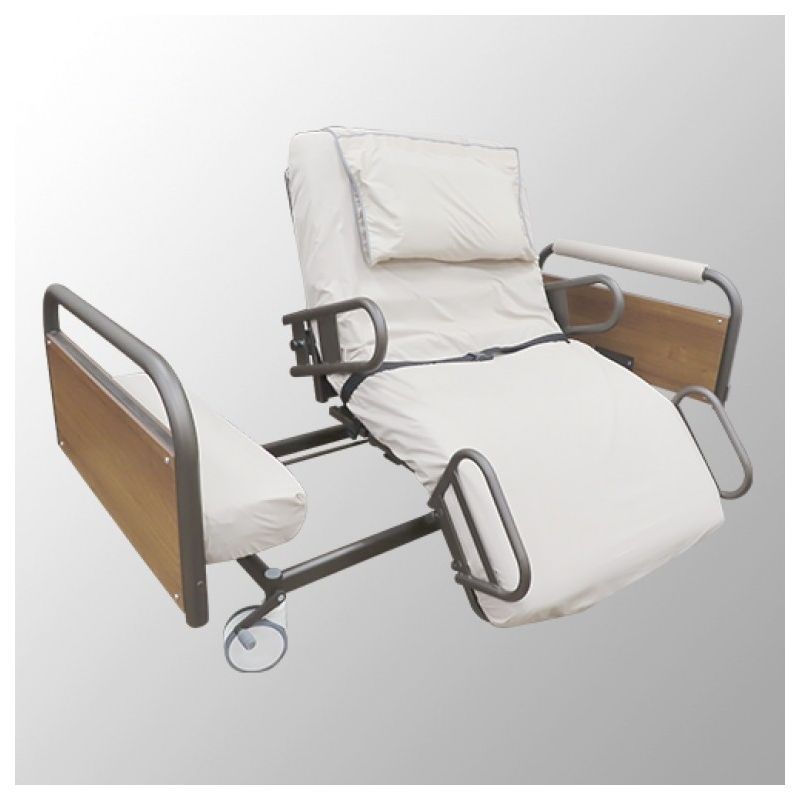
A geri chair is a medical-grade reclining chair built on a wheeled, pushable base. It's designed to be moved by a caregiver, not self-propelled by the person sitting in it. Core features include a high padded back, full-length footrest, locking caster wheels, wipeable medical-grade vinyl upholstery, head and neck supports, lateral trunk supports, and an optional activity tray.
You may hear this type of chair called by several names: geriatric chair, geri recliner, positional care recliner, convalescent recliner, jerry chair, or simply a medical recliner. They all refer to the same category of equipment, so if you've been searching any of those terms, you're in the right place.
Many families first discover geri chairs during a hospital or rehab facility stay. Wanting to replicate that level of support at home is a common and completely understandable reason to buy one. According to several sources, post-hospitalization discharge is one of the most frequent purchase triggers.
How a Geri Chair Differs from a Standard Recliner (and a Lift Chair)
A standard recliner is designed for comfort and self-use. It sits on a fixed base with no wheels, no caregiver push handles, no locking brakes, and no medical-grade upholstery. It's a piece of living room furniture, not clinical equipment.
A geri chair is built differently in every respect. Locking caster brakes allow a caregiver to wheel the chair from room to room and lock it firmly in place. The wipeable vinyl upholstery supports infection control. Head, neck, and lateral supports keep users safely positioned when they cannot hold their own posture. Accessory trays give users a stable surface for meals, activities, or medical devices. These are features a standard recliner simply does not have.
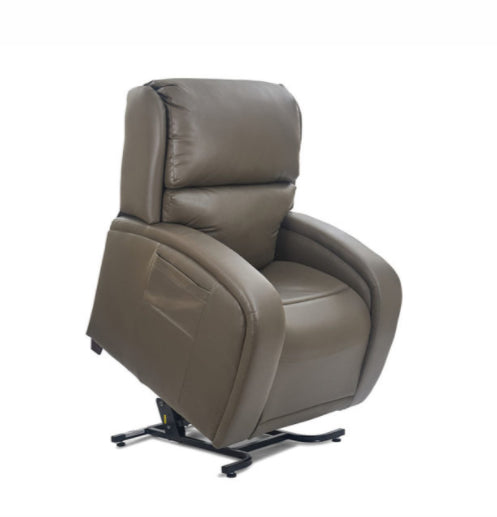
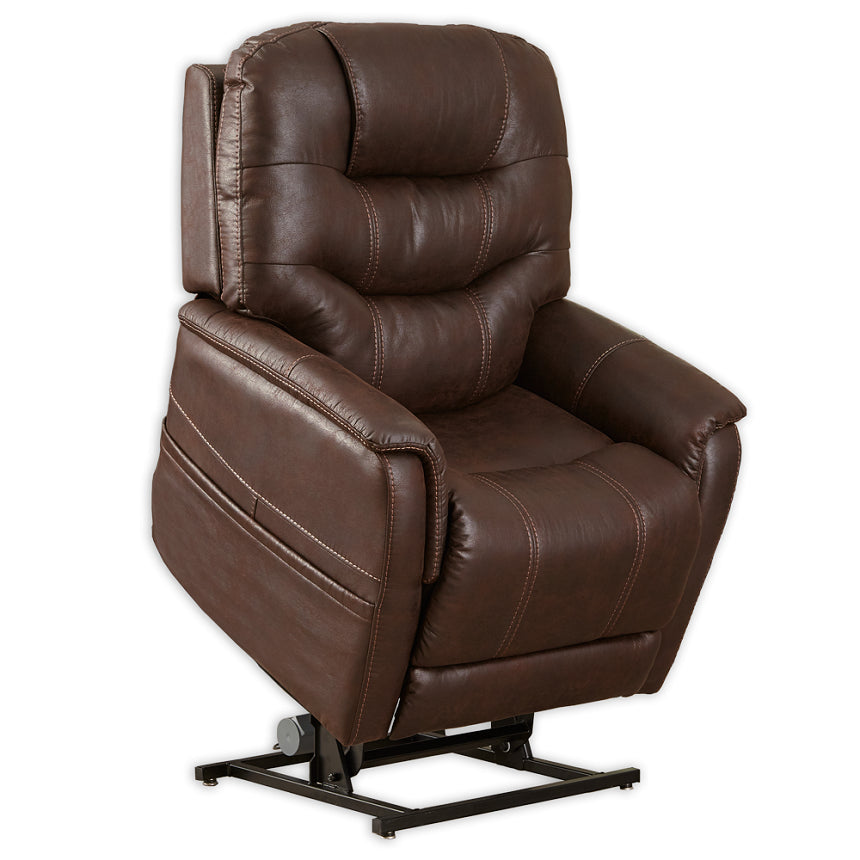
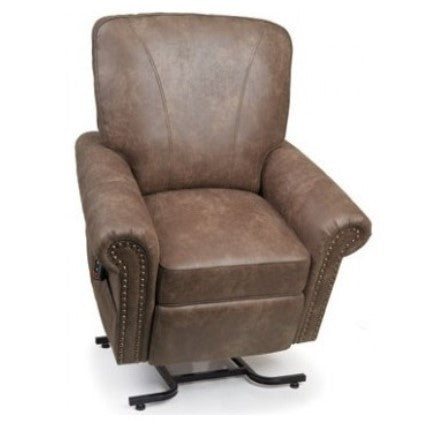
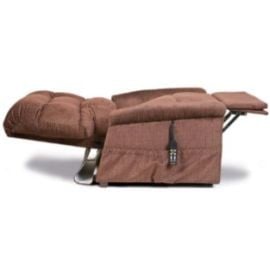
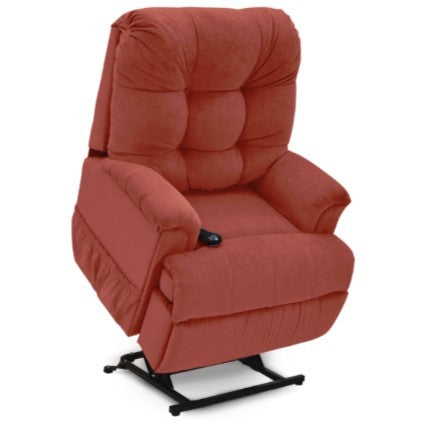
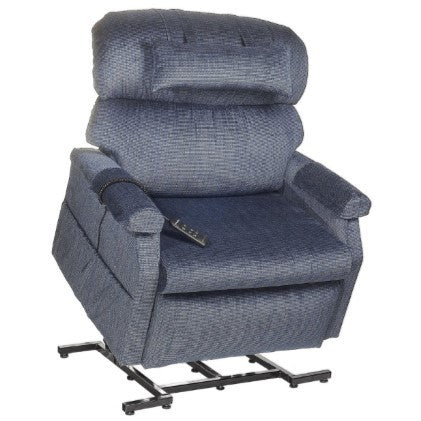
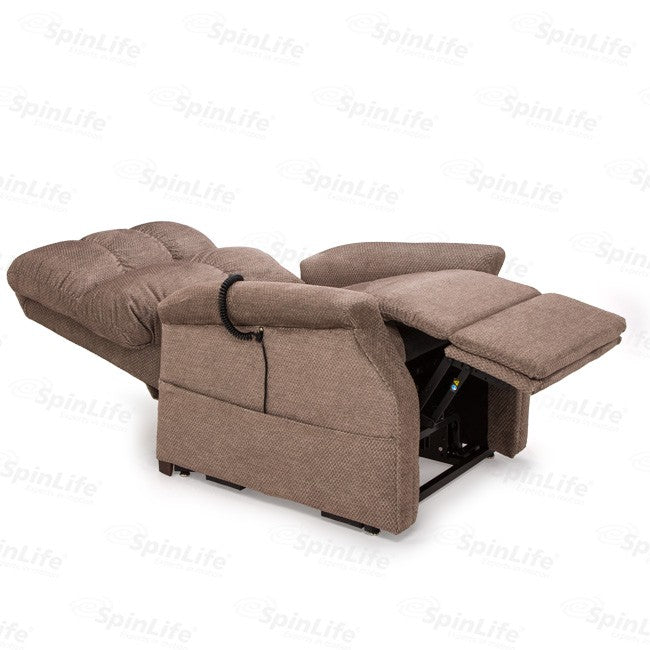
The geri chair vs. lift chair distinction is also worth clarifying. A lift chair is self-operated: the user presses a button and the chair tilts forward to help them stand independently. A geri chair is caregiver-operated and is built for users who cannot safely reposition or transfer themselves at all. These two products serve very different populations.
Using a standard recliner for a high-dependency user can increase fall risk and contribute to skin breakdown. It is not a safe substitute when someone needs the postural support and caregiver control that a geri chair provides.
The 4 Main Types of Geri Chairs Explained
Geri chairs come in four main configurations, each suited to a different level of need.
3-Position: These offer upright, recline, and elevated footrest positions. They work well for users who need basic repositioning support and can partially direct their own comfort. This is the most common entry-level configuration.
4-Position: This adds a near-flat, Trendelenburg-style position where the feet are elevated above the heart. It suits users with circulation issues or those who benefit from greater postural variety throughout the day.
Infinite-Position (Zero-Gravity): These models offer independent backrest and footrest control, allowing highly customized positioning. They're a strong choice for users with complex comfort needs, such as those managing congestive heart failure (CHF) or chronic obstructive pulmonary disease (COPD).
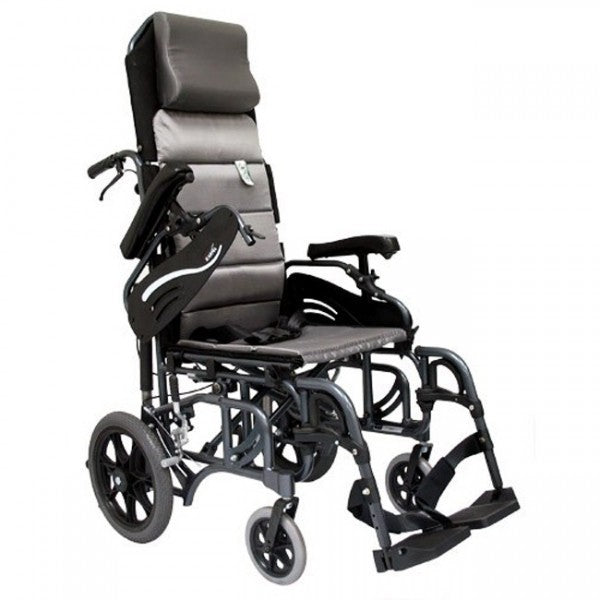
Tilt-in-Space: This is the most clinically advanced option. A tilt-in-space geri chair tilts the entire seat frame as a unit without changing the hip-to-back angle. Standard recline can create shear forces on the skin as the user slides forward; tilt-in-space redistributes pressure across a larger body surface area without that sliding effect. The 2025 International Pressure Injury Guideline specifically recommends this approach for users at risk of pressure injuries or who cannot independently shift their weight, as confirmed by many sources
Also worth noting: drop-arm (swing-away arm) models allow the armrest to fold down or swing away, providing open side access for lateral transfers from a bed or wheelchair. For home caregivers performing solo transfers, this feature is critical for safety and reducing physical strain.
Who Actually Needs a Geri Chair at Home?
A geri chair is not just for the elderly. It is for anyone whose condition prevents safe, independent repositioning or transfer. Here's a closer look at the most common situations:
Stroke survivors: One-sided weakness or paralysis (hemiplegia) makes self-repositioning in a standard chair impossible. Without proper lateral support and locking brakes, the risk of falls and pressure injuries is significant.
Parkinson's disease: Muscle rigidity and tremors make operating a standard recliner handle unsafe. A caregiver-controlled geri chair removes that risk and provides stable, supported seating throughout the day.
CHF and COPD: Severe fatigue and breathlessness make it difficult to adjust position independently. Infinite-position or tilt-in-space models allow caregivers to manage symptoms by adjusting the user's angle without requiring the user to exert effort.
Post-surgical recovery: After major surgery (hip replacement, cardiac procedures, abdominal operations), limited mobility and pain make a geri chair a far safer recovery seat than a standard recliner. The locking base and supportive frame prevent the awkward movements that can compromise healing.
Fall risk and general deconditioning: Users who are unsteady or physically weak benefit from the stability of a locked, grounded geri chair with lateral supports. According to CDC data, 1 in 4 adults over age 65 falls each year, and 3 million older adults visit the emergency room annually due to fall-related injuries.
Hospice and end-of-life comfort care: Geri chairs are widely used in home hospice settings. They provide dignified, comfortable positioning when a patient prefers to be out of bed but cannot sit safely in standard furniture.
Geri chairs serve users of any age. Younger adults living with multiple sclerosis (MS), ALS, traumatic brain injury (TBI), or recovering from extended ICU stays also benefit from this type of clinical seating. The costs of pressure ulcer management alone exceed $6.4 billion annually in the U.S., according to a University of Pittsburgh study, which underscores why proper positioning equipment matters at every age.
Geri Chairs and Medicare: What's Actually Covered
Medicare Part B may cover the motorized seat-lift mechanism of a qualifying geri chair as Durable Medical Equipment (DME). When approved, Medicare covers up to 80% of the approved amount for the lift mechanism only.
Here's what many people miss: the chair frame, upholstery, padding, and comfort features are not covered by Medicare. Only the motorized lift component qualifies. A doctor's prescription documenting medical necessity is required for any reimbursement.
One helpful update: as of January 1, 2023, CMS eliminated the requirement for the Certificate of Medical Necessity (CMS-849) for seat-lift mechanisms, according to wis.it.com's Medicare Guide. A doctor's prescription and supporting documentation are still required, but the paperwork process is simpler than it used to be.
If you're unsure about documentation or which products qualify, our live US-based product specialists are available by phone six days a week and can walk you through the process.
Bariatric Geri Chairs: Options for Larger Users
Bariatric geri chairs feature reinforced frames, wider seat widths (typically starting at 21 inches), and weight capacities ranging from 450 to 700 lbs. The needs of bariatric users go beyond weight capacity alone. Wider lateral supports, reinforced footrests, and durable upholstery that resists breakdown under higher sustained pressure are all essential.
Bariatric tilt-in-space models are particularly important for larger users, who face an elevated risk of pressure injuries due to greater body surface contact and reduced ability to shift weight independently.
If you or your loved one needs a bariatric geri chair, these options exist and we carry a range of configurations. No one should feel their needs are too specialized to be met.
What to Look for When Choosing a Geri Chair for Home Use
If you're a caregiver or family member shopping for a geri chair, here are the practical factors that matter most:
- Position type: Match the chair to the user's condition. A 3-position model may be sufficient for basic repositioning needs, while a tilt-in-space model is necessary for users at risk of pressure injuries.
- Weight capacity and seat width: Confirm these match the user's body size. Don't guess; measure.
- Drop-arm availability: If you're performing transfers from a bed or wheelchair, swing-away arms make a significant difference in safety and ease.
- Upholstery type: Vinyl is easier to clean and better for infection control. Fabric may be more comfortable for extended sitting but requires more maintenance.
- Locking caster quality: Make sure the casters lock securely on your home's flooring type, whether carpet, hardwood, or tile.
- Accessory compatibility: Activity trays, IV pole holders, headrests, lateral supports, and safety belts can all be important depending on the user's needs.
One practical advantage of a geri chair at home is room-to-room mobility. The wheeled base means your loved one can be moved to the kitchen, living room, or bathroom area without a separate transfer step.
We offer free shipping on orders over $100 and 100% financing through third-party providers, backed by our Lowest Price Guarantee. If you're unsure which configuration fits your loved one's condition, our live product specialists are available six days a week by phone for a free, no-pressure conversation.
Is a Geri Chair Right for Your Loved One?
Here's a simple framework: if your loved one cannot safely reposition themselves, is at risk of falls or pressure injuries, or requires caregiver-assisted transfers, a geri chair is likely the right tool. A standard recliner is not built for that job.
The case for aging in place has never been stronger. According to Forbes Health, citing the University of Michigan National Poll on Healthy Aging, 88% of adults ages 50 to 80 say it is important to remain in their homes for as long as possible. A geri chair is one of the clinical tools that makes that goal achievable safely.
At American Quality Health Products, we've been serving families since 2001 with over 5,000 verified customer reviews. Our live US-based product specialists are ready to help you find the right geri chair for your specific situation.
Browse our geri chair collection online, or call us six days a week for personalized guidance. We're here to help you make the best decision for your loved one.


