





A standard bedroom set can become a daily obstacle after surgery, illness, injury, or a decline in mobility. The best bed for recovery at home is not always the softest or most expensive option. It is the bed that helps the person rest comfortably, change position safely, get in and out with less strain, and receive care without making every task harder for a caregiver.
For some people, an adjustable bed provides the support they need. For others, a home hospital bed is the safer choice because it offers height adjustment, side rails, and more precise positioning. Choosing well starts with the person’s current needs, the likely length of recovery, and the realities of the room where the bed will be used.
Start With Safety, Not Mattress Feel
Comfort matters, but safety should lead the decision. A bed that is too low can make standing difficult. A bed that is too high can leave a person’s feet dangling, which makes transfers less stable. Someone who is weak, unsteady, or unable to bear full weight may need a bed that raises and lowers to a safer transfer height.
Think through the entire routine: getting into bed, sitting up, using the bathroom at night, repositioning, taking medications, and receiving assistance with personal care. If those activities require repeated lifting, twisting, or pulling from a caregiver, a more supportive bed setup can reduce risk for everyone involved.
A recovery bed should also leave clear walking space around the bedside. Keep a stable nightstand, lamp, phone, water, and any mobility aid within easy reach. Loose rugs, narrow pathways, and low furniture can quickly become hazards when balance and strength are limited.
Adjustable Bed or Home Hospital Bed?
This is the most important choice for many families. Both options can improve comfort, but they are designed for different levels of need.
When an adjustable bed may be the right fit
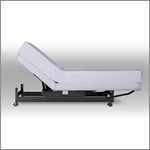
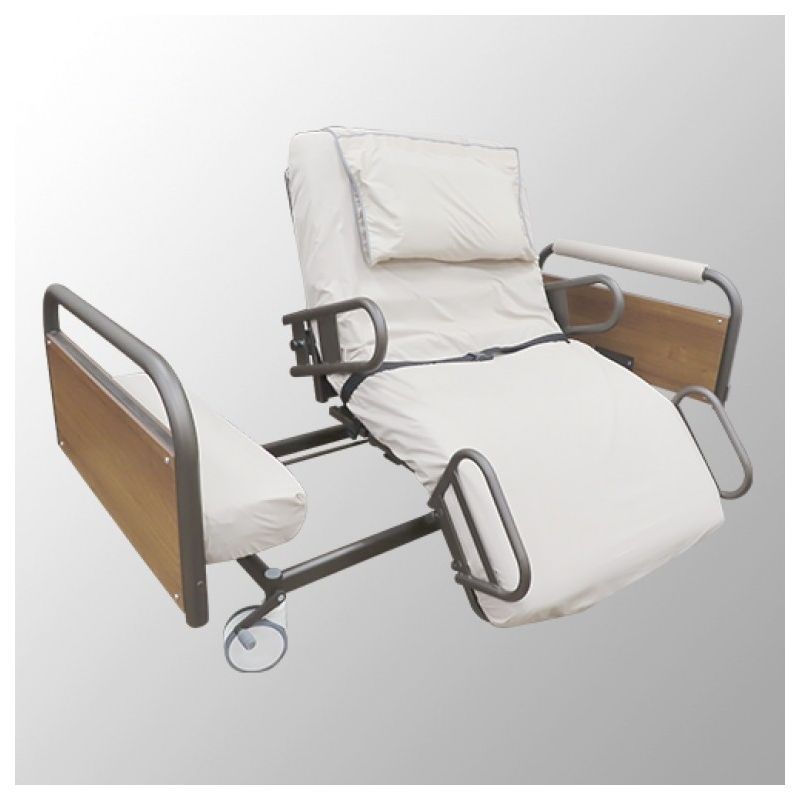
An adjustable bed is often a strong choice for a person who can still transfer independently or with minimal help. Raising the head can make reading, eating, watching television, or resting with congestion more comfortable. Elevating the legs may also help a person find a more relaxed position after a long day of limited activity.
These beds can look more at home in a traditional bedroom and may be especially appealing for long-term comfort after recovery. They are useful when the primary goal is better positioning without the more clinical features of a hospital-style bed.
However, most adjustable beds do not provide the same range of height adjustment, rail options, or caregiver access as a home hospital bed. If the person is at a high fall risk or needs regular assistance with repositioning, those differences matter.
When a home hospital bed makes more sense
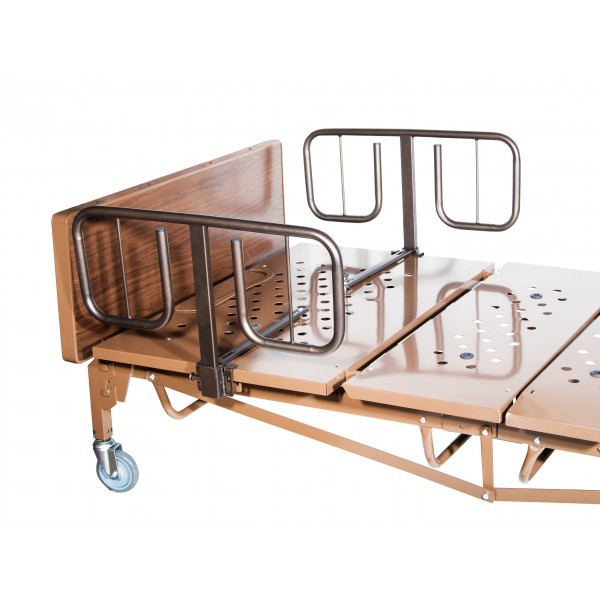
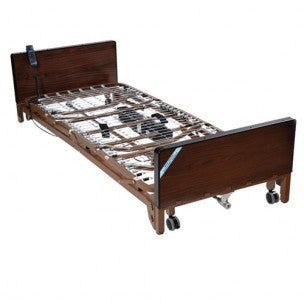
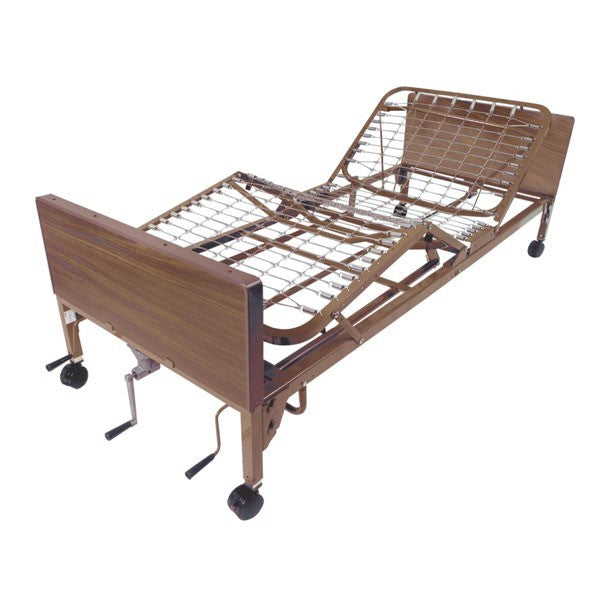
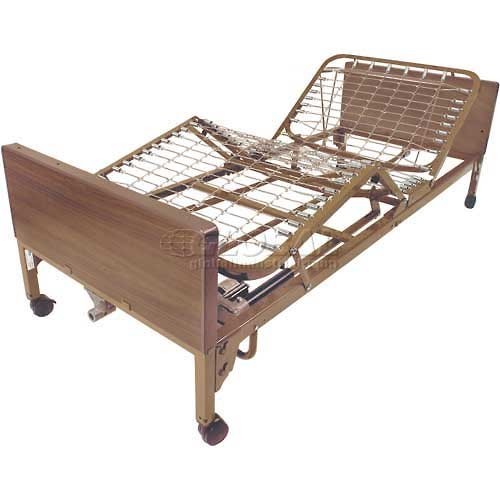
A home hospital bed is built for more involved recovery and care. Its adjustable height allows caregivers to bring the sleep surface up when providing care, then lower it for safer entry and exit. The head and foot sections adjust independently, helping the user move from lying flat to a more supported seated position.
This type of bed is often appropriate after major surgery, during rehabilitation, or for someone managing a condition that makes transfers, pressure relief, or repositioning difficult. It can also make daily care more manageable when a spouse, family member, or professional caregiver is helping at home.
Home hospital beds are available in several styles, including standard semi-electric models, full-electric models, and heavy-duty options. A full-electric bed is typically the most convenient for home use because the user or caregiver can adjust height and positioning with a hand control rather than a manual crank.
Features That Make a Recovery Bed Work Better
The right bed combines practical features with the person’s abilities. Before selecting a model, consider these five factors:
- Height range: A wider range makes transfers safer and allows caregivers to work without excessive bending.
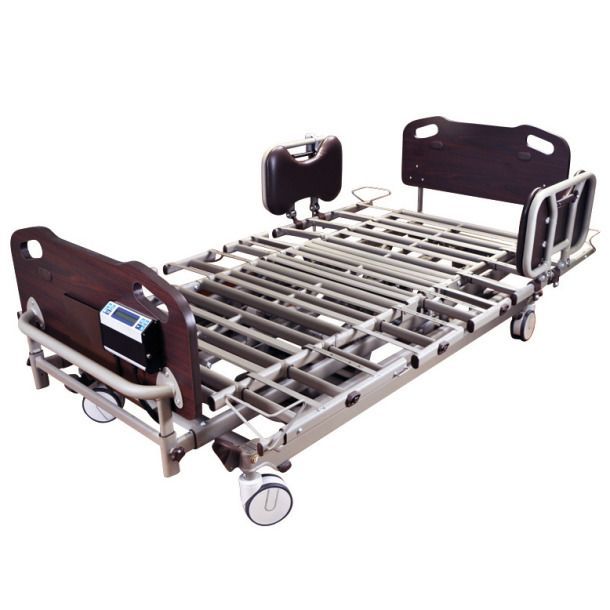
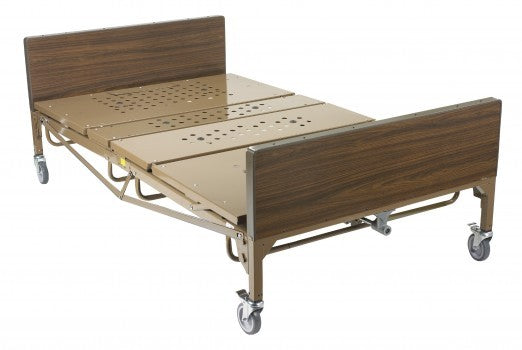
- Weight capacity: Include the user’s weight, the mattress, bedding, and any accessories. Bariatric bed options may be necessary for added space and support.
- Bed width and length: A standard width may work well in a smaller room, while a wider bed can provide greater comfort and room for repositioning.
- Controls: Easy-to-use hand controls can support independence when the user has enough hand strength and awareness to operate them safely.
- Side rail compatibility: Rails can provide a handhold and a sense of security, but they must be selected and used carefully for the individual’s needs.
The Mattress Is Part of the Recovery Plan
A bed frame alone does not determine comfort. The mattress has a major effect on sleep quality, pressure management, and how easily a person can move in bed.
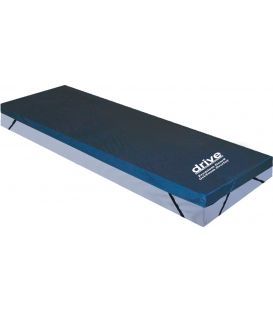
For shorter-term recovery, a supportive foam mattress may provide a practical balance of comfort and value. For people spending long periods in bed or struggling to reposition themselves, a pressure-relieving mattress may be the better choice. These mattresses are designed to distribute weight more evenly and reduce prolonged pressure on vulnerable areas.
The mattress must fit the bed frame correctly. It should not leave gaps near the rails or sides of the bed, and it must be flexible enough to move with the head and foot sections. An improperly fitted mattress can create comfort problems and safety concerns.
Also consider edge support. A mattress that compresses heavily at the edge can make it more difficult for someone to sit, stand, or transfer into a wheelchair. Firm, stable edges can offer more confidence during those everyday movements.
Match the Bed to the Recovery Timeline
The best choice depends partly on whether the need is temporary, ongoing, or expected to change. A person recovering from a procedure may need greater support for several weeks, then gradually return to a regular sleep routine. Someone managing a progressive condition may need a bed that can adapt as mobility changes.
It helps to plan for the next stage, not just the first few days at home. Ask whether the person may need more assistance later, whether a caregiver will be available consistently, and whether the bed will remain in a main-floor room. A bed that works only while someone is strong enough to transfer independently may not be the most practical choice if recovery becomes more demanding.
For long-term use, appearance and bedroom fit may carry more weight. For intensive recovery, clinical functionality usually deserves priority. There is no one-size-fits-all answer, which is why matching equipment to the user matters more than choosing based on a single feature.
Prepare the Room Before Delivery
Measure the room, doorways, hallway turns, and the intended path from the entry point to the bedroom. Leave enough space for the bed to adjust and for a caregiver to work on both sides when needed. If a wheelchair, walker, or lift chair is part of the routine, account for that footprint as well.
Place the bed near an electrical outlet, but avoid running extension cords across walking paths. Make sure the room has good lighting for nighttime trips to the bathroom. A bedside commode, overbed table, or transfer aid may also be useful depending on the person’s mobility and care needs.
Before the first night, practice the controls and set a comfortable starting position. The person should know how to call for help, where their mobility aid will be parked, and how to reach essentials without leaning too far or twisting awkwardly.
Get Guidance for a High-Consideration Purchase
Recovery equipment is personal. The right choice depends on body size, transfer ability, diagnosis, caregiver involvement, room layout, and expected duration of use. A product that is excellent for one household may be a poor fit for another.
American Quality Health Products has helped customers compare home care beds, adjustable beds, mattresses, and related mobility equipment since 2001. Speaking with a knowledgeable product specialist can help families narrow their options based on the details that affect daily comfort and safety.
The right bed should make home feel more manageable during a difficult period. When it supports safer movement, more restful positioning, and greater independence, it can help recovery feel less like a disruption and more like a return to everyday life.


