





Is Your Home Actually Ready for Your New Mobility Equipment?
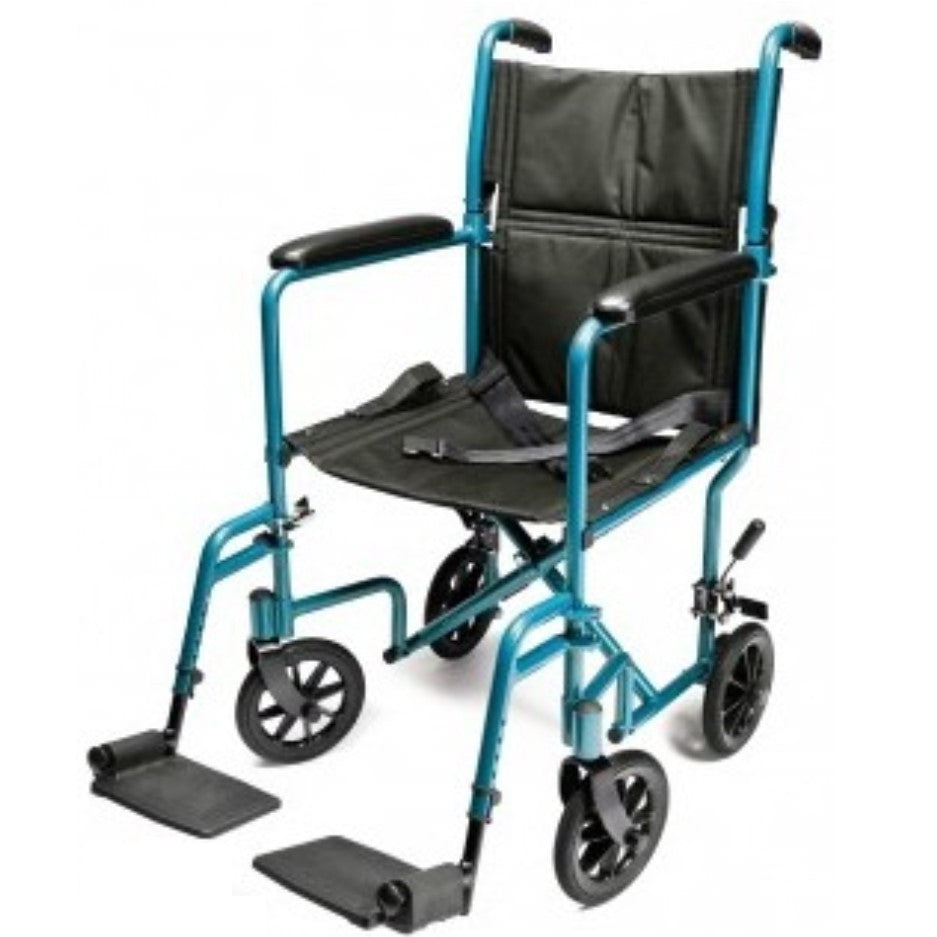
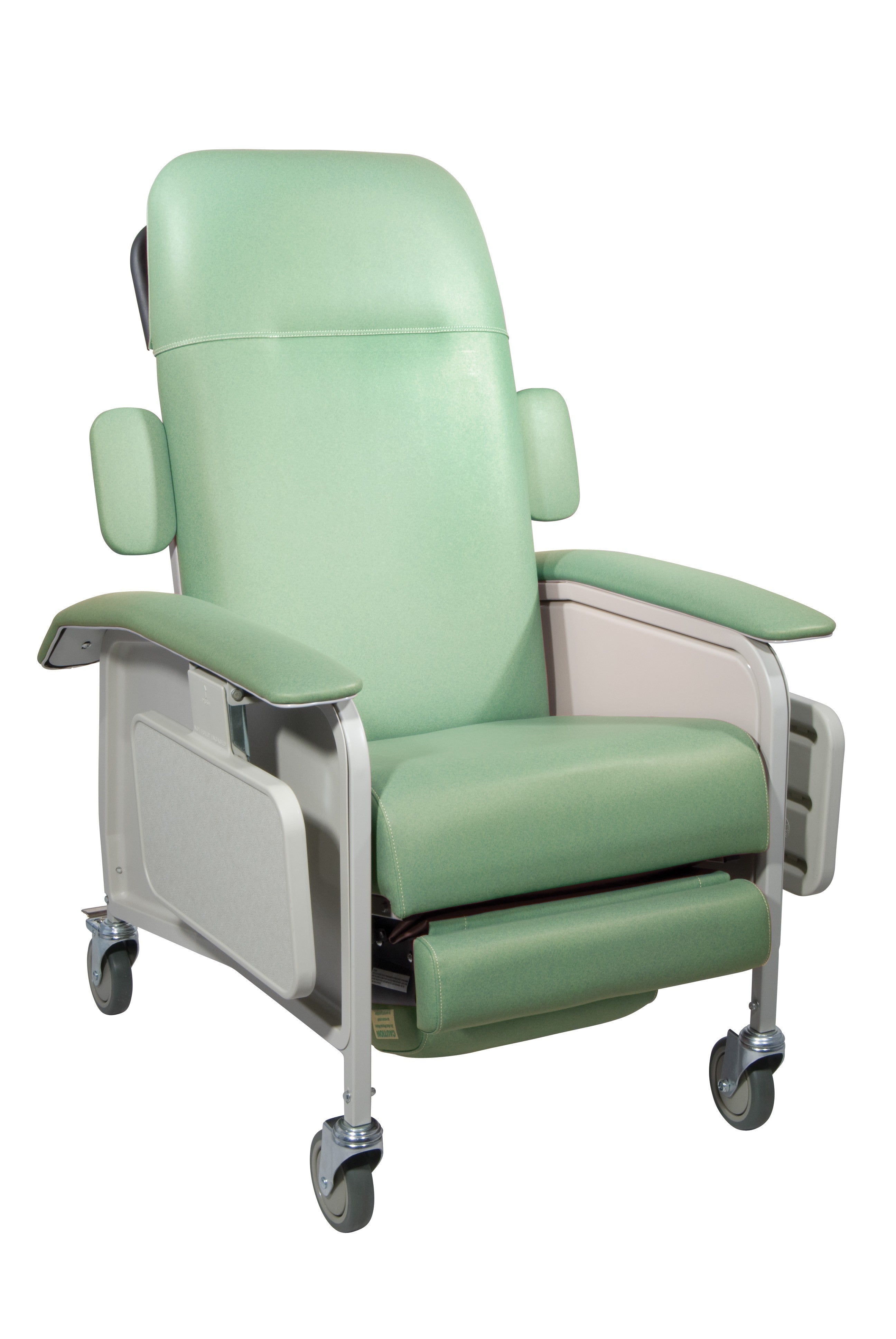
Getting a new power wheelchair, scooter, or lift chair is a meaningful step toward independence. But here is a reality most people don't consider until the equipment arrives: the home itself can work against you. About 90% of existing U.S. homes lack the modifications needed for safe aging in place, even though 75% of adults aged 50 and older want to stay in their current homes as they age, according to AARP (December 2024).
With over 22 years of experience helping people find the right home medical equipment (serving customers since 2001), we've learned that the equipment is only half the equation. The home environment determines how much independence you actually gain. The five modifications below are the essential second step that unlocks the full value of your mobility equipment. Many of these changes are affordable, high-impact, and even reversible for renters.
1. Flooring: The Hidden Factor Affecting Performance and Safety
Most people think of flooring as a safety concern, and it is. But it's also a performance issue. Thick carpet creates significant drag on power wheelchairs and scooters, forcing motors to work harder and draining batteries faster. According to Paiseec (April 2026), carpet can require 250W+ brushless motors just to maintain normal indoor movement, while hardwood floors provide low rolling resistance that allows smoother travel and longer battery life.
Smooth surfaces like hardwood, vinyl, or ceramic tile are strongly recommended for wheelchair and scooter users. Among these, Luxury Vinyl Plank (LVP) with a rigid SPC core stands out as a top choice. It's durable, slip-resistant, waterproof, and resists indentation under rolling pressure, which is especially important for bariatric power wheelchairs that carry more weight, according to FlooringStores.com (February 2026).
Throw rugs and high-pile carpet are among the most common trip hazards in any home. CDC data (updated February 2026) confirms that falls are the leading cause of injury for adults 65 and older, with over 14 million older adults reporting a fall each year. Flooring transitions between rooms are a key risk point.
Practical action: Remove or firmly secure all throw rugs immediately. For longer-term upgrades, prioritize the rooms where your mobility device gets the most use, particularly the bedroom-to-bathroom path and the living room.
2. Doorways and Thresholds: Clearing the Path Between Rooms
Standard residential doorways range from 23 to 30 inches wide. That's not enough for most wheelchairs. According to Angi (May 2026) and ADA standards, doors must be at least 32 inches wide for wheelchair passage, with 36 inches being ideal for comfortable maneuvering.
Widening doorways is a structural project, but there's a low-cost alternative that many people overlook: swing-clear hinges. These specialty hinges swing the door completely out of the frame opening, adding up to 2 inches of clearance without any permanent construction. They're renter-friendly and can be swapped back when you move.
Threshold ramps are another small modification with outsized impact. These portable ramps bridge the raised transitions between rooms, preventing scooter or wheelchair wheels from catching on door thresholds. They cost very little and take minutes to install.
Keep in mind that power wheelchairs and scooters have specific turning radius requirements. Narrow hallways and tight doorways that don't account for these specs create daily frustration and can damage your equipment over time. Before your equipment arrives (if possible), measure every doorway on your main living floor. Start with the bedroom and bathroom doorways first.
If you're a renter, know your rights. The Fair Housing Act grants tenants the legal right to make reasonable modifications for accessibility, even in rented spaces. Swing-clear hinges and threshold ramps are viable options that require no landlord pushback.
3. Bathroom Safety: The Most Dangerous Room in the Home
The bathroom deserves special attention because the numbers are stark: more than 80% of fall-related injuries among seniors occur in the bathroom, according to Fall Prevention Foundation (June 2025). Approximately 235,000 people visit emergency rooms annually due to bathroom injuries, with adults 65 and older experiencing the highest injury and hospitalization rates.
The most critical modifications include:
- Grab bars near the toilet and inside the shower or tub, properly anchored into wall studs or with toggle bolt kits rated for the user's weight. For bariatric users, grab bars should be rated for 500+ lbs and anchored into structural framing; standard grab bar kits may not be sufficient.
- A roll-in or curbless shower for wheelchair users, eliminating the step-over barrier that causes most tub-related falls.
- A raised toilet seat or comfort-height toilet to reduce the strain of sitting down and standing up.
- A handheld showerhead that allows seated bathing, pairing directly with shower wheelchairs and transfer benches.
Walk-in tubs (typically $2,000 to $5,000) are a strong complement to lift chairs and for users with limited standing ability. They eliminate the dangerous step-over transition entirely.
One detail that matters most: 37% of bathroom falls occur specifically during bathing, showering, or transitioning in and out of the tub. That transition moment is exactly where your equipment and your environment must work together.
4. Entryway Ramps and Exterior Access: Getting In and Out Safely
A power wheelchair or scooter can't help you if you can't safely get in and out of your home. Exterior access is often the first modification needed, yet it's frequently underestimated in scope.
ADA-compliant ramps follow a 1:12 slope ratio: for every 1 inch of vertical rise, you need 12 inches of ramp length. The minimum clear width is 36 inches, with level landings at least 60 inches long. That means a 24-inch step requires a 24-foot ramp, according to National Ramp.
Portable modular ramps offer a renter-friendly, reversible option. They can be installed without permanent construction and repositioned as your needs change. For multi-story homes where a ramp isn't feasible, stair lifts ($2,000 to $14,000) are the alternative. Many users keep a second wheelchair or transport chair on the upper floor to complement a stair lift setup.
Don't overlook lighting. Motion-sensor exterior lighting at the entryway reduces fall risk during early morning or evening entry and exit. It's an inexpensive addition that makes a real difference.
One trend worth noting: mobility devices in 2026 increasingly integrate with smart home systems. Users can control automated door openers, lighting, and entry systems directly from their mobility aid or a companion app, according to All Seniors Foundation (May 2026). This kind of integration is a meaningful independence multiplier.
5. Bedroom Setup: Where Independence Begins and Ends Each Day
The bedroom is the most-used room for lift chair and adjustable bed users, yet it's one of the most overlooked spaces when it comes to accessibility modifications.
Bedside clearance is the first thing to evaluate. A power wheelchair or scooter needs adequate space to pull alongside the bed for transfers. A minimum of 36 inches of clearance on the transfer side is recommended. Rearranging furniture to account for your device's turning radius can make the difference between a smooth transfer and a daily struggle.
Charging station placement is something almost no one thinks about until the equipment is home. Power wheelchairs and scooters need a dedicated, accessible charging location, ideally near the bed or in a consistent spot that doesn't create a cord trip hazard. Plan this before the first charge.
Nightstand height and lighting matter more than you'd expect. A nightstand at mattress height allows easy reach without leaning. A touch-activated or voice-controlled bedside lamp eliminates the need to reach across your body in the dark, a common fall trigger.
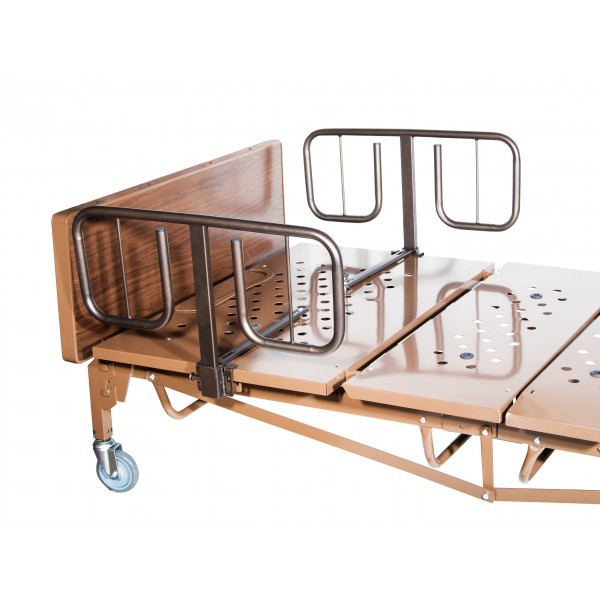
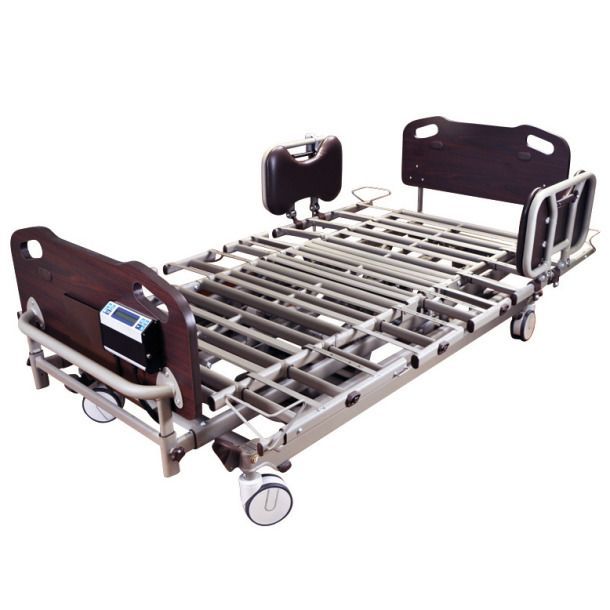
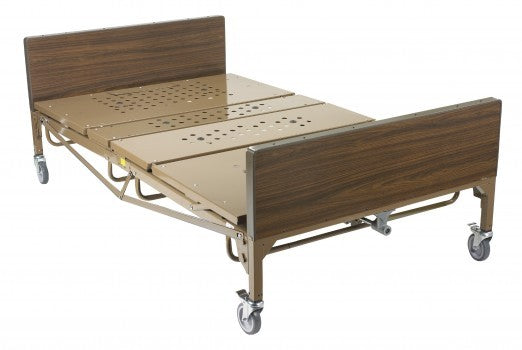
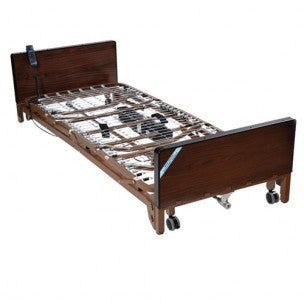
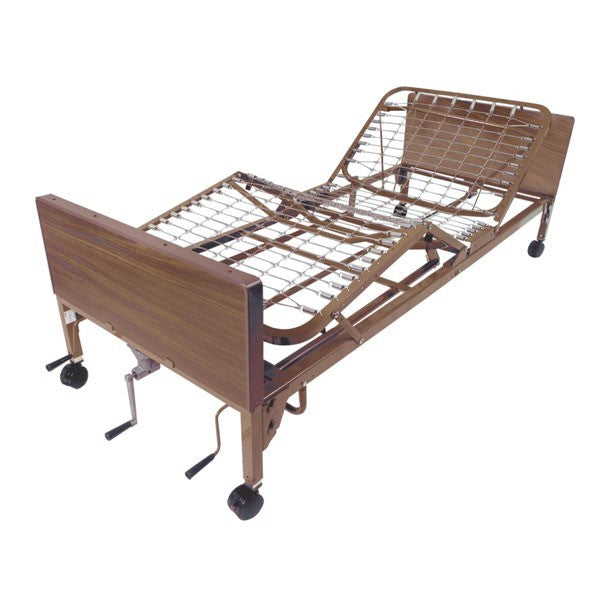
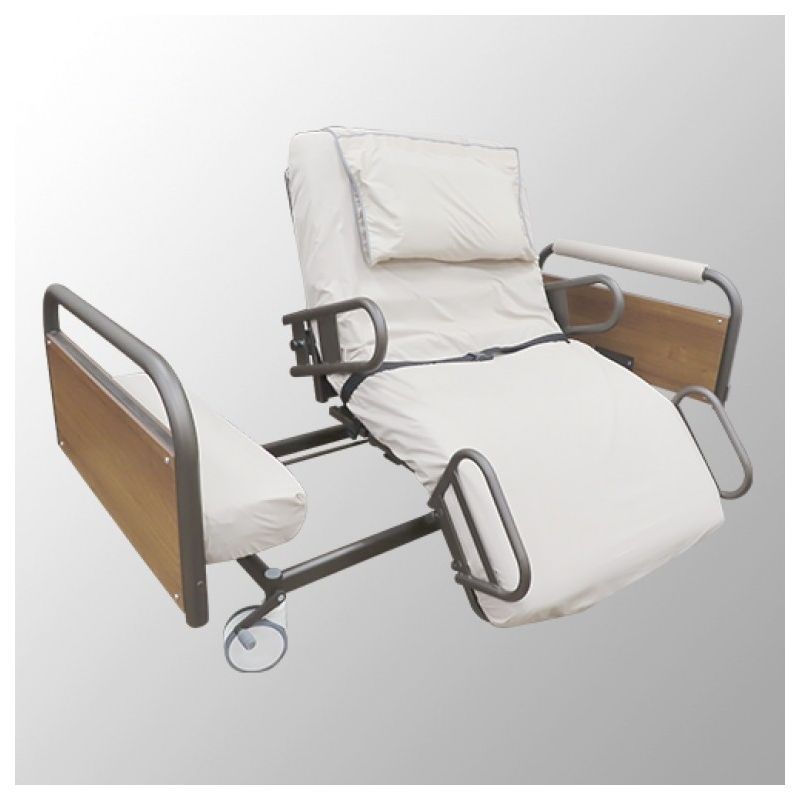
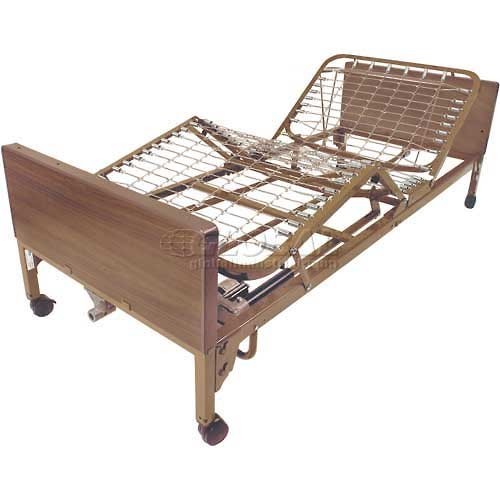
Adjustable bed height is critical for safe transfers. Hospital beds and adjustable bases should be set so the user's feet rest flat on the floor when seated at the edge. This facilitates safe, stable transfers to and from a wheelchair or lift chair.
For users with limited upper body mobility, smart home integration (voice-controlled lighting, thermostat, and door locks) pairs naturally with bedroom setup and extends independence well beyond what the mobility equipment alone provides.
Start With What Matters Most for Your Equipment
You don't have to do everything at once. Prioritize based on which rooms your mobility device is used in most and where the highest fall risk exists. For most users, that means the bathroom and entryway come first.
A full accessibility remodel can cost between $10,000 and $100,000. But many of the highest-impact changes, like threshold ramps, grab bars, swing-clear hinges, and removing throw rugs, cost very little. Consider this: assisted living costs approximately $45,000 per year, according to Retirement Living (2026). Home modification often becomes more cost-effective within just a few years.
A 2025 peer-reviewed systematic review in MDPI Healthcare found that 65% of studies confirmed the effectiveness of home modifications in fall prevention, functional independence, and cost savings. The evidence is clear.
We strongly recommend consulting with an occupational therapist (OT) or a Certified Aging in Place Specialist (CAPS) for a personalized home assessment, especially before purchasing equipment if possible. Their expertise ensures your modifications match your specific equipment and needs.
When you're ready to find the right mobility equipment for your home and lifestyle, our US-based product specialists are available six days a week by phone. With our Lowest Price Guarantee, free shipping on orders over $100, and over 5,000 verified customer reviews, we're here to help you get this right. The right equipment paired with the right home environment is what makes true independence possible.
Sources
- Choice Mutual: Aging in Place Statistics 2026
- NewHomeSource: AARP Data (January 2026)
- Paiseec: How Do Hardwood Floors and Carpet Affect Wheelchair Performance Indoors (April 2026)
- FlooringStores.com: Best Flooring for Wheelchair Users (February 2026)
- CDC Older Adult Falls Data (Updated February 2026)
- Angi: How to Make a House Wheelchair Friendly (May 2026)
- Reviews.com: Home Modifications for Seniors and People With Disabilities (November 2025)
- Fall Prevention Foundation: Prevent Elderly Falls in Bathroom (June 2025)
- National Ramp: ADA Ramp Requirements & Residential Code
- All Seniors Foundation: Top DME Trends for Senior Mobility in 2026-2027
- Retirement Living: Aging In Place Statistics 2026
- MDPI Healthcare: Systematic Review of Home Modifications for Aging in Place (March 2025)


