














A bed can make the difference between a person needing help for every transfer and being able to sit up, rest comfortably, and manage more of the day independently. When comparing a hospital bed vs adjustable bed, the right answer comes down to more than whether the head and feet can move. Safety needs, caregiver involvement, medical conditions, room layout, and how long the bed will be used all matter.
For some households, an adjustable bed provides the comfort and flexibility needed for better sleep. For others, a true home hospital bed is the safer choice because it is built around transfers, care routines, and changing physical needs. Here is how to make the distinction with confidence.
Hospital Bed vs Adjustable Bed: The Main Difference
Both bed types use powered positioning to raise the upper body and legs. That shared feature can make them seem interchangeable at first. They are not.
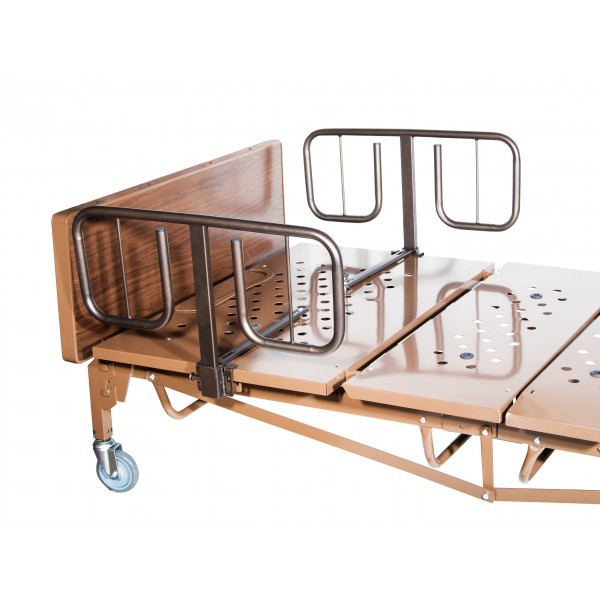
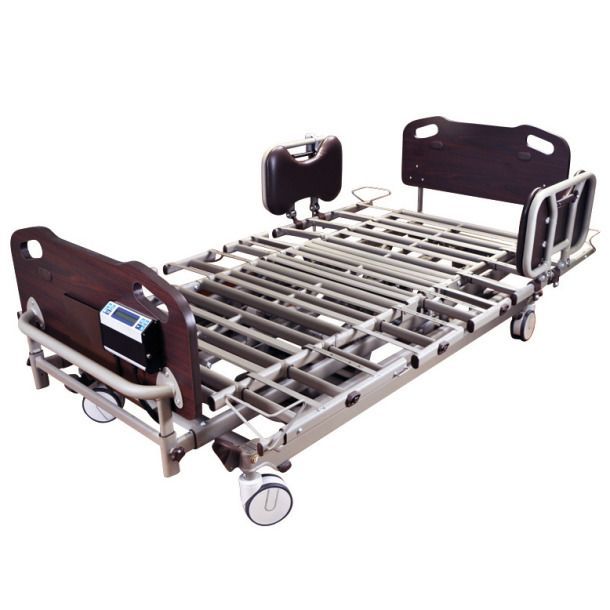
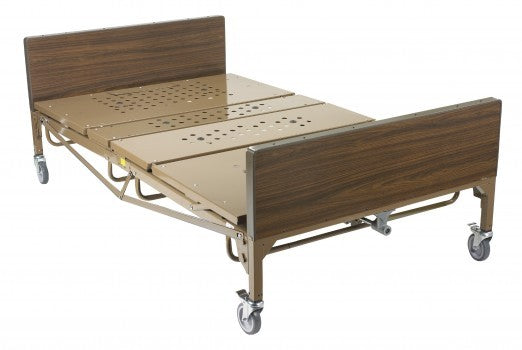
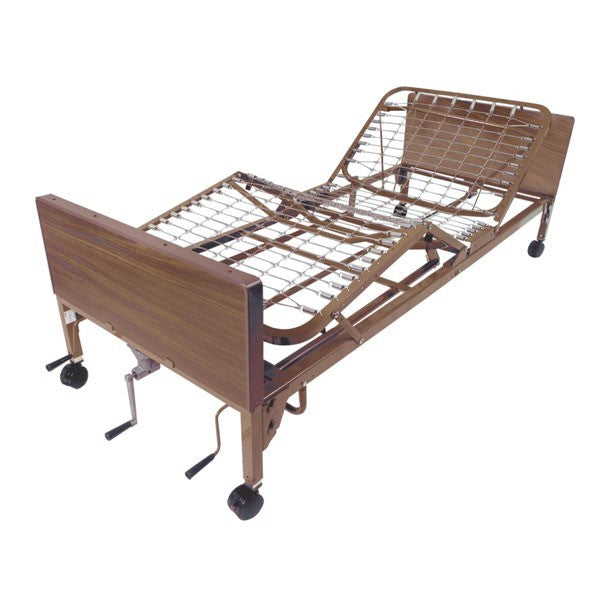
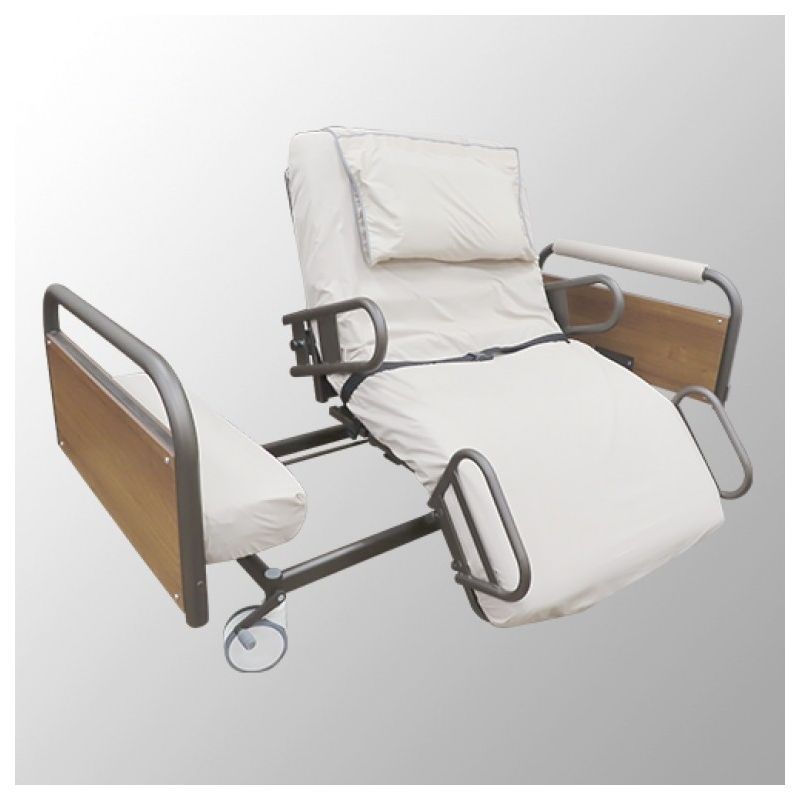
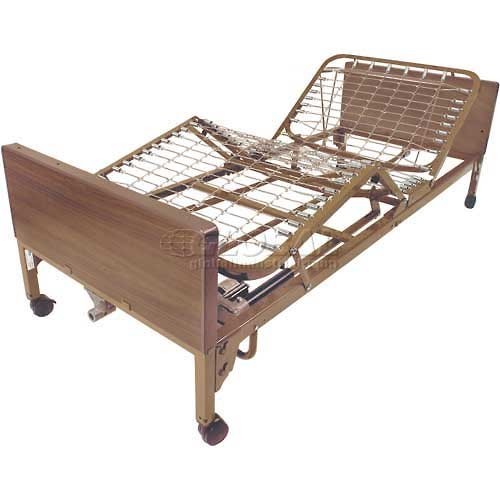
A hospital bed is designed for medical or long-term care at home. It typically has a height-adjustable frame, compatible side rails, a specialized mattress platform, and controls that allow the user or caregiver to change positions. Many models also accommodate accessories such as overbed tables, bed trapezes, and assist rails. The goal is to support safer care, mobility, and pressure management while making day-to-day tasks easier.
An adjustable bed is primarily a comfort-focused sleep system. It raises the head and feet to help users find a more relaxing position for sleeping, reading, watching television, or reducing discomfort from issues such as mild swelling or occasional back pain. It generally uses a standard bed height and is designed to look and feel more like bedroom furniture.
The practical dividing line is this: adjustable beds improve comfort, while hospital beds add clinical-level function and safer access for people with significant mobility or care needs.
When an Adjustable Bed May Be the Better Choice
An adjustable bed can be an excellent fit for a person who is still able to get in and out of bed without substantial assistance. Raising the head may make it easier to move from lying down to sitting, while elevating the legs can create a more comfortable resting position after a long day.
This option often works well for people managing everyday aches, occasional reflux, mild circulation concerns, or a preference for customized sleep positions. Couples may also appreciate split adjustable designs when each person has different comfort needs. Because many adjustable bases are made to pair with bedroom-style mattresses and frames, they can blend naturally into a primary bedroom.
However, comfort features should not be mistaken for transfer support. Most adjustable beds do not raise and lower as a full frame. If a person has trouble standing from a standard mattress height, depends on a caregiver for repositioning, or is at risk of falling during transfers, a more supportive bed may be necessary.
When a Hospital Bed Is the Safer Option
A home hospital bed is often the better choice after a serious surgery, during rehabilitation, or when a chronic condition affects mobility, strength, balance, or breathing. The ability to raise or lower the entire sleep surface is one of its most valuable features. Lowering the bed can help a person place their feet firmly on the floor before standing. Raising it can reduce the strain on a caregiver who is helping with dressing, bathing, repositioning, or transfers.
Hospital beds are also built for frequent position changes. Elevating the head can support eating, reading, medication routines, and more comfortable breathing. Raising the knees or feet can help a user settle into a supported position without sliding downward as easily. For someone who spends extended periods in bed, these adjustments are about much more than convenience.
A hospital bed may be appropriate when the user needs help with one or more of the following:
- Getting in or out of bed safely
- Repositioning during the day or night
- Managing recovery after surgery, injury, or illness
- Reducing caregiver bending and lifting demands
- Using bed rails or other mobility accessories
- Accommodating a higher weight capacity or specialized mattress
Height Adjustment Changes Everyday Care
The most important feature separating these two categories is usually high-low functionality. Standard adjustable beds change the angle of the sleeping surface, but their overall height stays the same. Hospital beds can raise and lower the full platform.
That distinction affects both independence and safety. A bed set too high can make it difficult for someone with weak legs or limited balance to get down safely. A bed set too low can force a caregiver to bend, reach, and strain during routine assistance. With a height-adjustable hospital bed, the bed can be lowered for transfers and raised for care.
For households using a wheelchair, lift device, walker, or bedside commode, bed height should be considered carefully. The best transfer height depends on the user’s body size, seat height, strength, and transfer technique. A bed that looks right in a product photo may not be right for the person using it every day.
Side Rails Require Thoughtful Use
Hospital bed rails can provide a handhold for repositioning and help some users feel more secure. They are not automatically appropriate for every person. Full rails, half rails, and assist rails serve different purposes, and the wrong style can create problems if a user is confused, restless, or unable to reposition safely.
The decision should be based on how the person moves in bed, whether they can use the rail intentionally, and whether a caregiver is available when needed. In some cases, a low bed height, bedside floor mat, or assist rail may be safer than full rails. This is one area where individualized guidance matters more than simply adding every available accessory.
Mattress Compatibility Is Not a Small Detail
An adjustable bed needs a flexible mattress that can bend with the base without losing support. A hospital bed requires a mattress made for its specific deck and intended care level. Using the wrong mattress can affect movement, comfort, fit, and safety.
For a short recovery period, a basic supportive hospital mattress may be sufficient. For someone who stays in bed for long stretches or has limited ability to change position, pressure redistribution becomes much more important. Specialized foam, alternating-pressure, and low-air-loss mattress options may be considered based on skin health, weight, mobility, and clinician recommendations.
Weight capacity deserves equal attention. It should include the user, mattress, bedding, accessories, and any expected support equipment. Bariatric users may need a wider frame and a higher-capacity system rather than a standard bed pushed beyond its intended use.
Consider the Bedroom Before Ordering
A hospital bed needs enough clearance for the frame, caregiver access, and safe movement around the room. Measure the available space, nearby furniture, doorways, and the path from delivery entry to the bedroom. Also identify the location of electrical outlets, since powered beds need dependable access to power.
A bedroom on the first floor may be more practical when stairs are difficult or when care equipment must move in and out of the space. Do not overlook flooring, either. Loose rugs, crowded pathways, and poorly placed furniture can turn a safe bed setup into a fall hazard.
Appearance may also matter. Adjustable beds typically suit a traditional bedroom setting more easily, while home hospital beds have a more functional look. Yet for many families, the ability to remain at home safely is worth prioritizing function over furniture style. Some hospital bed designs are made with a more residential appearance, which can help balance both concerns.
How to Choose the Right Bed for Your Situation
Start with the person’s daily routine, not just their diagnosis. Can they reposition without help? Do they need assistance standing? Are they spending most of the day in bed? Is a caregiver regularly helping with personal care? The answers point toward the features that will actually make a difference.
An adjustable bed is usually suitable when comfort and sleep positioning are the main goals and independent transfers remain manageable. A hospital bed is usually the stronger choice when safety, height adjustment, caregiver access, rails, specialty mattresses, or long-term support are part of the plan.
If the situation is unclear, it is wise to speak with a medical professional involved in the person’s care and a knowledgeable equipment specialist. American Quality Health Products has helped customers match home care beds and mobility equipment to real household needs since 2001, with expert assistance available for high-consideration purchases.
The best bed is the one that supports a safer night, an easier morning, and as much independence as possible for the person who will use it.


