
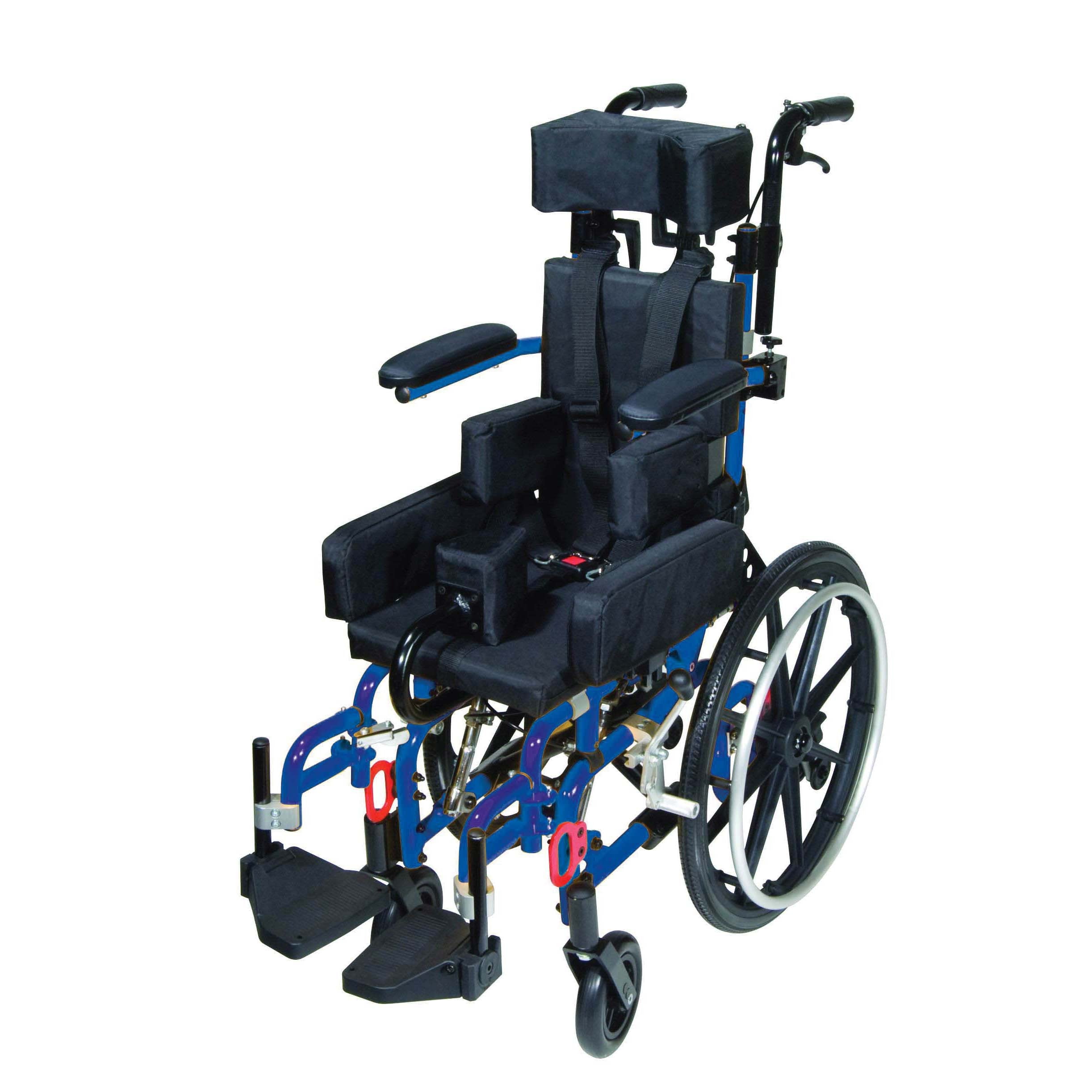
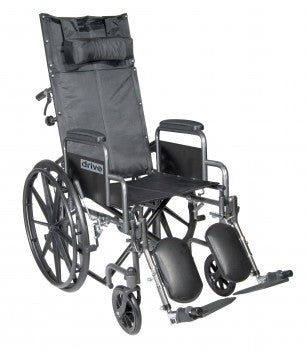
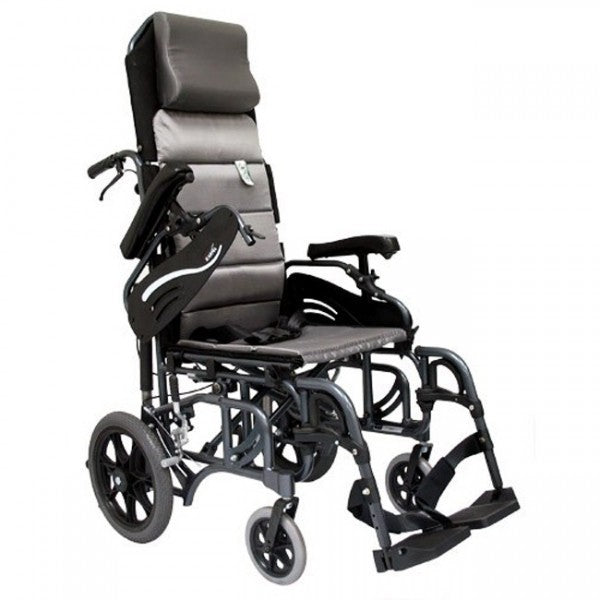
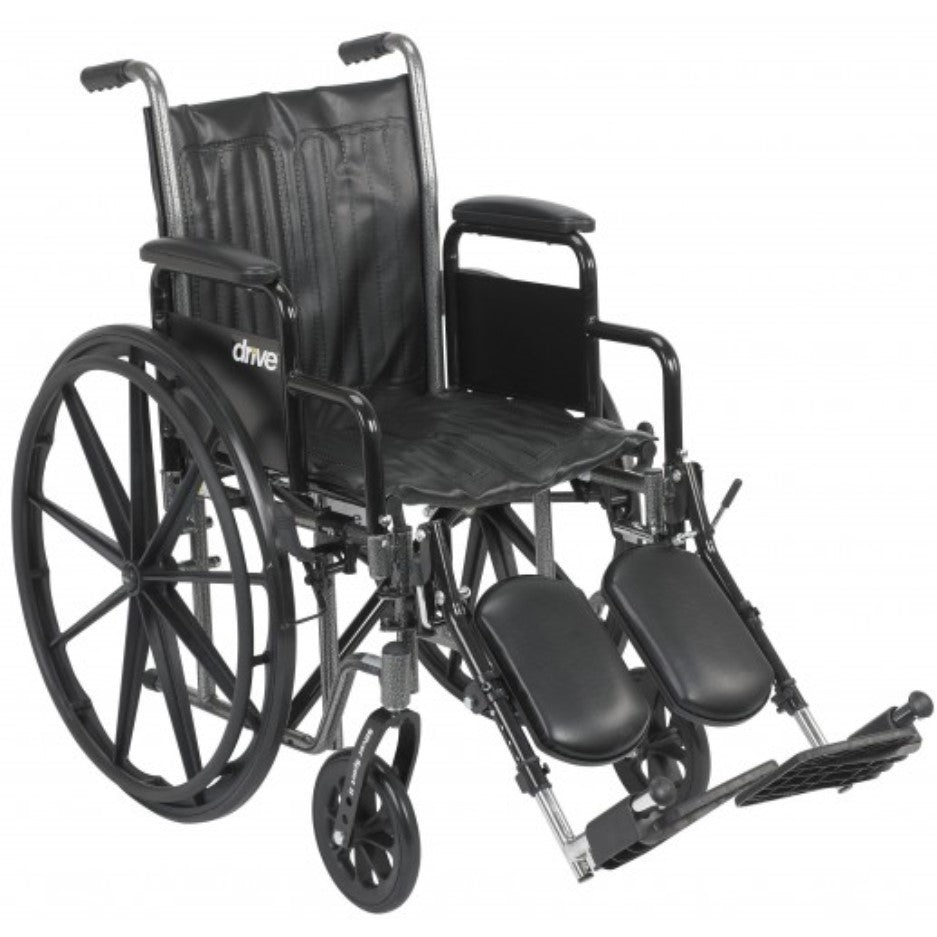


A wheelchair that is only slightly too narrow can create pressure and discomfort. One that is too wide may make it harder to reach the wheels, sit upright, or move safely through the home. If you are asking, “what wheelchair size do I need,” the answer comes down to more than body weight. Seat width, seat depth, height, support needs, and the spaces where the chair will be used all matter.
A well-fitted wheelchair supports daily independence. It should feel stable without feeling restrictive, allow comfortable positioning, and work with the user's strength and mobility needs. Whether you are choosing a chair for yourself, a parent, or someone recovering from surgery, a few basic measurements can narrow the options quickly.
What Wheelchair Size Do I Need? Start With the User
Whenever possible, measure the person while they are seated on a firm, flat surface with their feet supported. Wear the type of clothing normally used during the day, especially if heavier pants, braces, or incontinence products are part of the routine. A flexible measuring tape is best.
Do not choose a wheelchair based on clothing size alone. Two people with the same clothing size may need very different seat dimensions because of hip shape, posture, leg length, or the need for cushions and positioning supports.
Seat width: room for the hips and thighs
Seat width is usually the first number shoppers notice. To find it, measure across the widest point of the hips or thighs while seated. Add about 1 to 2 inches for comfortable clearance. That extra room helps prevent rubbing at the sides of the seat while still allowing the user to sit centered and supported.
For many adults, standard manual wheelchair seat widths range from 16 to 20 inches. Narrower sizes may suit petite adults, while 22-inch and wider chairs are often selected for larger users or bariatric support needs. The right measurement is personal, not a label.
A seat that is too narrow can press against the hips, make transfers difficult, and contribute to skin irritation. A seat that is much too wide can be just as frustrating. The user may lean to one side, have trouble resting their arms on the armrests, or struggle to propel a manual chair efficiently.
Seat depth: support the legs without pressing behind the knees
Seat depth is measured from the back of the buttocks to the back of the knee. Subtract roughly 1 to 2 inches from that measurement. The finished seat depth should support most of the thigh while leaving a small gap between the front edge of the seat and the back of the knee.
A seat that is too shallow provides less thigh support and can make the user feel as though they are sliding forward. A seat that is too deep can press into the back of the knees, affect circulation, and make upright posture harder to maintain. This measurement is especially valuable for shorter users and anyone who sits in the chair for extended periods.
Seat height: feet, transfers, and daily routines
The right seat height depends on how the wheelchair will be used. If the user will propel a manual wheelchair with their feet, their feet should reach the floor comfortably. If they will use footrests, the lower legs should rest naturally without the knees being pushed too high or the feet hanging too low.
Transfer height also matters. Consider the height of the bed, favorite chair, toilet, and vehicle seat. A wheelchair that is close to those transfer surfaces can make standing pivots and assisted transfers easier. Taller seat heights may be helpful for some adults, while a lower seat can improve foot propulsion or make it easier to fit under tables.
Consider the Wheelchair Type Before Finalizing Size
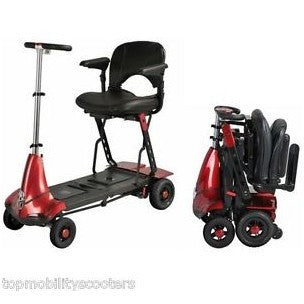
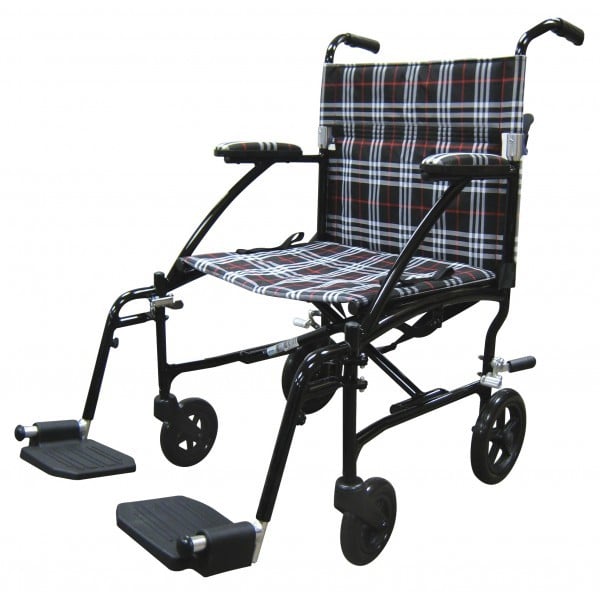
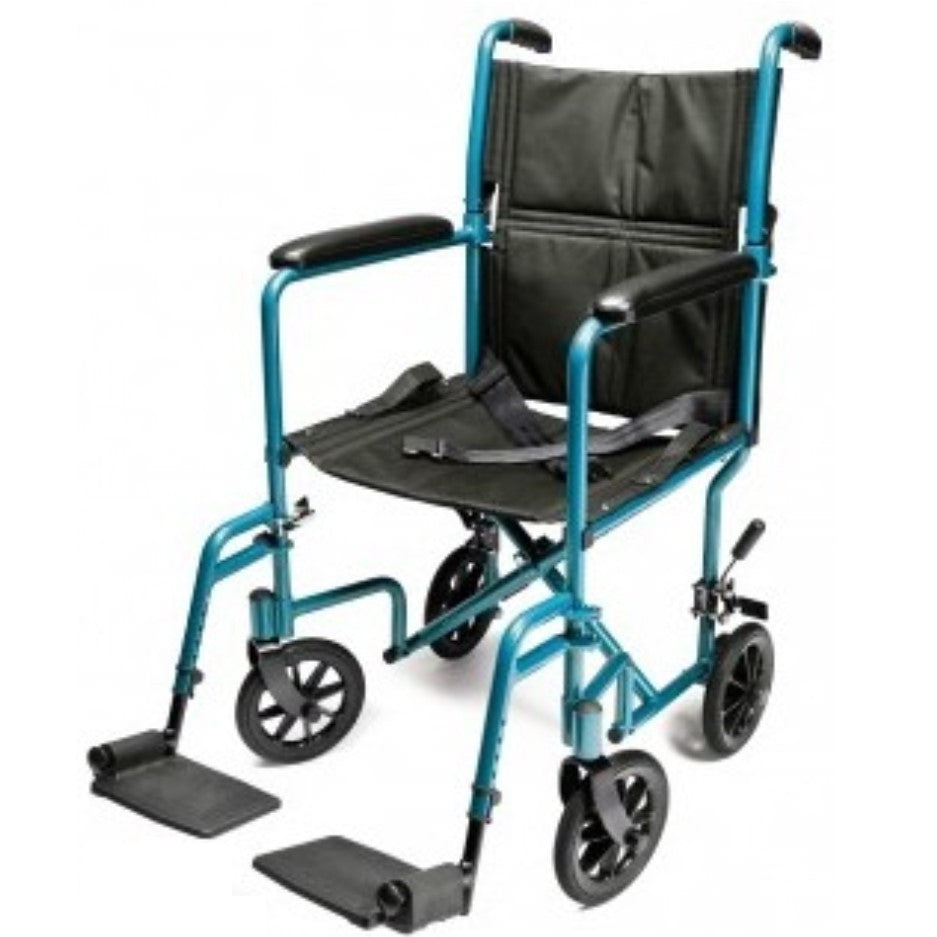
The same seat size can feel different in different wheelchair styles. A lightweight manual wheelchair, transport chair, reclining wheelchair, and power wheelchair each have different frames, wheel positions, and support features.
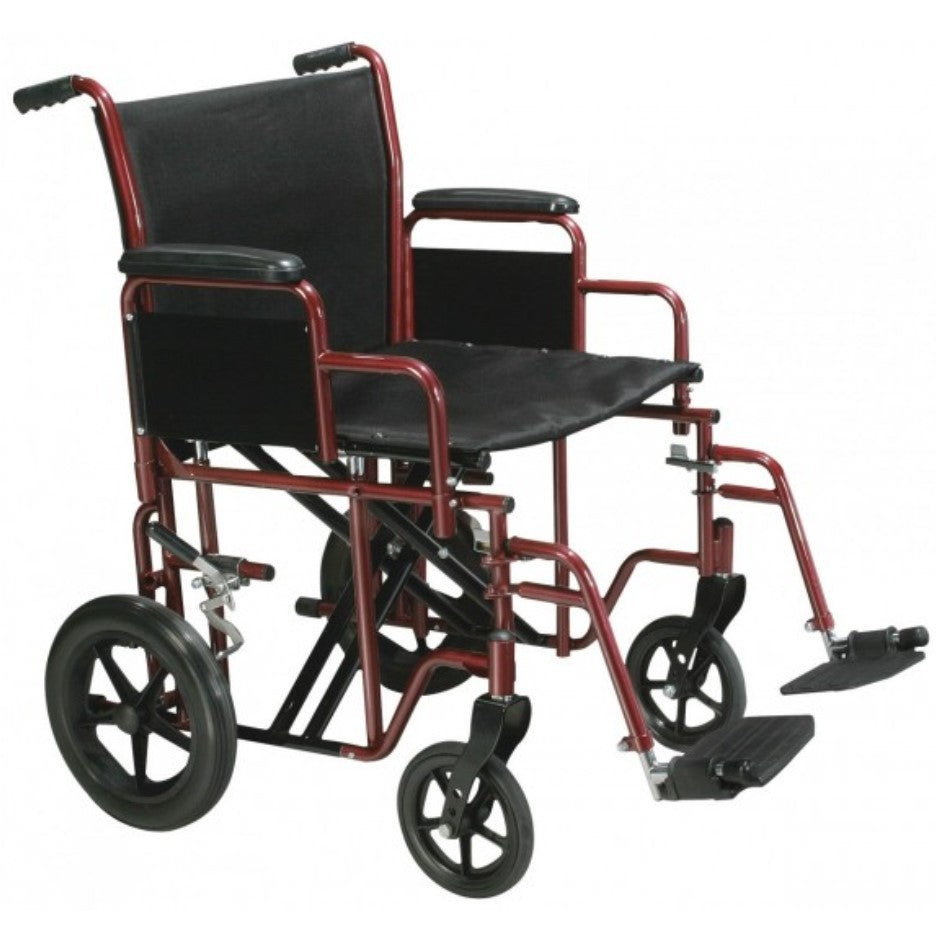
A transport chair is designed to be pushed by a caregiver and is often chosen for appointments, outings, and short-distance use. It may be compact and convenient to fold, but it is not always the best choice for someone who wants to propel themselves independently.
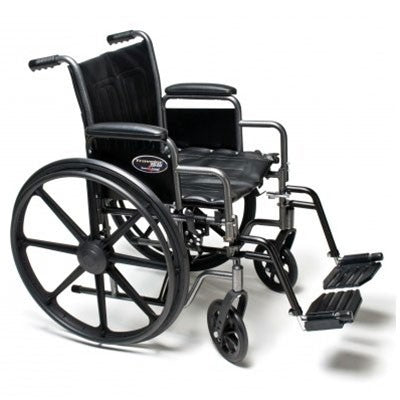
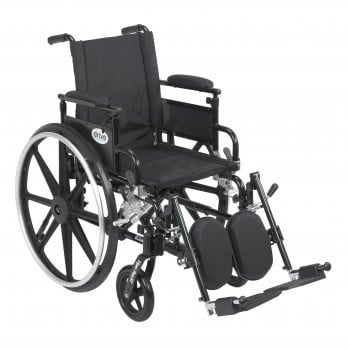
A standard or lightweight manual wheelchair can be a better match for users with the upper-body ability to move themselves. In this case, proper width is particularly important because the user needs to reach the hand rims without overextending the shoulders.
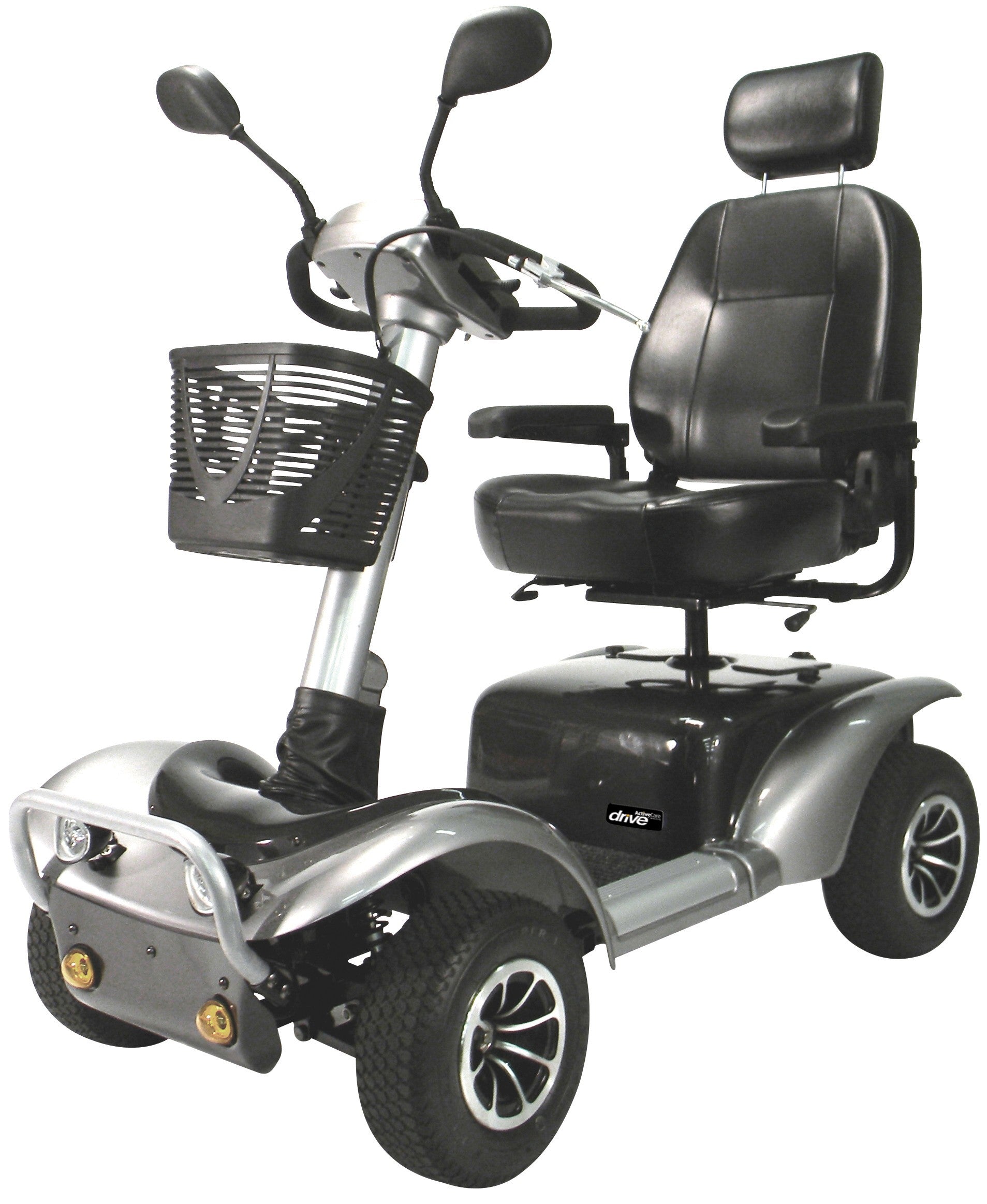
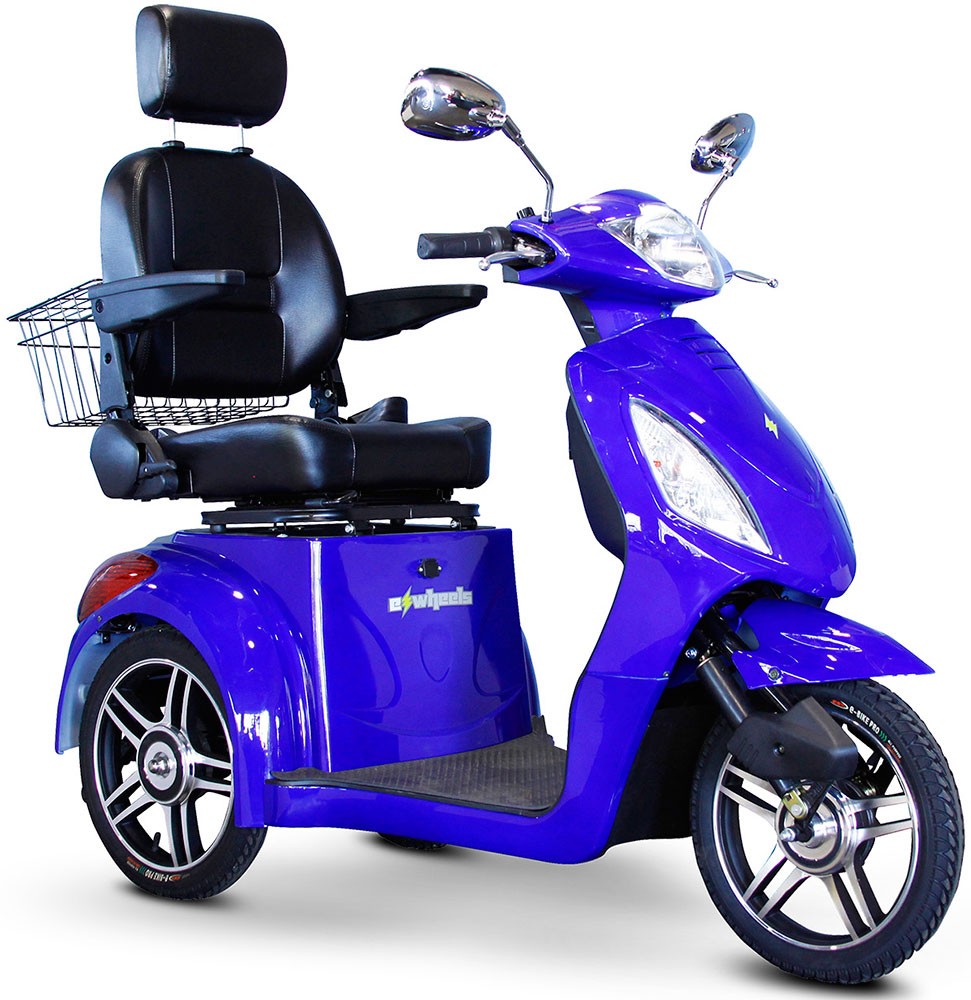
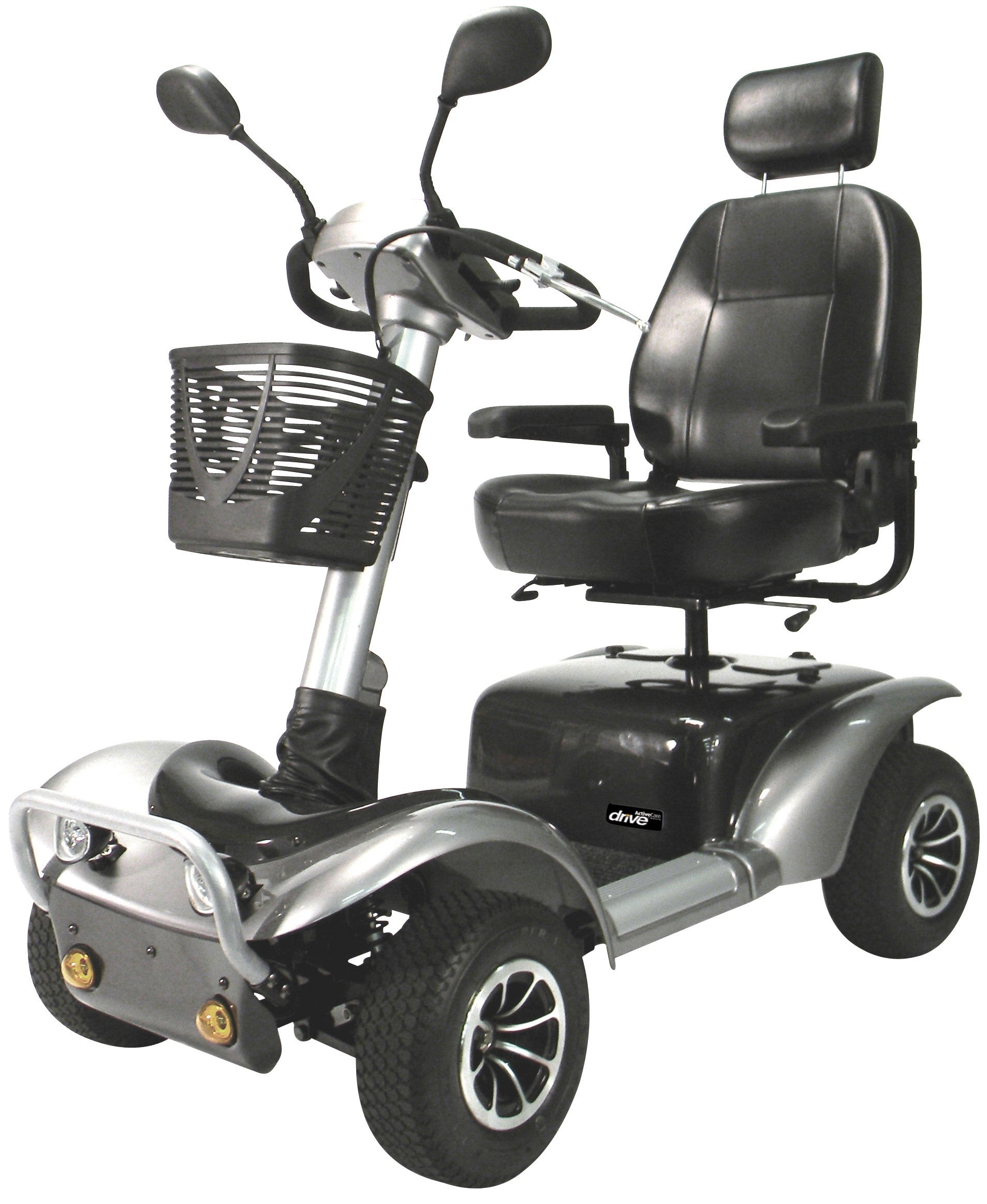
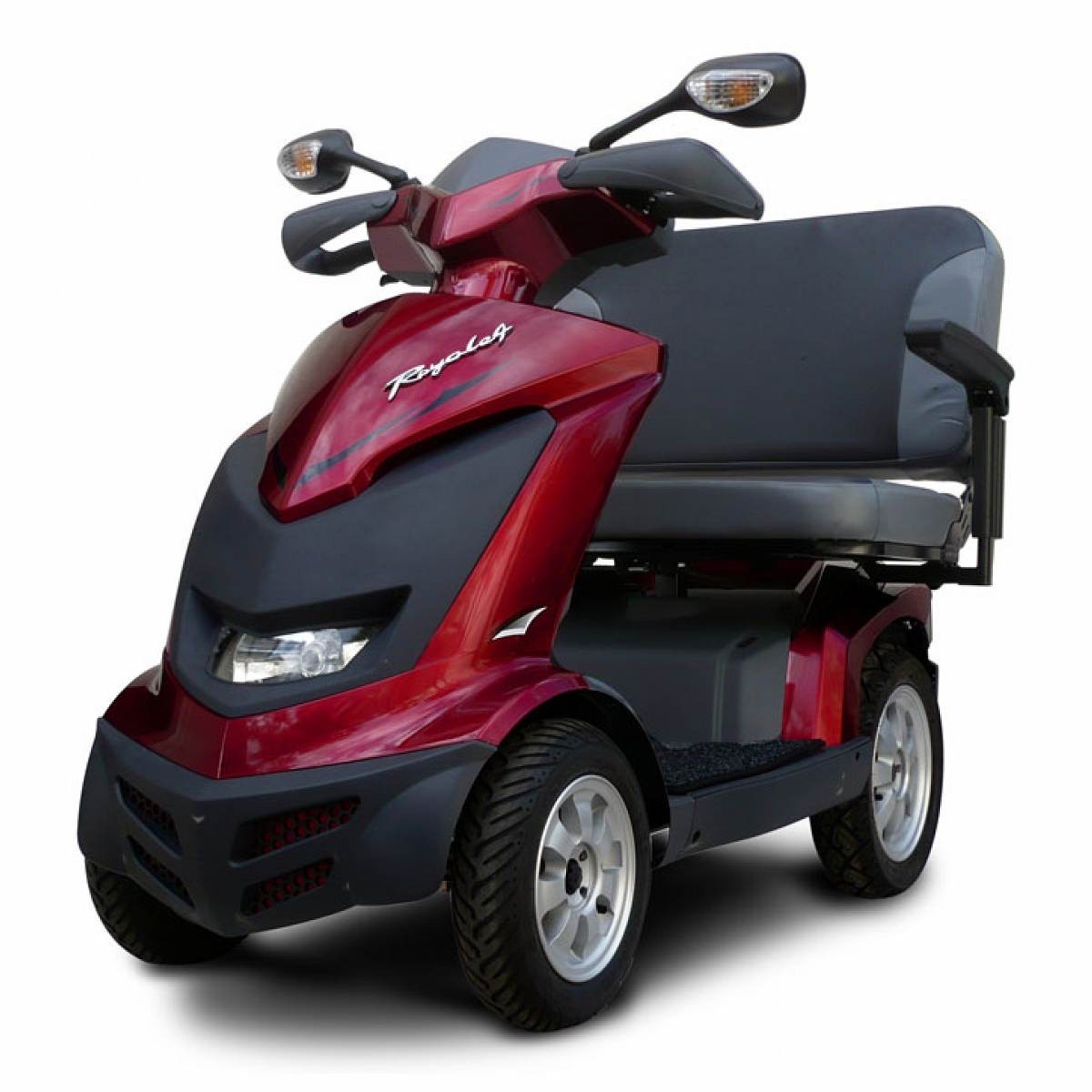
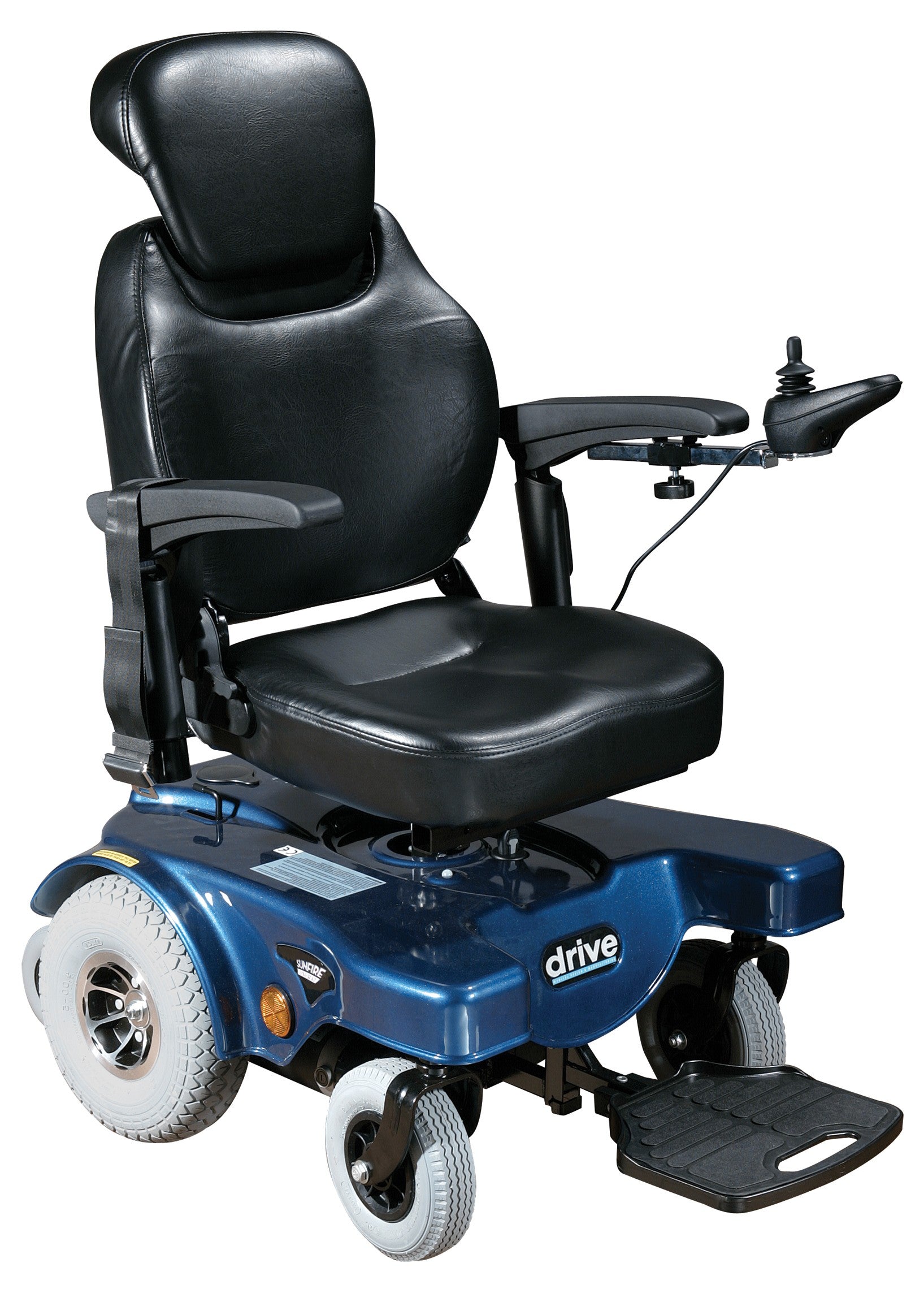
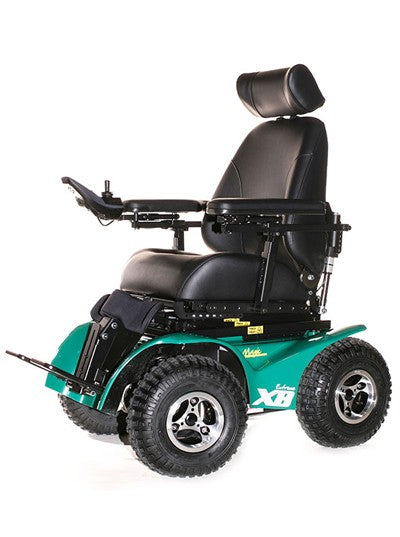
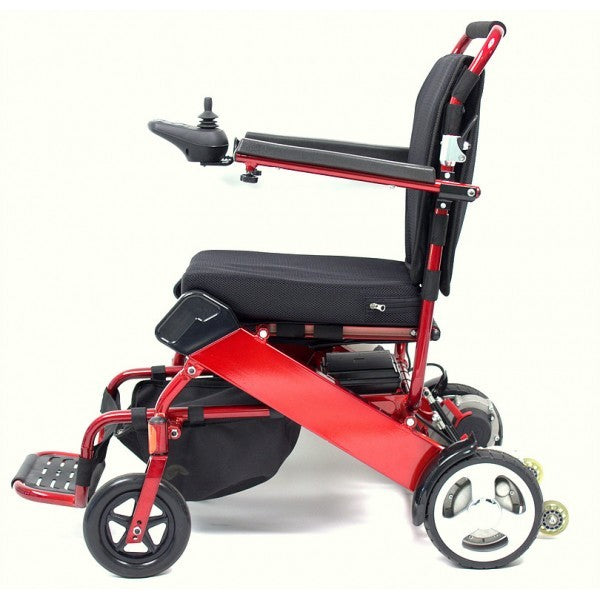
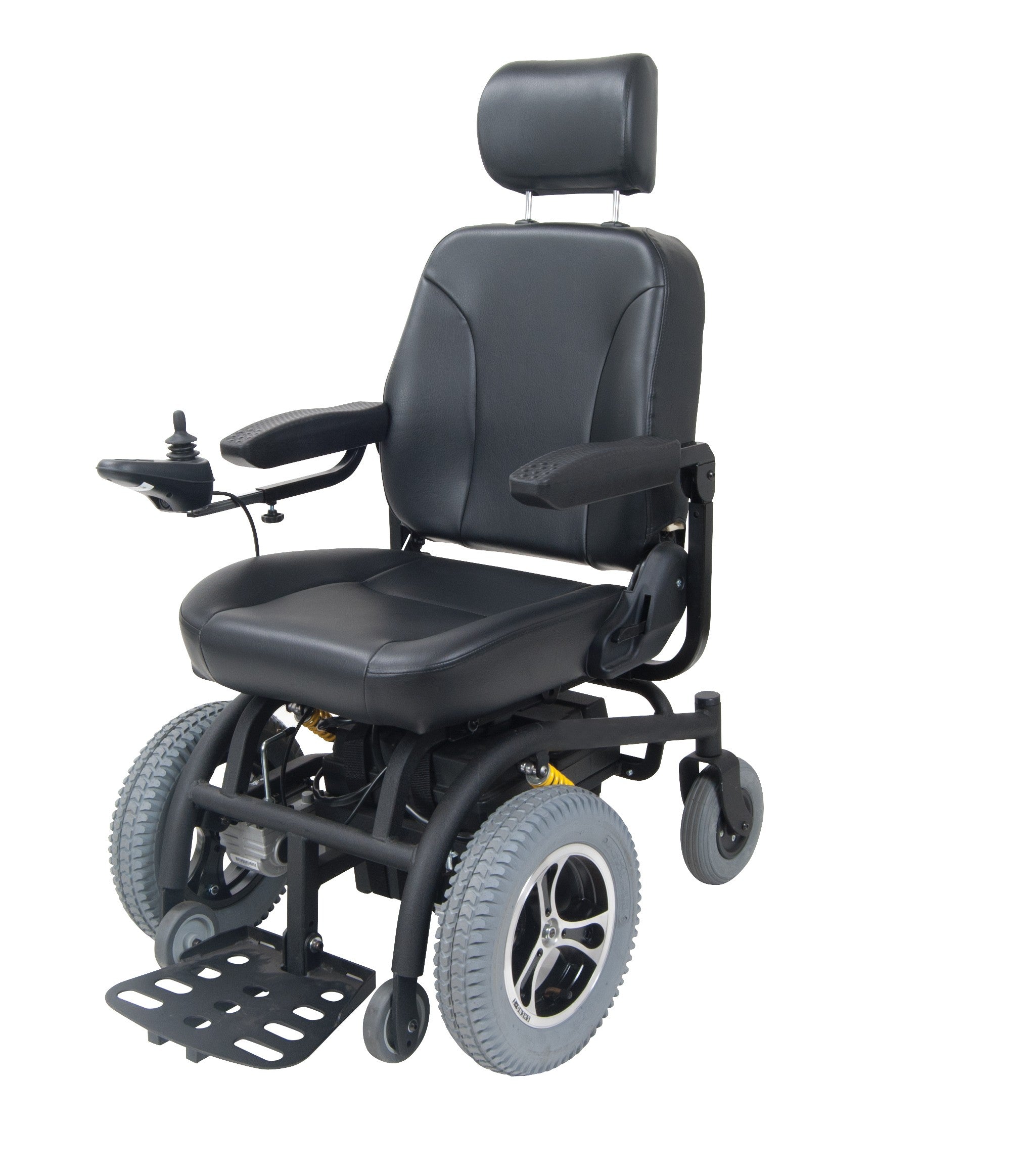
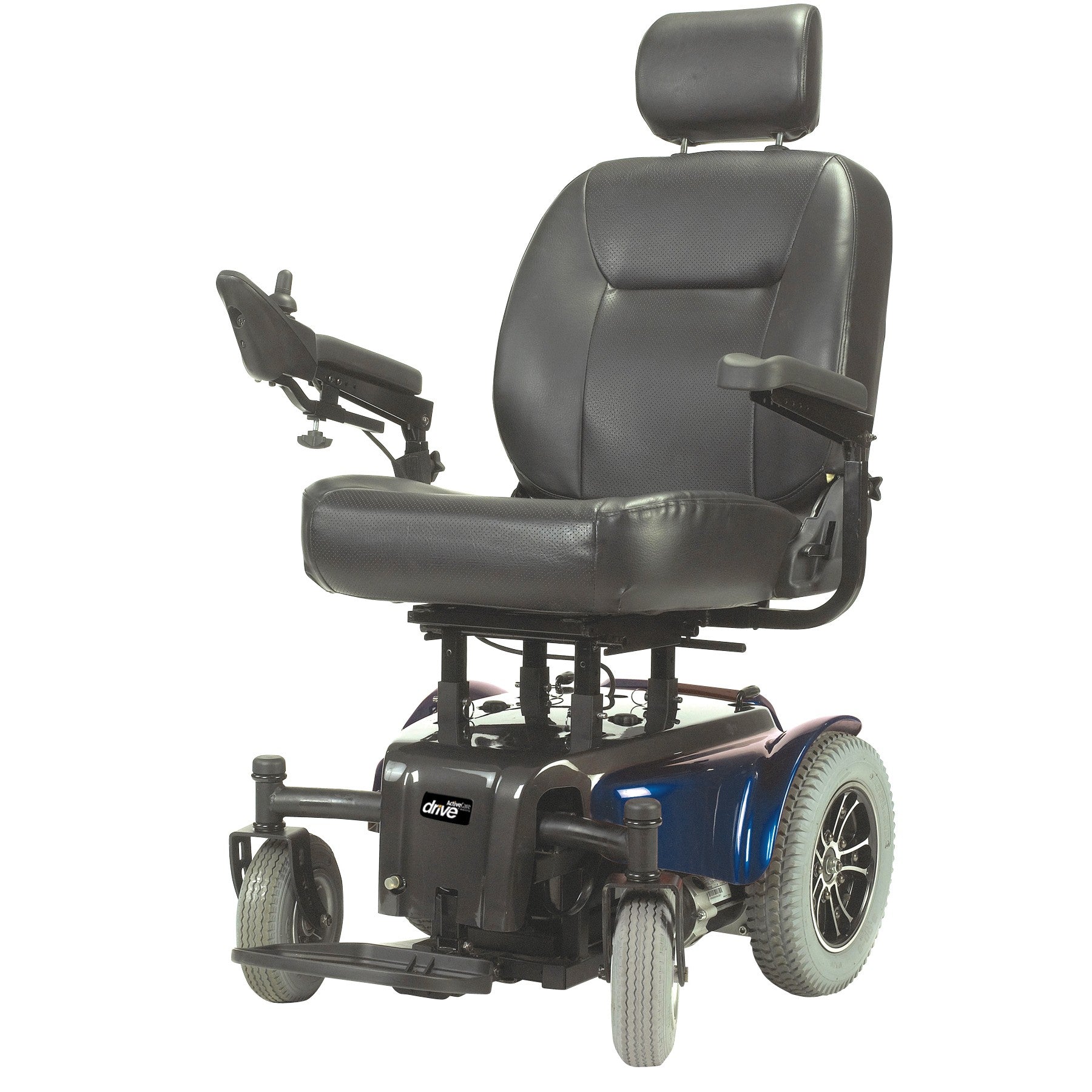
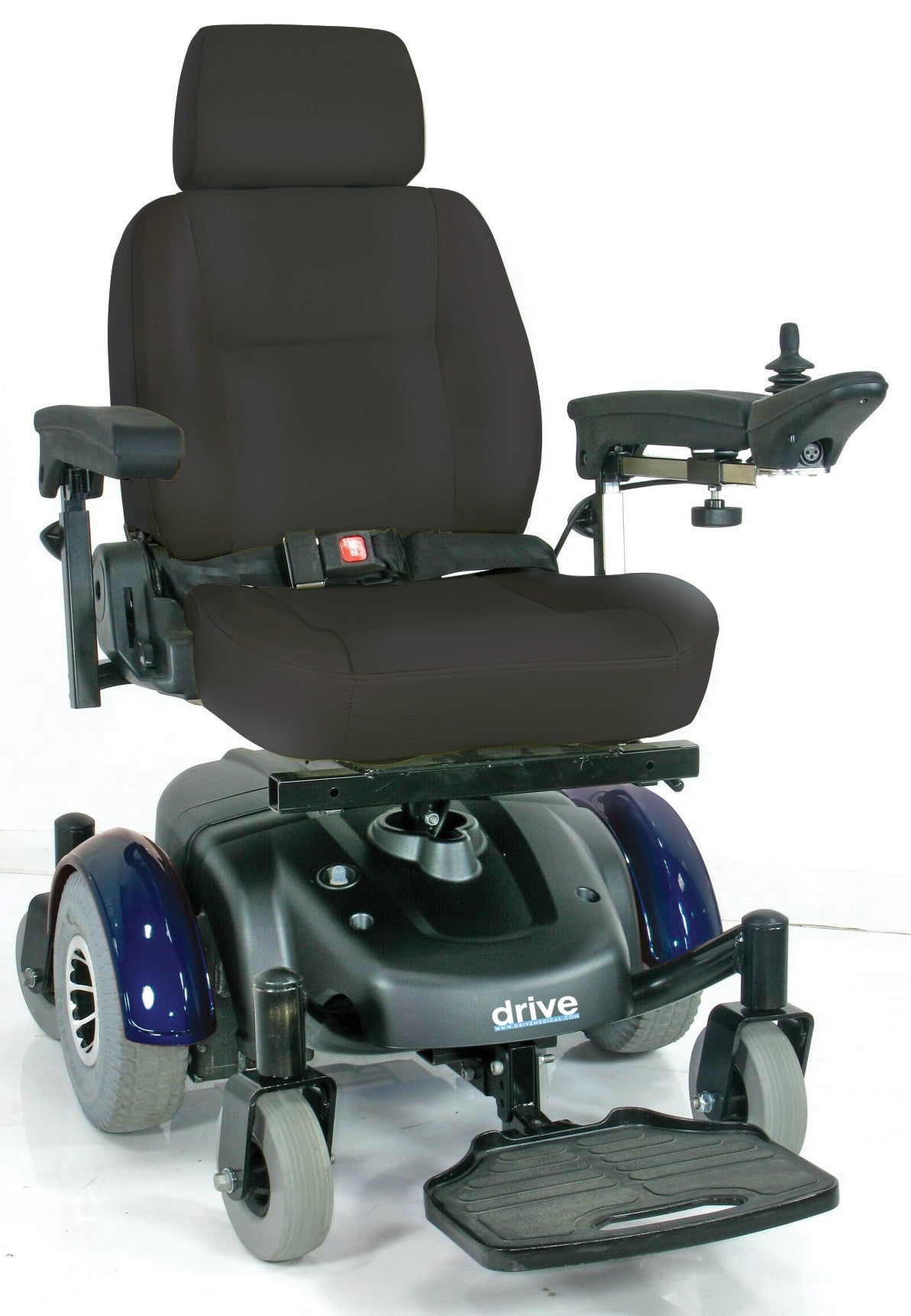
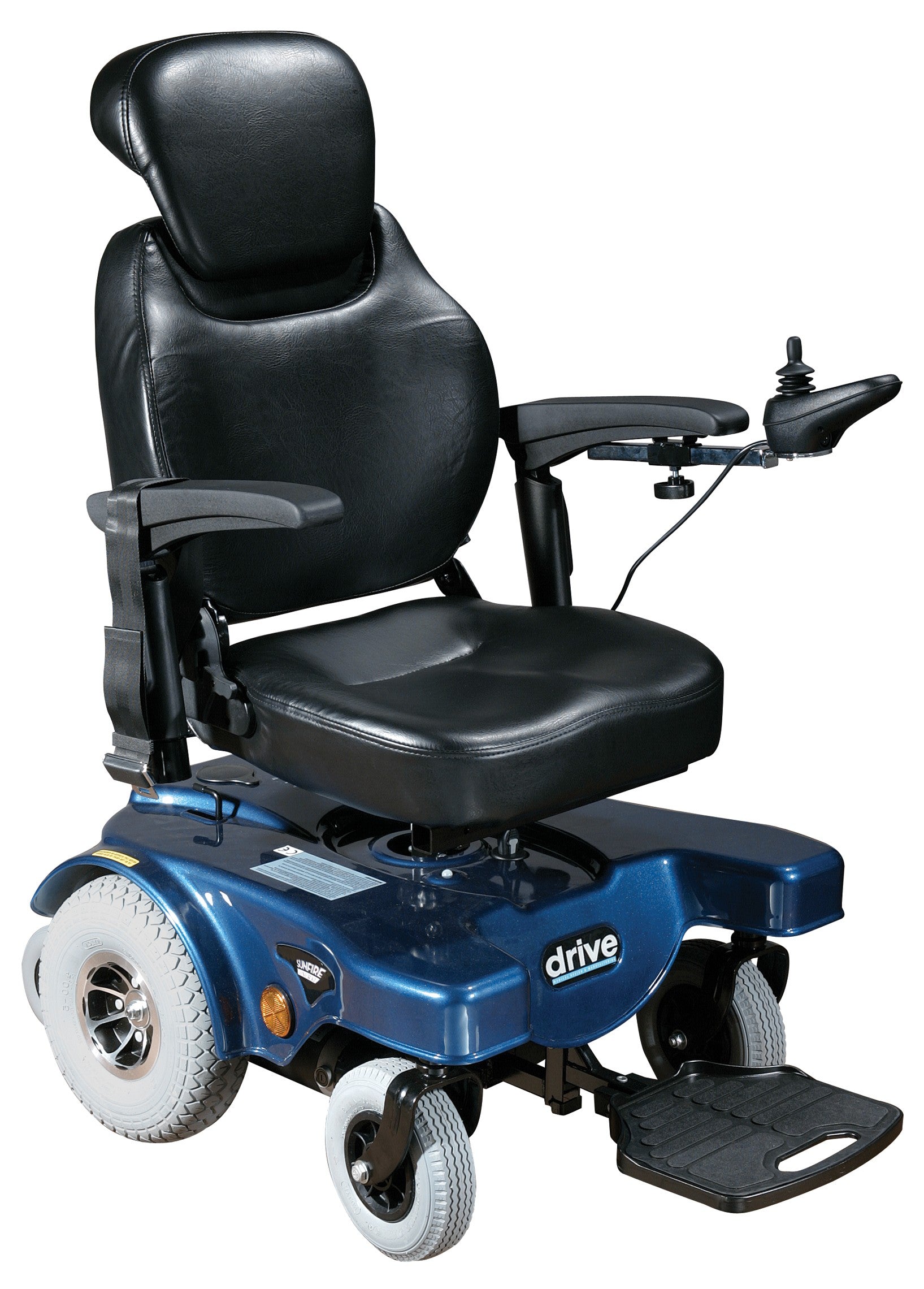
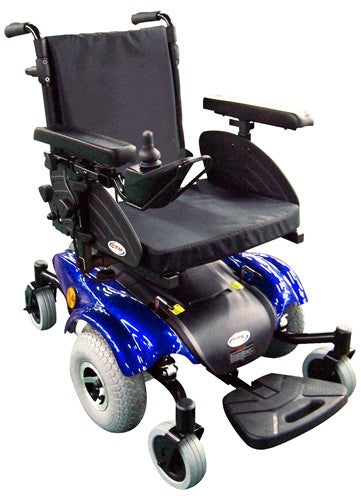
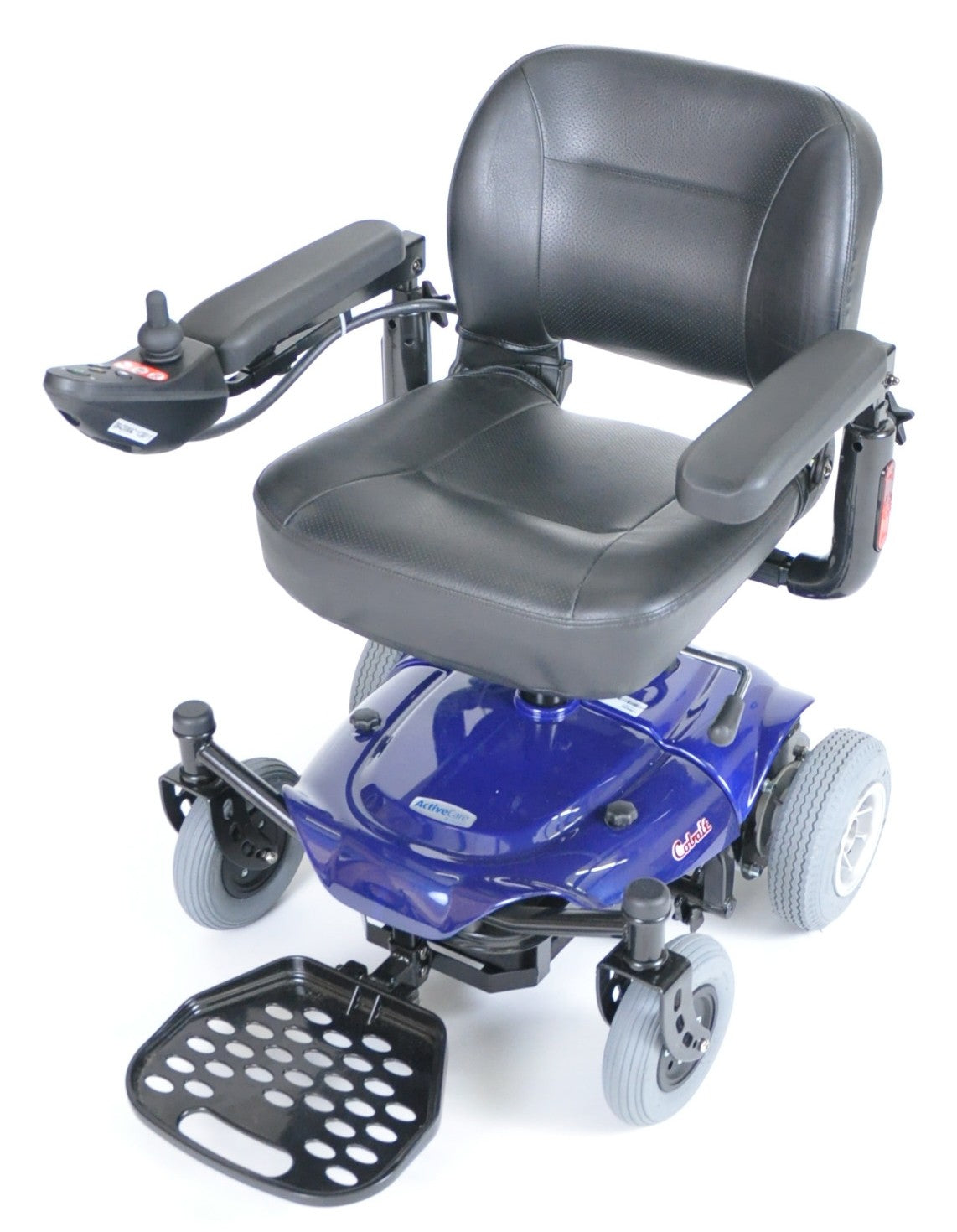
For users who need powered mobility, the seat still must fit correctly, but overall chair dimensions deserve equal attention. Power wheelchairs can provide excellent independence indoors and outdoors, yet their turning radius, overall width, and weight need to match the home, vehicle arrangements, and intended terrain.
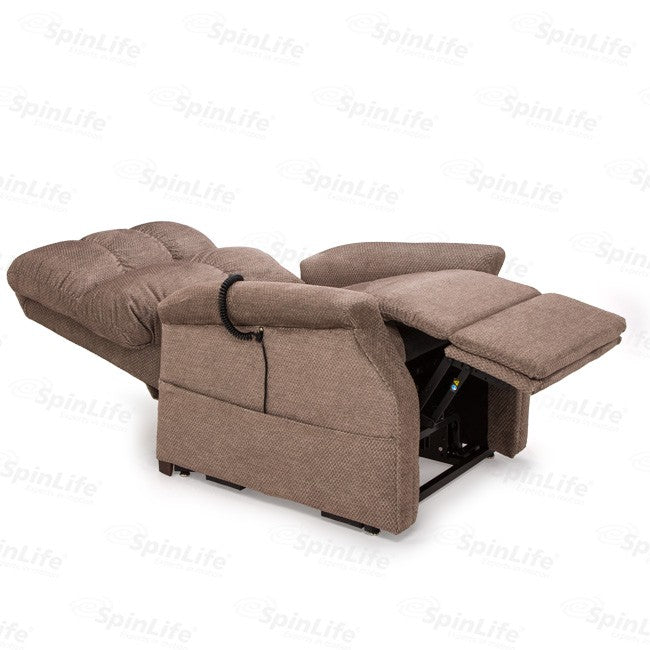
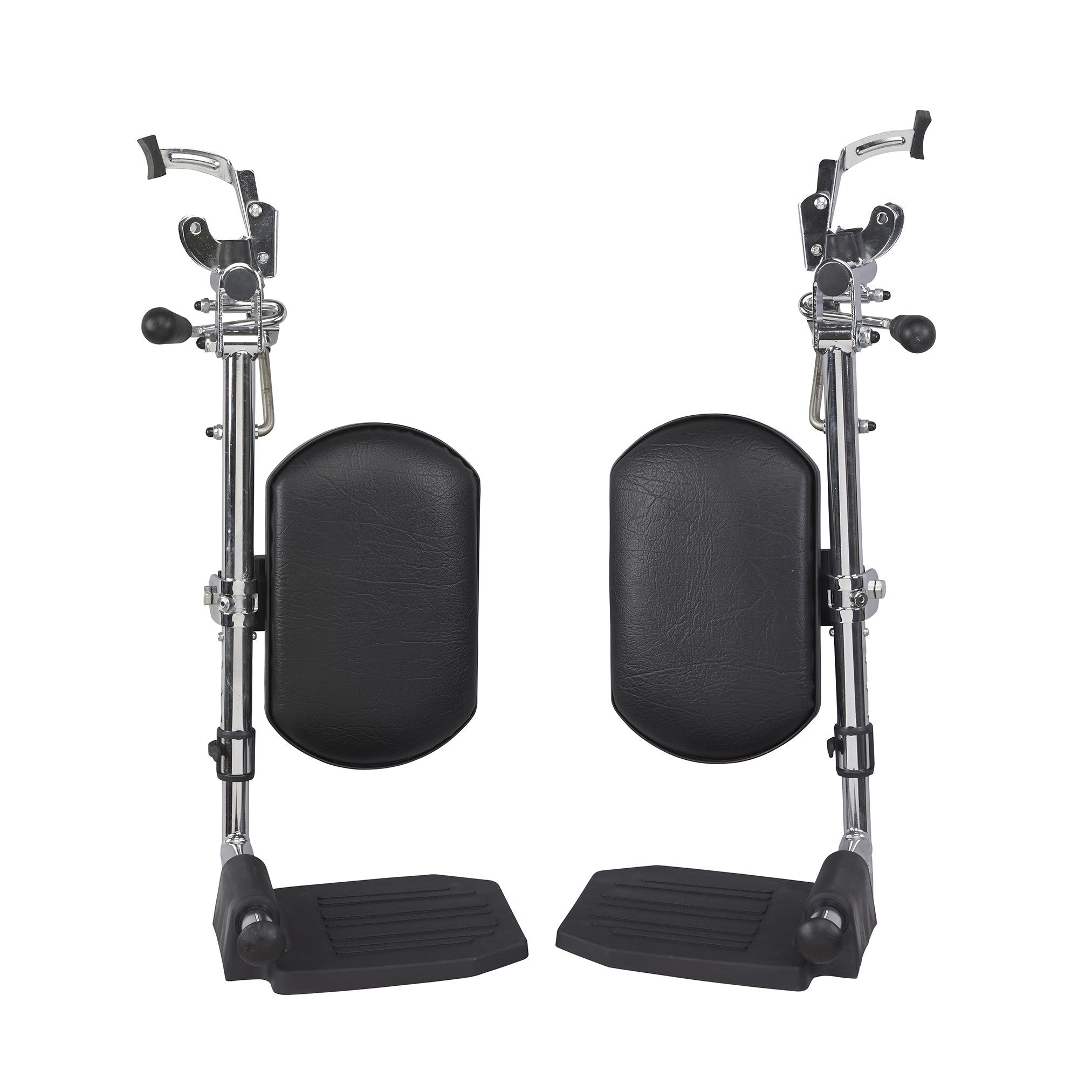
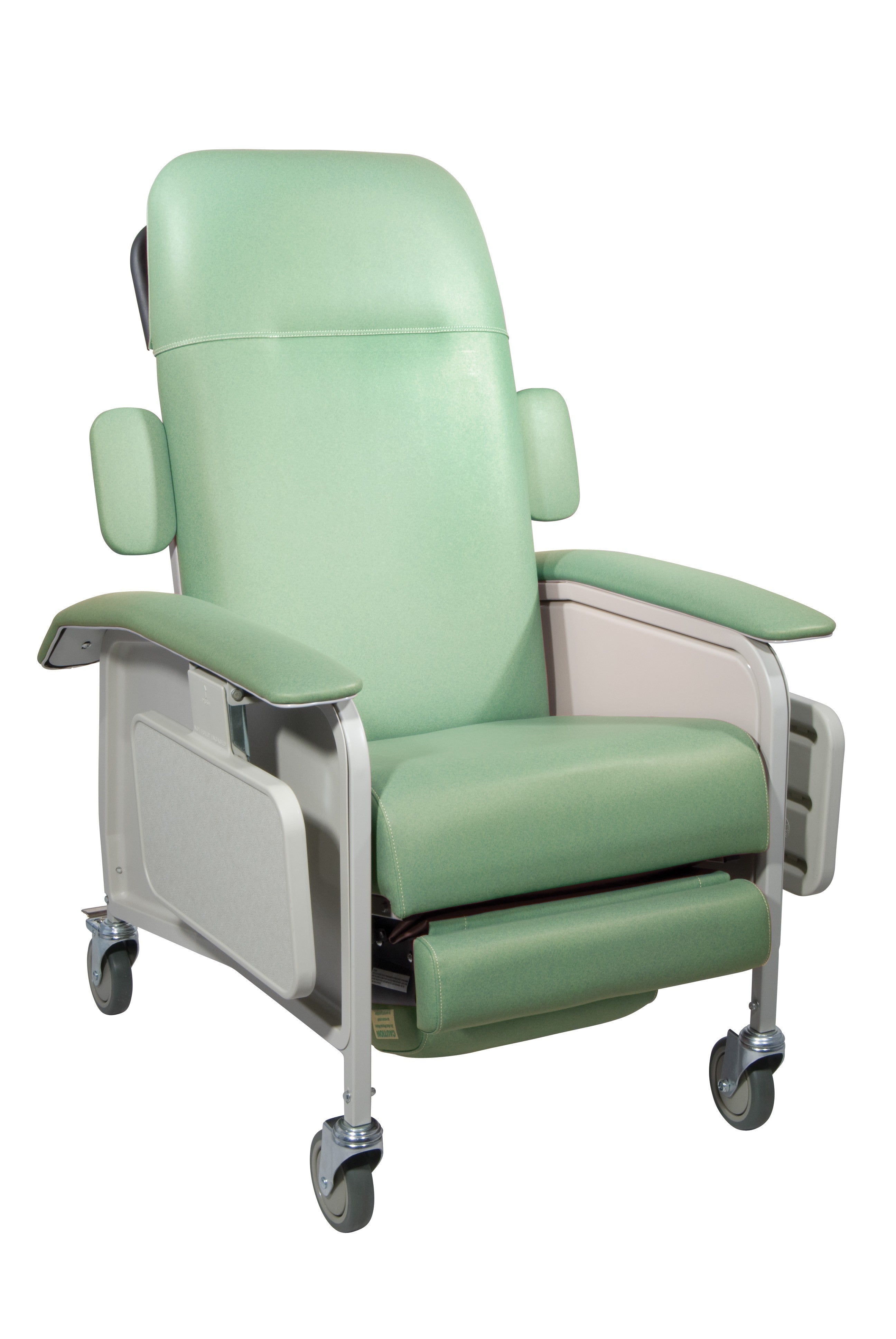
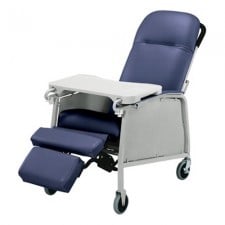
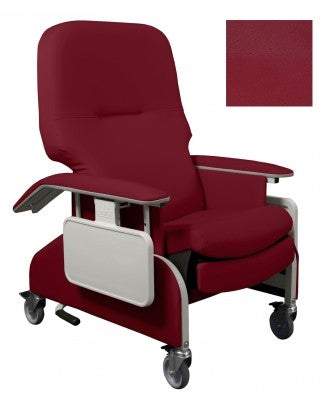
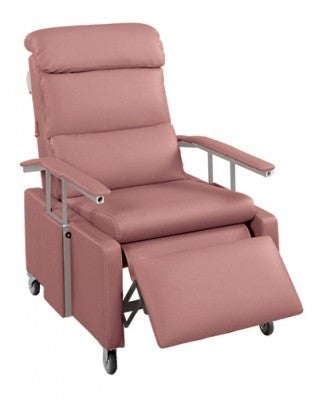
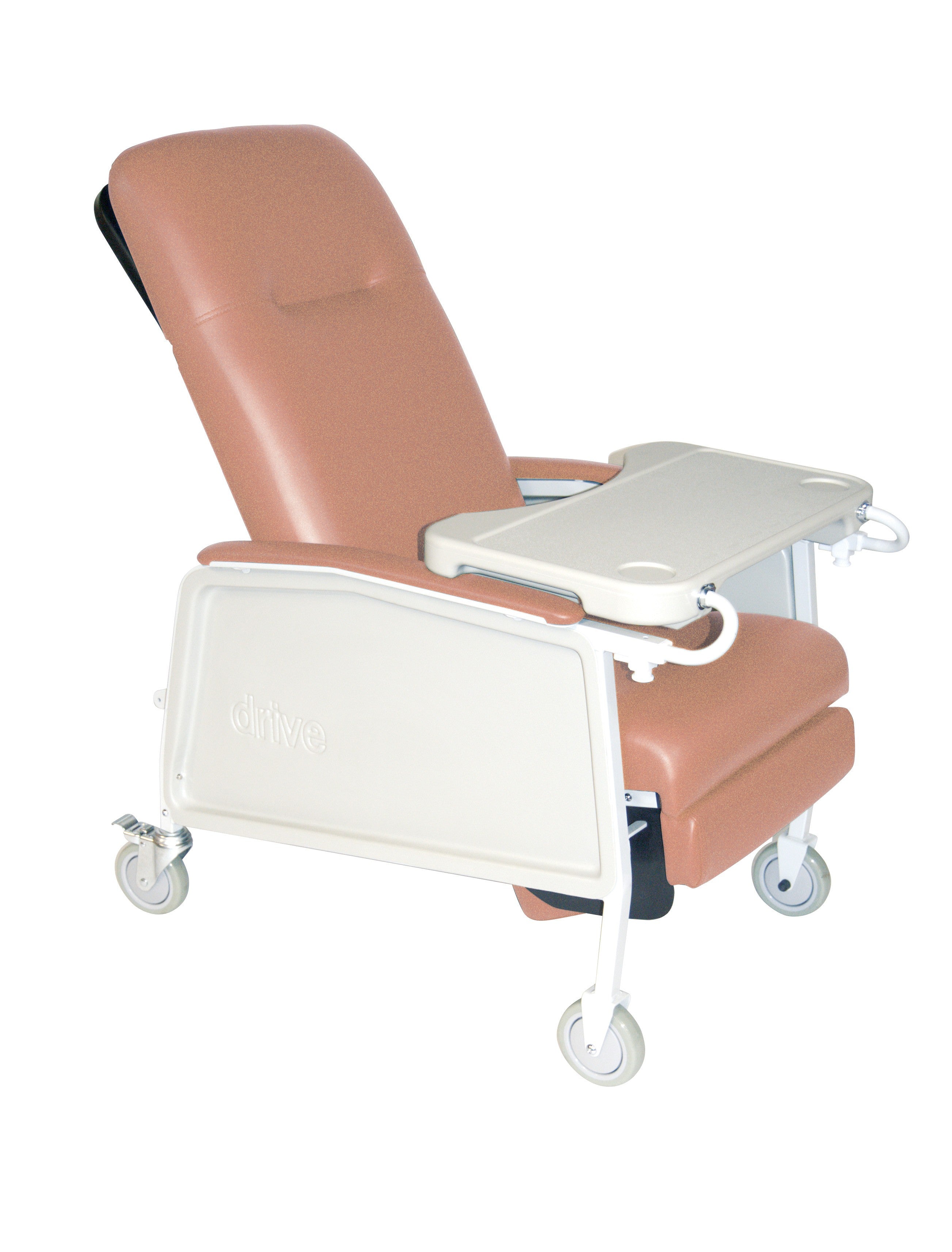
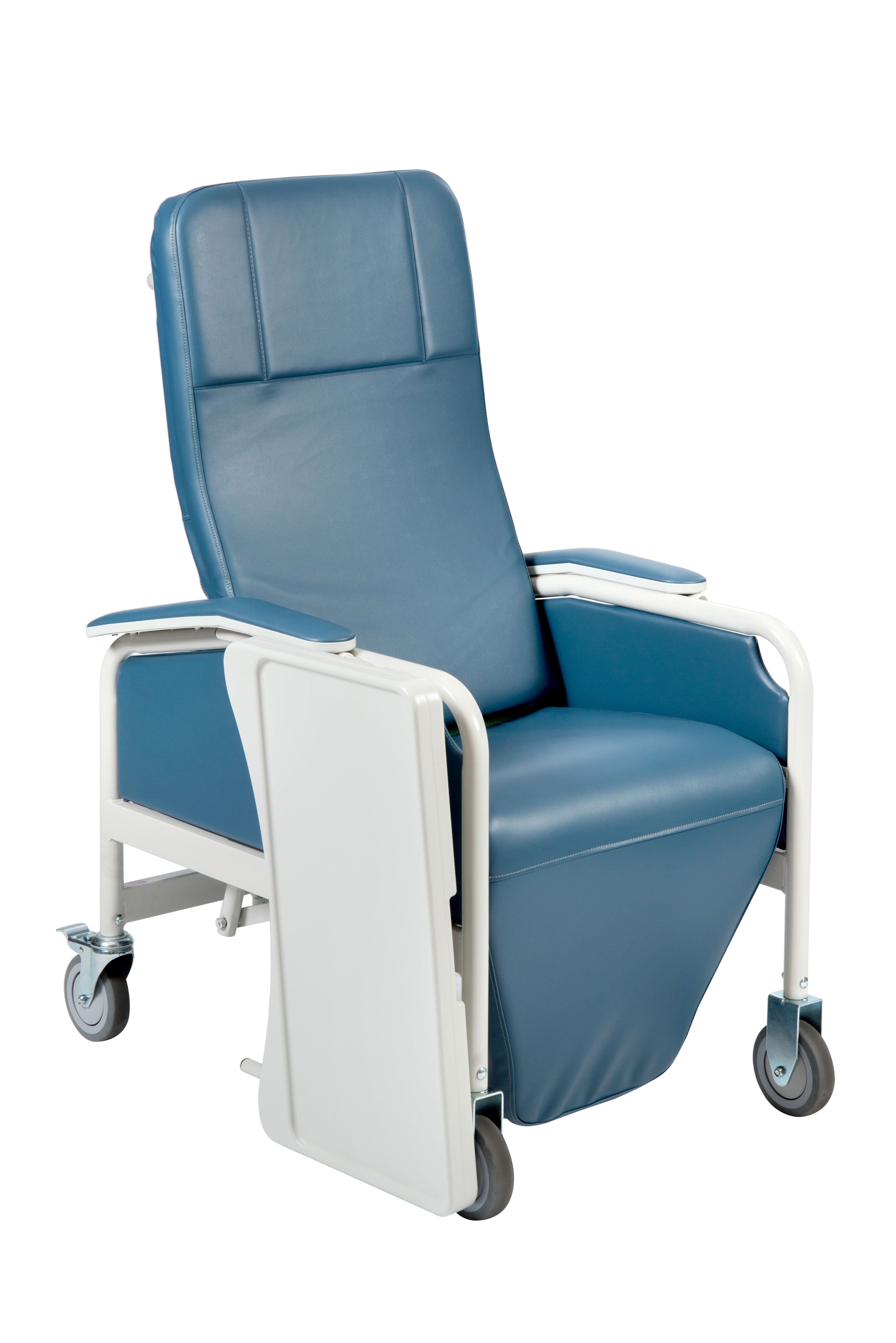
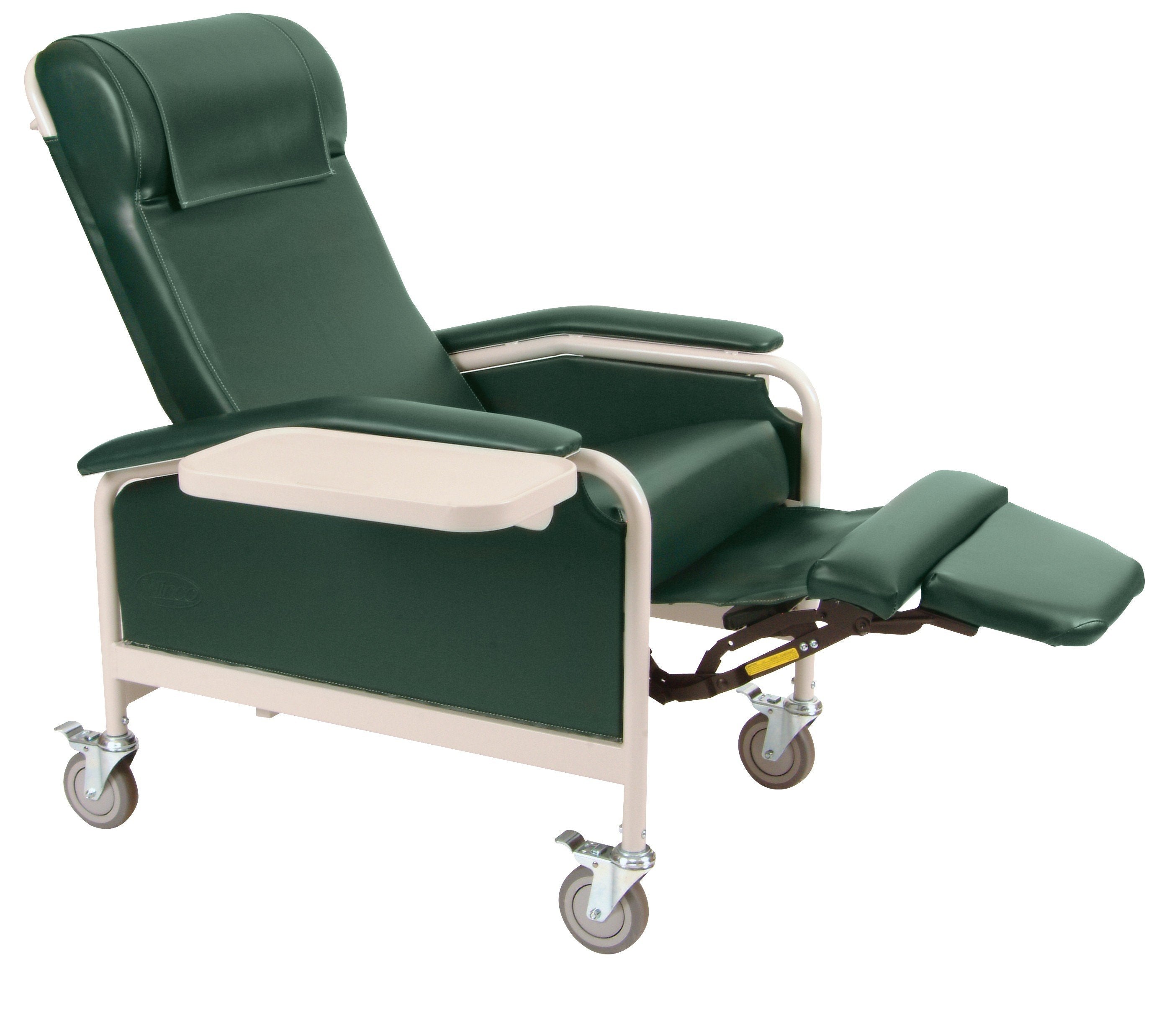
Reclining, tilt, elevating legrest, and specialty seating options can improve comfort for certain medical or positioning needs. These features may also change the chair's overall size and require more careful measurement. If the user has limited trunk control, a history of pressure injuries, significant swelling, or cannot reposition independently, speak with a healthcare professional before selecting a standard chair without added support.
Measure the Home, Not Just the Person
A wheelchair can fit the user perfectly and still be impractical if it cannot clear a bathroom doorway or turn into the bedroom. Before ordering, measure the narrowest doorways, hallways, and common turning areas in the home.
Wheelchair seat width is not the same as overall chair width. On many manual wheelchairs, the frame and wheels add several inches beyond the seat. Exact dimensions vary by model, so always review the product specifications rather than relying on a general estimate.
Pay particular attention to these everyday spaces:
- Bathroom doors, where narrow openings are common.
- Hallways and corners near bedrooms or kitchens.
- The space beside the bed for transfers and caregiver assistance.
- Ramps, thresholds, and vehicle storage areas.
Weight Capacity and Cushion Space Matter
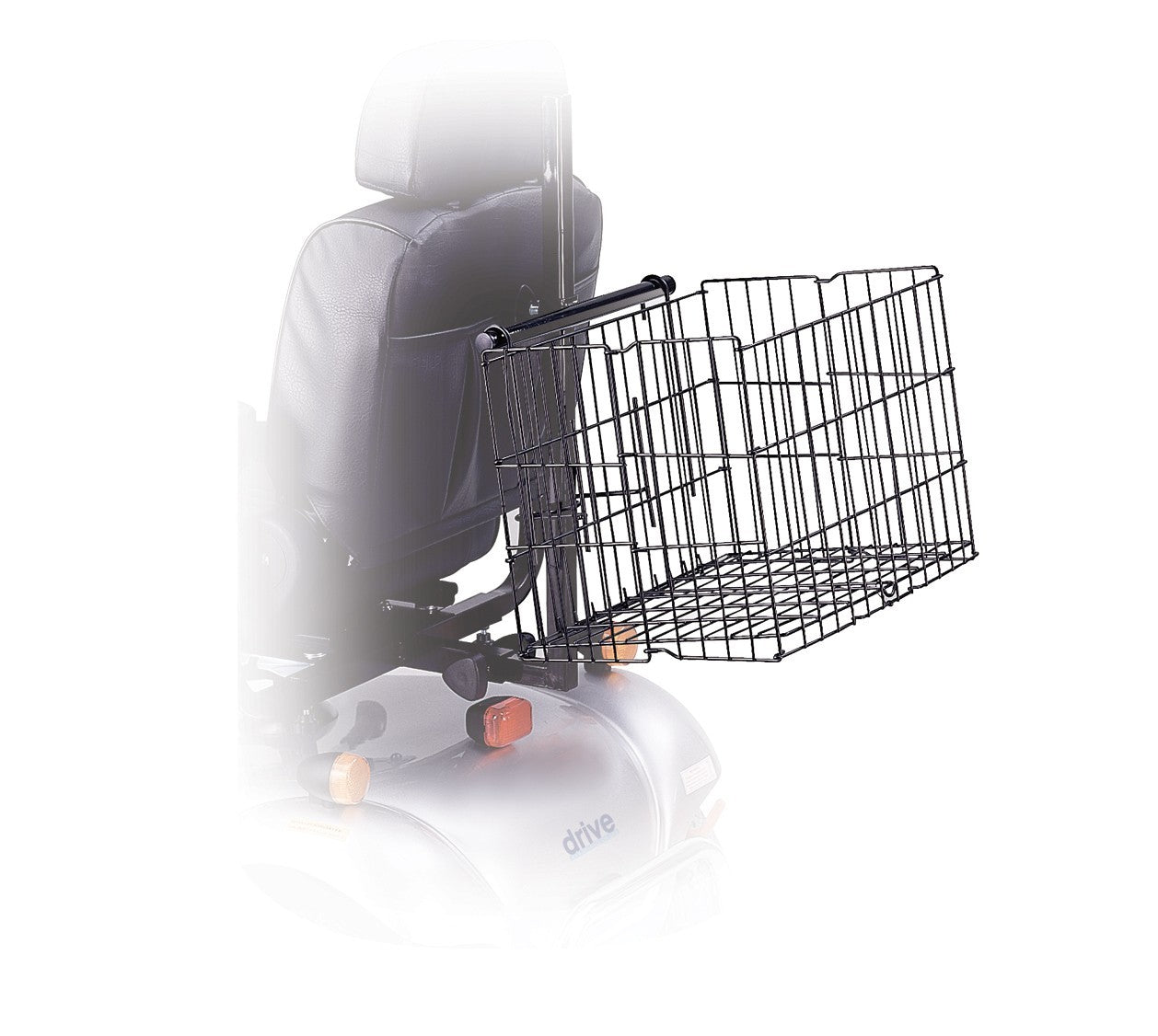
Always select a wheelchair with a weight capacity that safely exceeds the user's current body weight. Do not forget the weight of clothing, personal items, oxygen equipment, or other items that may be carried on the chair. A higher capacity chair may have a wider or reinforced frame, so confirm that it will still fit through the home.
If the user needs a wheelchair cushion, include it in the sizing plan. A cushion can raise the seated position, affect footrest length, and change how the user reaches armrests or tables. Pressure-relieving cushions can be especially helpful for people who sit for long periods, but they should not make the user feel unstable or leave the feet unsupported.
Common Sizing Mistakes to Avoid
The most common mistake is choosing the widest seat “just in case.” Extra room may sound more comfortable, but a chair that is too wide can reduce support and make self-propelling more difficult. Aim for appropriate clearance, not excess space.
Another mistake is overlooking seat depth. A person may fit comfortably across the hips but still sit poorly if the seat is too long or too short. Finally, do not assume a chair that worked for a friend or family member will work for another user. Mobility level, posture, home layout, and transfer needs can be very different.
Get Help Matching the Measurements to a Chair
Product specifications can be detailed, particularly when comparing manual and power mobility equipment. If you have the user's hip width, buttock-to-knee measurement, approximate seated height, body weight, and doorway widths, an equipment specialist can help identify suitable options.
American Quality Health Products has supported customers since 2001 with mobility equipment designed for everyday independence, from compact transport chairs to heavy-duty manual and power wheelchairs. A knowledgeable representative can help translate measurements into practical product choices before you buy.
The best wheelchair is one the user can sit in safely, move with confidence, and use comfortably through the routines that matter most. Take the measurements carefully, picture a normal day at home and away, and let fit lead the decision.


