


Shopping for home medical equipment can mean encountering unfamiliar terms, from insurance acronyms to technical product specifications. This glossary is designed for anyone researching mobility products, home-care beds, lift chairs, and related equipment. Use it as a quick reference to better understand the features, categories, and processes you will come across.
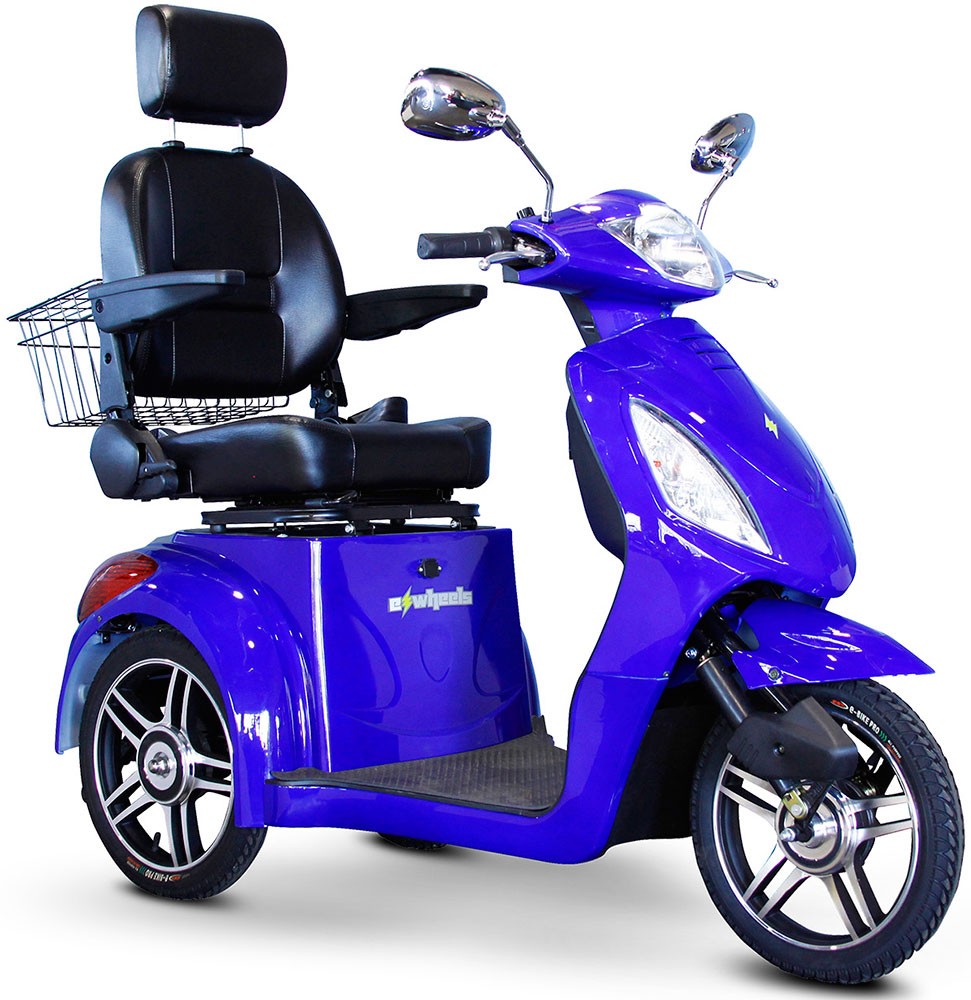
- 3-Wheel Mobility Scooter
- A battery-powered mobility scooter built on a three-wheel frame. Compared to four-wheel models, a 3-wheel scooter offers more legroom and a tighter turning radius, making it a popular choice for indoor use and navigating narrow spaces.
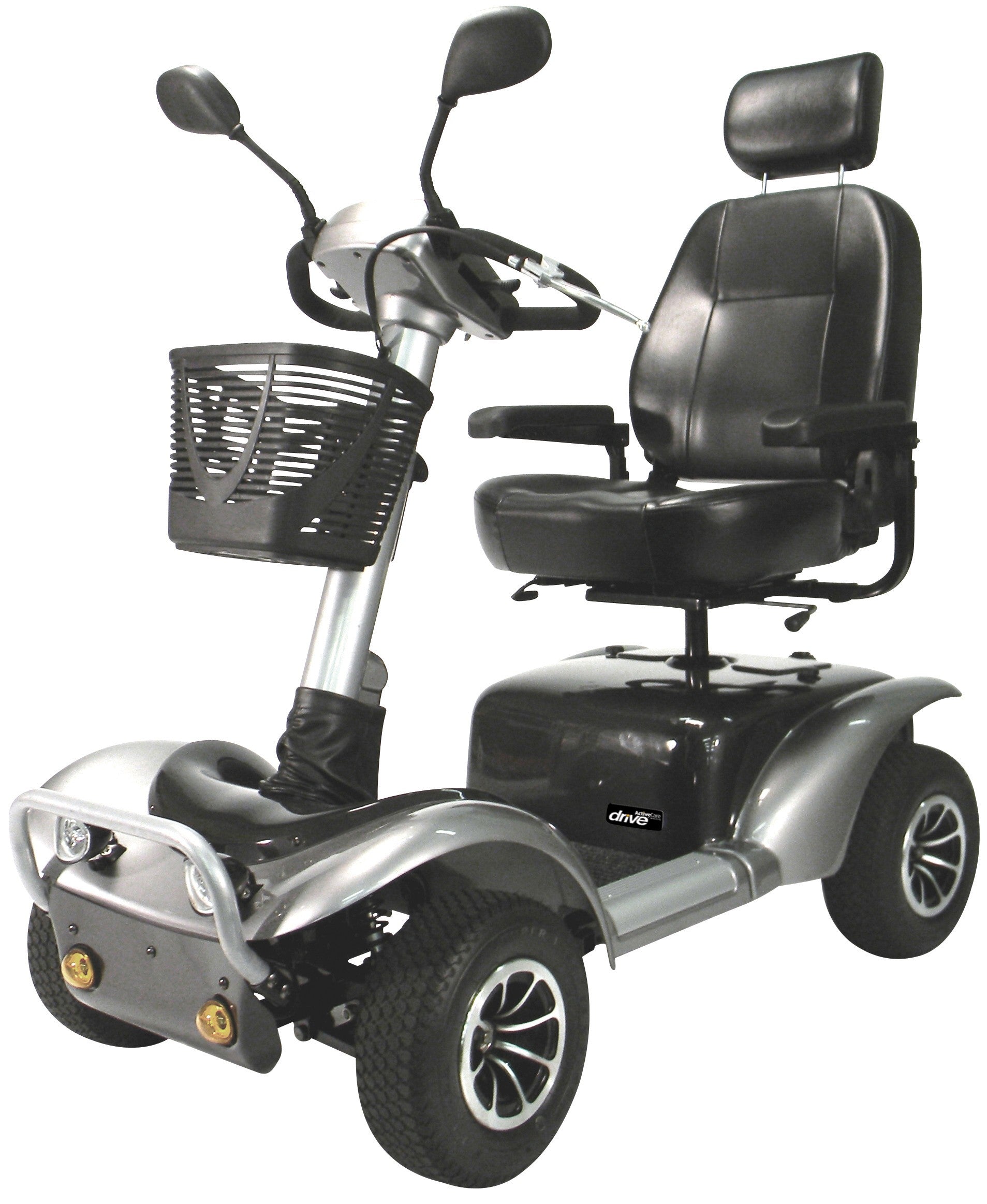
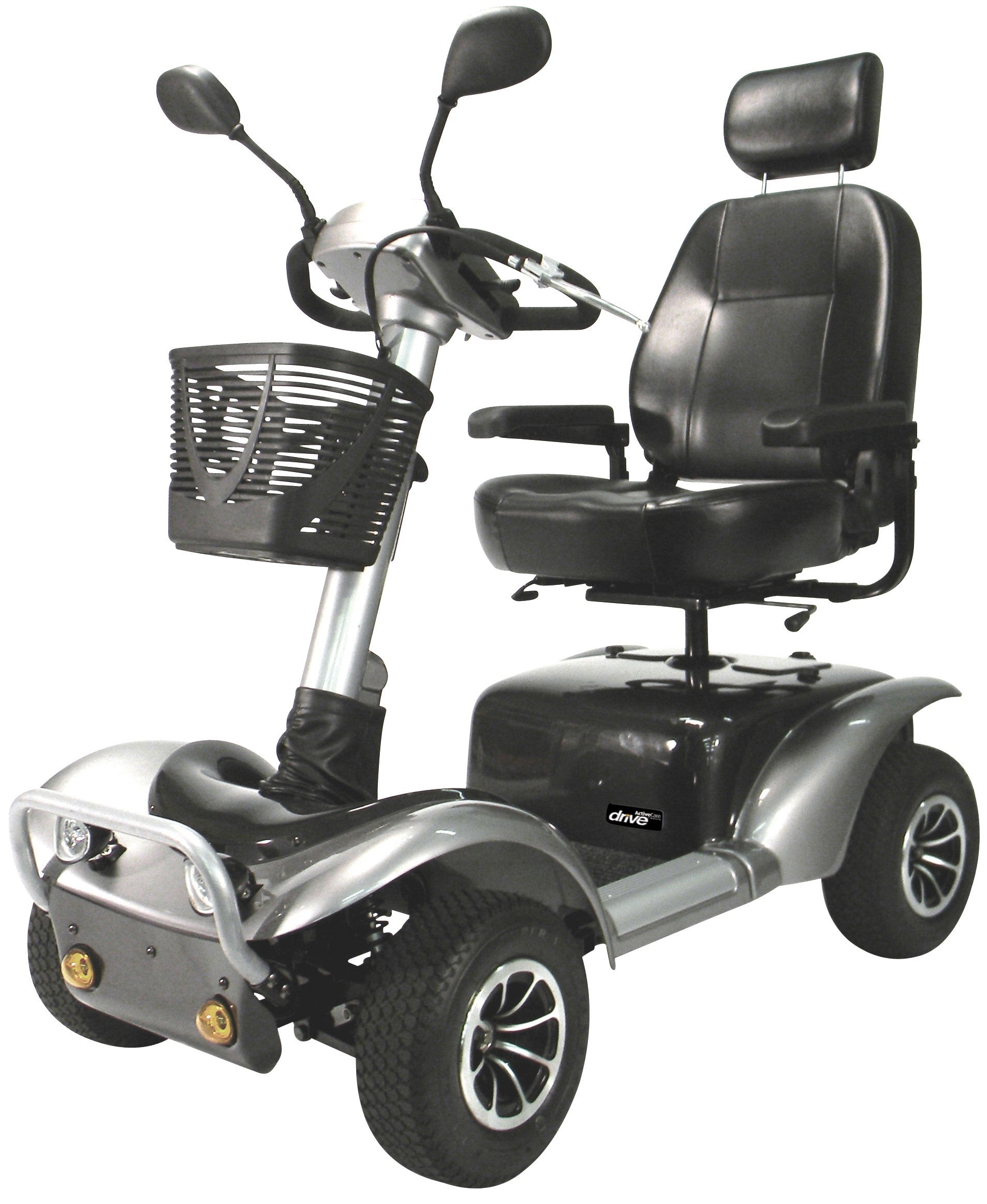
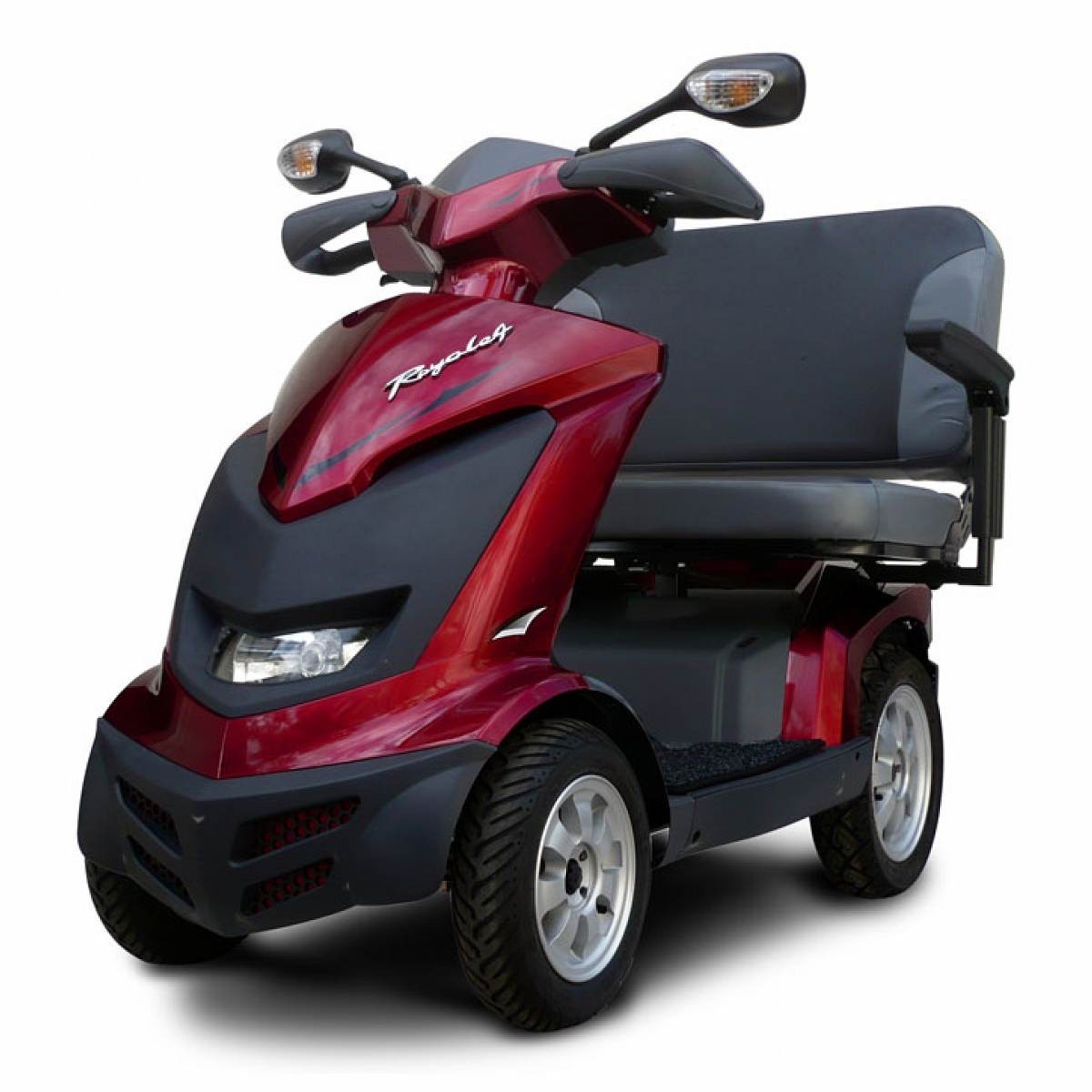
- 4-Wheel Mobility Scooter
- A battery-powered mobility scooter with a four-wheel base that provides a wider wheelbase and greater overall stability. This design is especially well suited for outdoor use and inclined surfaces where extra balance is important.
- Aging in Place
- The practice of enabling seniors to continue living safely and independently in their own homes rather than moving to an assisted-living facility. Most home medical equipment, from lift chairs to hospital beds, is designed with this goal in mind.
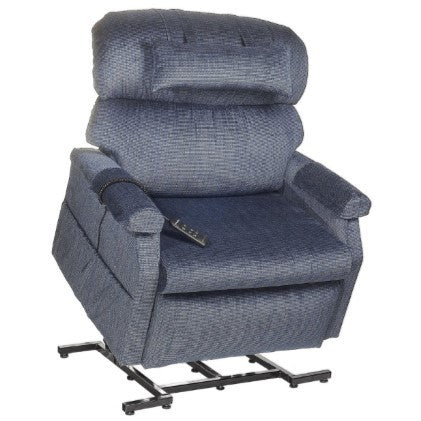
- Bariatric
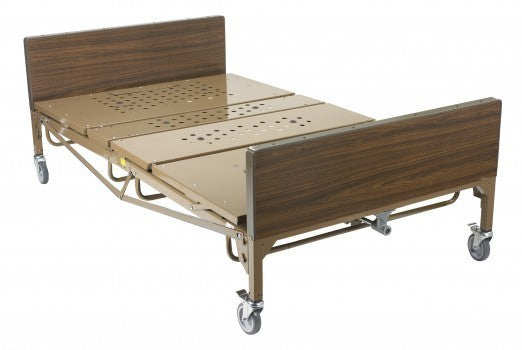
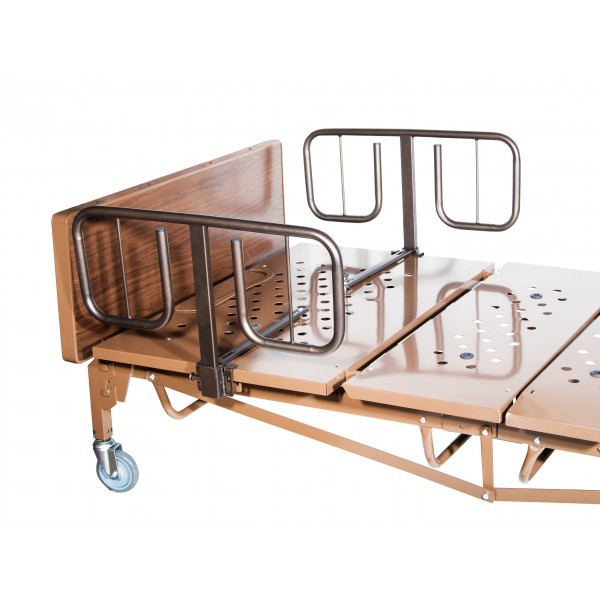
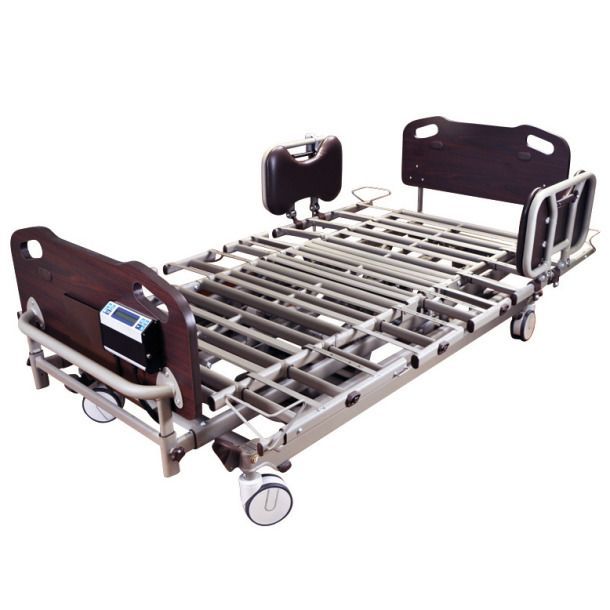
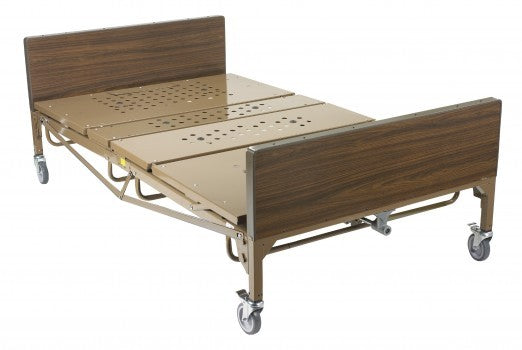
- A term describing heavy-duty medical equipment engineered to support users with higher body weights, typically rated for 450 to 700 pounds. Bariatric versions are available across product categories including wheelchairs, lift chairs, hospital beds, and geri chairs.
- Battery Backup
- A built-in safety feature found on lift chairs and adjustable beds that allows the unit to return to a safe, upright, or flat position during a power outage. This ensures the user is never left stranded in a reclined or elevated position when electricity is interrupted.
- Certificate of Medical Necessity (CMN)
- A document signed by a physician that Medicare requires before it will authorize coverage for certain durable medical equipment, such as power wheelchairs and hospital beds. Customers seeking insurance reimbursement will typically need their doctor to complete this form as part of the approval process.
- Clinical Care Recliner
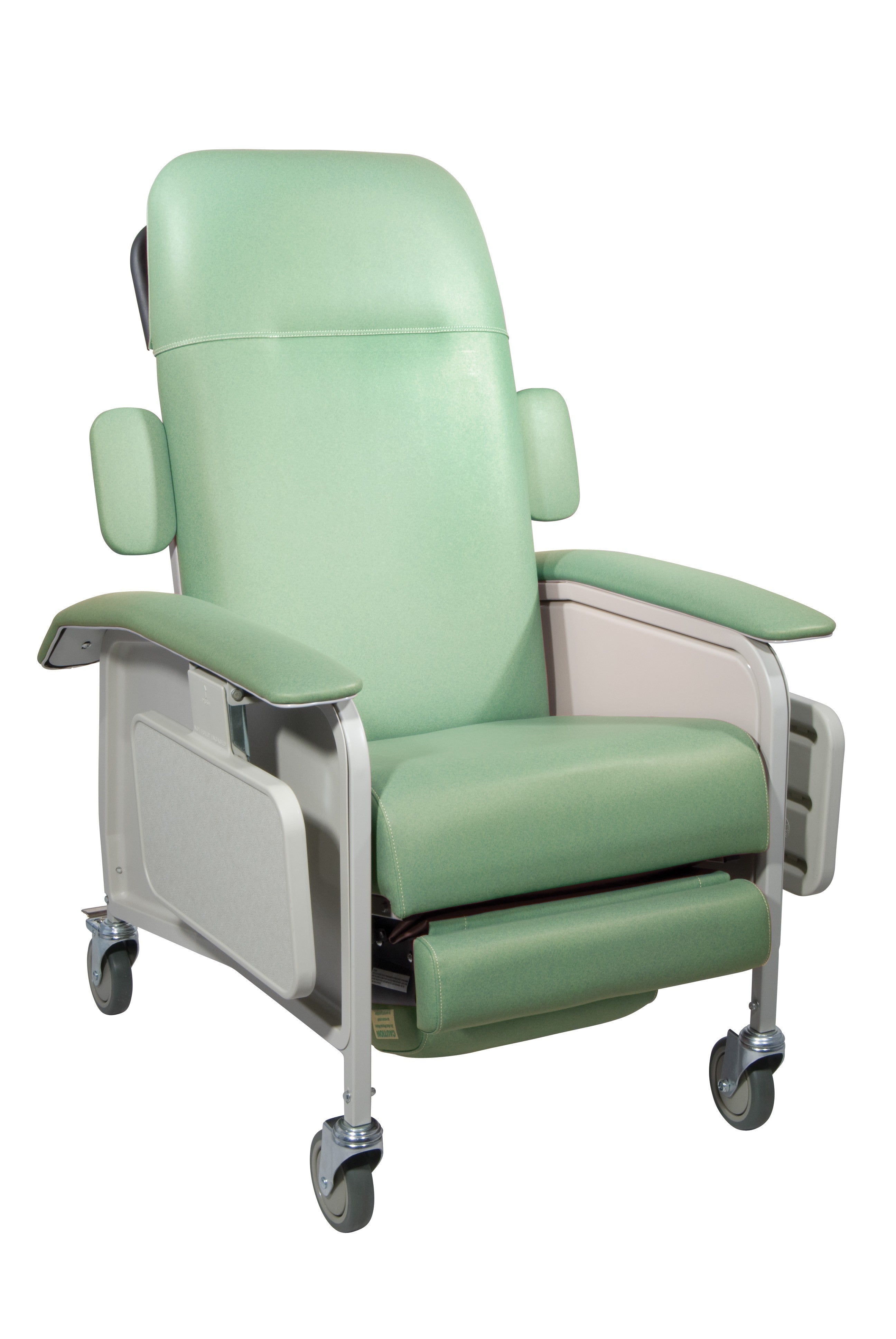
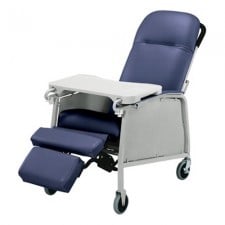
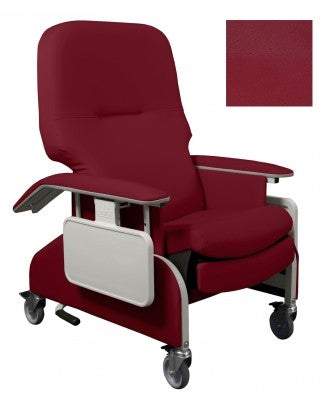
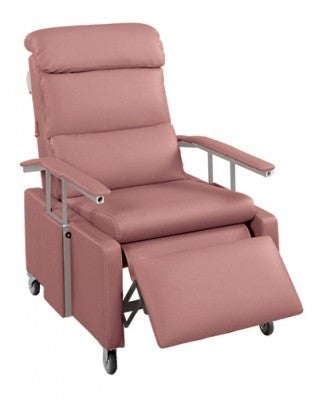
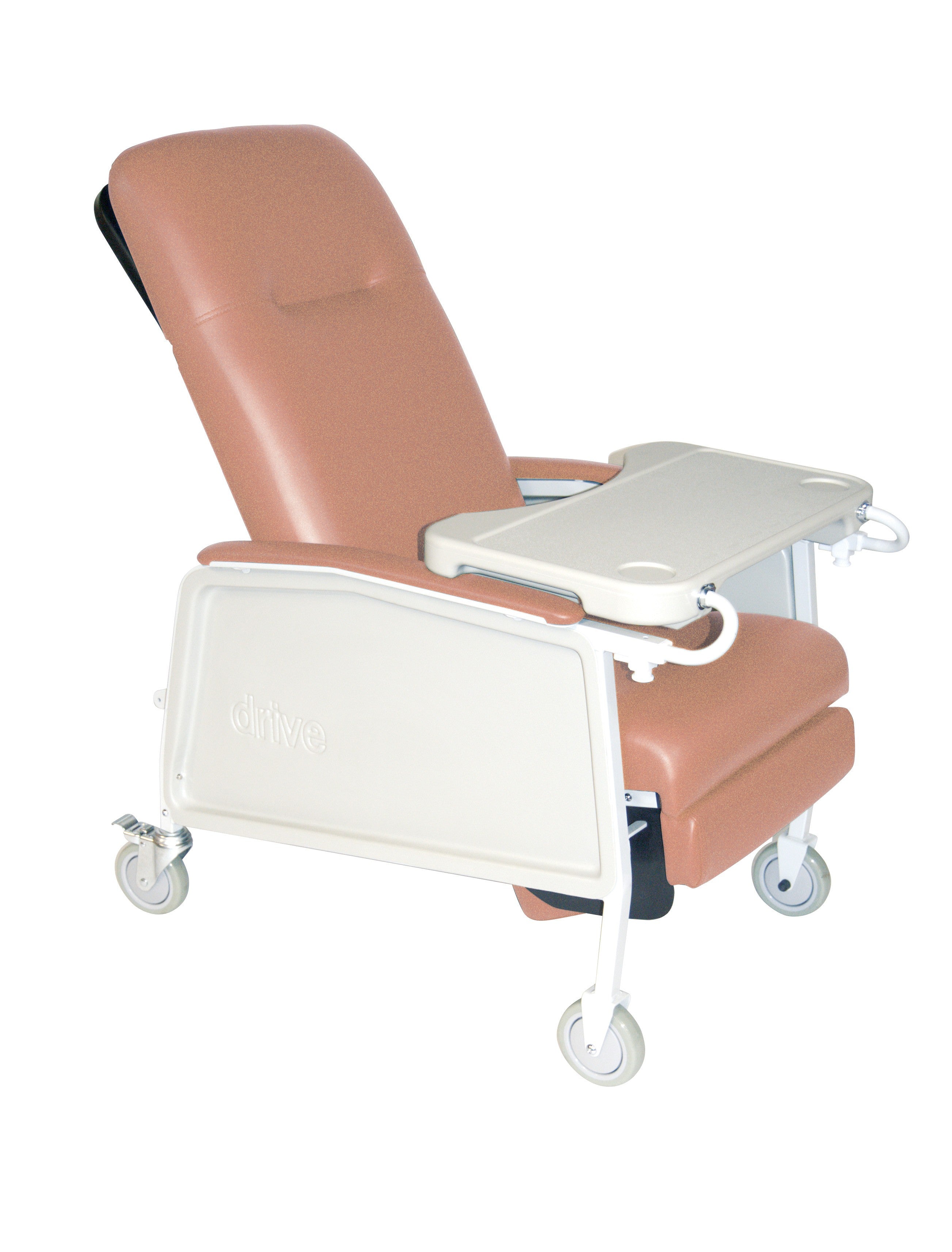
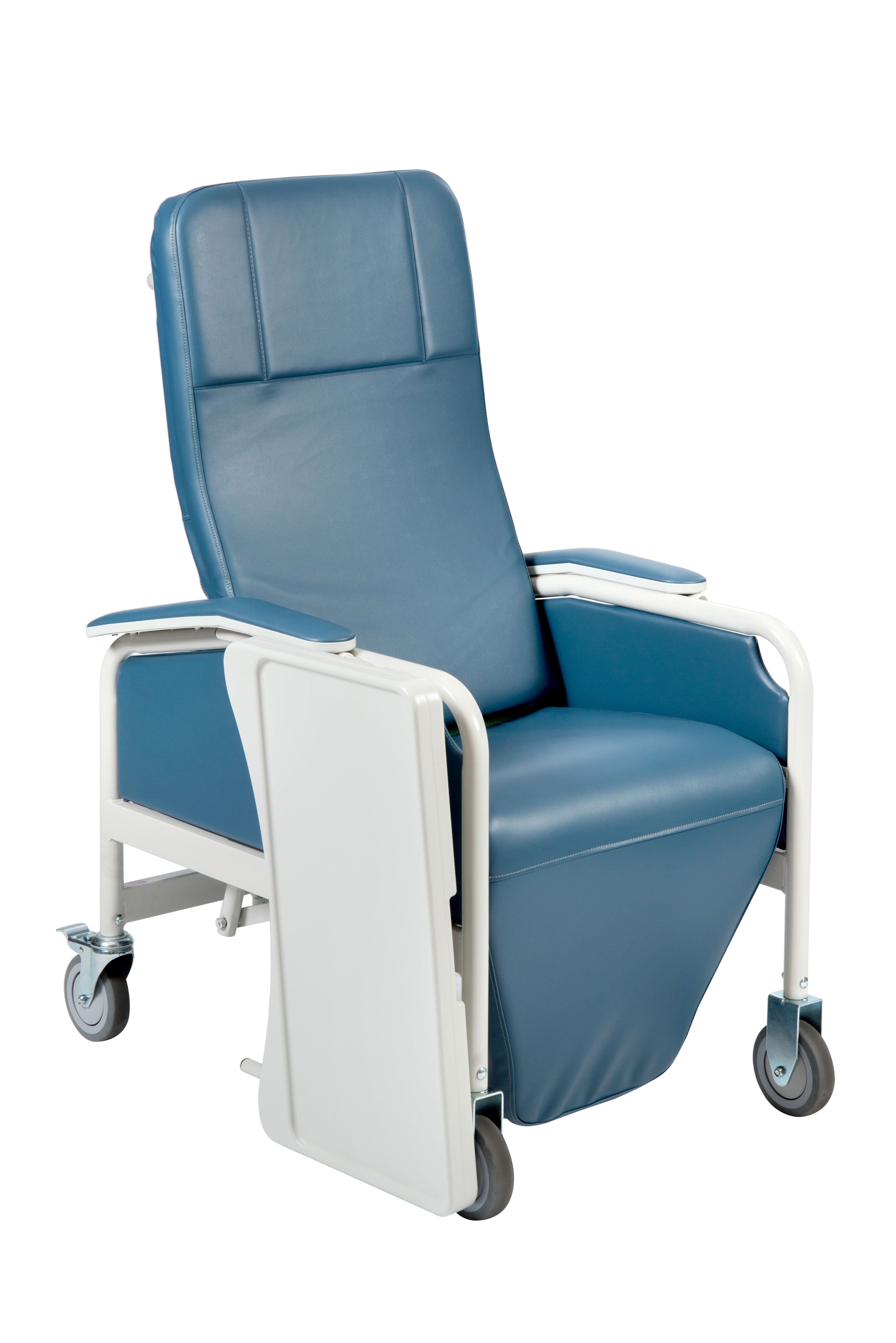
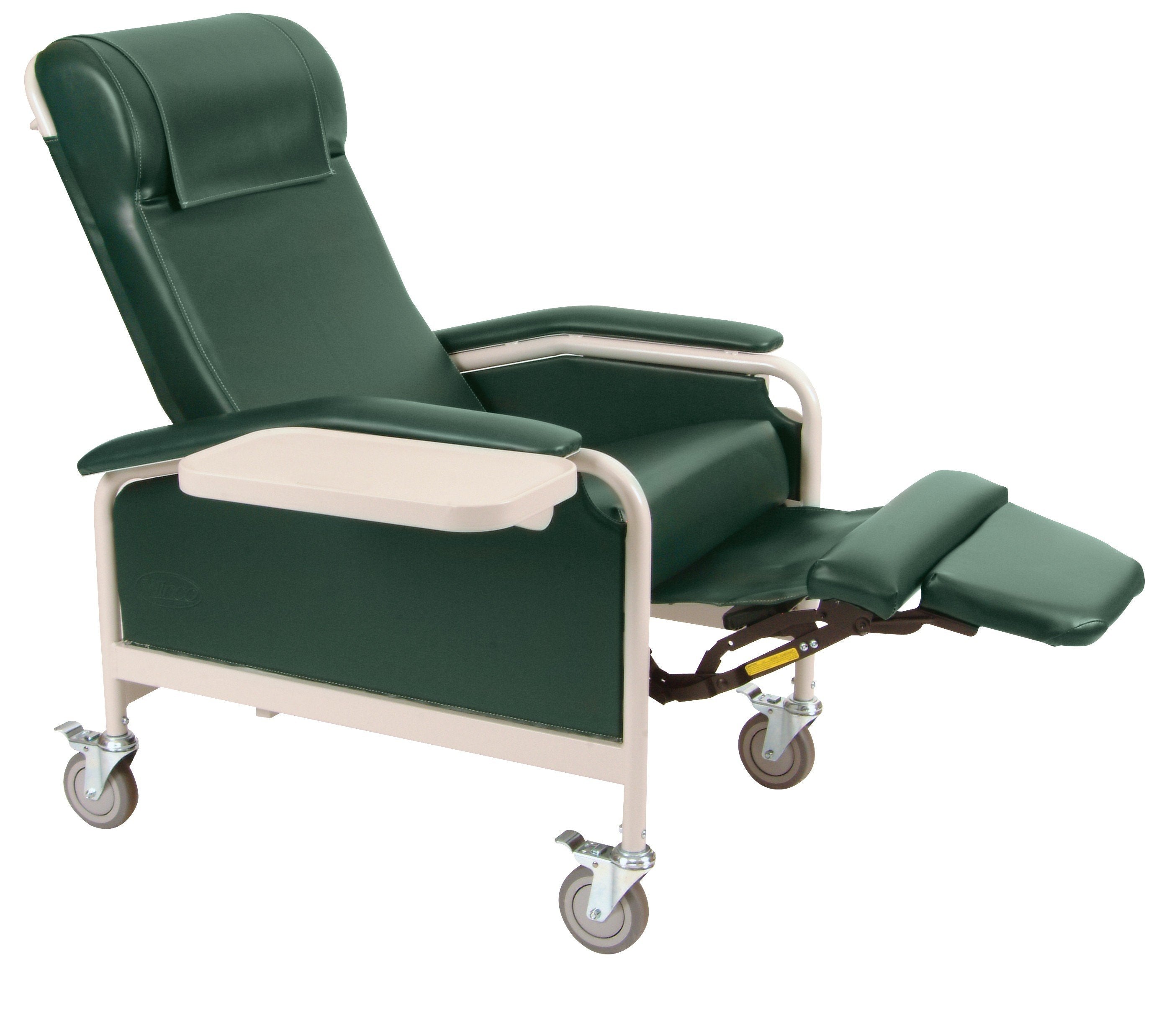
- A specialized geri chair designed for use in medical settings such as dialysis centers, chemotherapy suites, and post-surgical recovery rooms. These recliners feature durable upholstery, multiple recline positions, and easy-clean surfaces suited to extended patient seating.
- Compression Level (mmHg)
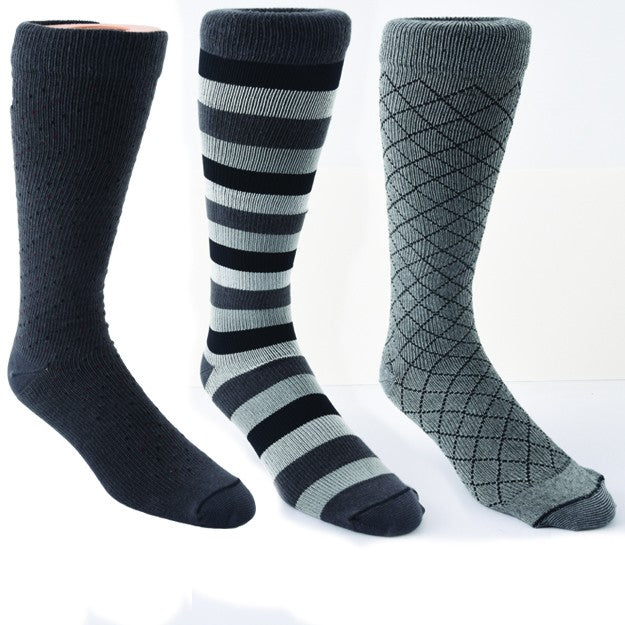
- The standard unit of measurement for compression socks and hosiery, expressed in millimeters of mercury. The number indicates how much pressure the garment applies to the leg; higher values deliver firmer compression, so selecting the correct level is important for both comfort and therapeutic benefit.
- Compression Socks
- Graduated-compression hosiery that applies controlled pressure to the lower legs to improve blood circulation and reduce swelling (edema). They are commonly recommended for seniors, diabetic patients, and individuals who spend extended time seated or immobile.
- DME (Durable Medical Equipment)
- A regulatory category defined by Medicare covering equipment that can withstand repeated use, serves a medical purpose, and is appropriate for use in the home. Power wheelchairs, hospital beds, and lift chairs are common examples of DME.
- Diabetic Shoes (Therapeutic Shoes)
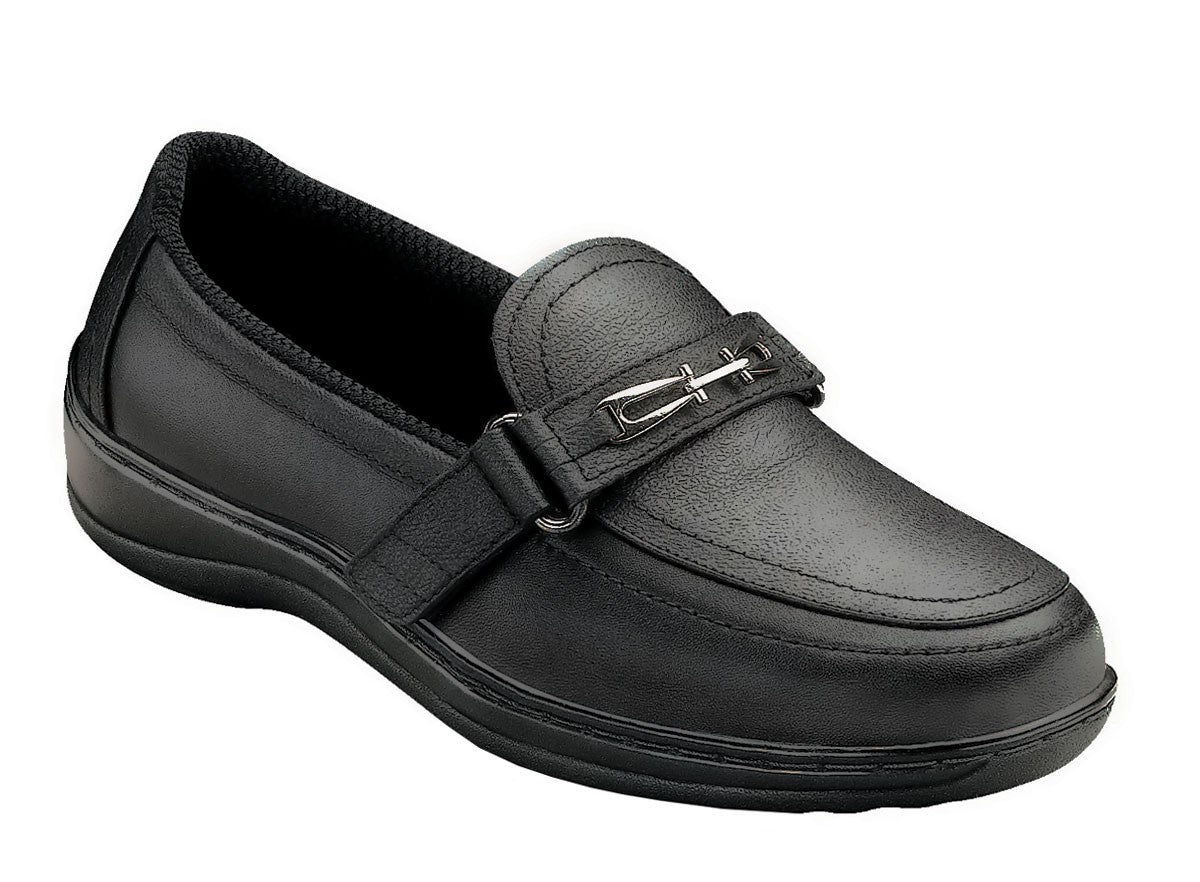
- Extra-depth footwear prescribed to reduce the risk of skin breakdown and foot ulcers in patients with diabetes. These shoes are designed to accommodate custom orthotics and protect sensitive feet from pressure points that could lead to serious complications.
- Drive Range
- The maximum distance a power wheelchair or mobility scooter can travel on a single battery charge. Drive range is one of the most important comparison specs for shoppers, because it determines how far a user can go before needing to recharge.
- Drop-Arm Recliner
- A geri chair with arms that fold down flush with the seat, allowing caregivers to perform safer lateral (side-to-side) patient transfers. This feature is especially useful when moving a patient between the recliner and a bed or wheelchair.
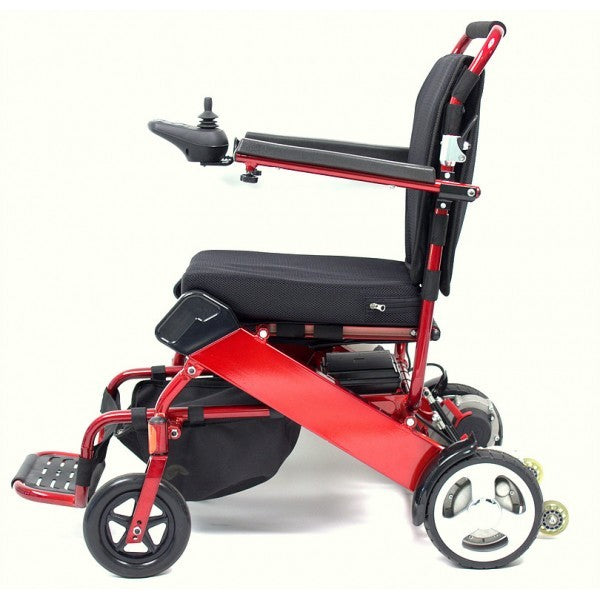
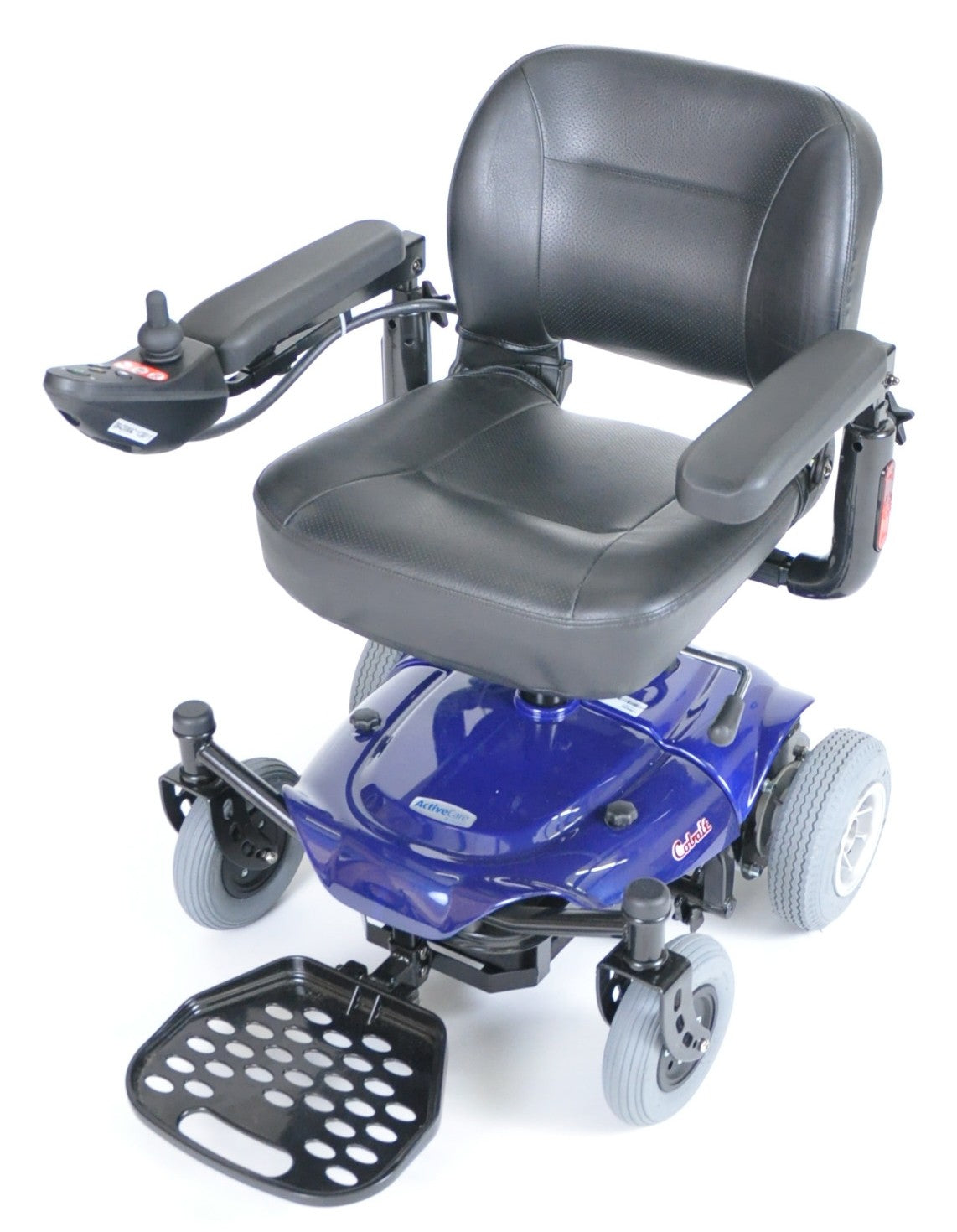
- Folding Power Wheelchair
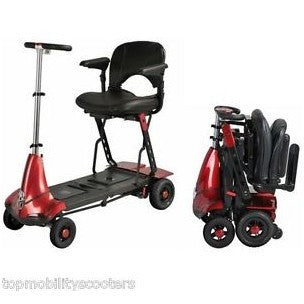
- A motorized wheelchair with a collapsible frame that can be folded for transport in a vehicle trunk or for compact storage. Folding power chairs offer the independence of powered mobility without requiring a vehicle lift or large cargo space.
- Full Electric Hospital Bed
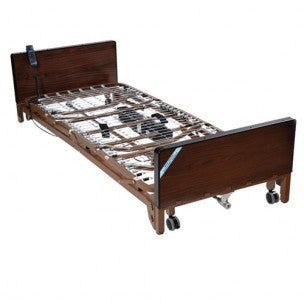
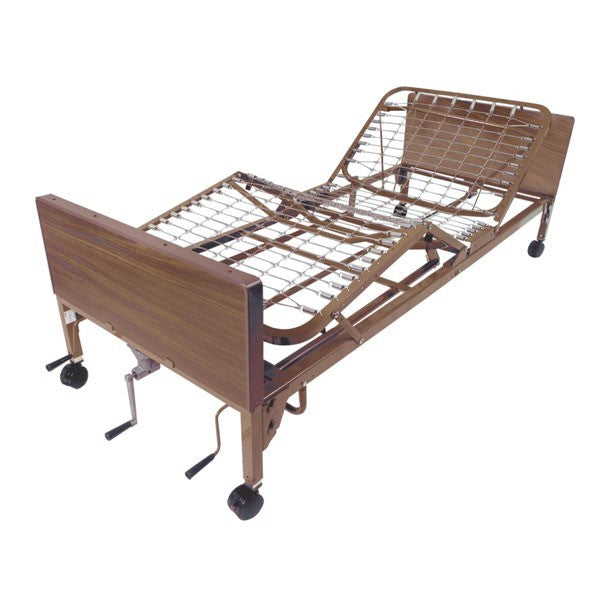
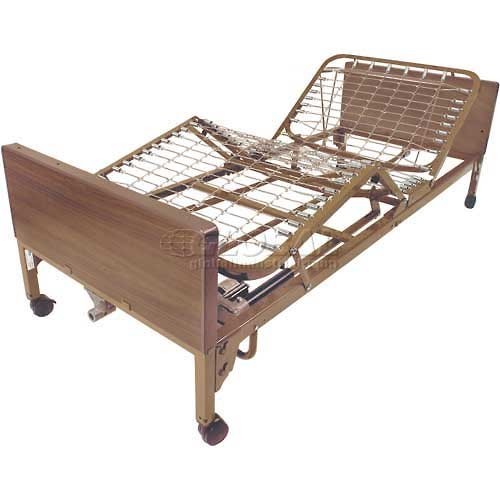
- A home-care bed in which the head section, foot section, and overall bed height are all adjusted by electric motors controlled with a handheld remote. Full electric operation allows the user or caregiver to reposition the bed without any manual cranking.
- Geri Chair (Geriatric Recliner)
- A padded, wheeled reclining chair designed for seniors and patients in clinical or home-care settings. Geri chairs support multiple recline positions and are commonly used during dialysis, chemotherapy, and extended rest periods.
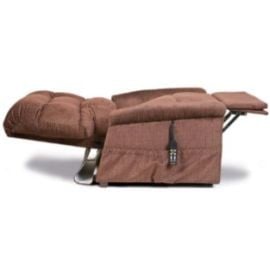
- Infinite-Position Lift Chair
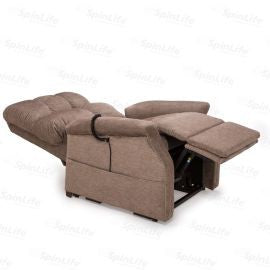
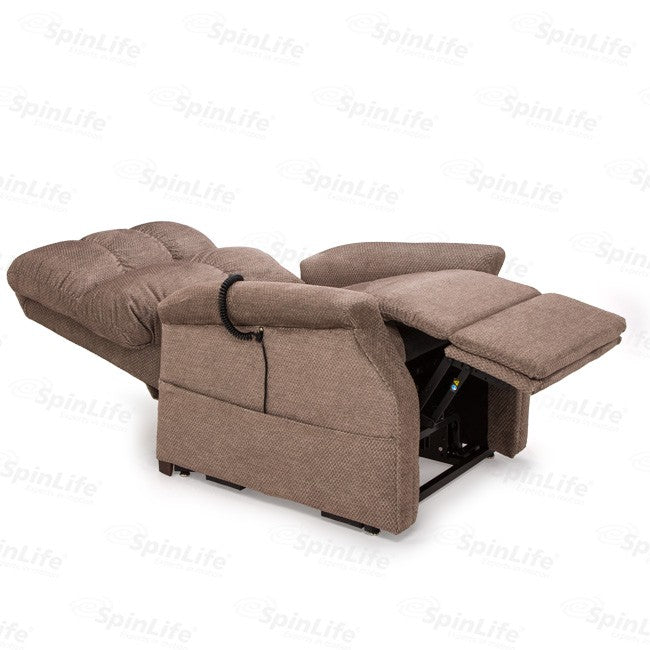
- A lift chair equipped with two independent motors that control the backrest and footrest separately. This dual-motor design lets the user recline to a fully flat position, making it suitable for sleeping, and adjust the leg rest independently for personalized comfort.
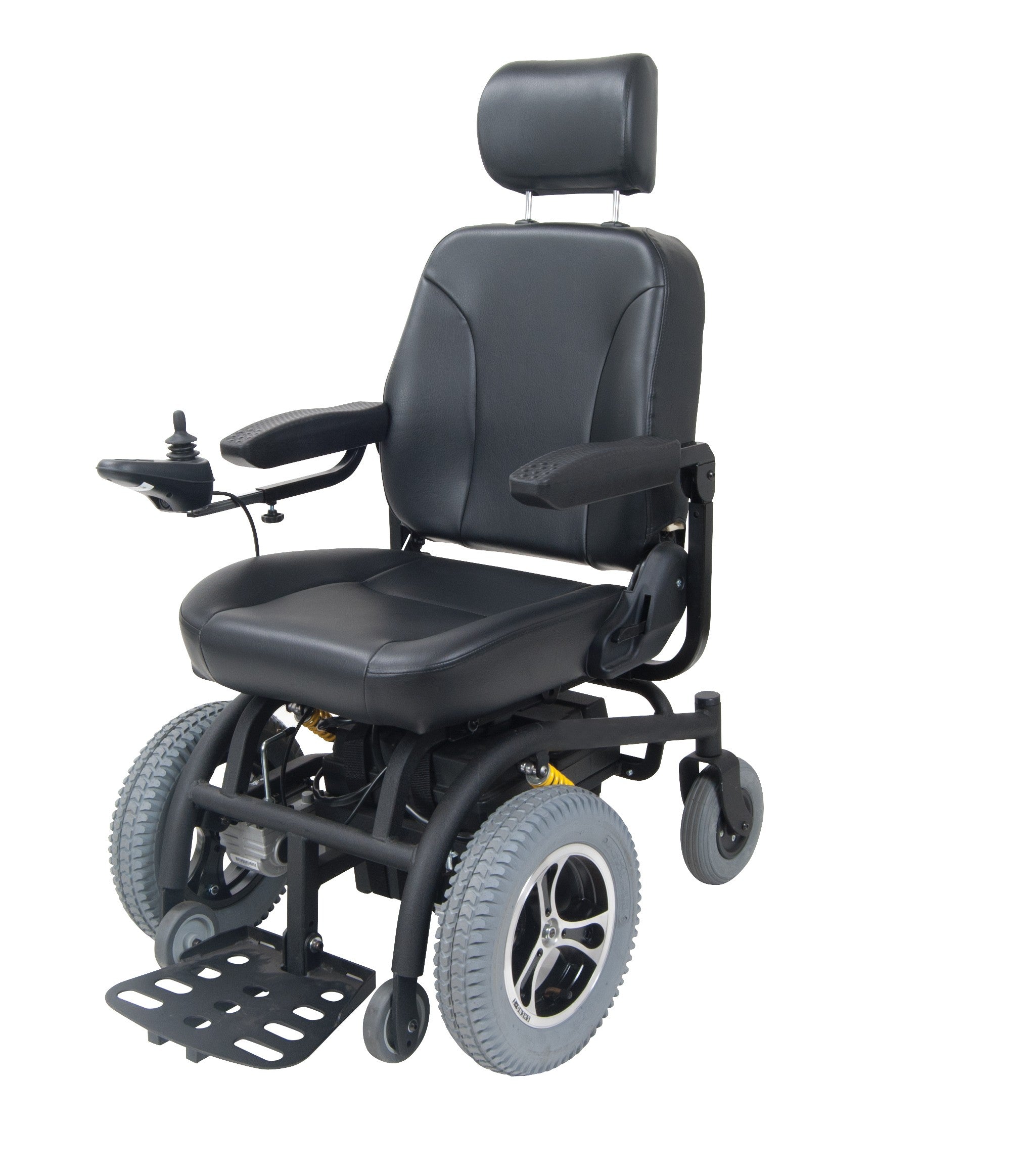
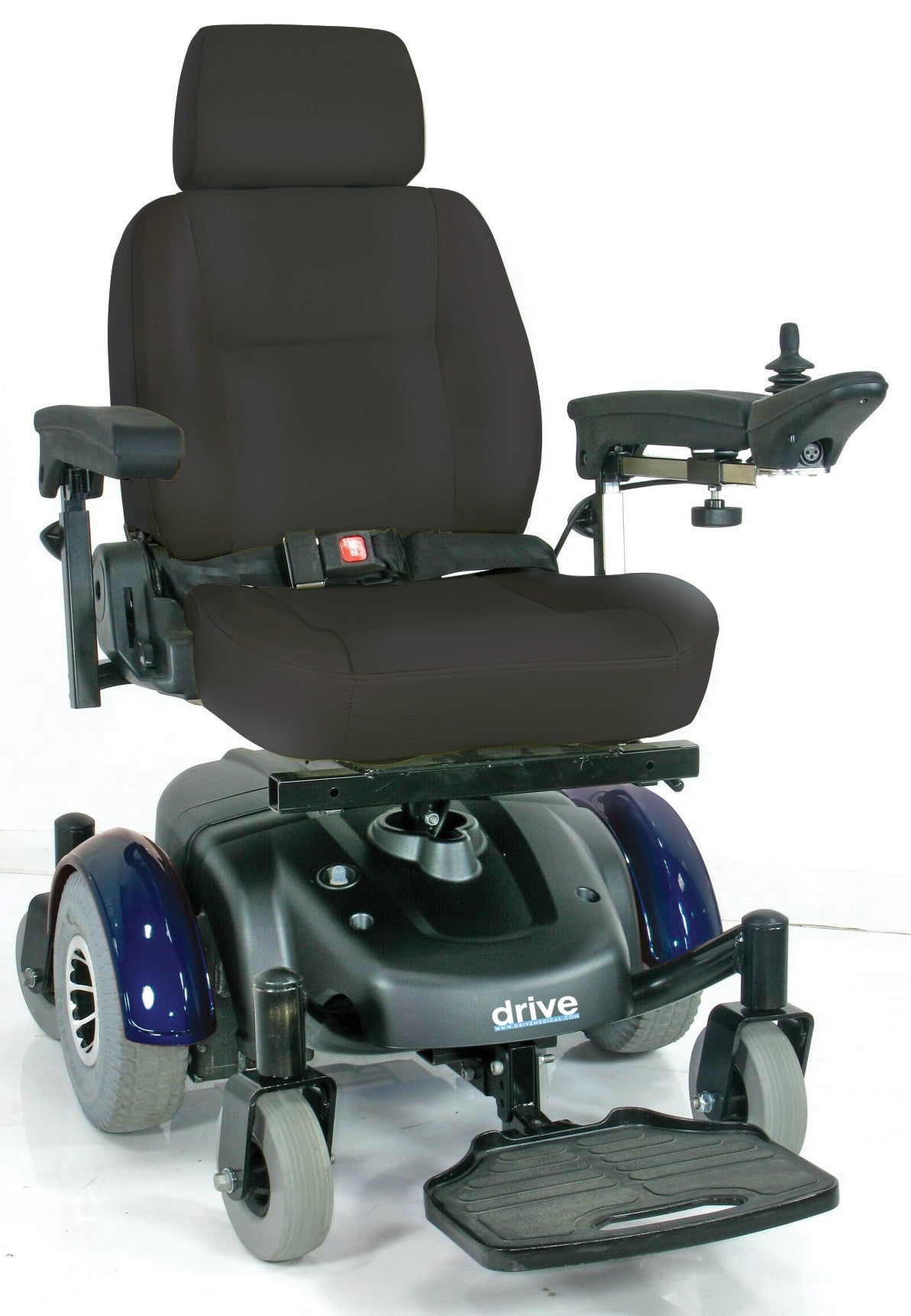
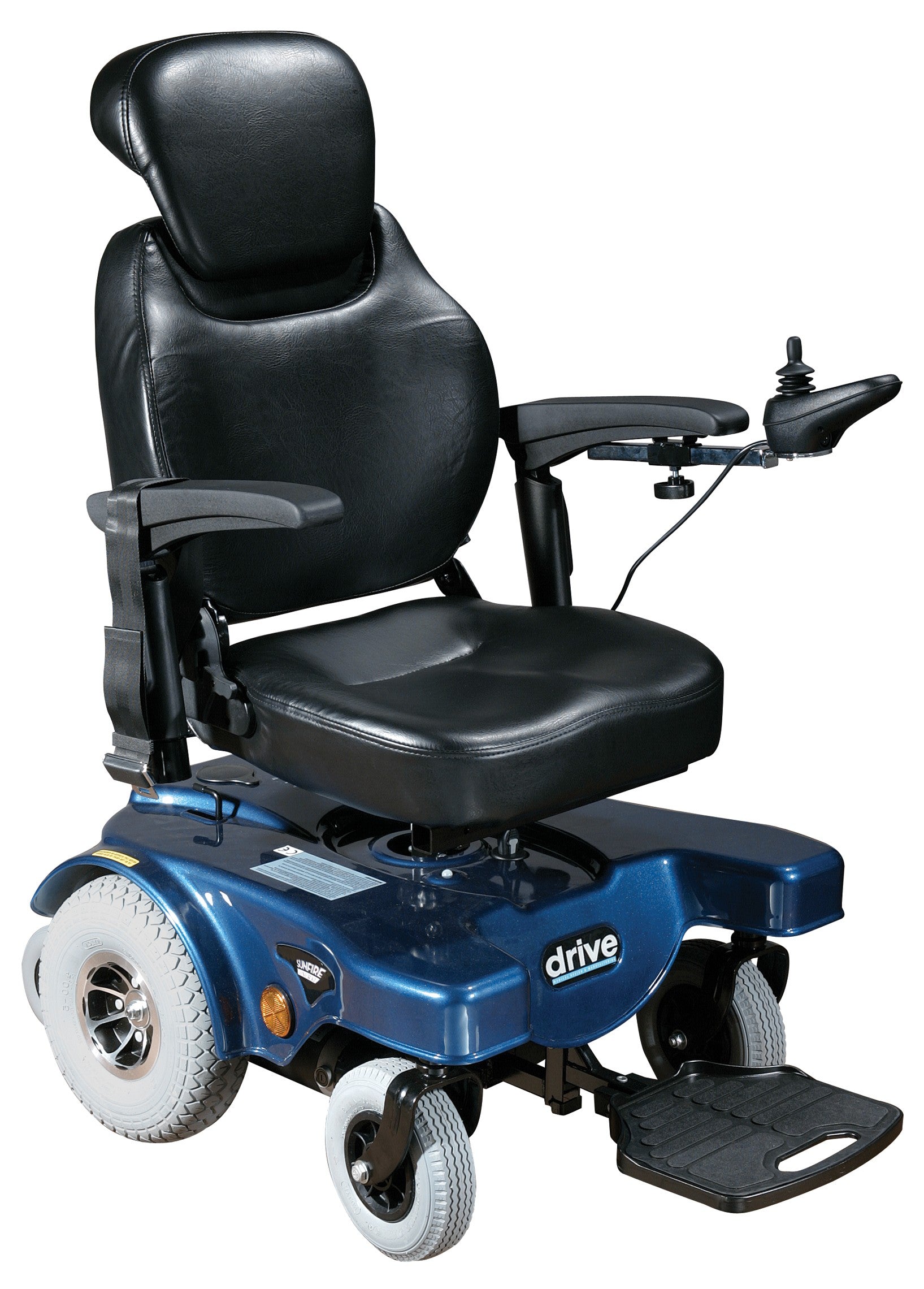
- Joystick Controller
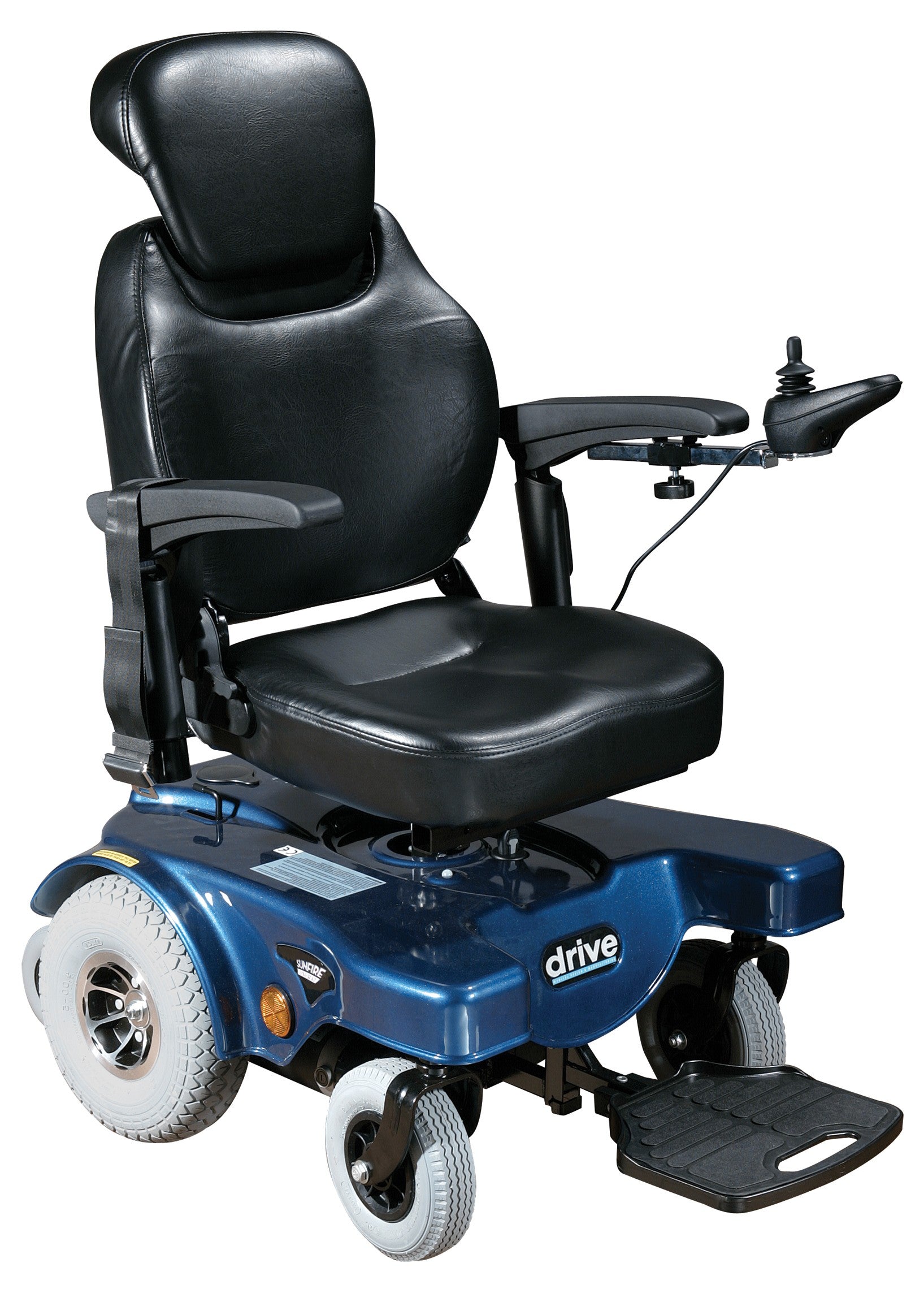
- The primary steering and speed-control device on a power wheelchair, typically mounted on one armrest. It allows the user to navigate in any direction with minimal hand movement, making it accessible for individuals with limited upper-body strength.
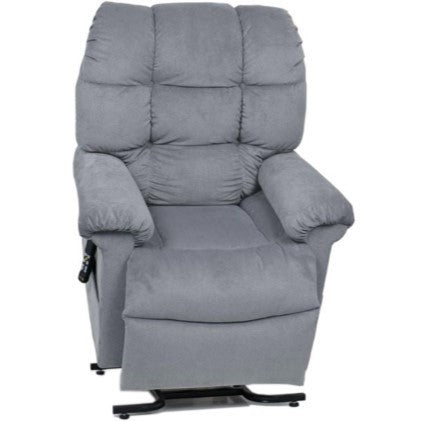
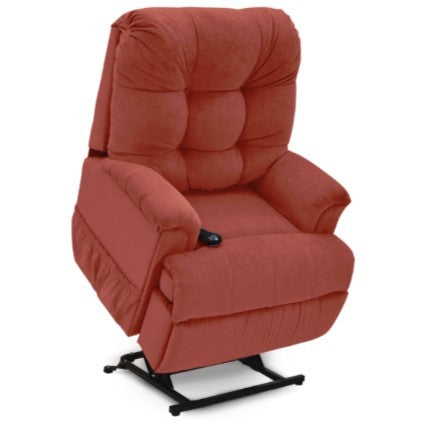
- Lift Chair
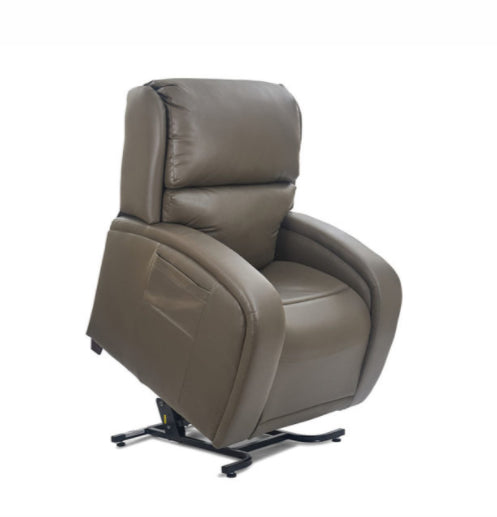
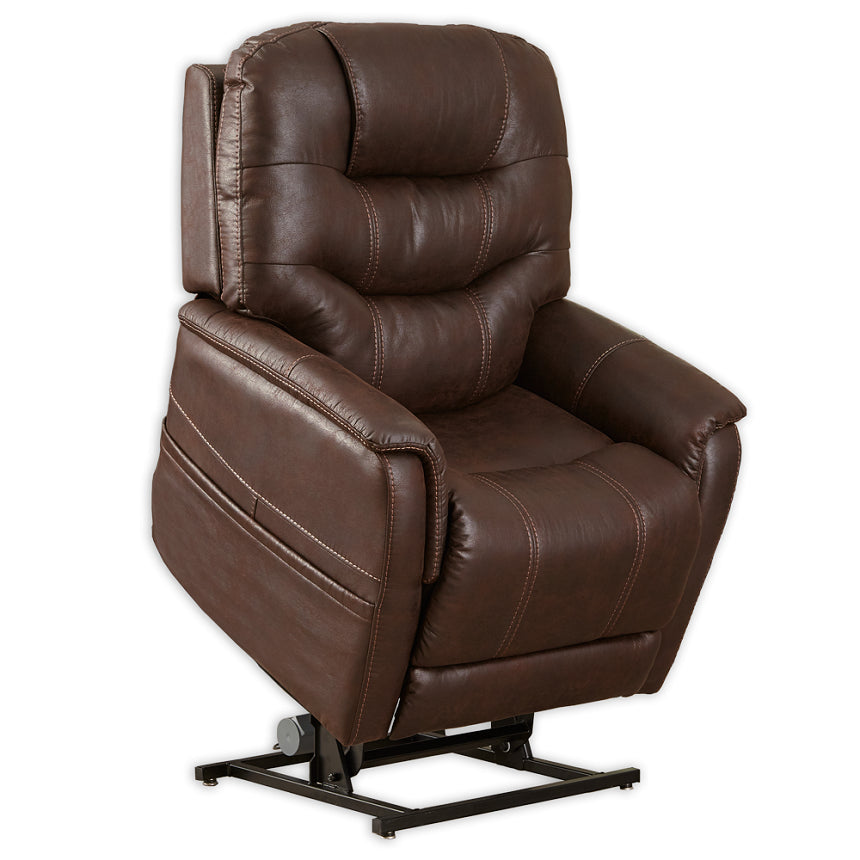
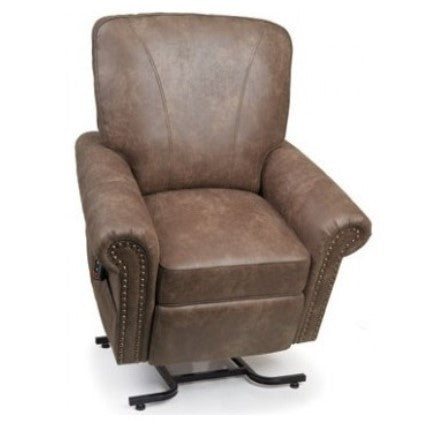
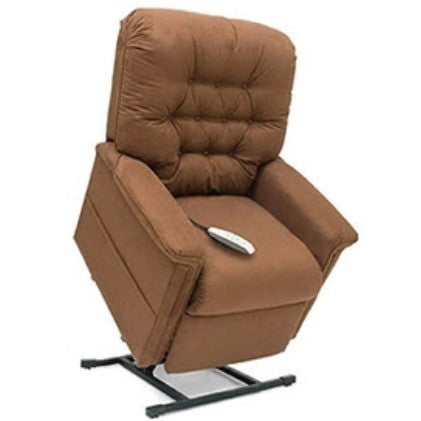
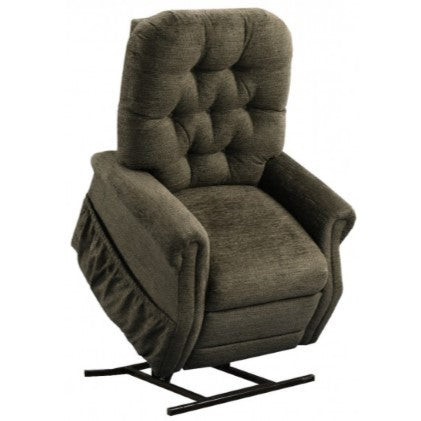
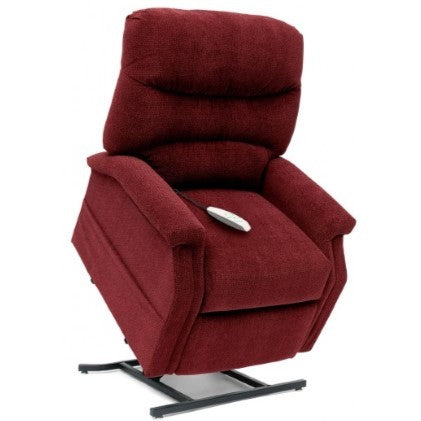
- A motorized recliner with a built-in lifting mechanism that gently tilts the entire seat forward to help the user rise to a standing position. Lift chairs are available in multiple recline configurations and are a popular solution for individuals who have difficulty getting up from a seated position.
- Low Bed
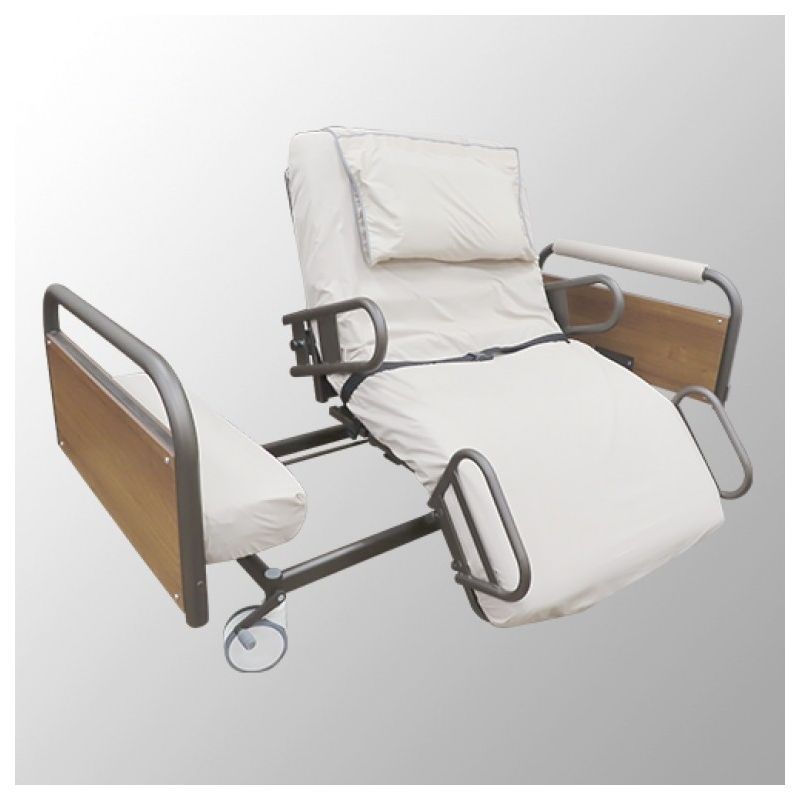
- A hospital-style home-care bed that can be lowered very close to the floor to minimize the risk of injury from falls. Low beds are recommended for patients who are at high risk of rolling out of bed during sleep or repositioning.
- Mattress Overlay
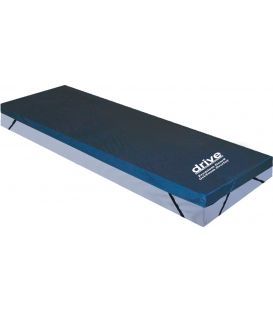
- A pressure-redistributing surface placed on top of an existing mattress to help prevent pressure ulcers in patients who spend extended time in bed. Overlays are available in foam, air, and gel varieties, each designed to reduce concentrated pressure on vulnerable skin areas.
- Medicare Part B
- The component of Medicare that covers medically necessary durable medical equipment, including power wheelchairs, manual wheelchairs, and hospital beds. Understanding Part B coverage is often the first step for customers exploring insurance reimbursement for home medical equipment.
- Mobility Scooter
- A battery-powered personal vehicle steered by a tiller (handlebar-style control) and designed for individuals who need assistance covering longer distances. Mobility scooters come in 3-wheel and 4-wheel configurations, as well as folding models for easy transport.
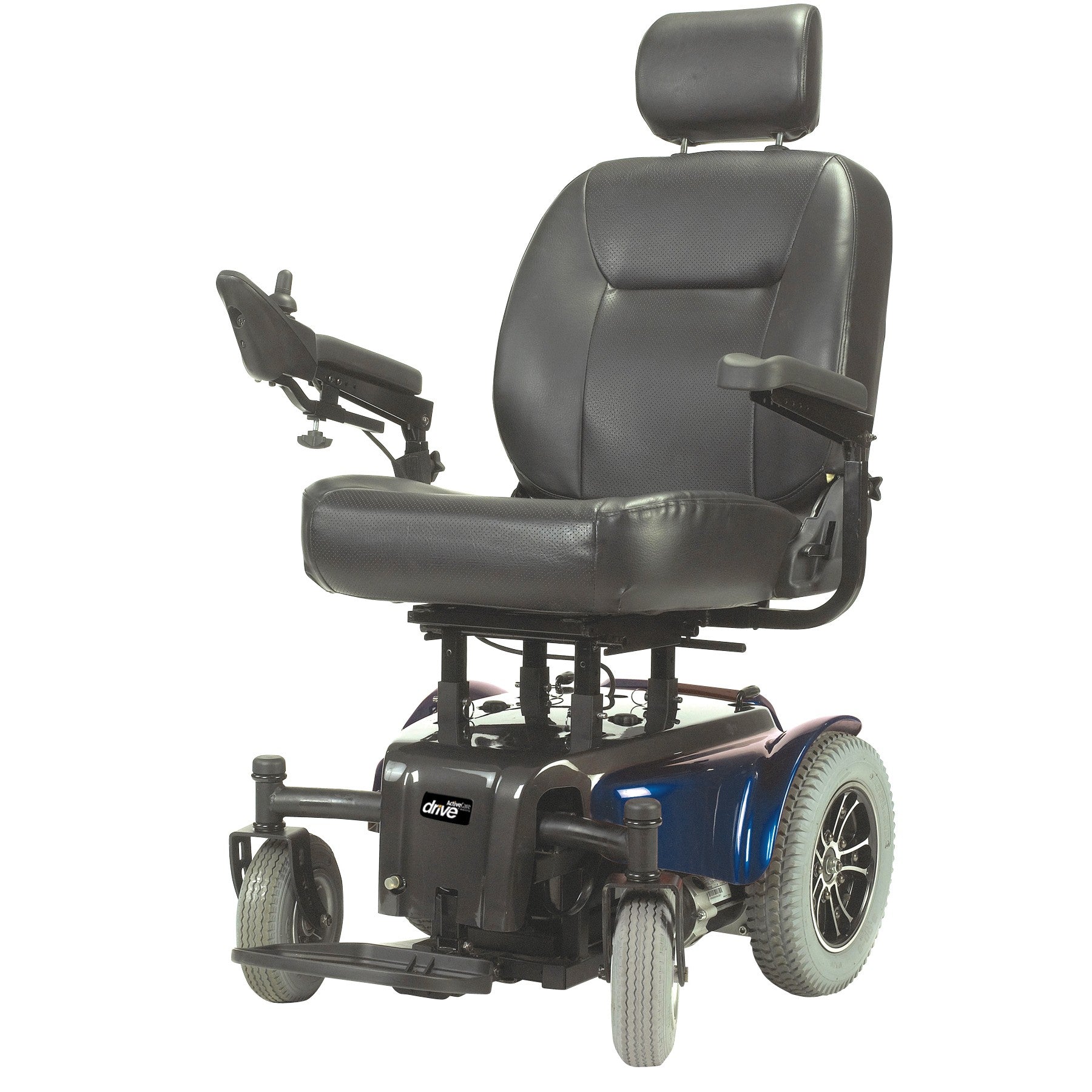
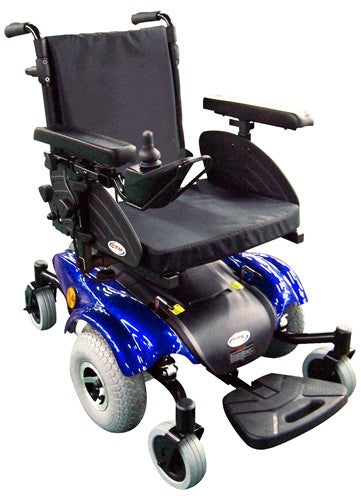
- Power Wheelchair
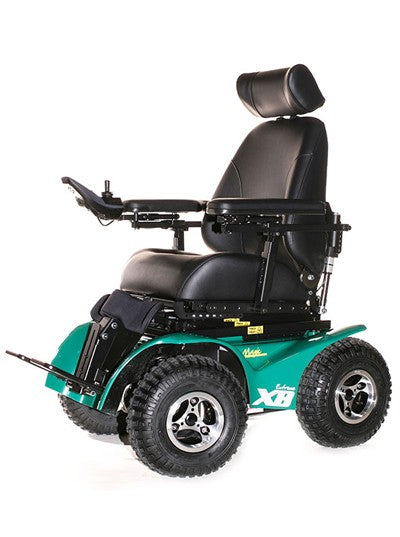
- A motorized wheelchair operated by a joystick controller, built for users who require full-time seated mobility assistance. Power wheelchairs are available in multiple drive configurations and weight capacities to match a wide range of indoor and outdoor needs.
- Pressure Ulcer (Decubitus Ulcer)
- A wound that develops when prolonged pressure on the skin restricts blood flow, most often occurring in patients who are immobile or bedridden. Products such as mattress overlays, geri chairs with repositioning features, and low beds are specifically designed to help prevent these injuries.
- Tiller
- The handlebar-style steering mechanism found on mobility scooters. The tiller is a key feature that distinguishes scooters from power wheelchairs, which use a joystick. Speed controls and directional inputs are built into the tiller grips.
- Turning Radius
- The minimum amount of space a power wheelchair or mobility scooter needs to complete a full 360-degree turn. A smaller turning radius is critical for indoor use, where hallways, doorways, and furniture limit available maneuvering room.
- Weight Capacity
- The maximum user weight a piece of mobility or seating equipment is rated to safely support. Weight capacity is listed on every wheelchair, lift chair, scooter, and hospital bed, and choosing a product with the correct rating is essential for both safety and product longevity.


