

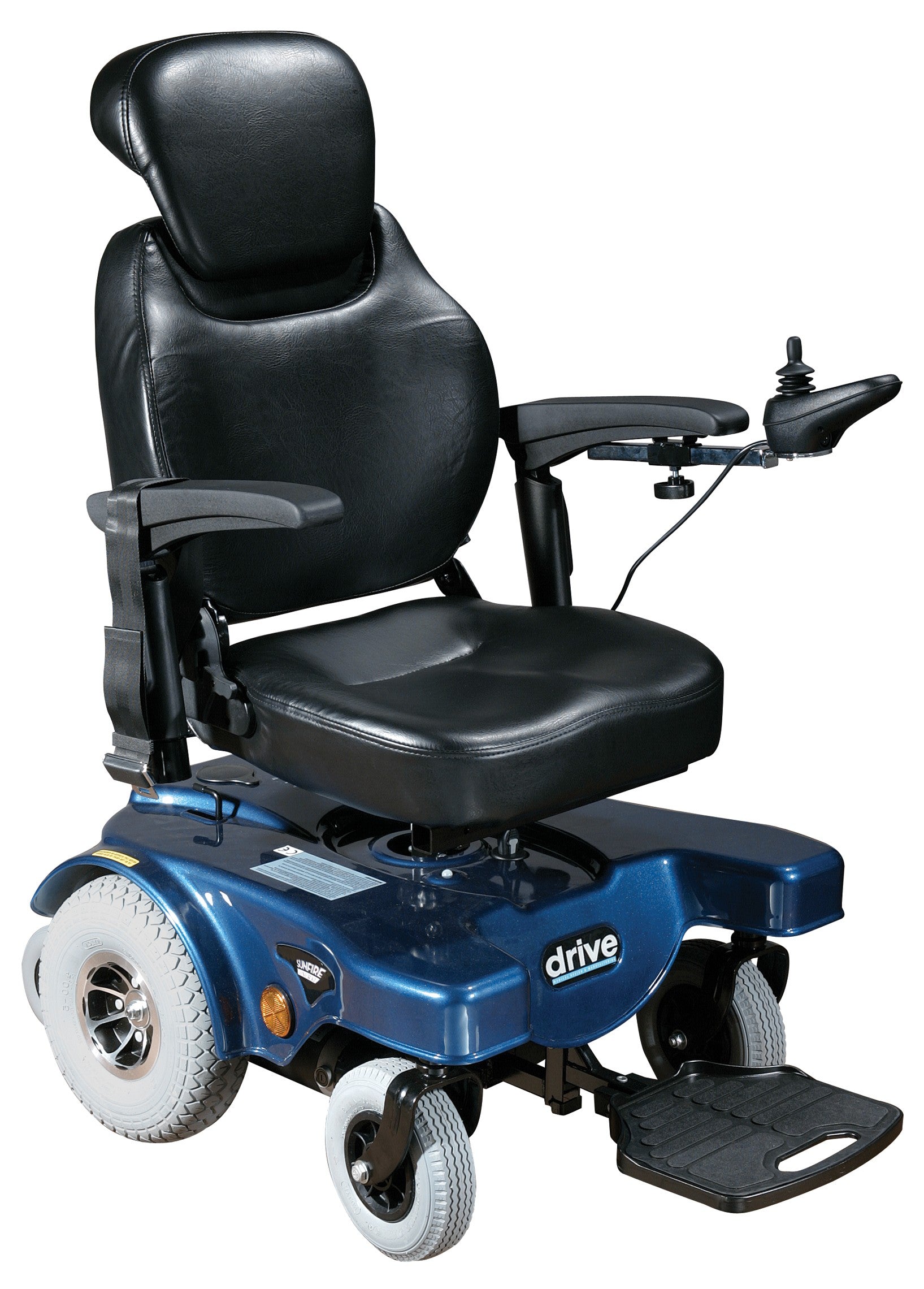

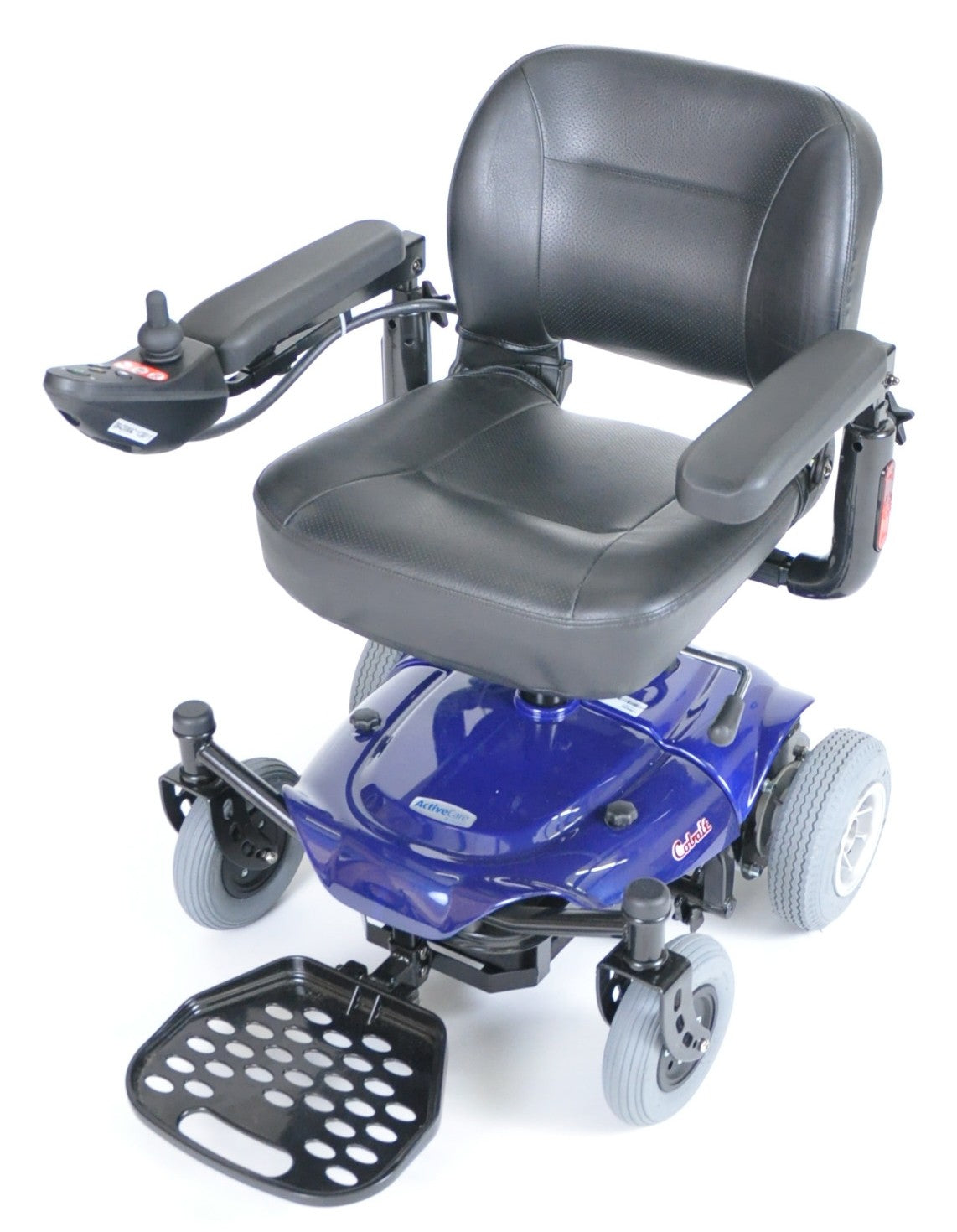
































A mobility scooter is most useful when it is ready to go when you are. Knowing how to charge a mobility scooter correctly helps protect its batteries, supports reliable daily range, and reduces the chance of being left without power during an important outing. The process is straightforward, but a few details - especially using the right charger and establishing a regular routine - make a real difference.
Start With the Right Charger and Battery Type
Always use the charger supplied with your scooter or a manufacturer-approved replacement designed for that exact model. Mobility scooter chargers are matched to the scooter’s voltage, battery chemistry, and charging system. A charger that looks similar may not deliver the proper charging profile, which can shorten battery life or damage the electronics.
Most full-size and travel scooters use sealed lead-acid batteries, commonly AGM or gel batteries. These are maintenance-free batteries designed for mobility equipment. Some newer lightweight scooters use lithium batteries, which are lighter and can charge differently. Your owner’s manual and battery label should identify what your scooter uses.
If you need a replacement charger or battery, have the scooter model number available before ordering. The connector style, voltage, and output all need to match. This is one area where an expert can help confirm fit rather than relying on appearance alone.
How to Charge a Mobility Scooter Safely
Before charging, park the scooter on a level, dry surface near a working wall outlet. Turn the scooter off and engage the freewheel lever in the drive position if your model requires it. Keep the charging area away from direct heat, open flames, water, and highly flammable materials.
Follow the sequence in your owner’s manual if it differs from the steps below. For many mobility scooters, the typical process is:
1. Turn the scooter off and remove the key, if applicable.
2. Inspect the charger cord, plug, and charging port for visible damage, loose connections, or dirt.
3. Insert the charger plug firmly into the scooter’s charging port.
4. Plug the charger into a properly grounded wall outlet.
5. Check the charger indicator lights and allow the charge cycle to finish before unplugging it.
Many chargers show a red or amber light while charging and a green light when charging is complete, but light patterns vary by manufacturer. Do not assume a green light means the same thing on every charger. Check your manual if the indicator lights flash, remain off, or show an unexpected color.
When the battery is fully charged, unplug the charger from the wall and then disconnect it from the scooter, unless your manual directs a different order. Replace the charging-port cover if your scooter has one. This keeps dust and moisture out of the connection.
Charge Indoors in a Dry, Open Area
A garage, utility room, or dry area of the home is often a practical place to charge. Avoid charging outside, even under a covered porch, where humidity, rain, and temperature changes can affect the charger and electrical connections.
Lead-acid batteries should not be charged in a sealed, unventilated closet. Although sealed batteries are designed for normal home use, charging equipment still needs room around it and should not be covered with blankets, clothing, or boxes. Keep children and pets away from cords and plugs.
If the scooter has just been used in very hot or very cold weather, let the battery and charger return closer to room temperature before charging. Extreme temperatures can affect performance and may cause the charger to behave differently.
How Long Should You Charge a Mobility Scooter?
For most scooters with lead-acid batteries, an overnight charge is the simplest and most dependable routine. A typical full charge may take six to 12 hours, depending on how low the battery is, the battery capacity, and the charger. Some models may need longer after a deep discharge.
The best answer is still the one in your scooter’s manual. Modern mobility scooter chargers generally switch to a maintenance or float mode after the batteries are full, allowing many users to leave the scooter connected overnight. However, you should not rely on that feature unless the manufacturer confirms it for your model.
Lithium-powered scooters often charge more quickly, but they have their own instructions for storage, temperature, and charging. Do not apply lead-acid battery habits automatically to a lithium scooter. Use the charger supplied for the lithium battery system and follow its stated charge times.
Build a Charging Routine That Fits How You Use the Scooter
For a scooter used most days, charging after the day’s final trip is usually a smart habit. You do not need to wait until the battery gauge is nearly empty. In fact, repeated deep discharges can be hard on lead-acid batteries and may reduce their service life.
If you use the scooter only occasionally, charge it after use and then recharge it on the schedule recommended by the manufacturer. Batteries slowly lose power even while the scooter is parked. A scooter left unused for weeks or months without charging can develop weak batteries that no longer hold a dependable charge.
Battery gauges are useful, but they are not perfect. A gauge may look full immediately after charging and then settle after you begin driving. Watch how far the scooter travels on a normal charge. A noticeable drop in range can be an early sign that the batteries are aging, not necessarily that the charger is failing.
Plan Ahead Before a Longer Outing
Before a medical appointment, family event, or day of shopping, charge the scooter fully the night before. Bring the charger only if you know you will have a safe, accessible place and enough time to use it. For most short outings, a full charge and an honest understanding of your scooter’s usual range are more useful than trying to top off the battery wherever you go.
Keep in mind that published range estimates depend on ideal conditions. Rider weight, hills, carpet, grass, cold weather, tire condition, frequent starts and stops, and battery age can all reduce the distance available on one charge.
Common Mobility Scooter Charging Mistakes
The most common mistake is using an unapproved charger because the plug fits. Another is running the batteries all the way down repeatedly before recharging. Both can create avoidable battery problems.
It is also wise to avoid extension cords whenever possible. A direct connection to a grounded wall outlet is safer and more reliable. If an extension cord is unavoidable for a specific situation, use only one that is properly rated for the charger and positioned where it cannot become a trip hazard. Never use a damaged, pinched, or excessively long cord.
Do not charge a scooter with a charger that is unusually hot, makes a burning smell, has frayed wires, or displays unfamiliar warning lights. Disconnect it safely and arrange for the charger and scooter to be inspected. Similarly, do not continue charging if batteries are swollen, leaking, or producing a strong odor.
What to Do When the Scooter Will Not Charge
Start with the simple checks. Confirm that the wall outlet has power by testing it with another device. Make sure the charger is fully seated in both the outlet and scooter port. Inspect the scooter’s key switch, battery connections, and any reset button or circuit breaker identified in the owner’s manual.
If the charger light stays green immediately but the scooter has little or no power, the batteries may no longer be accepting a charge. If the charger does not power on at all, the charger, outlet, fuse, or cord may be the issue. A qualified mobility equipment professional can help narrow down the cause before you replace parts unnecessarily.
Battery replacement is a normal part of scooter ownership. Lead-acid scooter batteries often need replacement after a few years, but actual life depends on usage, charging habits, storage conditions, and the quality of the batteries. Replacing both batteries together is generally recommended when a two-battery system needs new batteries.
Protect Your Investment Between Charges
Keep the scooter clean and dry, particularly around the charging port and battery compartment. Avoid storing it in freezing conditions or intense heat for extended periods. Check tires, connectors, and the battery gauge regularly so small concerns do not become mobility interruptions.
The right charging routine gives you more than a full battery - it gives you confidence to plan the next trip. If you are unsure which charger, battery, or scooter setup fits your needs, American Quality Health Products can help you choose mobility equipment and accessories with the dependable, personalized guidance that supports everyday independence.


