


Why Your Parent Is Resisting (And It's Not What You Think)
When your parent pushes back against using a walker, cane, or scooter, it's tempting to chalk it up to stubbornness. But resistance to a mobility aid is almost never about the device itself. It's about grief. Your parent is mourning a version of themselves they're not ready to let go of.
Research from the Journal of Elder Policy at the University of Pittsburgh found that resistance to mobility devices is deeply tied to aging and disability stereotypes. For many older adults, accepting a walker feels like tipping the first domino: next comes losing the car keys, then downsizing the house, then more oversight from family. The device becomes a symbol of everything they're afraid of losing.
Most resistance falls into three patterns: Stigma ("I don't want to look old"), Denial ("I don't need it yet"), and Pride ("I've managed this long on my own"). Each requires a different approach, covered in detail below.
Here's the painful irony: refusing a mobility aid actually accelerates the independence loss your parent fears. Fifty percent of older adults who suffer a fall-related injury end up admitted to a nursing facility rather than returning home. CDC data shows the age-adjusted fall death rate among older adults climbed 21% between 2018 and 2024, from 64.7 to 78.4 per 100,000. That is not a small risk.
If you're reading this, you're likely already carrying a heavy load. According to the 2025 AARP and National Alliance for Caregiving report, approximately 63 million Americans are family caregivers, and 86% of sandwich generation caregivers say they were completely unprepared when caregiving responsibilities began. You are not alone in feeling uncertain about how to start this conversation.
Know Which "No" You're Dealing With
Not every refusal is the same, and recognizing the difference will save you considerable frustration. Most parental resistance arrives as a soft no, not a hard one.
A soft no sounds like laughter, a quick subject change, agreeing in the moment but never following through, or minimizing the problem: "Oh, I just tripped on the rug." A hard no is different. It comes with anger, direct refusal, or accusations that you're trying to control their life.
The mistake many adult children make is treating a soft no like a hard no. When you interpret deflection as a firm boundary, you stop the conversation before it's really started. A soft no is actually an opening. It means your parent heard you but isn't ready yet.
When you spot a soft no, don't push. Acknowledge what you heard: "I can tell you're not ready to talk about this right now, and that's okay. Can we come back to it next week?" Then follow through on that timeline. Most parents need multiple low-pressure conversations spread over days or weeks, not one big intervention.
The Conversation Itself: Scripts for Each Resistance Type
For Stigma Resistance
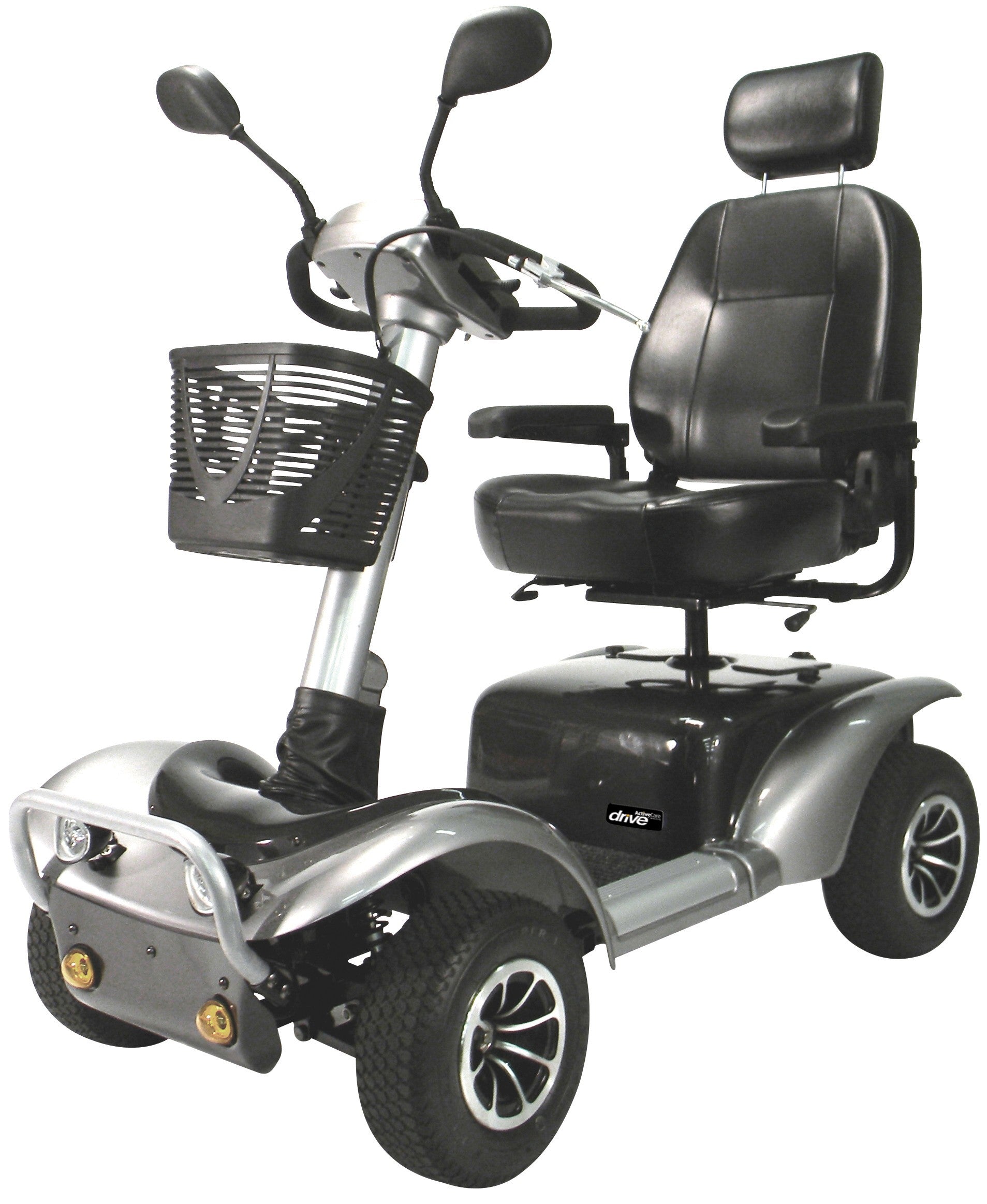
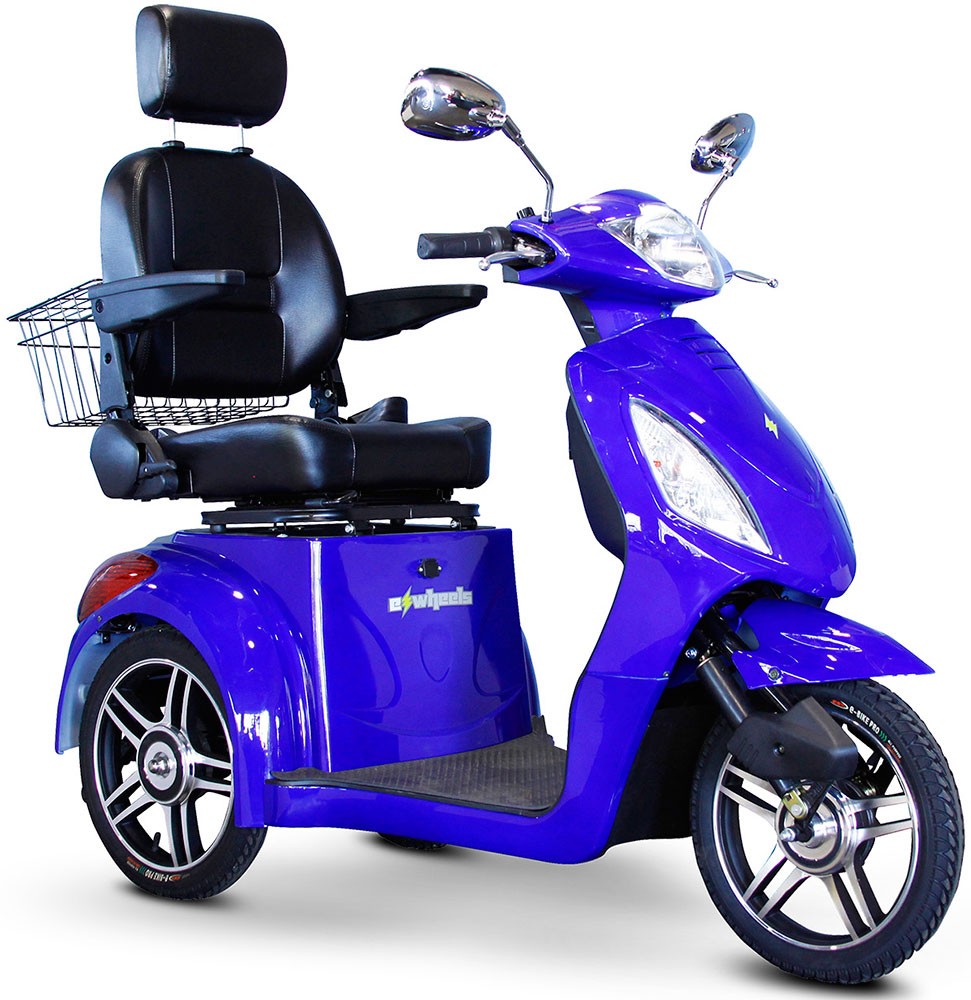
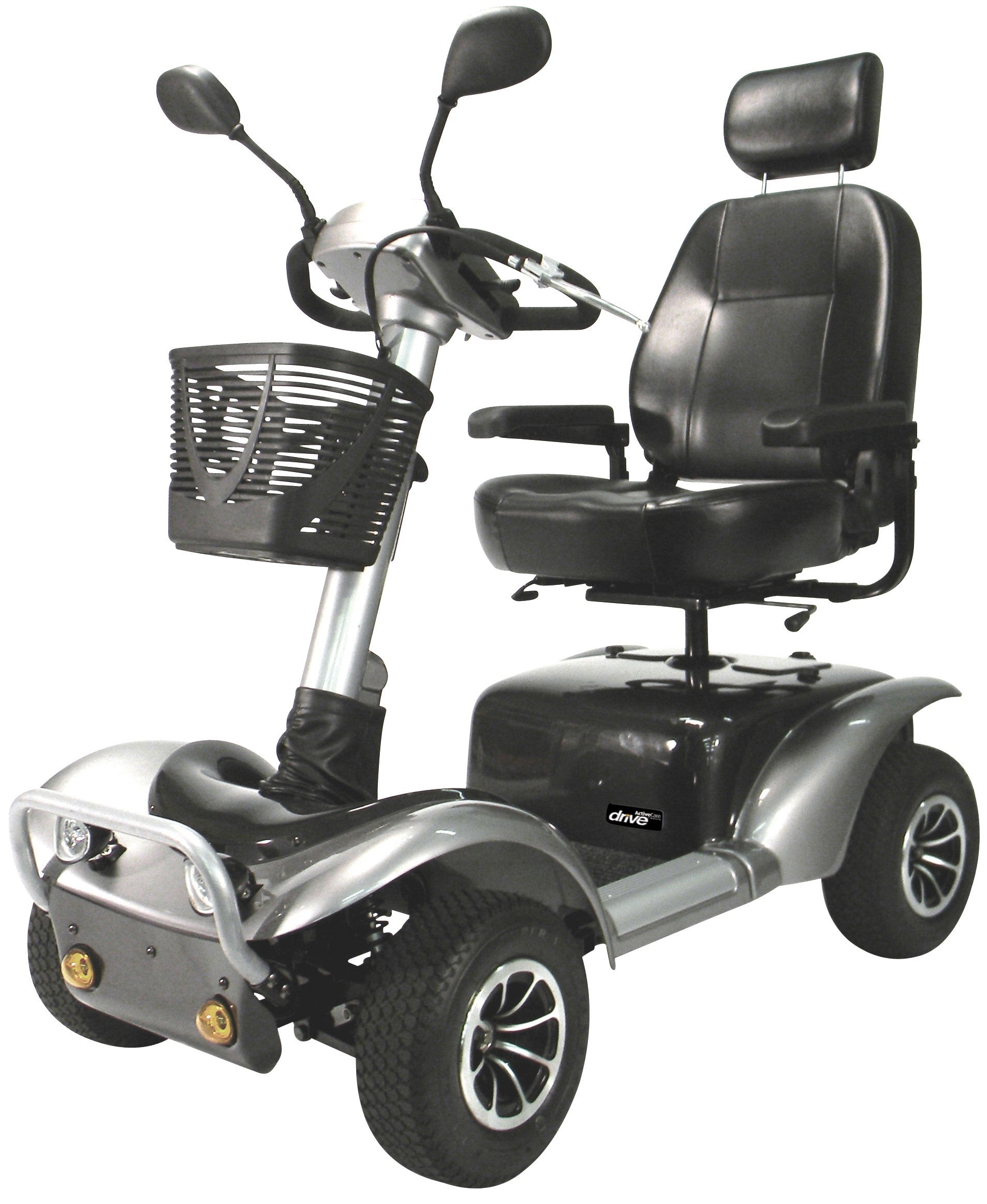
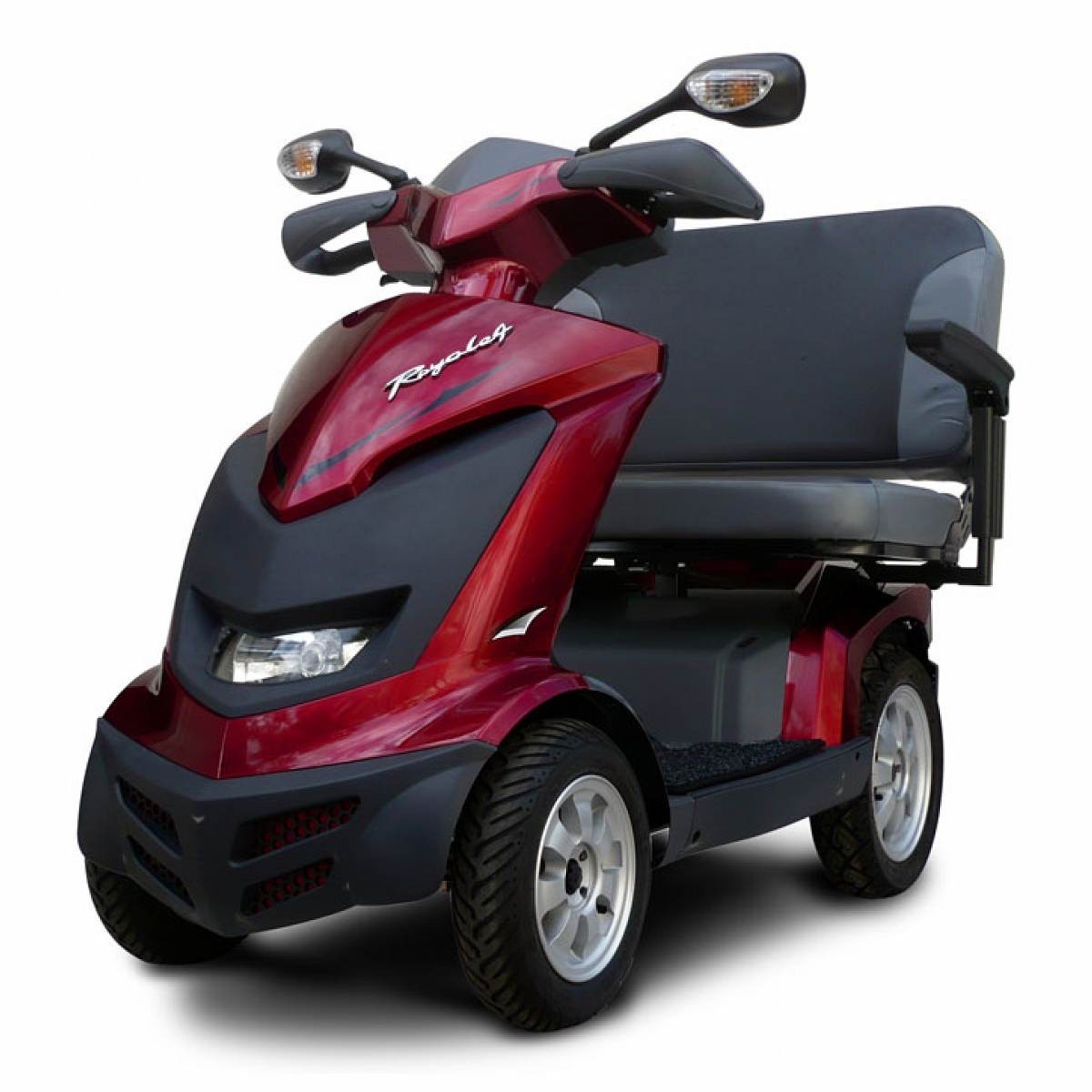
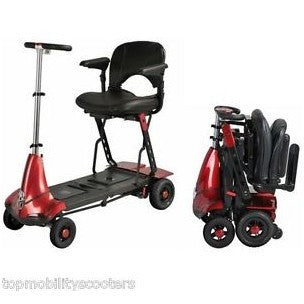
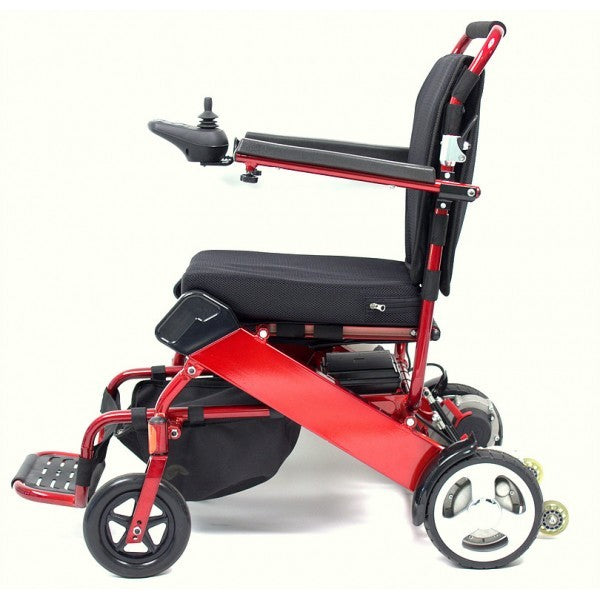
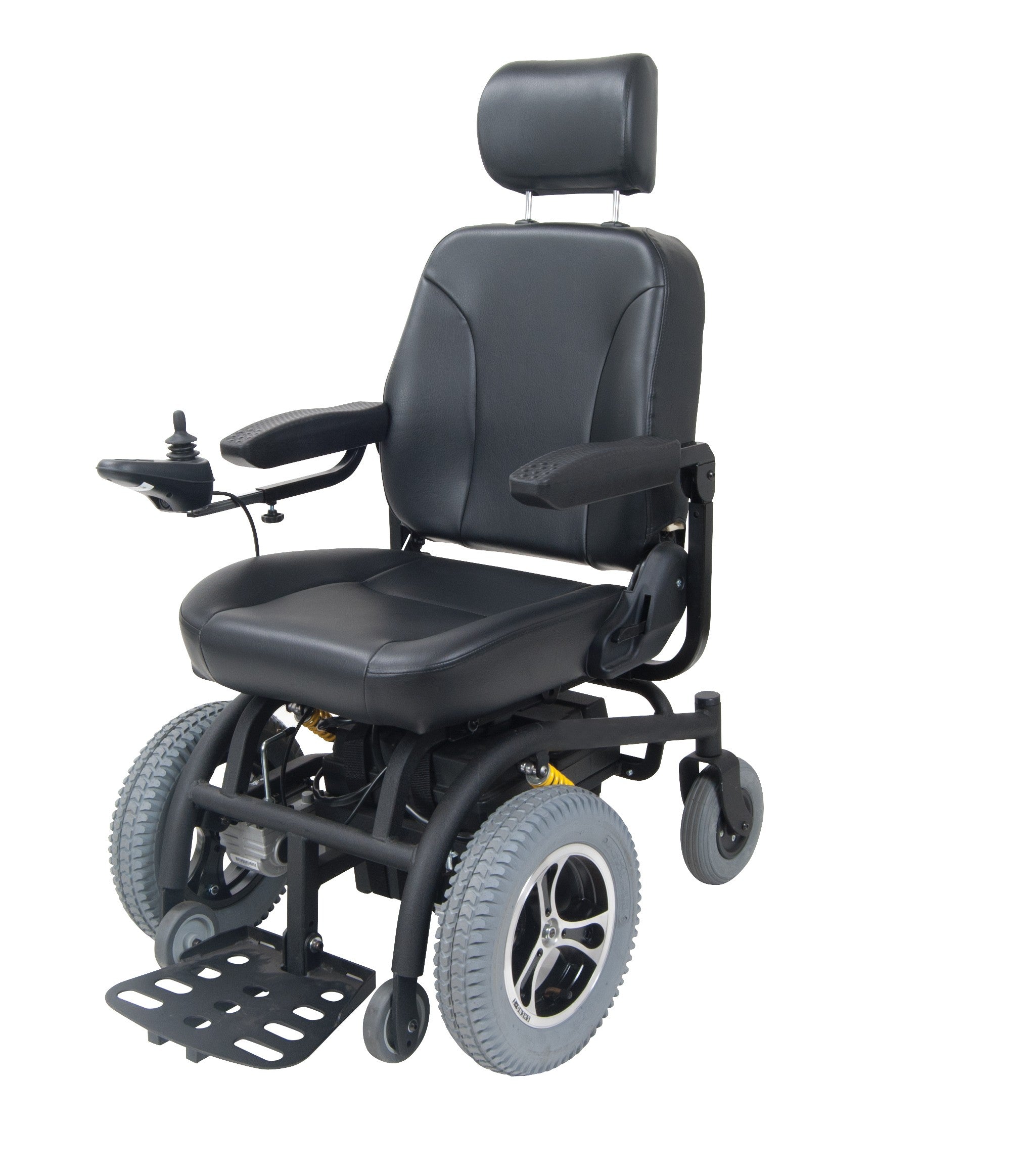
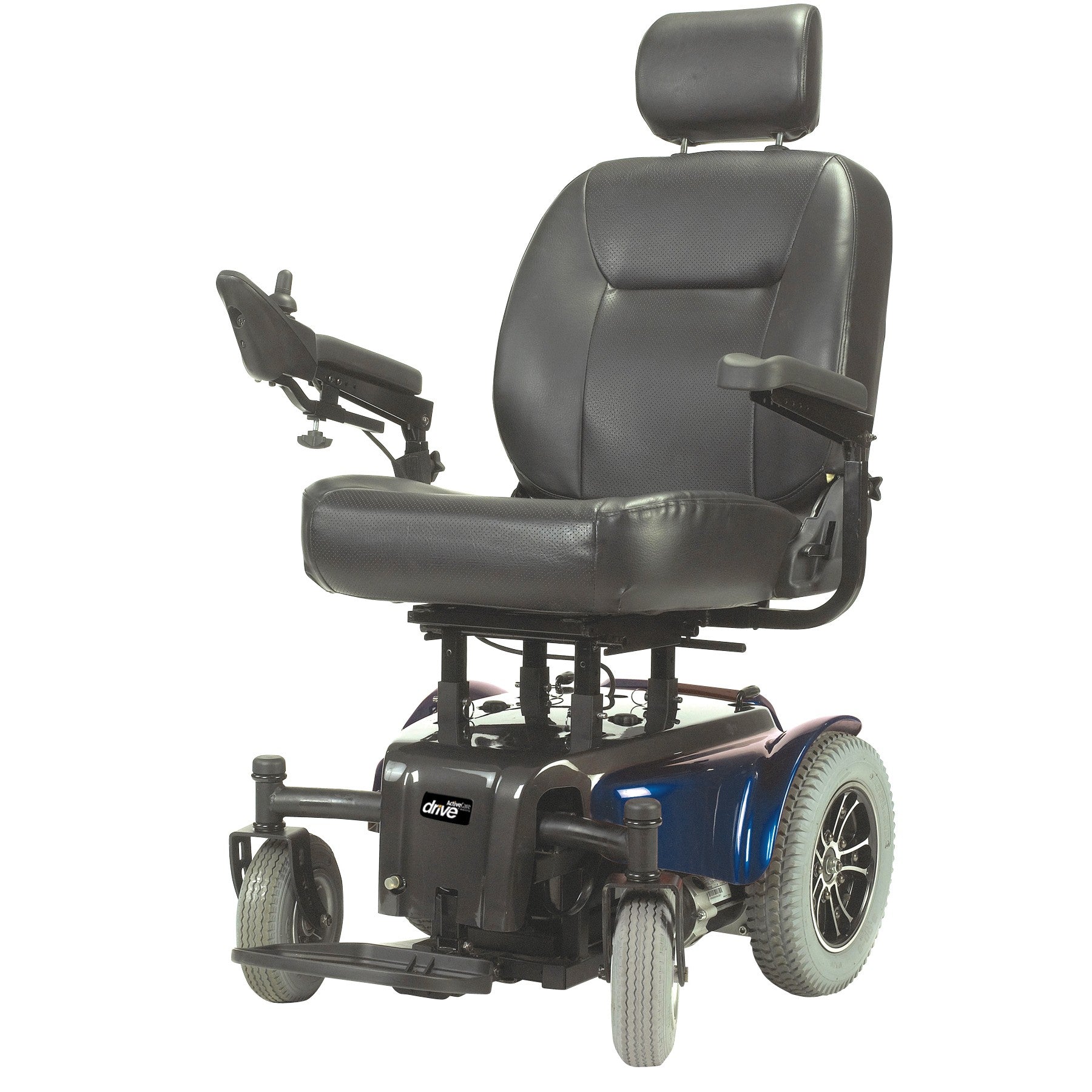
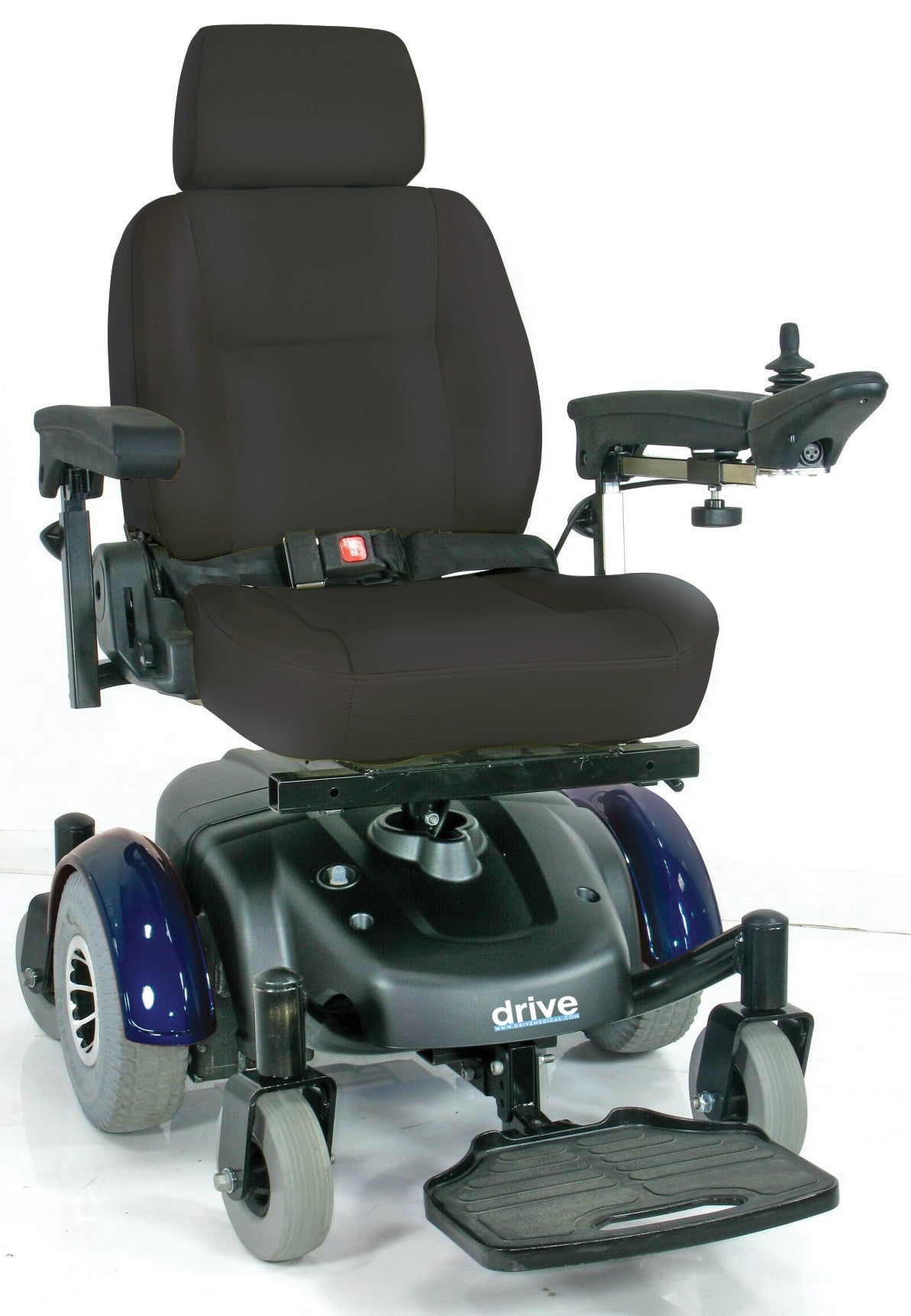
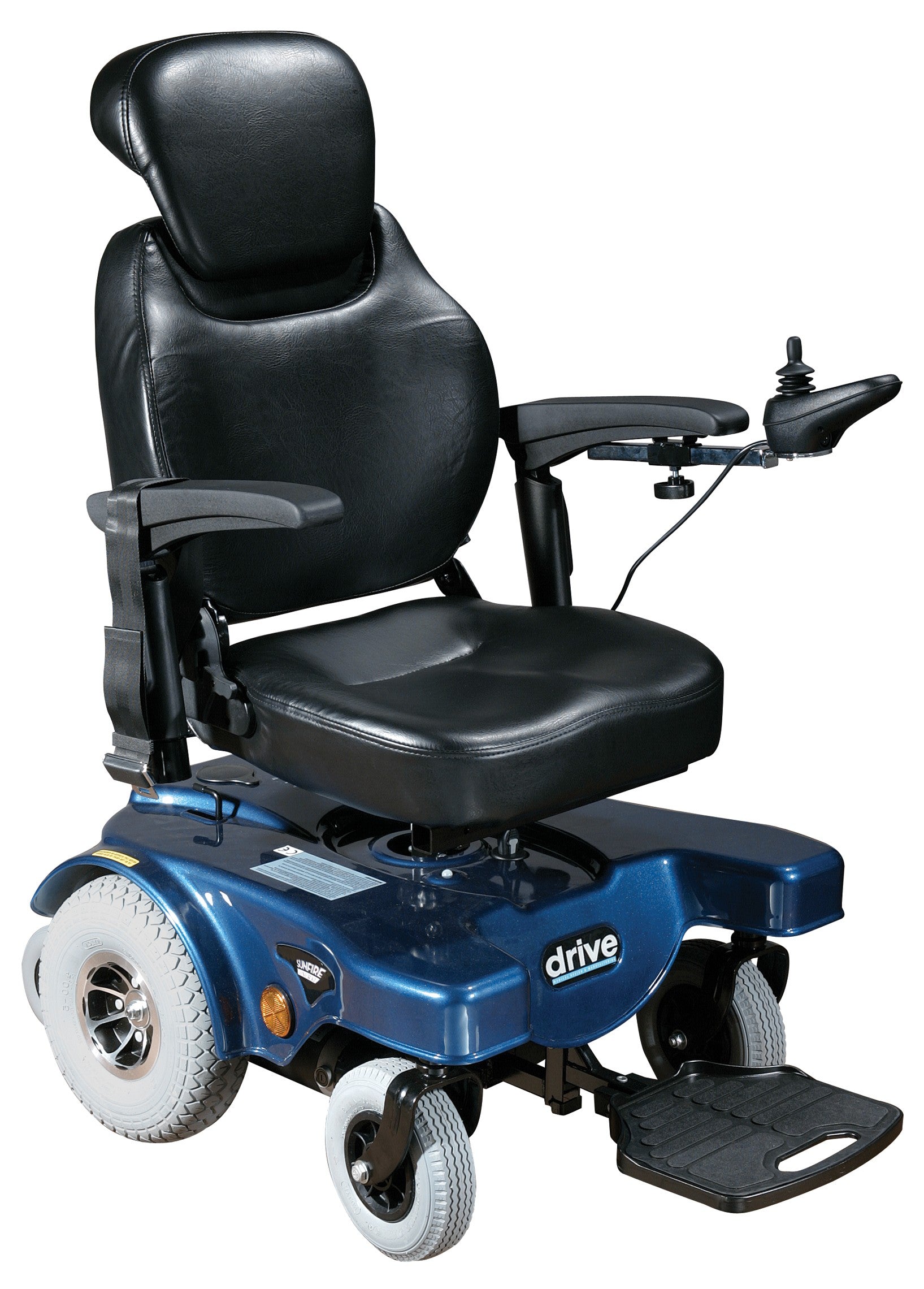
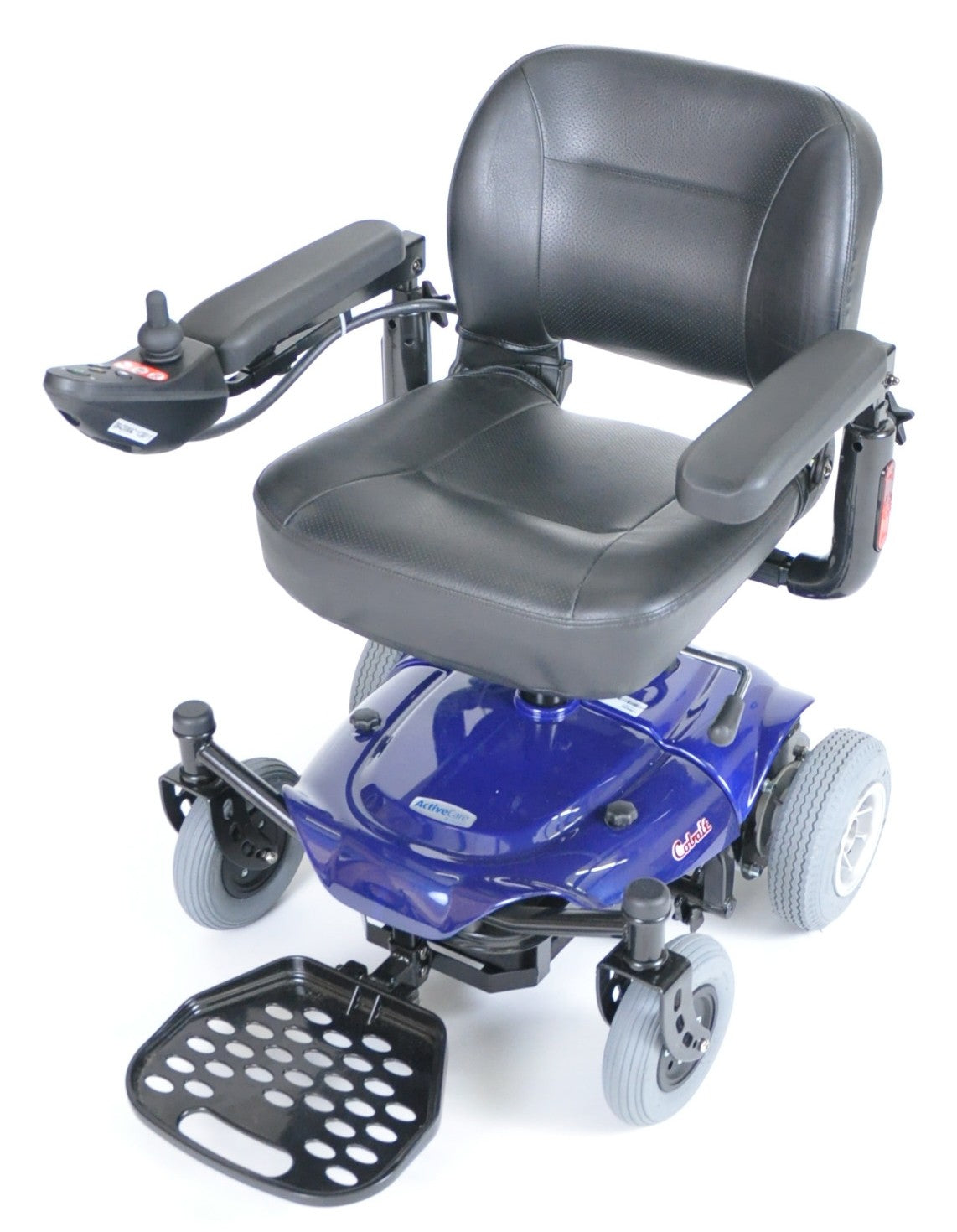
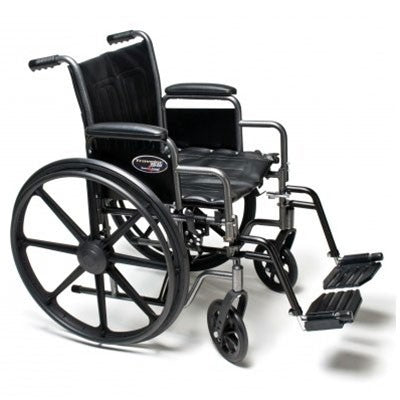
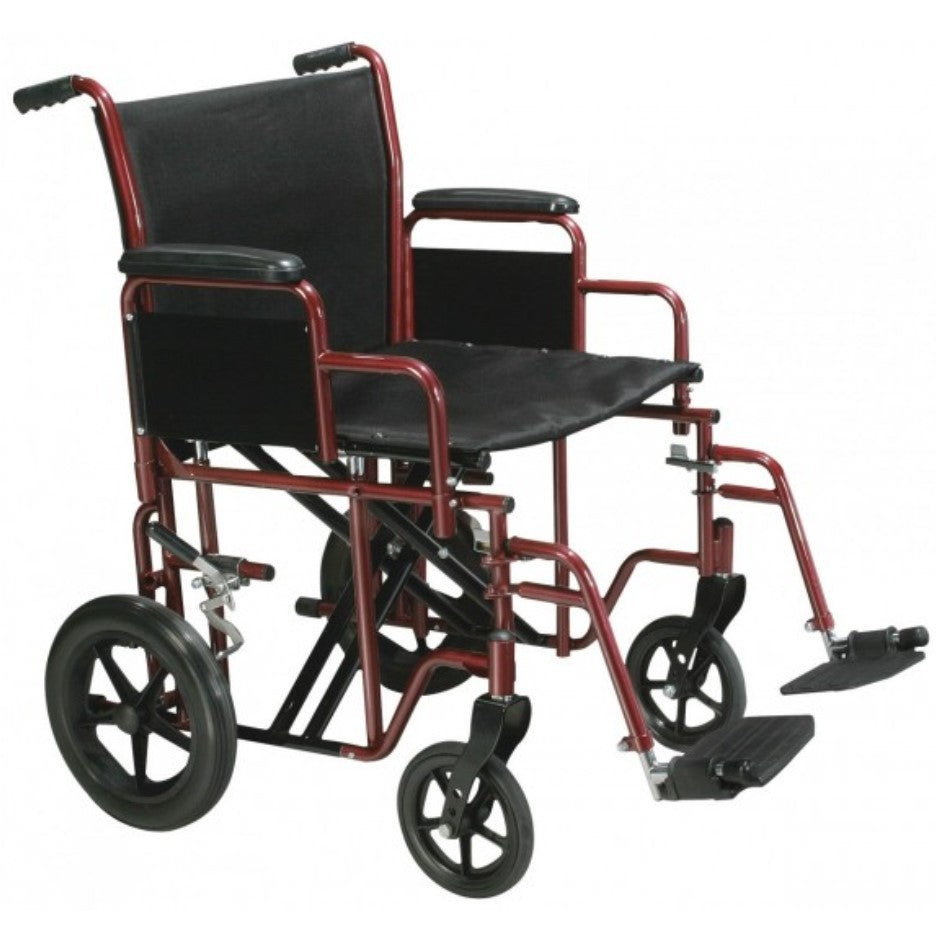
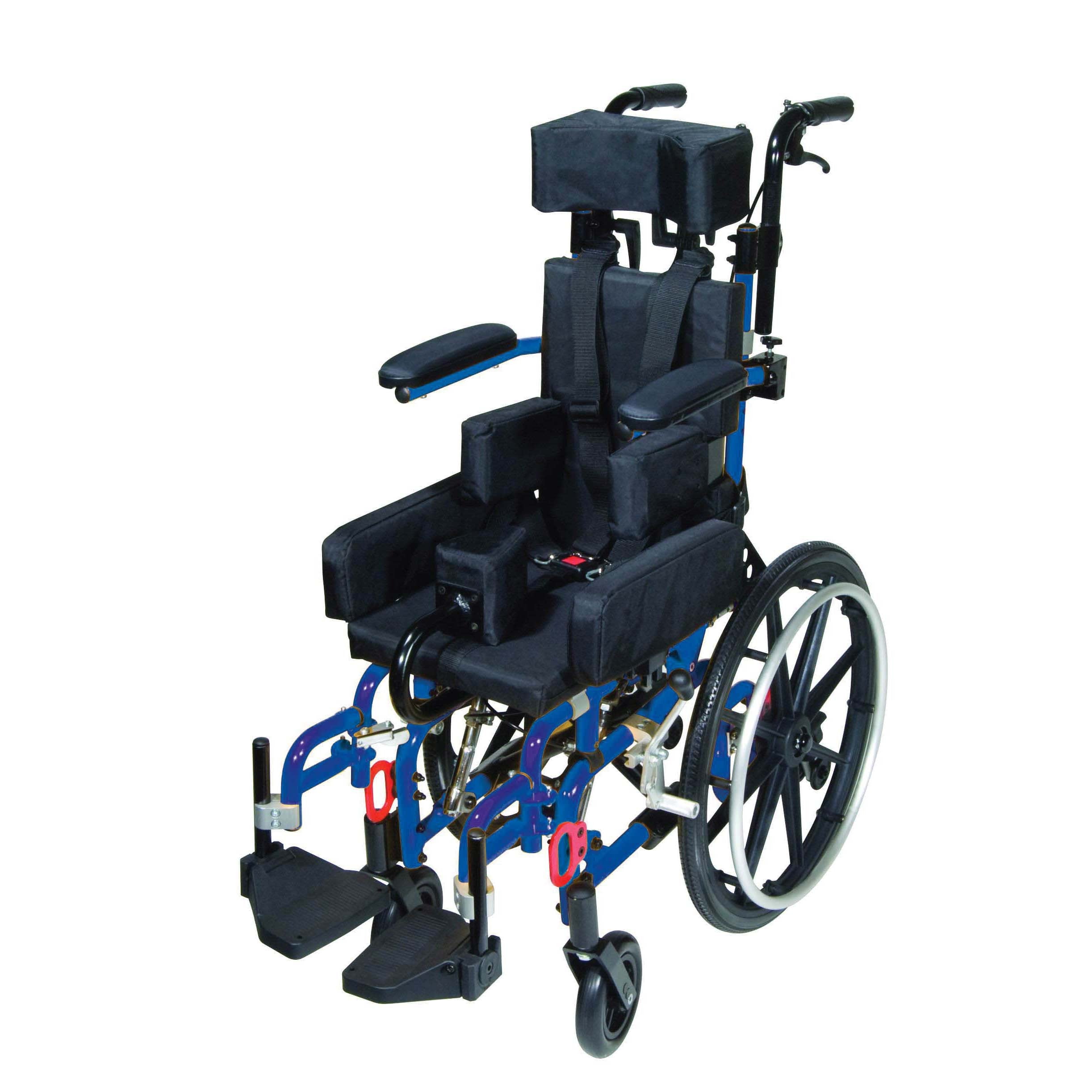
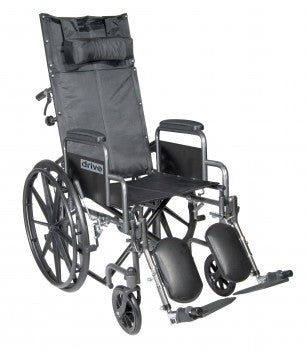
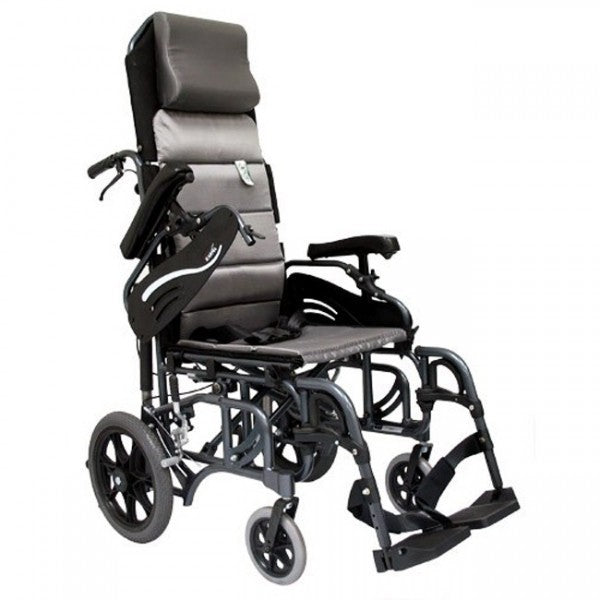
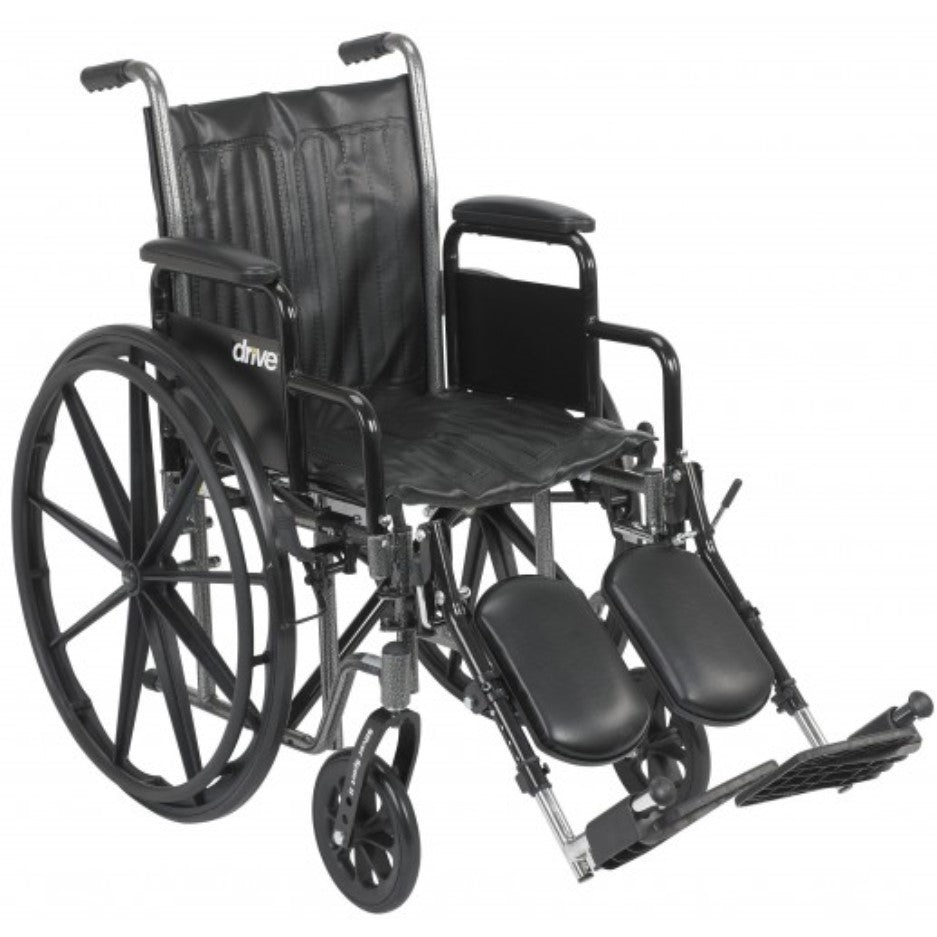
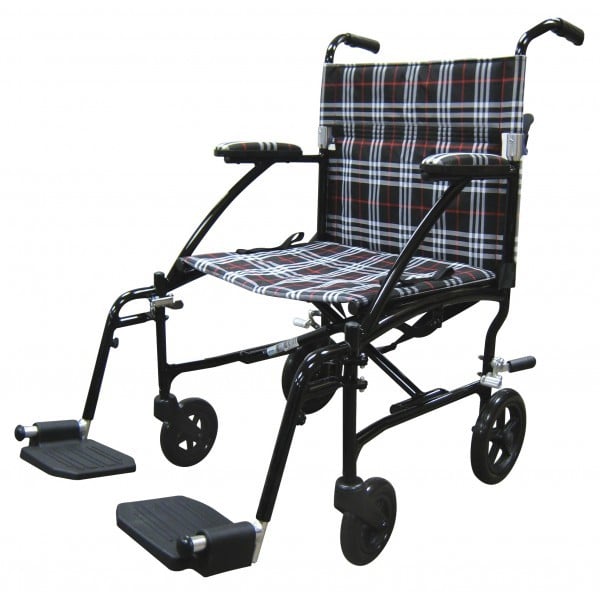
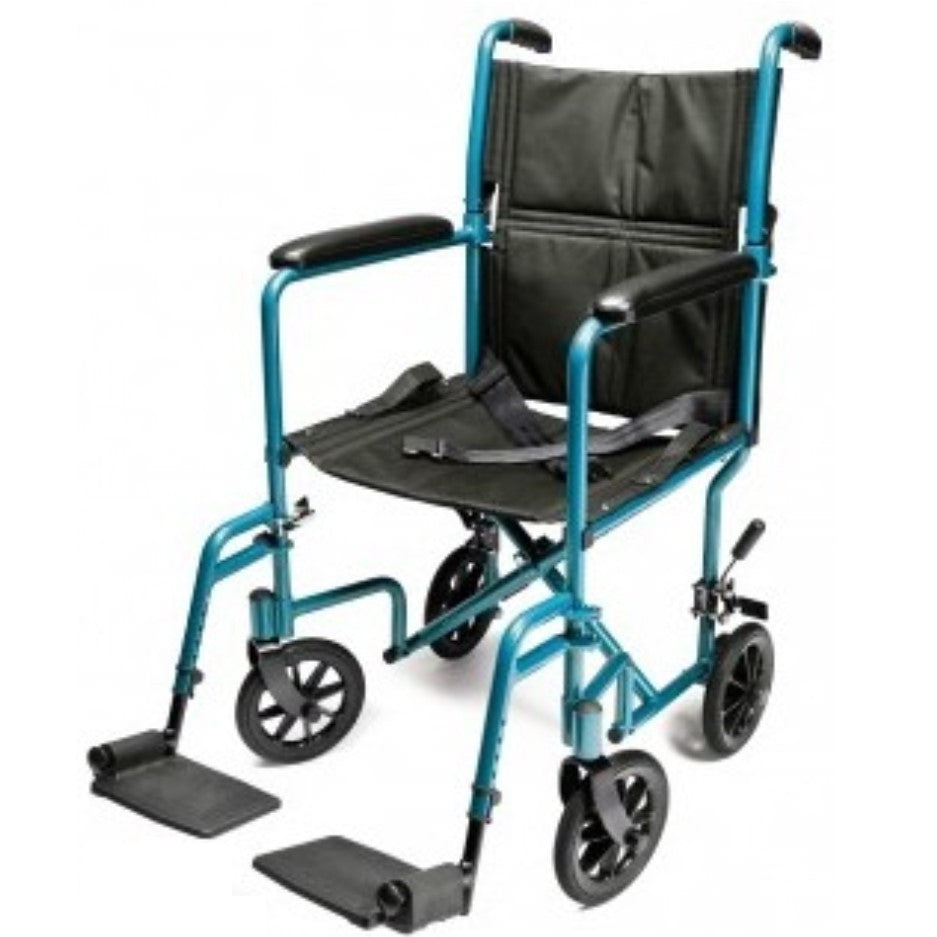
If your parent's core objection is about appearance, lead with what modern mobility equipment actually looks like. Today's rollators come in sleek designs with built-in seats and storage. Folding wheelchairs are lightweight and compact. Power scooters look sporty, not institutional. Show them actual products online or in a store. Use language like, "These are what athletes use during recovery," rather than calling it a "safety device."
For Denial Resistance
When your parent insists they don't need help yet, concrete numbers can gently challenge that belief without turning the conversation into a lecture. Fourteen million adults 65 and older fell last year, and two-thirds of those who fall once will fall again within six months. You might also name a specific behavior they'll recognize: "furniture surfing," the habit of gripping walls, countertops, and chair backs to move through the house. It's a common workaround that dramatically increases fall risk, and naming it makes the danger real rather than abstract.
For Pride Resistance
Pride-based resistance responds best to reframing. Instead of "I'm worried you'll fall," try: "I want you to have this so you don't have to depend on me to get around." That positions the device as a tool for self-sufficiency, not a concession.
Across all three types, the "energy saver" framing is powerful. A mobility aid doesn't limit what your parent can do. It lets them do more of what they love: gardening, attending a grandchild's soccer game, traveling to visit friends. Frame it around specific activities they care about, not abstract safety.
The "try before you commit" approach also lowers the stakes. Present the device as a short-term experiment: "Let's just try it for two weeks at the farmers' market and see how it feels." A trial feels very different from a permanent identity change.
Three things to avoid: Don't lead with fear statistics. Don't have this conversation in front of other people. And never bring it up while your parent is physically struggling, such as getting out of a chair. Those moments feel like ambushes.
When Family Pressure Isn't Working: Bring in a Third-Party Ally
If your conversations keep stalling, that doesn't mean you've failed. It means you need a different messenger. Older adults consistently respond better to clinical advice from a physician or occupational therapist than to pressure from their own children. The parent-child dynamic carries too much emotional weight for some topics.
Here's a practical move: call your parent's doctor's office before the next appointment and ask the physician to raise mobility as a topic. That way the recommendation comes from a clinical authority, not from you.
A peer ally can be even more persuasive than a doctor. A friend, neighbor, or sibling who already uses a rollator or cane carries a kind of credibility that no family member or clinician can match. "Ask Jim how he likes his new rollator" is a low-pressure way to normalize the idea.
If you have siblings, align your message before approaching your parent. A unified family front prevents the dynamic that fuels defensiveness. When one sibling says "Mom needs a walker" and another says "She seems fine to me," your parent will lean into the permission to do nothing.
A 2025 study on new manual wheelchair users found that confidence-building through hands-on training and personalized device adjustments significantly reduced stigma. An occupational therapist can provide exactly this kind of support, helping your parent feel capable with the device rather than diminished by it.
If the first conversation doesn't land, give it one to two weeks. When you re-enter the topic, don't reference the previous refusal. Starting fresh works better: "I saw something I thought you'd find interesting" lands more easily than "Remember when we talked about this before?"
Involve Them in Choosing the Device
Ownership is the difference between a mobility aid that gets used and one that collects dust in a closet. Let your parent lead the selection process as much as possible.
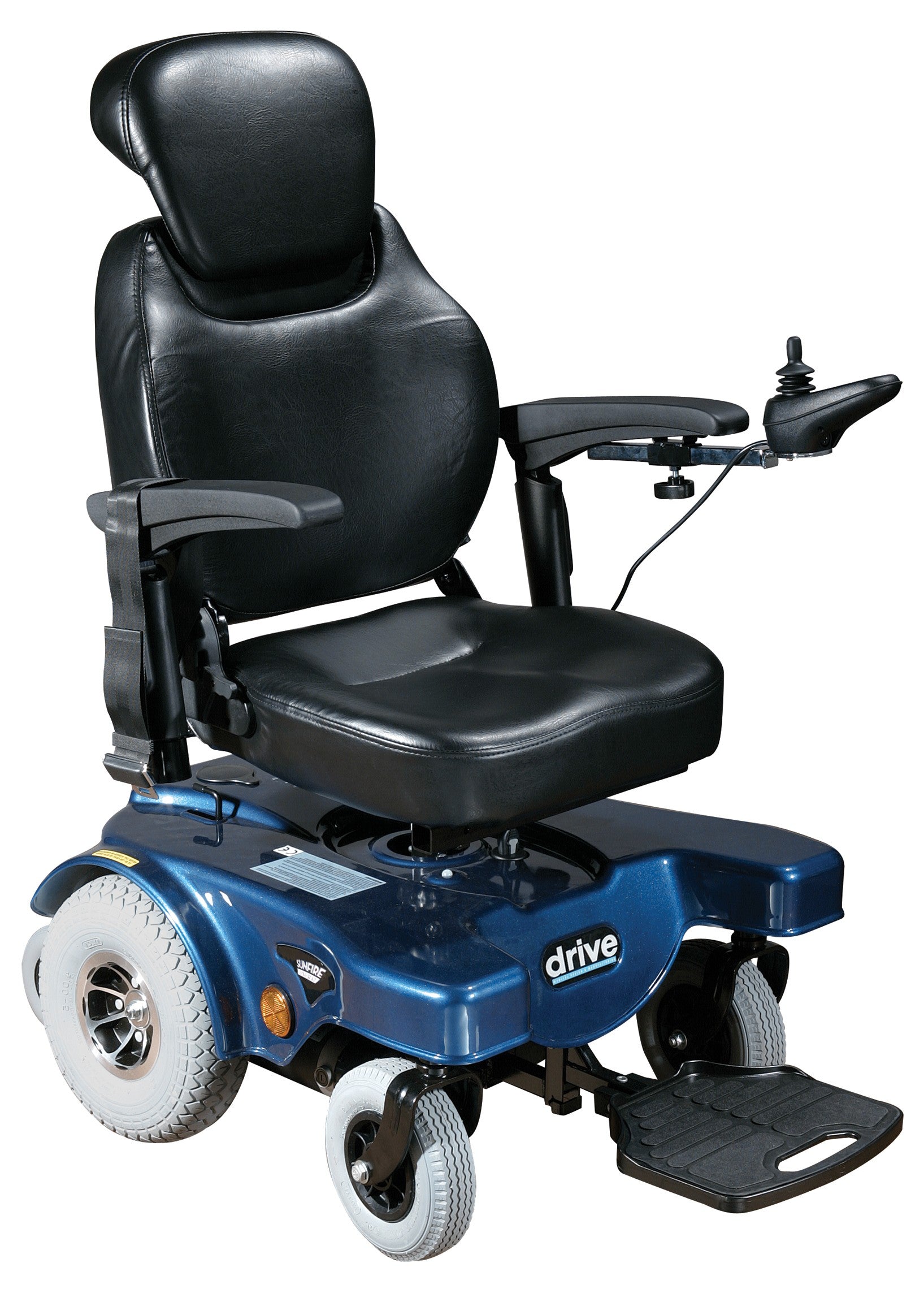
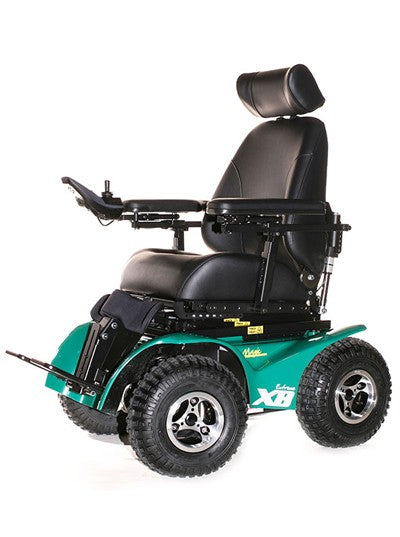
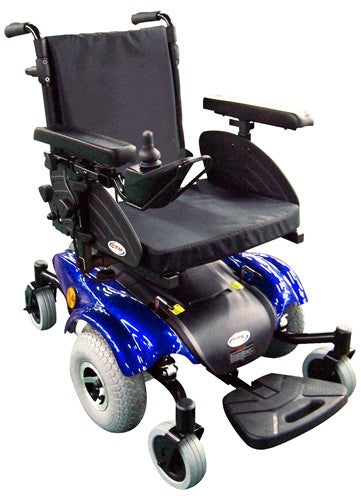
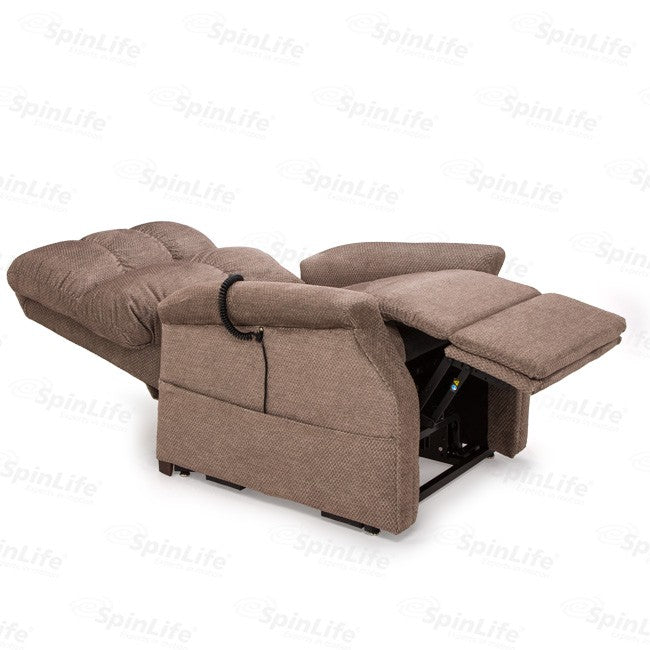
Walk through the options as a progression rather than an all-or-nothing decision. A cane is a starting point. A walker offers more stability. A rollator adds wheels, a seat, and storage. A power scooter covers longer distances. A power wheelchair provides full support. Each step is just that: a step. Framing it this way prevents your parent from feeling like they're jumping straight to the most advanced option.
Let them choose the style, color, and brand. These details might seem minor to you, but they matter psychologically. A device that reflects your parent's taste feels like theirs, not something imposed on them.
Cost is a real concern, so address it directly. Medicare Part B covers certain mobility equipment when prescribed by a physician. However, 43% of mobility device users have faced an insurance denial at some point, so understanding coverage options before you shop reduces surprises. For families concerned about out-of-pocket costs, a reputable home medical equipment retailer can make a real difference. American Quality Health Products has served customers since 2001 and offers 100% financing along with a Lowest Price Guarantee. Their live US-based product specialists are available six days a week by phone to help match the right device to the right person and budget.
Involving your parent in every step of this process respects their autonomy. That's the opposite of what they fear, and it makes all the difference.
Moving Forward Together
The core reframe is simple: a mobility aid is not a symbol of decline. It is the tool that protects the independence your parent is fighting to keep.
This is rarely a one-conversation process. Patience here is a strategy, not a weakness. Give yourself permission to take it slow.
It's also worth being honest about your own needs. Eighty-six percent of sandwich generation caregivers report emotional exhaustion, a number that has risen sharply in recent years. Framing this conversation as a mutual benefit, something that reduces your worry and physical burden while giving your parent more freedom, is both legitimate and honest.
Once your parent agrees to try a device, plan a low-stakes outing where they can use it doing something they enjoy: a trip to a garden center, a grandchild's recital, a walk around a favorite park. Positive first experiences build the association between the device and the life they want to live.
Ready to explore options? Speaking with a knowledgeable specialist can take the pressure off both of you. Our US-based product specialists at American Quality Health Products are available six days a week to walk through devices, coverage questions, and pricing. Call us and we'll help you find the right fit together.


