

Why One Product Is Never Enough to Prevent Falls at Home
More than 14 million adults aged 65 and older fall every year in the United States, roughly 1 in 4 seniors. The consequences are worsening: in 2024, 43,020 older adults died from preventable falls, a 51% increase in fall-related deaths over the prior decade.
Most families respond to this risk by addressing a single hazard, such as adding a grab bar in the bathroom. But falls don't happen for just one reason. They happen at specific transition moments throughout the day: standing up from a chair in the morning, getting out of bed at night, crossing a threshold at the front door, or walking across a hard floor with diminished sensation in the feet.
That's why a fall prevention ecosystem matters more than any single product fix. Four product categories, each targeting a distinct high-risk moment, work together to cover the full day: lift chairs (morning stand-up), hospital beds (nighttime bed exit), ramps (entryway and indoor thresholds), and diabetic footwear (every step in between). The stakes are real: 40% of seniors hospitalized after a fall never return home to live independently.
The Morning Transition: Lift Chairs and the Sit-to-Stand Risk
Getting up from a seated position sounds simple, but for many older adults it's one of the most dangerous moments of the day. The sit-to-stand transition demands a sudden burst of muscular effort from the hips, knees, and core. For seniors with arthritis, muscle weakness, or orthostatic hypotension (the dizzy, lightheaded feeling when blood pressure drops upon standing), this moment often triggers the lurch-and-grab pattern: pushing hard off the armrest, swaying forward, and reaching for the nearest piece of furniture to steady yourself.
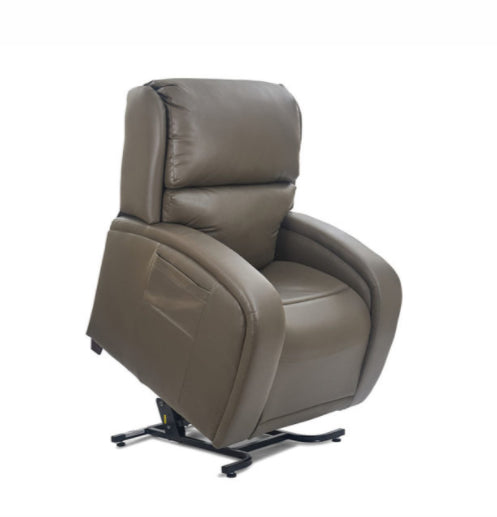
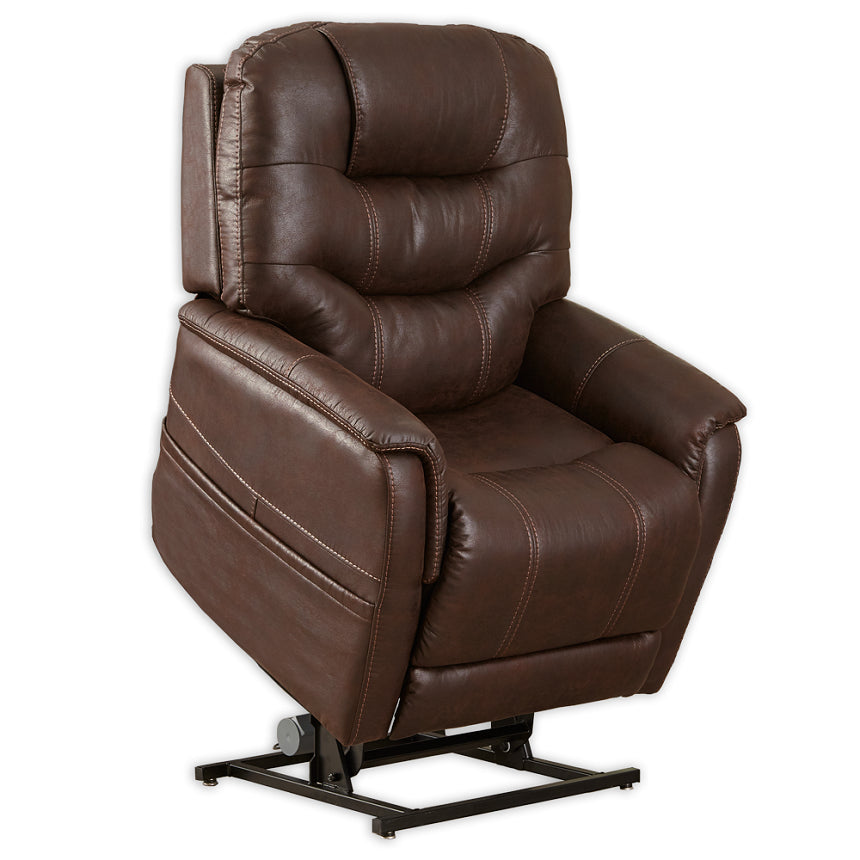
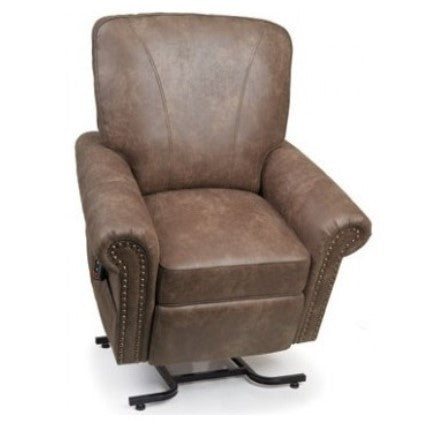
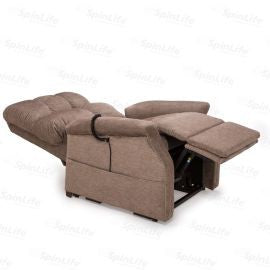
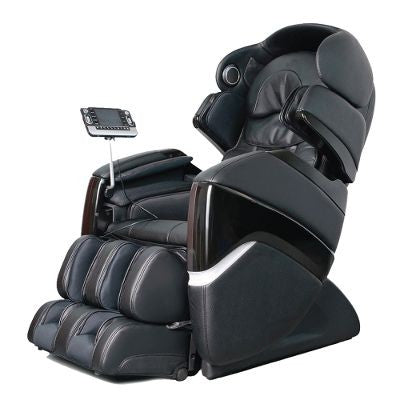
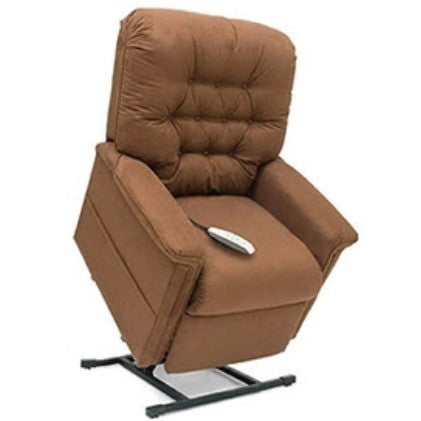
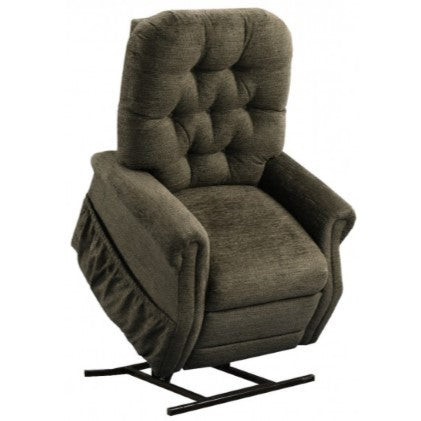
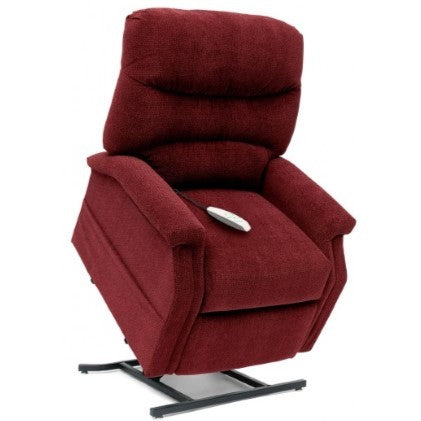
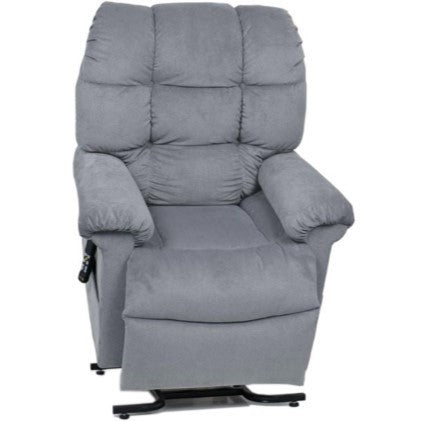
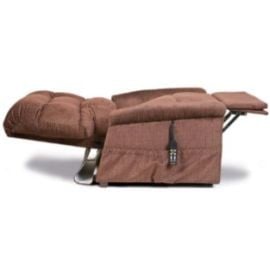
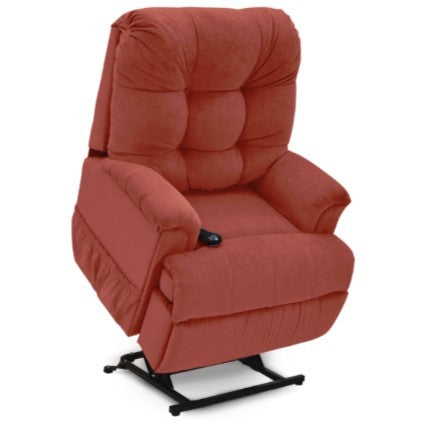
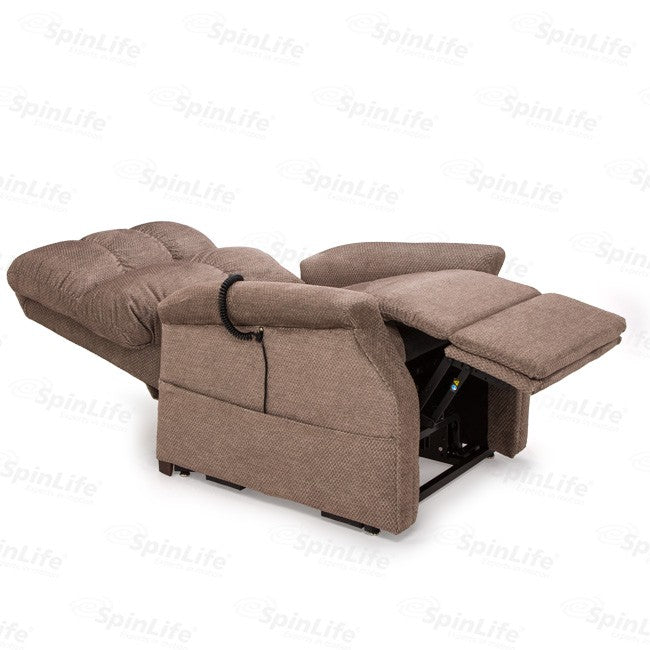
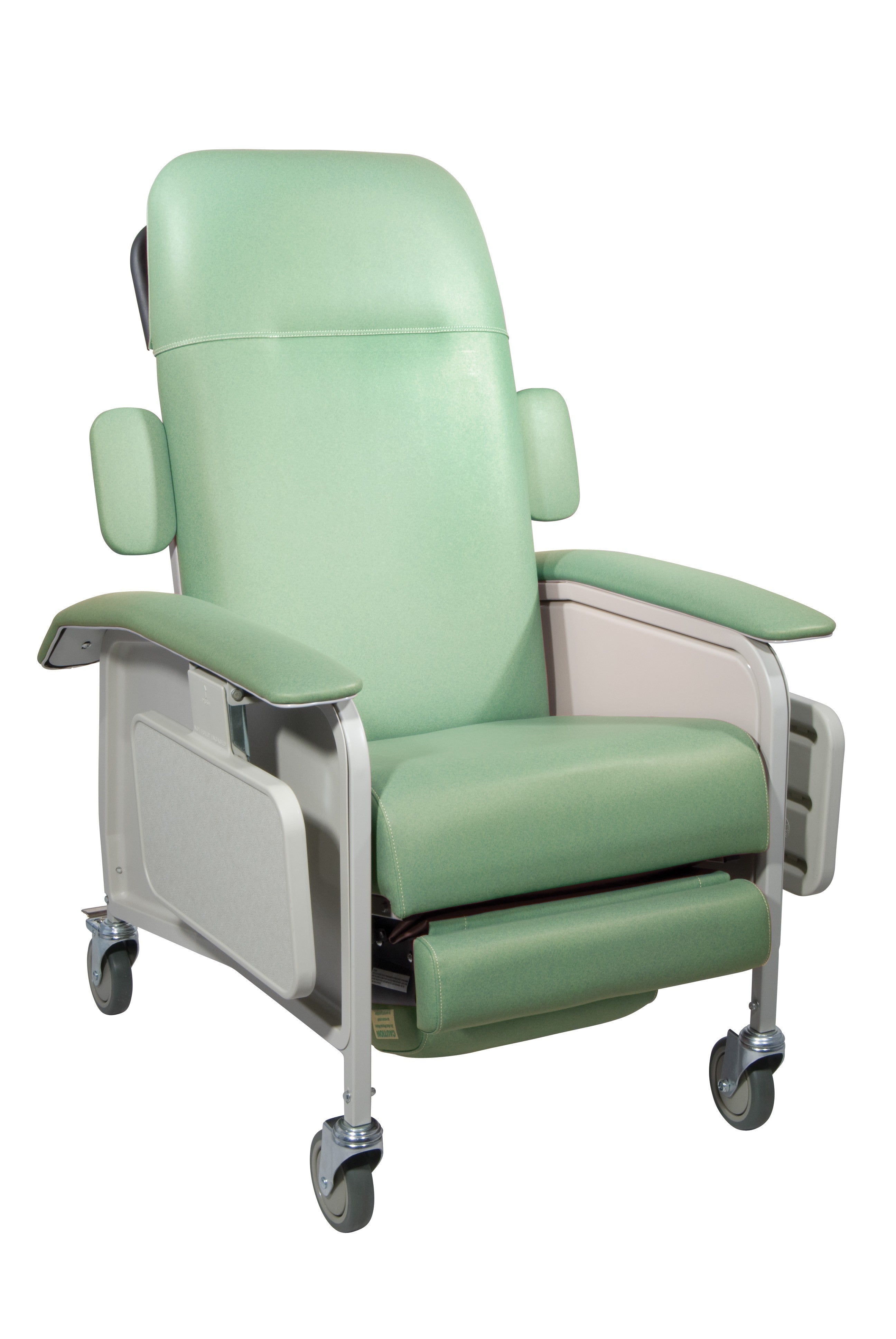
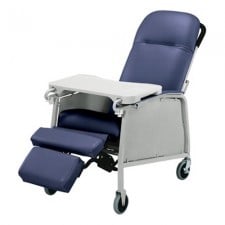
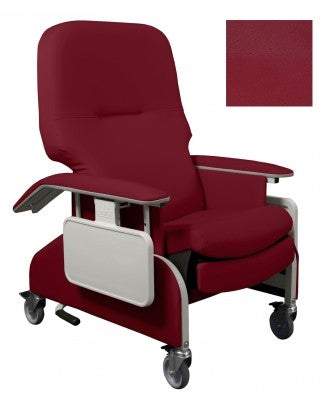
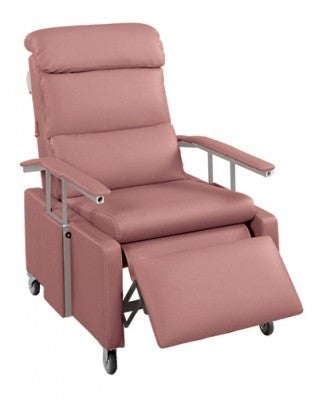
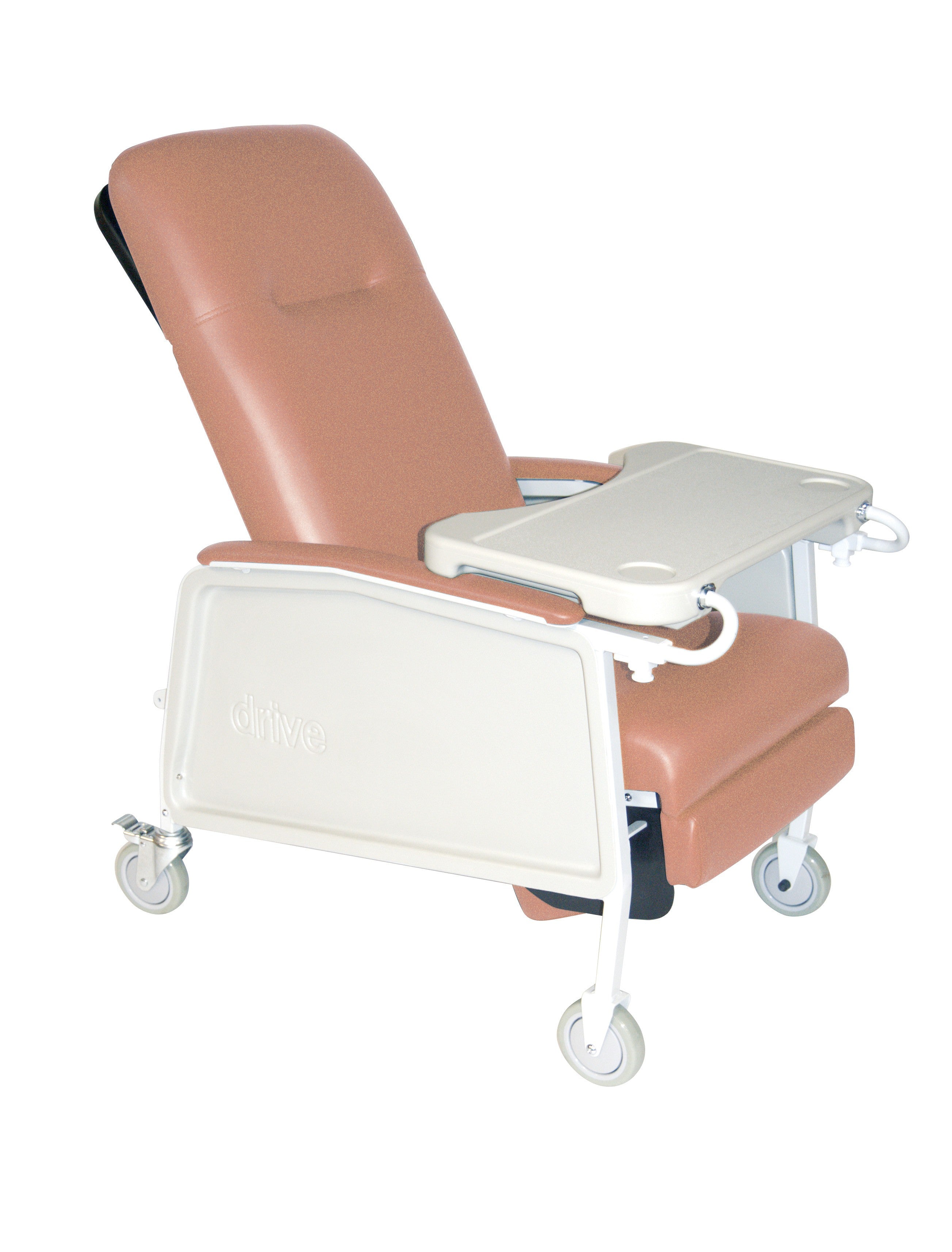
A powered lift chair eliminates that pattern entirely. The chair's mechanism tilts the seat forward and upward, supporting the body through the full arc of motion until the user reaches a near-standing position. There's no sudden strain on the hips or knees, no dangerous forward lurch. AARP includes lift chairs in its standard aging-in-place recommendations for exactly this reason.
The psychological benefit matters just as much. Close to half of all seniors develop a fear of falling, which leads them to sit more, move less, and lose strength over time. That inactivity cycle actually increases fall risk. A lift chair breaks the cycle by restoring confidence. When standing up feels safe and predictable, people are more willing to stay active.
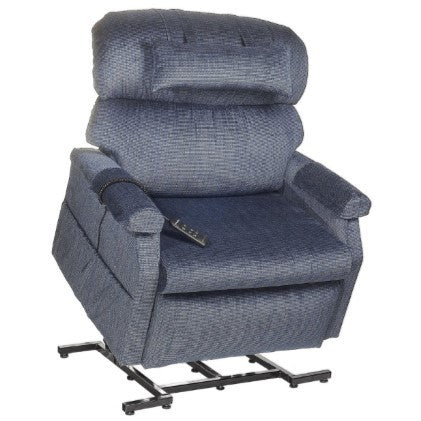
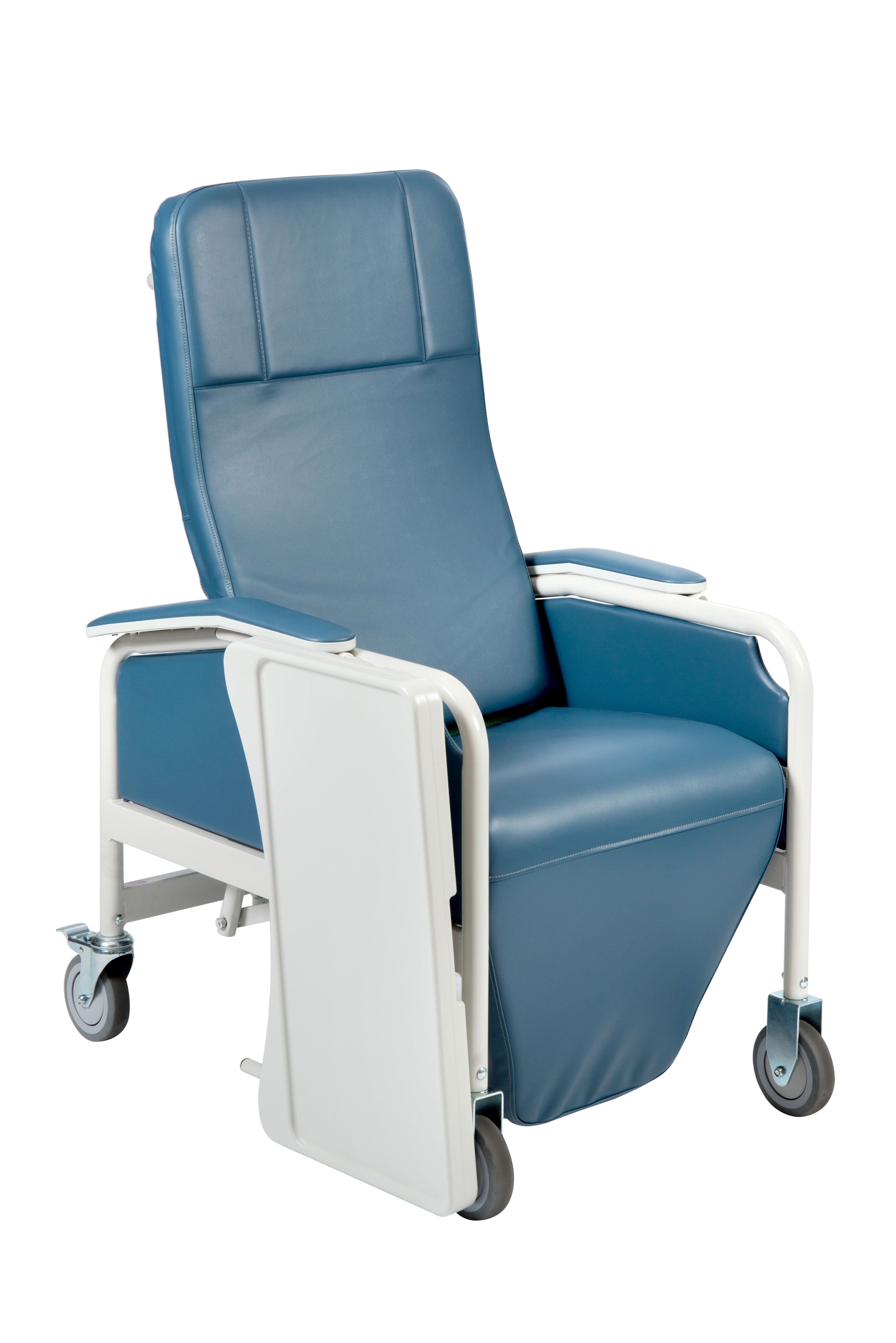
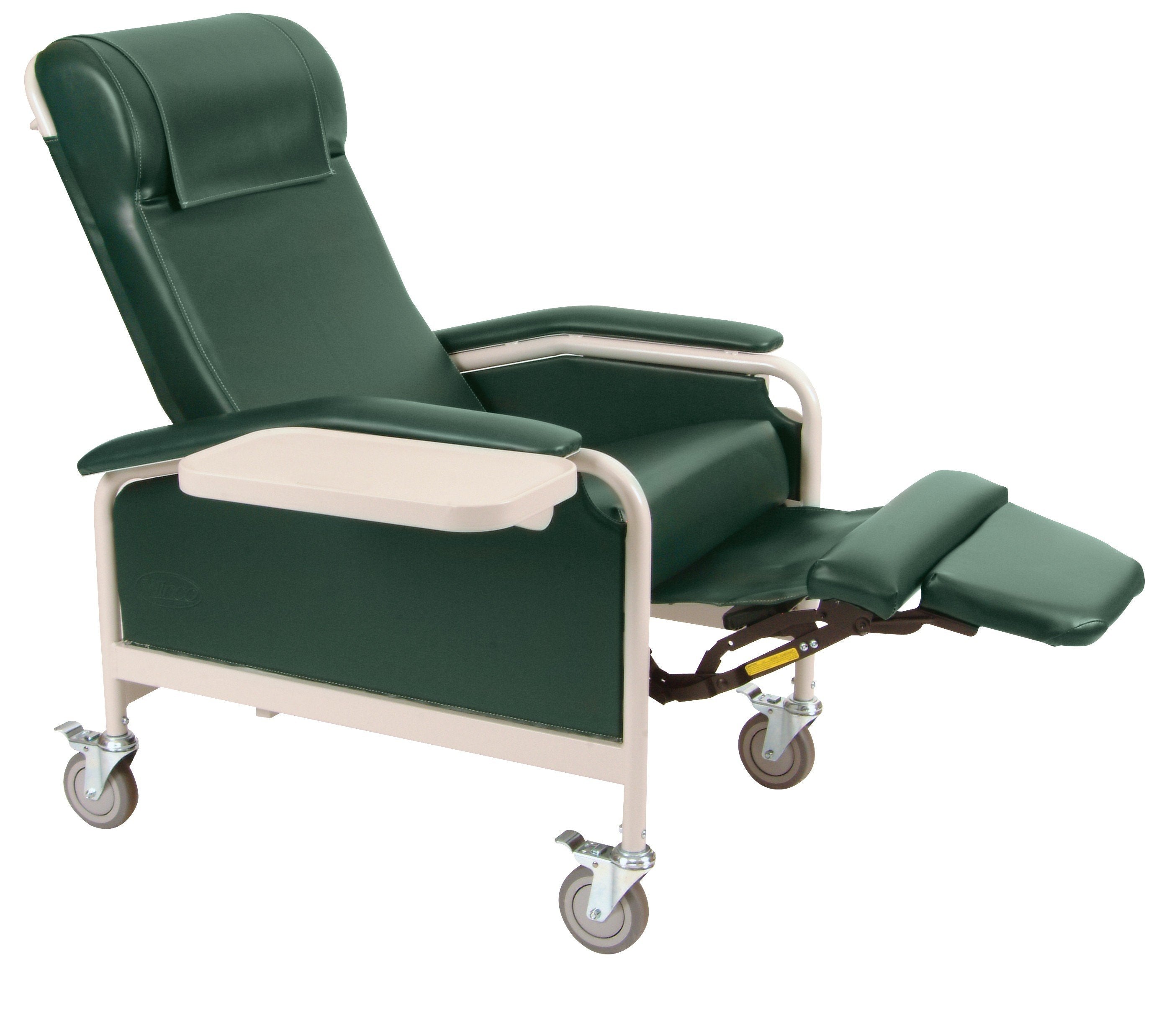
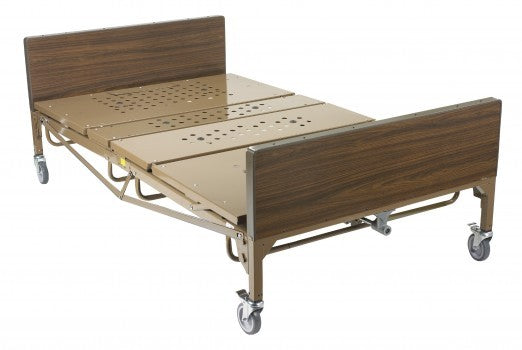
Lift chairs are also available in bariatric configurations for heavier users, a commonly overlooked need. At American Quality Health Products, we carry a wide selection of lift chairs across weight capacities, sizes, and feature sets. Our US-based product specialists can help match the right model to the user's weight, height, and specific condition over the phone, six days a week.
The Nighttime Risk: Hospital Beds and Safe Bed Exits
Falls cluster around transitions, and nighttime bed exits are among the most dangerous. A person waking at 2 a.m. to use the bathroom is often disoriented, moving in low light, and dealing with muscles that have stiffened during hours of rest. It's a high-risk combination.
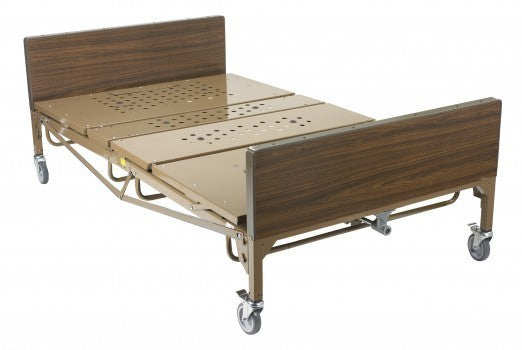
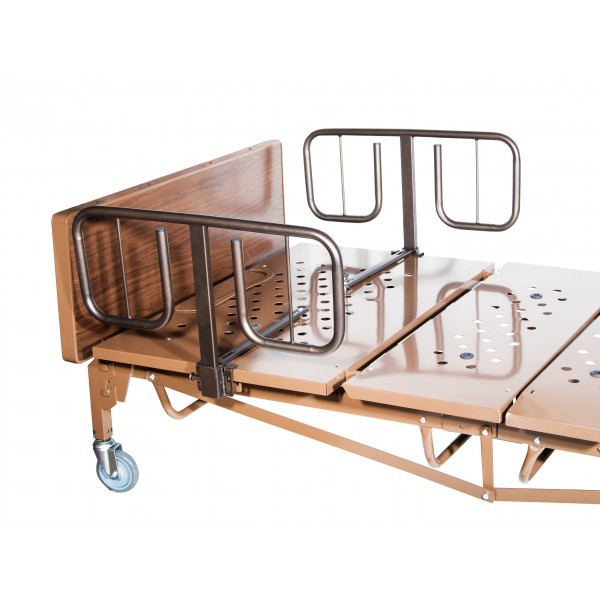
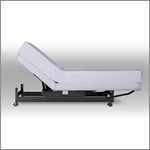
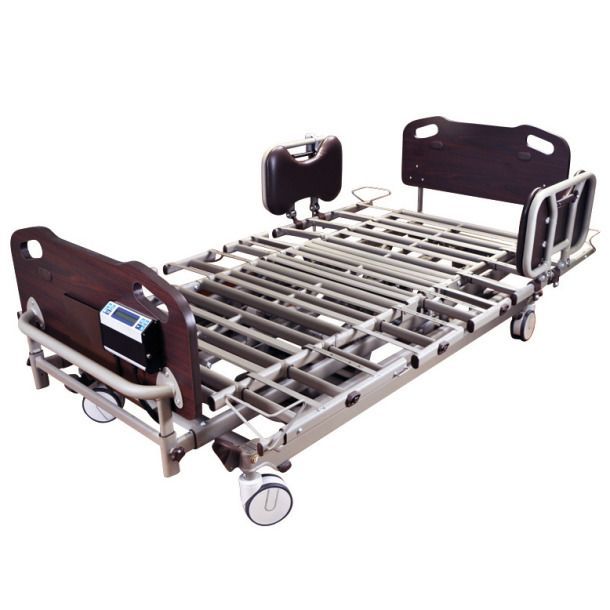
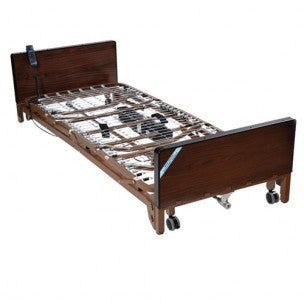
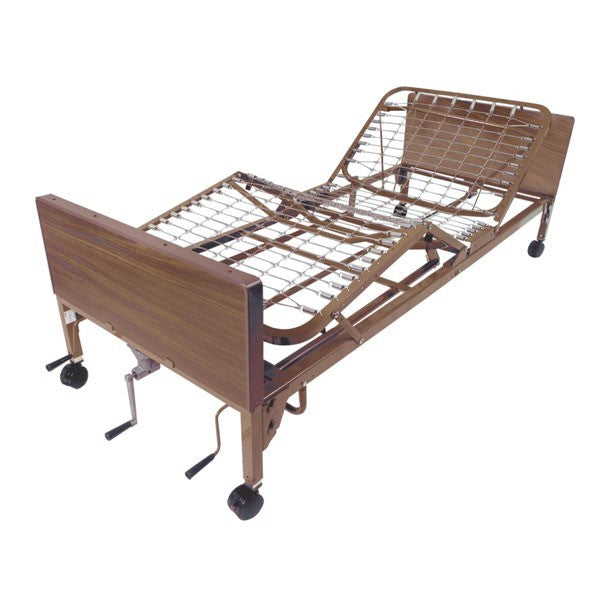
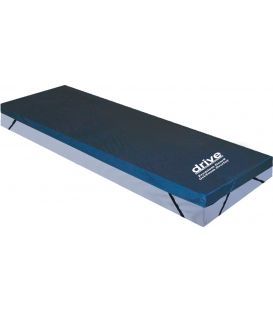
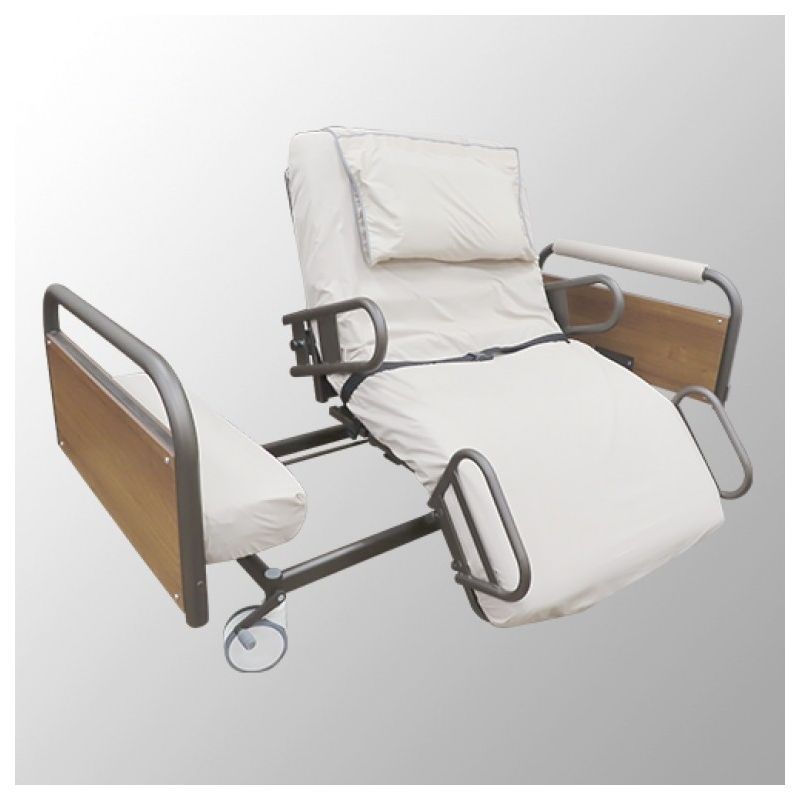
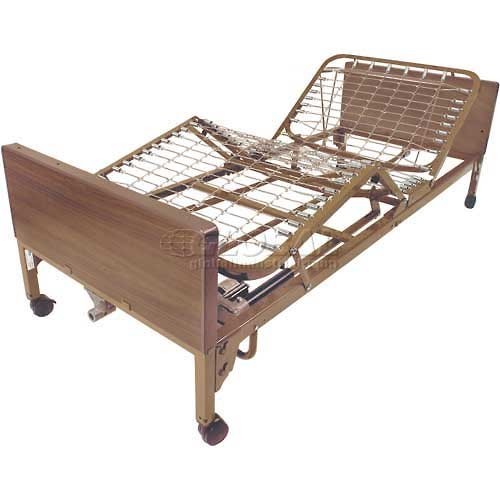
Ultra-low hospital beds address this risk from the ground up. These beds descend to just 7 to 9 inches from the floor, dramatically reducing the severity of injury if a roll-out occurs during sleep. For someone who shifts or turns restlessly, that low profile can be the difference between a minor incident and a broken hip.
Hi-Lo adjustable hospital beds offer even more flexibility. At night, the bed lowers to its safest position near the floor. During the day, it raises to a height that makes caregiver-assisted transfers easier, reducing back and shoulder strain for the person providing care. The adjustable height also lets users plant both feet firmly on the floor before attempting to stand, eliminating the abrupt drop that causes so many nighttime falls.
Concerned about cost? 2026 Medicare DME coverage expansions have broadened eligibility for certain classes of home medical equipment, including some advanced mobility aids. It's worth reviewing your coverage options before assuming a bed is out of reach.
Think of the bed and lift chair as a connected pair: the hospital bed gets the user safely to a standing position at night and in the early morning, and the lift chair handles the next transition when they sit down in the living room.
The Entryway and Indoor Thresholds: Ramps as Universal Fall Prevention
When most people think of ramps, they picture wheelchair access. But ramps are a fall prevention tool for anyone using a cane, walker, or crutches. A single step at the front door is one of the top fall hazards for seniors with any type of mobility limitation, not just those in wheelchairs.
Entry ramps eliminate the need to navigate steps at home entrances entirely, removing one of the most common fall scenarios for older adults coming and going from their homes.
Inside the home, threshold ramps solve a problem most people don't notice. The small transitions between rooms (carpet to tile, a raised door threshold, a slight lip at the bathroom entry) are frequent and nearly invisible fall hazards. Foot disorders affect between 71% and 87% of older adults, which means even a half-inch floor irregularity can catch a foot and cause a stumble.
Ramps also reduce strain on caregivers during assisted entry and exit. There's a broader benefit worth noting, too: a senior who can safely leave and return home is more likely to stay physically active, which combats the deconditioning that makes future falls more likely. Ramps aren't just about access. They're about keeping people moving.
Every Step of the Day: Diabetic Footwear and the Neuropathy-Fall Connection
Diabetic peripheral neuropathy (DPN) is one of the most underrecognized fall risk factors in older adults. When diabetes damages the nerves in the feet and lower legs, it causes a progressive loss of protective sensation and a measurable deterioration in balance. The person may not feel the floor properly, may misjudge foot placement, and may not notice small injuries that affect their gait.
The numbers bear this out. Annual fall incidence among seniors with diabetes is 39% for those over 65, compared to roughly 25% for the general senior population. Older adults with diabetic foot ulcers are twice as likely to fall as those without ulcers.
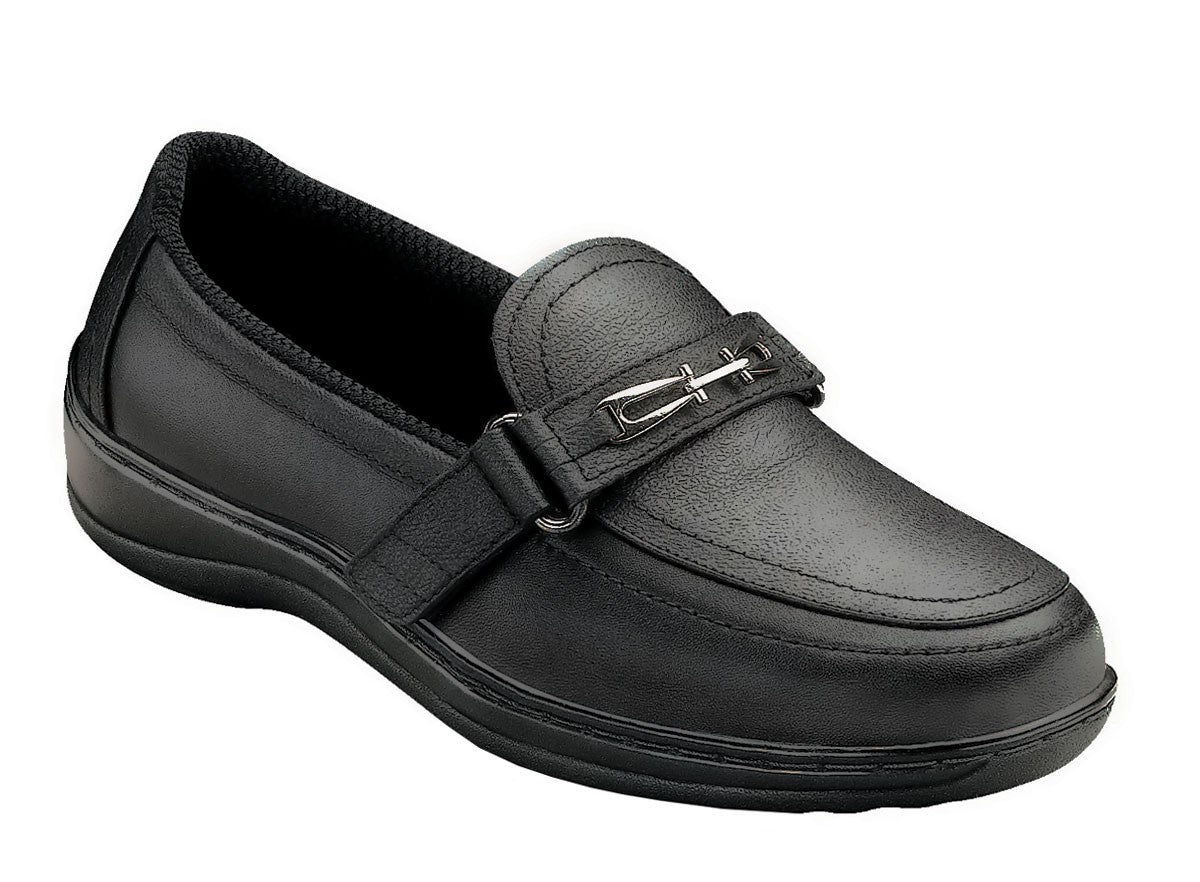
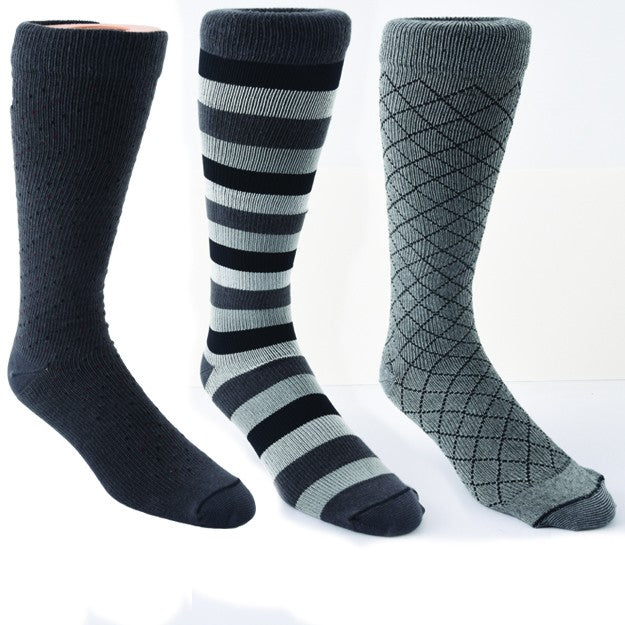
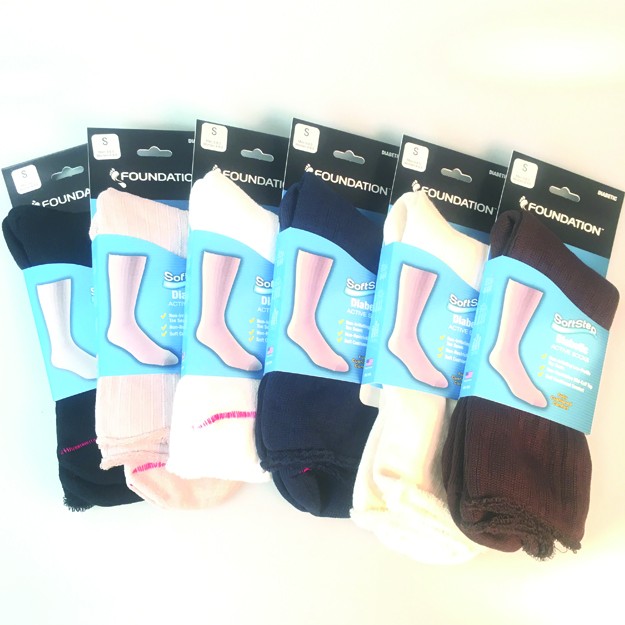
Extra-depth diabetic shoes with rigid rocker soles and custom insoles address these risks directly. They reduce plantar pressure, improve gait stability, and protect against ulcer development. Research ranks this type of footwear second only to non-slip walking shoes for fall prevention in patients with neuropathy. A randomized controlled trial published in the BMJ found that a podiatry-led intervention combining orthotics, safe footwear, and home exercises produced 36% fewer falls over 12 months compared to usual care.
Diabetic footwear is unique in the fall prevention ecosystem for one key reason: it's the only product that travels with the user through every room and every transition. The lift chair protects one moment. The hospital bed protects another. Diabetic footwear covers every step in between.
Building Your Home Fall Prevention Plan: Where to Start
Think of your plan in terms of rooms and times of day. The bedroom gets a hospital bed for safe nighttime exits. The living room gets a lift chair for confident sit-to-stand transitions. The entryway and indoor thresholds get ramps to eliminate trip hazards. And diabetic footwear covers every zone, all day long.
Budget is a real concern, and we understand that. Consider the comparison: the average treat-and-release emergency room visit after a fall costs $8,869. A complete home fall prevention setup costs a fraction of that. Research also shows that pairing physical home modifications with exercise programs produces statistically significant improvements in balance, mobility, and a meaningful reduction in fear of falling.
You don't have to do everything at once. Our US-based product specialists can help you prioritize which product to add first based on the individual's specific conditions, living situation, and budget. We've been helping families make these decisions since 2001, backed by over 5,000 verified customer reviews.
100% financing is available through our third-party providers, and orders over $100 ship free. Call us six days a week to speak with a live specialist, or browse our full selection online. The right time to build your fall prevention ecosystem is before the first fall happens.


