

Why Heart Failure Makes Mobility Device Selection Different
Your cardiologist says avoid overexertion. But you still need to get to the kitchen, the car, and the pharmacy. That tension sits at the center of daily life for the roughly 6.7 million Americans living with heart failure, a condition that carries a 1-in-4 lifetime risk.
What many patients and families don't realize: avoiding all movement without a mobility aid can actually make heart failure worse. Reduced activity triggers a deconditioning spiral of muscle wasting, deepening fatigue, and progressive loss of function. Research shows CHF patients spend only about 3.9% of their day in movement-related activities, compared to 11.3% for healthy adults.
A powered mobility device is a proactive health intervention, not a last resort. This guide helps you match the right device to your specific heart failure severity, symptoms, and daily routine.
Understanding Your NYHA Class: The Starting Point for Every Decision
The New York Heart Association (NYHA) Functional Classification system is the standard clinical tool for measuring how severely heart failure limits physical activity. It divides patients into four classes, and your class is the single most important factor in choosing between a scooter and a power wheelchair.
Class I: No symptoms during ordinary physical activity. Most Class I patients don't yet need a powered mobility device, though some may benefit during longer outings.
Class II: Symptoms like shortness of breath or fatigue appear with moderate exertion, such as climbing stairs or walking uphill. If you have good trunk control and upper body strength, a mobility scooter can work well at this stage.
Class III: Symptoms develop with less-than-ordinary activity, like walking a single block. You're a strong candidate for either a scooter or a power wheelchair, depending on your upper body strength and stability. Many Class III patients find a power wheelchair more comfortable and safer for extended use.
Class IV: Symptoms are present even at rest. A power wheelchair is almost always the appropriate choice here. Operating a scooter's tiller steering column may be unsafe due to the arm strength and trunk control it demands.
Before purchasing any device, discuss your NYHA classification with your cardiologist. That conversation will anchor every decision that follows.
Scooter or Power Wheelchair? Key Physical Requirements to Know
Beyond your NYHA class, your physical capabilities determine which device is safe and practical for you.
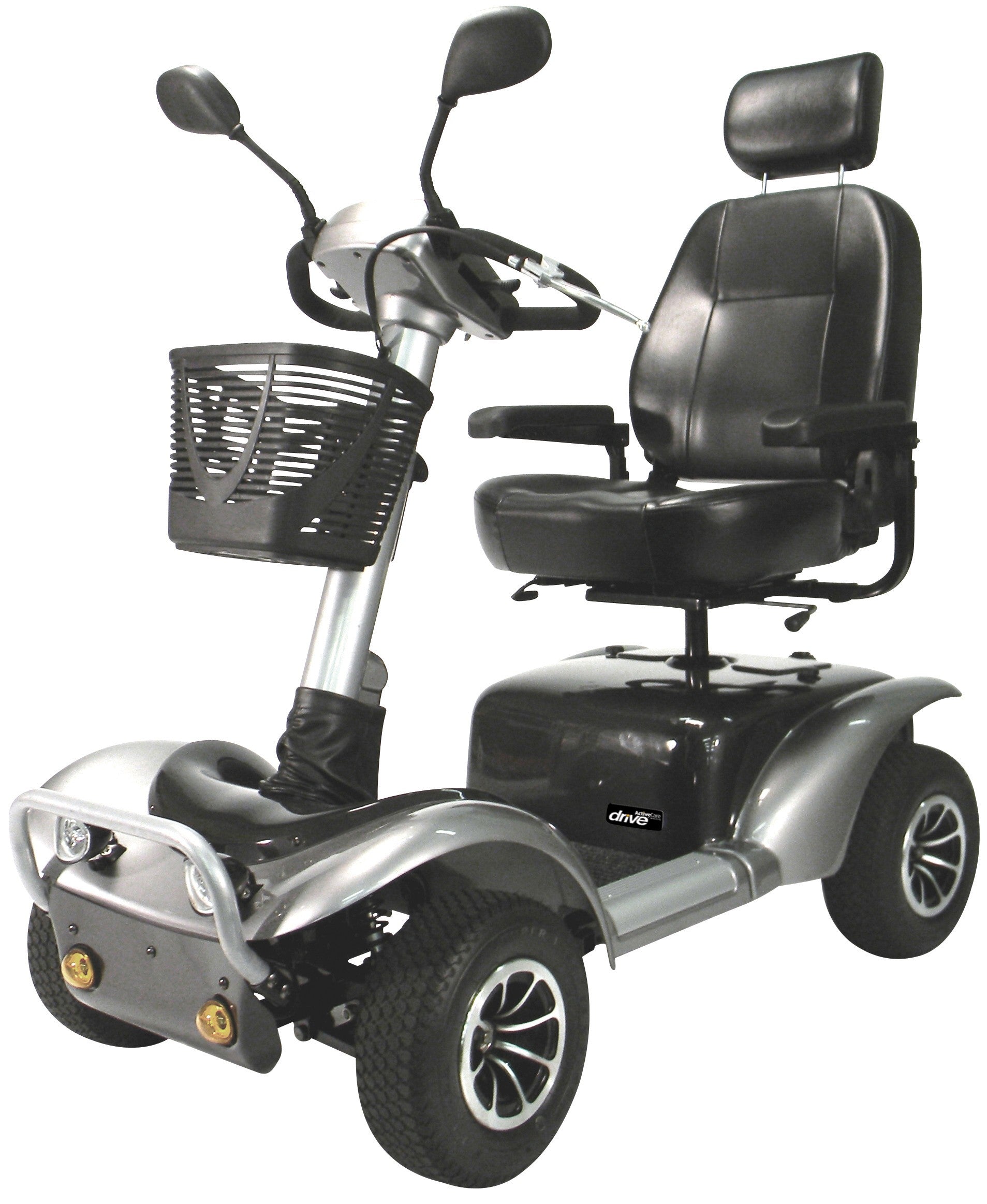
Scooters require two things many advanced heart failure patients lack: adequate trunk stability to sit upright without lateral support, and sufficient upper extremity strength to grip and steer a tiller column. Cardiac muscle wasting can compromise both over time.
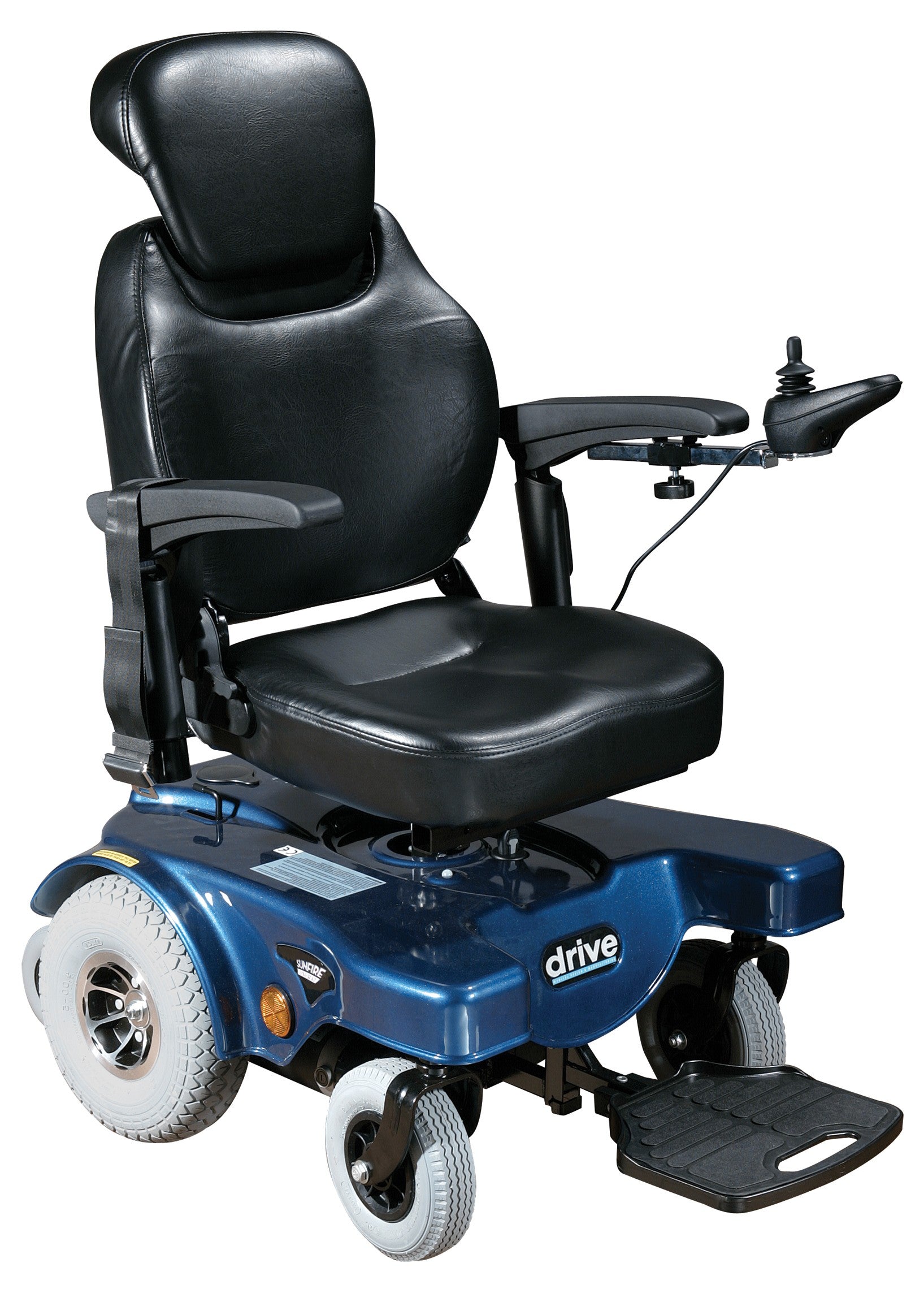
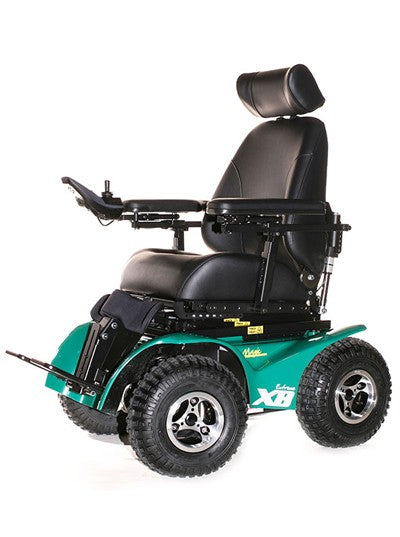
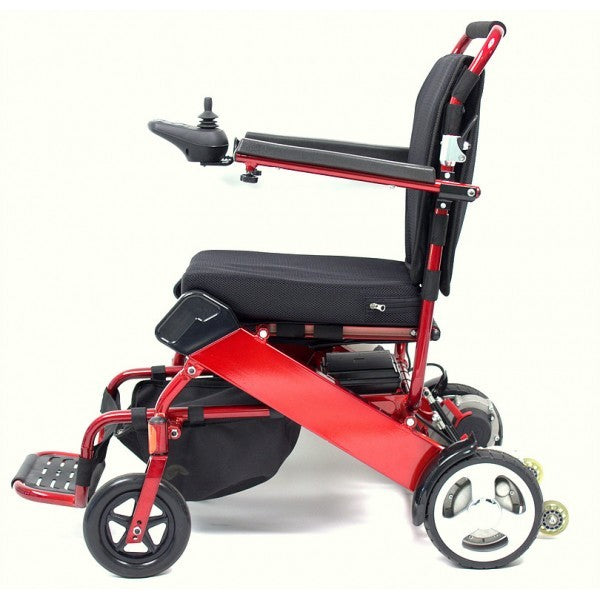
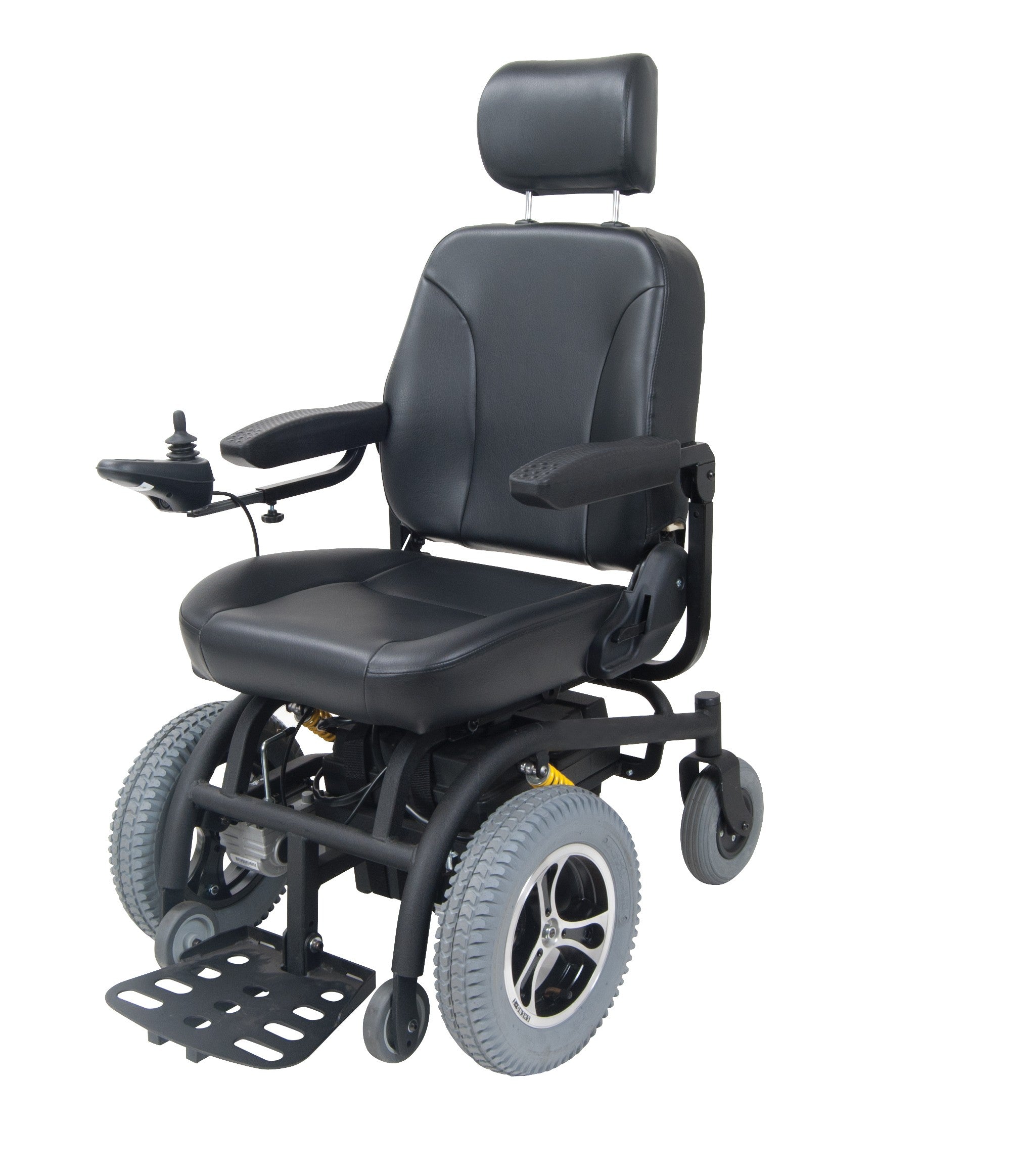
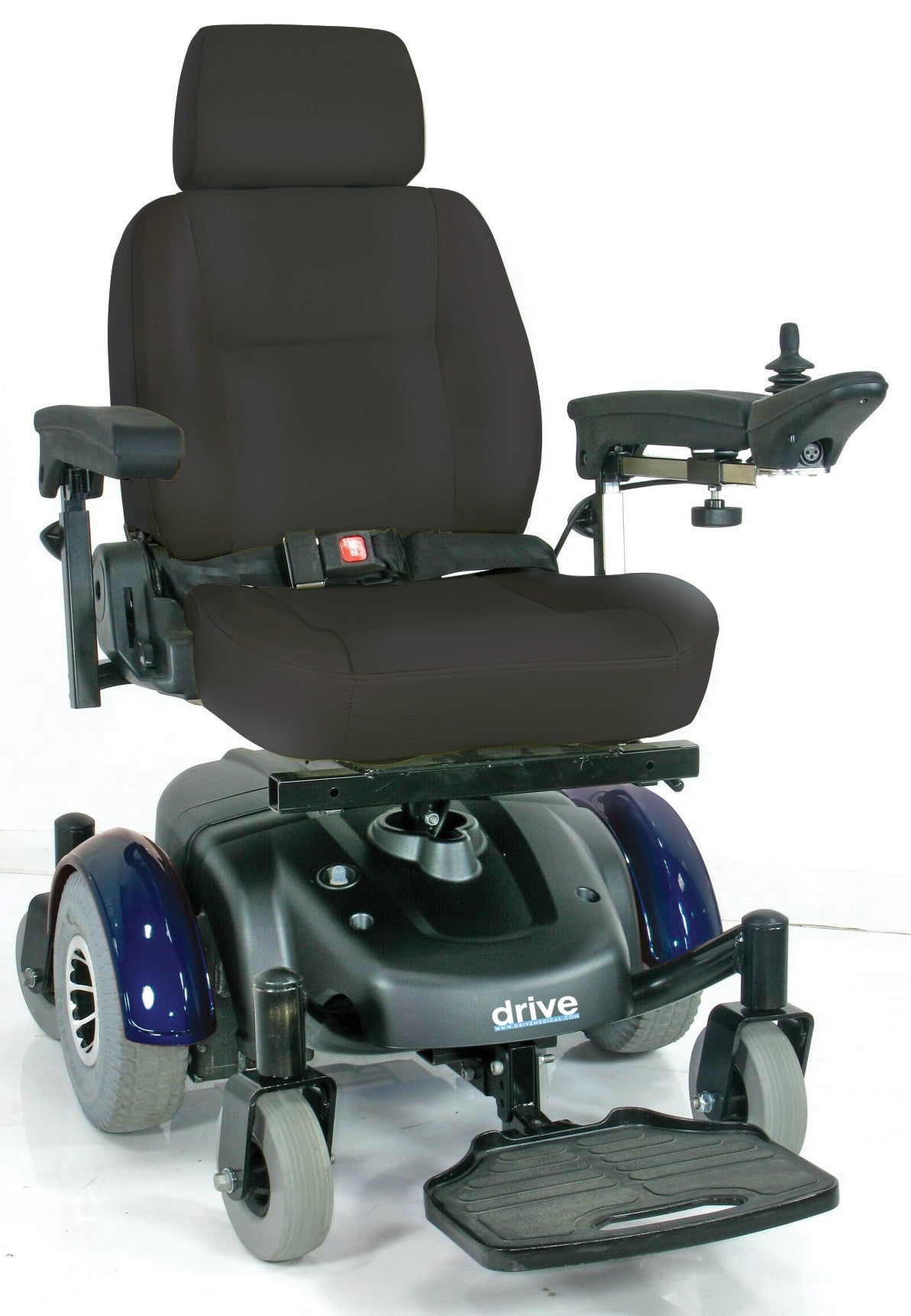
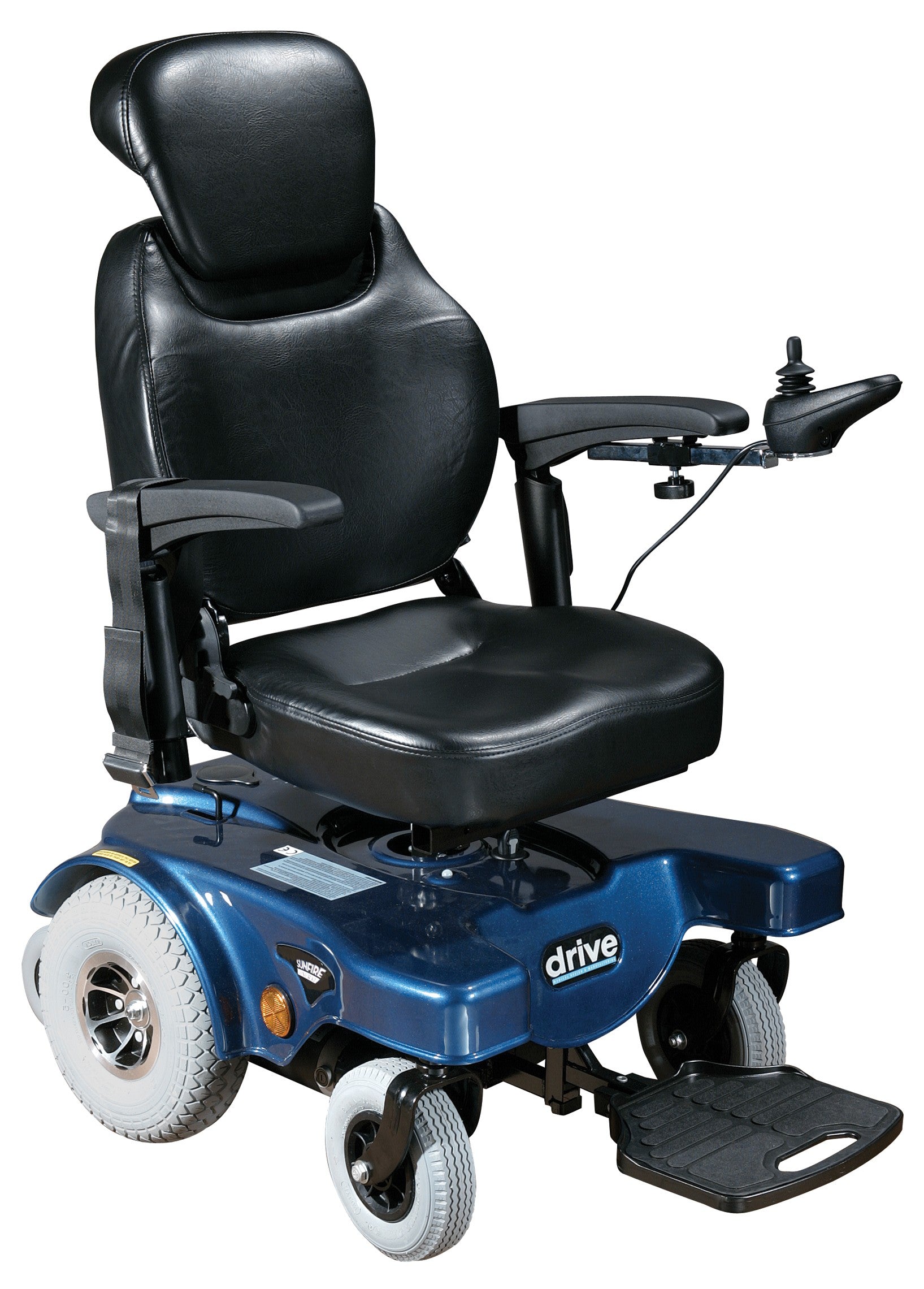
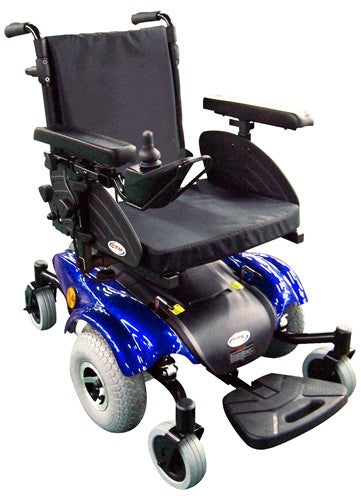
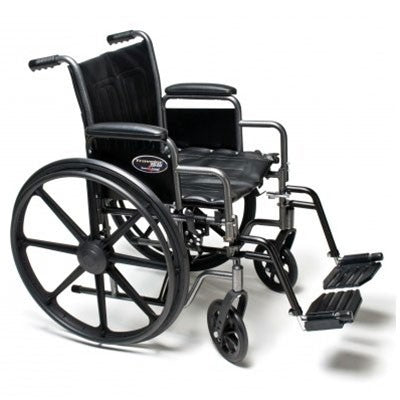
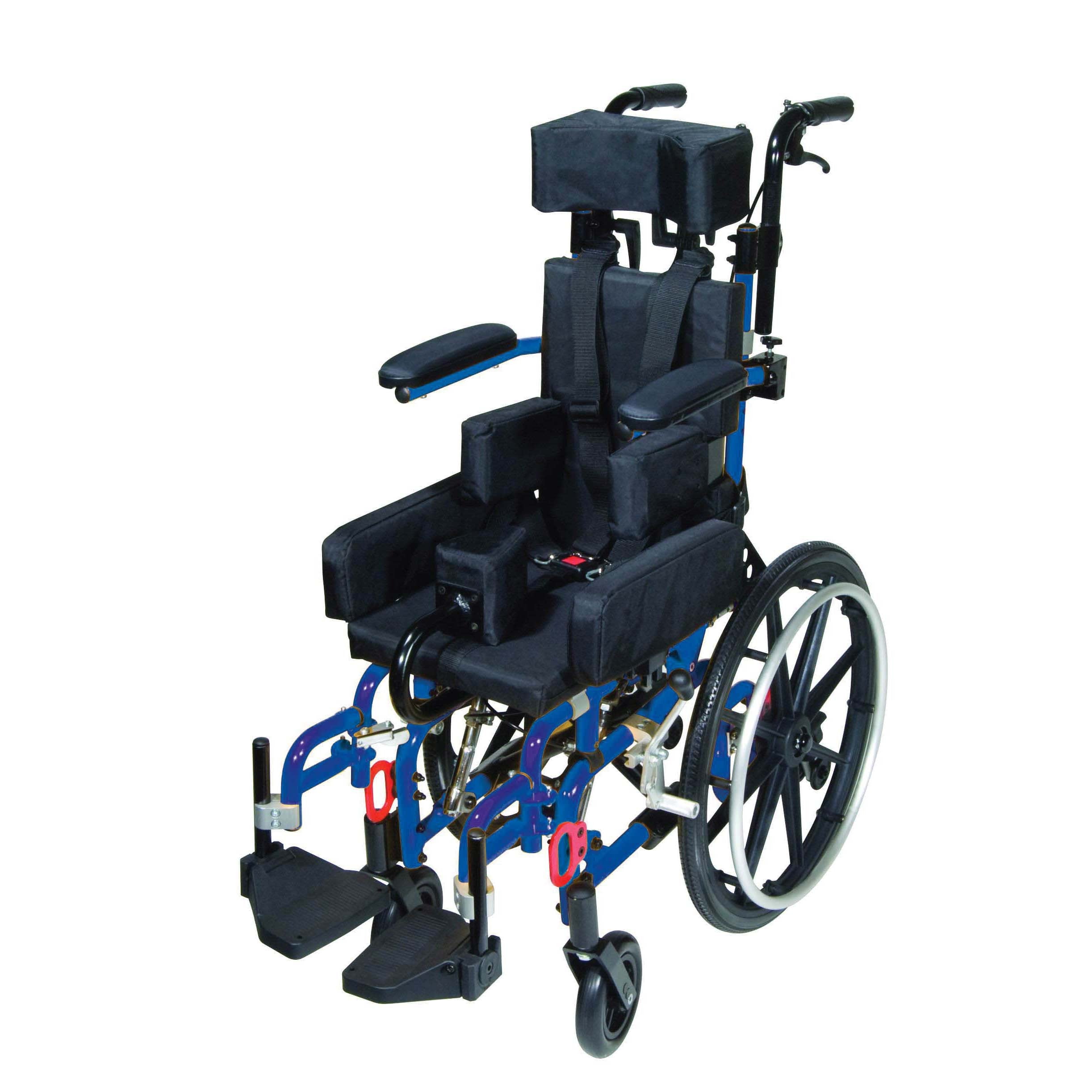
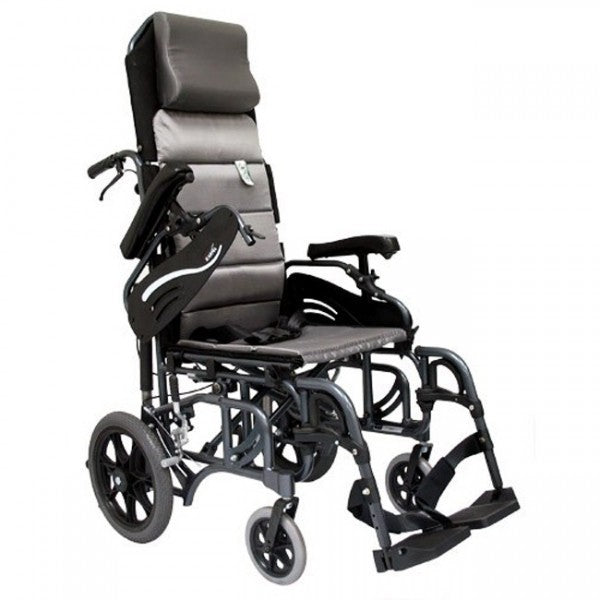
Power wheelchairs use a small joystick that requires far less strength and range of motion. They also accommodate poor trunk control through lateral supports, headrests, and custom seating options.
Frailty is a major consideration. Up to 45% of adults with heart failure experience frailty, and frail patients almost always need a power wheelchair over a scooter. If you also have diabetes, COPD, or obesity, these comorbidities compound the physical demands and typically push the decision toward a power wheelchair.
Quick Decision Guide
- Scooter candidate: NYHA Class II or early III, good trunk control, adequate grip and arm strength, can sit upright without lateral support, no significant comorbidity stacking
- Power wheelchair candidate: NYHA Class III or IV, limited trunk stability, reduced upper body strength, frailty present, multiple comorbidities (diabetes, COPD, obesity), needs lateral or postural support
Edema-Aware Seating: How Swollen Legs Change What You Need
Congestive heart failure causes fluid buildup in the legs, ankles, and feet. This edema isn't just uncomfortable; it directly affects the fit, comfort, and safety of any mobility device you use.
Seat width: Swollen thighs and hips may not fit standard seat widths. A seat that's too narrow restricts circulation and creates pressure sores. Measure at your most swollen point, typically late afternoon, and add at least an inch on each side.
Footrest adjustability: Swollen feet and ankles need footrests that can be raised or angled. Keeping feet in a low, fixed position encourages fluid to pool further in the lower limbs.
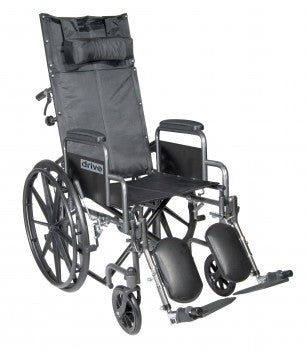
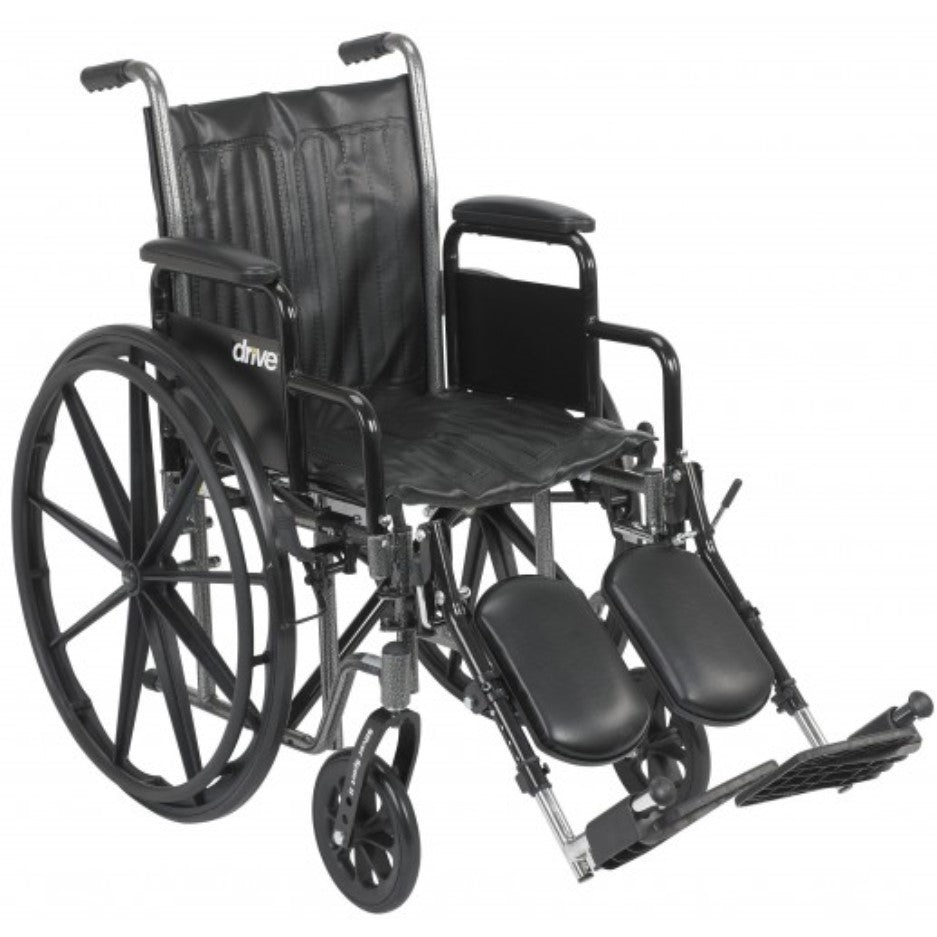
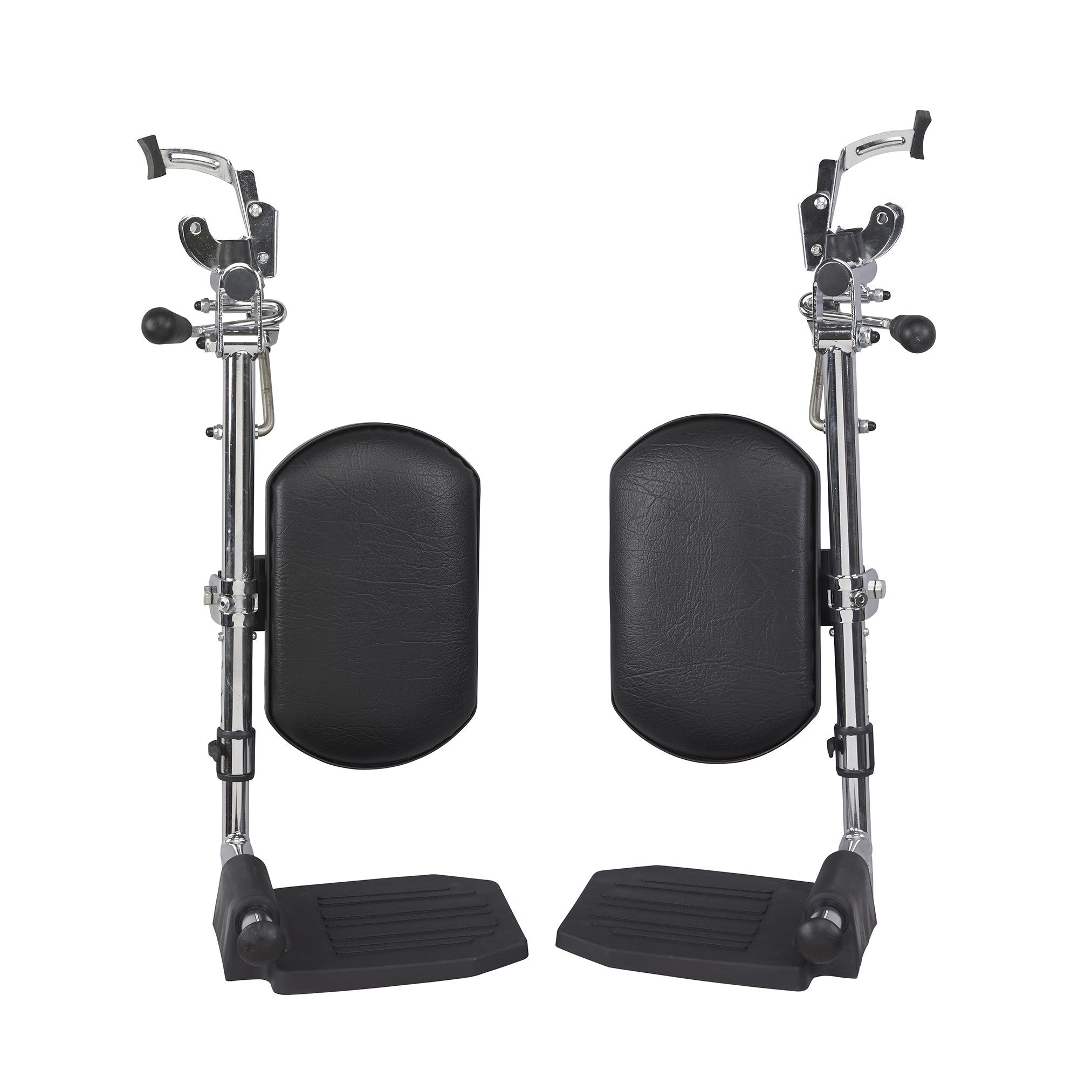
Elevating leg rests: Power wheelchairs with elevating legrests allow you to raise your legs during use, which can help reduce lower-limb fluid accumulation throughout the day. This feature is rarely available on scooters.
Armrest height and padding: If your arms retain fluid, padded and height-adjustable armrests prevent painful pressure points.
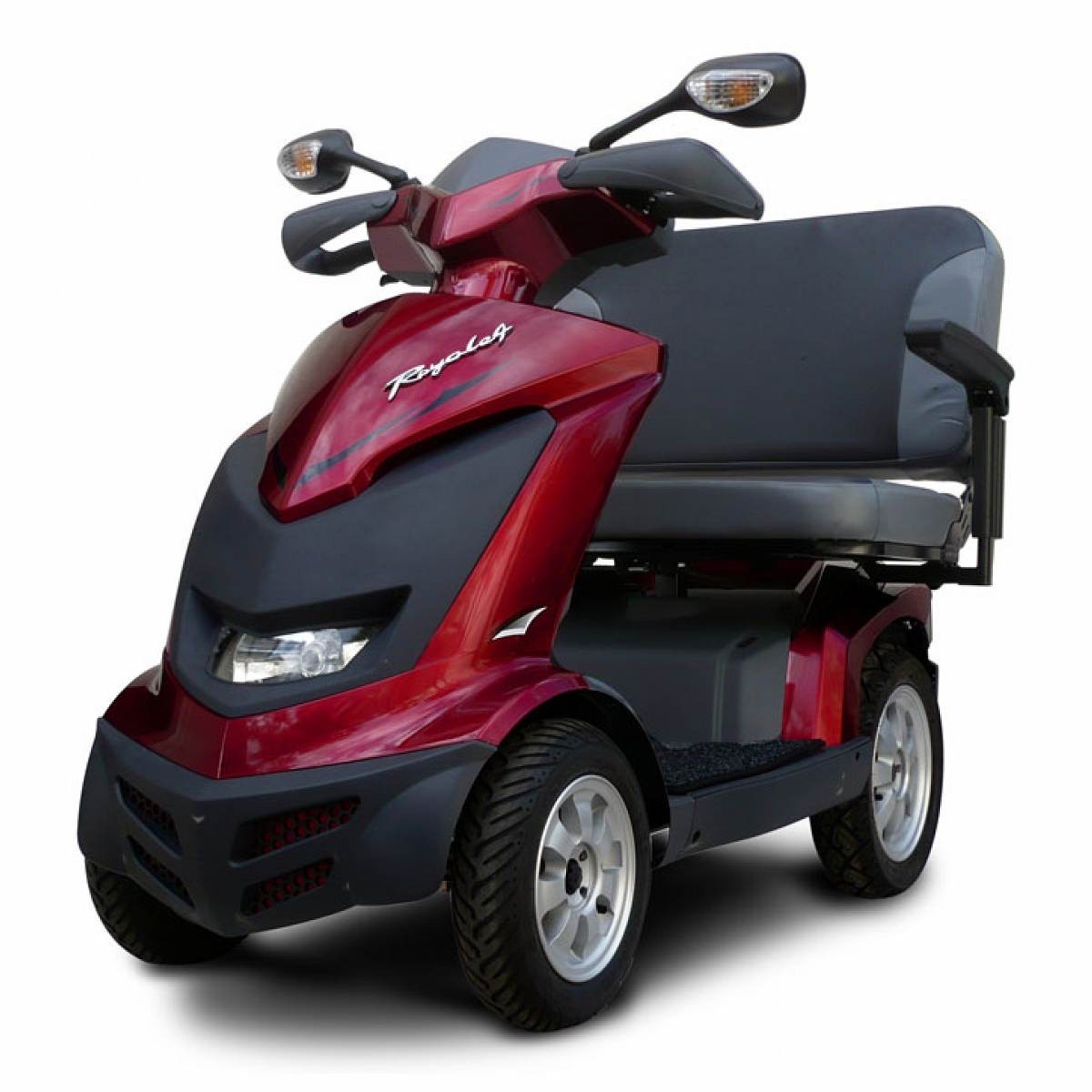
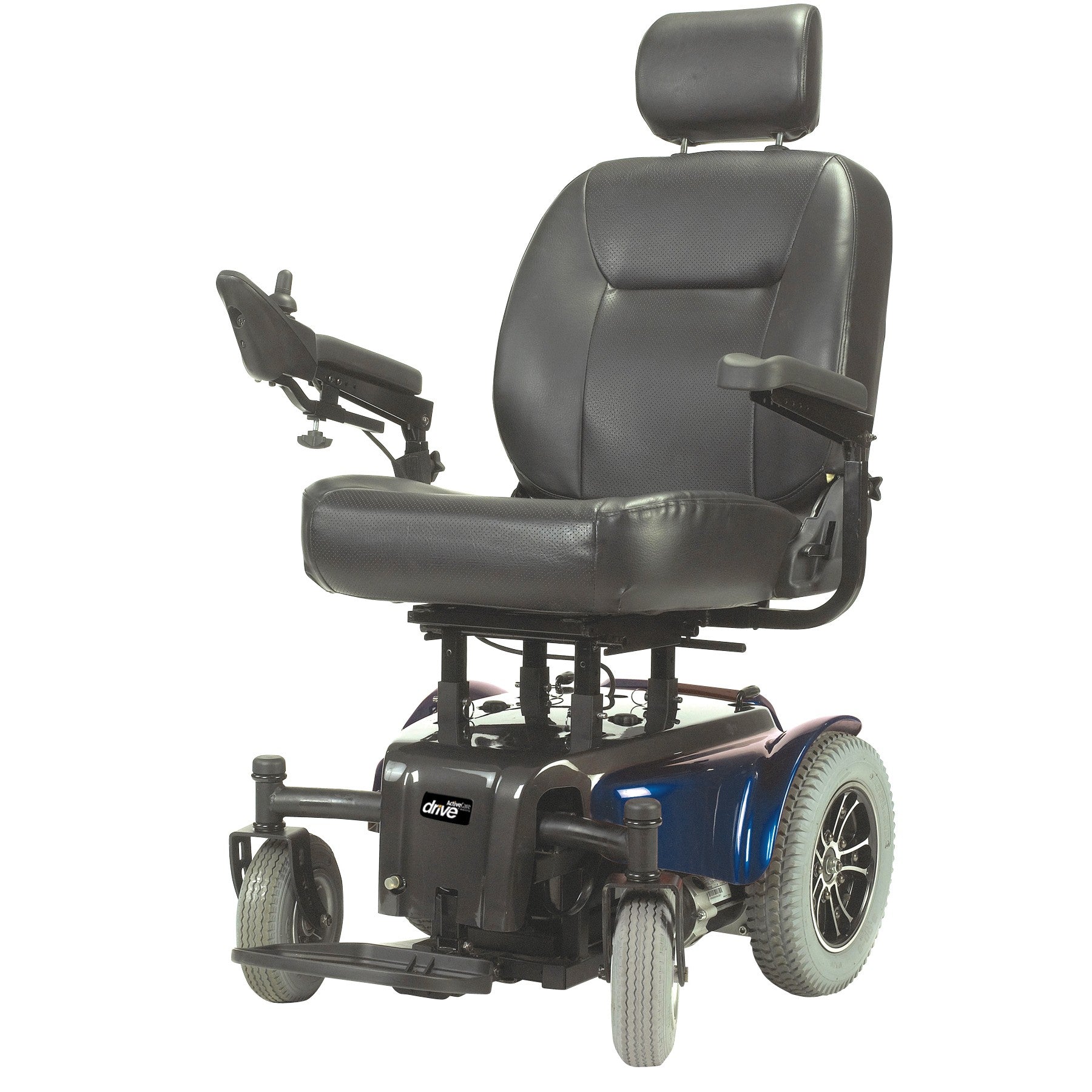
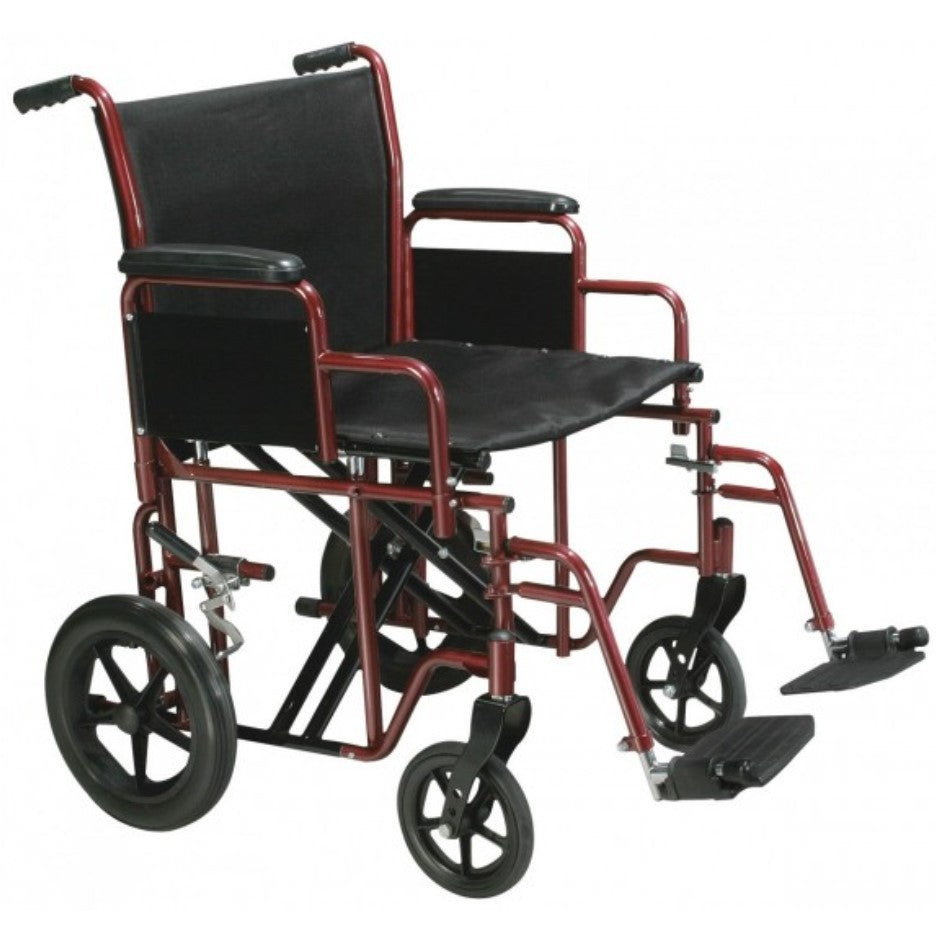
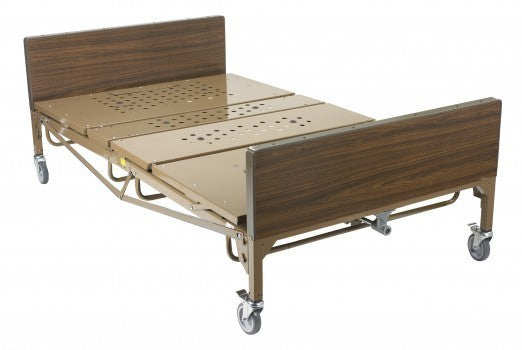
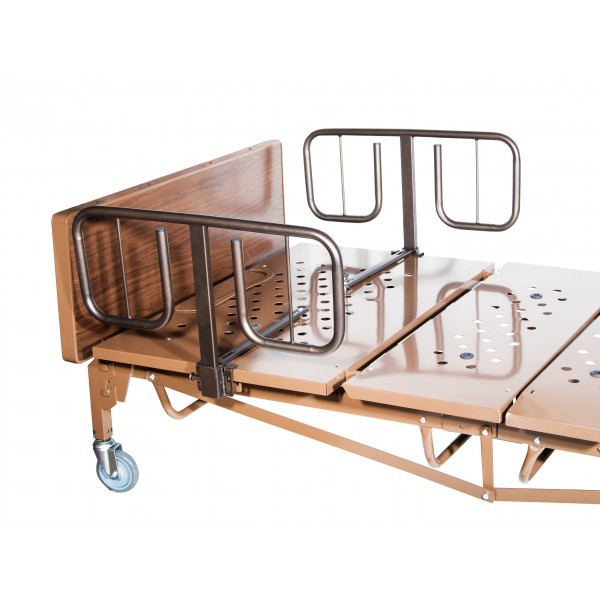
Bariatric-rated models: Heart failure is strongly associated with obesity. Bariatric scooters and power wheelchairs with higher weight capacities (often 400 to 600 lbs) and wider seats are available and worth considering if standard models feel tight.
A critical warning: Sudden weight gain of 2 to 3 pounds in 24 hours can signal worsening fluid retention and deteriorating heart failure. If your swelling is increasing rapidly, consult your physician before finalizing any device choice. Your needs may be shifting.
Practical Daily-Life Factors: Indoor Use, Battery Range, and Storage
Indoor vs. outdoor use: If you live in a small home, apartment, or condo, turning radius matters more than top speed. Compare specs carefully. Many power wheelchairs offer turning radii under 20 inches, making them more maneuverable indoors than full-size scooters.
Battery range: Heart failure patients often have frequent medical appointments, errands, and therapy sessions. Look for models with at least a 15 to 20 mile range per charge so you can handle a full day without worrying about running out of power.
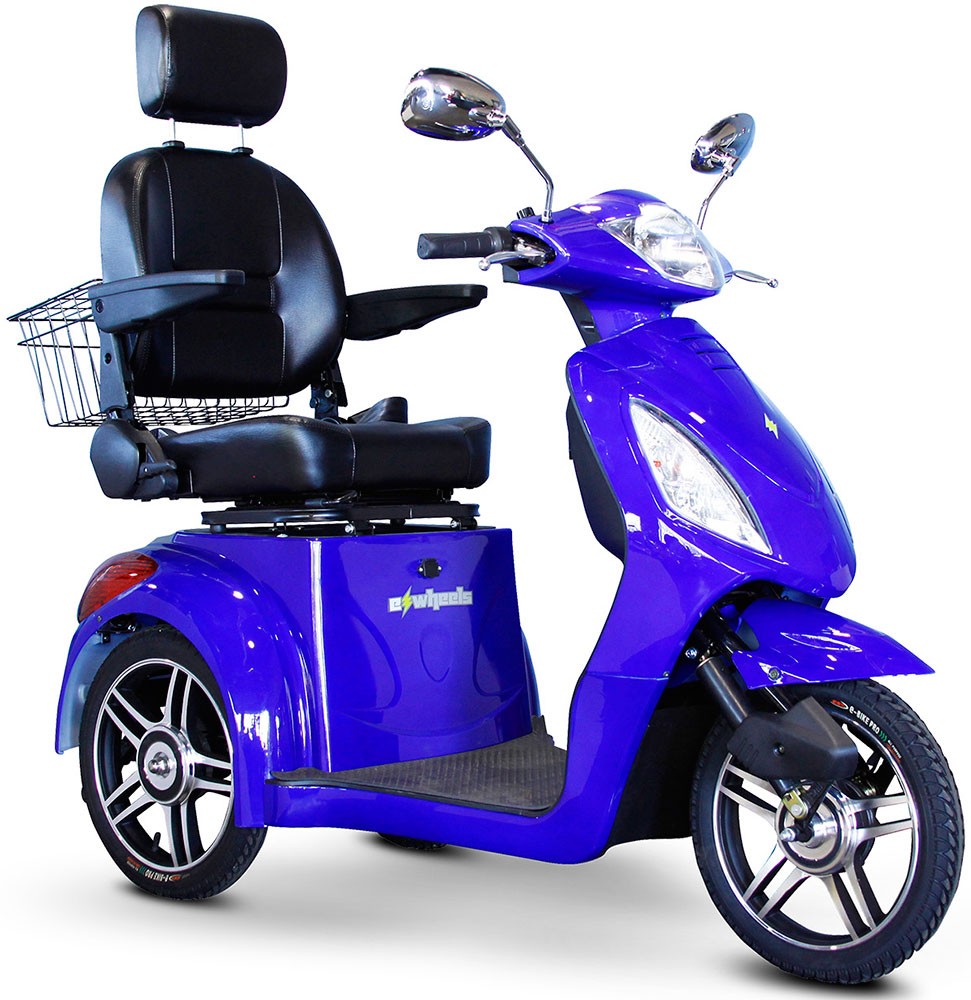
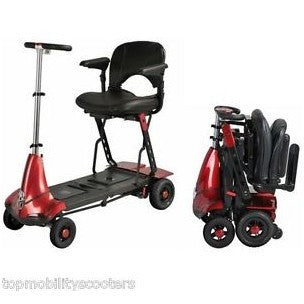
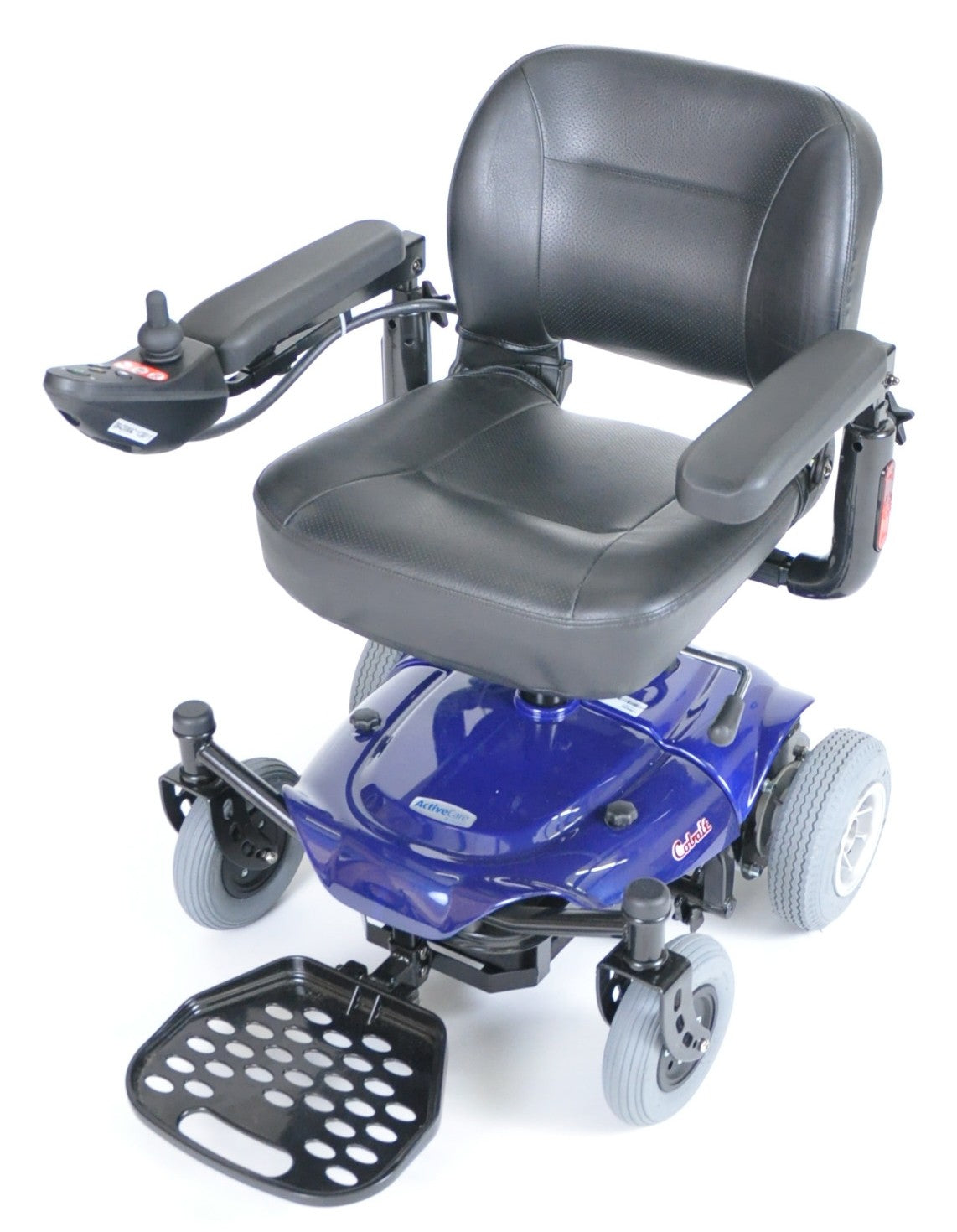
Portability: If you travel or need to transport your device in a car, folding scooters can be a strong option. Pay attention to the weight of individual components and how many steps disassembly requires. Some folding scooters break down into pieces under 30 lbs each.
Storage and doorways: Your device needs to fit through standard doorways, which typically provide a minimum of 24 inches of clearance. Measure your narrowest doorway before ordering.
Charging: Every device we carry charges overnight from a standard household outlet. No complex setup, no special wiring, and no extra burden on caregivers.
Our US-based product specialists can help you match a device to your specific home layout, doorway widths, and daily routine. A quick phone call can save hours of guesswork.
Medicare Coverage for Heart Failure Patients: What You Need to Know
Medicare Part B covers power wheelchairs and scooters as Durable Medical Equipment (DME) when they are medically necessary. Heart failure is a qualifying condition.
To qualify, you need:
- A face-to-face examination with your treating physician (not just a phone call or telehealth visit)
- A written prescription specifying the type of device
- Documentation of your NYHA classification and specific mobility limitations
- Physician notes explaining why a less complex device, such as a cane or walker, is insufficient for your needs
Medicare covers only one mobility device at a time for at-home use. Your physician's documentation must justify the specific device type (scooter or power wheelchair) based on your condition.
The most common reason for denial: insufficient documentation of in-home mobility need. The exam and prescription must specifically address how you function inside your home, not just outdoors or in clinical settings.
Work with a Medicare-enrolled DME supplier, and ask your cardiologist to document your exertional limitations explicitly. The more specific the notes, the smoother the approval process.
Moving Forward: Choosing Independence Over Limitation
Choosing a powered mobility device is an act of protecting your health. It breaks the deconditioning spiral that worsens heart failure outcomes and gets you back to the grocery store, the family gathering, and the front porch.
Research consistently links social isolation in cardiac patients to higher rehospitalization rates and increased mortality. A mobility scooter or power wheelchair restores your access to the people and places that keep you well.
Involve your cardiologist in the clinical decision, and lean on a knowledgeable DME specialist for the product side. You don't have to figure this out alone.
American Quality Health Products has served customers since 2001, with over 5,000 verified reviews and a Lowest Price Guarantee on every mobility device we carry. We offer free shipping on orders over $100 and 100% financing options. Our live, US-based product specialists are available six days a week by phone to answer your questions and help you find the right fit for your situation.
Call us or browse our selection online. We understand the specific needs of heart failure patients, and we're here to help you move forward with confidence.


