

Why Chair Weight Is a Health Decision, Not Just a Spec
Self-propelling a 36-pound steel-frame wheelchair day after day takes a real toll. Cumulative shoulder strain, chronic fatigue, and reduced daily range are common consequences, especially for seniors dealing with arthritis or rotator cuff issues. The chair you sit in shapes how far you go and how you feel when you get there.
Approximately 5.9 million Americans use manual wheelchairs, and the lightweight segment now holds the highest market share at 58.5%, driven by demand for easier self-propulsion. That trend makes sense when you consider that gait disorders affect over 60% of adults above age 80. Falls linked to gait problems cause 3 million emergency room visits and nearly $50 billion in healthcare costs annually in the U.S. The right self-propelled chair is a genuine independence tool, not a luxury.
That's why this Karman vs. Drive Medical comparison is really a health and endurance decision, not just a price or brand comparison. We'll look at two primary matchups: the Karman LT-980 and S-Ergo 115 against the Drive Medical Cruiser III and Blue Streak.
Karman Lightweight Wheelchairs: Built for the Active Self-Propeller
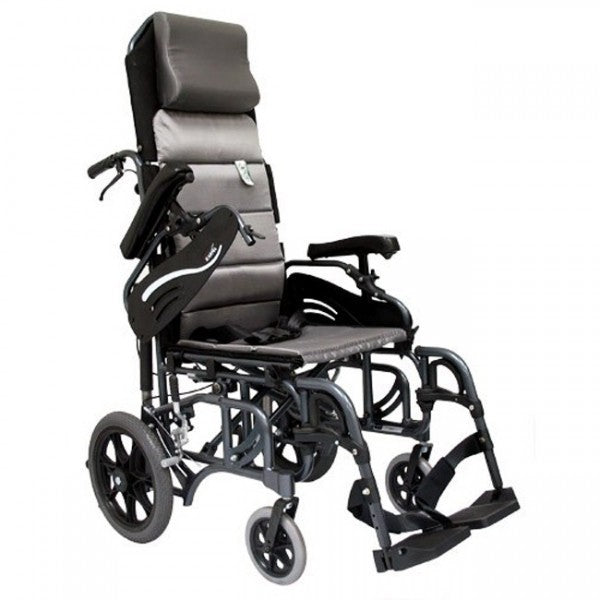
The Karman LT-980 is one of the lightest self-propelled manual wheelchairs available. Its aircraft-grade aluminum frame weighs just 13 pounds on its own, bringing the total chair weight to approximately 24 pounds. It features 22-inch rear wheels sized for user self-propulsion and supports up to 250 pounds. The Wheelchair Institute rates it 4.1 stars, calling it one of the most competitively priced entry-level ultralight chairs on the market.
Both the LT-980 and the S-Ergo 115 carry a K0003 Medicare classification. This matters because K0003 designates a lightweight self-propelled wheelchair, which can affect insurance reimbursement eligibility for qualifying seniors. If you're exploring Medicare coverage, always verify eligibility with your specific provider.
The Karman S-Ergo 115 weighs 25 pounds and features a globally patented S-Shape seating system designed to reduce pressure ulcer and scoliosis risk. It comes with AEGIS antimicrobial-treated upholstery, ergonomic hand-rims for easier propulsion, and is available in 16", 18", and 20" seat widths. The S-Ergo series is patented in over 22 countries and has won Taiwan Design Excellence awards, reflecting serious engineering behind the ergonomic claims.
For users who want maximum customization, the Karman Flexx offers 25 different rear wheel position adjustments to optimize center of gravity. This level of fine-tuning is absent from all Drive Medical lightweight models and can make a meaningful difference for outdoor use or varied terrain.
Karman's ultralight lineup does have real trade-offs worth knowing. The LT-980's armrests can interfere with hand-rim access during propulsion, which is frustrating for active self-propellers. Neither the LT-980 nor the S-Ergo 115 includes rear caregiver handbrakes, so if you occasionally need someone to push you, that's a gap. The 250-pound weight capacity ceiling across Karman's ultralight models is also a hard limitation for heavier users.
Drive Medical Wheelchairs: Wider Reach, Heavier Frame
Drive Medical was founded in 2000 and has built a dominant presence in hospital discharge and institutional settings. Many seniors arrive home from a hospital stay already sitting in a Drive Medical chair. That widespread availability is both a strength and a reason to ask whether it's truly the best fit for active home use.
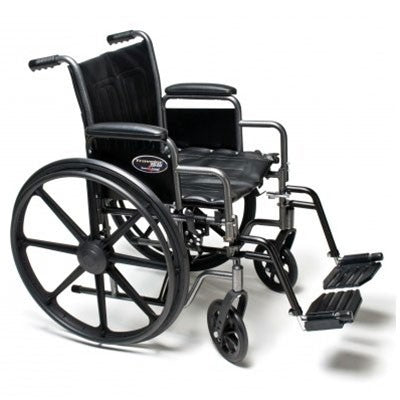
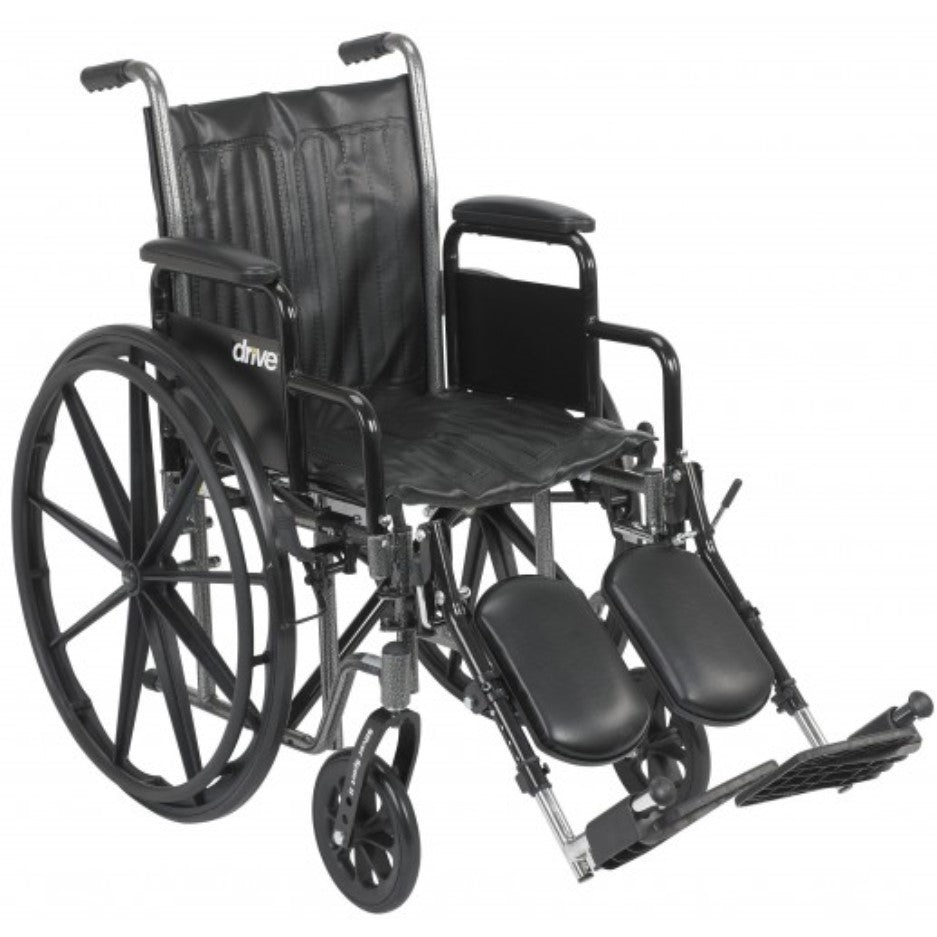
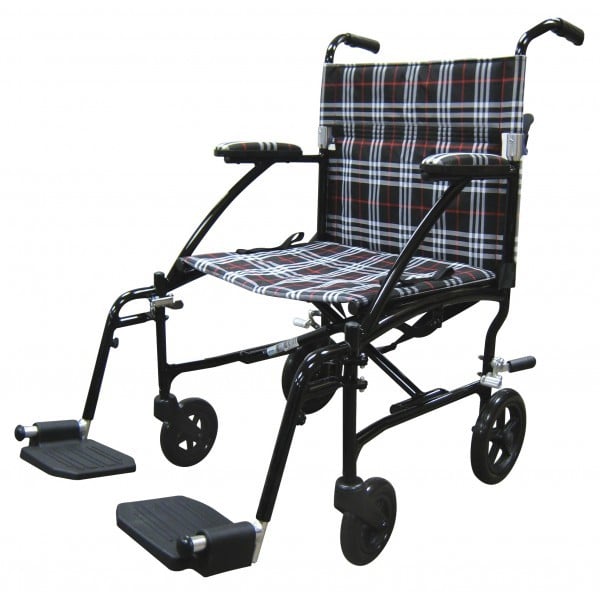
The Drive Medical Cruiser III uses a carbon steel frame, weighs under 36 pounds (excluding front riggings), and supports up to 300 pounds. Its standout feature is a dual-axle system that allows hemi-height seat adjustment, lowering the seat so users can propel with their feet. This is a practical, underappreciated option for seniors with limited upper-body strength or one-sided weakness. Foot propulsion is a legitimate self-propulsion method, and the Cruiser III is one of the most accessible chairs that supports it. Available in 16", 18", and 20" seat widths.
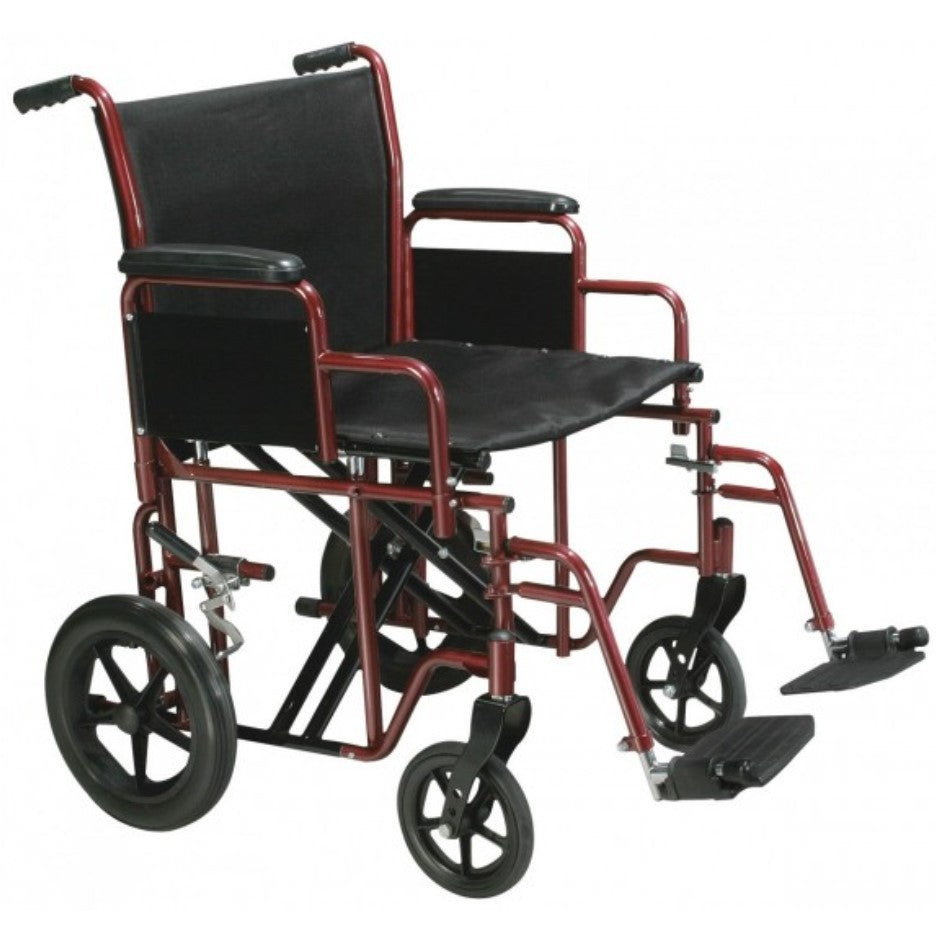
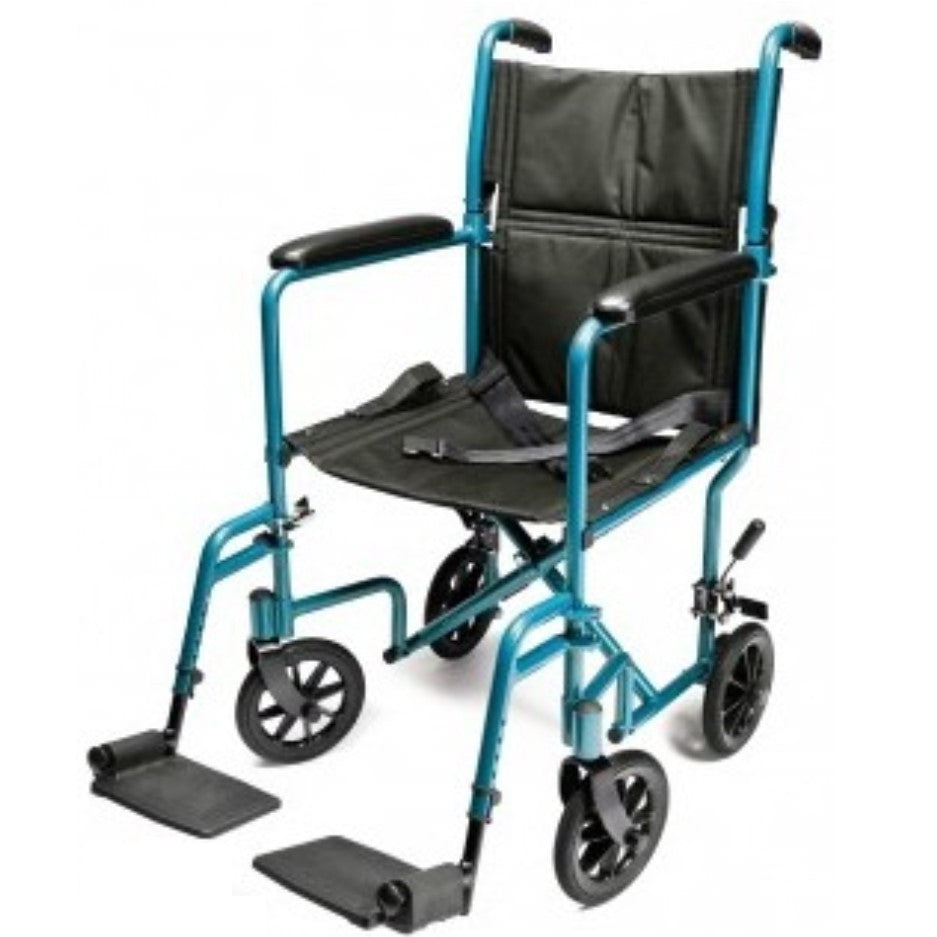
The Drive Medical Blue Streak is a budget-friendly steel-frame option and a consistent bestseller on major retail platforms. It has accumulated over 948 reviews on Walmart with a 4.3-star rating, offering strong real-world validation for cost-conscious buyers.
For heavier seniors, the Drive Medical Silver Sport 2 weighs approximately 40 pounds but scales its weight capacity from 250 pounds (16" seat) up to 350 pounds (20" seat). No Karman ultralight model covers this range, making it the better fit for larger users who still want to self-propel. The Silver Sport 1 has earned over 1,463 reviews at 4.5 stars, further confirming Drive Medical's reliability.
The honest downside: Drive Medical's steel frames add meaningful weight compared to Karman's aluminum construction. That extra weight compounds fatigue over daily use, particularly for seniors who rely on arm-powered propulsion.
Head-to-Head: Which Brand Wins on Key Self-Propulsion Factors?
Weight: The Karman LT-980 at 24 pounds vs. the Drive Medical Cruiser III at under 36 pounds. That's a 12-plus-pound difference. For a senior self-propelling through a grocery store, a park, or around the house all day, those extra pounds translate directly into shoulder fatigue and reduced range. Karman wins clearly here.
Weight Capacity: The Cruiser III supports 300 pounds, and the Silver Sport 2 scales to 350 pounds. Karman's ultralight models cap at 250 pounds. If you weigh over 250 pounds, Drive Medical is your practical choice.
Ergonomics and Pressure Injury Prevention: Karman's patented S-Shape seating system on the S-Ergo 115 is designed to address pressure ulcer risk for seniors seated for extended periods. This is a clinically meaningful advantage. Drive Medical's standard sling upholstery does not offer a comparable feature.
Foot Propulsion: The Cruiser III's dual-axle hemi-height adjustment enables foot propelling, a genuine advantage for seniors with limited arm strength. Karman's ultralight models do not offer this option.
Terrain and Outdoor Use: Karman's lighter aluminum frame and the Flexx model's adjustable wheel positioning give it an edge on sidewalks and in parks. Drive Medical's heavier steel frames provide more stability on uneven surfaces but are harder to self-propel over distance.
Caregiver Compatibility: Drive Medical models generally include rear caregiver handbrakes. The Karman LT-980 does not. If you split time between self-propelling and caregiver-assisted transport, this is a relevant consideration.
Insurance and Medicare: Both the Karman LT-980 and Drive Medical Cruiser III qualify as K0003 lightweight self-propelled chairs, making both potentially eligible for Medicare reimbursement. Always verify eligibility with your provider before purchasing.
Which Chair Is Right for You? A Practical Decision Guide
Choose the Karman LT-980 or S-Ergo 115 if:
- You weigh under 250 pounds
- You prioritize shoulder health and long-distance self-propulsion
- You spend extended time seated and want pressure-ulcer protection (S-Ergo 115)
- You plan to travel and need a chair that fits easily in a car trunk
Choose the Drive Medical Cruiser III if:
- You weigh between 250 and 300 pounds
- You have limited upper-body strength and benefit from foot propulsion
- You want a widely available chair with strong institutional backing
- You need rear caregiver handbrakes for occasional assisted transport
Choose the Drive Medical Silver Sport 2 if you weigh between 300 and 350 pounds and still want to self-propel. No Karman ultralight model covers this weight range.
If you received a Drive Medical chair at hospital discharge and are now more active at home, a Karman ultralight upgrade may meaningfully reduce daily fatigue, but only if your body weight and propulsion style align with Karman's specifications.
American Quality Health Products carries both Karman and Drive Medical self-propelled models. Our live US-based product specialists are available 6 days a week by phone to help match the right chair to your specific weight, lifestyle, and insurance situation. Every mobility product is backed by our Lowest Price Guarantee.
The Bottom Line: Independence Starts With the Right Chair
Karman wins on weight and ergonomics for lighter, active seniors who prioritize shoulder health and long-distance self-propulsion. Drive Medical wins on weight capacity, foot-propulsion flexibility, and caregiver compatibility. Neither brand is universally better. The right choice depends on your body weight, upper-body strength, terrain needs, and whether occasional caregiver assistance is part of your routine.
Choosing the right self-propelled wheelchair is an act of preserving independence, not just solving a mobility problem. If you're unsure which direction to go, call or contact American Quality Health Products for personalized guidance. With over 25 years of experience, 5,000+ verified customer reviews, and free shipping on orders over $100, we're here to help you move forward with confidence.


